
When it comes to hitting the open road, few vehicles strike the perfect balance between comfort, space, and capability like midsize SUVs. These versatile machines are designed to carry families, friends, and all the gear that makes a great road trip possible without compromising on style or driving enjoyment.
From rugged all-terrain performers to refined hybrids that prioritize fuel efficiency, the midsize SUV segment offers something for every kind of traveler. In this list of “10 Midsize SUVs That Are Perfect for Road Trips,” we highlight the best models that combine comfort, cargo versatility, technology, and reliability.
Whether you are planning a cross-country journey or a weekend escape, these SUVs deliver the ideal mix of performance and practicality. Leading the pack is the Subaru Outback, a wagon that thinks it is an SUV, blending everyday comfort with genuine off-road confidence for the ultimate road trip companion.
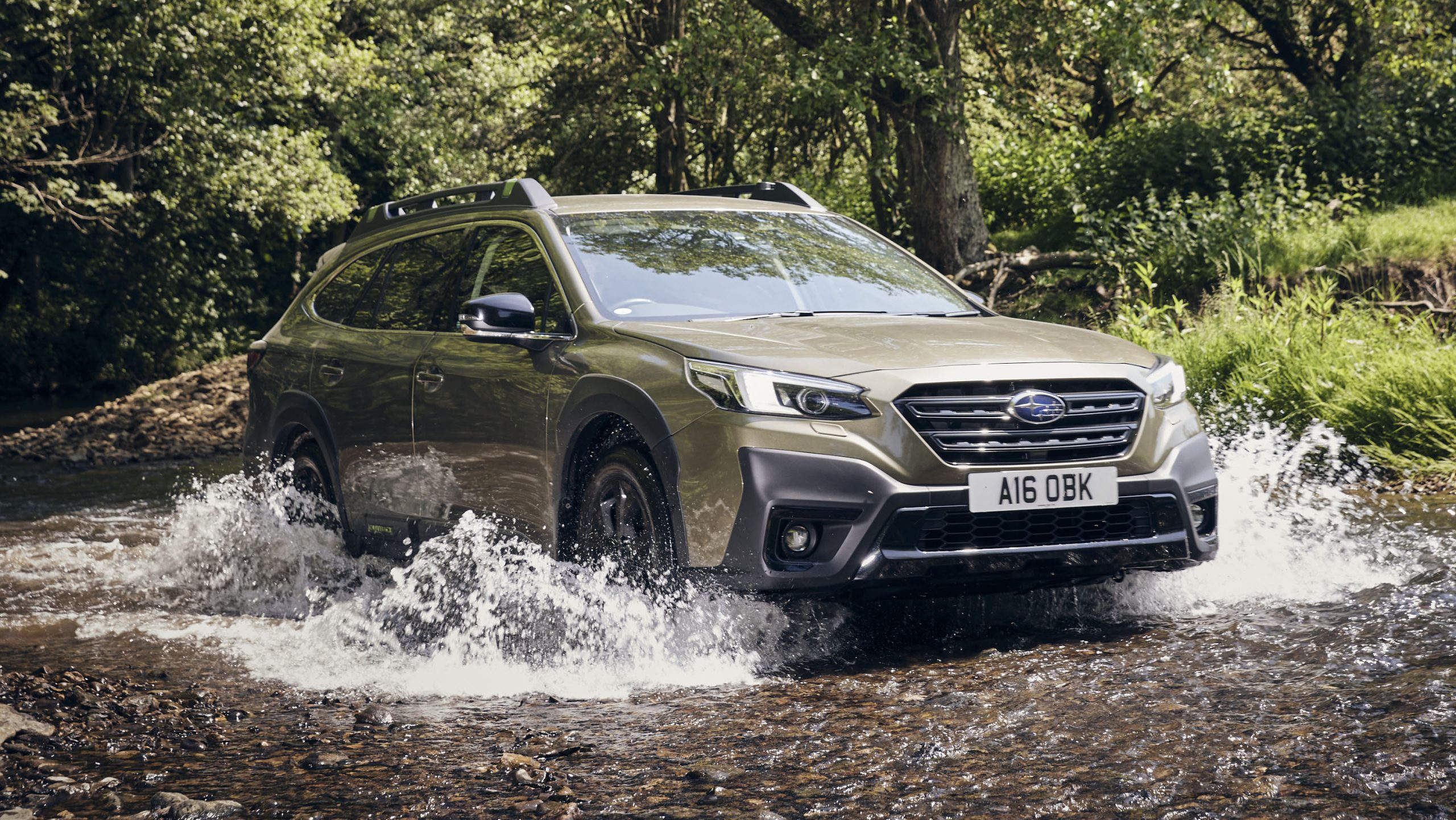
1. Subaru Outback: The Wagon That Thinks It’s an SUV
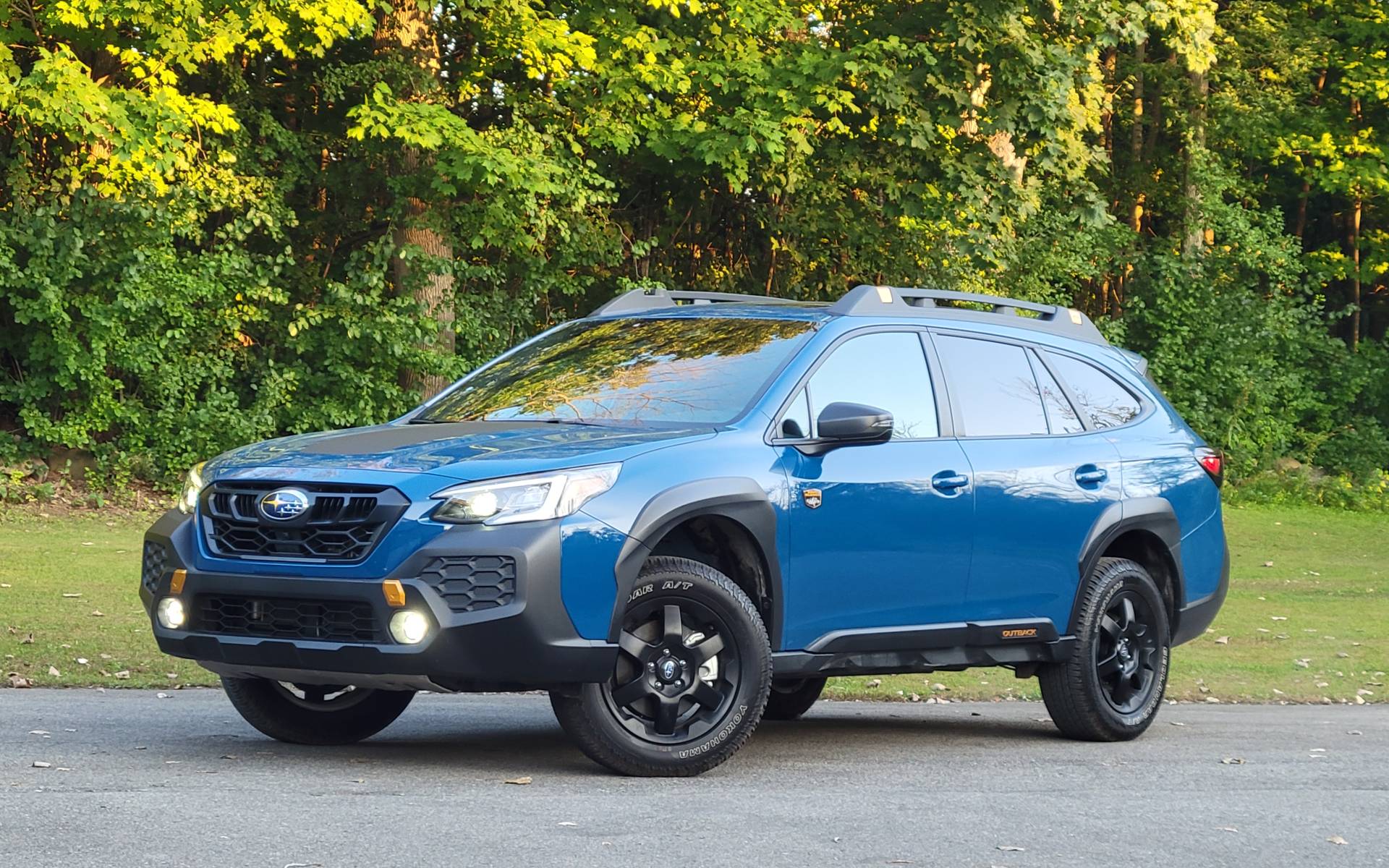
Earning an impressive score of 8.8 out of 10, the Subaru Outback redefines what a midsize SUV can be, even though it remains technically a station wagon. With 8.7 inches of ground clearance, standard all-wheel drive, and durable exterior cladding, it blends car-like comfort with SUV capability. Subaru classifies it as a midsize SUV, and considering the lack of affordable, rugged wagons on the market, this label makes sense.
The Outback’s top ranking is a result of thoughtful design and engineering. It delivers a unique mix of refinement, practicality, and off-road potential. With the redesigned 2026 model expected to feature a more SUV-like profile, the Outback continues to evolve while maintaining the balance that has made it a favorite among adventure-minded drivers.
The optional turbocharged engine transforms the Outback into a surprisingly quick performer, reaching 60 mph in 6.5 seconds. This makes it much livelier than the base engine and ideal for highway driving or overtaking. Handling, however, reveals the Outback’s wagon roots. There is noticeable body roll in corners and slow steering response, requiring more input during tight turns or parking.
Off-road ability remains a highlight. The Outback’s high ground clearance and standard all-wheel drive give it the ability to handle gravel roads, mud, and snow with ease. Its safety suite is comprehensive, but the systems can be overactive. Lane keeping assist and automatic emergency braking sometimes intervene unnecessarily, which can frustrate drivers despite the car’s strong safety focus.
Ride comfort is one of the Outback’s strongest qualities. The suspension absorbs potholes and rough surfaces easily, keeping the cabin composed and quiet. The interior is spacious, offering ample legroom and adjustability for both front and rear occupants. The seats are soft yet supportive, making them ideal for long trips.
Heated seats and a heated steering wheel work effectively, though the ventilated seats could perform better. The main drawback is that many comfort controls are buried in the slow touchscreen interface, which makes quick adjustments inconvenient. Despite this, the Outback’s comfort levels and ride quality stand out in its class.
Subaru’s infotainment system focuses on minimalism but suffers from sluggish performance. The touchscreen is slow to respond, has a low-resolution display, and requires multiple steps to access basic settings. Apple CarPlay and Android Auto connectivity can be laggy and occasionally disconnect.
However, the sound system provides good audio quality, and there are multiple USB ports for charging devices. Physical knobs for volume and tuning remain, offering a practical touch in a cabin otherwise dominated by screen controls.
The Outback’s low, flat cargo floor makes loading items simple, even if total cargo space is slightly below that of larger SUVs. Roof rails are easy to reach due to the vehicle’s moderate height, and cabin storage solutions are clever but compact. Installing child seats is easy thanks to wide openings and accessible anchors.
In terms of value, the Outback delivers impressive capability for the price. The base model offers strong practicality, while turbocharged trims add power without becoming overly expensive. Build quality is solid, and fuel economy is efficient at an EPA-estimated 25 mpg combined, which matches real-world results.
The Subaru Outback remains one of the most versatile and recognizable vehicles on the road. It combines the comfort and efficiency of a car with the ruggedness and utility of an SUV.
While its tech interface and safety features could use refinement, the Outback’s balance of comfort, durability, and affordability makes it an ideal choice for adventurous drivers. Its score of 8.8 out of 10 reflects its ability to perform nearly every task well, proving that a wagon can indeed stand tall among SUVs.
The Subaru Outback is the perfect mix of practicality and adventure, offering SUV strength with car-like comfort in a smart, well-rounded package.
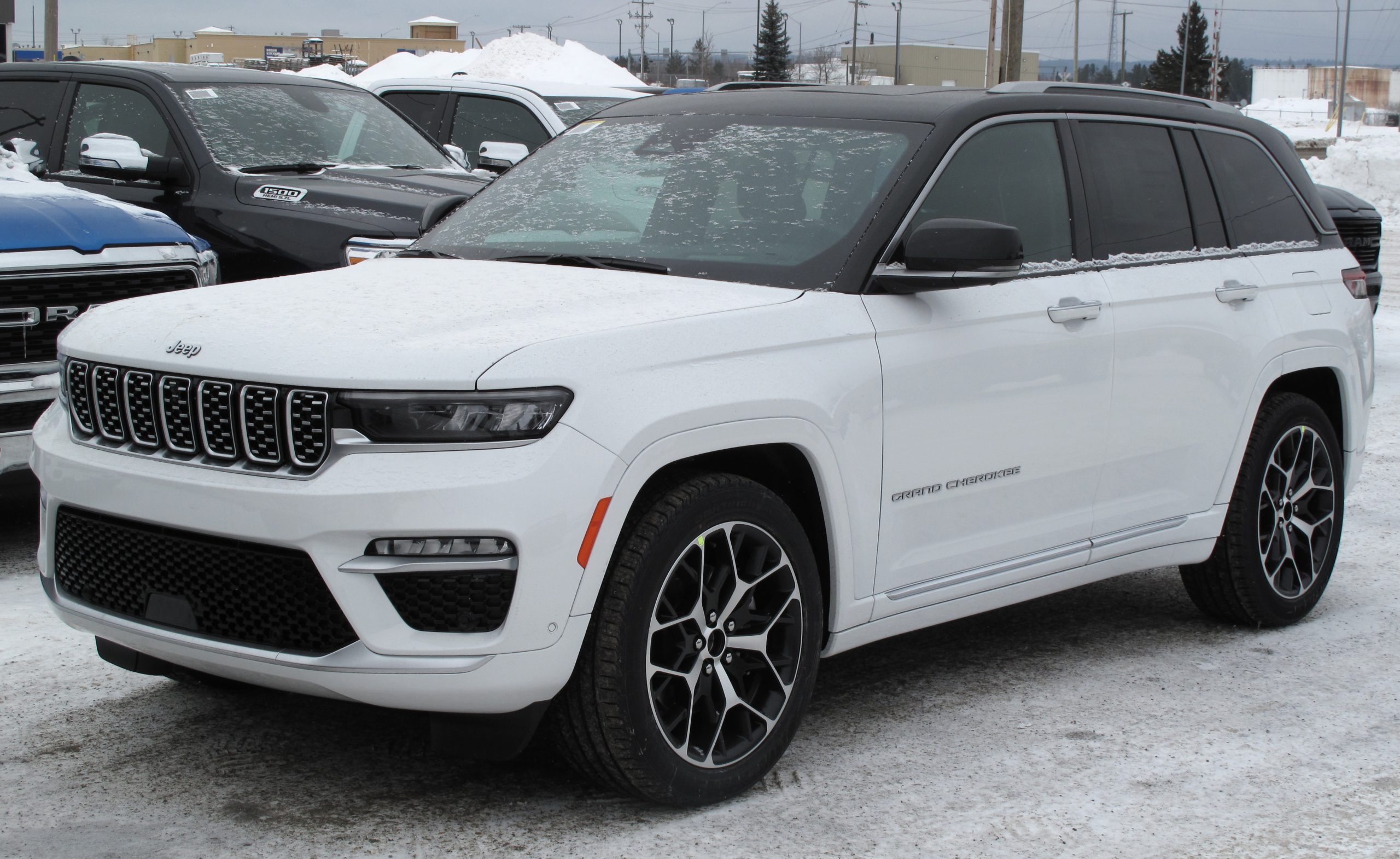
2. Jeep Grand Cherokee: The Modern Adventure Icon
The Jeep Grand Cherokee, scoring 8.7 out of 10, remains one of the most respected and versatile midsize SUVs on the market. Since its introduction alongside early rivals like the Ford Explorer, the Grand Cherokee has evolved into a premium SUV that balances off-road capability with refined on-road comfort. Its design is bold yet elegant, and the well-crafted interior gives it a near-luxury appeal, appealing to both adventurers and everyday drivers.
Buyers can tailor the Grand Cherokee to fit a range of needs. The lineup includes rear-wheel-drive base models, off-road-ready Trailhawk trims, and luxury-focused Overland and Summit versions.
Families can opt for the three-row Grand Cherokee L, while those seeking efficiency can choose the 4xe plug-in hybrid, which offers 26 miles of electric range and strong performance from a turbocharged four-cylinder engine. Although the standard V6 feels dated and the V8 has been discontinued, the Grand Cherokee continues to shine for its adaptability and all-around capability.
The Grand Cherokee’s 3.6-liter V6 engine delivers dependable performance, achieving 0 to 60 mph in about 8 seconds. It feels smooth and confident in daily driving, but lacks the punch of newer competitors. The 4xe hybrid model is quicker and adds instant torque, making it the more engaging option.
On pavement, the SUV provides precise steering, firm braking, and a stable ride. While it is not designed for sporty driving, its balance and control make it pleasant to maneuver. Off-road performance is a highlight, with available four-wheel-drive systems, high ground clearance, and adjustable suspension that allow the Grand Cherokee to conquer terrain few rivals can handle.
Inside, the Grand Cherokee aims to deliver a luxurious yet practical cabin. The seats are comfortable and supportive, though a bit firm for long trips. The optional air suspension smooths out most road imperfections but can feel stiff over uneven surfaces. Rear-seat space is slightly tighter than in some competitors, yet available heated and ventilated rear seats add comfort for passengers.
The interior remains quiet at highway speeds, and the climate control system works effectively. Physical controls are a welcome feature, but their small size and low placement on the dashboard make them somewhat difficult to reach while driving.
The Uconnect 5 infotainment system is one of the best in its class. It offers crisp graphics, quick responses, and clear navigation. The optional 19-speaker McIntosh audio system delivers rich, detailed sound for an upscale experience. Apple CarPlay and Android Auto are standard, and the cabin includes eight USB ports to keep all devices charged.
Cargo capacity measures 37.7 cubic feet behind the second row, which is average for the segment. The flat-folding rear seats expand storage flexibility, but the high cargo floor and narrow hatch opening reduce vertical space. Smaller storage areas, including deep door pockets and a large center console, add convenience. The 6,200-pound towing capacity ranks among the best in the class.
Pricing begins competitively, though higher trims can become expensive once luxury features are added. Build quality is solid but not flawless, as some materials feel less refined in the upper trims. Jeep’s warranty coverage includes three years or 36,000 miles of basic protection and five years or 60,000 miles for the powertrain.
The Jeep Grand Cherokee successfully blends heritage, capability, and sophistication. Its striking design, confident handling, and advanced technology make it a strong contender in the midsize SUV segment.
Although the ride can feel firm and the standard V6 lacks vigor, the Grand Cherokee remains a top choice for drivers seeking style, comfort, and authentic off-road performance. Its 8.7 out of 10 rating reflects its enduring appeal as a modern SUV that embodies both adventure and refinement.
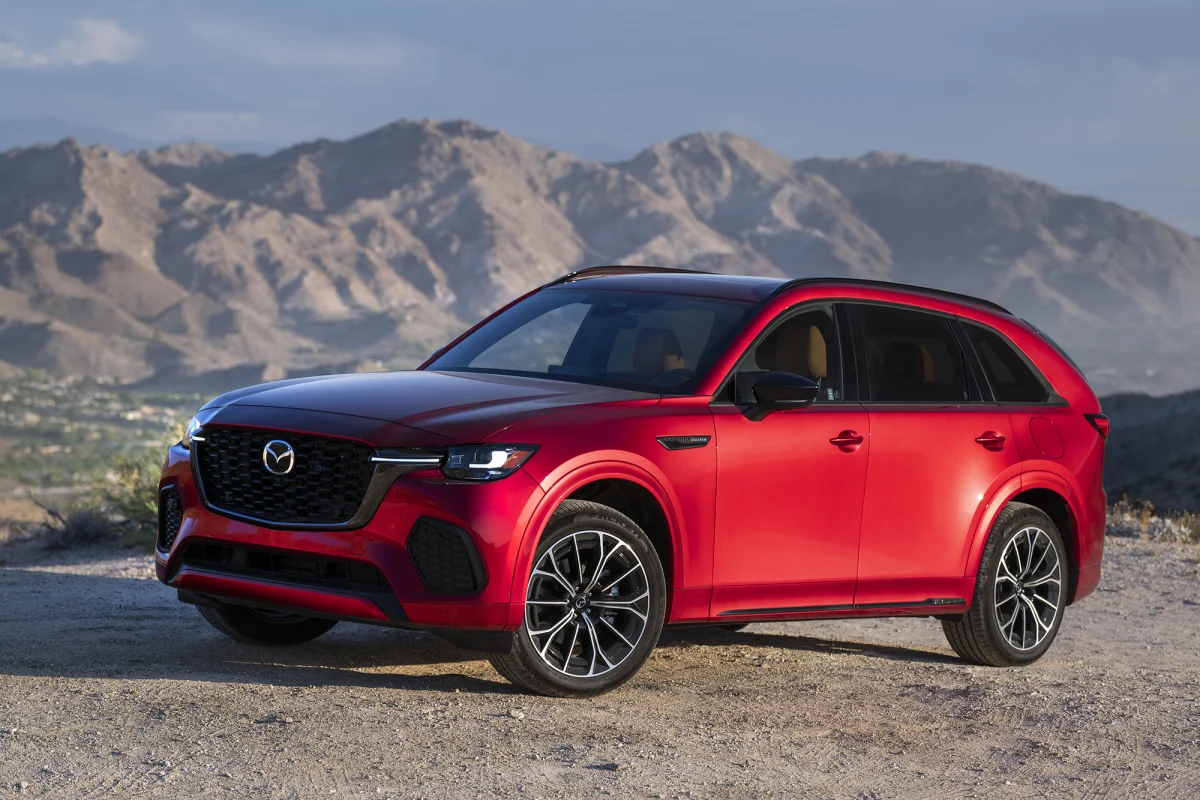
3. Mazda CX-70: The Driver’s Midsize SUV
With a strong score of 8.7 out of 10, the Mazda CX-70 blends performance, elegance, and practicality in a way few midsize SUVs manage. Although it shares nearly everything with the larger CX-90, the CX-70 skips the third row to provide generous two-row seating and a large, permanent cargo area. The result is a well-balanced SUV that emphasizes driving enjoyment and refinement without losing utility.
Two powertrains are available: a turbocharged inline-six and a plug-in hybrid four-cylinder. The inline-six stands out for its smooth acceleration and refined sound, while the plug-in hybrid impresses with its electric-only capability but falls short in efficiency and powertrain smoothness. Regardless of setup, the CX-70 reflects Mazda’s focus on creating vehicles that combine driving engagement with upscale comfort.
The CX-70 is among the most dynamic SUVs in its class. Steering is precise and nicely weighted, providing excellent feedback and making the driver feel connected to the road. The Turbo S variant delivers 340 horsepower and accelerates from 0 to 60 mph in 6.9 seconds, which is quicker than most rivals. The transmission shifts smoothly, though some testers noted that the transition from first to second gear can be slightly jerky.
Mazda engineered the CX-70 for drivers who enjoy a spirited feel behind the wheel. It corners with balance and composure, though the suspension is firmer than most competitors, resulting in a bumpier ride on uneven roads. Standard advanced safety features such as adaptive cruise control, lane keeping assistance, and blind-spot monitoring perform effectively, providing an added sense of confidence and security.
Inside, the CX-70 has a cockpit-inspired design that prioritizes the driver while keeping passenger comfort in mind. The front seats are supportive and well-contoured for different body types, though they may feel a bit firm on longer drives.
The driving position offers great visibility and easy access to controls. The climate control system maintains temperature consistently, but is slow to increase fan speed when cooling the cabin on hot days.
Rear-seat space is adequate but not as generous as the SUV’s size might suggest. It feels closer to a roomy compact SUV than a full midsize competitor such as the Honda Passport.
The wide center console narrows front cabin space slightly, and the lower dash edge near the doors can brush knees when entering or exiting. Installing child seats is easy thanks to exposed LATCH anchors, though the limited legroom may require moving the front seats forward.
Mazda’s infotainment system features a clean design but relies on a rotary control knob instead of a touchscreen. The knob feels premium and precise, though some drivers prefer touch-based operation. Touch functionality is available only when parked and using Apple CarPlay or Android Auto. The available 12-speaker Bose audio system provides clear sound but benefits from fine-tuning for optimal clarity.
The CX-70’s two-row configuration provides 39.6 cubic feet of cargo space, one of the best in its class. The load floor is flat and unobstructed, making it practical for hauling large items. Interior storage is more limited, with smaller cupholders and narrow bins. However, the materials and craftsmanship are excellent, with soft leather, detailed stitching, and refined finishes that rival luxury SUVs.
The CX-70 is priced higher than many competitors, but its blend of style, comfort, and performance justifies the cost. Even when compared to luxury models, it feels competitive. Fuel economy stands at 25 mpg combined with the turbo-six engine, which is impressive given its high output. The plug-in hybrid version provides only slight efficiency gains, making the standard engine the better choice for most drivers.
What sets the Mazda CX-70 apart is the emotional connection it creates between driver and machine. While many midsize SUVs focus solely on practicality, Mazda builds vehicles that are fun to drive. The turbocharged engine delivers strong power, and the suspension keeps the vehicle composed in corners without discomforting passengers.
The CX-70 combines elegance, athleticism, and substance in one package. With its refined handling, striking design, and premium interior, it feels like a luxury SUV wearing a mainstream badge. Its 8.7 out of 10 score reflects Mazda’s success in crafting an SUV that excites the driver while meeting the needs of everyday life.
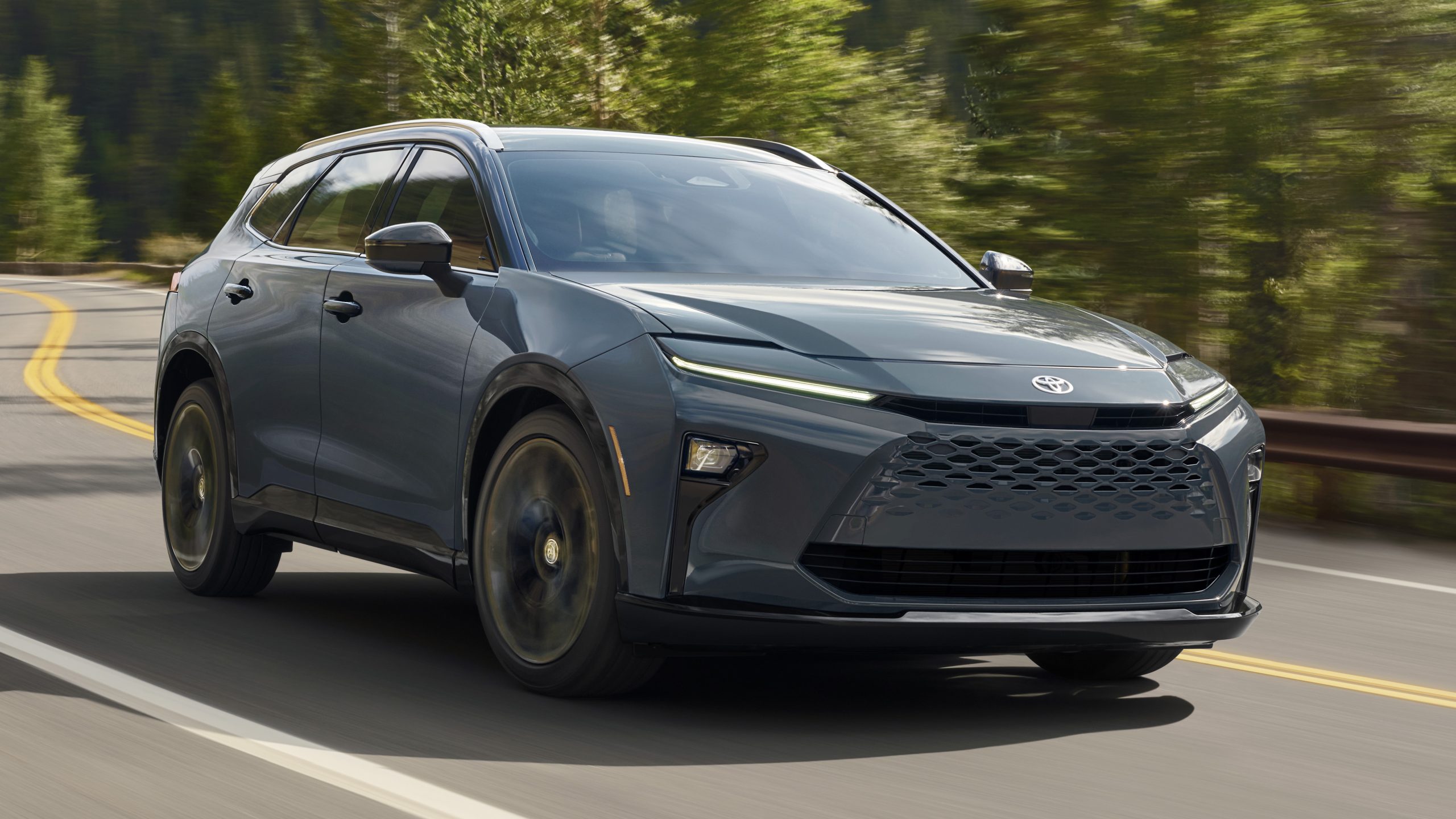
4. Toyota Crown Signia: The Premium Hybrid Contender
The Toyota Crown Signia, rated 8.6 out of 10, redefines the midsize SUV class with its blend of elegance, efficiency, and refinement. Reviving the Crown nameplate, Toyota positions the Signia as a two-row luxury hybrid SUV that bridges the space between mainstream Toyota models and entry-level Lexus vehicles.
With its sleek, coupe-like design, the Signia offers a sophisticated alternative to traditional SUVs while maintaining a strong sense of presence and practicality.
Every variant of the Crown Signia features a hybrid powertrain that balances performance with fuel efficiency. Though the engine can sound slightly strained during heavy acceleration, its smooth and composed delivery suits daily driving. Cargo capacity is smaller than some rivals, but the Signia makes up for it with a spacious, high-quality cabin and refined ride comfort.
The Signia focuses on serenity and stability rather than sportiness. Its hybrid setup produces enough power to reach 60 mph in 7.8 seconds, which is competitive for its class. The light yet precise steering and well-tuned suspension create a confident and comfortable driving experience on both highways and city streets. The ride remains smooth and well-controlled, absorbing imperfections with ease.
While not designed for aggressive cornering, the Signia handles predictably and remains steady through turns. Braking is smooth and natural, with a well-blended transition between regenerative and traditional systems. Toyota includes a full suite of standard safety and driver-assistance features, such as adaptive cruise control and lane keeping assistance, making the SUV reassuringly safe and easy to drive.
Inside, the Signia impresses with premium materials and exceptional comfort. The front seats are supportive and plush, ideal for long trips, and the rear seats provide generous space, though taller adults may find headroom a bit limited. The cabin stays quiet and composed, with minimal engine or road noise. The climate system is efficient and easy to use, featuring rear vents for passenger comfort.
A 12.3-inch touchscreen dominates the dashboard, offering quick responses and clear graphics. Wireless Apple CarPlay and Android Auto, USB-C ports, and a wireless charging pad come standard.
The Crown Signia offers 25.8 cubic feet of cargo space behind the rear seats and 68.8 cubic feet when folded. Storage options include a deep center console and large door pockets. With 38 mpg combined, it ranks among the most fuel-efficient midsize SUVs.
Standard luxury features, extended hybrid coverage, and Toyota’s solid reliability make the Crown Signia a standout choice for drivers seeking a balance of efficiency, comfort, and upscale design.
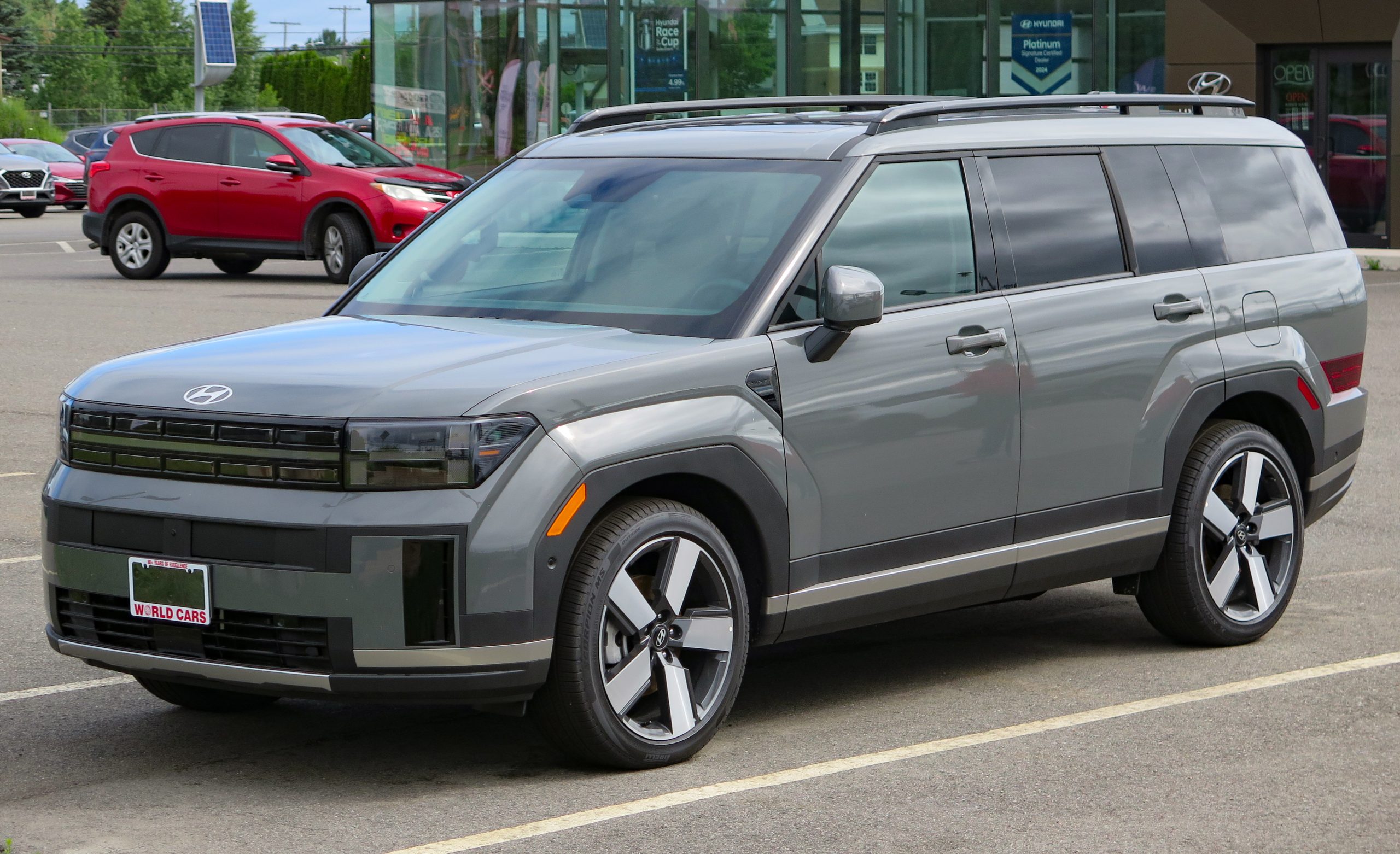
5. Hyundai Santa Fe: The Bold and Versatile Family SUV
The 2024 Hyundai Santa Fe, rated 8.4 out of 10, combines striking design with family-friendly practicality. Its bold, boxy shape gives it a rugged, truck-inspired look, especially in the XRT trim, which adds all-terrain tires and a raised suspension for an adventurous touch.
Inside, Hyundai’s latest design language shines through with high-quality materials, thoughtful details, and advanced technology that create a premium feel at an accessible price.
Buyers can choose between two engines. The 277-horsepower turbocharged gas engine provides strong performance paired with a quick-shifting dual-clutch transmission. There is a brief pause in power delivery due to turbo lag, but acceleration remains satisfying once the boost kicks in.
The hybrid version prioritizes smoothness and fuel efficiency, taking about 10 seconds to reach 60 mph. It offers quieter operation and a more relaxed driving experience, appealing to those who value comfort and economy.
The Santa Fe feels composed and stable on the road. The turbocharged XRT model accelerates to 60 mph in 7.2 seconds, putting it among the quicker vehicles in its class. The dual-clutch transmission delivers smooth and consistent shifts, while the steering feels confident and well-weighted.
Handling is predictable, and body control through corners is reassuring. The XRT’s raised ride height and all-terrain tires allow light off-road exploration without sacrificing on-road refinement.
Braking performance is steady, though stopping distances are slightly longer because of the off-road tires. Ride comfort remains excellent, with the suspension absorbing bumps effectively. The cabin stays quiet at highway speeds, and wind noise is minimal. Inside, the Santa Fe provides generous space for passengers.
The front and second-row seats are supportive and comfortable for long trips, while the third row works best for children or short journeys. The tall driving position enhances visibility, and wide doors make entry and exit easy.
The 12.3-inch touchscreen features sharp graphics and quick response times. Wireless Apple CarPlay and Android Auto are standard, and a wireless charging pad is available. Hyundai’s Highway Driving Assist system maintains lane position and adapts speed during highway driving, offering convenience and safety.
Cargo capacity is a standout feature, offering 14.6 cubic feet behind the third row, 40.5 cubic feet with it folded, and almost 80 cubic feet with both rows down. Storage bins and a wide tailgate make loading simple. The turbo engine averages 22 mpg combined, while the hybrid version is more efficient. Hyundai’s exceptional warranty adds long-term confidence.
The 2024 Hyundai Santa Fe blends bold styling, advanced technology, and everyday usability, making it a strong and versatile choice for modern families.
Also Read: 10 Cars That Offer Raw Fun Without Tech Overload
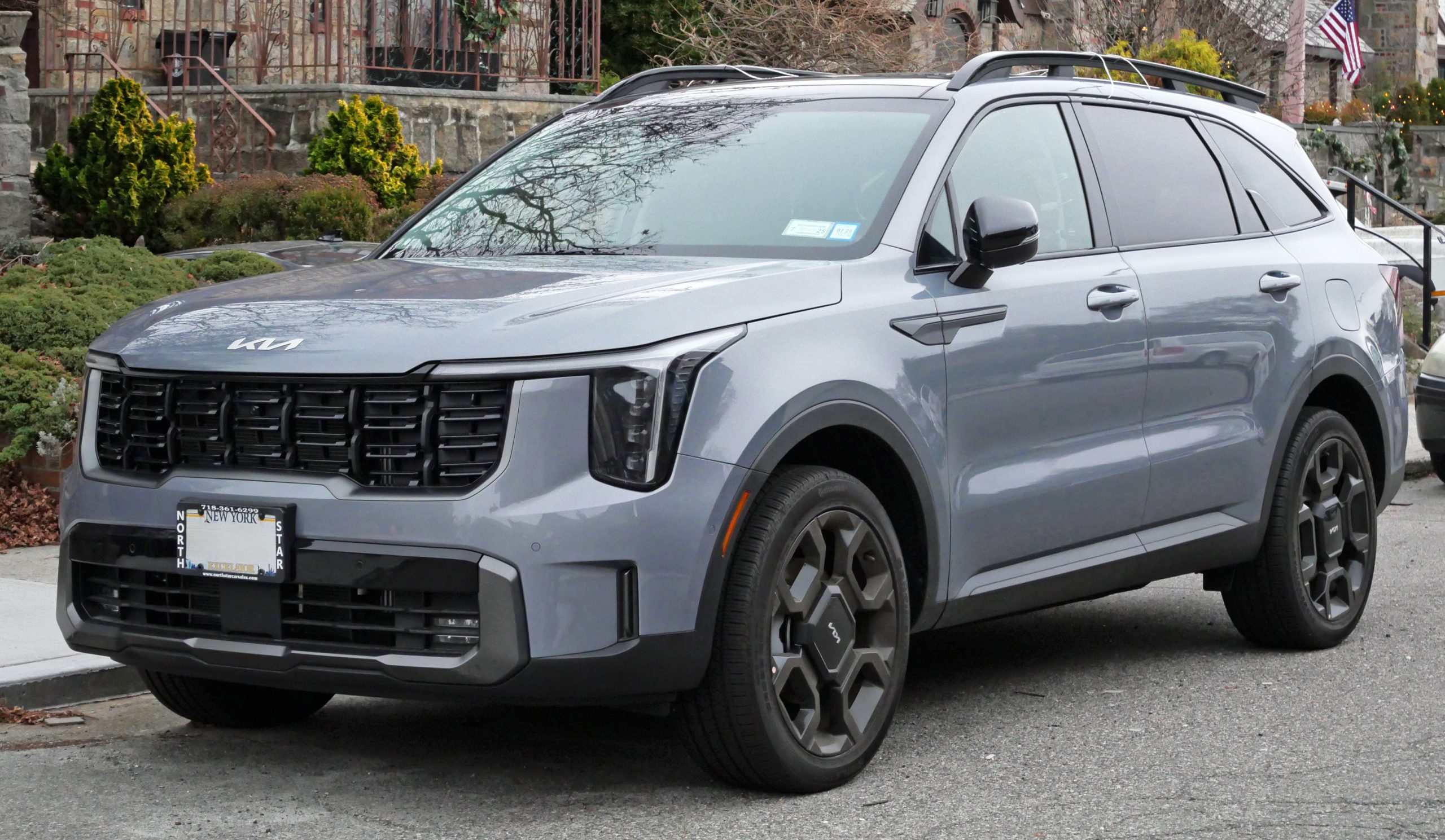
6. Kia Sorento: The Versatile and Well-Rounded Midsize SUV
The Kia Sorento earns a strong 8.4/10 for its versatility, refinement, and value. Though sized like a traditional two-row SUV, it offers an optional third row, making it one of the most flexible vehicles in its class. Buyers can choose from multiple powertrains, including two gasoline engines, a hybrid, and a plug-in hybrid, ensuring there’s a Sorento for every driving style and budget.
The recent styling update introduced a rugged X-Pro off-road trim with beefier tires, lockable all-wheel drive, and enhanced ride comfort, proving that toughness and daily usability can coexist.
The turbocharged engine delivers impressive acceleration, reaching 60 mph in just 6.7 seconds. It’s quicker than most rivals, including the Honda Passport and Volkswagen Tiguan. The Sorento’s brakes feel confident and balanced, stopping in a class-leading 121 feet from 60 mph. Handling inspires confidence, though steering precision could be sharper.
The Sorento excels in interior comfort, with supportive front seats that feature heating and ventilation, as well as second-row captain’s chairs that rival larger SUVs in support. Even the third-row seats can accommodate adults for short trips. Ride comfort is good, though 20-inch wheels can introduce some harshness over bumps.
Cabin noise remains minimal at highway speeds. Inside, the Sorento feels roomy and practical, offering more legroom in the second row than many two-row competitors. Visibility is excellent, and entry and exit are effortless.
A 12.3-inch touchscreen comes standard, offering wireless Apple CarPlay and Android Auto, USB-C ports across all rows, and an available wireless charger. The interface is intuitive and quick to respond. Kia’s advanced driver-assistance systems, including automatic lane changing and a surround-view camera, operate seamlessly without false alerts.
Cargo space measures 12.6 cubic feet behind the third row and expands to up to 45 cubic feet with the second row folded. Thoughtful interior storage solutions enhance practicality, while towing capacity ranges from 3,500 to 4,500 pounds, depending on configuration.
The turbocharged all-wheel-drive Sorento returns 24 mpg combined, surpassing several rivals in real-world testing. With excellent build quality, rich standard features, and Kia’s industry-leading 10-year/100,000-mile powertrain warranty, the Sorento stands out as a smart, versatile midsize SUV that blends performance, comfort, and value in equal measure.
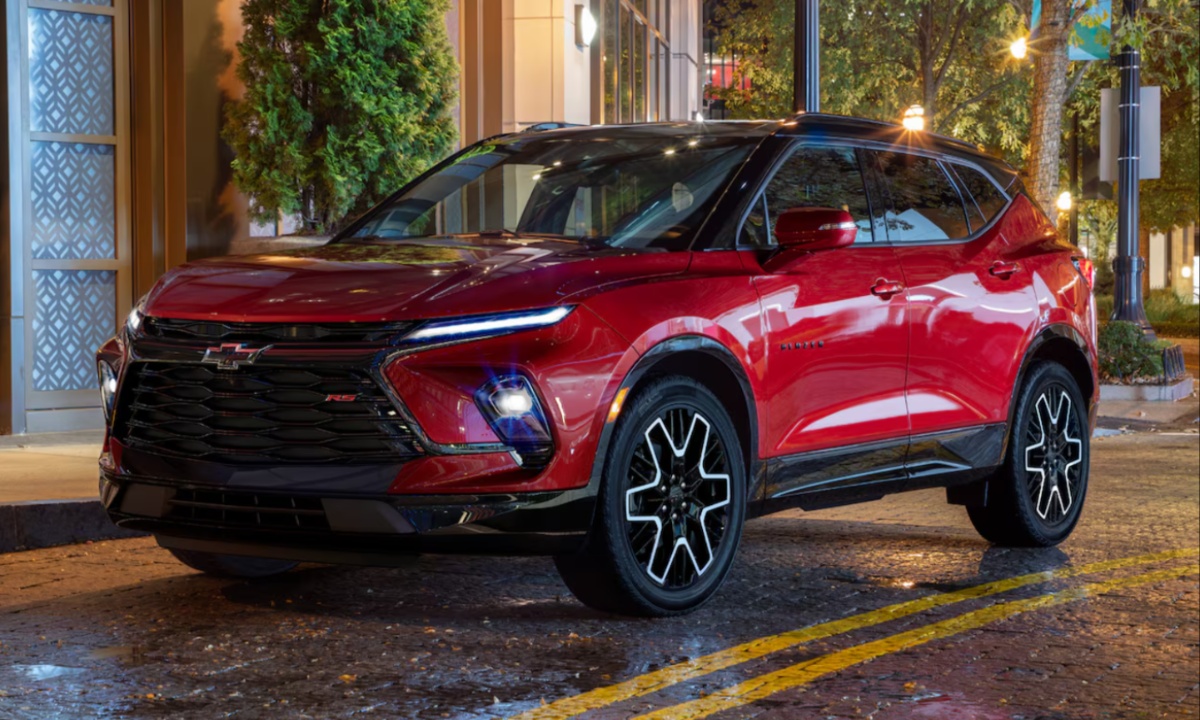
7. Chevrolet Blazer: The Stylish Yet Flawed Performer
The Chevrolet Blazer, rated 8.2 out of 10, brings bold design and sporty performance to the midsize SUV segment. Revived in 2019, this two-row SUV was styled to capture the spirit of the Chevrolet Camaro, offering aggressive lines and a confident stance. The result is a vehicle that stands out for its athletic personality and sleek appearance, appealing to buyers who value design and driving engagement more than practicality.
Unlike the newer all-electric Blazer EV, this gas-powered version comes with two engine options: a turbocharged four-cylinder and a 3.6-liter V6. Both provide capable performance, but the V6 is the more exciting choice, delivering 0 to 60 mph in 6.6 seconds, one of the quickest times in the class.
Performance is where the Blazer shines. The V6 engine provides brisk acceleration and confident highway power, while the suspension tuning emphasizes agility and control. The Blazer feels planted through corners, with limited body roll and sharp steering that gives it a more connected feel than many family-oriented SUVs.
However, front-wheel-drive versions suffer from noticeable torque steer, and off-road capability is minimal. The steering feels precise at speed but somewhat heavy in city driving. The ride remains composed, though visibility is compromised by thick roof pillars and small rear windows. While the Blazer’s handling is impressive, its aging platform and limited safety technology make it feel a step behind newer competitors.
Inside, the Blazer offers supportive front seats and a comfortable driving position, but rear-seat comfort is less impressive. Flat cushions, limited headroom, and narrow door openings make entry and exit less convenient. The sliding rear seat adds flexibility, but space is still tighter than many rivals. Cabin noise is noticeable at higher speeds, with wind and tire sounds entering the cabin more than expected.
The climate control system focuses more on style than practicality. Its low-mounted vents and temperature controls integrated into vent rings look unique but are less intuitive to use.
The Blazer’s infotainment system is responsive and easy to use, featuring wireless Apple CarPlay and Android Auto, wireless charging, and multiple USB ports. However, the smaller screen and dated graphics fall short compared to newer Chevrolet models.
Cargo capacity is limited, offering less space than many compact SUVs, and the high liftover height complicates loading heavy items. Interior storage is minimal, though the Blazer can tow up to 4,500 pounds when properly equipped. Fuel economy averages 25 mpg combined with the four-cylinder and about 22 mpg with the V6.
With its sharp looks, strong acceleration, and engaging handling, the Chevrolet Blazer appeals to those who prioritize style and performance. Yet, its tight rear space, limited cargo room, and aging technology keep it from ranking among the best midsize SUVs for families.
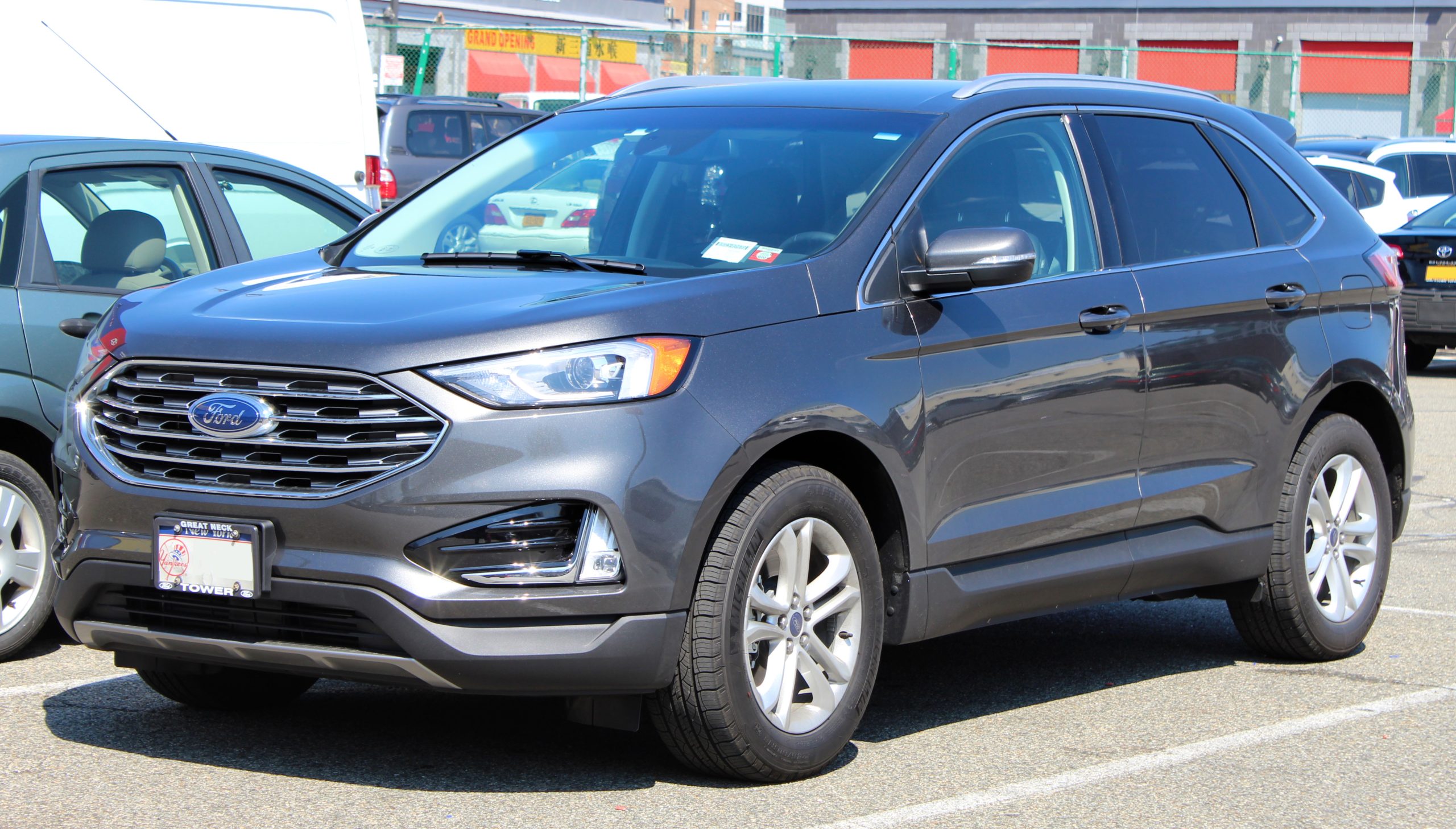
8. Ford Edge: A Lasting Midsize SUV with Everyday Appeal
The Ford Edge, though aging and discontinued after the 2024 model year, remains a capable and comfortable midsize SUV that excels in practicality and technology. Scoring 8.2 out of 10, it continues to attract buyers who want a refined, family-friendly crossover with a roomy interior and smooth performance. Despite its dated design and lack of off-road ability, the Edge still appeals to drivers who value comfort and convenience for daily use.
While most trims come with a turbocharged 2.0-liter four-cylinder engine, performance enthusiasts can choose the Edge ST, which offers a 335-horsepower twin-turbo EcoBoost V6 and a sportier design. With production ending, remaining units are still available at dealerships across the United States, often with significant discounts that make it an appealing purchase.
The Ford Edge delivers steady and predictable performance. Its 2.0-liter turbo-four engine provides enough power for daily driving, though acceleration at highway speeds can feel modest. The Edge reaches 0–60 mph in 7.5 seconds, offering reliable performance without being sporty.
The smooth-shifting transmission sometimes changes gears too frequently, and the throttle can respond slowly unless Sport mode is selected. Even so, the Edge offers stable steering, responsive braking, and balanced handling, creating a comfortable driving experience suited to city streets and long-distance travel.
Ride comfort is one of the strongest qualities of the Edge. The front seats are supportive and well-padded, featuring soft leather and contoured bolsters, while the rear seats are flatter but can recline for added comfort.
The suspension system smooths out moderate bumps effectively, though smaller road imperfections can make the ride feel slightly bouncy. A major strength is the quiet cabin, which blocks out wind, road, and engine noise with impressive success. The climate control system works efficiently and quietly, with only minor clicking sounds noticeable when the cabin is silent.
The Edge offers a spacious and practical cabin that focuses on comfort and usability. The front doors open wide for easy entry, while rear access is a bit tighter. With extensive seat and steering wheel adjustments, drivers of various sizes can find a suitable seating position.
The controls are intuitive and simple to operate, though the secondary systems, such as those for climate settings, could be arranged better. Visibility is good, but the thick front pillars slightly restrict the forward view.
Technology is one of the most impressive aspects of the Ford Edge. It features Ford’s latest Sync infotainment system with a large 12-inch touchscreen that is crisp, quick, and user-friendly. The navigation system is among the best in its class, and both Apple CarPlay and Android Auto come standard, along with a 4G Wi-Fi hotspot.
Connectivity options include USB ports, 12-volt outlets, and an optional 110-volt household outlet for added convenience. The Edge also includes a strong list of driver-assistance features, such as automatic emergency braking, blind-spot monitoring, and auto high beams, enhancing both safety and peace of mind.
The Edge provides one of the most generous cargo capacities in its segment, offering 39.2 cubic feet of space behind the rear seats. The 60/40 split-folding rear seats increase storage flexibility, though the cargo floor does not fold completely flat.
Installing child seats is easy, thanks to clearly marked LATCH anchors and visible top tethers. Larger rear-facing child seats may require front passengers to move their seats slightly forward to fit comfortably.
Equipped with the 2.0-liter engine and all-wheel drive, the Edge achieves an EPA-rated 23 mpg combined (21 city/28 highway), a figure confirmed in real-world testing. In terms of value, it competes well with other midsize SUVs by offering a strong mix of comfort, advanced technology, and safety features.
Warranty coverage is typical for the class, while roadside assistance lasts longer than that of some competitors. However, the interior materials and build quality, especially in the higher Titanium trim, feel less refined than its price might suggest.
The Ford Edge remains a comfortable, modern, and practical midsize SUV that delivers reliability and ease of use. While its design is dated, it continues to offer solid performance, a quiet ride, and a wealth of technology. As the model reaches the end of its production run, the Edge stands as a smart choice for families who want a well-equipped and dependable vehicle for everyday driving.
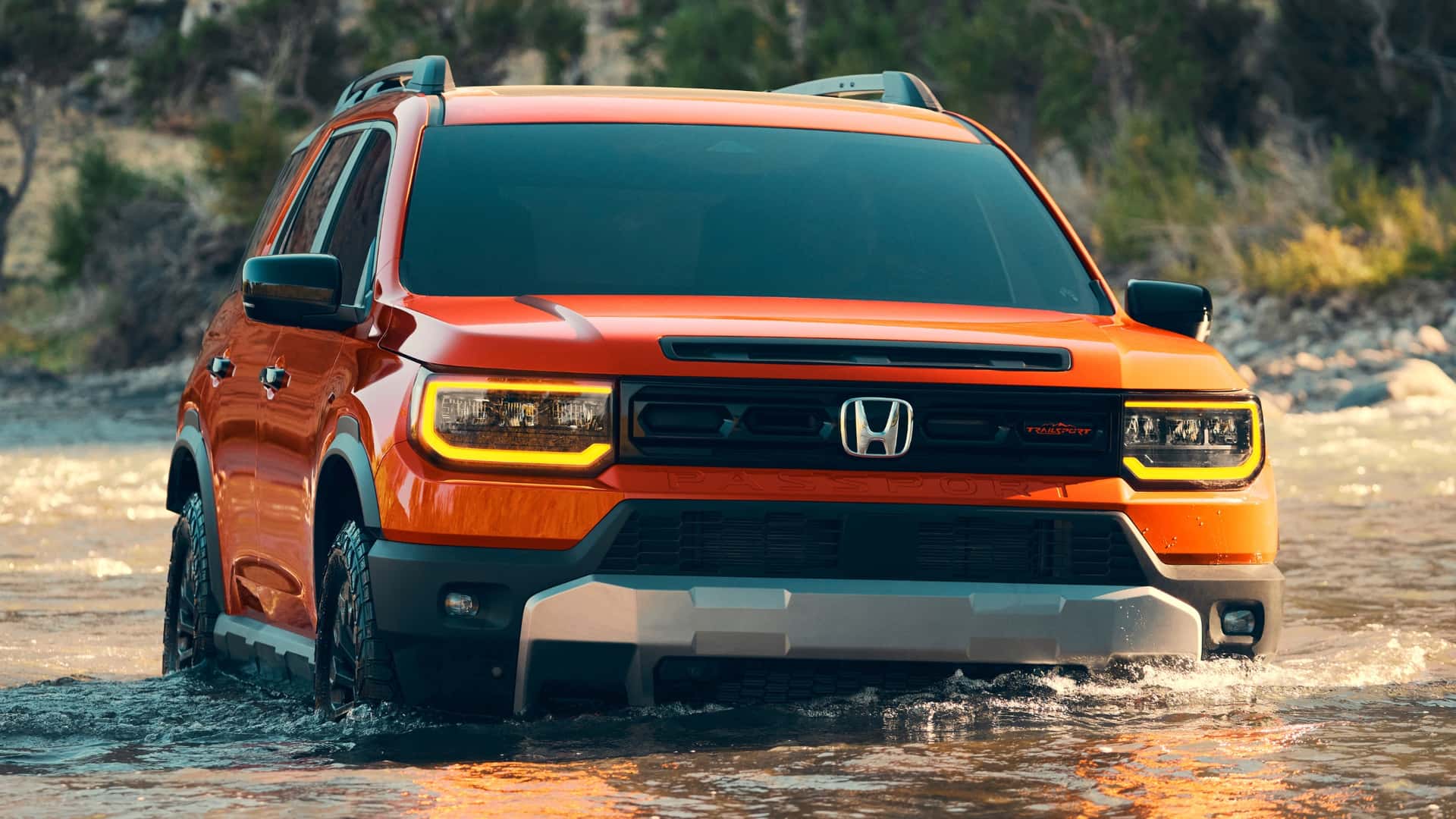
9. Honda Passport: A Capable and Practical Midsize SUV
The Honda Passport continues to serve as a strong contender in the midsize SUV market, even as it approaches the end of its current generation. Scoring 7.8 out of 10, the Passport is known for its spacious interior, user-friendly technology, and rugged practicality.
Although an all-new model is coming for 2026 with improved off-road capability and refreshed styling, the current version remains the one available in dealerships.
Derived from the previous-generation Honda Pilot, the Passport retains much of that vehicle’s solid engineering but removes the third-row seat to create a two-row SUV with a large cabin and generous cargo space. Its 3.5-liter V6 engine, traditional styling, and comfort-oriented design make it a straightforward yet dependable choice for families and adventure seekers alike.
The Passport’s V6 engine delivers ample power for everyday driving, producing smooth acceleration and responsive low-speed performance. It completes the 0–60 mph sprint in 7.9 seconds, which is about average for the segment.
Around town, the SUV feels lively, though the engine can seem sluggish when overtaking on the highway. Steering response is somewhat numb, but the Passport maintains excellent stability when cornering and handles emergency braking with confidence.
Visibility is generally good thanks to large windows and a commanding driving position, but the wide rear pillars create blind spots. Fortunately, blind-spot monitoring and a surround-view camera system help compensate. The suite of Honda Sensing driver-assistance technologies, including lane keeping assist and adaptive cruise control, performs reliably and adds to the sense of security behind the wheel.
Comfort is one of the Passport’s standout qualities. The front seats are plush and supportive, while the rear seats, including the middle position, offer ample legroom and comfort for adults. The expansive interior also makes child seat installation easy, thanks to wide door openings and generous rear space. The only drawback is the lack of a reclining rear seat, which limits adjustability for long trips.
Honda has maintained a practical cabin layout with plenty of physical buttons and knobs for climate control and drive modes, minimizing the need to navigate menus on a screen. The interior remains calm and composed, though road noise increases at highway speeds.
The Passport now comes with a full suite of modern tech features across all trims. Standard equipment includes a 12.3-inch touchscreen, a 10.2-inch digital instrument cluster, wireless Apple CarPlay and Android Auto, wireless charging, and four USB-C ports. The infotainment system integrates Google Maps and Google Assistant, providing easy navigation and voice-command functionality.
The digital instrument cluster deserves special mention for its thoughtful design. It presents essential information clearly without clutter, and it can even display navigation directions from Google Maps alongside other data, improving convenience during trips.
The Honda Passport excels in practicality, offering abundant storage throughout the cabin. The center console is deep and spacious, with additional shelves and large cupholders that fit oversized bottles. Rear passengers also get ample door storage and cupholders.
Cargo capacity is another strong point, with 44 cubic feet of space behind the second row and 83.8 cubic feet with the seats folded flat. The cargo area includes smart storage touches, such as a removable underfloor bin for dirty or wet items and side pockets to keep smaller objects in place. The power liftgate even features a walkaway close function, making loading and unloading easy when your hands are full.
The Passport’s fuel economy is competitive for its class. The RTL trim achieves 21 mpg combined (19 city/25 highway), while TrailSport models with all-terrain tires average 20 mpg combined. In testing, real-world results hovered around 20 mpg, which aligns with the EPA estimates.
When it comes to value, the Passport impresses with a rich set of standard features. Every trim includes heated and power-adjustable front seats, front and rear parking sensors, all-wheel drive, and premium infotainment technology.
The build quality is solid, and the interior materials feel well chosen for the price. Warranty coverage is standard for the segment, offering three years/36,000 miles basic and five years/60,000 miles powertrain protection.
The Honda Passport stands out as a rugged yet refined midsize SUV that combines practicality, comfort, and smart technology. While its design is conservative and its steering lacks excitement, it excels in usability, interior space, and reliability.
For buyers seeking a durable two-row SUV with real-world utility and family-friendly features, the Passport remains a balanced and trustworthy choice even as the automotive world awaits its fully redesigned successor.
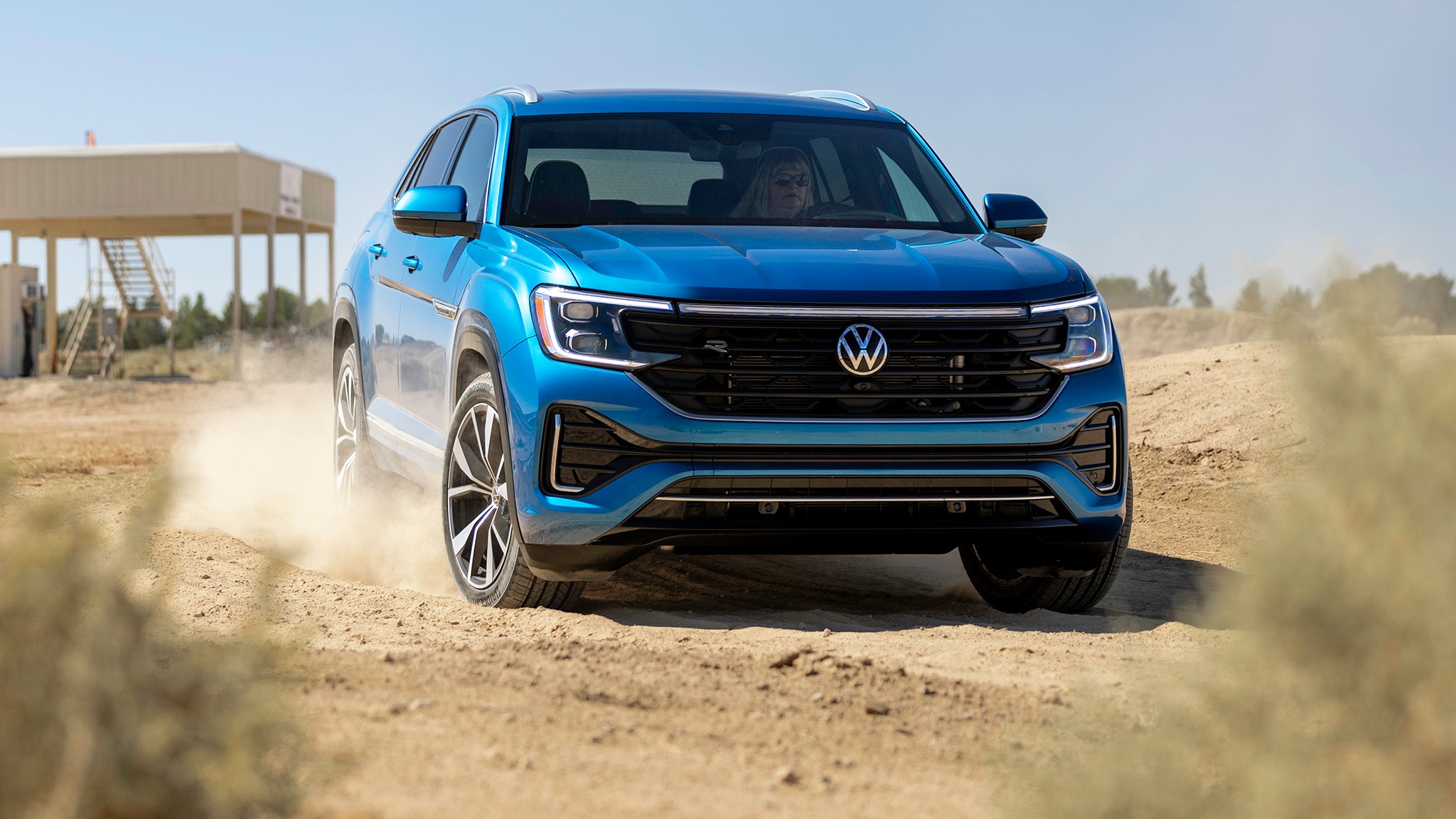
10. Volkswagen Atlas Cross Sport: Stylish but Imperfect
The Volkswagen Atlas Cross Sport, scoring 7.5 out of 10, offers a bold, coupe-inspired twist on the three-row Atlas. By removing the third row and lowering the roofline, Volkswagen created a more stylish midsize SUV that maintains a roomy cabin and wide doors for easy entry and exit. The trade-off is reduced cargo capacity, though the Cross Sport remains one of the most spacious two-row SUVs in its segment.
Under the hood, the Cross Sport uses a turbocharged four-cylinder engine that delivers adequate but unremarkable power. It accelerates from 0 to 60 mph in about 7.5 seconds, making it slightly quicker than average for its class.
Handling is composed, and the SUV feels smaller than its size suggests, thanks to light steering and stable cornering. Ride quality is firm but not harsh, providing a confident and secure feel at highway speeds. The transmission can shift abruptly at low speeds, but once in motion, the powertrain feels smooth and responsive.
The Cross Sport’s driver-assistance systems perform well, with adaptive cruise control maintaining steady gaps in traffic and lane keeping assist holding the SUV neatly within lane markers. These systems are intuitive and easy to adjust, enhancing convenience during long drives.
Inside, the Atlas Cross Sport impresses with its excellent seating position and spacious interior. The front seats offer plenty of adjustment, and the rear area provides ample legroom despite the sloping roofline.
However, interior quality and usability fall short of expectations. The touch-sensitive steering-wheel controls and slider-based climate system are frustrating to operate, requiring more attention than traditional buttons. The glossy piano-black trim also feels cheap and prone to fingerprints, reducing the sense of refinement.
On the technology front, the SUV includes a 12-inch touchscreen, wireless Apple CarPlay and Android Auto, USB-C ports, and wireless charging. The infotainment interface is easy to navigate, but graphics look dated, and the built-in navigation is less effective than smartphone apps.
The cargo area offers 40.3 cubic feet behind the second row, which expands significantly when the seats are folded. While slightly smaller than the Honda Passport’s, the space remains versatile and practical, with deep cupholders and decent in-cabin storage. The Cross Sport can tow up to 5,000 pounds, matching most direct competitors.
Fuel economy is 21 mpg combined with all-wheel drive and 23 mpg with front-wheel drive, aligning closely with EPA estimates. Pricing, however, is on the higher side considering the interior materials and features. Warranty coverage is average, and while the SUV looks sleek and drives well, its interior execution and control layout prevent it from feeling truly premium.
The Volkswagen Atlas Cross Sport succeeds in offering a stylish, spacious, and composed SUV with solid driving manners. Yet its price, dated interior, and frustrating controls keep it from standing out among the best in the midsize two-row SUV segment.
Choosing the right midsize SUV for your next road trip depends on what kind of adventure you are planning and how you like to travel. Whether it is the rugged dependability of the Subaru Outback, the luxury and capability of the Jeep Grand Cherokee, or the sporty refinement of the Mazda CX-70, each vehicle on this list offers a unique way to explore the open road.
From hybrid efficiency to towing strength, advanced driver assists to comfortable interiors, these SUVs prove that long-distance comfort does not mean sacrificing excitement or style.
The midsize SUV class has evolved to meet every traveler’s needs, combining the confidence of an SUV with the comfort of a family car. So, pack your bags, cue your favorite playlist, and get ready to drive, because with one of these 10 midsize SUVs, every road trip becomes an unforgettable journey.
Also Read: 5 Cars That Stay Popular for Years vs 5 That Fade Quickly
