
In today’s car market, automakers love to advertise “adventure-ready” vehicles but not every SUV, truck, or crossover lives up to the claim once the pavement ends.
Some machines are genuinely engineered to conquer trails, ford rivers, and shrug off rock scrapes, while others are designed more for curb appeal and urban sophistication than mud and dust.
American buyers who love road trips, overlanding, or camping need to know the difference especially as rugged-looking trims become more common even on soft-roading crossovers.
Here’s a deep dive into five vehicles that genuinely deliver adventure-worthy performance and five that mostly trade on the look of capability.
Vehicles Built for Adventure
In a world of smooth highways and predictable commutes, some vehicles are designed for a different purpose entirely. They are the outliers, engineered not for luxury or efficiency alone, but for proven capability.
Whether it’s wading through water, climbing over boulders, or simply providing a secure basecamp miles from the nearest power outlet, adventure vehicles are defined by their resilience and readiness.
This guide delves into the picks that offer the crucial combination of ground clearance, four-wheel-drive prowess, durable construction, and practical space that separates a true adventure rig from a mere grocery-getter.
1. Toyota 4Runner TRD Pro
The Toyota 4Runner has become a symbol of genuine off-road durability. Its body-on-frame construction, 4.0-liter V6 engine, and real transfer case with low-range gearing make it one of the last SUVs that’s actually designed to handle off-road abuse.
The TRD Pro variant adds Fox shocks, skid plates, and all-terrain tires hardware you’ll genuinely appreciate when crawling over rocks or navigating muddy trails.
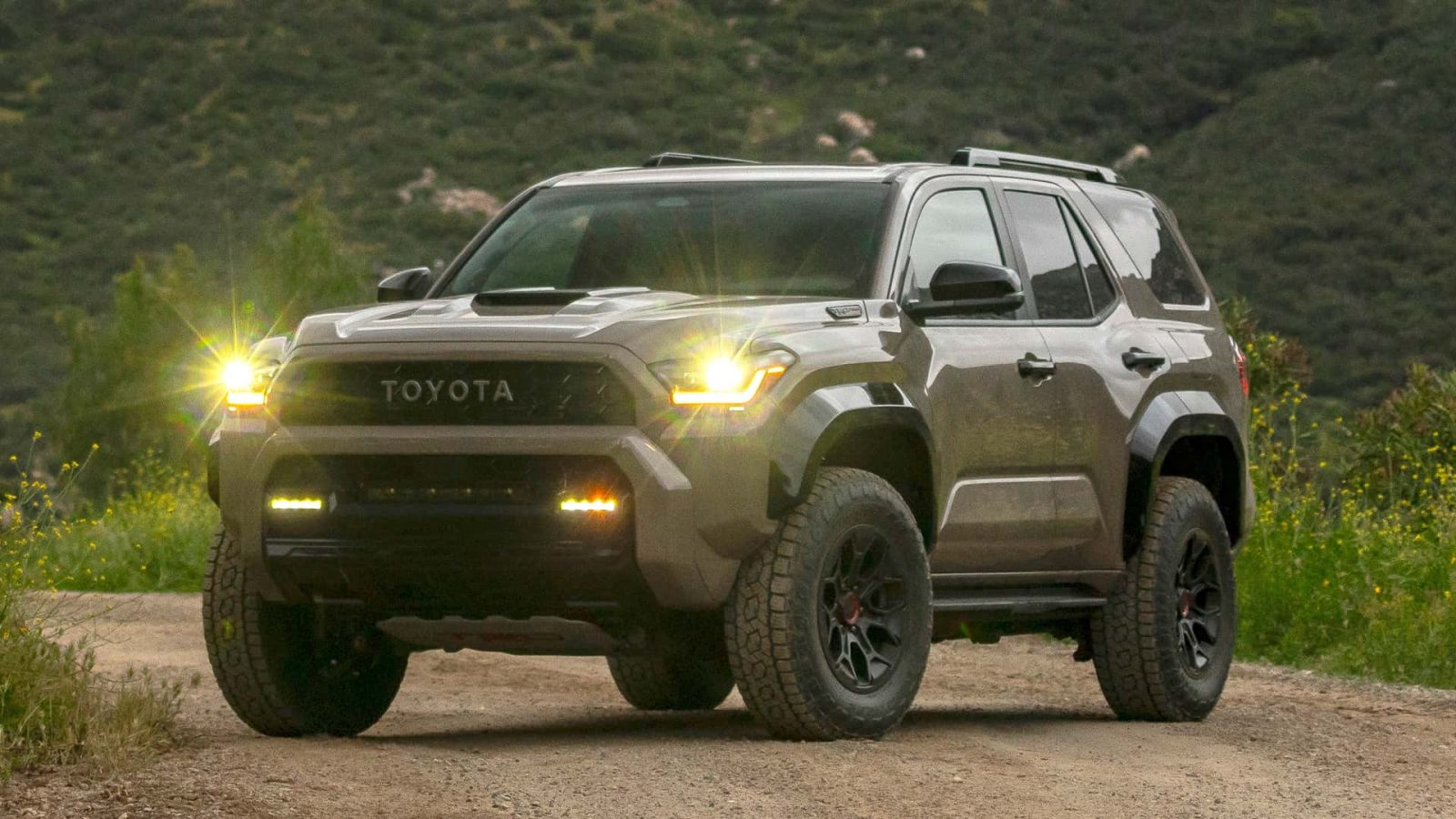
Unlike many modern SUVs, the 4Runner’s technology is aimed at utility rather than luxury features like Crawl Control and Multi-Terrain Select give you real traction management rather than digital gimmicks.
It’s not fast, it’s not fancy, but it’s as close as you can get to a street-legal mountain goat.
2. Jeep Wrangler Rubicon
If there’s one name synonymous with adventure, it’s Jeep. The Wrangler Rubicon takes that heritage and adds a serious arsenal of off-road features locking differentials, disconnecting sway bars, Dana 44 axles, and aggressive 33- or 35-inch tires.
Unlike most “adventure-styled” SUVs, the Rubicon’s off-road prowess isn’t just marketing fluff; it’s the real deal. The short wheelbase gives it superb maneuverability, and its removable doors and roof let you get closer to the elements than any competitor.
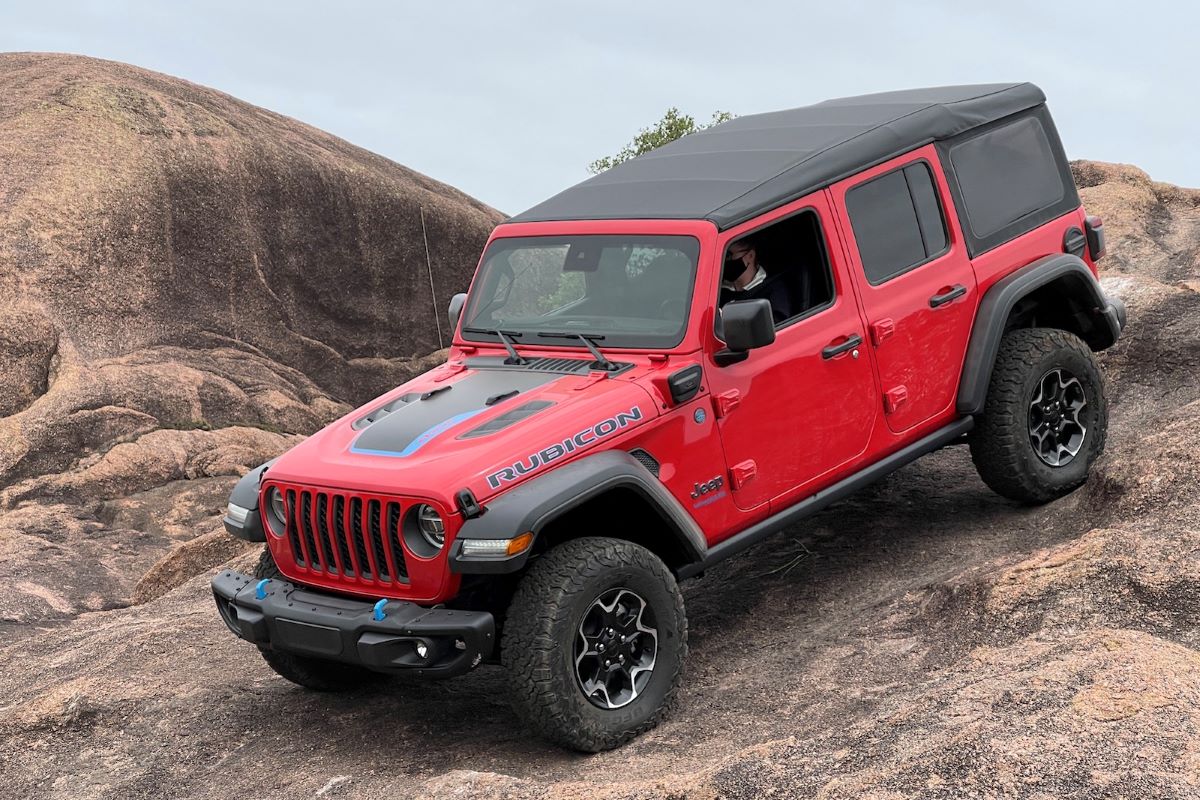
Whether you’re tackling Moab’s red rocks or deep snow in Colorado, the Wrangler Rubicon is one of the few vehicles built for terrain most cars can’t even dream of reaching.
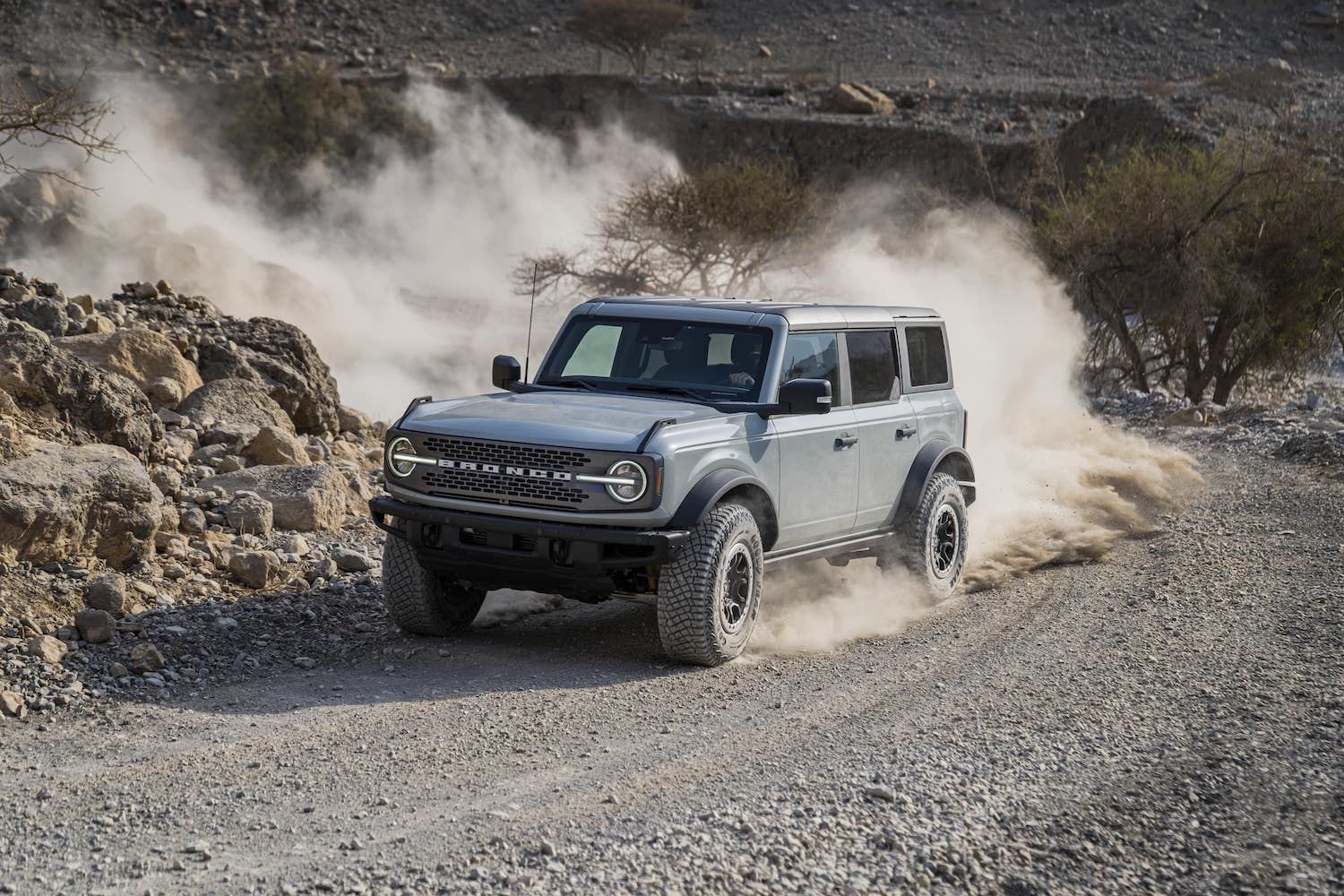
3. Ford Bronco Badlands
Ford’s modern Bronco revival wasn’t just nostalgia it was a calculated attempt to dethrone the Wrangler, and it came shockingly close.
The Bronco Badlands trim is tuned for adventure, featuring front and rear locking differentials, a disconnecting front stabilizer bar, and a multi-mode terrain management system called GOAT (Goes Over Any Terrain).
Available with 35-inch mud-terrain tires straight from the factory, it’s one of the most capable off-road SUVs you can buy new in America today.
And unlike older off-roaders, it’s comfortable enough for daily driving, making it an ideal blend of adventure readiness and modern usability.
Since its initial launch for the 2021 model year, the sixth-generation Ford Bronco has consistently received a series of minor adjustments and enhancements with each subsequent model year, though a comprehensive mid-cycle refresh has not yet been introduced.
Nevertheless, Ford, often referred to as The Blue Oval, persists in its efforts to maintain the Bronco’s contemporary appeal and intrigue through these incremental updates, as well as by launching a number of special edition variants of the robust SUV.
This strategy continues to apply to the 2025 Ford Bronco, and for prospective buyers seeking an alternative to the high-performance Raptor model, this specific Badlands configuration could very well represent the most compelling substitute.
Showcased in a recent video published by TC Customs, this particular 2025 Ford Bronco Badlands comes outfitted with the Sasquatch Package, which provides it with a host of valuable enhancements directly from the factory.
The Sasquatch Package’s improvements incorporate Bilstein position-sensitive dampers; however, for the 2025 model year, customers also have the option to select Fox coilovers as part of the HOSS 3.0 system for an additional $2,355, a worthwhile upgrade, without a doubt.
Furthermore, the Badlands trim includes a sway bar disconnect feature, and both the steering rack and the tie rods have been reinforced and made more robust for this new model year.
The specific 2025 Ford Bronco featured here is fitted with the newly available wheels that were previously exclusive to the now-discontinued Everglades model; these wheels are shod with 35-inch Goodyear tires that feature a revised tread design.
This individual SUV is finished in the exceptionally stylish color known as Marsh Gray, which, in this instance, is complemented by a color-matched painted hard top as well.
Other significant features present on this vehicle comprise the dual-top option that includes a soft top alternative, alongside a digital instrument cluster, full leather seating surfaces with contrast stitching, a redesigned wireless phone charger, and rear HVAC vents.
This particular example is also powered by the twin-turbocharged 2.7-liter EcoBoost V6 engine. It is undoubtedly a well-appointed specification, and for those who prefer not to expend the considerable funds required for a Bronco Raptor, it is also arguably the most attractive alternative.
Also Read: 10 Cars That Withstand Daily Stop-and-Go Traffic
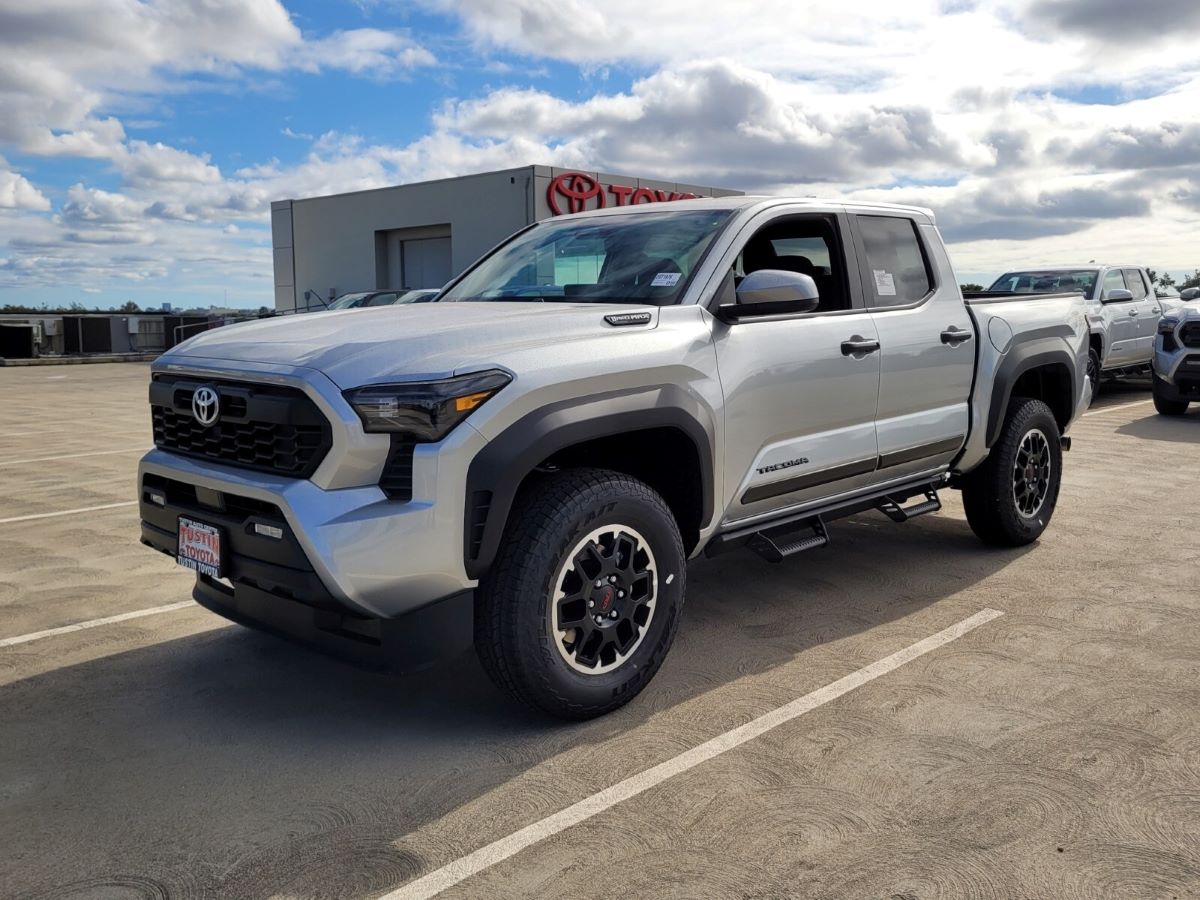
4. Toyota Tacoma TRD Off-Road
Few vehicles embody “built for adventure” like the Toyota Tacoma. In TRD Off-Road trim, this midsize pickup comes with Bilstein shocks, a locking rear differential, and an optional manual transmission a rare and welcome feature for purists who like total control over their trail runs.
It’s not the fastest or most luxurious truck, but its reliability and rugged engineering make it a favorite among overlanders and outdoor enthusiasts across the U.S.
The Tacoma’s aftermarket support is massive too, with everything from rooftop tents to suspension kits available to transform it into a proper expedition rig.
Positioned as a midsize pickup truck, the 2025 Toyota Tacoma represents the most compact truck offering within the Toyota lineup, situated beneath the full-size Tundra.
For those who find the Tundra excessively large or costly, the Tacoma may serve as an ideal alternative. It is fully equipped to transport moderately sized cargo or to tow a midsize travel trailer or boat.
The off-road proficiency of this newest Tacoma generation is also a particular area of emphasis, with the TRD PreRunner, TRD Off-Road, TRD Pro, and Trailhunter trims each being specifically configured for different types of off-pavement environments.
Full-size trucks have grown considerably larger over the past ten years, often surpassing the actual requirements of many truck buyers. The Tacoma reduces these dimensions to a more practical and manageable size, which results in a vehicle that is not only easier to operate but also more fuel-efficient.
At the same time, it retains ample capability for both utilitarian tasks and recreational activities, and the new engines introduced for the 2024 model year substantially enhance the Tacoma’s performance potential.
The standard turbocharged four-cylinder engine and the available i-Force Max hybrid powertrain generate markedly more power than the antiquated engines used in the previous generation, all while delivering improved fuel economy.
Our evaluation team kept a 2024 Toyota Tacoma TRD Off-Road for an entire year, accumulating 20,000 miles of driving during that period. Given that there are no major alterations for the 2025 model year, this long-term test will provide an accurate preview of ownership expectations; you can find comprehensive details in our full One-Year Road Test page.
The seating in the Tacoma proved to be exceptionally supportive while also being soft and comfortable. The truck’s interior conveyed a sense of higher build quality compared to other midsize pickups, such as the Chevy Colorado, and despite the continued presence of numerous hard plastic surfaces, our Tacoma demonstrated better long-term durability than our year-long Colorado test vehicle.
Additionally, the interior was highly functional, the knobs for the climate control and audio volume were pleasantly large, there was abundant storage space for small personal items, and the outward visibility was superior to all its rivals.
We did not adore the Tacoma’s large infotainment screen, but we did not despise it either; we simply feel it could have been more seamlessly integrated into the dashboard and that its underlying software was not as advanced as the Google-based system found in Chevrolet models.
The Taco’s digital gauge cluster displayed a wealth of practical information and could be personalized in numerous ways to suit any driving scenario, such as displaying pitch and roll angles during off-road excursions.
Regarding off-road performance, when we tested the Toyota off-road against a Chevy Colorado and a Ford Ranger, the Tacoma emerged victorious in the majority of our evaluations.
Although the power from the turbo-four was impressive, the truck’s real-world fuel economy significantly lagged behind the official EPA estimate. We recorded only 18.7 mpg over the course of the year, whereas the EPA stated we should have achieved 21 mpg.
We acknowledge that Toyota transitioned away from the V6 engine to attain better power and efficiency, but it has genuinely only accomplished one of those two objectives. Moreover, the rear seat of the Tacoma was, to be frank, a joke. Any passenger seated in the back was crammed in uncomfortably, like a sardine.
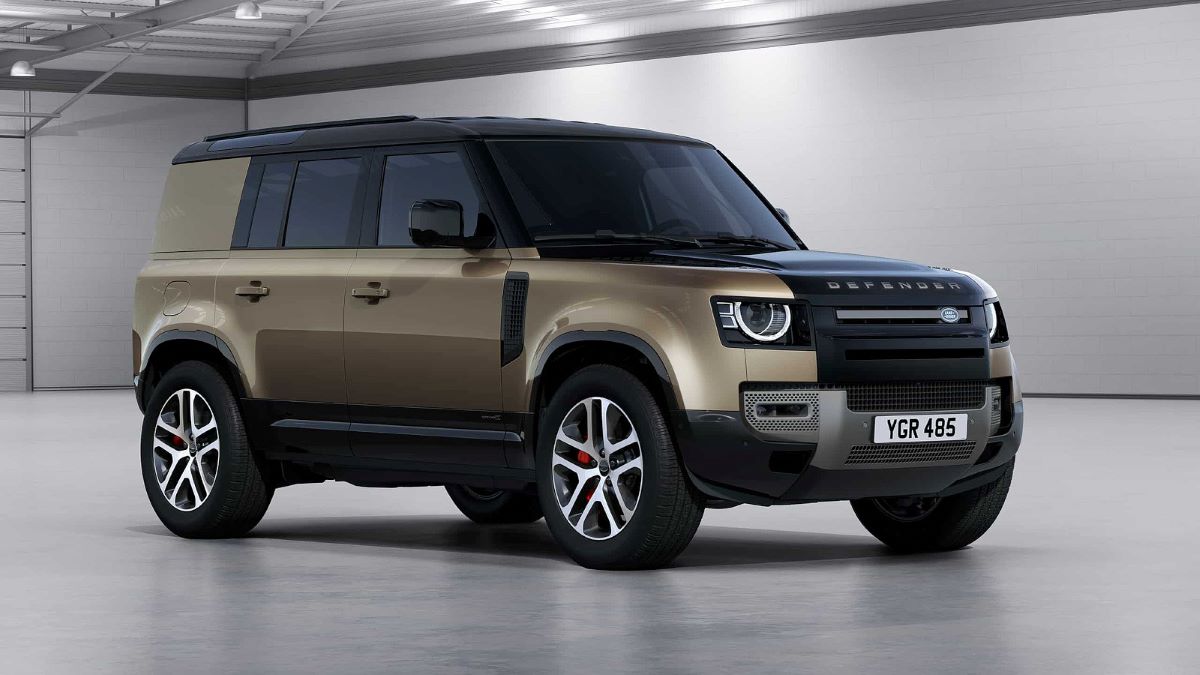
5. Land Rover Defender 110
The modern Defender 110 takes British off-roading heritage and updates it for the 21st century. While older Defenders were spartan and rugged to a fault, the new one balances genuine off-road chops with modern comfort.
It features adjustable air suspension, a twin-speed transfer case, and advanced terrain response systems that actually make a difference when conditions turn rough.
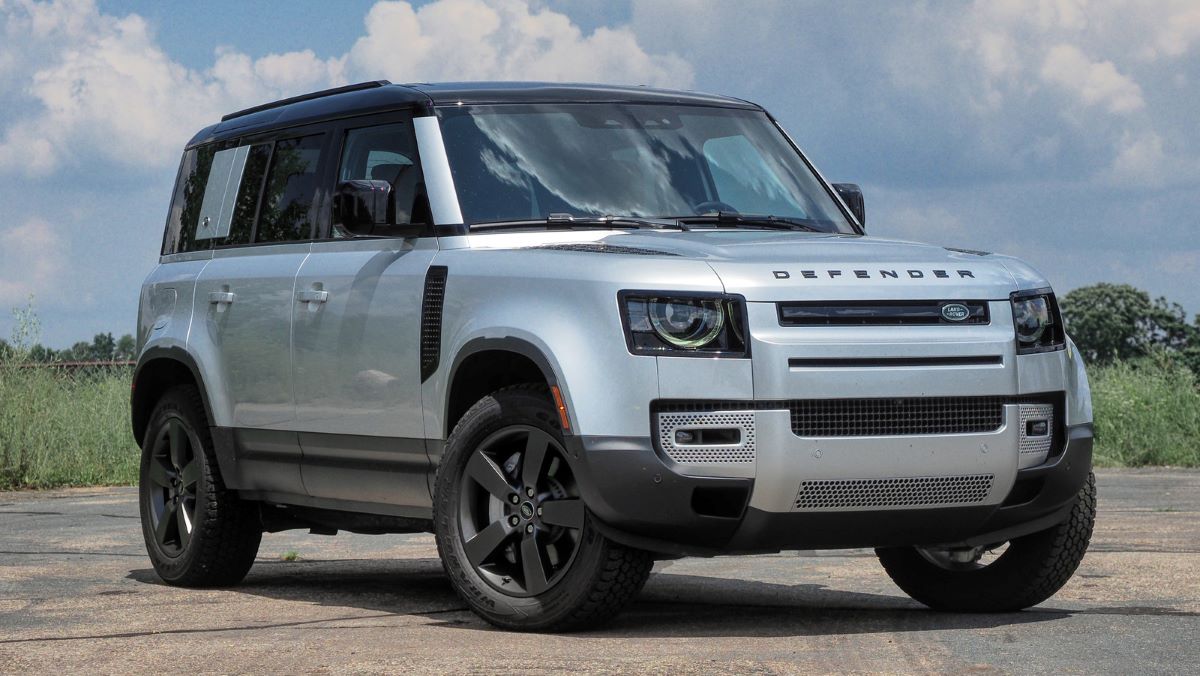
Unlike luxury SUVs that pretend to be off-roaders, the Defender can wade through nearly three feet of water and climb serious gradients without drama. It’s an adventure vehicle that doesn’t sacrifice refinement a rare balance in today’s market.
The 2022 Defender comes equipped with a standard turbocharged four-cylinder engine that is paired with an eight-speed automatic transmission. As expected, every model includes four-wheel drive and locking differentials to facilitate travel across challenging and hazardous landscapes.
For customers seeking more power, the Defender is also offered with a 3.0-liter inline-six engine that employs an electric supercharger and a 48-volt hybrid system. Buyers who are in the market for even greater performance have the option to select the 518-horsepower supercharged V-8; in our performance testing, this engine propelled the Defender 90 variant from a standstill to 60 mph in a mere 4.4 seconds.
In a departure from its predecessor, the Defender is built on a unibody platform rather than a body-on-frame architecture, and it has swapped the previous solid axles for a fully independent suspension system.
The standard suspension setup makes use of coil springs; however, it can be enhanced with an optional air suspension system that allows for an adjustable ride height.
The Defender offers 11.5 inches of ground clearance and possesses the capability to ford through water depths of up to 35 inches, which surpasses both the maximum ground clearance and the wading ability of the Jeep Wrangler.
Vehicles Built for Show
In the world of automobiles, some machines are engineered for the trail, and others are crafted for the spotlight. These are the vehicles built for show, where the primary terrain is the shimmering asphalt of a boulevard or the manicured lawn of a car show. Their purpose is not measured in torque or towing capacity, but in turned heads and sparked conversations.
From ostentatious custom builds to factory-produced marvels of design, these cars prioritize aesthetics, exclusivity, and sheer presence above all else. This is a celebration of automotive theater, an exploration of the rolling sculptures and dramatic statements that remind us that a car can be much more than mere transportation; it can be a moving piece of art.
1. Range Rover Velar
The Velar looks like it was designed for photo shoots in Beverly Hills rather than desert trails. While it wears the Range Rover badge, it’s more of a fashion statement than an off-roader.
Its sleek design, low ground clearance, and road-oriented tires make it ill-suited for anything rougher than a gravel driveway.
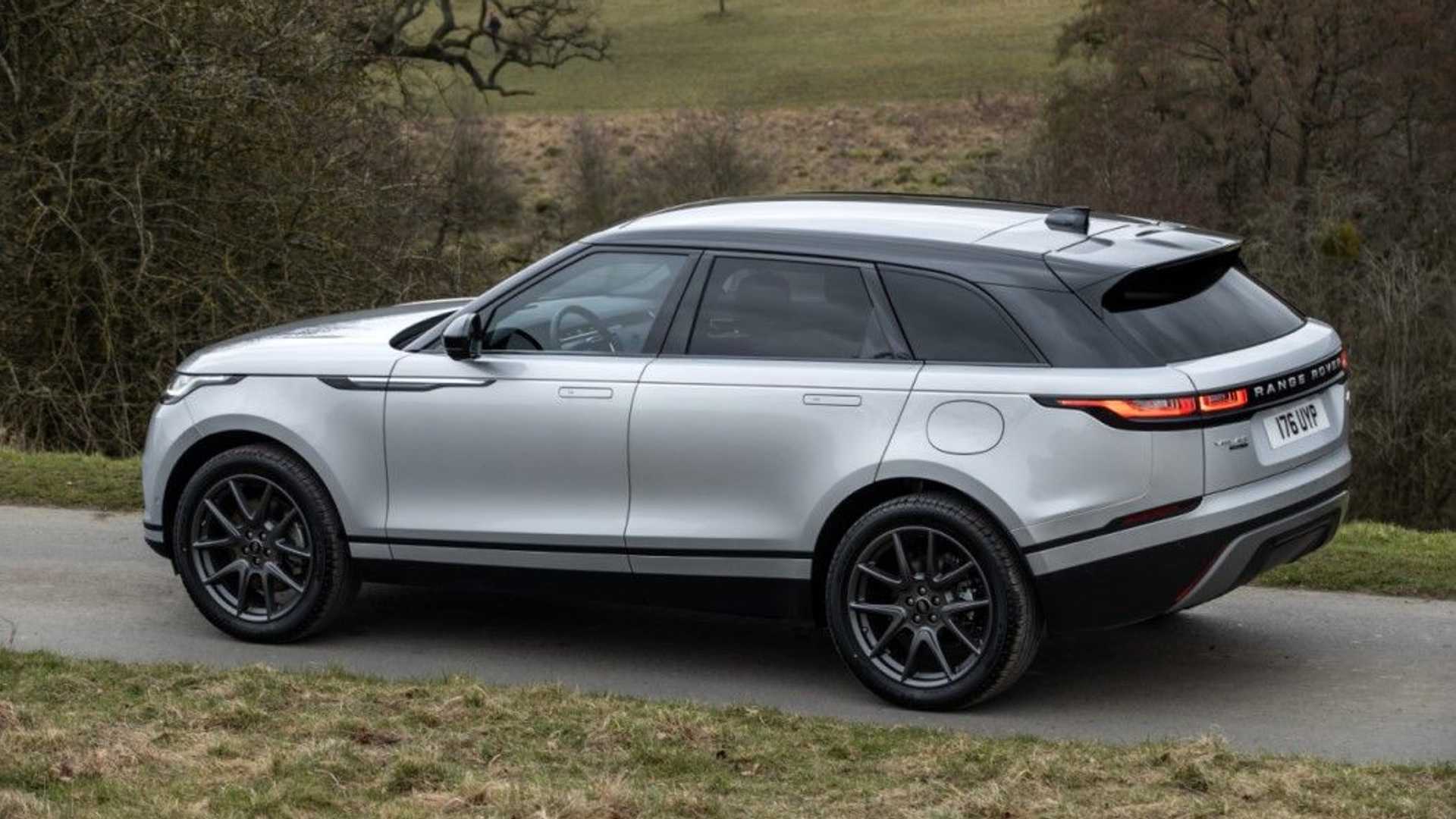
The Velar’s strength lies in luxury and design plush interiors, advanced infotainment, and silent highway cruising. But if adventure means mud, rocks, or rivers, the Velar’s priorities are clearly elsewhere.
Land Rover markets four distinct models within its Range Rover family, with the five-passenger Velar occupying a position in the middle of the lineup, situated between the smaller Evoque and the larger Sport model.
The Velar was initially introduced for sale in 2018, establishing a streamlined and “reductive” design philosophy that has since been adopted across the entire Range Rover range, and its aesthetic continues to appear contemporary and modern even today.
As one might anticipate, the Velar is priced at a premium compared to its competitors in the small luxury SUV category, mirroring the way other Range Rover models are generally more costly than their direct rivals. The Velar was the recipient of a significant number of revisions last year, and as a result, it continues into the 2025 model year with only minor alterations.
The brief response to this inquiry is affirmative, though some additional explanation is required. A Range Rover Velar is not considered one of the most proficient off-road vehicles within Land Rover’s portfolio, and prospective owners will want to select the optional air suspension if they intend to traverse terrain that would halt a Subaru Outback.
When equipped with the air suspension system, a Velar should be able to maintain progress alongside a similarly equipped Jeep Grand Cherokee on challenging off-road tracks.
However, if your goal is to venture into areas where few SUVs dare to travel, you should contemplate a Land Rover Defender 110 instead. It readily surpasses the Velar’s off-pavement abilities while also providing a significantly greater maximum depth for wading through water.
The majority of the Range Rover Velar’s competitors are unable to equal its timelessly attractive appearance or its fundamental off-road prowess. However, almost all of them feature more accessible starting prices.
If your intended journeys will primarily occur on paved roads rather than amongst rocky landscapes, our top four selections in the small luxury SUV segment are, in order of preference: the Genesis GV70, the Mercedes-Benz GLC, the Acura RDX, and the Jaguar F-Pace. It is worth noting that the Jaguar shares its fundamental platform architecture with the Range Rover.
Also Read: 5 Cheap Cars That Offer Top-Tier Build Quality vs 5 That Don’t Work
2. Mercedes-Benz GLE 450
The Mercedes GLE 450 is a prime example of a vehicle that looks adventurous but isn’t built for it. Despite its SUV form and optional 4MATIC system, it’s a road-oriented luxury crossover that prioritizes ride comfort and tech sophistication over durability.
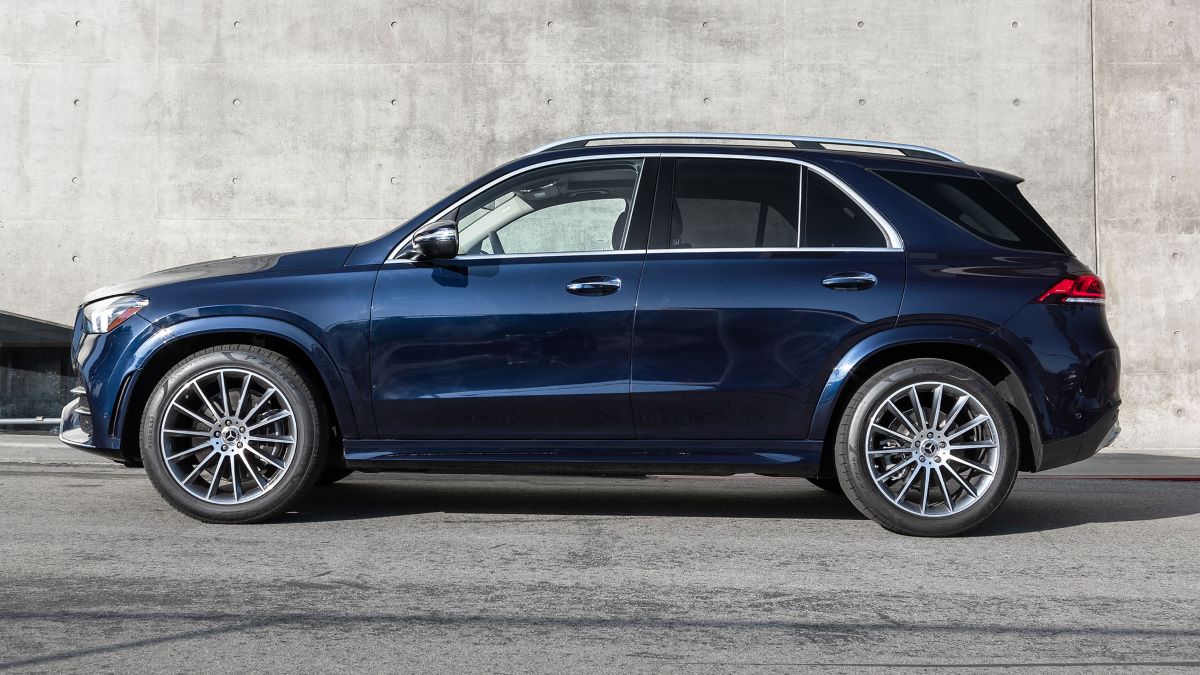
The air suspension is tuned for smooth highways, not rock-strewn trails. Sure, you could take it to a mountain cabin on a dry summer day, but push it into deep mud or sand, and you’ll quickly realize it’s more “mall crawler” than mountain climber.
3. BMW X6
The BMW X6 might wear an SUV badge, but it’s really a high-riding sports coupe. Its sloping roofline sacrifices practicality, while its stiff suspension and performance tires are completely out of place off-road.
BMW markets it as a “Sports Activity Coupe,” and that says it all it’s designed to make a statement, not conquer terrain. It’s fast, flashy, and aggressive-looking, perfect for someone who wants adventure aesthetics without the actual dirt.
The 2025 BMW X6 possesses sharp and engaging handling characteristics that almost completely conceal the vehicle’s substantial physical dimensions and heft, allowing it to navigate corners with remarkable ease.
The suspension tuning results in a ride quality that is firmer than what is typically provided by most luxury vehicles, as it favors a more athletic and dynamic sensation over sheer, unadulterated comfort.
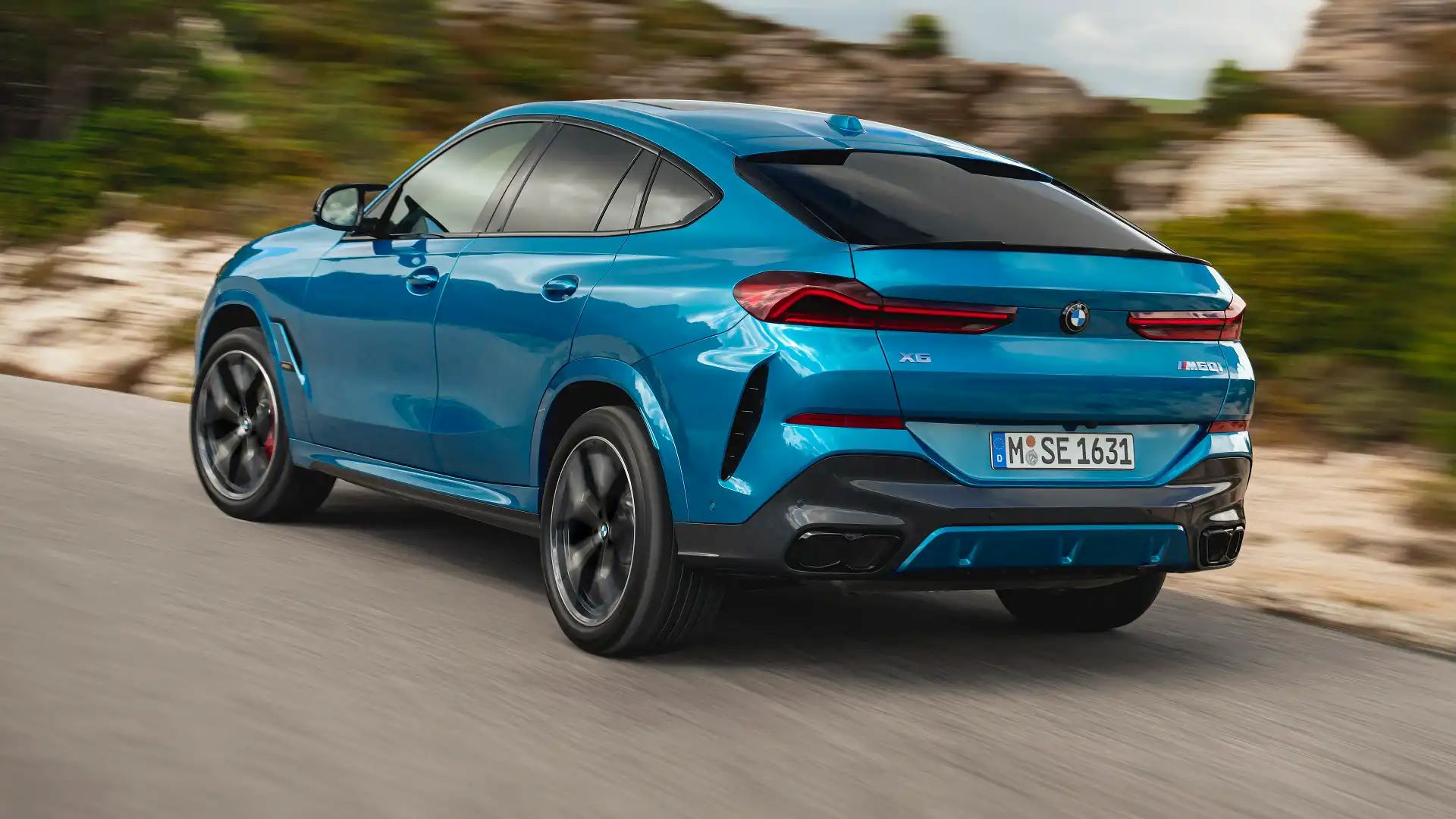
Prospective buyers have a choice between two powertrain options. The standard powerplant is a turbocharged inline-six cylinder engine that generates 375 horsepower and delivers spirited acceleration from a standstill. This engine can propel the X6 from zero to 60 mph in approximately 5.2 seconds.
The available alternative is a twin-turbocharged V8 engine, which produces 523 horsepower and 553 pound-feet of torque. This more powerful engine reduces the zero-to-60-mph sprint to a mere 4.2 seconds, and its real-world performance feels every bit as potent and aggressive as the specifications imply.
4. GMC Hummer EV
At first glance, the GMC Hummer EV looks like an unstoppable off-road monster, but peel back the marketing and you’ll see it’s built more for spectacle than serious exploration.
Weighing over 9,000 pounds, it’s simply too heavy for most real-world trails. Sure, it can crab-walk and has wild power output, but that’s more novelty than necessity.
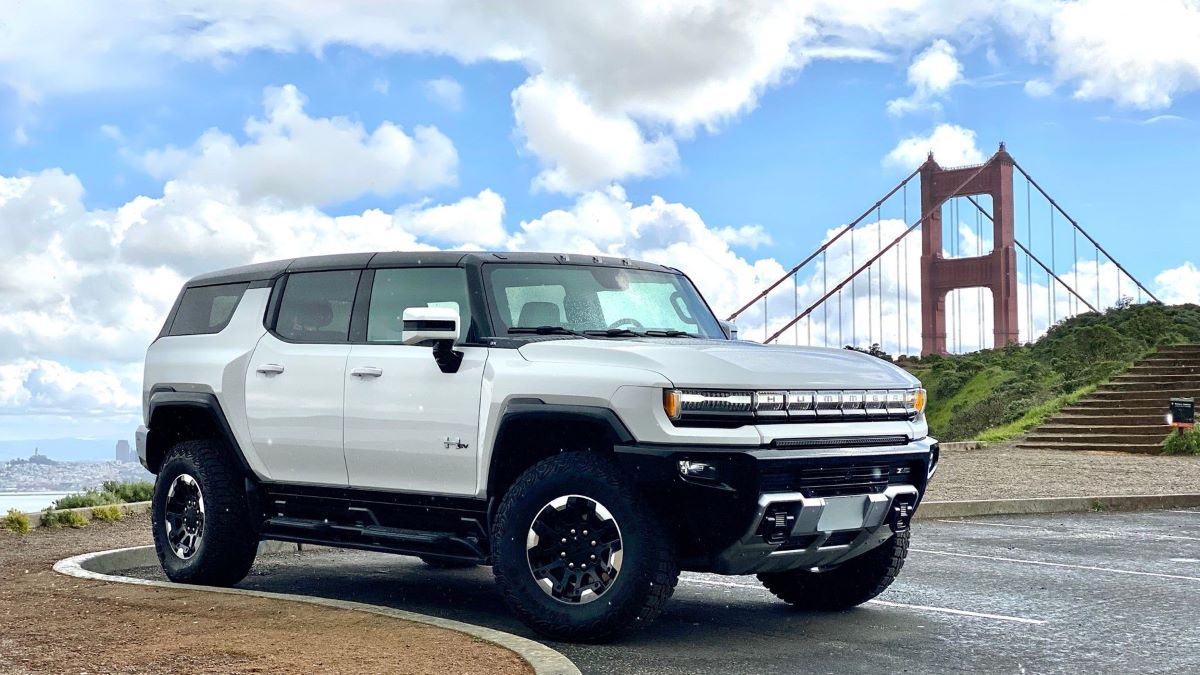
The size and weight limit its maneuverability, and its price tag places it firmly in the “showpiece” category. It’s impressive technology wrapped in over-the-top design great for social media, not so much for backcountry trails.
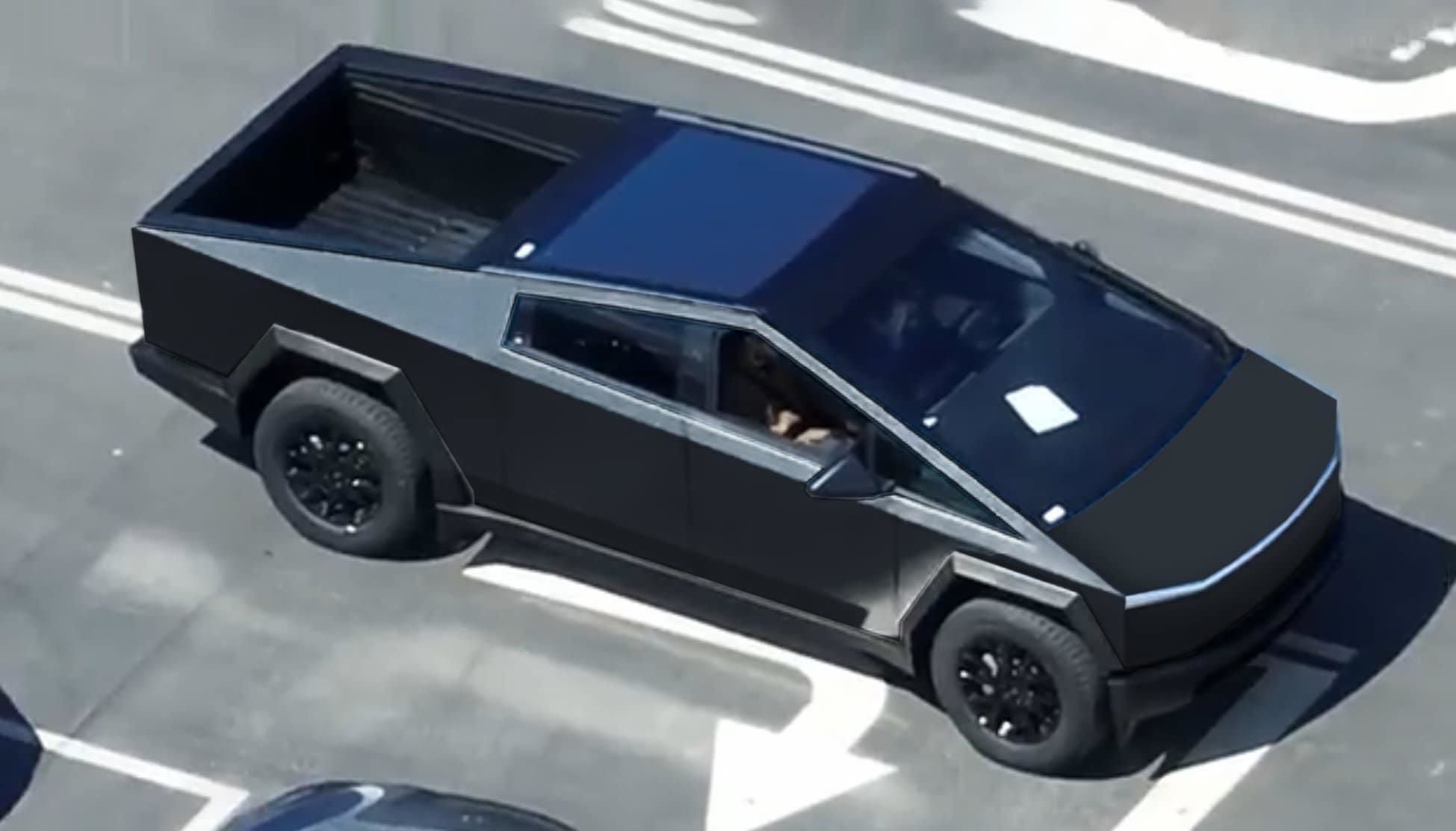
5. Tesla Cybertruck
The Tesla Cybertruck is perhaps the ultimate “built for show” vehicle of the modern era. Its radical stainless-steel design and sci-fi vibe make it look like something from a movie set.
While Tesla promises durability and off-road prowess, real-world tests have shown that its suspension tuning and weight distribution aren’t ideal for serious trail work.
The tires and underbody clearance limit its performance in challenging terrain. Like the Hummer EV, the Cybertruck is a statement piece a conversation starter more than a true off-road companion.
In an era when every SUV and truck seems to come with a “Trail” or “Adventure” badge, it’s easy to be misled by clever marketing.
Real adventure vehicles like the Toyota 4Runner TRD Pro, Jeep Wrangler Rubicon, and Ford Bronco Badlands are engineered from the frame up to handle punishment, prioritize durability, and keep going long after the glamour fades.
On the other hand, vehicles like the Range Rover Velar and Tesla Cybertruck prove that not all rugged-looking machines are created equal some are built for Instagram, not the Rockies.
When choosing your next SUV or truck, it’s worth asking yourself what adventure really means to you. If you crave dirt, trails, and self-reliance, go with a vehicle that’s proven its mettle.
But if your “adventure” is more about showing up in style, the market has plenty of shiny, show-ready options. Just don’t expect them to keep up once the road runs out.
