
Muscle cars represent pure American automotive passion, but not all of them handle the test of time equally. Some models become increasingly desirable with each passing year, appreciating while earning legendary status among enthusiasts. Others? Well, they fade into obscurity, becoming embarrassing reminders of designs that seemed brilliant at the time but aged about as well as milk left in the sun.
Time reveals the truth about automotive engineering and design. What looked aggressive and powerful in showrooms sometimes transforms into dated embarrassment a decade later. Performance figures that initially impressed buyers are surpassed by family sedans with turbocharged four-cylinders.
Styling that seemed cutting-edge becomes laughably outdated. These cars lose their swagger, becoming vehicles that owners try to forget rather than celebrate. Yet certain muscle cars actually improve with age. Their classic proportions look better as modern designs become more conservative.
Their raw mechanical simplicity becomes appealing when everything else requires computers to diagnose. Their pure driving experiences stand out when newer cars feel isolated and numb. These machines age gracefully, becoming more valuable and desirable as years pass.
This guide examines ten muscle cars split into two distinct categories. Five have aged beautifully, maintaining their appeal while gaining value and respect from enthusiasts worldwide. Five others lost whatever edge they once had, becoming forgotten failures that nobody wants to remember or own.
Whether you’re shopping for a modern classic or simply curious about automotive aging, this information reveals which muscle cars deserve celebration and which ones deserve to be left in the past where they belong.
Muscle Cars That Age Like Fine Wine
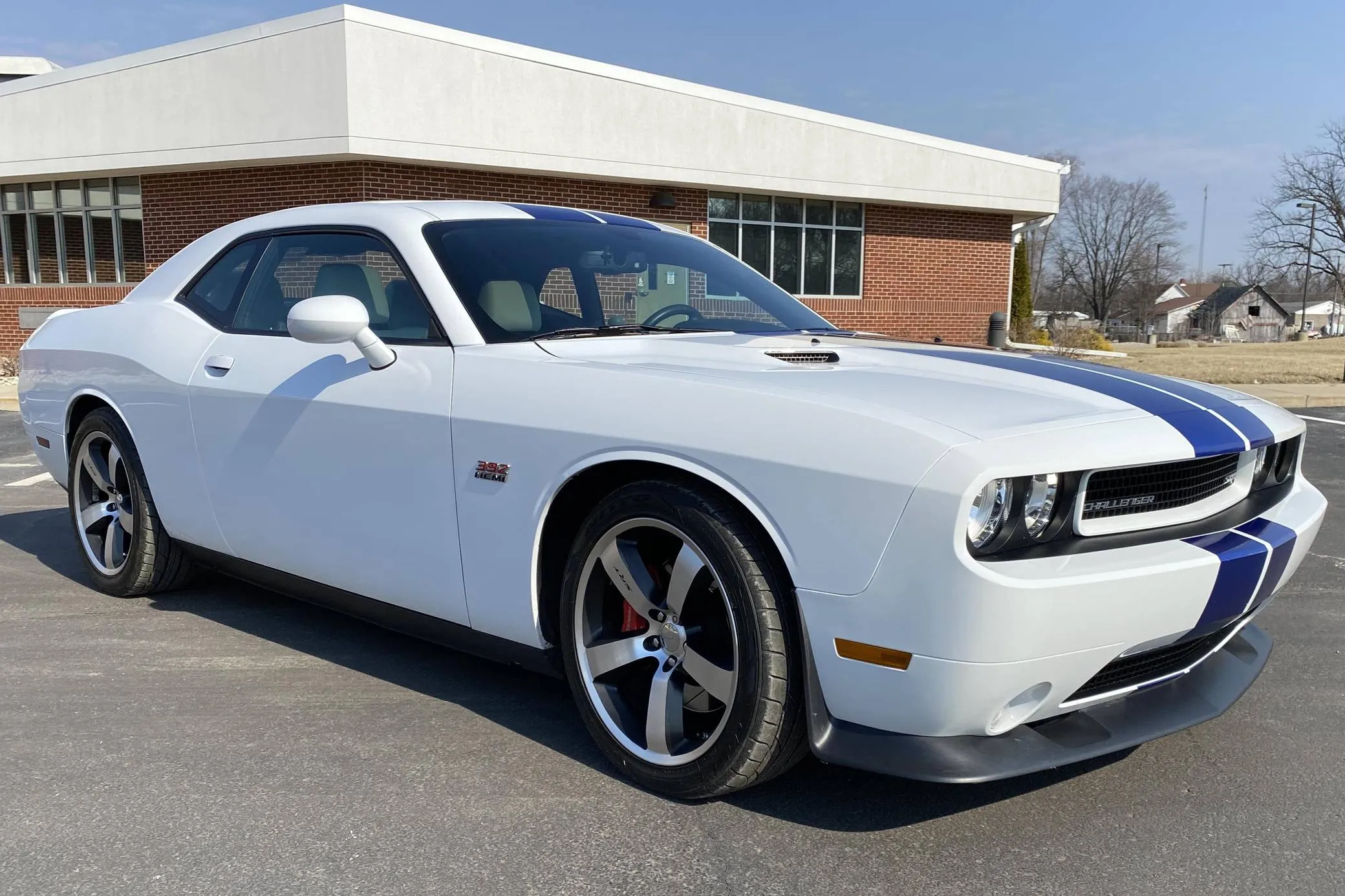
1. Dodge Challenger SRT8 392 (2011-2014)
Bold retro styling proved timeless rather than trendy with these modern Challengers. While critics initially questioned the throwback design, years have validated Dodge’s decision to honour heritage rather than chase temporary trends
These SRT8 models look just as aggressive and purposeful today as they did when new, perhaps even better now that subdued modern designs dominate roads.
That massive 6.4-litre Hemi V8 remains impressive by any standard. 470 horsepower sounds adequate even by today’s inflated numbers. More importantly, that thunderous exhaust note and linear power delivery create experiences that turbocharged competitors can’t replicate.
Modern muscle might make more power, but it rarely sounds or feels this visceral. This authenticity becomes more valuable as everything else gets sanitized.
Build quality exceeds expectations for American performance cars from this era. Interiors hold up well with materials that don’t fall apart after a few years.
Dashboard plastics might not match German luxury standards, but they age gracefully without cracking or fading excessively. Seats maintain their support through years of hard use. Everything feels substantial rather than cheap, creating cabins that remain pleasant places to spend time.
Manual transmission models particularly appeal to purists seeking authentic driving experiences. That six-speed gearbox provides a direct mechanical connection that automatic cars can’t match.
Clutch effort is reasonable for daily driving without being exhaustingly heavy. Gear selection is precise enough for spirited driving. These manual Challengers represent dying breeds that become more special as automatics dominate everything.
Reliability proves better than skeptics expected. Hemi engines last hundreds of thousands of kilometres with basic maintenance. Transmissions hold up to abuse that would destroy weaker units.
Suspension components remain tight longer than average. Yes, you’ll need regular upkeep, but catastrophic failures are rare. This dependability makes these Challengers practical modern classics rather than garage ornaments requiring constant attention.
Values have stabilized and begun climbing as enthusiasts recognize these cars as future collectibles. Clean low-mileage examples command premiums that increase annually.
Even higher-mileage drivers maintain decent values because demand keeps growing. Insurance costs stay reasonable. Parts availability is excellent. These Challengers offer affordable entries into muscle car ownership that protect your investment while delivering genuine thrills.
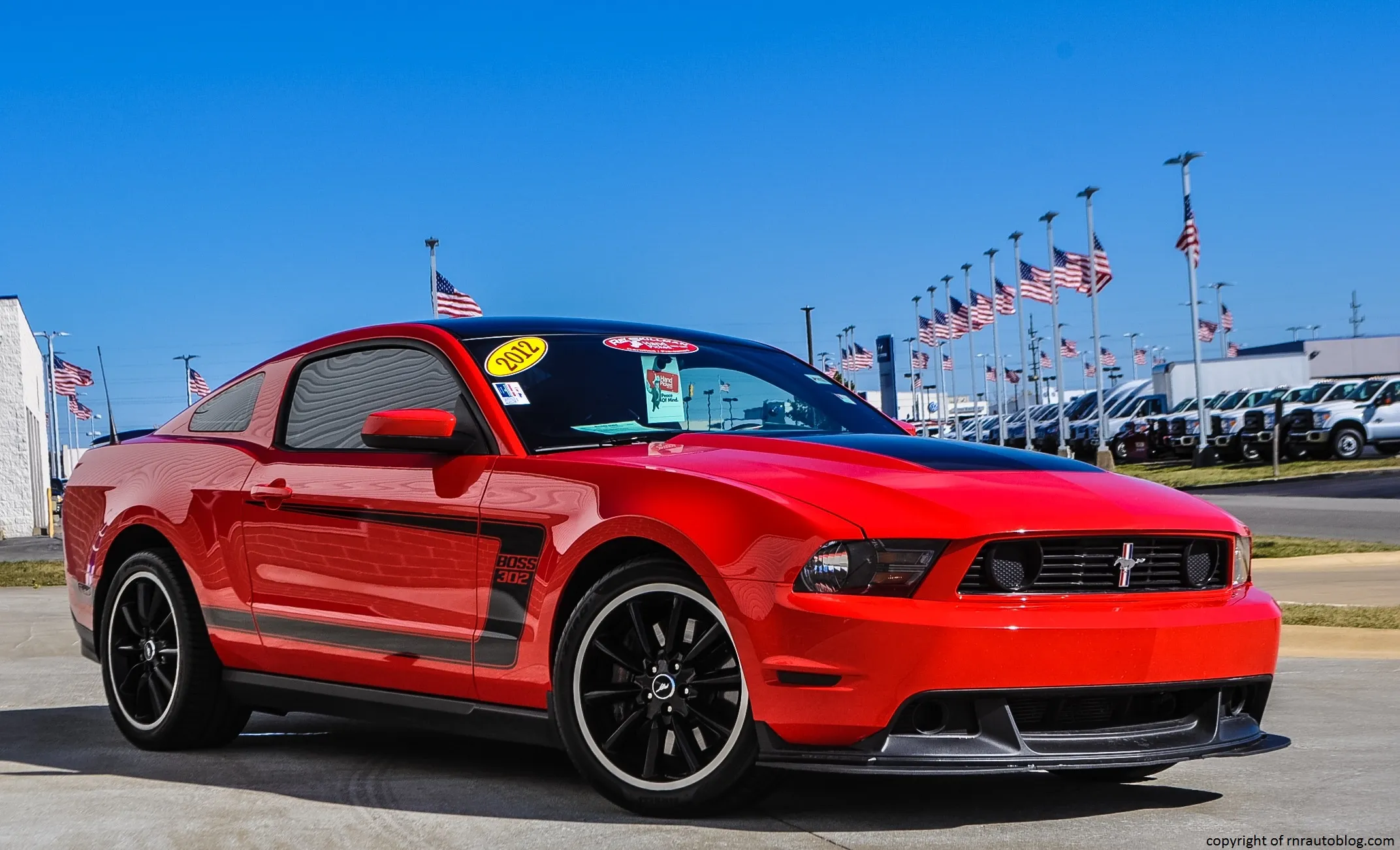
2. Ford Mustang Boss 302 (2012-2013)
Limited production created instant collectibility for these track-focused Mustangs. Ford built them for just two years, ensuring scarcity that drives values upward as time passes.
What seemed like expensive specialty models when new now look like bargains compared to current performance car pricing. Smart buyers who grabbed these Boss 302s early now own appreciating assets that deliver incredible driving experiences.
That naturally aspirated 5.0-litre V8 screams to 7,500 rpm, producing sensations that modern turbo motors can’t replicate. 444 horsepower arrives with linear delivery and a glorious soundtrack.
No lag, no artificial enhancement, just pure mechanical symphony. As manufacturers abandon high-revving engines for efficient turbos, this Boss motor becomes more special. Each drive reminds you what’s being lost in modern performance cars.
Handling prowess remains impressive by any standard. Revised suspension components sharpen responses without ruining ride quality. Steering provides feedback that newer electric systems can’t match. Brakes are adequate for spirited road driving and occasional track days.
This balance between street comfort and track capability makes Boss 302s usable daily drivers that also excel during weekend fun.
Laguna Seca editions take everything further with more aggressive aero and suspension tuning. These ultra-limited models command serious premiums today.
Even standard Boss 302s maintain strong values because enthusiasts recognize their special place in Mustang history. Production numbers were low enough to ensure scarcity but high enough that finding one remains possible with patience.
Interior quality is acceptable for performance-focused models. Recaro seats provide excellent support during hard driving. Materials aren’t luxurious, but they age acceptably. Everything feels purpose-built rather than cheaply assembled. You’re reminded constantly that this car prioritizes driving over comfort, exactly as it should.
Collectors appreciate factory documentation and original condition. Unmodified examples bring premiums because so many have been modified heavily. Service records increase values substantially.
Low mileage commands the highest prices, but even driven examples maintain worth because these cars were built to be used. Values continue climbing as Boss 302 legend grows, making these Mustangs smart investments that also happen to be incredibly fun.
Also Read: 10 Classic Muscle Cars That Are Still Affordable
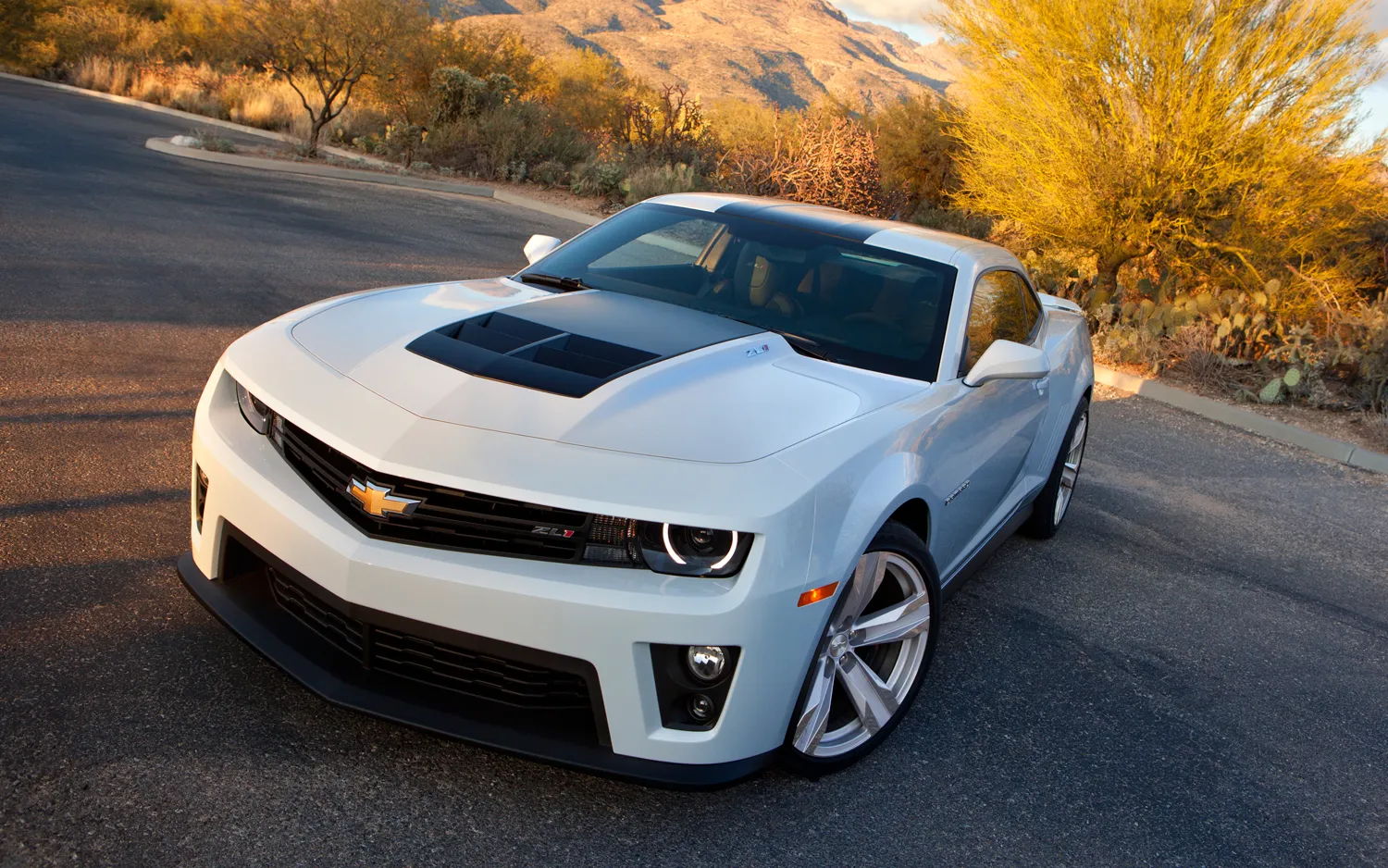
3. Chevrolet Camaro ZL1 (2012-2015)
Chevrolet’s fifth-generation Camaro ZL1 brought raw aggression and unexpected polish to the muscle car segment. When introduced, skeptics doubted its platform could handle 580 horsepower, yet time has proven this machine to be one of the finest all-around performers of its era. The car delivers immense power, surprising refinement, and lasting mechanical dependability that even newer sports cars struggle to replicate.
At the heart of the ZL1 is the LSA supercharged V8, a powerhouse celebrated for its balance between brutal strength and smooth operation. Its engineering minimizes overheating issues and ensures impressive longevity.
With consistent care, these engines can endure heavy use while staying reliable, something that sets them apart from more delicate European rivals. Owners enjoy thrilling acceleration without sacrificing peace of mind.
Handling was a revelation for many drivers. The magnetic ride suspension system adjusts instantly, allowing for comfort during relaxed drives and firmness when pushed hard.
Brembo brakes deliver immense stopping confidence, while steering feedback feels precise and natural. The chassis remains balanced, offering confidence to skilled and casual drivers alike. The ZL1’s dual personality track-capable yet road-friendly, remains one of its greatest strengths.
Its design continues to draw admiration. Every vent and curve serves a real aerodynamic purpose, giving the car an aggressive but purposeful stance. The proportions still look muscular, and while some details reveal their age, the car retains an authentic presence few modern designs can match.
Enthusiasts often prefer the six-speed manual for its direct connection, though the automatic’s rapid changes suit those wanting convenience. Regardless of transmission, performance remains thrilling.
With limited production numbers and rising appreciation for supercharged engines, the ZL1’s value continues to climb. These cars represent a pure era of American power machines built to thrill and destined to endure.
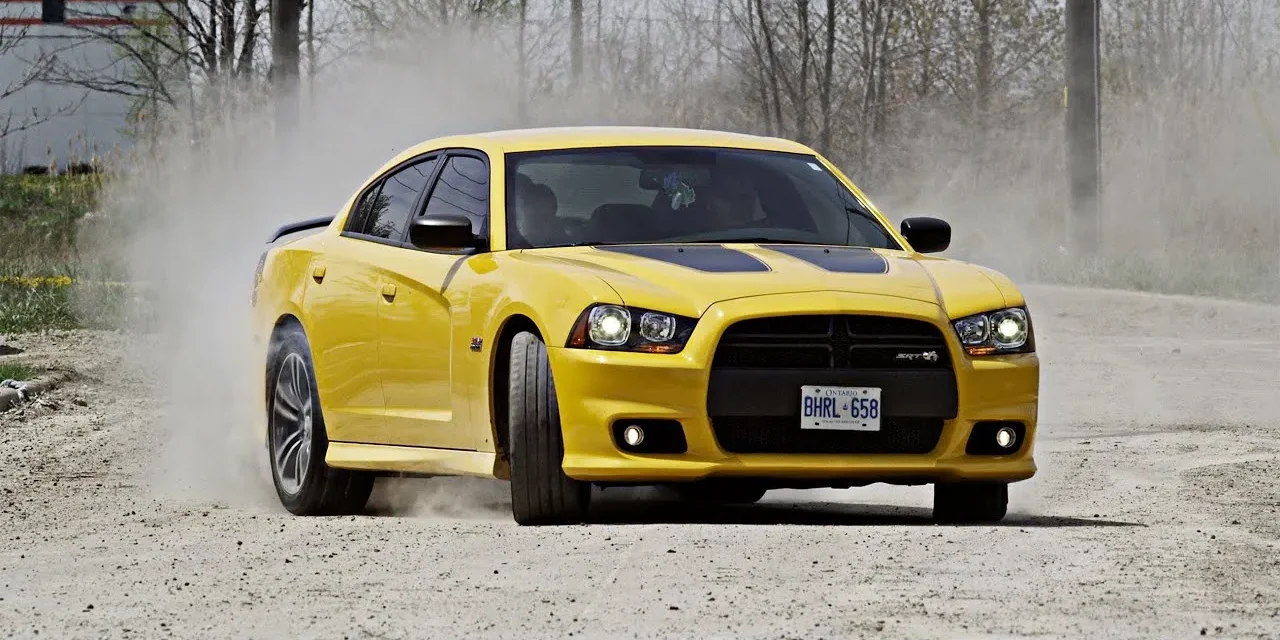
4. Dodge Charger SRT8 Super Bee (2012-2013)
Four-door muscle cars seem contradictory until you experience these Super Bee Chargers. Limited production makes them rare sights today, ensuring collectibility that grows annually.
Dodge built these to prove family sedans could deliver genuine performance, and time has validated their success. These Chargers age beautifully while providing practicality that two-door muscle cars can’t match.
That 6.4-litre Hemi pumps out 470 horsepower, more than enough to embarrass sports cars costing twice as much. Power delivery is instant and relentless. Exhaust note is properly menacing. E
verything about this engine reminds you that displacement matters. Modern turbos might make similar power, but they lack this motor’s character and soundtrack. As naturally-aspirated V8s disappear, this Hemi becomes more precious.
Practicality separates these Chargers from traditional muscle cars. Five adults fit comfortably. Massive trunk swallows luggage and equipment. You can use this car daily without compromise, then obliterate sports cars at stoplights. This versatility makes Super Bee Chargers appealing to enthusiasts who need functionality alongside performance.
Yellow exterior paint and graphics create an unmistakable presence. Some criticized the bold styling when new, but years have proven it works. These Chargers look special without being garish. The black stripe package provides a more subtle alternative for conservative buyers. Either way, you’re driving something distinctive rather than generic.
Interior quality is decent for American muscle from this period. Seats are supportive and comfortable. Materials hold up reasonably well. Technology hasn’t aged terribly. Everything feels solid rather than cheap. Yes, German luxury interiors are nicer, but those cars don’t have 470-horsepower Hemis under their bonnets.
Values are rising as collectors recognize Super Bee rarity and appeal. Low production numbers ensure scarcity. Growing appreciation for modern muscle drives demand.
Clean, documented examples command premiums that increase annually. These Chargers offer affordable entries into the collectible muscle car market while providing daily driver practicality that garage queen exotics can’t match. Smart buyers are grabbing them now before prices climb further.
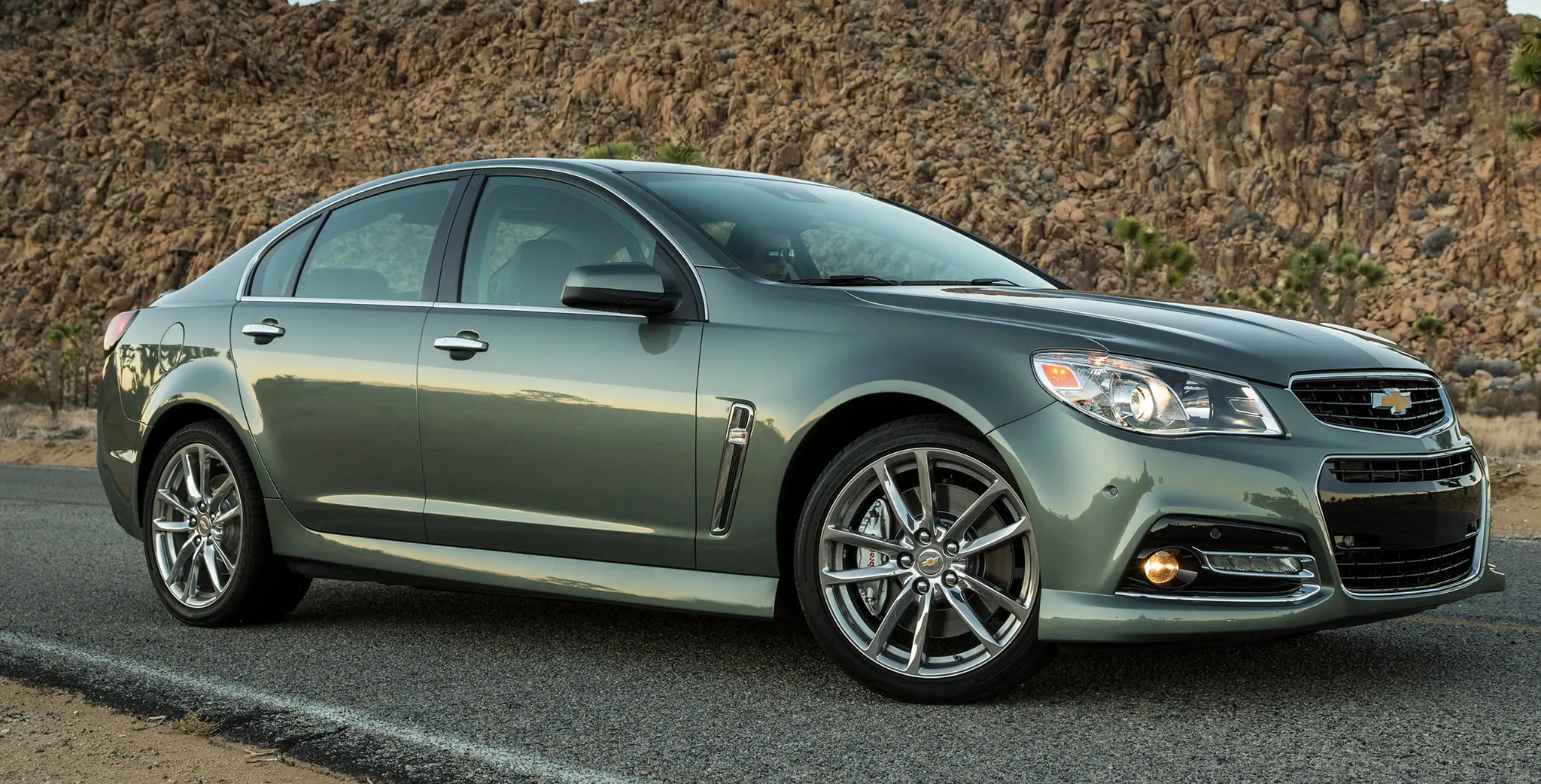
5. Chevrolet SS Sedan (2014-2017)
Chevrolet’s SS sedan remains one of the most underappreciated performance cars ever sold in America. Built by Holden in Australia and powered by a Corvette-sourced LS3 V8, it combined practicality, comfort, and muscle car strength in a package that went mostly unnoticed during its short production run. That anonymity, once a marketing problem, has become part of its charm, as enthusiasts now realize how special these cars truly are.
Under the hood sits a 6.2-liter LS3 V8 pushing out 415 horsepower, backed by the same dependable engineering found in Corvettes and Camaros. It’s durable, easy to service, and responds eagerly to upgrades. Owners can keep it stock for originality or tune it for more power; either way, the car delivers a level of performance that feels timeless.
Chevrolet offered a six-speed manual gearbox for those who preferred full driver control, but fewer than 4,000 were built that way. Locating one now takes serious effort, and collectors are paying hefty prices when they appear. Even the automatic versions hold strong appeal thanks to their smooth delivery and solid performance credentials.
The SS drives like a genuine sports sedan. Rear-wheel drive gives it balance and poise, while magnetic ride suspension adapts to every condition, from highway cruising to spirited cornering. The brakes inspire confidence, and the steering feels precise enough to remind drivers that this machine was tuned by people who cared about the driving feel.
From the outside, the SS looks deliberately understated. There are no exaggerated spoilers or badges, just clean lines that disguise its strength. To the casual eye, it could pass for a rental Malibu, but those who know, know. Its subtle design and brute power make it the perfect “sleeper.”
Collectors now chase these sedans as values surge. The combination of rarity, simplicity, and naturally aspirated V8 performance ensures they’ll remain sought-after for years to come.
Muscle Cars That Lost Their Edge
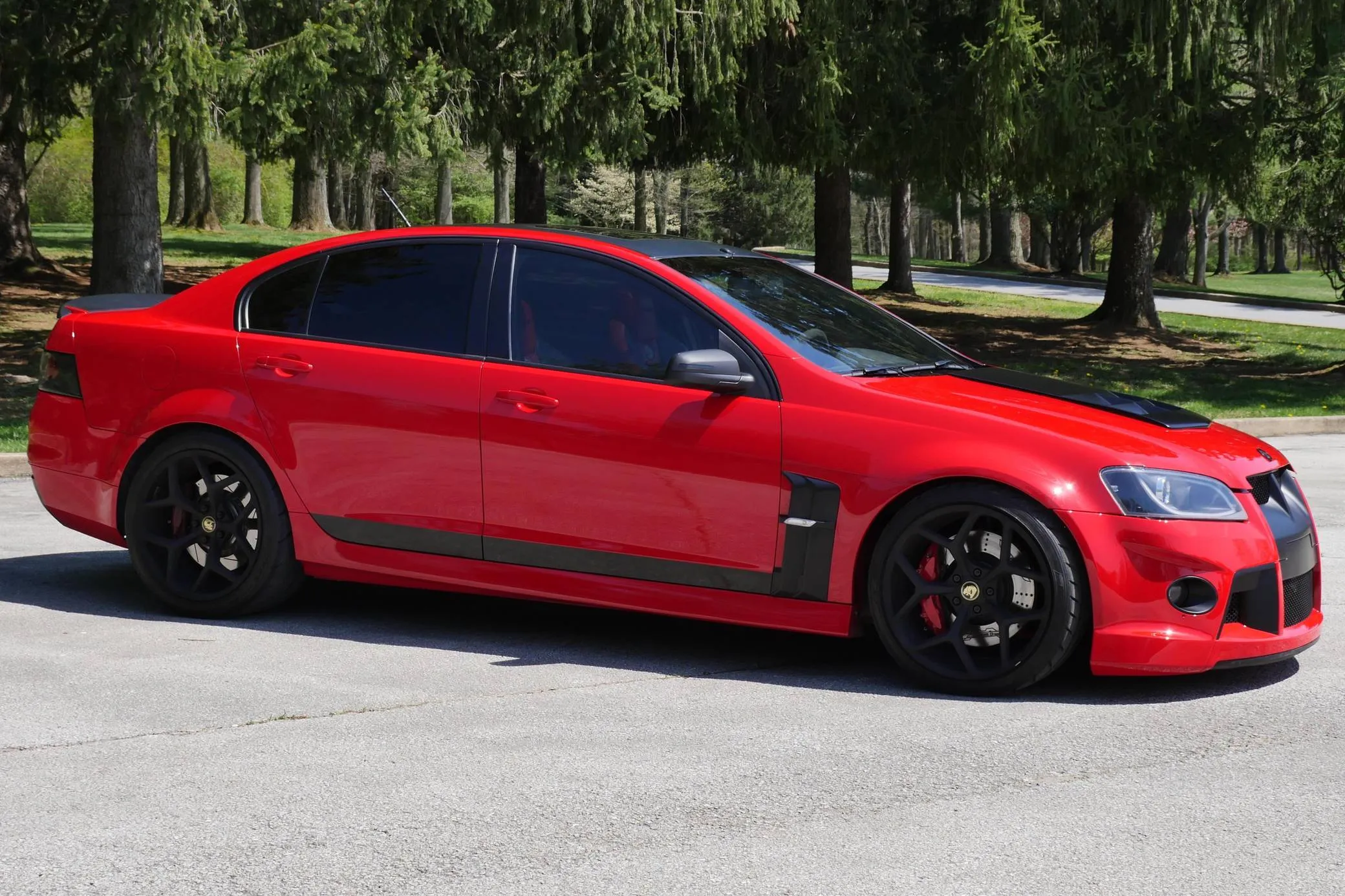
1. Pontiac G8 GT (2008-2009)
The Pontiac G8 once arrived with promise, marketed as a bold Australian-built sedan carrying the heart of American muscle. It looked ready to rival European and domestic performance models, but time has not been kind to it. The car’s short production run might have sparked collector interest, yet its poor execution and weak durability pushed it into obscurity instead.
The LS3 V8 engine remains dependable, but the rest of the car fails to impress. The interior feels cheap, filled with brittle plastics and panels that creak and rattle even with light use. The seats lose firmness quickly, and the dashboard design belongs to another era. Inside, it gives off the impression of a rental car dressed up with performance badges.
The exterior design aged even worse. Its sharp lines that once looked bold now appear awkward and dated. The front end seems cluttered, the profile lacks personality, and the rear styling offers nothing memorable. Few people would turn their heads today, except to question why anyone would hold on to one.
Transmission choices didn’t help its reputation. The automatic setup feels lifeless, and although a manual version was promised, it never arrived. Without that option, the car missed out on appealing to drivers who enjoy genuine control behind the wheel.
The end of Pontiac during GM’s financial collapse further damaged the G8’s chances at long-term survival. Replacement parts for unique trim and body pieces are increasingly hard to find, and that discourages restoration efforts.
At today’s bargain prices, most buyers still look elsewhere. The Chevrolet SS delivers the same power with refinement. Dodge Chargers bring personality and attitude. German sedans outperform it in craftsmanship. The G8 GT has become little more than a forgotten experiment, one that promised muscle but delivered disappointment.
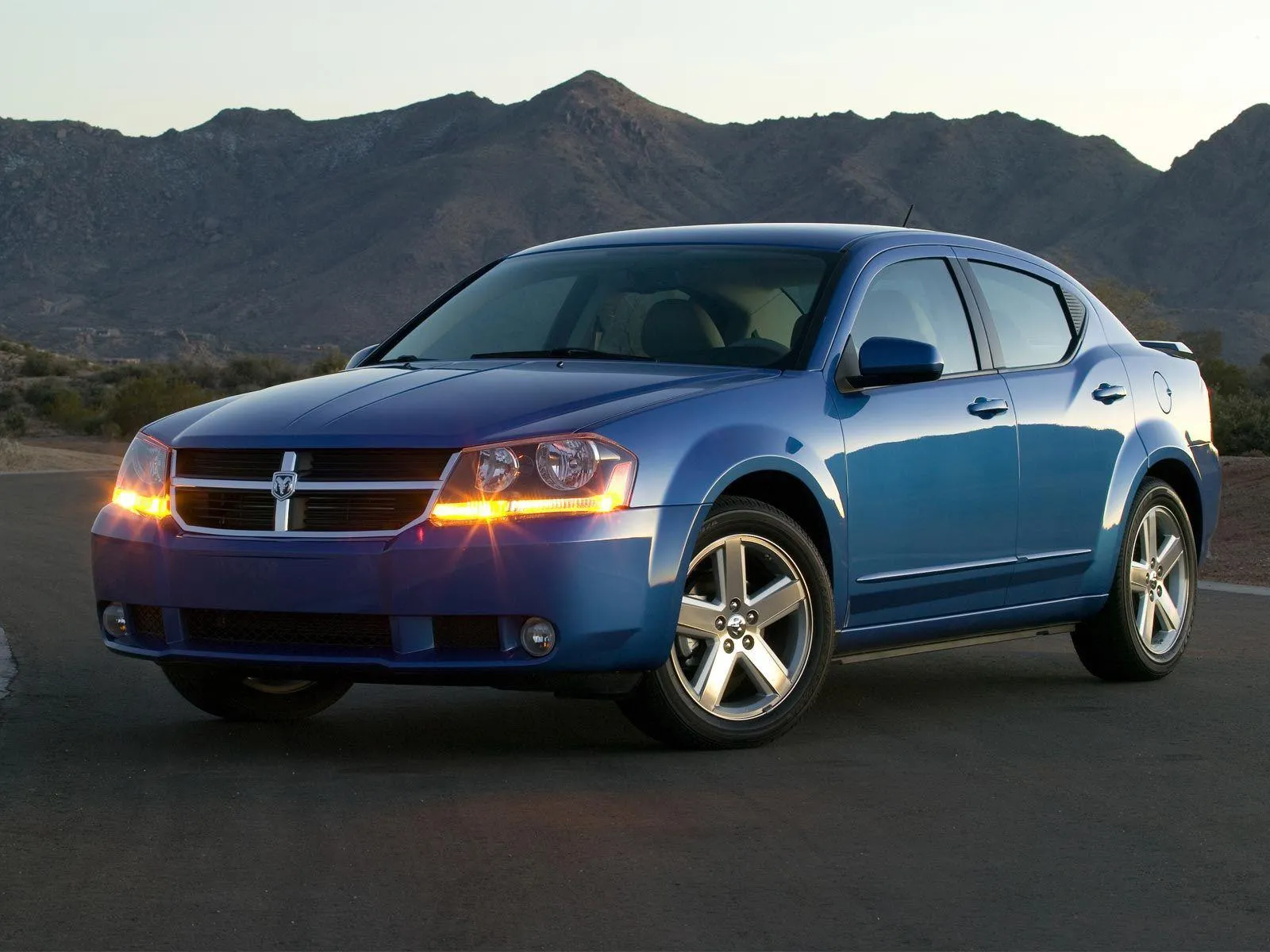
2. Dodge Avenger R/T (2008-2014)
Calling these Avengers muscle cars is generous. Front-wheel-drive V6 sedans never had any edge to lose. These were rental car specials with sporty badges that fooled nobody. Years have only exposed how inadequate these vehicles were, creating modern examples of everything wrong with badge engineering and cost-cutting.
V6 engines produce adequate power on paper but deliver uninspiring experiences. Front-wheel-drive layout eliminates any performance credibility. Handling is sloppy and unpredictable. These are transportation appliances pretending to be performance machines, and time has exposed this fraud completely.
Interior quality is shockingly bad. Cheap hard plastics cover every surface, cracking and fading within years. Seats provide zero support, becoming uncomfortable almost immediately. Everything rattles constantly. Build quality resembles toys rather than actual vehicles. Even when new, these interiors felt cheap. After years of use, they’re genuinely unpleasant places to spend time.
Styling is generic and forgettable. Nothing about these Avengers looks aggressive or muscular. They’re bland, anonymous sedans with R/T badges that mean nothing. This visual mediocrity ensures nobody gives them a second glance today. Walking past them in parking lots triggers no emotions, positive or negative.
Reliability problems appeared early and never stopped. Transmissions fail prematurely. Electrical systems malfunction constantly. Suspension components wear out quickly. These problems create maintenance costs that exceed vehicle values. Smart buyers avoid these Avengers completely, eliminating any resale value.
Even at current bargain prices, these sedans aren’t worth buying. Better alternatives exist at every price point. Avenger R/Ts never had edge, character, or appeal. They’re forgotten failures that deserve their obscurity. Time hasn’t been kind because there was nothing good to preserve. Skip these completely and choose literally anything else.
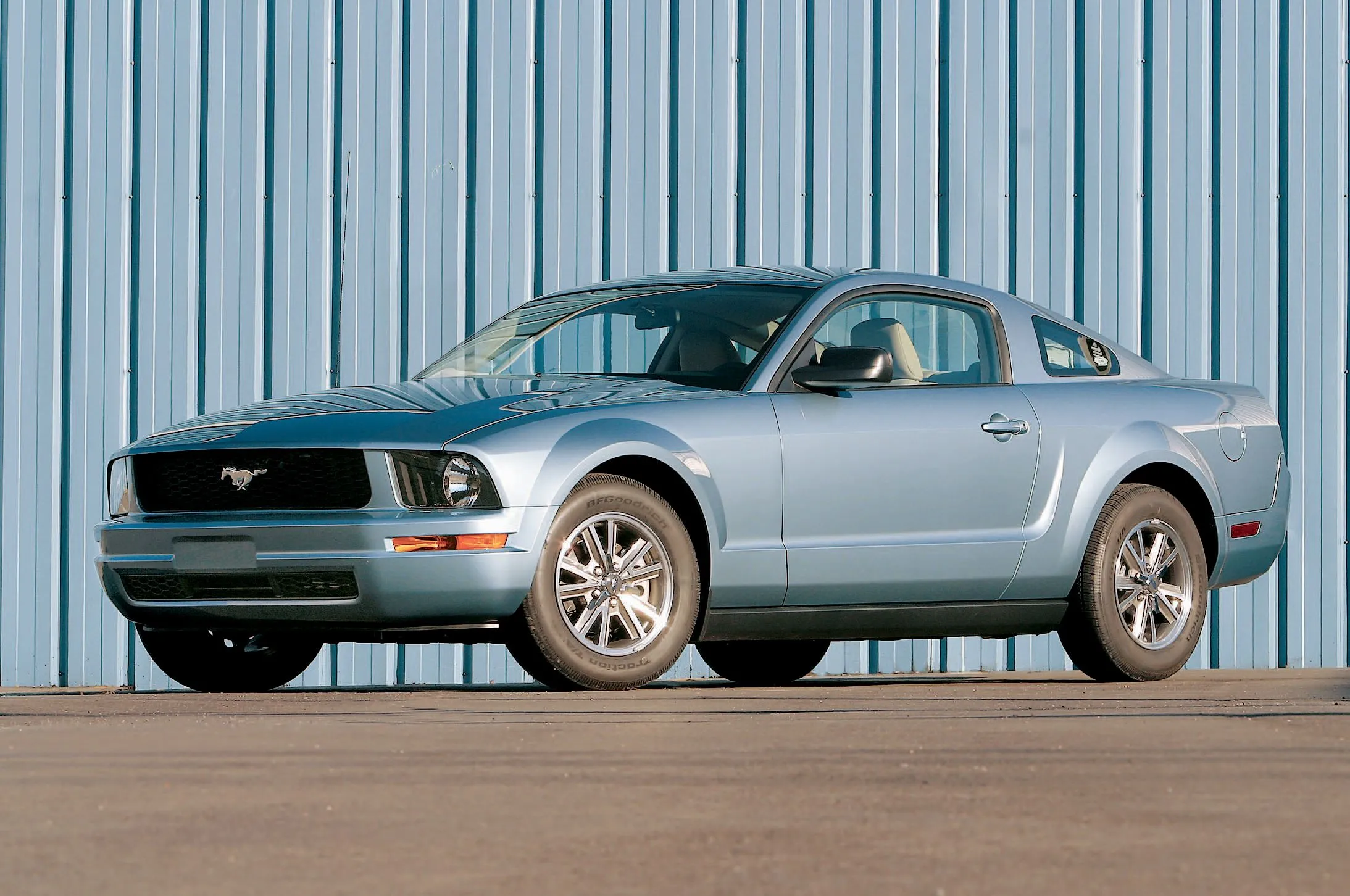
3. Ford Mustang V6 (2005-2009)
Base model Mustangs from this generation aged terribly. While GT models maintained some appeal, V6 versions became embarrassing remnants of uninspired design and inadequate performance. These cars looked dated within years, losing whatever limited edge they briefly possessed.
Styling seemed retro-cool in 2005 but quickly became stale. Proportions look awkward today. Details that seemed clever became cliché. These Mustangs don’t have the timeless appeal that earlier generations achieved. They look like early 2000s products, dated and unappealing to modern eyes.
V6 engines produce underwhelming power that gets embarrassed by modern economy cars. 210 horsepower feels adequate until you realize Camrys make more. Performance is sluggish and uninspiring. These aren’t muscle cars; they’re styling exercises with inadequate powertrains. This reality becomes more obvious as years pass and everything else gets faster.
Interior quality is abysmal. Hard plastics everywhere feel cheap and nasty. Seats are uncomfortable and lack support. Dashboard design is cluttered and ugly. Materials deteriorate quickly, creating interiors that look ancient after minimal use. Spending time in these cabins is punishment rather than pleasure.
Automatic transmissions are particularly awful. Five-speed units move slowly and hunt constantly for gears. Manual gearboxes are better, but can’t save these cars from mediocrity. Either way, you’re driving uninspiring vehicles that have lost whatever limited appeal they had.
Values plummeted and stayed low. Nobody collects these base Mustangs. Enthusiasts want GTs or better. Casual buyers choose newer, better vehicles. These V6 models sit unsold on used car lots, depreciating into worthlessness. Even at current bargain prices, they’re not worth buying. Better options exist everywhere. These Mustangs lost their edge years ago and will never regain it.
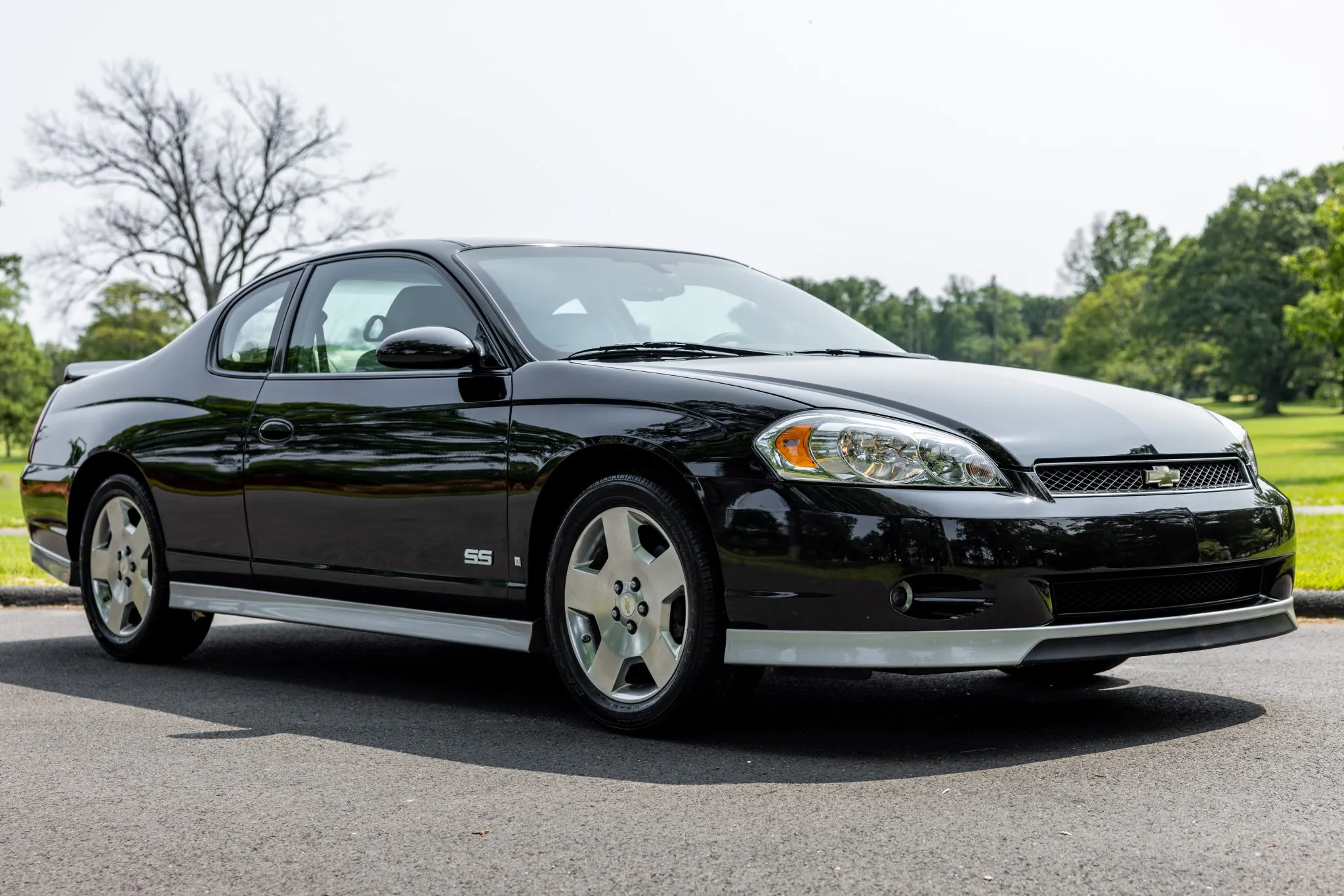
4. Chevrolet Monte Carlo SS (2006-2007)
Front-wheel-drive “muscle cars” were bad ideas that aged into complete embarrassments. These final Monte Carlos represented everything wrong with the American automotive industry during this period. Cost-cutting, badge engineering, and cynical marketing created vehicles that lost whatever edge they pretended to have almost immediately.
V8 power sent through the front wheels created torque steer nightmares. These cars pull and tug during acceleration, fighting steering inputs constantly. Handling is atrocious with understeer that physics dictates. Performance credibility is zero because front-drive muscle cars are contradictions that can’t succeed.
Styling is generic and forgettable. These look like every other GM sedan from this era, bland and characterless. Nothing about them appears muscular or aggressive. They’re anonymous transportation with SS badges that mean nothing. This visual mediocrity ensures nobody remembers or cares about them today.
Interior quality matches exterior disappointment. Cheap plastics everywhere feel nasty to touch. Seats are uncomfortable and poorly shaped. Dashboard design is cluttered and ugly. Everything rattles and squeaks. Build quality is terrible, even when new, becoming genuinely awful after years of use.
Reliability issues plagued these Monte Carlos from the start. Electrical problems appear constantly. Transmission issues develop quickly. Engine problems aren’t uncommon despite pushrod simplicity. These problems create maintenance costs that rapidly exceed depreciating values.
Values collapsed and never recovered. Nobody wants these failed experiments. Collectors ignore them completely. Enthusiasts mock them. Casual buyers choose better vehicles easily. Even at current extremely low prices, Monte Carlo SS models aren’t worth considering. They never had a real edge, just marketing hype that evaporated immediately. These cars deserve their obscurity and forgotten status.
Also Read: 10 Forgotten Muscle Cars Worth Restoring
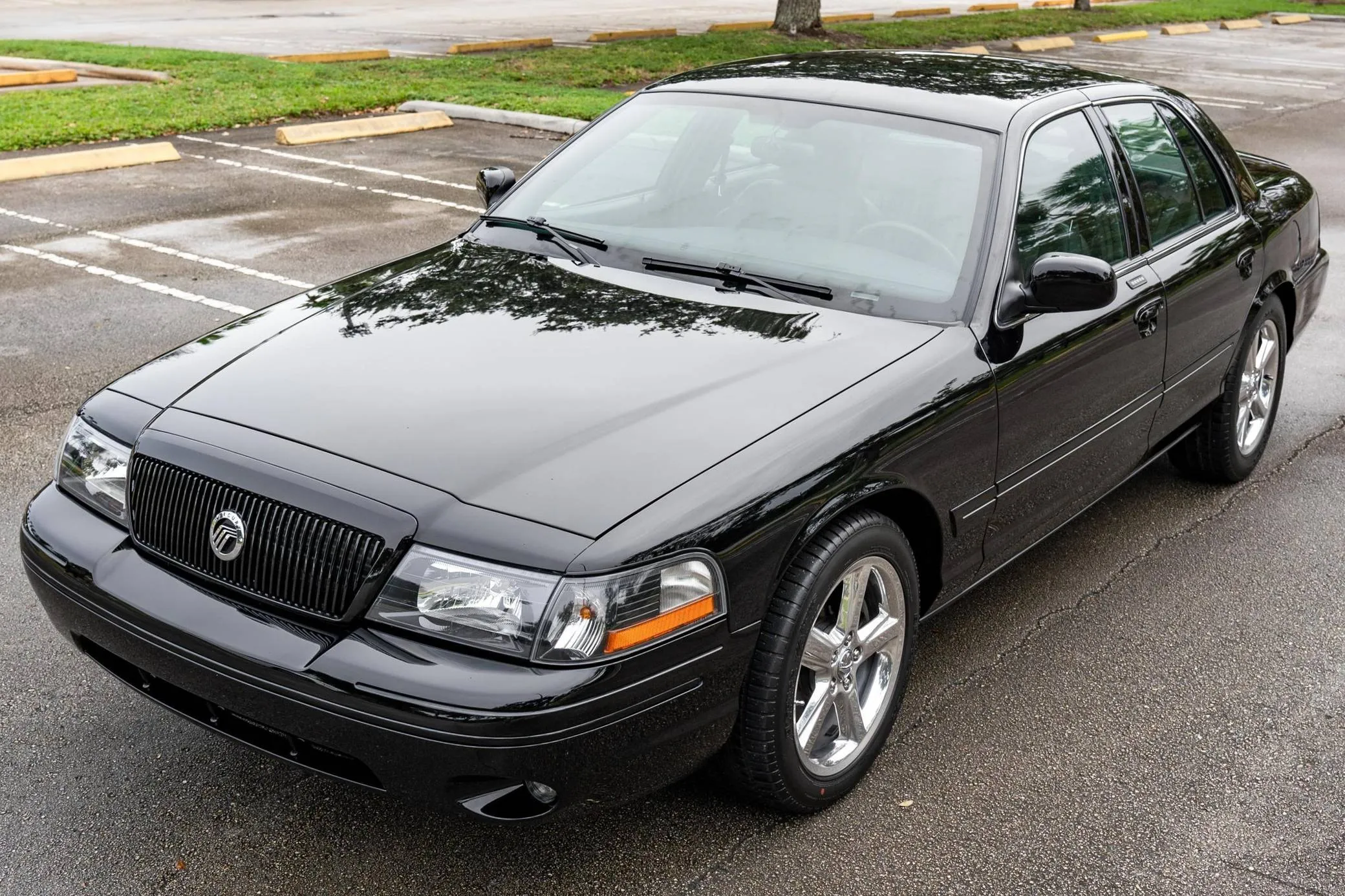
5. Mercury Marauder (2003-2004)
Big V8-powered sedans often develop a loyal following with age, but the Mercury Marauder never reached that point. Despite its rarity, it failed to inspire much excitement. The car felt like an attempt to create performance flair on a platform that was never designed for it, leaving buyers unsure of what it was supposed to be.
Its exterior lacked any real presence. The Marauder looked too similar to the Crown Victoria, with only subtle trim and dark paint separating it from a police cruiser. It lacked the muscular stance or bold design that could have made it memorable. Most people wouldn’t give it a second look, and that anonymity did it no favors.
The 4.6-liter V8 offered 302 horsepower, which sounds strong on paper, but the car’s weight dulled any sense of urgency. Acceleration was lazy, and handling felt heavy and soft. Drivers expecting a modern interpretation of classic muscle were left disappointed. The suspension leaned too much, and the brakes felt barely sufficient.
Inside, the cabin showed slightly nicer materials than the standard Crown Vic, but nothing close to luxury. The seats worked fine for long drives but lacked firmness. The dashboard design and technology quickly became outdated, giving the interior a dated feel rather than nostalgic charm.
The Marauder’s best trait was its durability. Built on the same dependable platform as the police sedans, it could run for years with regular care. Yet dependability alone rarely stirs passion. Car enthusiasts looked elsewhere for excitement, leaving the Marauder forgotten.
Collectors have never rushed to rescue it, and resale prices remain low. Despite Mercury’s attempt to revive its performance image, the Marauder faded into obscurity, remembered more as a missed opportunity than a misunderstood classic.
