
Closing a car door tells you everything about build quality. Some SUVs slam shut with satisfying thuds that announce substance and solidity.
Others rattle and flex, their hollow sounds revealing flimsy construction that makes you question every purchase decision. This difference separates vehicles built to last from those designed to barely survive warranty periods before falling apart spectacularly.
Build quality isn’t just about luxury or price tags. Plenty of expensive SUVs feel fragile despite costing small fortunes, their cabins creaking and panels flexing under normal use. Meanwhile, certain affordable models feel tank-like, their robust construction inspiring confidence that they’ll handle whatever life throws at them.
This distinction matters because nobody wants to drive vehicles that feel like they’re disintegrating around them. Tough builds provide peace of mind that fragile alternatives can’t match. You drive over potholes without cringing.
You load cargo without worrying about breaking interior trim. You close doors normally without treating them like delicate antiques. This durability makes ownership pleasant rather than stressful, eliminating constant anxiety about damaging vehicles through normal use.
Fragile SUVs create opposite experiences. Every bump sounds expensive. Loading luggage risks snapping plastic clips.
Closing doors requires gentleness usually reserved for handling newborns. This fragility transforms vehicles into sources of stress rather than reliable transportation, making ownership miserable regardless of how good they looked in showrooms.
This guide examines ten SUVs split between these extremes. Five demonstrate build quality that justifies confidence in their longevity.
Five others feel so fragile that you’ll question their survival past warranty expiration. Understanding these differences helps you choose vehicles that provide satisfaction rather than frustration throughout ownership.
SUVs With Toughest Builds
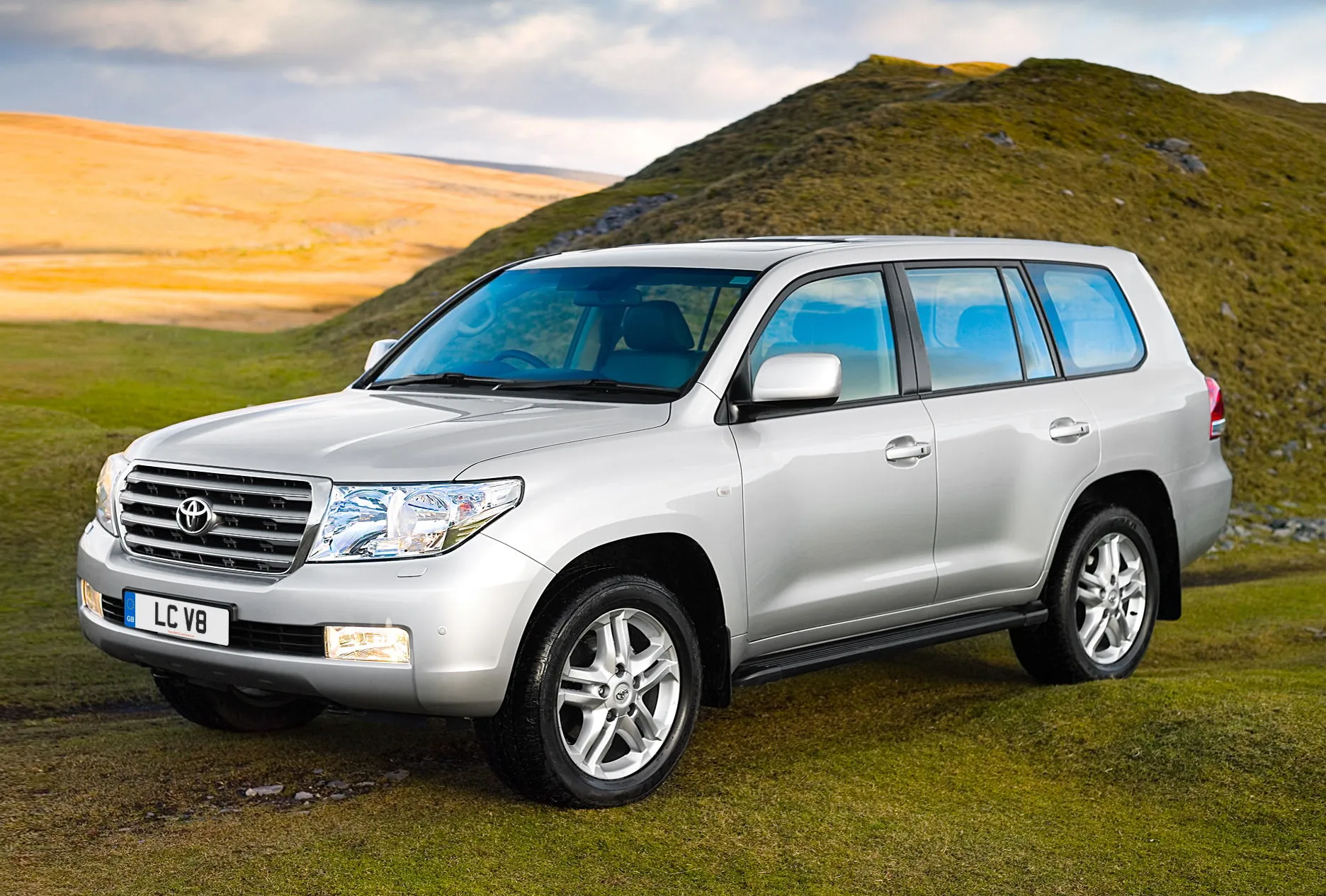
1. Land Cruiser 200 Series (2008-2021)
Toyota designed the Land Cruiser to withstand the harshest conditions on earth, focusing on long-term survival rather than modern trends. These SUVs are made for places where dependability can mean the difference between life and death.
Every part feels solid and carefully crafted, with doors that close with a reassuring thud and panels that fit perfectly. The whole vehicle gives an impression of strength and permanence, proving its worth through pure engineering quality.
The Land Cruiser’s body-on-frame design uses thick, heavy-duty steel that outclasses modern unibody crossovers. Its frame rails are enormous, able to take serious punishment without bending.
The body panels feel solid to the touch; nothing about them is light or cheaply made. Toyota’s approach leaves no room for compromise, delivering an SUV that earns its high price through toughness and longevity.
Inside, the cabin shows the same dedication to quality. The leather improves with age instead of wearing out quickly, while the dashboard plastics remain strong even after years of exposure.
Switches and knobs work with precision, proof of engineering that values endurance over cost savings. Everything inside feels dependable, unlike cheaper models that lose their quality in a short time.
Every Land Cruiser feels tightly built, doors close with weight, panels line up evenly, and there are no rattles or squeaks, even on rough roads.
The suspension system uses oversized parts for extra life, while joints and bushings are built to survive constant stress. When maintenance is needed, parts are easy to find worldwide because the Land Cruiser has earned a loyal global following.
Rust protection is another strong point, with thick coatings guarding the underbody from corrosion. Its panels resist rust far better than those of cheaper SUVs. Simply put, the Land Cruiser is built for decades of faithful service, not just a few years of ownership.
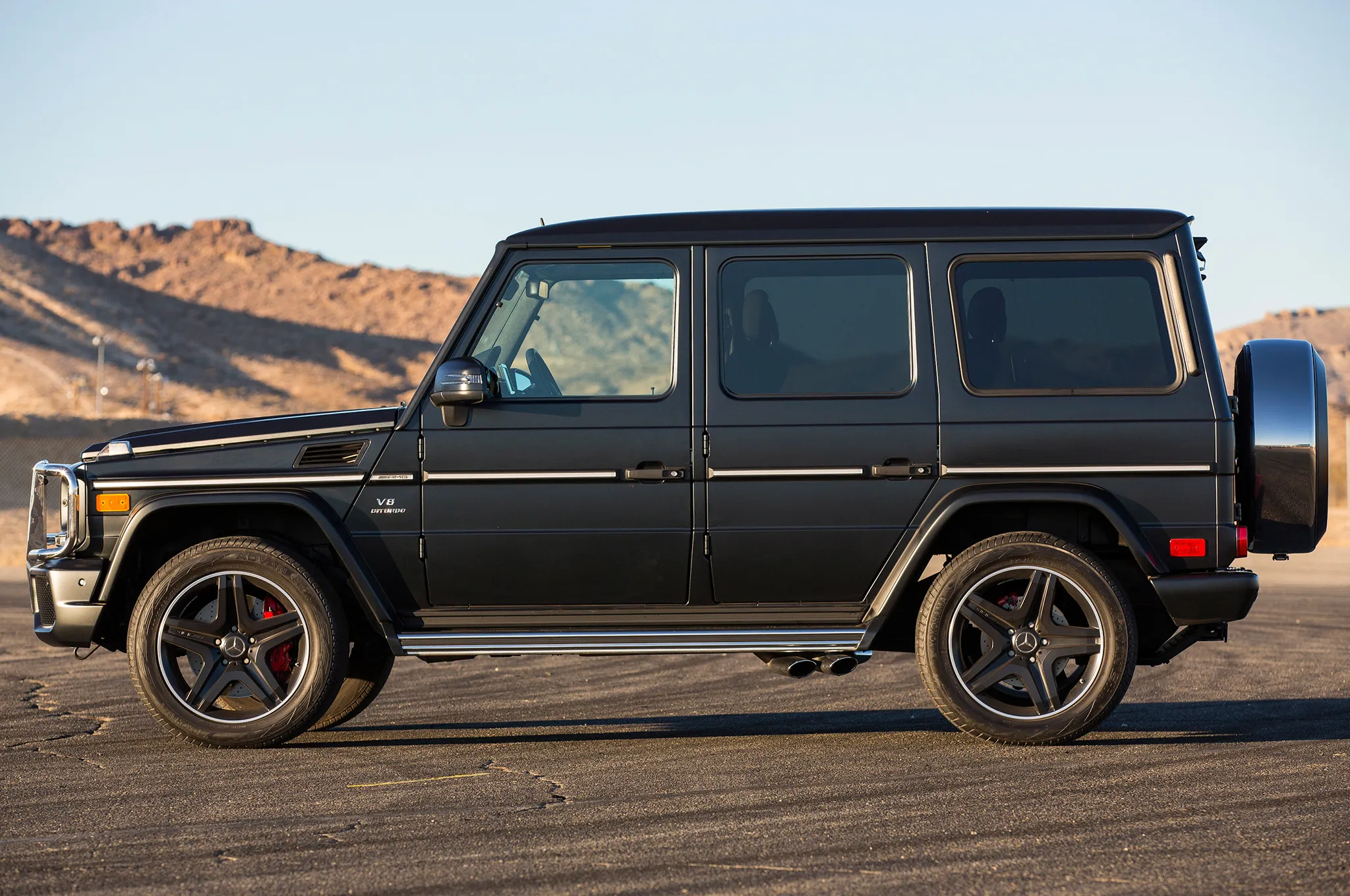
2. Mercedes-Benz G-Class W463 (2013-2018)
Military heritage shows in every aspect of these G-Wagens. Originally developed for armies needing indestructible transportation, these SUVs maintain rugged construction despite gaining luxury features.
Close any door, and that bank-vault thud announces engineering that prioritizes substance over weight savings. Everything feels massively overbuilt, creating confidence that these Mercedes will survive anything.
Body-on-frame construction uses thick steel throughout. Ladder frames are substantial, designed to handle extreme off-road abuse. Body panels are heavy-gauge metal, their thickness apparent when you touch them.
Nothing flexes or feels flimsy. Mercedes engineered these G-Class models without compromising structural integrity for fuel economy or handling, creating SUVs that feel indestructible.
Three locking differentials and a solid front axle create drivetrains built for serious off-road capability. Components are sized generously, designed to handle abuse that would destroy crossover all-wheel-drive systems.
Everything feels robust and overengineered. When you engage lockers, mechanical clunks announce serious hardware rather than electronic trickery.
Interior quality combines luxury with durability. Materials are excellent throughout the cabins. Leather is thick and properly tanned.
Dashboard plastics are substantial. Controls operate with precision that suggests proper engineering. Everything feels built to last rather than meet minimum standards. Even after years of use, these interiors maintain the quality that cheaper SUVs lose immediately.
Panel gaps are consistent despite hand-assembly processes. Doors align perfectly. Nothing rattles despite the body-on-frame construction that usually creates noise.
This attention to quality separates G-Class models from competitors that feel poorly assembled. Mercedes maintains standards that justify premium pricing through superior construction.
Rust protection is excellent because Mercedes knows these SUVs face harsh conditions. Undercarriage coatings prevent corrosion. Body panels resist perforation.
This durability makes G-Wagens worth maintaining indefinitely, their robust construction creating vehicles that last generations. These are SUVs built like tanks because they basically are tanks with luxury appointments.
Also Read: 12 SUVs That Can Handle Both City and Dirt Roads
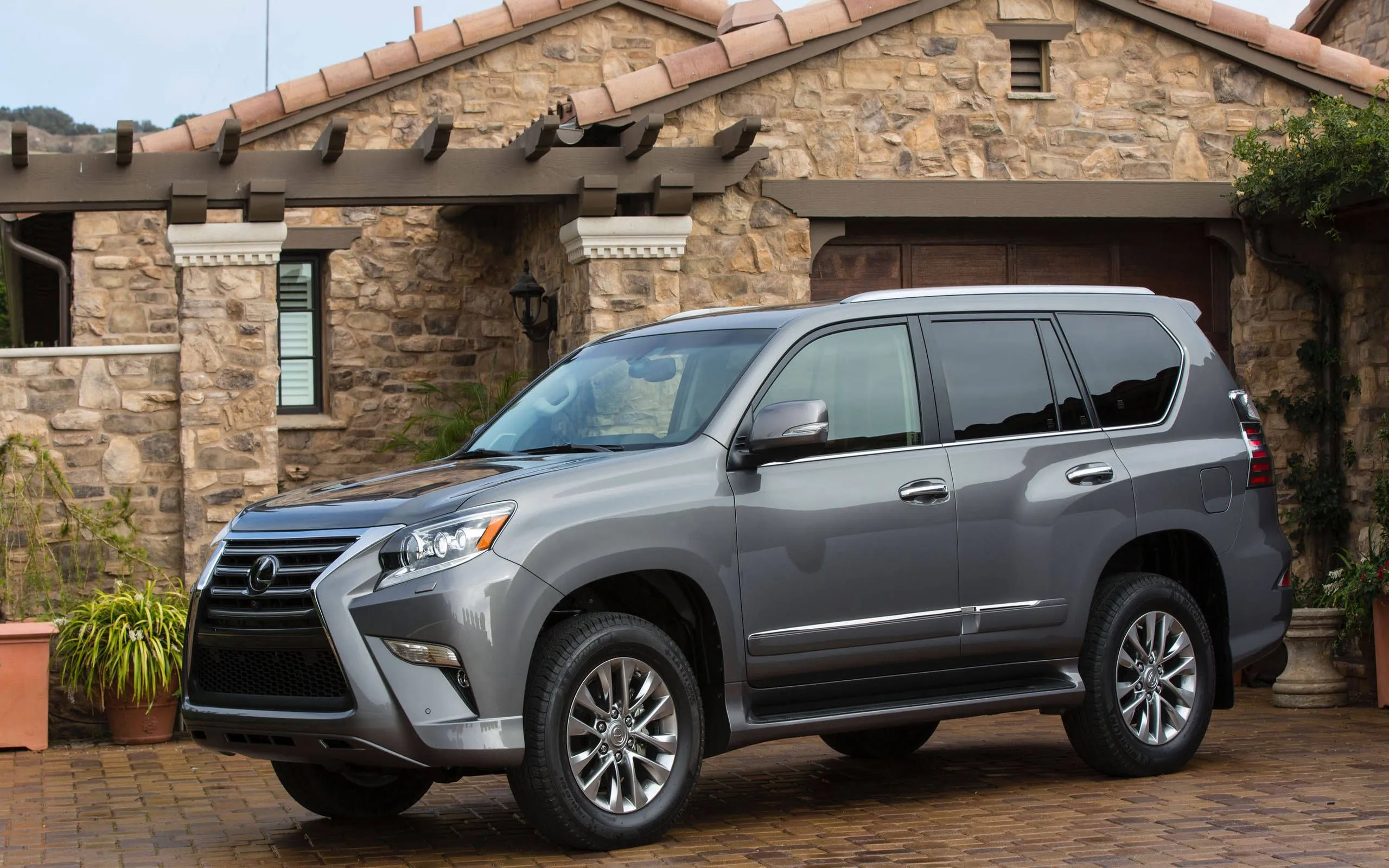
3. Lexus GX 460 (2014-2019)
Body-on-frame construction meets Lexus quality in these understated SUVs. Built on proven Land Cruiser Prado platforms, these GX models demonstrate Toyota’s engineering excellence wrapped in luxury packaging.
Every door closes with satisfying solidity. Every panel fits precisely. Everything feels substantially built rather than cost-optimized, creating SUVs that inspire confidence in their longevity.
Frame rails are thick and robust, designed to handle serious off-road use despite luxury positioning. Body panels are substantial metal rather than thin stamped steel. Nothing flexes or feels flimsy when you press on it.
Lexus engineers these SUVs to survive decades rather than barely last through lease periods, creating vehicles that justify premium pricing through superior construction.
Interior materials are excellent throughout the cabins. Leather is thick and properly finished. Dashboard plastics are substantial and well-textured. Switchgear operates with precision that suggests quality engineering.
Everything feels solid and well-assembled, maintaining quality after years that cheaper SUVs lose within months. Controls don’t become loose or sticky like budget alternatives.
Suspension components are sized generously for durability. Bushings last longer than competitors. Ball joints handle abuse gracefully.
Everything is engineered to survive rather than meet minimum standards. When maintenance becomes necessary, parts are readily available because these GX models share components with global Land Cruiser platforms.
Doors close with satisfying thuds that announce quality construction. Panel gaps remain consistent across production.
Nothing rattles or squeaks even after extensive use on rough roads. This assembly quality separates Lexus from competitors that feel loose immediately. Japanese precision creates vehicles that feel tight and solid throughout their lives.
Rust protection is excellent because Toyota engineers these platforms for global markets, including harsh environments. Undercarriage coatings prevent corrosion. Body panels resist perforation that plagues cheaper brands.
This durability makes GX 460s worth maintaining indefinitely; their robust construction justifies long-term ownership that fragile alternatives can’t support. These are SUVs built to last that actually deliver on that promise.
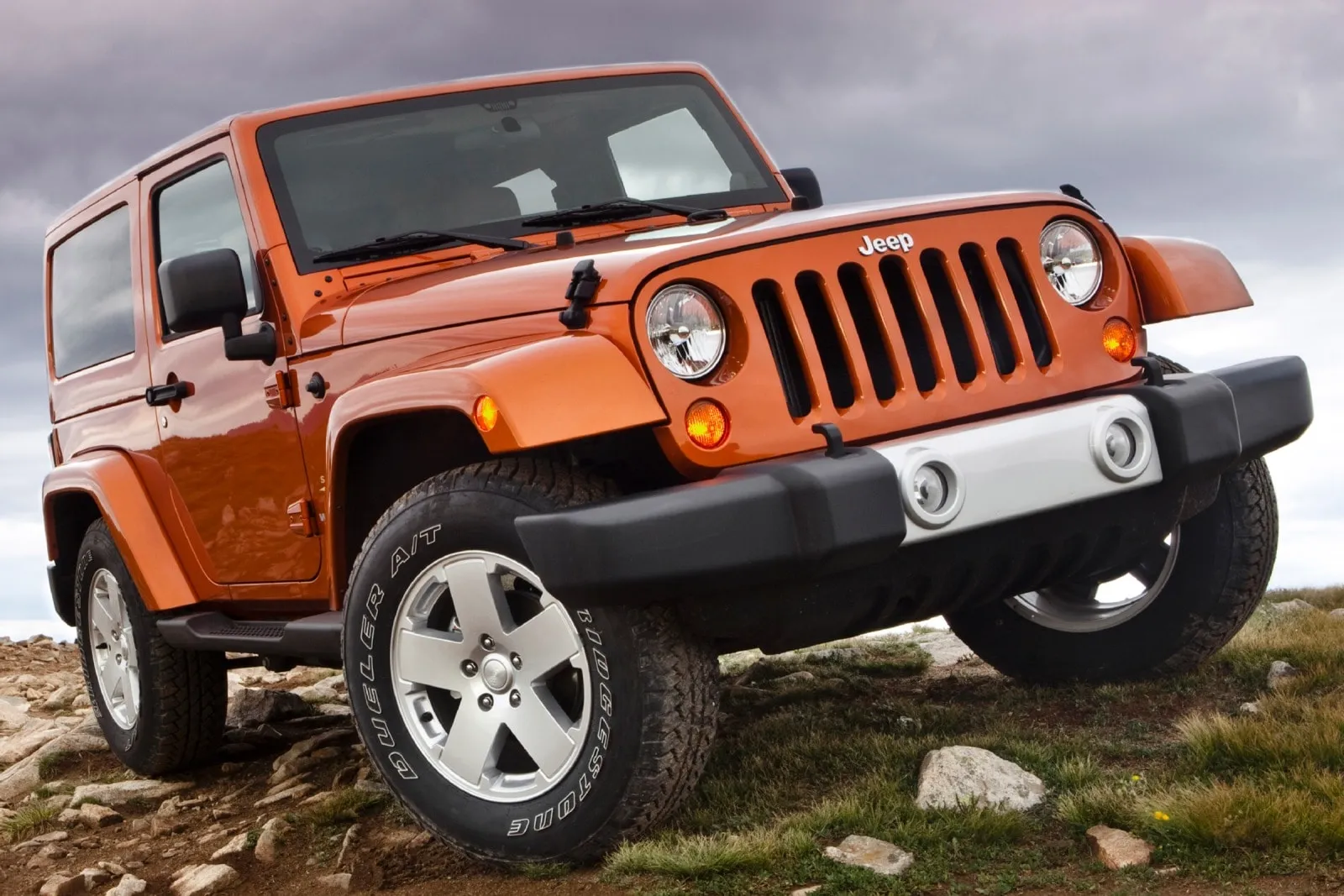
4. Jeep Wrangler JK Unlimited (2012-2018)
Vehicles built purposely for off-road use show a level of toughness that ordinary crossovers cannot reach. The four-door Jeep Wranglers are designed to take punishment, with strong frames and solid axles that easily overcome obstacles that would stop weaker SUVs.
When you close the door, the exposed hinges and simple locks make it clear that this vehicle was built for function, not fancy looks. Every part of it feels strong and deliberate.
The body panels are light but easy to replace when damaged. Nothing about this vehicle is fragile or overly refined.
Jeep designed it to be fixed and kept running instead of being treated gently. Its simple mechanics and bolt-on parts make repairs quick and affordable, so damage becomes an inconvenience rather than a disaster.
The solid axles in front and rear give it the strength to handle tough roads. The Dana axles are well-known for durability, surviving impacts that would ruin independent suspensions.
The locking differentials are mechanical, not electronic, ensuring that the system works even in the harshest environments. On regular roads, the Wrangler might seem overbuilt, but that’s because it was designed for wild trails where other vehicles fail.
Inside, the cabin focuses on strength and practicality. The materials are not luxurious, but they are long-lasting.
The seats are comfortable yet tough, and the dashboard is made of firm plastic that can take rough handling. The interior can even be washed out with water without worry, making it perfect for muddy or dusty adventures.
Even with removable doors and roof panels, the Wrangler keeps its structure firm and safe. Reinforced roll bars and strong chassis construction ensure stability and protection.
Spare parts are easy to find since many components are shared with other Jeep models, and the aftermarket support is enormous.
In short, the Wrangler is built to endure as a true workhorse that lasts through years of use and repair, proving its strength where softer SUVs give up.
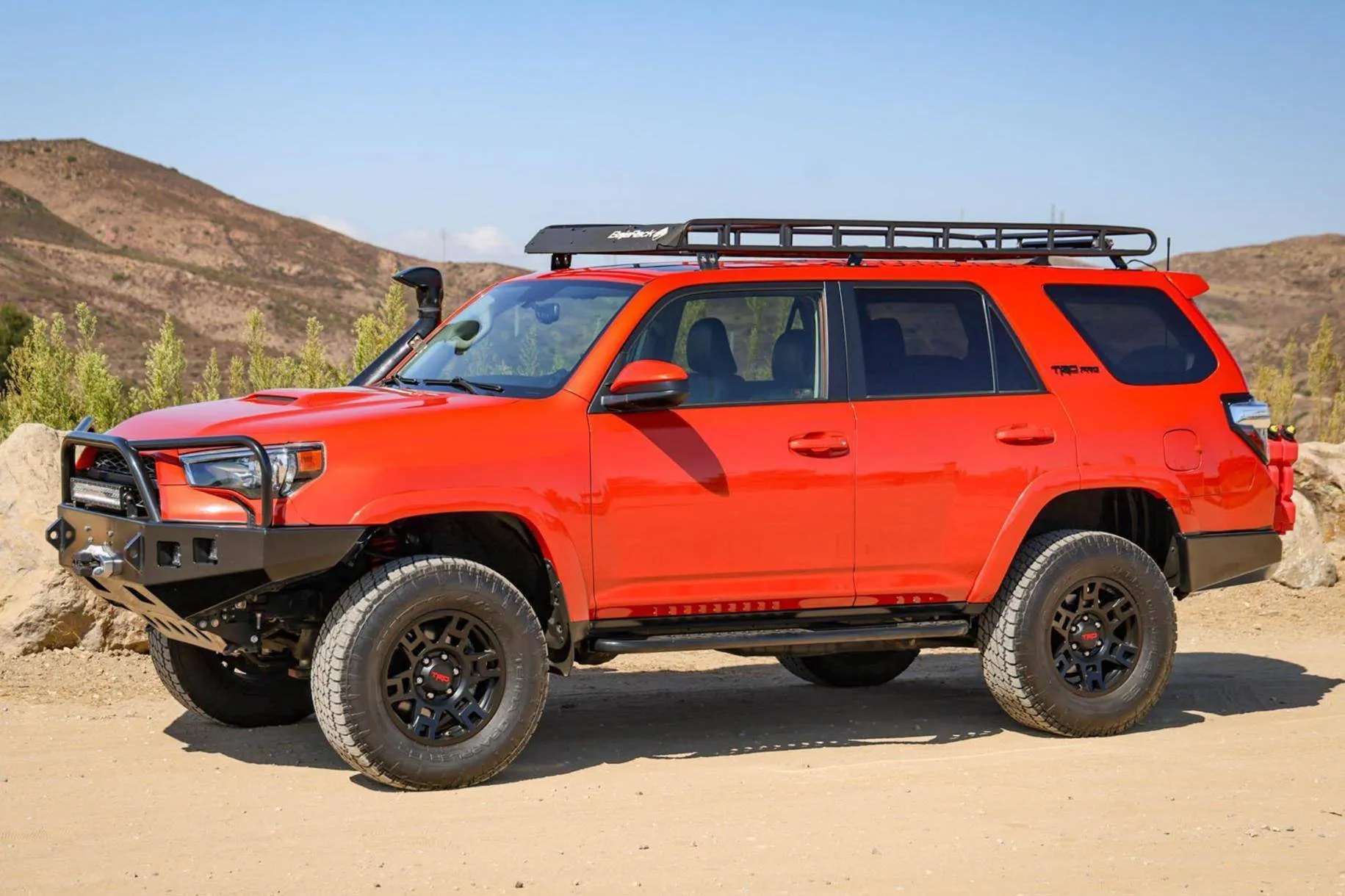
5. Toyota 4Runner TRD Pro (2015-2019)
Traditional truck construction paired with Toyota’s reputation for dependability gives the 4Runner its legendary toughness. Every part of this SUV feels solid, from the heavy doors that close with authority to the thick body panels that shrug off minor dents.
Toyota built the 4Runner with real off-road use in mind, not just as a family hauler dressed up to look adventurous. These are genuine trucks with enclosed cabins, not crossovers pretending to be capable.
The ladder frame beneath the body is crafted from thick steel, able to handle towing, hauling, and trail punishment without complaint.
Its solid mounts prevent squeaks and vibrations that often appear in rival body-on-frame designs. The structure feels dense and unyielding, proof that Toyota engineers designed it to last for decades rather than a few lease cycles.
Inside, materials were chosen for endurance rather than trendiness. Cloth upholstery wears better than leather in rough conditions, while the dashboard and controls retain their firmness year after year.
Every button, knob, and handle feels deliberate, built to withstand heavy use. Unlike competitors that age quickly, 4Runner interiors maintain their integrity long after the odometer climbs past 300,000 kilometres.
Underneath, suspension components are oversized and engineered for durability. Strong control arms, solid ball joints, and robust shocks allow the vehicle to absorb punishment without complaint. Models equipped with TRD Pro components handle rocky roads with ease while maintaining civility on pavement.
Toyota’s assembly precision ensures everything fits tightly and remains quiet as time goes on. Protective skid plates, anti-corrosion coatings, and sealed underbodies keep rust at bay.
The 4Runner stands as one of the last true SUVs that values toughness over trends, a machine built for decades of real-world use, capable of surviving conditions that would destroy most modern crossovers.
SUVs That Feel Fragile
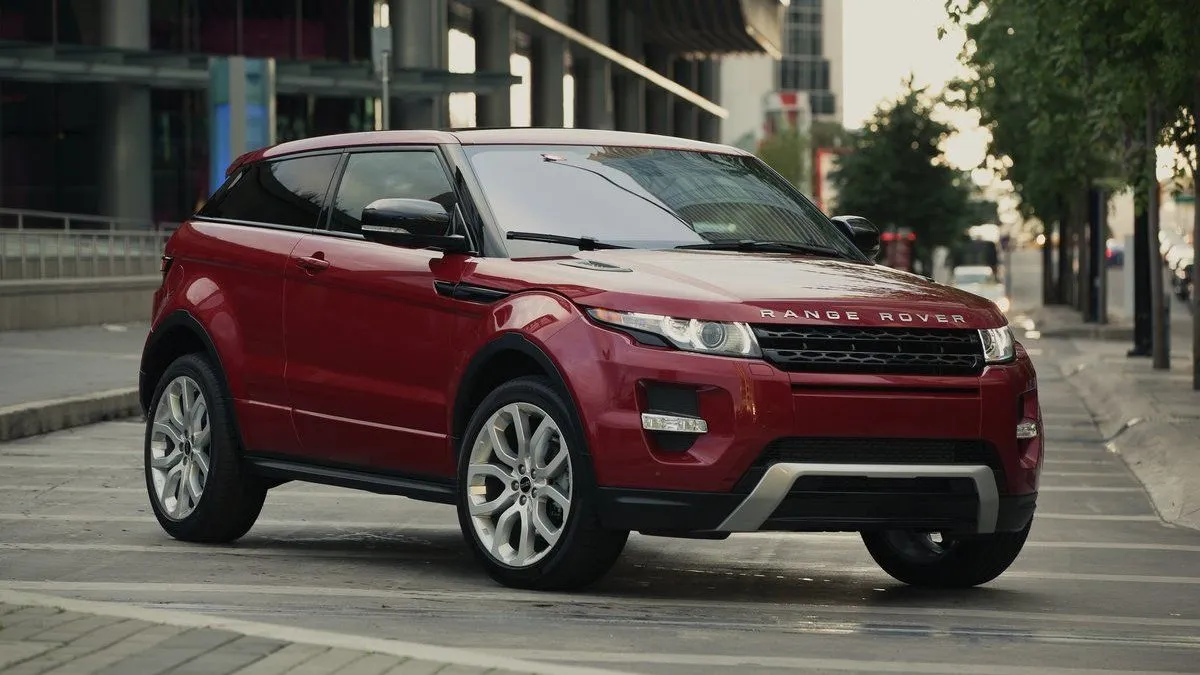
1. Range Rover Evoque (2012-2018)
Stylish exteriors hide disappointing construction in these compact Land Rovers. Close any door, and hollow sounds announce thin panels and cost-cutting that betrays premium pricing.
Everything feels flimsy despite expensive badges, creating SUVs that inspire zero confidence in their longevity. Interior plastics creak constantly. Body panels flex under pressure. These are fragile vehicles masquerading as luxury products.
Unibody construction uses thin stamped steel that flexes noticeably. Press on any body panel, and it moves more than it should.
Nothing feels substantial or robust. Land Rover prioritized style over substance, creating vehicles that look good initially but feel cheap immediately. Panel gaps are inconsistent. Doors don’t align properly. Everything suggests poor quality control.
Interior materials deteriorate rapidly despite luxury positioning. Dashboard plastics crack under sun exposure. Leather wears prematurely.
Switchgear becomes loose and sticky within a few years. Everything feels cheap despite premium pricing. Controls that operated smoothly when new become sloppy and imprecise quickly.
Electronic systems fail constantly, creating reliability nightmares that compound build quality concerns. Touchscreens freeze and crash.
Sensors malfunction regularly. Every electronic component seems designed to fail prematurely. These problems combine with poor construction, creating thoroughly miserable ownership experiences.
Suspension components wear out quickly. Bushings deteriorate rapidly. Control arms develop prematurely. Everything feels loose after minimal use. Replacement costs are astronomical because Land Rover charges premium prices for components that shouldn’t fail so early.
Rust protection is inadequate despite premium pricing. Undercarriage corrosion appears quickly. Body panels develop perforation prematurely.
This poor durability makes Evoke’s terrible long-term propositions; their fragile construction, combined with terrible reliability, creates vehicles that lose value catastrophically. These are SUVs that feel fragile because they are fragile, betraying every expectation that luxury badges create.
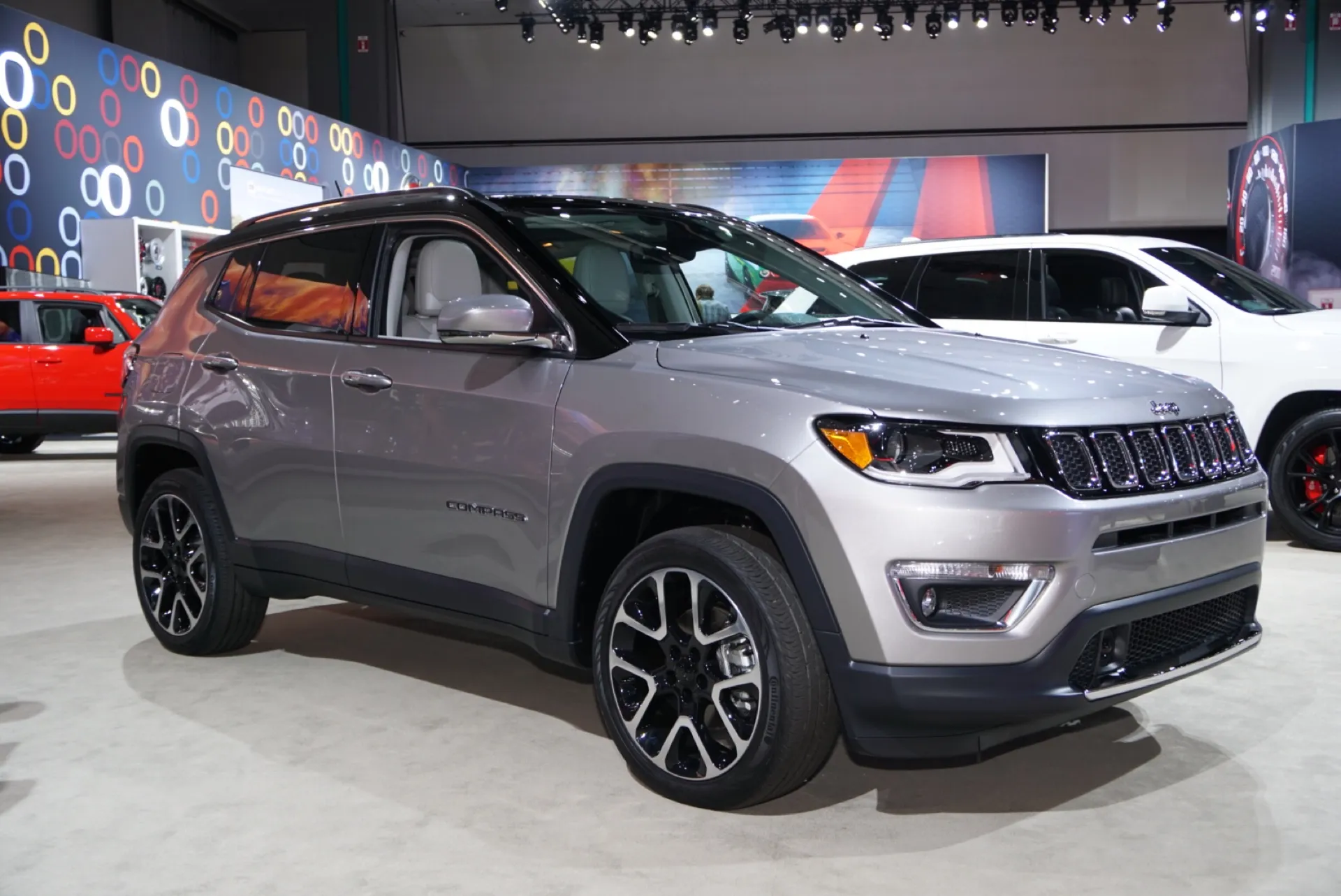
2. Jeep Compass (2017-2021)
Low prices are evident in nearly every part of these disappointing Jeeps. Closing a door produces a hollow clang that exposes thin metal and cost-cut corners.
The cabin is filled with hard plastics and rough textures that feel far from premium. Despite carrying the Jeep badge, these crossovers lack the rugged durability the brand is known for, coming across as fragile machines trying too hard to look tough.
The unibody structure feels weak throughout. Pressing on body panels reveals visible flex, and inconsistent fitment between doors and trim reflects careless assembly.
Chrysler’s effort to minimize costs left these Compass models feeling cheap and unfinished, even when new. The lack of structural rigidity and uneven panel gaps betray shortcuts at every level of production.
Inside, comfort and quality are almost nonexistent. Hard dashboard plastics, unsupportive seats, and constant rattles create an unpleasant environment.
Buttons and switches feel flimsy from the start, adding to the sense that nothing inside was built to last. The entire experience is more punishment than pleasure for anyone spending time behind the wheel.
Ride quality is equally poor. The suspension feels weak and unsettled, resulting in sloppy handling and constant body movement. Steering feels disconnected, and the vehicle struggles to maintain composure even on smooth roads.
The nine-speed automatic transmission worsens matters with hesitant, jerky moves that never seem properly timed.
Build integrity declines quickly, panels loosen, rattles multiply, and interiors degrade rapidly. These Compass models fail to live up to Jeep’s heritage, feeling more like disposable appliances than dependable vehicles.
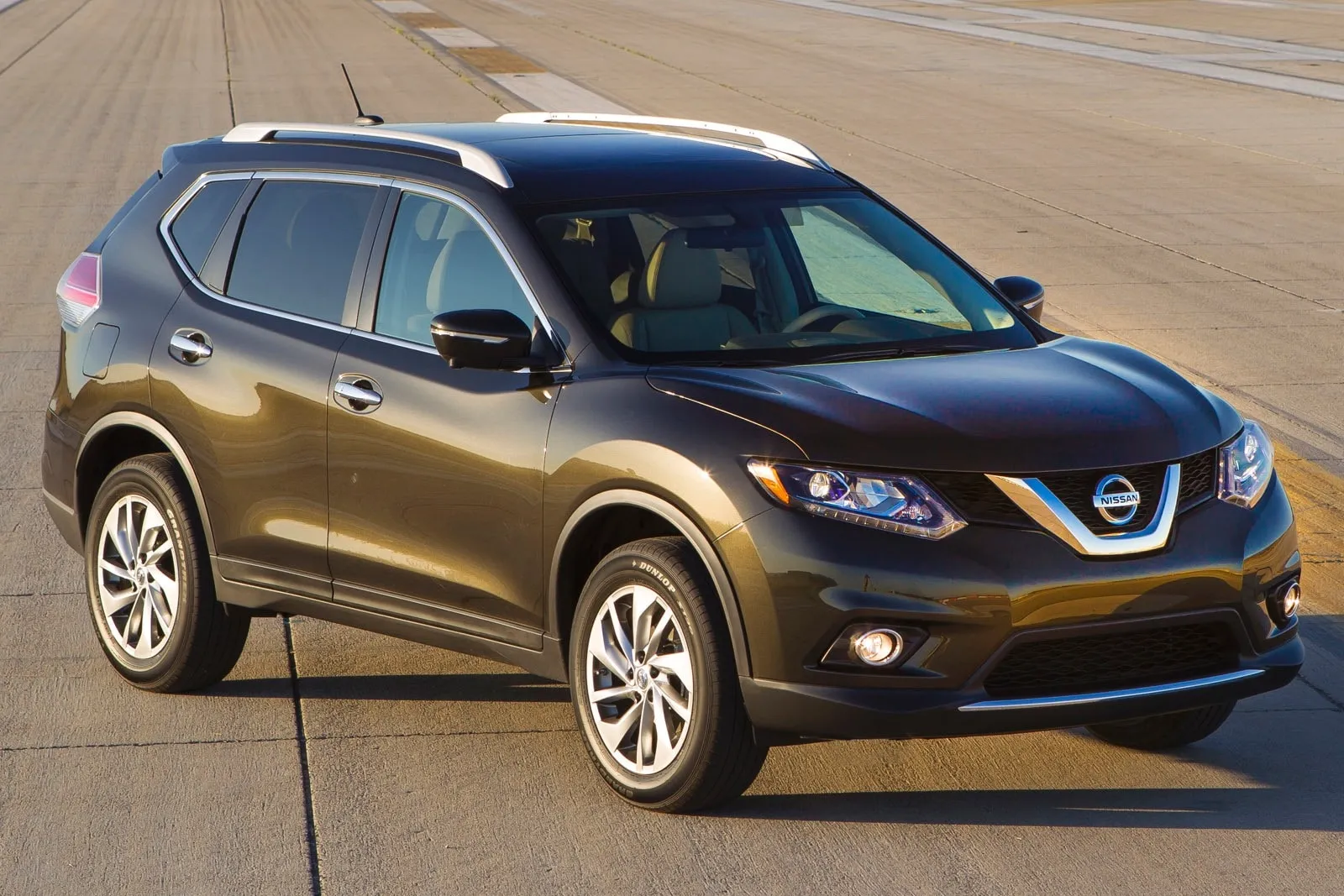
3. Nissan Rogue (2014-2020)
CVT transmissions destroy whatever build quality these crossovers might possess. These Rogues feel fragile from first contact, their hollow door sounds announcing thin construction.
Interior plastics are cheap and flimsy. Everything creaks and rattles. Nissan built these to minimum standards, creating vehicles that feel disposable rather than durable.
Unibody structures use thin materials throughout. Press on any panel, and flex is obvious. Nothing feels substantial.
Cost-cutting is apparent everywhere. Panel gaps are inconsistent. Doors don’t close with satisfying sounds. Everything suggests cheap construction that won’t age well.
Interior materials are terrible. Dashboard plastics are hard and hollow. The seats are uncomfortable with poor support.
Everything rattles constantly over any rough surface. The switchgear feels loose immediately. These cabins feel cheaper than their actual prices, creating environments that make ownership unpleasant.
CVT transmissions feel fragile and operate terribly. Constant droning is annoying. Response is sluggish.
These gearboxes feel like they’re on the verge of failure constantly, creating anxiety that ruins driving experiences. When they inevitably fail, replacement costs exceed vehicle values.
Suspension components feel flimsy. Handling is vague and disconnected. Everything feels loose and imprecise. These Rogues drive like vehicles costing thousands less, their poor dynamics revealing cost-cutting that prioritizes profit over quality.
Build quality deteriorates rapidly. Rattles multiply quickly. Trim pieces come loose. Everything feels like it’s disintegrating prematurely.
These Rogues inspire zero confidence in longevity; their fragile construction, combined with terrible CVT reliability, creates vehicles that smart buyers avoid completely. These are SUVs that feel fragile because they are fragile, designed to barely survive rather than last.
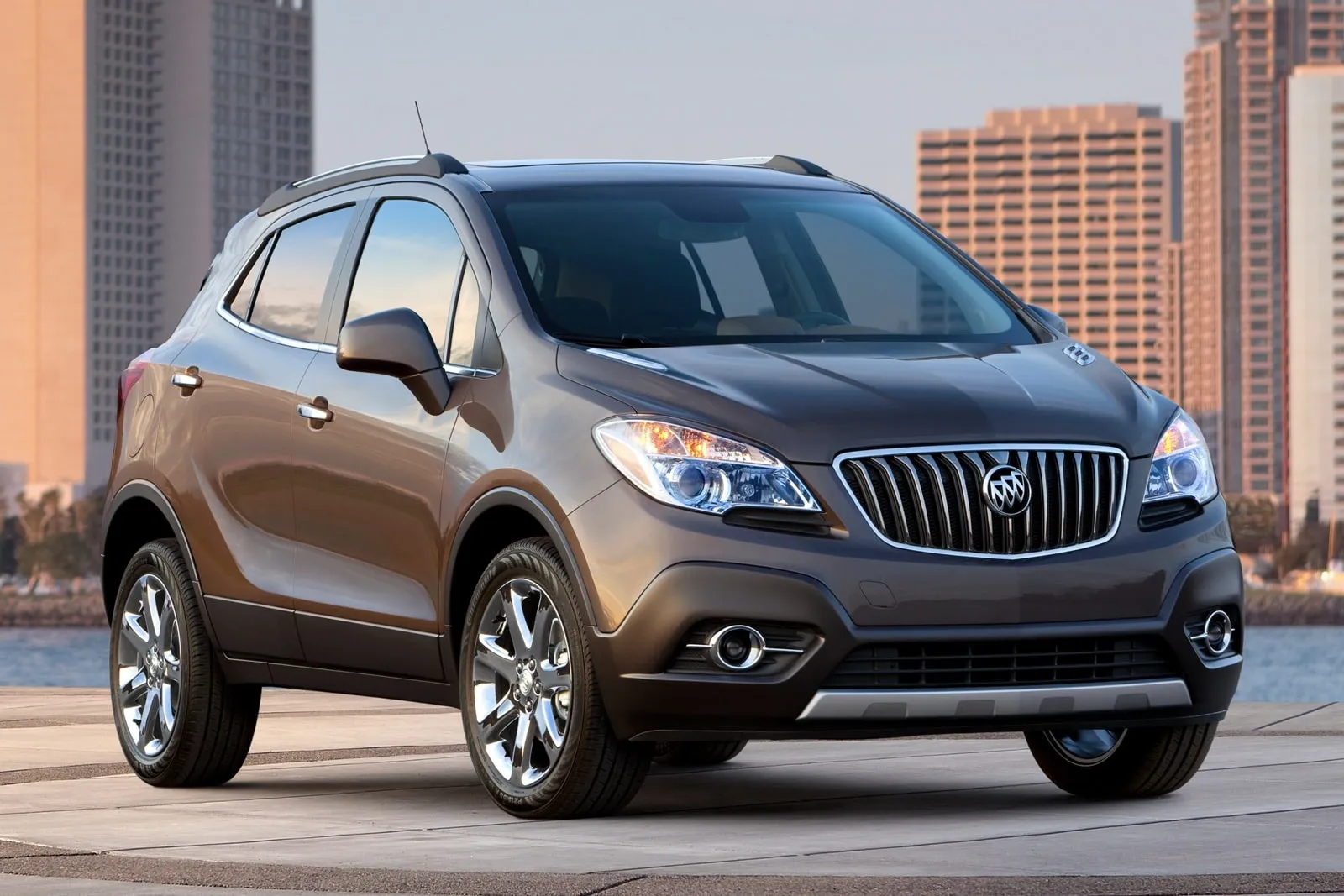
4. Buick Encore (2013-2019)
Small proportions and lightweight construction give these SUVs an insubstantial feel that undermines any sense of quality. Every door closes with a thin, metallic echo, exposing panels that lack solidity.
Inside, hard plastics dominate the cabin, and nothing suggests luxury despite Buick’s branding efforts. These vehicles pretend to be upscale crossovers but come across as budget machines wearing a premium badge.
The body structure itself feels weak. Pressing on panels or trim reveals noticeable flexing, and doors rarely line up perfectly. Uneven gaps and poorly fitted components point to careless assembly.
Cost-cutting is visible everywhere, from the flimsy metalwork to the lack of sound insulation. Instead of feeling refined, the Encore delivers the impression of a cheaply built compact car.
Interior comfort suffers from the same shortcuts. The dashboard is made from hollow, brittle plastic. Seats offer minimal padding and limited support, making long drives tiring. Rattles begin early in ownership, and controls lack precision. Everything feels assembled with little attention to long-term durability.
Under the hood, small turbocharged engines work far harder than they should. Acceleration is passable but rough, and transmissions hunt for gears constantly. The combination feels strained rather than smooth, leaving the driver with little confidence in the drivetrain’s longevity.
Suspension tuning is equally disappointing. The ride feels harsh on rough pavement yet unstable at higher speeds.
Steering lacks feedback, and body motion never feels well-controlled. As time goes on, build quality declines further, trim pieces loosen, noises multiply, and the cabin begins to creak.
These Encores fail to deliver the comfort or refinement expected of a luxury crossover, revealing instead the results of excessive cost-cutting and minimal engineering effort.
Also Read: 12 New SUVs That Are Road Trip Royalty
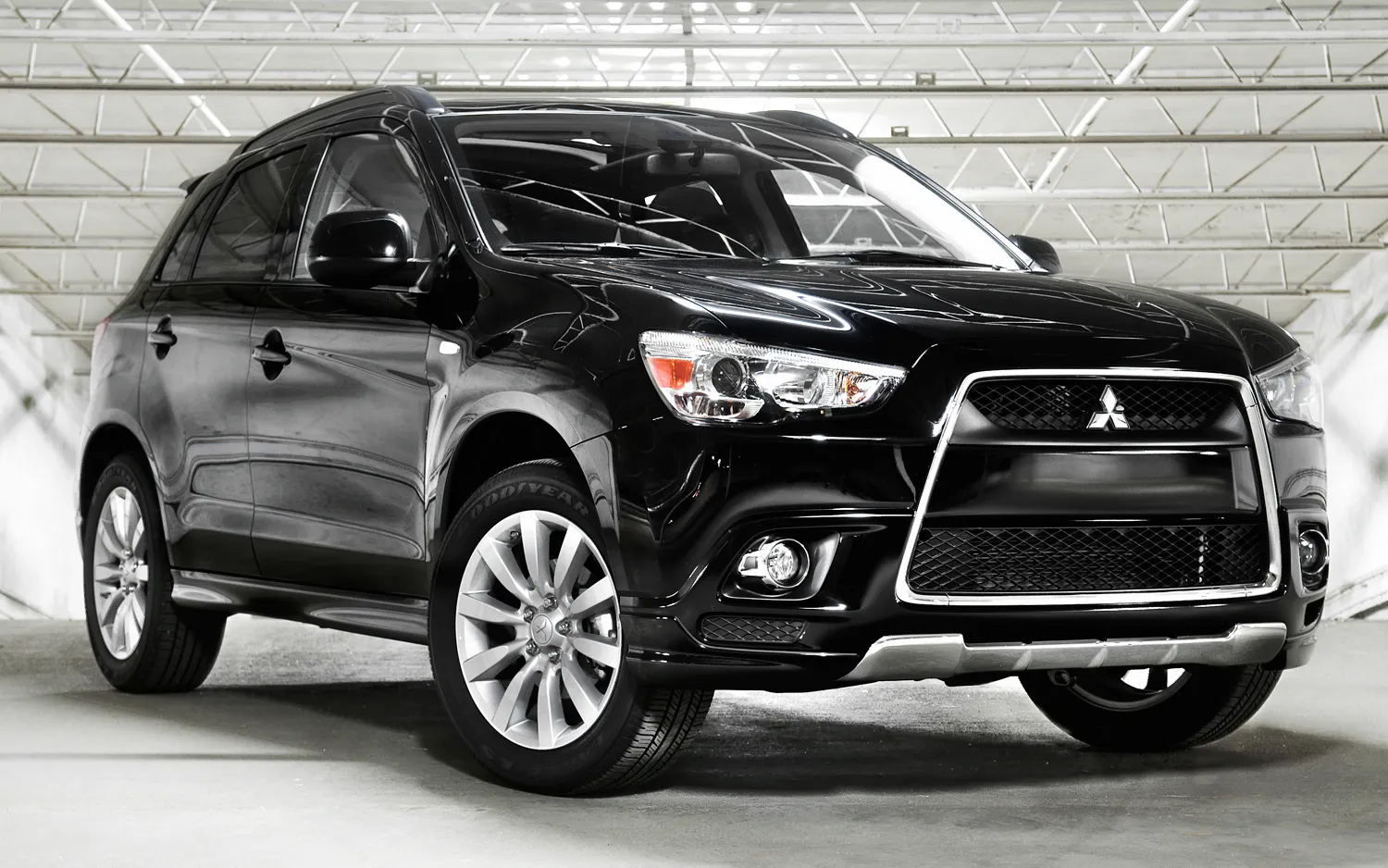
5. Mitsubishi Outlander Sport (2011-2019)
Budget pricing shows in every aspect of these disappointing crossovers. Doors close with hollow sounds that announce thin construction.
Interior plastics are shockingly cheap. Everything feels flimsy and poorly assembled. Mitsubishi built these to absolute minimum standards, creating vehicles that feel fragile from first contact.
Unibody structures use thin materials throughout. Press on any panel, and flex is obvious. Nothing feels substantial.
Cost-cutting is apparent everywhere. Panel gaps are inconsistent. Doors don’t align properly. Everything suggests cheap construction that won’t survive long-term ownership.
Interior materials are terrible. Dashboard plastics are hard and cheap. The seats are uncomfortable with poor support.
Everything rattles constantly over any imperfection. The switchgear feels loose immediately. These cabins are worse than economy cars, creating environments that make ownership miserable.
CVT transmissions feel fragile and operate poorly. Constant droning is irritating. Response is sluggish. These gearboxes feel unreliable, creating anxiety during every drive. When they fail, repairs exceed vehicle values, forcing owners to scrap otherwise functional crossovers.
Suspension components feel inadequate. Handling is vague and disconnected. Ride quality is harsh. Everything feels loose and poorly controlled. These Outlander Sports drive terribly, their poor dynamics revealing cost-cutting that prioritizes profit over quality.
Build quality deteriorates rapidly. Rattles multiply quickly. Trim pieces come loose. Everything feels like it’s disintegrating prematurely.
These Mitsubishis inspire zero confidence in longevity; their fragile construction, combined with poor reliability, creates vehicles that smart buyers avoid. These are SUVs that feel fragile because they are fragile, built to minimum standards that ensure premature failure.
