
Buying a car feels like gambling. Flashy advertisements promise luxury, performance, and reliability that seem almost too good to be true.
They’re marketing miracles that fall apart the moment you drive them off the lot, leaving you with buyer’s remorse and empty pockets.
Value isn’t just about cheap sticker prices. A car offers true value when it delivers reliable transportation, reasonable running costs, and decent resale without draining your bank account through constant repairs.
These vehicles meet expectations honestly, providing exactly what they promise without any hidden surprises that turn ownership into a financial nightmare. Smart buyers recognize genuine value and choose accordingly.
Overpromising vehicles are opposite creatures entirely. They seduce you with gorgeous styling, impressive specifications, and premium badges. But after purchase, reality hits hard. Repair bills arrive monthly.
Features malfunction constantly. Quality feels cheap despite expensive pricing. These cars betray every expectation, turning dream purchases into regrettable mistakes that haunt you for years.
This guide examines ten vehicles split between these extremes. Five deliver outstanding value, providing reliable transportation and satisfaction that justify their prices.
Five others overpromise spectacularly, their fancy marketing hiding disappointing realities that emerge only after you’ve signed purchase agreements.
Whether you’re shopping now or planning future purchases, this information protects you from expensive mistakes while guiding you toward vehicles that actually deliver on their promises. Let’s separate honest value from dishonest hype.
Cars That Offer Great Value
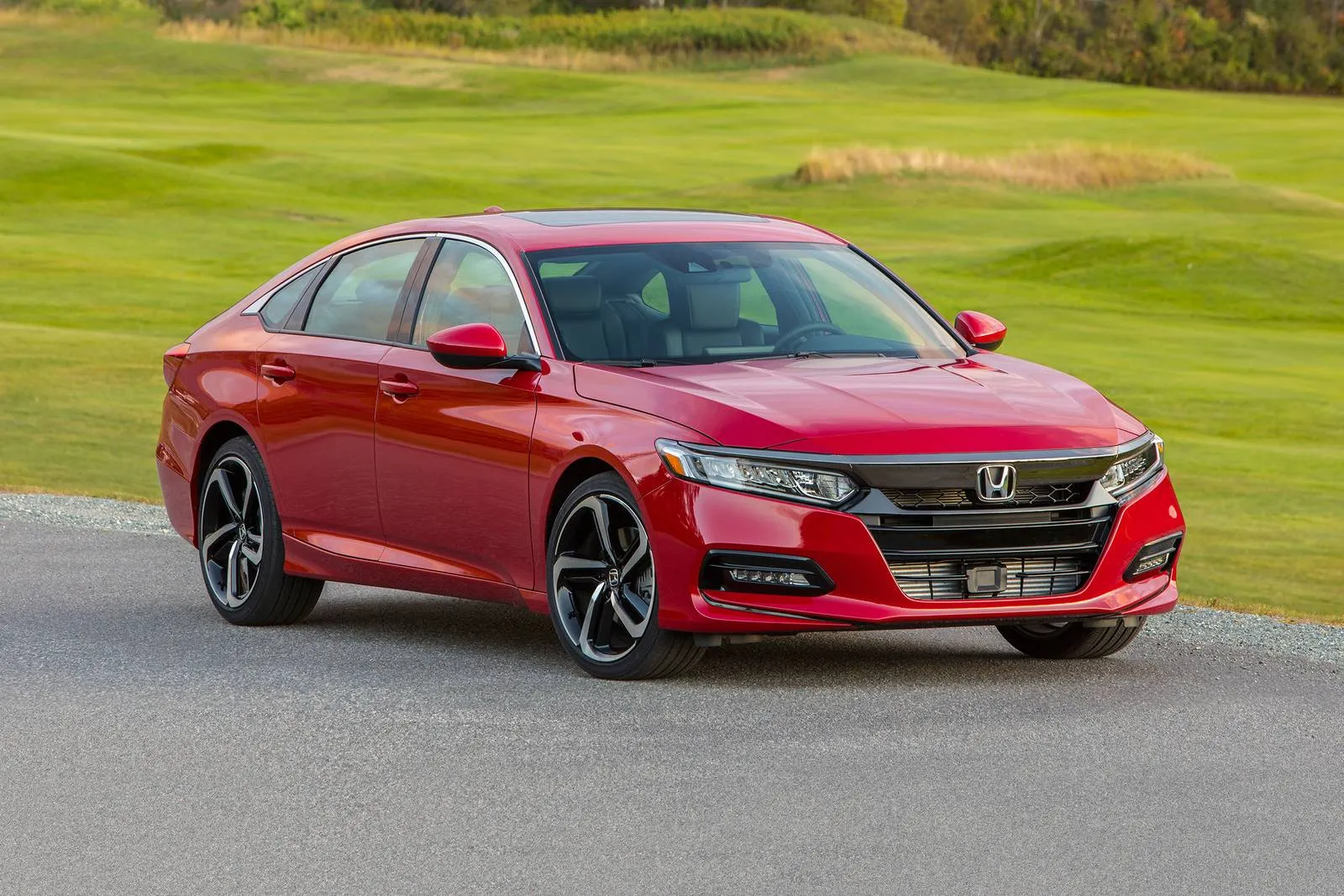
1. Honda Accord Sport (2018-2022)
Dependable performance blends with thoughtful design in the tenth-generation Honda Accord, a sedan built around trust and consistency.
Honda focuses on delivering a car that simply works as intended, is reliable, enjoyable to drive, and crafted with care. There are no exaggerated claims or unnecessary gimmicks, just an honest approach that results in long-lasting satisfaction and value that rivals struggle to equal.
Power comes from an efficient 1.5-litre turbocharged engine that balances fuel economy with lively response. It offers enough strength for daily driving while keeping consumption low.
Handling feels confident and composed, maintaining a smooth ride even on rough roads. Honda’s engineers designed the Accord to make driving pleasant instead of tiring, while the CVT transmission performs quietly and seamlessly without the droning found in lesser setups.
Inside, the Accord feels a step above its price. The materials are durable and well put together, the layout is logical, and the infotainment works without confusion.
Comfort is excellent, with supportive seats and generous legroom for everyone. Storage space is equally practical, reflecting the car’s focus on real-world usability rather than showy luxury.
Honda’s reputation for dependability keeps demand strong and resale values high. Buyers know these sedans will keep running dependably for years, reducing the risk of ownership.
Maintenance is simple, parts are affordable, and servicing doesn’t require special expertise or equipment. Combined with impressive fuel economy, the total cost of keeping an Accord on the road stays pleasantly low.
Safety technology is thoughtfully applied. Driver-assist systems function reliably without constant false alerts, and crash test scores remain among the best in class.
The Accord stands out for its honesty, a car that promises dependable, well-made, and enjoyable transportation, and then delivers exactly that. Its enduring appeal lies in consistent quality rather than empty marketing claims.
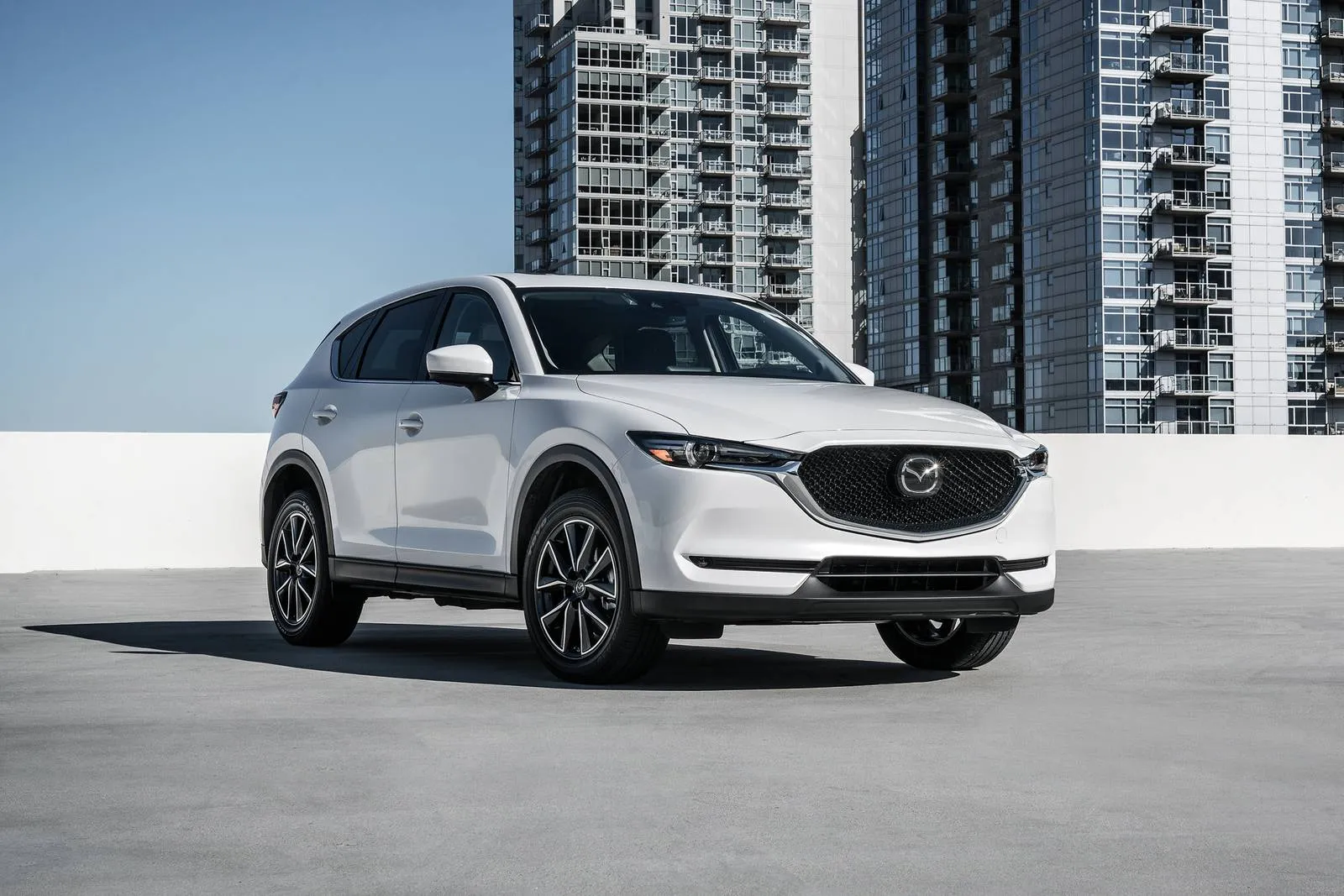
2. Mazda CX-5 Touring (2019-2023)
Upscale execution at mainstream prices defines these crossovers that punch well above their weight class. Mazda delivers premium experiences without premium pricing, creating genuine value through quality rather than gimmicks.
These CX-5s feel expensive in ways that actually matter: solid construction, refined driving dynamics, and thoughtful design that ages gracefully.
Naturally aspirated and turbocharged engine options both deliver satisfying performance. Power is adequate without being excessive.
Fuel economy is respectable for the segment. Six-speed automatic transmissions move smoothly and intelligently, avoiding CVT annoyances that plague competitors. Driving these Mazdas is genuinely enjoyable, not just tolerable.
Interior quality rivals luxury brands, costing more. Materials are excellent throughout the cabins. Dashboard designs are attractive and functional. Switchgear operates with precision, suggesting premium engineering.
Everything feels substantial and well-assembled. Seats provide excellent support and comfort. Space utilization is clever, accommodating families without excessive bulk.
Technology packages are thoughtfully implemented. Infotainment systems work intuitively without frustrating complications.
Controls remain physical where they should be, avoiding touchscreen overload that makes simple tasks difficult. This balance between modern features and usability creates systems people actually enjoy using rather than fighting constantly.
Reliability has proven excellent across these model years. Mazda builds these CX-5s properly, avoiding the cost-cutting that plagues competitors.
Components last, systems work reliably, and ownership experiences remain positive. This dependability creates value through reduced repair costs and maintained resale values.
Safety equipment is comprehensive and effective. Driver assistance features work properly without annoying false alarms.
Crash test ratings are excellent. Mazda prioritizes actual safety rather than just checking boxes for marketing purposes. This authenticity provides genuine protection rather than illusory reassurance.
The value proposition is exceptional when you compare these CX-5s to luxury competitors. Similar quality costs thousands more from premium brands.
Smart buyers recognize this, making Mazda crossovers increasingly popular among educated shoppers who prioritize substance over badges.
Years after purchase, owners remain satisfied because these vehicles delivered exactly what was promised: premium experiences at mainstream prices.
Also Read: 5 Classic Muscle Cars That Are Still Affordable vs 5 That Lost Their Edge
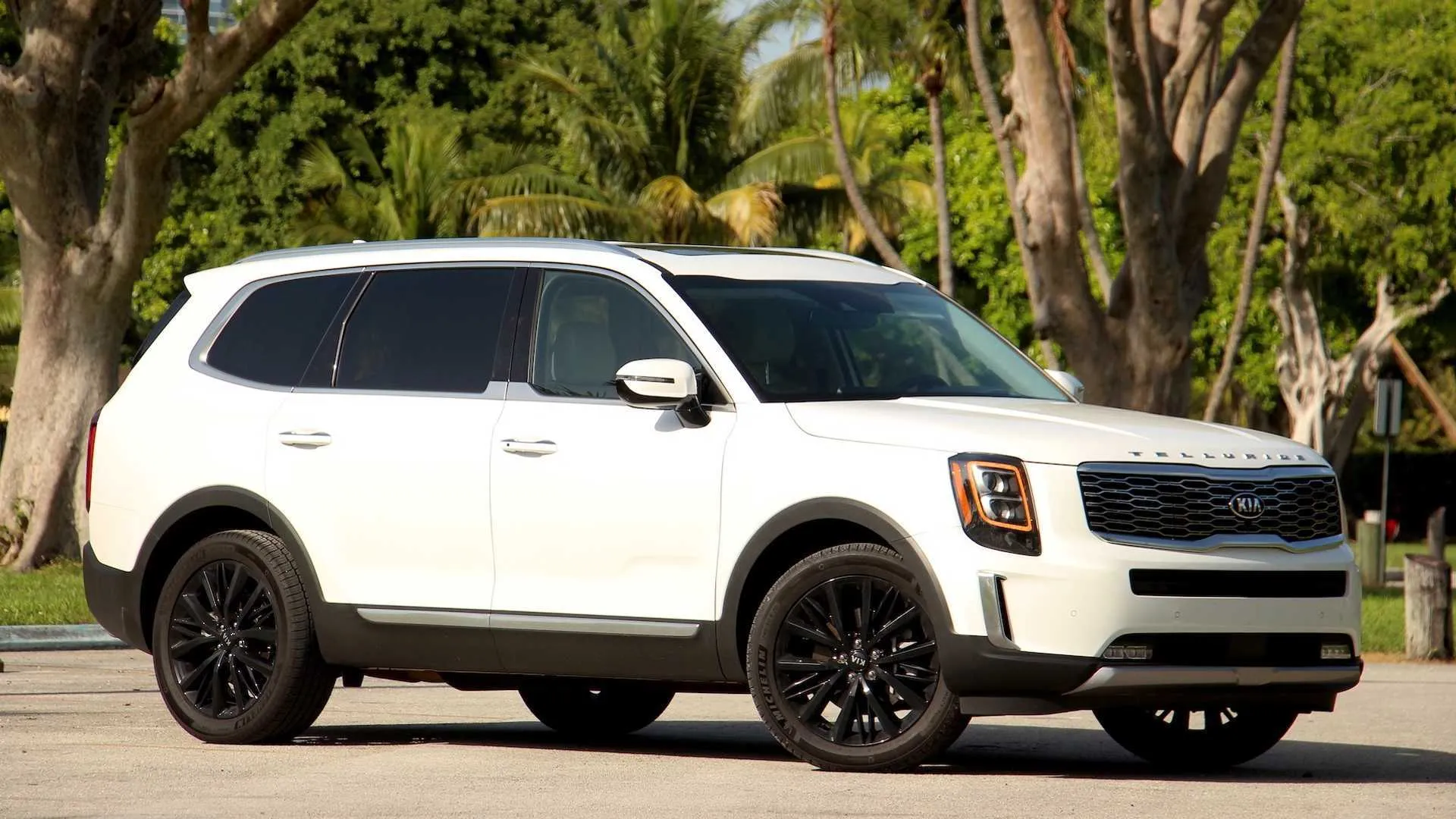
3. Kia Telluride SX (2020-2023)
Kia’s three-row Telluride shows how far the brand has come, combining family practicality with strong build quality. Once known mainly for affordability, Kia has proven it can produce vehicles that compete with long-established rivals.
The Telluride delivers honest value through solid construction, smart engineering, and reliability that stands behind its long warranty. It’s a family SUV built to perform its job with consistency and care.
Power comes from a smooth V6 engine that delivers enough strength to move a full load of passengers and cargo without strain.
It’s not designed for excitement, but it handles daily duties with quiet confidence. The eight-speed automatic transmission moves seamlessly, while the available all-wheel-drive system provides stability on poor roads. The entire drivetrain feels well-tuned for comfort and dependability.
Inside, the Telluride surprises anyone expecting a basic interior. The materials feel upscale, the layout is elegant, and the space is generous across all three rows.
Adults can sit comfortably in the back, and every seat offers proper cushioning and support. Buttons and screens are simple to use, and the technology feels well integrated rather than overcomplicated.
Safety features are plentiful, with driver-assist systems that perform effectively without becoming intrusive.
Crash test results are excellent, and the build feels strong and secure. Panel alignment is precise, and doors shut with a confident weight that reflects careful assembly.
Kia’s 10-year powertrain warranty continues to be one of the best in the industry, providing long-term reassurance and minimizing ownership costs. Tellurides also maintain good resale value thanks to their reputation for quality.
Buyers appreciate that these SUVs deliver exactly what they promise: comfortable, durable, and practical family transportation. The Telluride doesn’t try to be flashy; it simply does everything well, creating a vehicle families can rely on for many years.
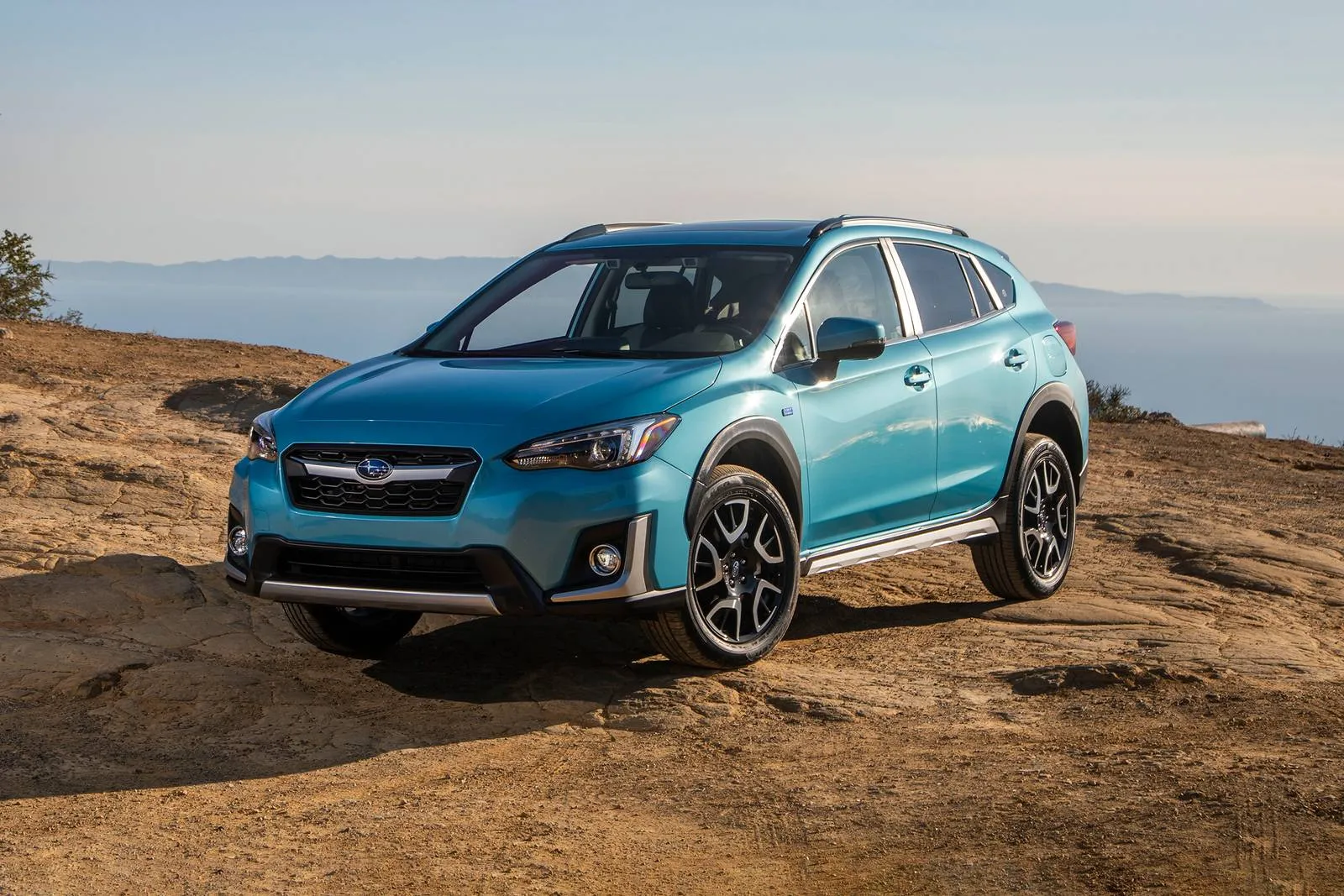
4. Subaru Crosstrek Premium (2018-2023)
Practical capability combines with bulletproof reliability in these compact crossovers. Subaru delivers exactly what they promise: capable all-wheel-drive vehicles that handle varied conditions confidently without pretending to be luxury products.
This honesty creates value through dependability and functionality rather than flashy features that constantly break.
Boxer engines provide adequate power while delivering excellent reliability. Performance is sufficient rather than exciting, but reliability compensates for modest output.
CVT transmissions operate better than most competitors, avoiding the terrible drone and slipping that plague cheaper alternatives. Subaru engineers these drivetrains properly, creating systems that last.
All-wheel drive is standard, providing year-round capability that competitors charge extra for. Systems work seamlessly, distributing power intelligently without driver intervention.
Ground clearance exceeds typical crossovers, enabling light off-road use that soft-roaders can’t handle. This versatility creates genuine utility rather than just marketing claims.
Interior quality is decent rather than luxurious. Materials are durable and well-assembled. Everything feels solid and functional.
Seats are comfortable and supportive. Space is adequate for small families. Technology is straightforward and usable. Nothing feels premium, but nothing feels cheap either. Honest execution creates satisfaction through meeting realistic expectations.
Reliability has proven excellent across these model years. Subaru builds these Crosstreks properly, and they last. Owners report minimal problems and low repair costs.
This dependability creates value through reduced ownership expenses and maintained resale values. People trust Subarus to run forever, and Crosstreks validate that reputation.
Safety features are comprehensive and effective. Subaru’s EyeSight driver assistance works reliably without annoying false alarms. Crash test ratings are excellent. Build quality is solid. These crossovers protect occupants genuinely rather than just claiming to.
The value proposition is excellent when you consider total ownership costs. Purchase prices are reasonable. Running costs stay low. Reliability minimizes repair expenses. Resale values remain strong.
These factors combine to create vehicles that cost less to own than alternatives with lower sticker prices but higher ongoing expenses. Smart buyers recognize this, making Crosstreks popular among educated shoppers who calculate total costs rather than just initial prices.
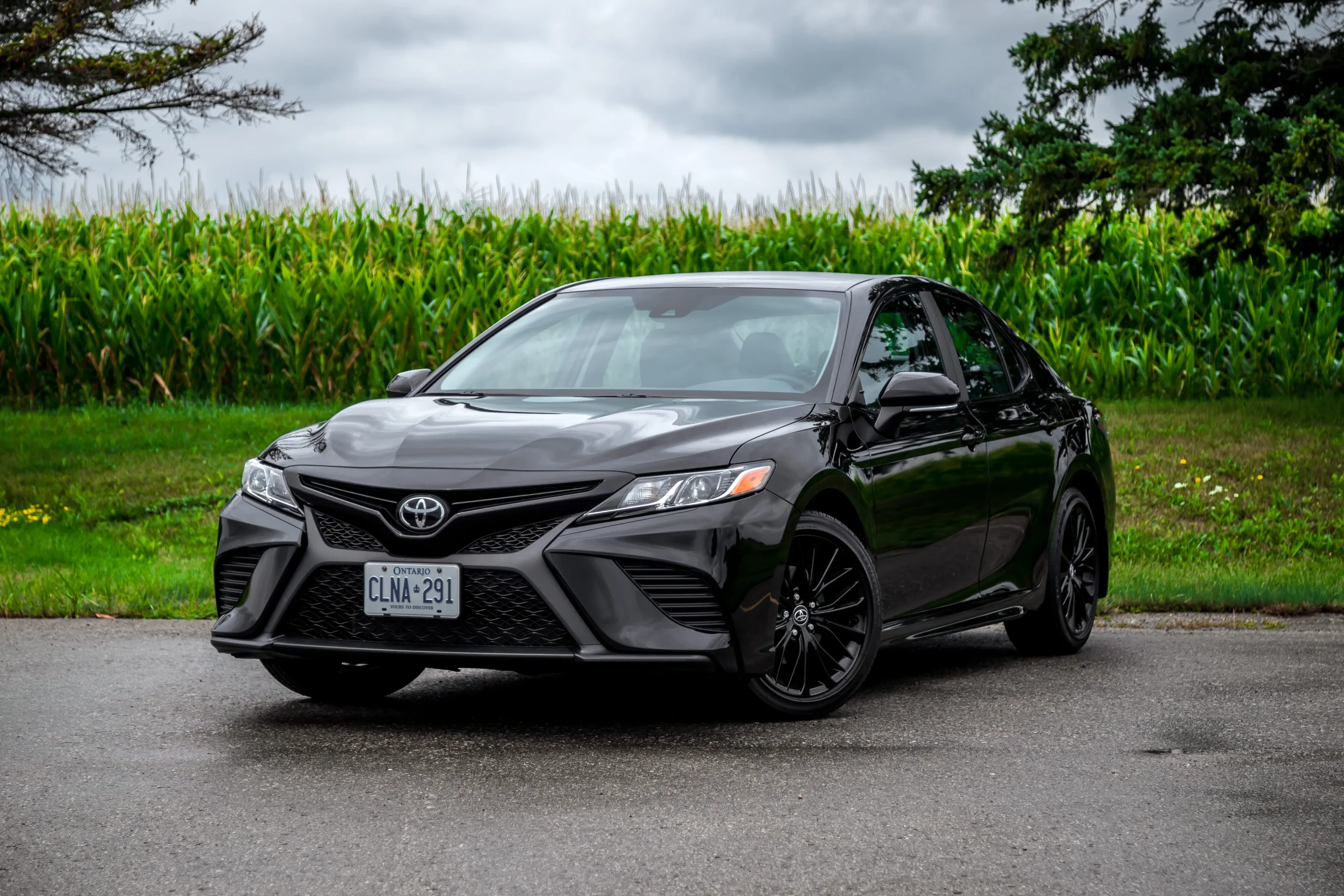
5. Toyota Camry SE (2018-2023)
Often dismissed as dull, the Toyota Camry quietly delivers some of the best value in the midsize sedan market.
Rather than chasing excitement, Toyota focuses on dependability, comfort, and practicality qualities that stand the test of time. These cars are designed to perform daily duties with minimal fuss, earning loyalty through reliability rather than flash.
Two engine choices, a fuel-efficient four-cylinder and a smooth V6, offer balanced performance. Neither is thrilling, but both are proven workhorses capable of high mileage with little trouble.
The eight-speed automatic transmission moves seamlessly and rarely needs attention. Toyota’s engineering emphasizes longevity and consistency, ensuring that everything continues to operate just as well years later as it did when new.
Inside, the Camry combines straightforward design with solid craftsmanship. The cabin isn’t luxurious, but it feels sturdy and thoughtfully built. Controls are simple to use, seats provide lasting comfort, and the materials resist wear as time goes on.
Space is generous for both passengers and cargo, making it an ideal family car. Every button, switch, and surface function with quiet precision, reinforcing Toyota’s reputation for thoughtful engineering.
The Camry’s reliability remains its strongest asset. Owners routinely report minimal repair costs and impressive durability, with many examples surpassing hundreds of thousands of kilometres. This bulletproof dependability keeps maintenance expenses low and peace of mind high.
Operating costs stay modest from start to finish. Fuel efficiency is excellent, parts are inexpensive, and service is available anywhere. Insurance premiums remain reasonable, and resale values hold strong because buyers trust the Camry’s long-term durability.
Safety is another major strength. Toyota fits each model with dependable driver-assist features and maintains top crash-test ratings. In every sense, the Camry delivers what it promises: steady, efficient, low-stress transportation. It may not turn heads, but it earns lasting satisfaction by simply doing everything right.
5 Cars That Overpromise
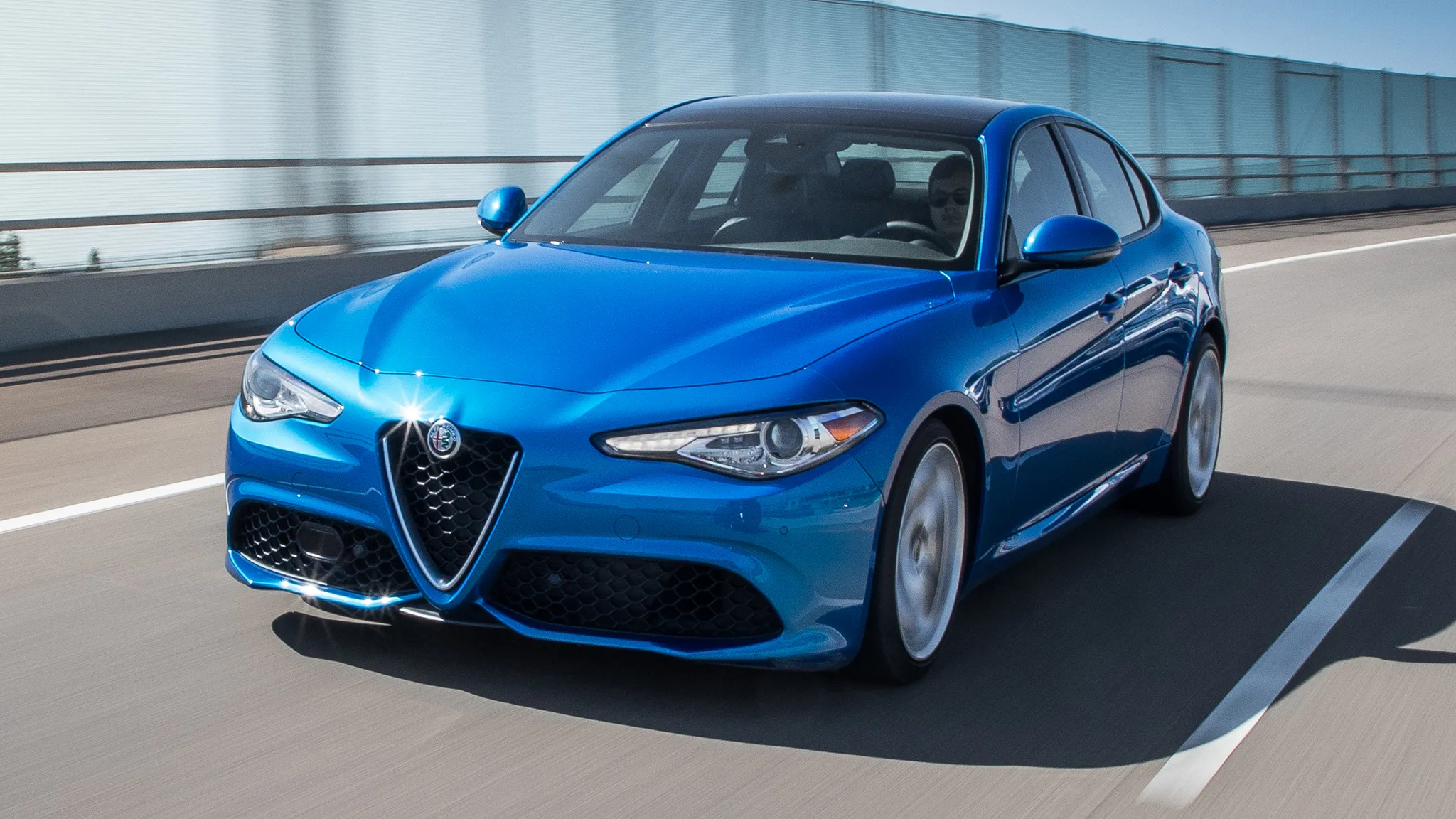
1. Alfa Romeo Giulia Ti (2017-2020)
Italian passion sounds romantic until you actually own these problematic sedans. Alfa Romeo promises exotic driving experiences wrapped in gorgeous styling, and they deliver on looks and handling. Everything else? Disappointment upon disappointment. These Giulias overpromise reliability, quality, and value spectacularly, creating ownership experiences that make you regret every decision leading to purchase.
Turbocharged engines provide thrilling performance when they’re working properly. Unfortunately, they’re not working properly often enough. Electrical problems plague these motors constantly.
Sensors fail regularly. Warning lights appear frequently for issues that are expensive to diagnose and fix. Performance promises are kept, but reliability promises are shattered immediately.
Interior quality disappoints despite premium pricing. Materials look good initially but deteriorate rapidly. Dashboard plastics crack under sun exposure. Leather wears prematurely.
Switchgear becomes loose and sticky within a few years. Everything feels cheaper than it should, betraying expectations that pricing creates. Build quality is inconsistent, with panel gaps varying wildly.
Reliability is absolutely terrible. These Giulias spend more time at dealers than on roads. Problems appear constantly, ranging from minor annoyances to catastrophic failures.
Electrical systems malfunction regularly. Transmissions develop issues. Suspension components fail prematurely. Every system seems designed to fail early, creating thoroughly miserable ownership experiences.
Repair costs are astronomical when problems inevitably occur. Alfa Romeo charges premium prices for parts and labour.
Even simple repairs cost hundreds. Major problems run into thousands. Warranty coverage helps initially, but problems continue long after coverage expires, leaving owners with vehicles they can’t afford to maintain.
Resale values collapsed as word spread about reliability problems. Nobody wants these Giulias used because everyone knows they’re trouble.
Depreciation is catastrophic, destroying any initial appeal that styling created. Owners lose thousands trying to escape vehicles that have become financial nightmares.
What makes these Giulias perfect examples of overpromising is the gap between marketing and reality. Alfa Romeo promises Italian exotic experiences rivaling much more expensive competitors.
They deliver gorgeous styling and thrilling handling, but everything else disappoints spectacularly. Reliability is terrible, quality is questionable, and ownership costs are absurd. These are vehicles that seduce you initially, then punish you constantly.
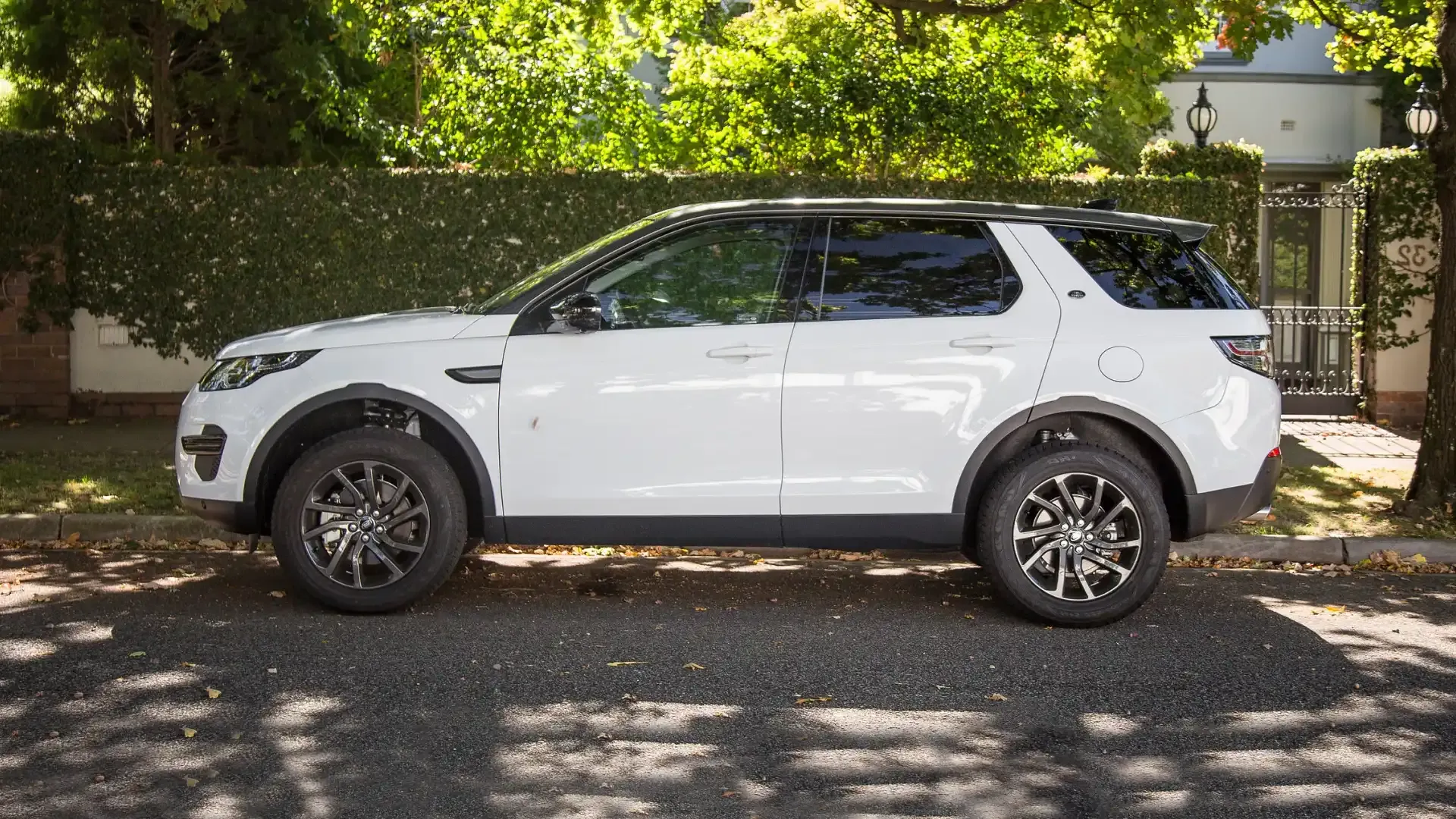
2. Land Rover Discovery Sport (2015-2019)
British luxury promises substance and capability that reality can’t support. These Discovery Sports overpromise everything: reliability, quality, off-road ability, and value.
What they deliver is constant disappointment wrapped in attractive packaging. Ownership becomes an expensive punishment that makes you question every decision that led to the purchase.
Turbocharged engines provide adequate power when functioning properly. Unfortunately, proper function is uncommon.
These motors develop problems constantly. Turbo failures are common. Timing chains stretch prematurely. Oil consumption becomes excessive. Every engine seems designed to fail catastrophically just after warranties expire.
Interior quality disappoints despite premium pricing. Materials look good initially but deteriorate rapidly. Dashboard plastics crack easily.
Leather wears prematurely. Switchgear becomes loose and malfunctions frequently. Everything feels cheaper than pricing suggests. Build quality is inconsistent, with rattles appearing almost immediately.
Reliability is absolutely disastrous. These Discovery Sports fail constantly in creative ways. Electrical problems plague every system.
Transmissions develop issues regularly. Suspension components fail prematurely. Even simple things like door handles and window regulators break frequently. Ownership becomes a series of expensive repairs that never end.
Off-road capability is adequate but overstated. Marketing suggests a serious capability that reality doesn’t support.
These are soft-roaders pretending to be serious SUVs. Ground clearance is modest. Approach and departure angles are mediocre. Systems are electronic rather than mechanical, failing when you need them most.
Repair costs destroy any value proposition. Land Rover charges outrageous prices for parts and labour. Simple repairs cost hundreds.
Major problems run into thousands. Even with warranty coverage, you’ll spend days without your vehicle while dealers attempt fixes that often don’t work permanently.
Resale values are catastrophic. Nobody wants these Discovery Sports used because everyone knows they’re unreliable money pits. Depreciation is spectacular, erasing tens of thousands in value within years.
What seemed like smart purchases become financial disasters that haunt you for years. These are vehicles that overpromise everything while delivering nothing but disappointment and bills.
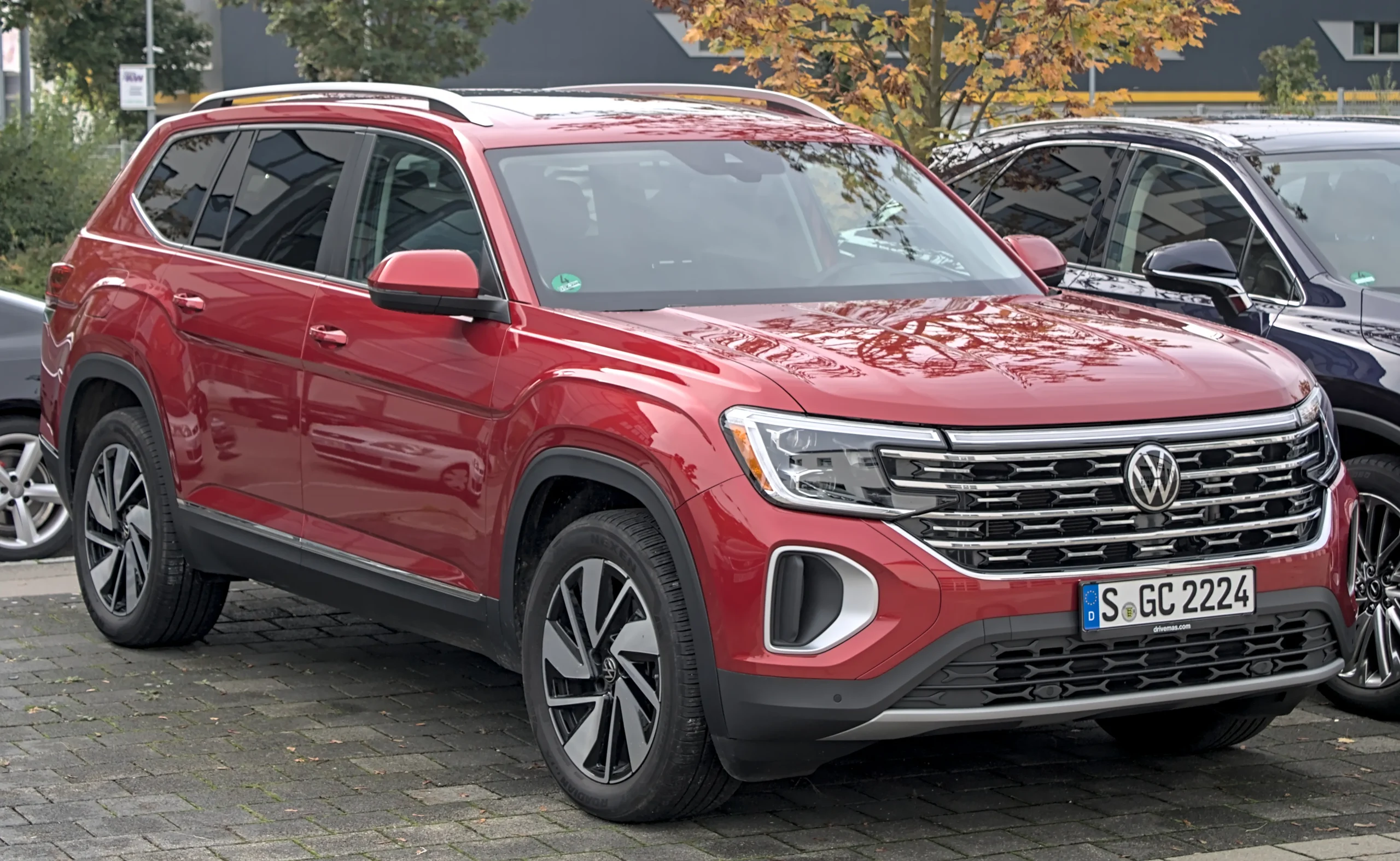
3. Volkswagen Atlas SE (2018-2021)
Volkswagen’s promise of German precision loses its shine when applied to these American-assembled SUVs. Marketed as affordable luxury with European flair, the Atlas lineup delivers good looks and modern features but fails to sustain its own claims.
Beneath the polished surface lies a pattern of inconsistent reliability, questionable build quality, and maintenance expenses that catch many owners off guard.
The V6 engines feel capable enough for daily use, yet they’re notorious for early mechanical troubles. Timing chain tensioners wear out too soon, water pumps are prone to failure, and carbon buildup demands costly cleanings.
While the performance satisfies on paper, durability falls short of expectations, making long-term ownership far less appealing.
Cabin craftsmanship varies dramatically. Some Atlases leave the factory feeling solid and refined, while others suffer from creaks and rattles within months.
Materials that appear upscale initially can fade, peel, or loosen prematurely. Such inconsistencies highlight the brand’s struggle to maintain the refinement it advertises so heavily.
Mechanical dependability also lags behind rivals. Electrical faults, erratic transmissions, and worn suspension parts frequently appear before 100,000 miles.
None of these flaws is catastrophic individually, but together they create a pattern of inconvenience and expense that tarnishes ownership satisfaction.
Tech systems start impressive but quickly become a source of irritation. Infotainment screens freeze, updates cause new bugs, and touch-sensitive buttons lack precision. What should enhance the driving experience instead adds daily annoyance.
Maintenance and repairs are costly despite the Atlas’s mid-tier pricing. Parts carry premium tags, and labour costs approach luxury-brand levels. Once warranties expire, expenses mount rapidly. Unsurprisingly, resale values have tumbled as word of these problems spreads.
What was pitched as a refined, value-packed SUV ends up as a cautionary tale, a vehicle that mimics European sophistication but delivers American inconsistency instead.
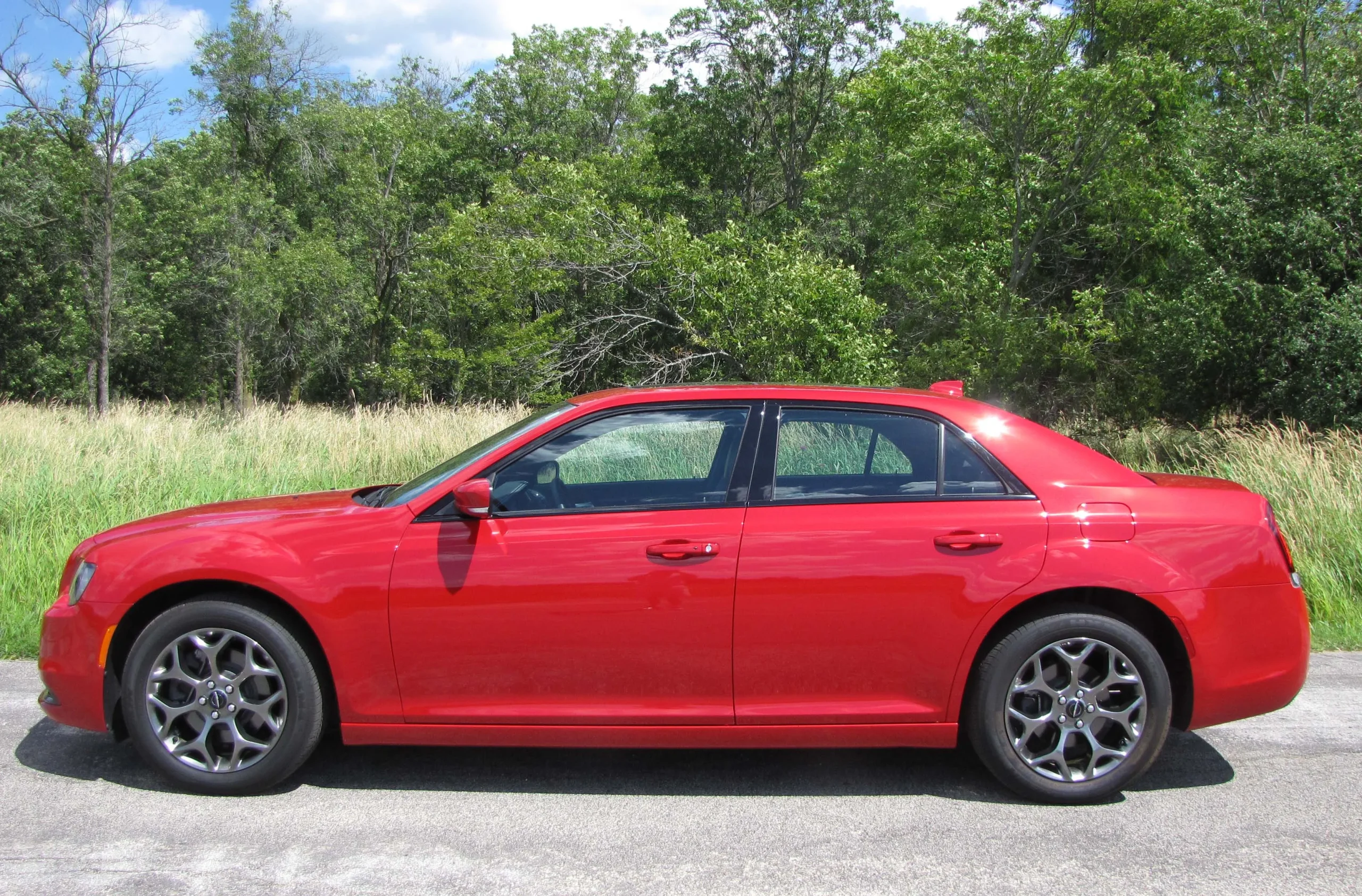
4. Chrysler 300S (2015-2019)
American luxury aspirations often sound grander than what reality delivers, and the Chrysler 300S stands as proof of that gap.
Marketed as a stylish, affordable alternative to high-end sedans, it impresses visually but struggles in execution. Beneath its bold design lies a mix of inconsistent build quality, mediocre reliability, and ownership costs that erode its initial appeal.
The standard V6 engine offers sufficient performance for daily driving but lacks finesse. Acceleration feels adequate rather than engaging, and fuel economy trails behind most competitors.
The eight-speed automatic gearbox performs smoothly at first but has been known to develop shifting issues earlier than expected. Mechanical dependability simply doesn’t live up to the car’s confident image.
Inside, first impressions deceive. Leather seats and faux-wood accents hint at luxury, yet durability tells a different story.
Dashboard panels fade and crack, seat leather wears unevenly, and buttons loosen as time goes on. Minor rattles appear within months, revealing careless assembly. Despite elegant styling, the execution feels more rental-grade than premium.
Reliability remains one of the car’s weakest points. Persistent electrical gremlins, transmission quirks, and suspension wear plague many owners. These aren’t catastrophic failures but constant annoyances that add up to frustration and expense.
Technology fares no better. The Uconnect system looks advanced on paper, but real-world use exposes lagging screens, random reboots, and software bugs that interfere with basic operation. What’s marketed as convenience quickly turns into inconvenience.
Maintenance and repair costs are steep for a car positioned as “affordable luxury.” Replacement parts come at premium prices, and frequent service visits drain wallets fast. Predictably, resale values have plunged as buyers recognize these pitfalls.
The Chrysler 300S promises style and sophistication it can’t sustain them. Behind the sleek exterior lies a sedan that underdelivers in quality, dependability, and long-term satisfaction.
Also Read: 10 Cars That Rarely Suffer From Transmission Slips
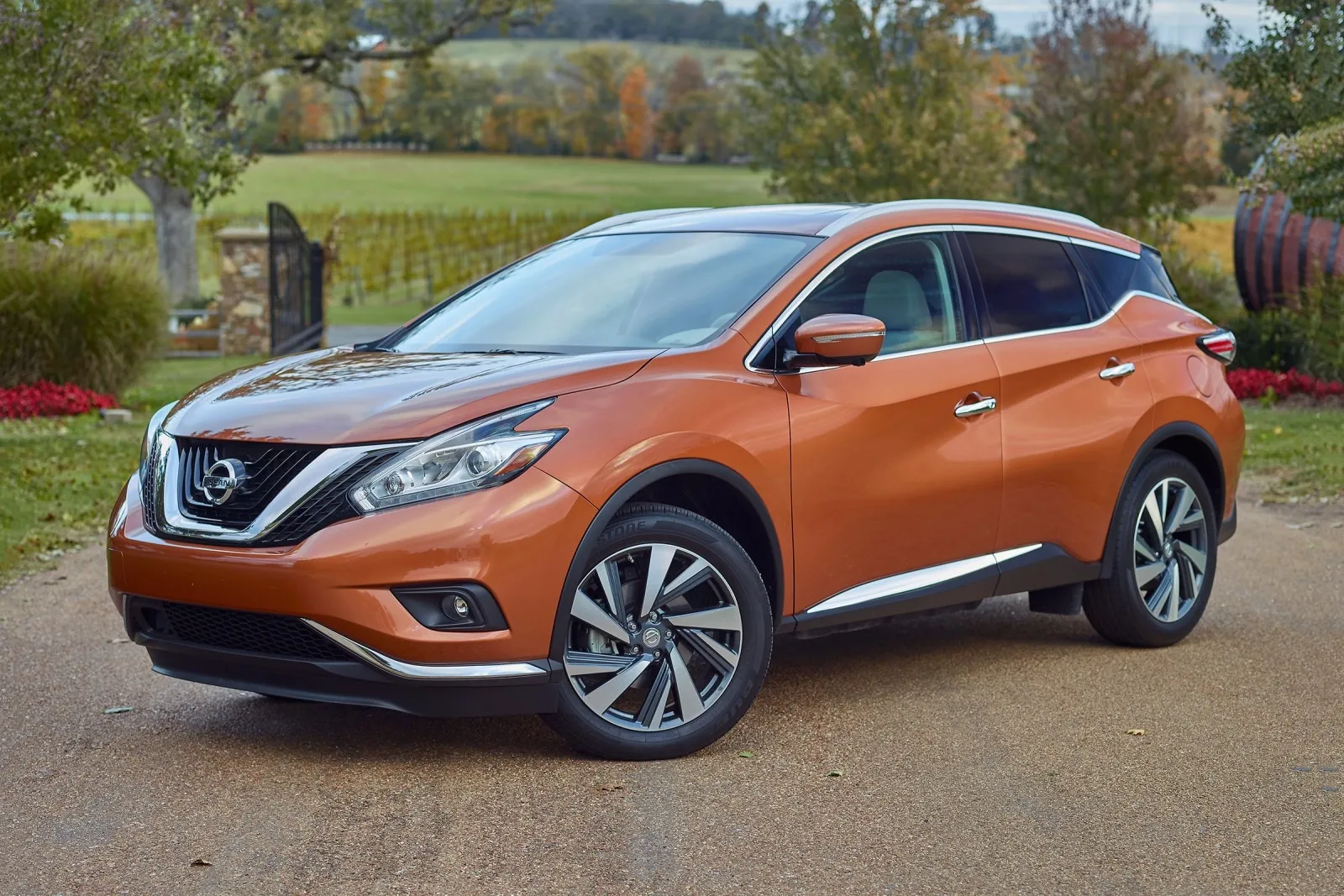
5. Nissan Murano Platinum (2015-2021)
Premium positioning promises quality and refinement that these CVT-equipped crossovers can’t deliver.
Nissan overpromises luxury experiences wrapped in distinctive styling, and they succeed with looks and features. Everything else disappoints. CVT reliability is questionable, quality deteriorates rapidly, and ownership costs exceed expectations.
V6 engines provide adequate power wrapped in terrible CVT transmissions. These continuously variable units drone annoyingly during acceleration. Response is sluggish and unpleasant.
Worst of all, reliability is questionable. CVT failures are common in Nissan products, and Muranos aren’t exempt. Replacement costs exceed vehicle values, forcing owners to scrap otherwise functional crossovers.
Interior quality impresses initially but deteriorates rapidly. Materials look luxurious when new, but age poorly.
Dashboard plastics crack under sun exposure. Leather wears prematurely. Switchgear becomes loose. Everything feels cheaper than pricing suggests in recent years. Build quality is inconsistent, with rattles appearing quickly.
Reliability has proven questionable, primarily due to CVT problems. When transmissions fail, repairs are catastrophically expensive.
Even when they don’t fail, they operate poorly, creating driving experiences that are thoroughly unpleasant. Other systems develop problems, too, but CVT issues dominate owner complaints.
Technology promises luxury features that deliver disappointment. Systems work adequately when new, but develop glitches quickly.
Touchscreens become unresponsive. Software crashes occur regularly. Promised convenience transforms into daily frustration as reliability deteriorates.
Repair costs are substantial, particularly for transmission problems. Nissan charges premium prices for CVT repairs that shouldn’t be necessary at low mileages.
Even routine maintenance is expensive. These costs accumulate rapidly, destroying value propositions that initial pricing suggested.
Resale values have dropped dramatically as CVT concerns spread. Depreciation is heavy, erasing substantial percentages quickly.
Smart buyers avoid these Muranos completely, understanding that CVT problems make them terrible long-term propositions. What seemed like luxurious purchases become regrettable mistakes that haunt owners through poor reliability and terrible resale values.
