
Ever had that sinking feeling when your mechanic calls with an estimate that costs more than your monthly rent? You know that moment when your stomach drops and you start questioning every life choice that led you to owning this particular car?
Some people experience this horror regularly, while others drive for years, barely spending anything beyond oil changes and tyres.
This difference isn’t luck or magic; it’s about choosing vehicles that were engineered properly from the start versus those that were designed to fail spectacularly.
Car ownership should be liberating, not a source of constant financial anxiety. You bought a vehicle to make your life easier, to get to work, to haul your family around, to enjoy weekend adventures.
Instead, some cars become anchors, dragging you into debt, with repair bills arriving so frequently that you start budgeting for them like they’re utility bills.
Meanwhile, your neighbour drives the same car for ten years and brags about how it’s never needed anything serious.
Engineering quality, manufacturing standards, parts longevity, and design philosophy all determine whether your car becomes a trusted companion or an expensive nightmare. Some manufacturers build vehicles that last, using quality components and proven designs.
Others chase profit margins, cutting corners with cheap parts and untested technology that may look impressive in showrooms but fail miserably on the roads.
Understanding which cars fall into which category can save you tens of thousands over a lifetime of vehicle ownership.
Now let’s examine ten cars that sit at opposite ends of the reliability spectrum, so you’ll know which ones to buy with confidence and which ones to avoid like they carry infectious diseases.
Cars That Never Need Costly Repairs
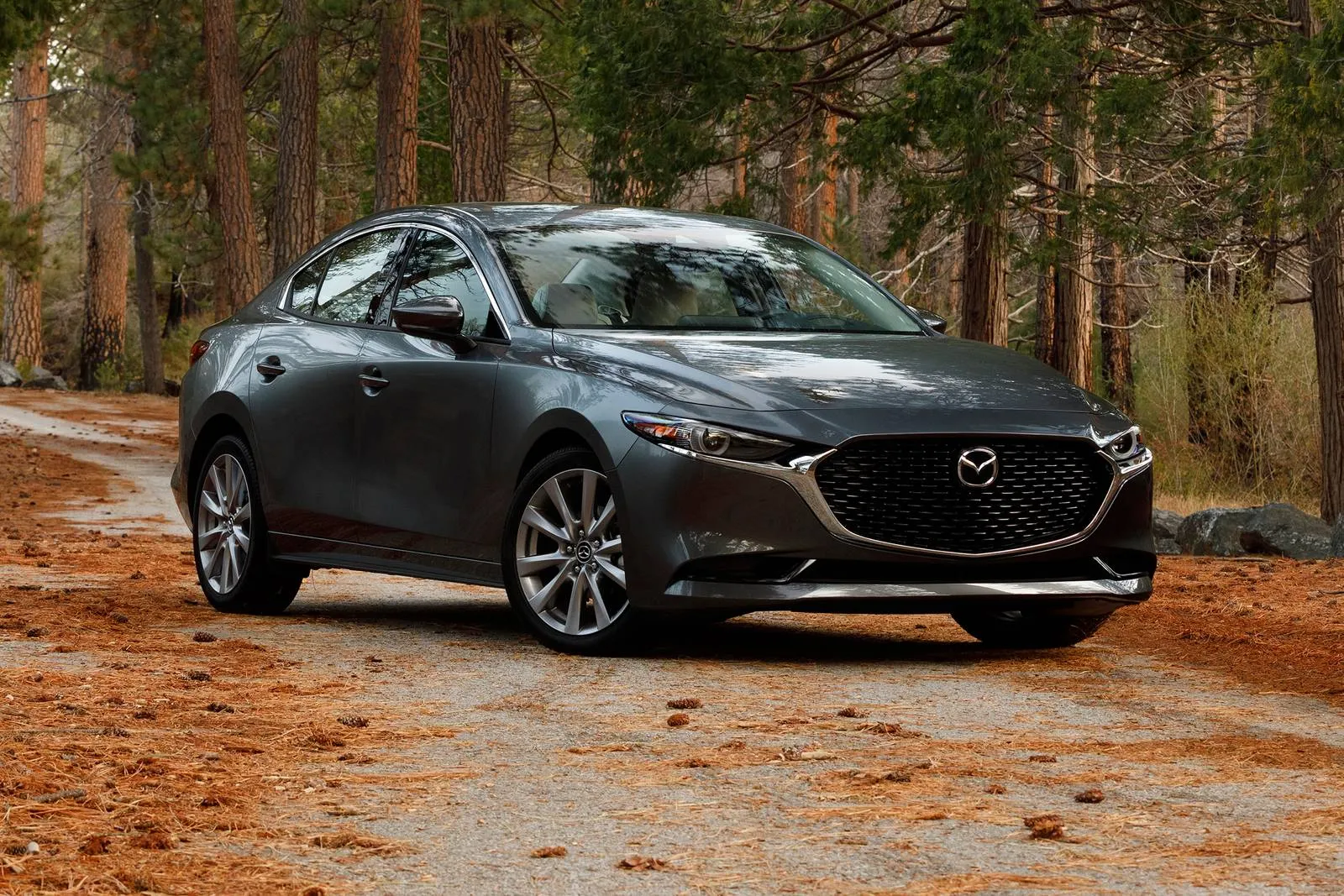
1. Mazda3 2019-2024
Japanese engineering meets practical design in a compact car that refuses to break down, no matter how hard you try. Owners report driving these vehicles past 200,000 kilometres without incurring major repair bills, only routine services that any car requires.
That Skyactiv engine technology delivers power and efficiency without the complicated turbochargers or direct injection systems that plague competitors.
Simple, proven engineering means fewer things can go wrong, and when maintenance becomes necessary, costs stay reasonable rather than shocking.
Build quality shows in how well these cars hold together through years of daily abuse. Door hinges stay tight, interior panels don’t rattle, and weatherstripping keeps doing its job, keeping water and noise out.
Mazda assembles these vehicles with care that shows in longevity. Rust protection exceeds what most competitors offer, preventing the body rot that kills cars in harsh climates. When manufacturers actually care about long-term durability, vehicles last.
Transmission reliability in both manual and automatic versions eliminates one of the biggest sources of expensive repairs. That six-speed automatic moves smoothly for hundreds of thousands of kilometres without developing the shuddering, slipping, or failure patterns that destroy other brands.
Manual transmissions feel precise and stay that way, with clutches lasting well beyond 100,000 kilometres with proper driving. This drivetrain durability means owners avoid the multi-thousand-dollar repairs that bankrupt drivers of less reliable cars.
Electrical systems work properly without the gremlins that plague modern vehicles loaded with technology. Infotainment screens stay responsive, sensors keep functioning accurately, and modules don’t randomly fail, requiring expensive replacements.
Mazda engineered its electrical architecture sensibly, avoiding the over-complication that creates diagnostic nightmares. When problems do appear, they’re typically simple fixes rather than electrical mysteries requiring weeks of troubleshooting.
Fuel system components last the vehicle’s lifetime without needing replacement. Injectors stay clean, fuel pumps keep working, and sensors maintain accuracy.
This reliability keeps engines running smoothly while preventing the performance degradation that happens when fuel systems fail. Owners enjoy consistent power delivery and efficiency throughout ownership because Mazda used quality components designed to last.
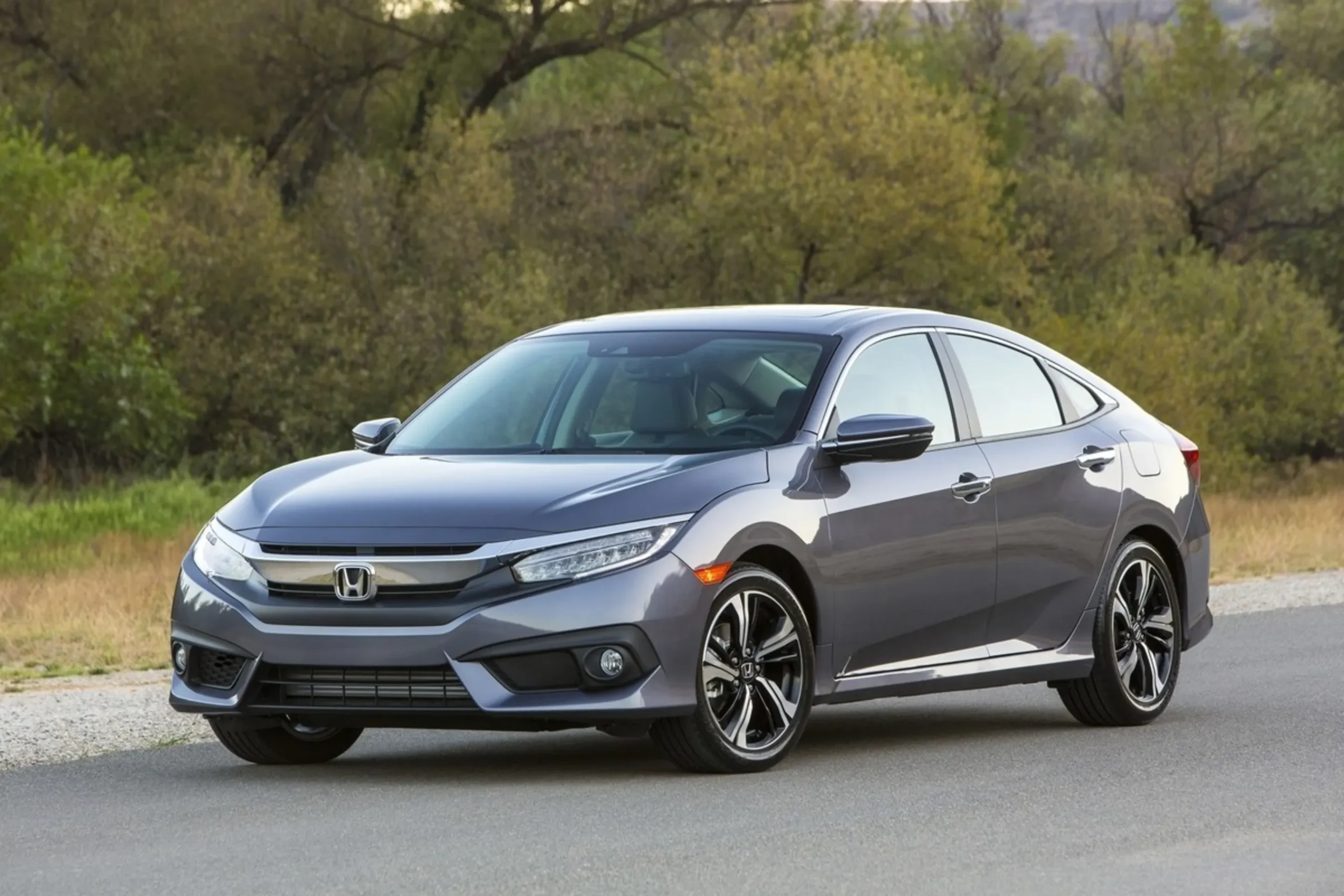
2. Honda Civic 2016-2024
The Honda Civic has earned its status as the go-to option for anyone who values dependable, worry-free transportation.
Decades of ownership experiences have shown that these cars can handle years of heavy use without major failures, establishing a reputation that continually draws in practical buyers. People purchase Civics because they simply work and keep working long after other vehicles start breaking down.
The naturally aspirated engine choice remains one of its greatest advantages. While turbocharged versions appeal to those craving extra performance, the standard engine delivers simple, consistent power without costly maintenance concerns.
Its straightforward design avoids the reliability risks tied to forced induction, ensuring longevity and minimal repair needs.
The suspension system follows the same philosophy of durability and sensible engineering. Components such as bushings, tie rods, and ball joints wear evenly and predictably, lasting for many kilometres before replacement becomes necessary.
When repairs are required, the process stays affordable since mechanics are deeply familiar with Civic underpinnings. The abundance of quality parts and simple servicing helps keep running expenses low.
Inside the car, material quality contributes to its lasting appeal. The seats, dashboard, and controls hold up exceptionally well under everyday use.
Even after years on the road, Civics retain a tidy, solid feel, avoiding the faded or cracked interiors that make many vehicles seem older than they are.
Engine lifespan remains remarkable, with many Civics surpassing 400,000 kilometres while still operating smoothly.
Regular maintenance keeps them strong, sparing owners from expensive overhauls. Because the car is so common, parts are inexpensive and easy to find, and almost every mechanic knows how to repair them.
Combined with an enormous aftermarket supply, these factors make Civics inexpensive to maintain, proving why they continue to be reliable investments for long-term ownership.
Also Read: 5 Sports Cars That Deliver Real Power vs 5 That Just Pretend
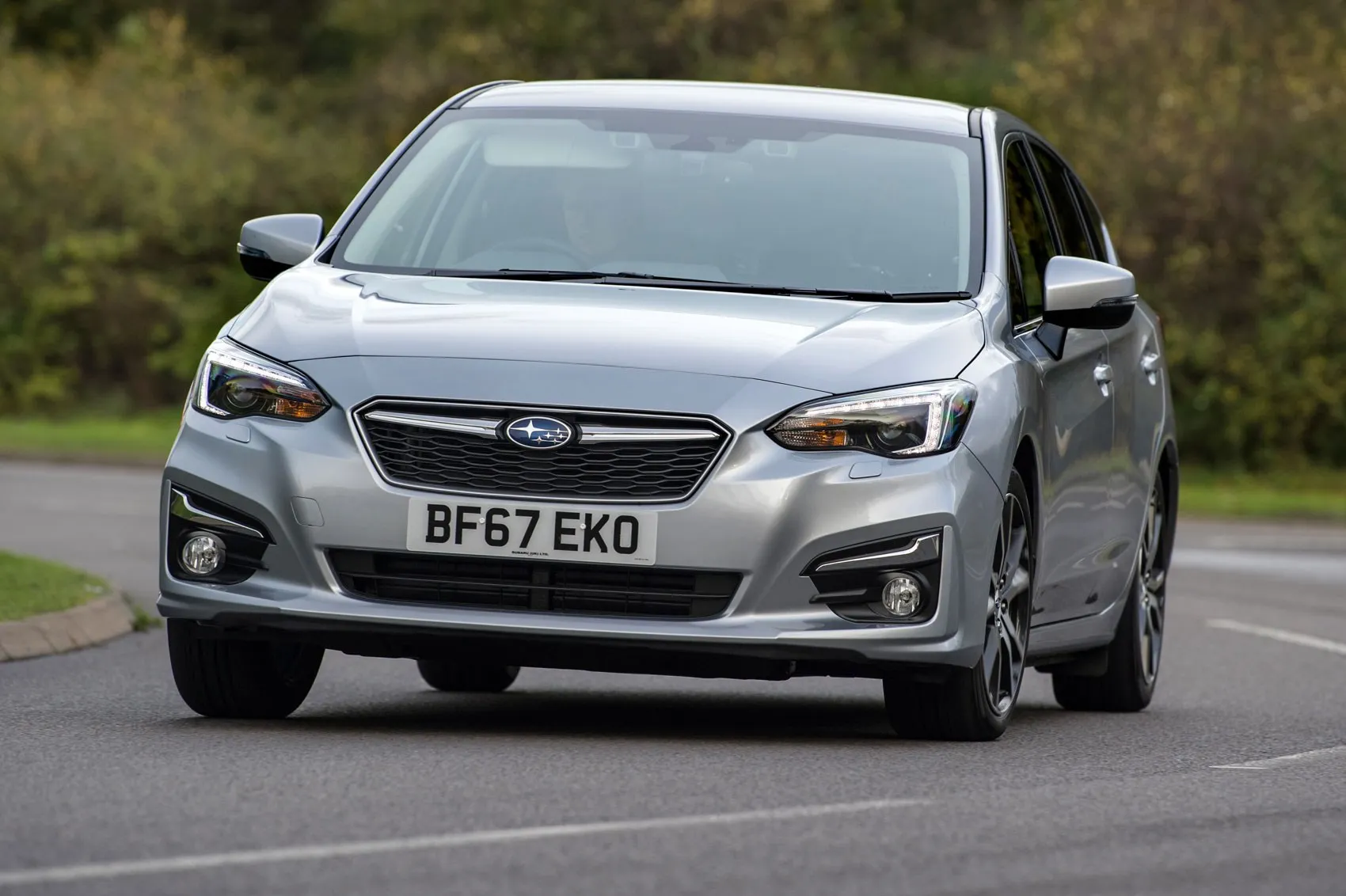
3. Subaru Impreza 2017-2024
All-wheel-drive reliability separates Subaru from competitors whose AWD systems fail expensively. That symmetrical all-wheel-drive design uses simple mechanical components that last rather than complicated electronics that break.
Owners drive through snow, mud, and terrible conditions year after year without their AWD systems developing the expensive problems plaguing other brands.
This durability makes Subarus trusted companions in climates where two-wheel-drive means staying home during winter.
Boxer engine design provides low centres of gravity and smooth operation, but more importantly, these engines prove remarkably durable when maintained properly.
Yes, older Subarus had head gasket problems, but recent models eliminated those issues through improved engineering.
Modern Impreza engines run reliably for hundreds of thousands of kilometres without the major failures that total other vehicles. This reliability erases the biggest concern that kept buyers away from Subarus in the past.
Rust protection improved dramatically in recent generations, addressing the body rot that killed older Subarus prematurely. Better coatings and cavity protection prevent the rust-through that plagued earlier models.
Owners in harsh climates report their newer Imprezas staying solid while competitors’ vehicles develop holes. This longevity protects resale values and prevents the structural failures that end vehicle lives prematurely.
Practical design means these cars handle real-world abuse without falling apart. Ground clearance prevents damage from rough roads and potholes that scrape lower vehicles. Robust underbody protection shields vital components from rock strikes and debris.
Subaru builds these cars for actual use rather than smooth pavement only, creating durability that shows in how well they survive tough conditions.
Service costs stay reasonable because Subaru doesn’t gouge customers with overpriced parts or complicated procedures. Routine maintenance follows straightforward schedules without expensive services appearing unexpectedly.
Independent mechanics work on Subarus comfortably, providing alternatives to dealer pricing. This affordability keeps ownership costs manageable throughout the vehicle’s life, preventing the financial stress that comes with expensive-to-maintain cars.
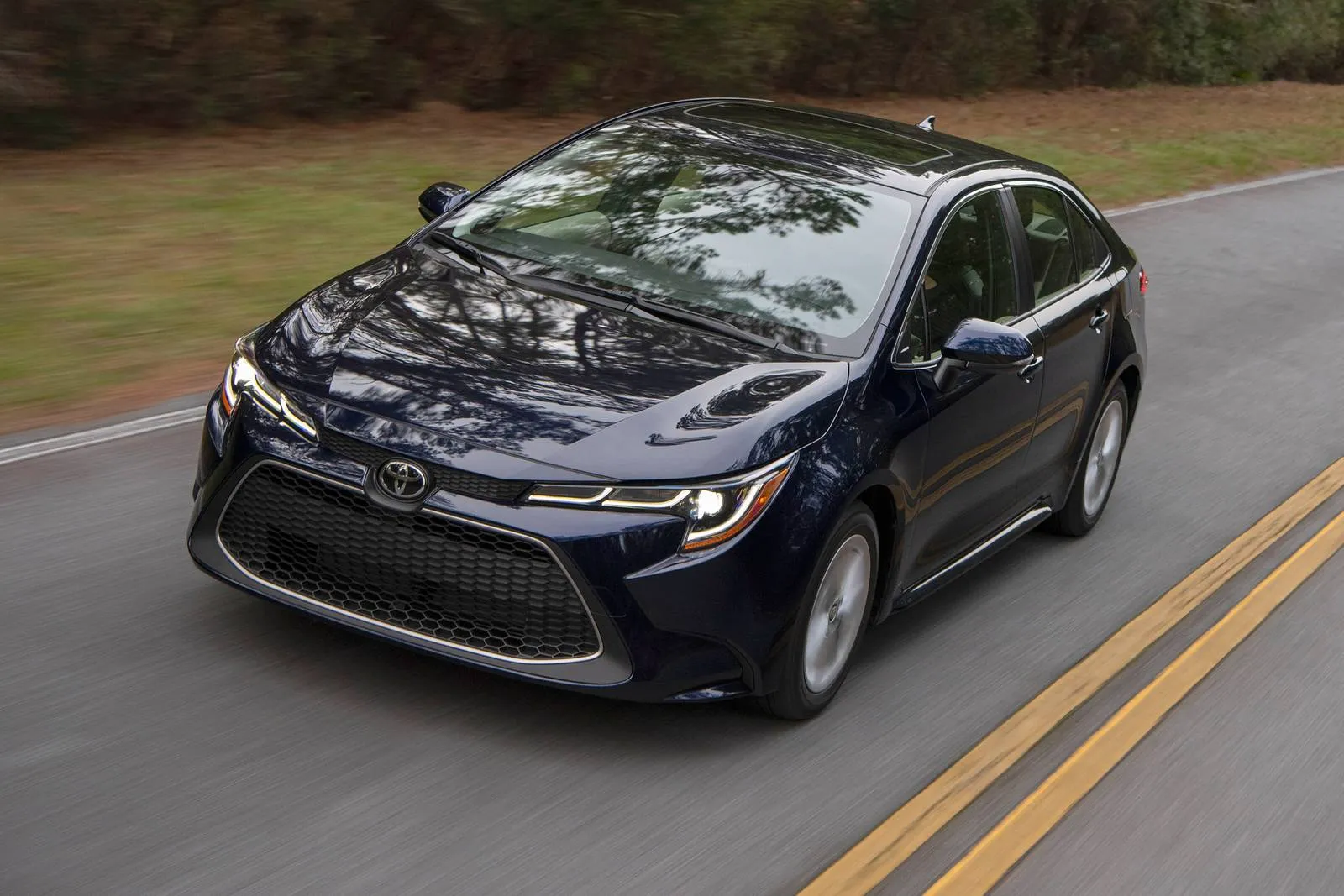
4. Toyota Corolla 2019-2024
Simplicity becomes brilliance when dependability, fuel economy, and affordability come together. Toyota designed the Corolla for drivers who want transportation that just works, and that commitment has produced one of the most trustworthy vehicles ever built.
Rather than chasing excitement, the Corolla delivers stable cars that start every morning and last for years with minimal fuss.
Its naturally aspirated four-cylinder engine is the result of continuous refinement over generations.
Toyota avoids experimental features that add risk or maintenance headaches, relying instead on proven mechanical principles. This steady approach produces engines that regularly outlive the vehicle bodies themselves, offering durability few competitors can match.
The continuously variable transmission (CVT) is another area where Toyota excels. While many automakers struggle with CVT longevity, Toyota perfected its design through superior components and sensible tuning.
Owners routinely report smooth, consistent operation even after high mileage, erasing the concerns that often surround modern transmission technology.
The hybrid version enhances fuel savings without sacrificing dependability. Borrowing heavily from Prius development, Toyota’s hybrid system provides outstanding efficiency with minimal maintenance.
Battery packs resist degradation for long periods, and electric motors remain dependable under everyday use. Drivers save fuel costs while enjoying the same long-lasting reliability that defines the Corolla name.
Advanced safety features also function as intended, avoiding the false warnings common in rival systems. Meticulous testing ensures sensors, cameras, and software maintain precision and consistency as time goes on.
Repair costs stay manageable because Toyota parts are available globally. From dealership networks to independent suppliers, components are easy to find and reasonably priced. Mechanics everywhere are well-versed in Corolla maintenance, ensuring quick, affordable service.
This universal familiarity, combined with Toyota’s engineering discipline, makes the Corolla one of the most practical, cost-effective cars to own anywhere in the world.
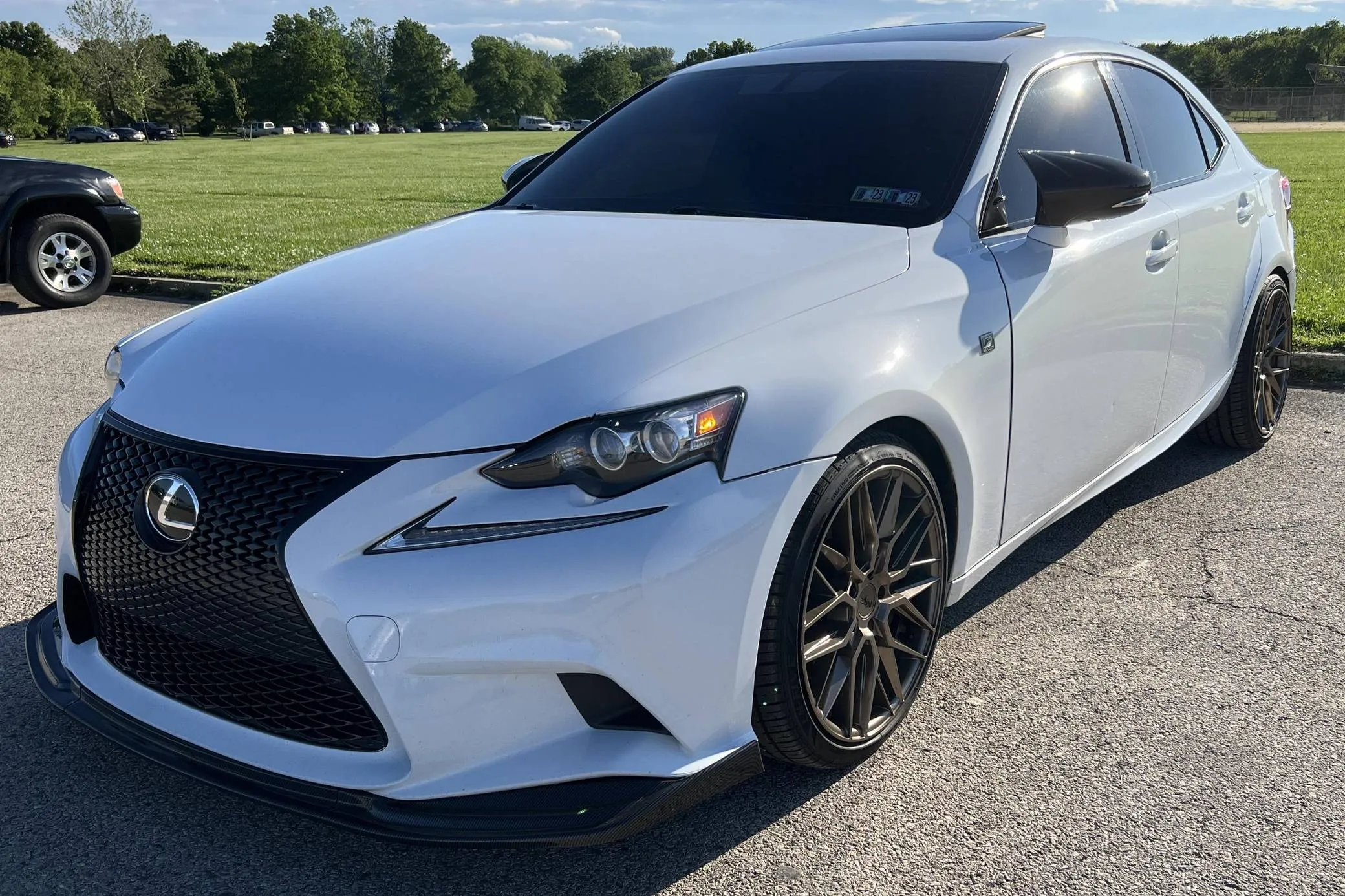
5. Lexus IS 300 2016-2024
Luxury reliability seems impossible until you experience Lexus, which combines premium materials with Toyota engineering. That naturally aspirated V6 engine delivers smooth power without turbocharger complications that plague German competitors.
Simple, proven design means this engine runs for hundreds of thousands of kilometres without major issues. Lexus owners enjoy luxury performance without the repair costs that bankrupt owners of European alternatives.
Build quality exceeds what buyers expect at any price point. Every component feels substantial and engineered to last, from door handles to window switches.
Interior materials age gracefully because Lexus uses genuine leather and quality plastics rather than cheap imitations. This attention to durability shows in how well these cars hold up through years of daily use, maintaining their luxury feel long after cheaper competitors start falling apart.
Electrical system reliability separates Lexus from German luxury brands whose complicated electronics fail constantly. Simple, robust design prevents the module failures and wiring problems that plague Mercedes and BMW vehicles.
When every electrical component works properly year after year, owners avoid the diagnostic nightmares and expensive repairs that come with German engineering. This reliability justifies choosing Lexus over supposedly superior European brands.
Dealer service experiences provide luxury treatment without the shocking bills common at German brand dealerships. Lexus service departments treat customers respectfully and charge fairly for work performed.
Routine maintenance costs stay reasonable rather than exploitative, and major services don’t require mortgages. This fair treatment keeps customers loyal and prevents the resentment that develops when dealers gouge captive audiences.
Resale values stay strong because used luxury car buyers recognize Lexus vehicles as safe purchases. Someone buying a five-year-old IS 300 knows they’re getting reliable transportation rather than inheriting expensive problems.
This confidence drives demand that keeps prices high, protecting original owner investments. When luxury cars actually last, resale values reflect that reality rather than the depreciation bombs that German luxury vehicles become.
Cars That Always Need Costly Repairs
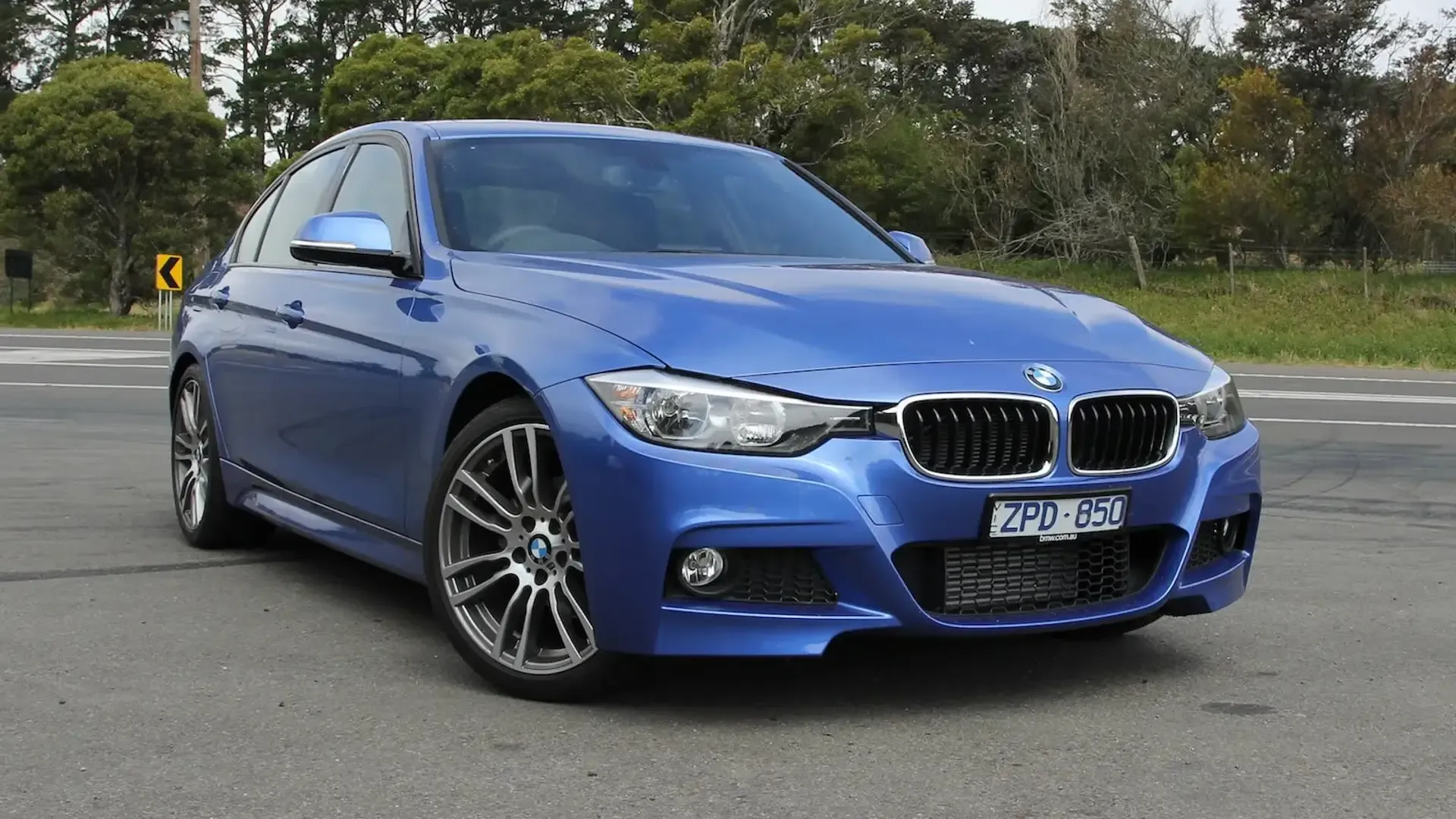
1. BMW 3 Series 2012-2018
German craftsmanship often carries an image of precision and superiority, but that illusion fades the moment repair bills begin to arrive. The turbocharged four- and six-cylinder engines found in many BMW models frequently develop faults that require costly attention.
Turbo failures, defective high-pressure fuel pumps, and malfunctioning sensors occur with unsettling consistency, leaving owners dreading the glow of the check-engine light that usually signals another thousand-dollar problem.
Electrical reliability is another persistent weakness. The iDrive infotainment system freezes unexpectedly, control modules burn out, and strange electronic malfunctions appear without warning.
Diagnosing these issues can take days, and even BMW’s own technicians often provide expensive but inconclusive solutions.
Independent repair shops hesitate to take on these cars because the electrical faults can consume endless hours of labour with no guaranteed fix, making ownership both stressful and expensive.
The cooling system fares no better. Plastic components become brittle far too early, water pumps fail, and radiators crack. If these defects go unnoticed, the resulting overheating can destroy the engine entirely.
Replacement parts carry shocking prices at BMW service centres, and labour rates commonly exceed $150 per hour. Routine maintenance tasks that cost a few hundred dollars on Japanese cars can easily run into the thousands on a BMW.
Transmission longevity also disappoints. Rough gear changes often lead to total transmission failure as the vehicles age, forcing owners to choose between repairs that exceed the car’s value or abandoning it altogether.
As awareness spreads, resale values collapse because potential buyers refuse to risk ownership. The result is a cycle of steep depreciation, unending repairs, and mounting frustration, proof that BMW’s luxury image often hides a very costly reality for those unlucky enough to own one beyond its warranty period.
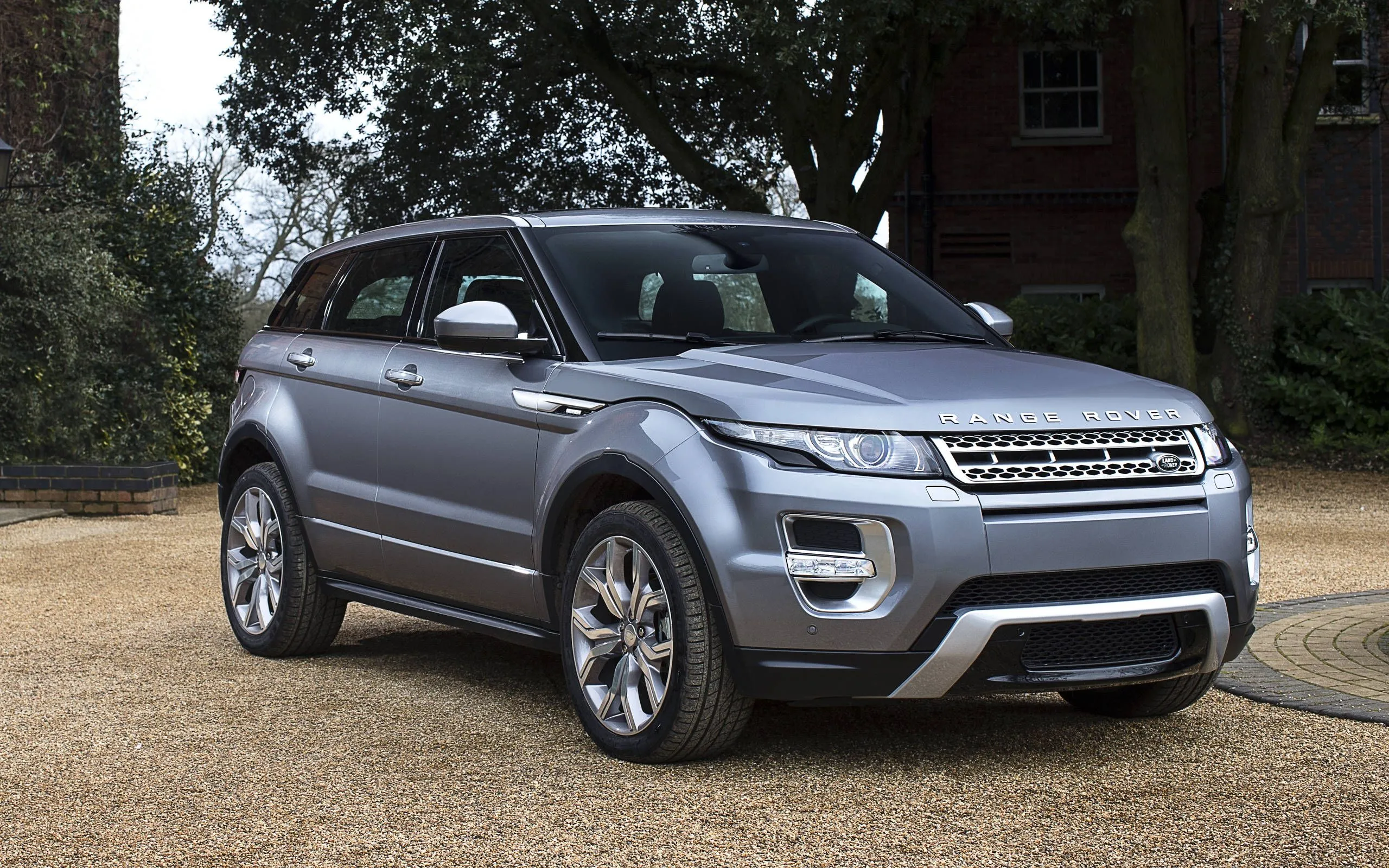
2. Range Rover Evoque 2012-2018
British luxury seems appealing until you discover that Land Rover reliability makes BMW look dependable by comparison. Electrical failures happen so frequently that owners stop being surprised by new warning lights and malfunctions.
Touchscreen systems fail, instrument clusters glitch, and various modules require replacement. Diagnosing and fixing these electrical problems costs thousands because Land Rover charges premium prices for everything.
Nine-speed automatic transmission problems became legendary among Evoque owners and mechanics. Harsh shifting, hesitation, and complete failures happened with frightening frequency.
Land Rover issued software updates trying to address problems, but hardware failures continued to occur. Replacing these transmissions costs more than many used Evoques are worth, creating situations where repair costs exceed vehicle values.
Engine problems range from annoying oil consumption to catastrophic failures requiring complete replacements. Turbochargers fail, timing chains stretch, and various internal components wear prematurely.
Repairing these engine problems at Land Rover dealers requires selling organs because parts and labour rates reach absurd levels. Independent shops often refuse to work on Range Rovers because reliability is so poor that fixed problems return quickly, creating unhappy customers.
Suspension complications create expensive repair needs as these vehicles age. Air suspension systems fail, electronic dampers malfunction, and various sensors require replacement.
Converting failed air suspensions to conventional coil springs costs thousands, but becomes necessary when air system repairs exceed reason.
This suspension unreliability adds to the growing list of Evoque problems that destroy owner finances.
Interior quality disappoints with materials wearing rapidly and components breaking easily. Cheap plastics and fake leather degrade quickly, making relatively young Evoques look old and tired.
Control buttons break, trim pieces fall off, and everything feels flimsy. This poor quality extends to mechanical components that fail at rates that seem impossible for vehicles costing this much when new.
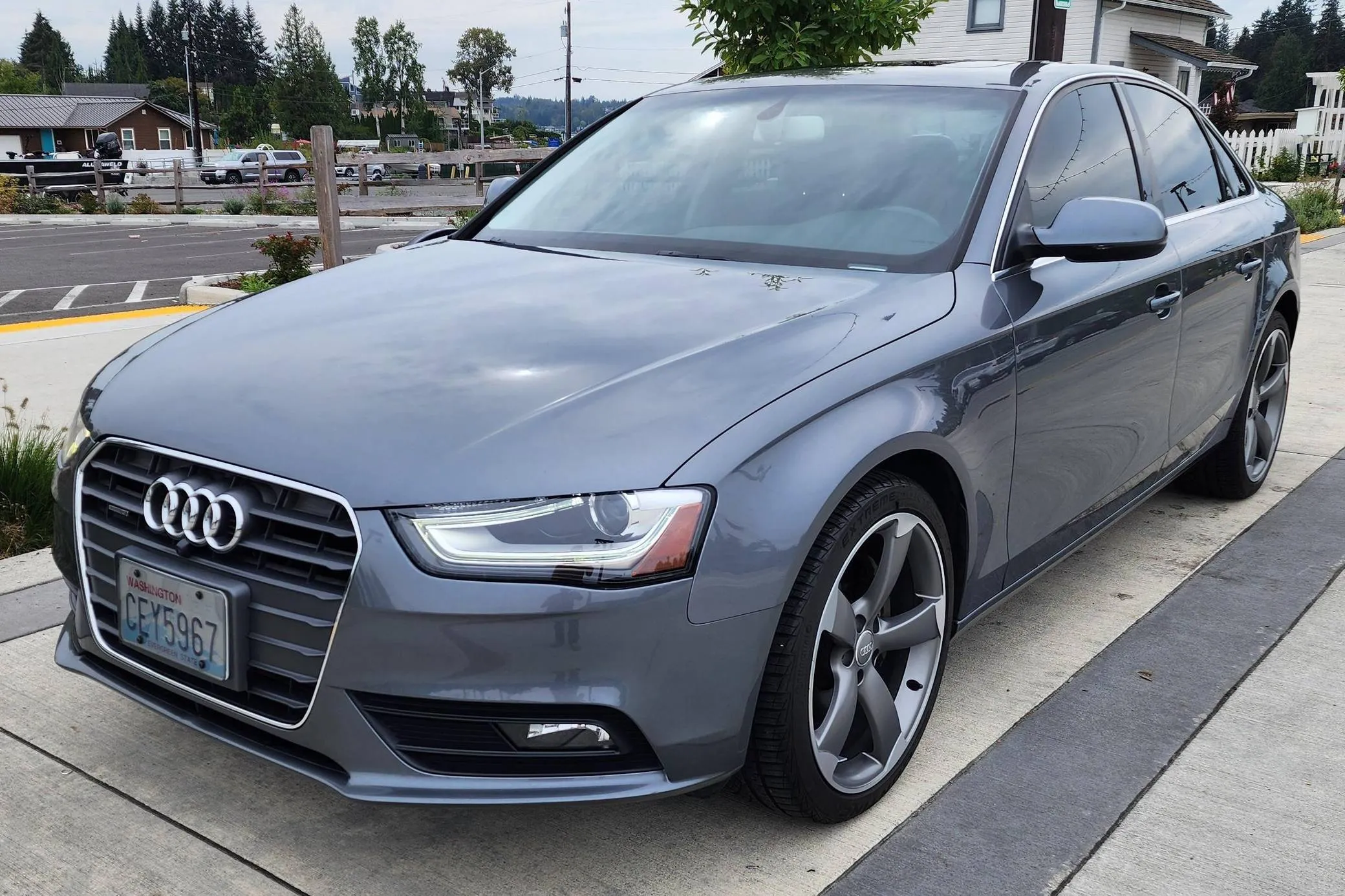
3. Audi A4 2013-2019
German engineering strikes again with another turbocharged engine prone to expensive failures. Carbon buildup on intake valves plagues these direct injection engines, causing performance loss and requiring expensive cleaning procedures.
Turbochargers fail, ignition coils die regularly, and various sensors malfunction constantly. Audi owners spend fortunes keeping these vehicles running as mileage accumulates and warranty coverage expires.
Dual-clutch transmission behaviour ranges from jerky to completely failed. These transmissions develop harsh engagements, slipping, and eventual mechanical failures.
Replacing dual-clutch transmissions costs more than most used A4s are worth, creating financial disasters for owners. This transmission technology sounded advanced but proved unreliable in real-world use, destroying customer confidence and owner bank accounts.
Electrical system problems mirror BMW with modules failing, wiring harnesses corroding, and computers malfunctioning. Diagnosing these electrical gremlins requires expensive Audi-specific equipment that independent shops lack.
Dealer labour rates exceed reason, turning simple electrical repairs into multi-thousand-dollar ordeals. When electrical systems this unreliable combine with Audi’s premium pricing, ownership becomes unaffordable.
Cooling system failures happen predictably as these vehicles age. Water pumps die, thermostats stick, and coolant leaks develop from various hoses and gaskets. Audi charges premium prices for what should be routine cooling system maintenance.
Neglecting these repairs leads to engine overheating and catastrophic damage that totals vehicles. Constant cooling system attention keeps repair shops busy and owner bank accounts empty. Resale values plummet because used luxury car buyers recognize A4s as expensive mistakes.
Market rejection of these unreliable vehicles creates situations where desperate sellers can’t find buyers at any price. This depreciation proves that markets eventually punish manufacturers who build unreliable vehicles, though original buyers pay the price through lost equity and constant repair bills.
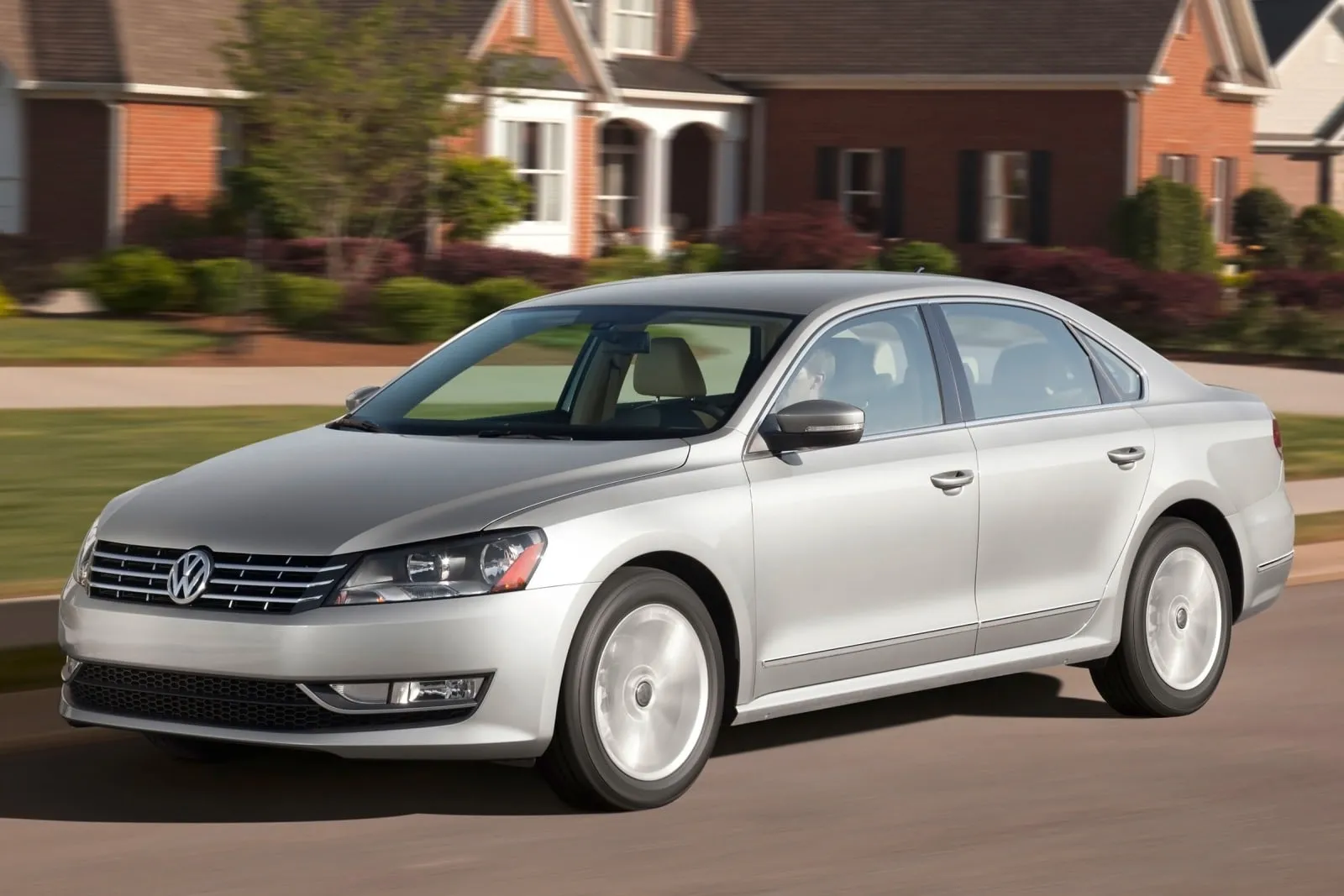
4. Volkswagen Passat 2012-2018
Turbocharger reliability remains one of the biggest weaknesses in these Passat models, with many units failing far earlier than expected.
Replacing a damaged turbocharger often costs several thousand dollars because Volkswagen demands premium prices for both components and labour. These recurring breakdowns turn what should be efficient engines into expensive burdens for their owners.
The engines also suffer from severe carbon buildup, a problem shared with Audi since both brands use similar direct injection technology.
Instead of boosting fuel economy, the design causes deposits to accumulate on intake valves, reducing performance and requiring costly cleaning services. Owners often face this issue long before reaching high mileage, proving how flawed the system design truly is.
Transmission troubles add another layer of frustration. The dual-clutch gearbox, shared with Audi, is infamous for erratic shifting, slipping, and eventual failure.
Volkswagen attempted to calm buyers by offering extended warranties, but the same defects kept resurfacing. Many owners found themselves returning repeatedly for transmission repairs that provided only temporary relief while draining their finances.
Electrical reliability also disappoints. Infotainment systems crash randomly, windows stop operating, and electronic modules fail without warning.
Diagnosing these faults demands specialized equipment and long hours, quickly inflating repair bills. Compared to the consistency of Japanese competitors, Volkswagen’s electrical design appears overly complicated and fragile.
The brand’s image suffered further damage after the diesel emissions scandal, which destroyed consumer confidence and resale values. Even petrol-powered Passats, unaffected by the scandal, lost market trust due to Volkswagen’s tarnished reputation.
To worsen matters, certain models developed timing chain issues leading to catastrophic engine damage.
Chains stretched or jumped in timing, destroying internal parts and requiring full rebuilds. What was marketed as a maintenance-free system became another expensive liability, reinforcing the Passat’s reputation for costly ownership.
Also Read: 5 Cars That Balance Tech and Reliability vs 5 That Fail at Both
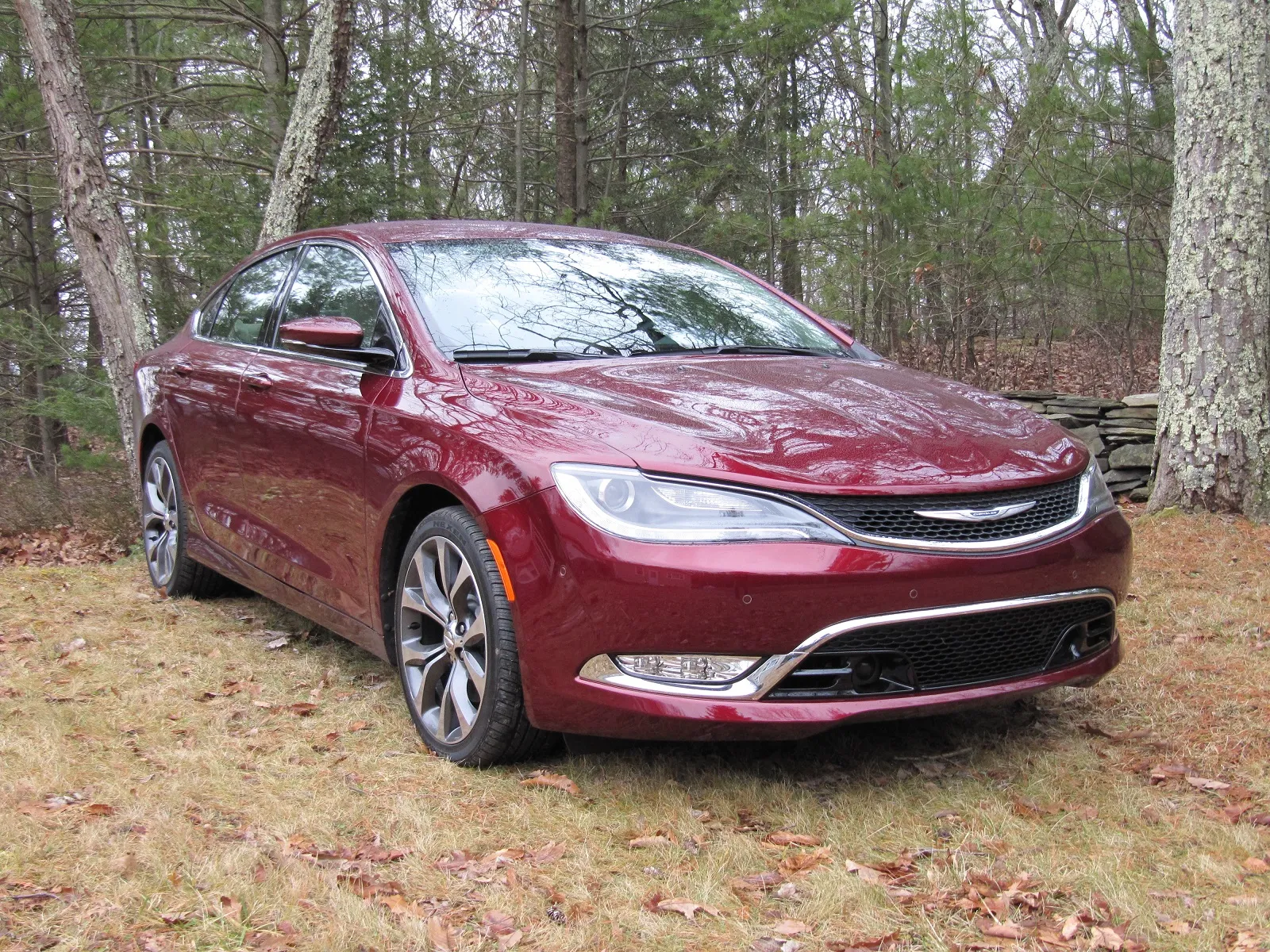
5. Chrysler 200 2015-2017
American engineering failed spectacularly with the 200, which combined poor reliability with mediocre everything else. That nine-speed automatic transmission shared with Jeep products proved equally troublesome in Chrysler applications.
Harsh moves, hesitation, and complete failures happened frequently enough to become expected rather than rare. Chrysler issued numerous software updates trying to fix transmission behaviour, but problems persisted throughout production.
Engine problems appeared early with oil consumption issues and various mechanical failures. Four-cylinder engines proved particularly troublesome with timing chain problems and excessive wear.
V6 models fared slightly better but still experienced problems that shouldn’t happen in modern vehicles. Repair costs stayed high because even though Chryslers are American, parts and labour still cost serious money.
Electrical reliability fell short of acceptable standards, with various modules failing and systems malfunctioning. Infotainment screens became unresponsive, instrument clusters glitched, and sensors stopped working.
Chrysler’s electrical engineering couldn’t match Asian competitors who build systems that function properly. These electrical problems frustrated owners who expected better from vehicles, costing serious money when new.
Build quality disappointed with interiors falling apart and exterior panels showing poor fit. Squeaks and rattles developed quickly, and various trim pieces broke easily.
This poor quality made relatively new 200s feel old and cheap. When vehicles fall apart cosmetically, mechanical reliability concerns increase because owners lose confidence in the entire vehicle.
A short production run meant Chrysler abandoned 200 buyers after just three model years. Discontinuing the model left owners with orphaned vehicles and declining parts support.
This abandonment proved Chrysler knew the 200 had problems they couldn’t fix economically. Original buyers became victims of corporate decisions to cut losses rather than support customers properly.
