
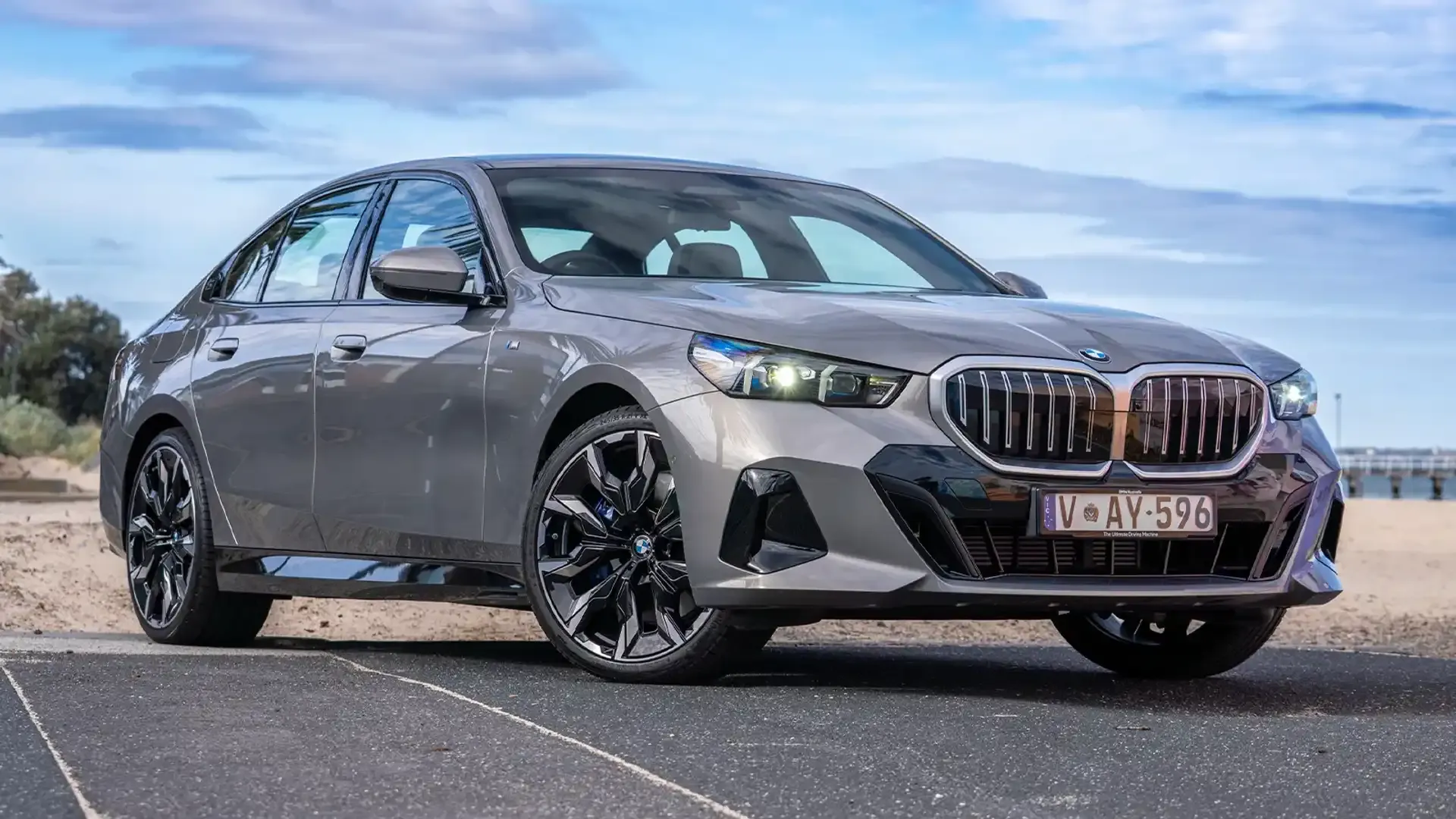
German engineering has this reputation that makes people think every vehicle rolling out of Bavaria or Stuttgart must be bulletproof and built to last forever. We’ve all heard the stories: precision manufacturing, rigorous testing, centuries of automotive excellence.
But here’s what nobody tells you until you’re three years into ownership and staring at a repair estimate that looks like a mortgage payment: not all German cars live up to this legendary reputation. Some will serve you faithfully for hundreds of thousands of kilometres, while others will have you on speed dial with your mechanic before the warranty expires.
You see people driving around in their Mercedes and BMWs looking successful and sorted, but what you don’t see is whether they’re spending their weekends at the dealership service centre or sleeping peacefully knowing their car actually works.
Some German vehicles prove that the engineering reputation is deserved, combining performance with dependability that justifies premium prices. Others are beautiful disasters waiting to happen, designed to impress in showrooms but programmed to fail spectacularly on actual roads.
This divide isn’t random chance or bad luck. Specific models have earned their reputations through years of real-world performance, with some proving that German quality can be genuine while others demonstrate how badly things can go wrong when manufacturers prioritize style and technology over actual reliability.
Understanding which German cars fall into which category can save you from financial ruin or lead you to vehicles that actually deliver on their promises. Which German cars will treat you right and which ones will treat you like a personal ATM? Let’s separate the heroes from the villains.
German Cars That Actually Stay Reliable
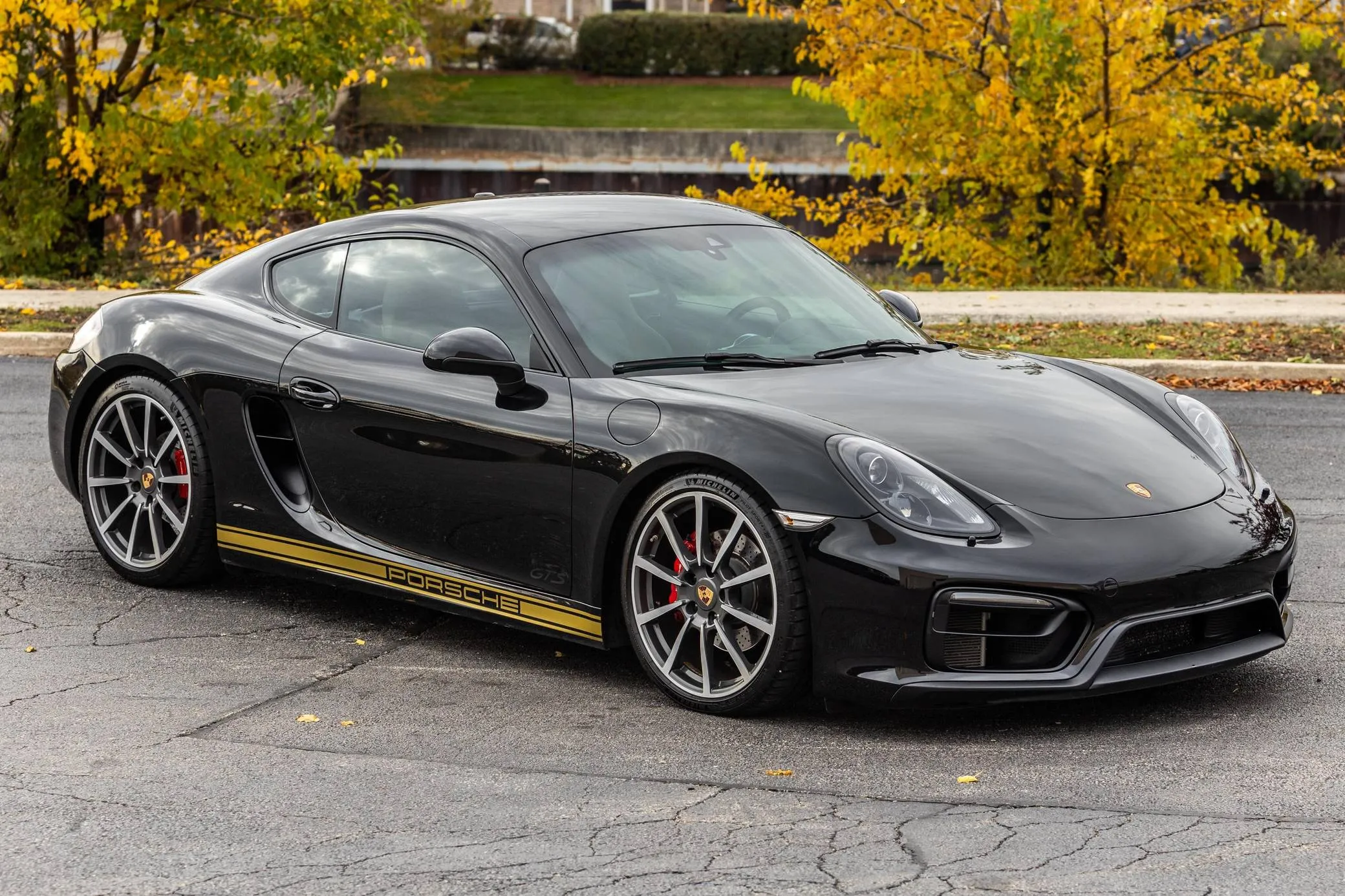
1. Porsche Cayman 2013-2016
Sports cars and reliability rarely go together, but Porsche defies expectations with the Cayman. That naturally aspirated flat-six engine delivers thrilling performance while proving remarkably durable through years of spirited driving. Owners report these engines running smoothly past 200,000 kilometres without major issues, just routine maintenance that any performance car requires.
No turbocharger complications, no direct injection carbon buildup, just pure mechanical engineering that actually works. Porsche learned long ago that reliability and performance aren’t enemies; they’re partners when done right.
Manual transmissions in these Caymans move precisely year after year, maintaining their mechanical feel through countless gear changes. PDK dual-clutch automatics, when maintained properly with regular fluid changes, prove far more reliable than dual-clutch systems from other German manufacturers.
Porsche engineers these transmissions to handle serious abuse, building them with quality that shows in longevity. Clutches in manual versions last well beyond 100,000 kilometres with proper driving technique, and PDK units stay smooth without the jerky behaviour plaguing Volkswagen and Audi applications.
Electrical systems work properly without the gremlins that plague cheaper German cars. Simple, robust design prevents the module failures and mysterious malfunctions that destroy ownership experiences in BMWs and Mercedes. When Porsche includes technology, they ensure it functions reliably rather than adding features that impress buyers but fail quickly.
This disciplined approach to electronics keeps Caymans running without the diagnostic nightmares common in other German brands. Build quality exceeds what buyers expect, even at Porsche’s premium pricing.
Every component feels substantial and engineered to last, from door handles to window switches. Interior materials age gracefully because Porsche uses genuine leather and quality plastics rather than cheap imitations. This attention to durability shows in how well these cars hold up through years of daily use, maintaining their sports car character long after competitors start feeling worn out.
Service costs stay reasonable for a sports car because Porsche designs these vehicles to be serviced without excessive teardown. Routine maintenance follows sensible intervals, and parts pricing, while not cheap, doesn’t reach the exploitative levels some luxury brands charge.
Independent Porsche specialists provide alternatives to dealer pricing, keeping ownership costs manageable for buyers willing to research their service options.
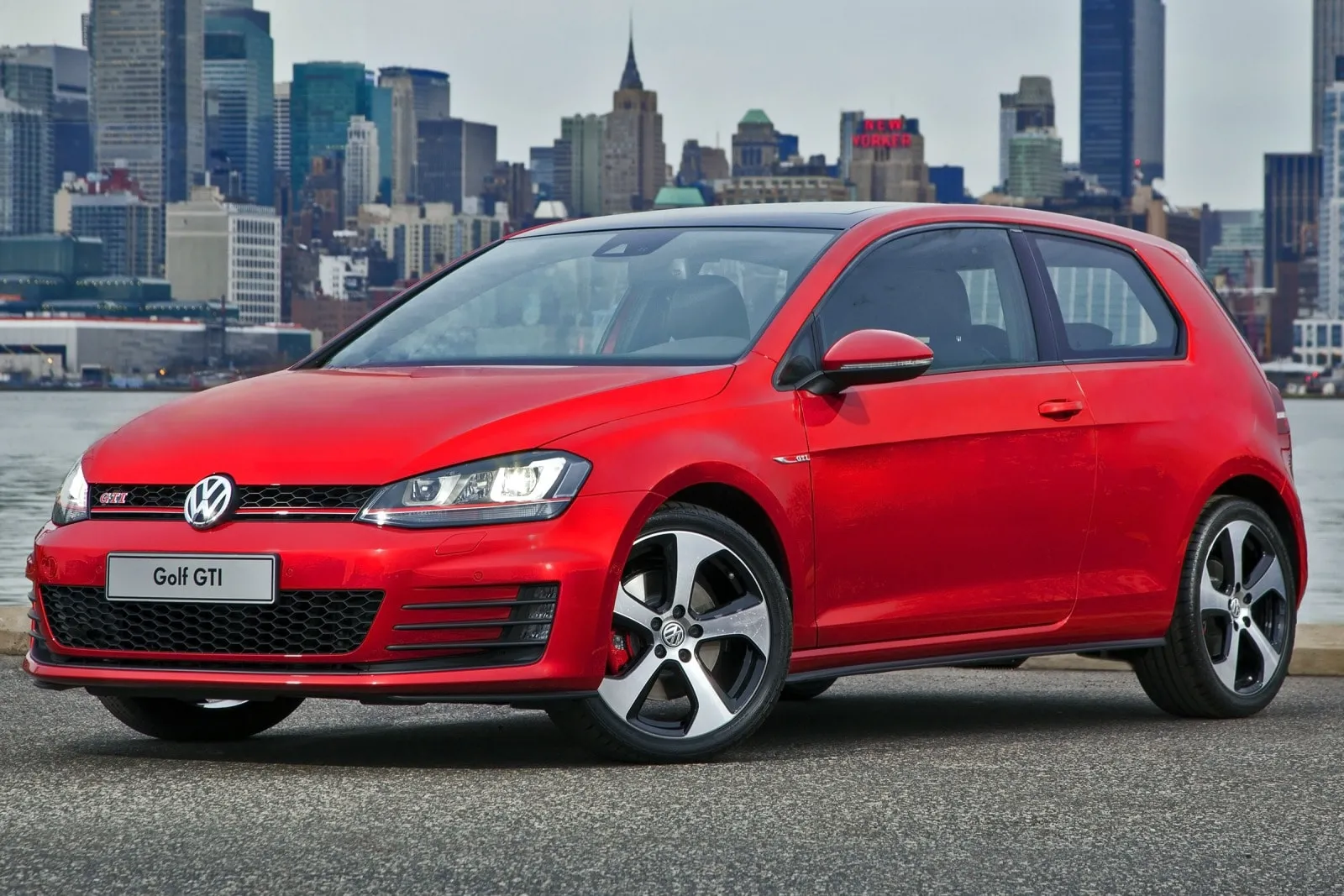
2. Volkswagen Golf GTI 2015-2019 (Mk7)
Performance hatchbacks often gain speed at the cost of dependability, yet this generation of the GTI managed to strike an uncommon balance. Its 2.0-litre turbocharged engine produces strong power while remaining sturdy enough for daily use.
Earlier Volkswagen turbo motors were notorious for internal problems, but this design benefits from improved cooling and stronger components that withstand spirited driving without self-destructing.
Carbon buildup still occurs as with any direct injection setup, but periodic cleaning and proper driving habits prevent serious loss of power. With routine maintenance, this engine delivers years of smooth performance.
The six-speed manual gearbox feels solid and precise, holding up under aggressive use. Clutches easily last beyond 100,000 kilometres when treated properly, and the movement quality stays crisp as time goes on.
The DSG dual-clutch automatic used in this generation finally meets reliability expectations, provided owners keep up with fluid changes. Volkswagen learned from earlier transmission failures, and that experience transformed the GTI into a much more dependable performer.
Suspension durability is equally impressive for a sporty hatchback. Control arms, joints, and bushings withstand spirited driving without wearing prematurely. When replacements become necessary, parts remain affordable and readily available, keeping maintenance costs well within reach for average drivers.
Inside, Volkswagen addressed the complaints of earlier GTIs by improving materials and craftsmanship. Soft-touch panels, supportive seats, and a sturdy dashboard contribute to an upscale feel that lasts. Buttons and touchscreens maintain functionality rather than deteriorating with age.
Electrical reliability also improved dramatically. System sensors remain accurate, and control modules rarely malfunction. While occasional electronic quirks still appear, they happen far less frequently than in previous models.
This balance of performance, comfort, and long-term dependability makes the Mk7 GTI one of the most rewarding versions to own, offering enjoyment without constant mechanical anxiety.
Also Read: 5 Cars That Are Cheap to Fix vs 5 That Aren’t
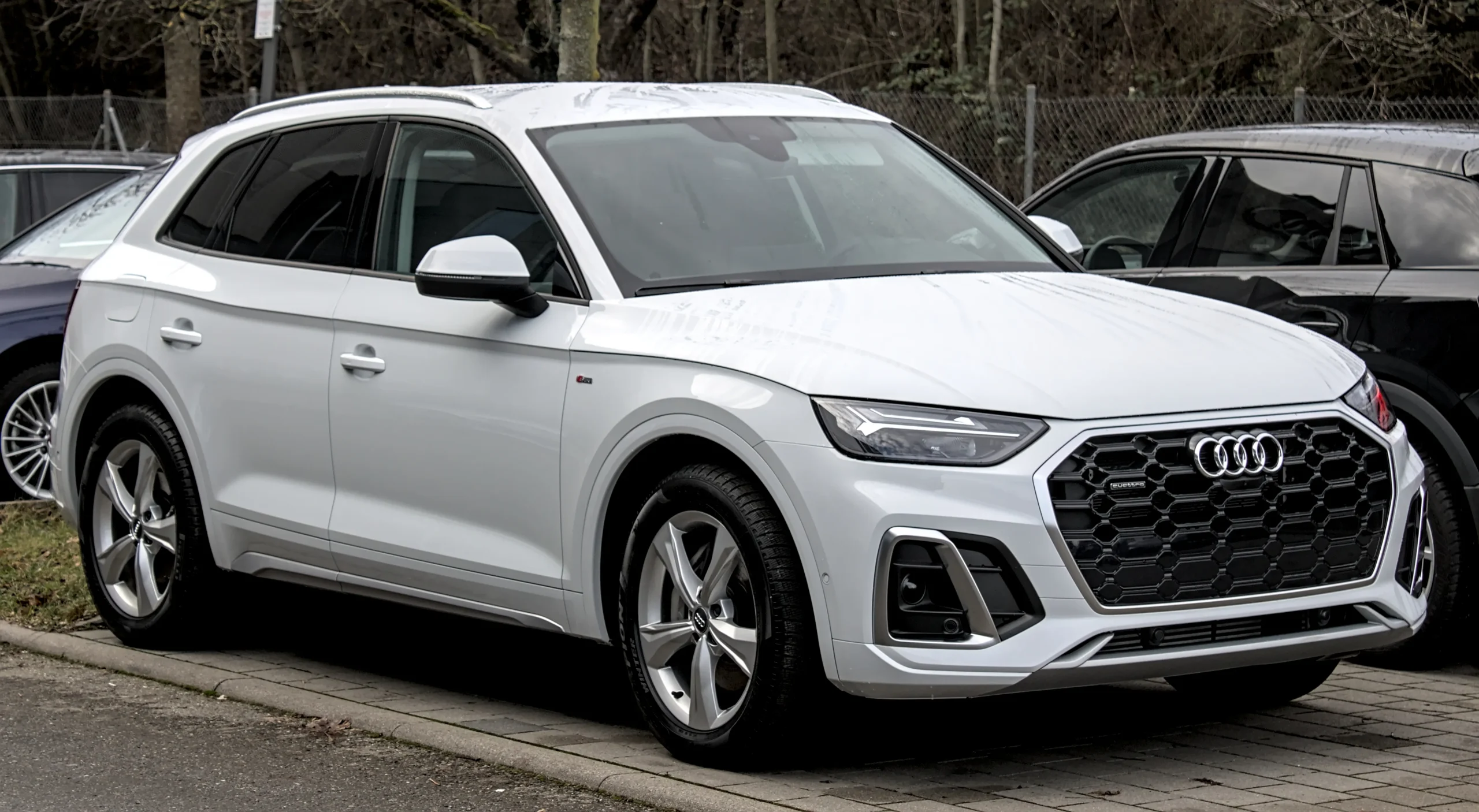
3. Audi Q5 2018-2021 (2.0T)
Luxury crossovers aren’t known for reliability, but this Q5 generation breaks the mold with dependability that surprises skeptics. That 2.0-litre turbocharged four-cylinder engine proves far more reliable than the supercharged V6 it replaced.
Simpler design with fewer components means fewer things can fail, and Audi finally engineered adequate cooling to prevent the overheating that destroyed earlier engines. Proper maintenance keeps these engines running smoothly through mileage that would total more complicated powerplants.
Eight-speed automatic transmission from ZF proves bulletproof in Q5 applications. This traditional automatic design eliminates the dual-clutch problems that plagued earlier Audi models.
Smooth shifting stays consistent through hundreds of thousands of kilometres, and fluid changes at recommended intervals prevent the failures that happen when maintenance gets neglected. Choosing this reliable transmission over complicated alternatives shows Audi learning from past mistakes.
Quattro all-wheel-drive system delivers capability without the expensive repairs that destroy other luxury AWD systems. Mechanical simplicity keeps this system working reliably through harsh conditions and heavy use.
Differentials stay healthy with proper fluid maintenance, and electronic controls function without the failures plaguing more complicated systems. This AWD reliability makes the Q5 suitable for climates where all-wheel drive is used constantly rather than occasionally.
Build quality meets Audi standards with solid construction and materials that resist wear. Interiors age gracefully because components hold up through daily use. Squeaks and rattles don’t develop as they do in cheaper vehicles, maintaining the premium feel that justifies luxury pricing.
When quality stays consistent through years of ownership, satisfaction levels remain high, and regret never develops. Electrical system reliability improved enough to avoid the constant problems plaguing earlier Audis. MMI infotainment works properly, sensors maintain accuracy, and modules stay functional.
Yes, Audi electronics still aren’t Toyota-level bulletproof, but reliability has reached acceptable levels where problems happen rarely rather than constantly. This improvement makes ownership far more pleasant than earlier Audi experiences that involved weekly dealer visits.
4. Mercedes-Benz E-Class 2017-2020 (E300)
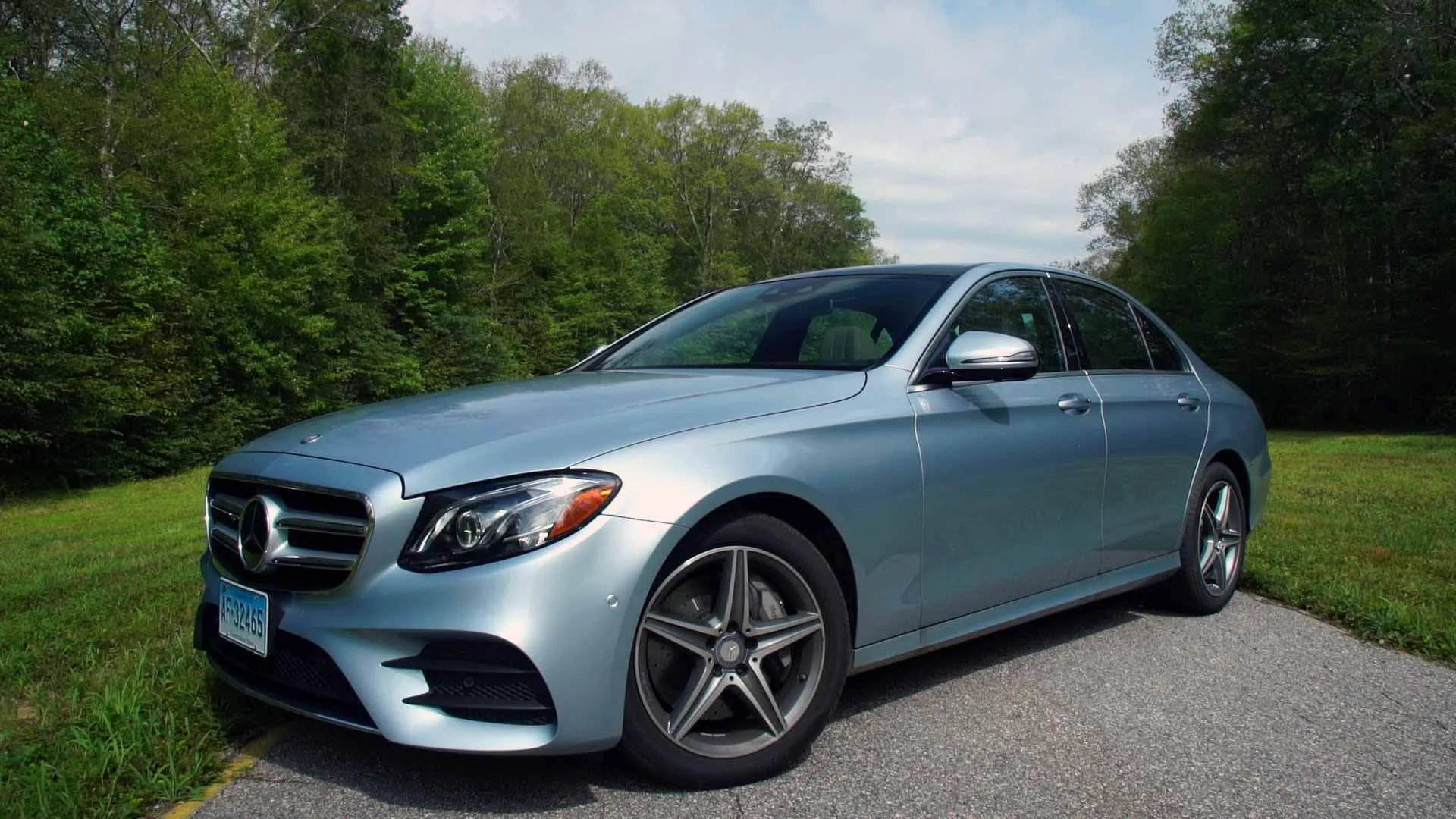
Mercedes has long carried a reputation for luxury paired with expensive breakdowns, but the E-Class generation powered by the 2.0-litre turbocharged four-cylinder engine marks a welcome move. This engine delivers strong performance without the complicated mechanical issues that plagued the older V6 and V8 options.
Its simplified design means fewer failure points, and with proper maintenance, it stays dependable for years. Improved cooling systems help prevent overheating, solving a long-standing weakness in Mercedes turbo engines.
The nine-speed automatic gearbox also represents a major advancement over the unreliable seven-speed versions from earlier models. Gear changes feel smooth, and consistent servicing helps the transmission remain trouble-free. Mercedes’ decision to rely on better external suppliers rather than struggling with flawed in-house transmission designs paid off, restoring owner confidence in their drivetrains.
Air suspension, once a major concern for Mercedes owners, also saw substantial improvement. Enhanced component quality and refined engineering have made this system more durable and less prone to failure.
While upkeep remains more expensive than traditional coil springs, the chances of facing repeated breakdowns have dropped sharply. For those prioritizing minimal cost, conventional suspension options still provide a reliable alternative.
The cabin reflects Mercedes’ commitment to craftsmanship. Leather seats retain their texture, trim pieces stay solidly in place, and buttons continue feeling premium even after years of use. This durability preserves the car’s elegant feel far longer than many competing luxury sedans.
Electronics, a notorious weakness in previous models, now function as intended. The COMAND system operates smoothly, navigation responds quickly, and smartphone connectivity stays consistent.
By addressing the reliability flaws that once made their technology frustrating, Mercedes has turned daily driving into a pleasant, confident experience. The E-Class finally combines refinement with practicality, delivering long-term satisfaction rather than financial headaches.
5. BMW X3 2018-2021 (xDrive30i)
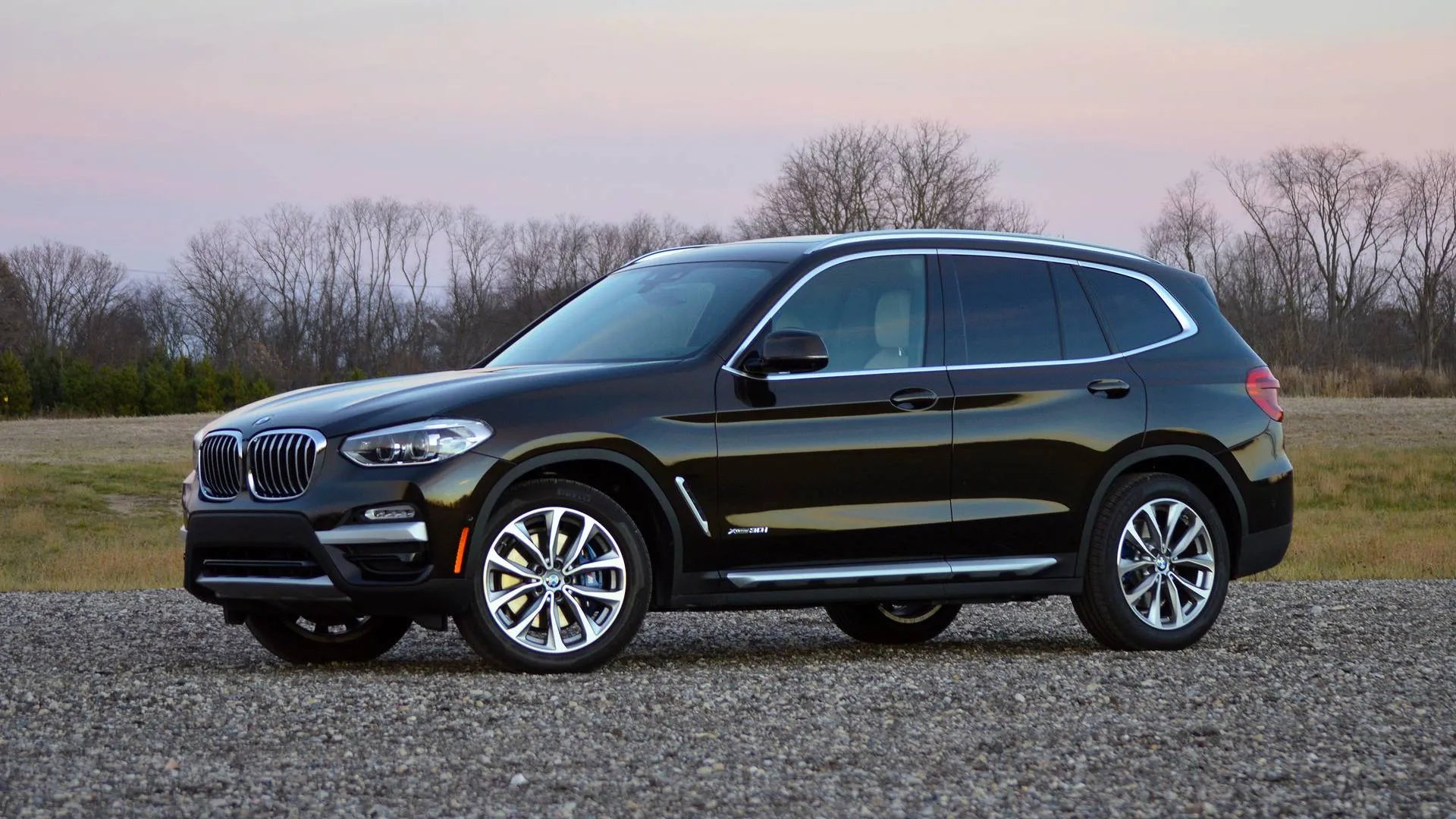
Compact luxury SUVs from BMW typically require constant repairs, but this X3 generation with the 2.0-litre turbo engine proves more reliable than expected. That B48 engine avoided many problems that plagued earlier BMW turbo motors.
Proper engineering and adequate cooling keep this power plant running smoothly through years of use. Carbon buildup still happens because of direct injection, but regular Italian tune-ups and occasional cleaning prevent severe problems. Treat this engine reasonably and it rewards you with dependable service.
Eight-speed automatic transmission from ZF delivers smooth operation year after year. This proven design avoids the problems plaguing DCT and CVT alternatives, shifting cleanly through hundreds of thousands of kilometres.
Fluid changes at proper intervals keep this transmission happy, and neglecting maintenance causes problems that proper care prevents. Following the service schedule means this transmission lasts the vehicle’s lifetime without expensive repairs.
xDrive all-wheel-drive system proves reliable in X3 applications, delivering capability without the expensive failures common in more complicated systems. Mechanical components stay functional through hard use, and electronic controls work properly.
Regular differential service prevents the failures that happen when fluids get neglected. This AWD reliability makes the X3 suitable for climates where all-wheel-drive capability is used constantly. Build quality improved dramatically in this X3 generation, with solid construction that holds up through daily abuse.
Squeaks and rattles don’t develop as they did in earlier BMWs, maintaining the premium feel throughout ownership. Interior materials resist wear, and components stay functional rather than breaking as they did in previous generations. This improved quality shows BMW listening to customer complaints and actually fixing problems.
Electrical reliability reached acceptable levels, where problems happen occasionally rather than constantly. iDrive works properly, sensors stay accurate, and modules maintain functionality.
Yes, BMW electronics still aren’t Japanese-level bulletproof, but reliability has improved enough that ownership doesn’t mean weekly dealer visits. This progress makes living with modern BMW technology tolerable rather than infuriating.
German Cars That Constantly Break
1. Audi A6 2012-2016 (3.0T)
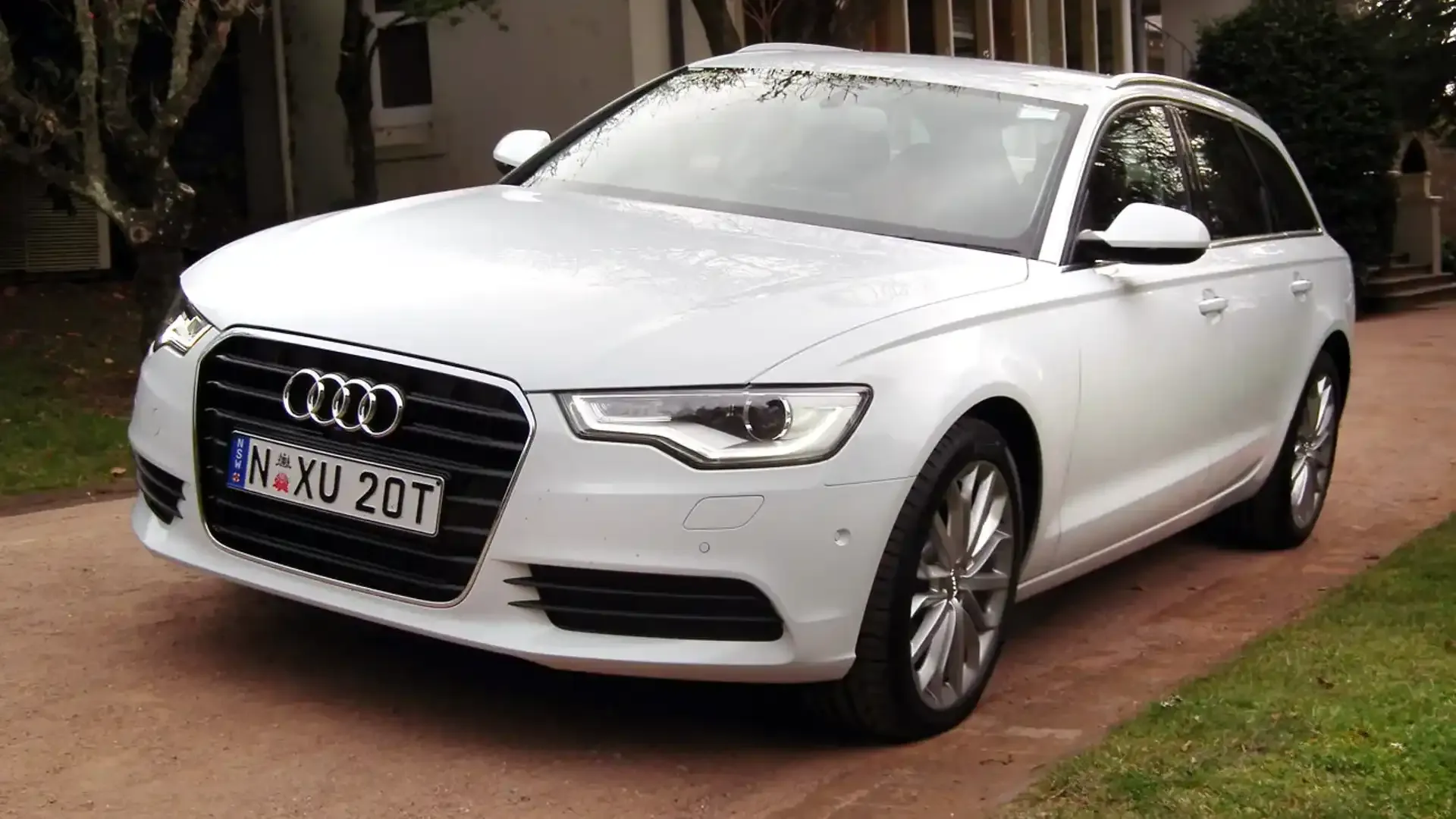
The supercharged V6 engines in the Audi A6 promised strong performance but became nightmares for owners once reliability issues appeared. The supercharger, meant to enhance power, frequently leaked oil and suffered internal failures. These problems were just the beginning of a long list of mechanical troubles that drained owners’ finances.
Timing chain issues became a recurring problem, with stretched chains and broken guides causing severe internal damage when timing slipped. The repairs often required engine replacement, costing more than the car’s actual value. Many owners experienced these failures shortly after their warranties expired, leaving them to face enormous repair bills on their own.
The seven-speed dual-clutch transmission also proved disastrous. Rough shifting, slipping gears, and complete transmission breakdowns became common complaints. Faulty mechatronic units and worn clutches were major contributors to these failures.
Despite Audi’s extended warranty attempts, many vehicles continued to experience the same problems. Replacement transmissions cost between $8,000 and $12,000, forcing some owners to abandon repairs altogether.
Electrical reliability was another major weakness. MMI systems froze randomly, control modules malfunctioned, and electrical faults appeared without warning. Diagnosing these issues required specialized Audi diagnostic tools, and even after repairs, many problems resurfaced. Owners often spent thousands on repeated electrical work with no lasting results.
The air suspension system also failed frequently. Compressors stopped working, air springs leaked, and replacement parts cost far more than expected. Some owners switched to traditional coil springs to avoid constant repair costs, sacrificing the car’s original comfort.
Cooling system problems added to the burden. Thermostat and water pump failures led to overheating, and even minor leaks could escalate into engine damage. With repair costs priced at luxury-car levels, maintaining an A6 often became financially impossible, turning what should have been a refined sedan into a constant repair project.
2. BMW 5 Series 2011-2016 (535i)
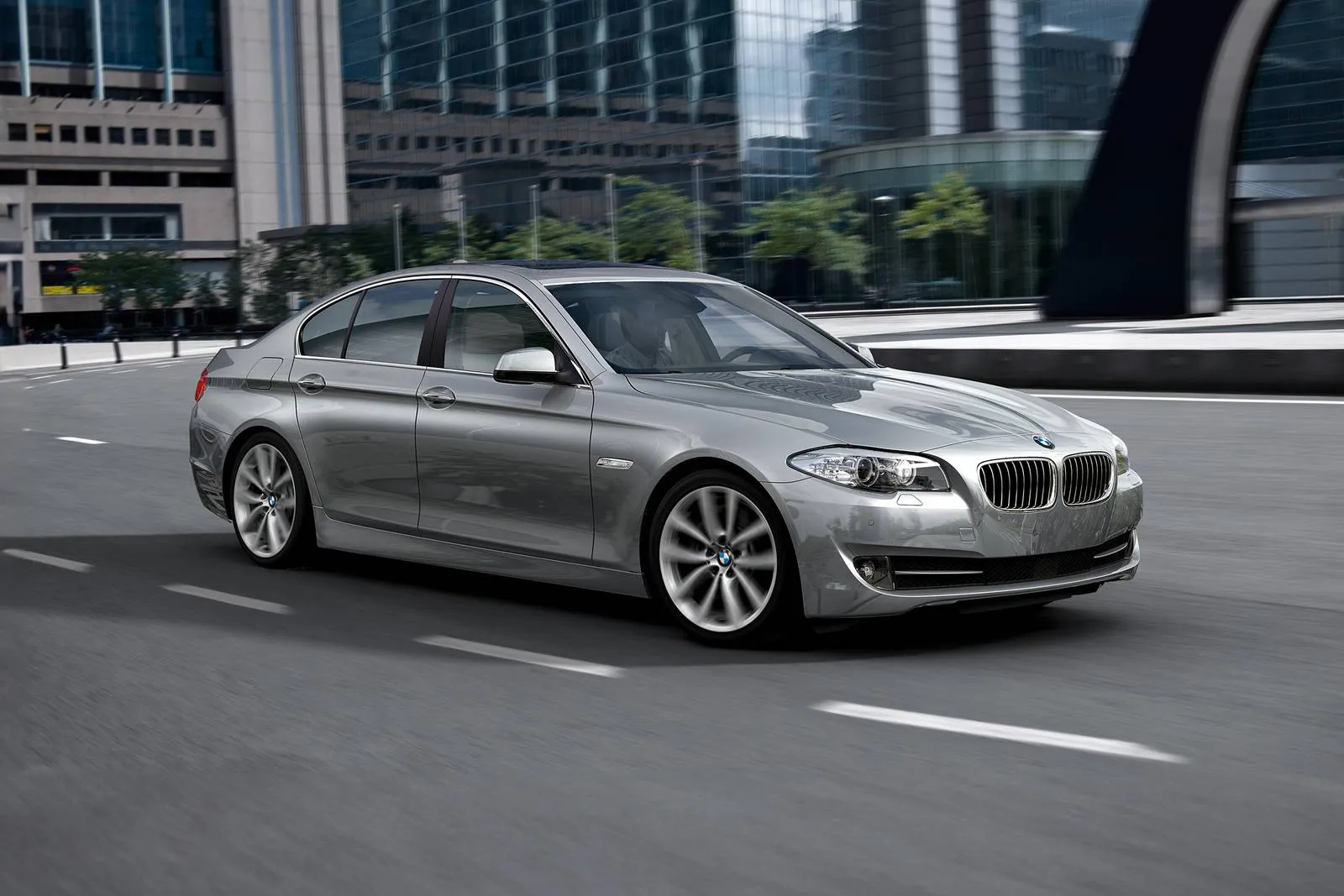
Turbocharged inline-six engines developed problems that cost fortunes to repair properly. Turbochargers failed prematurely, high-pressure fuel pumps died regularly, and various sensors malfunctioned constantly.
Carbon buildup on intake valves caused performance loss, requiring expensive walnut blasting to clean. These engine problems appeared frequently enough to become expected rather than rare, destroying owner confidence and bank accounts simultaneously.
Eight-speed automatic transmission problems appeared as vehicles aged, with mechatronic units failing and solenoids malfunctioning. Replacing these transmission components costs thousands, and failures often return shortly after repairs.
BMW used problematic ZF transmission variants that should never have made production. When transmissions require repeated expensive repairs, ownership becomes financially impossible for normal buyers.
Electrical nightmares plagued these 5 Series with iDrive freezing randomly, instrument clusters glitching, and various modules requiring replacement. BMW’s electrical systems proved too complicated for their own reliability, with dozens of modules communicating in ways that created diagnostic chaos.
Independent shops feared these vehicles because electrical problems could consume unlimited time without resolution. When electrical gremlins become normal rather than exceptional, vehicles become unusable regardless of mechanical condition.
Cooling system failures happened so predictably that smart owners replaced entire systems preemptively. Water pumps died, thermostats stuck, and plastic components cracked from heat cycling.
These failures led to engine overheating that could destroy power plants worth more than entire vehicles. BMW’s continued use of plastic cooling components despite known failure patterns shows contempt for customer wallets and vehicle longevity.
Oil leaks developed from valve cover gaskets, oil filter housings, and various seals. These leaks ranged from annoying drips to expensive problems requiring engine removal for proper repair. BMW charges premium prices for gasket replacements that should be simple jobs. When oil leaks become inevitable rather than preventable, ownership costs skyrocket and satisfaction plummets.
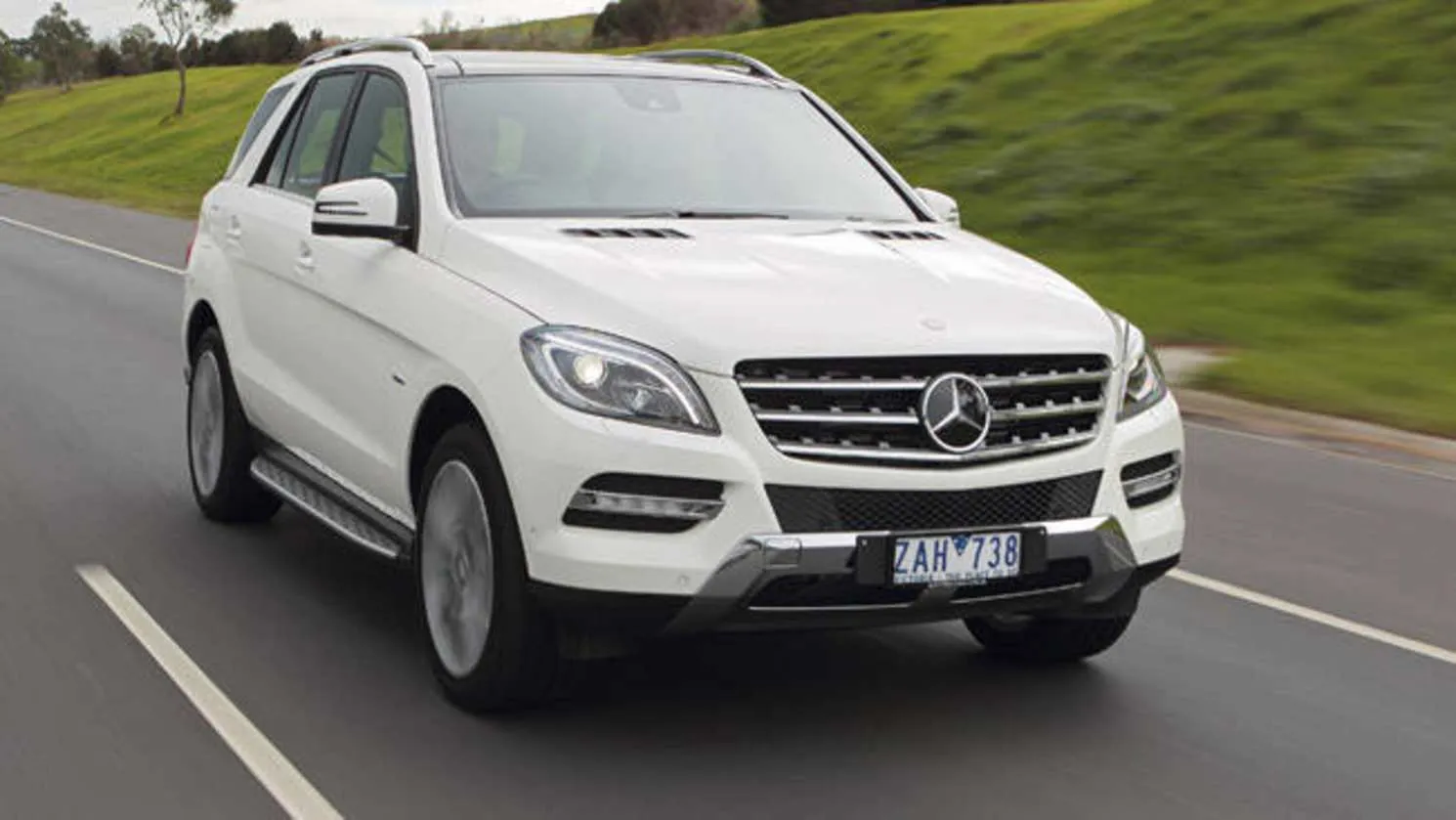
3. Mercedes-Benz ML 350 2012-2015
The ML 350’s direct injection V6 engines quickly earned a reputation for draining wallets and patience alike. Owners faced serious performance loss from carbon buildup, which demanded costly cleaning to restore power. Timing chain troubles surfaced early as stretched chains and broken guides caused severe engine damage once timing jumped.
Even worse, failures of the balance shaft module required complete engine removal for repair, often costing more than the vehicle’s resale value. These recurring engine issues made owning an ML 350 financially exhausting for many buyers.
Transmission reliability also proved disappointing. The seven-speed automatic unit suffered from rough gear changes that often led to full transmission failure. Faulty valve bodies and failing conductor plates caused most of these issues, and fixing them required expensive rebuilds.
Repair bills commonly ranged between $5,000 and $8,000, leaving owners questioning whether keeping the vehicle made any financial sense. The air suspension system added another layer of frustration. With age, compressors failed, air springs leaked, and sensors malfunctioned repeatedly.
Repairing these systems often costs several thousand dollars, only for the same problems to return months later. Many owners eventually switched to traditional coil spring setups, accepting extra conversion costs to escape the endless air suspension failures.
Electrical reliability was equally poor. Infotainment systems froze, modules failed, and random electrical faults left vehicles undrivable. Diagnostic fees at Mercedes dealerships ran into hundreds of dollars per hour, often without permanent fixes.
Adding to the mechanical headaches, rust appeared far too early for a luxury SUV. Subframes and suspension mounts corroded quickly due to weak rust protection, forcing owners to pay for expensive welding and structural repairs.
For a premium vehicle, such rapid deterioration revealed serious flaws in Mercedes’ quality assurance, turning ownership into a constant source of expense and disappointment.
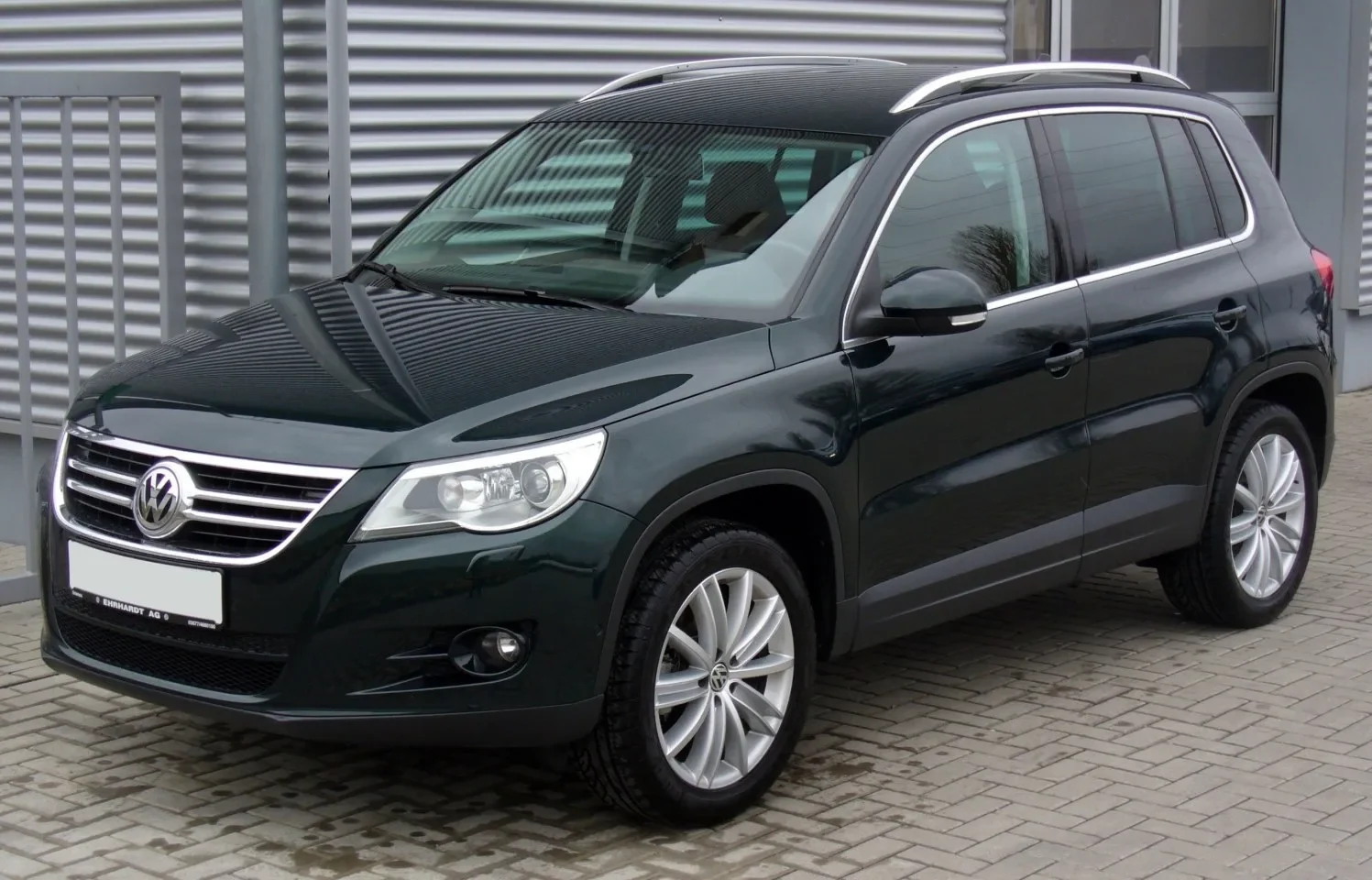
4. Volkswagen Tiguan 2009-2017
Turbocharged four-cylinder engines developed timing chain problems that caused catastrophic failures. Chains stretched, tensioners failed, and chains jumped, timing, destroying valves and pistons.
Repairing this damage required complete engine rebuilds, costing more than the vehicles were worth. VW knew about these timing chain problems but continued using flawed designs, sacrificing customer wallets for corporate profits.
Direct-shift gearbox proved disastrous in Tiguan applications with jerky behaviour, slipping, and complete failures. VW extended warranties, trying to address DSG disasters, but problems continued happening.
Mechatronic units failed, clutches wore prematurely, and entire transmissions needed replacement. When transmissions fail this frequently this early, vehicle values collapse and ownership becomes impossible.
Water pump failures happened so predictably that forums dedicated entire sections to discussing when, not if, pumps would die. These failures could cause engine overheating and catastrophic damage if owners don’t catch problems immediately.
VW charges premium prices for water pump replacements that should be routine maintenance. Constant water pump failures proved VW used inadequate components despite knowing better. Electrical problems created constant frustration with windows malfunctioning, sunroofs failing, and various modules dying.
Diagnosing these electrical gremlins required expensive VW-specific equipment, and repairs often failed to solve problems permanently. When electrical reliability reaches VW Tiguan levels, vehicles become transportation liabilities rather than assets.
Rust protection proved inadequate with door sills, wheel arches, and suspension components corroding quickly. VW skimped on rust prevention, allowing vehicles to deteriorate structurally within years of purchase. Repairing rust properly required cutting out bad metal and welding in new sections, costing thousands. When vehicles rust through within five years, build quality clearly failed catastrophically.
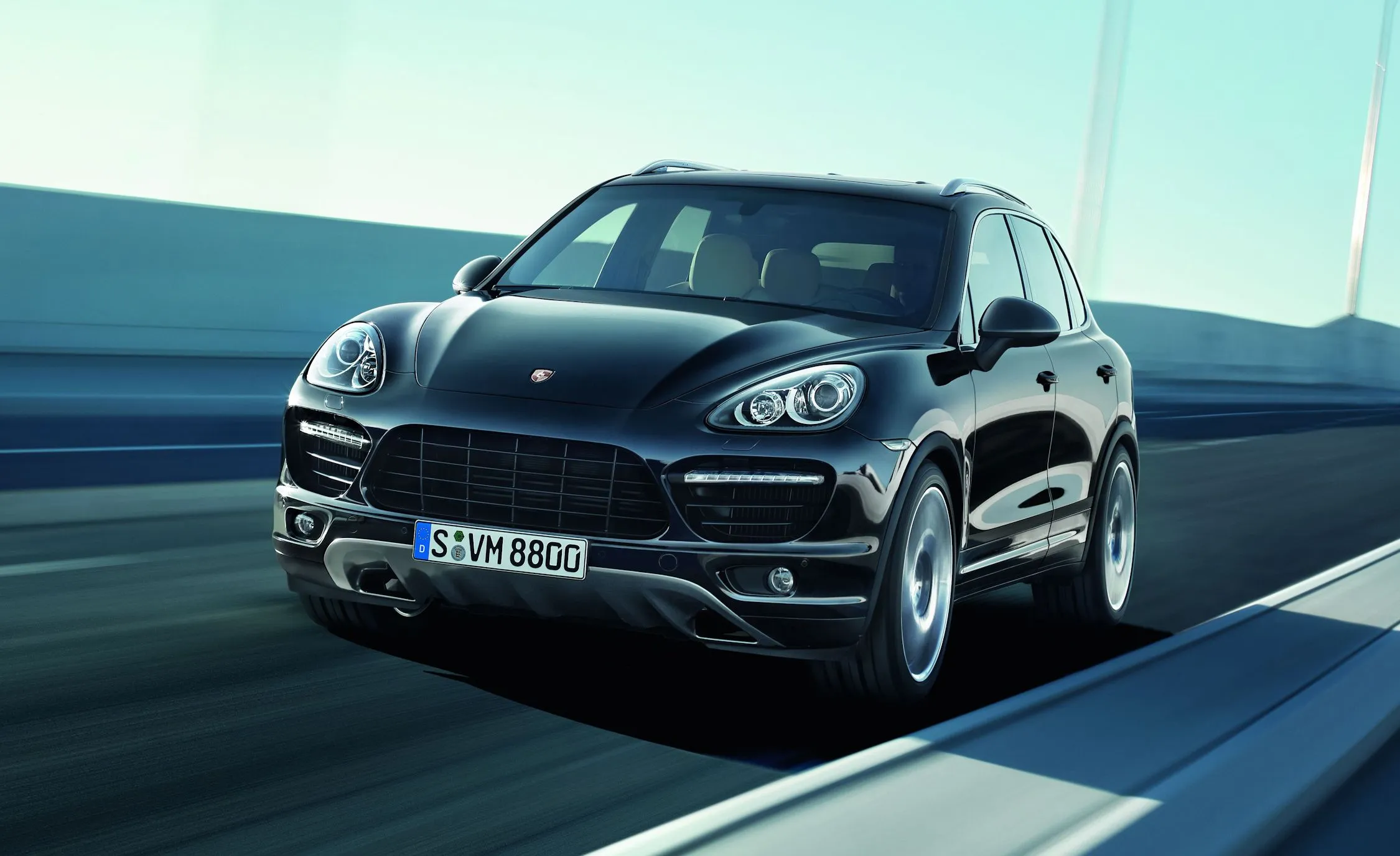
5. Porsche Cayenne 2011-2014 (Base V6)
The base V6 engines in the Cayenne turned out to be a disappointment compared to Porsche’s older naturally aspirated flat-six engines. The cooling system used fragile plastic pipes that couldn’t handle heat stress for long. With repeated temperature cycles, the pipes cracked, causing coolant to leak and engines to overheat severely.
These failures often ended with total engine destruction, leaving owners facing rebuild bills exceeding $20,000. Despite knowing about these weaknesses, Porsche continued using the same setup, damaging its reputation and customer confidence.
Transmission troubles added to the frustration. As the years passed, the eight-speed automatics began showing rough gear changes that soon developed into total breakdowns. Valve body malfunctions and failed torque converters were common, and complete replacements cost between $10,000 and $15,000.
Even luxury car owners found these expenses impossible to justify, especially when routine servicing already carried premium pricing. The air suspension system also became a major problem area. Compressors stopped working and air springs leaked, leading to sagging suspensions and poor ride quality.
Dealer repair quotes often exceeded $8,000, forcing many owners to replace the system entirely with traditional coil setups. Although this conversion cost several thousand dollars, it was still cheaper than constant air system repairs.
Transfer cases also failed more often than they should have, unable to handle the vehicle’s size and torque. Replacement costs ranged from $6,000 to $10,000, leaving many owners questioning Porsche’s engineering priorities.
Electrical malfunctions made ownership even worse. Infotainment systems froze, sensors malfunctioned, and replacement modules rarely offered lasting solutions. With Porsche’s steep diagnostic and parts costs, small issues quickly turned into expensive ordeals.
Many owners eventually realized their purchase wasn’t a symbol of engineering excellence but an expensive lesson in poor durability and high maintenance costs.
