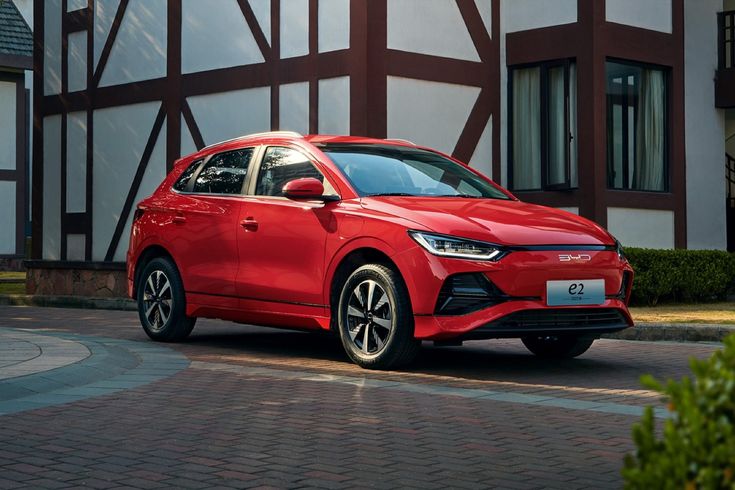
Electric vehicles (EVs) have been gaining serious traction over the past decade. They’re no longer just niche tech for early adopters they’re becoming mainstream, thanks to falling battery costs, government incentives, and broader charging infrastructure.
But here’s the kicker: not all EVs hitting the market today will stand the test of time. By 2030, some models will still feel cutting-edge, while others may struggle with outdated technology, limited range, or poor reliability.
Looking at EVs in 2030 is like trying to predict which smartphones from 2015 would still be usable today. Back then, some devices were revolutionary, while others were forgotten within a few years.
The same logic applies to electric cars. Features like battery longevity, software updates, build quality, and resale value will determine whether a particular EV remains relevant or fades into irrelevance.
For buyers, enthusiasts, and investors, knowing which EVs will stick around matters. It’s not just about hype or brand loyalty it’s about long-term usability and real-world performance. Some cars will continue to innovate with over-the-air updates, modular batteries, and robust charging options. Others might falter due to limited production, poor support, or designs that simply don’t age well.
In this article, we’ll break it down systematically. We’ll cover five EVs that are likely to remain relevant in 2030 vehicles that combine innovation, reliability, and adaptability.
Then, we’ll look at five EVs that probably won’t stand the test of time, highlighting the pitfalls that could make them obsolete. By the end, you’ll have a clear picture of the EV landscape for the next decade, helping you make informed choices whether you’re buying, investing, or just keeping up with automotive trends.
5 EVs That Will Still Be Relevant in 2030
When it comes to choosing a vehicle, relevance isn’t just about today it’s about how well a car adapts over time. For EVs, this means more than range and speed. It’s about battery durability, software evolution, charging network compatibility, and overall build quality. A car that performs well now but doesn’t keep up with technological shifts could become a liability by 2030.
Think of it this way: some trucks can go off-road for years without breaking a sweat, while others constantly need repairs after even minor adventures. The same principle applies to EVs. Longevity, adaptability, and support networks are critical.
The “still relevant” EVs are those designed with future-proofing in mind, they get software updates, have flexible charging options, and maintain a solid performance-to-reliability ratio. In contrast, EVs that fail to stay relevant often rely too heavily on short-lived features, outdated battery tech, or niche appeal that might not hold up as standards evolve.
This section sets the stage for a detailed comparison. First, we’ll identify the EVs likely to thrive in 2030, focusing on why they’re built to last in a rapidly changing market.
Then, we’ll explore the EVs that are more likely to struggle, highlighting design flaws, market challenges, or technological limitations that could make them obsolete. By breaking the list into “still relevant” vs. “won’t be,” you get a clear understanding of where the EV market is headed and which models are worth your attention.
ALSO READ: 5 SUVs That Stay Noise-Free vs 5 That Rattle Constantly
1. Tesla Model 3
The Tesla Model 3 has become one of the most influential EVs in the last decade, and it shows no signs of losing relevance by 2030. Its combination of range, performance, and Tesla’s constantly improving software ecosystem makes it a standout choice for long-term ownership. One of the biggest strengths of the Model 3 is Tesla’s over-the-air (OTA) software updates.
Unlike traditional cars, which rely on dealer visits for updates, Tesla owners see their vehicles improve with new features, optimizations, and even performance boosts over time. This makes the Model 3 inherently future-proof compared to competitors.
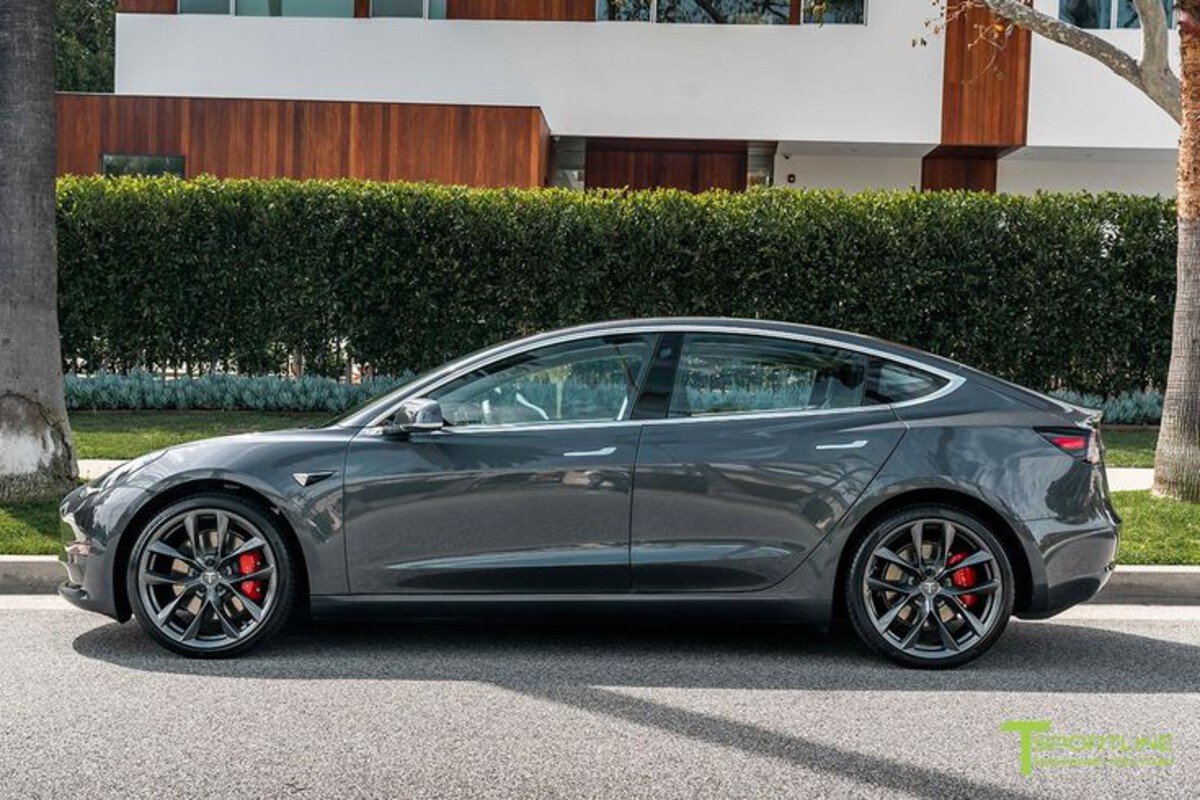
Battery longevity is another key factor. Tesla’s investments in battery chemistry and thermal management allow the Model 3 to maintain high capacity over many years, a crucial factor for relevance in 2030.
With ranges surpassing 350 miles in many variants, the Model 3 continues to compete well against newer EVs entering the market. Charging infrastructure also plays a role Tesla’s Supercharger network remains one of the most extensive and reliable globally, ensuring that Model 3 owners can travel long distances without worrying about charging availability.
Additionally, the Model 3’s popularity ensures a strong secondary market, making resale easier and maintaining its perceived value. While some EVs struggle with limited service options or depreciation, the Model 3’s support ecosystem keeps it viable long-term. Its minimalist interior, intuitive touchscreen interface, and continuous performance improvements position it as a car that adapts with time rather than aging out.
By 2030, the Tesla Model 3 will likely remain a reference point in the EV market a car that demonstrates how software, battery technology, and infrastructure integration can extend relevance far beyond the typical lifecycle of an automobile.
2. Ford Mustang Mach-E
The Ford Mustang Mach-E has proven that traditional automakers can successfully transition into the EV era. Its combination of performance, practicality, and Ford’s growing EV support infrastructure makes it a strong contender for long-term relevance. The Mach-E isn’t just an electric crossover it blends Mustang-inspired performance with smart EV technology, giving it appeal to both enthusiasts and mainstream buyers.
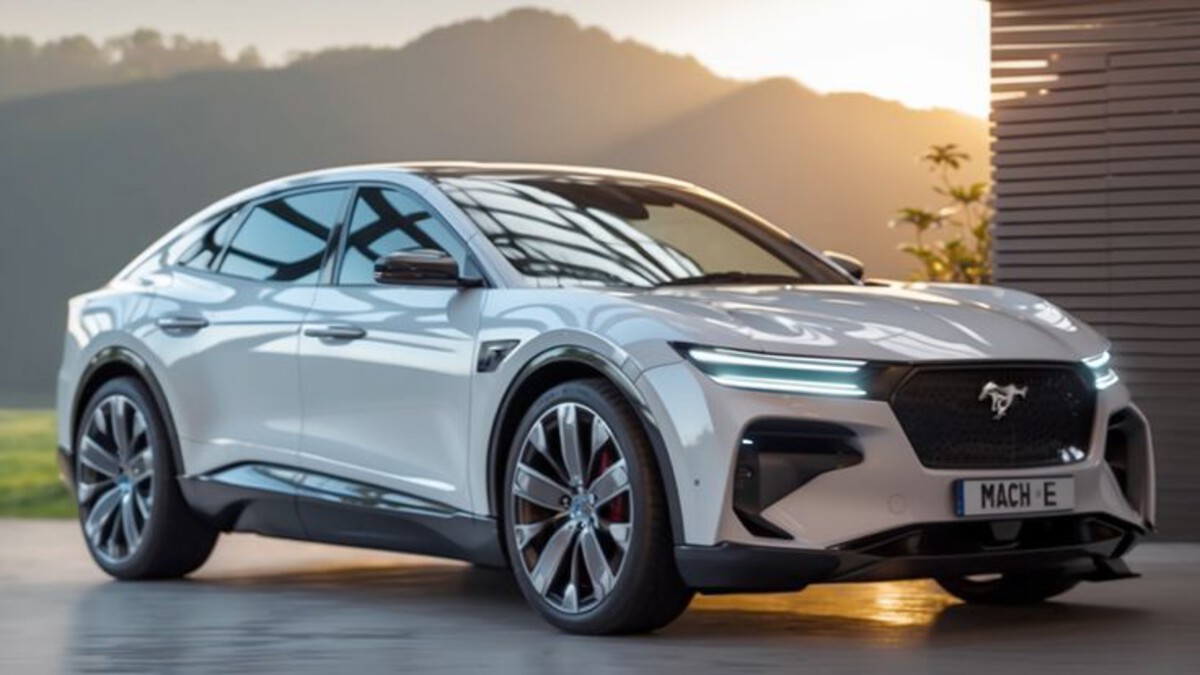
One of the Mach-E’s biggest strengths is its battery versatility. With multiple battery options and ranges up to 314 miles, it caters to a wide range of users, from daily commuters to road-trip enthusiasts.
Ford has also committed to software updates and digital improvements, ensuring that the Mach-E can evolve over time. OTA updates enhance everything from navigation to energy management, which helps the car stay current without needing a new model.
Charging compatibility is another factor that supports its longevity. The Mach-E works with a growing network of fast chargers, including Ford’s partnership with Electrify America, giving owners access to reliable infrastructure across major regions. Reliability and build quality are solid for a relatively new EV lineup, and Ford’s reputation for servicing legacy vehicles adds peace of mind for long-term ownership.
The Mach-E also benefits from brand loyalty and recognition. Unlike niche EV startups that may struggle to maintain support, Ford’s established presence ensures parts, service, and resale value are easier to maintain over time. Its balance of performance, technology, and practicality positions it as a vehicle that can remain relevant even as the EV landscape becomes increasingly crowded.
By 2030, the Ford Mustang Mach-E is likely to be seen as a mainstream, adaptable EV that balances everyday usability with cutting-edge technology, making it a safe bet for anyone seeking a long-lasting electric vehicle.
3. Hyundai Ioniq 5
The Hyundai Ioniq 5 has emerged as one of the most innovative EVs on the market, combining futuristic design, practical performance, and advanced technology. Its longevity into 2030 is supported by Hyundai’s commitment to battery innovation and software improvements.
One standout feature is the Ioniq 5’s 800-volt electrical architecture, which allows ultra-fast charging adding up to 80% charge in under 20 minutes on compatible chargers. This kind of flexibility ensures the car remains practical even as charging standards develop.
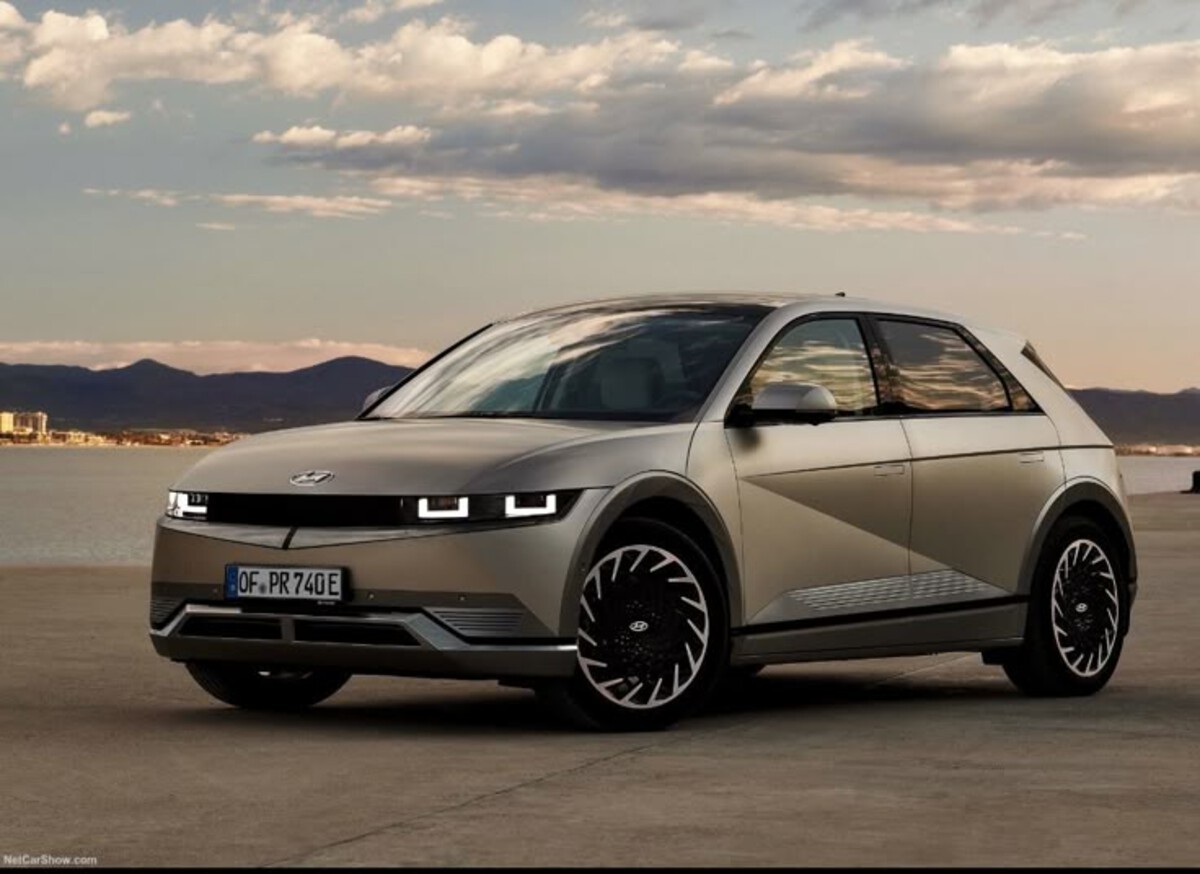
The Ioniq 5’s interior and platform design also contribute to its long-term relevance. Its spacious, modular layout is built on Hyundai’s Electric-Global Modular Platform (E-GMP), which can support multiple powertrains and battery sizes.
This adaptability allows for potential upgrades and modifications without requiring a complete vehicle redesign. The car’s infotainment system and driver assistance features are regularly updated, keeping the vehicle current with modern technology trends.
Battery longevity and thermal management are strong points. Hyundai’s focus on efficient cooling systems and robust battery chemistry ensures minimal degradation over time, a critical factor for an EV’s relevance in 2030. Additionally, Hyundai has invested in a growing support network and infrastructure partnerships, making maintenance and charging more accessible.
With its combination of performance, usability, and forward-thinking engineering, the Ioniq 5 appeals to both early adopters and mainstream buyers. Its design and technology are unlikely to feel outdated even a decade after launch. By 2030, the Ioniq 5 will remain a highly practical, futuristic, and desirable EV that holds value and relevance in a rapidly evolving market.
4. Rivian R1T
The Rivian R1T has positioned itself as the electric pickup of the future, and it shows strong potential to remain relevant in 2030. Designed from the ground up as an EV, the R1T combines rugged off-road capability with advanced electric powertrain technology.
Its appeal lies in the fact that it isn’t just an electric version of a gas truck it’s built to leverage EV advantages, from instant torque to modular battery placement for better weight distribution and towing capability.
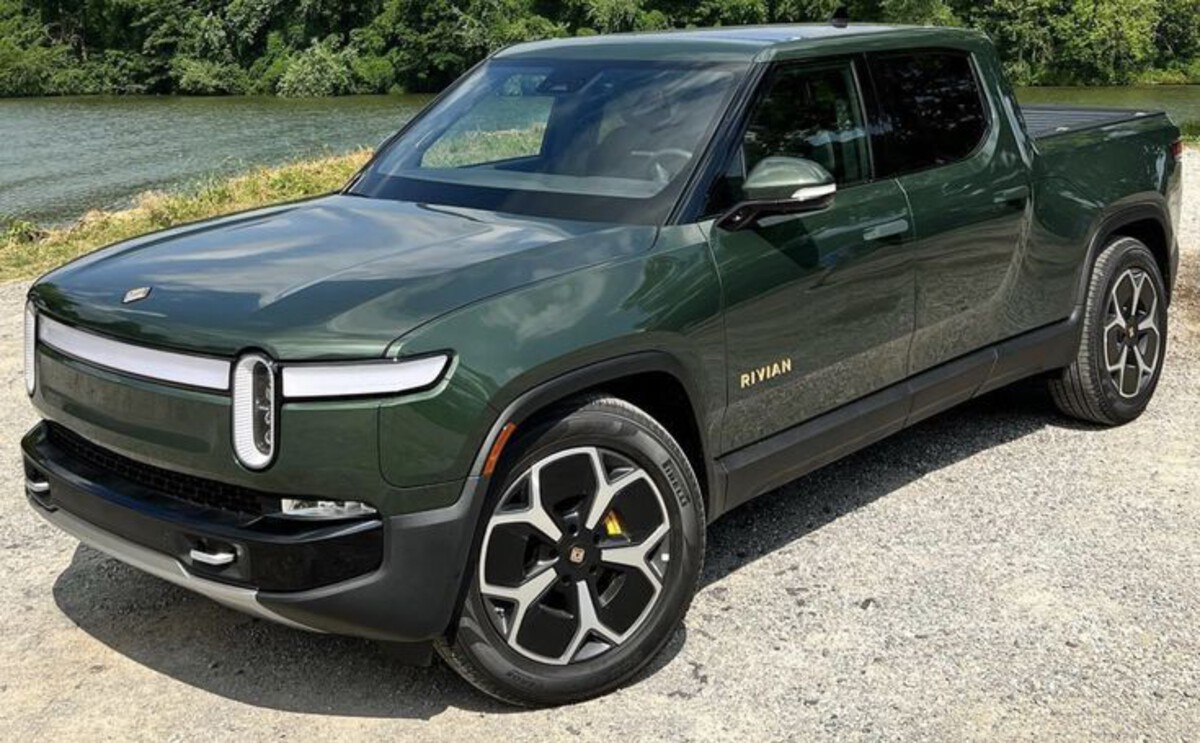
Battery durability and range are critical for a truck, and the R1T delivers. With ranges up to 314 miles and a focus on thermal efficiency, the R1T ensures that it can handle both daily use and heavy-duty tasks. Rivian also provides OTA updates, allowing the truck to improve performance, safety features, and in-cabin technology over time an important factor for long-term relevance.
Off-road capability and utility features further strengthen its staying power. With adjustable air suspension, quad-motor control, and robust cargo options, the R1T can handle challenging environments that traditional trucks struggle with.
Rivian’s commitment to building out its Adventure Network of fast chargers also ensures that even remote areas remain accessible for owners, which will be increasingly important as EV adoption grows.
Additionally, Rivian’s focus on sustainability and innovative techlike the gear tunnel storage and customizable drive modesadds long-term appeal.
While newer trucks will enter the market, the R1T’s unique combination of capability, tech, and EV-first design positions it to remain relevant well into 2030. For buyers seeking an electric truck that can perform in real-world conditions while evolving with software and infrastructure improvements, the R1T is a top contender.
5. Lucid Air
The Lucid Air represents the pinnacle of luxury EV engineering and is poised to stay relevant through 2030 due to its combination of cutting-edge technology, efficiency, and range.
With some variants boasting over 500 miles of range, the Air outpaces nearly all competitors, alleviating one of the primary concerns for long-term EV relevance. Lucid’s focus on aerodynamics, battery efficiency, and high-performance electric motors ensures that the vehicle remains competitive even as battery technology improves.
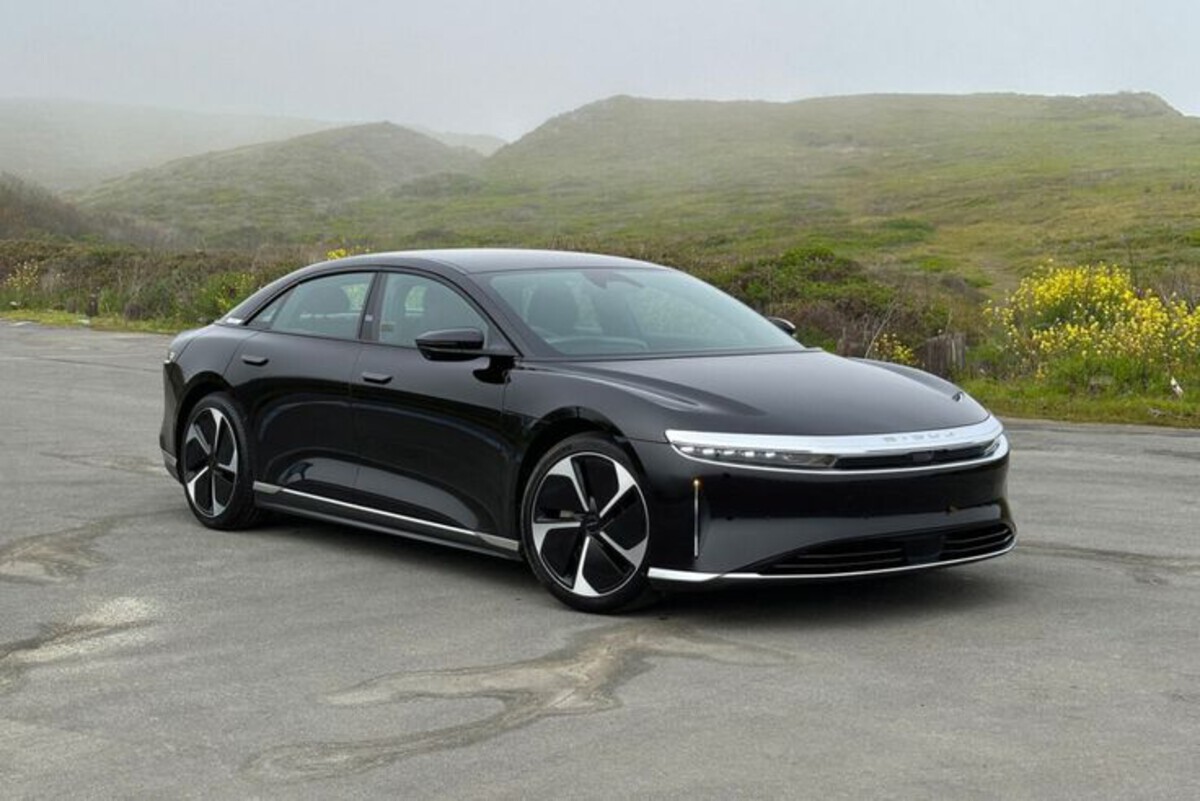
Software updates are a major advantage. Lucid provides OTA updates that refine vehicle performance, navigation, and safety systems, giving the car the ability to evolve without replacing hardware.
The interior also showcases advanced materials, infotainment, and driver assistance technology that will likely remain desirable for years. The Air’s combination of luxury, speed, and range makes it appealing not just for early adopters but for a broader market that values comfort and performance.
Support infrastructure is growing as Lucid expands its service centers and charging network. While smaller than Tesla’s network, Lucid is investing heavily in accessibility and partnerships with existing fast chargers, ensuring that the Air remains practical for daily use and long-distance travel.
The Lucid Air also benefits from exclusivity and brand positioning. High-end buyers tend to maintain and service vehicles longer, giving the Air durability in terms of both ownership and market perception.
By 2030, the Lucid Air will likely remain a benchmark for luxury EVs, demonstrating how advanced technology, forward-thinking design, and performance integration can create long-term relevance.
5 EVs That Won’t Be Relevant in 2030
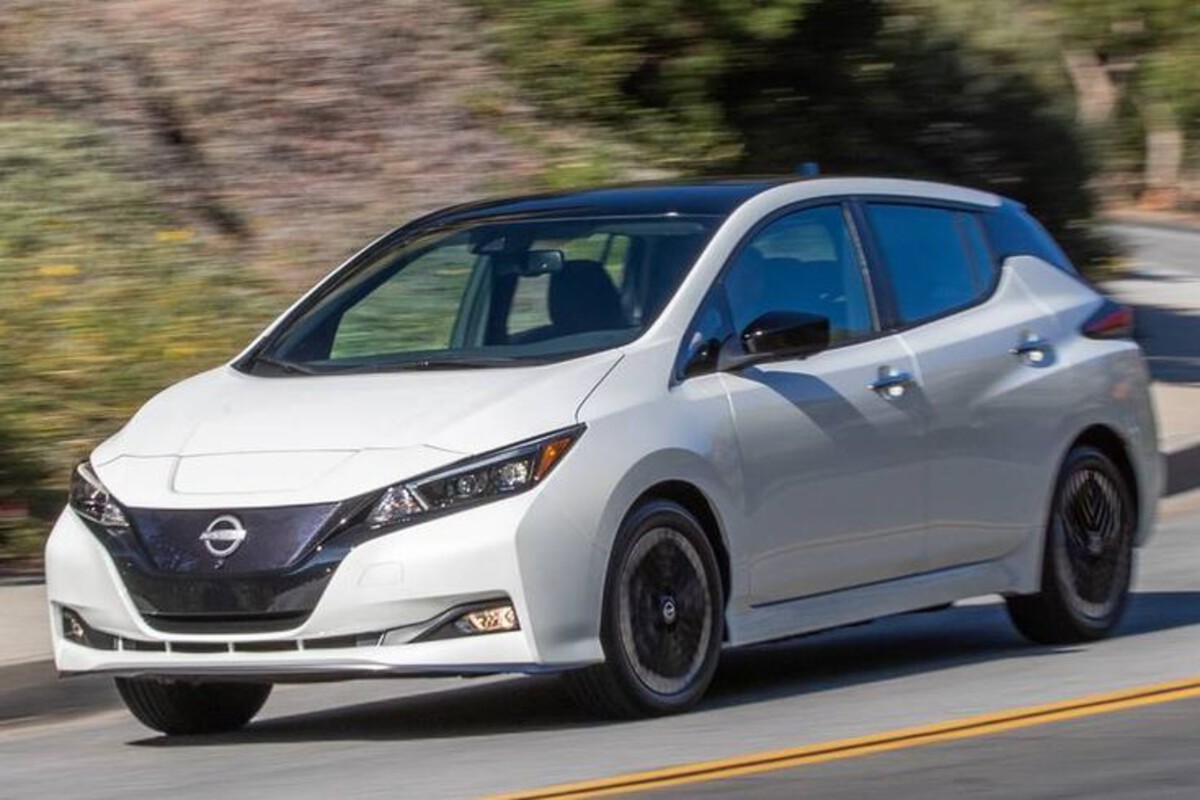
1. Nissan Leaf
The Nissan Leaf was a trailblazer in the EV market, but its relevance is fading as newer, more capable EVs dominate the landscape. One major limitation is its battery technology. Older Leaf models had limited range often under 150 miles, which is increasingly inadequate for modern expectations. Even the latest Leaf variants struggle to match competitors like Tesla or Lucid in terms of range and efficiency.
Charging infrastructure and speed further limit the Leaf’s long-term appeal. While it can use CHAdeMO fast chargers, these are far less common than CCS or Tesla Superchargers, making long-distance travel more cumbersome. Unlike vehicles that receive regular over-the-air updates, the Leaf’s software is less adaptive, reducing its ability to evolve over time.
Additionally, build quality and interior tech have lagged behind competitors. Minimalist infotainment, less intuitive interfaces, and aging designs make the Leaf feel dated, which is a major factor when considering relevance in 2030. Resale value also suffers, as buyers are likely to prefer EVs with longer range, better support, and more modern features.
While the Leaf was important historically, its limited adaptability, infrastructure constraints, and aging technology suggest it won’t be a top contender by 2030. Buyers seeking a long-term EV investment may find better options elsewhere.
2. BMW i3
The BMW i3 is another EV that likely won’t stay relevant in 2030. When it launched, the i3 was revolutionary due to its lightweight carbon fiber structure and unique design. However, it suffers from several critical limitations that hinder long-term relevance.
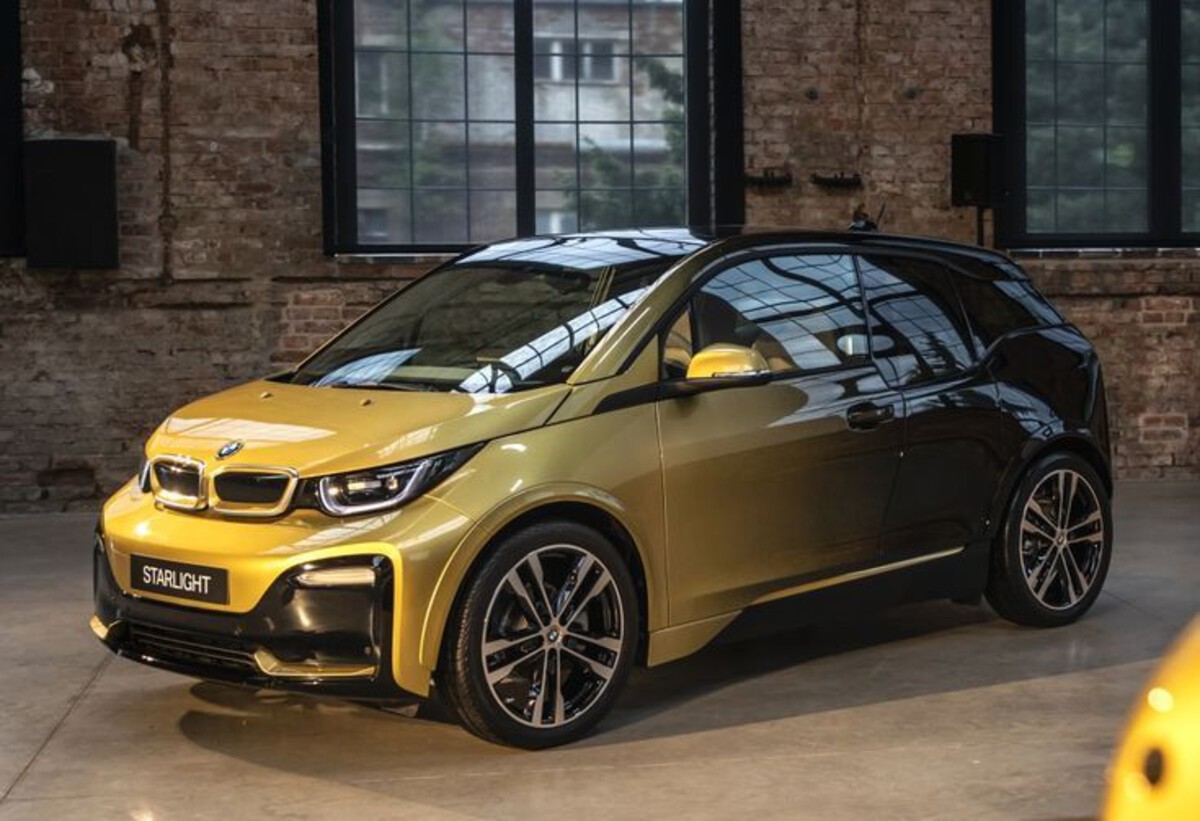
Range is one of the biggest issues. Even with battery upgrades, the i3 struggles to exceed 153 miles per charge, which is far below modern EV standards. Limited range makes it less practical for long-distance travel, particularly as infrastructure expectations evolve. Charging speeds are also modest compared to newer EVs, limiting convenience for daily use and road trips.
The i3’s interior and tech have also begun to feel outdated. Minimal infotainment, unconventional layouts, and lack of advanced driver-assist features place it behind competitors that continuously improve with software updates. BMW has offered only limited OTA updates for the i3, meaning the vehicle cannot evolve alongside newer models.
Another concern is brand focus. BMW is shifting attention toward models like the i4 and iX, which feature better range, technology, and design. This means support and parts for the i3 may become less accessible over time, further reducing its practicality.
While innovative in its day, the BMW i3’s range limitations, slow tech evolution, and shifting brand priorities make it unlikely to remain relevant in 2030. It will probably serve as a niche vehicle for enthusiasts rather than a mainstream EV choice.
3. Chevrolet Bolt EV
The Chevrolet Bolt EV has offered affordable electric mobility, but its long-term relevance is questionable. Range limitations, build concerns, and safety recalls are all factors that threaten its staying power in the next decade.
Although newer Bolt models have improved range around 259 miles, they still lag behind competitors like Tesla, Lucid, and Hyundai.
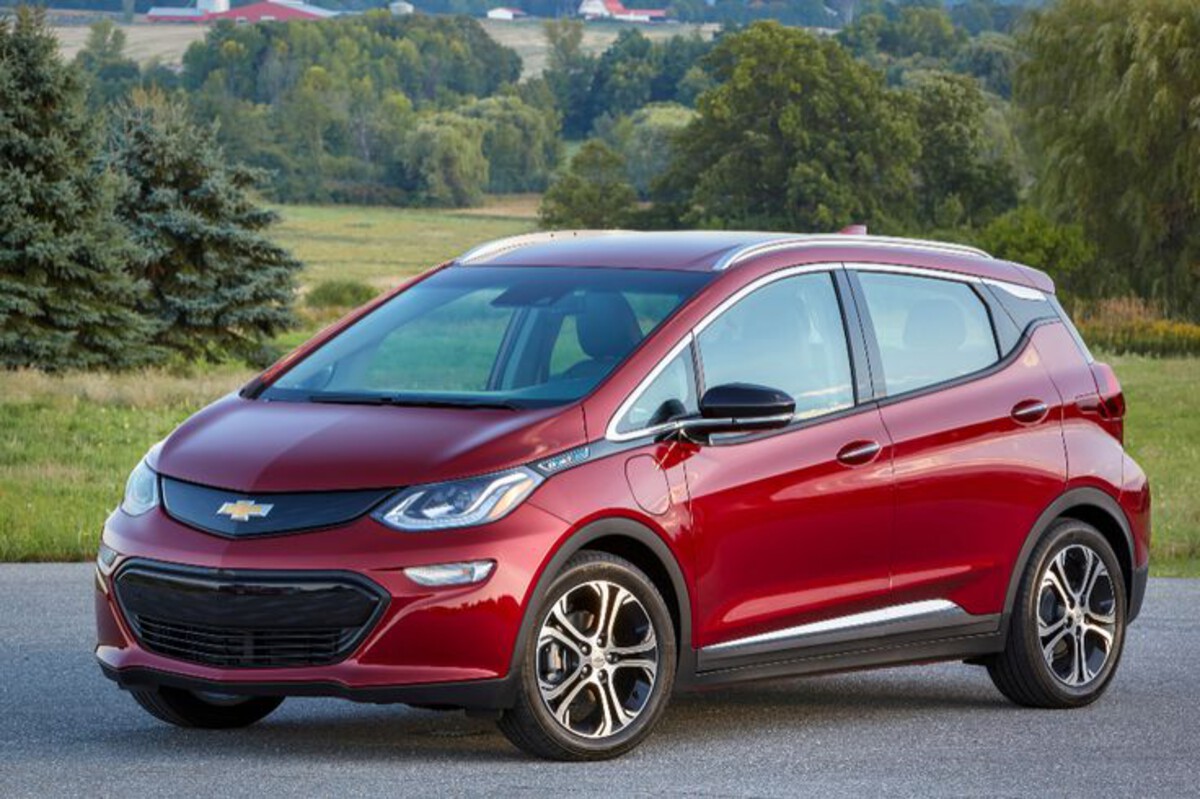
For many buyers, range anxiety will remain a consideration, especially as EV infrastructure improves and standards evolve. Bolt’s charging capabilities, while functional, are also slower than newer fast-charging EVs, reducing convenience for long-distance trips.
Reliability issues have further undermined the Bolt’s reputation. GM has issued recalls for battery defects, which can erode consumer confidence over time. Additionally, the vehicle’s software ecosystem is not as advanced as competitors offering over-the-air updates, meaning the Bolt cannot evolve as effectively with new tech.
Interior design and features also feel dated compared to newer EVs, making the Bolt less attractive for long-term ownership. Resale value is likely to decrease faster than other EVs that maintain strong market demand, further limiting relevance by 2030.
While the Bolt EV is a solid entry-level EV today, its limited range, slower charging, and reliability concerns suggest it won’t remain competitive in the rapidly evolving EV market over the next decade.
4. Fisker Ocean
The Fisker Ocean entered the EV scene with hype around sustainability and innovative design, but its long-term relevance is uncertain. While the Ocean has appealing styling and eco-focused materials, it faces significant hurdles in battery performance, software support, and reliability.
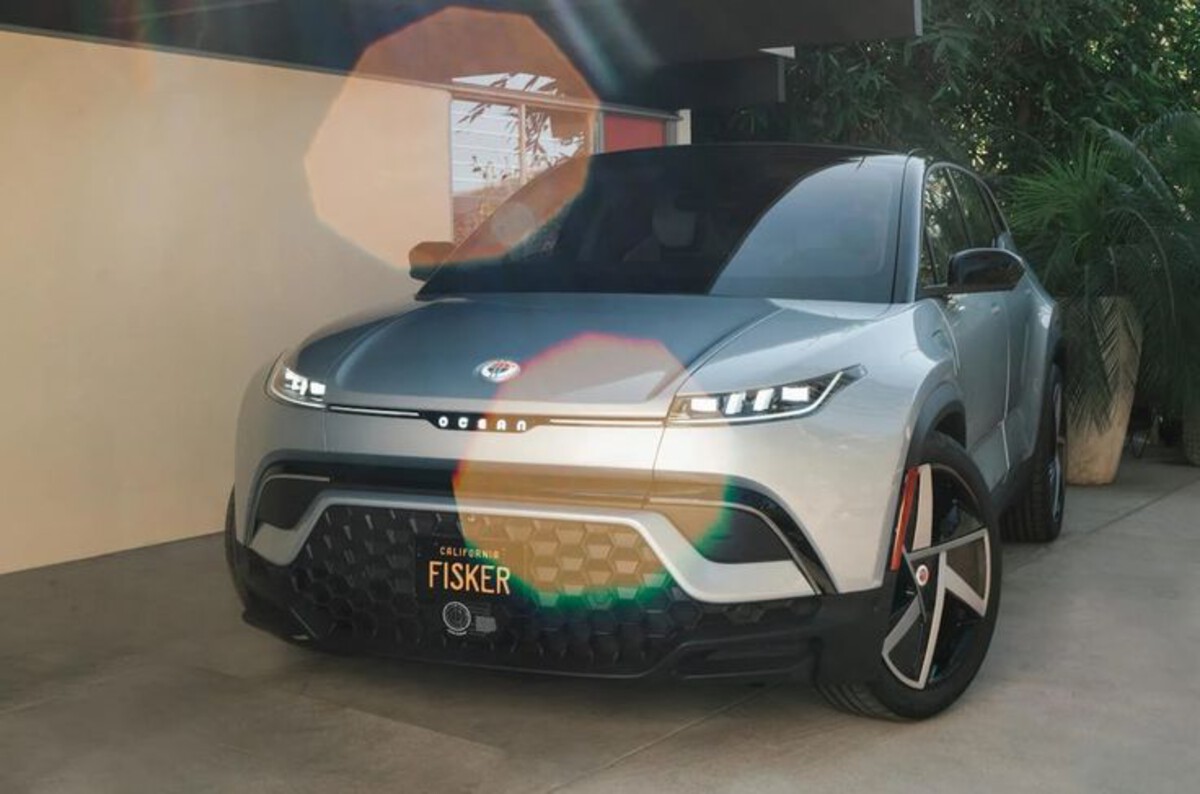
Battery range is modest compared to competitors, with most models offering under 300 miles. Charging infrastructure is limited, and the Ocean relies on general fast-charging networks without proprietary solutions, which could hinder convenience in the long run. Software updates are less frequent than Tesla or Lucid, meaning the car may not keep up with evolving tech expectations.
Reliability is another concern. Fisker is a newer brand with limited production experience, raising questions about long-term durability, parts availability, and service support. While the Ocean looks good on paper, execution issues and real-world performance may limit its lasting appeal.
Resale value is also uncertain. As other EVs improve battery range, efficiency, and software capabilities, the Ocean could struggle to maintain its market position. While it may attract early adopters or eco-conscious buyers, it’s unlikely to remain a mainstream contender by 2030.
5. Karma Revero GT
The Karma Revero GT is a luxury EV that, despite its striking design and high-end materials, faces serious challenges in staying relevant by 2030. Its limited range, niche appeal, and slow technology updates reduce long-term viability.
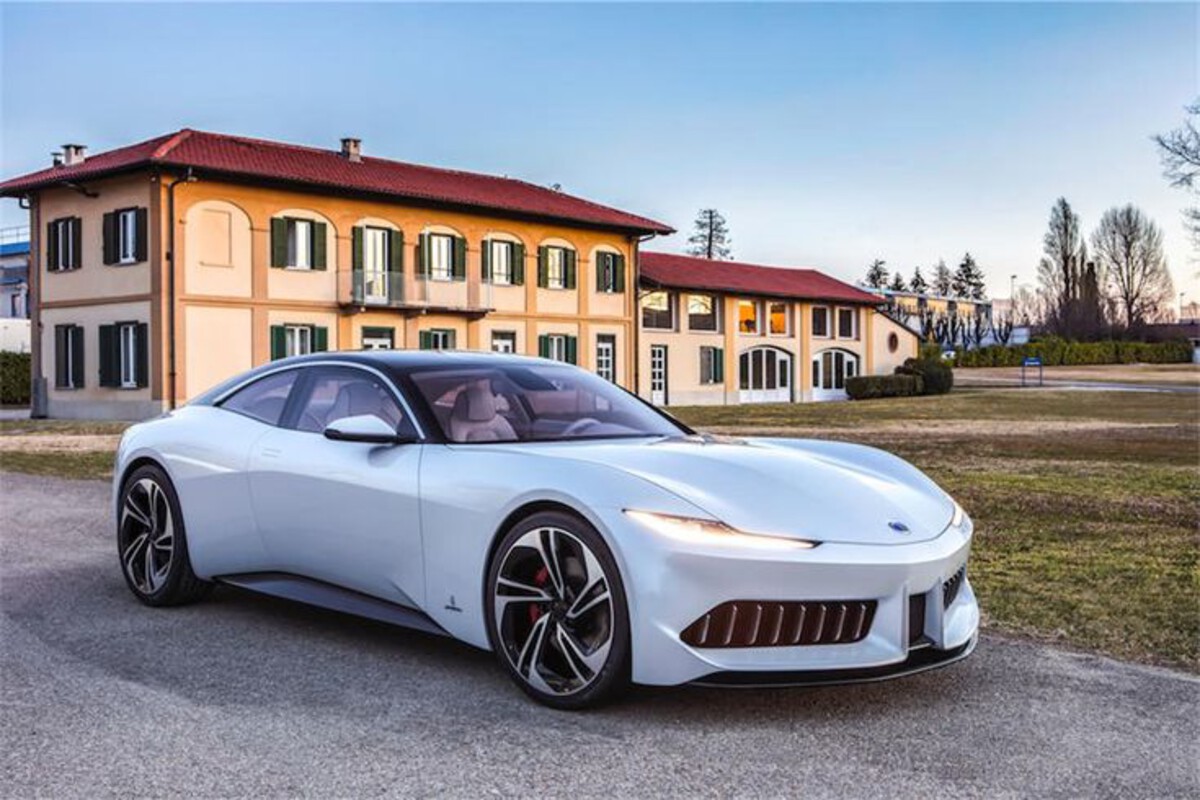
Range is one of the key issues. With a fully electric range of around 80 miles, most trips require frequent use of the extended-range gasoline generator, which diminishes its EV credentials. Charging infrastructure does little to mitigate this, as true long-distance electric travel is constrained.
Technology support is minimal. OTA updates are limited, and the vehicle’s infotainment and driver-assistance systems lag behind luxury competitors like Lucid, Tesla, or Mercedes EQ models. This lack of adaptability will make the Revero feel outdated faster than cars that evolve with software.
Reliability and service networks are also a concern. Karma is a boutique manufacturer with limited dealerships and service centers, making long-term maintenance potentially difficult and expensive. Resale value is low, as few buyers are willing to invest in a niche vehicle with aging technology and limited support.
While the Revero GT may appeal to collectors or enthusiasts seeking exclusivity, it is unlikely to remain relevant as a practical, mainstream EV by 2030. Its shortcomings in range, technology, and support will prevent it from competing with more adaptable, well-supported alternatives.
The EV market is evolving faster than almost any other segment in the automotive industry. By 2030, the vehicles that remain relevant will be those designed not just for today’s standards but for the challenges of tomorrow. Range, battery longevity, software adaptability, and infrastructure support are the defining factors that separate EVs that endure from those that fade.
Cars like the Tesla Model 3, Ford Mustang Mach-E, Hyundai Ioniq 5, Rivian R1T, and Lucid Air illustrate how forward-thinking design and robust support systems create longevity.
They offer over-the-air updates, reliable battery systems, and flexible charging options that keep them practical and competitive as technology advances. Their appeal isn’t limited to todaythey’re built to adapt, ensuring usability and value for years to come.
Conversely, vehicles like the Nissan Leaf, BMW i3, Chevrolet Bolt EV, Fisker Ocean, and Karma Revero GT face hurdles that limit long-term relevance. Range limitations, outdated software, weaker infrastructure support, or niche appeal could make these EVs feel obsolete in a decade. While they may still serve certain buyers today, their ability to stay competitive in 2030 is questionable.
For anyone considering an EV purchase, thinking ahead is crucial. Choosing a car with strong support networks, reliable battery technology, and upgradeable software isn’t just smart it’s essential for protecting your investment. The gap between vehicles that evolve and those that don’t will only widen as technology and consumer expectations advance.
Ultimately, the lesson is clear: not all EVs are created equal when it comes to long-term relevance. Understanding which models are future-proof and which are likely to fade allows buyers, enthusiasts, and investors to make informed decisions.
By focusing on adaptability, reliability, and innovation, you can ensure that your EV choice remains valuable and functional, even as the market continues to change dramatically by 2030.