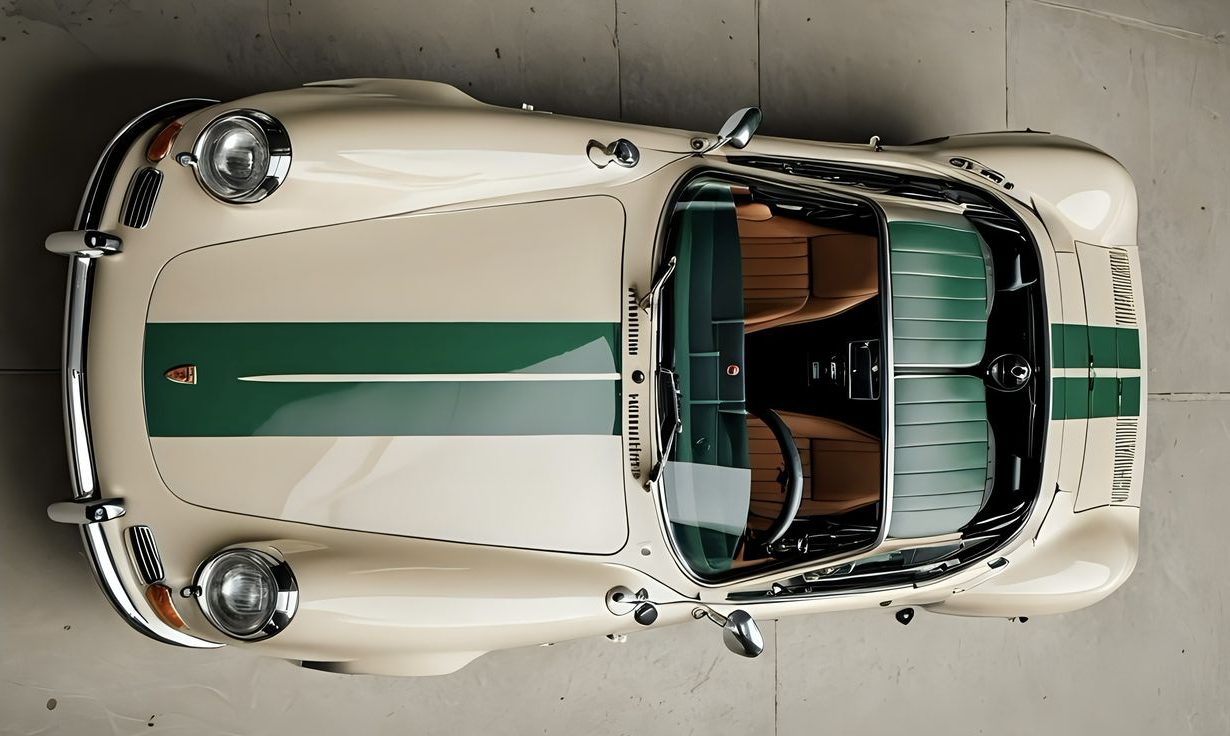
Cars are more than just machines; they’re statements of style, personality, and sometimes, status. But not every car ages gracefully.
Some vehicles maintain their allure decade after decade, turning heads long after their release, while others lose charm, looking outdated or awkward over time. The reasons go beyond just performance or reliability design, build quality, and attention to detail play huge roles in whether a car retains its beauty or fades into obscurity.
When a car is first launched, it often carries the excitement of novelty: sleek lines, fresh styling, and modern technology. Yet, as years pass, trends evolve, and what once seemed stunning might look dated or even unattractive.
Aging gracefully requires a delicate balance between timeless design and practicality. Cars that manage to hit this sweet spot not only hold their value better but also continue to attract admiration from enthusiasts and casual observers alike.
This article dives into the fascinating world of automotive aesthetics and longevity. We’ll explore ten cars in total five that somehow seem immune to the passage of time, and five that struggle to keep their charm as they age.
Along the way, we’ll break down what makes a car “timeless” versus “unfortunate over time,” offering insight into why some vehicles endure in style while others are quickly forgotten.
Whether you’re a car enthusiast, a prospective buyer, or just someone curious about automotive design, this article provides a clear look at how style, engineering, and vision determine whether a car ages like fine wine or fades like yesterday’s news.
5 Cars That Stay Beautiful Over Time vs 5 That Age Ugly
Not every car’s design is created equal. Some cars have what you might call a “timeless appeal” their lines, proportions, and overall presence continue to impress regardless of the decade.
Others are more trend-driven; they might have looked incredible when new but now seem awkward, over-styled, or simply outdated. Understanding why some cars age gracefully and others don’t requires looking closely at both design philosophy and execution.
Cars that age beautifully usually follow a few key principles. First, simplicity often wins. Cars with clean lines and balanced proportions tend to stay attractive because their design isn’t tied to fleeting trends.
Second, quality materials and craftsmanship matter. Even a visually striking car can lose its charm if trim pieces fade, panels warp, or plastics degrade. Third, subtle elegance often outshines flashy gimmicks. Details like well-integrated headlights, harmonious curves, and thoughtful accents make a design feel intentional rather than trendy.
Conversely, cars that age poorly often suffer from overcomplicated styling, cheap materials, or proportions that were misjudged at launch. Headlights that look futuristic in 2005 might look cartoonish in 2025.
Overdone spoilers, aggressive creases, or excessive body cladding can make a car look heavy-handed as styles evolve. Even color palettes can betray a car; what was daring and cool in one era can feel garish decades later.
In this guide, we’ll look at ten vehicles, dividing them into two categories: the five that maintain their allure and the five that unfortunately don’t.
Each selection is based on real-world observations, expert opinions, and the passage of time itself. By the end, you’ll see what separates timeless cars from those that simply age like milk. Whether you’re buying, collecting, or just appreciating design, this list will sharpen your eye for what makes a car truly beautiful or not.
5 Cars That Stay Beautiful Over Time
There’s something magical about a car that looks just as stunning years after it first hit the road. These vehicles transcend trends, combining proportions, design philosophy, and craftsmanship to create a timeless presence. Here are five cars that have proven they can stay beautiful over time.
ALSO READ: 10 Latest Compact EVs That Work Perfectly for City Life
1. Porsche 911 (Classic 911 – 1970s to Today)
The Porsche 911 is the gold standard for timeless design. Launched in the 1960s, its basic silhouette, a sloping roofline, rounded headlights, and wide rear stance, remains instantly recognizable. What makes it age so well isn’t radical redesigns but careful evolution. Porsche has consistently refined the 911 without losing its identity, blending modern tech with classic aesthetics.
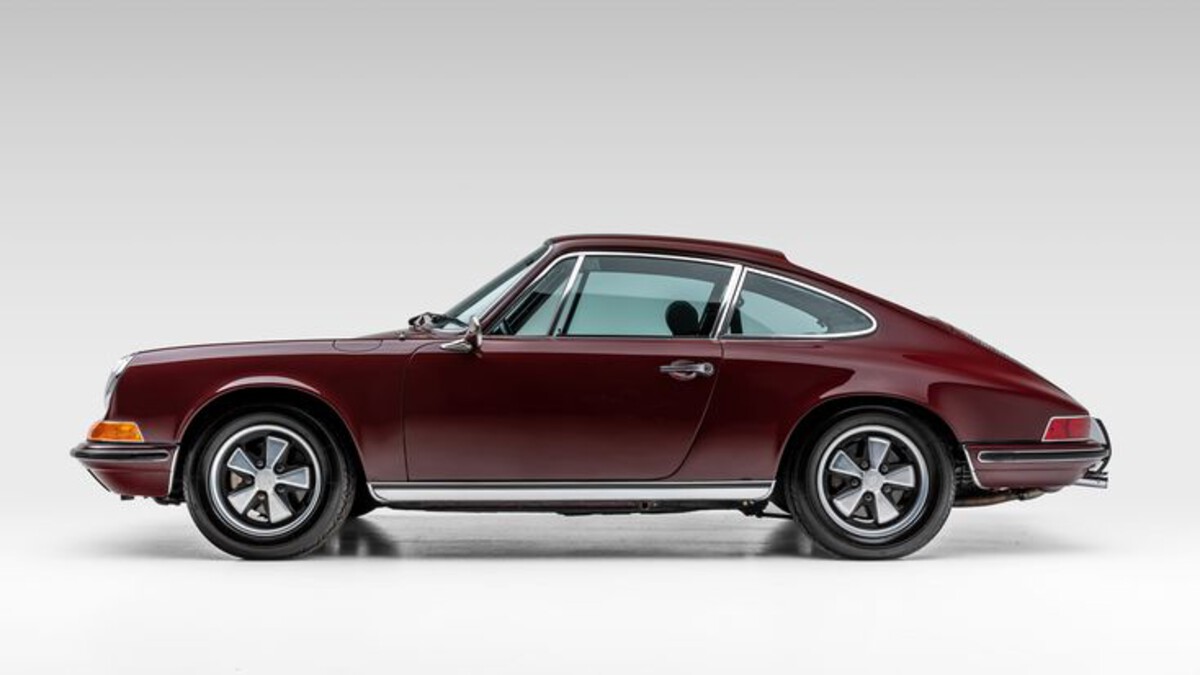
The 911’s proportions are near perfect: short front overhang, long rear engine bay, and muscular fenders give it a poised, athletic stance. Even interiors maintain a driver-focused simplicity that doesn’t scream “old-fashioned.” Unlike many vehicles that try to chase trends with oversized grilles or flashy lights, the 911 focuses on balance, letting elegance shine.
Beyond style, build quality contributes to its enduring appeal. Materials, attention to detail, and solid engineering mean older models still feel premium, unlike cheaper cars that show wear quickly. The 911 doesn’t just look good sitting in a driveway; it maintains visual drama in motion, with curves and angles that catch the eye at any speed.
Collectors and enthusiasts alike admire how the 911 bridges generations. It’s an icon that proves you don’t need gimmicks to remain relevant. While other cars fade or feel dated after a decade, the Porsche 911 continues to be the benchmark for beauty and performance, proving that thoughtful, restrained design wins in the long run.
2. Jaguar E-Type (1961–1975)
Few cars can compete with the Jaguar E-Type when it comes to pure, dramatic beauty. Enzo Ferrari himself called it “the most beautiful car ever made,” and decades later, that sentiment still holds. Its long hood, short rear deck, and flowing curves create a visual poetry that feels natural rather than forced.
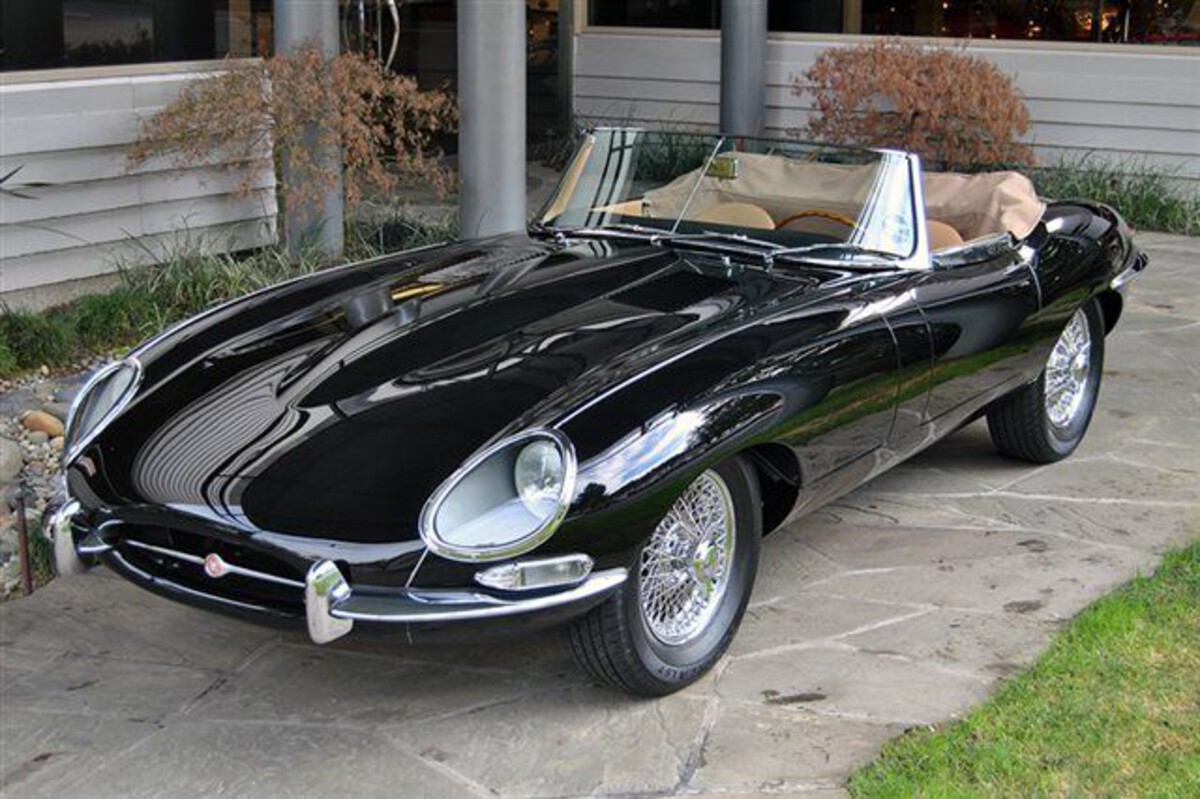
The E-Type balances sportiness with elegance. Its low stance, oval grille, and smooth lines suggest motion even when parked. Interior design is minimalistic yet luxurious, with leather, polished metal, and wood details that age gracefully. The key to its timelessness is proportion: every curve, vent, and arch serves a purpose, contributing to a coherent whole.
Unlike trend-driven vehicles, the E-Type avoided excessive ornamentation. The design never felt tied to a specific era’s quirks, so it still looks fresh today. Modern replicas and restorations maintain the car’s classic charm, demonstrating how enduring its aesthetic really is.
Even in today’s market, where flashiness often overshadows substance, the E-Type stands out. Its design is so iconic that it doesn’t need constant updates. It’s a lesson in restraint and balance—two qualities that help it remain beautiful decades after its debut.
3. Mercedes-Benz SL (R107 – 1971–1989)
The R107 SL is a classic example of a luxury roadster aging gracefully. Its boxy-yet-soft proportions, long hood, and chrome accents perfectly balance elegance and sportiness. Unlike many ’70s and ’80s cars that now feel outdated, the SL exudes sophistication even today.
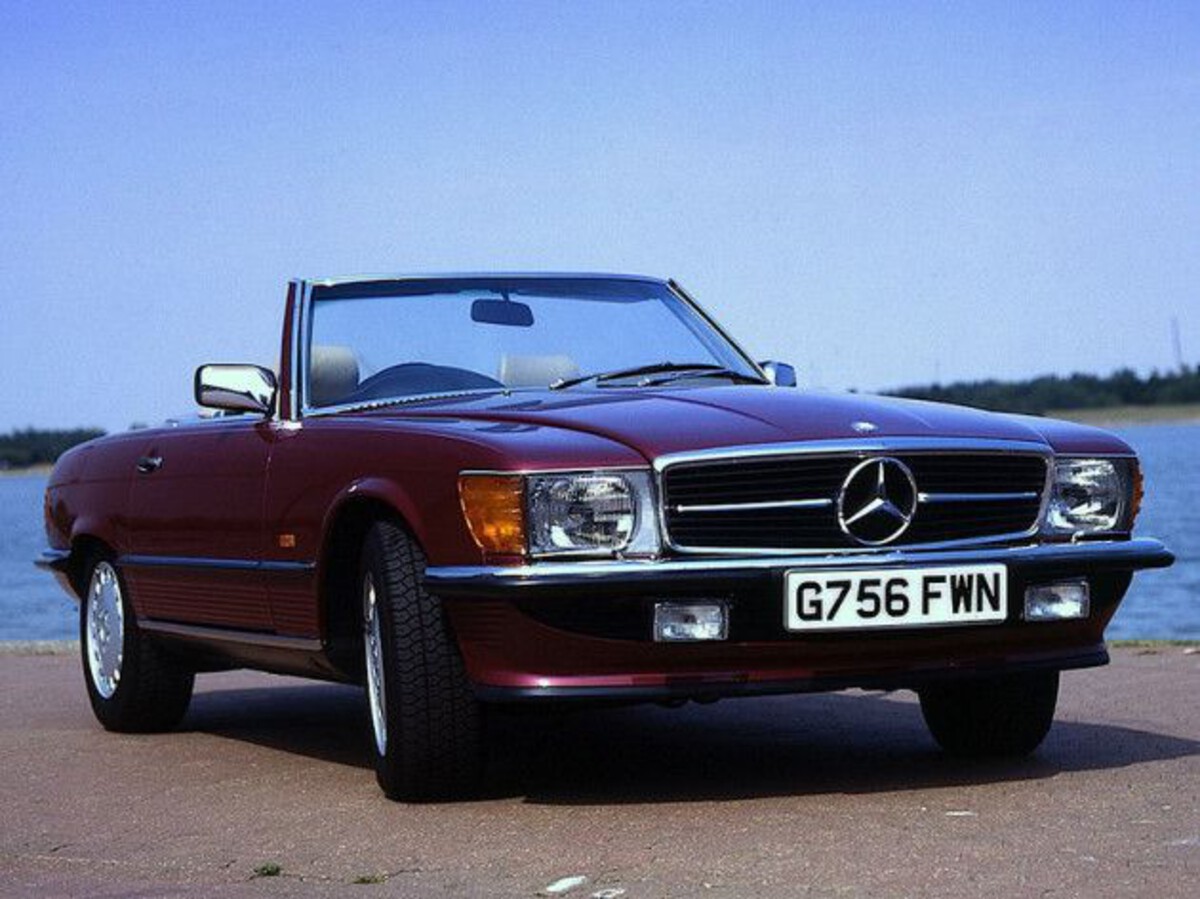
Mercedes-Benz maintained visual continuity throughout the R107’s long production run, refining details without compromising the original charm. The headlights, grille, and simple yet elegant bodywork avoid flashiness, contributing to a timeless presence.
Interior quality plays a huge role in its lasting appeal. High-grade leather, durable plastics, and intuitive controls make the cabin feel premium decades later. These elements age better than the cheap, trendy interiors of contemporaries.
The R107 SL’s timelessness lies in restraint. Nothing feels overdone; every line is purposeful. Whether parked or cruising, it conveys class effortlessly, proving that understated luxury combined with strong design fundamentals is a formula for beauty over time.
4. Mazda MX-5 Miata (1989–Present)
The Mazda MX-5 Miata is proof that simplicity can outlast flashy design. Its first generation (NA) introduced pop-up headlights, a compact frame, and a lightweight body that oozed charm. Later generations refined proportions without losing the car’s playful, approachable personality.
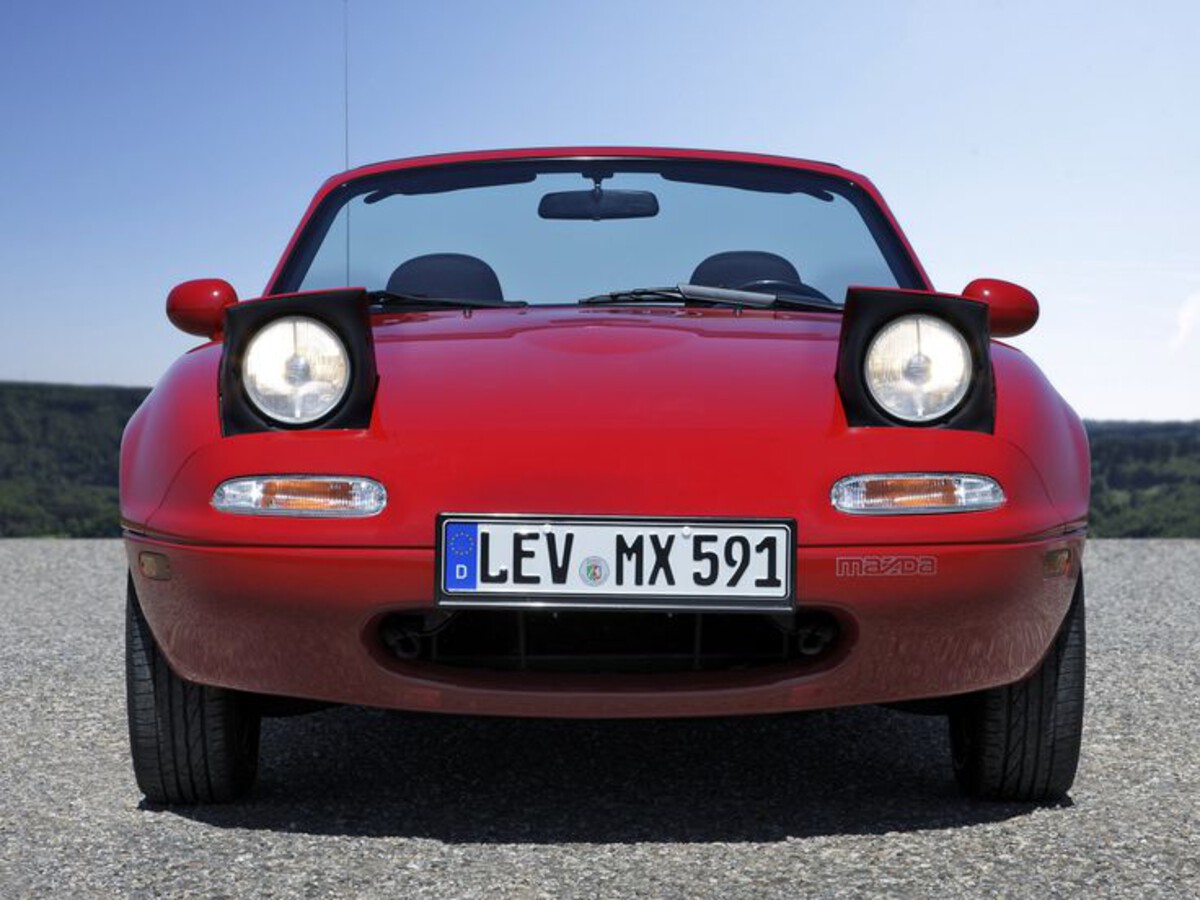
The Miata’s appeal is in proportion and minimalism. Compact size, low stance, and smooth lines create a fun yet elegant look. Interiors are functional, with ergonomics that remain effective even as technology advances. No excessive trim or gimmicks age poorly here.
Durable materials, thoughtful design, and consistent updates have kept the Miata desirable for decades. It’s a car that looks like it belongs on the road, regardless of whether it’s 1990 or 2025. Its timelessness is about balance keeping the character intact while subtly evolving with each generation.
5. Toyota Land Cruiser (J80 & J100 Series – 1990s–2000s)
The Land Cruiser is an SUV that ages like a fine wine. Its boxy yet purposeful design feels rugged and capable, not tied to fleeting trends. Generations like the J80 and J100 maintained a clean, muscular profile that appealed to off-road enthusiasts and luxury buyers.
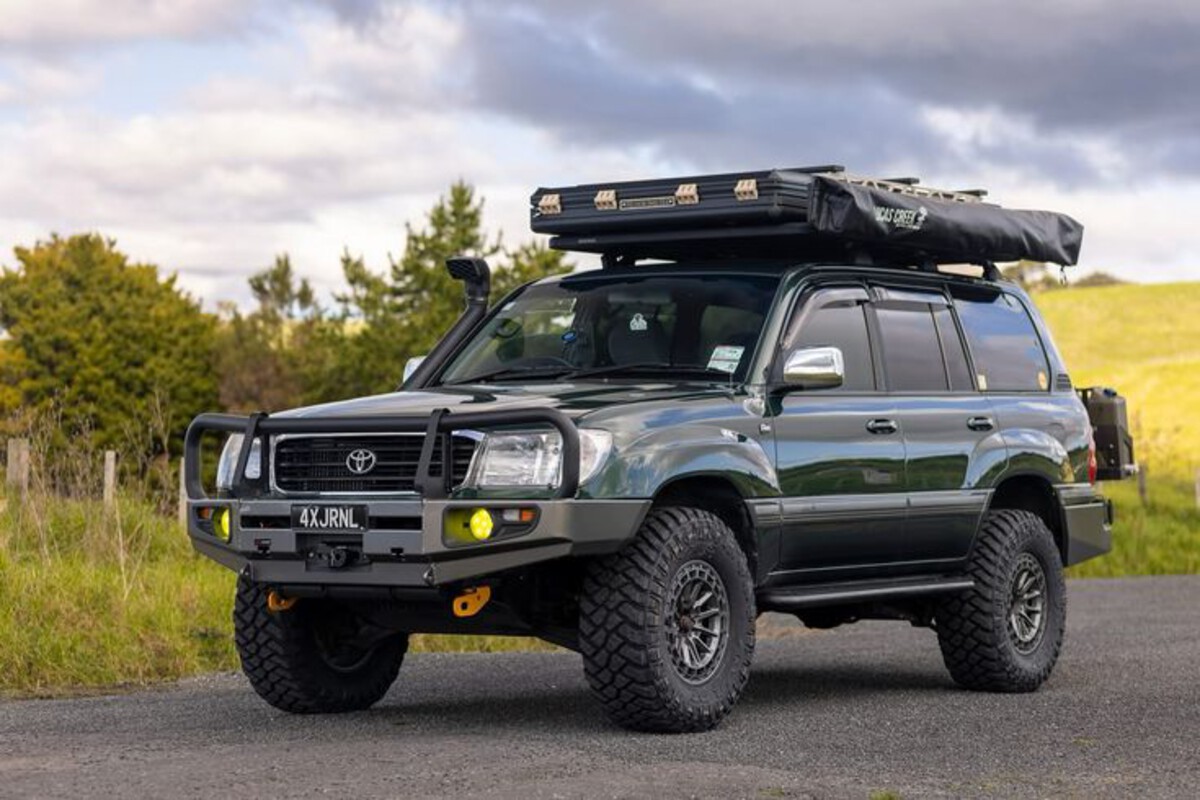
Design simplicity is key. Strong lines, balanced proportions, and a no-nonsense front fascia give the Land Cruiser a timeless presence. Interiors, especially in higher trims, combine durability with elegance, aging far better than competitors with flashy but cheap materials.
Even today, older Land Cruisers command respect. Their combination of durability, understated style, and functional design makes them look good parked next to modern SUVs. The Land Cruiser proves that longevity, both aesthetic and mechanical, is a rare but achievable quality in automotive design.
5 Cars That Age Ugly
Some cars just don’t have the luck of timeless design. They might have looked exciting or bold when new, but as years pass, awkward proportions, overdone styling, or cheap materials make them feel dated or unattractive. These are vehicles that, instead of improving with age, lose their charm and appeal.
ALSO READ: 12 SUVs That Offer the Most Value in 2025
1. Pontiac Aztek (2001–2005)
The Pontiac Aztek is perhaps the poster child for cars that age badly. When it launched, GM aimed for a crossover that looked rugged yet modern, but the execution was a mess. Its sharp angles, mismatched panels, and odd proportions made it polarizing then and they only worsened over time.
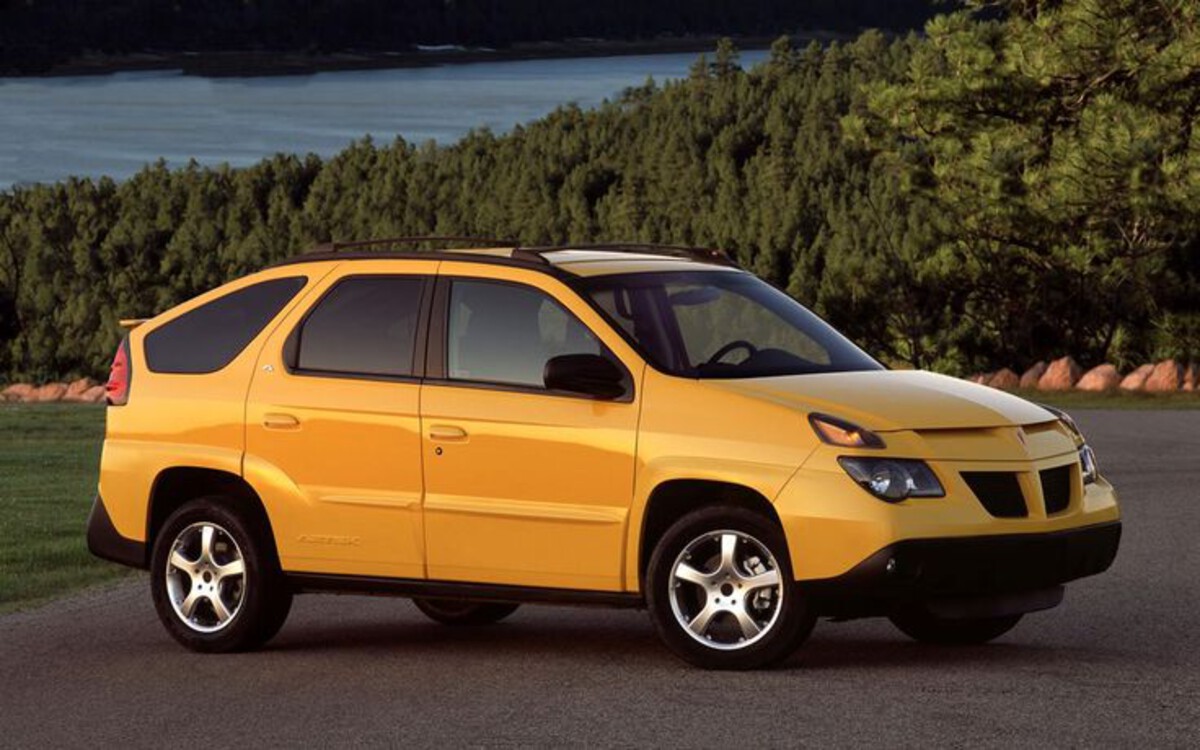
The front end, with its split grille and oversized headlights, looks cartoonish today. Side profiles are awkward, with awkwardly bulging wheel arches and clumsy plastic cladding that scream “early 2000s styling disaster.” Even interiors, meant to feel flexible and high-tech, appear cheap and cluttered by modern standards.
What was meant to be edgy ended up feeling unbalanced. Unlike vehicles that age gracefully, the Aztek’s styling was tied too tightly to its era’s trends. Its boldness didn’t translate to timelessness; instead, it highlights how poor proportion and over-complication can make a car feel outdated almost immediately.
2. Chevrolet SSR (2003–2006)
The Chevrolet SSR, a retractable hardtop pickup/roadster, aimed to be fun and futuristic, but it didn’t age well. Its rounded, bulbous shape, chrome-heavy accents, and exaggerated rear end give it a look that now feels gimmicky.
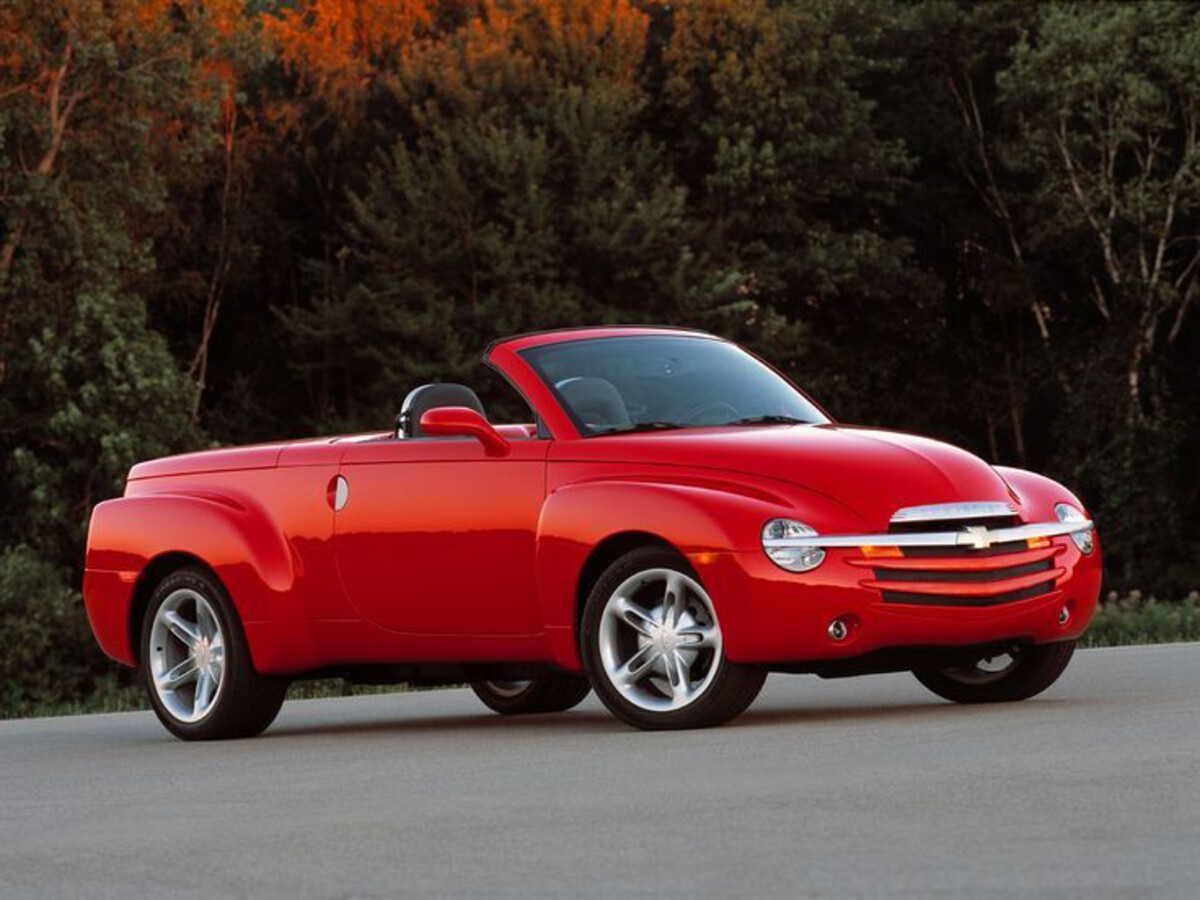
The interior tried to mix retro and modern cues but ended up looking busy and awkward. Color choices, dashboard layout, and clunky controls make it feel dated rather than classic. The SSR’s unique concept a convertible truck, wasn’t enough to save the styling.
Over the years, enthusiasts have criticized it as more of a novelty than a serious vehicle. Its bold attempt at standing out ironically led to it feeling silly as trends evolved. The SSR demonstrates that novelty can be a double-edged sword when it comes to aging well.
3. Ford Thunderbird (Eleventh Generation – 2002–2005)
Ford tried to revive the Thunderbird with retro styling reminiscent of the 1950s and ’60s, but the 11th generation didn’t quite hit the mark. Rounded, bulbous lines combined with chrome-heavy detailing give it a look that now feels dated and awkward.
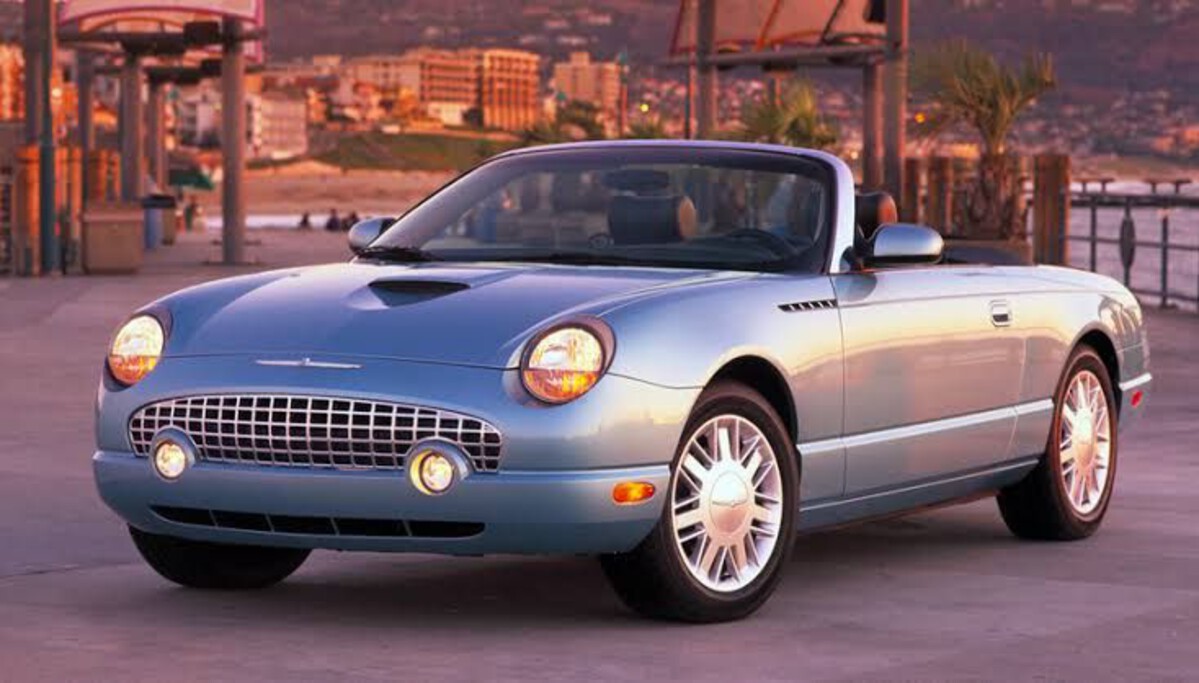
The proportions are off short front overhang, long rear, and large wheel arches make it look top-heavy and clunky. Interiors, meant to evoke nostalgia, feel bulky and over-designed rather than elegant. While it had charm when new for fans of retro styling, it hasn’t aged well in the eyes of the general public.
The Thunderbird shows that retro styling is risky. Overdone cues or imbalanced proportions can quickly turn “classic” into “outdated.” In the case of this generation, what was meant to celebrate the past now highlights the pitfalls of bad execution.
4. Nissan Juke (First Generation – 2010–2019)
The Nissan Juke is another car with polarizing design that hasn’t aged gracefully. Its high-riding, compact crossover shape combined with split headlights and bulging curves was bold, but it hasn’t stood the test of time.
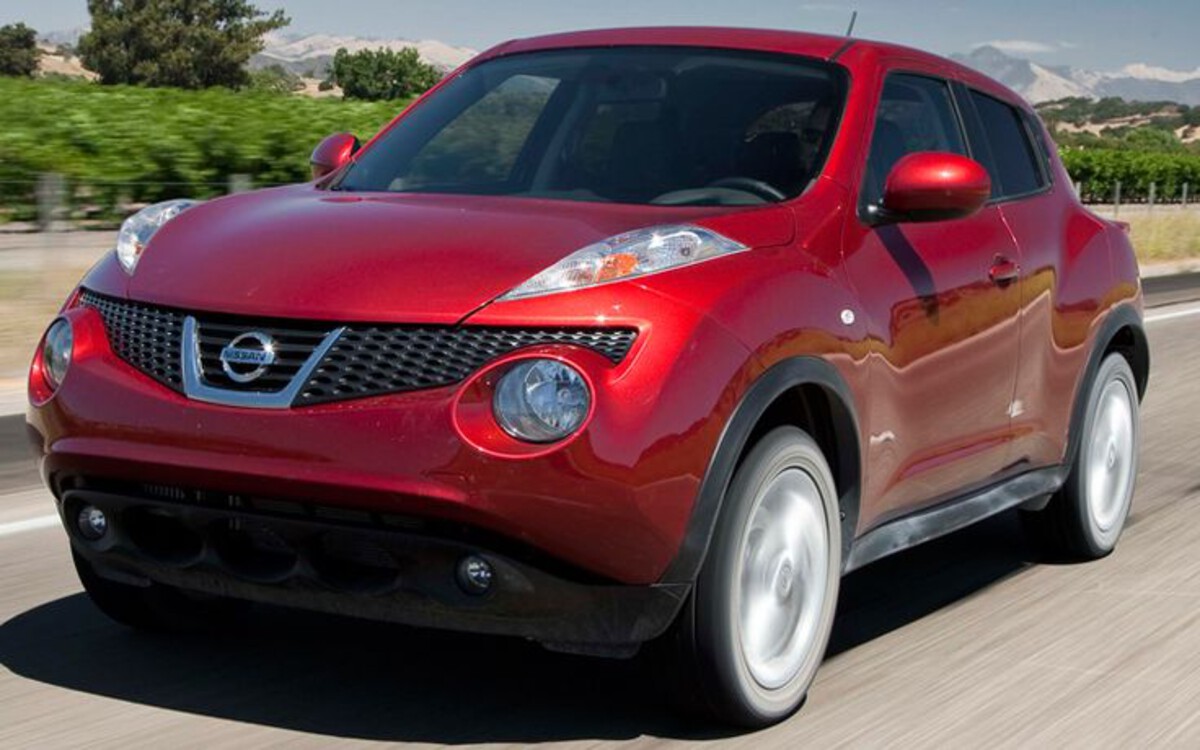
The front end, especially, feels quirky and awkward today. Some elements, like oversized wheel arches and pronounced fenders, were meant to convey sportiness but now look disproportionate. Interiors, while functional, can feel cramped and oddly styled.
The Juke illustrates how trend-driven design can quickly feel dated. What was once considered daring and distinctive can become a source of ridicule as aesthetics evolve. Its style made it memorable, yes but not timeless.
5. Chrysler PT Cruiser (2000–2010)
The PT Cruiser tried to merge retro charm with modern practicality, but its execution was flawed. Its boxy silhouette, tall roofline, and unusual front fascia made it quirky, but that quirkiness hasn’t aged well.
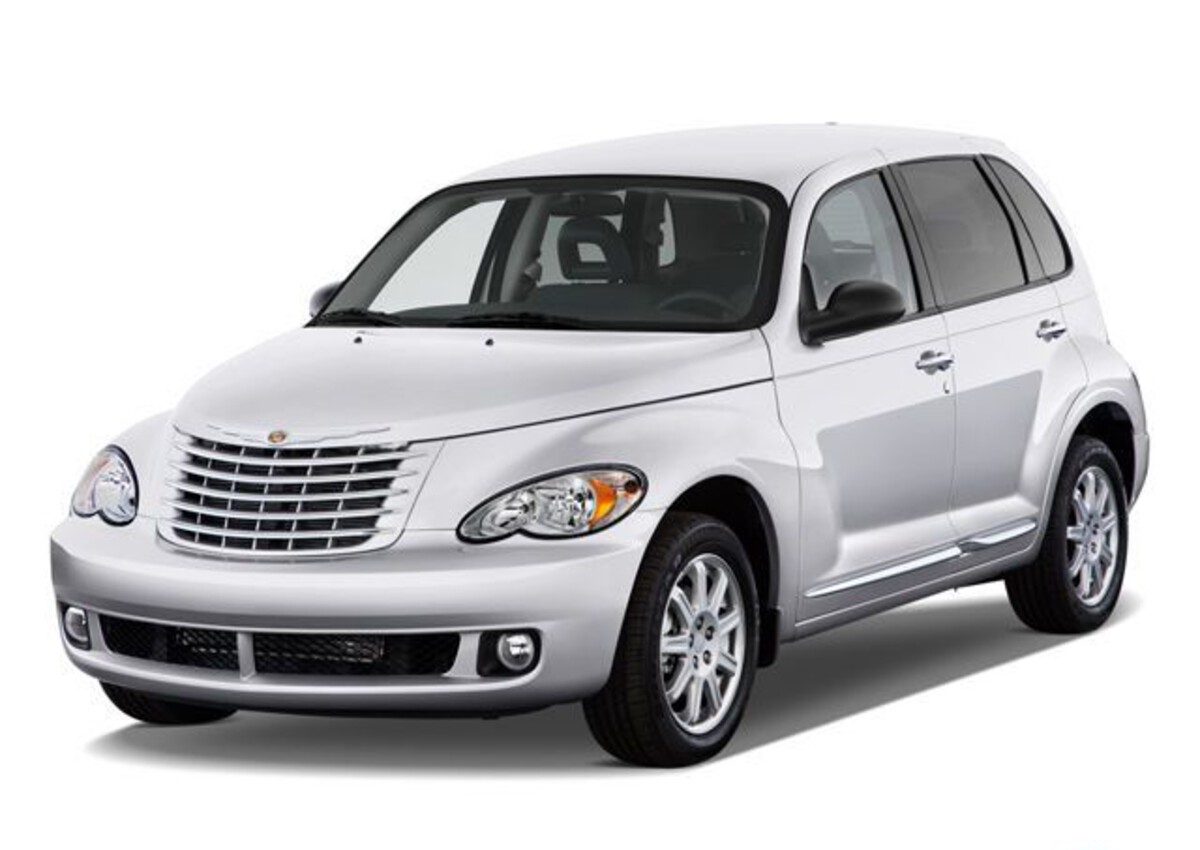
While interiors offered practicality, materials and design elements scream early 2000s, with cheap plastics and awkward dashboard layouts. Proportions short front, high roof, and narrow rear make it look awkward compared to contemporaries.
The PT Cruiser highlights the danger of over-reliance on nostalgia. The car’s distinctive identity is tied to a specific era, which has not translated into long-term appeal. Instead, it’s often mocked today, proving that charm at launch doesn’t guarantee beauty over time.
Cars are a lot like fashion; they reflect the era in which they were created, but only some designs manage to transcend trends. As we’ve seen, vehicles like the Porsche 911, Jaguar E-Type, and Mazda MX-5 Miata maintain their allure because of balanced proportions, simplicity, and attention to detail.
They aren’t flashy for the sake of it; they rely on thoughtful design and quality craftsmanship that stand the test of time. Even decades later, these cars look intentional, elegant, and capable of turning heads.
On the other hand, cars like the Pontiac Aztek, Nissan Juke, and PT Cruiser illustrate how trends, gimmicks, and overcomplicated styling can backfire. Bold features that seemed exciting at launch may appear awkward or cartoonish years later. Cheap materials, poor proportions, or a reliance on novelty often accelerate the aging process, leaving these vehicles struggling to maintain appeal.
What separates the beautiful from the ugly over time is more than just aesthetics it’s a combination of design philosophy, execution, and longevity.
Timeless cars are often restrained, cohesive, and thoughtful; they avoid excessive flashiness and embrace balance. Cars that age poorly frequently overestimate the appeal of trends, leading to design choices that do not hold up as tastes evolve.
For car enthusiasts, collectors, and buyers, understanding these differences is invaluable. Investing in a vehicle with timeless appeal not only retains value but also offers lasting satisfaction and visual enjoyment. Conversely, chasing a car that looks “cool” today may result in disappointment as it quickly becomes outdated.
Ultimately, beauty in automotive design is about harmony, proportion, and quality. Cars that age gracefully do so because they are rooted in solid design principles rather than fleeting trends.
Those that don’t serve as reminders that boldness without balance often doesn’t last. Choosing wisely means appreciating vehicles that will continue to impress, long after their release, and steering clear of those whose charm fades with time.