
When it comes to long-term reliability, Honda has long been a benchmark in the automotive industry. From the Civic to the Accord, these cars are often the first names mentioned when buyers want something that lasts.
But not every Honda has the same reputation for bulletproof longevity. While some can easily outlive rivals with minimal maintenance, others have shown weaknesses that undermine Honda’s legendary reliability.
In the US, where durability often defines value, it’s important to know which Hondas truly go the distance and which ones might leave you stranded earlier than expected.
Below, we break down five Hondas that outlive their rivals vehicles that stay solid past 200,000 miles and five that don’t, often due to engineering flaws, cost-cutting, or design missteps.
Hondas That Outlive Rivals
When it comes to longevity, few automakers have a reputation as solid as Honda. Known for building vehicles that can easily surpass 200,000 miles with proper care, Honda’s lineup has long been a benchmark for reliability and durability.
From practical sedans to rugged SUVs, these cars consistently outlast their rivals on the road and in resale value. In this article, we’ll highlight the Hondas that stand the test of time, models built to keep running strong long after the competition has called it quits.
1. Honda Accord (2013–2017)
Few midsize sedans age as gracefully as the ninth-generation Honda Accord. Its 2.4-liter naturally aspirated four-cylinder engine is practically unkillable, with many examples surpassing 300,000 miles on the original powertrain.
The continuously variable transmission (CVT) was one of Honda’s best executions, offering smooth performance without the fragility seen in early CVTs from other brands.
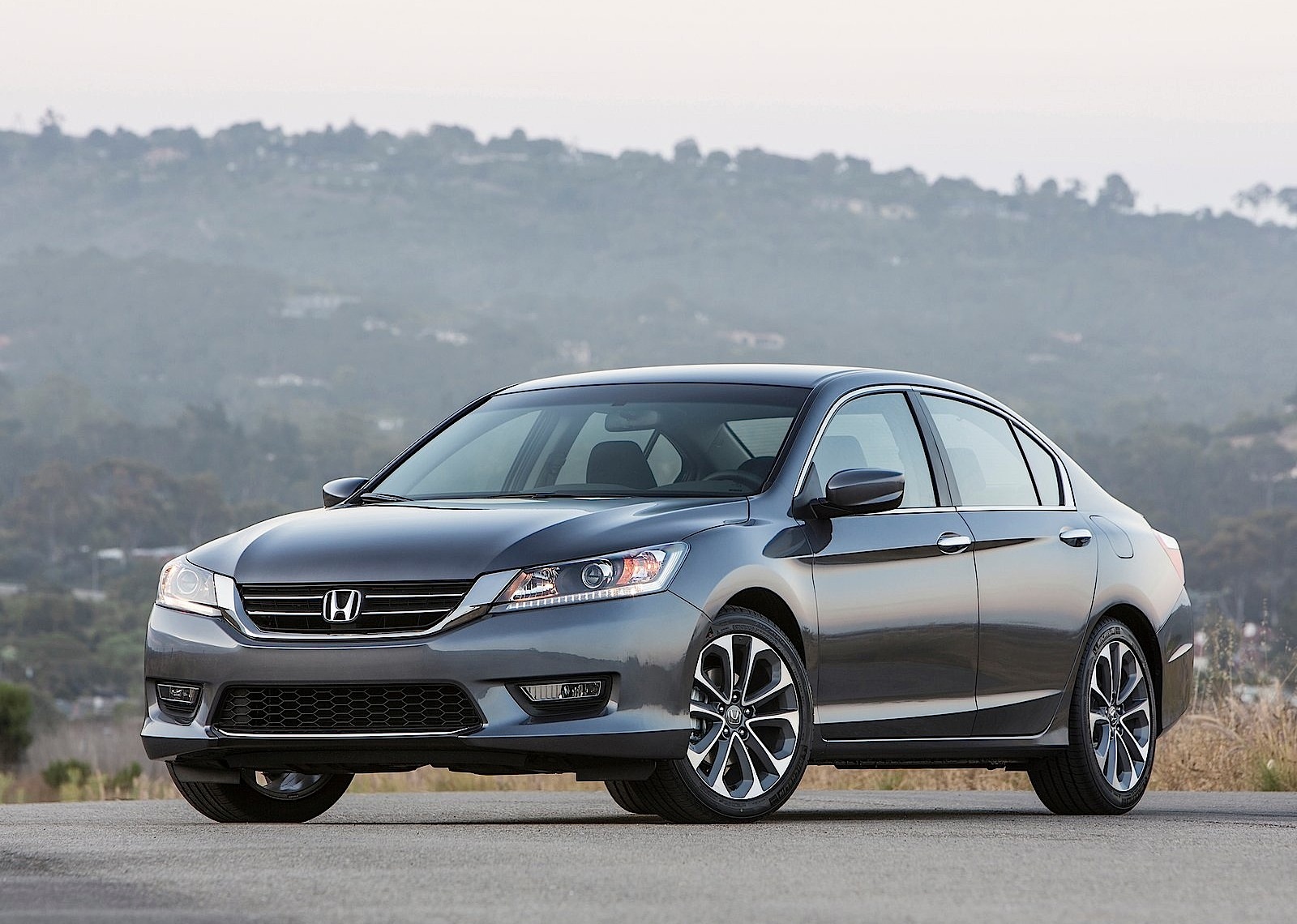
Compared to rivals like the Nissan Altima or Ford Fusion of the same era both notorious for transmission failures the Accord’s combination of refined engineering and simple maintenance gives it a clear edge.
The interior materials also resist wear surprisingly well, making it a long-term comfort champion.
2. Honda CR-V (2012–2016)
The CR-V is America’s unofficial family SUV, and the 2012–2016 generation stands out as a high-water mark for longevity. Powered by the proven 2.4-liter K24 engine, it blends decent fuel economy with near-bulletproof reliability.
Owners frequently report surpassing 250,000 miles without any major issues beyond routine maintenance. The CR-V’s simplicity helps it avoids complex turbocharging systems and dual-clutch transmissions that can compromise long-term durability.
Compared to rivals like the Chevy Equinox or Hyundai Tucson, both of which have more frequent engine and transmission issues, the CR-V proves that reliability and practicality can still go hand in hand.
Comfortable, enjoyable to drive, and loaded with practicality, the previous-generation Honda CR-V certainly earned its reputation as a best-seller in the compact crossover category.
For 2012, the Honda CR-V receives a full redesign featuring refreshed exterior styling, an updated interior, and a range of content and performance improvements designed to better meet the expectations of its family-oriented buyers.
Most of the updates for the 2012 CR-V are evolutionary rather than revolutionary. The familiar 2.4-liter four-cylinder engine and five-speed automatic transmission return, but both have been refined to deliver improved power and fuel efficiency.
While the vehicle retains the same width and wheelbase as before, Honda takes a surprising turn by slightly reducing its overall height and length, going against the “bigger is better” trend. Inside, passenger legroom remains unchanged, but cargo space grows slightly to provide more versatility.
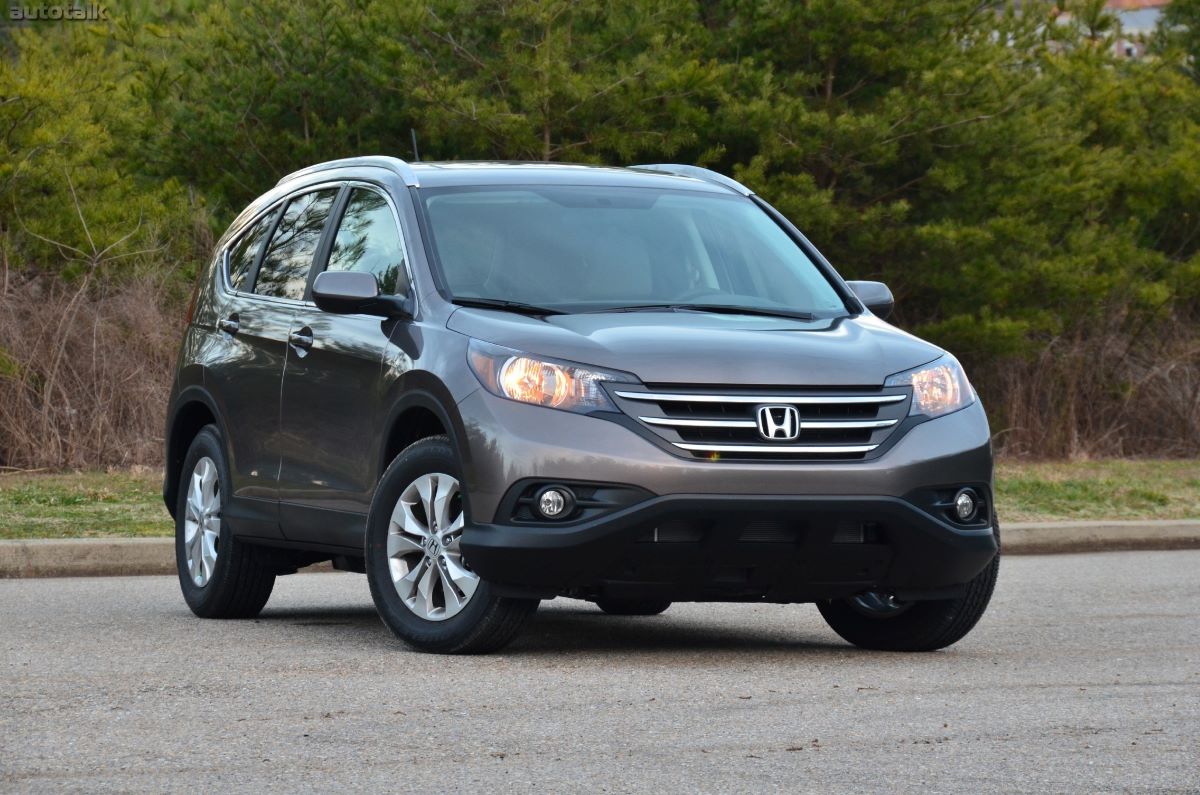
A major complaint about the outgoing model was its intrusive road noise, which Honda has successfully addressed with better cabin insulation, resulting in a much quieter ride. Suspension tuning has also been refined, offering a smoother and more composed driving experience.
In terms of technology, the 2012 CR-V keeps pace with the competition by introducing features such as a Pandora Internet radio interface and an SMS text messaging function.
Despite these improvements, the 2012 Honda CR-V’s biggest limitation remains its single-engine offering. With only a four-cylinder available, it lacks the extra punch of rivals that offer optional V6 powertrains. While acceleration is sufficient for most drivers, it trails some competing four-cylinder models in outright performance.
Nonetheless, the CR-V’s well-balanced combination of comfort, practicality, and family-friendly features ensures it remains one of the most appealing options in its class and continues to be among our top recommendations.
All 2012 Honda CR-V models are powered by a 2.4-liter four-cylinder engine producing 185 horsepower and 163 pound-feet of torque. A five-speed automatic transmission and front-wheel drive come standard, with all-wheel drive available as an option.
The AWD system operates primarily in front-wheel-drive mode until it detects slippage, then redistributes power to the wheels with the most traction.
Also Read: 9 Popular 2000s Cars That Are Already Classics
3. Honda Civic (2006–2011)
The eighth-generation Civic might not be the prettiest compact car Honda ever made, but its reputation for durability is unmatched. The 1.8-liter R18 engine is a masterpiece of efficiency and mechanical toughness.
Even base models can run for over 300,000 miles with only basic upkeep. What makes this generation special is how well it resists major mechanical issues even the automatic transmission holds up better than those found in most Toyota Corollas of the same era.
The Civic’s simple construction and low-cost parts make it a favorite for DIY mechanics and young drivers alike who need something reliable and cheap to run.
Praised for its fuel-efficient and clean engines, lively performance, and outstanding reliability, the Honda Civic has long stood as the gold standard in the economy car segment since debuting in 1973.
These same traits carry forward into the completely redesigned eighth-generation model, which builds on the Civic’s heritage while embracing a new direction.
Aimed at shifting its appeal from baby boomers to a younger Gen Y audience, Honda has infused the latest Civic with a bolder focus on design and performance. The result is a sleeker, more powerful, and better-handling car that represents the most dynamic and engaging Civic the brand has ever produced.
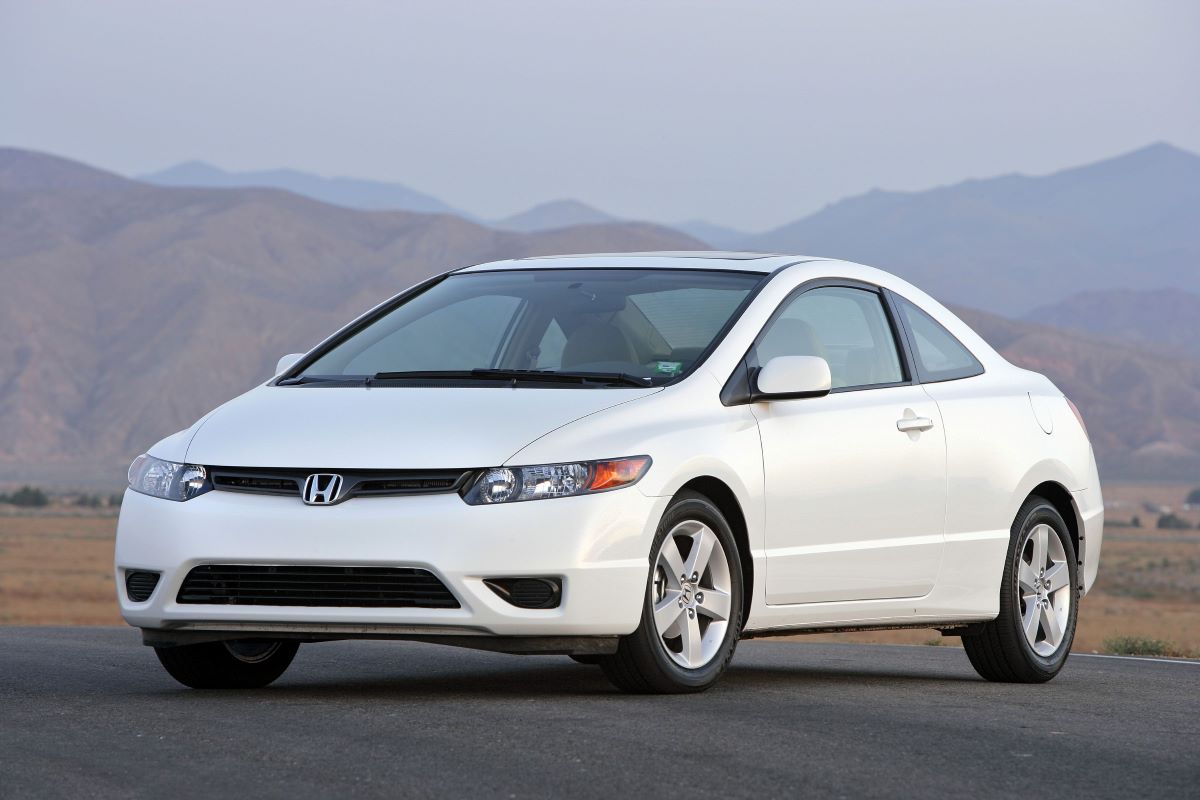
Available as either a sedan or coupe, the 2006 Honda Civic introduces several new design priorities. Unlike past redesigns, this model doesn’t simply grow in every dimension.
The coupe’s trunk space and rear-seat legroom have actually decreased slightly, a trade-off made for a more athletic and stylish profile. The new Civic’s modern design is highlighted by a sharply raked windshield, shorter front and rear overhangs, and tightly fitted wheel arches. Notably, the coupe now rides on a slightly shorter wheelbase, enhancing its sporty stance.
Performance upgrades extend across the lineup. The DX, LX, and EX trims feature a 1.8-liter SOHC inline-four with Honda’s i-VTEC system, delivering 140 horsepower and 128 pound-feet of torque. The GX model runs on natural gas, producing 113 hp and 109 lb-ft.
The once-underwhelming Civic Si hatchback has been reborn as a coupe, now boasting a potent 197-hp engine, a sport-tuned suspension, and a six-speed manual transmission with a limited-slip differential, making it the fastest production Civic to date.
Meanwhile, the Civic Hybrid caters to eco-conscious buyers with Honda’s Integrated Motor Assist (IMA) system, combining a 1.3-liter SOHC gasoline engine with an electric motor and a continuously variable transmission. The hybrid’s total output of 110 hp pairs with an impressive 50 mpg rating for both city and highway driving.
Its improved efficiency comes from a new ability to run solely on electric power during deceleration and steady cruising, similar to Toyota’s Prius. For alternative fuel enthusiasts, the Civic GX remains available, running entirely on compressed natural gas and compatible with a home fueling station called “Phill.”
No matter which version you choose, the 2006 Honda Civic delivers the same hallmark traits, safety, dependability, and environmental consciousness, all wrapped in a refined, modern design built to last for years of loyal service.
The DX, LX, and EX trims feature a 1.8-liter inline-four that produces 140 horsepower at 6,300 rpm and 128 pound-feet of torque at 4,300 rpm, paired with either a standard five-speed manual or an optional five-speed automatic transmission.
The GX model employs a compressed natural gas variant of this engine, rated at 113 hp and 109 lb-ft, mated to a five-speed automatic.
The Civic Hybrid’s 1.3-liter gas-electric setup generates a combined 110 hp and achieves an exceptional 50 mpg in both city and highway driving with its CVT. Topping the range is the Civic Si, equipped with a high-revving 197-hp engine and an exclusive six-speed manual transmission with a limited-slip front differential for maximum traction and performance.
4. Honda Odyssey (2018–2020)
Minivans are often worked to death by family use, but the fifth-generation Honda Odyssey is built to handle it. Honda significantly improved transmission durability and engine cooling in this model, addressing the issues that plagued earlier generations.
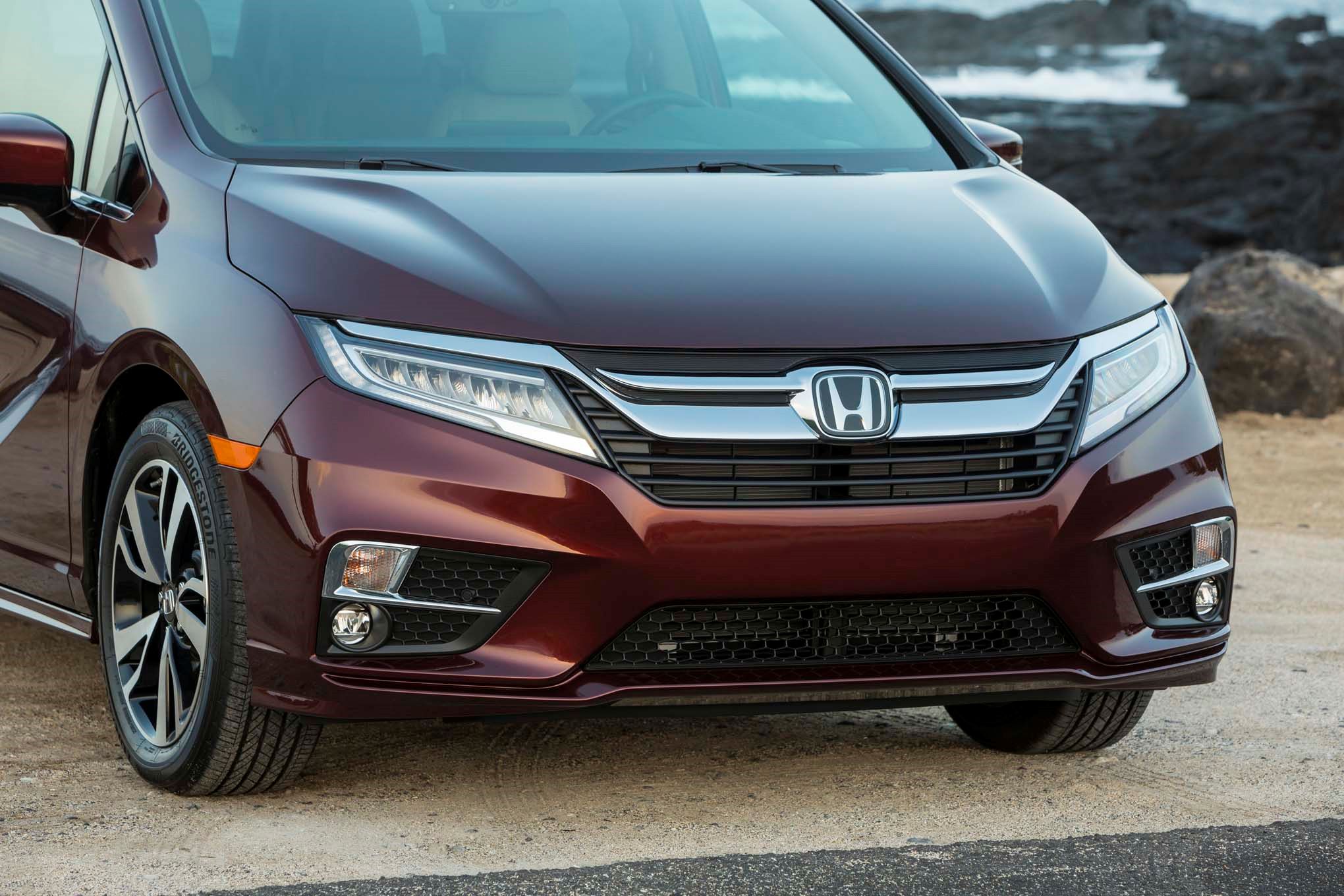
The 3.5-liter V6 delivers smooth power and can last well over 200,000 miles if serviced regularly. Compared to the Chrysler Pacifica or Kia Sedona, which tend to develop drivetrain and electronic issues sooner, the Odyssey holds its composure over the long haul.
It’s the van that stays in the family literally passing from parent to child with life left in it.
Also Read: 5 Honda Sedans That Outlast Rivals vs 5 That Don’t
5. Honda Fit (2009–2014)
The Honda Fit may be small, but it’s mighty in longevity. Known for its bulletproof 1.5-liter i-VTEC engine and manual or traditional automatic transmission, the Fit often exceeds expectations.
Many owners in the US have reported clocking 250,000 miles with little more than regular oil changes and brake work.
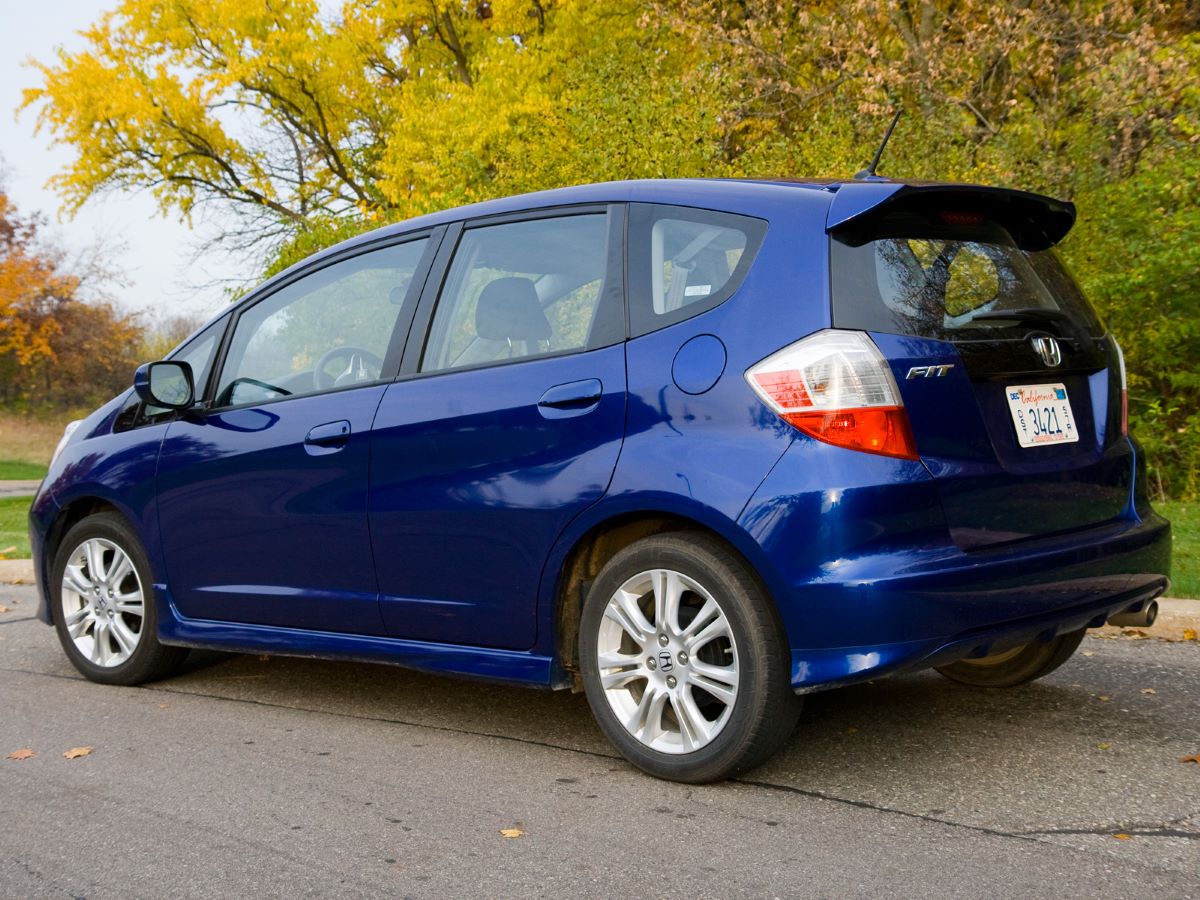
The Fit’s lightweight construction puts less stress on its drivetrain, while its simplicity means fewer failure points compared to rivals like the Ford Fiesta or Chevy Sonic, which suffered from chronic transmission issues.
It’s a car that proves longevity doesn’t depend on size it depends on smart engineering.
The 2009 Honda Fit arrives at a moment when efficiency, practicality, and smart design matter more than ever, and it feels perfectly timed for the market. When the Fit first made its U.S. debut in mid-2006, even Honda wasn’t entirely sure how Americans would respond.
Initially envisioned as a stylish competitor to the Scion xA rather than a full-fledged small-car sensation, the Fit had already proven its worth overseas under the name Honda Jazz, where it became a hit for its fuel efficiency and versatility.
Yet from the moment it landed stateside, the pint-sized, budget-friendly hatchback resonated with American drivers, quickly becoming more popular than Honda anticipated, prompting the automaker to increase imports to meet demand.
Honda clearly listened. The redesigned 2009 Honda Fit Sport now features a telescoping steering wheel, along with a more spacious and refined interior that feels better suited for American drivers.
While its exterior design remains instantly recognizable, this second-generation Fit has been completely reengineered from the ground up, developed specifically with American preferences and driving conditions in mind. As is typical for Honda, the 2009 Fit doesn’t offer traditional standalone options. Instead, features are grouped by trim level, with the lineup consisting of the base Fit, Fit Sport, and Fit Sport with Navigation.
At the heart of the 2009 Fit is an upgraded 1.5-liter inline-four engine, now producing 117 horsepower and 106 pound-feet of torque, up slightly from the previous generation’s 109 hp and 105 lb-ft.
This improvement in performance comes with a modest trade-off in efficiency, as EPA estimates now rate it at 27 mpg in the city and 33 mpg on the highway, a minor 1 mpg drop compared to the lighter outgoing model. Despite this, the 2009 Honda Fit remains one of the most well-balanced and enjoyable subcompact cars on the road, blending frugality with just enough fun to keep drivers smiling.
Hondas That Don’t Outlive Rivals
Honda has long been praised for its reliability, but not every model lives up to the brand’s legendary reputation. While many Hondas are known to last for hundreds of thousands of miles, a few fall short when compared to their rivals.
Whether due to costly maintenance, premature wear, or design flaws, these models simply don’t have the same staying power as the rest of the lineup. In this article, we’ll take a closer look at the Hondas that don’t outlive their competitors, and why they miss the mark.
1. Honda Civic (2016–2018 Turbo Models)
When Honda introduced turbocharging to the Civic lineup, it was a major technological shift but not without problems. The 1.5-liter turbo engine, while punchy and efficient, developed a reputation for oil dilution, particularly in cold climates.
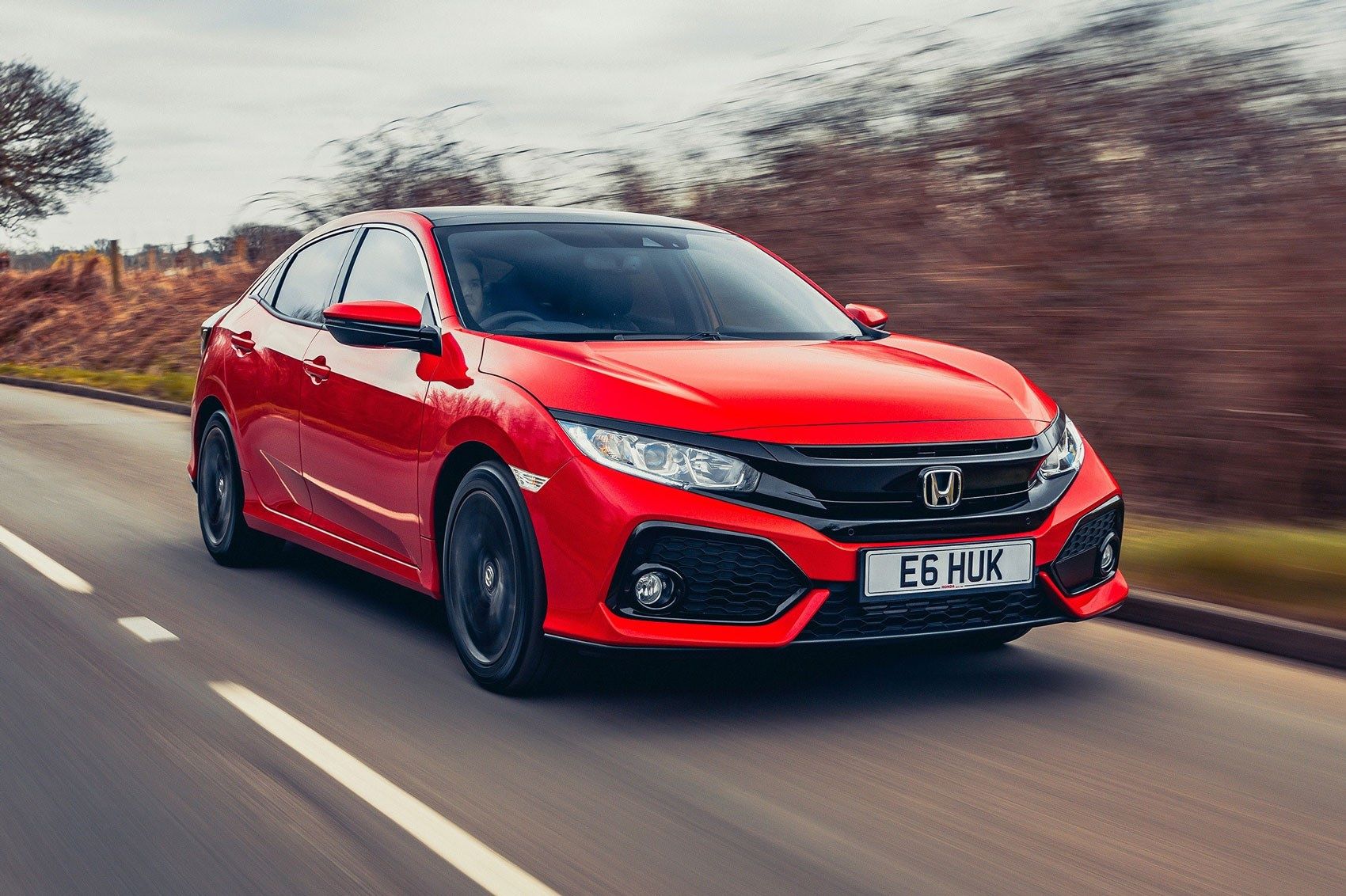
Fuel mixing with engine oil led to premature wear, rough idling, and long-term reliability concerns. Compared to naturally aspirated competitors like the Toyota Corolla or Mazda3, the turbo Civic hasn’t aged as gracefully.
Honda addressed the issue with software updates, but the damage to its reputation for durability was already done.
2. Honda Odyssey (2002–2007)
While Honda’s later Odysseys are paragons of reliability, the early 2000s models were anything but. Transmission failures were rampant so much so that Honda extended warranties and issued multiple service bulletins.
The problem stemmed from design flaws in the automatic transmission’s lubrication system, leading to premature wear. Even with low mileage, many owners had to replace transmissions more than once.
Compared to the Toyota Sienna of the same era, the Odyssey simply couldn’t compete in long-term dependability. It’s a reminder that even great automakers stumble when technology outpaces testing.
The second-generation Honda Odyssey has firmly established itself as the gold standard among minivans, taking the title from Chrysler shortly after its debut in 1999. Combining Honda’s legendary reliability with a cavernous, family-friendly interior, the Odyssey redefined what a minivan could be.
Features like the innovative fold-flat third-row “Magic Seat” and second-row captain’s chairs that can slide together to form a bench made it a hit with families and helped spark renewed interest in the segment. For 2002, Honda introduces a series of thoughtful updates to ensure its flagship minivan remains at the top of the class.
The most significant upgrade for the 2002 Odyssey comes under the hood. Its 3.5-liter VTEC-equipped V6 now produces 240 horsepower and 242 pound-feet of torque, a substantial bump from the previous 210 hp and 229 lb-ft. Honda claims the revised engine delivers quicker acceleration while eliminating the need for premium fuel.
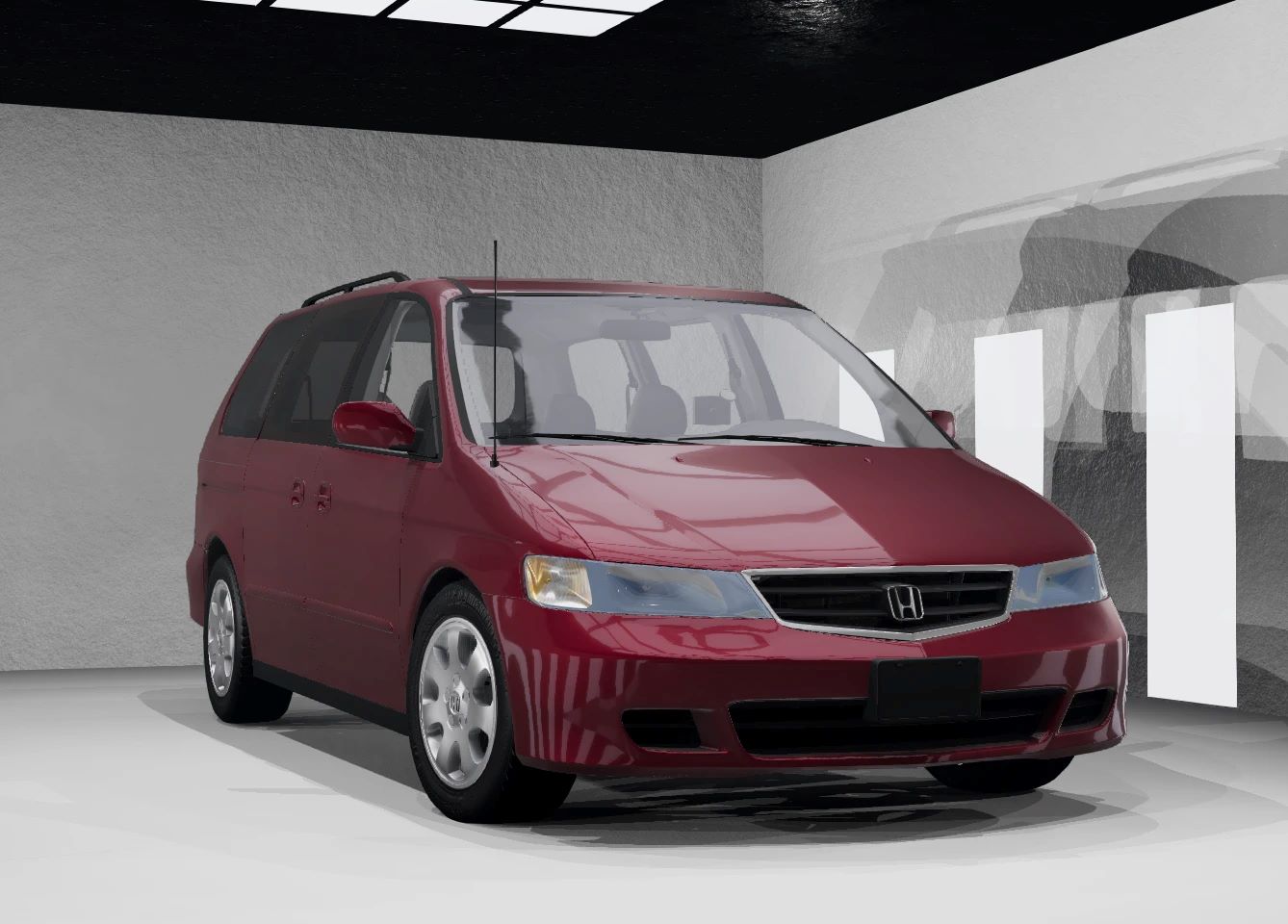
Power is routed through a new five-speed automatic transmission, replacing the former four-speed unit. The new gearbox enhances both shift smoothness and overall efficiency, further refining the Odyssey’s already polished driving experience.
Honda continues to offer the Odyssey in two trim levels: LX and EX. The base LX comes generously equipped with amenities such as a height-adjustable driver’s seat (now with improved bolstering), traction control, dual sliding doors, power windows including rear vent windows, power locks and mirrors, cruise control, a theft-deterrent system, front and rear air conditioning, and antilock brakes.
The EX trim adds an extra layer of comfort and convenience with dual power sliding doors, a roof rack, keyless remote entry, an eight-way power driver’s seat, alloy wheels, a CD player, and steering wheel-mounted audio controls.
Built on a four-wheel independent suspension, a first in the minivan class, the Odyssey strikes an impressive balance between comfort and control.
Its wide track and finely tuned suspension lend it a nimble, stable feel on the road, minimizing body roll through corners and improving ride quality. For 2002, suspension refinements further reduce harshness over bumps, enhancing the Odyssey’s already smooth demeanor.
A standout feature remains the Odyssey’s “Magic Seat”, the ingenious third-row bench that folds flat into the floor in seconds, creating a seamless cargo area without removing seats. The versatile second-row seats can function as individual captain’s chairs or be joined to form a bench, adapting easily to passenger or cargo needs.
The EX trim also offers an optional navigation system that uses a single DVD for complete U.S. mapping. And for 2002, Honda adds another layer of luxury to its minivan formula with the introduction of available leather seating, rounding out a package that remains unmatched in practicality, comfort, and refinement.
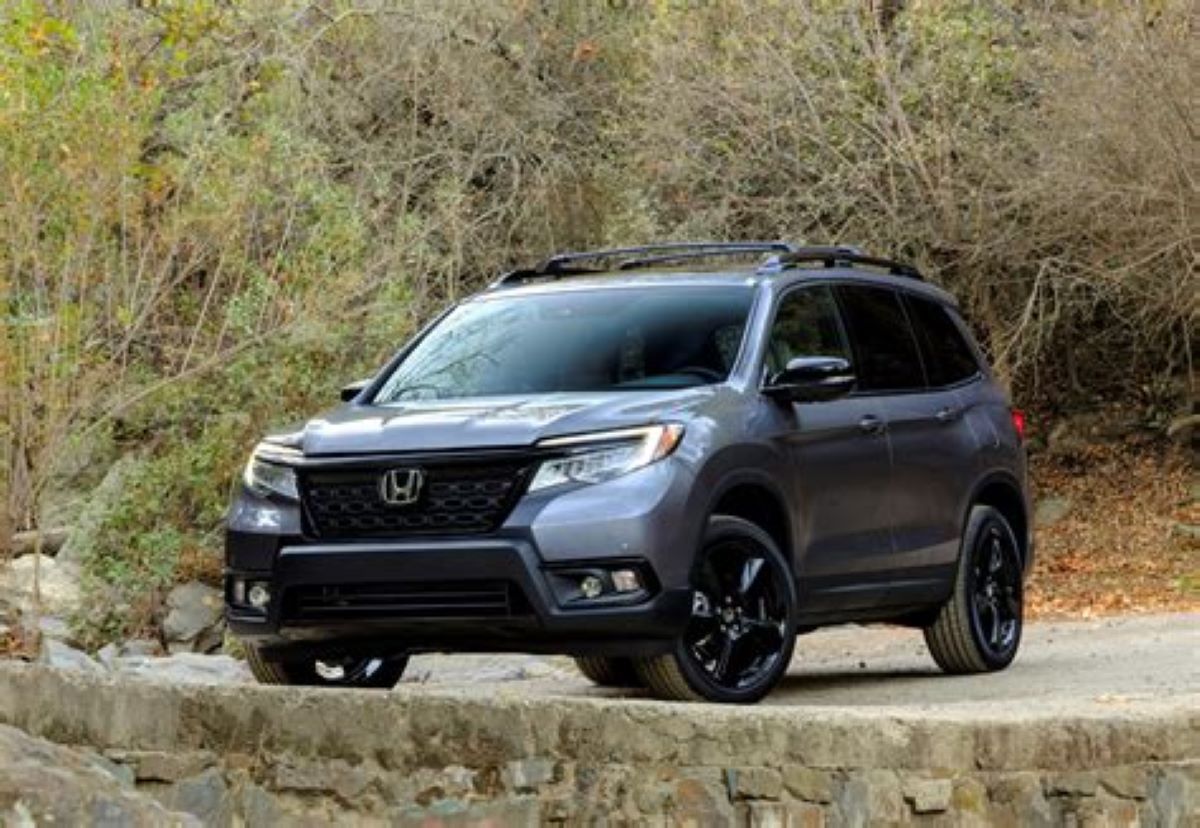
3. Honda Passport (2019–2021)
The modern Honda Passport looks rugged, but its reliability record has been inconsistent. While it shares its platform with the excellent Pilot, it’s been plagued by early transmission glitches, electrical issues, and infotainment system bugs.
These problems are relatively minor but become frustrating over time especially compared to rivals like the Toyota 4Runner or Subaru Outback, which are known for running nearly trouble-free for decades.
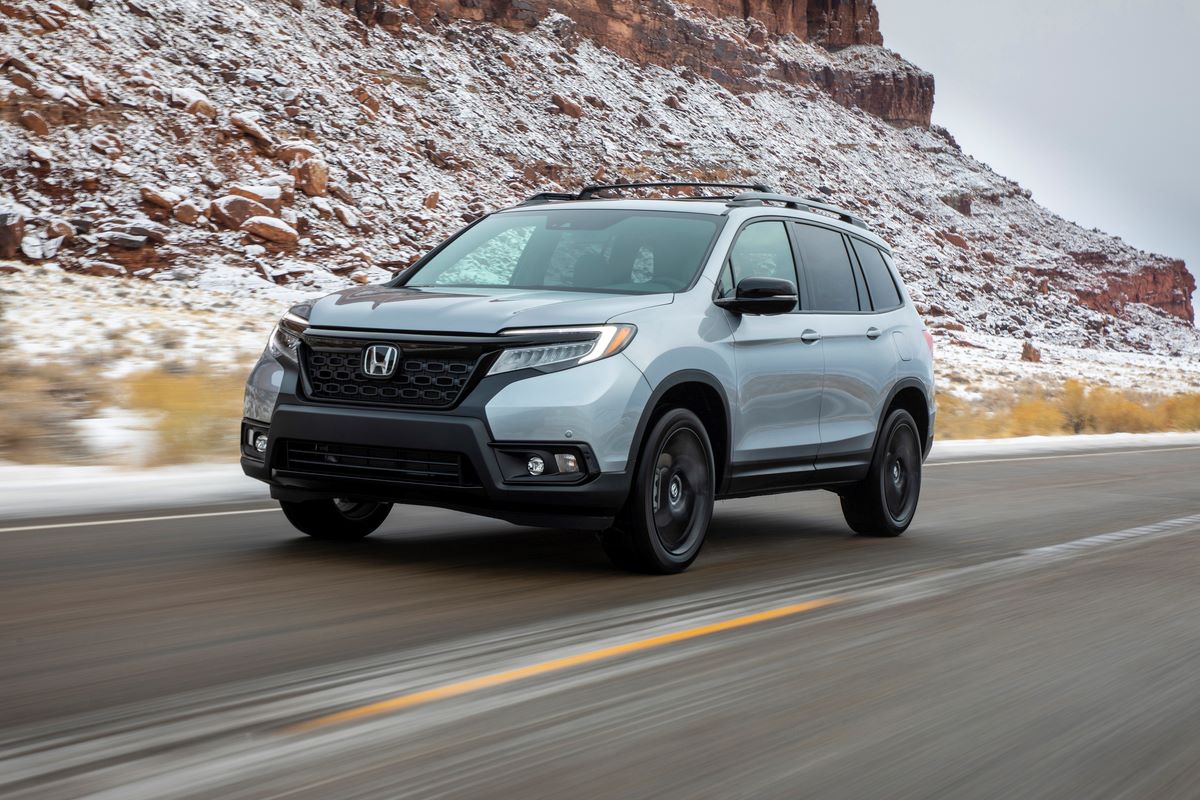
While the success of these revivals has varied, the 2020 Honda Passport, part of the third generation introduced in 2019, stands out as one of the best midsize SUVs currently available. This latest Passport resurrects a name that hadn’t been seen since 2002, and it does so with style, substance, and a clear sense of purpose.
Essentially a two-row version of the Honda Pilot, the Passport delivers the ideal balance between size, practicality, and maneuverability. It offers significantly more passenger and cargo room than the CR-V while being easier to drive and park than the larger Pilot.
Both headroom and legroom are generous across both rows, ensuring comfort for all passengers. Behind the second row, the Passport boasts more than 41 cubic feet of cargo space, outclassing most rivals when it comes to hauling bulky items.
Inside, the cabin feels upscale, featuring high-quality materials, well-cushioned seating, and a refined, quiet ride that enhances its everyday comfort.
4. Honda Insight (2010–2014)
The second-generation Honda Insight promised Prius-like efficiency, but it couldn’t deliver Toyota-like longevity. While its hybrid system was clever, it wasn’t as robust as Toyota’s.
The nickel-metal hydride battery packs often failed before 100,000 miles, and replacement costs were high. Meanwhile, the small 1.3-liter gasoline engine struggled under load, wearing out faster than expected.
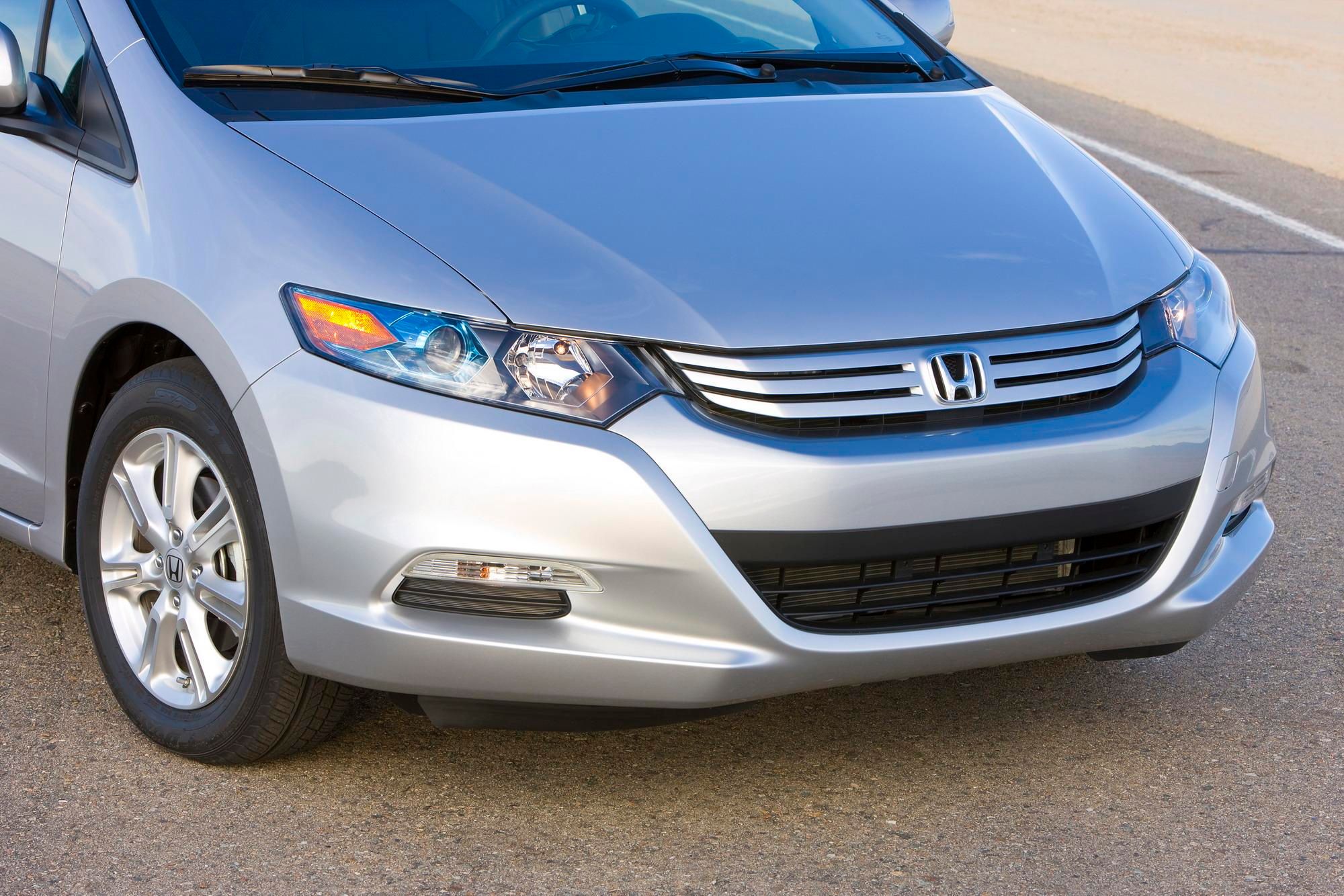
Many owners reported that the Insight felt tired well before hitting 150,000 miles, while Priuses from the same years routinely crossed 250,000. It was an ambitious hybrid, but not a durable one.
5. Honda Accord (2000–2002 V6 Models)
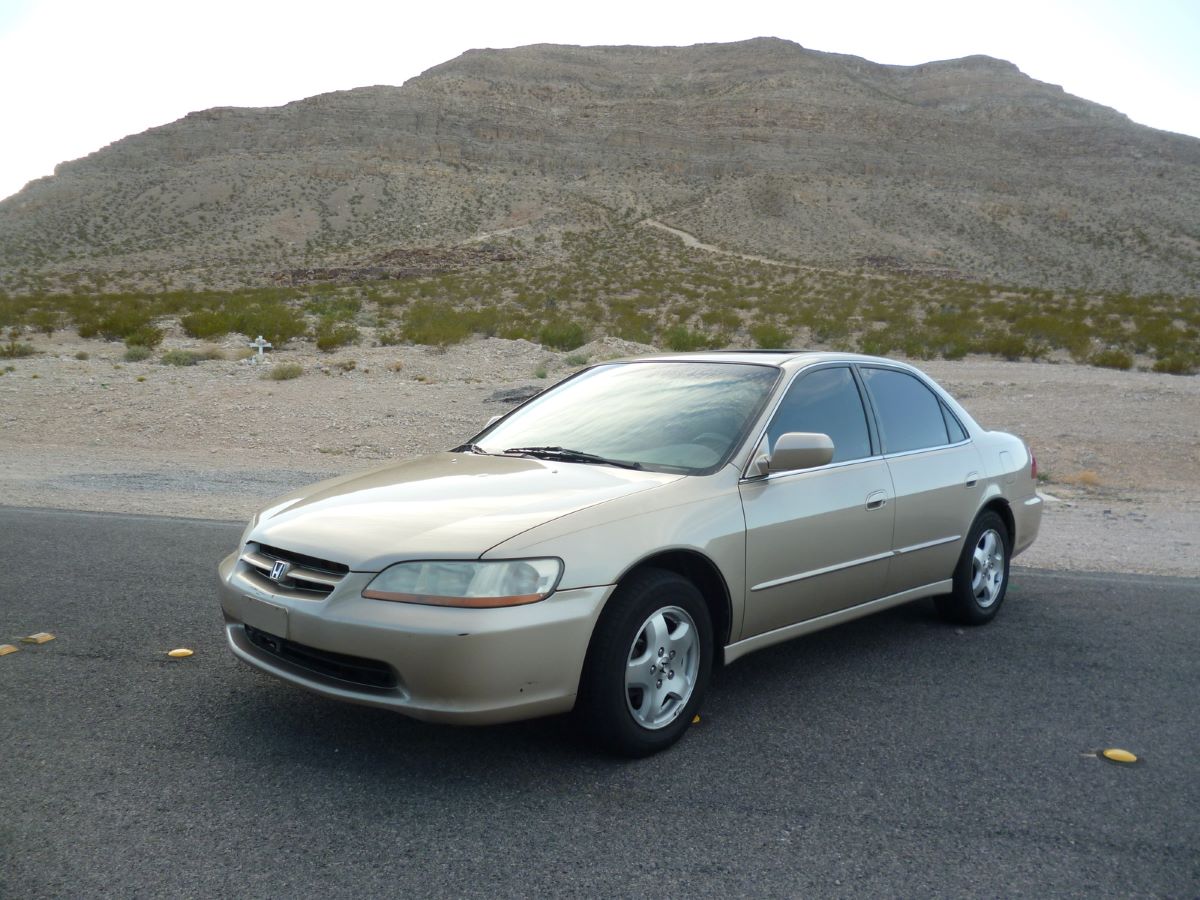
This generation of Accord V6 models suffered the same fate as the early 2000s Odyssey weak automatic transmissions. The 4-speed automatics in these cars were simply not up to handling the torque of the 3.0-liter V6 engine.
Many failed before 100,000 miles, even with meticulous maintenance. Honda did issue extended warranties and partial recalls, but compared to rivals like the Toyota Camry V6 or Nissan Maxima of the same era, the Accord fell short.
The four-cylinder models, interestingly, remained reliable, proving that even Honda’s golden years had blemishes.
Honda’s reputation for reliability isn’t undeserved it’s earned through decades of engineering discipline and mechanical excellence. Yet even great automakers can produce models that miss the mark.
The best Hondas, like the CR-V and Accord, combine simplicity, quality, and proven technology to achieve remarkable longevity.
The weaker ones often show what happens when innovation overtakes reliability testing, as seen in early turbo Civics and early-2000s V6 models.
For American drivers who prize cars that go the distance, the key is to look for Hondas with naturally aspirated engines, proven transmissions, and a track record of incremental improvement rather than radical redesign.
Get those factors right, and your Honda will likely still be humming along long after your neighbor’s new car is on its second engine.
