
When you pop the hood of a performance car, the heart you find beneath can make all the difference between a lifetime of high-revving joy and endless mechanical heartbreak.
Some engines are marvels of engineering built to take abuse, rev high, and keep pulling hard for hundreds of thousands of miles. Others, despite promises of performance and innovation, turn out to be time bombs waiting to fail.
For American car enthusiasts, longevity and excitement go hand in hand. Nobody wants a motor that feels great for one summer and ends up on a tow truck by the next.
Below, we’re diving into five engines that deliver thrills for years and five that, unfortunately, are known for self-destructing before their time.
Engines That Deliver Thrills for Years
Some engines aren’t just powerful, they’re unforgettable. They combine raw performance with engineering finesse, delivering the kind of sound, response, and reliability that keep enthusiasts hooked long after the new-car shine fades.
These are the engines that don’t just perform well on paper; they create an emotional connection every time you press the throttle. From high-revving screamers to torque-rich powerhouses, here are the engines that continue to deliver thrills for years.
1. Toyota 2JZ-GTE (Supra Mk4)
Few engines have achieved mythical status quite like Toyota’s 3.0-liter twin-turbo inline-six from the legendary Mk4 Supra. The 2JZ-GTE is famous for its ability to handle massive amounts of boost often surpassing 800 horsepower on stock internals.
Beyond its tuning potential, what really sets it apart is its indestructibility. Owners have logged hundreds of thousands of miles with regular oil changes and proper maintenance.
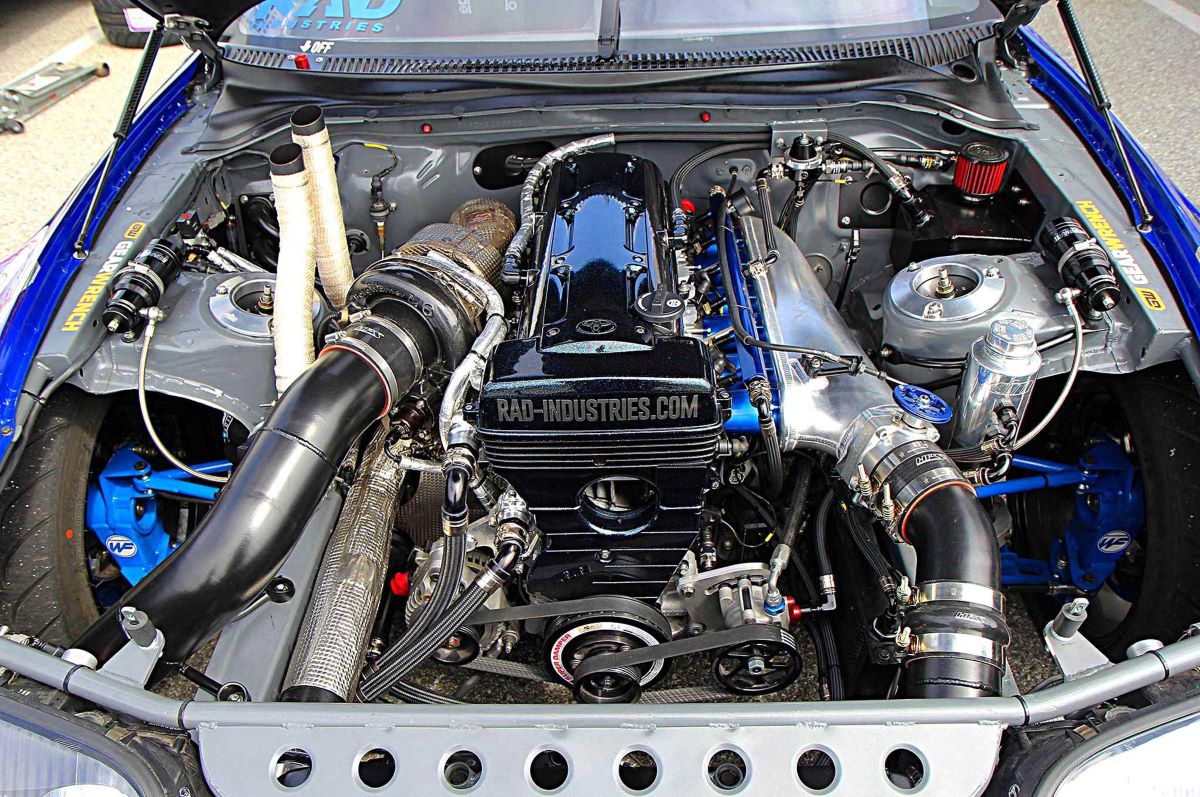
Its iron block and overengineered internals make it one of the most durable high-performance engines ever built. It’s no wonder tuners and drag racers still hunt for 2JZs 30 years later.
Toyota’s Supra story begins in the late 1970s, when the nameplate branched off from the Celica as a more muscular version of the popular coupe. These early Celica Supras featured longer wheelbases, wider stances, and more powerful six-cylinder engines, though they still carried much of the Celica’s DNA.
That changed in 1986, when Toyota dropped the Celica name altogether and positioned the Supra as a standalone performance car. By the time the fourth-generation model debuted in late 1992, the Supra had evolved into a completely different beast, sharing as much with Toyota’s entry-level sport compacts as it did with the humble Paseo.
The biggest reason for that transformation was the introduction of the factory turbocharged 2JZ-GTE engine, an inline-six powerplant that would go on to achieve near-mythical status.
Even decades later, professional tuners and motorsport teams still seek out the 3.0-liter 2JZ-GTE for its ability to handle astonishing levels of power with minimal modification. Few production engines before or since have demonstrated such potential straight from the factory.
In the U.S., the 2JZ-GTE, a clean-sheet design entirely separate from the previous Supra’s 7M-GTE—was available exclusively in the 1993–1998 Supra Turbo models. In Japan, it debuted in 1991 under the hood of the Toyota Aristo and continued to power select Supras until the model’s discontinuation in 2002.
There’s also the 2JZ-GE, a naturally aspirated sibling that shares the same short block and nearly identical rotating assembly but with higher compression and around 230 horsepower.
While the 2JZ-GE found homes in non-turbo Supras and cars like the Lexus IS300, GS300, and SC300, enthusiasts tend to avoid it, as it lacks the immense tuning potential and raw performance that make the 2JZ-GTE legendary.
Also Read: 12 Cars That Shock Drivers With Unstoppable Reliability
2. Honda K20 (Various Civic and Acura Models)
Honda’s K20 engine represents everything the brand stands for: precision, reliability, and high-revving fun. Found in the Civic Type R, Acura RSX Type-S, and other sporty models, the K20 is beloved for its bulletproof construction and VTEC system that screams past 8,000 rpm.
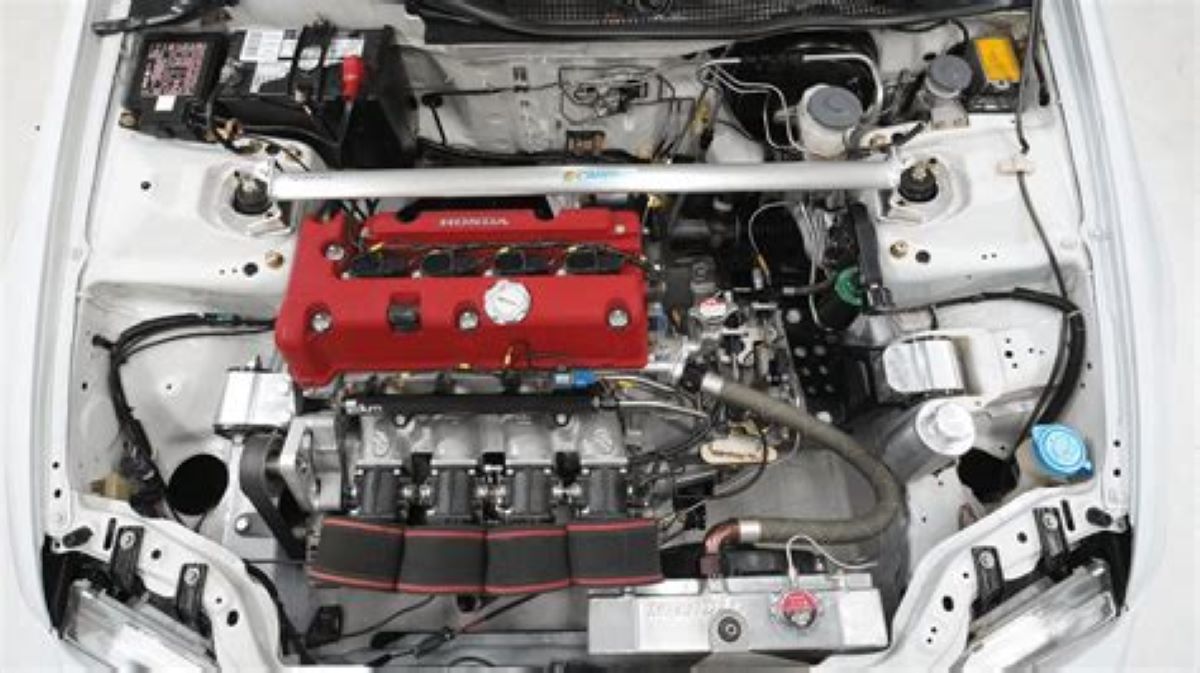
The engine responds well to both naturally aspirated and turbo setups, often lasting over 250,000 miles with spirited driving.
In the U.S., it’s a favorite among track-day enthusiasts who want dependable power that doesn’t punish their wallets. The K20 proves that excitement and longevity don’t have to be mutually exclusive.
3. Chevrolet LS3 (Corvette C6 and Camaro SS)
American muscle meets modern reliability with the LS3. Found in the sixth-generation Corvette and fifth-gen Camaro SS, the 6.2-liter V8 offers a near-perfect blend of old-school pushrod simplicity and modern engineering.
Producing 430 horsepower out of the box, it’s a powerhouse that thrives on abuse. The LS3’s aluminum block, straightforward design, and robust components make it a favorite for engine swaps from Miatas to trucks.
With regular maintenance, LS3s can easily surpass 200,000 miles, making them one of the most dependable performance V8s in American history.
The Chevy LS3 engine stands out as a favorite among automotive and performance enthusiasts for its exceptional balance of power, reliability, and engineering precision. It has earned its reputation as a cornerstone in the performance car community, becoming one of the most sought-after engines for both factory vehicles and custom builds.
The Chevy LS3 belongs to the Gen IV Small Block V8 family, renowned for its efficient power delivery and modern design. Constructed with an aluminum block and cylinder heads, the LS3 achieves a lighter weight without sacrificing durability.
This engine displaces 6.2 liters (376 cubic inches) and features a bore and stroke of 4.06 inches and 3.62 inches, respectively, contributing to its balanced performance characteristics.
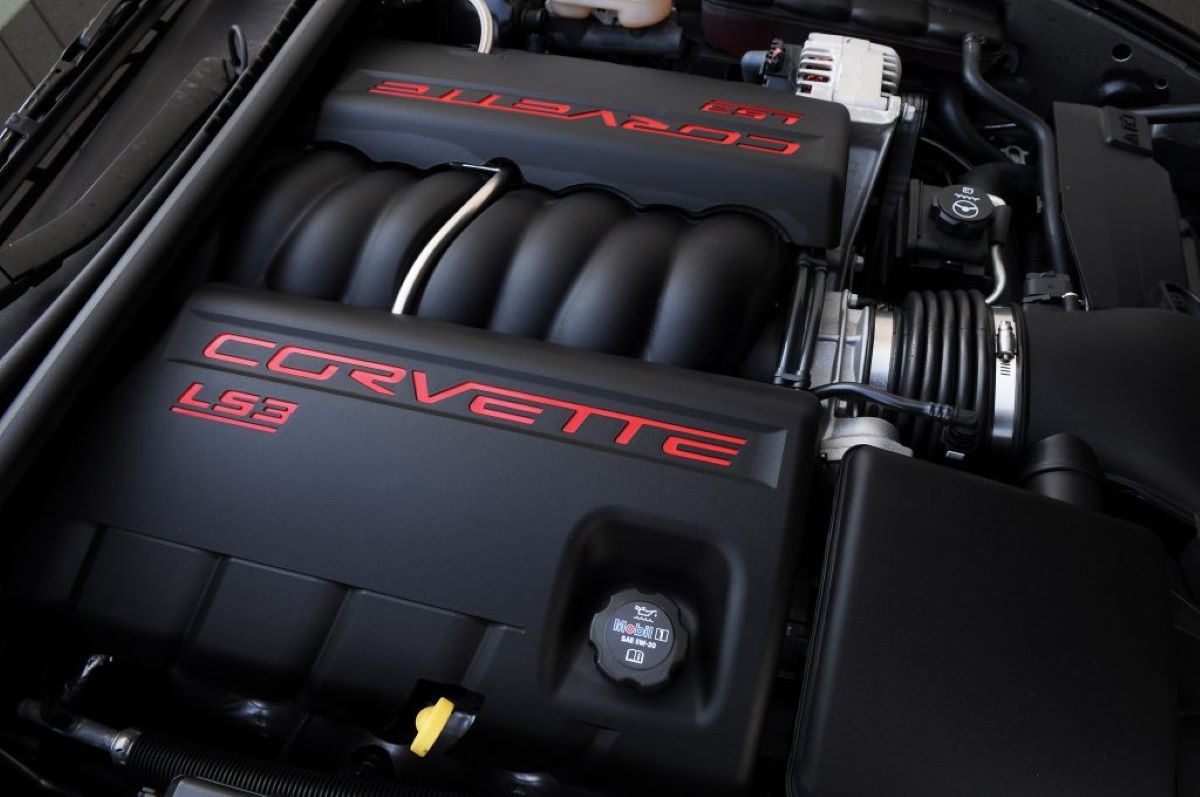
A defining aspect of the LS3 is its high-flow cylinder heads, which are engineered to maximize airflow and boost combustion efficiency. Complementing these heads is a high-lift camshaft that enhances the engine’s ability to breathe, resulting in stronger acceleration and higher overall power output. Together, these elements make the LS3 a potent yet dependable engine for street and track use.
Using the correct engine oil is vital to maintaining the LS3’s longevity and performance. This engine requires premium synthetic oil with a viscosity rating of 5W-30. For the best results, it’s recommended to use oil that meets the GM dexos1™ specification, ensuring superior lubrication and protection under varying driving conditions.
The LS3’s total oil capacity is approximately 8 quarts (7.6 liters), including the oil filter. Regular oil level checks are essential to maintain proper lubrication, cooling, and overall health of the engine components. Neglecting oil maintenance can lead to reduced performance and long-term wear, so keeping it within the specified range is crucial.
Routine maintenance is the cornerstone of keeping the LS3 running at peak performance. Below are the recommended service intervals to follow:
Oil Change: Replace the engine oil and filter every 7,500 miles or once a year, whichever comes first. Fresh oil removes contaminants and ensures consistent lubrication.
Spark Plugs: Change the spark plugs every 100,000 miles or as specified by the manufacturer. This maintains efficient combustion and prevents misfires.
Air Filter: Inspect the air filter regularly and replace it whenever it becomes dirty or clogged. A clean filter promotes optimal airflow and protects internal components from dust and debris.
Coolant Flush: Flush and replace the coolant every 5 years or 150,000 miles. Proper coolant maintenance prevents overheating and preserves engine temperature stability.
Timing Belt: If the LS3 is equipped with a timing belt, adhere to the manufacturer’s replacement schedule to avoid potential engine damage from belt failure.
The Chevy LS3 is a robust and dependable V8 engine that delivers thrilling performance while maintaining long-term reliability. By adhering to the recommended oil specifications and scheduled maintenance intervals, owners can ensure that their LS3 continues to operate at peak performance for years. Consistent care and attention to detail are what allow this powerhouse engine to live up to its legendary reputation.
Also Read: 8 High Performance Hatchbacks That Feel Faster Than They Are
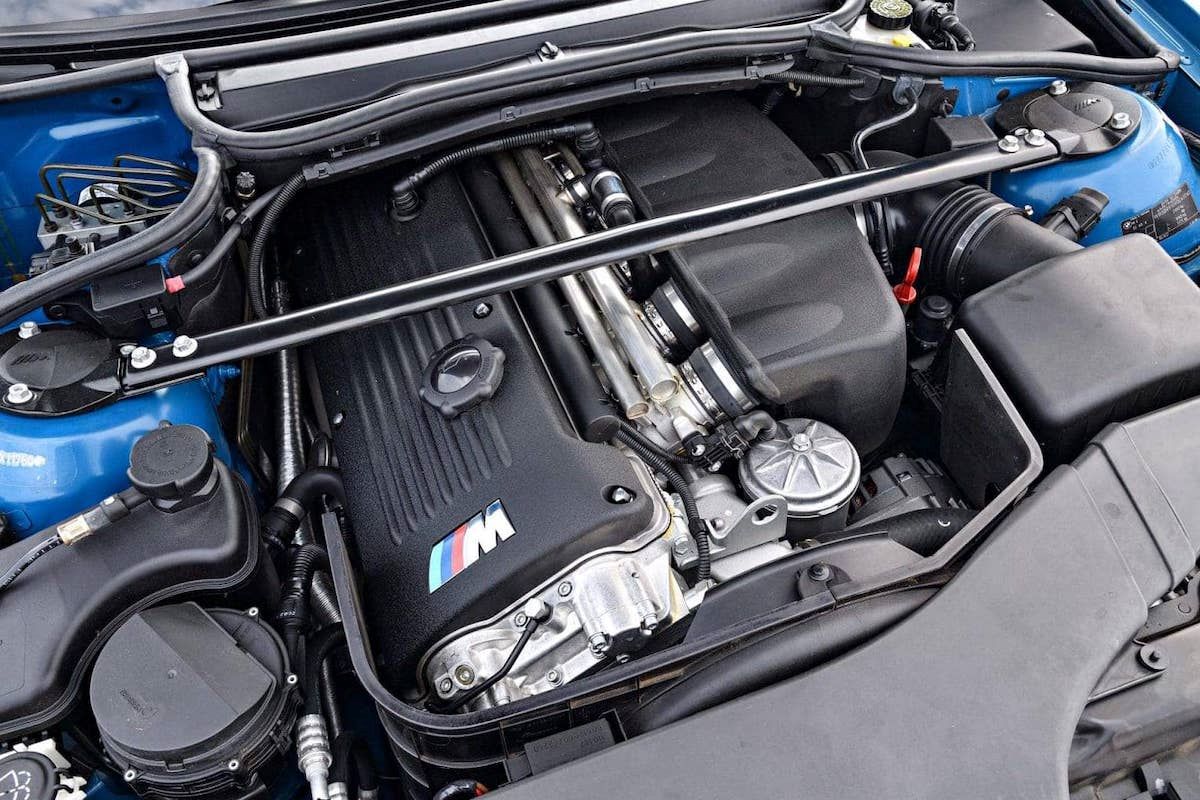
4. BMW S54 (E46 M3)
BMW’s S54, the 3.2-liter inline-six found in the E46 M3, represents the peak of naturally aspirated precision engineering. Known for its 8,000 rpm redline and spine-tingling induction sound, the S54 delivers pure driving excitement.
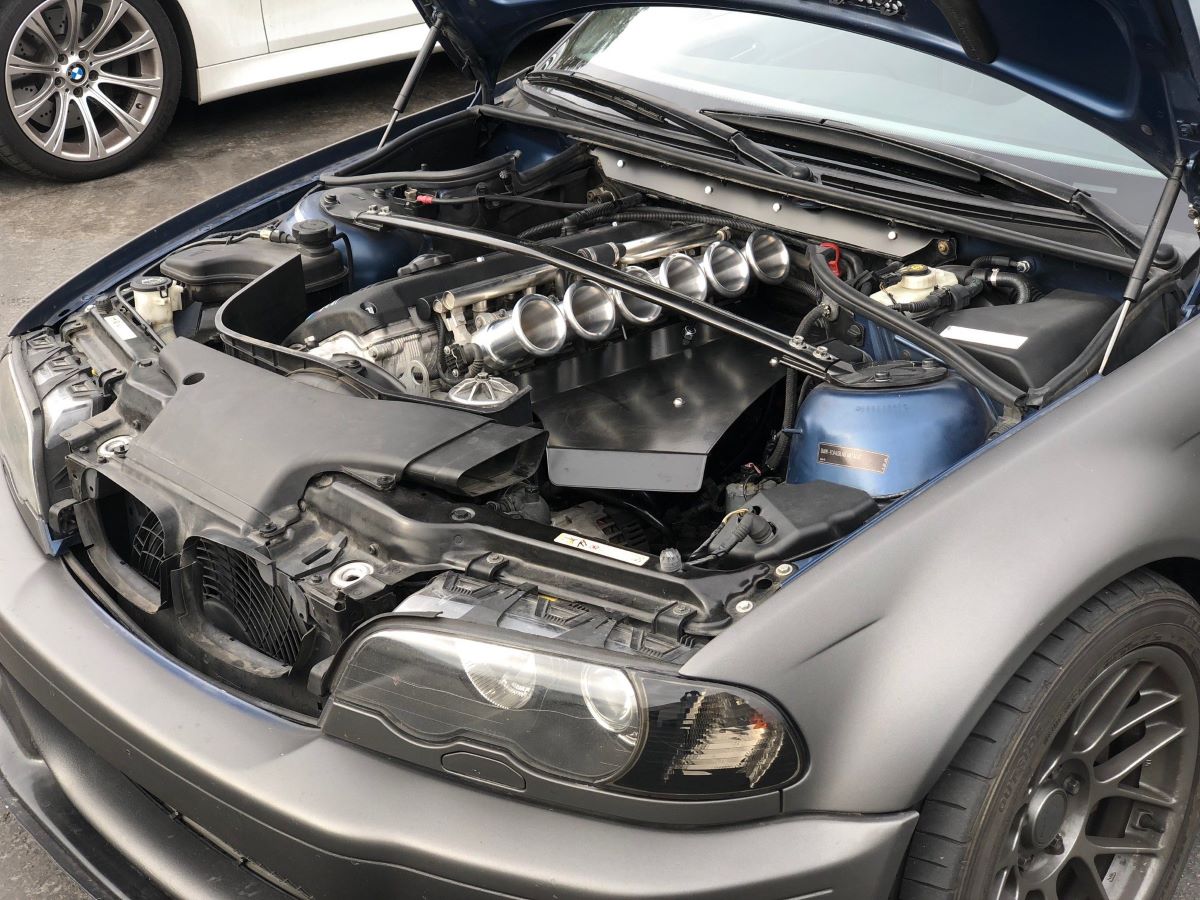
While some BMW engines have reliability concerns, the S54 when maintained properly proves extremely durable. Its forged crankshaft, individual throttle bodies, and high-strength internals make it a track-day favorite that lasts.
The key is maintenance: regular oil changes and valve adjustments. Treat it right, and the S54 will sing for decades.
5. Ford 5.0 Coyote V8 (Mustang GT, F-150)
Ford’s modern 5.0-liter Coyote V8 has earned its reputation as a muscle motor that can take a beating and keep roaring.
Found in the Mustang GT and F-150, the Coyote combines old-school displacement with new-age technology like dual overhead cams and variable valve timing.
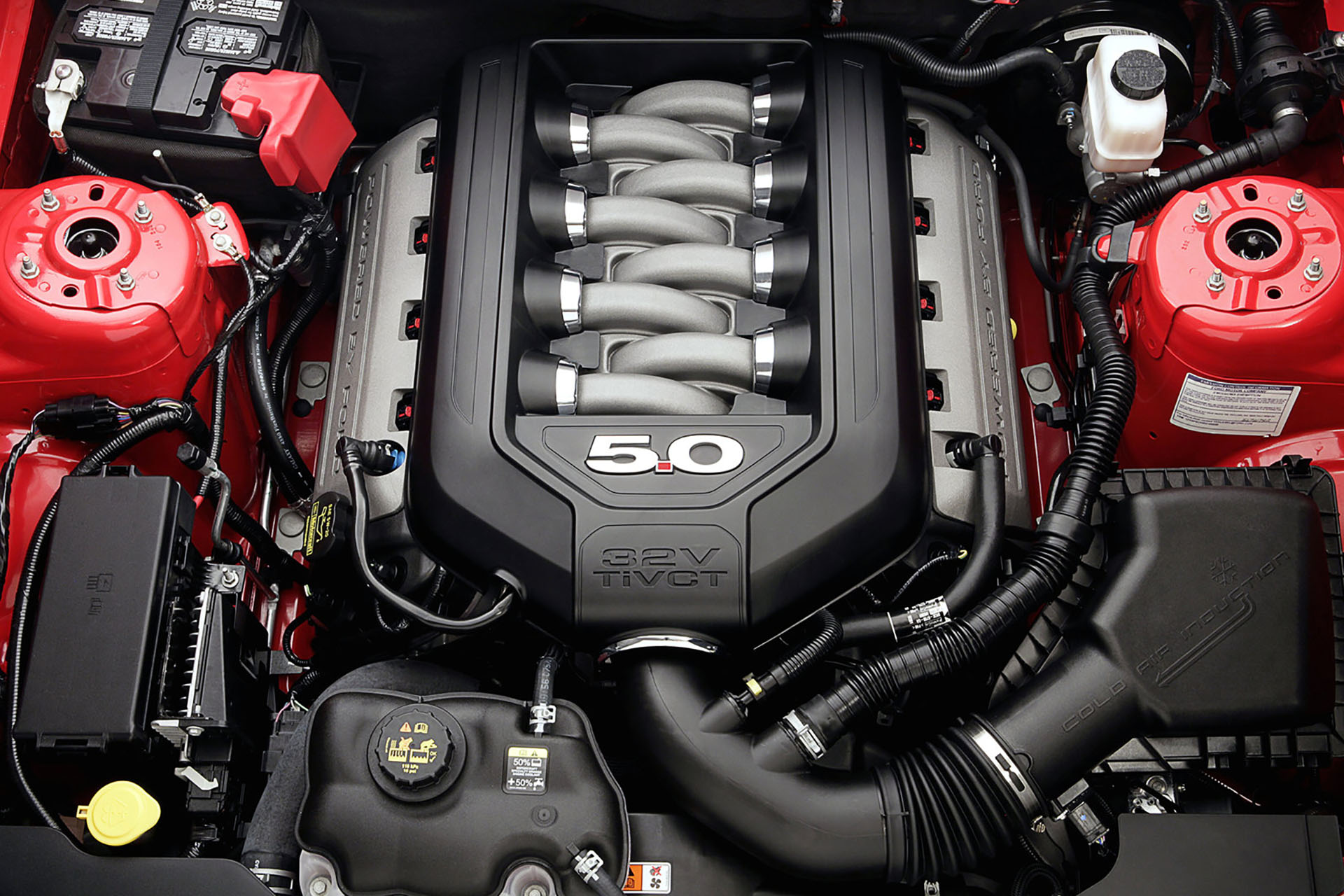
It’s not uncommon for well-maintained Coyotes to surpass 200,000 miles, even with frequent high-rev driving.
The aftermarket scene for this engine is enormous, with many tuners easily pushing it beyond 700 horsepower on stock internals. It’s a modern American masterpiece that delivers thrills for the long haul.
Engines That Self-Destruct
Not all engines are built to last. Some promise power and excitement but end up delivering frustration and costly repairs instead. Whether due to flawed engineering, poor design choices, or maintenance-sensitive components, these engines have earned a reputation for self-destruction.
From oil-burning nightmares to timing chain disasters, here are the engines that are more likely to fail you than fuel your driving passion.
1. Subaru EJ25 (WRX and WRX STI)
The EJ25 from Subaru is infamous for its fragility despite powering some of the most exciting cars in the brand’s lineup.
The 2.5-liter turbo flat-four offers strong torque and rally-inspired fun, but it’s also plagued by head gasket failures, ringland issues, and oil consumption.
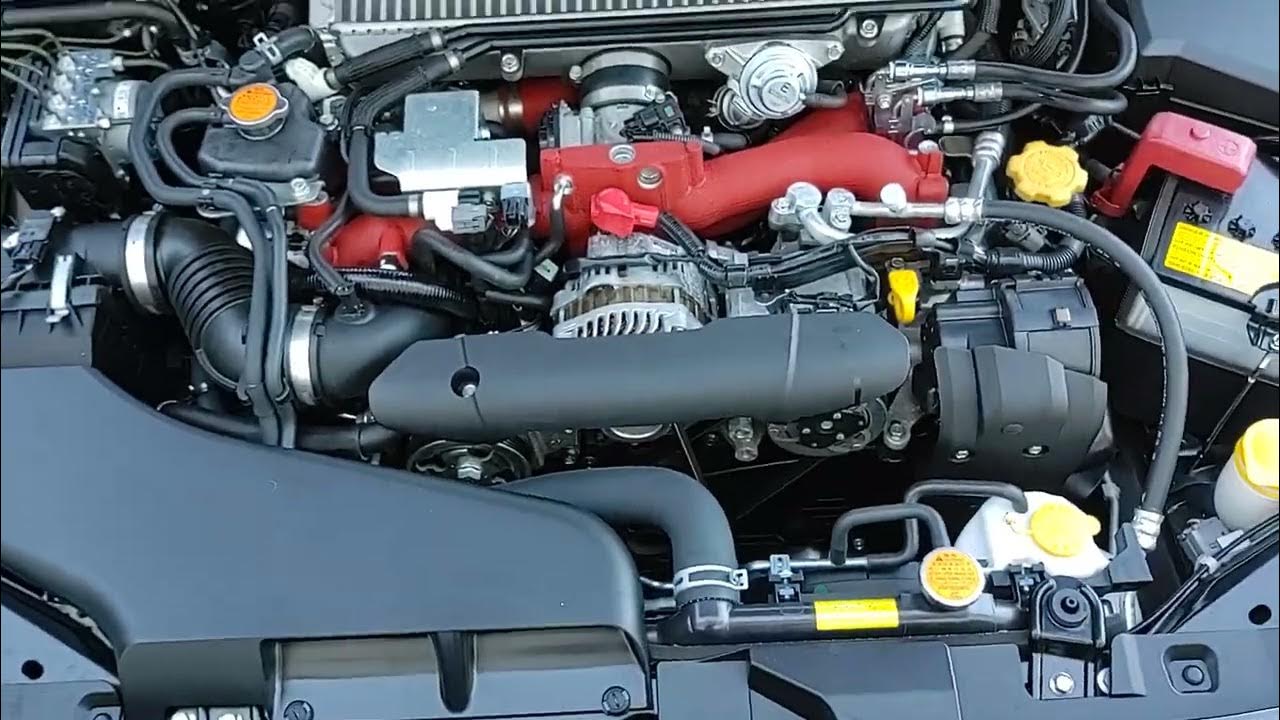
Owners often describe the EJ25 as “a ticking time bomb with boost.” With careful tuning and perfect maintenance, some survive but many don’t. It’s a shame, because the EJ25’s character is brilliant, but reliability simply doesn’t match the thrill.
2. Volkswagen EA888 Gen 1/2 (GTI and A4)
Volkswagen’s early EA888 engines, found in Mk5–Mk6 GTIs and Audi A4s, offered plenty of punch thanks to turbocharging and direct injection. Unfortunately, these same innovations led to major issues.
Carbon buildup on the intake valves, timing chain tensioner failures, and high oil consumption plagued owners.
Many engines failed under 100,000 miles, leading to expensive rebuilds. Later generations improved reliability dramatically, but early EA888s remain cautionary tales about pushing tech before perfecting it..
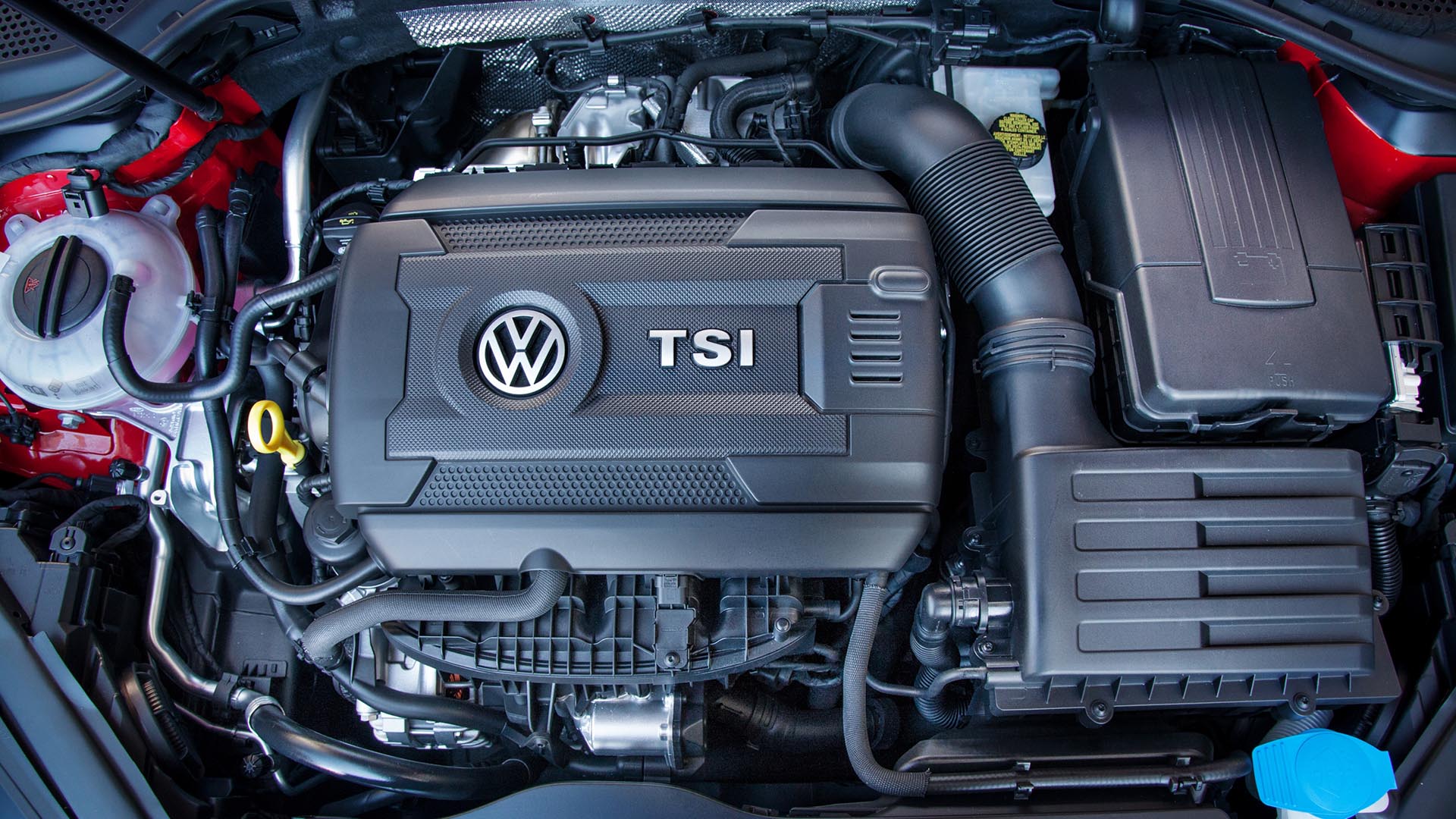
The 2.0 TSI engine, part of Volkswagen’s highly regarded EA888 family, has made a significant impact on the automotive industry since its debut. This turbocharged inline-four engine is known for striking a balance between performance and efficiency, making it a versatile choice across a wide range of vehicles within the Volkswagen Group.
With its robust design and advanced engineering, the 2.0 TSI has become a staple in modern Volkswagens, offering drivers a responsive and spirited driving experience without compromising fuel economy.
Its turbocharging technology delivers impressive torque at low RPMs, ensuring lively acceleration, while sophisticated transmission pairings, including dual-clutch automatic gearboxes, enhance smoothness and overall performance.
The versatility of the 2.0 TSI engine is evident in its use across multiple models. The Volkswagen Golf benefits from the engine’s sporty character, making it a favorite among enthusiasts.
In the Passat, the 2.0 TSI balances comfort and performance, making it suitable for both commuting and long-distance travel. The Tiguan leverages the engine’s torque for confident driving on varied terrains, while the Audi A3 combines the powerplant with premium refinement to deliver a luxurious yet spirited experience.
The SEAT Leon appeals to younger drivers with its combination of style and performance, and the Škoda Octavia adds excitement to an otherwise practical family sedan. This adaptability demonstrates the engine’s engineering prowess and underscores its reliability across different driving needs.
The Volkswagen EA888 2.0 TSI CYRC engine is an inline-four, turbocharged unit with a displacement of 1984 cc. It produces 220 horsepower at 4500–6000 RPM and 350 Nm of torque between 1500–4400 RPM. The engine uses direct fuel injection and runs on premium unleaded fuel with a 9.6:1 compression ratio.
A single twin-scroll turbocharger and a water-cooled system with an intercooler further enhance performance, while compliance with Euro 6 emissions standards ensures environmental responsibility.
The engine weighs approximately 150 kg and requires 5.5 liters of fully synthetic 5W-30 or 0W-40 oil, with recommended oil changes every 10,000 km or annually, whichever comes first, to maintain optimal performance and longevity.
Despite its strengths, the 2.0 TSI engine is not without issues. Some owners have reported excessive oil consumption, timing chain tensioner wear, carbon build-up on intake valves due to direct injection, water pump failures, high-pressure fuel pump problems, and occasional turbocharger issues stemming from oil starvation or contamination.
However, with regular maintenance, use of genuine Volkswagen parts, and prompt attention to any emerging problems, the engine can remain highly reliable. Its advanced design, efficient cooling, and robust turbocharging contribute to long-term durability, while a strong enthusiast community provides valuable support and resources.
In conclusion, the Volkswagen EA888 2.0 TSI engine is a well-engineered, high-performing, and versatile powerplant that has proven itself across multiple models. While it has some common issues, attentive maintenance and quality parts can ensure years of dependable service, making it a standout choice for drivers who want both power and efficiency in a modern engine.
3. BMW N63 (550i, 750i, X5 50i)
BMW’s twin-turbocharged N63 V8 was meant to combine luxury and performance, but it turned into one of the brand’s biggest headaches.
Used in numerous 5-Series, 7-Series, and X models, the N63 suffered from excessive oil consumption, valve stem seal issues, and overheating.
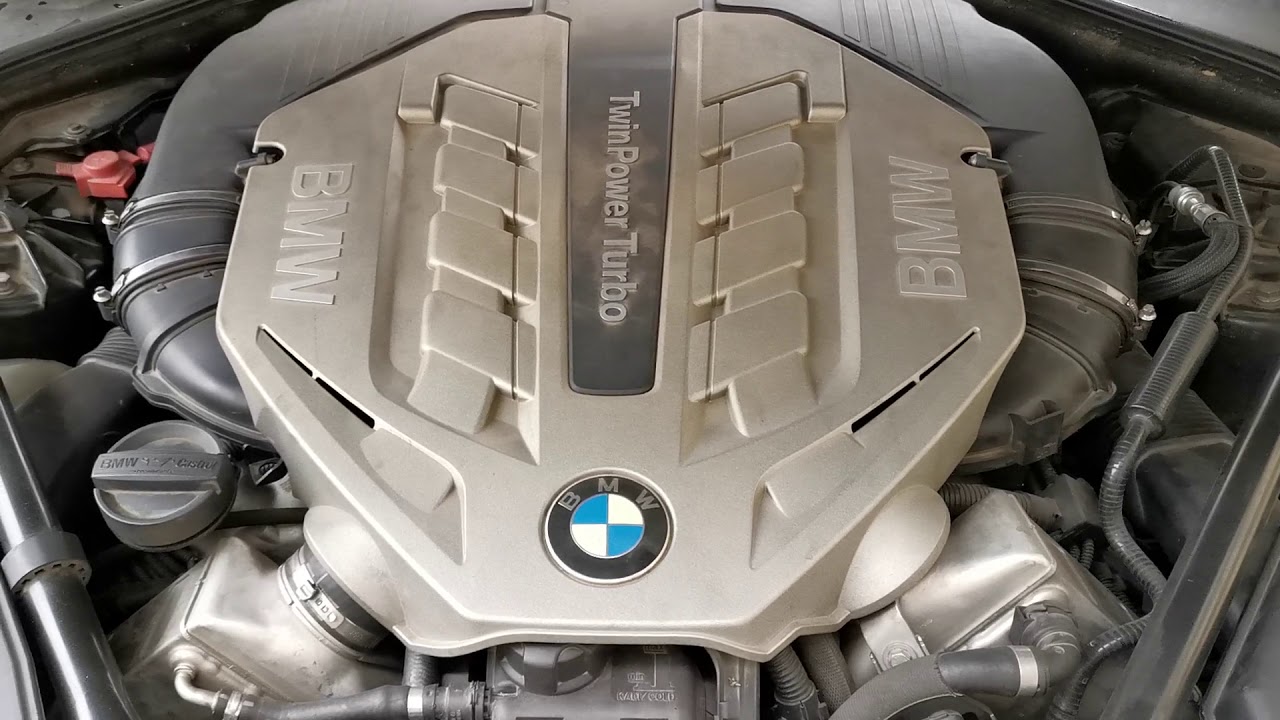
BMW even launched a “Customer Care Package” to address its widespread failures. Many owners faced engine replacements before hitting 80,000 miles.
Despite its silky smoothness and power, the N63 proved that complexity can often undermine long-term reliability. The BMW N63 engine is a twin-turbocharged V8 that powers some of the most luxurious and high-performance models in BMW’s lineup.
Introduced in 2008, the N63 has undergone multiple updates and revisions, debuting on the E71 X6 and F01 750i before expanding to the 5 Series, 6 Series, and current G05 X5, G06 X6, and G07 X7. It also finds its way into the BMW ALPINA B8 Gran Coupe and the 2022 Land Rover Range Rover L460 and L461.
Known for its impressive power, smooth performance, and refined exhaust note, the N63 has faced reliability issues that prompted BMW to launch the N63 Customer Loyalty Offer and Customer Appreciation Program in 2014.
Depending on the variant, the N63 produces between 402 and 523 horsepower and 443 to 553 lb-ft of torque, all while weighing approximately 503 lbs. One of its major strengths is power: the N63 delivers smooth, linear acceleration, allowing cars to hit 0–60 mph in under 5 seconds, aided by twin-scroll turbochargers that reduce lag and improve responsiveness.
Fuel efficiency is another highlight, with technologies like direct injection, variable valve timing, cylinder deactivation, and stop-start systems helping the large V8 achieve respectable mileage. Official EPA figures for the BMW 750i xDrive equipped with the N63tu engine rate fuel economy at 18 mpg combined, with 15/22 mpg city/highway. The engine also runs on regular unleaded fuel, unlike some competitors.
In addition to performance and efficiency, the N63 impresses with smooth operation and a refined exhaust note. Minimal vibration ensures a comfortable ride, while the deep, throaty rumble at higher revs matches the character of a turbocharged V8.
Despite these advantages, the N63 has notable drawbacks. Reliability is the most significant concern, particularly for early versions from 2008 to 2013, which suffered from high oil consumption, turbocharger failures, and valve stem seal leaks.
Later N63TU models addressed some issues, but problems like coolant leaks, carbon buildup, timing chain failures, and fuel injector issues persist. Repairs can be costly and complex, often requiring extensive labor and specialized tools.
The engine’s complexity also makes it sensitive to poor-quality fuel, oil, or coolant, which can accelerate wear or cause damage. Regular maintenance, including frequent oil changes, spark plug replacements, and coolant flushes, is essential to keeping the N63 running smoothly, but adds to its overall cost of ownership.
In summary, the BMW N63 engine offers exhilarating power, smoothness, and a signature turbocharged V8 sound, but these perks come with trade-offs in reliability, complexity, and maintenance costs. While it remains a thrilling engine for high-performance luxury vehicles, prospective owners should be aware of its potential issues and upkeep demands.
4. Mazda 13B Rotary (RX-7, RX-8)
The rotary engine is adored for its uniqueness, compact design, and high-revving excitement but it’s also a masterclass in short-lived brilliance. The 13B rotary, found in the RX-7 and later RX-8, delivers thrilling power delivery and a distinctive sound.
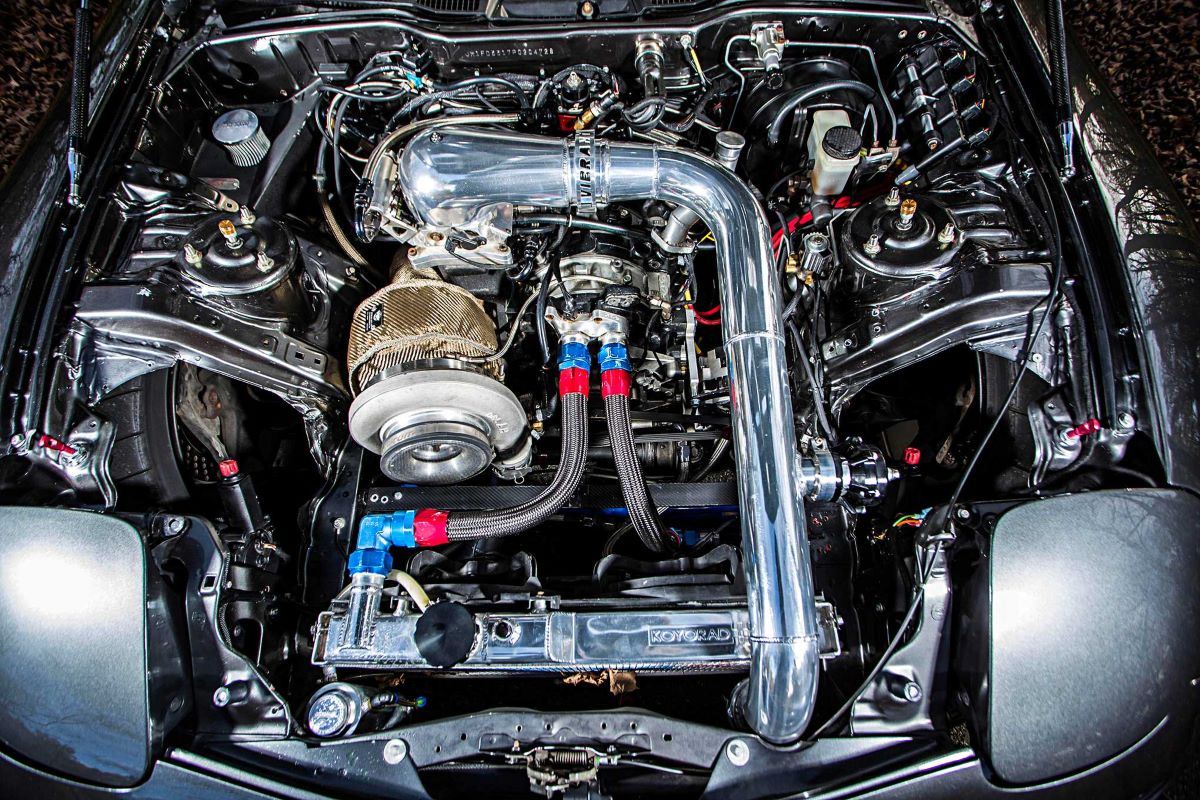
However, its apex seals crucial for compression wear out quickly, leading to catastrophic failure if neglected.
Rebuild intervals as short as 60,000 miles aren’t uncommon. For enthusiasts who love tinkering, the 13B is a gem, but for everyday drivers, it’s a mechanical gamble.
5. Ford EcoBoost 1.6L (Escape, Fiesta ST, Fusion)
Ford’s early 1.6L EcoBoost engine seemed like the perfect balance of turbocharged power and fuel economy. Unfortunately, the reality didn’t match the marketing.
These engines became notorious for coolant leaks, overheating, and in some cases, catastrophic fires. Class-action lawsuits followed, and Ford issued multiple recalls.
While later EcoBoost variants improved dramatically, the 1.6L version left a lasting scar on the brand’s reputation. For buyers seeking long-term thrills, this engine is one to avoid.
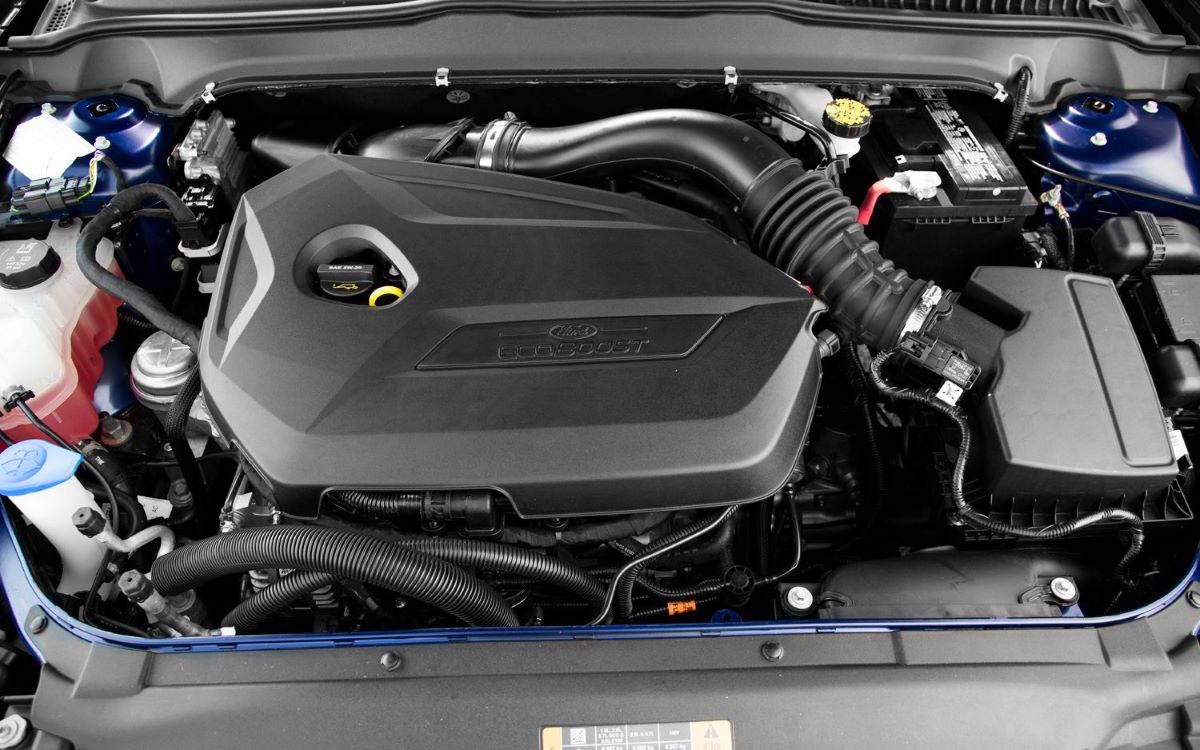
The Ford EcoBoost 1.6L engine has established itself as a standout choice in the compact car and small SUV segments. This turbocharged four-cylinder engine is engineered to deliver spirited performance while maintaining impressive fuel efficiency, striking a balance that appeals to drivers seeking both power and economy.
It’s not just about saving fuel; the 1.6L EcoBoost is designed to provide an engaging driving experience without breaking the bank.
The versatility of the 1.6L EcoBoost is evident in its wide range of applications across Ford’s lineup. In the Ford Focus, the engine enhances the compact car’s nimble handling and sporty feel, making it a favorite among enthusiasts. In the Ford C-Max, it provides a performance boost for the hybrid, particularly useful in urban driving.
The Ford Escape benefits from the engine’s power, making it equally capable on city streets and weekend adventures, while the Ford Fiesta’s zippy nature is amplified by the turbocharged engine, making it an ideal choice for city dwellers.
The Ford Kuga, known as the Escape in some markets, offers a spacious interior and, with the EcoBoost engine, delivers a satisfying combination of power and efficiency.
Engines that last are usually built with a focus on balance between performance, durability, and simplicity. Toyota’s 2JZ and Chevy’s LS3 prove that robust design and proven materials never go out of style.
On the other hand, motors like the Subaru EJ25 and BMW N63 show what happens when automakers chase innovation without long-term durability in mind.
For U.S. enthusiasts, the best engines are those that reward spirited driving without punishing ownership costs.
Whether you’re drawn to the timeless growl of a V8 or the precision of a high-revving four-cylinder, the lesson is clear: thrills mean little if your engine can’t survive them.
Choose wisely, maintain religiously, and you’ll enjoy years if not decades of reliable performance bliss.
