
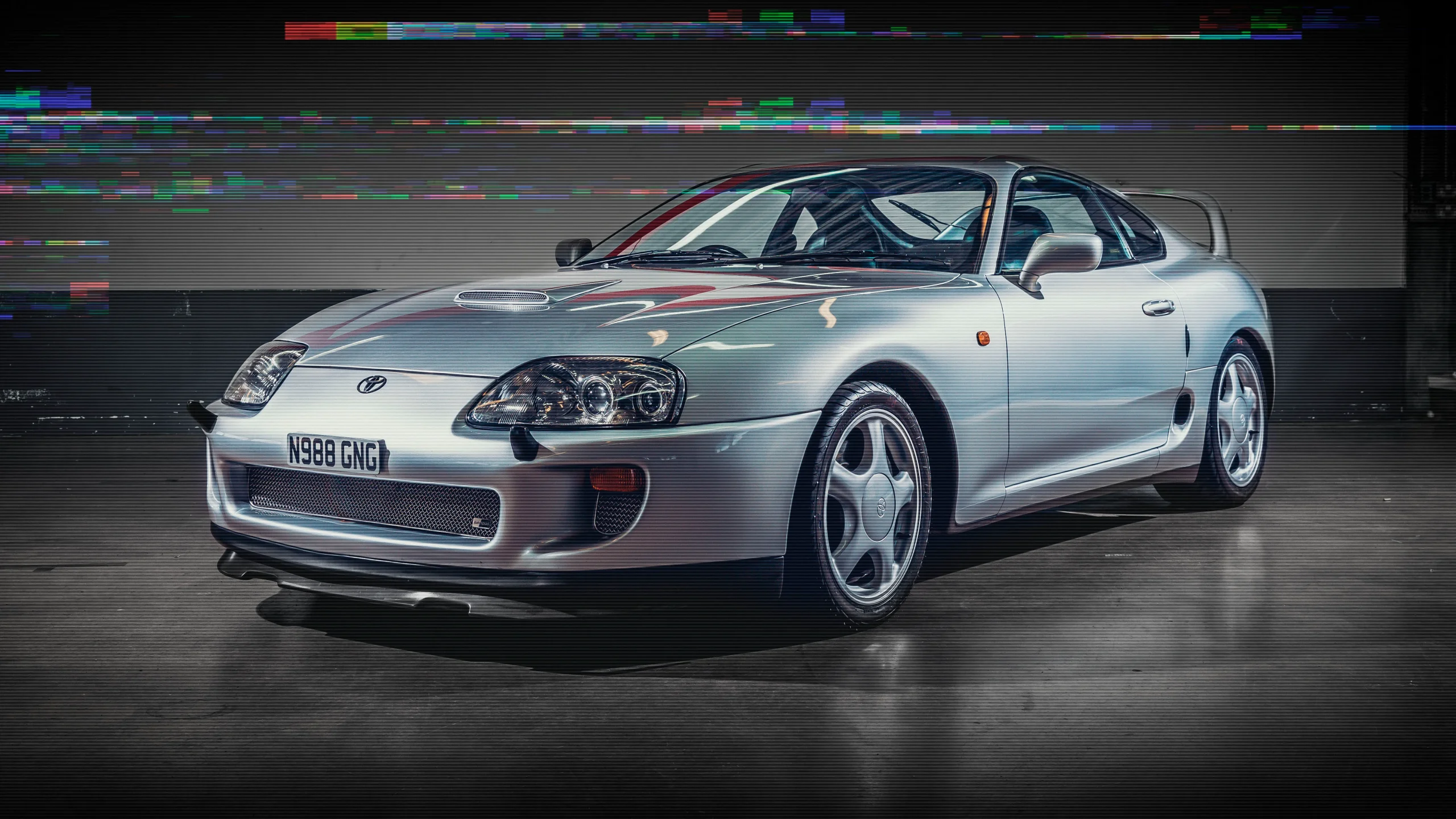
Japanese Domestic Market cars have always held this magical appeal that makes enthusiasts dream about owning a piece of automotive history that was originally meant only for Japanese roads. You see these vehicles in movies, video games, and social media posts, and something inside you says, “I need one of those.”
But here’s the reality check nobody wants to hear: some JDM legends are still smart investments in 2025, while others have become overpriced nostalgia trips that peaked years ago and are now sliding downhill faster than you can say “drift tax.”
Price speculation has turned the JDM market into a rollercoaster where yesterday’s affordable dream car becomes tomorrow’s six-figure museum piece. People who waited too long to buy Supras and GT-Rs now kick themselves daily, while others who jumped on every hyped JDM car are discovering their investments aren’t appreciating like they hoped.
Understanding which cars still have room to grow and which ones have already maxed out their value can mean the difference between making a smart purchase and throwing money at a depreciating asset.
Market dynamics in 2025 look completely different from five years ago. Import regulations have opened new vehicles to markets that couldn’t access them before, flooding supply and affecting values.
Younger buyers want different things than the generation that grew up watching Fast and Furious. Electric vehicle adoption threatens to make petrol-powered sports cars either more valuable as collectibles or worthless as outdated technology. Which direction will it go?
So which JDM cars still represent smart purchases in 2025, and which ones should you avoid because their peak is behind them? Let’s separate the investments from the money pits.
JDM Cars Worth Buying in 2025
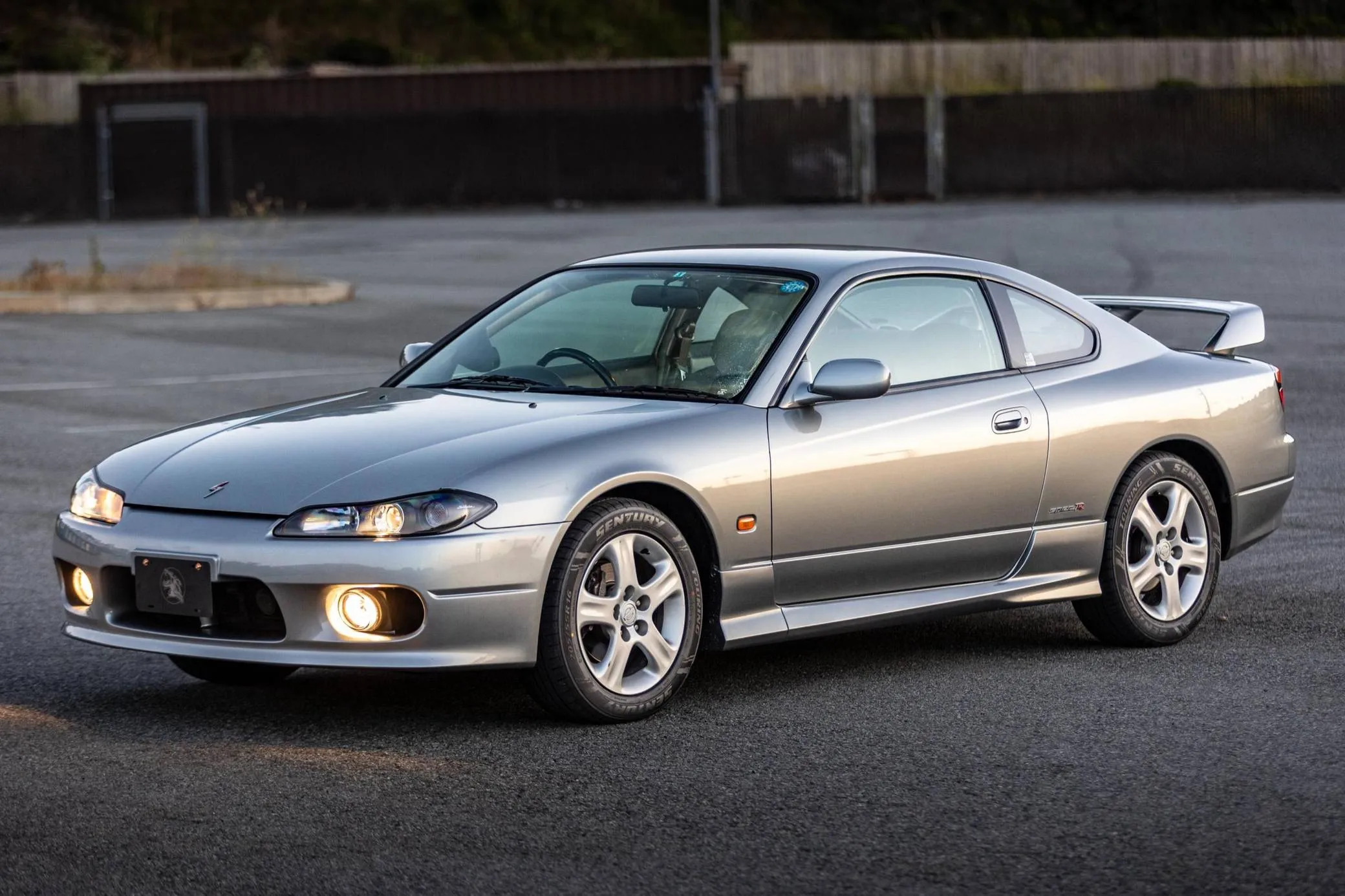
1. Nissan Silvia S15 Spec-R
Right now, while everyone obsesses over Skylines and Supras, the S15 Silvia sits at a sweet spot where prices haven’t gone completely insane yet. That SR20DET engine remains one of the best four-cylinder turbos ever built, delivering power that’s easy to modify while staying reliable with proper tuning.
Unlike engines that explode when you look at them wrong, the SR20 handles boost increases gracefully, making it perfect for enthusiasts wanting more power without constant mechanical drama. This engine’s aftermarket support means parts availability will stay strong for decades.
Chassis balance in the S15 represents peak Nissan engineering for affordable sports cars. That near-perfect weight distribution creates handling characteristics that make drivers feel like heroes even at moderate speeds.
Steering feedback communicates exactly what the front wheels are doing, allowing precise placement in corners. When cars handle this naturally without electronic nannies, driving becomes pure joy rather than a video game simulation. This analog driving experience becomes more valuable as newer cars bury drivers in electronic intervention.
Build quality in the S15 improved dramatically over previous Silvia generations. Interiors feel more solid, rust protection works better, and the entire construction quality has reached levels that earlier models never achieved.
Yes, these cars are now 20+ years old, but good examples still feel tight and well-assembled. Finding clean S15s requires patience because many have drifted into barriers, but survivors reward buyers with solid platforms that don’t need complete restoration.
Import eligibility in major markets has finally opened, bringing more S15s to buyers who couldn’t access them previously. This increased availability hasn’t crashed prices yet because demand stays strong from younger enthusiasts who missed out on earlier JDM trends.
As more people discover how good these cars are to drive, values should continue climbing steadily rather than exploding overnight. Getting in now means avoiding the insane prices that will come when Instagram discovers the S15 properly.
Modification potential keeps these cars relevant for modern performance needs. That basic platform accepts modern suspension, brakes, and power upgrades easily. Unlike cars with complicated electronic systems fighting modifications, the S15’s simpler approach welcomes improvements.
Builders can create truly custom machines that reflect their visions without battling incompatible computers. This modification-friendly nature ensures S15s stay desirable as tastes and performance expectations change.
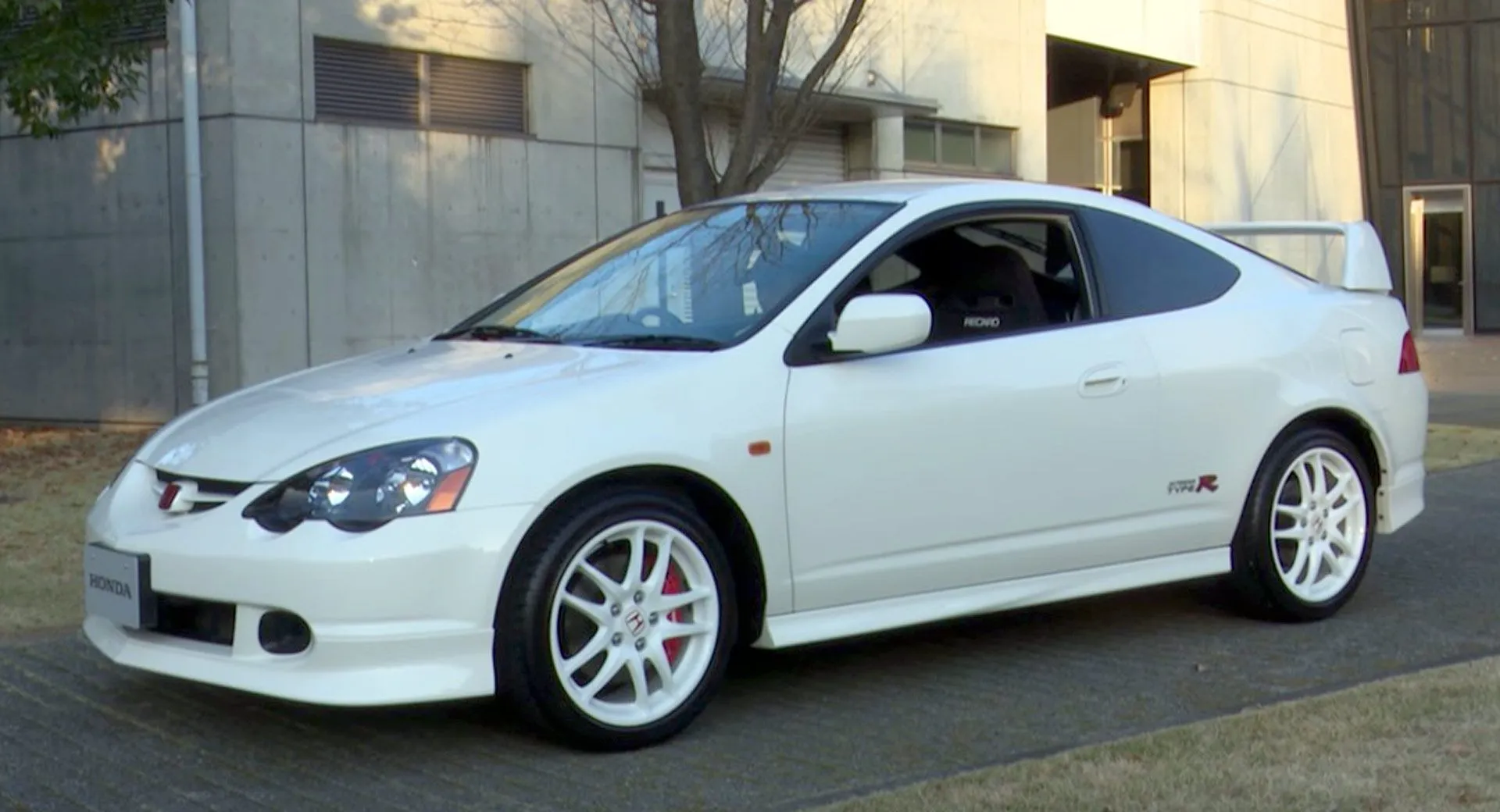
2. Honda Integra Type R DC5
Type R purity in the DC5 generation represents Honda’s last naturally aspirated VTEC masterpiece before turbocharging took over. That K20A engine revs to 8,400 rpm while delivering power in a linear, predictable manner that modern turbo engines can’t match.
When VTEC engages around 6,000 rpm, that sound and power delivery create experiences that justify the enthusiast obsession. Modern Honda performance cars with turbos go faster but feel sterile compared to this screaming naturally aspirated jewel.
Six-speed manual transmission in the DC5 Type R stands among the best Hondas ever built. Movement quality stays precise through aggressive driving, and the clutch feel provides perfect feedback. These transmissions handle power increases well, supporting modified engines without grenading like weaker Honda gearboxes.
When transmissions feel this good, driving becomes an interactive pleasure rather than an appliance operation. This mechanical excellence becomes rarer as automatics and dual-clutches replace proper manuals.
Limited-slip differential in the Type R transforms front-wheel-drive handling from boring to brilliant. That factory LSD puts power down effectively while maintaining cornering balance that shames all-wheel-drive systems weighing hundreds more kilograms.
Honda engineers understood how to make front-drive work properly, creating handling characteristics that modern hot hatches with their torque-vectoring gimmicks still can’t match. Pure mechanical engineering beats electronic band-aids every time.
Production numbers stayed low enough that DC5 Type Rs retain exclusivity without becoming unobtainable. Finding good examples requires patience, but they exist at prices that won’t destroy bank accounts yet.
As people recognize this generation as Honda’s last true Type R masterpiece, values will climb steadily. Buying now means getting in before the market fully realizes what’s being lost as Honda abandons naturally aspirated engines and lightweight philosophies.
Parts availability through Honda and aftermarket suppliers keeps these cars practical for daily use and track duty. Unlike rare exotics requiring impossible-to-find components, Type R parts remain accessible at reasonable prices.
This part’s support means owners can maintain these cars properly without bankruptcy fears. Long-term ownership viability matters enormously for enthusiast vehicles that should be driven rather than stored.
Also Read: 12 Reliable Cars That Save You Thousands in Maintenance
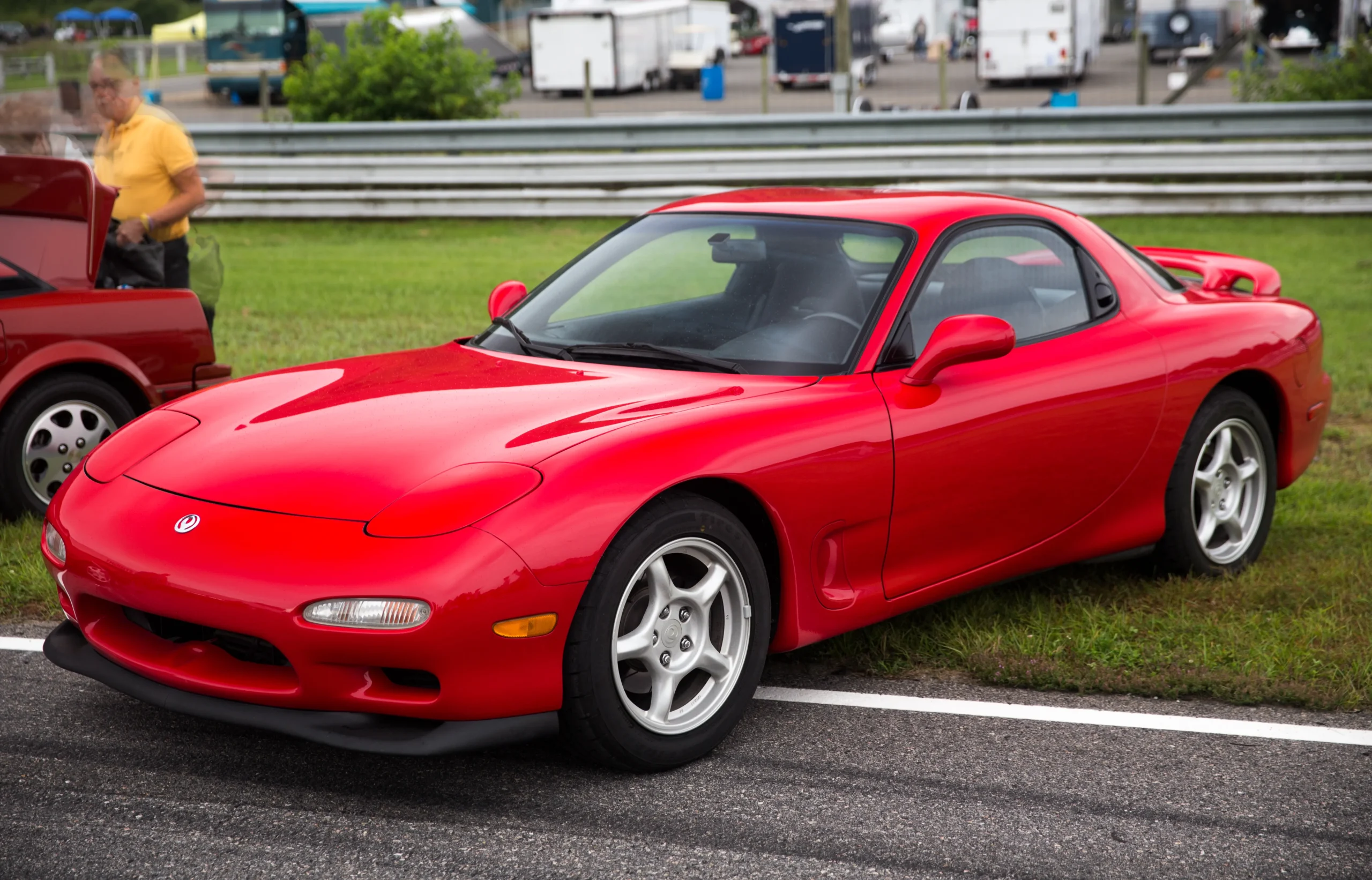
3. Mazda RX-7 FD3S (Late Production)
Late production FD3S models from 1999-2002 benefited from Mazda fixing earlier problems that plagued the rotary platform. Improved cooling systems, stronger apex seals, and better oil metering addressed the reliability concerns that made early FDs maintenance nightmares.
While rotaries still require more attention than piston engines, late FDs reward proper care with reasonable reliability. Finding these later models means getting Mazda’s final refinements before RX-7 production ended.
The sequential twin-turbo system delivers power delivery that feels magical when working properly. That transition from small turbo to both turbos happens smoothly, creating acceleration that builds progressively rather than arriving in surges.
Yes, these turbo systems need maintenance and occasional rebuilds, but when functioning correctly, they provide experiences that modern single-turbo setups can’t match. This unique character creates emotional connections, justifying the extra maintenance requirements.
Chassis dynamics in the FD represent some of the best handling ever engineered into production cars. That 50/50 weight distribution combines with low mass and fantastic suspension geometry to create cornering abilities that embarrass much newer sports cars.
When cars handle this naturally, driving becomes an art form rather than a point-and-squirt tedium. Modern sports cars are faster but less rewarding to drive because they rely on electronics rather than pure physics.
Import availability has opened FD3S cars to markets that couldn’t access them previously. This increased supply hasn’t crashed values because demand stays strong from enthusiasts who appreciate what rotary RX-7s represent.
As internal combustion engines face uncertain futures, properly maintained FD3S examples will become increasingly valuable as the last Mazda rotary sports car. Getting clean examples now prevents paying insane prices later when collectors realize what’s been lost.
Aftermarket support for FD3S platforms remains strong through dedicated rotary specialists and performance companies. Engine rebuilds, upgraded turbos, and improved cooling systems are all readily available from shops that understand rotaries.
This specialist support network keeps FDs viable for enthusiast ownership rather than becoming garage art. When parts and knowledge exist to maintain special cars, they stay on roads rather than becoming museum pieces.
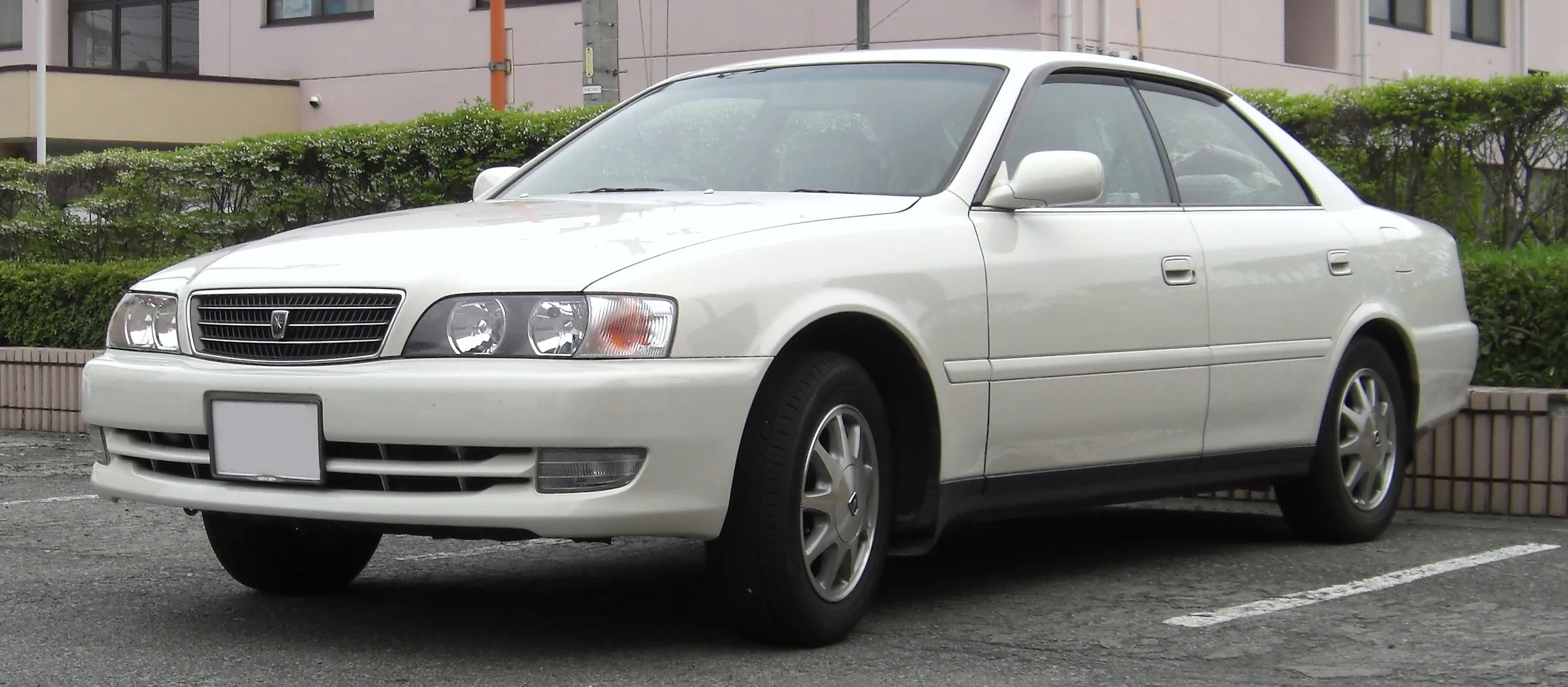
4. Toyota Chaser JZX100
Four-door sleeper appeal makes the JZX100 Chaser perfect for enthusiasts wanting performance without sports car attention. That 1JZ-GTE engine delivers serious power in bone-stock form while accepting modifications that can reach insane outputs.
When naturally robust engines handle big turbo upgrades without extensive internal work, modification becomes affordable rather than bankrupting. This tunability, combined with sedan practicality, creates unique packages that sports cars can’t match.
Rear-wheel-drive layout in a practical sedan body creates driving experiences that most four-door sedans simply can’t provide. Balanced handling lets drivers enjoy spirited driving while still hauling passengers and cargo comfortably.
When sedans drive like sports cars but serve daily transportation needs, compromises disappear. This dual-purpose capability makes Chasers smarter purchases than single-purpose sports cars sitting in garages most of the time.
Build quality in the JZX100 generation exceeded earlier Chasers with better materials and improved assembly. Interiors feel premium rather than cheap, and rust protection works adequately for Japanese climate conditions.
Finding clean examples requires careful inspection because many have drifted hard, but good ones still exist at prices that won’t destroy budgets. As people discover how great these sedans are, values will climb before reaching stratospheric levels.
Aftermarket support through drift culture keeps parts readily available and knowledge widespread. Any shop familiar with Supras can work on Chasers because they share engines and many components.
This part’s availability and mechanic familiarity mean ownership doesn’t require finding rare specialists charging premium rates. When cars remain practical to maintain and modify, they stay relevant rather than becoming expensive paperweights.
Cultural cool factor grows as younger enthusiasts discover Chasers through social media and car culture. That JDM sedan aesthetic appeals to buyers wanting something different from typical sports cars.
As these cars gain popularity in markets outside Japan, demand will increase while supply stays limited. Getting in now means buying before prices follow Supras into six-figure territory, preserving opportunity for enthusiast ownership rather than investor speculation.
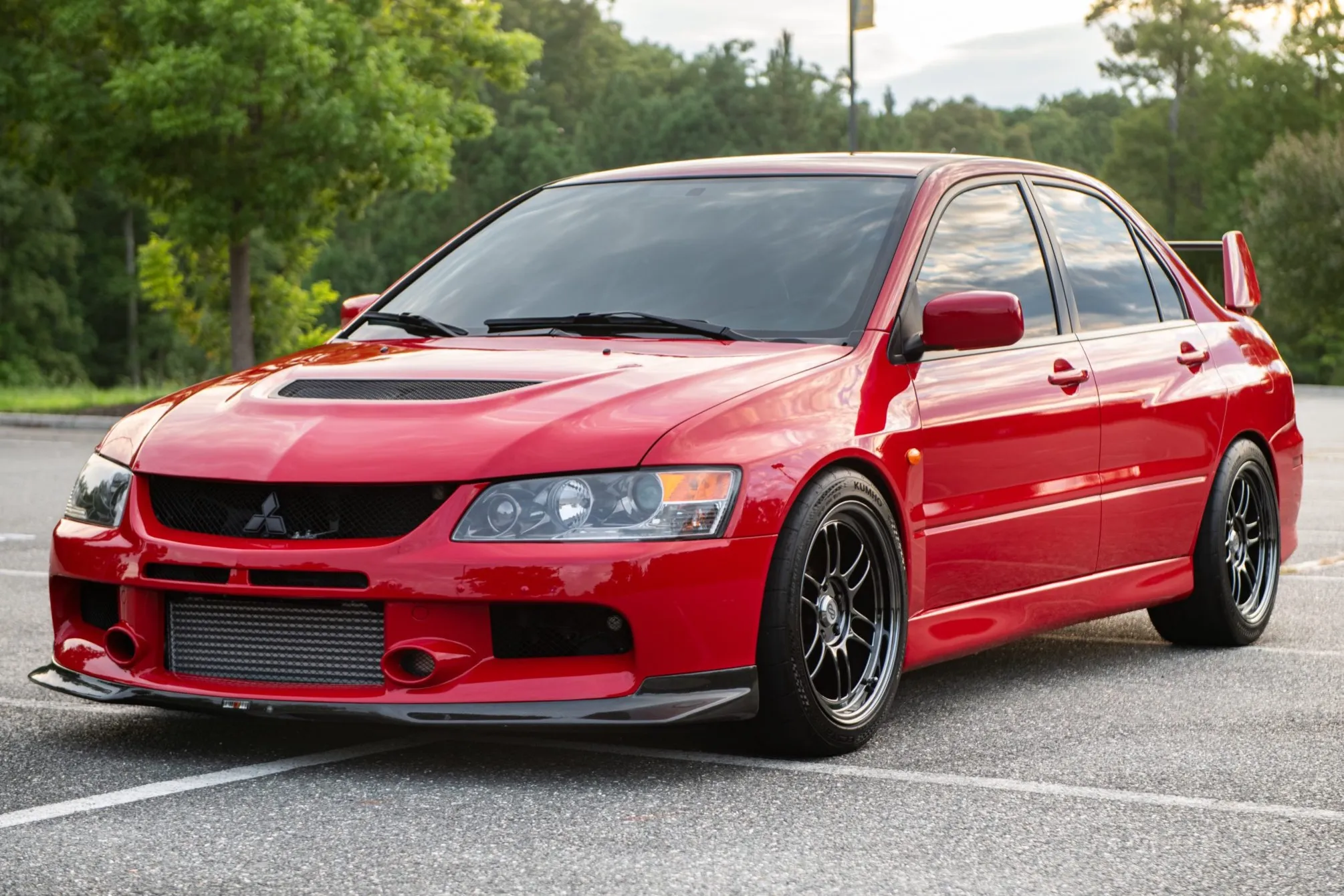
5. Mitsubishi Lancer Evolution IX
The final naturally aspirated Evolution represents Mitsubishi’s last true rally-bred monster before corporate compromises watered down the formula. That 4G63 engine in Evo IX form delivers peak development of one of the greatest turbo four-cylinders ever built.
Decades of rally engineering created engines that handle serious abuse while staying reliable with proper maintenance. Finding this level of proven performance in modern turbocharged engines becomes impossible as manufacturers prioritize efficiency over durability.
All-wheel-drive system in the Evo IX represents active yaw control at its finest. That ability to rotate the car mid-corner through torque vectoring creates handling characteristics that feel almost supernatural.
When AWD systems work this intelligently without heavy complications, performance benefits become obvious. Modern AWD systems try to match Evo capabilities but add hundreds of extra kilograms doing it, destroying the lightweight philosophy that made Evos special.
Six-speed manual transmission moves precisely while handling power levels far beyond stock outputs. Modified Evos making double factory power still use these transmissions reliably when built properly.
This strength allows modification potential that modern dual-clutches can’t match without expensive upgrades. When transmissions handle power gracefully, building serious performance becomes achievable rather than requiring complete drivetrain replacements.
Limited production numbers compared to earlier Evos mean IX models stay relatively rare. Finding clean examples requires patience because many have been modified heavily or tracked aggressively.
Good survivors command premium prices already, but haven’t reached the insane levels that will come as people recognize the IX as the last true Evolution. Buying now means getting final chances at reasonable prices before collector markets price out enthusiast buyers.
Tuning culture around 4G63 engines means endless knowledge and parts availability for building serious power. Any competent tuner understands these engines intimately because they’ve been modifying them for decades.
This deep knowledge pool keeps Evos viable for modern performance builds rather than becoming obsolete classics nobody can work on properly. When cars remain relevant in performance circles, values stay strong through enthusiast demand rather than collector speculation alone.
JDM Cars That Peaked Already
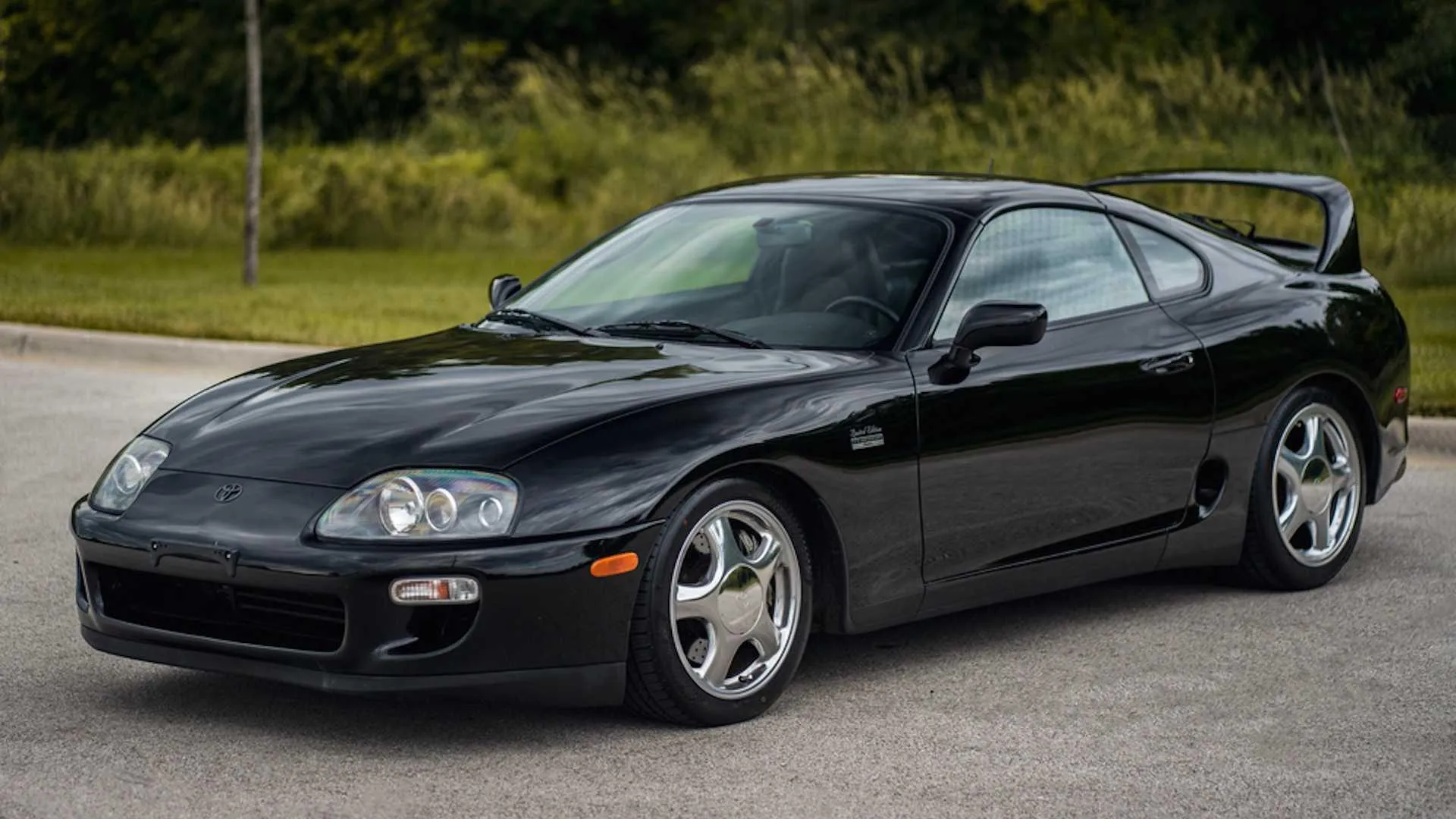
1. Toyota Supra A80 MkIV Turbo
Six-figure pricing has pushed A80 Supras beyond what reasonable enthusiasts can afford. Speculation and celebrity purchases drove values to levels where these cars became investments rather than drivers.
When Supras cost more than houses in many markets, they stop being enthusiast cars and become garage art. This price explosion means the peak has passed, and buyers paying current prices face limited appreciation potential while taking on massive financial risk.
2JZ-GTE engine reputation drove much of the value increase, but that fame also inflated prices beyond reason. Yes, these engines handle massive power reliably, but so do many other platforms costing fractions of Supra prices.
Paying $150,000 for 2JZ ownership when you could build equally fast cars for $50,000 makes zero financial sense. When emotional purchases override logic, bubbles form and eventually burst, leaving late buyers holding depreciating assets.
Movie fame turned Supras into cultural icons that transcended automotive enthusiasm. Fast and Furious created demand from people who want the image without understanding or caring about the car itself.
This celebrity-driven speculation always ends badly when trends change and casual buyers move to the next hot thing. Smart enthusiasts recognize when cars become investment vehicles rather than driving machines and stay away.
Supply constraints from import limits created artificial scarcity that drove prices higher. Now that the 25-year rule has opened all production years to the US markets, supply increases while demand from serious buyers has been satisfied.
New supply meeting reduced demand creates perfect conditions for value declines. Buyers paying peak prices discovered their “investments” aren’t appreciating because everybody who wanted Supras already bought them years ago.
Alternative options exist that provide similar or better performance for fractions of the Supra costs. Modern sports cars deliver more power, better handling, and superior technology while costing less than used Supras.
When new cars outperform classics at lower prices, emotional appeal alone can’t sustain values. Supras will always have fans, but prices have nowhere to go but down from current stratospheric levels.
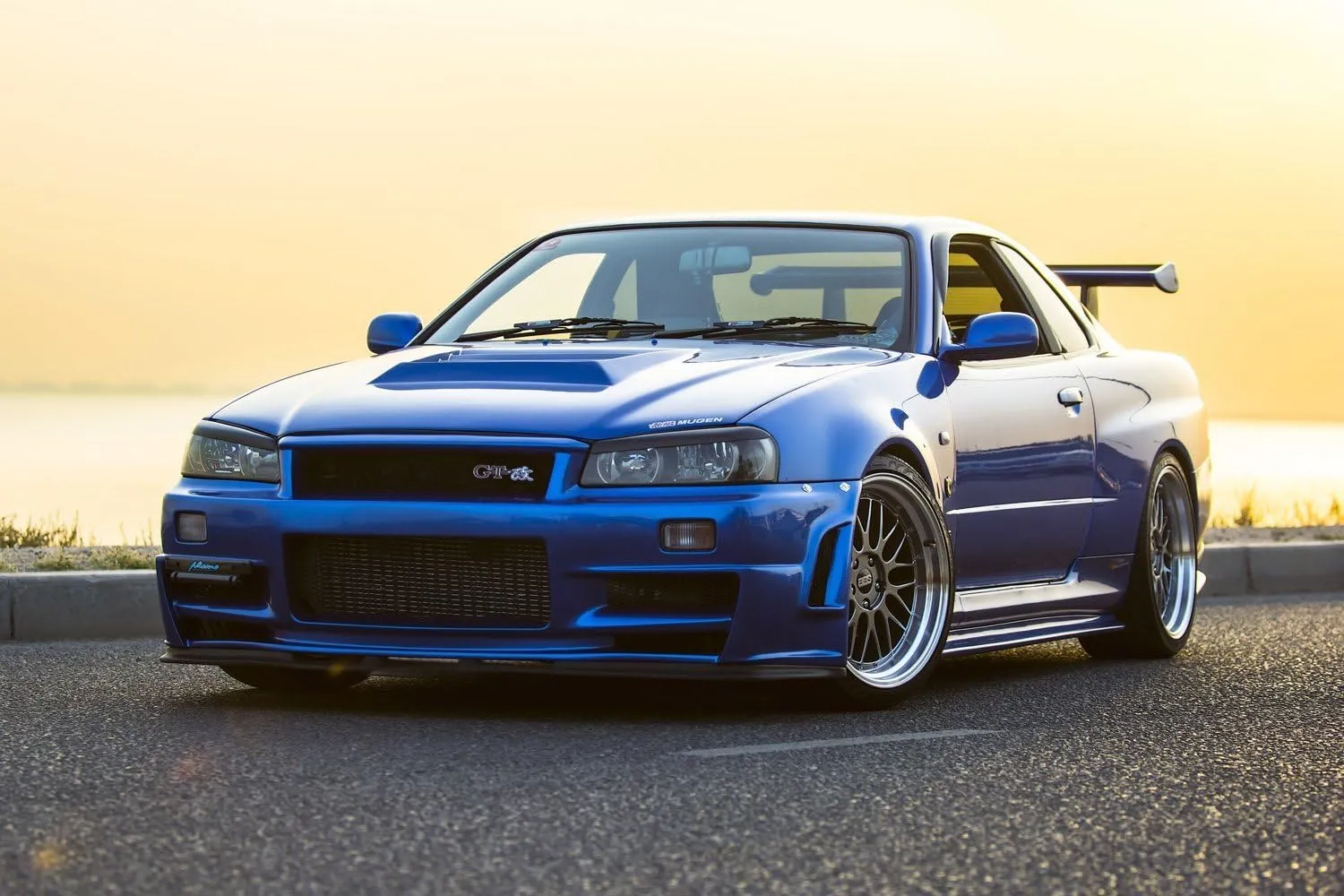
2. Nissan Skyline GT-R R34
R34 values exploded beyond sustainability, driven by video game fame and import scarcity. Current asking prices exceed $200,000 for clean examples, pricing that makes zero sense for 25-year-old Nissans.
Yes, these cars perform brilliantly, but performance alone doesn’t justify costs exceeding exotic supercars. When hype drives prices beyond reason, corrections become inevitable, leaving late buyers with assets that depreciate rather than appreciate.
RB26DETT engine reputation justified early value increases, but current prices assume these engines are made from unobtanium. Reality check: plenty of modern engines match or exceed RB26 capabilities while costing fractions of R34 prices to own and maintain.
Paying quarter million for RB26 ownership when you could build faster cars for $80,000 represents pure emotion defeating logic. Smart money recognizes when prices disconnect from reality. Gran Turismo and Fast and Furious fame created demand from casual buyers who wanted the image without understanding what they were buying.
This celebrity-driven speculation peaked when import eligibility allowed US buyers to finally purchase R34s legally. Pent-up demand got satisfied immediately, leaving nobody willing to pay even higher prices. When demand gets exhausted, prices stagnate or decline regardless of how legendary the cars are.
V-Spec II and Nür models reached truly insane prices that make rational people question humanity’s sanity. Paying over $500,000 for a special edition Nissan that was just an option package on a standard GT-R defies any reasonable valuation method.
These ultra-special editions peaked first and have started declining as reality sets in that no car is worth these amounts. Buyers who paid peak prices now own depreciating assets they overpaid for dramatically.
Modern performance alternatives demolish R34 performance while costing fractions of used GT-R prices. New sports cars deliver better acceleration, handling, braking, and technology while offering warranties and dealer support.
When you can buy new Corvettes or Camaros that destroy R34s on track for $80,000, paying triple for 25-year-old Nissans makes zero sense. Emotional purchases eventually meet financial reality, and that meeting is happening now.
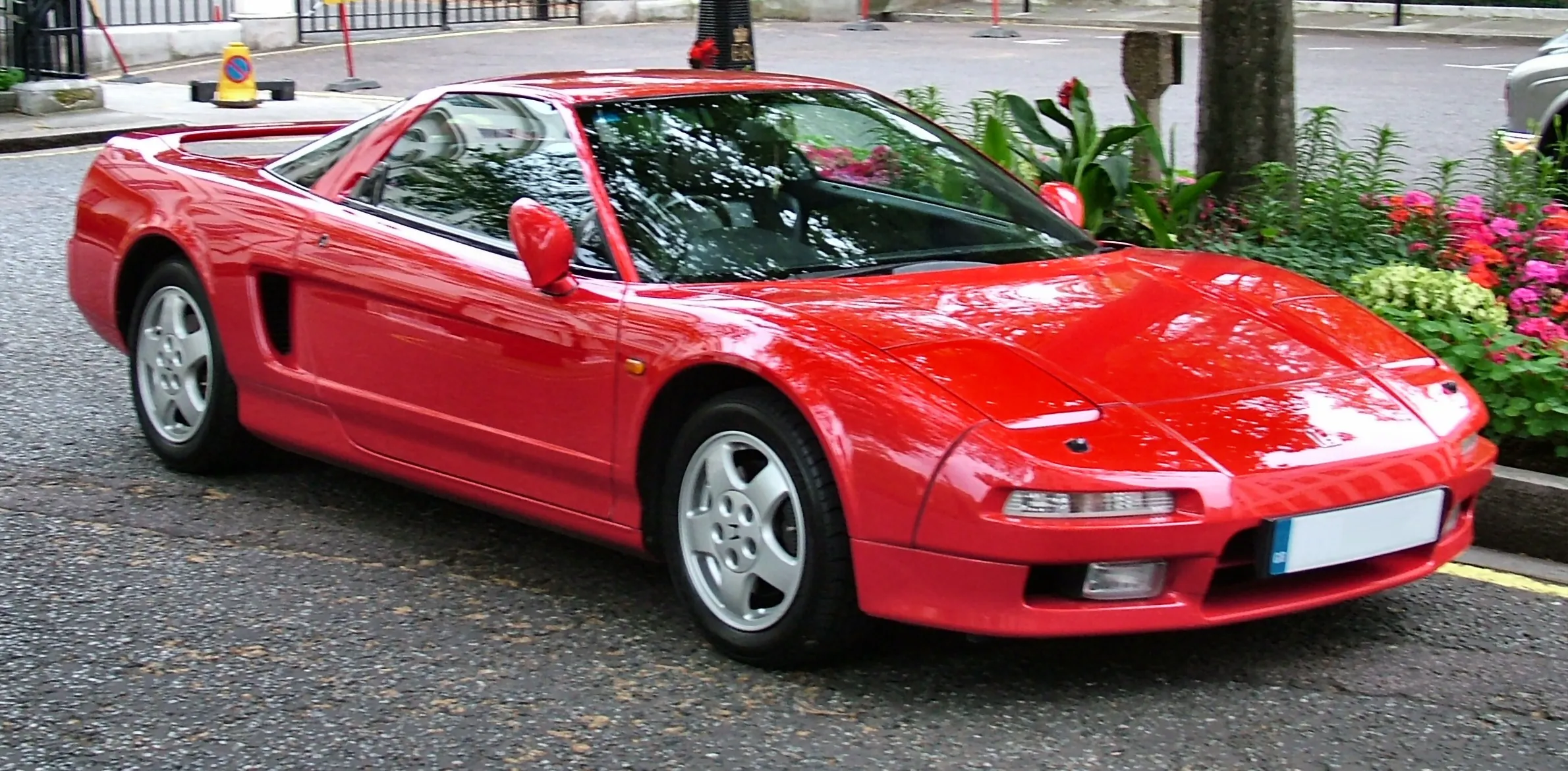
3. Honda NSX NA1/NA2
First-generation NSX prices peaked when people realized these cars represented Honda’s supercar moment. Values climbed steadily through the 2010s as enthusiasts recognized NSX quality and importance.
Now prices have stabilized at levels where further appreciation seems unlikely. Clean examples command $100,000 to $150,000, prices that feel appropriate but offer limited upside potential. When values stabilize, cars stop being investments and become expensive toys.
Competition from modern mid-engine sports cars hurts NSX’s value proposition. New C8 Corvettes deliver better performance for half the NSX price while offering modern technology and reliability.
When new cars outperform classics at lower costs, only die-hard enthusiasts justify older vehicles. This competition limits NSX’s appreciation potential because rational buyers choose better value alternatives rather than paying premiums for nostalgia.
Manual transmission cars reached peak values first because they’re rarer and more desirable. Automatics never gained the same traction and probably never will. Now that manual values have plateaued, future appreciation requires new buyer demographics that don’t currently exist. When supply meets demand at current prices, further growth requires either new buyers emerging or existing supply shrinking dramatically. Neither seems likely soon.
Maintenance costs on ageing NSXs create ownership challenges that limit buyer pools. Finding mechanics who can work on these mid-engine Hondas properly requires effort, and parts costs have increased as vehicles age.
When ownership becomes expensive and complicated, buyer interest shrinks to hardcore enthusiasts rather than casual buyers, driving speculation. This reduced demand caps value growth regardless of how special these cars are.
Newer NSX production confused the market and diluted brand identity. When Honda brought back the NSX name on a hybrid supercar that nobody really wanted, it complicated the first-generation car’s positioning.
Are these classic collectibles or outdated vehicles superseded by modern versions? This identity confusion prevents clear value trajectories, leaving first-generation NSXs in limbo where values stay stable but growth seems unlikely.
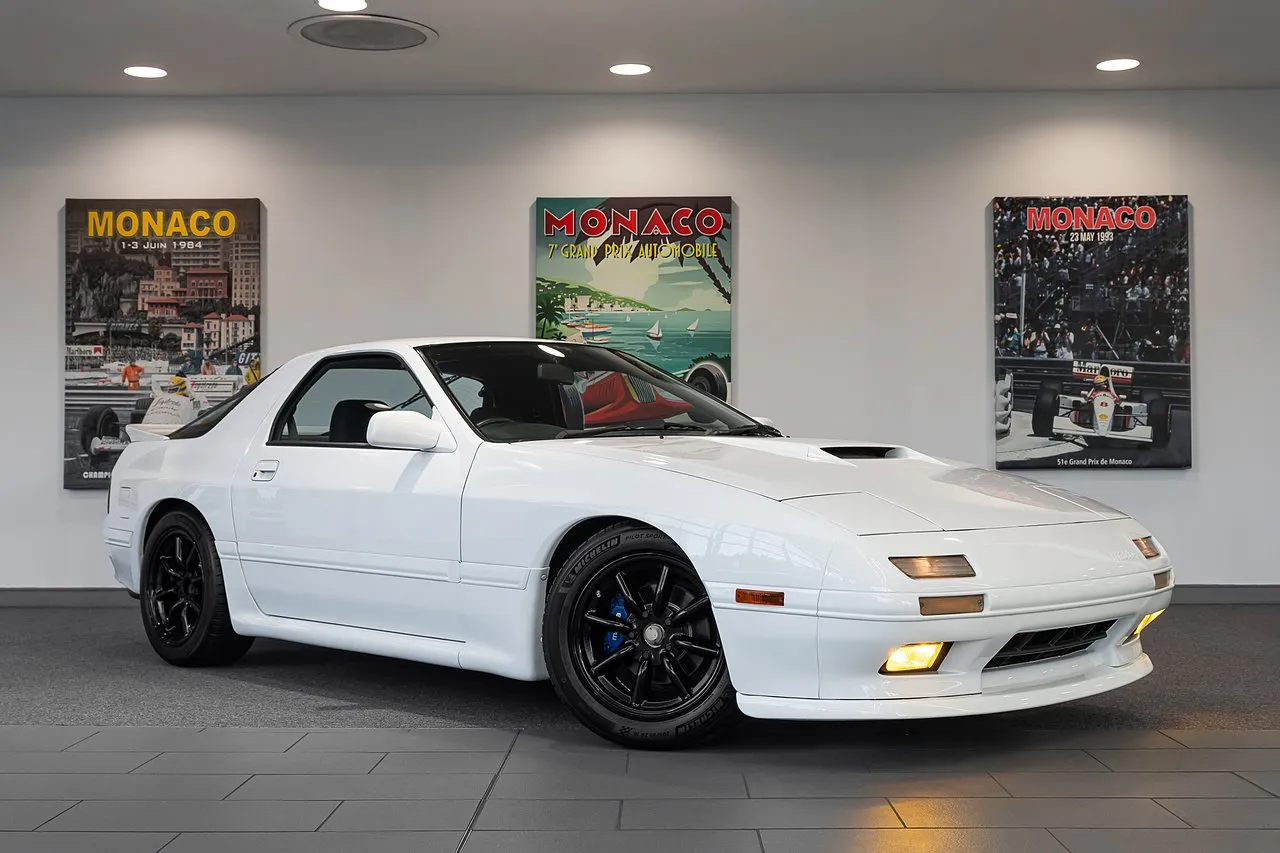
4. Mazda RX-7 FC3S
FC generation RX-7s peaked in value as people realized they weren’t rare or special enough to command high prices. These cars represent transitional models between first-generation SA/FB cars and legendary FD models.
Being stuck in the middle means FC cars never achieved the icon status needed for serious appreciation. Current values reflect their position as nice sports cars but not investment-grade collectibles.
Turbo II models climbed higher but plateaued as people discovered maintenance realities. Rotary engines need more care than piston alternatives, and FC turbos add complication that increases ownership costs.
When cars require huge maintenance investments just to stay running, buyer pools shrink to dedicated enthusiasts. This limited demand prevents value growth beyond current levels, where dedicated buyers meet asking prices but casual buyers stay away.
Rust problems plagued FC cars worse than earlier or later RX-7s. Finding clean examples requires extensive searching, and many survivors have had rust repair that affects values. When major portions of production have rotted away or been repaired poorly, remaining clean cars should theoretically gain value.
Reality shows this hasn’t happened because demand simply doesn’t exist at higher prices. Supply and demand must both exist for values to climb. FD shadow looms over FC values because later cars are so much better. When choosing between FC and FD RX-7s, most enthusiasts save extra money for FD cars rather than settling for FC models.
This preference gap limits FC appreciation because buyers view them as stepping stones to better cars rather than destination purchases. When cars serve as placeholders, values stay suppressed.
Parts availability issues grow as FC cars age without strong enthusiast communities supporting them. Unlike FD models with dedicated rotary specialists and strong aftermarket support, FC cars exist in limbo where parts get harder to find, but demand doesn’t justify reproduction.
This part’s scarcity creates ownership challenges that depress values by making cars harder to maintain. When maintenance becomes difficult, buyer interest evaporates regardless of how fun cars are to drive.
Also Read: 12 Cars That Win Generational Loyalty Over The Years
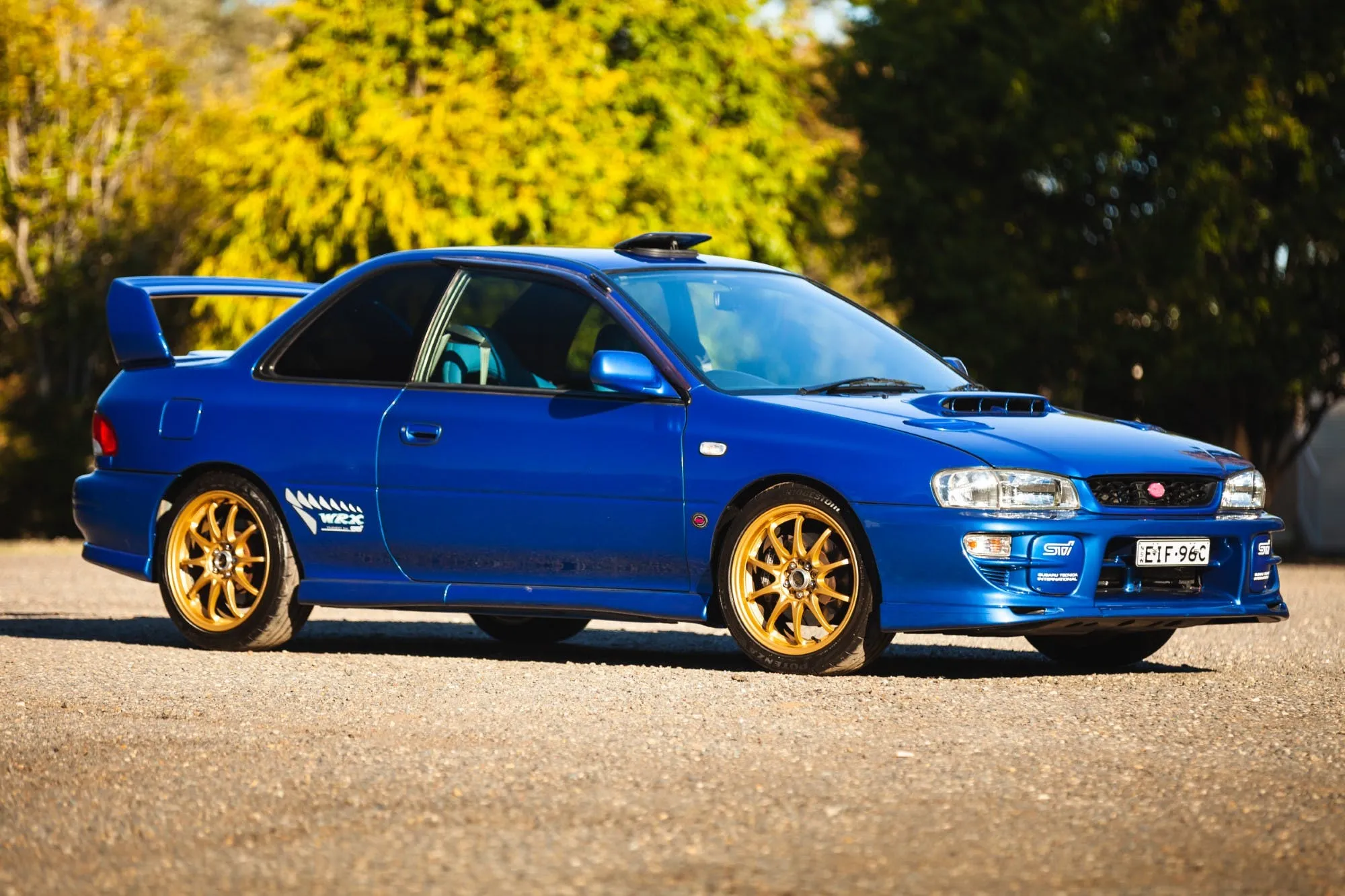
5. Subaru Impreza WRX STI GC8
First-generation WRX STI values climbed through the 2010s as rally heritage gained recognition. Clean examples commanded premiums as people recognized these cars as rally legends. Now, values have plateaued as supply meets demand at current price levels.
Clean GC8 STIs cost $40,000 to $60,000, prices that feel appropriate but offer limited growth potential. When markets reach equilibrium, appreciation stalls regardless of how legendary cars are.
Rust destroyed huge percentages of GC8 production, particularly in markets using road salt. Japanese climate combined with performance use meant many cars developed serious structural rust by their teens.
This reduced supply should theoretically drive values higher, but it hasn’t happened because demand at higher prices simply doesn’t exist. When buyers won’t pay more regardless of scarcity, values plateau.
Newer STI generations offer better performance and a newer age at lower prices. When you can buy cleaner, faster, more refined VA or GV STIs for similar or less money, buying GC8s becomes a purely emotional decision.
Rational buyers choose newer cars offering better value, limiting GC8 demand to hardcore enthusiasts and collectors. This narrow buyer pool prevents value growth beyond current levels where those buyers exist.
Modification culture hurt GC8 values because finding stock examples became nearly impossible. Most surviving cars have been modified heavily, often poorly, destroying their collectible status.
Clean stock examples command premiums but aren’t common enough to support broad market growth. When most examples are modified, collector interest stays limited because serious collectors want original cars.
Rally heritage alone can’t support continued value growth when newer alternatives exist. Yes, GC8s represent WRX origins and Colin McRae’s legendary drives. But nostalgia has limits, especially when better cars cost less money.
Values have reached levels where rally history is properly recognized and appreciated. Further growth requires new demand sources that don’t currently exist in sufficient numbers to drive prices higher.
