
Luxury sedans have long been the gold standard for refinement, technology, and ride comfort. Yet when they enter the used market, their true worth becomes more complex.
Some models retain their prestige, craftsmanship, and dependability for years, while others lose their charm quickly, weighed down by expensive repairs, electronic issues, or depreciation that’s too steep to justify ownership.
The used luxury market is a delicate balance between finding timeless engineering and avoiding mechanical headaches disguised under a glossy badge.
For buyers looking to experience premium comfort and driving satisfaction without paying the price of a brand-new luxury car, certain models stand out as smart used buys.
These are the sedans that continue to feel tight, modern, and composed, even after years on the road. Their engines age gracefully, their interiors hold up, and their features remain relevant. They’re reminders that luxury done right never truly fades.
On the other side of the spectrum are sedans that promise more than they deliver once the new-car smell fades.
Some suffer from complex electronics that age poorly, others have costly air suspension or transmission issues, and a few simply fail to live up to their brand’s legacy once miles accumulate. These models might tempt with a low used price but quickly become financial pitfalls.
This article compares both types of luxury sedans: five that continue to shine even when bought used and five that fail to justify their badge when their warranty expires. Each example highlights what makes a luxury car worth keeping long-term or worth skipping altogether.
Also Read: 5 Cars That Feel Expensive Inside vs 5 That Look Cheap Quickly
5 Luxury Sedans Worth Owning Used
Buying a luxury sedan used can be one of the most rewarding car decisions a person can make if the right vehicle is chosen. These cars were once the pinnacle of craftsmanship and innovation, designed to impress when new and built to last when cared for properly.
While depreciation may drop their price, it rarely diminishes their refinement or comfort. The challenge lies in finding models that age gracefully, combining reliable performance, durable interiors, and technology that still feels functional today.
Some luxury sedans continue to perform with a sense of poise and precision even after years of use. Their engines remain smooth, their transmissions predictable, and their cabins free from rattles or electronic frustration.
These vehicles prove that premium engineering stands the test of time when executed correctly. From their soft-touch materials to their precise handling, the right used luxury car delivers a driving experience far beyond most new mid-range options.
This section highlights five luxury sedans that remain smart choices on the used market. They offer an excellent mix of reliability, timeless design, and low maintenance risks compared to their competitors.
These aren’t just budget-friendly ways to enter the luxury segment they’re enduring examples of intelligent engineering and thoughtful design.
Whether for long-distance cruising or daily commuting, these sedans make ownership satisfying year after year, offering comfort, prestige, and confidence without the anxiety of modern repair bills.
Below are five examples of luxury sedans that deliver true value long after leaving the showroom.
1. Lexus GS (2013–2020)
The Lexus GS stands as a symbol of what refined engineering and thoughtful design can achieve. Even years after production ended, this sedan continues to offer one of the best ownership experiences in the used luxury segment.
Powered by smooth and dependable V6 or V8 engines, the GS combines performance with legendary reliability something few European rivals can match.
The interior quality remains impressive, with durable materials that age gracefully and an ergonomic layout that avoids excessive complexity. Unlike many luxury sedans packed with glitch-prone electronics, the GS keeps its systems intuitive and robust.
Owners frequently report minimal long-term maintenance issues, making it a rare luxury car that feels solid even after 100,000 miles.
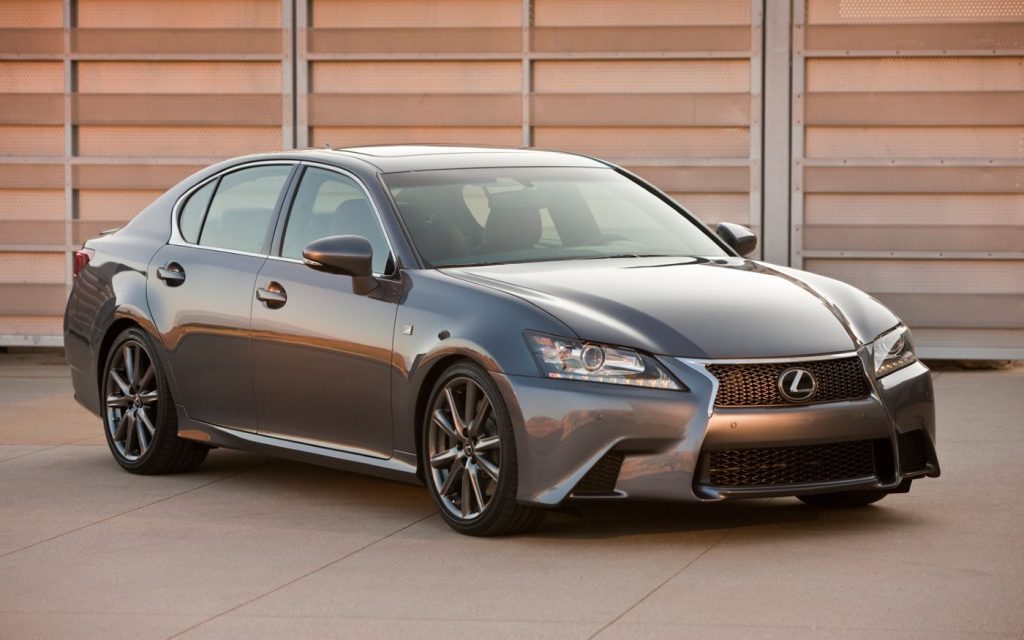
Driving dynamics are another strength. The GS delivers confident handling and composed ride comfort, striking the perfect balance between sportiness and refinement.
The F Sport variant adds sharper suspension tuning and aesthetic upgrades without sacrificing comfort. Even the hybrid GS 450h continues to deliver impressive fuel economy without compromising smoothness.
This sedan represents everything that makes Lexus ownership appealing: low operating costs, timeless styling, and dependability that rivals mainstream brands. For anyone seeking a used luxury sedan that still feels relevant and worry-free, the GS remains a top recommendation.
2. Audi A6 (2016–2020)
The Audi A6 demonstrates how precision and sophistication can coexist in a used luxury car. Its design is understated yet modern, aging far better than many of its flashier competitors.
Beneath the surface, it offers one of the most balanced powertrain options of its era, from the 2.0-liter turbocharged four-cylinder to the 3.0-liter V6 that blends performance and efficiency effortlessly.
Inside, the A6 exudes quiet confidence. Its cabin design focuses on quality textures, tight fitment, and intuitive ergonomics rather than gimmicks.
The MMI infotainment system, though not the latest version, remains functional and reliable. The seats are supportive for long drives, and the cabin insulation provides a serene environment, especially when cruising at highway speeds.
Audi’s Quattro all-wheel-drive system gives the A6 excellent traction and composure, making it dependable in varying weather conditions. The suspension setup balances agility and comfort beautifully, ensuring a polished ride whether on twisty backroads or urban streets.
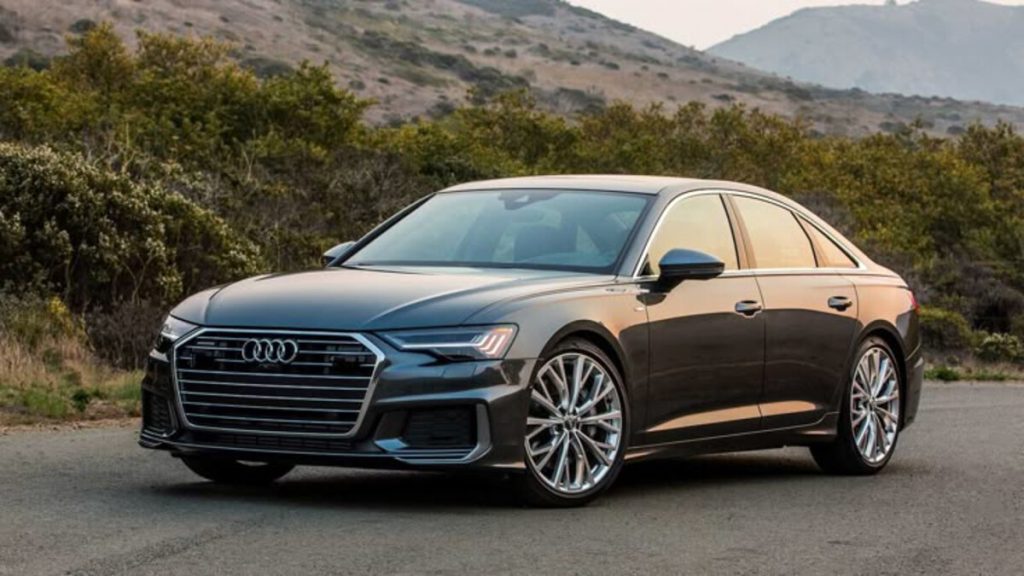
What truly sets the A6 apart in the used market is its sense of durability and refinement. When properly maintained, it retains its tightness and sophistication for years.
While maintenance can be higher than a Lexus, it rewards owners with one of the most complete driving experiences in its class. For buyers seeking German luxury that ages with grace, the A6 remains one of the best used options available.
3. BMW 5 Series (2014–2019)
The BMW 5 Series has long been the benchmark for midsize luxury sedans, and the F10 generation (2014–2019) continues that reputation even as a used purchase.
It delivers a blend of comfort, precision, and performance that few cars in its segment can match. Despite its age, it still feels contemporary thanks to its clean design and engaging driving character.
Under the hood, buyers can choose from a variety of engines from the smooth 528i turbo four-cylinder to the muscular 550i V8. The inline-six engines, however, remain the sweet spot, offering seamless power delivery and long-term reliability when properly maintained.
The 5 Series’ eight-speed automatic transmission is exceptionally well-tuned, shifting with quick precision and adapting intelligently to different driving styles.
Inside, the 5 Series delivers what one expects from a true luxury sedan: plush materials, excellent seating support, and a cabin that remains hushed even at highway speeds. The iDrive infotainment system of this era is user-friendly, with physical controls complementing the digital display a balance that newer systems often lack.
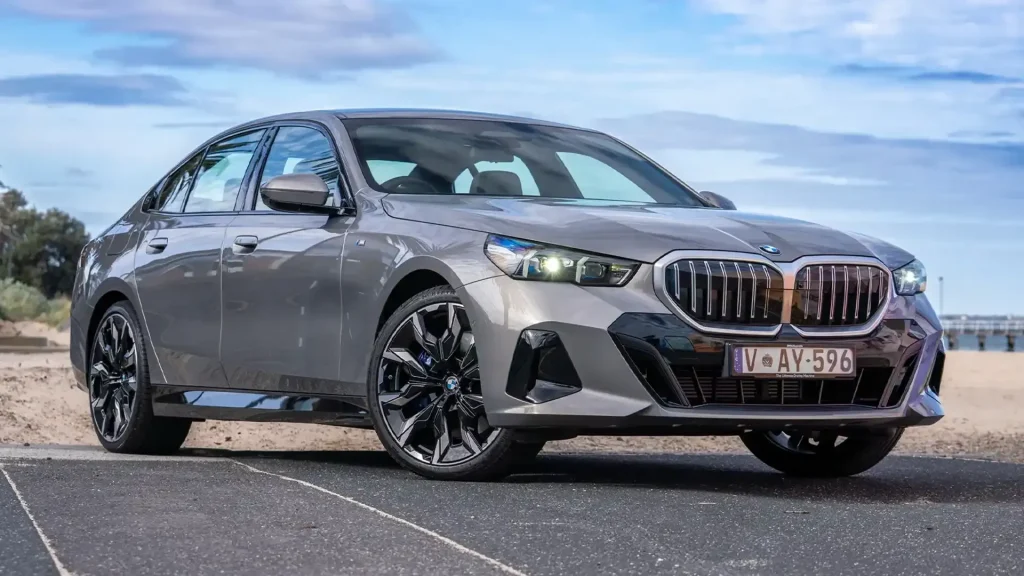
While maintenance costs can be higher than those of Japanese competitors, a well-kept 5 Series rewards with one of the most satisfying driving experiences available for under half its original price.
Its steering feel, chassis balance, and understated elegance make it a standout used luxury sedan for enthusiasts and commuters alike. The 5 Series continues to embody the core BMW values that made the brand legendary precision, engagement, and everyday usability.
4. Acura RLX (2014–2020)
The Acura RLX may have flown under the radar during its production years, but it represents one of the most intelligent used luxury sedan purchases today. Built with Honda’s renowned reliability and precision, it combines advanced engineering with understated luxury, appealing to those who value substance over showmanship.
The RLX’s 3.5-liter V6 engine delivers smooth and confident acceleration, aided by Acura’s Precision All-Wheel Steer or the later Sport Hybrid SH-AWD system, depending on trim. The hybrid model, in particular, offers remarkable balance combining V6 power with electric torque for a surprisingly responsive and fuel-efficient experience.
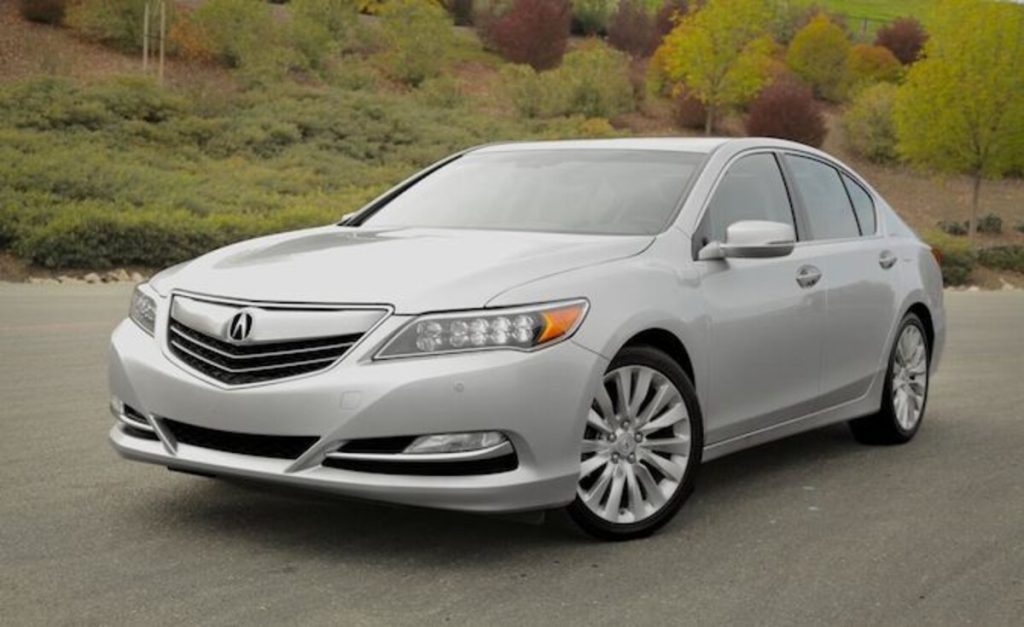
Inside, the RLX exudes quiet sophistication rather than flash. The materials are durable, the seating is supremely comfortable, and the cabin remains free from squeaks or rattles even after years of use. Its dual-screen infotainment setup may not be the most intuitive, but its reliability and simplicity in function make it easy to live with over time.
What truly sets the RLX apart is its longevity and driving comfort. Few used luxury sedans can match its combination of reliability, value, and refinement.
It’s ideal for those who want Lexus-like dependability but prefer a sharper, more dynamic edge. Though it never captured the spotlight when new, time has revealed the RLX to be one of the smartest used luxury buys available today.
5. Volvo S90 (2017–2021)
The Volvo S90 stands as one of the most graceful and well-rounded luxury sedans you can buy used today. When it debuted, it redefined Volvo’s design identity clean, elegant, and refreshingly minimal. Now, as a used option, it offers a rare blend of serenity, safety, and Scandinavian craftsmanship at a fraction of its original cost.
Under the hood, the S90 came with a range of engines, including turbocharged and supercharged variants of the 2.0-liter four-cylinder. The T6 model, in particular, provides brisk acceleration without compromising refinement, while the T8 plug-in hybrid adds impressive torque and efficiency.
Despite its power, the S90 emphasizes calmness over aggression. It’s designed for long drives, gliding effortlessly with adaptive suspension that absorbs road imperfections and maintains composure on uneven terrain.
Step inside, and the S90 immediately feels like a sanctuary. The materials open-pore wood, soft Nappa leather, and brushed aluminium exude a sense of craftsmanship missing from many competitors.
The seats, arguably among the best in the business, support perfectly on extended drives. The vertical infotainment screen is intuitive, resembling a smartphone in layout, while the minimal dashboard design enhances the sense of tranquility.
Safety, of course, remains a Volvo hallmark. Features such as Pilot Assist, adaptive cruise control, and collision avoidance were standard or widely available, ensuring the S90 feels as secure as it does refined.
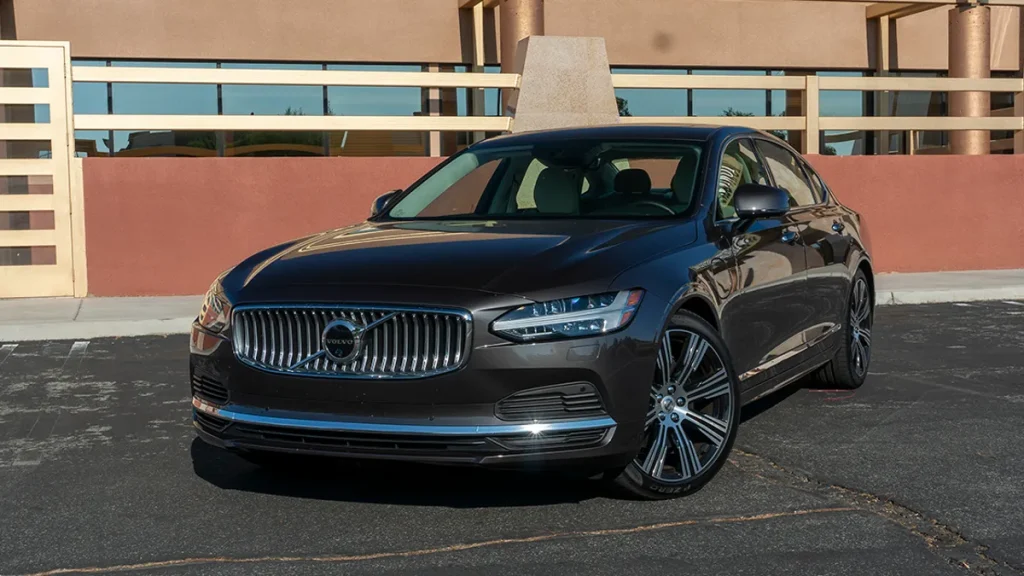
The depreciation it suffered when new makes it an incredible bargain now, particularly when compared to German rivals that cost far more to maintain.
The S90 isn’t about chasing performance numbers or ostentatious styling it’s about comfort, confidence, and quiet luxury. For buyers seeking a modern, reliable, and beautifully constructed sedan with character and calmness, the Volvo S90 remains one of the most rewarding used luxury purchases available.
5 Luxury Sedans That Aren’t Worth Owning Used
Luxury sedans often represent the pinnacle of engineering, comfort, and prestige at least when they’re new. But the reality of the used car market tells a different story. Not every luxury vehicle maintains its shine once the warranty expires.
High repair costs, complex electronics, unreliable drivetrains, and excessive depreciation can quickly turn a glamorous purchase into a source of frustration. Some sedans that once graced glossy magazine covers now struggle to justify their upkeep, leaving owners with expensive repair bills and fading satisfaction.
This section focuses on those luxury sedans that lose their appeal over time. These are cars that, despite their initial promise, fail to deliver long-term value or dependability once they enter the used market.
Whether it’s a notorious transmission issue, electrical gremlins, or the cost of parts that rival small mortgage payments, these models remind us that prestige doesn’t always equal practicality.
The purpose of writing about these specific sedans is to help prospective used buyers avoid costly mistakes. Too often, buyers are lured by badges and low resale prices, only to find that maintenance costs quickly outweigh any initial savings. Some cars depreciate for a reason owners learn the hard way that they’re unreliable or prohibitively expensive to repair.
Highlighting these models isn’t about criticizing luxury brands but about providing a realistic picture of ownership after the showroom shine fades.
The sedans discussed here have reputations for inconsistent reliability, complicated technology, or disappointing driving experiences once they age. They serve as reminders that true luxury should last, not just impress for a few years.
Here are five luxury sedans that, despite their prestige and performance when new, are best avoided on the used market if long-term satisfaction and manageable ownership costs are the goal.
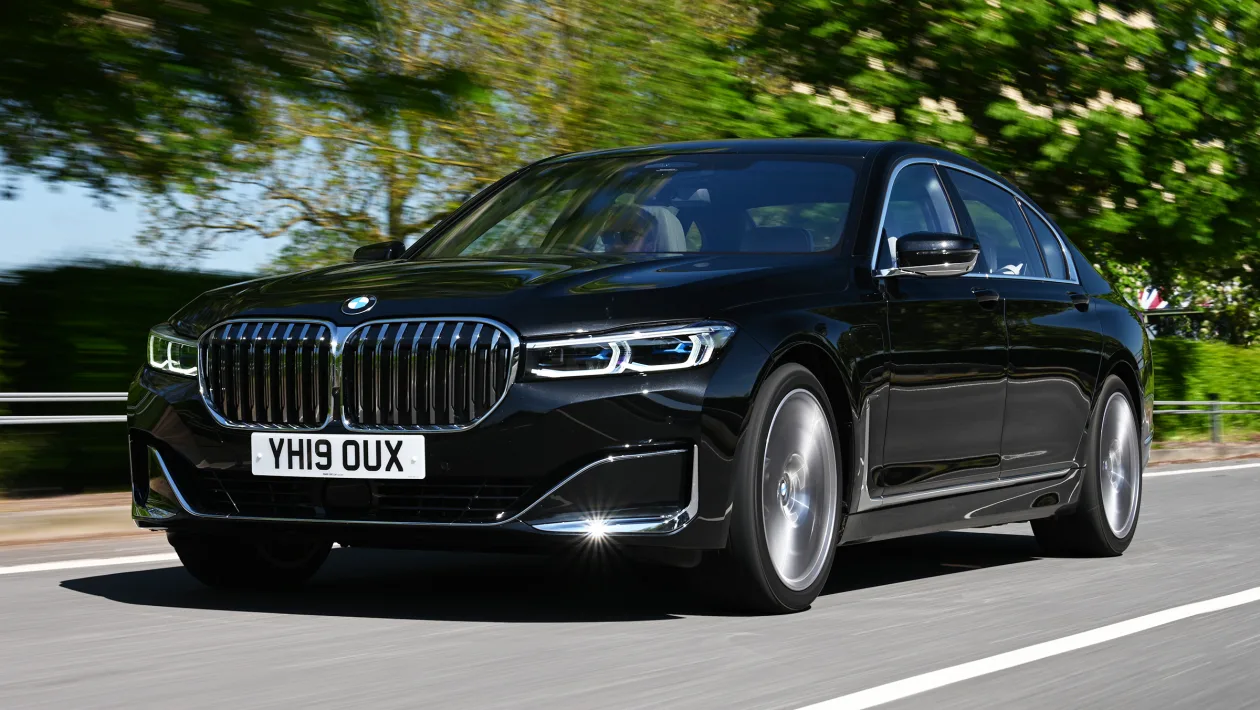
1. BMW 7 Series (G11/G12, 2016–2022)
The BMW 7 Series was once the benchmark for full-size luxury sedans, offering advanced technology, effortless performance, and a level of interior refinement that made rivals take notice.
But on the used market, this car’s appeal fades quickly. The G11/G12 generation, while impressive when new, has gained a reputation for punishing ownership costs and unpredictable reliability as it ages.
The complexity of its engineering is both its strength and weakness. From the air suspension to the active steering and intricate electronic systems, nearly every major component is costly to repair.
Owners report issues with adaptive dampers, oil leaks, turbocharger failures, and malfunctioning infotainment systems problems that can easily run into thousands of dollars. What makes things worse is that many of these issues arise around 60,000–80,000 miles, precisely when warranty coverage ends.
This generation of the 7 Series also suffers from heavy depreciation, meaning used examples seem like a bargain initially. However, low resale prices mask the reality that even routine maintenance like brake jobs, cooling system repairs, and suspension work can drain budgets quickly.
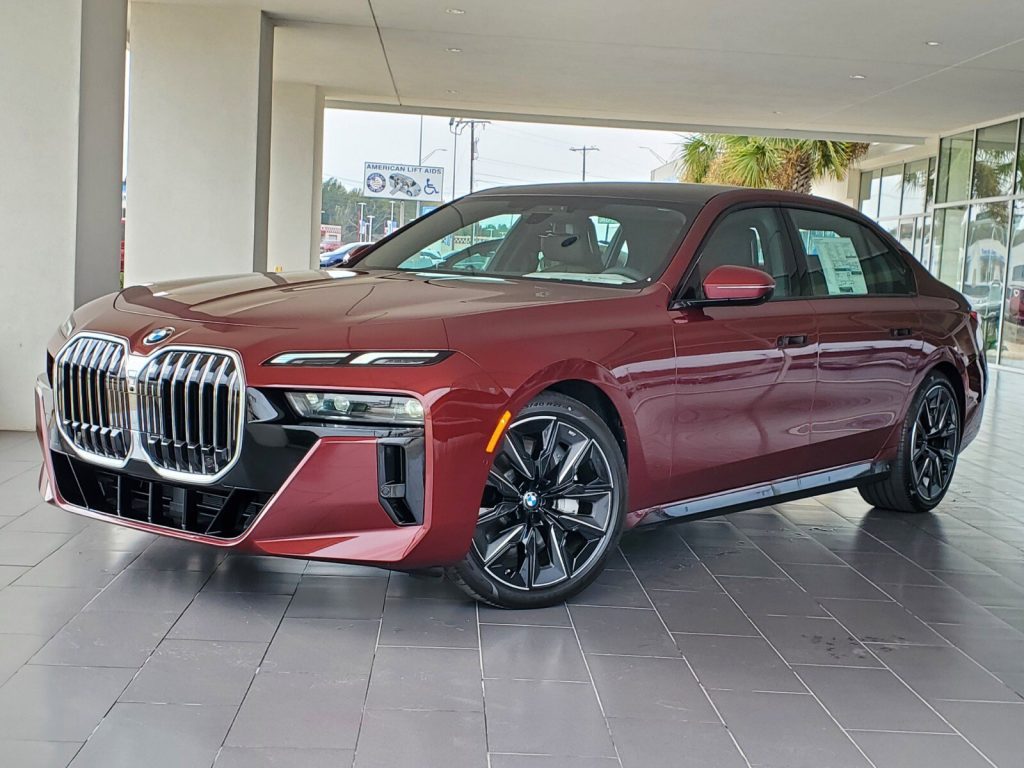
I’m writing about the 7 Series because it represents the perfect example of how technology overload can undermine long-term usability. Its engineering brilliance is overshadowed by fragile components and high ownership costs.
While the driving experience remains smooth and refined, the financial reality often turns ownership into a burden. The car that once symbolized luxury now serves as a cautionary tale for used buyers who think prestige automatically guarantees value.
2. Jaguar XJ (X351, 2011–2019)
The Jaguar XJ carries undeniable charm, blending British craftsmanship with sporty handling and striking design. However, on the used market, that charm comes with strings attached. The X351-generation XJ, while beautiful to look at and rewarding to drive when new, has not aged as gracefully as its rivals.
Its biggest drawback is reliability. Common owner complaints involve electrical gremlins, suspension problems, and drivetrain issues that can be difficult and expensive to diagnose. Jaguar’s limited parts availability and inconsistent dealer support make ownership even more challenging.
The infotainment system, once cutting-edge, now feels outdated and glitch-prone. Meanwhile, the interior though visually stunning, often shows premature wear in high-mileage examples.
Depreciation also hits the XJ especially hard. A model that once cost over $100,000 can now be found for less than a tenth of that price, a reflection of the market’s lack of confidence in its longevity. Even basic service items like brakes, tires, and coolant leaks tend to be more expensive than competitors, making the low entry price deceptive.
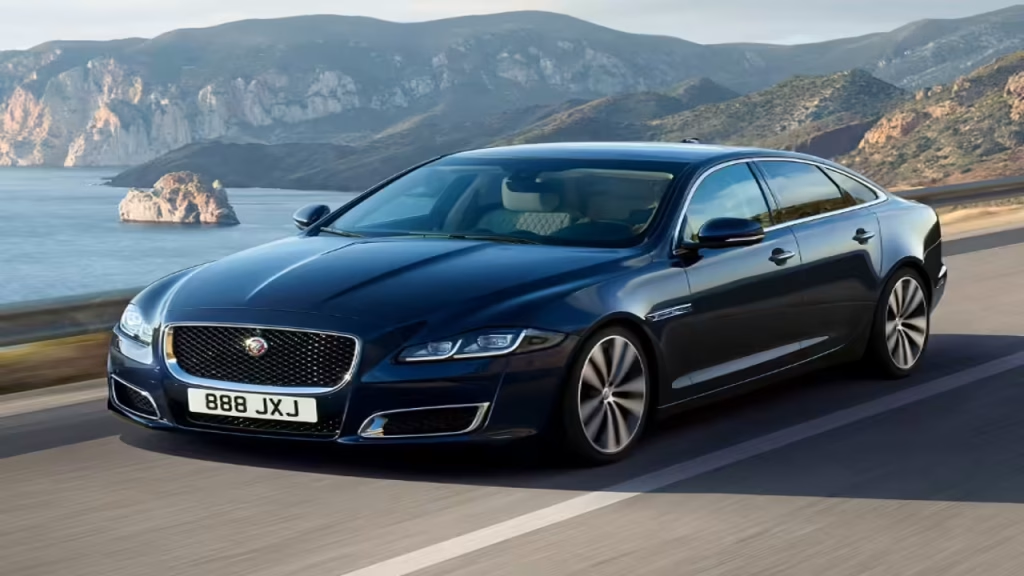
I’m including the XJ because it perfectly illustrates how a car’s charisma can’t always mask long-term ownership flaws. Its aluminum chassis and refined V6 and V8 engines are technological highlights, yet they’re surrounded by systems that simply don’t stand the test of time.
For enthusiasts who adore British luxury, it’s hard to resist but owning one used often means facing repair bills that far exceed the joy of driving it.
3. Maserati Quattroporte (2014–2019)
The Maserati Quattroporte has always stood out as an Italian masterpiece stylish, powerful, and audibly intoxicating. When new, it delivered the kind of emotional appeal few rivals could match.
However, on the used market, this sedan’s reality is far less glamorous. Despite its exotic image, the Quattroporte often proves to be one of the least practical luxury sedans to own secondhand.
Maintenance costs are extraordinarily high. The Ferrari-derived engines require meticulous servicing, and neglecting even minor intervals can lead to catastrophic repair bills.
Components like suspension bushings, brakes, and electronics also wear out faster than expected, and genuine replacement parts can take weeks to source and cost small fortunes. The ZF automatic transmission is durable, but the electronic systems surrounding it often cause unpredictable behavior, frustrating owners.
The interior, though beautifully appointed, doesn’t hold up to the standards of German or Japanese luxury brands in long-term durability.
Leather can crease prematurely, and trim pieces occasionally separate or rattle over time. Fuel economy is another weak spot, with the V8 variants consuming fuel at sports car levels.
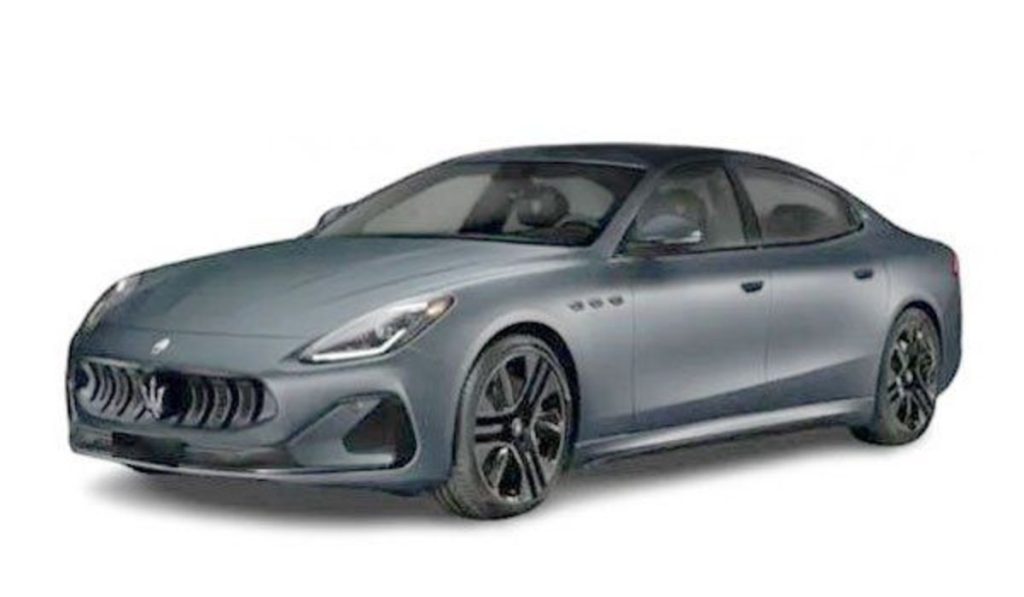
I’m writing about the Quattroporte because it perfectly represents a luxury dream that fades quickly after purchase. Its design and sound still stir emotion, but the ownership experience can turn into a financial nightmare.
Many buyers fall for its charm without realizing that this car demands supercar-level care. The used market price looks appealing, but once repairs and maintenance begin, the allure of Italian luxury is quickly replaced with regret.
4. Audi A8 (D4, 2011–2018)
The Audi A8 has long been celebrated for its understated elegance and precision engineering. The D4 generation, in particular, offered advanced aluminum construction, a luxurious cabin, and powerful engines. However, as a used purchase, this model often fails to justify its reputation.
Its complex air suspension system is a frequent source of trouble. Repairing or replacing it can cost several thousand dollars, and when neglected, it leads to an uncomfortable ride and uneven stance.
Electronics are another recurring headache aging MMI infotainment units, malfunctioning cameras, and random warning lights are common complaints. Even minor components like window regulators or adaptive light modules tend to fail more frequently than expected.
Maintenance isn’t just expensive; it’s relentless. Routine services cost more than comparable Mercedes or Lexus models, and some jobs like timing chain replacement, require engine removal. These hidden costs often make ownership a financial strain.
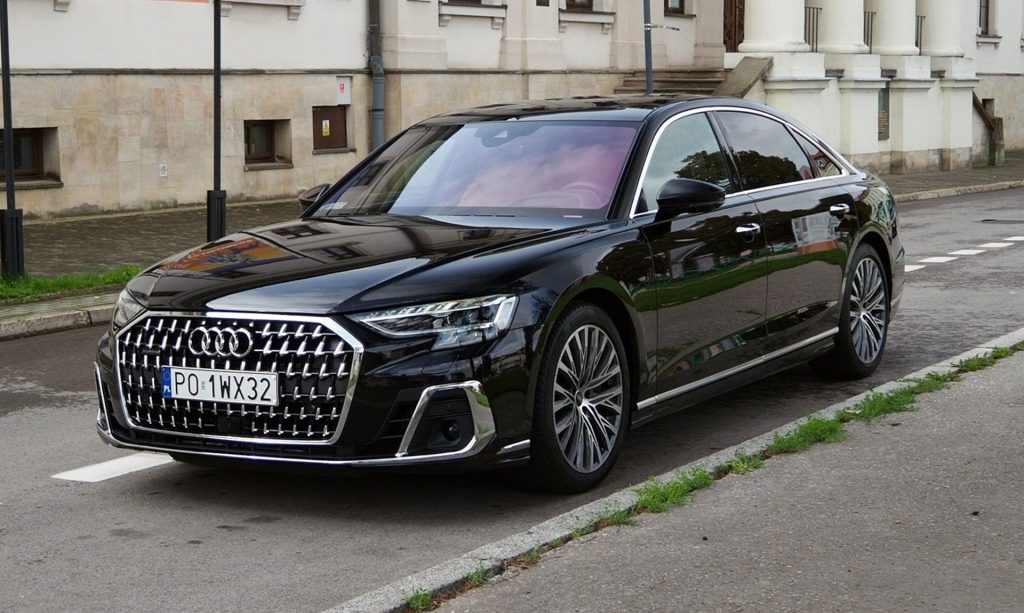
I’m including the A8 because it’s a classic example of understated luxury that hasn’t aged well under the hood. When new, it was smooth, confident, and technologically advanced. But with age, those same systems become liabilities.
The aluminum body helps prevent rust but makes collision repairs prohibitively costly. While the A8 offers a refined driving experience, the upkeep required to maintain that refinement makes it one of the least appealing luxury sedans to buy used today.
5. Genesis G80 (2017–2020)
The Genesis G80 entered the luxury segment with bold ambition. It offered a refined interior, advanced tech, and a smooth V6 engine at a price significantly lower than its European rivals.
As a new car, it made sense an affordable way to get near-luxury comfort with impressive features. However, as a used purchase, the G80’s appeal starts to unravel due to depreciation, maintenance costs, and questionable long-term reliability.
Genesis marketed the G80 as a disruptor, but it lacked the lasting polish of a Mercedes-Benz E-Class or BMW 5 Series. The interior, while plush initially, shows premature wear on leather and soft-touch materials after a few years.
Infotainment systems in earlier models lag and freeze often, and their repair isn’t cheap since replacement parts can be scarce outside major cities. The real trouble, though, lies in mechanical durability.
Owners report issues with transmission hesitation, oil leaks from the 3.8-liter engine, and sensor malfunctions that can trigger unnecessary warning lights.
While these are fixable, Genesis parts pricing and dealership availability remain inconsistent, especially outside North America and South Korea. The brand’s short history also means independent specialists are limited, driving up service costs.
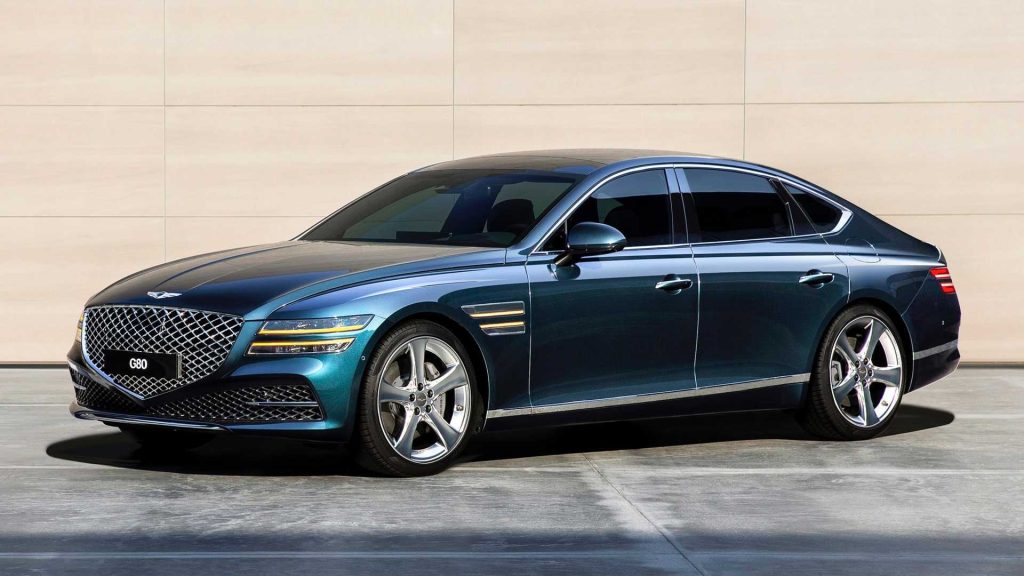
Depreciation is another key reason I’m writing about the G80 in this context. Within five years, it can lose over half its value, making resale difficult. While it looks like a deal on the surface, the long-term ownership math rarely adds up once extended warranty coverage runs out.
The G80 is a reminder that luxury value isn’t only about comfort it’s about sustaining that comfort affordably. Genesis made a strong first impression, but its early sedans didn’t have the durability or support network to match the promise. It’s a car best appreciated as a lease, not a long-term used buy.
Luxury sedans offer a unique combination of comfort, refinement, and driving satisfaction, but not all models deliver long-term value. Some used sedans retain their appeal, reliability, and driving enjoyment, while others reveal costly weaknesses once warranty coverage expires.
Understanding which cars fall into each category helps buyers make informed decisions and avoid expensive regrets.
Among the sedans worth owning used, models like the Lexus ES, Mercedes-Benz E-Class, and BMW 5 Series stand out for their exceptional reliability, refined interiors, and strong performance.
These vehicles maintain a balance between driving dynamics and daily comfort while offering durable components and manageable maintenance costs.
Cars like the Acura RLX and Volvo S90 also excel in longevity and practicality, combining elegant design with dependable engines, intuitive controls, and high-quality materials. They represent vehicles that reward owners with years of enjoyable driving without constant worry about repairs or obsolescence.
Conversely, some luxury sedans fail to retain value or reliability over time. The BMW 7 Series and Audi A8 (D4) demonstrate that cutting-edge technology and complexity can become liabilities, with air suspensions, electronics, and drivetrains requiring costly attention.
The Jaguar XJ, Maserati Quattroporte, and Genesis G80 highlight issues such as unreliable electronics, high parts costs, and rapid depreciation, making ownership stressful and expensive.
Even when performance and aesthetics remain impressive, the financial and practical realities of these models diminish their appeal on the used market.
The distinction between these two groups emphasizes that luxury is not just about initial features or badge prestige. True value in a used luxury sedan comes from long-term reliability, manageable maintenance, and an interior that ages gracefully.
Buyers seeking lasting satisfaction are best served by prioritizing durability, thoughtful engineering, and support networks over short-term allure.
Owning the right sedan means enjoying comfort and style without unexpected financial burdens, while the wrong choice can quickly turn prestige into frustration.
Also Read: 5 Hybrids That Outperform Gas Cars vs 5 That Don’t
