
Subaru has built its reputation on dependability, practicality, and rugged confidence. The brand’s symmetrical all-wheel drive system, flat-four engines, and focus on safety have attracted a loyal base of buyers who keep their cars for years.
Whether it’s families navigating rough winters, commuters seeking reliability, or enthusiasts who appreciate mechanical honesty, Subaru’s appeal often lies in the balance between capability and simplicity.
Yet, not all Subarus hold that long-term promise equally well. Some models continue running for hundreds of thousands of miles with minimal complaint, while others reveal issues that make ownership less rewarding over time.
This discussion focuses on both ends of Subaru’s track record. On one side are the models that shine through years of service cars that age gracefully, resist mechanical fatigue, and remain enjoyable to drive long after their showroom days are over.
These are the Subarus that combine dependability, engineering integrity, and practicality, earning the trust of drivers who value longevity above all.
On the other hand, certain models have struggled with durability, performance, or design decisions that limit their long-term satisfaction.
They might have looked appealing when new but develop mechanical weaknesses, costly maintenance demands, or underwhelming comfort as years pass. Identifying these shortcomings is not about criticism alone it’s about understanding why some Subaru vehicles maintain their reputation, while others fall short of it.
By comparing both categories, we get a clear view of Subaru’s long-term reliability story. Some vehicles genuinely justify their reputation for endurance, while others remind us that brand loyalty should still be balanced with informed judgment.
This contrast helps long-term owners, used car buyers, and enthusiasts make wiser decisions about which Subaru models truly stand the test of time and which ones struggle to live up to the badge.
Also Read: 5 Cars With Strong Transmissions vs 5 With Weak Ones
5 Subarus That Are Perfect for Long-Term Owners
Subaru’s reputation for longevity is not just marketing it’s built on decades of practical engineering and a deep understanding of what real-world drivers value most. Long-term owners often prioritize reliability, ease of maintenance, and consistent performance over flashy styling or cutting-edge gadgets.
Subaru has catered to this philosophy by creating vehicles that can endure tough weather, rough roads, and years of family life without losing their character or purpose. For many, owning a Subaru means investing in something that feels dependable every morning, season after season.
What makes certain Subaru models ideal for long-term ownership comes down to engineering choices and durability in design.
The brand’s use of its symmetrical all-wheel drive system and boxer engine layout provides not just balance and traction but also a lower center of gravity that enhances stability.
More importantly, some models manage to pair this dependable structure with simple, proven drivetrains that resist the complications of over-engineered systems. Those who service their vehicles regularly often see these cars crossing 200,000 miles with minimal mechanical drama.
The vehicles highlighted here share more than mechanical strength. They offer comfort, practicality, and predictability traits that make ownership satisfying year after year.
These Subarus have built strong reputations for dependability, low running costs, and mechanical honesty. They may not always be the fastest or most luxurious options on the market, but they consistently deliver where it matters most: lasting value and peace of mind.
The following five models represent Subaru at its most enduring vehicles that continue to perform well, maintain their value, and reward careful owners.
Each one proves that when properly designed and maintained, a Subaru isn’t just transportation; it’s a reliable companion that thrives long after the odometer climbs past six digits.
1. Subaru Outback (2015–2020)
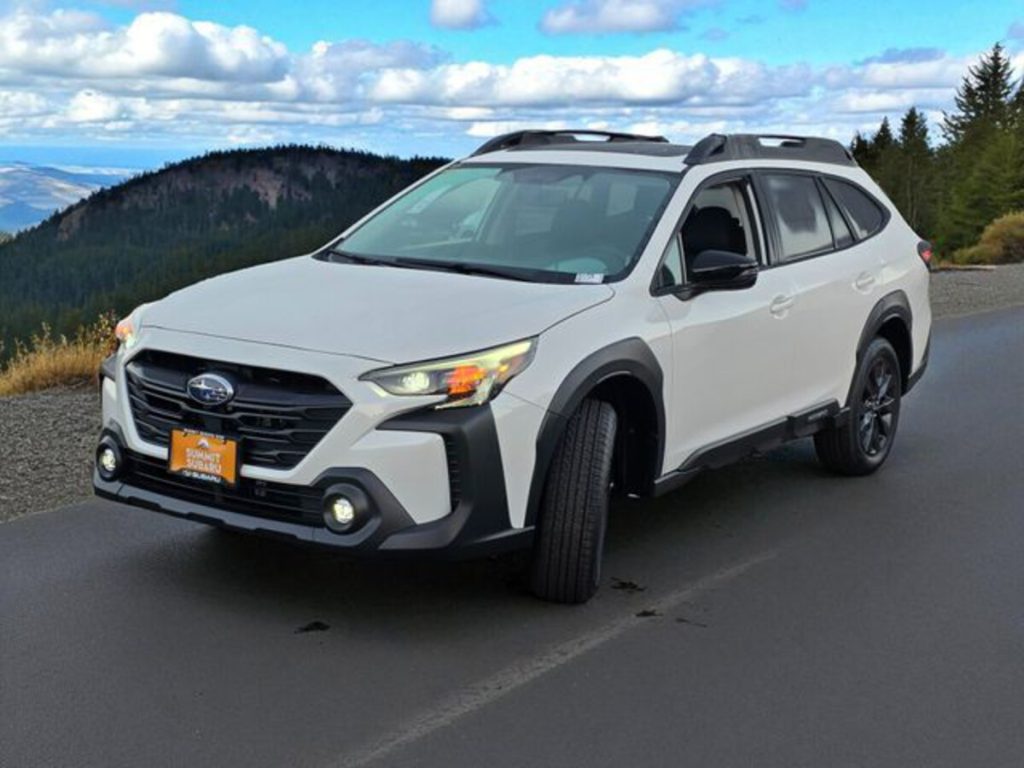
Few vehicles embody the spirit of long-term ownership like the Subaru Outback. For decades, it has served as a bridge between family wagon and rugged SUV, and the 2015–2020 generation strengthened that formula.
This model blended all-weather confidence with impressive practicality, making it a favorite among those who value endurance over extravagance. Its raised ride height, strong all-wheel drive system, and balanced boxer engine create a car that’s not just versatile but also remarkably dependable.
Owners who keep their Outbacks for the long haul often praise its ability to perform consistently in all conditions whether it’s snowy highways, unpaved trails, or daily commutes. The 2.5-liter four-cylinder engine is simple and proven, while the 3.6R flat-six variant offers extra power without excessive complexity.
Both engines, when maintained properly, are known to last well past 200,000 miles. The continuously variable transmission (CVT), once a concern, became more refined in this generation, improving both fuel efficiency and long-term reliability.
Interior quality plays a big role in the Outback’s longevity. The cabin materials resist wear, the seats remain comfortable after years of use, and the ergonomics make it easy to live with every day. Safety is another strength, with Subaru’s EyeSight driver-assistance system setting benchmarks for its class.
What makes the Outback ideal for long-term owners is its well-rounded reliability. It doesn’t rely on complexity to impress; instead, it delivers consistency.
Its design philosophy simple mechanics, versatile packaging, and smart use of technology ensures it remains dependable even as trends shift. For many, the Outback becomes not just a car, but a companion built to outlast changing lifestyles.
2. Subaru Forester (2014–2018)
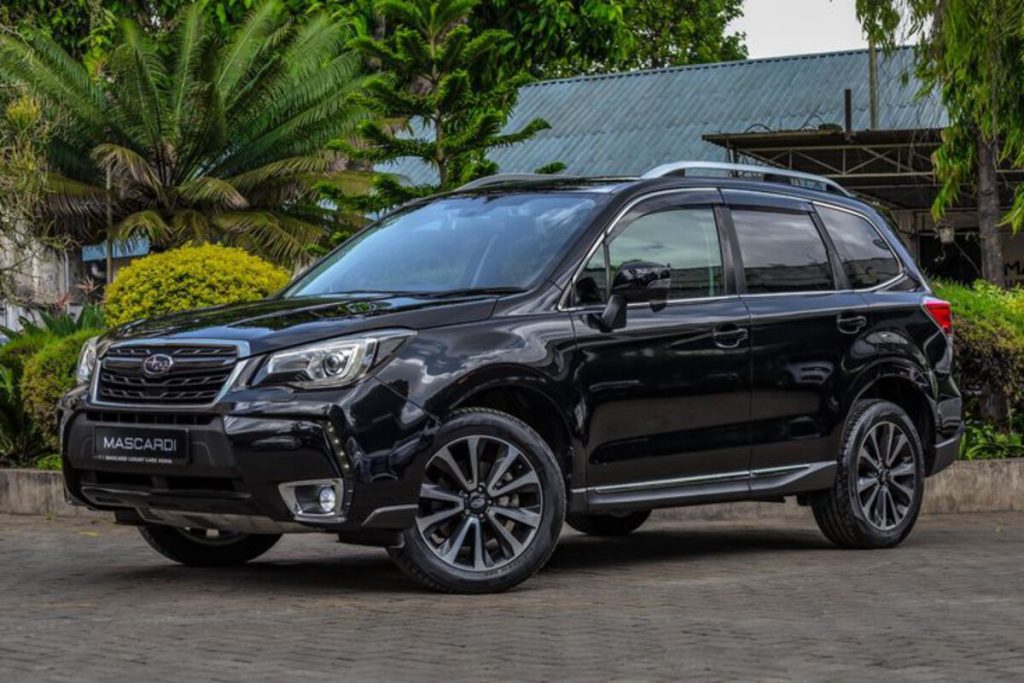
The Subaru Forester is one of the brand’s most dependable nameplates, and the 2014–2018 generation stands out as a particularly resilient choice for long-term ownership.
Its boxy design and tall greenhouse are not about styling flair but about function excellent visibility, easy ingress, and abundant cargo space. For owners who value a vehicle that feels practical and durable rather than overly complex, the Forester checks all the right boxes.
Mechanically, the Forester benefits from Subaru’s hallmark symmetrical all-wheel drive system, paired with reliable powertrains.
The naturally aspirated 2.5-liter flat-four engine may not be fast, but it’s proven to be exceptionally long-lived when maintained with regular oil changes and fluid checks. The optional turbocharged 2.0XT offered more excitement but required more care yet even it remains a strong performer when properly serviced.
What truly supports the Forester’s longevity is its simplicity. The interior avoids gimmicks in favor of sturdy materials that age gracefully. Buttons and controls are logically placed and easy to use even after a decade of ownership.
The ride quality, while firm, manages to balance comfort with Subaru’s expected sure-footedness. This makes it perfect for families or individuals who plan to keep their vehicles through years of varied use.
Safety is another reason the Forester excels for long-term owners. The EyeSight system, along with a strong crash structure, gives peace of mind that extends beyond mileage. Add to that reasonable maintenance costs and excellent parts availability, and you have a car that rewards regular upkeep rather than punishing neglect.
The Forester endures because it represents Subaru’s philosophy at its most focused: functional, reliable, and ready for real life. It’s not about flash it’s about strength that lasts through countless commutes, road trips, and changing seasons.
3. Subaru Legacy (2010–2014)
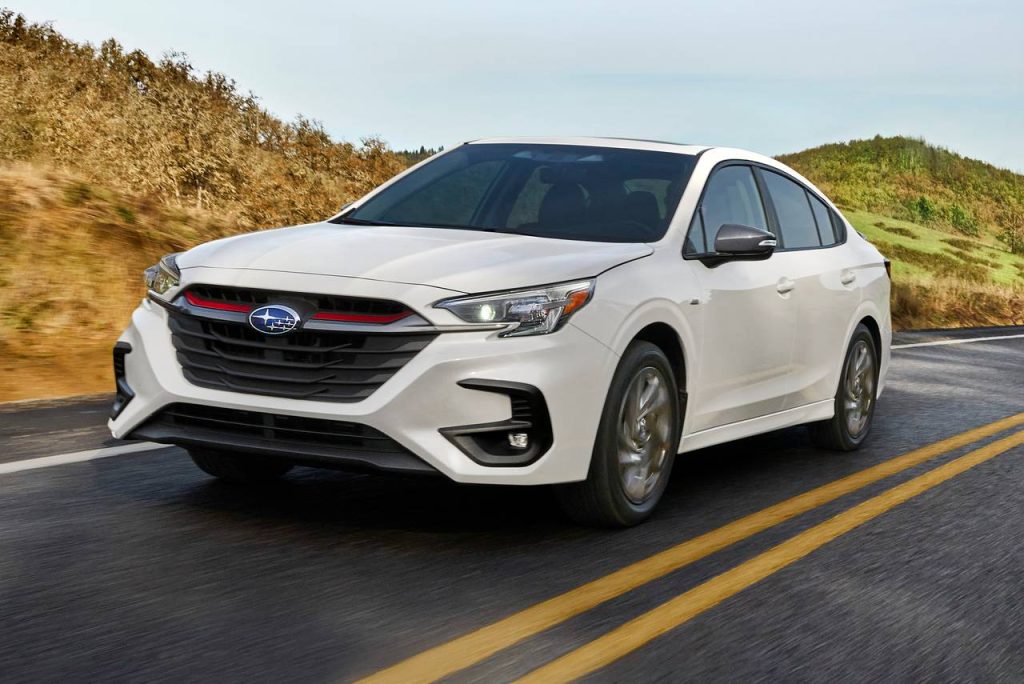
The Subaru Legacy from the early 2010s is one of the most balanced and durable sedans the company ever produced. It’s the model that quietly proved Subaru’s reliability could extend beyond crossovers and wagons.
Built on a sturdy chassis and offered with either a 2.5-liter four-cylinder or a 3.6-liter flat-six, the Legacy of this generation combined all-weather security with sedan comfort qualities that appealed to long-term owners looking for consistency without excess.
Its mechanical layout remains one of its greatest strengths. The symmetrical all-wheel drive system provided excellent stability and traction, particularly in adverse conditions, while the engines, especially the 2.5-liter, demonstrated impressive mechanical longevity.
With proper maintenance, many owners have reported odometers climbing past 250,000 miles. The CVT transmission, introduced widely in this generation, had early teething issues but proved robust when serviced regularly with the correct fluid.
Inside, the Legacy focused on comfort and simplicity. The materials, while not luxurious, were carefully chosen to endure years of use without premature wear. The cabin insulation and ride comfort also made it more refined than expected for its price point, creating a sense of quality that didn’t fade with time.
Why this model stands out for long-term ownership is its balance. It doesn’t try to impress with flashy design or complex electronics; instead, it wins through dependability and thoughtful engineering.
It’s the kind of car that rewards those who prefer consistency over trends. Even today, a well-kept Legacy from this era can easily serve as a dependable daily driver solid proof that Subaru’s understated approach to design and reliability pays off for those who keep their cars long after others have moved on to newer models.
4. Subaru Crosstrek (2018–2023)
The Subaru Crosstrek, especially in its second-generation form (2018–2023), has earned a reputation as one of the most dependable and versatile small crossovers on the market.
It perfectly embodies Subaru’s core strengths durability, safety, and practicality while appealing to modern sensibilities. For long-term owners, it’s a vehicle that feels like an investment in reliability rather than a temporary convenience.
Built on Subaru’s Global Platform, the Crosstrek gained structural rigidity that enhanced both ride comfort and crash safety. The naturally aspirated 2.0-liter flat-four engine, though modest in power, is tuned for efficiency and longevity.
Later models added a 2.5-liter engine option that improved responsiveness without sacrificing dependability. Both versions pair with Subaru’s proven CVT and full-time all-wheel drive system, offering consistent traction and predictable handling in all weather conditions.
The Crosstrek’s charm lies in its balanced approach. It’s small enough to maneuver easily in cities but sturdy enough for rougher terrain, giving owners the flexibility to handle varied lifestyles.
The interior is straightforward and durable, built with materials that resist wear even after years of use. Regularly praised for its comfort on long drives and fuel efficiency, it manages to feel both practical and enduring.
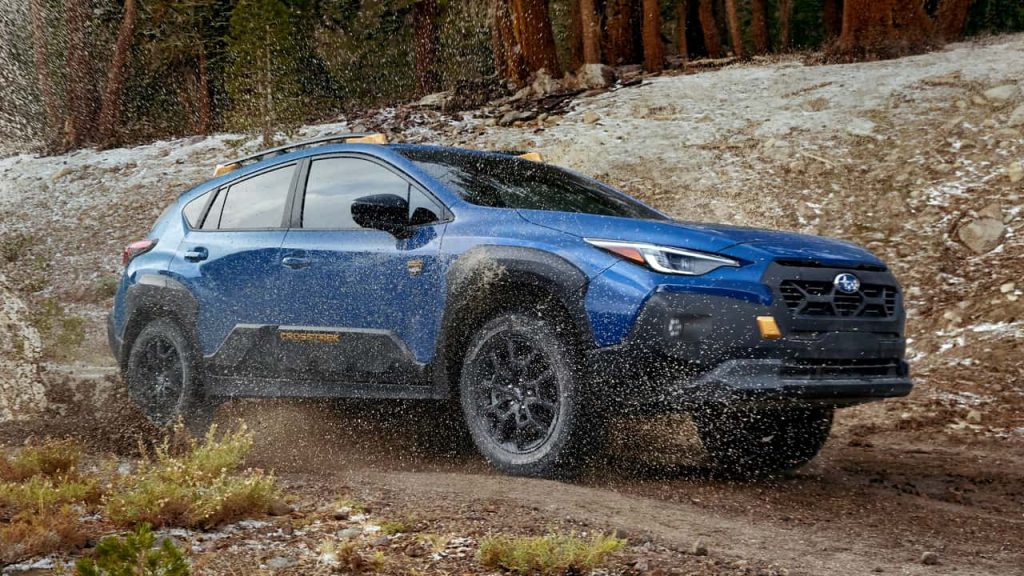
For owners who plan to keep their vehicle for a decade or more, the Crosstrek offers low long-term maintenance costs, strong resale value, and a loyal community of DIY enthusiasts who keep parts affordable and easy to find.
Subaru’s commitment to safety through its EyeSight system also ensures that longevity isn’t just mechanical but holistic it protects its occupants as well as it performs.
Simply put, the Crosstrek exemplifies what Subaru does best: steady reliability without unnecessary complexity, making it one of the most rewarding choices for drivers who plan to own their car well past the average trade-in cycle.
5. Subaru Impreza (2017–2022)
The Subaru Impreza, especially the fifth-generation model built from 2017 to 2022, represents one of the brand’s most quietly successful vehicles for long-term ownership.
While it may not have the rugged image of the Outback or the size of the Forester, it shines through its simplicity, everyday usability, and mechanical honesty.
For drivers who value dependability, balanced handling, and low running costs, the Impreza continues to prove why Subaru’s engineering philosophy works so well over time.
The 2017 redesign brought the Impreza onto Subaru’s new Global Platform, improving rigidity and safety while reducing vibrations and noise. That structural integrity gives it a sense of solidity that remains noticeable even after years of use.
The naturally aspirated 2.0-liter flat-four engine, paired with Subaru’s symmetrical all-wheel drive, provides predictable traction and impressive endurance. While performance isn’t its focus, this drivetrain setup is one of the most reliable combinations Subaru offers, with routine maintenance ensuring long service life.
Inside, the Impreza is thoughtfully designed for everyday comfort. The seats hold up well, the controls are intuitive, and materials resist premature wear qualities that long-term owners appreciate. Both sedan and hatchback versions offer practical cargo space and comfort that make them suitable for varied lifestyles, from city commuters to small families.
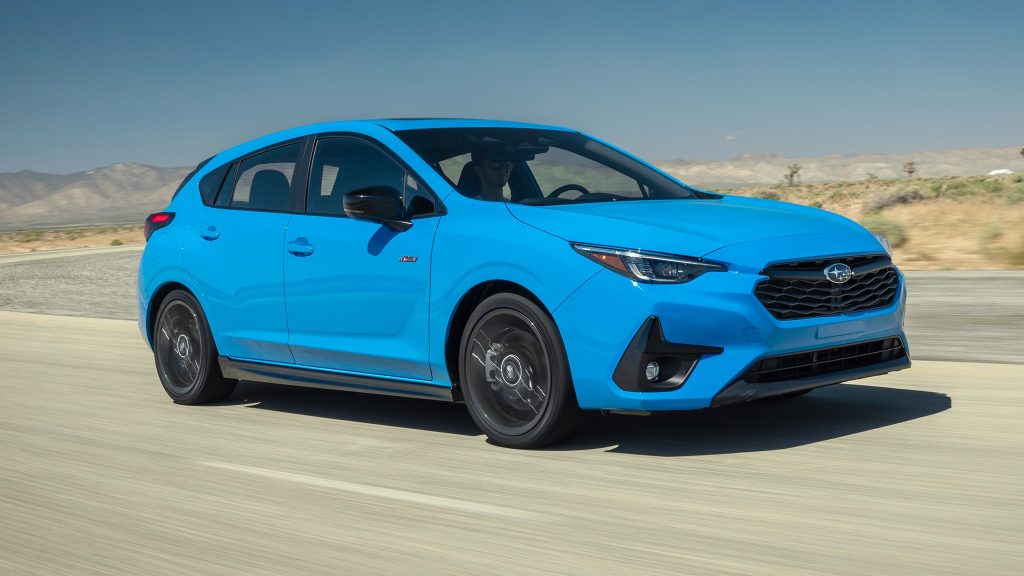
The Impreza’s long-term strength lies in its straightforwardness. There’s no unnecessary complexity or overreliance on advanced systems that might age poorly. Instead, it focuses on proven mechanical components and balanced proportions.
For owners who maintain their vehicles carefully, it’s not uncommon to see these cars surpass 200,000 miles without major issues.
The Impreza may not draw attention with bold styling or performance, but it quietly builds a reputation for staying dependable year after year. It’s an example of Subaru’s reliability philosophy distilled into its most accessible, enduring form.
5 Subarus That Aren’t Perfect for Long-Term Owners
While Subaru has earned a well-deserved reputation for longevity and resilience, not every model has met that high standard.
Some Subarus have struggled to live up to the brand’s legacy of reliability, suffering from design flaws, maintenance complications, or premature wear that make them less appealing for long-term ownership.
These vehicles may perform well during their early years but begin to show their weaknesses with age, leaving owners facing costly repairs or frustrating reliability issues.
Common problem areas include excessive oil consumption, head gasket failures, and CVT transmission troubles issues that, if left unchecked, can turn a dependable daily driver into an expensive maintenance burden. In other cases, the shortcomings lie not just in mechanical reliability but in comfort, practicality, or technological refinement.
When key components such as suspension systems, interior materials, or infotainment features fail to age gracefully, the ownership experience deteriorates long before the car itself wears out mechanically.
It’s also worth noting that some Subaru models were developed during periods when the company experimented with expanding its market appeal.
In trying to attract new buyers with more performance, premium touches, or ambitious design directions, certain models lost the straightforward durability that once defined Subaru’s charm. While innovation is important, longevity often suffers when complexity outweighs proven engineering.
This section focuses on the Subarus that haven’t fully delivered on the brand’s long-term promise. These vehicles highlight how even a company known for dependability can produce models that miss the mark.
By understanding what went wrong whether it’s engineering shortcuts, reliability inconsistencies, or design missteps, drivers can make better decisions about which Subaru models truly stand the test of time and which ones may falter before reaching the high-mileage badge many loyal owners expect.
1. Subaru Tribeca (2006–2014)
The Subaru Tribeca was meant to be the company’s bold step into the premium midsize SUV segment, but instead, it became one of the brand’s least successful long-term vehicles.
On paper, the concept was appealing Subaru reliability combined with upscale styling and seven-passenger capacity. In reality, the Tribeca’s engineering and design choices undermined its potential, leaving it short of expectations both in ownership satisfaction and resale longevity.
The Tribeca’s 3.0-liter and later 3.6-liter flat-six engines offered smooth power but came with high maintenance costs and mediocre fuel economy. The all-wheel drive system remained Subaru’s strength, yet the SUV’s heavy weight and dated five-speed automatic transmission prevented it from feeling refined or efficient.
These factors contributed to faster mechanical wear and made the Tribeca less cost-effective to maintain beyond its first decade.
Inside, the Tribeca’s cabin showed promise with its distinctive, aircraft-inspired dashboard design, but material quality didn’t match the asking price. Over time, interior components suffered from premature wear, especially around touch surfaces and soft plastics.
Combined with its cramped third-row seating and limited cargo space, the SUV failed to deliver the practicality long-term owners expected.
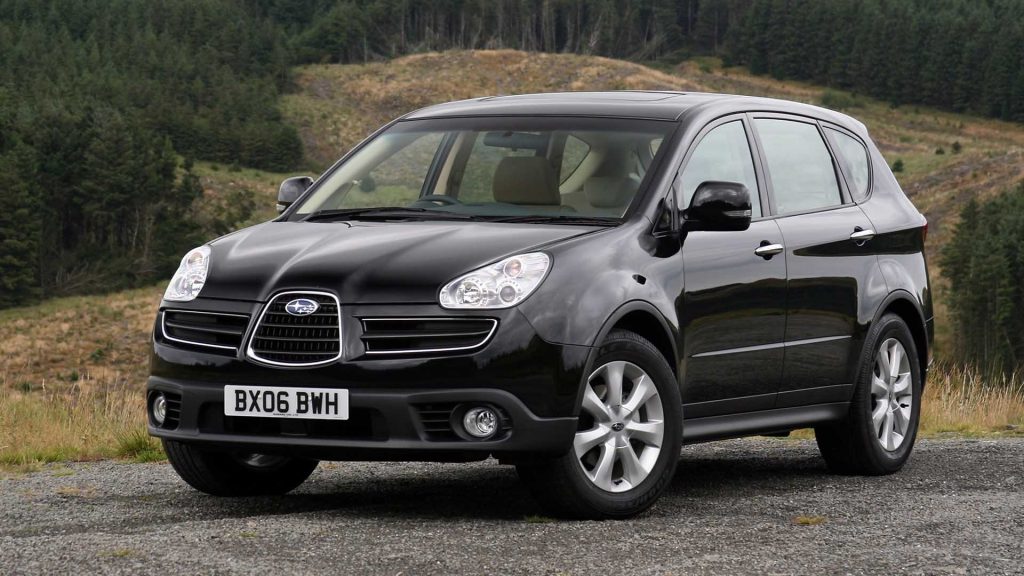
The biggest drawback was complexity without payoff. The Tribeca tried to compete with luxury SUVs while relying on a platform not built for that purpose, leading to awkward packaging and higher repair costs.
Many owners eventually moved away from it due to poor parts availability and declining fuel efficiency compared to rivals.
For a brand that built its name on simplicity and dependability, the Tribeca represented a detour that didn’t age well. It remains a reminder that durability depends not only on engineering quality but also on how realistically a vehicle aligns with its design goals and long-term usability.
2. Subaru Ascent (2019–Present)
The Subaru Ascent arrived with high expectations as the brand’s second attempt at a three-row SUV, promising to correct the mistakes of the Tribeca.
While it improved on design, technology, and comfort, it has shown signs that make it less ideal for long-term ownership compared to Subaru’s smaller, more proven models. Though popular when new, long-term dependability concerns have begun to surface as early examples age.
The Ascent’s 2.4-liter turbocharged flat-four engine provides solid torque but operates under high stress, especially when towing or fully loaded. Combined with Subaru’s continuously variable transmission (CVT), the setup can lead to long-term reliability concerns if not carefully maintained.
Reports of transmission hesitation, coolant leaks, and software issues have caused some owners frustration especially given the SUV’s higher price and family-focused positioning.
Interior comfort and technology are strong points, but long-term durability raises questions. The cabin materials, while pleasant initially, show faster signs of wear than the more rugged interiors found in the Forester or Outback.
Touchscreens and infotainment interfaces have also experienced occasional software glitches, making ownership less seamless as the vehicle ages.
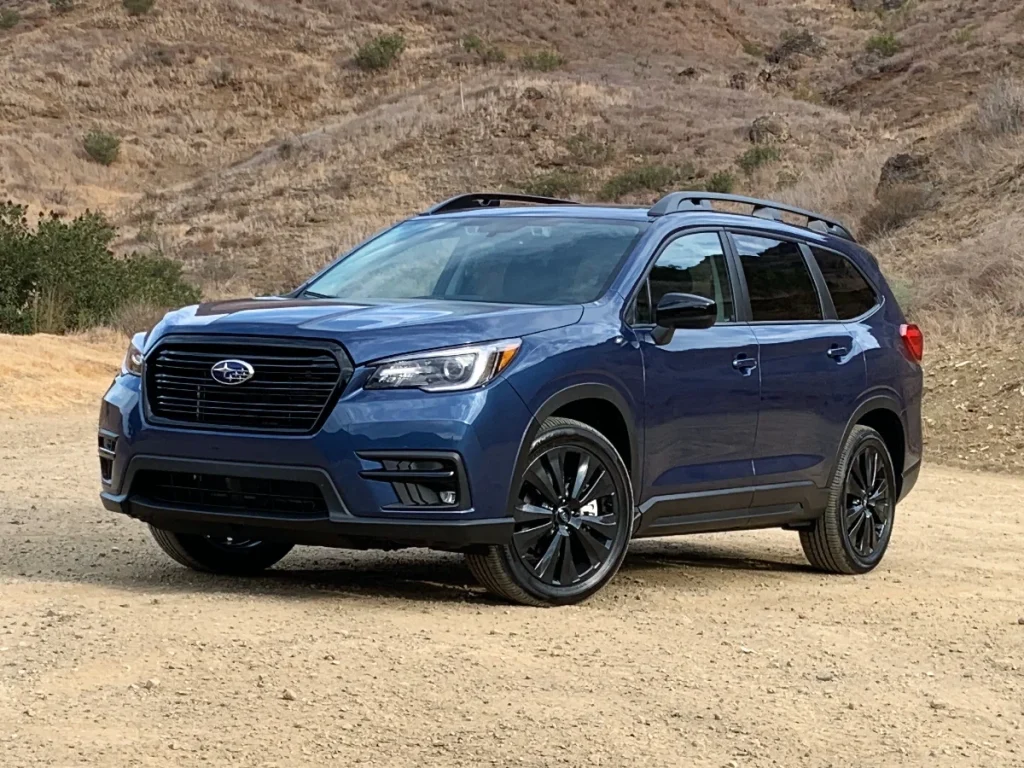
From a maintenance perspective, the Ascent is more expensive to service than most other Subarus, primarily due to the added complexity of its drivetrain and cooling systems. Those planning to keep their vehicles beyond warranty periods may face higher upkeep costs than expected, reducing its long-term appeal.
While the Ascent remains a capable family hauler, its long-term reliability doesn’t yet match Subaru’s proven track record in smaller models. For drivers who prioritize longevity and simplicity, it’s not the best candidate for extended ownership.
The Ascent represents Subaru’s ongoing challenge: building larger, more advanced vehicles without compromising the mechanical endurance that earned the brand its loyal following.
3. Subaru WRX (2015–2021)
The Subaru WRX has always symbolized rally-inspired excitement at an attainable price. However, when considering ownership beyond the typical warranty period, the 2015–2021 generation shows several characteristics that make it less suitable for long-term use.
Its performance focus often clashes with the expectations of durability and low-maintenance longevity that long-time Subaru fans value.
The turbocharged 2.0-liter FA20 engine delivers thrilling power and responsiveness, but that excitement comes at a cost.
High boost pressure, heat buildup, and aggressive driving habits often lead to early wear on components such as the turbocharger, clutch, and engine internals.
Even when carefully maintained, the WRX can develop oil consumption issues and carbon buildup on intake valves, particularly in direct-injection engines.
The CVT automatic version compounds potential problems. While smooth and efficient in daily driving, it is less durable under the WRX’s high-performance demands.
Over time, fluid degradation and heat stress can cause drivability issues, making replacement or major repairs costly. Manual models, though more engaging, often suffer from clutch replacements earlier than expected due to spirited use.
Interior quality, though improved from previous generations, also struggles to withstand years of wear. Hard plastics, rattles, and minor electrical glitches tend to appear earlier than in more comfort-oriented Subarus like the Legacy or Outback.
Furthermore, the WRX’s firm ride and limited ground clearance make it less versatile for owners who expect Subaru’s typical all-weather toughness.
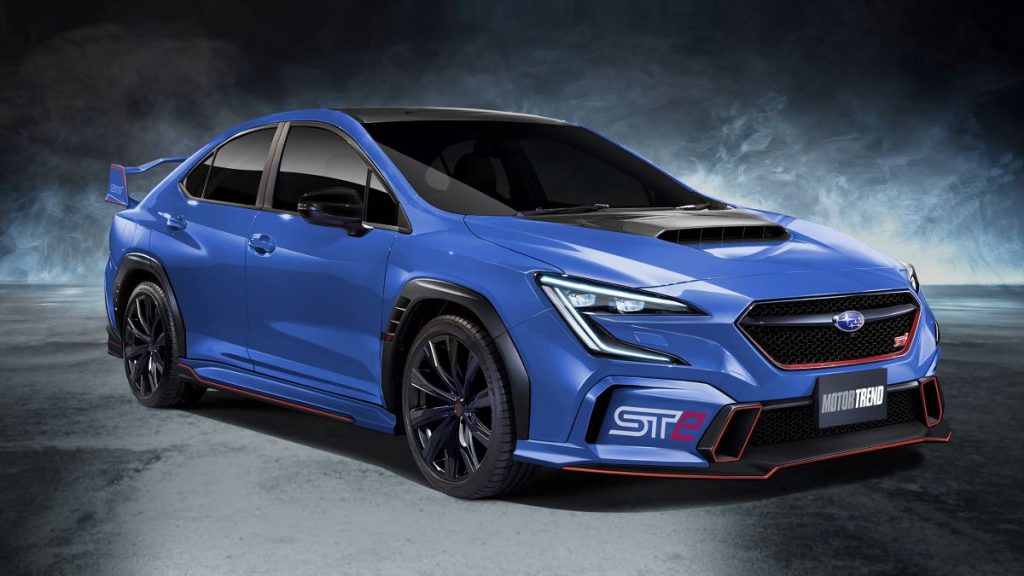
While the WRX continues to be a performance favorite, it’s not designed for those who want to keep a car for 10 to 15 years with minimal trouble. It rewards enthusiasm but punishes neglect, requiring strict maintenance and often premium fuel.
As thrilling as it is, the WRX’s longevity depends heavily on careful driving and meticulous care something not all owners maintain.
4. Subaru Crosstrek Hybrid (2019–2023)
The Subaru Crosstrek Hybrid represents the brand’s attempt to merge efficiency with its rugged, adventure-friendly character.
However, the plug-in hybrid version has not proven ideal for long-term ownership, largely due to its complex drivetrain, limited electric range, and higher cost of ownership compared to the standard gasoline-powered Crosstrek.
At its core, the Crosstrek Hybrid combines a 2.0-liter boxer engine with two electric motors and a small lithium-ion battery pack. While this setup reduces fuel consumption in city driving, the system’s modest electric range (around 17 miles) limits its real-world benefit.
Over time, battery degradation and replacement costs present significant concerns for owners who plan to keep the vehicle for a decade or longer.
The hybrid’s added weight also affects long-term suspension and brake wear. Compared to the non-hybrid model, it feels less balanced and slightly more sluggish, especially when the battery charge is depleted.
The powertrain’s complexity adds more points of potential failure, and maintenance costs rise due to the need for specialized hybrid servicing and diagnostic tools.
Another drawback lies in cargo space and practicality. The battery pack intrudes into the rear floor area, reducing storage capacity an unusual compromise for a vehicle marketed to outdoor enthusiasts.
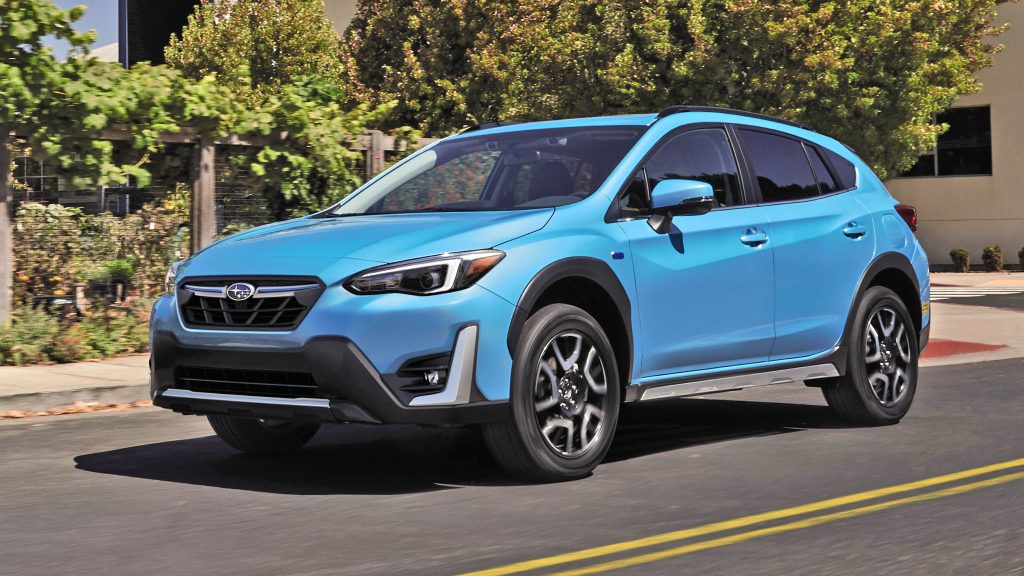
Additionally, the hybrid’s pricing made it significantly more expensive than the standard Crosstrek, yet its fuel savings rarely compensated for the premium over many years of use.
Owners seeking Subaru’s hallmark longevity often prefer simplicity and mechanical robustness. Unfortunately, the Crosstrek Hybrid introduces a layer of technical complexity that contradicts that tradition.
While it serves well as a short-term urban commuter, it isn’t ideal for those planning to own their Subaru well into the next decade. The hybrid model feels like a technological experiment rather than a proven long-term solution.
5. Subaru Baja (2003–2006)
The Subaru Baja is one of the brand’s most unusual experiments, blending elements of a sedan, SUV, and pickup truck into a single vehicle. While it was innovative for its time, the Baja has proven to be a challenging choice for long-term ownership.
Its niche design limited practicality, and its engineering compromises have led to higher-than-expected maintenance and reliability issues over the years.
The Baja shared the Legacy/Outback platform but added a truck bed, resulting in unusual weight distribution and suspension tuning that often led to premature wear on bushings and shocks. Its naturally aspirated 2.5-liter engine provided adequate power, but oil consumption and head gasket concerns were reported in certain model years.
The Baja’s all-wheel-drive system remained strong, yet the added payload and cab modifications stressed drivetrain components beyond what they were originally designed to handle.
Interior quality was functional but not durable. Seats wore faster than expected, plastics tended to fade, and cabin rattles developed over time. Additionally, the rear seats’ unusual folding design, meant to accommodate cargo, created mechanical complexity that sometimes malfunctioned.
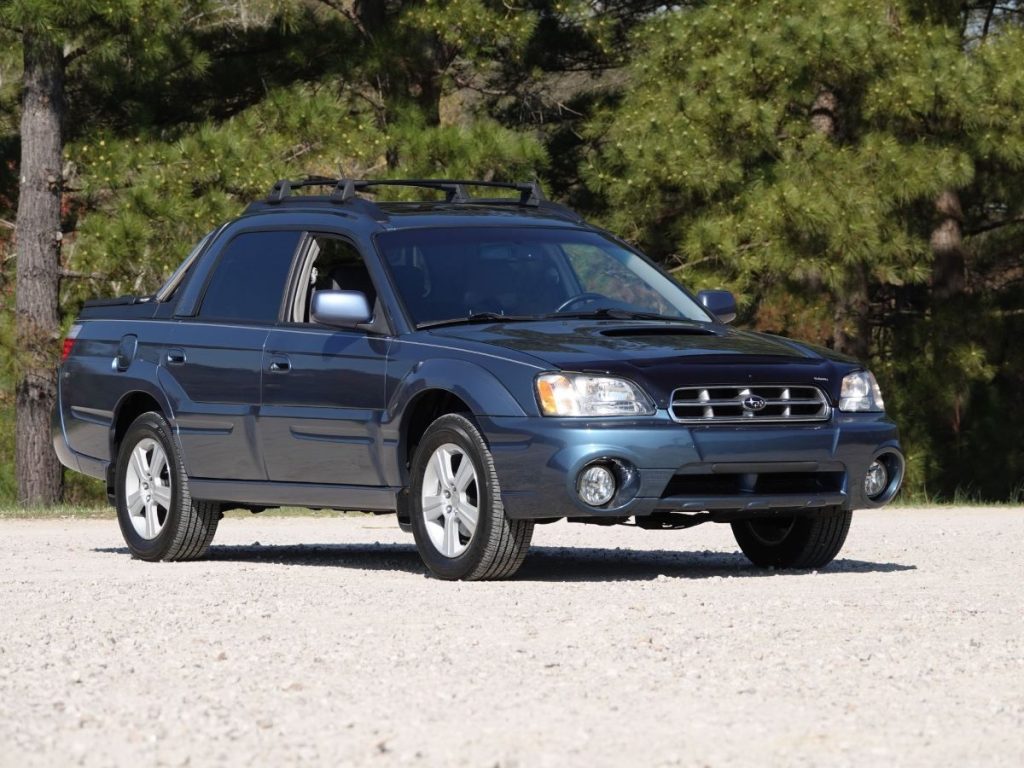
Parts availability and resale value remain problematic. Because the Baja was produced in low volumes, replacement parts are often scarce or expensive, making long-term maintenance more complicated than with mainstream Subaru models.
Ultimately, the Baja demonstrates how innovation without long-term practicality can compromise Subaru’s reputation for reliability. While it offers novelty and niche utility, it fails to deliver the enduring durability that long-term owners expect.
Those looking for a Subaru to keep for many years are generally better served by more conventional models like the Outback, Forester, or Legacy.
Also Read: 5 SUVs That Balance Utility & Style vs 5 That Fail at Both
