
Hybrid vehicles have evolved far beyond their early reputation as fuel-sipping but underpowered alternatives to traditional gas cars. Modern hybrids combine efficient powertrains with advanced technology, strong performance, and practical usability.
Some models not only match the capabilities of conventional vehicles but also surpass them, offering enhanced acceleration, smoother power delivery, and impressive fuel economy.
These hybrids demonstrate that electrified powertrains can complement, or even improve upon, traditional internal combustion engines in everyday driving.
However, not all hybrids deliver on this promise. Certain models compromise performance, handling, or interior quality in the pursuit of efficiency. Some feel sluggish, underpowered, or disconnected, making them less enjoyable than comparable gas cars.
Others may suffer from complex transmissions, limited cargo space, or technology that fails to integrate smoothly into the driving experience. Buyers seeking hybrids that genuinely outperform their gasoline counterparts need to identify which vehicles strike the right balance of efficiency, performance, and overall usability.
This article examines both ends of the spectrum. The first section highlights five hybrid vehicles that surpass conventional gas models, combining driving enjoyment, modern technology, and practical advantages.
The second section covers five hybrids that fail to deliver on expectations, demonstrating the risks of choosing models that prioritize fuel economy at the expense of usability or performance.
By analyzing design, engineering, technology, and driving experience, this comparison provides insight into which hybrids genuinely improve upon traditional vehicles and which ones fall short.
For consumers interested in long-term satisfaction, making informed choices is critical selecting a hybrid that outperforms a gas car can offer the best of both efficiency and driving enjoyment, while a poorly executed model may leave owners wishing for a conventional alternative.
Also Read: 5 Cars With Strong Transmissions vs 5 With Weak Ones
5 Hybrids That Outperform Gas Cars
Not all hybrids are created equal. While many focus primarily on fuel efficiency, the hybrids that truly outperform gas cars combine impressive performance, modern technology, and practical usability.
These vehicles prove that electrified powertrains do not have to compromise driving enjoyment, comfort, or long-term satisfaction. Instead, they enhance it, delivering smoother acceleration, intelligent energy management, and responsive handling that often exceed what comparable gasoline-only vehicles can provide.
One factor that sets these hybrids apart is powertrain design. Well-engineered hybrid systems use electric motors and internal combustion engines in harmony, allowing for instantaneous torque, seamless transitions, and often better fuel efficiency without sacrificing performance.
Regenerative braking, electric-only modes, and optimized transmission control ensure that these vehicles feel quick, composed, and efficient in everyday driving conditions.
Technology also plays a significant role. Hybrids that outperform gas cars typically integrate modern infotainment, driver-assistance features, and connectivity systems that improve usability and enhance the driving experience.
These systems are often designed to evolve over time through software updates, keeping the vehicle current even as technology advances.
Interior quality and ergonomics are another crucial component. Thoughtful material choices, seating comfort, and smart storage solutions allow these hybrids to remain practical and enjoyable for daily use and long trips alike.
Combined with refined ride quality and responsive steering, these attributes ensure that the vehicle remains engaging and relevant long after its purchase.
This section highlights five hybrid vehicles that successfully outshine their gasoline counterparts. Each has been selected for its combination of performance, technology, and practicality that allows it to exceed expectations.
By understanding the characteristics that make these hybrids exceptional, buyers can make informed choices that deliver both efficiency and driving satisfaction for years to come.
1. Toyota RAV4 Prime (2023–2025)
The Toyota RAV4 Prime stands out as a hybrid that truly surpasses its gasoline-only counterparts. Unlike the standard RAV4, the Prime integrates a plug-in hybrid powertrain that delivers 302 horsepower, offering acceleration comparable to many conventional SUVs in a similar class.
Its electric motors provide instant torque, resulting in smooth and responsive performance from a stop, while maintaining the fuel efficiency expected from a hybrid system. Drivers can enjoy electric-only modes for short commutes, significantly reducing fuel consumption without compromising practicality.
The RAV4 Prime excels in usability and interior quality. Cabin materials are durable and thoughtfully arranged, and the seating is comfortable for long journeys.
Ergonomic design and intuitive control layouts ensure that both infotainment and vehicle functions are easy to use, enhancing the overall driving experience. The large touchscreen integrates seamlessly with smartphone connectivity, providing navigation, media, and vehicle information at a glance.
Technology and safety are also major strengths. Advanced driver-assistance features, including adaptive cruise control, lane-keeping assist, and automated emergency braking, contribute to a modern and safe driving experience.
These features, combined with a smooth and composed ride, allow the RAV4 Prime to feel more refined than a conventional RAV4 or many other non-hybrid competitors. Practicality remains a highlight, with generous cargo space and flexible seating configurations.
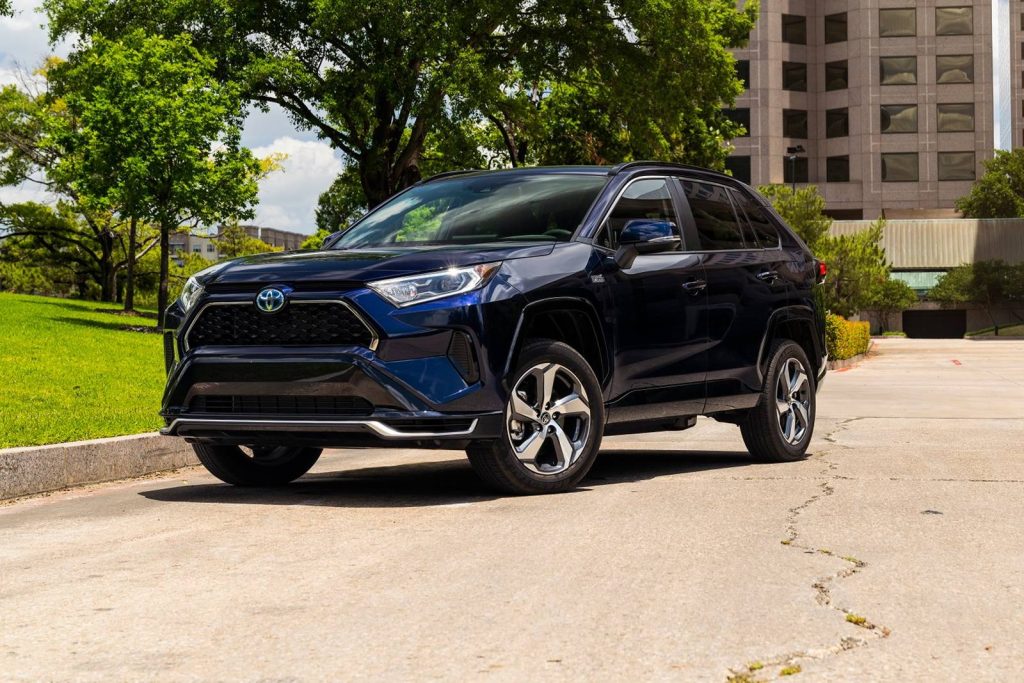
The ability to drive short distances entirely on electric power, combined with strong performance and fuel efficiency, makes the RAV4 Prime a hybrid that genuinely improves upon traditional gasoline models.
Its balance of speed, comfort, and technology demonstrates why it is one of the most compelling hybrid choices on the market today.
2. Honda CR-V Hybrid (2023–2025)
The Honda CR-V Hybrid provides an excellent balance between efficiency, performance, and usability, outshining the standard gasoline CR-V in multiple areas. Its two-motor hybrid system delivers smooth acceleration and responsive power delivery, ensuring that everyday driving feels lively and composed.
Fuel economy is significantly improved compared to the gasoline-only CR-V, without sacrificing cargo space or interior comfort.
Inside, the CR-V Hybrid features thoughtful design and user-friendly technology. The cabin uses durable yet refined materials, with comfortable seating for both driver and passengers. Infotainment and connectivity systems are intuitive, supporting smartphone integration and modern navigation options.
Driver-assistance features, including adaptive cruise control and lane-keeping assist, provide an added layer of convenience and safety, making daily commutes and longer trips less stressful.
Driving dynamics are enhanced by the hybrid system. The combination of electric motors and gasoline engine ensures smooth power transitions, instant torque at low speeds, and efficient energy use.
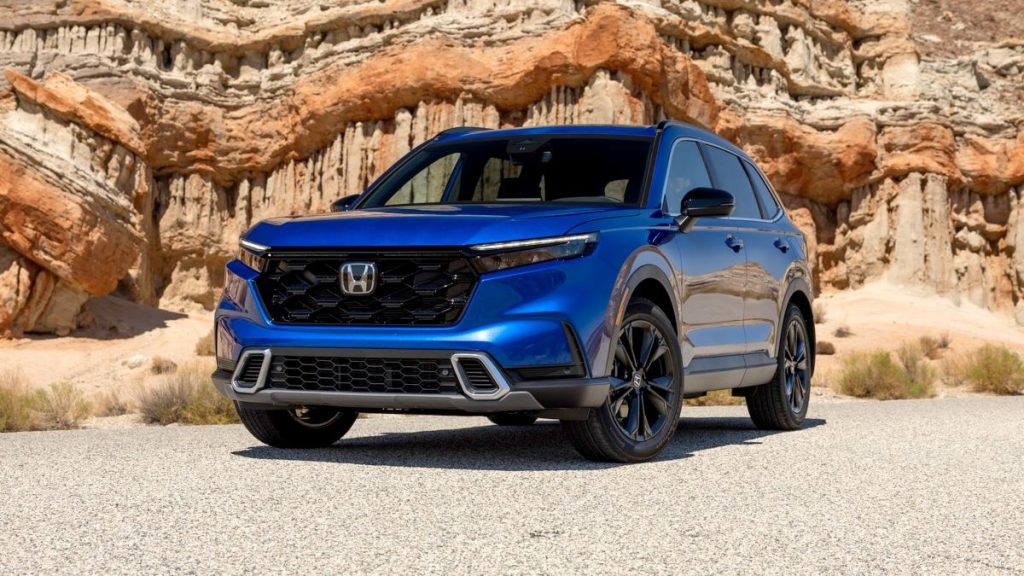
Steering and suspension are tuned to provide a comfortable ride without feeling disconnected, making the vehicle feel more refined than many gasoline-only competitors.
Practicality remains a highlight. With flexible cargo space, comfortable rear seating, and easy-to-use controls, the CR-V Hybrid continues to offer the utility buyers expect from an SUV.
By combining better performance, fuel savings, and technology, the Honda CR-V Hybrid demonstrates that hybrids can genuinely outperform their gasoline counterparts, offering a compelling package for drivers seeking both efficiency and driving satisfaction.
3. Lexus NX 450h+ (2023–2025)
The Lexus NX 450h+ plug-in hybrid is an SUV that goes beyond the standard hybrid experience, offering both impressive performance and long-term efficiency. With a combined output of approximately 302 horsepower, it rivals many conventional gasoline SUVs in acceleration while providing the environmental and economic benefits of electrification.
The electric-only driving mode allows for daily commutes without consuming fuel, making it ideal for city driving. The transition between electric and hybrid modes is seamless, creating a smooth and responsive driving experience that often surpasses gasoline-only models.
Inside, the NX 450h+ showcases Lexus’ commitment to refinement and usability. High-quality materials, soft-touch surfaces, and ergonomic seating create a cabin that remains comfortable over long drives.
The intuitive infotainment system, coupled with digital instrument displays, ensures that drivers can access navigation, media, and vehicle information effortlessly.
Driver-assistance technologies, including adaptive cruise control, lane-departure warning, and automated emergency braking, are integrated thoughtfully, enhancing both convenience and safety.
Driving dynamics are another area where the NX 450h+ excels. Its suspension delivers a composed ride, balancing comfort and handling precision, while regenerative braking contributes to energy efficiency without feeling intrusive.
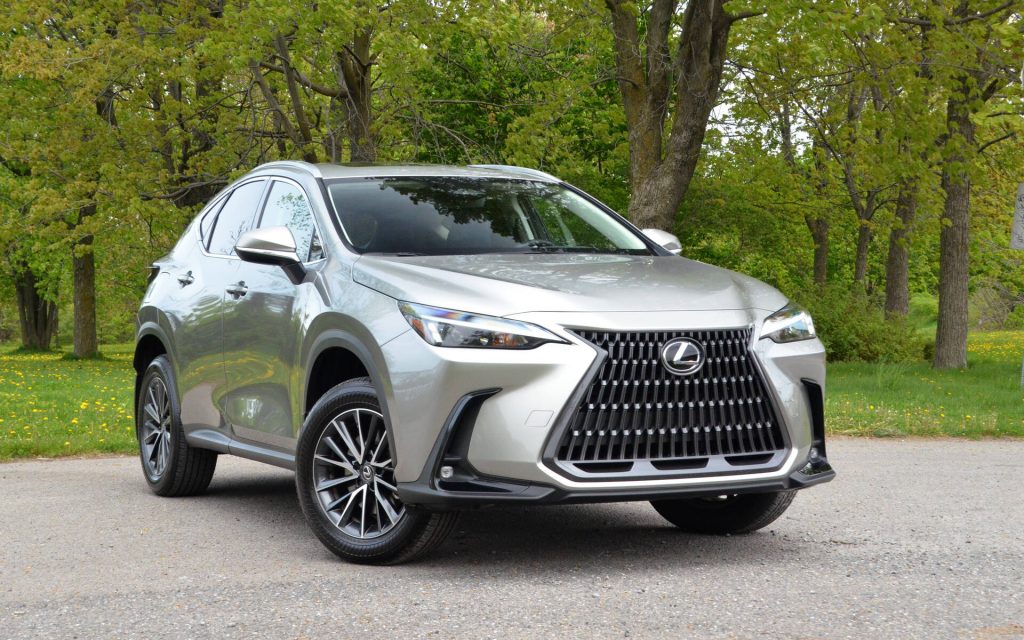
Cabin noise is well-managed, further enhancing the sense of refinement and making the hybrid experience feel premium.
Practicality is maintained with generous cargo space and versatile seating arrangements. Overall, the Lexus NX 450h+ demonstrates how a plug-in hybrid can surpass conventional gas models by combining performance, efficiency, and technology.
It offers a modern, satisfying driving experience that positions it as a top choice for those seeking a hybrid that truly outperforms its gasoline counterparts.
4. Toyota Highlander Hybrid (2023–2025)
The Toyota Highlander Hybrid delivers a well-rounded package that often outperforms its gasoline-only sibling. Its hybrid powertrain produces smooth, reliable acceleration while maximizing fuel efficiency, making it a practical choice for families and long-distance travelers alike.
The SUV handles weight distribution effectively, and the power delivery feels natural and responsive, providing an experience that rivals or exceeds conventional Highlander models in both performance and efficiency.
Inside, the cabin is spacious, comfortable, and user-friendly. Durable materials, soft-touch surfaces, and ergonomically positioned controls make the interior feel inviting and practical for daily use. Infotainment and connectivity features are modern and intuitive, with support for smartphone integration and navigation.
Advanced driver-assistance technologies, such as adaptive cruise control, lane-keeping assist, and collision mitigation systems, enhance safety and convenience, giving the hybrid an advantage over some traditional gas SUVs.
The Highlander Hybrid’s ride quality and handling are tuned to provide a smooth, composed experience. Suspension systems absorb bumps effectively while maintaining composure in corners, and cabin noise is well-controlled.
Regenerative braking works efficiently without compromising driving dynamics, ensuring that the hybrid powertrain feels seamless rather than intrusive.
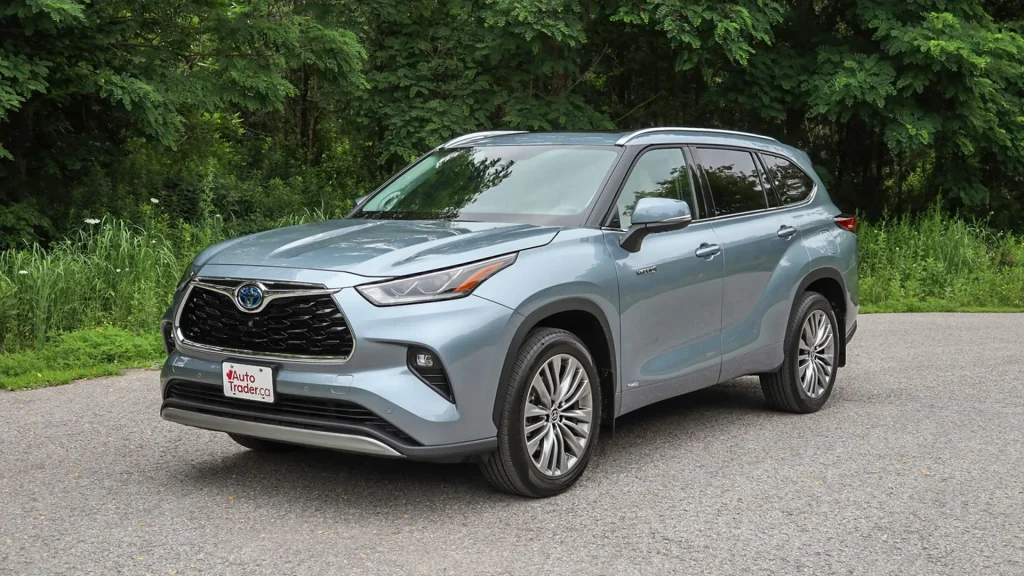
Practicality is a highlight, with flexible seating for up to eight passengers and ample cargo space. The combination of fuel efficiency, performance, and usability makes the Highlander Hybrid a strong example of a vehicle that exceeds the capabilities of its gasoline-only counterpart.
Its thoughtful balance of comfort, technology, and driving dynamics ensures it remains relevant and enjoyable for years, positioning it as one of the most effective hybrids on the market.
5. Ford Escape Hybrid (2023–2025)
The Ford Escape Hybrid is a compact SUV that delivers an impressive combination of efficiency, performance, and practicality, allowing it to surpass many gasoline-only competitors.
Its hybrid powertrain blends a 2.5-liter engine with electric motors to produce responsive acceleration while maintaining excellent fuel economy.
Electric assistance provides instant torque, making city driving smooth and agile, while highway performance remains composed and confident. This balance ensures the Escape Hybrid feels more capable and refined than traditional gas-powered versions.
Inside, the Escape Hybrid emphasizes comfort and usability. Seats are supportive for both short commutes and longer trips, and the cabin features well-organized controls with durable materials.
The infotainment system is intuitive, integrating modern connectivity options such as smartphone mirroring, navigation, and voice recognition.
Advanced driver-assistance technologies, including adaptive cruise control, lane-keeping assist, and automated emergency braking, enhance both safety and convenience, contributing to a more modern driving experience than many gas SUVs in its class.
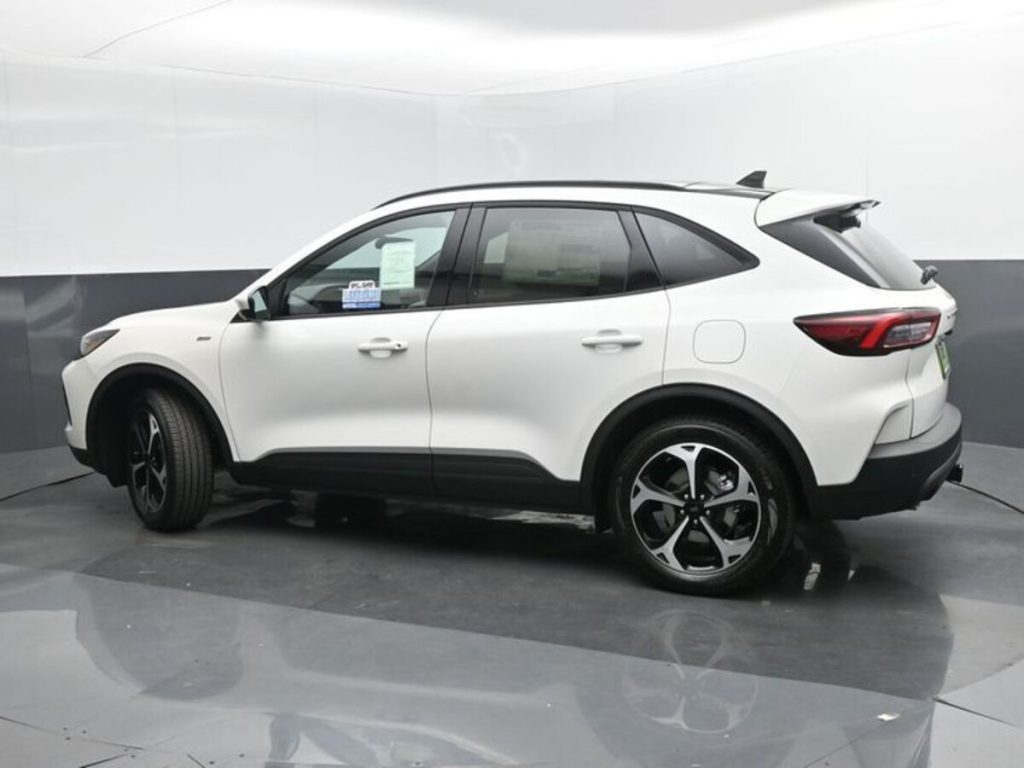
Driving dynamics are refined, with suspension tuned to absorb road imperfections without sacrificing handling responsiveness. Regenerative braking is smoothly integrated, providing energy recovery while maintaining natural pedal feel. Cabin noise is well-managed, adding to the perception of quality and modernity.
Practicality remains a strong suit, with flexible cargo space and thoughtful storage solutions. The Ford Escape Hybrid demonstrates how a compact SUV can outperform its gasoline counterpart by combining fuel efficiency, technology, and enjoyable driving dynamics.
Its seamless integration of hybrid technology into a practical and responsive package makes it a top choice for drivers seeking both efficiency and performance, illustrating that hybrids can exceed expectations rather than merely match conventional gas vehicles.
5 Hybrids That Don’t Outperform Gas Cars
While many hybrids provide fuel efficiency and modern technology, not all deliver a driving experience superior to their gasoline counterparts.
Some hybrids prioritize economy over performance, comfort, or usability, resulting in vehicles that feel underpowered, disconnected, or less practical than comparable gas models. These shortcomings can diminish long-term satisfaction, leaving drivers questioning the value of their hybrid choice.
One common issue is powertrain design. Certain hybrids employ weak electric motors or poorly integrated systems that fail to provide smooth acceleration or responsive handling.
In such cases, the driving experience can feel sluggish, particularly when merging onto highways or carrying heavier loads. For drivers accustomed to the immediate feedback and power of conventional engines, this can be frustrating.
Technology and interior quality also play a role. Hybrids with outdated infotainment, minimal connectivity, or poorly designed controls often feel less modern than gas-powered alternatives. Cabin materials, ergonomics, and seating comfort may also be compromised to save weight or cost, further impacting the overall experience.
Ride and handling are additional factors. Some hybrids use stiff suspensions or compromise steering feel in the pursuit of efficiency, resulting in a less enjoyable driving experience. Noise, vibration, and harshness can be more pronounced than in traditional vehicles, making daily driving less refined and reducing the perception of value.
This section identifies five hybrid vehicles that fail to outperform gasoline models, highlighting the reasons they fall short.
By examining powertrain performance, technology integration, interior quality, and driving dynamics, buyers can understand which hybrids are genuinely beneficial and which are likely to disappoint.
Recognizing these limitations helps prospective owners make informed decisions and avoid models that compromise too heavily in the pursuit of efficiency.
1. Toyota Prius (2023–2025 Base Model)
The Toyota Prius has long been synonymous with hybrid technology and fuel efficiency. However, in its 2023–2025 base iterations, it struggles to outperform conventional gas cars in several key areas.
While its hybrid system provides excellent mileage, the vehicle’s acceleration and overall performance lag behind many gasoline-powered competitors.
The electric-assist motors are adequate for city driving, but highway merges and overtaking maneuvers often feel underpowered. Drivers seeking a lively or responsive driving experience may find the Prius lacking in engagement.
Inside, the cabin emphasizes efficiency over comfort or luxury. Hard plastics dominate the dashboard and door panels, and seating can feel firm and less supportive on longer journeys.
Infotainment and connectivity options are functional but minimal, lacking advanced features or modern touchscreen responsiveness found in rivals.
Driver-assistance technology, although present, is basic, and software updates are limited, which reduces the long-term appeal compared to more modern hybrid or gas SUVs and sedans.
Driving dynamics also contribute to a sense of compromise. Steering lacks precision, and suspension tuning prioritizes economy over comfort or handling finesse. Cabin noise can be noticeable, particularly at highway speeds, reducing overall refinement.
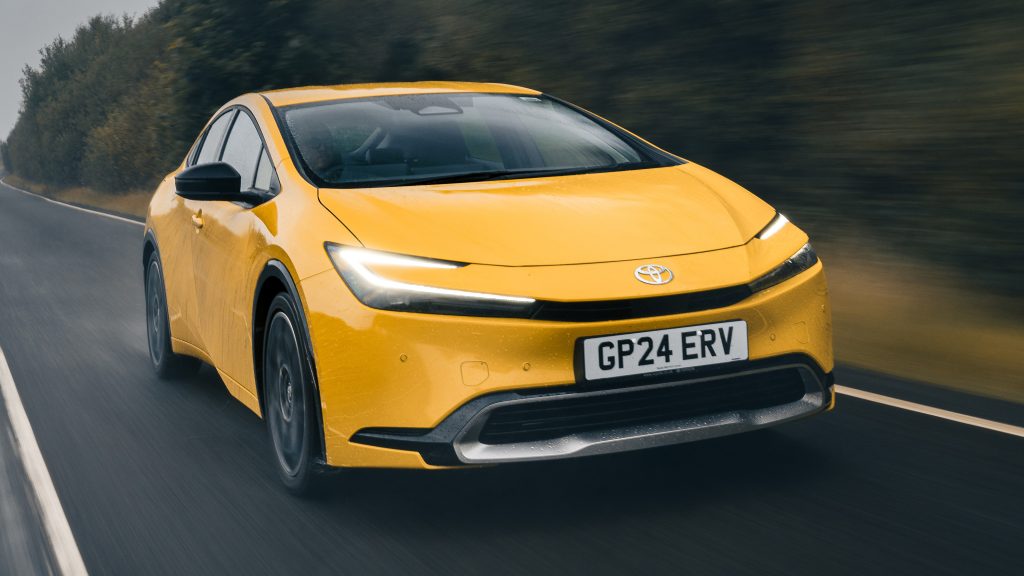
While the Prius excels in fuel economy, it does not consistently outperform gas-powered alternatives in acceleration, comfort, or technology.
Its focus on efficiency comes at the expense of usability and driving satisfaction, making it a hybrid that, despite its reputation, fails to surpass gasoline models in several critical aspects.
Buyers seeking a hybrid that truly enhances the driving experience may find the Prius falling short compared to modern gas vehicles that offer a more balanced approach.
2. Ford Fusion Hybrid (2020–2022)
The Ford Fusion Hybrid, particularly in recent 2020–2022 models, offers efficiency benefits but falls short in terms of performance and overall driving satisfaction compared to gasoline variants.
Its hybrid powertrain is designed primarily for fuel economy, which results in slower acceleration and a less responsive feel during city traffic or highway driving.
Unlike many newer hybrids, the Fusion Hybrid’s electric motor does not provide strong torque at low speeds, making the vehicle feel less lively than comparable gas-powered sedans.
Interior quality is serviceable but lacks refinement. Materials are mostly hard plastics, and seating comfort is adequate but not exceptional, particularly for longer trips. The infotainment system, while functional, feels dated compared to modern competitors, and smartphone integration is less seamless.
Driver-assistance systems exist but do not offer the adaptive sophistication of newer hybrid models, reducing overall technology appeal.
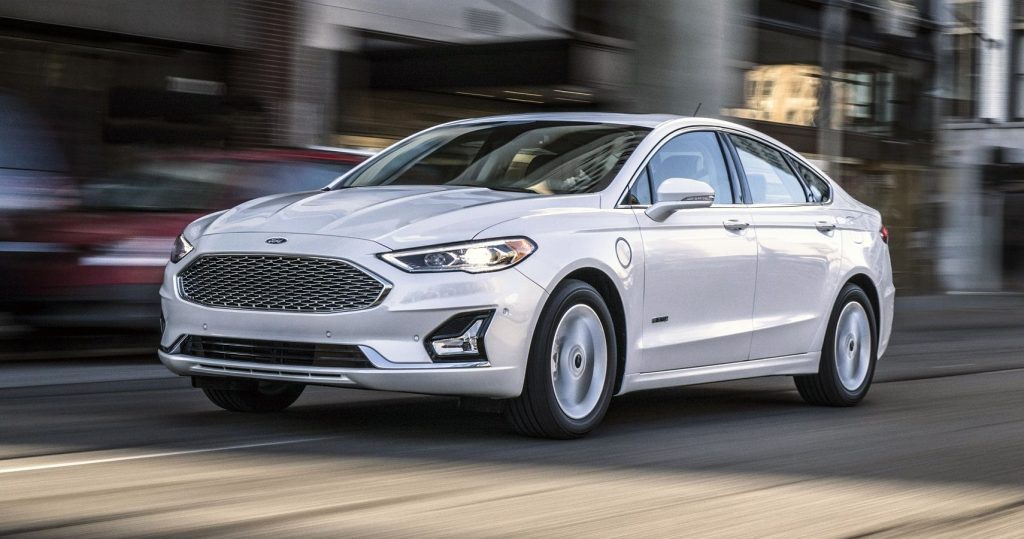
Ride and handling are functional but uninspiring. The suspension is tuned for comfort rather than agility, which can result in body roll and a less composed feel during cornering. Steering feedback is muted, leaving drivers with a sense of disconnect compared to conventional gas sedans in the same segment.
While the Ford Fusion Hybrid saves fuel, it does not offer the performance, comfort, or technology enhancements expected from a hybrid that outperforms its gas counterpart.
The emphasis on efficiency leads to compromises that make the vehicle feel less dynamic and modern, highlighting the importance of careful hybrid selection when seeking a truly superior alternative to traditional gasoline vehicles.
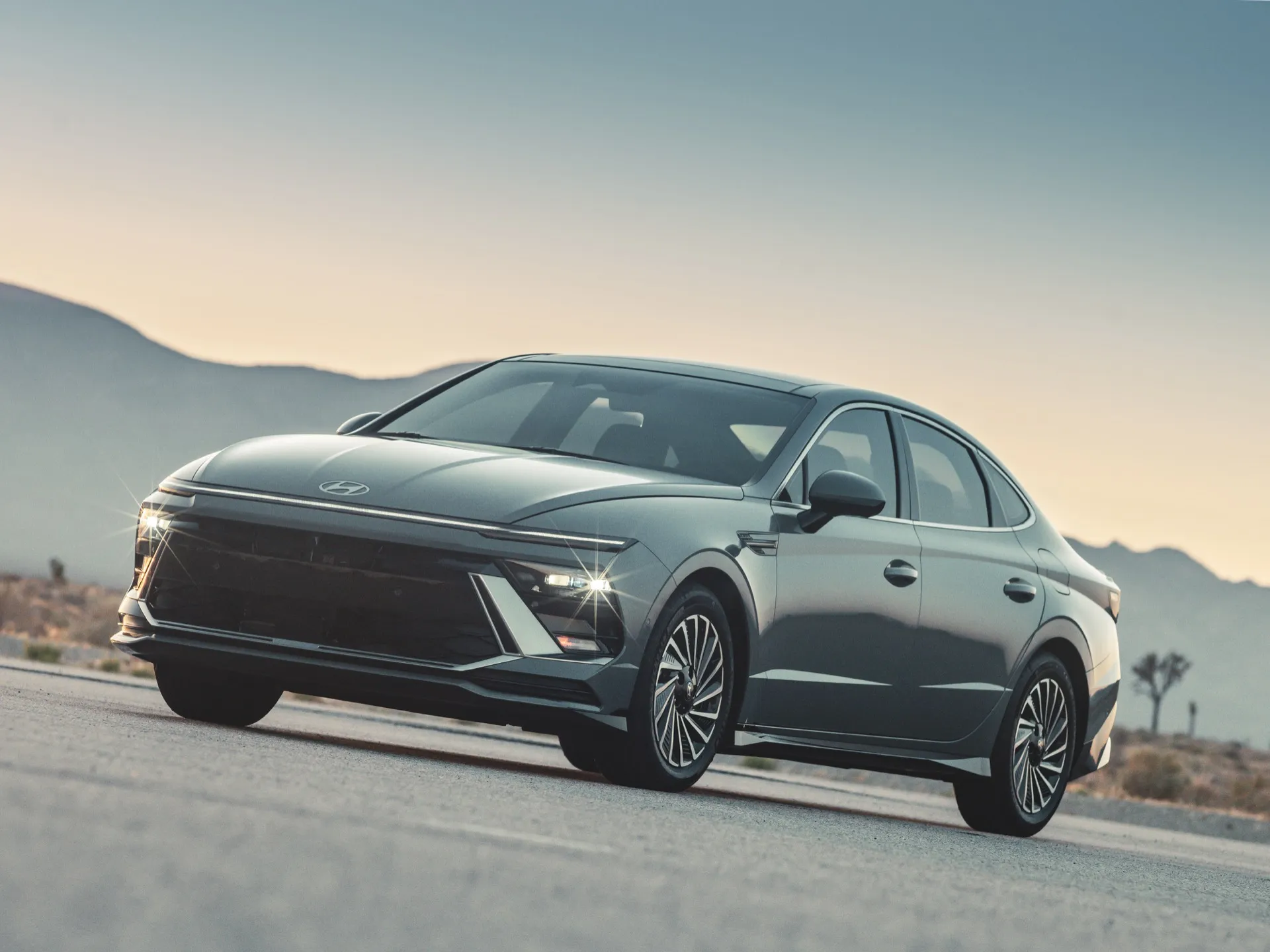
3. Hyundai Sonata Hybrid (2020–2022)
The Hyundai Sonata Hybrid provides strong fuel economy, but its performance and driving experience often fall short compared to gasoline versions or competitors.
Its hybrid system prioritizes efficiency over responsiveness, resulting in a vehicle that feels sluggish during acceleration and less confident when merging onto highways.
The continuously variable transmission (CVT) contributes to a disconnected driving feel, with engine noise often rising under load, which can make the Sonata Hybrid feel less refined than gas-powered counterparts.
Inside, the cabin is reasonably comfortable but lacks the long-term appeal of some modern sedans. Materials are mostly hard plastics, and while seating is adequate for daily commutes, it does not provide the comfort or support expected for longer trips.
Infotainment systems are functional but can feel dated, with slower response times compared to more recent hybrids or gas-powered sedans. Driver-assistance technology exists but is basic, lacking advanced adaptive or semi-autonomous features, which further reduces the sense of modernity.
Ride quality emphasizes comfort but comes at the cost of dynamic handling. The suspension absorbs bumps adequately but allows noticeable body roll during cornering, and steering feedback is numb and less engaging than conventional gas sedans. Cabin noise, particularly at higher speeds, can intrude on the driving experience, diminishing refinement.
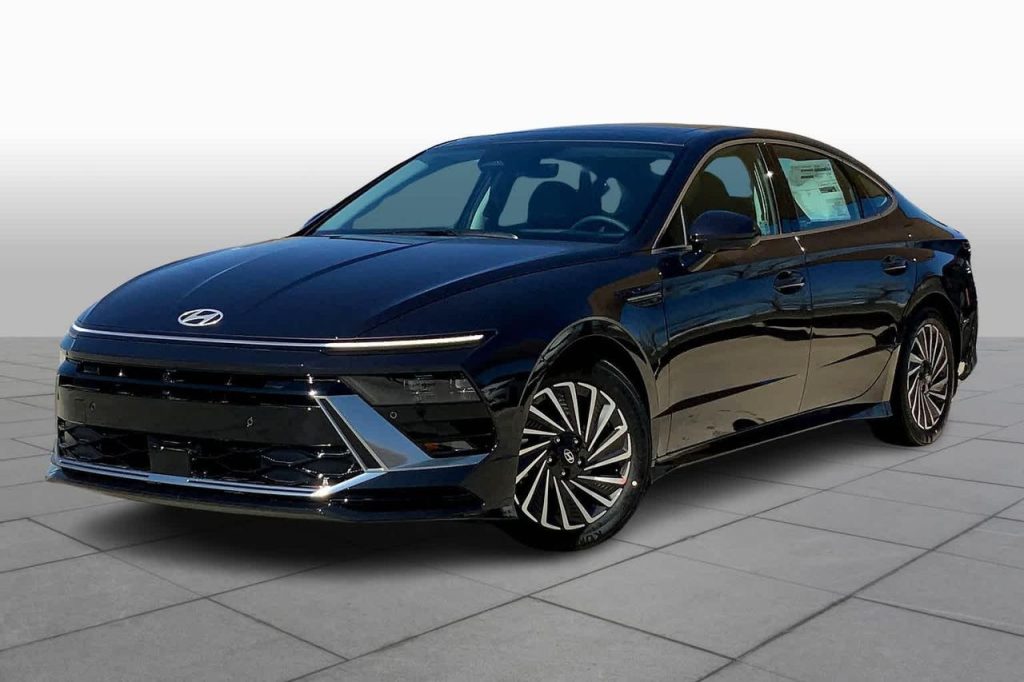
While the Sonata Hybrid excels in fuel efficiency, it does not consistently outperform gasoline alternatives in performance, comfort, or technology.
Its focus on economy leads to compromises that may leave drivers longing for a more responsive, refined, and technologically advanced vehicle. As a result, the Sonata Hybrid demonstrates that not all hybrid vehicles surpass gas-powered models in meaningful ways.
4. Kia Optima Hybrid (2020–2022)
The Kia Optima Hybrid is another example of a vehicle that emphasizes fuel efficiency but fails to deliver a superior driving experience compared to gasoline counterparts.
Its hybrid powertrain produces adequate acceleration in low-speed city conditions, yet it lacks the responsiveness and torque needed for confident highway driving or overtaking maneuvers. This makes it feel slower and less engaging than similarly sized gas-powered sedans.
Inside, the cabin is functional but lacks refinement. Hard plastics dominate touchpoints, and the seats, though reasonably comfortable, offer limited support during long trips.
The infotainment system is serviceable but slower than more modern alternatives, and connectivity options are limited compared to competitors. Driver-assistance features, while present, do not offer advanced adaptive capabilities, reducing overall convenience and safety perception.
Ride and handling reflect its efficiency-focused design. The suspension is tuned for comfort but allows more body movement in corners, and steering lacks feedback and precision, making the Optima Hybrid feel disconnected. Cabin noise is more noticeable at highway speeds, further diminishing the sense of quality and refinement.
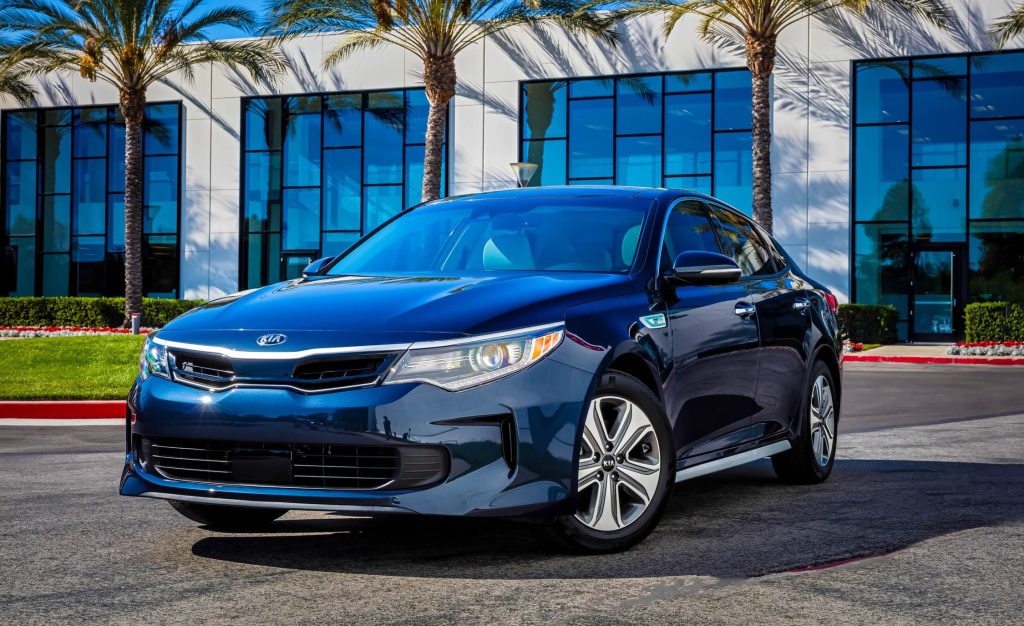
Though the Optima Hybrid saves fuel, it does not consistently outperform gasoline versions in areas that impact daily driving enjoyment.
Its compromises in acceleration, interior quality, and technology demonstrate that hybrids are not automatically superior to gas-powered vehicles. Buyers seeking a hybrid that genuinely surpasses conventional models may find the Optima Hybrid falls short in delivering a balanced, modern driving experience.
5. Chevrolet Malibu Hybrid (2020–2022)
The Chevrolet Malibu Hybrid aims to combine fuel efficiency with the practicality of a mid-size sedan, but it struggles to outperform its gasoline counterparts in key areas.
Its hybrid powertrain is tuned for economy, delivering adequate city performance but often feeling underpowered during highway driving and passing maneuvers.
Acceleration can be sluggish, and the continuously variable transmission contributes to a disconnected and less engaging driving experience. For drivers accustomed to the responsiveness of conventional engines, the Malibu Hybrid may feel frustratingly subdued.
Inside, the cabin focuses on functionality over refinement. Hard plastics dominate the dashboard and door panels, and the seats, while comfortable for short trips, lack the support needed for longer drives. Infotainment and connectivity options are basic, with slow response times and minimal over-the-air update capabilities.
Driver-assistance features, though present, are not as advanced or adaptive as those found in more modern hybrids or gas-powered sedans, limiting the overall sense of technology and safety.
Ride quality and handling reinforce the efficiency-focused compromises. The suspension prioritizes comfort but allows noticeable body roll in corners, while steering feedback feels muted and unresponsive.
Cabin noise, particularly at highway speeds, detracts from the perception of refinement, making the vehicle feel dated compared to more dynamic gas-powered options.
Although the Chevrolet Malibu Hybrid offers impressive fuel economy, it does not consistently exceed the performance, comfort, or technology of conventional Malibu models.
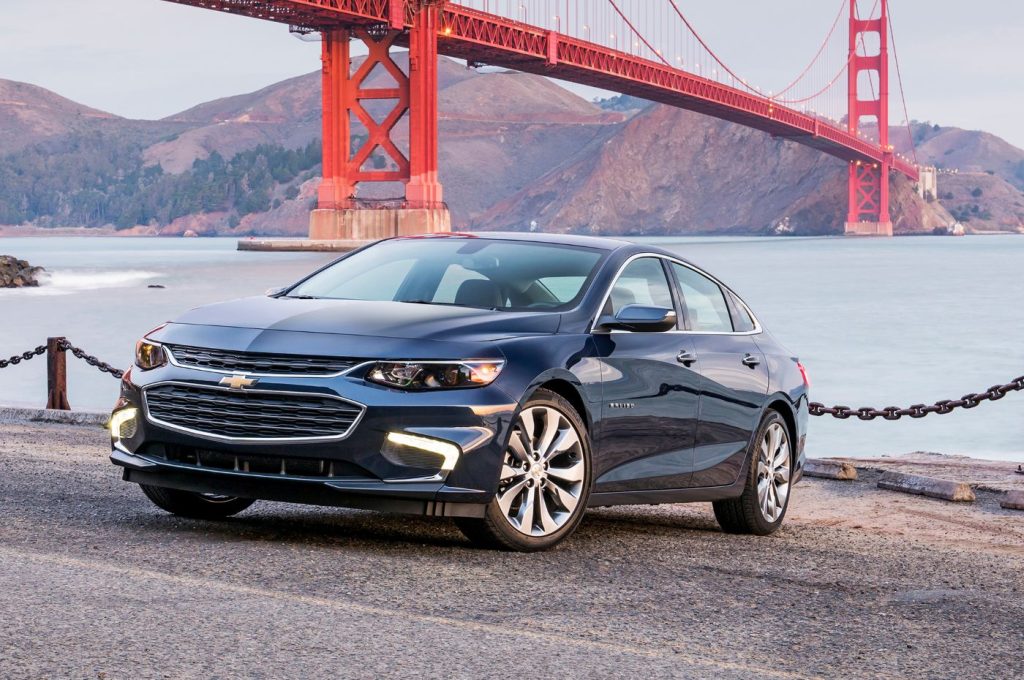
Its emphasis on efficiency comes at the cost of driving enjoyment and modernity, illustrating that not all hybrids outperform gasoline vehicles.
Buyers looking for a hybrid that delivers both efficiency and a superior driving experience may find the Malibu Hybrid lacking in balance and long-term satisfaction.
Also Read: 5 Cars That Outsell Expectations vs 5 That Fail Quietly
