
Automotive success is measured in many ways, but sales figures provide the clearest reflection of a car’s impact. Some vehicles manage to surpass all expectations, connecting with buyers in ways that surprise even their manufacturers.
These cars often combine the right mix of practicality, performance, design, and value, hitting sweet spots in the market that competitors struggle to reach.
Their appeal is broad enough to sustain strong sales, yet their individual qualities make them memorable, creating lasting impressions beyond the numbers.
On the flip side, not every car achieves this level of resonance. Certain models quietly fade into the background, failing to attract attention despite engineering effort, marketing campaigns, or attractive features.
These vehicles may be technically sound or visually appealing, but they miss the combination of factors that make a car commercially compelling. Low sales can result from timing, segment saturation, pricing missteps, or simply a mismatch between what buyers want and what the car delivers.
Examining both sides of the sales spectrum provides insight into the dynamics of the automotive market. The cars that outsell expectations reveal what resonates with drivers whether it’s reliability, practicality, innovation, or emotional appeal.
Meanwhile, the models that fail quietly serve as cautionary examples, highlighting that even well-engineered vehicles can struggle if they fail to connect with their audience.
This piece highlights five cars that consistently outperform expectations in sales and five that, despite effort, fail to leave a significant mark. Each example demonstrates how design, pricing, features, and timing combine to shape a car’s commercial success.
By studying these vehicles, it becomes clear why some cars capture attention and wallets, while others quietly disappear from consideration, leaving only fleeting impressions on the market.
Also Read: 5 Trucks That Outsold Expectations vs 5 That Flopped
5 Cars That Outsell Expectations
When a car exceeds sales expectations, it reflects more than just marketing or brand loyalty it demonstrates a connection with buyers that goes beyond initial predictions. These vehicles often find the perfect balance between practicality, affordability, performance, and style.
They fulfill the needs of a broad audience while offering features that feel modern and relevant. This combination makes them stand out, not just in numbers, but in perception, as cars that consistently deliver value and satisfaction.
Success in sales is rarely accidental. Models that outsell expectations often emerge at the right time, in the right segment, and with attributes that resonate widely. They may benefit from strong reliability, efficient performance, smart pricing, or thoughtful interior design.
Equally important is their ability to feel approachable cars that appeal to everyday drivers while still delivering a sense of quality and desirability tend to outperform predictions.
These vehicles also demonstrate how automakers can respond to consumer trends effectively. Whether buyers are seeking fuel efficiency, technology integration, versatility, or style, the cars that surpass expectations align with these priorities.
Their appeal is measurable not only in annual sales figures but in repeat ownership and sustained demand over years, showing that initial success often translates into long-term relevance.
This section highlights five cars that consistently exceed projected sales figures. Each one has earned its place because it meets or exceeds buyer expectations in ways that are both tangible and experiential.
From compact crossovers to sedans and practical family vehicles, these models reveal the factors that contribute to unexpected commercial success.
Studying them provides insight into what makes a car resonate in the market, and why some vehicles achieve enduring popularity despite modest initial projections.
1. Toyota RAV4
The Toyota RAV4 has consistently proven itself as a top seller across multiple markets, often outperforming even the most optimistic projections. Its success comes from a combination of practicality, reliability, and broad appeal.
Buyers appreciate its versatile size, which balances interior space with maneuverability. The RAV4’s cargo capacity and rear-seat comfort make it suitable for families, commuters, and adventure seekers alike, allowing it to cater to a wide audience.
Reliability is another critical factor in the RAV4’s success. Toyota’s reputation for building long-lasting vehicles encourages consumer confidence, and the RAV4 maintains low ownership costs compared to many rivals.
Its efficient engine options, including hybrid variants, offer both fuel economy and performance, aligning with increasing consumer interest in eco-friendly alternatives without sacrificing versatility.
The vehicle also benefits from a contemporary design and user-friendly technology. Infotainment, driver assistance features, and intuitive controls create a satisfying daily experience. Safety ratings consistently rank high, further strengthening its appeal to practical-minded buyers.
What makes the RAV4 exceed expectations is how it consistently delivers value across multiple dimensions. It doesn’t rely on gimmicks or extreme styling; instead, it combines tangible benefits with an accessible price point.

This combination resonates with a wide audience, resulting in strong, sustained sales. Even when competing in a crowded SUV market, the RAV4 continues to attract new buyers, demonstrating that thoughtful engineering, reliability, and practicality can outperform even aggressive sales forecasts.
Its ability to appeal to multiple demographics and maintain relevance year after year ensures it remains one of Toyota’s most commercially successful models.
2. Honda CR-V
The Honda CR-V is another compact SUV that regularly exceeds sales expectations. Its success is rooted in a formula that prioritizes balance: spaciousness, comfort, efficiency, and dependability.
The CR-V’s interior offers generous passenger and cargo space, providing practical utility for families and urban drivers alike. Its seating and ergonomics are consistently praised, making long commutes or road trips comfortable and hassle-free.
Honda’s focus on reliability has cemented the CR-V’s reputation in the market. Owners know that routine maintenance is straightforward, and the vehicle maintains its value over time. Engine options strike a balance between fuel economy and responsive performance, while the inclusion of hybrid models addresses the growing demand for efficient alternatives.
The CR-V also benefits from well-integrated technology. Infotainment systems, safety features, and driver-assistance tools are user-friendly, adding value without overwhelming the driver. Its design is contemporary and approachable, appealing to a broad demographic without alienating any segment.

What makes the CR-V a car that outsells expectations is its ability to combine so many positive traits into a cohesive package. It doesn’t dominate headlines with extreme styling or performance numbers, yet it consistently attracts new buyers.
Its understated excellence allows it to remain relevant in a competitive segment, proving that consistent, thoughtful design and engineering often outperform predictions.
The CR-V demonstrates that exceeding expectations is not about flash it’s about delivering a product that satisfies both practical and emotional needs, creating long-term appeal and sustained commercial success.
3. Ford F-150
The Ford F-150 has long been a benchmark in the pickup segment, regularly outperforming sales projections. Its success stems from a combination of durability, capability, and versatility that appeals to a wide range of buyers.
Whether used for work, recreation, or daily driving, the F-150 offers configurations to meet virtually every need. From cab styles to bed lengths and trim levels, the truck provides options that attract diverse customer profiles, which explains its consistent dominance in sales charts.
Reliability and performance are central to the F-150’s enduring popularity. Its engines, from efficient turbocharged options to powerful V8s, provide strong towing and hauling capabilities without compromising drivability.
The introduction of hybrid and EcoBoost engines further broadens appeal by offering fuel-efficient alternatives without sacrificing power. These features make the truck both practical and adaptable for changing buyer preferences.
Interior design has evolved to combine utility with comfort. Modern F-150s offer spacious cabins, user-friendly technology, and high-quality materials that make long drives pleasant. Safety features, driver-assistance systems, and connectivity options contribute to the overall value proposition, attracting families and commercial users alike.
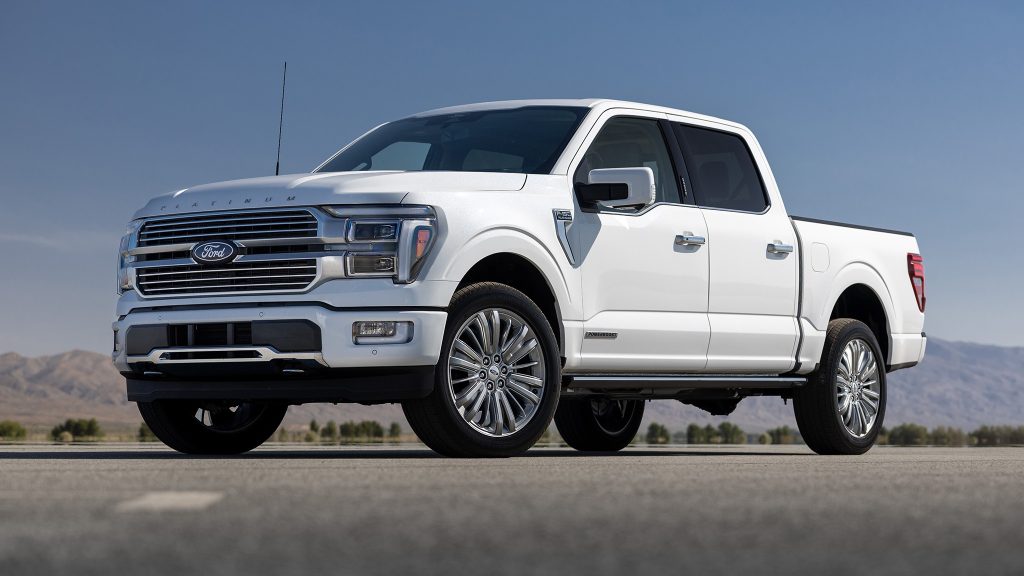
What allows the F-150 to outsell expectations is its ability to combine strength, reliability, and adaptability into one cohesive package. It has built a reputation that transcends marketing campaigns, relying on proven performance and consistent value.
Even in a highly competitive truck market, the F-150’s broad appeal and reputation for quality allow it to outperform sales forecasts, proving that meeting real-world needs is as important as style or novelty.
Its commercial and consumer success reflects decades of careful engineering, positioning it as one of Ford’s most enduringly successful vehicles.
4. Subaru Outback
The Subaru Outback is a unique example of a crossover that exceeds sales expectations through practicality, versatility, and brand loyalty.
Its combination of all-wheel drive, elevated ride height, and reliable engineering makes it appealing to buyers seeking adventure-ready capability without sacrificing comfort.
Unlike traditional SUVs, the Outback blends car-like handling with crossover practicality, creating a niche that resonates strongly in markets with variable weather or outdoor lifestyles.
Reliability plays a critical role in the Outback’s popularity. Subaru’s track record for durability and low long-term ownership costs reassures buyers, encouraging repeat purchases and maintaining strong resale value. Fuel-efficient engines, combined with ample cargo and passenger space, allow the Outback to meet both daily commuting and recreational needs.
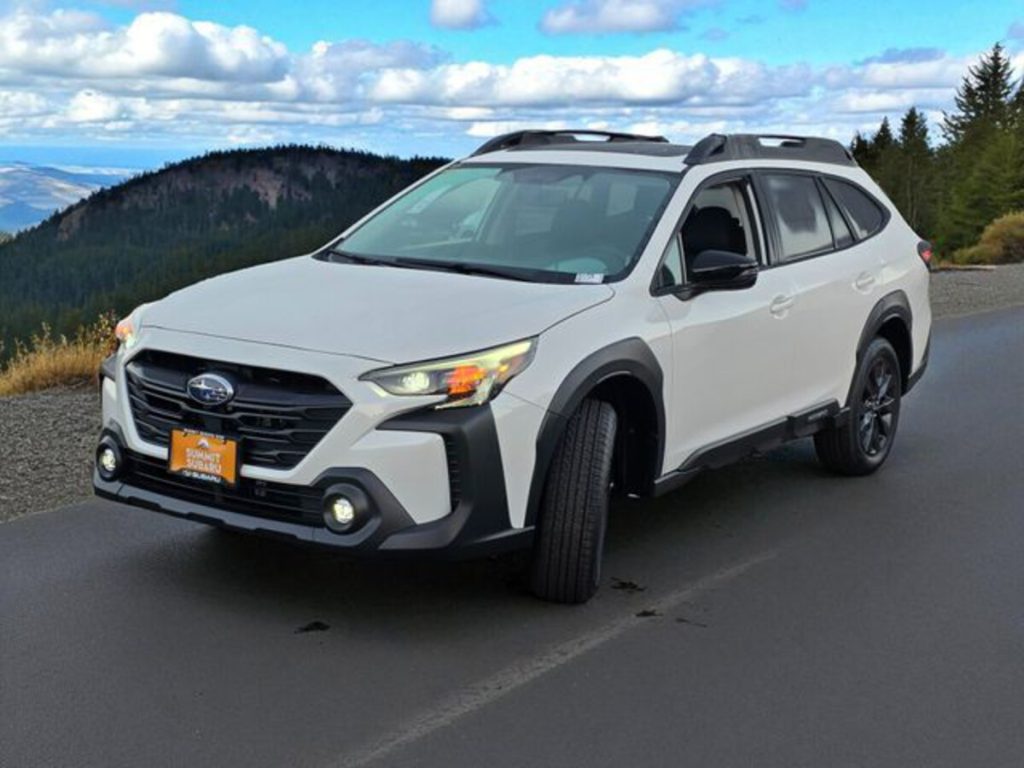
Technology and safety are also key contributors. Standard driver-assistance features, intuitive infotainment systems, and modern interior layouts make the Outback both functional and enjoyable. Its understated design balances utility and style, ensuring that it appeals to a broad demographic without relying on extreme styling or gimmicks.
What makes the Outback exceed expectations is its ability to carve out a distinct identity in a crowded segment. While competitors may chase trends or flash, Subaru focuses on practicality and reliability, creating a vehicle that consistently meets buyer needs.
Its blend of capability, comfort, and trustworthiness allows it to maintain strong, sustained sales, illustrating that understanding your audience and delivering consistent value can surpass even the most optimistic projections.
5. Kia Telluride
The Kia Telluride has emerged as one of the most surprising success stories in recent automotive history, consistently outselling projections since its debut.
Its appeal comes from a combination of striking design, spaciousness, and value, which have made it a favorite among families and SUV buyers.
Unlike many competitors, the Telluride manages to feel premium without demanding a luxury price, striking a balance that resonates with a wide audience.
One of its strongest attributes is practicality. The Telluride offers three rows of seating, generous cargo space, and thoughtful interior design. Every detail, from storage compartments to comfortable seating, emphasizes usability.
These qualities make it a compelling choice for families or anyone needing a versatile vehicle for both daily routines and long trips.
Reliability and performance contribute significantly to its commercial success. The V6 engine provides smooth, confident power, while ride quality and handling ensure comfort and stability.
Advanced safety features and driver-assistance technologies are included in most trims, giving buyers confidence without extra cost. The interior materials feel high-end, and the layout is intuitive, creating an environment that rivals more expensive competitors.
What allows the Telluride to exceed expectations is the combination of style, substance, and accessibility. Its bold yet refined exterior catches attention, while the interior delivers thoughtful functionality that meets real-world needs.

It doesn’t rely on gimmicks or overcomplication; instead, it provides a cohesive experience that appeals to a broad audience. This combination has driven sustained demand, often exceeding production capacity and generating waitlists.
The Telluride demonstrates that a well-designed, well-priced, and practical vehicle can outperform predictions when it hits the right balance.
Its success illustrates that understanding buyer priorities space, comfort, value, and style, can transform a new model into a market phenomenon, cementing its position as one of Kia’s most commercially successful vehicles.
5 Cars That Fail Quietly
Not every vehicle captures the attention or wallet of buyers, even when it offers competent engineering or attractive features. Some cars quietly underperform in sales, slipping through the cracks of a competitive market.
These vehicles may have potential, but for a variety of reasons timing, segment saturation, pricing, or design choices they fail to resonate with a broad audience. Unlike high-profile flops, cars that fail quietly often fade without dramatic headlines, leaving little trace in the public consciousness.
Understanding why certain cars struggle provides insight into the delicate balance between product and market demand. Strong engineering alone is rarely enough.
Buyers are influenced by factors such as reliability, perceived value, interior and exterior design, brand image, and alignment with lifestyle needs. If one or more of these elements are misaligned, even a well-built vehicle can underperform commercially.
Cars that fail quietly often share common traits. They may enter saturated segments with strong incumbents, offer features that aren’t distinctive enough to stand out, or price themselves out of consideration. Sometimes, incremental design changes or a lack of personality can leave them overlooked, even by attentive buyers.
This section highlights five vehicles that, despite effort and potential, failed to achieve meaningful sales impact. Each example demonstrates how factors like timing, design, pricing, and consumer perception can influence a car’s success or its quiet decline.
By examining these vehicles, it becomes clear that commercial success requires more than engineering excellence.
Connecting with buyers on multiple levels is essential, and even small missteps can lead a car to quietly disappear from the market, serving as a reminder that automotive success is a combination of strategy, execution, and resonance.
1. Nissan Murano
The Nissan Murano is an example of a vehicle that quietly struggles in a competitive crossover segment. While it offers a comfortable ride, attractive styling, and decent technology, it fails to capture strong buyer attention or achieve significant sales momentum.
One reason for this underperformance is timing and positioning. Entering a crowded midsize crossover market, the Murano competes against models with stronger brand loyalty or broader appeal, such as the Toyota RAV4, Honda CR-V, and Ford Edge.
Design choices also play a role. The Murano’s exterior styling, while distinctive, can appear polarizing to some buyers. Its flowing, unconventional lines and high beltline make it stand out visually, but not always in ways that appeal to a mainstream audience.
For those seeking a more traditional or conservative design, the Murano may feel like an acquired taste, limiting its broader commercial appeal.
Inside, the vehicle offers a well-built cabin with comfortable seating, user-friendly infotainment, and quality materials. However, its interior space, particularly in the rear seats and cargo area, is slightly compromised compared to competitors, reducing its practicality for family buyers who often dominate this segment.

Pricing and perceived value also impact sales. The Murano tends to fall in the middle of the segment’s pricing spectrum, which can make it less attractive compared to higher-value or better-equipped rivals.
Ultimately, the Nissan Murano demonstrates that even a competent, attractive vehicle can quietly underperform if it doesn’t fully align with buyer expectations.
It delivers comfort and technology, yet its compromises in styling, space, and market positioning leave it overlooked.
This quiet underachievement highlights how subtle misalignments in design, practicality, and perception can affect a car’s commercial success, even when the vehicle itself is capable and well-engineered.
2. Chevrolet Trax
The Chevrolet Trax is another model that struggles to make a significant impact despite being a competent compact crossover.
Its small size, approachable price, and straightforward design suggest accessibility, but these same qualities limit its ability to stand out in a highly competitive segment. Buyers increasingly favor slightly larger crossovers that offer more interior space, cargo capacity, and comfort, leaving the Trax overlooked.
Performance plays a part in its quiet underachievement. While the Trax provides sufficient power for city driving, its engine feels underwhelming on highways, particularly when fully loaded. Ride quality is adequate but not remarkable, which reduces enthusiasm among buyers who prioritize comfort and refinement.
Interior space and practicality are other limitations. Rear legroom and cargo capacity are restricted compared to segment rivals, making it less appealing for families or those needing utility. The dashboard layout and infotainment system are functional but unremarkable, failing to provide standout features that might compensate for the vehicle’s size limitations.

Marketing and perception also impact its sales. The Trax struggles against better-known rivals with stronger reputations for reliability or resale value. Despite competitive pricing, it lacks a compelling narrative to attract attention, resulting in modest sales figures.
The Chevrolet Trax demonstrates that competence alone is not enough to ensure commercial success. Even when a vehicle is practical, affordable, and reliable, shortcomings in space, performance, and perceived value can prevent it from achieving meaningful sales impact.
Its quiet fade from the spotlight highlights the importance of alignment between product strengths and market expectations, reminding manufacturers that subtle factors can determine success or quiet underperformance.
3. Ford Fiesta
The Ford Fiesta, once a popular subcompact, has quietly lost relevance in recent years. Despite being affordable, fuel-efficient, and easy to drive, it struggles in a segment increasingly dominated by small crossovers and hatchbacks that offer more space, versatility, and perceived value.
The shift in buyer preferences toward SUVs and crossovers has left the Fiesta overlooked, even though it remains a competent vehicle.
Design plays a role in its quiet underperformance. While the Fiesta’s exterior styling is modern and playful, it lacks the bold appeal that draws attention in today’s competitive market.
Its compact dimensions, while beneficial in city environments, limit interior and cargo space, making it less practical than slightly larger alternatives. These limitations reduce its appeal among small families or buyers looking for flexibility in their daily driving.
Inside, the Fiesta offers a functional cabin with straightforward controls and reasonable materials. Technology integration is adequate, with touchscreen infotainment and smartphone compatibility, but it does not stand out against competitors.
The interior is practical but lacks the refinement or premium feel that some rivals provide, which further diminishes its allure.
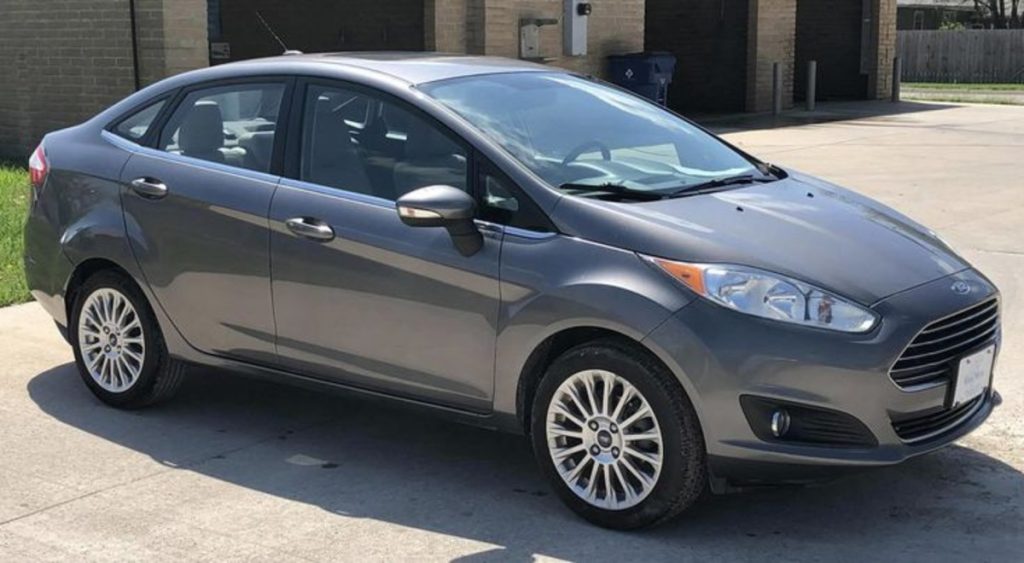
Performance is competent for city commuting, but the engine options do not provide significant excitement or efficiency advantages over rivals. This contributes to the perception of the Fiesta as merely functional rather than inspiring, limiting its appeal to those who prioritize driving engagement.
The Ford Fiesta demonstrates that even well-built, affordable vehicles can quietly fade when market trends shift. Its compact size, limited space, and lack of standout features leave it overshadowed by competitors.
This quiet decline illustrates how changing consumer expectations, segment preferences, and subtle design limitations can lead to underwhelming sales despite overall competence.
4. Mitsubishi Mirage
The Mitsubishi Mirage is a small car that consistently struggles to attract attention, despite its ultra-low price and fuel efficiency.
Its primary appeal lies in affordability and economy, but these strengths are not enough to overcome shortcomings that leave it quietly fading in a competitive market. Buyers often compare it to more spacious, better-equipped subcompacts, leaving the Mirage overlooked.
Design is a contributing factor. The exterior is plain, with simple lines and minimal flair, which fails to stand out among rivals.
While this aligns with the car’s budget-friendly purpose, it also reduces its perceived value. The interior mirrors this simplicity, with basic materials, minimal technology, and a compact cabin that limits comfort for rear passengers.
Performance is modest. The small engine provides acceptable efficiency, but acceleration and highway performance are limited. Combined with a less refined ride quality, the Mirage often feels underwhelming compared to other budget-friendly competitors, reducing enthusiasm among potential buyers.
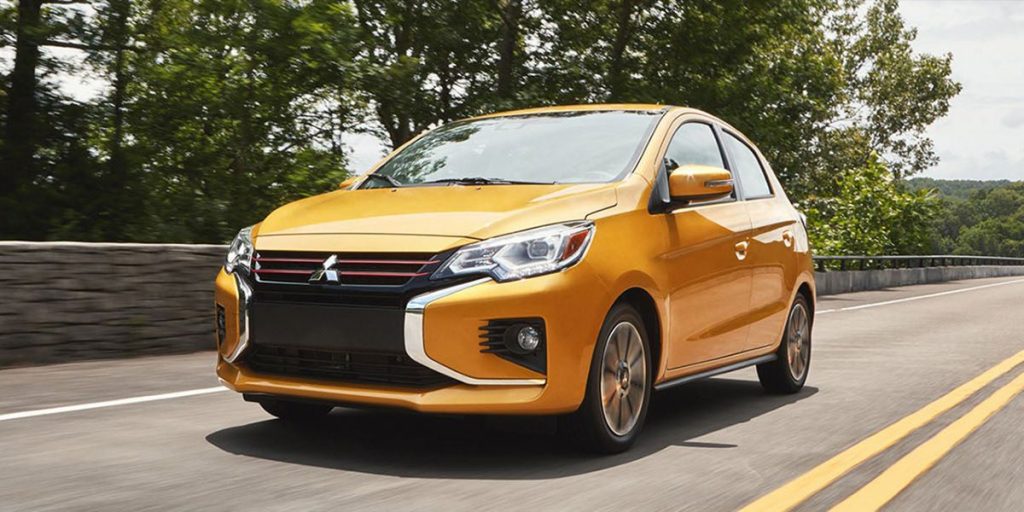
Brand perception and market positioning also play roles. Mitsubishi does not have the same subcompact reputation as Honda or Toyota, which impacts consumer confidence and resale value. Even aggressive pricing cannot fully offset these disadvantages.
The Mirage serves as a clear example of a car that quietly underperforms despite meeting basic functional needs. Its simplicity, low power, and limited appeal make it practical but unremarkable.
The vehicle highlights how economy alone is insufficient for commercial success, emphasizing that even a competent car must align with consumer expectations to achieve notable sales.
5. Fiat 500
The Fiat 500 is a vehicle that, despite its iconic styling and compact dimensions, quietly struggles in many markets.
While it offers charm, urban maneuverability, and efficient performance, it fails to generate strong, sustained sales compared to competitors in the city car and small hatchback segments.
The reasons for this quiet underperformance are multifaceted, ranging from practicality limitations to market positioning.
Design is both a strength and a challenge for the 500. Its retro-inspired exterior is distinctive and instantly recognizable, appealing to buyers who prioritize style and individuality.
However, this same design limits interior space, particularly in the rear seats and cargo area, making it less practical for daily commuting, shopping, or small families. In an era where consumers value versatility, the 500’s compact size becomes a significant disadvantage.
Inside, the cabin embraces playful aesthetics and modern technology, but space constraints are evident. Infotainment and comfort features are present, yet rear passenger accommodations remain tight. The car caters primarily to singles, couples, or urban dwellers who value design over utility, narrowing its potential audience.
Performance is adequate for city driving, with small engines providing sufficient efficiency, but highway acceleration and stability are limited.
Combined with a ride that can feel firm over uneven surfaces, the driving experience does not appeal to those seeking versatility or long-distance comfort.
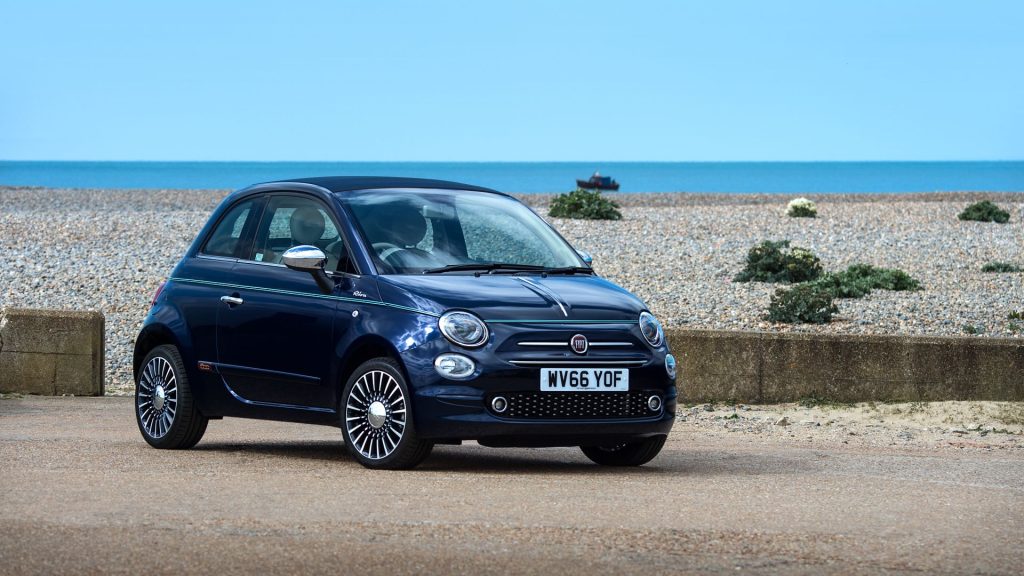
The Fiat 500 exemplifies how niche appeal can limit commercial success. While it satisfies a specific demographic, its compact size, limited practicality, and modest performance prevent it from reaching broader audiences.
The car quietly fades in sales charts, highlighting the importance of aligning design, utility, and market expectations.
Even with charm and style, subtle limitations in functionality and versatility can result in a vehicle underperforming quietly, despite being thoughtfully engineered and visually appealing.
Also Read: 5 Classic Muscle Cars That Are Still Affordable vs 5 That Lost Their Edge
