
The SUV segment has become one of the most competitive in the automotive industry, with manufacturers striving to balance performance, comfort, practicality, and technology.
Some SUVs manage to outperform competitors by offering a compelling mix of these qualities, earning praise from buyers and critics alike. These vehicles stand out due to clever engineering, thoughtful design, versatile capabilities, and overall value, allowing them to excel in a crowded market.
Their ability to address multiple needs without compromise makes them favorites among drivers seeking reliability, functionality, and driving enjoyment.
On the other hand, not all SUVs succeed in keeping pace. Certain models fall behind due to compromises in handling, interior quality, technology, or design.
Even with acceptable performance and utility, some vehicles fail to impress buyers compared to rivals offering better refinement, advanced features, or more engaging driving experiences.
When an SUV cannot distinguish itself in a competitive segment, it struggles to maintain appeal and often lags in sales and long-term desirability.
This article examines both sides of the spectrum. The first section highlights five SUVs that outsmart rivals, demonstrating how thoughtful engineering, balanced performance, and consumer-focused design allow these models to stand out.
These examples show what buyers value in a modern SUV and how brands can succeed by combining versatility, refinement, and driving satisfaction.
The second section focuses on five SUVs that fell behind, analyzing why they failed to capture attention or maintain competitiveness.
By contrasting success and underperformance within the segment, it becomes clear how design choices, market positioning, and execution impact the reception and value of SUVs.
The following sections provide detailed insights into each model, offering a clear view of what makes some SUVs successful while others struggle to keep up.
Also Read: 5 Trucks From the 80s That Outlast Modern Ones vs 5 That Don’t
5 SUVs That Outsmart Rivals
Certain SUVs manage to rise above the competition by successfully combining performance, practicality, comfort, and technology. These models appeal to a wide range of buyers because they meet core needs while also offering distinctive advantages that rival vehicles may lack.
Whether it’s a responsive engine, refined handling, luxurious interior, or clever storage solutions, these SUVs demonstrate thoughtful engineering that enhances both daily usability and driving satisfaction.
Versatility is a key factor. Successful SUVs provide a balance between city-friendly maneuverability and capable off-road or highway performance. They accommodate passengers and cargo without sacrificing refinement, ensuring that owners enjoy both comfort and utility.
Additionally, attention to ride quality, noise reduction, and interior ergonomics further sets these models apart, providing a driving experience that feels composed and enjoyable under various conditions.
Technology also plays an important role. SUVs that integrate intuitive infotainment systems, driver-assistance features, and connectivity options without overwhelming the user offer a compelling edge.
Advanced safety features and user-friendly interfaces contribute to the vehicle’s overall appeal, making it practical for families and tech-conscious buyers alike.
These vehicles also benefit from strong brand perception, reliability, and thoughtful design. Styling that balances boldness with timeless appeal ensures that the SUV remains attractive over time, while engineering that prioritizes durability and performance encourages long-term ownership satisfaction.
This section highlights five SUVs that outsmart rivals, illustrating how strategic combinations of capability, comfort, technology, and design allow them to outperform competing models. Each example demonstrates why it succeeds in the marketplace, appealing to both enthusiasts and practical buyers.
By examining these standout SUVs, it becomes clear what separates highly effective models from the rest, showing how execution across multiple aspects of design and performance creates vehicles that consistently impress and deliver value.
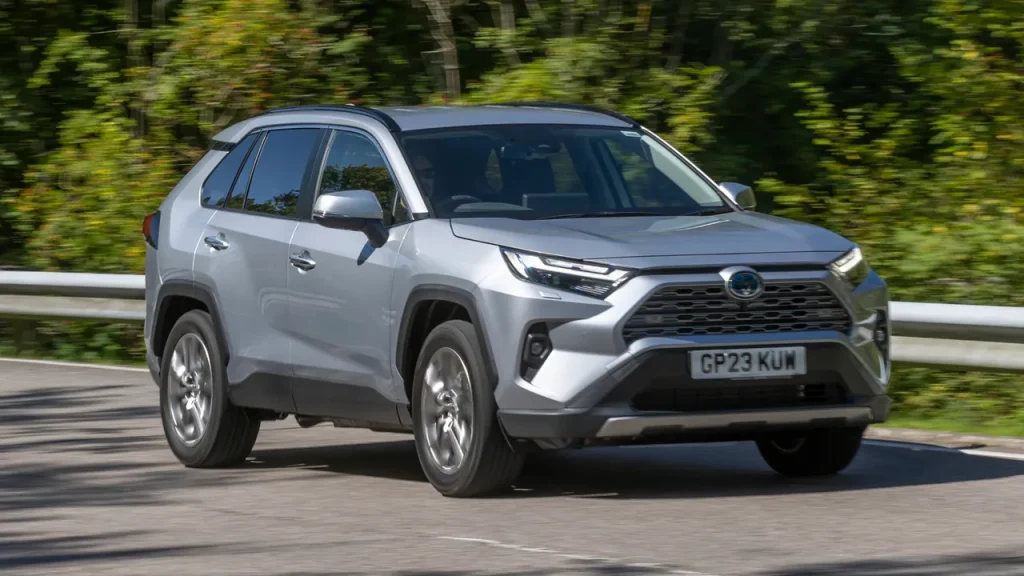
1. Toyota RAV4
The Toyota RAV4 has consistently outperformed competitors in the compact SUV segment, offering a combination of reliability, versatility, and efficiency that few rivals can match.
Its practical design provides ample interior space, flexible cargo configurations, and user-friendly features, making it an ideal choice for families and daily commuters alike. The RAV4 balances size and maneuverability, allowing it to handle urban streets while maintaining comfort on longer drives.
Performance is steady and dependable, with a choice of gasoline or hybrid powertrains that deliver fuel efficiency without compromising drivability.
The hybrid variant, in particular, enhances appeal by offering reduced emissions and excellent mileage, which broadens the vehicle’s market relevance.
Suspension tuning and chassis engineering provide a composed ride over various road surfaces, keeping passengers comfortable while maintaining stability and handling confidence.
Technology and safety features further strengthen the RAV4’s standing. Toyota’s suite of driver-assistance systems, intuitive infotainment interface, and connectivity options enhance convenience and security without overwhelming the driver.
Ergonomic interior layouts and straightforward controls contribute to a user-friendly experience that appeals to a wide audience.
Reliability and strong resale value are additional factors that set the RAV4 apart. Its long-standing reputation for dependability encourages long-term ownership and maintains high demand in the used-car market.
Styling updates in recent generations keep the SUV visually relevant, balancing modern aesthetics with practical considerations.
The Toyota RAV4 demonstrates how careful attention to versatility, reliability, efficiency, and technology allows an SUV to outsmart rivals.
By delivering a well-rounded package that meets the needs of diverse buyers, it continues to dominate its segment and maintain strong appeal in an increasingly crowded market.
2. Honda CR-V
The Honda CR-V is another compact SUV that consistently outperforms competitors by combining practicality, comfort, and efficiency. Its spacious interior and flexible cargo layout make it highly functional for families and active lifestyles.
Rear seat comfort and easy access enhance usability, while thoughtful storage solutions and intuitive control placement improve the overall driving experience.
Performance is solid and consistent, with efficient engine options providing enough power for city and highway driving.
The CR-V’s suspension is tuned to balance ride comfort and handling precision, ensuring smooth navigation over rough surfaces while maintaining responsive control. Fuel-efficient models, including hybrid variants, appeal to buyers seeking economy without sacrificing reliability or capability.
Technology and safety are strong points for the CR-V. Advanced driver-assistance systems, including collision mitigation, adaptive cruise control, and lane-keeping assist, increase confidence and security.
Infotainment systems are user-friendly and connected, providing convenience for daily commutes or longer trips. These features make the CR-V competitive against rivals with more complicated or less intuitive setups.

Reliability and resale value reinforce the CR-V’s appeal. Long-term dependability and a well-earned reputation for durability ensure consistent demand in the used market. Its exterior styling, combining modern lines with subtle elegance, keeps it visually appealing and prevents it from feeling outdated quickly.
The Honda CR-V demonstrates that a careful balance of comfort, versatility, performance, and technology allows an SUV to outperform competitors. Its continued success reflects how thoughtful execution across multiple areas delivers an SUV that satisfies a wide range of buyers and maintains strong market relevance.
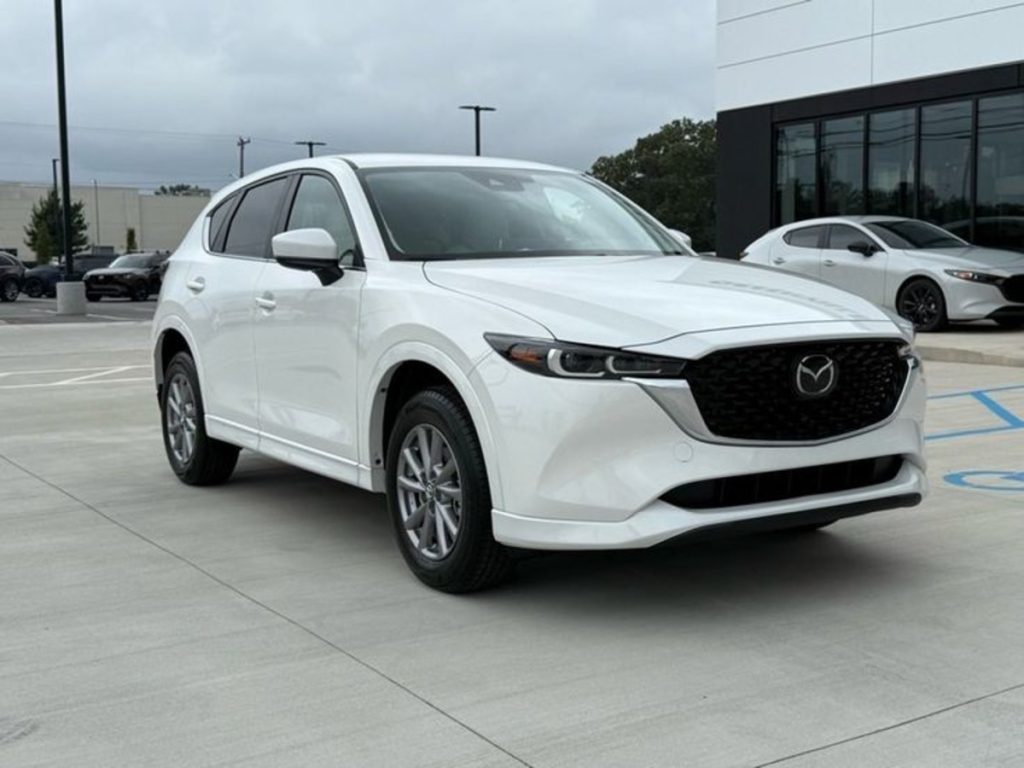
3. Mazda CX-5
The Mazda CX-5 stands out in the compact SUV segment for its combination of dynamic handling, refined design, and driver-focused engineering. Unlike many competitors, the CX-5 delivers an engaging driving experience without sacrificing practicality.
Its responsive steering, balanced chassis, and well-tuned suspension create confident handling in urban environments and on winding roads, offering an SUV experience that feels more like a sporty sedan than a traditional crossover.
Interior quality sets the CX-5 apart. Materials are premium for its class, with soft-touch surfaces, thoughtful ergonomics, and intuitive controls.
Seating is supportive and comfortable for long trips, and the cabin layout emphasizes both aesthetics and functionality. Cargo space is sufficient for families, while smart storage solutions and easy access enhance daily usability.
Performance options, including turbocharged engines, provide flexibility for drivers seeking extra power.
Even base models deliver smooth, efficient performance, maintaining a balance between fuel economy and responsiveness. This versatility ensures that the CX-5 appeals to a wide audience, from city commuters to weekend adventurers.
Technology and safety features are integrated without overwhelming the user. Infotainment is straightforward, and driver-assistance tools, such as adaptive cruise control, blind-spot monitoring, and lane departure warning, enhance convenience and confidence. These attributes make the CX-5 highly competitive against rivals offering less refined systems.
The Mazda CX-5 exemplifies how an SUV can outsmart competitors through thoughtful engineering and design. By combining performance, comfort, technology, and style in a cohesive package, it delivers value, appeal, and versatility.
Its reputation for reliability and driver engagement reinforces its position as a top choice in its segment, demonstrating that careful execution across multiple areas can set a vehicle apart from rivals.
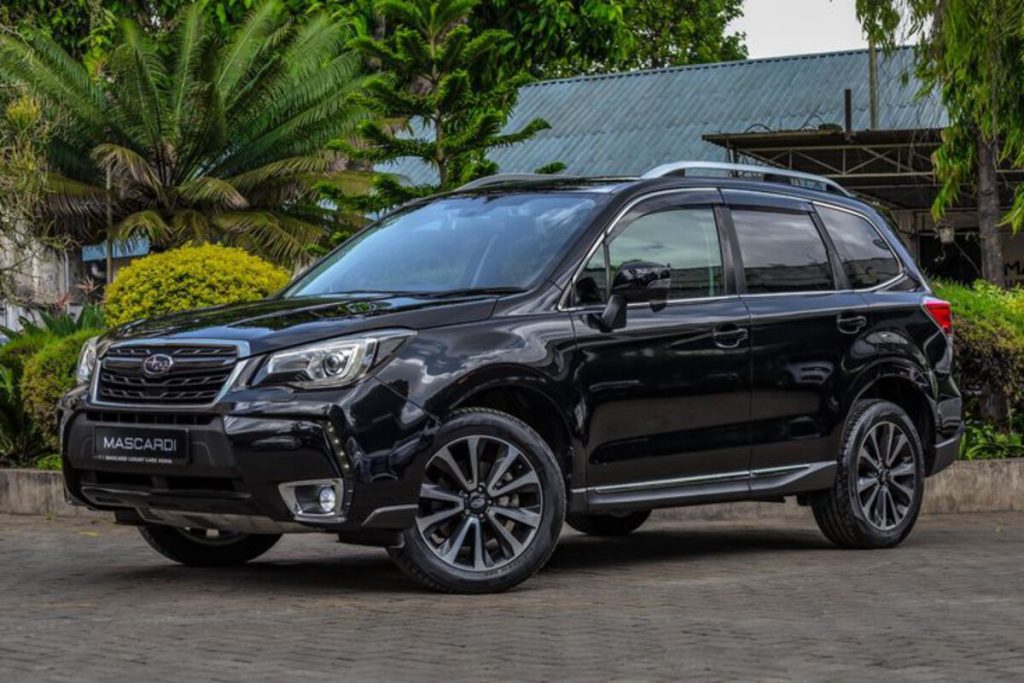
4. Subaru Forester
The Subaru Forester consistently outperforms its peers due to a combination of practicality, reliability, and all-weather capability. Its standard all-wheel-drive system provides confidence in diverse driving conditions, including snow, rain, or light off-road terrain.
This capability, paired with stable handling and composed ride quality, ensures that the Forester remains a dependable and versatile choice for families and outdoor enthusiasts alike.
Interior design emphasizes space and usability. Passenger comfort is strong, with ample rear-seat legroom and supportive front seats. The cargo area is generous, and the low loading height enhances practicality for carrying gear, groceries, or luggage.
Thoughtful storage compartments and an intuitive layout further contribute to a convenient and user-friendly environment.
Performance is adequate for its class, with reliable engines offering balanced efficiency and power.
While not the sportiest SUV, the Forester’s focus on safety, comfort, and consistency ensures that it meets the practical needs of the majority of buyers. Fuel economy and low maintenance requirements make it a strong long-term ownership option.
Technology and safety play a central role. Subaru’s EyeSight driver-assistance system provides adaptive cruise control, pre-collision braking, and lane-keeping support, enhancing confidence and security. Infotainment systems are easy to use, supporting connectivity and convenience for both driver and passengers.
The Subaru Forester illustrates how combining capability, practicality, reliability, and thoughtful technology allows an SUV to outsmart competitors. Its well-rounded package satisfies diverse buyer needs while maintaining strong resale value and reputation, making it a consistent leader in its segment.
5. Volkswagen Tiguan
The Volkswagen Tiguan excels in the compact SUV segment by combining European refinement, practical design, and modern technology.
Its driving dynamics are a notable strength, with responsive steering, composed handling, and a comfortable suspension that balances ride quality with stability. Unlike many rivals, the Tiguan delivers a more engaging driving experience while maintaining usability for daily commuting or long-distance travel.
Interior quality sets the Tiguan apart. Materials feel premium for the segment, with clean lines, well-fitted panels, and intuitive control layouts. Seating is supportive for front and rear passengers, and the cabin provides sufficient space for families or small groups.
Cargo capacity is competitive, with fold-flat rear seats and clever storage options that enhance versatility.
Performance options, including turbocharged engines, offer a blend of efficiency and adequate power, catering to both economy-focused buyers and those seeking extra responsiveness.
Transmission choices and drivetrain flexibility, including available all-wheel drive, allow the Tiguan to handle a variety of driving conditions with confidence.
Technology and safety are integrated effectively. The infotainment system is modern and user-friendly, while driver-assistance features, such as adaptive cruise control, forward-collision warning, and lane-assist, improve security and convenience.
These offerings ensure the Tiguan remains competitive with rivals that may have more complicated or less polished interfaces.
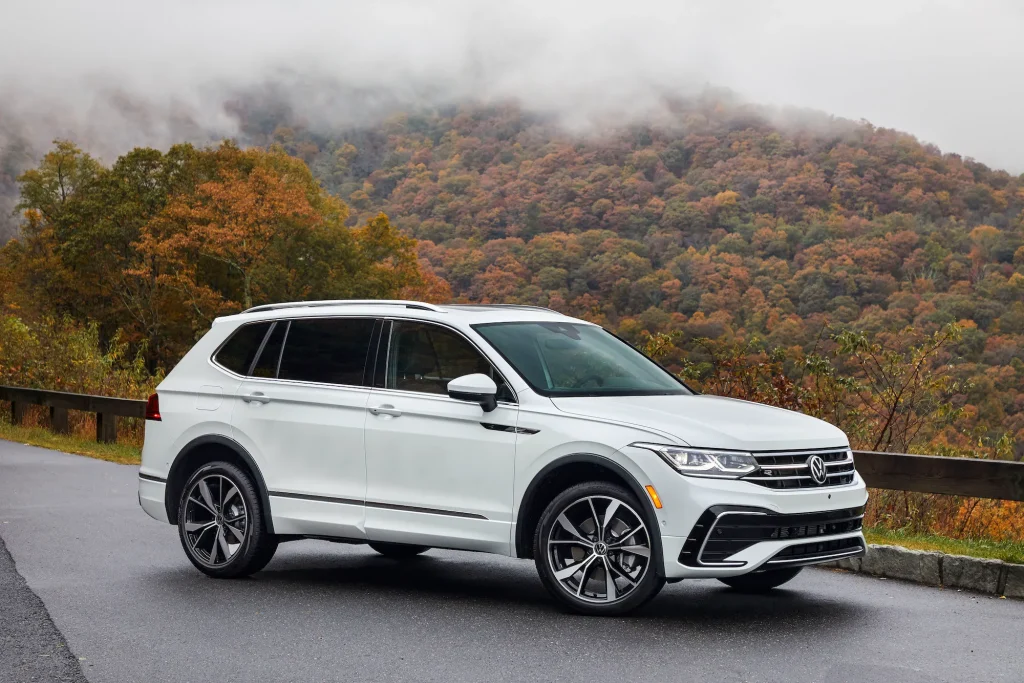
Resale value and reliability further strengthen its appeal. Volkswagen has refined the Tiguan over multiple generations, and well-maintained examples retain desirability among buyers seeking refinement and European engineering in a compact SUV.
The Volkswagen Tiguan demonstrates that combining comfort, practicality, performance, and technology allows an SUV to outsmart rivals.
Its balanced execution across multiple areas creates a compelling package for diverse buyers, solidifying its position as a top choice in a competitive segment and exemplifying how thoughtful design and engineering can differentiate a vehicle in a crowded market.
5 SUVs That Fell Behind
Not every SUV manages to keep pace with competitors. While some models excel by offering a balanced combination of performance, comfort, practicality, and technology, others fall behind due to compromises in one or more of these areas.
SUVs that struggle to impress buyers often face declining sales, reduced resale value, and limited desirability in a crowded market.
Several factors contribute to underperformance. Vehicles with uninspiring handling, underpowered engines, or poorly tuned suspensions fail to engage drivers and can feel sluggish or unrefined compared to rivals.
Interior quality and ergonomics play a role as well; SUVs with cramped cabins, low-quality materials, or outdated infotainment systems may struggle to retain buyer interest.
Practicality is another consideration, as insufficient cargo space, limited passenger room, or inconvenient access can make a vehicle less competitive against peers offering more thoughtful layouts.
Brand perception and market positioning also influence how an SUV performs. Models from brands with weaker reputations for reliability, technology, or refinement may face skepticism from buyers, even if the vehicle’s specifications are adequate.
Additionally, vehicles that do not evolve with shifting market trends such as fuel efficiency, advanced safety features, or modern styling tend to lose relevance quickly.
This section highlights five SUVs that fell behind their competition. Each example demonstrates why the model failed to meet expectations, whether due to engineering choices, design compromises, or market factors.
By contrasting these underperforming SUVs with their successful counterparts, it becomes clear how execution across performance, comfort, practicality, and technology determines whether a vehicle excels or struggles.
Understanding these shortcomings provides insight into what buyers prioritize and why certain models fail to achieve lasting appeal in the competitive SUV segment.
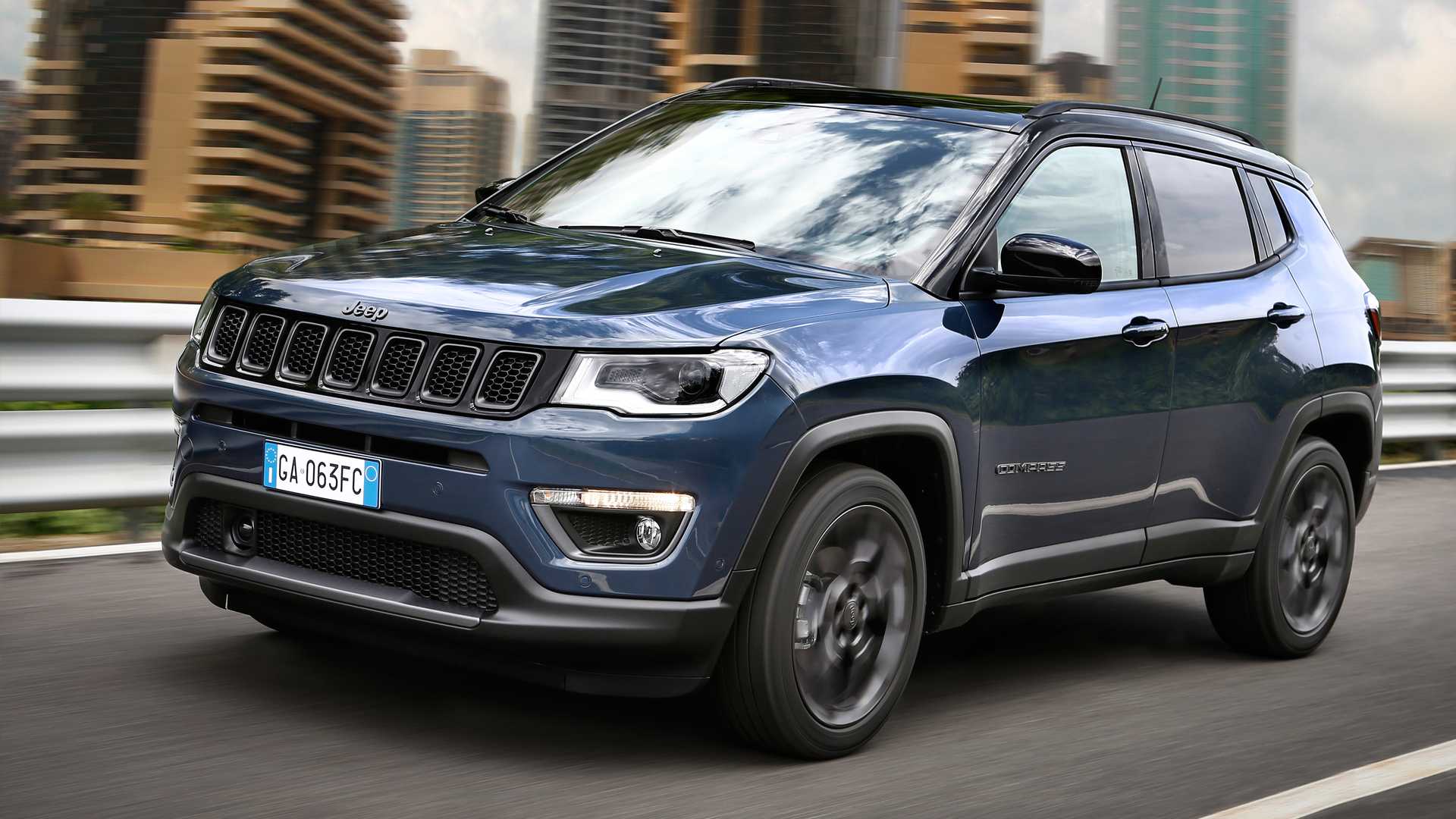
1. Jeep Compass (2011–2016)
The Jeep Compass, introduced in the early 2010s, struggled to compete in the compact SUV segment, largely due to uninspiring performance and subpar refinement.
While it carries the Jeep name and styling cues, the Compass failed to deliver the off-road capability or driving engagement expected from the brand.
Its small four-cylinder engines lacked power, resulting in sluggish acceleration and limited highway confidence, leaving it behind competitors offering more responsive drivetrains.
Ride quality and handling further hindered the Compass. The suspension felt soft and disconnected, creating a floaty experience that did not inspire confidence in corners or at higher speeds.
Steering was unresponsive, and body roll was noticeable, detracting from the driving experience. These shortcomings made it less appealing for buyers prioritizing comfort or driving enjoyment.
Interior quality contributed to its underperformance. Materials were often cheap, with hard plastics dominating the cabin, and fit and finish inconsistencies were common.
Infotainment systems were dated and unintuitive, while controls lacked ergonomic refinement. Rear passenger space was limited, and cargo configurations were less flexible than rivals, reducing overall practicality.
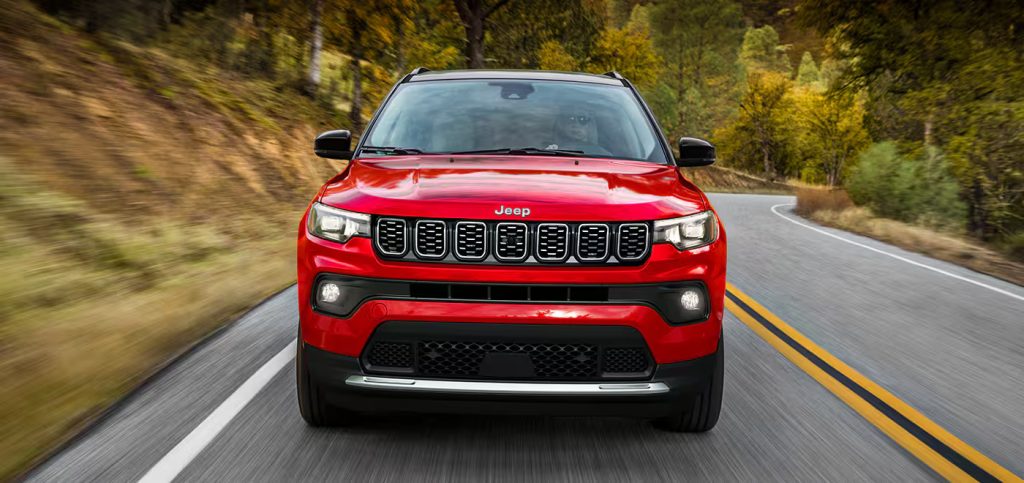
Brand perception also played a role. While Jeep has a strong following for its off-road-oriented SUVs, the Compass failed to meet expectations, appearing as a watered-down option compared to the Wrangler or Grand Cherokee. This limited its appeal in both new and used markets.
The Jeep Compass demonstrates how a lack of performance, refinement, and practicality can cause an SUV to fall behind.
Despite brand recognition, shortcomings in execution prevented it from competing effectively, leaving it struggling in a competitive segment dominated by more capable, comfortable, and well-rounded vehicles.
2. Chevrolet Equinox (2010–2015)
The Chevrolet Equinox from the early 2010s struggled to stand out among compact and midsize SUVs. While offering acceptable interior space and basic comfort, its performance, refinement, and technology lagged behind rivals.
Engine options were uninspiring, with base four-cylinder units producing modest power that struggled under full loads, and handling felt dull, making highway driving less confident.
Ride quality and cabin comfort were inconsistent. Suspension tuning emphasized cost savings rather than refinement, resulting in noticeable harshness over uneven surfaces.
Steering lacked precision, reducing driving engagement, and body control was limited, especially in corners or under heavier loads. Competing SUVs delivered smoother, more composed rides, leaving the Equinox at a disadvantage.
Interior materials and layout contributed to its shortcomings. Hard plastics dominated, and controls were sometimes awkwardly placed. Infotainment and connectivity options were basic, quickly falling behind more modern rivals.
Cargo space, while adequate, lacked clever storage solutions and flexibility, reducing practicality compared to competitors that optimized interior layouts.
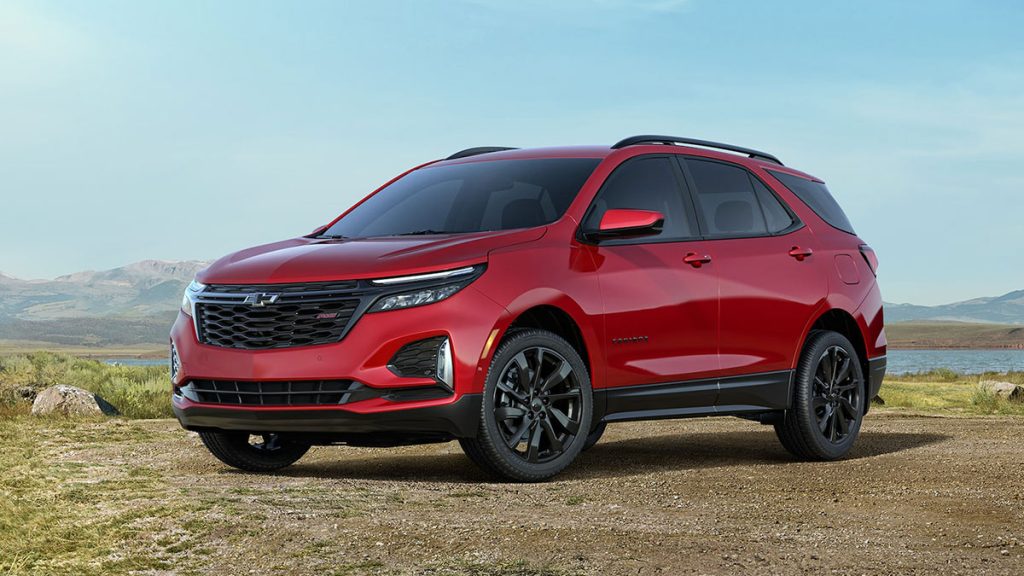
Market perception also hindered its appeal. Chevrolet’s compact SUV offerings in this era were often viewed as functional but uninspiring, failing to generate enthusiasm or strong resale value. Buyers seeking a more engaging, refined, or technologically advanced vehicle were drawn to rivals like the Honda CR-V or Toyota RAV4.
The Chevrolet Equinox demonstrates how insufficient performance, lack of refinement, and limited interior appeal can cause an SUV to fall behind.
Even with brand familiarity, execution deficiencies in multiple areas prevent a vehicle from standing out in a crowded segment, emphasizing the importance of balance and quality in maintaining competitiveness.
3. Ford Escape (2013–2016)
The Ford Escape from the mid-2010s struggled to keep pace in the competitive compact SUV segment. While it offered familiar styling and brand recognition, its execution in performance, interior quality, and technology left it trailing rivals.
Base four-cylinder engines provided adequate but uninspiring acceleration, and even the optional turbocharged variants felt less refined than competitors’ offerings.
Handling was acceptable but lacked the precision and confidence of rivals such as the Honda CR-V or Mazda CX-5, resulting in a driving experience that felt ordinary rather than compelling.
Ride comfort was inconsistent. The Escape’s suspension often transmitted road imperfections into the cabin, and steering feedback was vague, reducing engagement. Noise insulation was average, leaving some road and wind sounds noticeable at higher speeds.
Interior ergonomics were functional but uninspired, with materials that felt budget-oriented and controls that were sometimes unintuitive. Rear-seat space was adequate, but cargo flexibility and layout did not distinguish it from more practical rivals.
Technology and safety features were available but not standout. While infotainment systems included basic connectivity and navigation, user experience lagged behind the intuitive interfaces offered by competitors. Driver-assistance features were present in higher trims but were limited in accessibility for most buyers.
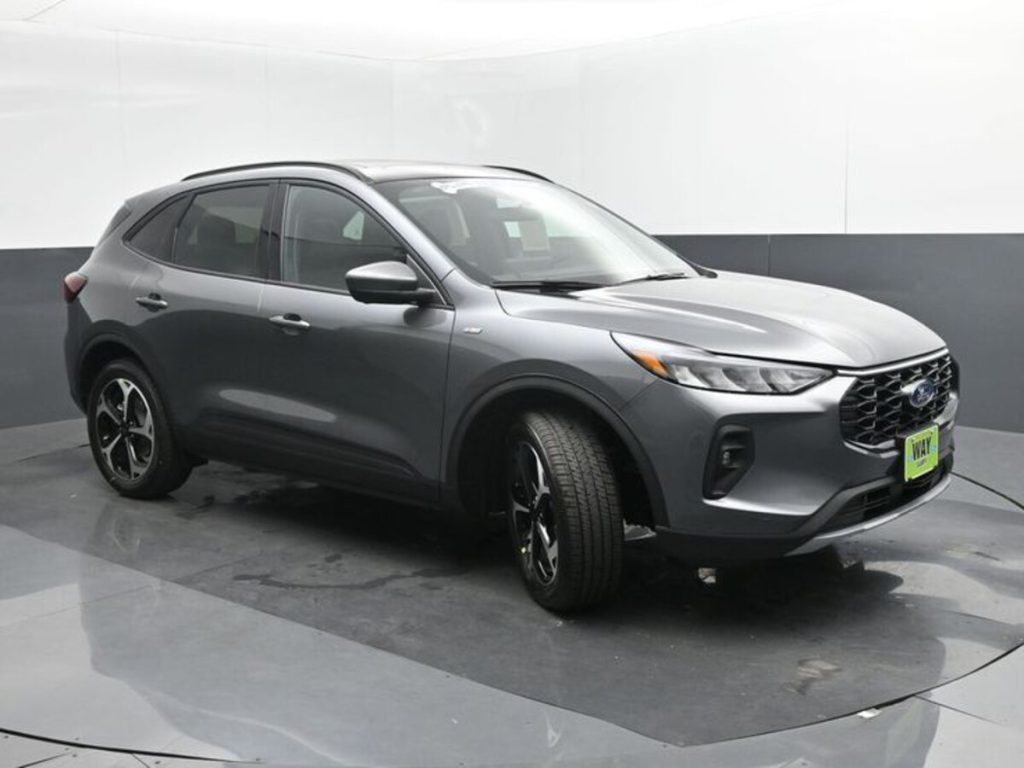
The Ford Escape’s market perception suffered from these compromises. Buyers seeking refinement, driving enjoyment, and technology-forward interiors often opted for alternatives, leaving the Escape with moderate appeal and accelerated depreciation.
Overall, the Escape demonstrates how shortcomings in performance, comfort, and technology can prevent an SUV from maintaining competitiveness.
Despite brand familiarity, its lack of standout attributes caused it to fall behind, highlighting the importance of balance and execution across multiple areas to succeed in a crowded segment.
4. Nissan Rogue (2014–2017)
The Nissan Rogue, while widely recognized, fell behind many rivals in terms of driving engagement, interior quality, and overall appeal during the mid-2010s.
Its standard engine provided modest power but lacked responsiveness, leaving acceleration and highway merging underwhelming. Steering felt light and disconnected, and body control was average, making the vehicle less satisfying for drivers seeking a composed or confident ride.
Cabin quality and practicality contributed to its shortcomings. Materials were largely hard plastics with minimal premium touches, and the interior design, though functional, lacked the refinement of competitors.
Rear-seat comfort was acceptable, but legroom and seating support were average, and cargo space, while competitive in raw measurements, was not optimized with clever storage solutions. Infotainment systems were basic, and user interfaces lagged behind more modern, intuitive rivals, reducing technological appeal.
Ride comfort was adequate but uninspiring. Suspension tuning prioritized cost and simplicity rather than refinement, resulting in noticeable harshness over uneven surfaces. Noise insulation was moderate, with wind and road noise entering the cabin more than in rival models.
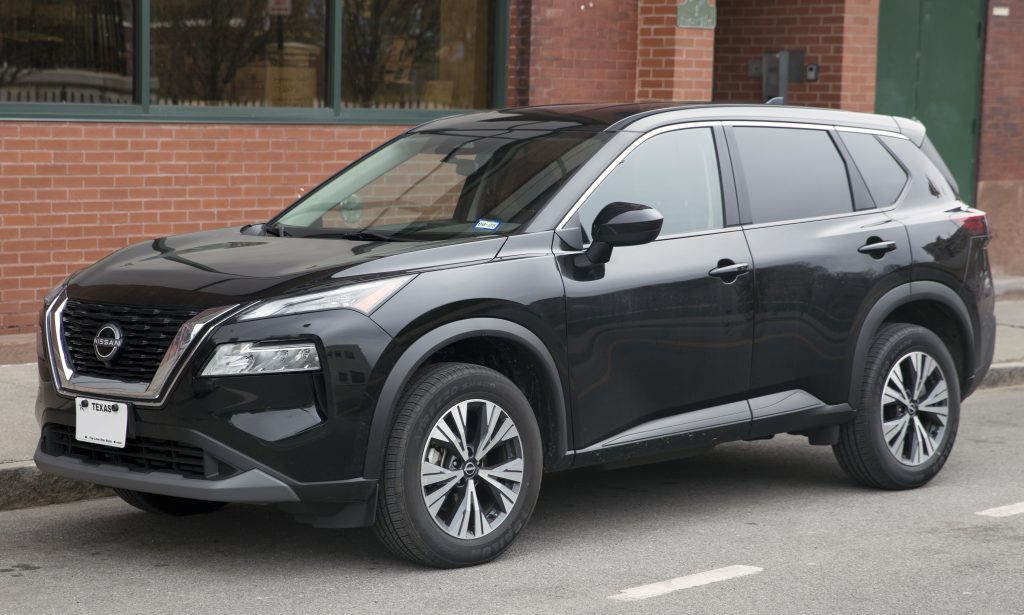
Brand perception also affected desirability. While the Rogue had strong sales initially, buyers began favoring models that combined comfort, reliability, and driving engagement more effectively, such as the Honda CR-V and Toyota RAV4. This reduced demand for the Rogue and contributed to faster depreciation.
The Nissan Rogue demonstrates how an SUV can struggle when performance, interior quality, and technology do not meet buyer expectations. Despite brand familiarity and practical features, it fell behind more balanced competitors, highlighting the importance of holistic execution for sustained market relevance.
5. Mitsubishi Outlander (2013–2017)
The Mitsubishi Outlander from the 2010s struggled to maintain competitiveness in the midsize SUV segment. While it offered three-row seating and a reputation for affordability, it lagged behind rivals in performance, refinement, and technology.
Engine options, primarily four-cylinder units, delivered adequate but uninspiring power, leaving acceleration slow and merging on highways less confident. Handling and steering felt disconnected, and suspension tuning provided a soft yet unsettled ride, reducing driver confidence and overall enjoyment.
Interior quality further contributed to its decline. Materials were often hard and cheap-feeling, and panel fitment lacked the refinement seen in competitors. The cabin layout was functional but uninspired, with limited attention to ergonomics and storage optimization.
Third-row seating was cramped, reducing practicality for larger families, and cargo flexibility was limited compared to rivals with smarter layouts. Infotainment systems were basic and unintuitive, leaving tech-conscious buyers disappointed.
Ride comfort was adequate for short trips but fell short during longer journeys. Road and wind noise were noticeable, and suspension dynamics struggled to absorb rougher surfaces smoothly. Combined with less engaging driving characteristics, the Outlander offered a practical but unremarkable experience.
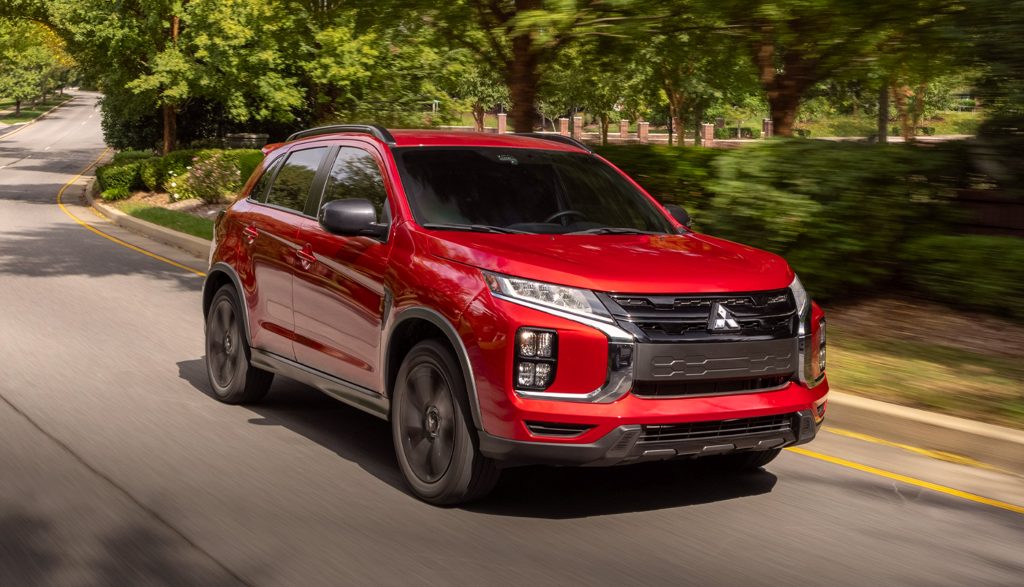
Brand perception and market positioning also affected desirability. Mitsubishi’s reputation for SUVs in this period lacked the credibility and appeal of brands such as Toyota, Honda, or Subaru. Buyers often favored alternatives that combined better refinement, more capable drivetrains, and advanced features, leaving the Outlander overlooked.
The Mitsubishi Outlander illustrates how compromises in performance, refinement, and technology can prevent an SUV from remaining competitive. Despite practical features and affordability, its inability to meet evolving buyer expectations caused it to fall behind.
This example highlights the importance of execution across multiple aspects of design, comfort, and capability in maintaining relevance in the crowded SUV market.
Also Read: 5 Trucks That Outsold Expectations vs 5 That Flopped
