
The 1990s were an unusually rich decade for car design and engineering. Automakers were finding balance between analog feel and modern reliability.
Before digital dashboards and software-controlled everything, cars from this era carried a kind of honesty solid mechanical build, approachable technology, and character that wasn’t filtered by electronics.
For years, many ‘90s models sat at the bottom of their depreciation curve, overlooked by collectors and enthusiasts chasing older classics or newer exotics.
But times have changed. Some of these cars are finally being recognized for their importance, rarity, and driving charm, while others still remain stuck in bargain territory despite their potential.
Today’s collector market rewards authenticity and nostalgia. People who grew up seeing these cars in magazines or as poster icons are now at an age where they can buy what they once dreamed of.
That emotional link, combined with limited surviving numbers, has pushed certain ‘90s models into a fast climb in value. On the other side, some cars from the same decade simply haven’t caught on perhaps due to high maintenance costs, dull performance, or lack of desirability compared to their peers.
This feature looks at both sides of the ‘90s car spectrum. First, we’ll look at five cars whose values are rising fast, driven by collector interest, rarity, or timeless driving feel.
Then we’ll look at five that remain stuck at the bottom, undervalued or unappreciated for reasons that reveal a lot about what enthusiasts truly prize.
Each car here represents a piece of a decade that bridged analog purity and modern dependability and each one tells its own story about how nostalgia and perception shape the collector car market.
Also Read: 5 Cars That Look Expensive vs 5 That Look Outdated
5 ‘90s Cars Gaining Value Fast
Cars from the 1990s are beginning to reach full classic status, and prices are moving accordingly. This isn’t just about limited-production sports cars or high-end exotics even some mainstream models with cult followings have started commanding serious money.
What defines the cars gaining value today is emotional connection and driving experience rather than luxury or outright performance. They capture that fine balance between reliability and analog feel simple enough to fix, yet refined enough to live with daily.
Many of these cars were once taken for granted. A few years ago, you could find them sitting neglected in used car lots or owned by second-hand enthusiasts who didn’t see them as investments.
But social media, YouTube nostalgia, and rising interest from younger collectors have rewritten that story. Demand for ‘90s icons is now pushing prices to record highs, with clean, low-mileage examples selling far above their former market averages.
This section focuses on five specific ‘90s cars whose values have surged significantly and are still climbing. These are models that combine emotional appeal with historical importance.
Some were technological milestones; others were simply fun, reliable, and stylish in a way that no longer exists today. Each represents a moment when carmakers were experimenting, innovating, and producing vehicles with personality.
I’m writing about them because they show how car enthusiasm has shifted people now value the sensory experience, the manual gearshift, and the sound of an unfiltered engine note.
These cars are being rediscovered by collectors and enthusiasts alike, signaling a major shift in what the market now appreciates. Let’s look at five cars from the 1990s that are quickly transforming from affordable used vehicles into coveted collectibles.
1. Toyota Supra (A80)
The fourth-generation Toyota Supra has become one of the most valuable icons from the 1990s. When it debuted in 1993, Toyota stated that Japanese engineering could rival European performance legends.
Its 3.0-liter 2JZ-GTE engine became legendary, capable of massive power gains with minimal modification. Initially overlooked by collectors in the early 2000s, the Supra’s values have skyrocketed in the past decade, largely due to pop culture fame and genuine engineering excellence.
The rise began when enthusiasts realized just how durable and tunable the 2JZ engine was. Tuners could easily achieve supercar-level performance for a fraction of the price. But as time passed and original, unmodified examples became scarce, collectors started viewing the Supra as an appreciating asset.
The car’s starring role in the Fast & Furious franchise cemented its legend, and nostalgia has done the rest. Today, clean six-speed twin-turbo Supras can command six-figure prices, far exceeding many European contemporaries.
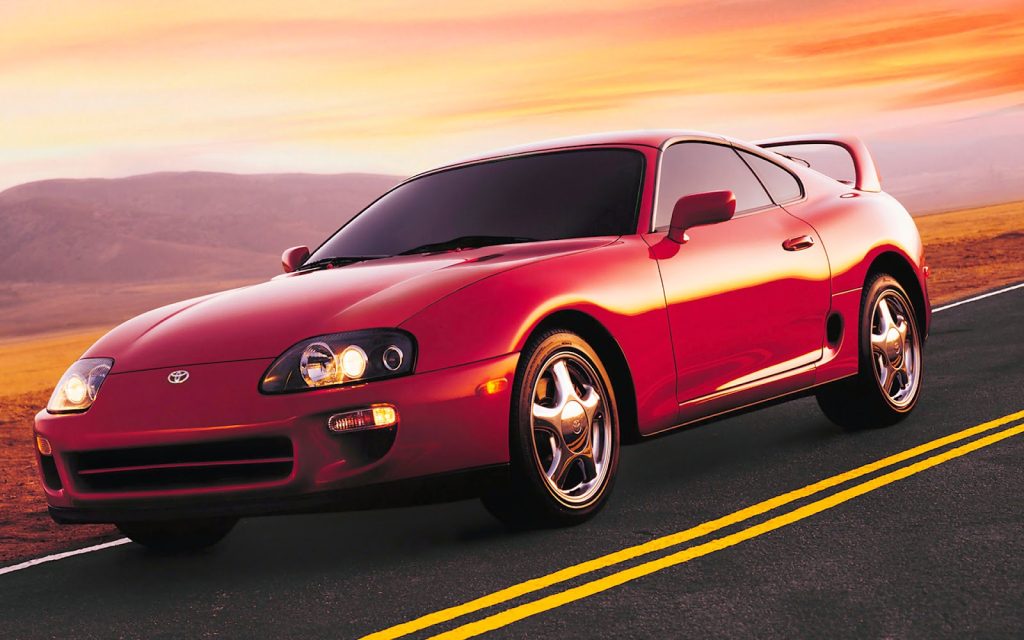
I’m writing about the Supra because it defines why certain ‘90s cars have exploded in value. It’s not just the performance it’s the emotion attached to it.
Owners from that era still remember the thrill of a Supra accelerating effortlessly, the mechanical honesty of its chassis, and the timeless styling that has aged beautifully.
The Supra represents an era when Japanese carmakers pushed engineering limits with pure passion, not corporate metrics. As enthusiasts chase authentic driving experiences, this car’s mix of power, heritage, and cultural impact ensures it remains a centerpiece of 1990s automotive appreciation.
2. Acura NSX (First Generation)
When Honda introduced the Acura NSX in 1990, it changed perceptions of what a Japanese sports car could be. Designed with input from Ayrton Senna, the NSX blended precision, balance, and reliability in a mid-engine package that rivaled Ferrari at half the cost.
Its aluminum body, high-revving 3.0-liter V6, and ergonomically perfect driving position made it revolutionary. Yet, for years, it was underrated. Only recently has the market recognized how special it truly is.
Prices for clean, low-mileage first-generation NSXs have surged dramatically. Collectors now view it as a milestone car that proved everyday reliability could coexist with exotic performance.
Unlike many supercars of its era, the NSX didn’t require constant repairs or special treatment it just worked. Its styling remains elegant and timeless, and its mechanical feedback is something modern cars rarely replicate.
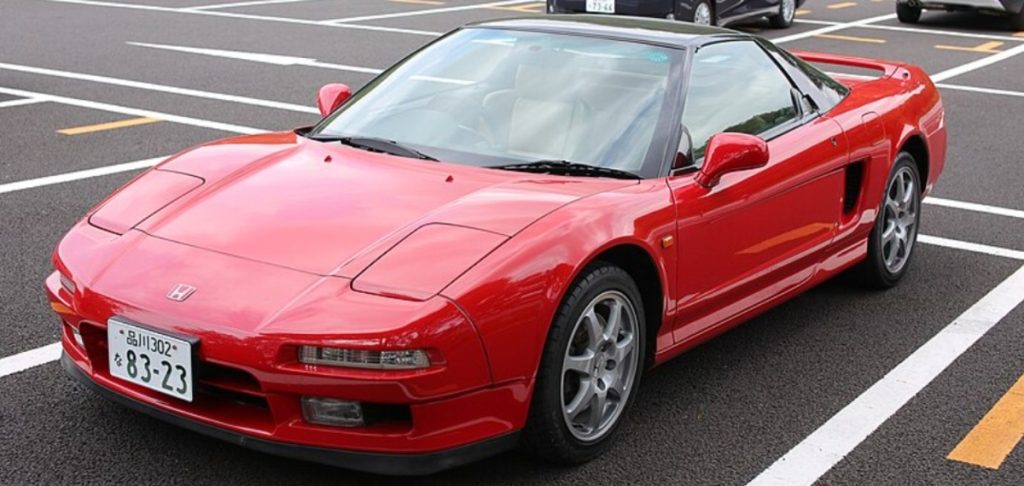
I’m writing about the NSX because it’s a reminder that innovation doesn’t always need extravagance. This car introduced advanced materials and race-bred tuning in a form that anyone could drive daily.
As a result, it has become a benchmark for mechanical integrity and design purity. Younger collectors who once saw it on posters or in video games are now paying premium prices for the chance to own one.
It’s a textbook example of how a car can move from underappreciated to iconic status simply by staying true to its engineering ideals.
3. Mazda RX-7 (FD3S)
The third-generation Mazda RX-7 represents the height of rotary-engine engineering. Introduced in 1992, it combined lightweight design with a near-perfect chassis balance and an unmistakable twin-turbocharged 13B engine.
It was raw, responsive, and designed with pure driving feel in mind. During its early years, the RX-7 was admired by enthusiasts but often dismissed by mainstream buyers due to its demanding maintenance and quirky rotary characteristics. Today, that uniqueness has become its biggest strength.
Values have surged as collectors rediscover the appeal of the rotary engine and the RX-7’s unmatched agility. Unlike many cars of its era, the RX-7 feels alive, rewarding skilled drivers while punishing mistakes a quality that defines many sought-after classics.
With global demand now rising, especially for original-condition Japanese Domestic Market versions, prices have nearly doubled in the past five years. Clean examples that once sold for under $20,000 now fetch $60,000 to $90,000, depending on originality and mileage.
I’m writing about the RX-7 because it captures the passion and risk-taking that defined ‘90s Japanese performance cars.
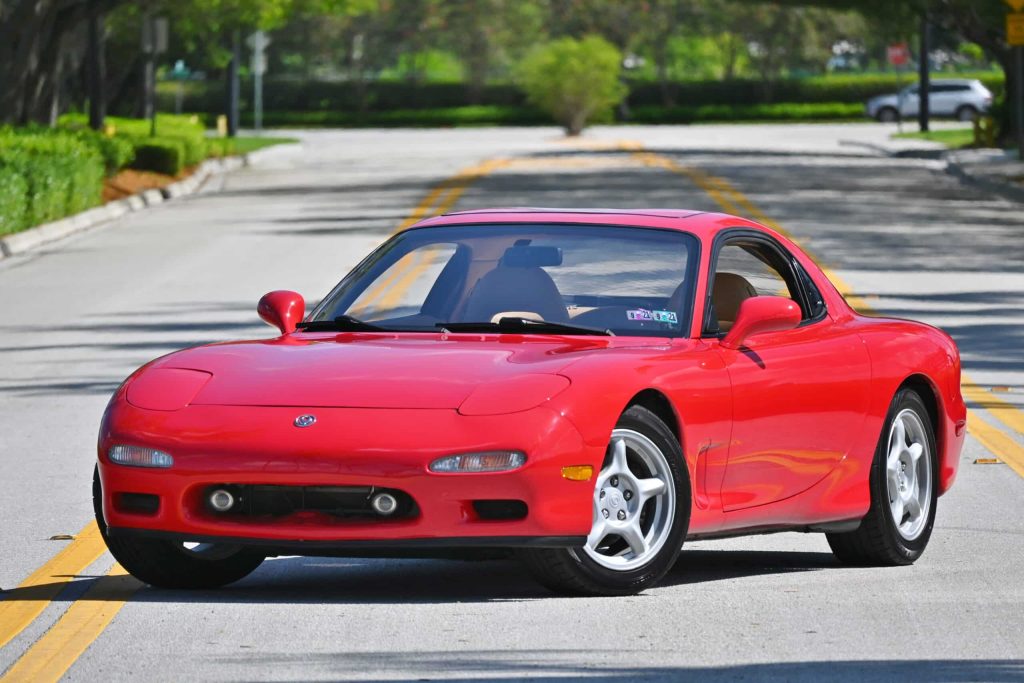
Mazda poured engineering ambition into a design that prioritized purity over profit. It was an enthusiast’s machine from day one lightweight, aerodynamic, and capable of performance that embarrassed far costlier rivals.
The car’s growing collector status reflects a generational shift: people now seek experiences, not just horsepower. The RX-7 delivers that in abundance. As the rotary era fades into history, this car stands as one of the last true analog sports machines precise, beautiful, and mechanically distinctive in every sense.
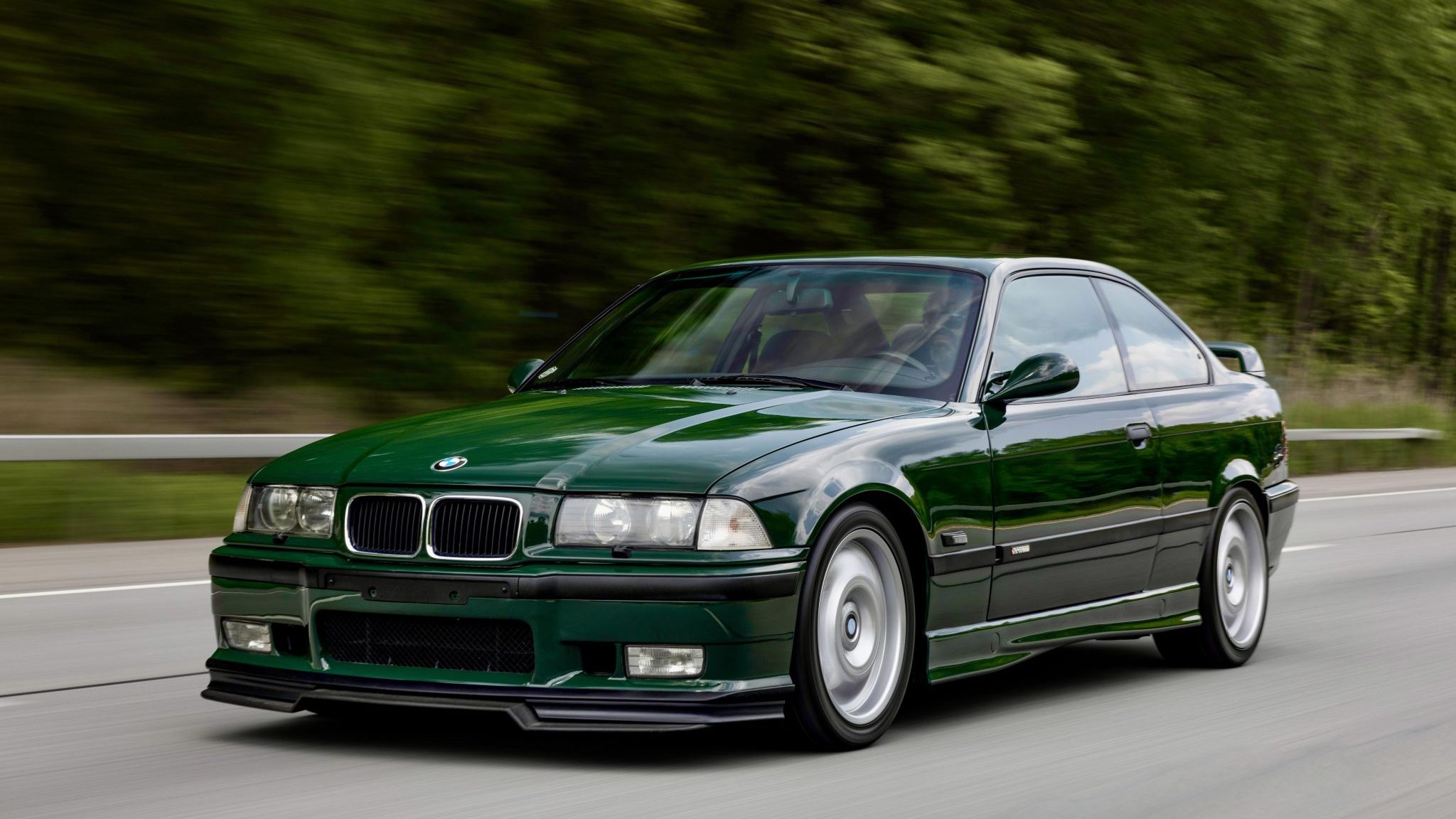
4. BMW E36 M3
The BMW E36 M3 has evolved from a used sports sedan bargain into a legitimate modern classic. Introduced in 1992, it was BMW’s effort to make the M badge more accessible while preserving its racing DNA.
With its silky inline-six engine, perfectly balanced chassis, and everyday usability, the E36 became the benchmark for sport sedans through the decade. Yet, for years, it was overshadowed by its predecessor, the E30 M3, and later by the E46 generation. That has now changed.
Collectors have begun appreciating the E36 for what it truly is a perfectly judged mix of precision, comfort, and raw feedback. It’s one of the last M cars before electronics began softening the experience.
Clean manual examples, especially coupes, have seen sharp price rises. What was once a $10,000 performance car is now a $40,000 collectible, with the best-condition models pushing even higher. Its increasing rarity, due to years of modifications and neglect, only adds to its desirability.
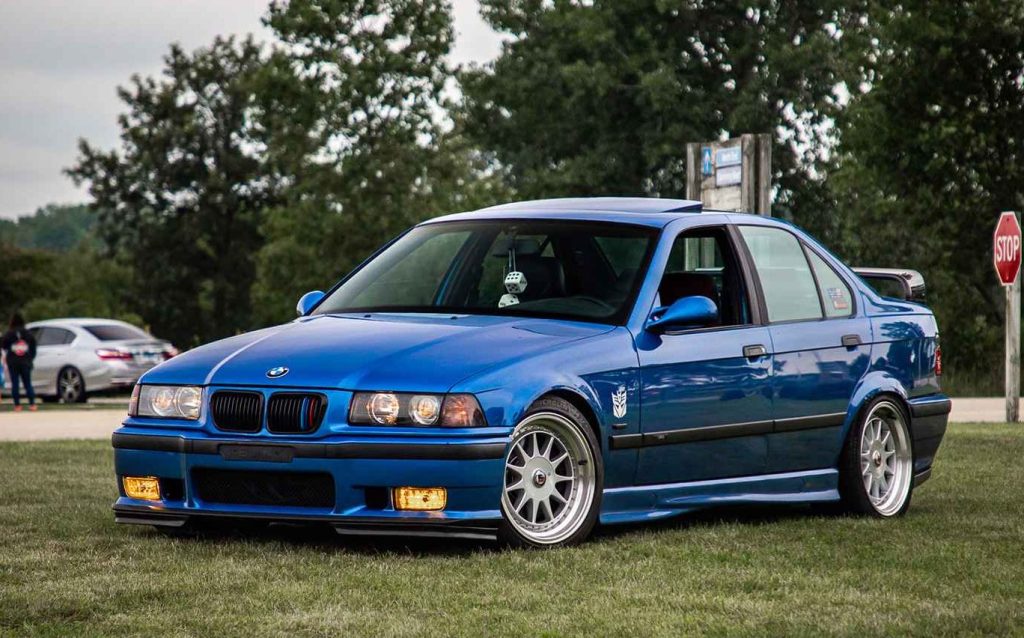
I’m writing about the E36 M3 because it represents the era when BMW struck the perfect balance between usability and passion. It’s not a museum piece; it’s a car you can still enjoy daily while appreciating the engineering precision that made M cars legendary.
As enthusiasts tire of digital filters and electronic intervention, the E36’s analog character is becoming more valuable. It’s proof that greatness doesn’t always need high horsepower sometimes it’s about feel, refinement, and authenticity.
The renewed interest in this model reflects a broader movement toward cars that connect the driver to the road in the most direct, satisfying way possible.
5. Toyota Land Cruiser 80 Series
The 80 Series Toyota Land Cruiser has become a surprise star among 1990s vehicles appreciating rapidly in value. Released in 1990, it was engineered for toughness rather than glamour.
Yet today, its rugged durability, mechanical simplicity, and go-anywhere reputation have made it one of the most sought-after SUVs from the decade. As buyers seek vehicles that can handle both off-road adventures and classic collector appeal, the 80 Series has emerged as a perfect combination of both worlds.
These Land Cruisers were built with an attention to detail that few modern vehicles can match. Their inline-six engines, solid axles, and body-on-frame construction make them nearly indestructible.
Enthusiasts have realized that a well-maintained 80 Series is more than a utility vehicle it’s a symbol of Toyota’s peak engineering era. As a result, prices have soared. Models that once sold for under $15,000 are now crossing $50,000, with pristine examples even higher.
I’m writing about the 80 Series because it represents the growing demand for analog durability in a digital age. It’s a reminder of when cars were built to last decades rather than just product cycles.
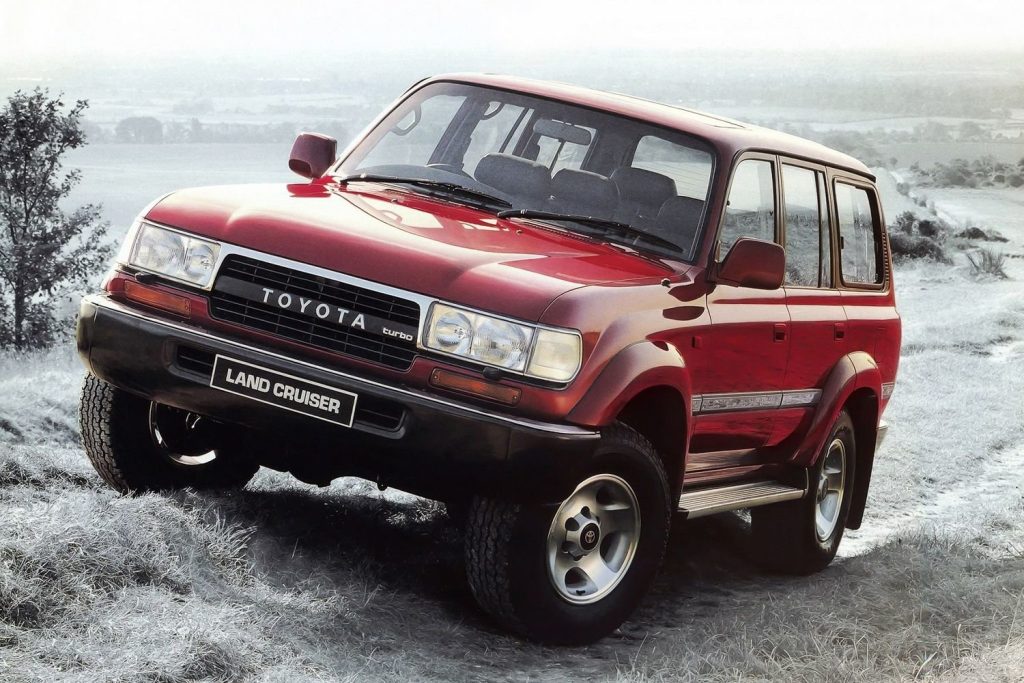
The combination of dependability, comfort, and timeless design makes it more than just a collectible it’s a statement about craftsmanship and endurance.
As modern SUVs become more fragile and software-dependent, the 80 Series stands out as a machine that simply refuses to age. Collectors recognize that this era of bulletproof engineering will never return, and the value trends prove they’re right.
5 ‘90s Cars That Are Stuck Cheap
Not every car from the 1990s has shared in the collector boom. While some have climbed to new financial heights, many remain firmly stuck in budget territory. These are the cars that either missed their moment, failed to inspire emotional loyalty, or simply lacked the qualities enthusiasts value most.
They often represent solid engineering, but they lack that spark the character or design flair that drives nostalgia and desirability. Some have issues with reliability or parts availability, while others were simply overshadowed by better-performing rivals.
The collector market can be unpredictable. What seems undervalued doesn’t always rise, and what seems dull might suddenly find new love decades later. Yet, certain ‘90s models have remained stubbornly cheap, even as prices for similar-era vehicles soar.
Some of these cars were mass-produced in such large numbers that rarity will never come into play. Others were victims of trends designs that didn’t age well, interiors that fell apart, or engines that didn’t deliver excitement.
I’m writing about these because they reveal another side of the decade’s car culture. The 1990s weren’t only about heroic performance cars and breakthrough innovation they also produced vehicles that were ordinary, overengineered in the wrong ways, or simply uninspiring.
These cars remain affordable not because they’re terrible, but because they lack that special emotional connection that makes collectors open their wallets.
Each of the five cars that follow has something worthwhile comfort, dependability, or practicality but none have found serious collector interest. In a market driven by nostalgia and passion, these ‘90s models remain forever stuck in the bargain bin.
1. Ford Taurus
When the second-generation Ford Taurus arrived in the mid-1990s, it was meant to carry forward the success of one of America’s best-selling sedans. The first Taurus had been a design revolution in the 1980s, credited with saving Ford’s reputation.
But the follow-up, introduced in 1996, turned out to be a disappointment in both design and execution. Its controversial “oval” styling didn’t age well, and while it was spacious and affordable, it lacked the durability and charm that make a car collectible.
Today, even well-kept Tauruses from the 1990s struggle to fetch more than a few thousand dollars. Enthusiasts have no emotional connection to it, and collectors see nothing rare or unique.
Most were sold as family sedans, driven hard, and scrapped without ceremony. Even the SHO variant, once respected for its Yamaha-tuned V6, hasn’t achieved the cult following its performance deserved. Parts are still cheap, but few bother restoring or preserving them because there’s no market incentive to do so.
I’m writing about the Taurus because it shows how popularity doesn’t guarantee future value. It was everywhere in its time, yet it has vanished from collector discussions.
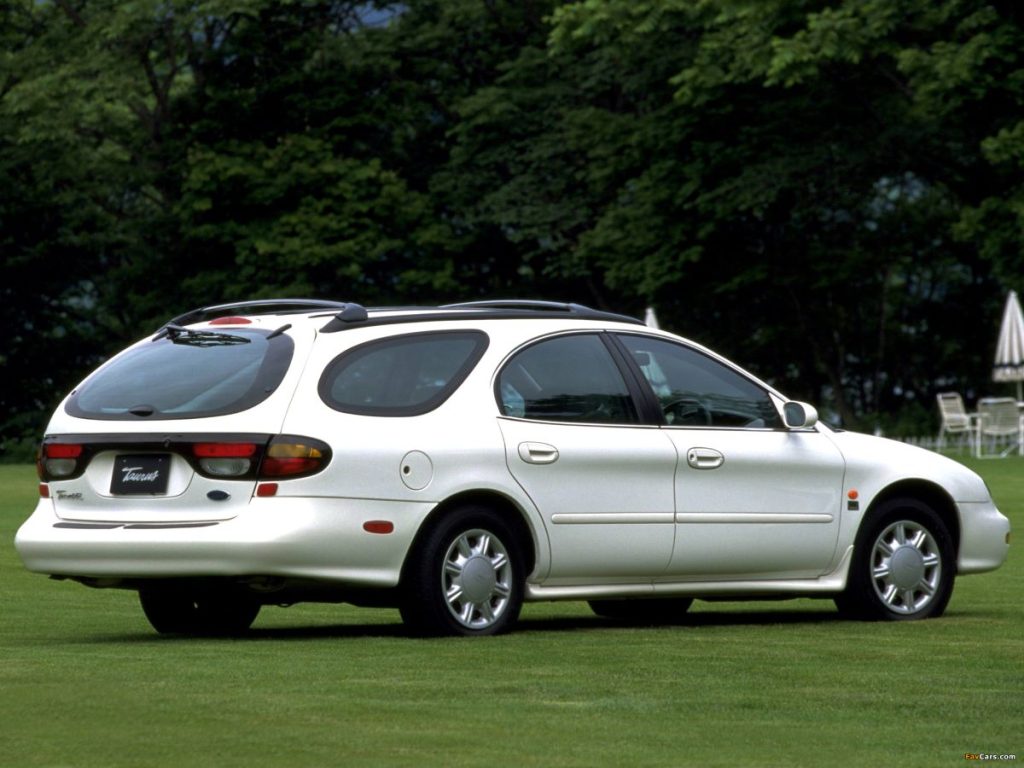
While it was a symbol of sensible suburban America, it lacked the passion or mechanical personality that drives nostalgia.
The Taurus remains stuck cheap because it was designed to serve, not to inspire. It did its job well, but once its time passed, it left no emotional footprint. The 1990s were full of practical cars like this comfortable, reliable, and utterly forgettable.
2. Mitsubishi Eclipse (Third Generation)
The Mitsubishi Eclipse was once a star of affordable performance, especially during its first two generations. However, by the time the third generation arrived in 2000, it had already lost its magic and even late ‘90s models began to feel like previews of that decline.
The styling grew heavier, the handling softer, and the raw energy that once made the Eclipse a tuner favorite started to disappear. While the early turbocharged versions are now climbing in value, the later naturally aspirated cars remain stuck at the bottom of the market.
Prices today remain low, even for clean examples. Many were modified poorly or neglected, and parts availability has declined. Enthusiasts tend to chase the earlier AWD turbo models from the early ‘90s, leaving the later ones forgotten.
The base models lacked performance, and their interiors aged quickly, leaving little incentive for collectors to invest in restoration.
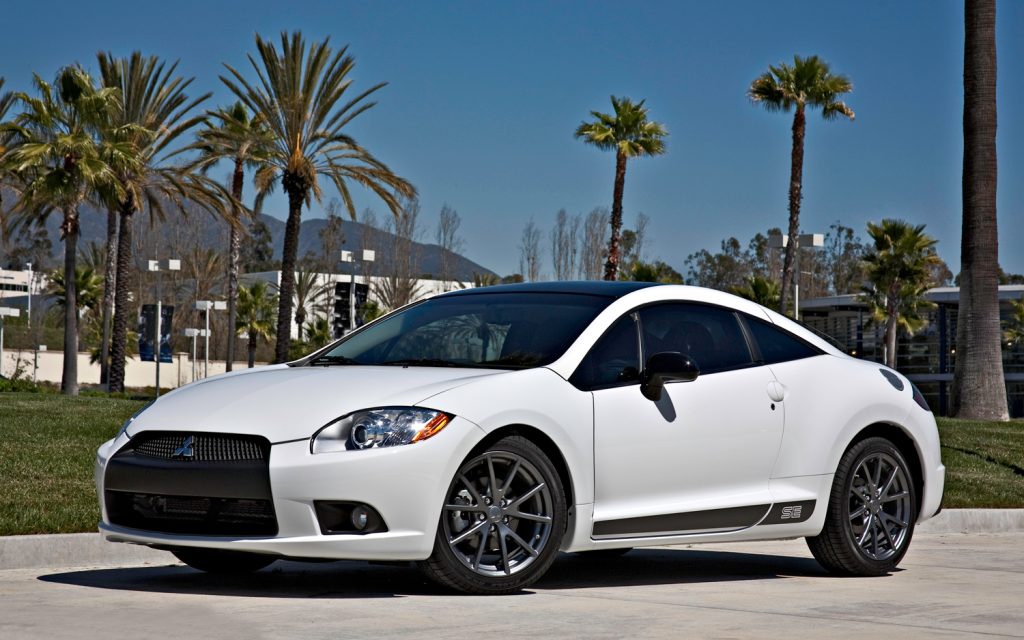
I’m writing about the Eclipse because it’s a cautionary tale about how a great car can lose its identity. It was once one of the most exciting entry-level performance cars of its time, but the shift toward comfort and style diluted its soul.
While the name still holds nostalgia for some, the later ‘90s examples remain undervalued because they don’t represent what made the Eclipse special.
This car reminds us that collector value isn’t about a badge it’s about authenticity. The Eclipse lost that as it tried to appeal to a broader audience, and that’s why it remains affordable today.
3. Chevrolet Cavalier
The Chevrolet Cavalier was a ubiquitous compact car of the 1990s, aimed at providing a simple, affordable daily driver. It offered reliability, low running costs, and basic comfort all qualities that made it practical but hardly exciting.
Its bland styling and conservative performance ensured that it was overlooked by enthusiasts from the outset, and that perception has persisted over time.
Even today, the Cavalier remains firmly in the bargain bin. Clean examples rarely exceed a few thousand dollars, and there is virtually no collector interest. While some may appreciate its simplicity, it lacks any of the personality or engineering sophistication that drives nostalgia.
The engines were small and unremarkable, the suspension soft and uninspired, and interiors remained basic. While mechanically dependable, these traits don’t translate into value in the collector market.
I’m writing about the Cavalier because it demonstrates how mass-market practicality rarely translates to long-term appreciation. Millions were sold, and countless vehicles have been scrapped over the years, leaving few “special” examples for enthusiasts to chase.
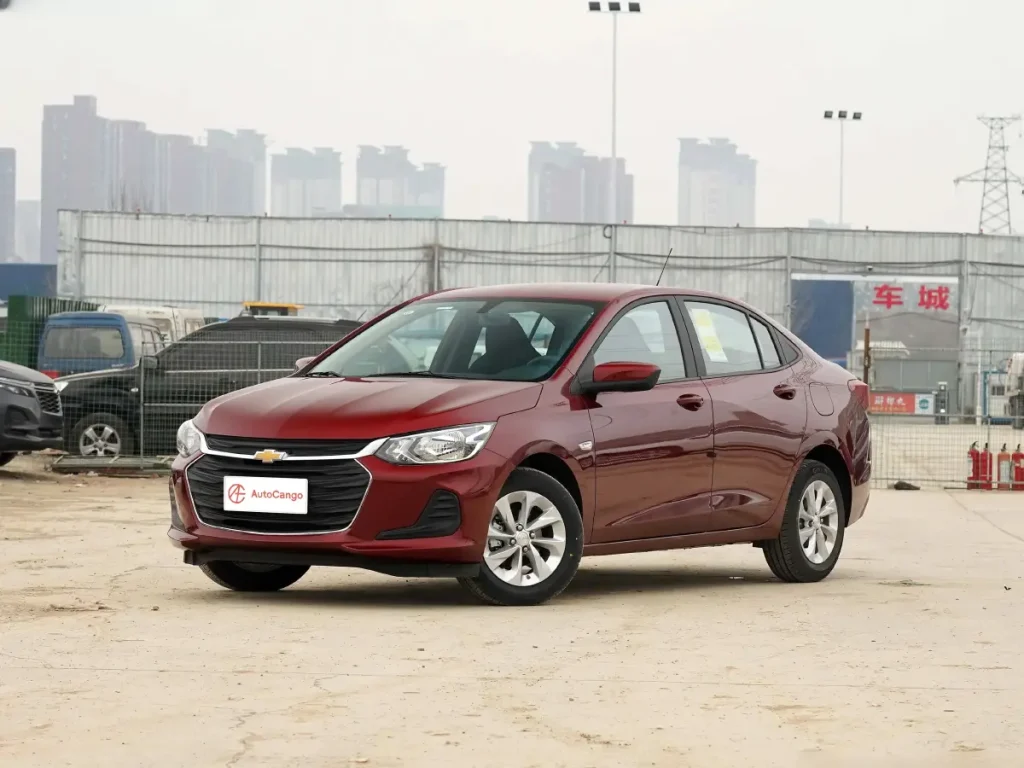
Unlike rarer compact cars that offered sportiness or design flair, the Cavalier was designed to be unassuming, which is precisely why it remains inexpensive today.
Its story is a reminder that durability alone is rarely enough to inspire collector attention; character, scarcity, and cultural significance are the real drivers of value.
In the end, the Cavalier represents the many ordinary cars of the 1990s that served their purpose admirably but left no lasting impression.
While dependable and economical, it’s simply not a car that sparks passion or nostalgia, leaving it stuck at the bottom of the market for decades to come.
4. Pontiac Sunfire
The Pontiac Sunfire was introduced as a compact, affordable alternative in the 1990s, aiming to attract younger buyers seeking sporty styling on a budget.
While it looked somewhat aggressive with its sloped front end and available coupe form, its underwhelming engines, sloppy handling, and cheap interior materials prevented it from gaining enthusiast credibility. The Sunfire lacked any performance pedigree or distinctive engineering that might have made it collectible.
Today, values remain low, with even well-maintained examples rarely exceeding a few thousand dollars. Reliability was average at best, and many Sunfires were modified poorly or neglected over the years.
Its styling, while intended to be sporty, aged poorly, and interiors suffered from fading plastics and low-quality finishes. Enthusiasts generally bypass the Sunfire in favor of cars that offer mechanical character, design cohesion, or rarity.
I’m writing about the Sunfire because it illustrates how “aspirational” styling alone cannot sustain value. Despite being marketed toward a youthful audience, it lacked the driving engagement or emotional connection that fosters collector interest.
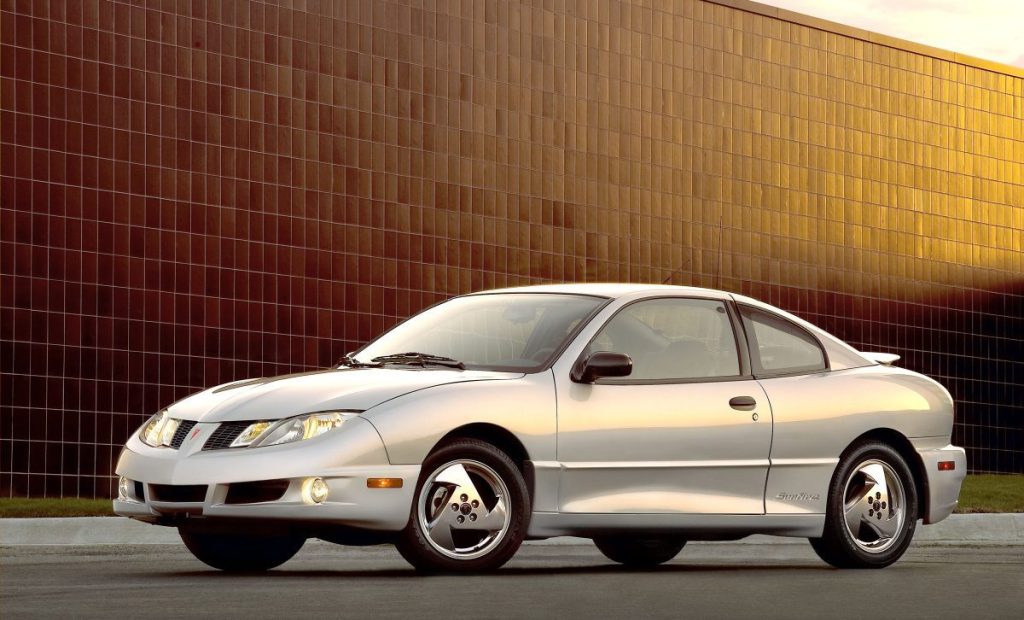
The Sunfire was a transitional car for its brand affordable and practical, but forgettable. Its cheap status today is a direct reflection of its uninspiring engineering and lack of enthusiast cachet.
The Sunfire serves as a clear example of a 1990s car that tried to appeal broadly but failed to leave a lasting impression. Without rarity, reliability distinction, or emotional resonance, it remains stuck in the low-price segment even decades later.
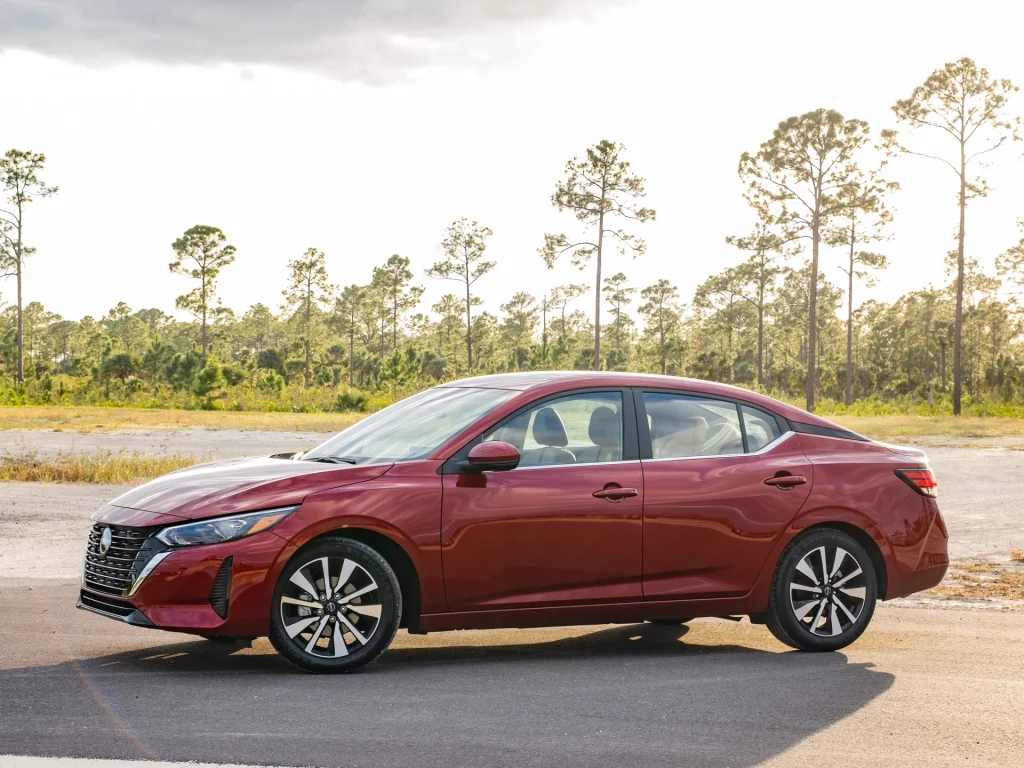
5. Nissan Sentra (B14/B15)
The Nissan Sentra of the mid-to-late 1990s was an efficient and reliable compact sedan, but it lacked the style, performance, or uniqueness that would elevate it above the mass-market crowd.
Its engines were modest, the interiors functional but plain, and the suspension soft, providing comfort at the expense of driving engagement. For daily commuting, it excelled, but as a potential collectible, it never had a chance.
Even today, Sentras from this era sell for very little, often under $2,000 in private sales. Enthusiasts rarely seek them out, as they don’t offer tuning potential or nostalgic allure comparable to other Japanese cars of the decade.
While some sporty trims existed, they were neither rare nor desirable enough to affect long-term value. Parts remain plentiful and cheap, which makes the Sentra practical but unremarkable in terms of collector appeal.
I’m writing about the Sentra because it illustrates the fate of the majority of 1990s vehicles: functional, reliable, but lacking character. Its value remains low due to its ubiquity, bland driving experience, and lack of emotional attachment for buyers.
While it succeeded as a practical, affordable car for millions, that same mass-market success has ensured it remains cheap today.
The Sentra shows that durability and practicality, while appreciated by owners, rarely translate into collector desirability.
Its story reinforces the idea that cars need personality, scarcity, or performance significance to escape the low-value trap. For the 1990s, many vehicles fit this description useful in their time, forgotten in ours.
The 1990s produced cars that bridged mechanical purity and modern usability, creating a diverse mix of future classics and forgotten commuters.
Some models, like the Toyota Supra, Acura NSX, Mazda RX-7, BMW E36 M3, and Toyota Land Cruiser 80 Series, have gained remarkable value because they embody emotion, engineering depth, and nostalgia.
These vehicles offered authenticity, design innovation, and driving experiences that modern cars rarely replicate. They’ve become symbols of a time when carmakers built machines for enthusiasts rather than algorithms.
On the other side, cars such as the Ford Taurus, Mitsubishi Eclipse (late generation), Chevrolet Cavalier, Pontiac Sunfire, and Nissan Sentra remain stuck in budget territory.
They were practical, affordable, and dependable, but lacked the spark or individuality that fuels collector demand. Built for utility rather than inspiration, they fulfilled their roles but left little legacy.
Together, these two groups reveal what drives long-term value passion, scarcity, and emotional memory. Cars that connect people to their youth, challenge expectations, or deliver authentic engagement inevitably climb in worth.
Those that simply met everyday needs fade quietly into obscurity. The ‘90s, more than any other decade, shows this divide with striking clarity.
Also Read: 5 Cars That Feel Underpriced vs 5 That Feel Overpriced
