
Automakers often use marketing campaigns to highlight the strengths, innovations, or performance of their vehicles. Bold claims and glossy advertisements set expectations for consumers, influencing purchasing decisions and shaping public perception.
While some cars live up to or even exceed the hype, delivering an experience that surpasses marketing promises, others fall short, leaving owners disappointed or underwhelmed. Understanding which models succeed or fail in fulfilling their promises offers valuable insight for buyers, enthusiasts, and industry observers alike.
Cars that exceed marketing hype typically combine innovation, reliability, and driving satisfaction. They not only meet advertised specifications but often surprise drivers with additional benefits such as exceptional handling, durability, or user-friendly technology.
These vehicles generate strong word-of-mouth endorsements, maintain resale value, and inspire loyalty among owners. Dealers and enthusiasts frequently praise such cars for outperforming expectations, turning marketing claims into genuine consumer satisfaction.
Conversely, vehicles that fail to live up to marketing promises often fall short due to underwhelming performance, subpar reliability, or overstated features.
In some cases, the advertised benefits exist on paper but do not translate to real-world usability. When expectations set by promotional campaigns are not met, buyers can experience frustration, and resale values often suffer.
This article examines both sides of the spectrum. The first section highlights five cars that exceeded their marketing hype, demonstrating why they delivered more than advertised and how they exceeded expectations in performance, comfort, and reliability.
The second section identifies five cars that failed to meet marketing promises, analyzing the factors behind their underperformance and the disconnect between marketing and real-world experience.
By comparing these extremes, readers gain a clearer understanding of how marketing claims align or fail to align with actual ownership experiences.
Also Read: 5 Vehicles Built for Adventure vs 5 That Are Built for Show
5 Cars That Exceeded Marketing Hype
Marketing campaigns often promise a driving experience, performance level, or technological innovation that sets high expectations for a new vehicle. While many cars meet these claims at a basic level, a select few surpass them, delivering features, performance, and reliability that go beyond what was advertised.
These vehicles earn praise not just from critics, but also from owners who find themselves genuinely impressed by their real-world capabilities.
Cars that exceed marketing hype share several characteristics. Strong engineering, well-calibrated performance, and attention to detail ensure that advertised claims translate into tangible benefits.
Reliability and long-term usability reinforce the positive perception, allowing these vehicles to maintain value and earn loyalty. Comfort, driver engagement, and practical usability often surpass expectations, leaving owners feeling that the marketing was modest compared to the actual experience.
This section highlights five cars that delivered more than promised. Each model demonstrates how thoughtful engineering and careful design can turn marketing expectations into reality, often exceeding them.
From performance-oriented vehicles to well-rounded daily drivers, these cars have become benchmarks in their segments. By examining them, readers can understand what factors allow certain vehicles to outperform expectations and gain reputations for exceeding their advertised claims.
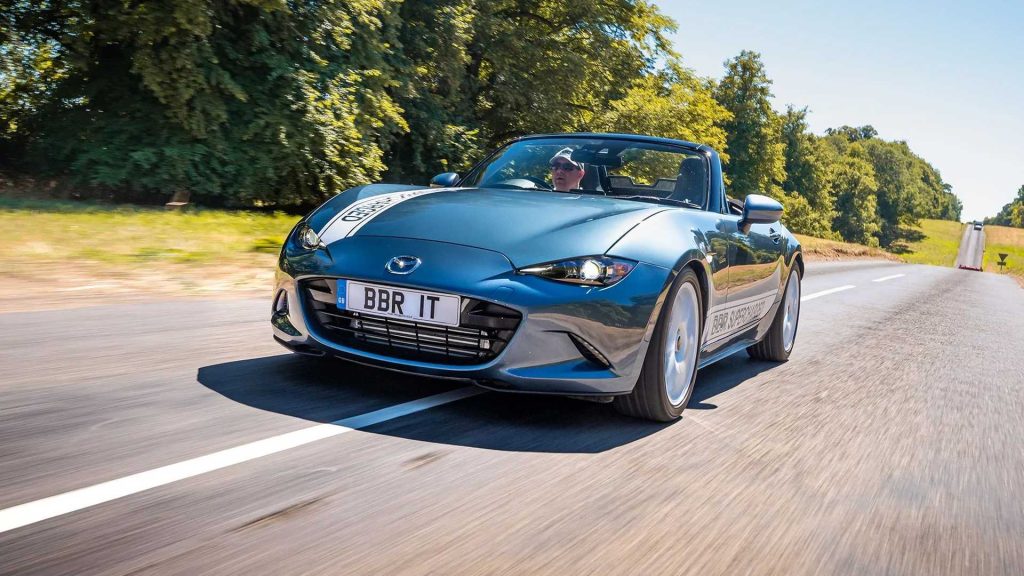
1. Mazda MX-5 Miata (ND Generation)
The Mazda MX-5 Miata has long been marketed as a small, lightweight roadster focused on driving enjoyment, but the ND generation exceeded even the high expectations set by its predecessors.
Advertised for nimble handling and a pure driving experience, the Miata delivers a level of engagement and responsiveness that far surpasses most modern sports cars in its price range.
Its lightweight chassis, near-perfect weight distribution, and precise steering create an incredibly communicative driving experience. Drivers often report that the Miata feels more agile than its marketing suggests, responding intuitively to inputs while maintaining stability and composure on corners.
The combination of a rev-happy engine, smooth gearbox, and low curb weight results in a car that feels both lively and connected, surpassing the advertised “fun-to-drive” promise.
Interior design and usability further exceed expectations. Despite its small footprint, the cabin is thoughtfully designed with high-quality materials and a driver-focused layout. Ergonomics and visibility enhance the overall experience, making it practical for short trips or spirited drives.
Reliability and low maintenance costs add to its appeal. Owners find that the Miata sustains its performance and handling over time, reinforcing the idea that the car is not just entertaining initially but remains enjoyable for years.
The Mazda MX-5 Miata exemplifies how a well-engineered car can surpass marketing hype, providing a driving experience that feels more connected, precise, and rewarding than its promotional materials suggest. Its combination of performance, reliability, and pure driving joy makes it a standout in the sports car segment.
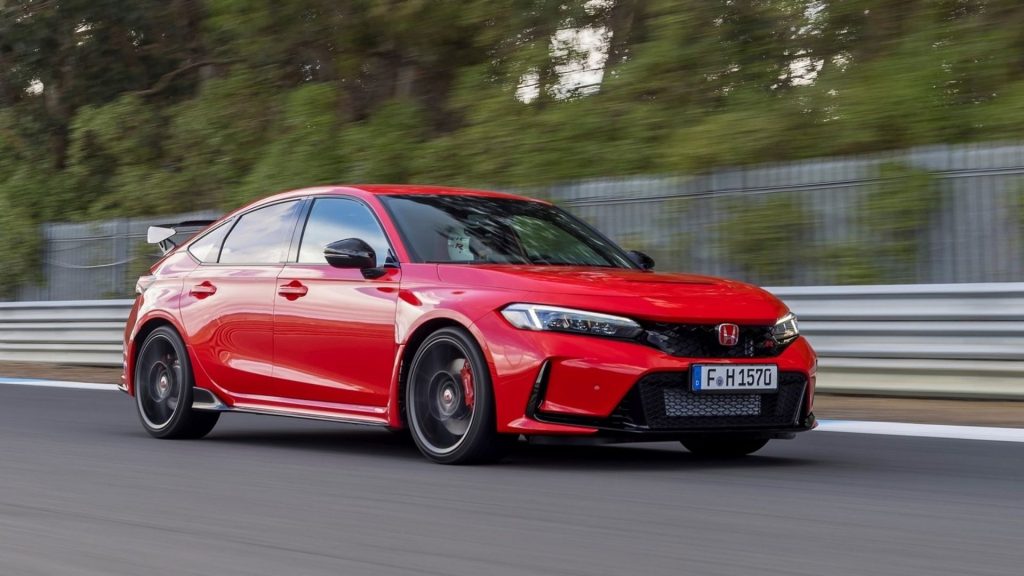
2. Honda Civic Type R (FK8)
The Honda Civic Type R, particularly the FK8 generation, was marketed as a high-performance, track-ready front-wheel-drive hatchback. While expectations were high, the car consistently exceeds its marketing claims, offering performance, handling, and usability that impress even experienced drivers.
On the road and track, the Civic Type R demonstrates precision and balance rarely found in front-wheel-drive cars. Its turbocharged engine produces strong, linear power, providing thrilling acceleration without sacrificing reliability or daily usability.
The sport-tuned suspension, adaptive steering, and chassis rigidity allow drivers to push the car to its limits, exceeding advertised performance in cornering stability and road-holding capability.
Practicality is another area where the Type R outperforms expectations. Despite its aggressive appearance and performance focus, it remains a usable daily driver. Its spacious interior, comfortable seats, and adequate cargo space make it functional beyond the track.
Infotainment, safety features, and ergonomics further enhance everyday usability, surpassing the marketing message of a purely performance-oriented car.
Durability and reliability also reinforce the vehicle’s value proposition. Owners report minimal maintenance issues even under spirited driving conditions, solidifying the Type R’s reputation as both a capable sports car and a practical daily driver.
The Honda Civic Type R demonstrates how strong engineering and thoughtful design can exceed marketing hype. By delivering exceptional performance, usability, and reliability, it has earned a reputation as one of the most well-rounded and capable hot hatches in its segment.
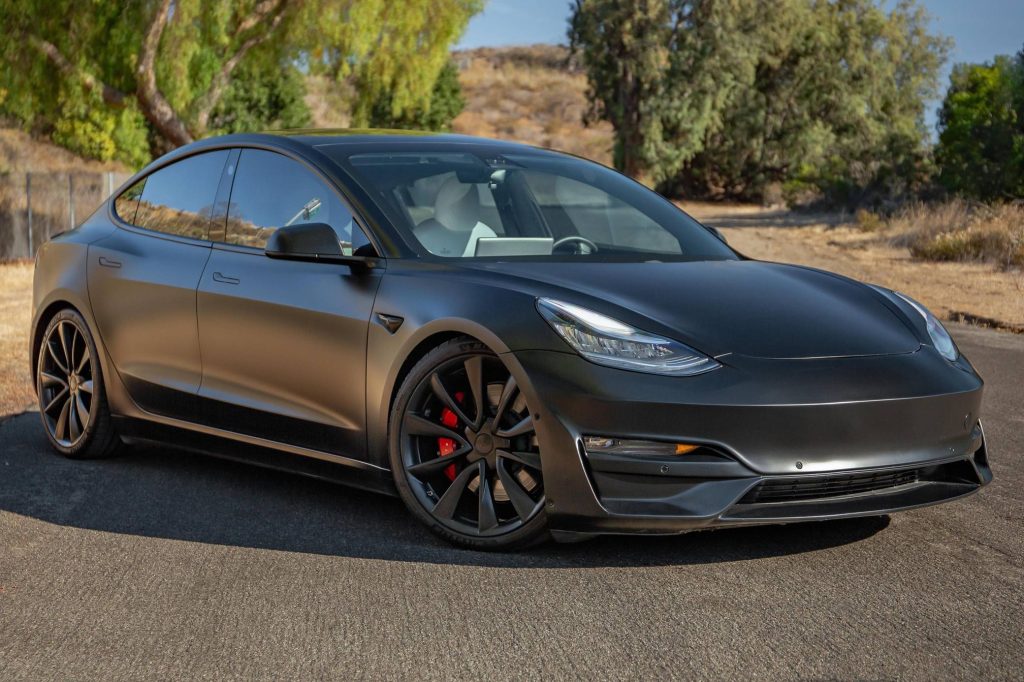
3. Tesla Model 3 (Performance Version)
The Tesla Model 3, especially in its Performance variant, was marketed as a high-tech electric car with impressive acceleration, long-range capability, and a modern user experience.
In practice, the Model 3 often surpasses these claims, delivering performance, technology, and usability that exceed most expectations in the electric vehicle segment.
Performance-wise, the dual-motor all-wheel-drive setup provides instant torque and acceleration that rivals many sports cars, far surpassing the advertised 0–60 mph times in real-world conditions.
Handling is unexpectedly sharp for an electric sedan, with a low center of gravity due to the battery placement that enhances cornering stability and responsiveness. Drivers consistently note that the car feels more dynamic than its promotional materials suggest.
Technology and interface further exceed expectations. The minimalist interior, dominated by the central touchscreen, controls almost all vehicle functions with intuitive software.
Over-the-air updates enhance the car over time, adding features and performance improvements that extend beyond the initial marketing promise. Autopilot and safety systems, while not perfect, provide an advanced level of driver assistance that many competitors cannot match.
Practicality is also notable. Despite being marketed as a compact sedan, the Model 3 offers generous interior space, decent cargo capacity, and efficiency that makes it usable for daily commuting and long-distance travel. Reliability and low maintenance needs for an EV further reinforce its appeal.
Overall, the Tesla Model 3 Performance demonstrates how an electric car can exceed marketing hype through a combination of thrilling performance, advanced technology, and everyday usability.
It has set a benchmark for EVs in its class, proving that Tesla’s promotional claims were often modest compared to the real-world experience.
4. Porsche 911 Carrera (992 Generation)
The Porsche 911 Carrera, particularly the 992 generation, is marketed as a high-performance sports car combining everyday usability with track-ready capabilities. In reality, it often exceeds expectations, offering a driving experience that is more engaging, refined, and versatile than advertised.
The 911’s chassis, suspension, and steering provide remarkable precision, balance, and responsiveness. Even under aggressive driving conditions, the car maintains composure, inspiring confidence and delivering a sense of control beyond marketing promises.
Its turbocharged engines deliver strong, smooth power across the rev range, allowing rapid acceleration and dynamic handling that exceed performance expectations for its class.
Daily usability is another area where the 911 surpasses its hype. While a performance-oriented car, it remains comfortable and practical for regular use.
Interior quality, ergonomic controls, and supportive seats make long drives enjoyable, demonstrating that a sports car can combine excitement with everyday comfort. Cargo space, although limited, is functional for weekend trips or daily errands.
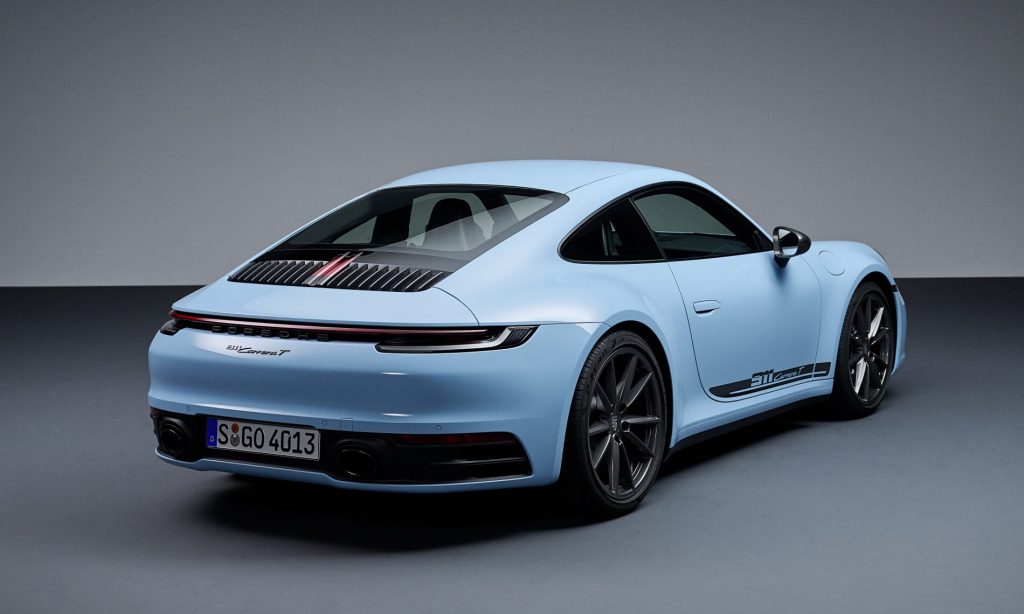
Reliability and build quality reinforce its appeal. Owners find that even under spirited use, the 911 maintains mechanical integrity and performance, exceeding what marketing materials suggest about durability and longevity.
The Porsche 911 Carrera exemplifies how exceptional engineering, attention to detail, and refined performance can surpass marketing claims. It offers a level of engagement, comfort, and usability that makes it not just a sports car, but a practical and rewarding daily driver.
5. Subaru WRX STI (VA Generation)
The Subaru WRX STI, particularly the VA generation, was marketed as a rally-inspired performance sedan with all-wheel-drive capability, turbocharged power, and aggressive handling. In real-world driving, it frequently exceeds these promises, offering thrilling performance and exceptional driver engagement.
The WRX STI’s turbocharged engine delivers strong acceleration and torque, allowing rapid responses in both urban and open-road scenarios.
Its all-wheel-drive system, paired with a limited-slip differential, provides exceptional traction, cornering stability, and confidence in adverse conditions, surpassing advertised handling capabilities. The car’s performance on twisty roads and wet surfaces often surprises drivers who expected a more conventional sports sedan.
Interior usability and practicality are also better than advertised. While focused on performance, the cabin is spacious enough for passengers, with a straightforward layout and controls that enhance the driving experience.
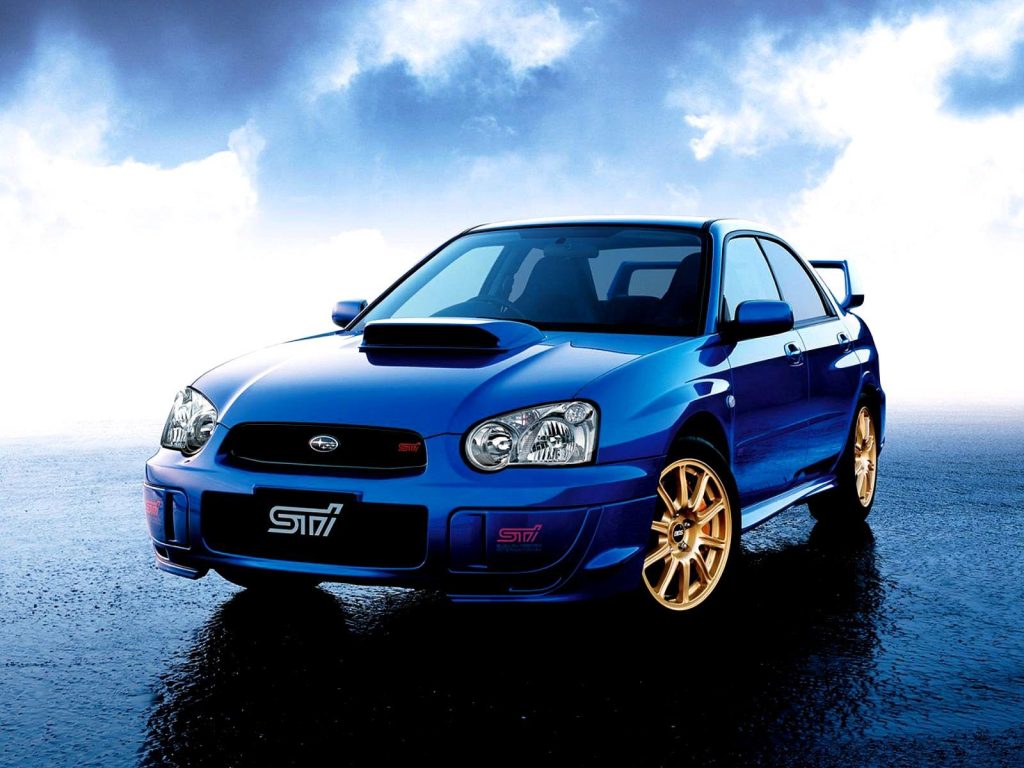
Reliability is generally strong, with owners reporting durable drivetrain components even under spirited use, reinforcing its value.
Overall, the Subaru WRX STI demonstrates how a performance-focused vehicle can exceed marketing hype by delivering not only on advertised speed and handling but also on practical usability and reliability.
Its combination of excitement, confidence, and everyday functionality solidifies its reputation as a car that outperforms expectations in both advertised and real-world performance.
5 Cars That Didn’t Exceed Marketing Hype
Not every vehicle lives up to its marketing promises. Automakers often highlight cutting-edge performance, advanced technology, or superior driving experience, but some cars fail to deliver on these claims.
While marketing campaigns can generate excitement, certain vehicles underperform in real-world conditions, leaving buyers disappointed and questioning their purchase.
Cars that don’t meet their marketing expectations can fall short for multiple reasons. Engine or drivetrain performance may not match advertised specifications, handling may be less responsive than promised, or comfort and usability might not align with promotional claims.
Sometimes, reliability and maintenance costs create additional gaps between expectations and reality. Even when a car offers attractive styling or advanced features, shortcomings in execution or real-world usability can undermine the marketing narrative.
This section highlights five cars that failed to exceed marketing hype, analyzing why each vehicle fell short of expectations.
By examining these models, readers gain insight into the disconnect between promotional claims and actual ownership experience. Factors such as performance inconsistencies, limited practicality, or overhyped features often contribute to underwhelming experiences.
Understanding which cars underperform relative to marketing claims is valuable for prospective buyers. It allows them to make informed decisions and avoid vehicles that may generate frustration or disappointment.
By comparing these cars to those that successfully exceeded expectations, the contrast becomes clear: thoughtful engineering, practical usability, and reliable performance determine whether a vehicle fulfills or falls short of its advertised promise.
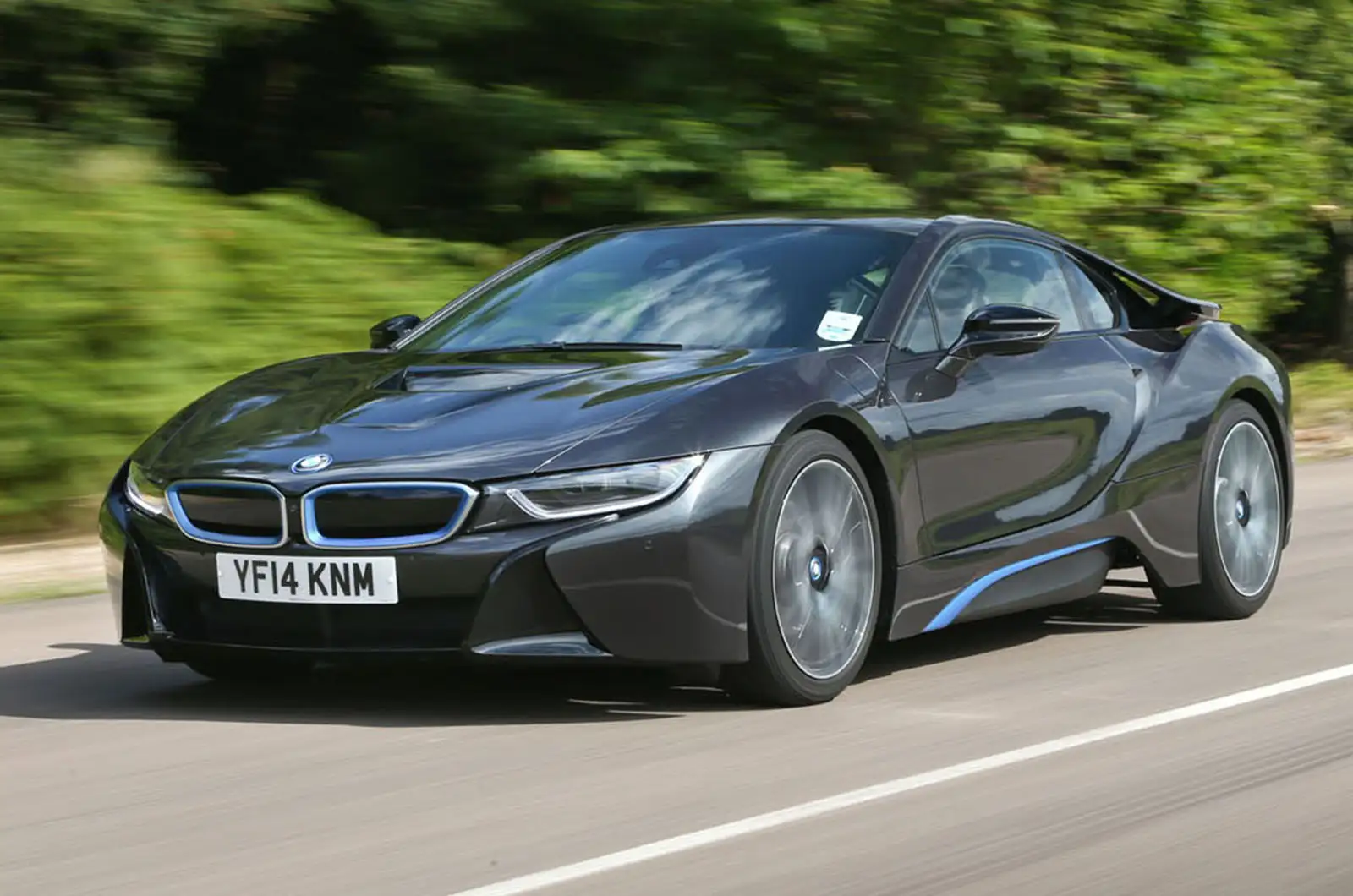
1. BMW i8
The BMW i8 was marketed as a futuristic hybrid sports car, promising groundbreaking performance, efficiency, and cutting-edge technology. While visually striking, in practice the car often failed to meet many buyers’ expectations.
Performance claims highlighted the i8’s hybrid powertrain, suggesting a sports car experience with thrilling acceleration.
However, the combined 369 horsepower, split between the electric motor and gasoline engine, often felt underwhelming compared to similarly priced conventional sports cars.
Acceleration and handling, while competent, did not consistently deliver the high-octane experience suggested in marketing campaigns.
Practical usability was also limited. The i8’s small rear seats, minimal cargo space, and scissor doors hindered everyday practicality, making it less usable as a daily driver. Drivers quickly realized that the car was better suited for occasional weekend drives rather than regular commuting.
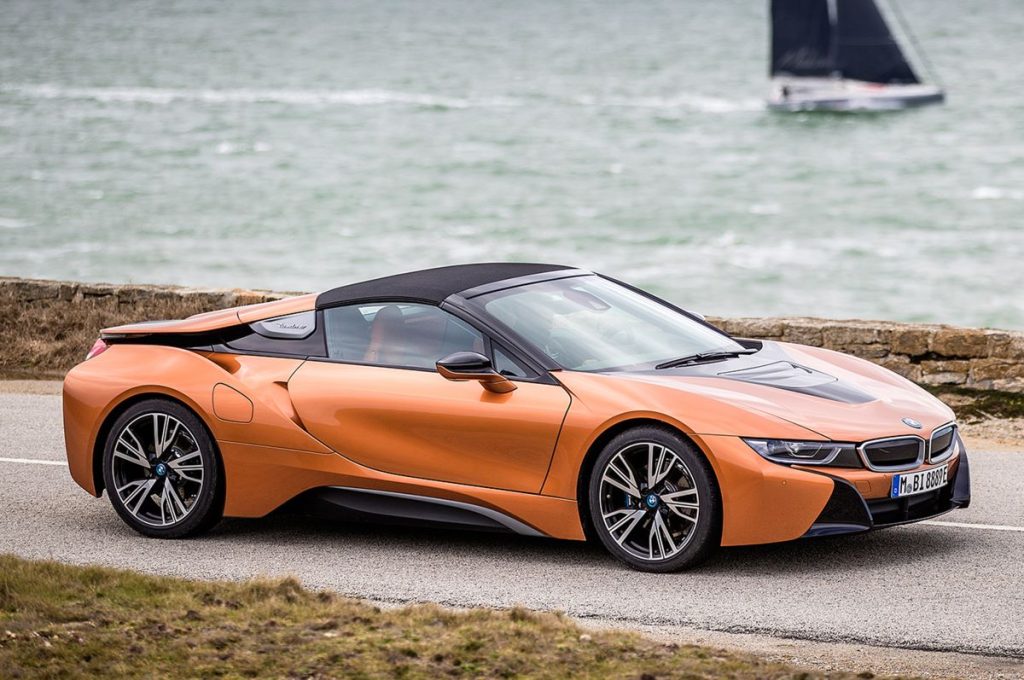
Reliability and maintenance costs further detracted from the ownership experience. Hybrid components and exotic engineering resulted in higher repair and servicing expenses, creating a gap between the futuristic promise and real-world practicality.
Although the BMW i8 offered innovative styling and a unique hybrid concept, its performance, usability, and ownership costs prevented it from fully delivering on marketing claims.
Buyers often found the actual driving experience less exciting and practical than anticipated, making it an example of a car that fell short of expectations.
2. Alfa Romeo Giulia Quadrifoglio
The Alfa Romeo Giulia Quadrifoglio was promoted as a high-performance luxury sedan combining Italian styling, aggressive power, and engaging driving dynamics. While it excelled in design and engine output, it frequently fell short of marketing expectations in real-world usability and refinement.
The Giulia’s 505-horsepower twin-turbo V6 delivered impressive acceleration and a thrilling exhaust note, matching some advertised performance metrics.
However, handling and ride quality were often harsher than expected, particularly on uneven roads, limiting comfort during daily driving. Steering feedback, while sharp, could feel overly stiff for city conditions, creating a contrast between marketing claims of balanced sportiness and practical usability.
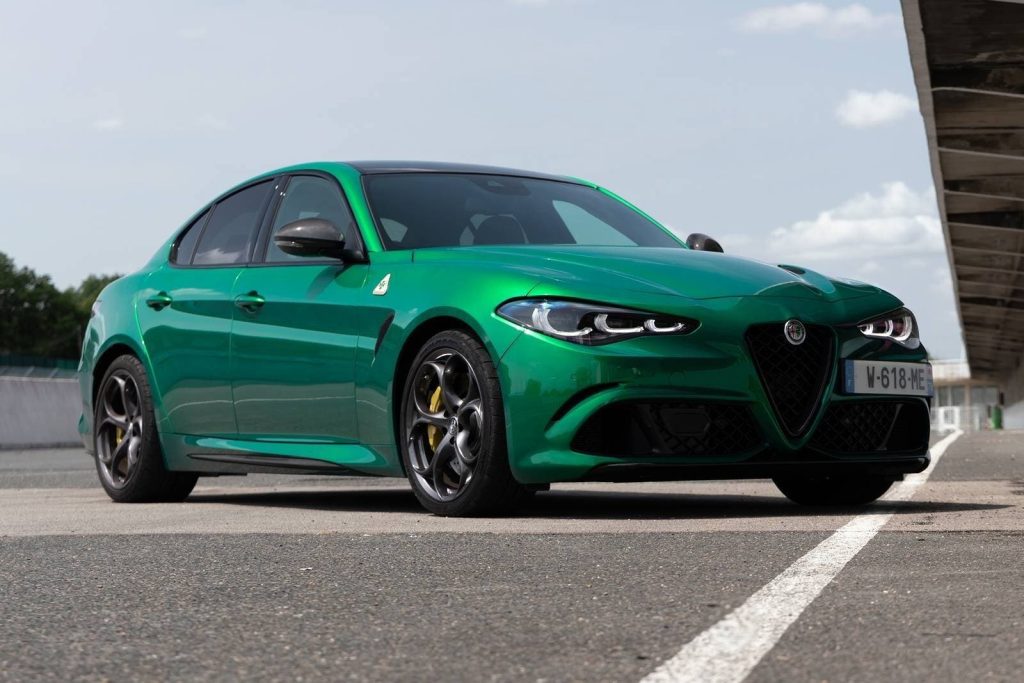
Interior quality and ergonomics also contributed to disappointment. While luxurious and visually appealing, certain materials, infotainment usability, and interior layout were criticized for falling below expectations relative to competitors in the premium segment.
Reliability concerns further diminished its appeal. Early owners reported electronic glitches and higher-than-average maintenance costs, making long-term ownership more demanding than advertised.
Overall, the Alfa Romeo Giulia Quadrifoglio highlighted how exceptional performance and styling alone cannot guarantee that a vehicle meets all marketing claims.
Practicality, refinement, and reliability are critical factors that determine whether real-world ownership fulfills the promise suggested in promotional campaigns.
3. Jaguar I-Pace
The Jaguar I-Pace was marketed as a revolutionary electric SUV combining luxury, performance, and cutting-edge technology. While it impressed in some areas, it often failed to meet real-world expectations, leaving owners feeling that marketing claims were overstated.
Performance claims emphasized quick acceleration, sporty handling, and an engaging driving experience. While the I-Pace accelerates rapidly thanks to its dual electric motors, handling can feel less precise than anticipated, especially on tight corners or uneven surfaces.
The suspension, tuned for comfort, sometimes undermines sporty driving expectations, creating a gap between advertised performance and real-world experience.
Interior technology, while advanced, can be frustrating. Infotainment systems, touch-sensitive controls, and multiple displays were marketed as intuitive and cutting-edge, but many owners found them less user-friendly in practice. Glitches, slow response times, and confusing layouts diminished the sense of futuristic usability promised in marketing materials.
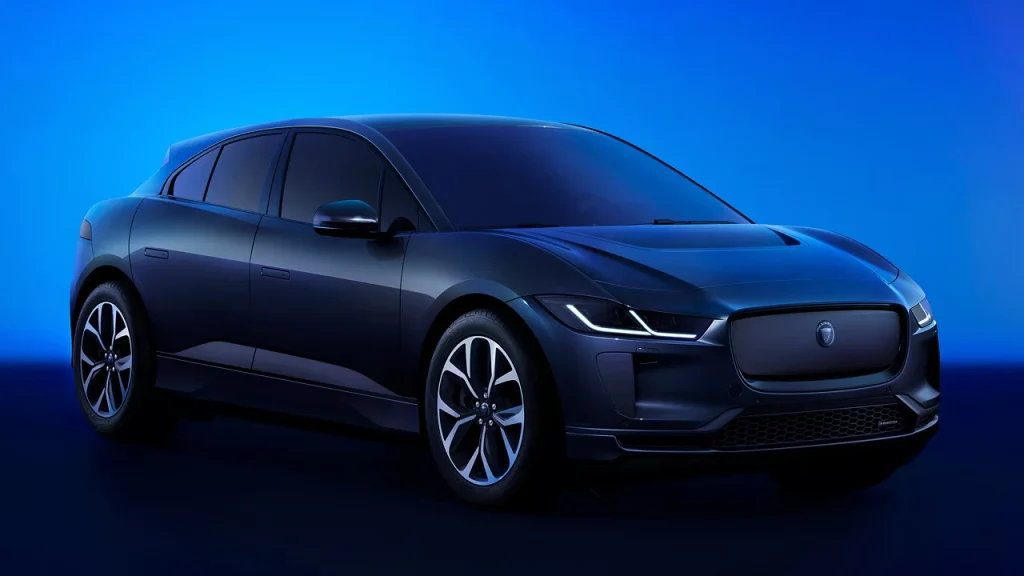
Practical aspects also fall short. Cargo space, while reasonable for an electric SUV, is limited compared to competitors, and rear-seat comfort is adequate but not exceptional. Long-distance usability is further constrained by charging infrastructure, which makes the I-Pace less versatile than the marketing suggested.
Overall, the Jaguar I-Pace demonstrates that advanced technology and performance alone do not guarantee fulfillment of marketing promises.
While it offers striking styling and unique design, real-world usability, handling, and technology execution often underperform relative to promotional claims, leaving some buyers underwhelmed.
4. Chevrolet Bolt EV
The Chevrolet Bolt EV was marketed as an affordable, long-range electric vehicle with practicality and innovation. While it offers a competitive range and compact usability, it often falls short of the high expectations set by marketing campaigns.
Range and performance claims suggested effortless long-distance driving with minimal compromise. While the Bolt provides adequate acceleration and efficiency, real-world conditions such as high-speed driving or cold weather reduce effective range, creating a gap between advertised numbers and everyday experience.
Interior and comfort also underperform relative to marketing promises. Cabin materials, seating comfort, and infotainment usability feel basic compared to expectations for a “premium” compact EV experience. Limited storage solutions and cramped rear seating further restrict its versatility.
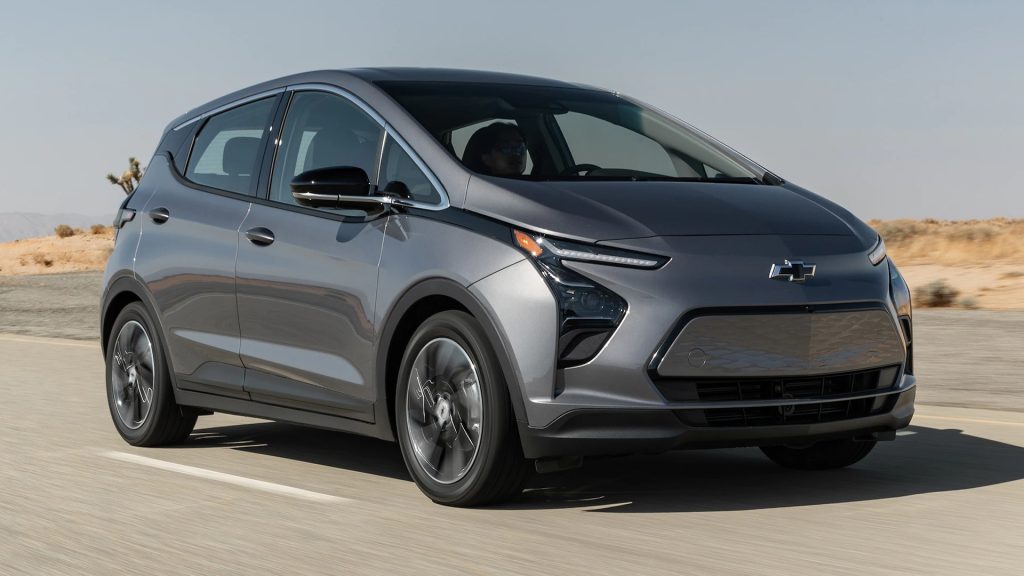
Reliability and recalls have been significant issues. Battery recalls due to fire risks undermined confidence and disrupted ownership experience, counteracting the marketing promise of a dependable, modern EV.
Although the Chevrolet Bolt EV remains a practical and affordable electric car, these shortcomings demonstrate that meeting advertised range and usability claims is not always sufficient to fully satisfy buyers.
5. Nissan Leaf (Second Generation)
The Nissan Leaf, marketed as a practical and affordable electric car for everyday use, frequently fails to exceed expectations set by marketing campaigns, particularly in performance and real-world range.
While advertised range for higher-capacity models is respectable, real-world driving often reduces it substantially, especially in cold climates or during highway travel. Acceleration and handling, while acceptable, lack the excitement or responsiveness implied in some promotional materials.
Interior comfort and design, though functional, feel basic compared to competitors, and infotainment and driver-assistance systems are not as advanced as advertised. Practical usability is acceptable but limited by cabin space and cargo capacity.
Maintenance and battery longevity concerns, though generally manageable, also impact real-world satisfaction. Early degradation in some units creates a discrepancy between marketing promises of long-term reliability and actual ownership experience.
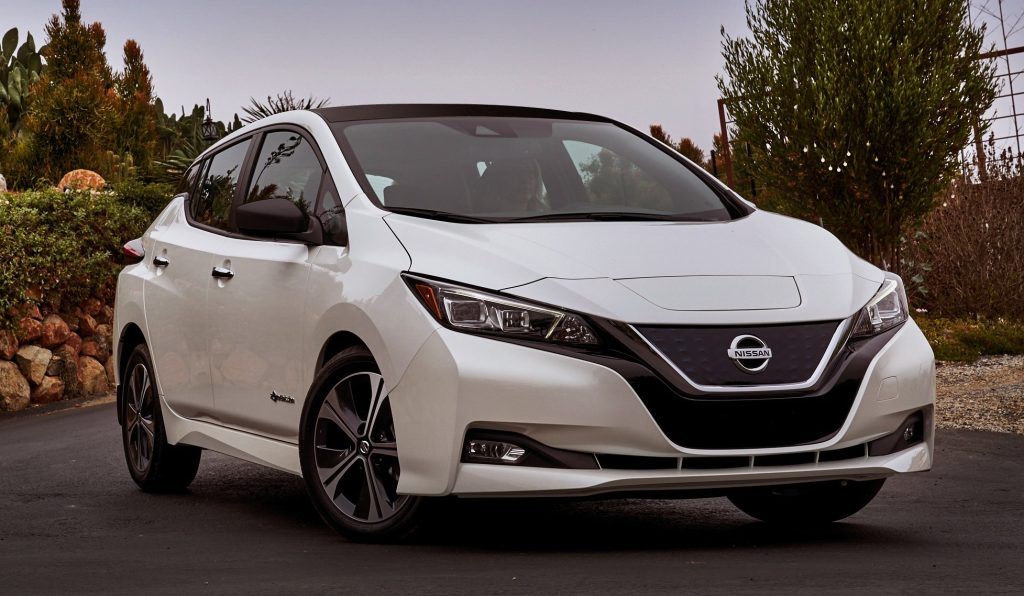
Overall, the Nissan Leaf demonstrates how marketing claims regarding range, practicality, and technology can be overestimated. While it serves as a competent, eco-friendly vehicle, it often underperforms relative to expectations set by promotional campaigns.
Marketing often shapes the perception of a vehicle before anyone even steps inside. Automakers use advertisements to highlight performance, technology, design, and overall driving experience, creating expectations that influence buyer decisions.
While some cars rise to the challenge and even exceed these expectations, others fall short, leaving owners underwhelmed. Evaluating vehicles in terms of how well they match or surpass marketing claims provides insight into engineering quality, usability, and real-world satisfaction.
The first group, cars that exceeded marketing hype, demonstrates how thoughtful engineering and practical design can surpass expectations.
The Mazda MX-5 Miata, for example, promised lightweight, enjoyable handling, but its ND generation delivers more than anticipated, with a near-perfect balance, precise steering, and rev-happy engine that make it feel livelier and more connected than marketing suggested.
Similarly, the Honda Civic Type R FK8, marketed as a performance-focused hatchback, delivers both track-ready capability and daily usability, surpassing expectations for practicality while providing exhilarating acceleration and cornering stability.
Electric and luxury vehicles also feature prominently in this category. The Tesla Model 3 Performance was advertised as a technologically advanced, fast electric car, but its instant torque, dual-motor handling, and over-the-air software updates exceed expectations in both performance and convenience.
Likewise, the Porsche 911 Carrera combines precision handling, strong acceleration, and everyday comfort in a way that surpasses the typical sports car promise. Even the Subaru WRX STI, with its rally-inspired branding, outperforms expectations with traction, stability, and turbocharged responsiveness, while remaining practical enough for daily use.
These vehicles illustrate that exceeding marketing claims requires a balance of performance, usability, reliability, and thoughtful design that resonates with drivers.
In contrast, the second group, cars that did not meet marketing hype, highlights the pitfalls of overpromising. The BMW i8 was promoted as a futuristic hybrid sports car but underdelivered in real-world acceleration, usability, and maintenance practicality.
Its striking design could not fully compensate for limited cargo space and underwhelming performance relative to similarly priced sports cars.
The Alfa Romeo Giulia Quadrifoglio, while visually appealing and powerful, offered harsher ride quality and higher maintenance costs than anticipated, creating a gap between advertised sportiness and real-world comfort.
Electric vehicles were not immune to underperformance. The Jaguar I-Pace promised performance and technology but often fell short in handling precision and infotainment usability.
The Chevrolet Bolt EV, marketed as an affordable long-range electric car, struggles with real-world range reduction, basic interior comfort, and battery reliability concerns, leaving owners frustrated when promotional claims do not match daily experience.
Finally, the Nissan Leaf, despite being an accessible electric vehicle, often underperforms in terms of acceleration, real-world range, and interior features, demonstrating the difference between marketing expectations and tangible driving satisfaction.
Comparing both groups underscores a critical insight: exceeding or falling short of marketing hype is rarely about superficial features alone.
Cars that exceed expectations typically combine reliability, performance, usability, and long-term value, allowing drivers to feel pleasantly surprised.
Conversely, vehicles that fail to meet marketing promises often struggle with gaps in performance, practicality, or technology execution, leaving buyers disappointed despite attractive styling or impressive specifications on paper.
This analysis reinforces the importance of evaluating cars based on real-world experience rather than promotional claims.
Buyers can benefit from understanding which models reliably deliver performance, comfort, and usability beyond marketing rhetoric and which may underperform despite flashy advertising.
The contrast between these ten vehicles serves as a reminder that engineering quality, thoughtful design, and practical functionality ultimately determine whether a car meets, exceeds, or falls short of the expectations set by its marketing campaign.
Also Read: 5 Classic Cars That Still Handle Amazingly vs 5 That Don’t
