
Owning a car without access to a garage can be a challenge for many. Weather, environmental exposure, and security concerns all come into play when a vehicle is left outside.
Despite this, there are certain vehicles built to handle these conditions better than others. They can withstand sun, rain, snow, and urban hazards without requiring constant shelter.
Durability, maintenance ease, and design resilience become the most critical factors when choosing a vehicle for outdoor parking.
Some vehicles have naturally rust-resistant bodies, while others come with finishes designed to repel dirt and water. Tires and suspension setups also play a role, ensuring that daily exposure does not degrade performance quickly.
Practicality is another major consideration. Vehicles that are easier to clean, have simpler mechanical components, and require fewer specialized services tend to perform better when left outside. At the same time, safety features, reliability, and strong build quality help these vehicles maintain their value over time, even without a garage.
Cost-effectiveness is equally important. Cars that resist the elements reduce repair expenses and protect your investment in the long term. In addition, some models have protective trims, all-weather interiors, and thoughtful engineering that prevent damage from UV rays, dust, or moisture.
This guide highlights eight vehicles that are ideal for drivers without garage access. Each one is selected for its toughness, ease of upkeep, and resilience against outdoor conditions.
Understanding why each vehicle excels in this role can help buyers make informed choices, ensuring their cars remain functional, safe, and attractive regardless of parking conditions.
Also Read: 5 Cars That Feel Expensive Inside vs 5 That Look Cheap Quickly
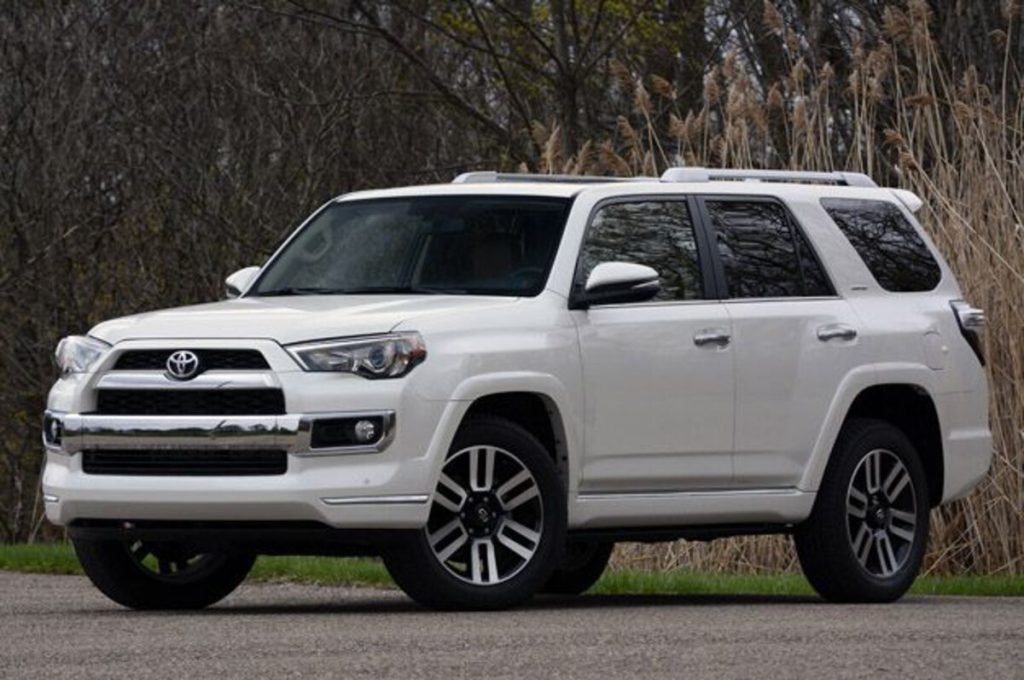
1. Toyota 4Runner
The Toyota 4Runner is one of the most dependable vehicles for those without a garage. Its body-on-frame construction gives it durability that is rare among modern SUVs. This build type is resistant to warping and corrosion, which is a major advantage when parked outdoors.
Its exterior design also helps it withstand the elements. The high ground clearance prevents water damage during heavy rain or snow, while the paint finish resists fading under prolonged sunlight. These qualities make it ideal for drivers who live in areas with harsh weather conditions.
Mechanically, the 4Runner is simple compared to many newer SUVs. It does not rely heavily on complicated electronics, which reduces the risk of expensive outdoor-induced damage. The engine is robust and known for reliability, allowing it to operate efficiently despite exposure to dust, heat, or cold.
Another benefit is its all-weather capability. Four-wheel drive models can handle slippery or uneven surfaces without putting stress on sensitive components. This is particularly useful if the vehicle is parked in unpaved lots or areas that collect moisture.
Interior durability is also noteworthy. Toyota uses materials that are resistant to moisture and dirt. Seats can endure spills or wet clothing, and the flooring is easy to clean. Rubber mats, available as accessories, add extra protection for those who leave their vehicles outside regularly.
Maintenance for the 4Runner is straightforward. Parts are widely available, and the SUV does not require specialized care to prevent outdoor-related wear. Regular washing, waxing, and routine servicing are sufficient to keep the vehicle in good condition.
Security is another aspect where the 4Runner shines. Its solid build discourages break-ins, and locking systems are reliable even after years of exposure. Some models come with factory-installed alarm systems, which add peace of mind for outdoor parking.
Fuel efficiency is not the strongest suit, but for those prioritizing resilience over mileage, it is a small compromise. The 4Runner excels in long-term ownership value, retaining its worth better than many other SUVs.
Overall, the combination of rugged design, mechanical simplicity, and all-weather performance makes the Toyota 4Runner an excellent choice for people who cannot store their vehicles in a garage. It is built to handle the challenges of outdoor life while remaining dependable for years.
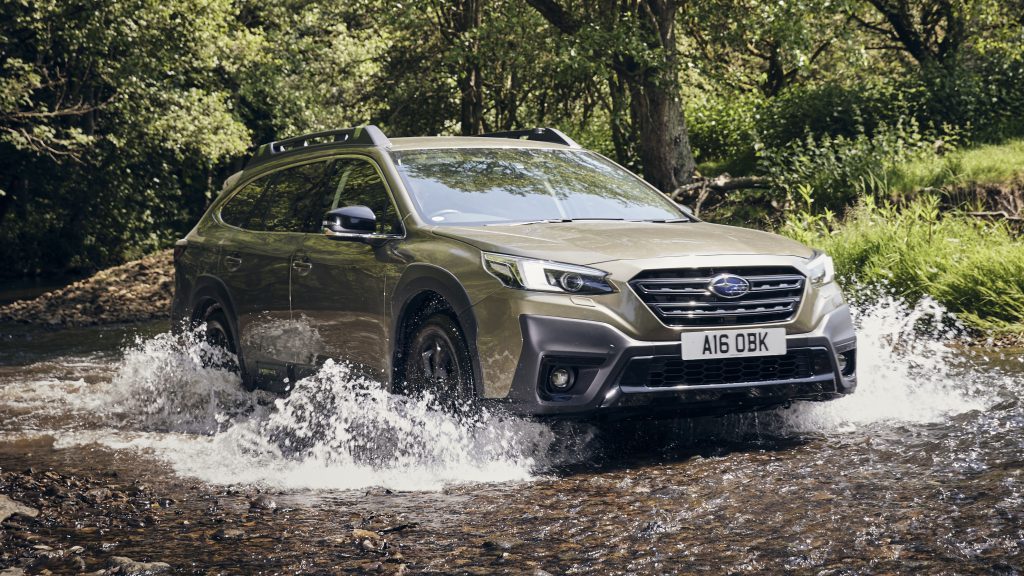
2. Subaru Outback
The Subaru Outback has earned a reputation as a rugged and reliable crossover, capable of handling outdoor storage without issues. Its all-wheel-drive system and elevated ground clearance make it resistant to weather-related challenges like rain, snow, and light flooding.
The body of the Outback is designed with corrosion resistance in mind. Its paint and underbody coatings help prevent rust, which is critical for vehicles left outside regularly. Even areas prone to road salt or coastal moisture find the Outback surprisingly durable.
Interior materials are practical and resilient. The seats and flooring are made to withstand moisture, mud, and dirt. Removable mats and washable upholstery options make cleanup simple, reducing the worry of daily wear from outdoor exposure.
Mechanically, the Outback is built with reliability in mind. Subaru engines are known for longevity, and routine maintenance is easy to perform. The vehicle does not have overly complex electronics that might fail under extreme temperatures, making it suitable for all climates.
Cleaning and upkeep are manageable. A quick wash and regular waxing keep the exterior paint in good condition, while periodic checks of seals and tires ensure long-term performance. Subaru’s reputation for dependable engineering means fewer surprises even without garage storage.
Security features also make the Outback a good outdoor vehicle. Its solid locking mechanisms, alarm options, and strong build help protect against break-ins or tampering.
The combination of durability, weather resistance, and practicality makes the Subaru Outback an ideal choice for drivers who lack covered parking. Its versatility allows it to handle both urban and rural conditions without compromising reliability or comfort.
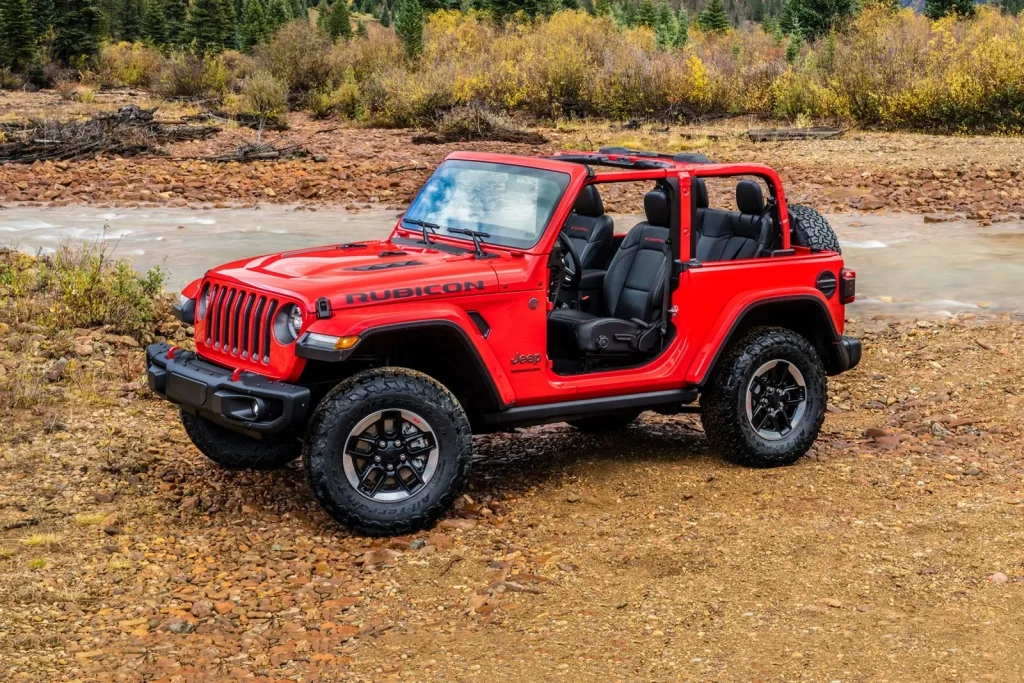
3. Jeep Wrangler
The Jeep Wrangler is a classic choice for outdoor parking due to its rugged construction. Its body-on-frame design and robust chassis are resistant to the stresses caused by sun, rain, and snow. Unlike many modern vehicles, the Wrangler is built for raw durability rather than delicate styling.
Wranglers feature removable doors and roofs, which makes cleaning and maintenance easier. After exposure to mud, salt, or rain, a quick rinse is often enough to maintain the vehicle’s condition. The paint and finish are also designed to tolerate harsh conditions without fading quickly.
Mechanically, the Wrangler is simple and accessible. Its engine and transmission designs are straightforward, making repairs and maintenance easier, even when the vehicle spends most of its life outdoors. Off-road capabilities mean that wet or uneven surfaces are not a problem, reducing the risk of mechanical strain.
Interior materials are hard-wearing. Seats are often vinyl or durable cloth, and the flooring can endure dirt and moisture. Jeep even offers all-weather mats that provide extra protection for outdoor conditions.
The Wrangler’s suspension and tires are designed for rugged use. This ensures that potholes, uneven streets, or rough parking spots do not damage the vehicle easily. Owners benefit from a vehicle that can endure the demands of outdoor life without compromising performance.
Security is adequate, especially with aftermarket options. The solid locks, optional alarms, and general toughness of the Jeep frame discourage theft.
Overall, the Jeep Wrangler excels for drivers who need a vehicle capable of surviving exposure to the elements. Its combination of rugged design, mechanical simplicity, and interior practicality makes it one of the most outdoor-friendly vehicles available today.
4. Honda CR-V
The Honda CR-V is a reliable choice for drivers who need a vehicle that can handle outdoor parking. Its compact SUV design combines practicality with durability, making it suitable for various weather conditions.
One of its key strengths is corrosion resistance. Honda applies rust-resistant coatings to the body and undercarriage, which helps prevent damage from rain, snow, and road salt. This is especially useful for urban drivers who leave their vehicles on the street.
The CR-V’s ground clearance is sufficient to handle wet or uneven surfaces without putting stress on the suspension. Tires designed for all-weather performance help maintain traction during rain or snow, minimizing the risk of slipping.
Interior materials are practical and easy to maintain. Fabric seats are durable, and rubber mats provide extra protection against mud or moisture. The cabin can endure everyday wear from outdoor exposure without losing comfort or appeal.
Mechanically, the CR-V is known for reliability. Honda engines are long-lasting and require routine maintenance without specialized equipment. This simplicity is a major advantage for vehicles that spend most of their time outdoors, reducing potential issues caused by temperature extremes or dust.
Maintenance is straightforward. Regular washing, waxing, and periodic inspection of seals and tire conditions are usually sufficient to maintain performance and appearance. The CR-V’s parts are widely available, and repairs are typically inexpensive.
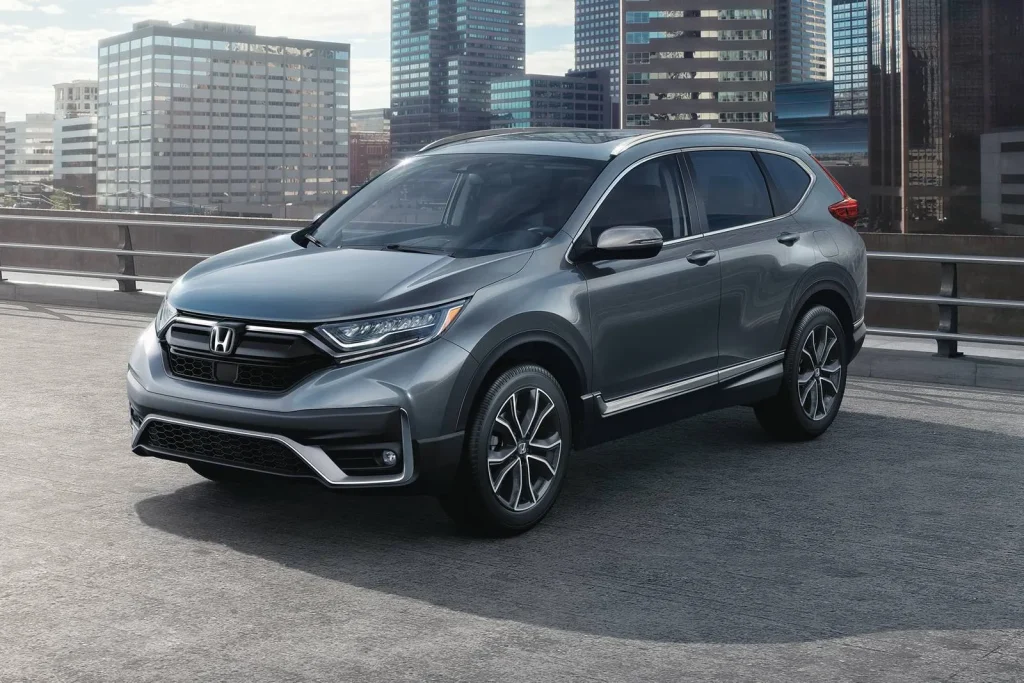
Safety is another area where the CR-V excels. Its solid body structure and reliable locking mechanisms provide peace of mind when parked outside. Some models include advanced security features that enhance protection against break-ins.
Fuel efficiency is reasonable for its class, making it a practical choice for daily commuting as well as outdoor resilience. Owners benefit from a vehicle that balances economy, durability, and ease of maintenance.
Overall, the Honda CR-V combines reliability, durability, and ease of upkeep, making it a strong option for people who lack a garage. Its practical design and dependable engineering allow it to withstand outdoor exposure while remaining functional and comfortable for years.
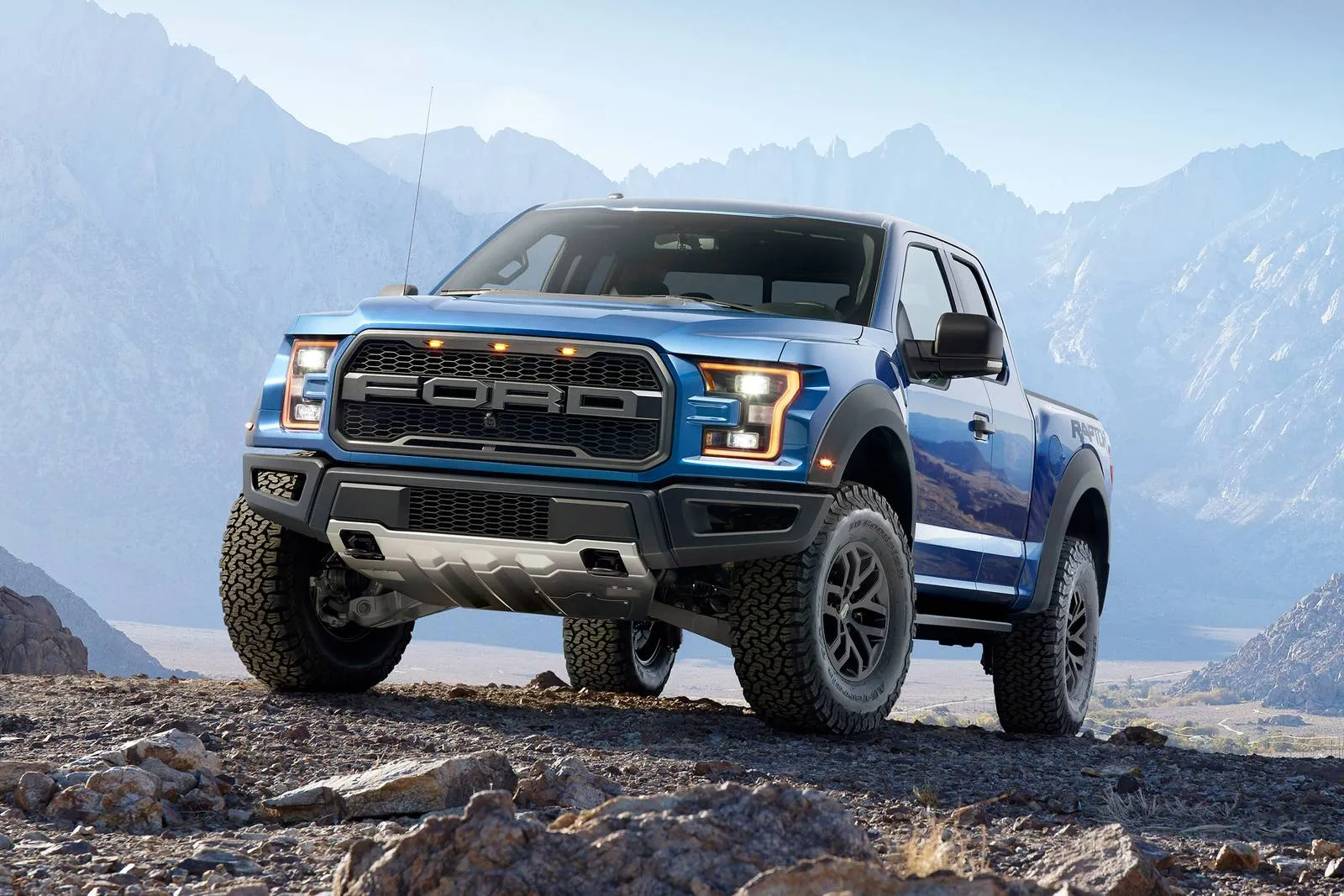
5. Ford F-150
The Ford F-150 has long been recognized for its toughness and resilience, making it ideal for drivers who park outdoors. Its full-size pickup construction is strong and durable, designed to handle harsh weather conditions.
Body panels and underbody coatings help prevent rust, even when exposed to rain, snow, and salt. This makes the F-150 a smart choice for people who need a vehicle that can maintain its condition without constant shelter.
High ground clearance and a robust suspension system allow the truck to manage uneven surfaces and puddles with ease. Tires designed for all-terrain use enhance performance in challenging conditions, minimizing wear from outdoor parking.
The interior is built for practicality. Seats are durable and easy to clean, and rubber mats provide additional protection against moisture and dirt. Truck owners can endure outdoor-related wear without compromising comfort.
Mechanically, the F-150 is simple for a modern vehicle. Engines are reliable and designed to last, while maintenance and part replacements are straightforward. This makes it easier to care for a truck left outside regularly.
The bed of the truck is another advantage. It is designed to resist rust and damage from exposure, and liners are available to protect it further from rain and snow. This feature is particularly useful for drivers who frequently carry tools or equipment outdoors.
Security is solid. The truck’s weight, structure, and locking mechanisms help deter theft. Some models come with factory alarms or tracking features, adding extra peace of mind when left in unprotected areas.
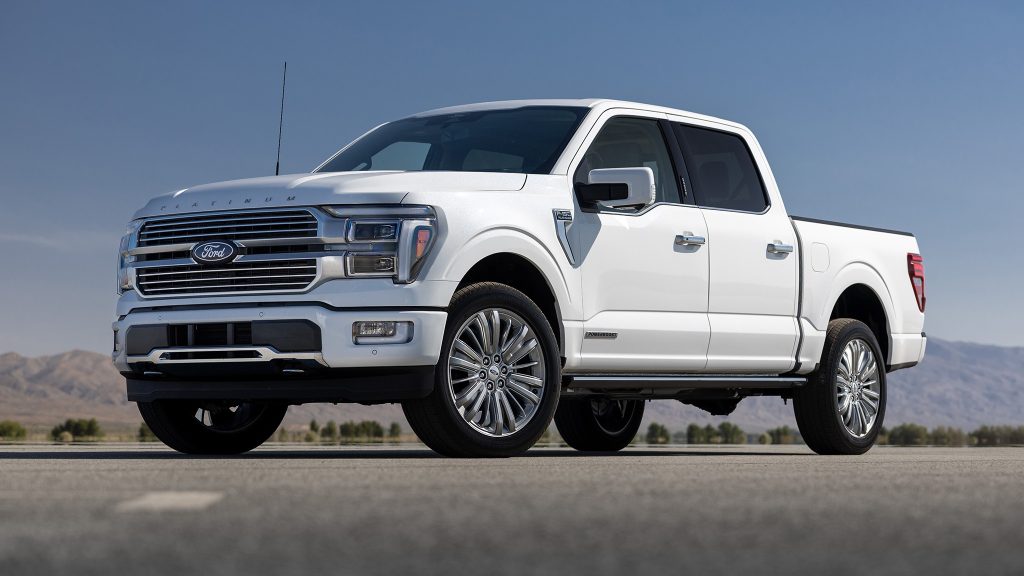
The F-150 is also versatile. It can handle both work and recreational purposes while enduring the challenges of outdoor life. Its strong resale value demonstrates that durability pays off over time.
In summary, the Ford F-150 combines rugged construction, practical interiors, and reliable mechanics, making it an excellent choice for drivers without garage access. Its resilience and ease of maintenance ensure it remains dependable even under outdoor conditions.
6. Chevrolet Tahoe
The Chevrolet Tahoe is a full-size SUV built for durability and long-term use, making it suitable for drivers who park outdoors. Its robust frame and body construction resist stress from weather exposure.
Corrosion protection is a key feature. Chevrolet applies coatings to the body and undercarriage, reducing the risk of rust from rain, snow, or road salt. This ensures the SUV maintains both structural integrity and appearance over time.
The Tahoe’s high ground clearance allows it to handle wet or uneven parking areas without putting undue strain on the suspension. Tires designed for all-season performance provide consistent traction, even in slick conditions.
Interior durability is notable. Seats are upholstered with long-lasting materials, and rubber or all-weather mats protect the flooring from moisture and dirt. The cabin remains functional and comfortable despite repeated exposure to outdoor elements.
Mechanically, the Tahoe is built for reliability. The V8 engines are strong, and the drivetrain is simple enough to allow for straightforward maintenance. Owners benefit from fewer outdoor-related mechanical problems compared to vehicles with overly complex systems.
Maintenance is manageable. Regular washing, waxing, and inspections of seals, tires, and brakes are sufficient to preserve the SUV’s performance and appearance. Parts are widely available, which makes repairs convenient and cost-effective.
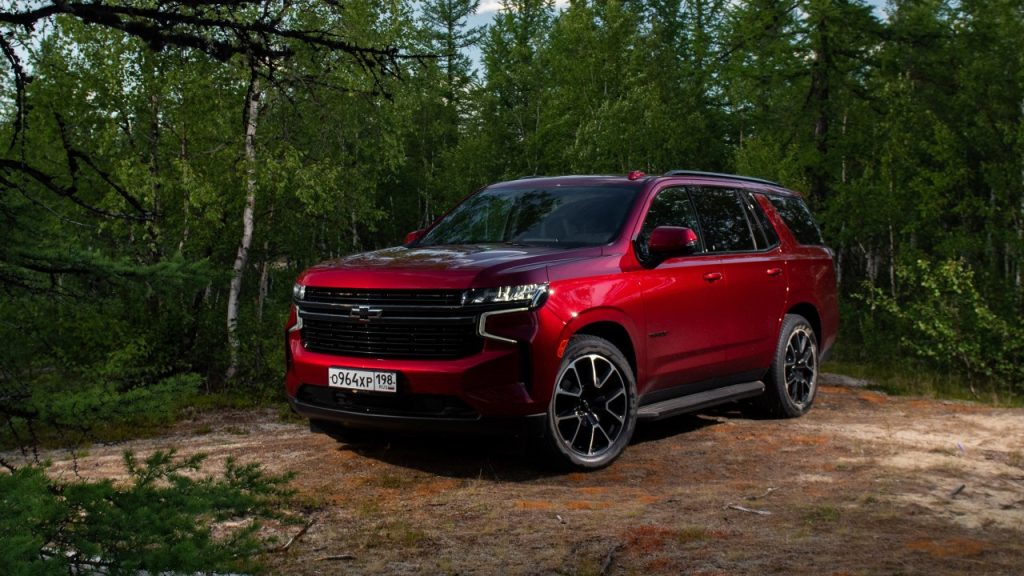
The Tahoe also prioritizes security. Solid door locks, robust construction, and optional alarm systems protect the vehicle when parked outside. Its size and visibility make it less vulnerable to tampering.
Practicality is another strong point. With ample cargo space, towing capabilities, and passenger comfort, the Tahoe serves both daily commuting and recreational needs. Its durability under outdoor conditions adds to its overall value.
Overall, the Chevrolet Tahoe combines rugged construction, reliable mechanics, and practical interiors. It is a full-size SUV that withstands weather, dirt, and wear while remaining dependable for years, making it an excellent option for drivers without garage access.
7. Volvo XC90
The Volvo XC90 is a midsize luxury SUV that handles outdoor exposure remarkably well. Its build quality and attention to rust prevention make it a strong choice for drivers who park outside.
Volvo applies extensive corrosion-resistant coatings to the body and undercarriage. These measures protect against rain, snow, and road salt, allowing the vehicle to maintain its structural integrity even in harsh climates.
Ground clearance is adequate to avoid damage from puddles or uneven surfaces. All-season tires provide reliable traction, minimizing wear caused by repeated outdoor parking in wet or icy conditions.
The interior of the XC90 is made with durable, high-quality materials. Seats are comfortable and resistant to moisture, while floor mats can easily handle dirt or mud. Cleaning the cabin is simple, making it practical for everyday use.
Mechanically, Volvo prioritizes reliability. Engine and transmission systems are designed to be long-lasting, and routine maintenance is straightforward. Complex electronics are well-protected against temperature extremes and environmental exposure.
Maintenance is manageable, with regular washing and inspections sufficient to keep the vehicle in top condition. Volvo parts are readily available, and servicing is simplified by clear engineering and robust construction.
Security is a strong point for the XC90. Solid locks, alarms, and a sturdy body frame provide peace of mind when the vehicle is left outdoors. The SUV’s overall design discourages tampering or theft.
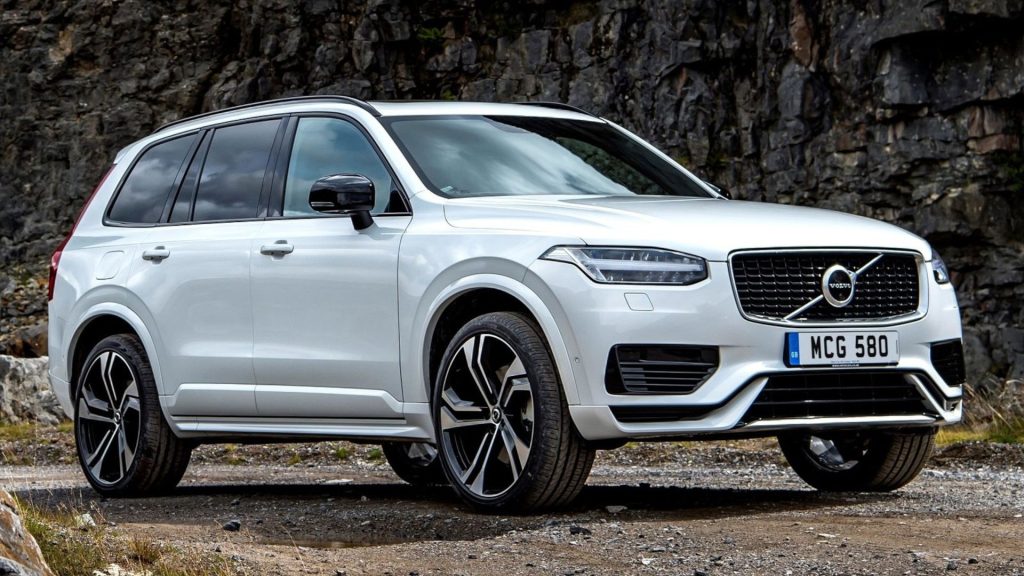
The XC90 also offers versatility. It combines comfort, space, and performance with outdoor resilience, making it suitable for families, commuters, and adventurers alike. Its strong resale value reflects the brand’s focus on durability and long-term reliability.
Overall, the Volvo XC90 offers a combination of corrosion resistance, durable interior materials, and dependable mechanics. For drivers without a garage, it provides a practical, reliable, and comfortable vehicle capable of handling exposure to the elements with ease.
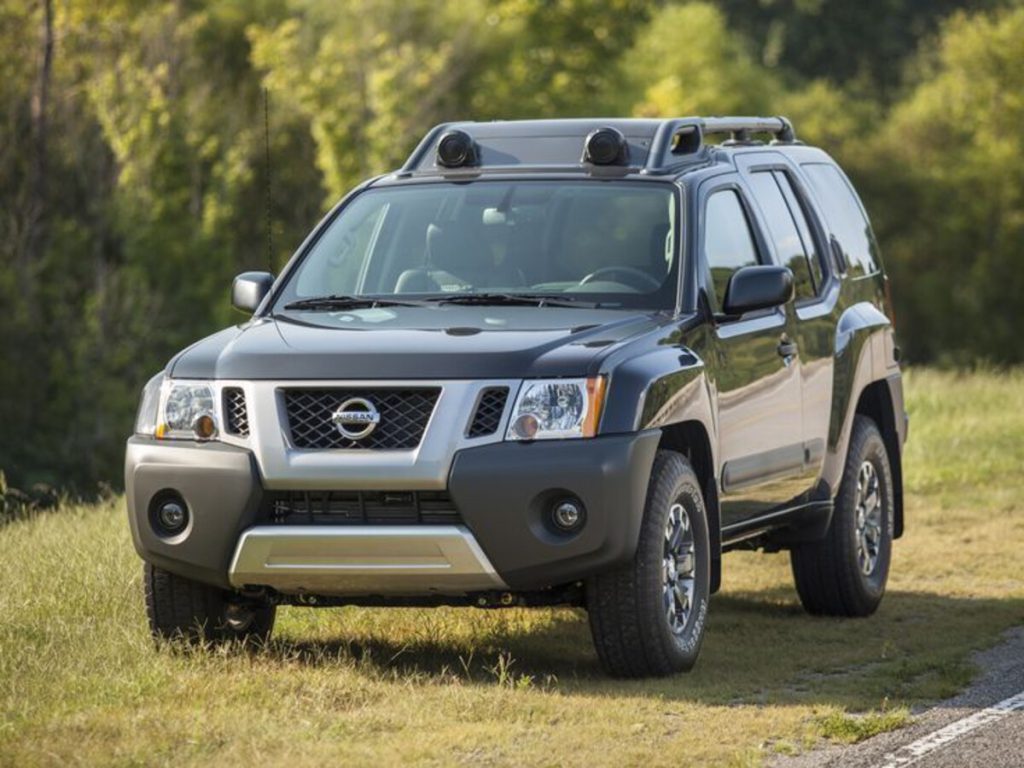
8. Nissan Xterra
The Nissan Xterra is a rugged SUV designed with outdoor use in mind. Its durable body-on-frame construction allows it to handle harsh weather conditions and unprotected parking without significant wear.
Corrosion resistance is a key feature. Nissan applies rust-proof coatings to the body and undercarriage, ensuring the vehicle withstands rain, snow, and road salt. This helps maintain structural integrity and exterior appearance over time.
Ground clearance is generous, allowing the Xterra to navigate puddles, uneven surfaces, or snowy streets without putting stress on the suspension. Tires built for all-terrain performance further protect the vehicle from wear caused by outdoor parking conditions.
The interior is practical and durable. Seats are made from materials that resist moisture and dirt, while rubber mats provide extra protection for the flooring. This makes cleaning simple and keeps the cabin comfortable even after exposure to the elements.
Mechanically, the Xterra is straightforward and reliable. Engines are known for longevity, and routine maintenance is simple to perform. The vehicle does not rely heavily on complex electronics, which reduces the risk of damage from temperature fluctuations or outdoor exposure.
Maintenance is easy to manage. Regular washing, occasional waxing, and inspections of tires and seals are usually enough to keep the Xterra in good condition. Parts are widely available, making repairs cost-effective and convenient.
Security is also well-considered. Strong locks and a solid frame protect against break-ins, and aftermarket alarm systems can provide additional safety. The vehicle’s rugged design naturally deters tampering or theft.
Practicality is another advantage. The Xterra offers generous cargo space, roof racks, and off-road capabilities, making it suitable for both daily use and outdoor adventures. Its resilience ensures that it performs well even when parked outside for extended periods.
Overall, the Nissan Xterra is an excellent choice for drivers who lack a garage. Its combination of rugged construction, durable interior, reliable mechanics, and outdoor-friendly features makes it a dependable vehicle. Drivers benefit from a car that can endure exposure to weather, dirt, and wear without compromising comfort or performance.
Choosing a vehicle that can endure outdoor conditions without a garage requires careful consideration. Not all cars are built to withstand constant exposure to sun, rain, snow, and dust.
Factors like body durability, corrosion resistance, mechanical simplicity, interior practicality, and ease of maintenance determine how well a vehicle will survive when left outside. Drivers need cars that combine resilience with reliability, ensuring they remain functional and visually appealing over time.
The eight vehicles featured earlier all excel in outdoor performance for different reasons. They offer a mix of rugged construction, practical interiors, dependable mechanics, and protective features that help them withstand environmental stress.
Full-size SUVs like the Chevrolet Tahoe and Toyota 4Runner are known for their robust frames and high ground clearance, which prevent damage from puddles, snow, or uneven terrain.
Their underbody coatings and durable paint finishes help minimize rust, ensuring that years of exposure do not compromise structural integrity.
Midsize SUVs, such as the Honda CR-V and Volvo XC90, provide a balance between urban practicality and outdoor resilience. Corrosion-resistant materials, durable interiors, and reliable powertrains make these vehicles capable of handling daily use without a garage.
Their all-season tires and well-engineered suspensions further enhance performance, while interiors made from durable fabrics and all-weather mats simplify cleaning and maintenance.
Some vehicles, like the Subaru Outback and Nissan Xterra, are particularly versatile in harsh conditions. All-wheel-drive or off-road-ready systems allow them to navigate slippery roads and rough surfaces without straining mechanical components.
Interiors are designed for easy upkeep, while engines and drivetrains prioritize simplicity and reliability. This combination ensures long-term functionality even with consistent outdoor exposure.
Pickup trucks and rugged SUVs, including the Ford F-150 and Jeep Wrangler, emphasize mechanical toughness and simplicity. Their body-on-frame construction, high ground clearance, and all-terrain tires make them ideal for challenging outdoor conditions.
Interiors and cargo areas are built to endure dirt, moisture, and heavy use, while engines and transmissions are robust enough to resist weather-related wear. Security is also a strong point, with solid locks and optional alarm systems providing peace of mind when the vehicles are left outside.
Beyond mechanical and structural resilience, practical maintenance is key. Each of these vehicles is easy to clean, wax, and inspect for minor wear.
Parts are widely available, repairs are straightforward, and protective coatings or mats enhance durability. For drivers without garages, this combination reduces long-term costs while maintaining performance and appearance.
Ultimately, selecting the right vehicle for outdoor parking comes down to durability, practicality, and reliability. Cars that resist rust, endure weather, and simplify maintenance are better investments.
The vehicles covered here offer varied options, from luxury SUVs to rugged trucks and off-road-ready crossovers. Each one delivers the confidence that daily exposure to the elements will not compromise functionality or comfort.
Owning a vehicle without garage access does not mean compromising quality or longevity. By focusing on proven designs, resilient materials, and reliable mechanics, drivers can ensure their vehicles remain safe, efficient, and visually appealing.
These eight choices demonstrate that durability and convenience can coexist, providing practical solutions for outdoor parking challenges.
For anyone seeking a dependable car that thrives without shelter, these models serve as excellent examples. They combine toughness, usability, and smart engineering, offering long-term satisfaction and peace of mind.
Investing in a vehicle built to endure the elements ensures both performance and value are preserved over the years, making life easier for drivers who face outdoor parking daily.
Also Read: 5 SUVs That Feel Modern for Years vs 5 That Don’t
