
Owning a pickup truck is about more than power or off-road performance. For many drivers, reliability and low maintenance costs matter just as much as towing capacity or horsepower. In a time when newer trucks often come with complex technology and higher repair bills, finding models that are simple, durable, and affordable to maintain has become increasingly important.
The trucks in this list show that practicality and dependability can go hand in hand with capability. Each model, from rugged full-size work trucks to versatile midsize pickups, provides long-term value through affordable upkeep, proven strength, and straightforward engineering.
Whether it is a well-balanced full-size like the GMC Sierra 1500 or a budget-friendly option like the Nissan Frontier, these trucks prove that reliability does not need to be complicated.
Many of these vehicles feature strong drivetrains, durable materials, and thoughtfully designed systems that reduce wear and tear. They are built to handle demanding work while remaining cost-effective to own and repair. For drivers who need a dependable truck that will not require constant service or expensive parts, these ten models stand out as smart and lasting investments.
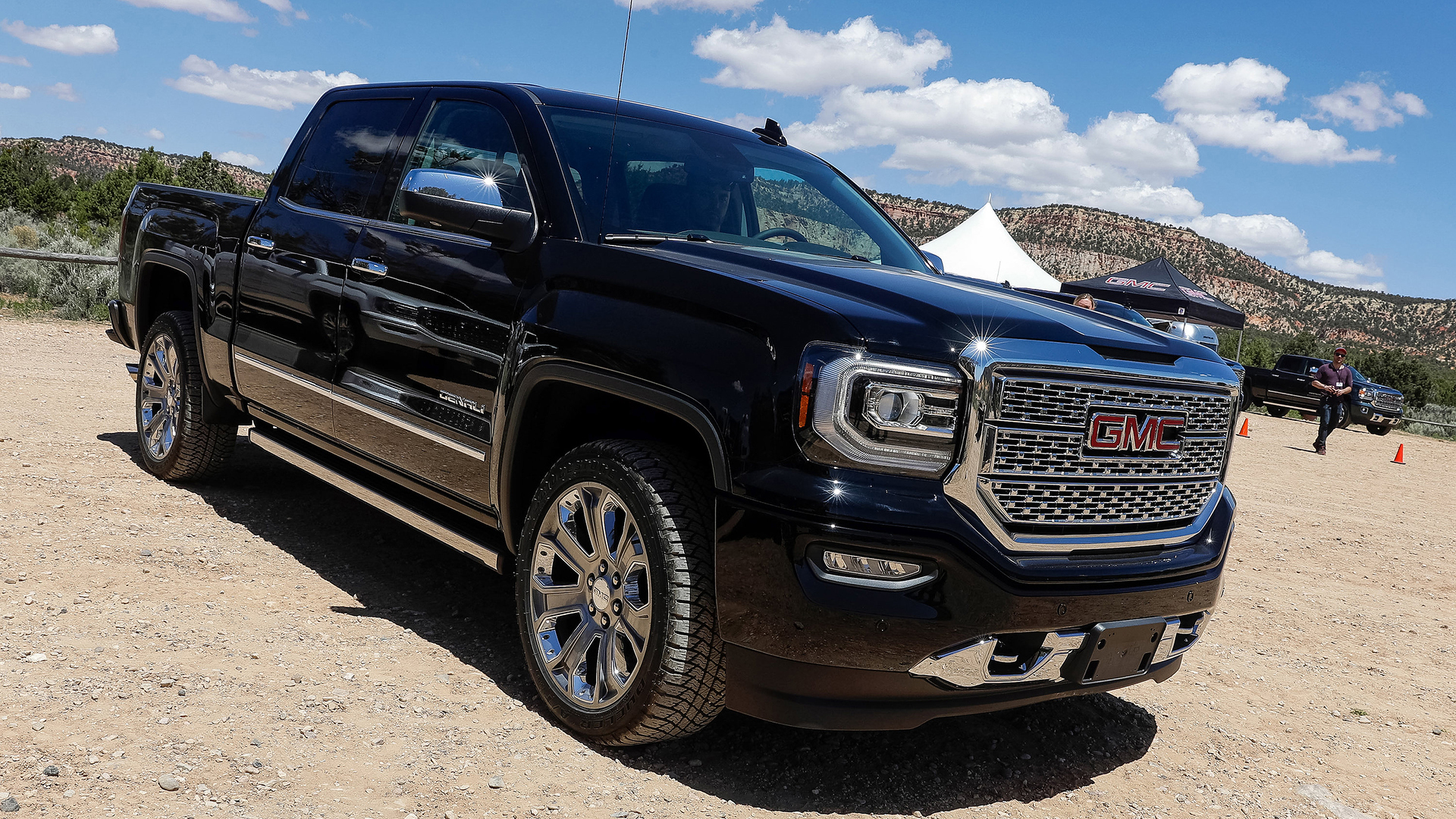
1. 2018 GMC Sierra 1500: A Blend of Power, Comfort, and Utility
The 2018 GMC Sierra 1500 stands out as a refined and capable full-size pickup that combines rugged performance with upscale amenities. As the more luxurious counterpart to the Chevrolet Silverado, it offers a strong mix of strength, style, and everyday usability without the high cost of newer models.
With a Kelley Blue Book (KBB) Fair Purchase Price of $24,527, it provides excellent value, reliability, and long-term savings for those seeking a durable and comfortable truck.
The Sierra 1500 delivers impressive performance through two engine options, including a powerful 6.2-liter V8 producing 420 horsepower and 460 lb-ft of torque, paired with an eight-speed automatic transmission. This combination ensures smooth acceleration and abundant power at any speed, ranking it among the best performers in its segment.
Braking is confident and stable with minimal body dive, though stopping distances are slightly long at 141 feet. Steering is light and predictable but lacks the precise feedback that driving enthusiasts might prefer. Handling remains stable, but the optional 22-inch wheels reduce grip and increase tire noise. Despite this, drivability is one of the Sierra’s strongest traits, as the truck feels composed and responsive in most conditions.
The four-wheel-drive system includes selectable high and low settings, hill descent control, and an active transfer case. While capable, the large wheels and power steps limit its performance on rough terrain.
Inside, the Sierra emphasizes comfort and practicality. Magnetic Ride Control smooths out most road imperfections, but larger wheels can make the ride harsh on rough pavement. Cabin insulation is excellent, keeping wind and road noise to a minimum. The climate control system is easy to use, though it struggles to maintain cool temperatures during extreme heat.
Seats are spacious, heated, and ventilated, offering comfort for long trips but limited lateral support during spirited driving. The cabin provides generous legroom and headroom for both front and rear passengers. Controls are logically arranged and easy to reach, but the off-center steering wheel and a few small switches placed overhead can be inconvenient.
Interior materials feel solid, yet some hard plastics and imitation wood trim detract from the luxury image. Despite these shortcomings, the cabin remains functional, comfortable, and well-suited for daily use.
The Sierra excels in hauling and towing capability. With a maximum towing capacity of 11,700 pounds and a payload of 2,120 pounds, it competes closely with the Ford F-150 and outperforms the Ram 1500 in some configurations. The 5-foot-9 bed is lined and easy to access, with rear bumper steps and adjustable power side steps improving usability.
Interior storage is generous, with a large center console that can hold laptops, bottles, and personal items. Door pockets offer additional space, and child seat installation is simple thanks to accessible LATCH anchors and the convenient height of the cab.
The 2018 Sierra Denali is well-equipped with modern technology. An 8-inch touchscreen provides quick and clear access to entertainment and navigation functions. Apple CarPlay and Android Auto are standard, and the Bose sound system delivers strong audio performance. The Wi-Fi hotspot and Bluetooth integration make device connection easy and reliable.
The truck includes a comprehensive set of safety features such as forward collision warning, lane-keeping assist, low-speed automatic braking, automatic high beams, and rollover mitigation. The vibrating driver’s seat alert is a unique touch that enhances driver awareness. Voice control is serviceable but less accurate than smartphone-based assistants like Siri or Google Assistant.
The Sierra 1500 offers strong long-term value. The estimated 10-year maintenance cost of $9,439 and an average annual maintenance cost of $573 are both lower than many midsize pickups. The truck has a solid reliability record, with only three recalls reported.
The 2018 GMC Sierra 1500 combines luxury, capability, and practicality in a way that appeals to both work-focused and comfort-seeking buyers. It remains a smart choice in the used full-size pickup market, offering a balance of performance, technology, and dependability at a fair price.
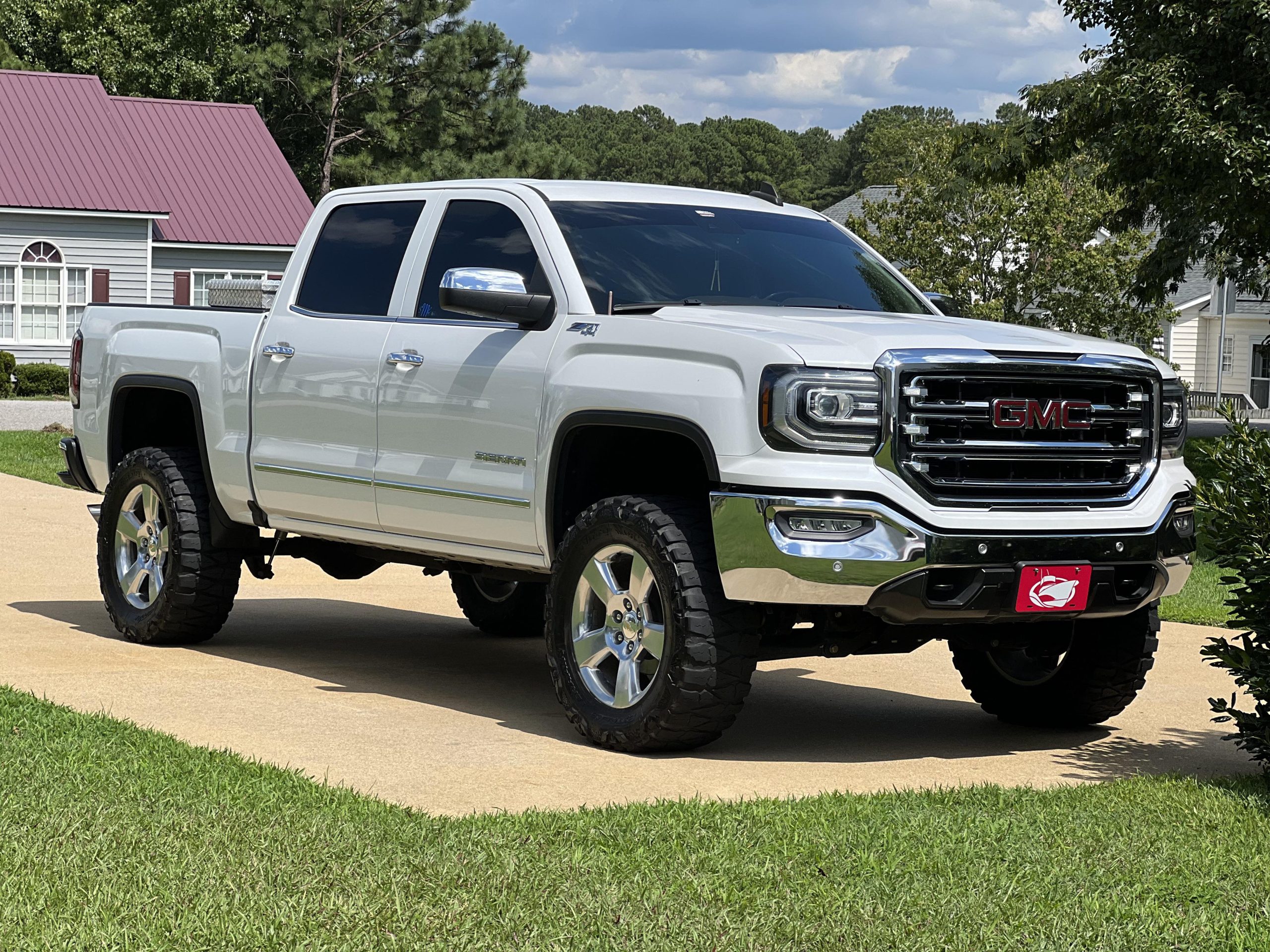
2. 2018 Toyota Tacoma: Durable, Capable, and Adventure-Ready
The 2018 Toyota Tacoma stands out as one of the most reliable and capable midsize pickup trucks in America. Known for its proven dependability, strong off-road ability, and practical design, it continues to attract buyers who value toughness and longevity.
With a Kelley Blue Book Fair Purchase Price of $23,327, it provides excellent value backed by Toyota’s long-standing reputation for durability and high resale strength. The Tacoma balances everyday usability with adventure-ready performance, making it a favorite among both workers and outdoor enthusiasts.
The 2018 Tacoma offers two engine options: a 2.7-liter four-cylinder for basic driving needs and a 3.5-liter V6 that delivers stronger performance. The V6 provides enough power for towing and daily driving, although its throttle response is slower than some competitors.
It reaches 60 mph in 8.1 seconds, which is adequate for its class. A six-speed automatic transmission shifts smoothly but prioritizes fuel efficiency over quick responses. Drivers who prefer more engagement can choose the available six-speed manual transmission for greater control.
Braking performance is solid, stopping from 60 mph in 124 feet. Steering is well-weighted and precise, providing good confidence on the road. Handling is composed with limited body roll, ensuring stability on curves and rough terrain. The TRD Off-Road trim showcases Toyota’s focus on adventure, featuring a locking rear differential, crawl control, and terrain select systems that enhance traction and control.
The Tacoma can tow up to 6,800 pounds when properly equipped and has a payload capacity of 1,400 pounds, which is suitable for trailers, boats, or work equipment.
Inside, the Tacoma emphasizes function and durability over luxury. The cabin layout is simple and user-friendly, featuring large knobs, sturdy materials, and clearly marked controls.
The ride quality is smoother than in older models, aided by Bilstein shocks and tall tire sidewalls that absorb bumps effectively. Seats are supportive, though taller drivers may find the seating position awkward due to the high floor and limited thigh support. Cabin noise levels are moderate, and the climate control system is easy to use with large, intuitive knobs.
Interior space is sufficient but tighter than competitors like the Honda Ridgeline or Chevrolet Colorado. The crew cab offers child seat anchors, though installation can be tricky due to recessed points. Storage is practical, with a large center console, several cupholders, and compartments behind the rear seats.
The composite truck bed resists dents and rust and includes movable tie-down cleats, a 120-volt power outlet, LED lighting, and a damped tailgate that opens smoothly.
Technology in the 2018 Tacoma is practical but somewhat dated. The Entune infotainment system has large buttons and physical knobs for easy use but does not include Apple CarPlay or Android Auto. Bluetooth pairing is simple, although the single USB port limits convenience. Voice controls function well for navigation and phone commands, and a backup camera is standard.
Reliability remains the Tacoma’s strongest quality. With only three recalls, an estimated 10-year maintenance cost of $6,732, and an average annual maintenance cost of $379, it is among the most dependable midsize trucks available.
The 2018 Toyota Tacoma offers a combination of reliability, off-road capability, and practical features. While its interior and technology lag behind some rivals, its durability, low ownership costs, and strong resale value make it one of the most trusted and versatile pickups for both work and recreation.
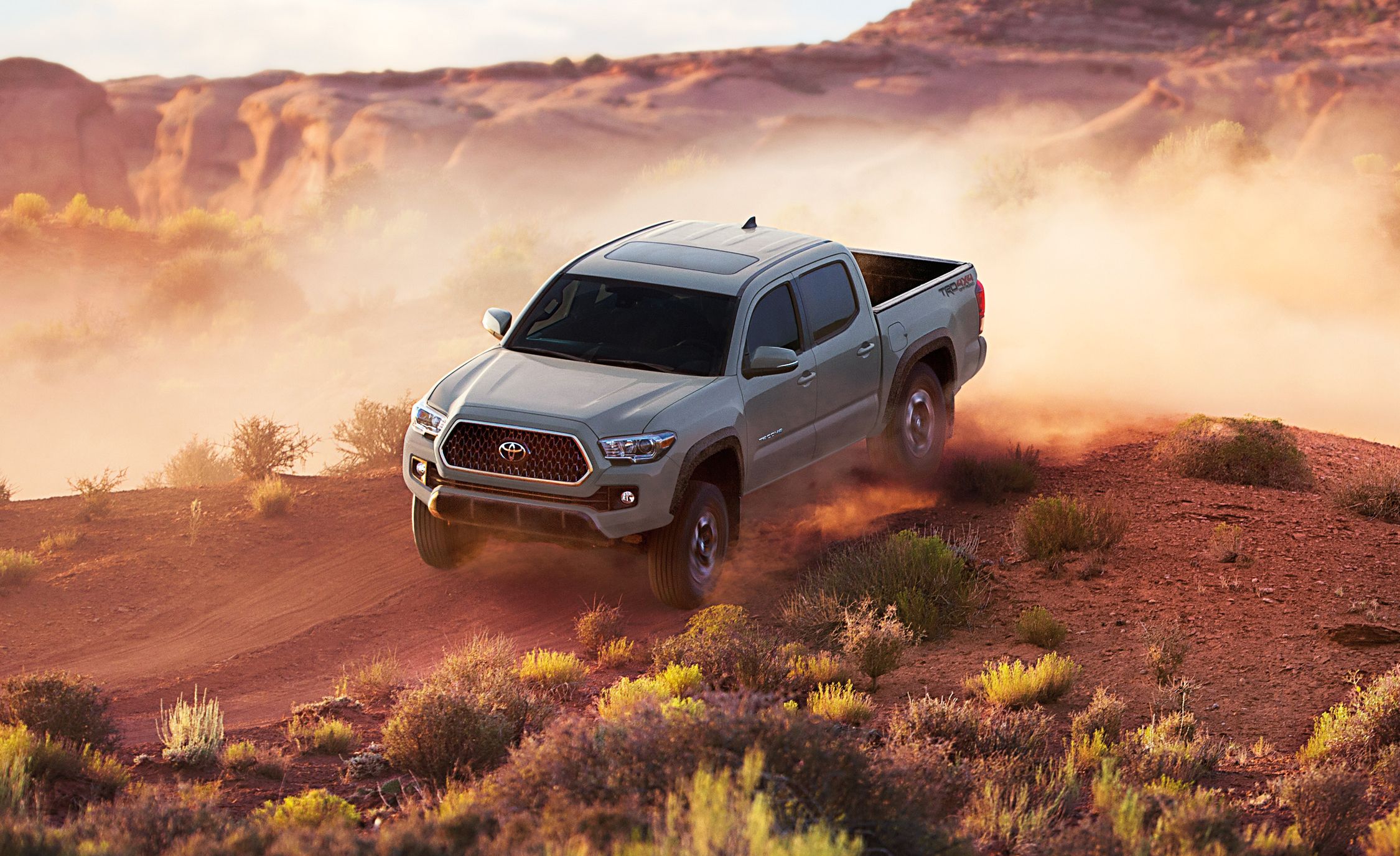
3. 2018 Ford F-150: Power, Comfort, and Proven Versatility
The 2018 Ford F-150 continues its reign as America’s best-selling pickup, combining strength, comfort, and advanced technology in a versatile package. With a Kelley Blue Book Fair Purchase Price of $22,135, it delivers impressive value considering its performance and range of available features. Whether for demanding work or daily driving, the F-150 remains a benchmark for full-size trucks.
The 2018 F-150 offers several engine choices, but the 2.7-liter EcoBoost V6 stands out for its balance of efficiency and power. Paired with a 10-speed automatic transmission, it delivers quick, smooth shifts and responsive acceleration.
In testing, it reaches 60 mph in 6.3 seconds, putting it among the quickest in its class. The wide gear range helps the truck perform efficiently in all driving conditions, although manual shifting can feel slightly delayed.
Braking performance is confident, stopping from 60 mph in 131 feet. Steering is light yet precise, making the F-150 easy to maneuver for its size. Stability through turns is strong, and the suspension absorbs bumps effectively.
Midcorner impacts can cause a bit of movement in the rear axle, but ride comfort remains consistent. The FX4 Off-Road package adds real capability, including skid plates, an electronic locking differential, hill descent control, and upgraded shocks.
The F-150’s towing and hauling abilities are among the best in its segment. Even with the smaller V6 engine, towing capacity is impressive. The lightweight aluminum body helps improve performance and fuel efficiency.
The damped aluminum tailgate operates smoothly, and integrated steps make bed access easy. The truck bed includes tie-down points, LED lighting, and an available bedliner, creating a functional workspace.
Comfort is one of the F-150’s best qualities. The seats are wide, supportive, and available with heating, ventilation, and leather upholstery in higher trims. The SuperCrew model provides generous legroom and headroom for rear passengers, making long drives comfortable for everyone. The ride is smooth on most surfaces, and the cabin stays quiet even at highway speeds.
The interior layout is practical and well thought out. Controls are clearly labeled and easy to use, while the center console offers deep storage space. The rear seats fold up to create a flat load floor for gear or tools. Visibility is excellent thanks to large mirrors, a backup camera, and an available 360-degree camera system.
Ford’s Sync 3 infotainment system is simple and responsive, featuring a touchscreen with clear graphics and support for Apple CarPlay and Android Auto. Optional upgrades include a Bang & Olufsen sound system and built-in navigation.
The truck includes advanced driver-assistance features such as adaptive cruise control, blind-spot monitoring with trailer coverage, and lane-keeping assist. These systems add convenience and peace of mind for both work and family use.
While the F-150 has more recalls than some rivals, Ford provides coverage for necessary repairs. Maintenance costs remain reasonable, with an average annual expense of $398 and an estimated 10-year total of $10,990.
The 2018 Ford F-150 stands out for its strong capability, comfort, and modern technology. Its combination of power, practicality, and refinement makes it one of the best-value full-size pickups available today.
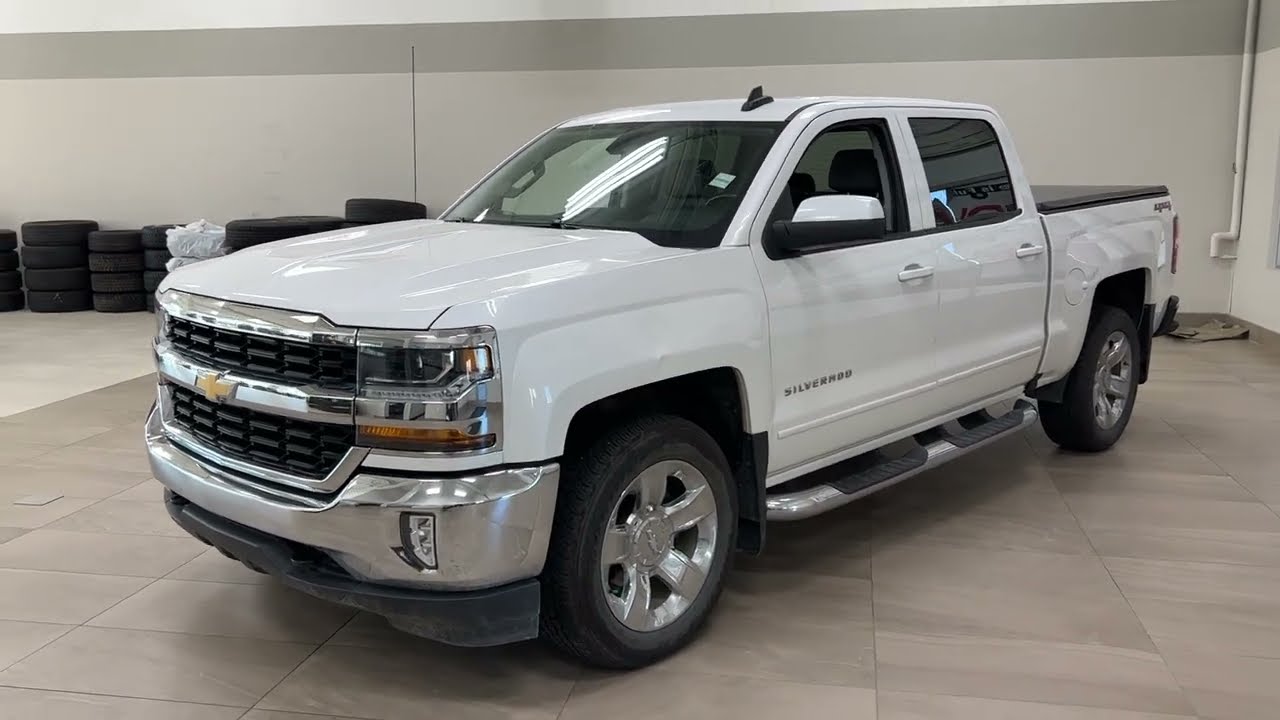
4. 2018 Chevrolet Silverado 1500: Strength, Comfort, and Lasting Dependability
The 2018 Chevrolet Silverado 1500 is a capable full-size pickup that delivers strong performance, comfort, and reliability at a competitive price. With a Kelley Blue Book Fair Purchase Price of $21,000, it offers excellent value for buyers seeking a truck that performs equally well on the job site and during daily commutes. Known for its power and durability, the Silverado remains one of the most trusted names in the segment.
The Silverado offers three engine options, including two V8s that emphasize strength and towing ability. The 6.2-liter V8 stands out, producing quick acceleration and ample torque while achieving a 0 to 60 mph time of 6.4 seconds. Despite its power, throttle response can feel slow due to tuning focused on fuel efficiency, and the eight-speed automatic transmission occasionally shifts harshly at low speeds.
Braking performance is strong, with the Silverado stopping from 60 mph in 125 feet, which is impressive for a truck of this size. Steering feels heavy and secure but lacks the feedback and precision of newer rivals. Handling is steady but less refined than competitors like the Ford F-150, and the ride can become unsettled over bumps. Still, the powerful V8 helps maintain confidence in towing and hauling situations.
For off-road use, the Z71 Off-Road package adds capability through skid plates, off-road shocks, and hill descent control. While its size can make tight trails challenging, the Silverado remains dependable on rough terrain. Towing capacity reaches 12,500 pounds, and payload capacity is up to 2,500 pounds, providing excellent utility for demanding tasks.
The 2018 Silverado excels in comfort and interior practicality. The High Country trim offers soft, supportive seats with extensive adjustment options, making it comfortable for long drives.
Ride quality is smooth and stable on highways, though the optional High Desert suspension can feel firm on uneven roads. Cabin noise is well controlled, and the 6.2-liter V8 produces a satisfying sound during acceleration while staying quiet at cruising speeds.
Interior space is generous, especially in the crew cab configuration. The dashboard and controls are straightforward, with large buttons and knobs that are easy to operate with gloves. The MyLink infotainment system is intuitive, featuring Apple CarPlay and Android Auto for seamless smartphone integration. While the interface feels slightly dated, it remains easy to use and functional.
Storage options are plentiful, including a large center console, deep door pockets, and under-seat compartments. The bed design features a damped tailgate, multiple tie-down points, and optional storage boxes for tools or smaller cargo. Retractable side steps and grab handles make entry and exit more convenient, though the steps can be awkward when extended.
The 2018 Silverado 1500 has a strong reputation for reliability, with only three recalls reported, which is fewer than many competitors. Maintenance costs average $598 per year, with an estimated ten-year total of $10,618. While slightly higher than some rivals, the Silverado’s durability and build quality justify the expense.
With its powerful engine lineup, comfortable cabin, and proven dependability, the 2018 Chevrolet Silverado 1500 remains a top choice for those seeking a hardworking truck that delivers long-term value and everyday practicality.
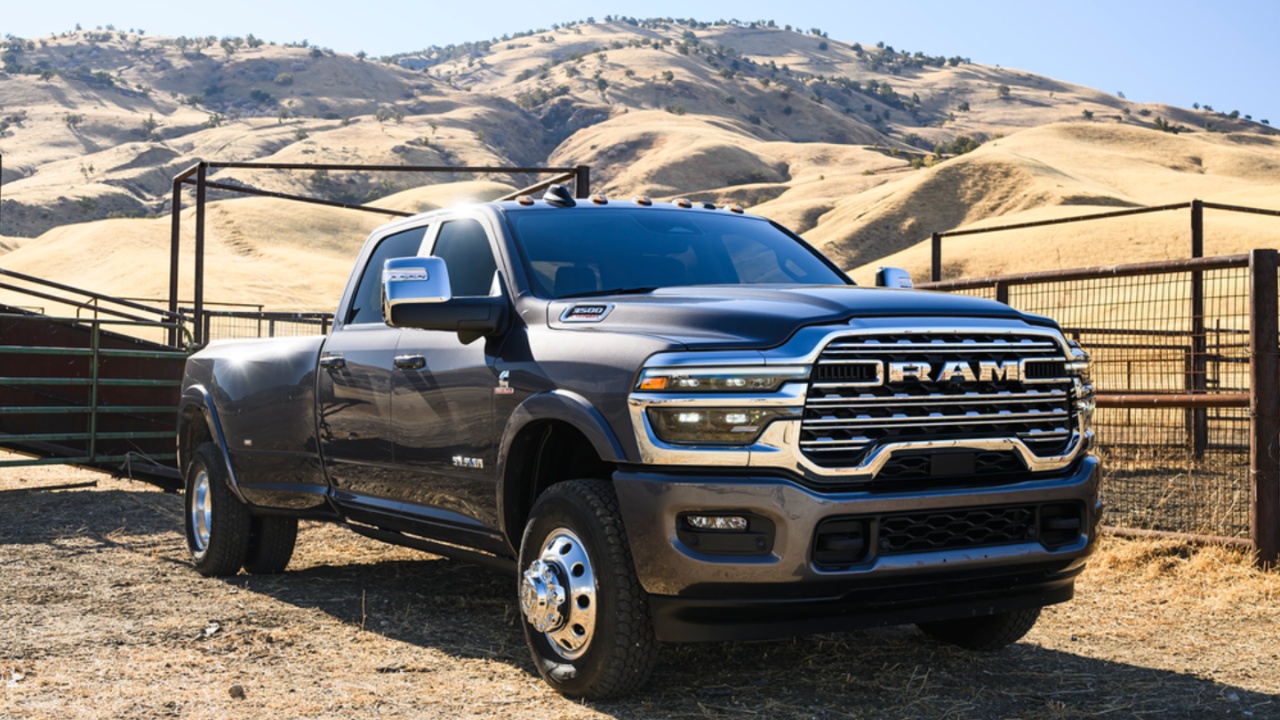
5. 2018 Ram 1500: Power, Comfort, and Lasting Versatility
The 2018 Ram 1500 marks the final year of the fourth-generation “classic” design, blending strong capability, a refined ride, and a well-appointed interior. With a Kelley Blue Book Fair Purchase Price of $20,840, it offers excellent value for drivers who need a pickup that can handle both demanding work and comfortable daily driving.
Available with four powertrains, including the efficient EcoDiesel V6 and the robust 6.4-liter HEMI V8, the Ram 1500 can tow up to 12,750 pounds and carry a payload of 2,500 pounds, ranking among the most capable full-size trucks of its time.
The EcoDiesel V6 delivers 240 horsepower and 420 lb-ft of torque, emphasizing efficiency and towing strength rather than outright speed. Acceleration to 60 mph takes about 9 seconds, which is reasonable for a diesel-powered truck. The eight-speed automatic transmission is smooth and responsive, maintaining power without abrupt gear changes.
Braking is controlled and confident, with a 60-to-0 mph stopping distance of 135 feet. Steering feels direct and balanced, providing stability on highways and rural roads alike.
One of the standout engineering features is the coil-spring rear suspension, which sets the Ram apart from competitors that rely on traditional leaf springs. This setup enhances ride comfort, reduces body roll, and helps maintain composure when towing or cornering.
Off-road performance is equally impressive. The EcoDiesel’s steady torque delivery ensures traction across uneven terrain, while locking differentials and flexible suspension components contribute to its ability to navigate obstacles. The available air suspension further enhances ground clearance and smooths out rough surfaces, giving the Ram an advantage both off-road and on the highway.
Ride comfort is one of the Ram 1500’s strongest attributes. Even without the optional air suspension, the truck delivers a refined, controlled ride that feels more like an SUV than a heavy-duty pickup. Noise levels in the cabin are low, with only a faint diesel note under acceleration.
The crew cab offers generous space for passengers, with supportive, well-padded seats suitable for long drives. The dual-zone climate control system is straightforward and effective, maintaining consistent cabin temperatures. The open dashboard design creates a sense of space, while materials feel solid and durable. Large grab handles aid entry and exit, and wide-opening rear doors make the back seats easily accessible.
Storage is plentiful throughout the cabin. Door pockets, a large center console, and fold-up rear seats provide flexible options for both work tools and personal items. The bed design supports the truck’s utility, featuring ample tie-down points and a damped tailgate for easier loading.
The Uconnect infotainment system is among the best in its class. The available 8.4-inch touchscreen is clear and responsive, offering full Apple CarPlay and Android Auto compatibility. Menus are intuitive, and the system operates smoothly, minimizing distractions while driving.
In terms of reliability, the 2018 Ram 1500 has experienced 13 recalls, which is higher than some rivals. Maintenance costs average $539 per year, and the ten-year estimate is $18,469 according to CarEdge. While upkeep can be expensive, consistent maintenance ensures strong long-term dependability.
The 2018 Ram 1500 remains a capable and versatile truck that combines classic strength with modern comfort. Its advanced suspension, efficient powertrains, and thoughtful interior design make it a balanced choice for those who value both work-ready toughness and refined everyday performance.
Also Read: 10 Cars That Rarely Suffer From Transmission Slips
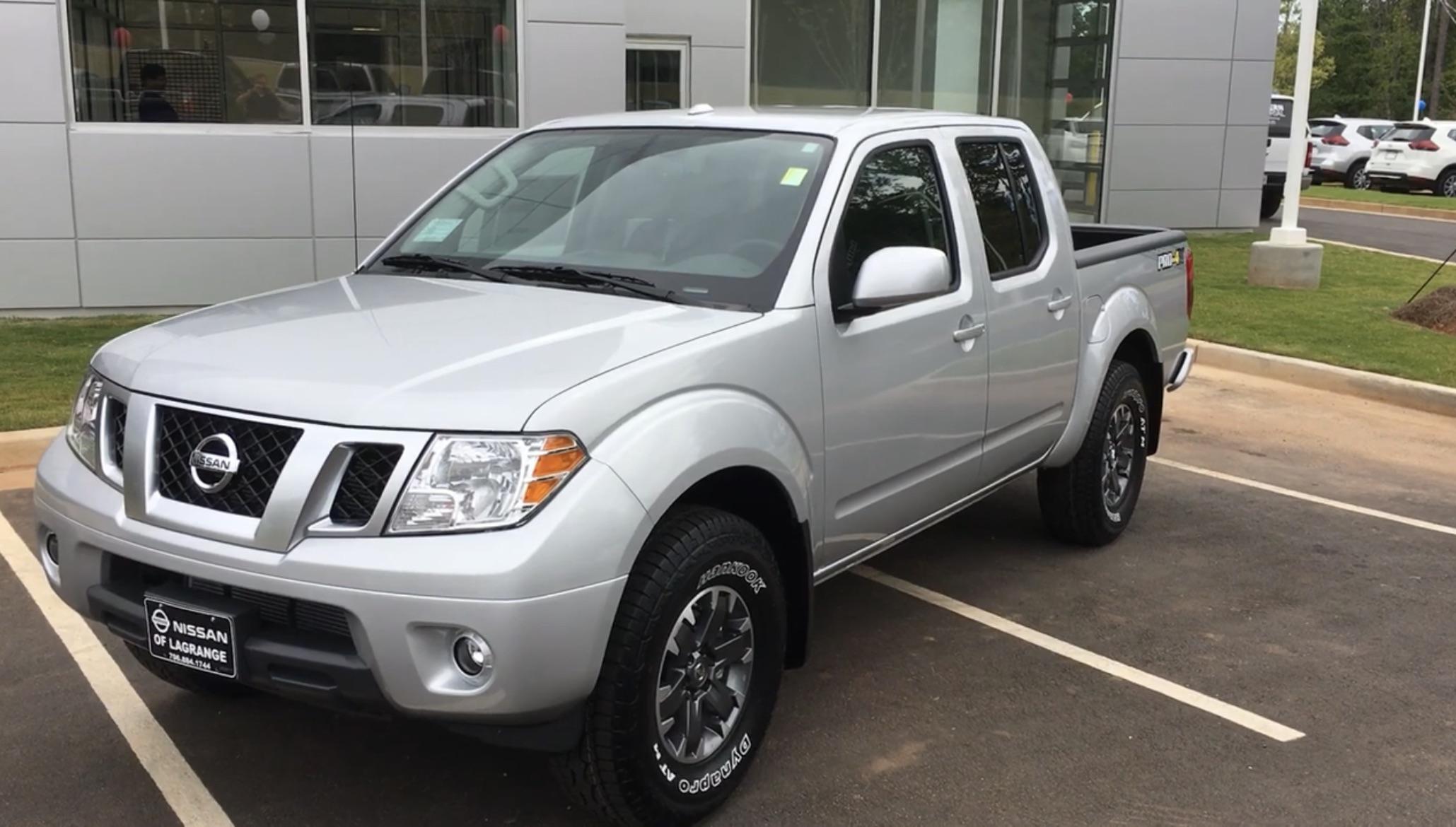
6. 2017 Nissan Frontier: A Dependable and Affordable Mid-Size Pickup
The 2017 Nissan Frontier stands out as one of the most budget-friendly trucks in the mid-size pickup segment, offering practical capability and off-road confidence at an accessible price.
With a Kelley Blue Book Fair Purchase Price of $15,604, it delivers solid value for drivers seeking a no-frills yet durable workhorse. Available with either a four-cylinder or V6 engine, the Frontier can tow up to 6,500 pounds, providing enough strength for small trailers, boats, and work equipment.
One of the Frontier’s strongest advantages is its low maintenance cost. According to RepairPal, the average yearly maintenance cost is only $284, making it one of the cheapest trucks to own. Over ten years, CarEdge estimates the total maintenance cost at $8,854, which is still affordable compared to other pickups.
The 2017 Frontier has only one recall, related to ignition issues caused by heavy key rings that may shut off the vehicle in certain situations. Despite its age, the Frontier has proven to be a dependable and cost-effective option for long-term ownership.
Although its design is dated, the Frontier Pro-4X trim remains a capable off-road performer. With features such as skid plates, a locking rear differential, and good ground clearance, it handles rough trails with ease.
On paved roads, the Frontier’s performance is less refined than that of newer competitors. The suspension provides a comfortable ride, but handling feels less responsive, and the steering lacks precision. Still, for those who prioritize durability and simplicity over refinement, the truck performs reliably in most conditions.
Inside, the Frontier shows its age. The cabin materials are mostly hard plastics, and the controls look outdated compared to newer mid-size trucks. However, the layout is functional and easy to use.
The seats provide decent support, though limited adjustments make it difficult to find an ideal driving position. The rear seats in crew cab models are short on legroom, which could be a drawback for taller passengers. Cabin noise is also higher than in more modern rivals, giving the interior a basic, utilitarian feel.
When it comes to utility, the Frontier gets the essentials right. It includes a cargo tie-down system, an optional spray-in bedliner, and a bed extender, making it a practical work truck. Buyers can choose between 5-foot and 6.1-foot bed lengths, depending on their needs. Four-cylinder models tow up to 3,500 pounds, while the V6 versions handle the full 6,500-pound capacity.
The available NissanConnect infotainment system provides Bluetooth connectivity, hands-free texting, and smartphone app integration, offering a good balance of convenience and simplicity. Though the technology is basic compared to newer systems, it covers most modern essentials.
The 2017 Nissan Frontier may lack modern sophistication, but it continues to deliver dependable performance, impressive off-road capability, and excellent value. For budget-conscious buyers who want a reliable, low-maintenance pickup with real work-truck functionality, the Frontier remains a smart and practical choice.
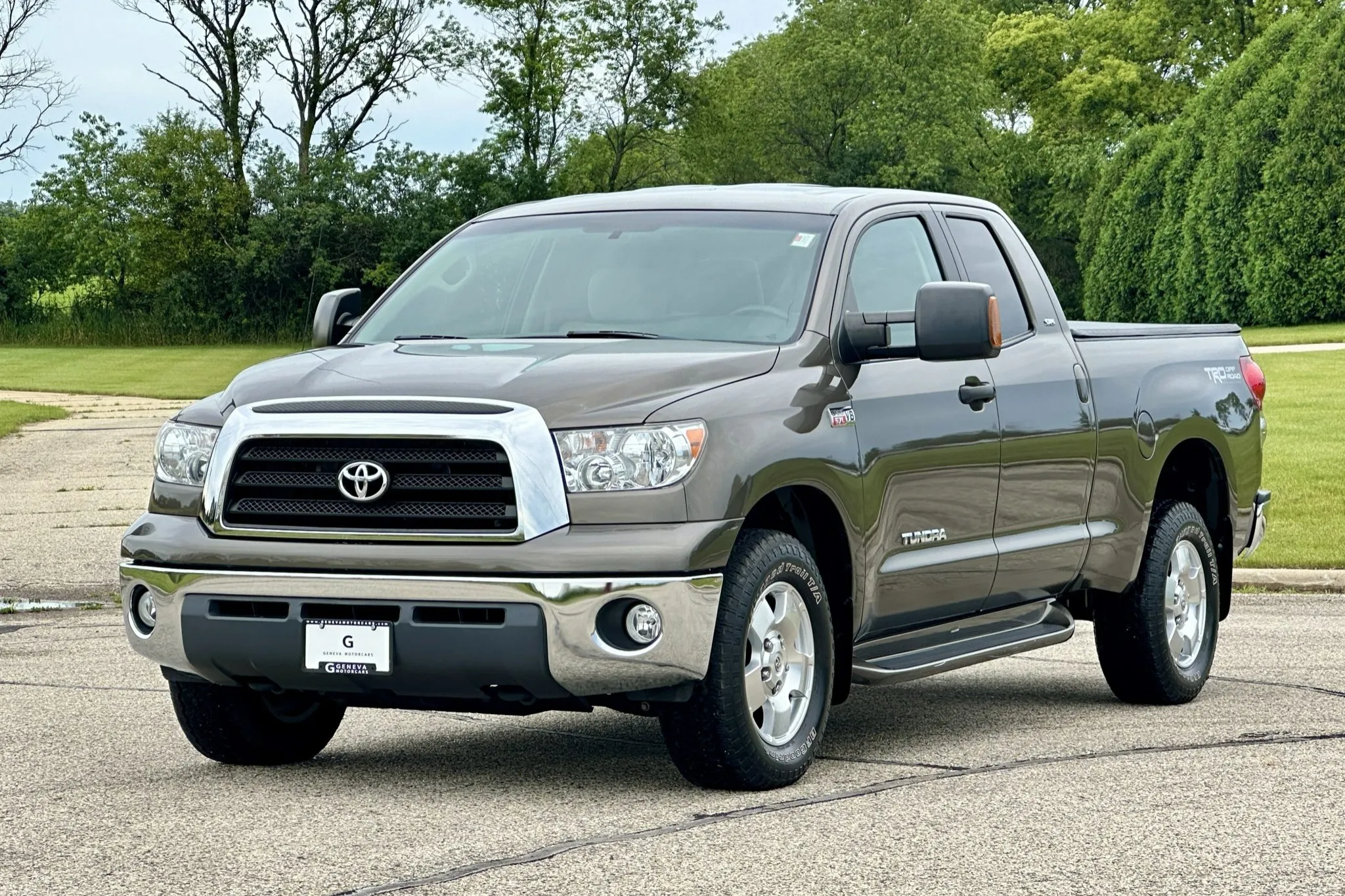
7. 2007 Toyota Tundra: A Redesign That Elevated Toyota’s Full-Size Pickup Game
The 2007 Toyota Tundra marked a major turning point for Toyota’s entry into the full-size truck market. Originally introduced in 1999 as a smaller, commuter-friendly pickup, the Tundra’s second generation arrived in 2007 with a full redesign that finally put it on equal footing with established American rivals.
With a Kelley Blue Book Fair Purchase Price of $9,257, it remains a cost-effective option for those seeking a capable and long-lasting V8-powered truck. Known for its dependability and ability to exceed 250,000 miles, the 2007 Tundra is both durable and versatile.
For a full-size truck, the 2007 Tundra is relatively inexpensive to maintain. RepairPal lists the average yearly maintenance cost at $450, while CarEdge estimates $6,923 in maintenance expenses over the first ten years.
The truck has eight recalls, a moderate number for a vehicle of its age and segment. Available in single or double cab configurations, the Tundra is also respected for its off-road capability and long-term reliability.
Toyota offered three engines for the 2007 Tundra, catering to a wide range of drivers. The base 4.0-liter V6 produced 236 horsepower, while a 4.7-liter V8 delivered 271 horsepower.
The most powerful option was the 5.7-liter V8, rated at 381 horsepower and 401 lb-ft of torque. This top engine came paired with a six-speed automatic transmission, enabling the truck to tow up to 10,800 pounds and accelerate from 0 to 60 mph in a brisk 6.3 seconds.
All models were available with either two-wheel drive or four-wheel drive, and each version came with a limited-slip differential for improved traction. While the 2007 Tundra may not have matched the maximum towing figures of some competitors, it offered more than enough strength for typical hauling and recreational use.
Equipped with the 5.7-liter V8, the Tundra delivers smooth, confident power and quick transmission shifts. The truck handles well for its size, offering predictable steering and stable cornering. Braking performance is particularly strong, with a firm and progressive pedal feel and short stopping distances for a truck of its class.
Ride quality is comfortable on highways, though models equipped with off-road packages can feel firmer on uneven pavement. Despite its refined manners, the Tundra still feels large from behind the wheel, lacking the nimbleness of smaller trucks but maintaining solid control and composure.
Inside, the Tundra’s cabin focuses on practicality and durability rather than luxury. The seats are wide and comfortable, and the storage compartments and cupholders are generous. The layout is functional, though some controls are placed too far from the driver’s reach. While the Limited trim adds upgraded gauges and minor refinements, most of the cabin features hard plastics that give it a utilitarian appearance.
The CrewMax model stands out for its exceptionally spacious rear seats, offering an impressive 44.5 inches of legroom, making it the most accommodating rear cabin in the full-size truck class. Both the Double Cab and Regular Cab versions provide comfort and usability, with easy access and solid build quality throughout.
Standard safety equipment includes antilock disc brakes, stability and traction control, front-seat side airbags, and full-length curtain airbags. Features such as a six-speed automatic transmission, bed rail system with adjustable tie-downs, extendable towing mirrors, and an optional backup camera enhance both convenience and capability.
The 2007 Toyota Tundra successfully transformed Toyota’s image in the pickup segment. With strong performance, excellent reliability, and a wide range of configurations, it appeals to both work-focused drivers and families needing versatility.
Though its interior leans more functional than upscale, the Tundra’s combination of power, space, and dependability makes it a standout choice among used full-size trucks.
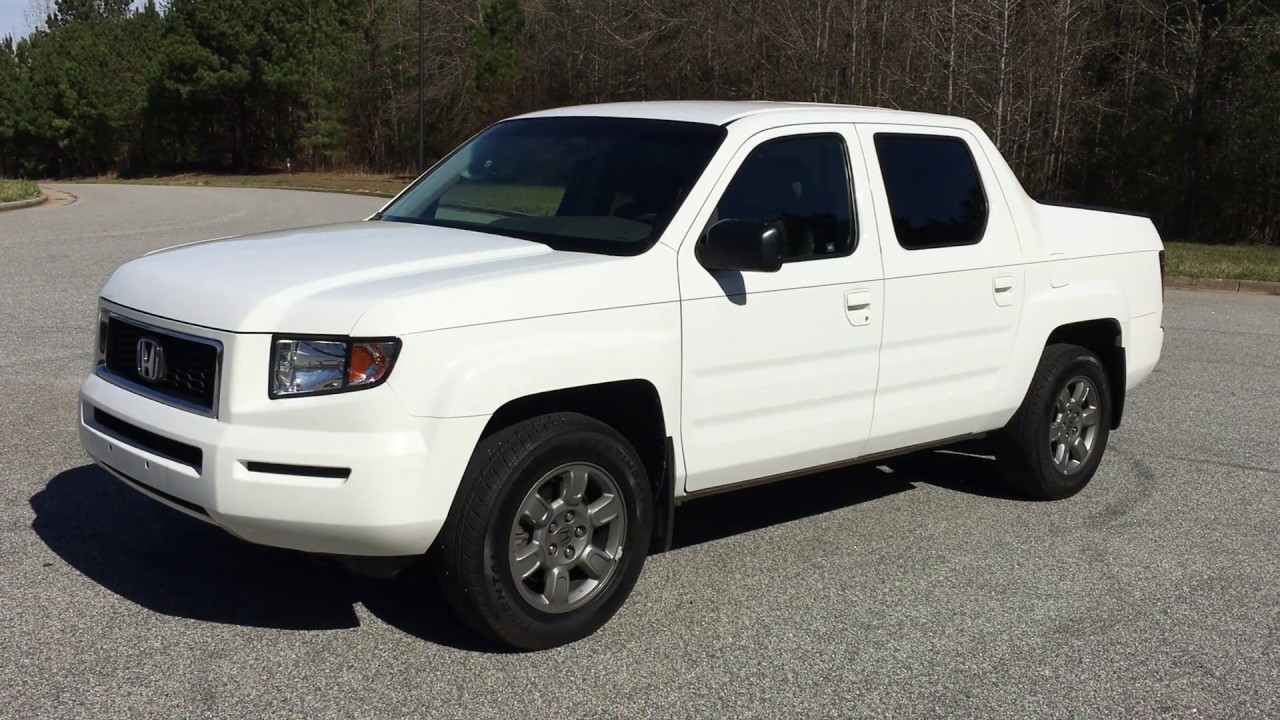
8. 2007 Honda Ridgeline: A Practical Blend of Comfort and Capability
The 2007 Honda Ridgeline stands out as a unique entry in the midsize truck segment. Priced at a Kelley Blue Book Fair Purchase Price of $7,464, it offers a mix of comfort, innovation, and practicality that continues to attract buyers seeking a balance between SUV comfort and truck functionality.
Unlike traditional pickups, the Ridgeline feels more like a car to drive while still providing useful hauling and towing abilities. Its combination of sedan-like refinement and truck versatility makes it a smart option for those who occasionally need the utility of a pickup without sacrificing daily comfort.
The Ridgeline’s reliability record is strong, aligning with Honda’s reputation for long-lasting vehicles. With an average yearly maintenance cost of $401 according to RepairPal and an estimated 10-year maintenance expense of $8,557 from CarEdge, it remains affordable to own.
The seven recalls associated with the 2007 model have mostly been resolved, leaving current examples in dependable condition. This affordability and durability make the Ridgeline an appealing choice for budget-conscious buyers who still value quality and comfort.
Built specifically for the U.S. market, the 2007 Ridgeline is based on a modified version of the Honda Pilot platform. Unlike most trucks with separate cab and bed designs, the Ridgeline features a unibody construction that integrates both sections.
This design increases body rigidity and enhances ride comfort. The truck’s fully independent suspension provides excellent on-road handling and a smooth, controlled ride rarely found in other pickups.
The Ridgeline’s 5-foot bed is impressively versatile. It can accommodate 4×8-foot sheets of plywood with the tailgate down, and the tailgate itself can either fold down or swing out sideways for easier loading.
One of its most innovative features is the in-bed trunk, a lockable 8.5-cubic-foot compartment beneath the bed floor that can even function as a cooler thanks to its drain plug. However, since the spare tire is stored inside the trunk, accessing it requires unloading the bed in case of a flat.
Powering the 2007 Ridgeline is a 3.5-liter V6 engine producing 247 horsepower and 245 lb-ft of torque, paired with a five-speed automatic transmission.
The truck comes standard with Honda’s Variable Torque Management all-wheel-drive system (VTM-4), allowing for solid traction in various conditions. It can tow up to 5,000 pounds and carry a 1,550-pound payload, making it capable enough for most recreational and light work tasks.
The driving experience is one of the Ridgeline’s strongest qualities. The steering is precise and responsive, providing a confident, sedan-like feel. The ride is quiet, comfortable, and stable, making it an excellent daily driver. Its V6 engine delivers smooth acceleration, though it lacks the torque of V8-powered competitors. Off-road performance is limited, but for paved roads and mild terrain, the Ridgeline excels.
Inside, the Ridgeline focuses on practicality and comfort. The front seats are firm and supportive, offering good visibility and a commanding driving position. Rear passengers benefit from better legroom than most midsize trucks, though long trips may feel tight for adults. Storage options are abundant, and the rear seat folds up 60/40, allowing additional space for interior cargo.
Safety is another strong point. The Ridgeline includes four-wheel antilock disc brakes, traction and stability control, front side airbags, and full-length curtain airbags. It earned five-star ratings in both front and side crash tests from the NHTSA, reinforcing its reputation as one of the safest trucks of its time.
The 2007 Honda Ridgeline blends practicality, safety, and comfort in a way few trucks do. Its car-like handling, innovative design, and reasonable ownership costs make it ideal for everyday use. While it lacks the rugged towing and off-road abilities of traditional pickups, it delivers outstanding comfort and versatility, making it a top choice for those seeking a dependable and functional midsize truck.
9. 2007 Ford Ranger: A Compact Classic with Lasting Utility
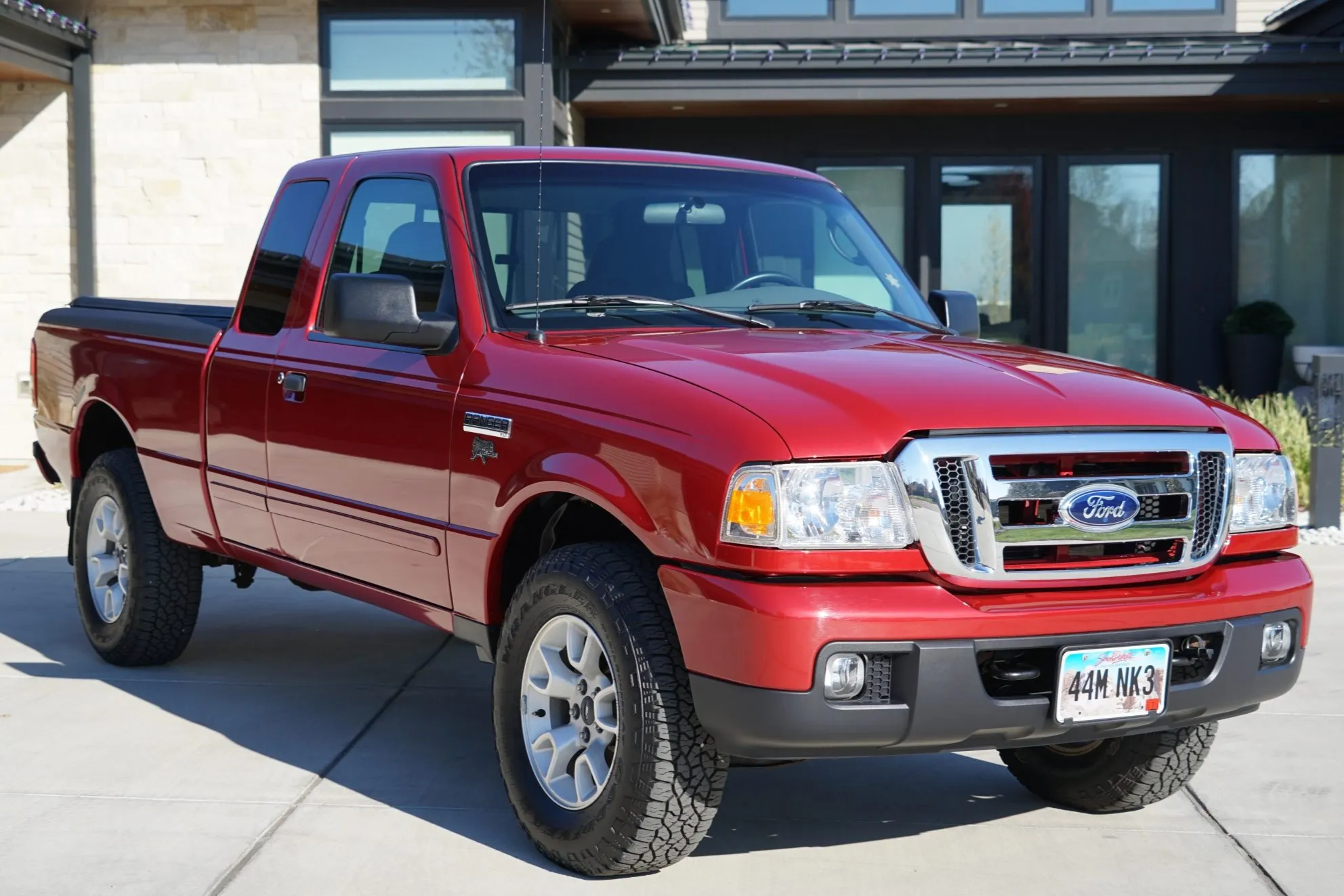
The 2007 Ford Ranger represents one of the most dependable and affordable compact pickups available on the used market. With a Kelley Blue Book Fair Purchase Price of $6,068, the Ranger offers tremendous value for buyers seeking a practical, durable truck that can still handle serious work.
While it may lack the refinement and modern amenities of newer competitors, it remains a strong choice for those who prioritize reliability, towing capability, and off-road performance in a smaller, more maneuverable package.
Despite its age, the 2007 Ranger remains a solid, low-cost option. It earns its spot as one of the most budget-friendly pickups thanks to its low purchase price and reasonable upkeep. According to RepairPal, the average yearly maintenance cost is $485, while CarEdge estimates $10,510 in maintenance expenses over the first ten years.
The Ranger has had four total recalls, a relatively modest number considering its long production run and popularity. Though slightly higher in upkeep costs than some competitors, its simple design and readily available parts make it easy to service and maintain.
The 2007 Ford Ranger is powered by a selection of three engines. The base 2.3-liter inline-four produces 143 horsepower and 154 lb-ft of torque, suitable for light-duty use and daily driving.
A 3.0-liter V6 offers a modest 148 horsepower and 180 lb-ft of torque, while the 4.0-liter V6 stands as the top option, delivering 207 horsepower and 238 lb-ft of torque. Both a five-speed manual and five-speed automatic transmission are available, with configurations for two-wheel or four-wheel drive.
Properly equipped with the Class III towing package, the Ranger can tow up to 6,000 pounds, making it one of the most capable compact trucks of its time. Its short wheelbase and smaller dimensions improve maneuverability on tight trails and job sites, while optional FX4 off-road packages add features like upgraded shocks and skid plates for greater ruggedness.
Behind the wheel, the Ranger delivers a straightforward, no-nonsense driving experience. The 4.0-liter V6 provides strong acceleration, though the smaller engines feel underpowered under load. Ride quality is firm but tolerable for everyday driving.
On pavement, it cannot match the refinement of competitors like the Toyota Tacoma or Nissan Frontier, yet it remains capable and confident off-road. The steering is responsive enough for city driving, and its compact size makes parking and maneuvering much easier than larger trucks.
For weekend adventurers, the Ranger’s off-road prowess is a highlight. The FX4 Level II trim adds heavy-duty shocks, skid plates, and all-terrain tires, making it one of the most trail-ready small pickups in its class.
The Ranger’s cabin is functional, if dated. The interior layout is straightforward, with large, easy-to-use controls and durable materials designed to withstand wear and tear. The front seats offer adequate comfort for average-sized drivers, though taller occupants may find legroom limited.
SuperCab models include small, side-facing rear jump seats, suitable only for children or short trips. Storage options include a wide center console, dual expandable cupholders, and two power outlets, adding practicality to its simple design.
While the interior lacks modern flair, it delivers solid ergonomics and reliability. Noise insulation is minimal, but the trade-off is a sturdy, work-ready cabin built to last.
In safety testing, the 2007 Ranger performs respectably for its class. It includes four-wheel antilock brakes and a tire-pressure monitoring system as standard.
Side airbags were not available, but the Ranger earned four out of five stars for front-impact protection and five stars for side-impact protection in regular cab models during NHTSA testing. The IIHS rated it “Acceptable” in frontal offset crash tests, demonstrating adequate occupant protection.
The 2007 Ford Ranger may not offer luxury or modern refinement, but it remains a dependable, affordable, and rugged compact pickup. With strong towing capacity, proven durability, and respectable off-road ability, it continues to serve drivers who want a straightforward workhorse that can handle both weekday tasks and weekend adventures.
10. 2007 Chevrolet Colorado: Affordable, Capable, and Compact
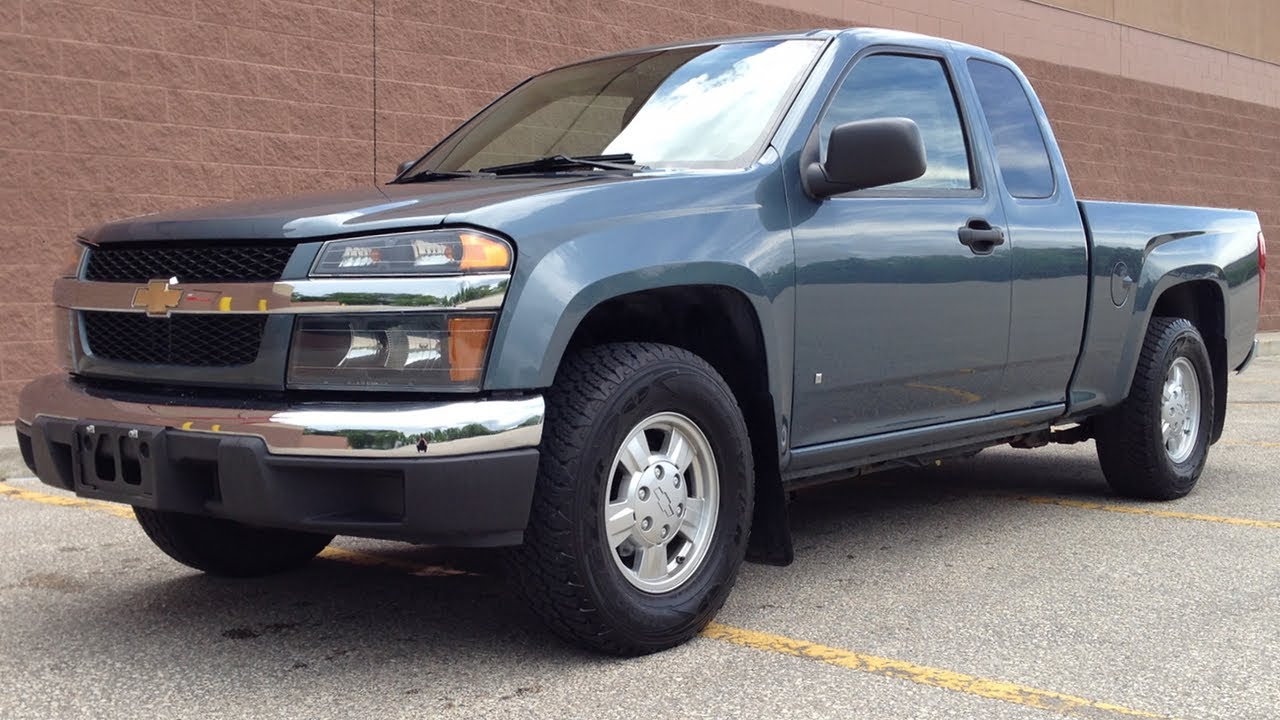
The 2007 Chevrolet Colorado stands out as one of the most affordable and practical used trucks on the market. With a Kelley Blue Book Fair Purchase Price of $4,901, it offers remarkable value for buyers who need a dependable pickup without the high ownership costs.
Available in single or crew cab configurations, the Colorado provides flexibility and functionality for both work and everyday use. While not the strongest performer in its class, it remains a solid, frugal choice for those seeking a no-nonsense compact truck.
The 2007 Colorado earns high marks for dependability. With only two recalls reported for this model year, it has maintained a reputation for reliability across its lifespan.
Annual maintenance costs are modest, averaging $412 per year according to RepairPal, and while the 10-year maintenance estimate from CarEdge sits at $10,368, most issues would already have been resolved in a used example today. This combination of low purchase price and modest upkeep costs makes the Colorado one of the most budget-friendly trucks available for long-term ownership.
For 2007, Chevrolet improved the Colorado’s powertrain lineup. The base 2.9-liter inline-four produces 185 horsepower and 195 lb-ft of torque, while the 3.7-liter inline-five delivers 242 horsepower and 242 lb-ft of torque.
Both engines are paired with either a five-speed manual or a four-speed automatic transmission. Despite respectable output, neither engine matches the performance or towing strength of the V6 and V8 engines found in competing midsize trucks.
The maximum towing capacity of 4,000 pounds places it behind rivals from Toyota and Nissan, but the Colorado compensates with balanced handling and multiple suspension setups tailored to different driving conditions. The off-road packages enhance its trail performance, while the Xtreme package sharpens handling for on-road agility.
The Colorado’s ride is composed and stable, with its compact size lending itself well to urban driving and light off-roading. The inline engines are smooth but lack low-end power, resulting in slower acceleration compared to competitors.
The five-speed manual transmission is responsive and engaging, while the four-speed automatic shifts cleanly and predictably. Suspension tuning is generally soft, contributing to comfort during daily commutes. Drivers seeking more capability off-road will appreciate trims with locking rear differentials and dual-range four-wheel drive.
Inside, the 2007 Colorado keeps things simple. The cabin design is functional but basic, with hard plastics and limited seat comfort that reveal its age. However, controls for climate and audio systems are intuitive and easy to use, and the instrument gauges are clear and practical.
While it lacks the upscale feel of newer competitors, the interior’s straightforward layout makes it durable and easy to maintain. Crew cab models provide additional passenger space, though comfort remains modest.
Safety features include standard antilock brakes and optional side curtain airbags. Traction control is available only on two-wheel-drive automatic models, and stability control is absent. In NHTSA crash tests, the Colorado performed well, earning five stars for frontal impact protection in crew cab models and four stars in other configurations. The IIHS rated it “Good” in frontal-offset crash testing, the highest possible rating.
The 2007 Chevrolet Colorado may lack luxury and cutting-edge performance, but it excels in affordability, reliability, and straightforward practicality. For budget-conscious drivers who want a dependable compact pickup that handles daily work and weekend tasks with ease, the Colorado remains a smart and economical choice.
The best trucks are not always the newest or most advanced. The ones that truly stand out are those that perform consistently, last for years, and keep ownership costs low. The ten models highlighted here combine mechanical strength, simple design, and proven reliability, making them ideal for drivers who value practicality and longevity.
From the powerful Ram 1500 to the reliable Toyota Tacoma and the versatile Honda Ridgeline, each truck offers a unique balance of performance and low maintenance. Their dependable engines, accessible parts, and sturdy construction make repairs straightforward and affordable. These qualities ensure that owners spend less time in the shop and more time on the road or job site.
These trucks demonstrate that true reliability comes from thoughtful engineering and consistent quality. They are built to handle tough tasks, endure heavy use, and continue performing year after year without unnecessary complications.
For anyone seeking a truck that delivers strength, simplicity, and long-term value, these ten models prove that low-maintenance performance remains one of the smartest investments a driver can make.
Also Read: 5 Cars That Exceeded Marketing Hype vs 5 That Didn’t
