
Electric vehicles promised us a future where batteries would last forever and charging would be as simple as plugging in your phone.
But here’s what the marketing materials conveniently forgot to mention: some EVs maintain their battery capacity beautifully through years of use, while others start losing range faster than your enthusiasm for New Year’s resolutions.
You bought that electric car expecting to save money and help the environment, but three years later, you’re watching your range drop from 400 kilometres to 280 and wondering if you made a terrible mistake.
Battery degradation separates EVs that remain useful throughout their lifespans from those that become expensive paperweights nobody wants to buy used.
Imagine purchasing a vehicle advertised with 450 kilometres of range, only to discover after four years that you’re barely getting 300 on a full charge.
Your comfortable daily commute suddenly requires careful planning and range anxiety. Meanwhile, your friend with a different EV brand still gets nearly their original range after the same period and the same amount of driving.
This isn’t random luck or coincidence. Specific manufacturers engineer their battery management systems properly, use quality cells, and implement thermal controls that actually protect battery health.
Others rush products to market with inadequate cooling, cheap cells, and software that prioritizes performance over longevity. These choices determine whether your EV stays practical for a decade or becomes a burden within five years.
Which EVs will serve you faithfully as they age, and which ones will have you calculating replacement battery costs that exceed vehicle values?
Let’s examine ten electric vehicles that either prove batteries can last or demonstrate exactly how badly things can go wrong.
EVs That Age Gracefully
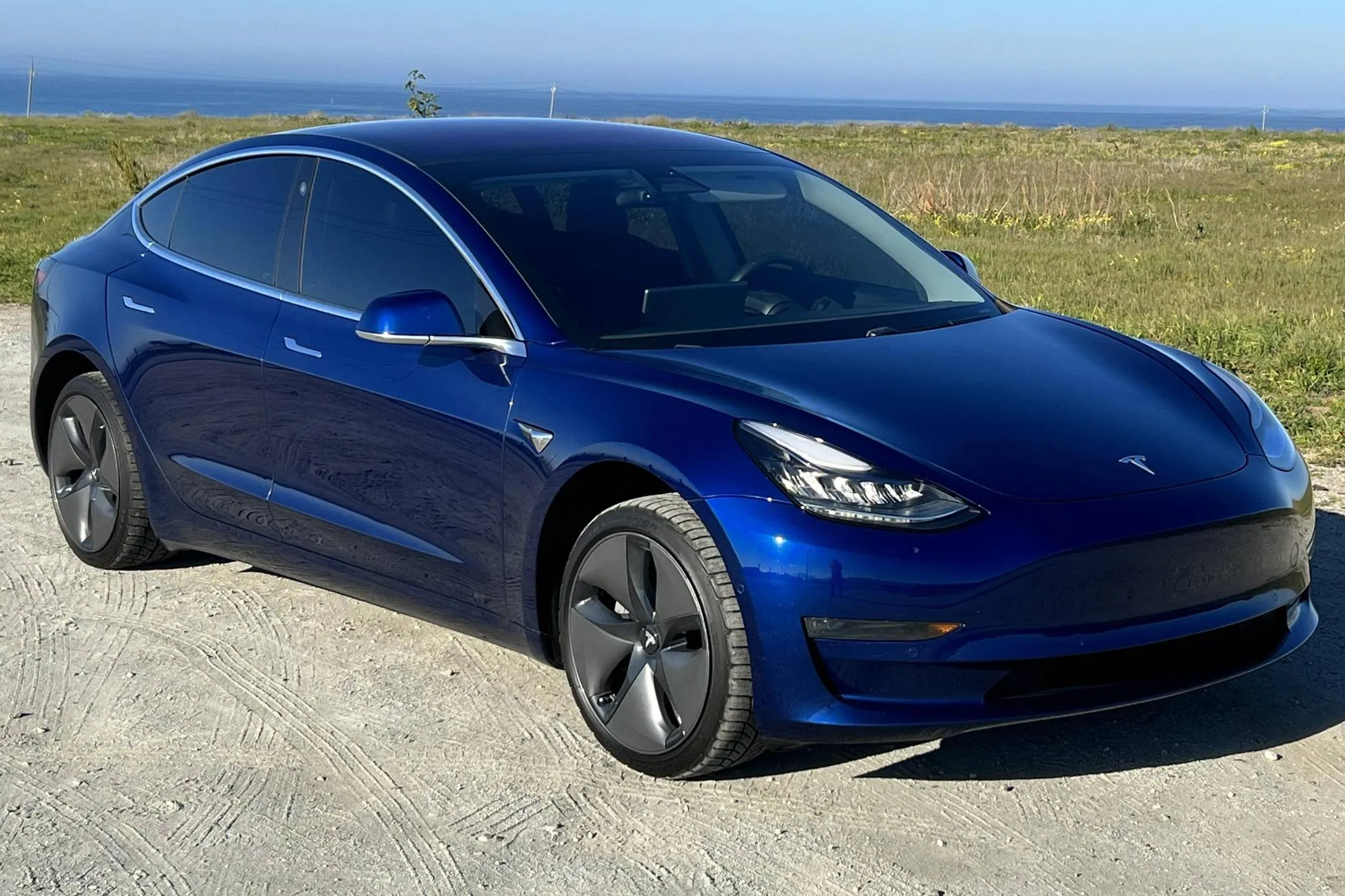
1. Tesla Model 3 Long Range 2018-2024
The Long Range version of Tesla’s Model 3 relies on battery cells designed with durability in mind rather than chasing the highest possible energy density.
This choice slightly limits the car’s maximum range compared to theoretical limits, but it greatly improves how well the battery holds capacity as time goes on.
Many owners have covered well over 200,000 kilometres and still report that their batteries retain about 90 percent of their original strength. By focusing on lasting performance instead of flashy numbers, Tesla ensures drivers enjoy dependable range for many years.
The car’s thermal system plays a crucial role in preserving battery health. It automatically warms or cools the pack depending on environmental conditions, keeping the cells in their ideal temperature range.
In extreme heat or cold, this regulation prevents damage that typically shortens battery life in less sophisticated systems. Drivers in both desert and snowy regions benefit from consistent performance year-round. Such attention to thermal balance directly supports long-term capacity retention and reliability.
Tesla’s Supercharger network also incorporates intelligent controls to safeguard the battery during high-speed charging. The system adjusts charging speeds based on temperature and cell condition, reducing internal stress that would otherwise accelerate wear.
Although this sometimes means slower charging, the tradeoff pays off through longer-lasting performance and peace of mind. It allows frequent fast charging without risking major degradation as time goes on.
Constant software improvements further strengthen battery performance. Tesla collects real-world data from millions of cars and fine-tunes its algorithms to extend lifespan and efficiency. These updates allow older vehicles to benefit from lessons learned through ongoing fleet experience.
The result is a car that improves with age rather than declines rapidly. Because of this reliability, resale values remain strong, and secondhand buyers confidently choose used Model 3s knowing the batteries still perform well.
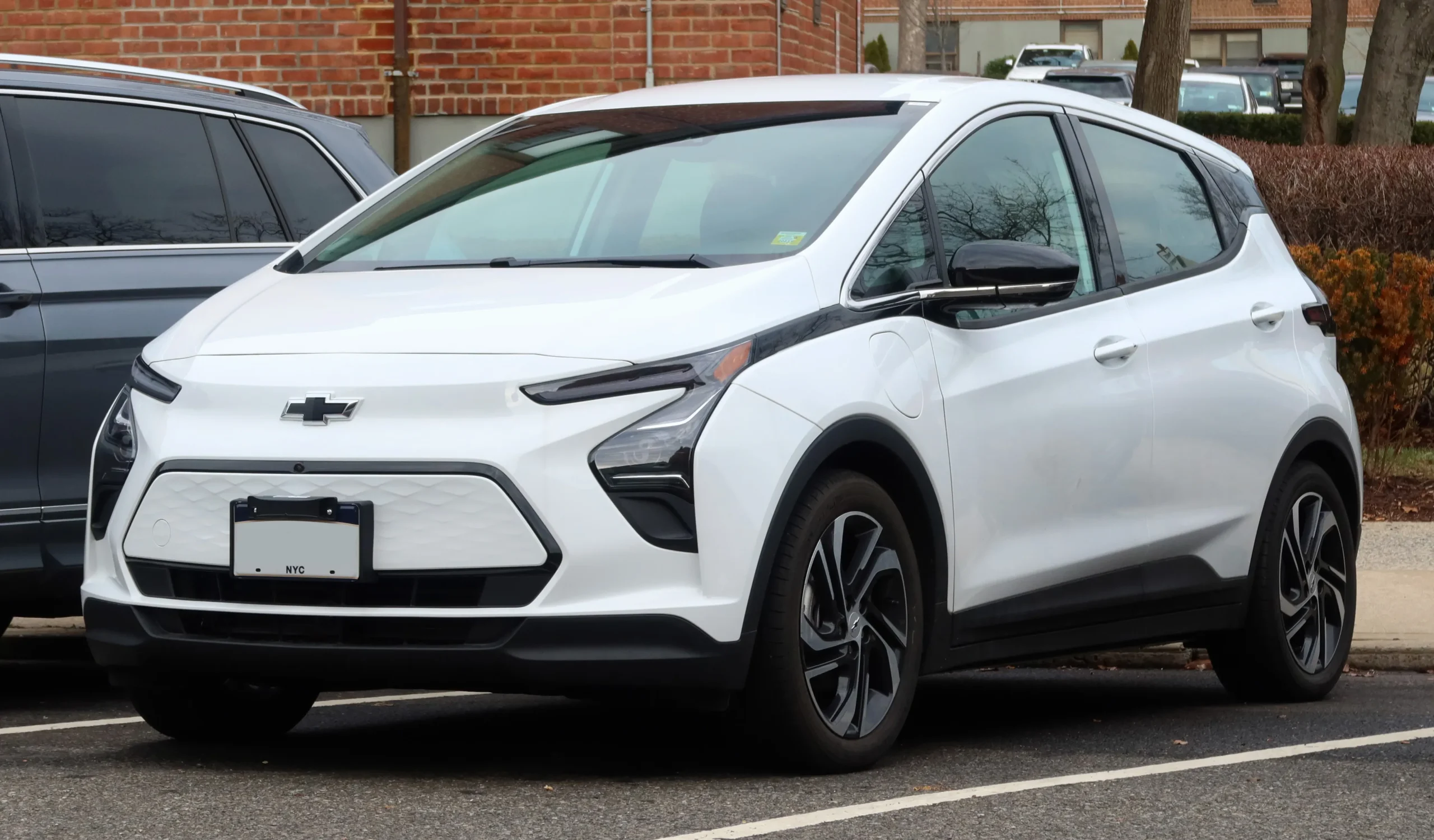
2. Chevrolet Bolt EV 2020-2023
The battery replacement program forced by recall actually benefited many Bolt owners with brand-new packs. Those replacement batteries use updated chemistry and improved manufacturing that address earlier concerns.
Owners who received new batteries essentially got refreshed vehicles with full capacity and improved longevity prospects. When manufacturers stand behind their products with complete battery replacements, customer confidence is restored even after problems.
Conservative battery management prioritizes longevity over maximum performance. That approach means the Bolt never wins drag races, but batteries maintain their capacity beautifully through years of use. Charging speeds stay moderate rather than extremely fast, reducing stress on cells.
Daily driving provides adequate performance while gentle treatment extends battery life. When engineering prioritizes what matters for daily use rather than headline specifications, practical benefits follow.
The liquid cooling system maintains battery temperatures effectively across varying climate conditions. Active thermal management prevents the degradation that plagues air-cooled or inadequately cooled competitors.
Whether driving in heat or cold, battery temperatures stay within ranges that promote long cell life. This cooling effectiveness shows in how well Bolt batteries maintain capacity compared to vehicles lacking proper thermal control. When cooling systems actually do their jobs, batteries last.
Owners report minimal degradation after years of use and high mileage accumulation. Real-world data shows Bolts maintaining 85-90% capacity after five years and 100,000+ kilometres. This longevity proves that affordable EVs can have durable batteries when engineered properly.
You don’t need luxury pricing to get battery longevity, just manufacturers who prioritize it. When affordable EVs prove durable, electric vehicle adoption accelerates because buyers trust the technology.
Value retention improved after the battery replacement program, as concerns about degradation were addressed. Used Bolt buyers know they’re either getting vehicles with new batteries or older packs that have proven durable.
This confidence supports resale values that protect owner investments. When manufacturers fix problems comprehensively rather than offering half-measures, market confidence returns and values recover.
Also Read: 5 EVs That Will Still Be Relevant in 2030 vs 5 That Won’t
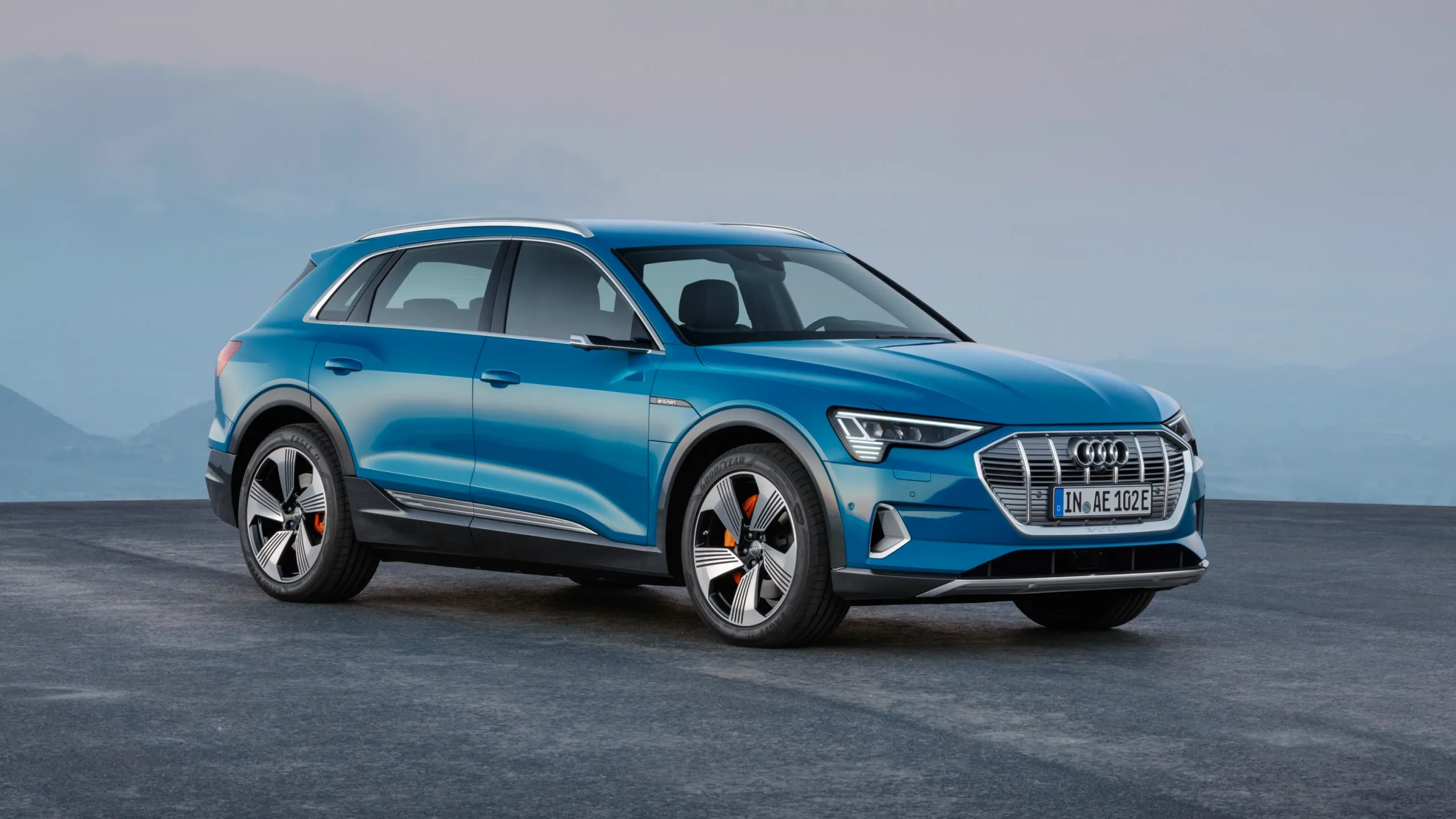
3. Audi e-tron 55 2019-2024
Audi’s approach to battery management focuses on preservation rather than maximum output.
The system never uses the full energy capacity, leaving a built-in reserve that shields the cells from excessive strain. This design ensures that even as the battery ages and loses some capacity, the usable range remains stable.
The buffer effectively absorbs the effects of wear as time goes on, allowing drivers to experience consistent performance throughout ownership. Prioritizing durability over absolute capacity gives the vehicle a longer and more reliable service life.
A liquid-based cooling setup maintains steady temperatures across the battery pack. Several independent circuits work together to keep heat distribution even and prevent any section from overheating.
Whether charging quickly during hot weather or driving in cold conditions, the battery remains within its safe temperature limits.
This attention to detail reflects careful engineering choices aimed at preventing thermal damage. A well-designed cooling system not only enhances performance but also helps maintain battery integrity for years.
The e-tron’s battery assembly and electronic management systems are built using high-grade materials and precision manufacturing. Every component is engineered for stability and endurance, avoiding the weak points often seen in cheaper electric vehicles.
This meticulous craftsmanship contributes to reliability and supports the vehicle’s long-term value. While the e-tron commands a high price, the lasting health of its battery helps justify the investment by reducing long-term depreciation.
Audi’s expertise in vehicle engineering is evident in the e-tron’s battery performance. The company developed and tested its systems thoroughly before release, avoiding the pitfalls of premature production seen in other brands.
Its confidence in the technology is backed by an eight-year or 160,000-kilometre warranty, offering reassurance to buyers. Such coverage demonstrates faith in the product’s quality and gives owners protection against costly replacements.
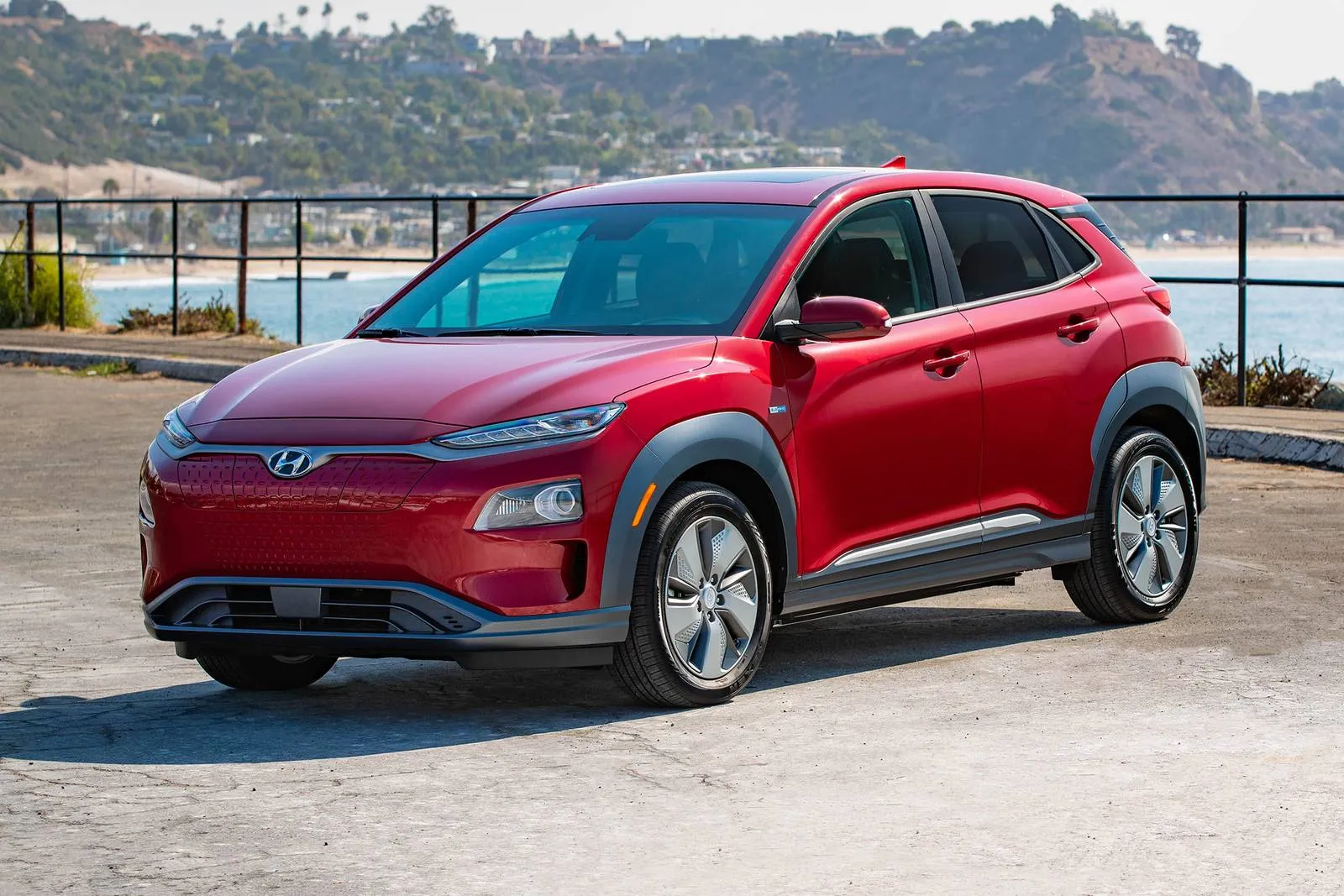
4. Hyundai Kona Electric 2019-2024
Battery chemistry using LG cells provides excellent longevity when managed properly. Those cells, combined with Hyundai’s thermal management, create systems that age gracefully.
Owners report minimal capacity loss even after years of daily use and frequent fast charging. When manufacturers choose quality cells and manage them well, battery degradation becomes a negligible concern rather than a constant worry affecting daily use.
The thermal management system actively controls battery temperatures during charging and driving. Liquid cooling prevents heat damage during fast charging sessions and hard driving. Cold weather preconditioning warms batteries before use, maintaining efficiency and preventing cold damage.
This comprehensive temperature control across all operating conditions protects battery health throughout varied use. When thermal systems address all scenarios rather than just some, longevity follows naturally.
Conservative fast charging speeds protect battery health by limiting stress during DC charging.
While not the fastest-charging EV available, this moderation extends battery life meaningfully. Quick charging still happens fast enough for practical use while staying gentle enough to prevent degradation.
This balance between convenience and longevity shows Hyundai understands real-world use patterns and priorities. When manufacturers don’t chase extreme specifications at the expense of durability, buyers benefit through vehicles that stay useful longer.
Ten-year, 160,000-kilometre battery warranty demonstrates Hyundai’s confidence in longevity. This generous coverage protects buyers from replacement costs while proving the company stands behind its engineering.
When warranties are this comprehensive backup products, buyer confidence increases dramatically. You’re not gambling on unproven technology; you’re buying products that manufacturers actually trust to last.
Real-world data from early adopters shows excellent capacity retention through years of use. Owners monitoring battery health report 85-90% capacity remaining after five years, proving these EVs age well.
This real-world performance backs up Hyundai’s warranty promises with actual results. When marketing claims match reality, brand reputation improves, and future sales follow as satisfied customers spread positive experiences.
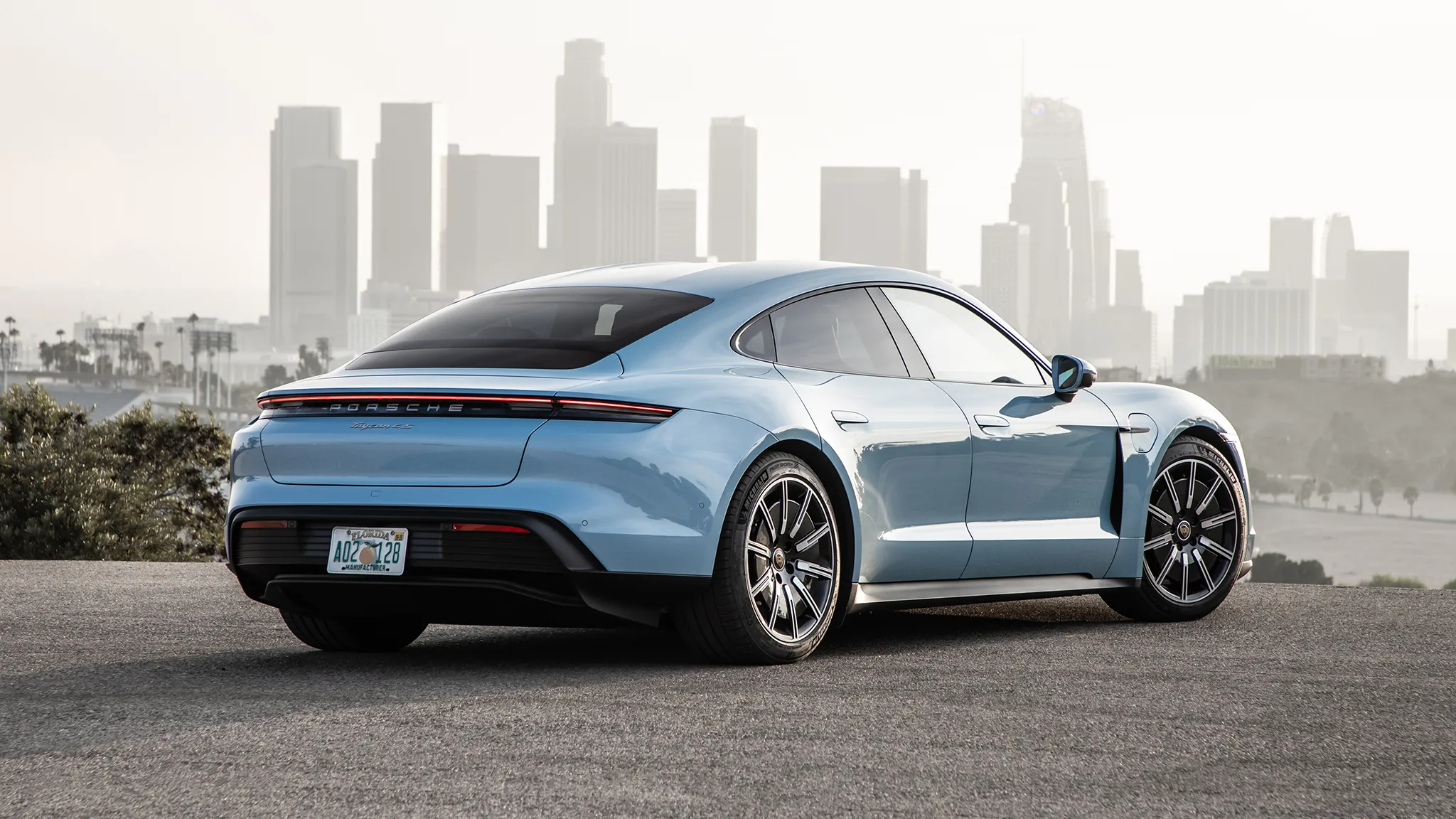
5. Porsche Taycan 4S 2020-2024
The Taycan’s 800-volt battery system delivers faster charging while preserving long-term battery condition. This advanced setup handles power more efficiently than traditional 400-volt systems, minimizing heat buildup during charging.
Reduced heat means less strain on the cells, extending their lifespan naturally. It’s an example of technology solving real issues with precision and balance, creating vehicles that perform better and endure longer for their owners.
Porsche’s decision to use high-quality cells from leading suppliers plays a major role in the Taycan’s durability.
Every component is selected for both strength and efficiency rather than low cost. These premium cells retain capacity far better than cheaper alternatives used in budget EVs.
Although the car’s price reflects its luxury positioning, the long-lasting battery performance supports the investment by keeping range and value consistent as time goes on. Quality materials, when combined with precision design, almost always result in longer-lasting technology.
A highly refined temperature control system ensures the battery operates within ideal conditions regardless of driving style or environment. The network of cooling circuits and active heating units keeps every cell stable, whether on a racetrack or in city traffic.
This constant thermal balance prevents degradation and maintains output. Such detail-oriented engineering shows Porsche’s commitment to endurance and reliability, resulting in batteries that stay healthy even under demanding use.
Through ongoing software updates, Porsche continually improves the Taycan’s battery management. Data gathered from global usage helps refine charging behavior and optimize performance. Owners benefit from updates that make their vehicles smarter and more efficient as time goes on.
This continued support enhances the car’s long-term appeal and reliability. The Taycan’s steady resale strength reflects market trust in its battery system, rewarding owners with preserved value and lower long-term costs despite the higher upfront purchase.
EVs That Lose Battery Fast
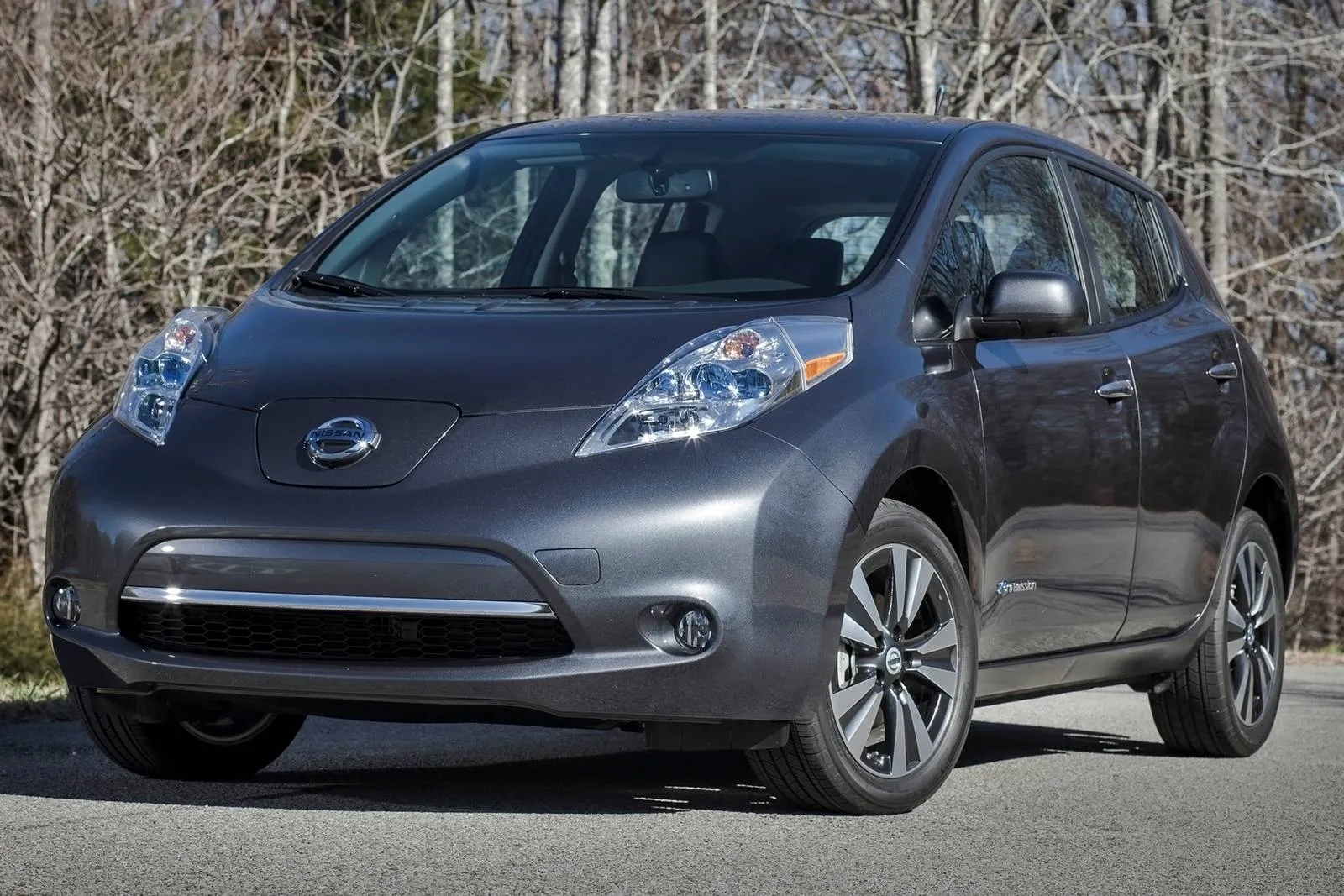
1. Nissan Leaf 2013-2017
Air-cooled battery design proved catastrophically inadequate for real-world conditions. That passive cooling allows batteries to overheat during fast charging and hot weather driving. Heat accelerates degradation dramatically, destroying capacity in ways that proper cooling prevents.
Owners in hot climates watched their range plummet within years, sometimes losing 30-40% capacity. When thermal management is skipped to save costs, batteries pay the price through rapid degradation.
CHAdeMO fast charging without proper cooling creates perfect conditions for battery destruction. Repeated fast charging sessions heat batteries to damaging temperatures, accelerating wear.
Owners who fast-charged regularly discovered their batteries degraded far faster than those who charged slowly at home. This problem could have been prevented with proper cooling, but Nissan cheaped out with results that destroyed customer trust and resale values.
Early chemistry using basic lithium-ion cells lacked the durability of newer formulations. Those cells degraded faster than modern alternatives even under ideal conditions. Combined with inadequate cooling, degradation accelerated to unacceptable rates. Owners discovered their “300-kilometre” Leafs provided barely 150 kilometres within four years.
When manufacturers use inferior cells without proper protection, predictable disasters follow. Capacity loss became so severe that class-action lawsuits emerged in multiple markets. Owners demanded compensation for batteries that degraded far faster than advertised.
Nissan’s response proved inadequate, offering minor compensation that didn’t address fundamental problems. This failure to stand behind flawed products destroyed brand reputation in EV markets. When manufacturers abandon customers facing product failures, trust evaporates and sales crater.
Resale values collapsed as word spread about Leaf battery problems. Used buyers avoided these EVs or demanded steep discounts reflecting degradation risks. Original owners discovered their vehicles were worth fractions of their purchase prices, creating financial disasters.
This value destruction proved that inadequate battery management doesn’t just affect range; it destroys entire ownership propositions. When EVs become worthless due to degradation, nobody wins.
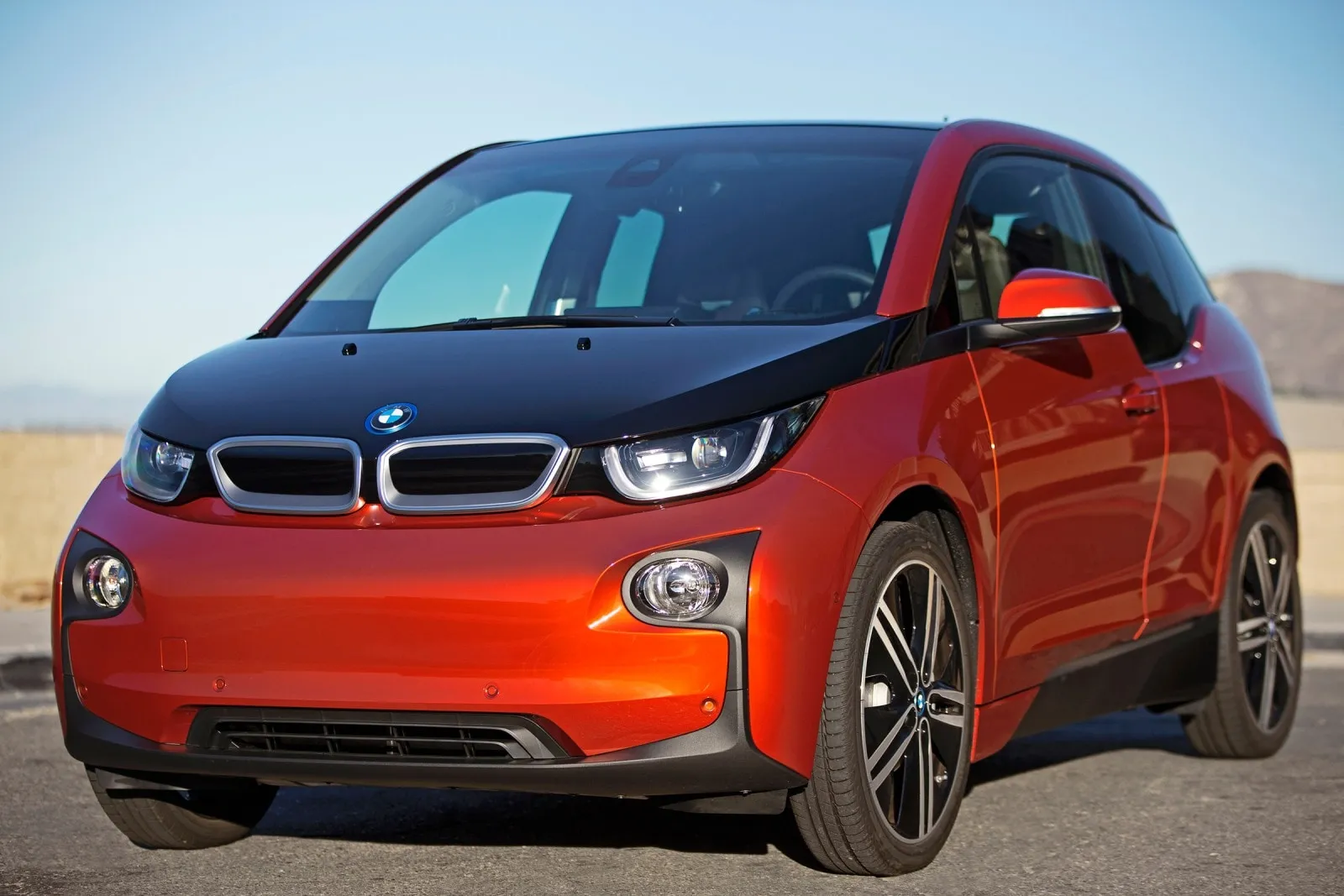
2. BMW i3 2014-2018
The combination of a small battery pack and quick performance decline turned ownership into a frustrating experience. With an initial range of just about 150 kilometres, losing even a small fraction made the car barely practical for daily driving.
Many owners watched as their range dropped so quickly that simple commutes became uncertain. When an electric vehicle begins with limited capacity and deteriorates at such a pace, it stops being useful much earlier than buyers anticipate.
In an effort to boost performance, BMW tuned the system aggressively, focusing on output rather than long-term durability. The car’s early reviews highlighted strong acceleration and responsiveness, but that short-term gain came at the expense of endurance.
Owners later realized the batteries wore out faster than expected. Pursuing headline figures without balancing lifespan turned out to be a costly choice for customers, as it left them with vehicles losing range and value far too soon.
The temperature regulation system also struggled to cope with different weather conditions. During fast driving or charging, the batteries often overheated, while freezing temperatures caused performance loss and long-term cell damage.
The lack of effective thermal control revealed insufficient development and testing during production. Poor management of heat and cold inevitably shortened the lifespan of the battery, proving that inadequate system design can undo otherwise advanced engineering.
Replacing the battery became another serious obstacle. Costs often reached nearly half the value of a used car, making replacement an unreasonable option. As a result, many i3s with weakened batteries ended up discarded rather than repaired, contradicting the notion of electric sustainability.
The secondhand market quickly caught on to these shortcomings, and demand collapsed. Buyers avoided the model, knowing its reputation for early degradation, which left owners with cars few people wanted to buy at any price.
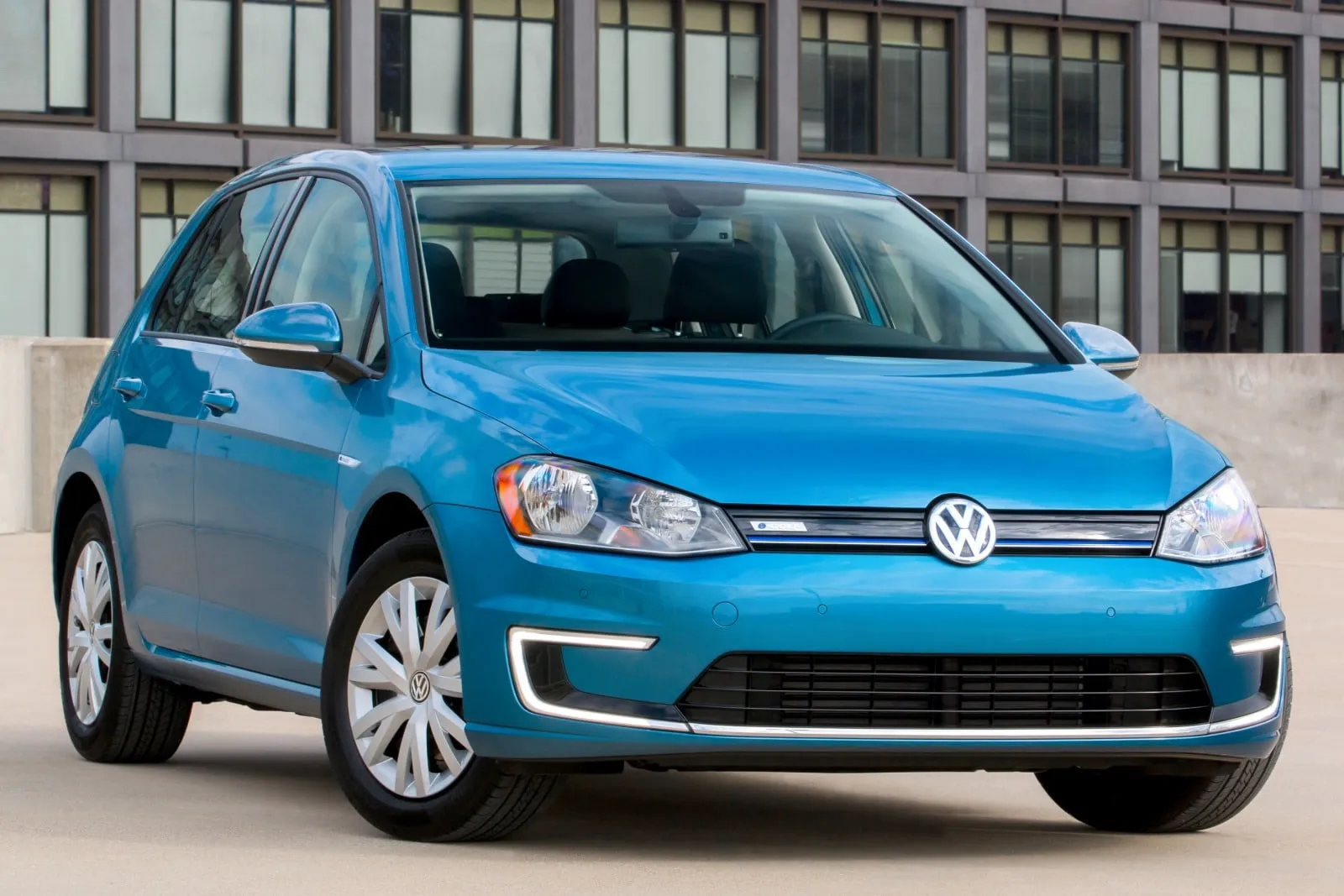
3. Volkswagen e-Golf 2015-2019
The modest battery size, combined with mediocre degradation resistance, created practical problems. Starting with only about 200 kilometres of range, losing 25% meant vehicles were barely suitable for daily use.
Owners discovered their limited range shrinking to levels requiring constant charging anxiety. When batteries start small and don’t maintain capacity well, vehicles become impractical, frustratingly quickly.
Air cooling for batteries proved inadequate for fast charging and hot weather operation. Without active thermal management, batteries heat excessively during DC charging and summer driving.
This heat accelerated degradation, particularly in warm climates where e-Golfs suffered dramatically. Volkswagen’s decision to skip liquid cooling to save costs backfired through degradation that destroyed customer satisfaction and resale values.
Battery chemistry using older cell technology degraded faster than modern alternatives. Those cells couldn’t maintain capacity through charge cycles as effectively as newer formulations.
Even under ideal conditions, degradation exceeded what owners expected based on marketing promises. When manufacturers use outdated technology to save money, customers pay through reduced longevity and increased replacement needs.
Fast charging limitations meant the already-limited battery took forever to charge on road trips. Slow DC charging combined with small capacity created situations where road trips required extensive charging stops.
As batteries degraded further, this problem intensified, making longer drives increasingly impractical. When charging is slow and capacity shrinks, vehicles become confined to local use only.
Resale values suffered because used buyers recognized e-Golf limitations. Limited range when new, mediocre degradation resistance, and slow charging combined to create unattractive used propositions.
Buyers chose alternatives offering a better range and longevity, leaving e-Golfs unwanted. This market rejection destroyed values, leaving original owners with depreciating assets worth far less than expected. When multiple problems compound, vehicles become essentially unsellable.
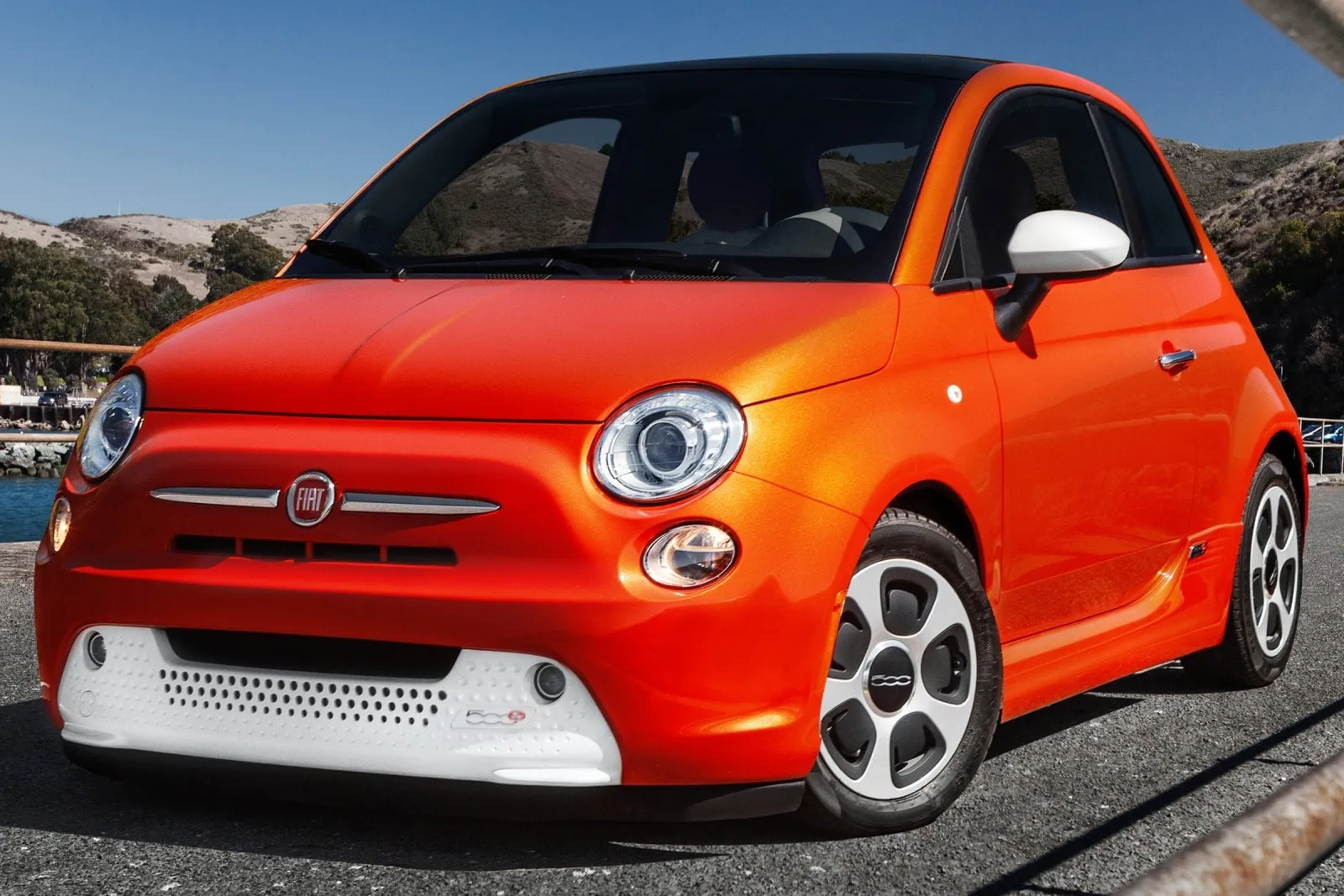
4. Fiat 500e 2013-2019
The limited battery size meant that even a slight decline in performance caused serious usability issues. With an initial driving range of only around 130 kilometres, losing just a small portion made the vehicle nearly unusable.
Many owners saw their range drop to levels that made daily driving stressful and unreliable. As these compact batteries aged normally, the cars quickly went from barely functional to completely impractical within a few years.
The absence of any temperature control left the batteries exposed to harsh weather. Both heat and cold damaged the cells since there was nothing to shield them from environmental conditions.
In warmer areas, batteries degraded rapidly, while in colder climates, performance and efficiency dropped severely. This lack of temperature regulation reflected poor engineering decisions that predictably shortened battery life.
The use of basic, low-grade cells worsened the issue. Instead of adopting advanced EV-focused technology, Fiat opted for cheaper materials that met only the bare legal requirements.
The cells themselves were substandard, and the management systems failed to maintain health or balance across the pack. Such neglect led to rapid degradation, leaving customers to deal with failing vehicles and wasted investments.
To make matters worse, Fiat discontinued support soon after production. Replacing batteries became nearly impossible, as parts were unavailable or prohibitively expensive. This left owners stranded with vehicles that could not be restored or sold. Without manufacturer backing, the 500e effectively turned into a throwaway product with no lasting value.
As word spread, the used market completely lost confidence in the model. The mix of weak range, severe battery decay, and no support turned it into a financial trap. Buyers stayed away, and even steep discounts couldn’t attract interest. The 500e became a clear example of how poorly made electric cars end up as costly failures.
Also Read: 5 2025 EVs That Feel Worth Buying vs 5 That Don’t
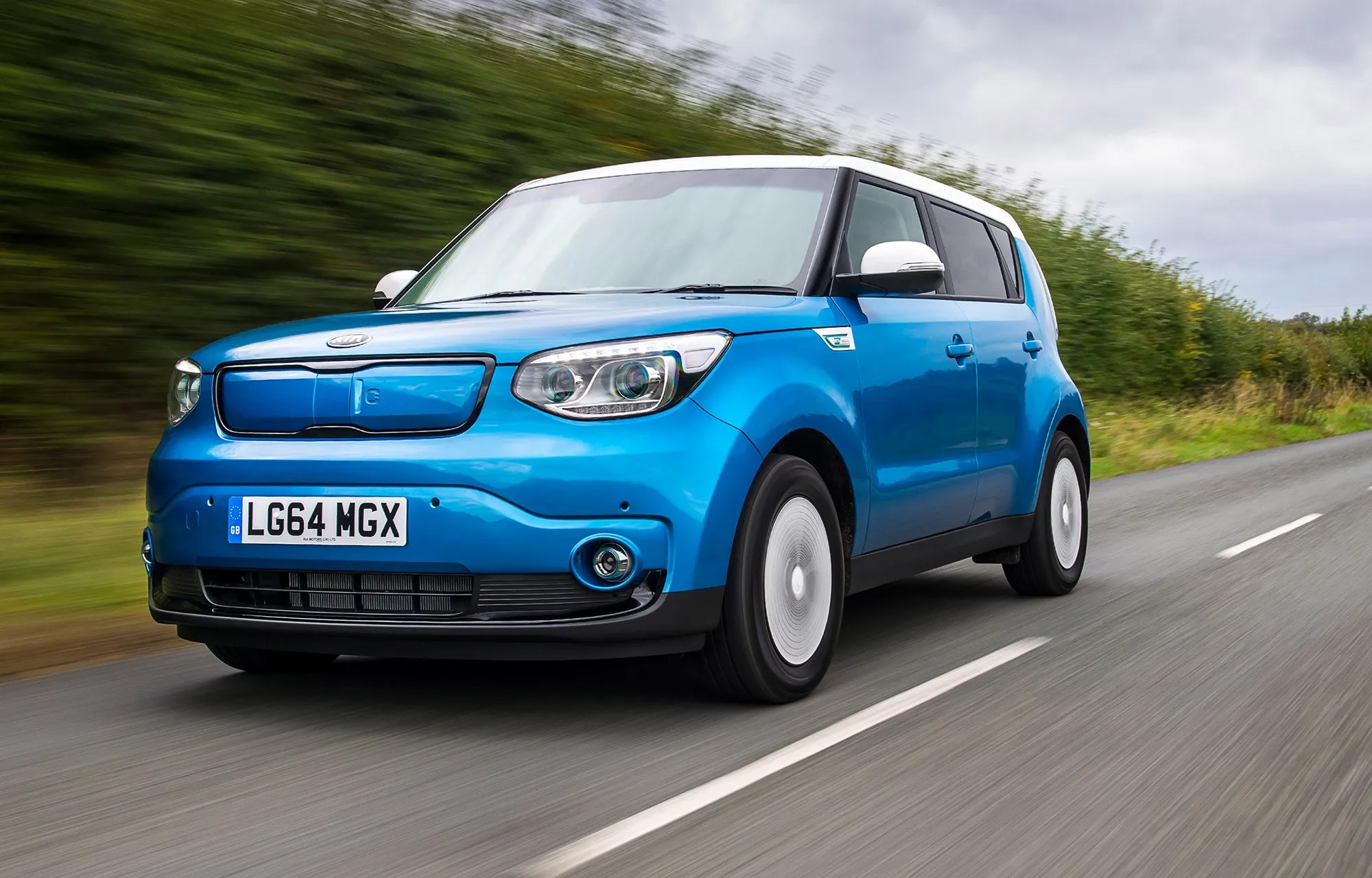
5. Kia Soul EV 2015-2019
First-generation EV efforts showed mediocre battery management and thermal control. Kia clearly hadn’t perfected EV engineering yet, resulting in degradation issues that later generations solved.
Early adopters paid the price for Kia’s learning curve through batteries that aged poorly. When manufacturers sell early-generation products before technology matures, customers become beta testers suffering through problems that shouldn’t have reached production.
Air cooling proved inadequate for varied climates and use patterns. Batteries overheated during summer use and lacked protection during winter operation. This thermal management failure accelerated degradation predictably, particularly in extreme climates.
Owners in hot regions watched capacity plummet, while cold climate users suffered efficiency losses. When thermal systems fail across conditions, batteries degrade rapidly regardless of careful use.
Battery cells using earlier chemistry lacked the longevity of modern alternatives. Those cells simply couldn’t maintain capacity through charge cycles as effectively as newer technology.
Even under ideal conditions, degradation exceeded what current EVs experience. Kia learned from these problems, but early Soul EV buyers paid for vehicles that aged poorly and lost value rapidly.
Limited fast charging capability meant already-small batteries took forever to charge on trips. Slow DC charging combined with modest capacity created situations where longer drives required excessive charging time.
As batteries degraded, this problem intensified, further limiting vehicle utility. When charging is slow and capacity shrinks, vehicles become local-use-only rather than practical transportation.
Resale values collapsed as buyers recognized Soul EV problems and chose alternatives. First-generation issues, mediocre degradation, and limited capability combined to create unattractive used propositions.
Market rejection left original owners with depreciating assets worth far less than anticipated. When early-generation EVs prove problematic, values crater as buyers choose better alternatives. First-generation buyers essentially paid to fund the development of better second-generation products.
