
Car lovers often look for things most drivers would never notice. While regular buyers prioritize reliability, comfort, and storage space, car enthusiasts focus on steering precision, throttle response, and the sense of connection between driver and machine.
For them, a car’s personality means more than convenience or practicality. Some models capture this unique charm and stay desirable for decades, with values rising as collectors seek well-preserved examples. Others fade quickly, remembered only as ordinary machines that met basic needs.
What separates timeless favorites from forgotten models has little to do with size or usefulness. It depends on how a car feels when pushed to its limits, how its engine sings at high revs, and how it communicates through every corner. These details give certain vehicles an identity that keeps them admired long after production ends.
Cars that deliver that kind of engagement often achieve legendary status among those who appreciate driving for its own sake.
A smooth-shifting manual gearbox, a responsive engine, and balanced handling can turn an everyday drive into something memorable. Vehicles lacking that emotional pull, no matter how advanced or well-equipped, usually end up ignored and undervalued.
As time went on, the market revealed which cars truly stand apart. Some rise steadily in worth as collectors recognize their enduring appeal, while others decline like typical used cars.
Value growth often reflects acknowledgment that certain machines offer something rare, an experience that goes beyond numbers or specifications.
Understanding this distinction helps buyers make informed choices. Some vehicles bring lasting joy because they connect deeply with the person behind the wheel.
Others, though impressive on paper, fail to inspire that bond. This divide between emotional connection and simple function is what defines which cars remain cherished and which ones quietly disappear.
Cars That Stay Desirable for Enthusiasts
1. Mazda MX-5 Miata NA 1989-1997
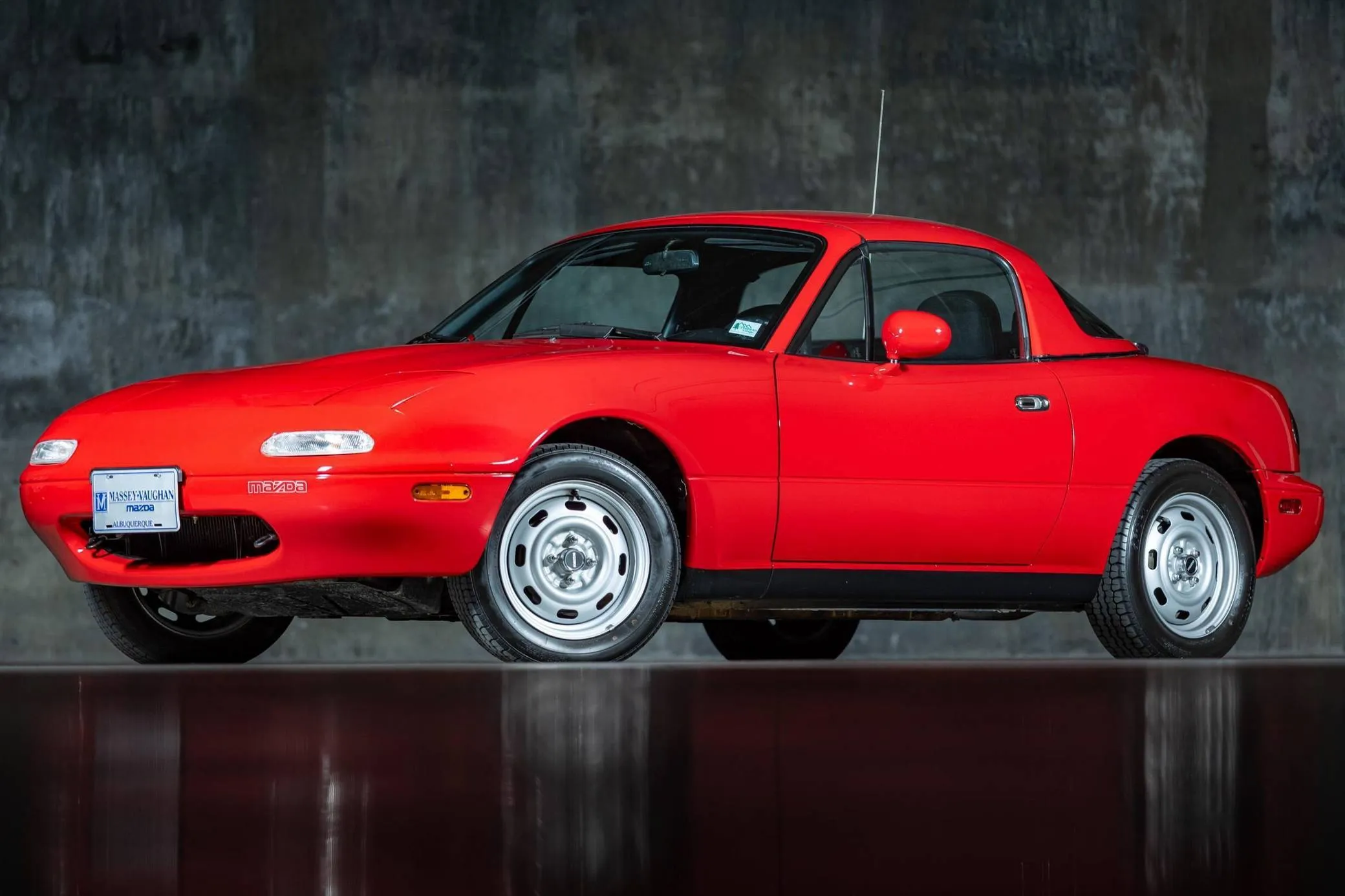
First-generation Miatas defined what affordable sports cars should be, creating blueprints that manufacturers still follow decades later. That lightweight philosophy prioritized fun over power, proving that handling and driving engagement matter more than horsepower figures.
When cars weigh barely 1,000 kilograms, modest power feels thrilling because physics favors light vehicles. This lesson seems obvious now, but it was revolutionary when bloated sports cars dominated markets.
Driving purity in the NA Miata comes from simple mechanical layouts without electronic intervention. Manual steering provides unfiltered feedback about what the front wheels are doing.
Naturally aspirated engines deliver power linearly without turbo lag. Simple suspension geometry creates predictable handling that builds driver confidence.
This analog experience becomes rarer as modern cars bury drivers in electronic assists and artificial steering feel. When everything connects mechanically rather than electronically, driving becomes a conversation between machine and human.
Modification culture embraced Miatas immediately, with aftermarket companies creating endless upgrade options. Turbo kits, suspension improvements, brake upgrades, and styling modifications all exist from multiple suppliers.
This support means owners can build custom cars reflecting personal visions. When platforms support modification extensively, enthusiasm stays strong because people create emotional connections through personalization. Modified Miatas become extensions of owner personalities rather than just transportation.
Reliability reputation means Miatas remain practical enthusiast cars rather than garage art. Those simple mechanical layouts prove durable when maintained properly. Rust aside, mechanical components last for years without expensive failures.
This reliability lets owners enjoy driving rather than constantly repairing, maintaining enthusiasm through positive experiences. When cars reward ownership with dependability, affection grows rather than turning to resentment.
Values climbed steadily as people recognized NA Miatas as modern classics. Clean examples command premiums as collectors fight over unmolested survivors. This appreciation proved that markets value simple, pure sports cars even decades after production.
Getting in early meant buying affordable fun that became investment-grade collectibles. When values climb consistently, buyer enthusiasm stays strong because ownership provides both enjoyment and financial returns.
2. Honda S2000 1999-2009
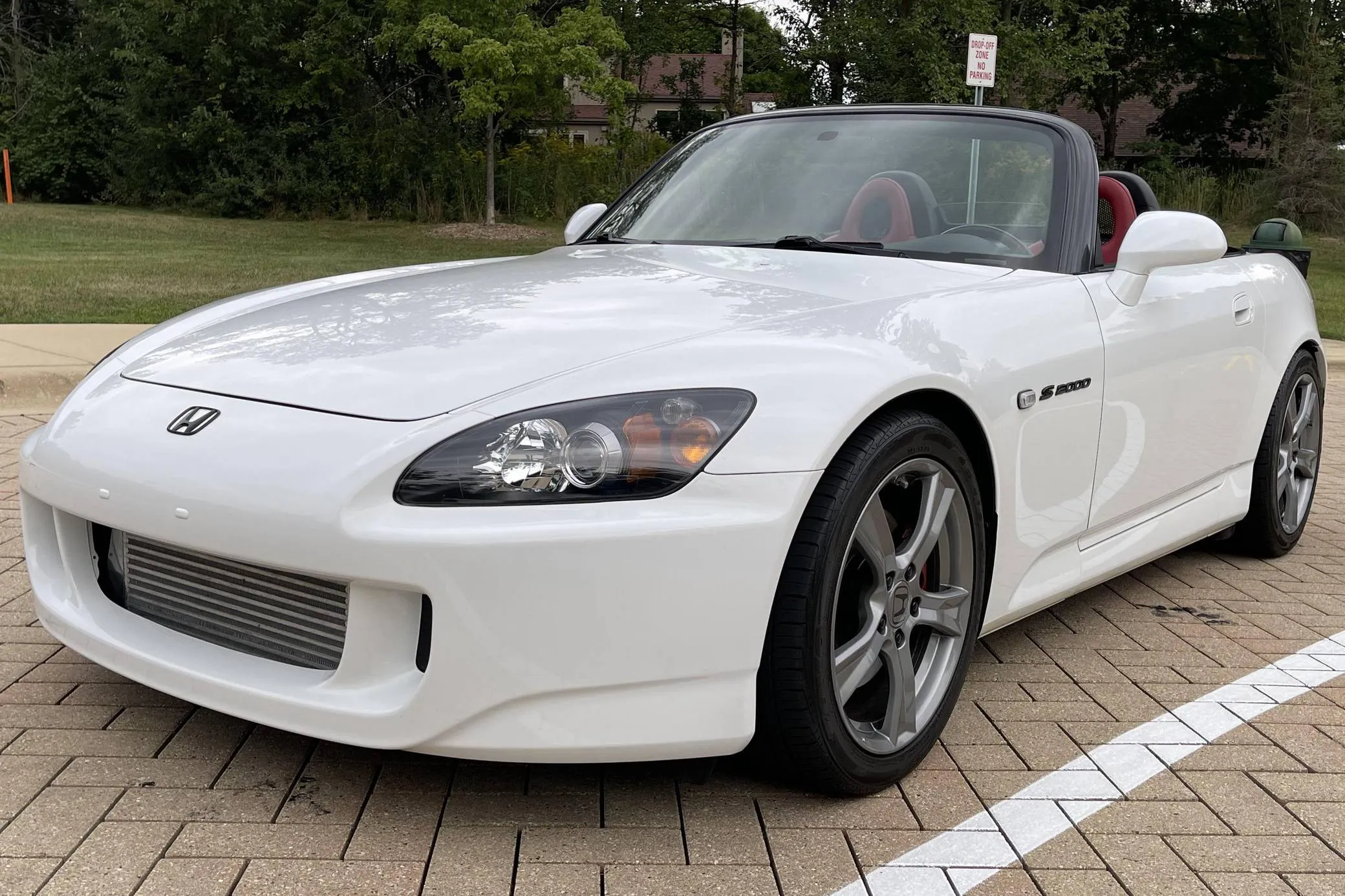
Honda’s naturally aspirated powerplant, screaming toward 9,000 revolutions per minute, delivers sensations that forced induction simply cannot replicate. The variable valve timing system kicks in around 6,000 rpm, unleashing what feels like an entirely separate motor awakening beneath the hood.
This mechanical orchestra produces visceral auditory thrills that forge deep emotional bonds, something turbocharged four cylinders struggle to accomplish. Such a distinct personality creates devoted followings that span decades, maintaining a strong appeal across multiple generations of drivers.
The six-speed manual gearbox operates with rifle bolt precision, transforming every move into a satisfying mechanical event. Honda’s engineers achieved transmission perfection here, delivering tactile engagement that automated dual clutch systems cannot duplicate.
Clutch pedal feedback remains perfectly weighted while throw action maintains buttery smoothness despite years of aggressive use. This level of gearbox excellence turns driving into participatory joy rather than mere transportation. Purists routinely rank this transmission among the finest ever manufactured.
The chassis achieves near-ideal equilibrium through perfectly balanced weight distribution paired with sophisticated double wishbone geometry at all four corners. This configuration produces handling characteristics that feel composed and inspiring when attacking twisty roads.
Proper driving technique unlocks grip levels and accuracy that electronically assisted modern machinery often fails to match organically.
Such unfiltered dynamics attract those who prioritize genuine feedback over artificial intervention, elevating the experience into something approaching automotive poetry when engineering excellence meets physics fundamentals.
Production volumes remained modest relative to mainstream offerings, establishing inherent rarity. Manufacturing numbers stayed reasonable without approaching mass market figures.
This controlled availability fuels robust secondary market interest as enthusiasts pursue increasingly scarce examples. When availability tightens while passion intensifies, appreciation follows naturally. Rarity combined with exceptional execution creates ideal circumstances for collector interest.
Extensive modification possibilities keep these roadsters competitive against contemporary performance benchmarks. Comprehensive aftermarket support offers transformation options ranging from subtle to extreme. Forced induction packages, suspension enhancements, and braking improvements come from established suppliers.
This tuning culture sustains excitement as fresh owners discover these platforms and personalize them according to current preferences, ensuring ongoing relevance through adaptability and sustained enthusiasm.
Also Read: 5 Cheap Cars That Feel Premium vs 5 That Feel Plastic
3. Subaru Impreza WRX STI GD 2004-2007
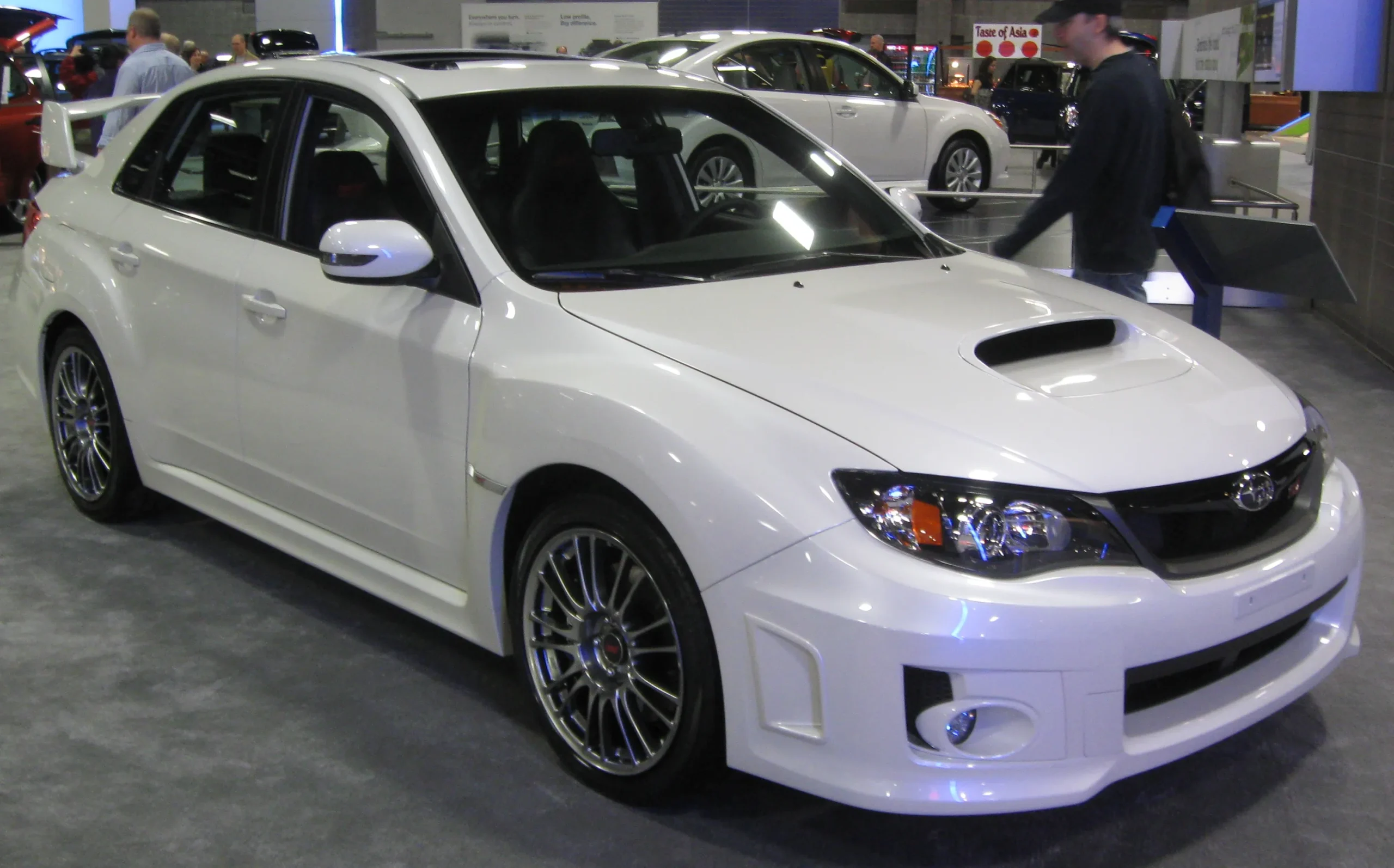
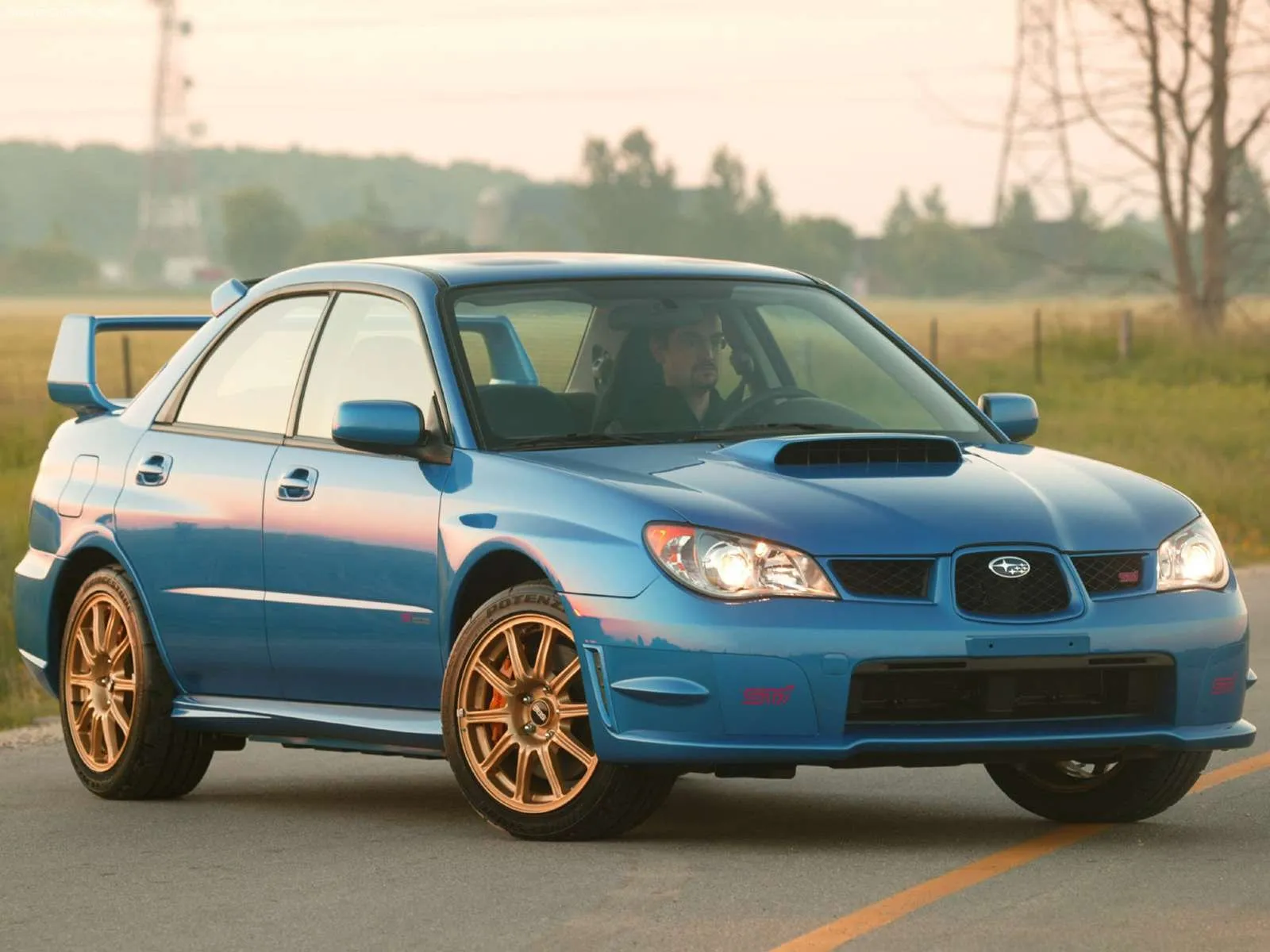
The Subaru WRX STI’s reputation is built on genuine motorsport success rather than marketing stories. Its achievements in rallying gave it an authenticity that enthusiasts deeply respect.
Victories in world rally competitions turned the car into more than just a performance model; they made it a cultural icon among driving purists.
People see it as a link between everyday roads and racing stages, a connection that continues to fuel demand long after production ended. When real-world competition shapes a car’s identity, enthusiasm naturally endures.
At the core of the STI is the EJ257 engine, a powerplant known for its unmistakable sound and character. The deep burble produced by its unequal-length headers has become instantly recognizable to fans. Power builds smoothly through the rev range, rewarding skillful control rather than reckless acceleration.
Unlike modern turbo engines that prioritize efficiency over emotion, this motor feels alive and mechanical. That old-school charm keeps older STIs in demand as enthusiasts seek engaging experiences missing from newer, more refined performance cars.
The all-wheel-drive setup adds another dimension to its appeal. Its mechanical center differential and adjustable torque distribution invite the driver to be part of the process rather than just a passenger in software-controlled systems.
This involvement creates a tangible sense of mastery and connection that many newer vehicles lack. It’s an approach that rewards understanding and keeps drivers engaged over years of ownership.
Equally important is the tight-knit community surrounding these cars. Owners regularly gather for events, share tuning knowledge, and celebrate the brand’s heritage together. This camaraderie transforms ownership into a shared experience, strengthening emotional ties to the car.
Because of this loyal following, well-maintained STIs have retained strong market values. Collectors appreciate their history and performance, ensuring they remain both treasured possessions and sound investments.
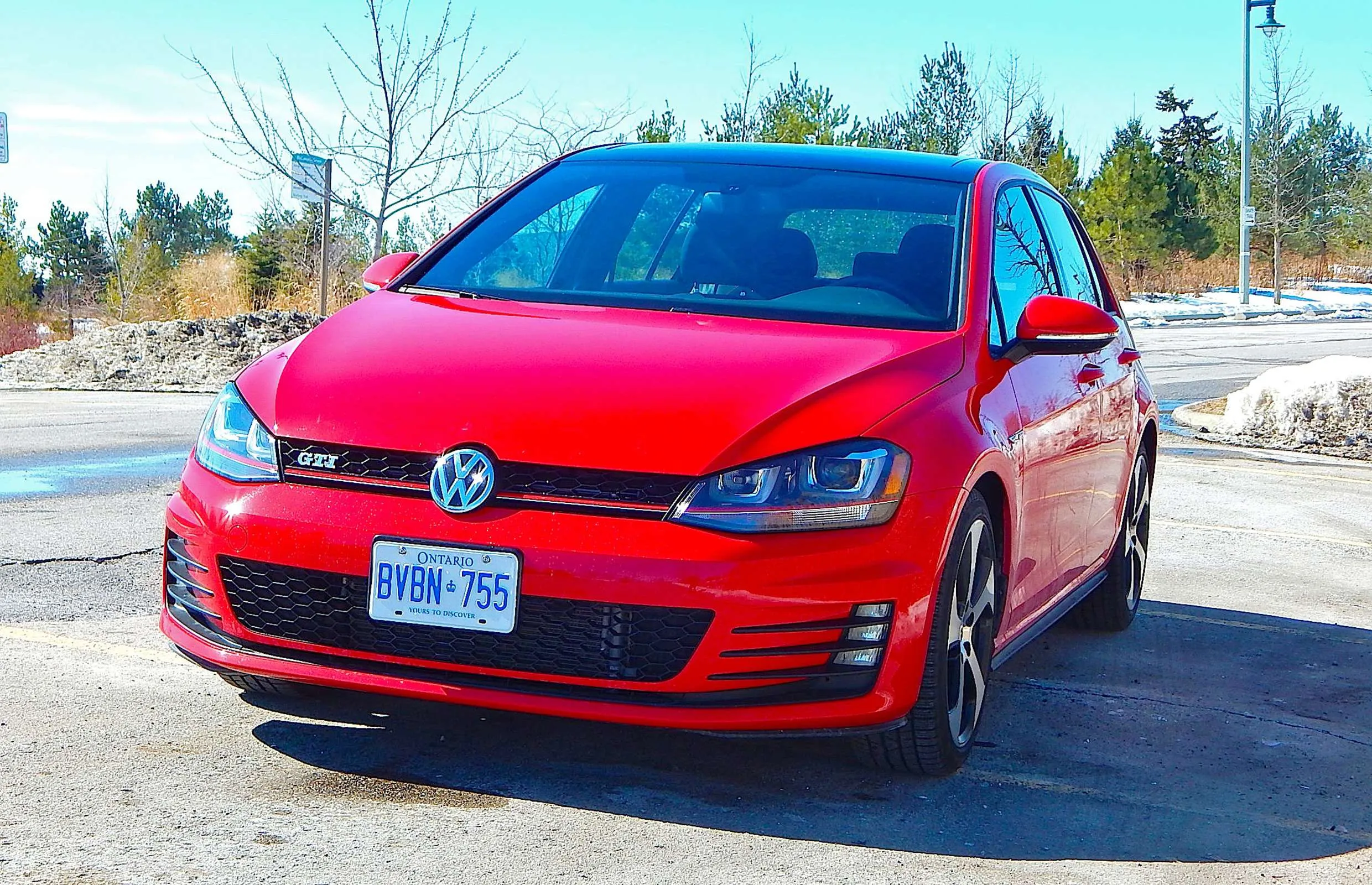
4. Volkswagen Golf GTI Mk7 2015-2021
Hot hatch perfection combines daily usability with enthusiast engagement. That dual-purpose nature means owners can drive these cars daily without compromise. Comfortable when needed, exciting when pushed, the Mk7 GTI serves multiple roles flawlessly.
This versatility maintains enthusiasm because owners don’t need separate daily drivers and fun cars. When single vehicles handle all needs without compromise, affection grows through constant positive experiences.
Engine tuning potential from the EA888 motor attracts modification enthusiasts. Simple software upgrades unlock substantial power increases without hardware changes. That ease of modification democratizes performance, letting regular people build genuinely quick cars affordably.
When platforms respond this well to simple modifications, enthusiast communities thrive around them. Strong aftermarket support from multiple tuners keeps modification culture alive and vibrant.
European build quality and driving dynamics separate GTIs from competitors. That German engineering provides substance backing sporty pretensions.
Chassis feel, steering weight, and whole refinement exceed what Japanese or American hot hatches typically deliver. This quality maintains desirability because cars feel special rather than just fast economy boxes. When quality matches performance, enthusiasts appreciate complete packages rather than just speed.
Manual transmission availability preserves engagement that automatic alternatives sacrifice. Three-pedal GTIs remain desirable specifically because they require driver involvement.
Enthusiasts seeking connection choose manuals over faster DSG automatics because engagement matters more than lap times. This manual option maintains strong demand from buyers wanting involvement, supporting values and enthusiasm through generations of buyers.
Values hold steady because used buyers recognize Mk7 GTIs as balanced performance bargains. Someone buying three-year-old examples gets proven reliability, strong performance, and practical daily capability.
This value proposition maintains demand that supports pricing and prevents the depreciation bombs that plague vehicles lacking enthusiast followings. When cars deliver on promises and maintain worth, enthusiasm persists.
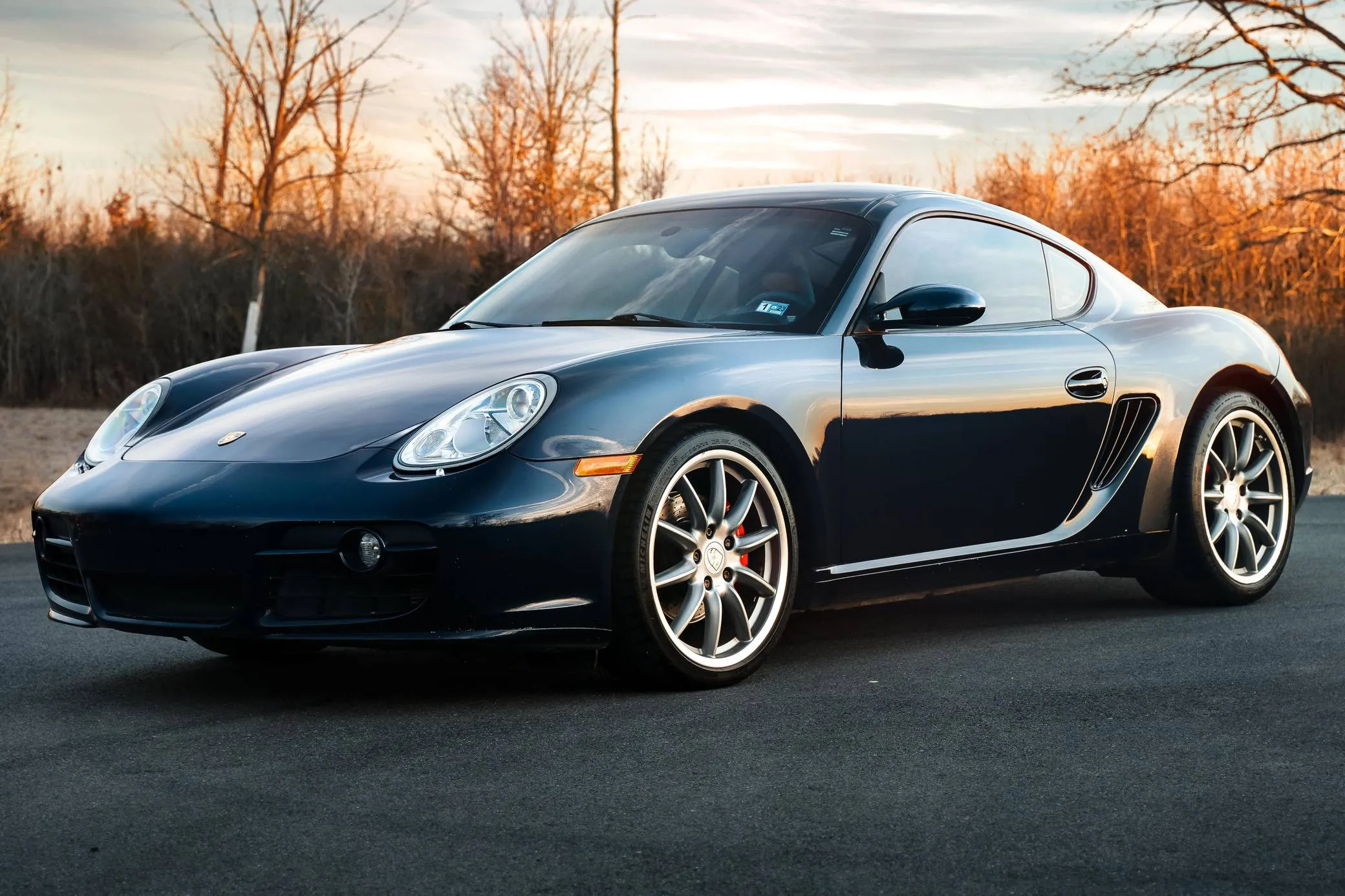
5. Porsche Cayman 987 2006-2012
The mid-engine design of the Porsche Cayman delivers a balance that few front-engine cars can achieve. With its weight perfectly centered, the car offers a sense of stability and precision that inspires confidence in every corner.
The handling feels natural and predictable, allowing the driver to define performance instead of being limited by the car’s setup.
This harmonious balance appeals to enthusiasts who value authenticity and control over electronic aids. When engineering aligns perfectly with physics, the result is a driving experience that feels pure and deeply rewarding.
Its naturally aspirated flat-six engine remains one of the Cayman’s most defining traits. Free from turbochargers, it revs eagerly and produces a sound that resonates with genuine character. Power delivery is smooth and linear, encouraging precise throttle use and rewarding skillful inputs.
The emotional connection it builds with the driver goes beyond simple performance figures. A car that sounds, feels, and responds this naturally earns lasting admiration from those who appreciate mechanical honesty.
Porsche’s renowned build quality ensures these cars retain their charm as time goes on. Solid construction and carefully chosen materials give even decade-old examples a sense of integrity that rarely fades.
Owners continue to enjoy the same tactile satisfaction years later, which keeps enthusiasm alive and reinforces pride of ownership. A well-maintained Cayman ages gracefully, remaining as engaging as it was when new.
The manual transmission option further strengthens its appeal. The six-speed gearbox offers crisp movement and a direct sense of control, making every drive interactive and personal. Buyers who choose it often prioritize involvement over convenience.
Because production numbers were modest compared to the 911, demand consistently outstrips supply. This balance of rarity, craftsmanship, and capability keeps resale prices strong. The 987 Cayman stands as one of Porsche’s most accessible yet genuinely thrilling driver’s cars.
Cars That Don’t Stay Desirable
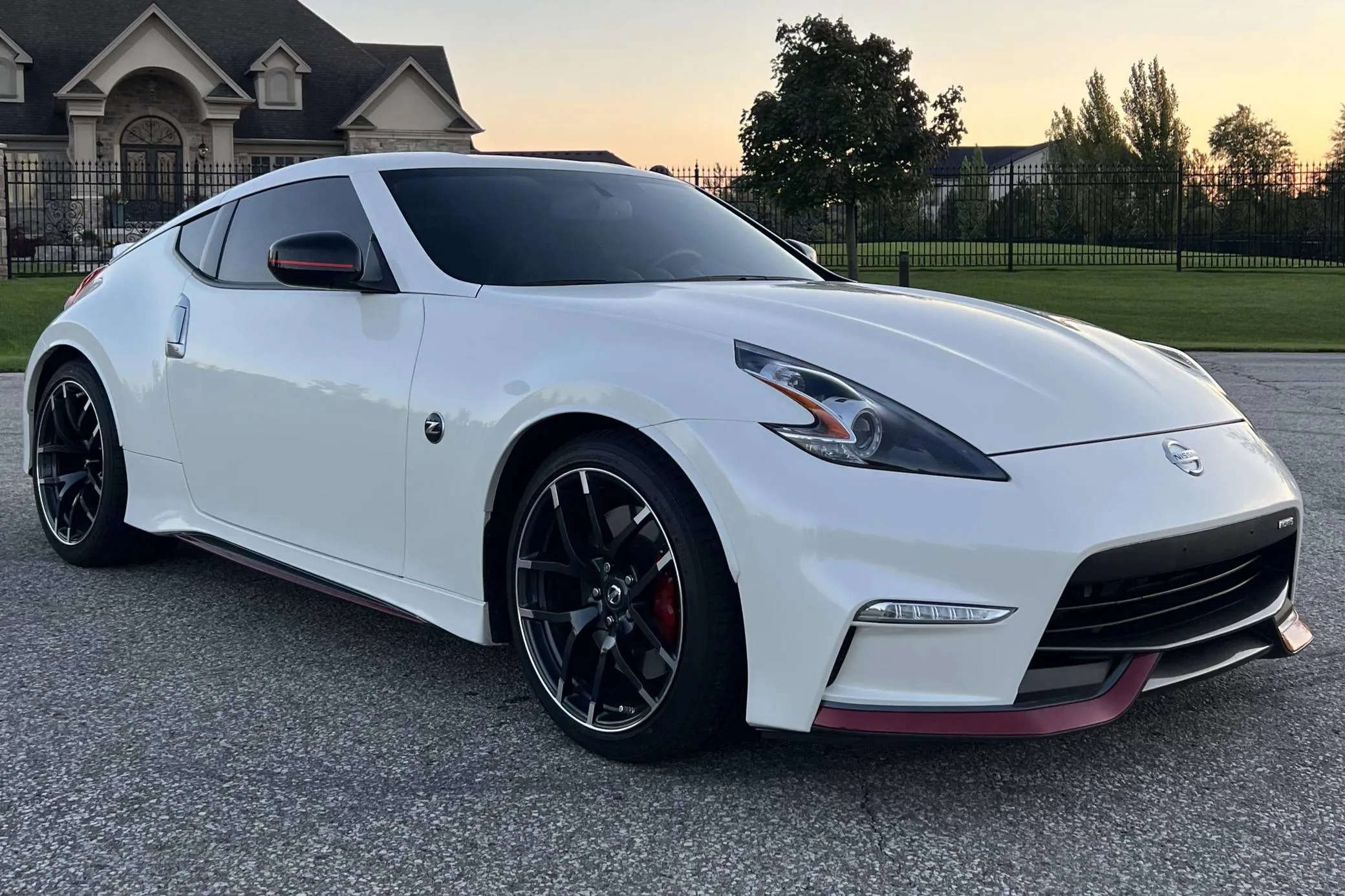
1. Nissan 370Z 2009-2020
The dated platform showed its age throughout production, never receiving updates that kept rivals fresh. That basic architecture from the 350Z generation meant the 370Z felt old even when new.
Competitors evolved while Nissan let this Z car stagnate, losing enthusiast interest through obsolescence. When cars stay static while rivals improve, enthusiasm drains as people recognize better alternatives exist. Stagnation kills desirability because nobody wants outdated products.
Interior quality is disappointing, with cheap materials and dated design throughout production. Hard plastics everywhere created a budget feel that didn’t match the pricing. Controls felt flimsy, and infotainment technology lagged years behind competitors.
This cheapness killed enthusiasm because cabins constantly reminded owners that they bought compromised products. When interiors feel like cost-cutting exercises, emotional connections never form, regardless of how cars drive.
VQ37VHR engine performance stayed adequate but never excited like it should. That motor produced reasonable power but lacked the character that stirs souls. Sound fell flat compared to competitors’ engines, and power delivery felt uninspiring.
This mechanical mediocrity prevented the emotional connections that maintain enthusiasm. When engines fail to excite, cars become appliances rather than objects of affection. Heavy-weight compromised handling that should have been a Z car strength. At nearly 1,500 kilograms, the 370Z felt porky and sluggish compared to lighter rivals.
This weight dulled responses and prevented the nimble feeling sports cars should provide. When cars feel heavy and slow to respond, driving engagement suffers and enthusiasm evaporates. Physics can’t be cheated, and excess weight always kills fun.
Values dropped steadily because used buyers recognized that better alternatives existed at every price point. Someone shopping $30,000 sports cars found Miatas, GT86s, and even Mustangs more appealing than outdated 370Zs.
This market rejection proved that enthusiasts didn’t value what Nissan offered. When depreciation hits hard, buyer interest evaporates because nobody wants rapidly depreciating assets.
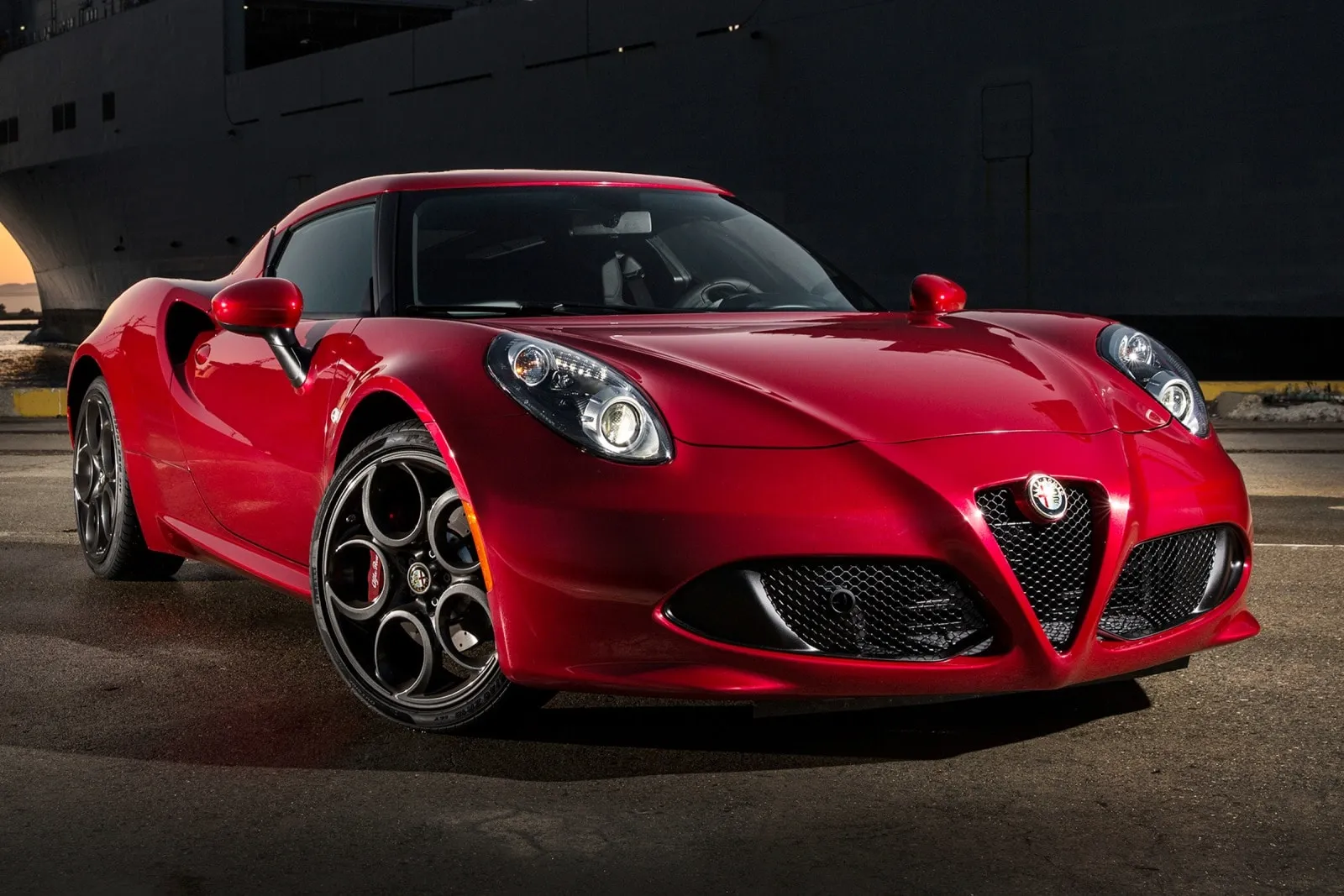
2. Alfa Romeo 4C 2014-2020
The Alfa Romeo 4C’s dramatic styling could not disguise its impractical nature. Built around a lightweight carbon-fiber chassis, it offered performance purity at the cost of comfort and usability. The absence of power steering made low-speed maneuvering exhausting, while limited insulation meant every vibration and sound reached the cabin.
Driving it daily felt more like endurance than enjoyment, appealing only to those willing to tolerate discomfort for design flair. When a vehicle values aesthetics over livability, genuine excitement fades quickly.
Its turbocharged four-cylinder engine added to the disappointment. Although power output was respectable, the sound and feel resembled that of an economy car rather than a passionate Italian sports machine. Buyers expecting an engine with exotic character found a powertrain lacking soul or excitement.
The mismatch between appearance and experience created frustration among enthusiasts seeking emotional connection. Without a distinctive engine note or refined delivery, the car failed to capture the aim of an Italian performance icon.
Reliability concerns further weakened confidence in the 4C. Early owners reported recurring electrical faults, mechanical hiccups, and uneven panel fitment. These flaws damaged Alfa Romeo’s credibility at a time when it was trying to rebuild its reputation.
As reports circulated, potential buyers grew wary, realizing ownership could mean constant trips to the workshop. For many, the idea of maintaining such a temperamental machine outweighed the appeal of owning something rare.
Practical limitations also narrowed its audience. A cramped interior, minimal storage, and punishing suspension made it unsuitable for daily use. The car became a weekend toy rather than a functional vehicle, restricting its relevance in the market.
As resale prices plunged, the 4C’s allure vanished. What began as a striking return to form ended as an expensive reminder that beauty alone cannot sustain long-term enthusiasm or value.
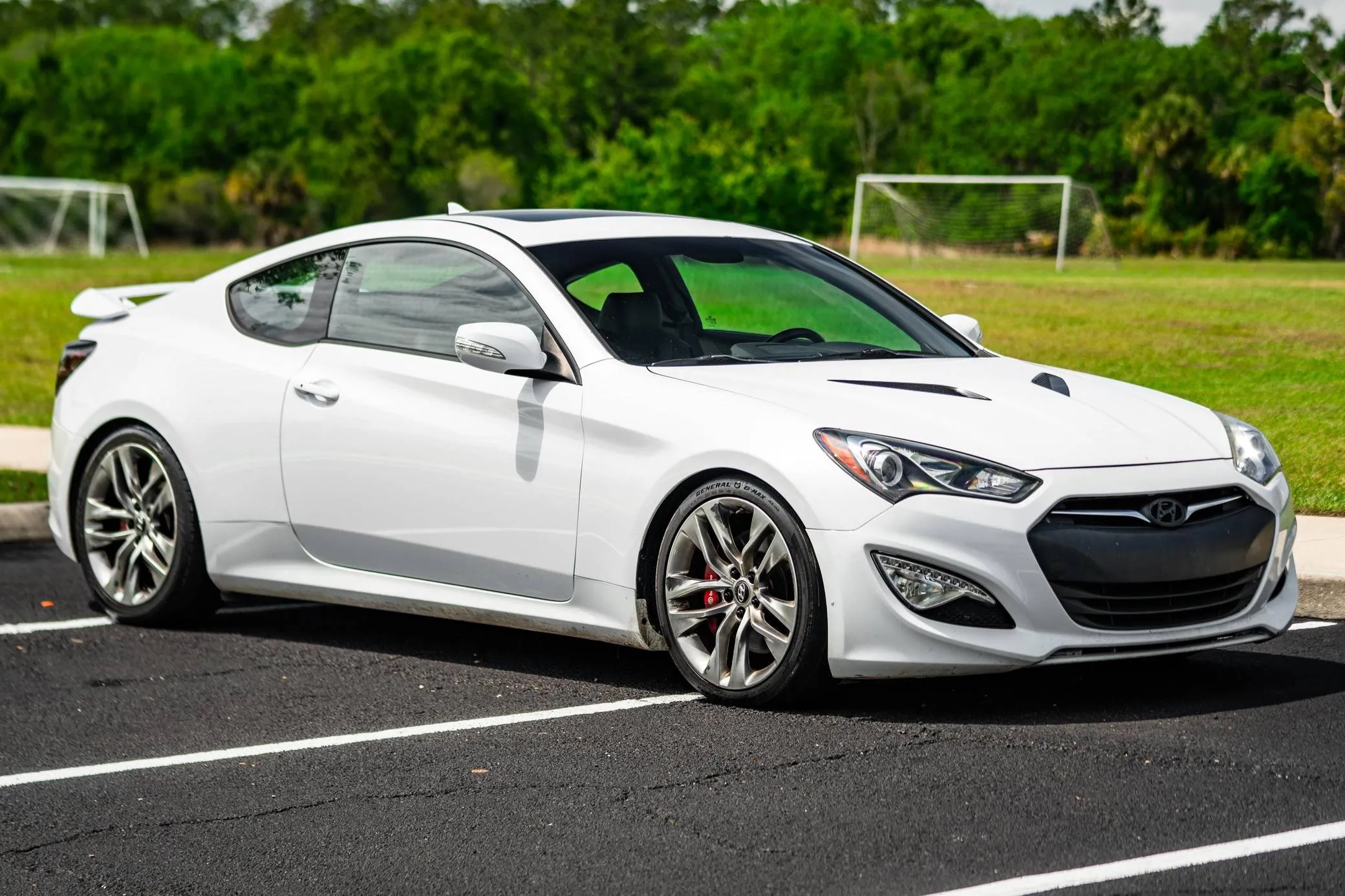
3. Hyundai Genesis Coupe 2013-2016
Korean brand prejudice prevented enthusiasts from taking these seriously as sports cars. Despite reasonable capability and decent value, badge snobbery killed interest. Buyers wanting sports cars chose established Japanese or European alternatives over Korean newcomers.
This prejudice proved impossible to overcome, regardless of actual product quality. When badges matter more than substance, inferior products from prestigious brands beat superior offerings from less-established makers.
The turbocharged four-cylinder engine lacked the character that enthusiasts expect from sports cars. That motor produced adequate power but felt and sounded generic. Buyers wanting emotional connections found nothing inspiring about characterless turbo fours.
This mechanical blandness prevented enthusiasm from developing even when performance proved adequate. When engines don’t stir emotions, cars become appliances rather than objects of passion.
Interior quality fell short of expectations with cheap materials and poor design. Hard plastics everywhere and dated technology created a budget feel that didn’t match sports car positioning.
This cheapness killed the pride of ownership because cabins constantly reminded owners that they bought compromised products. When interiors disappoint, enthusiasm erodes through constant negative reminders of penny-pinching.
Handling dynamics never reached levels that impressed driving enthusiasts. That chassis felt competent but never special, lacking the magic that makes cars memorable.
When driving experiences feel merely adequate rather than exceptional, enthusiasm never develops. People remember special cars, not competent ones. Genesis Coupes felt forgettable rather than memorable, preventing lasting enthusiasm.
Values dropped hard because nobody particularly wanted used Genesis Coupes. Market indifference reflected buyer recognition that better alternatives existed everywhere. This depreciation destroyed original owner equity while proving enthusiasts never really cared about these Hyundais.
When markets reject vehicles so completely, values crater and interest disappears entirely. Financial losses ensure nobody recommends these cars, killing future enthusiasm permanently.
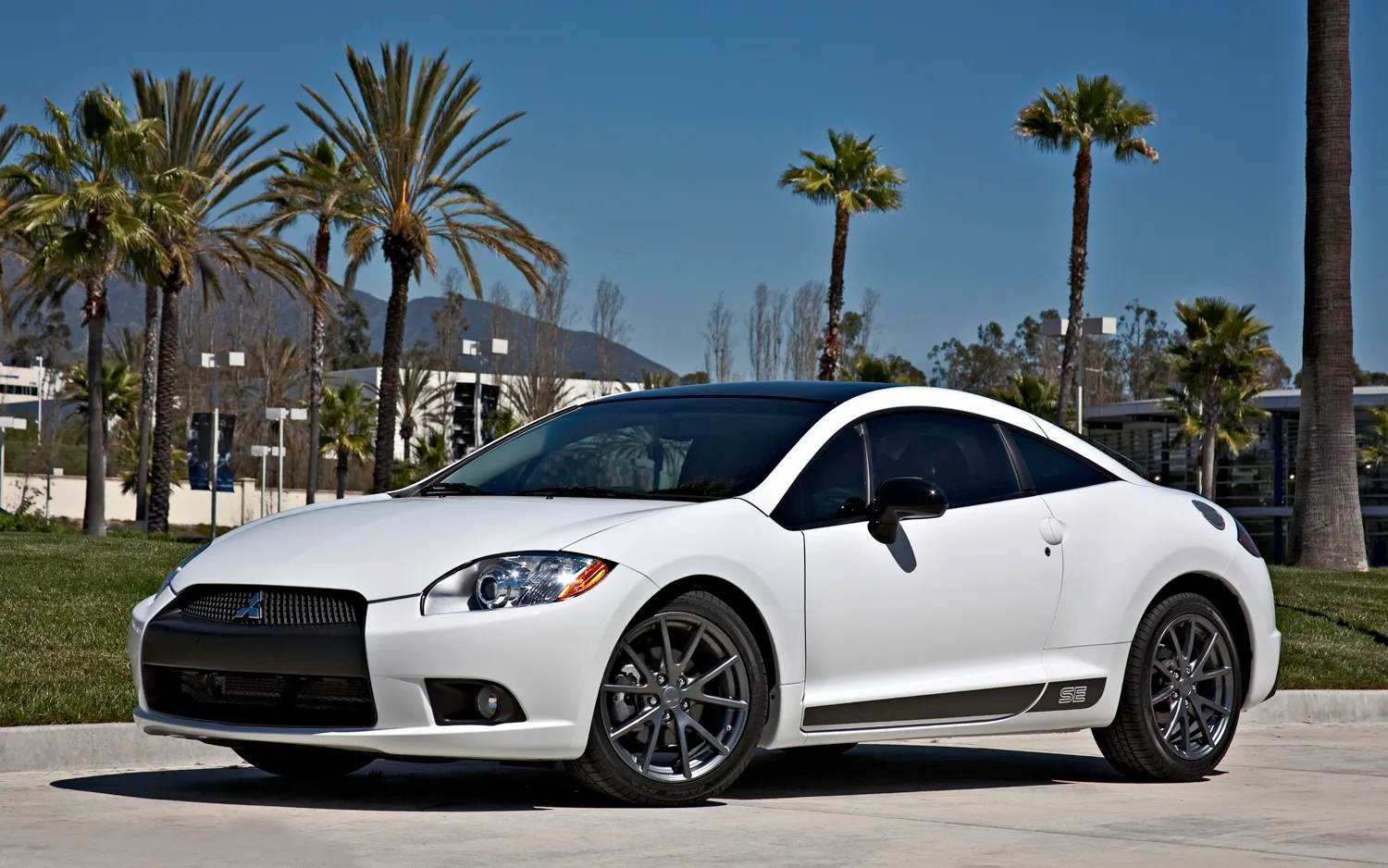
4. Mitsubishi Eclipse 2006-2012
The fourth generation of the Mitsubishi Eclipse marked a complete departure from what once defined the nameplate.
The transformation from a turbocharged, all-wheel-drive sports machine into a heavy front-wheel-drive coupe instantly drove away loyal fans. What had once been a sharp and exciting car became a dull imitation of its past self.
Mitsubishi seemed to forget the spirit that made earlier models memorable, and the result was a car that appealed to almost no one. Brand loyalty quickly faded because enthusiasts realized that the Eclipse name alone could not replace genuine performance and character.
The V6 engine in this model delivered enough power on paper but lacked excitement in practice. Its sound and response felt ordinary, more like a midsize commuter car than a sporty coupe.
Drivers searching for the thrill and connection of past Eclipses found an uninspired machine that did little to engage the senses. Numbers alone could not disguise the absence of personality, and the car’s emotional appeal vanished as a result.
Switching to front-wheel drive further weakened the driving experience. Gone were the balanced handling and lively dynamics of earlier generations.
Instead, torque steer and understeer took over, making the car feel clumsy in spirited driving. The chassis lacked the finesse and engagement expected of a performance car, turning what was once fun into something forgettable.
The interior did little to improve perception. Hard plastics, uninspired design, and dated technology gave the cabin the feel of a budget vehicle. For the price, buyers expected refinement and quality, not shortcuts and cost-cutting.
As word spread, the market responded harshly. Resale values plummeted, and used examples became difficult to sell. The Eclipse’s reputation collapsed as quickly as its prices, erasing decades of goodwill and leaving behind a legacy of disappointment and lost enthusiasm.
Also Read: 5 Cars From the 2010s Already Appreciating vs 5 Losing Fast
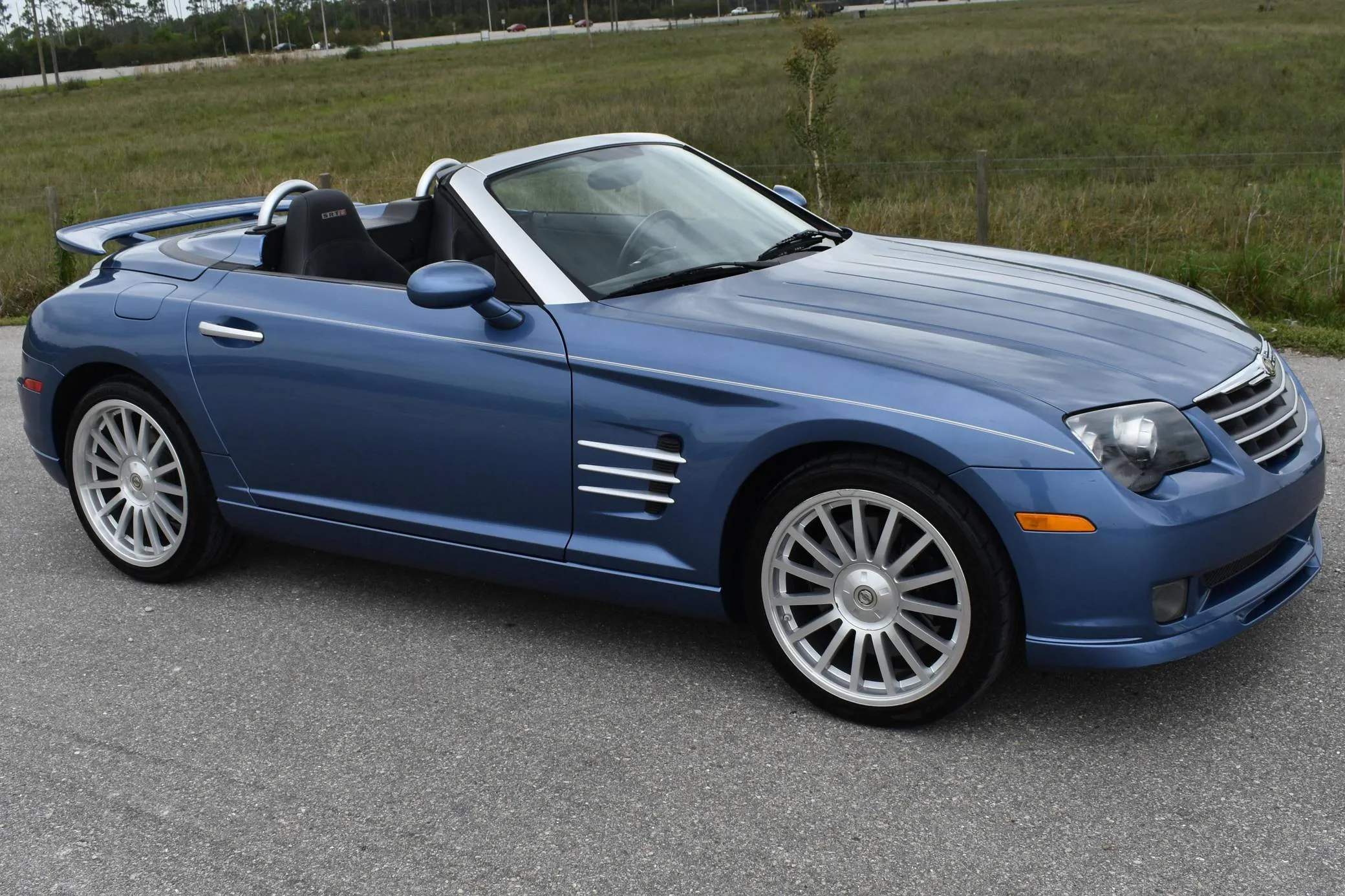
5. Chrysler Crossfire 2004-2008
Mercedes parts beneath Chrysler styling seemed clever until build quality disappointed buyers. That platform sharing with Mercedes SLK raised expectations Chrysler couldn’t meet. Poor assembly quality and various reliability issues destroyed confidence in German engineering claims.
When products fail to deliver on promises, enthusiasm turns to resentment. This disappointment killed interest as buyers recognized they’d been sold compromised products. Styling aged poorly with design cues that looked dated within years.
That retro-modern aesthetic seemed clever initially, but quickly appeared ridiculous. Cars that looked interesting in 2004 looked silly by 2010, destroying any lasting appeal. When styling ages badly, cars become embarrassments rather than sources of pride. Nobody wants to drive vehicles that announce poor taste, killing enthusiasm permanently.
Performance proved merely adequate rather than exciting despite sports car pretensions. That V6 engine provided reasonable power but zero character or soul. Handling felt competent but never special, lacking the magic that creates lasting enthusiasm.
This mechanical mediocrity prevented emotional connections from forming despite adequate capability. When cars feel forgettable rather than special, enthusiasm never develops, regardless of specifications. Limited practicality with tiny trunks and awkward ergonomics frustrated daily use.
That styling-focused design sacrificed usability, creating vehicles that looked interesting but functioned poorly. Buyers discovered their sporty coupes couldn’t handle basic transportation needs, leading to quick sales. When cars can’t serve practical roles, ownership becomes burdensome rather than joyful. This impracticality severely limited the appeal.
Values crashed hard because nobody wanted compromised Chrysler/Mercedes hybrids. Market rejection reflected buyer recognition that Crossfires delivered neither American value nor German quality.
This depreciation bomb destroyed original owner equity while proving enthusiasts never cared about these confused coupes. When values crater this badly, interest disappears completely. Financial losses and product disappointment killed Crossfire’s enthusiasm immediately and permanently.
