
Some vehicles capture attention effortlessly, seeming perfectly balanced no matter where you look. Their shapes feel natural, every curve and line working together in harmony, creating designs that stay appealing long after new models arrive.
Then some cars appear as if multiple designers worked separately without coordination, resulting in shapes that feel disjointed and awkward. These vehicles often look clumsy in photos and lose their charm quickly with time.
A car’s proportions play the biggest role in defining its beauty. The relationship between its wheelbase and overhangs, roof height, and body width, and how panels connect, determines whether it feels athletic, elegant, or unrefined.
When these elements align, the result is a timeless design that remains visually pleasing regardless of passing trends. When they don’t, even an expensive badge cannot disguise the imbalance, and the car’s appeal fades almost instantly.
Good proportions are not limited to high-end models. Many budget-friendly cars display far more visual balance than certain luxury vehicles.
True design success comes from achieving natural coherence, where every measurement works together effortlessly. Such harmony doesn’t need defending; it simply looks right to the human eye.
Poor proportioning leads to vehicles that feel uncomfortable to look at. Oversized bodies on undersized wheels, uneven rooflines, or stretched overhangs all create the sense that something is not quite right. These missteps often overshadow otherwise capable engineering and leave buyers feeling disconnected from the design.
In this discussion, we will go through ten examples that represent both sides of automotive aesthetics. Five models show how great proportions create enduring visual appeal, while the others reveal how mismatched design elements can ruin even promising concepts. Recognizing these contrasts helps enthusiasts choose cars that remain pleasing to the eye for years of ownership.
Cars With Perfect Proportions
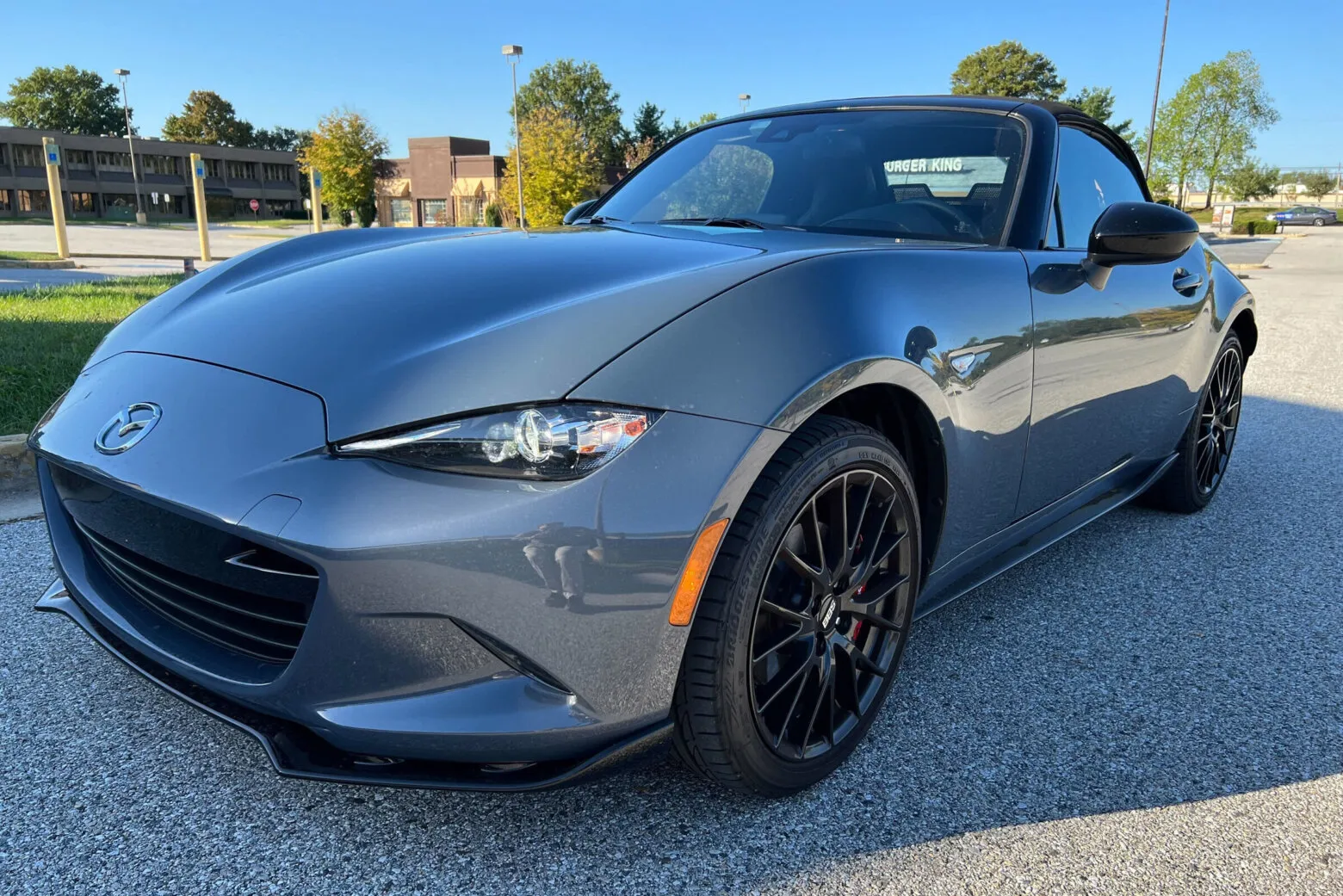
1. Mazda MX-5 Miata Club (2016-2024)
The fourth-generation Mazda Miata captures the aim of traditional sports car design while presenting it through a contemporary lens. Its long hood and compact rear deck achieve visual harmony that few modern cars can match. Even when parked beside high-priced exotics, the Miata maintains its charm because its proportions are inherently correct and timeless.
The way the wheels sit at the very corners of the car gives it an ideal stance. This layout not only enhances stability but also contributes to its athletic appearance. The short overhangs and well-positioned wheelbase make the car seem taut and ready for motion from every viewpoint, proving that effective design can convey performance without relying on flashy add-ons.
Mazda’s careful attention to the roofline shows how thoughtful proportioning can blend form with comfort. The height is low enough to emphasize sportiness yet not so low that it sacrifices practicality. Every surface flows naturally into the next, with the hood, doors, and rear section all balanced perfectly. Each panel complements the other so seamlessly that no single feature dominates the design.
Viewed from the side, the Miata’s silhouette feels effortless and pure. Gentle character lines bring definition without clutter, and the relationship between the beltline, wheels, and cabin appears deliberate and refined. The car’s compact body uses every inch effectively, avoiding unnecessary bulk or exaggeration.
Wheel sizing is executed with precision, achieving a perfect visual balance that enhances the car’s grounded look. Whether the top is raised or folded, the shape remains cohesive, retaining its graceful proportions in both forms.
What truly distinguishes the Miata is Mazda’s refusal to distort its classic formula. By focusing on proportion, simplicity, and balance rather than excess, the design achieves a timeless beauty that continues to appeal across generations.
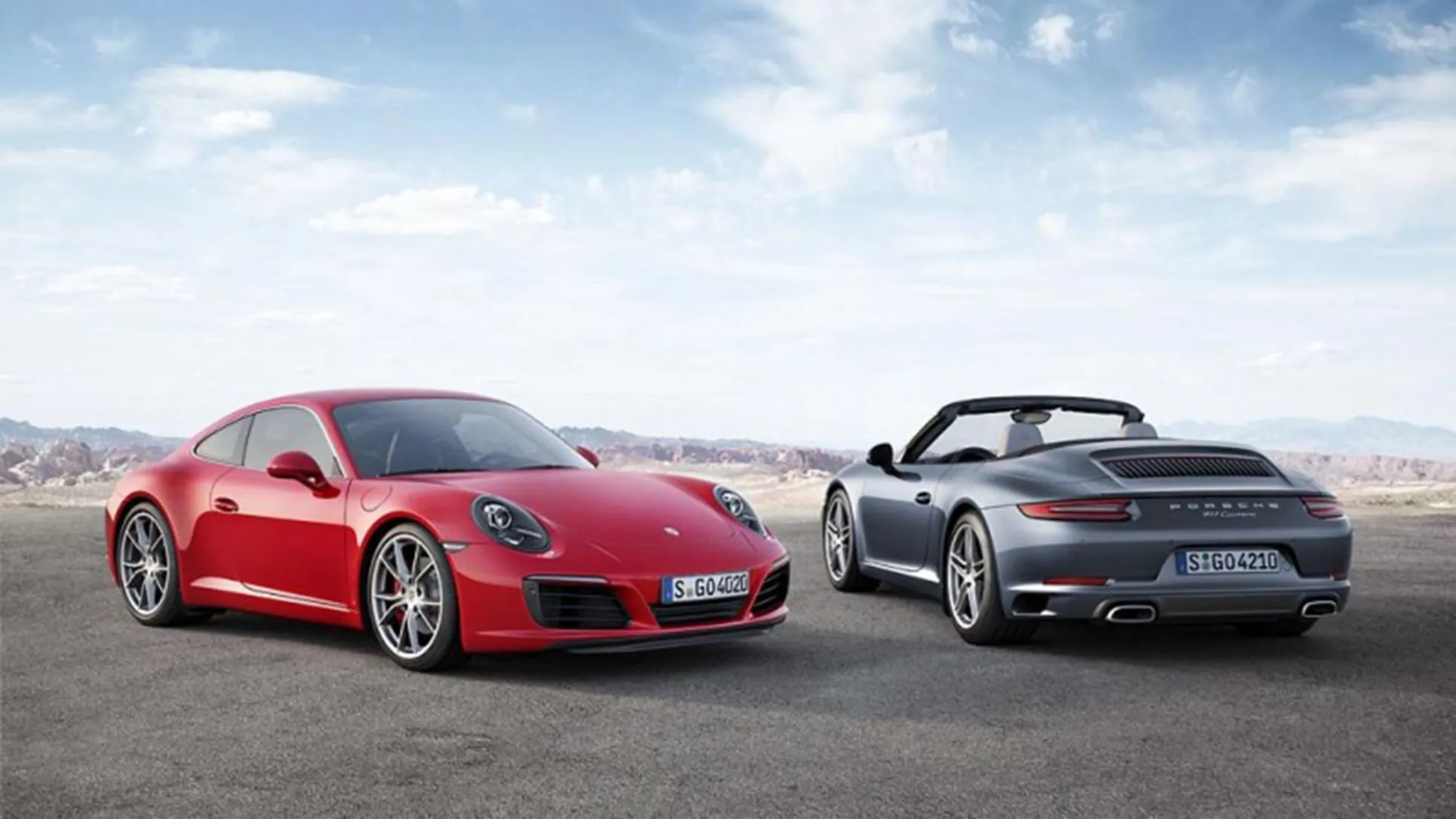
2. Porsche 911 Carrera (2012-2019)
Evolutionary design preserves proportions perfected over decades. These 991-generation 911s demonstrate how getting fundamentals right creates vehicles that remain attractive indefinitely. Rear-engine layouts create unique shapes that somehow work beautifully despite defying conventional wisdom about vehicle architecture.
Long wheelbase relative to compact overhangs creates visual stability and purpose. Wheels positioned at extremes maximize stance while minimizing wasted space. This efficiency communicates performance credibility through pure proportion rather than aggressive styling elements.
Roofline arc is absolutely perfect, sloping gradually from windscreen to rear without awkward kinks or breaks. This smooth progression creates elegant profiles that photograph beautifully from any angle. Height relates properly to width, creating low-slung appearances without sacrificing interior space unreasonably.
Rear fender flares are perfectly sized relative to front fenders, creating visual balance that anchors designs beautifully. Width increases rearward naturally, communicating rear-engine layouts through pure shape. Nothing appears exaggerated or cartoonish despite substantial rear track widths.
Side profile showcases design maturity rare in modern vehicles. Clean lines without excessive detailing. Proportions that speak for themselves without requiring embellishment. Everything flows naturally from front to rear, creating timeless elegance that ages gracefully.
Front and rear overhangs are minimal despite accommodating luggage compartments at both ends. This efficiency maximizes wheelbase within the entire length, creating visual tightness that communicates purpose and performance. Nothing appears unnecessary or tacked on.
Wheel sizes relate perfectly to body mass regardless of specific options. Base wheels look appropriate. Larger optional wheels enhance without overwhelming. This flexibility demonstrates fundamentally sound proportions that work across variations.
Greenhouse size and positioning are perfect relative to body mass. Not too small, which would appear claustrophobic. Not too large, which would look ungainly. Goldilocks sizing creates a balance between sportiness and usability that few achieve.
What makes these 911s special is Porsche’s refusal to dramatically alter proportions that work perfectly. Evolutionary improvements maintain fundamental correctness that creates vehicles that remain attractive across generations.
Also Read: 10 Best Cars For Ride-share Drivers in 2025 To Hit 300,000 Miles
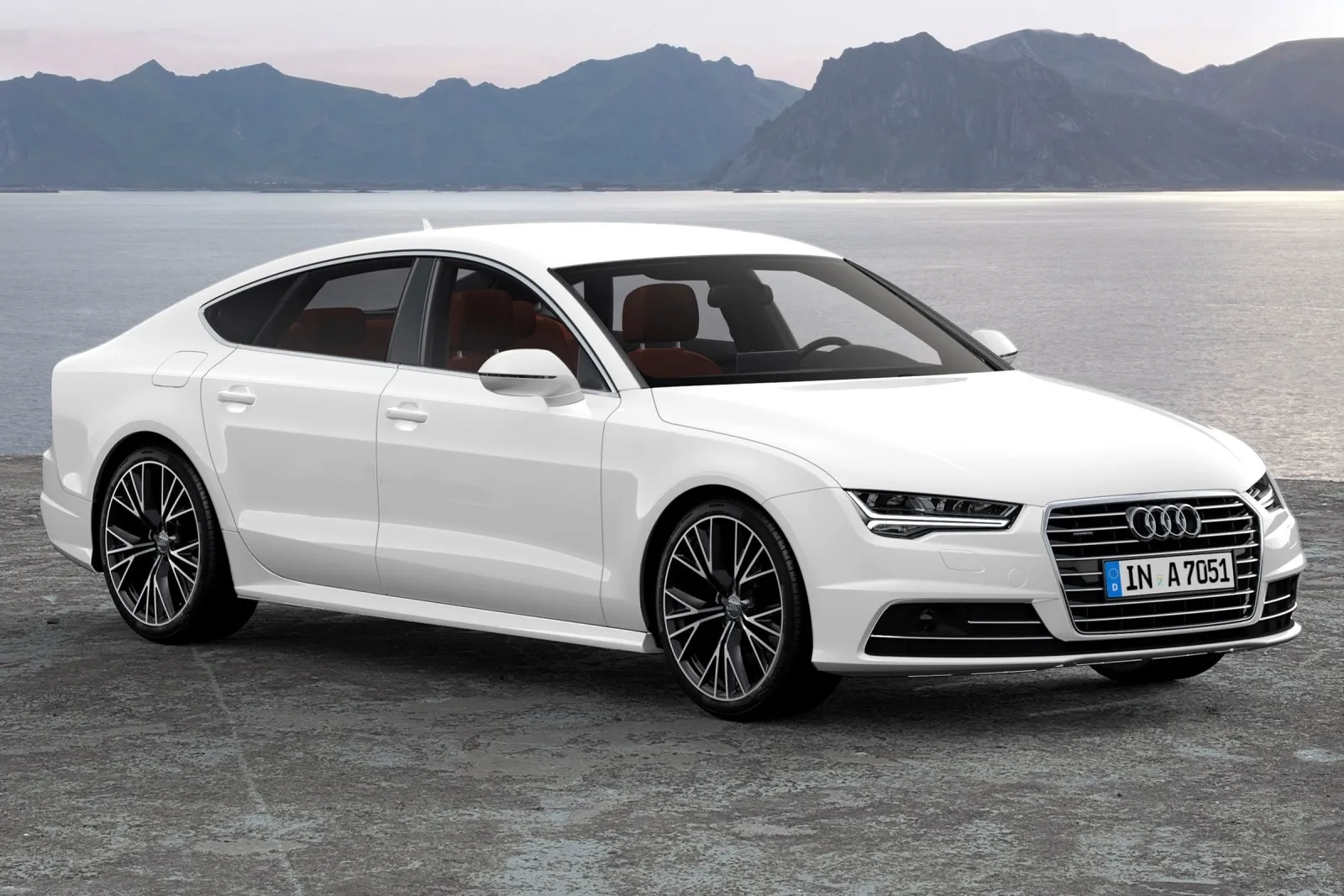
3. Audi A7 Sportback (2012-2018)
Many fastback sedans struggle to find harmony in their styling, but the first-generation Audi A7 manages to achieve it effortlessly. Its long hood, flowing roofline, and precise wheel placement come together to form a silhouette that feels unified and graceful rather than forced.
The design captures the spirit of a coupe while preserving the practicality of a sedan, proving that proportion and restraint can create true sophistication. The balance between the wheelbase and the whole body length gives the car a grounded, purposeful stance.
With the wheels pushed out toward the corners, the A7 avoids the tucked-in look that often weakens similar designs. This placement not only enhances its poise on the road but also communicates strength through simple geometry rather than excessive styling.
The roofline flows in a continuous curve from the windshield to the rear, avoiding the sharp drops or awkward breaks that ruin other fastbacks. The height and width align perfectly, giving the car a low, wide posture that looks athletic without sacrificing interior space.
From the side, the A7’s proportions feel deliberate and balanced, with a clean character line connecting front to rear and creating a sense of visual motion. Both the front and rear overhangs are measured carefully, keeping the shape compact while maintaining hatchback practicality.
Wheel sizes complement the body rather than overpower it, maintaining harmony across all trim levels. The greenhouse, the glassed-in portion of the cabin, strikes the right balance between sleekness and visibility, giving the car elegance without claustrophobia.
Even the door lengths and panel relationships feel just right. Nothing appears exaggerated or minimized. What truly sets the A7 apart from rivals is Audi’s mastery of proportion and cohesion, resulting in a fastback sedan that remains visually timeless and beautifully resolved.
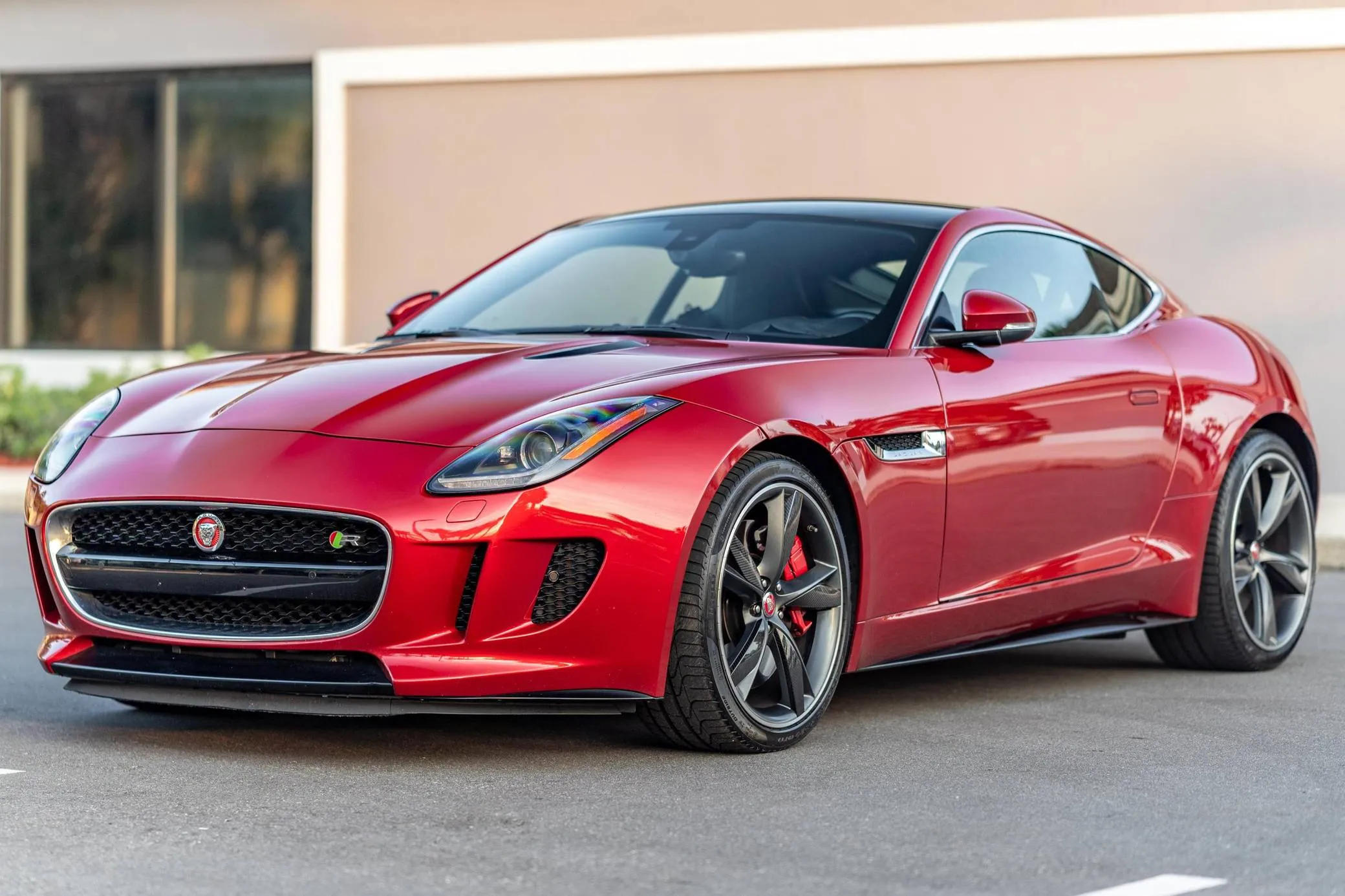
4. Jaguar F-Type R (2014-2020)
British sports car tradition meets modern execution in these gorgeous coupes and convertibles. Short wheelbase, long bonnet, and perfect wheel positioning create proportions that channel classic sports cars while feeling thoroughly contemporary. Every angle reveals thoughtful design prioritizing visual correctness.
The wheelbase is compact but perfectly sized for two-seat sports cars. Wheels push to corners, maximizing stance within a short length. This positioning creates visual purpose and aggression through pure proportion rather than styling gimmicks.
Bonnet length is absolutely perfect, communicating front-engine layouts while creating elegant profiles. Not so long that it appears exaggerated. Not so short that it looks economy-focused. Goldilocks sizing creates a balance between aesthetics and packaging.
Roofline height and arc are perfect for sports coupes. Low enough to appear purposeful without looking comically squashed. High enough to accommodate humans comfortably. Slope progresses naturally from windscreen to rear without awkward kinks.
Side profile is genuinely stunning with character lines adding interest without busyness. Belt line positions perfectly relative to wheels and ground. Everything flows naturally from front to rear, creating smooth progressions that please eyes instinctively.
Front and rear overhangs are minimal, maximizing wheelbase efficiency. Nothing appears tacked on or unnecessary. Every millimetre serves aesthetic and functional purposes simultaneously.
Wheel sizes are perfect relative to body mass. Not too large, which would appear cartoonish. Not too small, which would look cheap. Goldilocks sizing anchors designs beautifully without overwhelming other elements.
Convertible operation doesn’t compromise proportions. Open configurations reveal proper windscreen positioning and rollbar integration. Closed profiles maintain coupe sleekness. This versatility demonstrates thoughtful design considering both configurations equally.
What makes these F-Types special is Jaguar’s commitment to sports car proportions without compromise. They created genuinely beautiful vehicles that satisfy visually regardless of the mechanical specifications underneath.
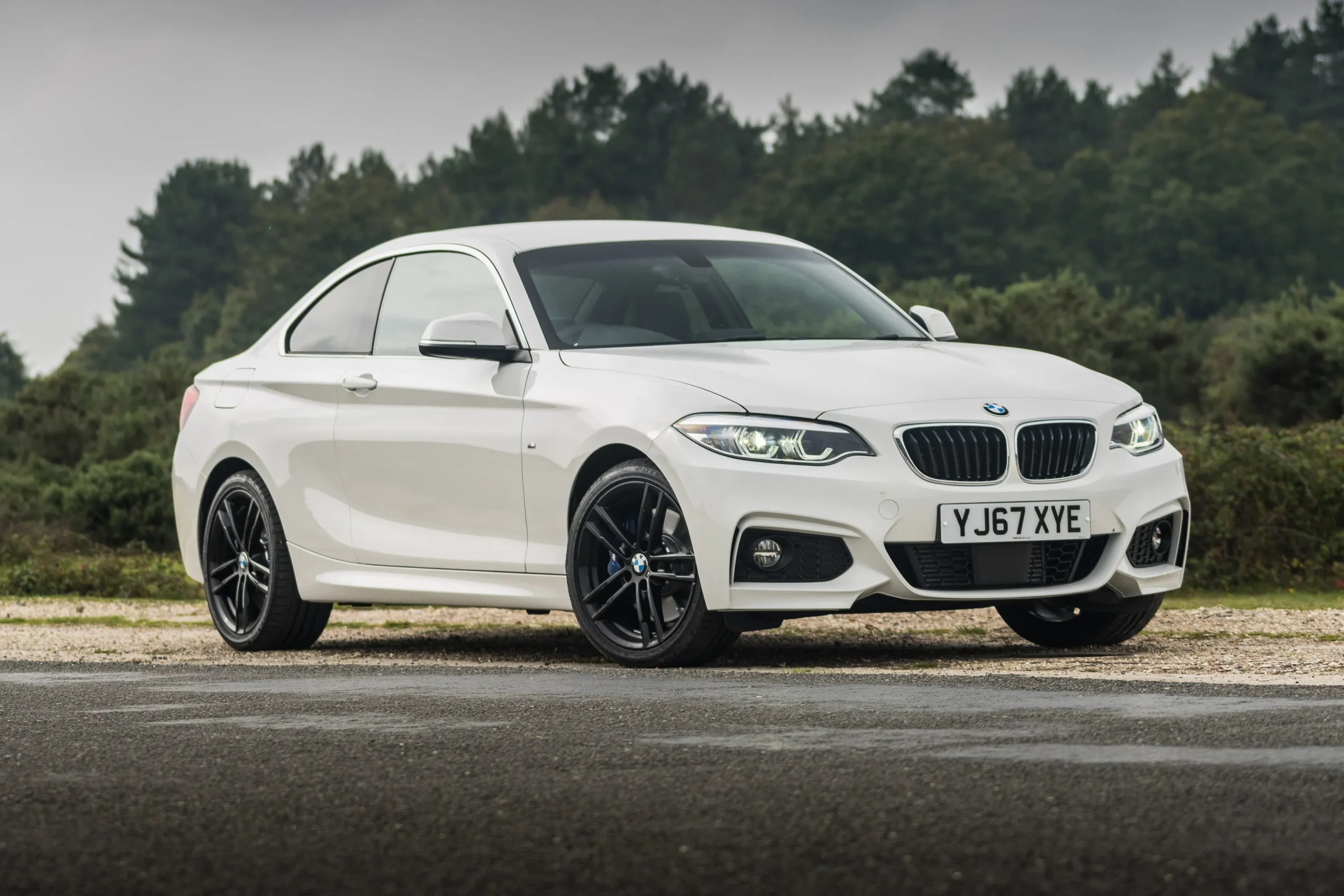
5. BMW 2 Series Coupe (2014-2021)
When the proportions are right, compact coupes achieve a sense of design honesty that few other body styles can match. The first-generation BMW 2 Series is a clear example of how small cars can look refined and balanced when every dimension is carefully considered. Each surface flows naturally into the next, producing a unified shape that feels both sporty and timeless despite its modest size.
The short wheelbase suits the two-door form perfectly, while the wheels positioned close to the corners give the car a planted and confident stance. This setup not only enhances its appearance but also reinforces its athletic character. The roofline follows a graceful curve from the windshield to the tail, maintaining an ideal balance between low-slung sportiness and real-world comfort.
Viewed from the side, the 2 Series embodies clean simplicity. Its surfaces are smooth, with subtle contours that avoid unnecessary drama. The hood length feels just right, long enough to suggest a front-engine setup but never stretched to exaggeration. Both front and rear overhangs are neatly trimmed, giving the car a compact, efficient look that speaks to precise engineering rather than cost-cutting.
Wheel choices complement the car’s proportions across all versions, from base trims to M Performance models. Nothing feels out of scale, and every configuration retains the car’s visual harmony. Even door sizing has been carefully considered, providing ease of access without upsetting the coupe’s compact balance.
What truly distinguishes these early 2 Series coupes is BMW’s discipline in preserving small-car elegance. Instead of mimicking the inflated dimensions of larger models, the brand perfected proportion and restraint.
The result is a compact vehicle that feels cohesive, athletic, and genuinely beautiful a reminder that thoughtful design doesn’t depend on size but on precision and proportion.
Cars That Miss the Mark
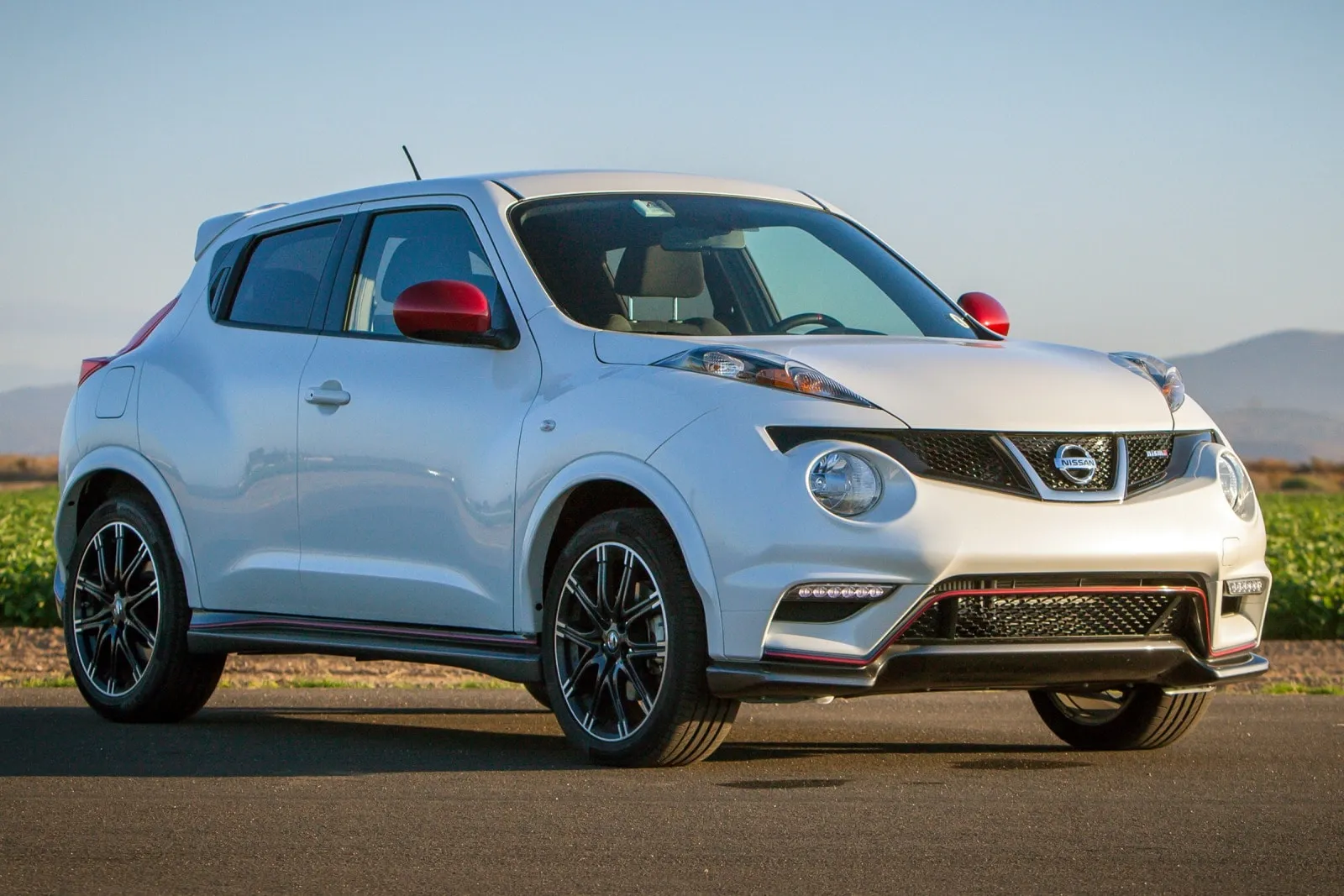
1. Nissan Juke SV (2011-2017)
Proportional disasters rarely appear as dramatic as first-generation Jukes. High rooflines combined with stubby wheelbases create vehicles that appear awkwardly tall and narrow. Wheels tucked inward look too small for bulbous bodies. Everything combines to create visual messes that photograph terribly from every angle.
The wheelbase is far too short relative to the entire height, creating a top-heavy appearances that communicate instability visually. Wheels positioned too far inward rather than pushing to the corners, making these Jukes appear narrow-track despite actual dimensions. This awkwardness destroys any visual appeal immediately.
Roofline sits far too high relative to vehicle length, creating disproportionate relationships that appear ungainly. Greenhouses are too large relative to body mass. Everything looks like designers prioritized interior space without considering exterior aesthetics whatsoever.
Side profile reveals awkward proportions clearly. Beltline sits too high, making doors appear like afterthoughts. Wheels look too small for the bodies they’re meant to support. Character lines are busy and confused, adding visual clutter rather than interest.
The front overhang appears excessive despite the compact entire length. Rear overhang is stubby, creating an imbalance between ends. Nothing flows naturally or creates visual harmony. Wheel sizes are woefully inadequate for body mass. Even larger optional wheels appear undersized.
This mismatch makes these Jukes look like toys rather than serious vehicles. Greenhouse proportions are terrible, appearing too large and too tall. Windows are awkwardly shaped. Pillars are strangely positioned. Nothing works together visually.
Door proportions are odd, appearing too tall and too narrow. Opening shapes are awkward. Everything about these Jukes communicates confused design thinking that prioritized function without considering form.
What makes these Jukes proportional nightmares is Nissan’s complete failure to balance dimensions. They created vehicles that work functionally but fail aesthetically through fundamental proportional mistakes that photography can’t hide.
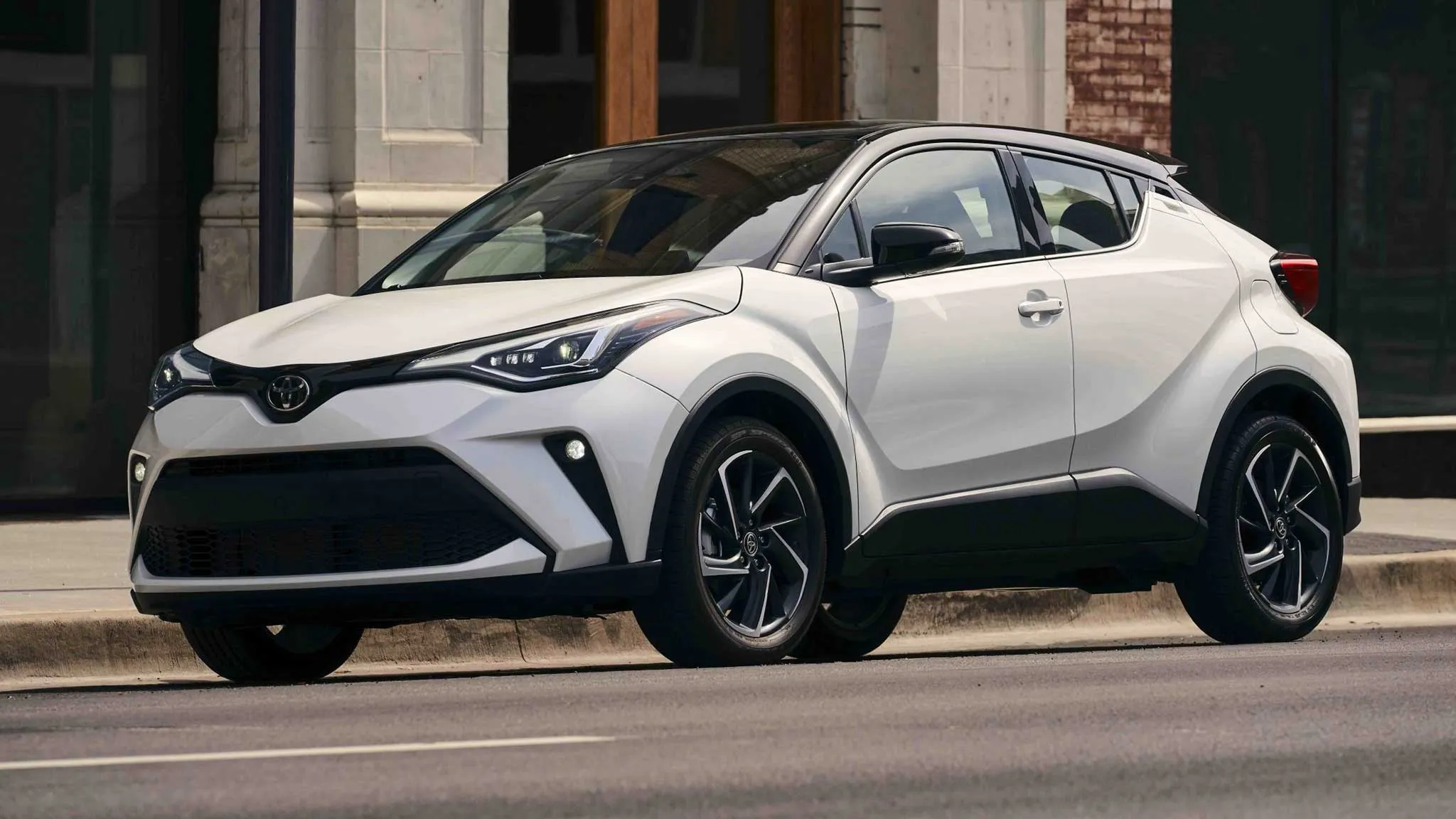
2. Toyota C-HR XLE (2018-2023)
Aggressive styling can’t overcome proportional problems plaguing these compact crossovers. High rooflines combined with pinched windows create awkward relationships. Wheels appear too small for bulbous bodies.
Busy styling attempts to distract from fundamental proportional issues but fails. The wheelbase is adequate but the wheel position is oddly relative to body mass. Nothing appears planted or stable. Visual weight distribution seems wrong despite the actual engineering underneath.
Roofline height is excessive relative to vehicle length and wheelbase, creating disproportionate appearances. Greenhouses are oddly shaped with windows that appear like gun slits rather than providing proper visibility or attractive proportions.
The side profile is busy with character lines attempting to add interest, but actually creating visual chaos. Nothing flows naturally. Everything appears disjointed and confused. Proportions are simply wrong at fundamental levels.
Front and rear overhangs seem arbitrary rather than purposeful. Nothing balances properly between ends. Visual weight distribution appears wrong from every angle. Wheel sizes are inadequate for body mass. Even larger optional wheels appear undersized. This mismatch makes these C-HRs look ungainly and poorly proportioned.
The greenhouse shape is awkward with rear windows that are ridiculously small. Pillars are strangely positioned. Everything about window treatments appears like an afterthought rather than an integrated design element. Door proportions are odd, particularly rear doors, which appear too small for accessing rear seats comfortably. Everything communicates confused priorities.
What makes these C-HRs’ proportional failures is Toyota’s attempt to create distinctive styling without establishing sound fundamental proportions first. Results are vehicles that look awkward regardless of how much styling gets layered on top.
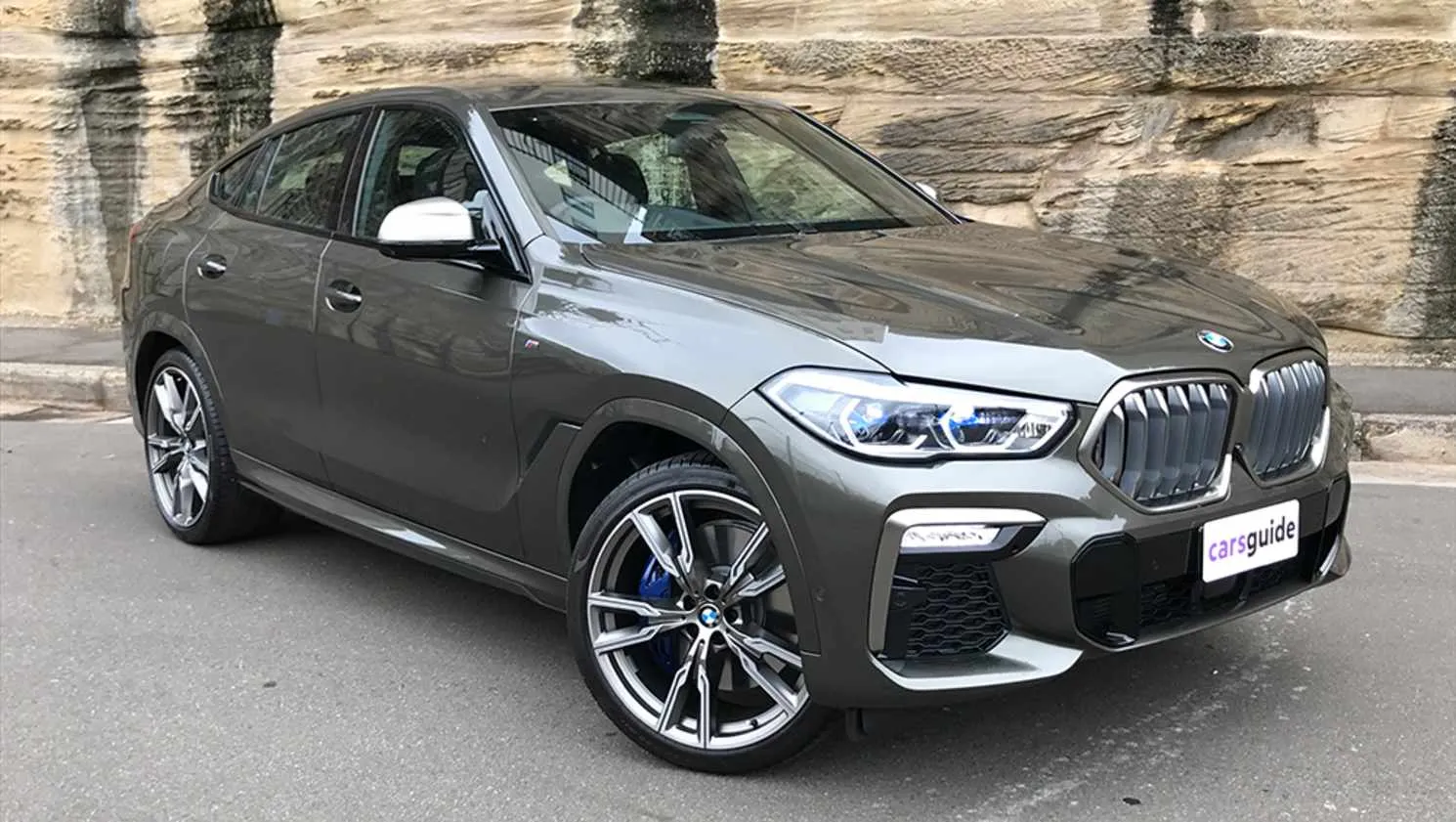
3. BMW X6 M50i (2020-2023)
Blending the coupe’s sleek form with the bulk of an SUV has always been difficult, and the third-generation BMW X6 shows just how easily that balance can go wrong. The sloping roofline clashes with the vehicle’s tall stance, resulting in a shape that feels confused and unsettled. Even with enormous wheels, the proportions seem off, as if each design element belongs to a different vehicle altogether.
The entire wheelbase is sufficient, but the mix of coupe angles and SUV dimensions undermines harmony. The roofline plunges too sharply for the body’s height, leaving the silhouette looking uncertain of its identity.
Instead of projecting elegance or strength, it falls somewhere in between, achieving neither. From the side, the beltline and window shape create a compressed, top-heavy impression, and the design never feels naturally resolved.
Although the physical dimensions may be within normal limits, the overhangs appear exaggerated, upsetting the visual balance. The car seems weighed down in the wrong places, lacking the grounded stability that defines good proportions. Oversized wheels fail to help, appearing too small against the bulky frame and highlighting the awkward stance.
The window area, particularly at the rear, feels uncomfortably small, diminishing visibility and making the cabin claustrophobic. Rear passengers lose both space and comfort for the sake of styling that doesn’t succeed. Door sizing feels inconsistent, especially in the back, where access looks compromised. Every angle suggests a tug-of-war between form and function, with no clear winner.
The X6’s biggest flaw lies in trying to merge two conflicting ideas. BMW’s effort to turn an SUV into a coupe produces a shape that lacks grace and utility. Rather than achieving dual appeal, it creates a design that seems perpetually undecided, leaving both enthusiasts and drivers unsatisfied.
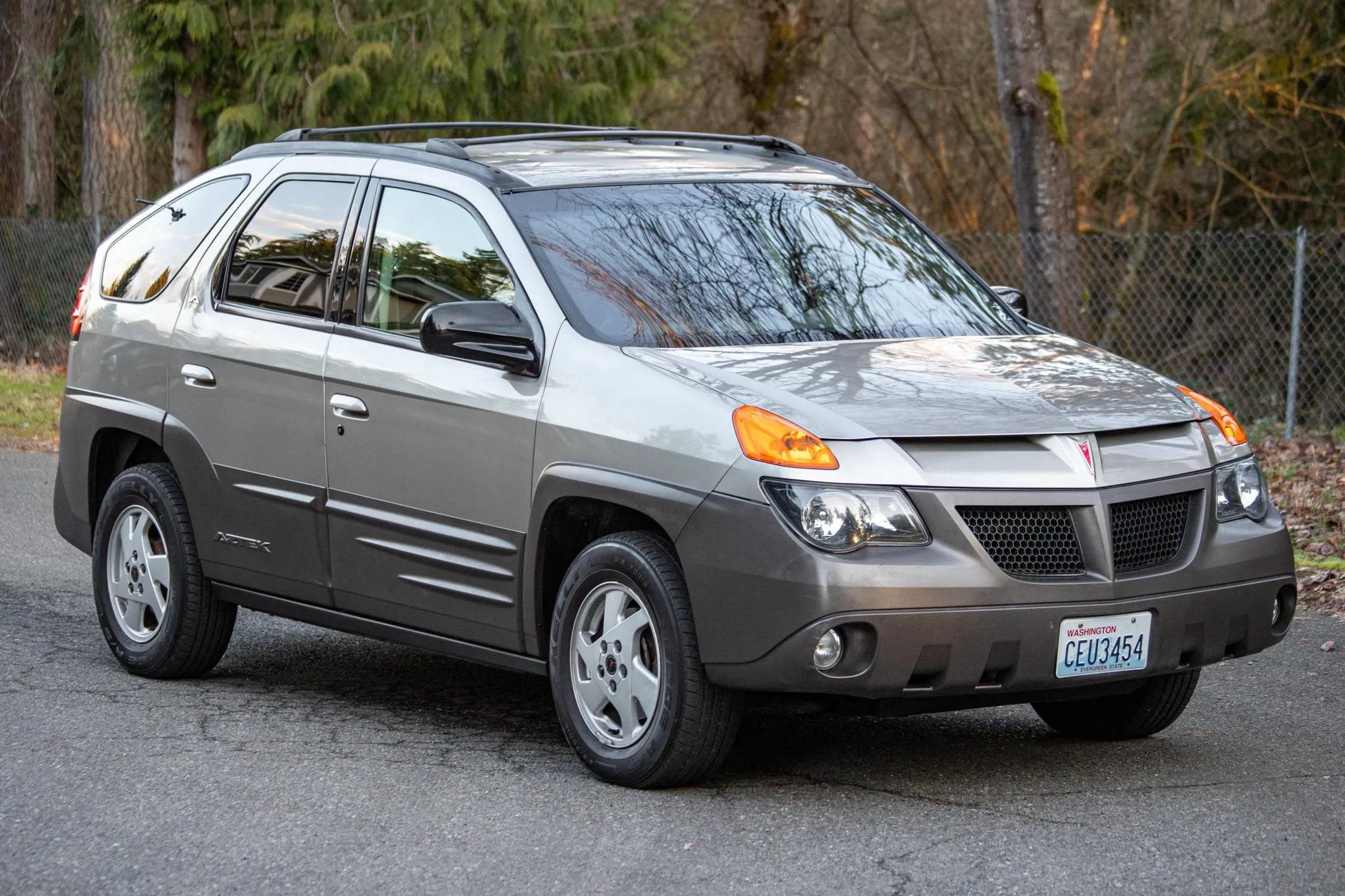
4. Pontiac Aztek GT (2001-2005)
Legendary proportional disasters rarely match the Azteks. Bulbous bodies combined with odd window shapes create vehicles that appear to have been designed by committees without communication. Everything looks wrong from every angle, creating instant automotive punchlines that photography only emphasizes.
The wheelbase is adequate, but the wheels appear tiny relative to the bulbous body mass. Nothing looks planted or stable. Visual proportions are simply wrong at fundamental levels that styling can’t fix.
Roofline height is excessive and oddly shaped. Greenhouse proportions are terrible with windows that appear randomly sized and positioned. Nothing flows naturally or creates visual harmony.
Side profile reveals design chaos clearly. Character lines are confused and busy. Nothing relates properly to the surrounding elements. Proportions are fundamentally wrong in ways that create instant visual rejection.
Front and rear overhangs are oddly sized, creating an imbalance. Nothing appears purposeful or well-considered. Everything looks like a compromise without clear reasoning. Wheel sizes are woefully inadequate for body mass. Even this mismatch is obvious and detrimental to any visual appeal.
The greenhouse shape is terrible, with windows that appear like afterthoughts. Pillars are oddly positioned. Everything communicates confused design thinking. Door proportions are strange with openings that don’t relate properly to passenger access or visual harmony. Everything about the Aztecs screams design failure.
What makes Azteks proportional nightmares is Pontiac’s complete failure to establish sound fundamentals before layering on styling. Results became automotive punchlines that photography emphasizes rather than flatters.
Also Read: 10 Cars That Don’t Chew Through Wheel Bearings
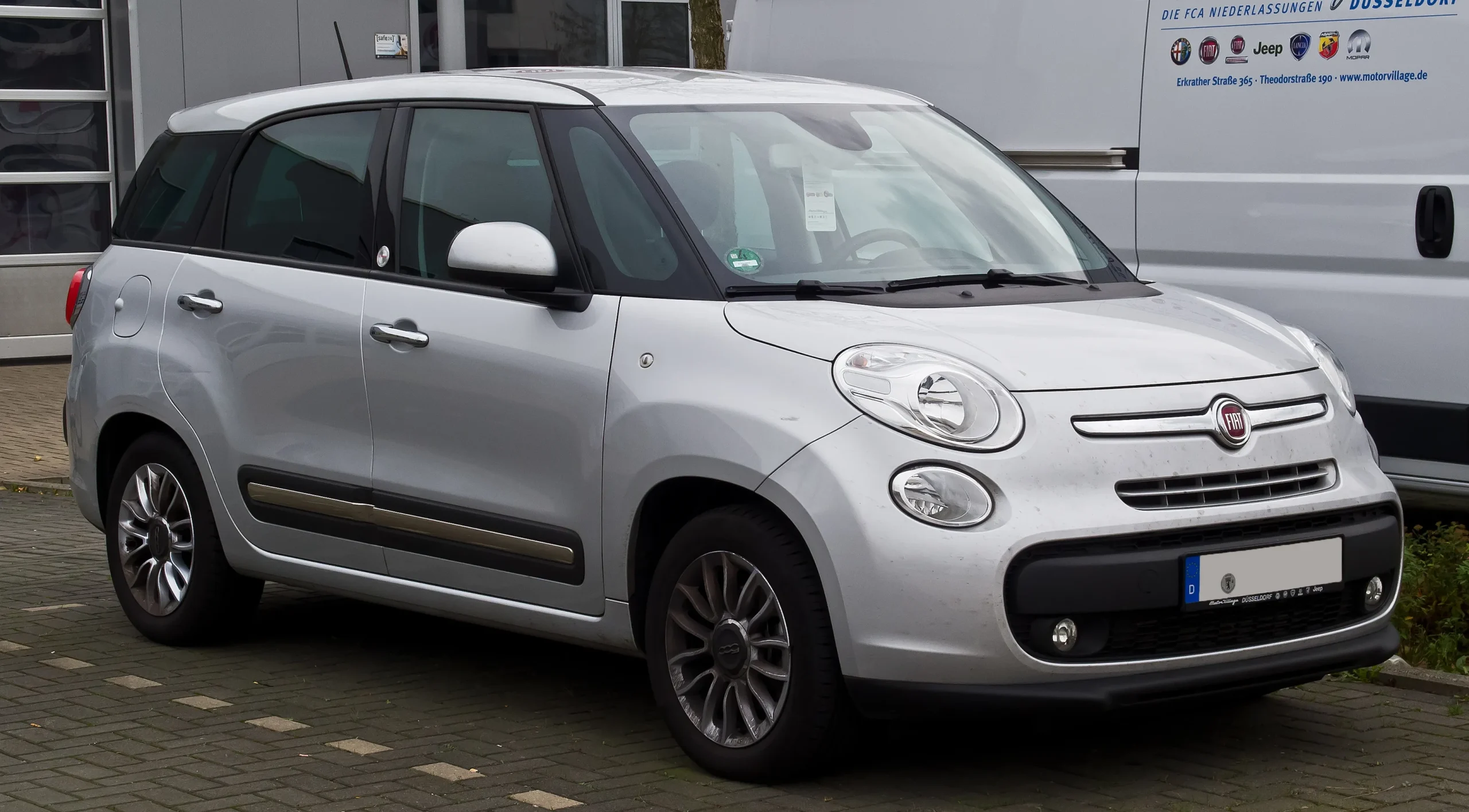
5. Fiat 500L Lounge (2014-2019)
Tall, narrow cars often struggle to look balanced, and the Fiat 500L is a textbook example of how awkward proportions can ruin an otherwise practical vehicle. Its short body and excessive height make it appear ungainly from every angle, while the small wheels only exaggerate its bulky form. Instead of projecting charm or utility, the design ends up looking top-heavy and uncertain, as if the car can’t quite decide what it wants to be.
The short wheelbase combined with the lofty roofline creates a shape that feels unstable and oddly cartoonish. The wheels sit too far inward, making the stance appear weak and disconnected from the body.
From the side, the problem becomes even clearer: the roof towers over the rest of the car, the beltline sits awkwardly high, and the surfaces lack any meaningful flow. Nothing ties together smoothly, giving the impression of a vehicle designed by committee rather than vision.
Both front and rear overhangs seem mismatched, adding to the whole imbalance. Even when fitted with larger wheel options, the proportions remain off, as the oversized body visually overwhelms everything beneath it. The windows dominate the exterior, making the greenhouse look inflated compared to the lower half of the car.
The 500L’s greatest flaw lies in prioritizing cabin space at the expense of exterior grace. Fiat’s attempt to maximize interior comfort resulted in a vehicle that appears clumsy and ill-proportioned. No amount of styling tweaks or detailing can disguise the fundamental imbalance built into its shape, leaving it permanently awkward on the road.
