
When shopping for an SUV, most buyers focus on style, power, or technology, but one quality often overlooked is long-term quietness. A vehicle that remains serene inside even after a decade of driving offers unmatched comfort for long family trips or daily commutes.
The 12 SUVs featured here, including the Toyota 4Runner, Honda Pilot, and Chevrolet Suburban, stand out for their ability to maintain refined handling, smooth braking, and a hushed cabin over years of use.
These SUVs combine durable engineering, superior suspension, and thoughtfully designed interiors to reduce road and engine noise, creating a relaxing experience for drivers and passengers.
Whether you prioritize family comfort, off-road capability, or full-size versatility, these models prove that longevity and quiet performance can coexist, making them smart investments for years of enjoyable driving.
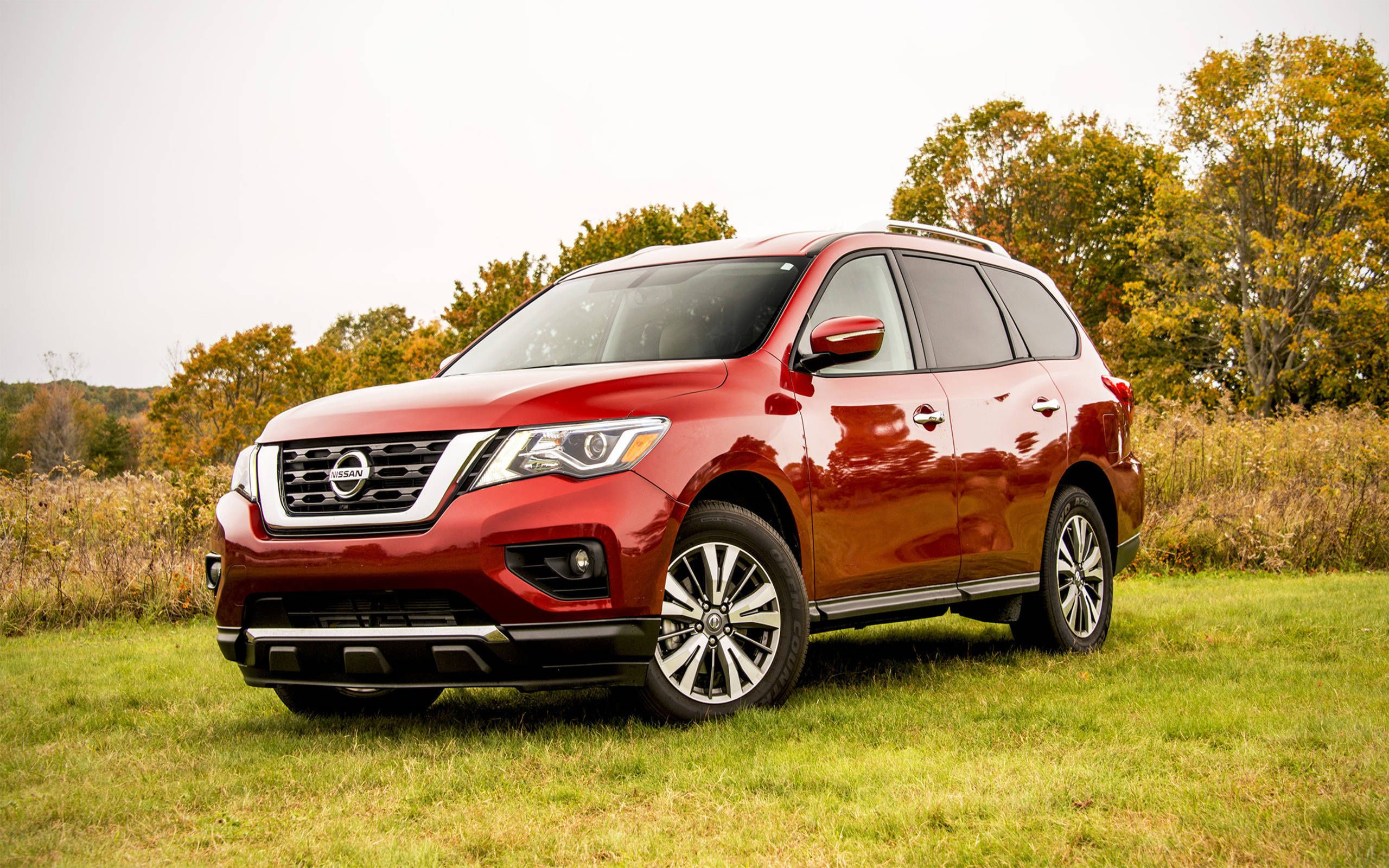
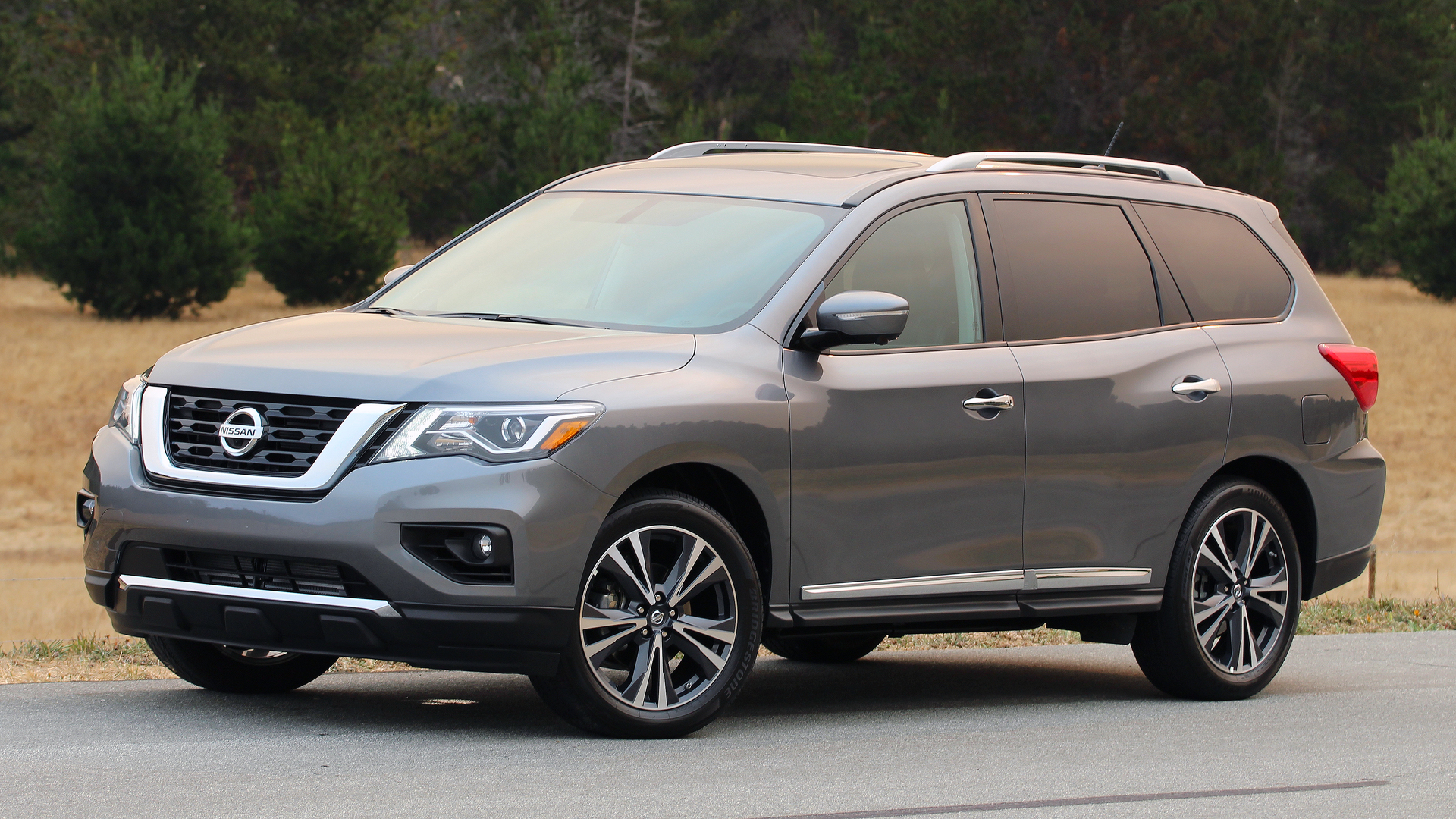
1. Nissan Pathfinder (2017–Present): A Family SUV Built for Comfort and Evolution
The Nissan Pathfinder (2017–present) continues its legacy as a family-oriented SUV that balances comfort, control, and dependability. Designed to handle years of daily use, whether commuting, carrying passengers, or transporting cargo, the Pathfinder maintains its smooth handling and confident road manners even after extensive driving.
The Pathfinder’s suspension system is built for both comfort and stability, featuring independent front and rear components that effectively absorb road imperfections while maintaining composure during cornering.
The steering remains precise and predictable, ensuring easy maneuverability in both urban and highway settings. Complementing this is a reliable braking system with long-lasting rotors, pads, and calipers that provide consistent stopping power and controlled deceleration.
For 2017, Nissan enhanced the Pathfinder’s power and agility. Its revised 3.5-liter V6 engine delivers an additional 24 horsepower and 19 lb-ft of torque, significantly improving acceleration and responsiveness. The SUV now boasts a 6,000-pound towing capacity, appealing to families who need versatility for recreation or hauling.
Suspension and steering refinements also contribute to a sharper and more controlled drive, though the stiffer setup slightly reduces comfort on rough surfaces. Nissan also improved the CVT transmission to simulate gear shifts, minimizing the droning noise found in earlier versions.
Inside, the Pathfinder emphasizes ergonomic design and driver comfort. The seating layout offers strong support, while controls and displays are intuitively positioned for ease of use. The updated touchscreen interface enhances usability with clearer graphics and faster response times. However, interior storage and cargo flexibility remain limited compared to leading rivals.
Cargo capacity measures 47.8 cubic feet behind the second row and 79.8 cubic feet with both rows folded, which is average for its class. The third-row seating is most comfortable for children, as space is restricted compared to vehicles like the Honda Pilot and Dodge Durango.
The 2017 Pathfinder is equipped with a robust suite of safety features, including traction and stability control, antilock brakes, and multiple airbags. Advanced driver aids such as blind-spot monitoring, rear cross-traffic alert, and forward collision warning with automatic emergency braking are available on higher trims.
In crash testing, it earned a five-star safety rating, reflecting Nissan’s focus on passenger protection and long-term dependability.
The Nissan Pathfinder (2017–present) remains a dependable and versatile midsize SUV that combines refined performance with modern updates. Although it trails some competitors in cargo space and third-row comfort, its responsive handling, improved technology, and strong safety features make it a smart choice for families seeking comfort, reliability, and capable performance on the road.
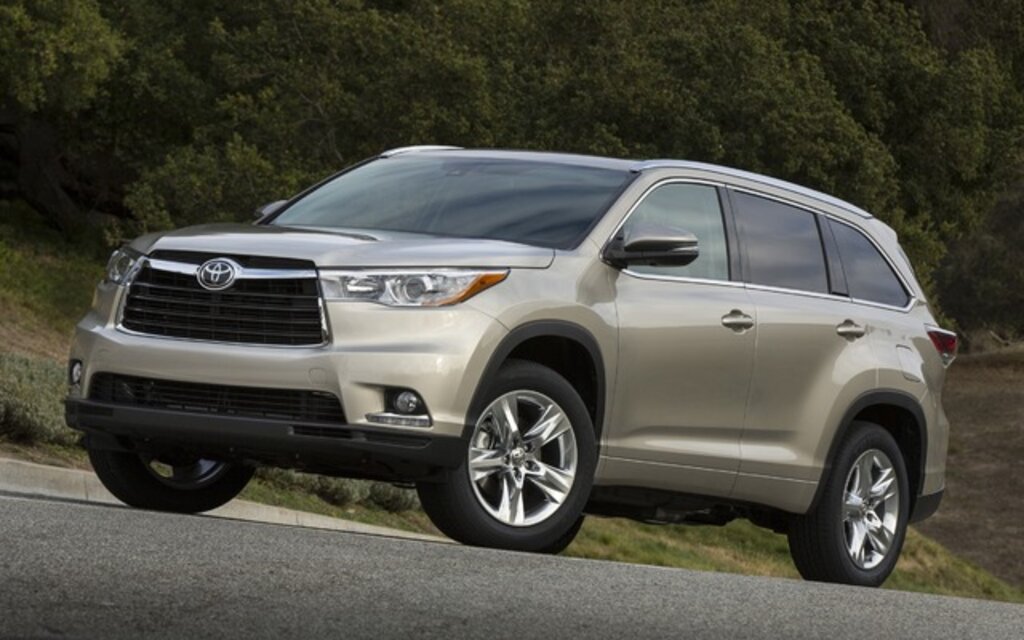
2. Toyota Highlander (2015–Present): A Durable and Family-Focused Midsize SUV
The Toyota Highlander (2015–present) is a well-rounded midsize SUV that blends long-term mechanical reliability with everyday driving comfort. Its thoughtful engineering ensures that steering, handling, and braking remain consistent and responsive even after years of use. This makes it a top choice for families seeking an SUV that delivers both practicality and endurance.
The Highlander is designed for stability and ease of control, making it enjoyable and reassuring to drive. The MacPherson strut front suspension and multi-link rear suspension absorb road imperfections while maintaining a smooth and composed ride.
Steering is precise with minimal play, giving drivers confidence in city traffic, on highways, and along winding suburban roads. The braking system is equally dependable, offering consistent stopping power through durable rotors and calipers, while power-assisted brakes ensure smooth and controlled deceleration.
Performance-wise, the Highlander offers two engine options. The base 2.7-liter four-cylinder engine produces 185 horsepower, while the 3.5-liter V6 generates 270 horsepower and 248 lb-ft of torque. Paired with a six-speed automatic transmission, the V6 configuration delivers smooth acceleration and a confident driving experience.
It achieves an EPA-estimated 21 mpg combined, comparable to the smaller engine but with much stronger performance. The V6 also allows the Highlander to tow up to 5,000 pounds when properly equipped, making it practical for families with trailers or small boats. At test facilities, the V6 Highlander accelerated from 0 to 60 mph in about 7.3 seconds, faster than many rivals in its class.
Inside, the Highlander emphasizes comfort and usability. The cabin materials are soft to the touch, with refined stitching and an attractive dashboard design. The available 8-inch touchscreen interface offers clear graphics and user-friendly controls, enhancing the driving experience. Toyota has integrated clever storage options, such as a built-in dashboard shelf for small items and a large center console compartment that can fit a handbag.
Seating flexibility is another highlight. The second row can be configured as either a bench seat or captain’s chairs, while the third row, though best suited for children, allows for seating up to eight passengers. Cargo capacity reaches 83.7 cubic feet with the rear seats folded, meeting the expectations for its segment. The quiet cabin and supportive seats reduce fatigue, making long trips more pleasant.
Toyota prioritizes safety across all Highlander trims. Standard features include traction and stability control, antilock disc brakes, multiple airbags, and a rearview camera. Higher trims add advanced driver aids such as blind-spot monitoring, rear cross-traffic alert, forward collision warning with automatic braking, and lane departure warning.
The Highlander earned a five-star rating in government crash tests and top scores from the Insurance Institute for Highway Safety, confirming its strong safety performance.
The Toyota Highlander (2015–present) exemplifies long-term drivability and family-oriented design. With its durable suspension, refined V6 powertrain, versatile interior, and high safety standards, it stands as a practical, comfortable, and reliable SUV for years of ownership.
While some competitors offer more third-row space or sportier handling, the Highlander’s balanced combination of performance, comfort, and proven reliability makes it one of the most trusted choices in the midsize crossover segment.
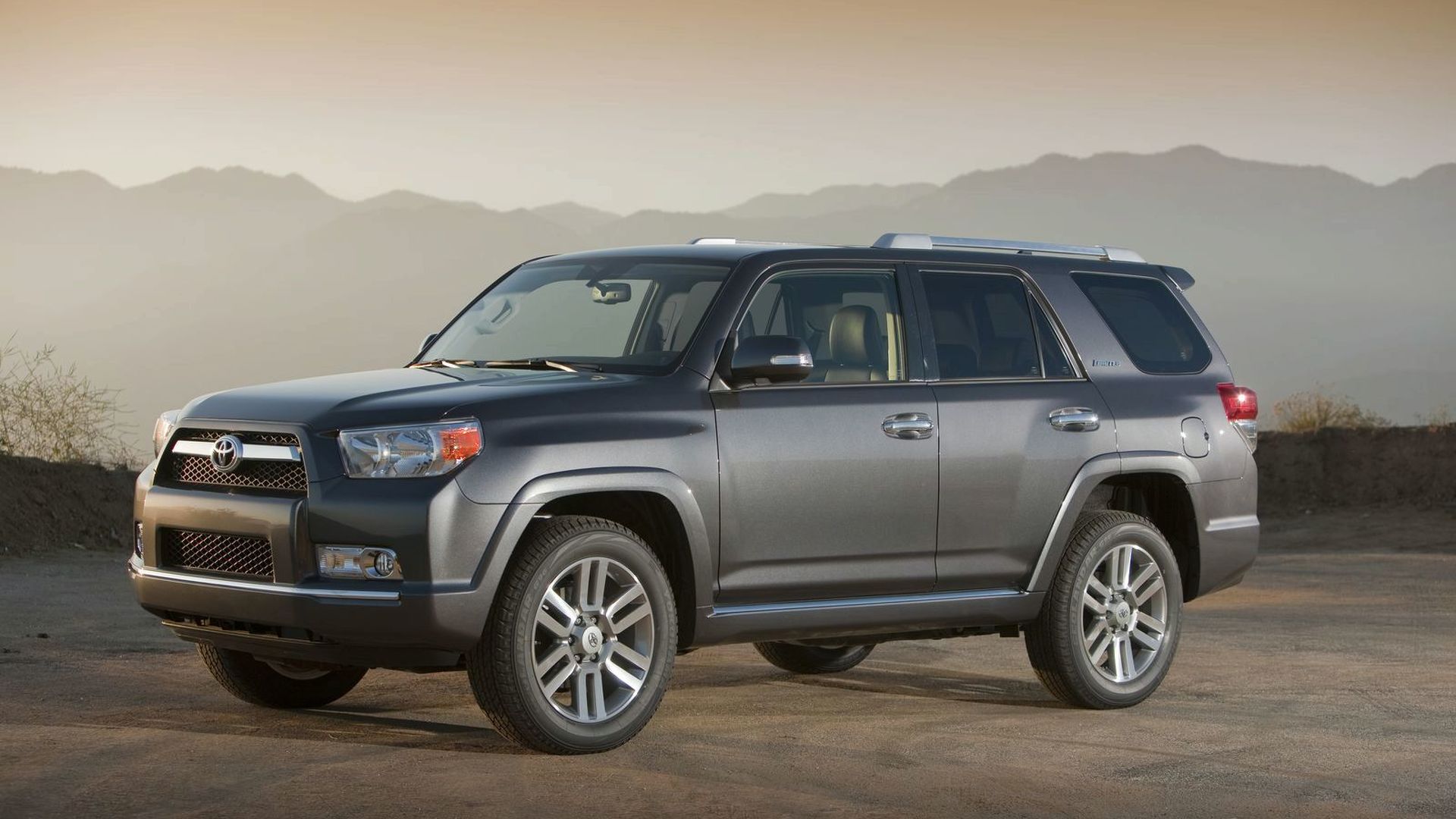
3. Toyota 4Runner (2010–Present): Rugged Reliability with Everyday Comfort
The Toyota 4Runner (2010–present) is a true embodiment of toughness and endurance, built for those who value long-term reliability without compromising everyday drivability.
Staying faithful to its truck-based origins, the 4Runner combines off-road strength with surprising on-road comfort. Even after years of use, it retains responsive steering, stable handling, and smooth braking, making it one of the most durable SUVs in its class.
Toyota engineered the 4Runner to handle both rugged trails and paved roads with equal confidence. The precise steering system remains stable over time, minimizing play and ensuring easy maneuvering in all conditions.
The durable suspension, with shocks and struts tuned for both comfort and control, absorbs rough surfaces while maintaining balance and reducing driver fatigue. The chassis design optimizes weight distribution, improving cornering and load stability, while the power-assisted braking system ensures predictable, smooth stops even after years of heavy use or towing.
Under the hood, the 4Runner offers two engines: a 2.7-liter four-cylinder producing 157 horsepower and a 4.0-liter V6 delivering 270 horsepower and 278 lb-ft of torque. While the four-cylinder engine provides modest performance, most buyers prefer the V6 for its strong acceleration and towing capacity of up to 5,000 pounds.
The V6 version can sprint from 0 to 60 mph in about 8.2 seconds, which is commendable for a body-on-frame SUV. Fuel economy is reasonable, ranging from 17 to 20 mpg combined, depending on drivetrain configuration.
The Kinetic Dynamic Suspension System (KDSS), available on some trims, enhances off-road performance by automatically disconnecting stabilizer bars below 40 mph, improving wheel articulation on uneven ground. This feature, combined with 9.6 inches of ground clearance, makes the 4Runner exceptionally capable off-road, handling rocky trails and steep climbs with ease.
Inside, the 4Runner balances ruggedness with comfort. The cabin is spacious and practical, accommodating five passengers, with an optional third row for up to seven. While the third row is best suited for children, the maximum cargo capacity of 90 cubic feet provides ample room for gear and luggage. The optional sliding cargo deck supports up to 440 pounds, making loading heavy items easier.
Controls are intuitively arranged, and visibility from the driver’s seat is excellent, promoting confidence on long drives. Higher trims, such as the Limited, include premium materials, Bluetooth connectivity, navigation, and voice-activated controls, giving the interior a near-luxury feel. Toyota’s addition of an ECO driving meter helps drivers monitor fuel efficiency, aligning performance with practicality.
Toyota equipped every 4Runner with a full suite of safety features, including stability control, traction control, antilock brakes with brake assist, and multiple airbags, including roll-sensing side curtains. These systems work together to ensure stability on and off the road.
The 4Runner’s long-term dependability is one of its strongest assets. Its solid rear axle and robust drivetrain components are built for endurance, ensuring consistent handling and control even after years of demanding use.
The Toyota 4Runner (2010–present) remains one of the few SUVs that combines genuine off-road prowess with everyday usability. Its durable mechanical design, refined V6 performance, capable suspension systems, and comfortable cabin make it equally suited for wilderness adventures and family commutes.
While less fuel-efficient than crossovers, its rugged capability, reliability, and ease of driving over time make the 4Runner a standout choice for those seeking a vehicle built to last.
4. Honda Pilot (2016–Present): A Refined and Enduring Family SUV
The Honda Pilot (2016–present) stands as one of the most versatile and family-friendly midsize SUVs available. Built on a unibody platform, it combines the practicality of a crossover with the space and strength expected of a larger utility vehicle. Known for its smooth drivability, refined comfort, and dependable performance, the Pilot continues to serve families seeking long-term reliability and a comfortable driving experience.
The Pilot’s suspension system plays a major role in its comfort and stability. Its independent front and rear suspension components absorb road imperfections with ease, providing a composed ride even on uneven terrain. This tuning allows the SUV to maintain balance while carrying heavy loads or passengers, reducing driver fatigue during extended trips.
Steering is precise and responsive, giving the driver consistent feedback and control in various conditions. Whether driving through city streets, on highways, or along winding backroads, the steering remains light yet accurate, requiring minimal correction. These characteristics make the Pilot an easy vehicle to operate, even after years of use.
The braking system is designed for durability and consistency. High-quality calipers, pads, and rotors deliver steady stopping power over time. Power-assisted braking ensures smooth deceleration, whether in stop-and-go traffic or on long downhill grades. Together, these elements create a confident and predictable driving feel that endures well into the SUV’s lifespan.
Inside, the Pilot offers a thoughtful and ergonomic cabin suited to family life. The driver’s seat provides excellent visibility, while the dashboard layout places controls within natural reach. Clear instrumentation and a straightforward infotainment interface reduce distractions. Seating comfort is a highlight, as the seats are supportive and adjustable, helping maintain comfort during long drives.
Passenger and cargo versatility are also key strengths. The Pilot can seat up to eight passengers, and its third row offers ample room compared to many midsize competitors. Folding the rear seats opens a large cargo area that can easily accommodate sports gear, groceries, or family luggage.
Honda engineered the Pilot with longevity in mind. Its powertrain options, especially the 3.5-liter V6 engine paired with a six- or nine-speed automatic transmission, are known for smooth performance and strong reliability. Regular maintenance keeps the drivetrain and suspension performing well even beyond 100,000 miles.
The Honda Pilot (2016–present) exemplifies how a midsize SUV can deliver enduring comfort, balanced handling, and dependable performance. Its combination of responsive steering, stable suspension, and long-lasting braking components ensures ease of driving for years.
With a spacious, user-friendly interior and a strong reputation for reliability, the Pilot remains a top choice for families seeking confidence and comfort in their daily travels.
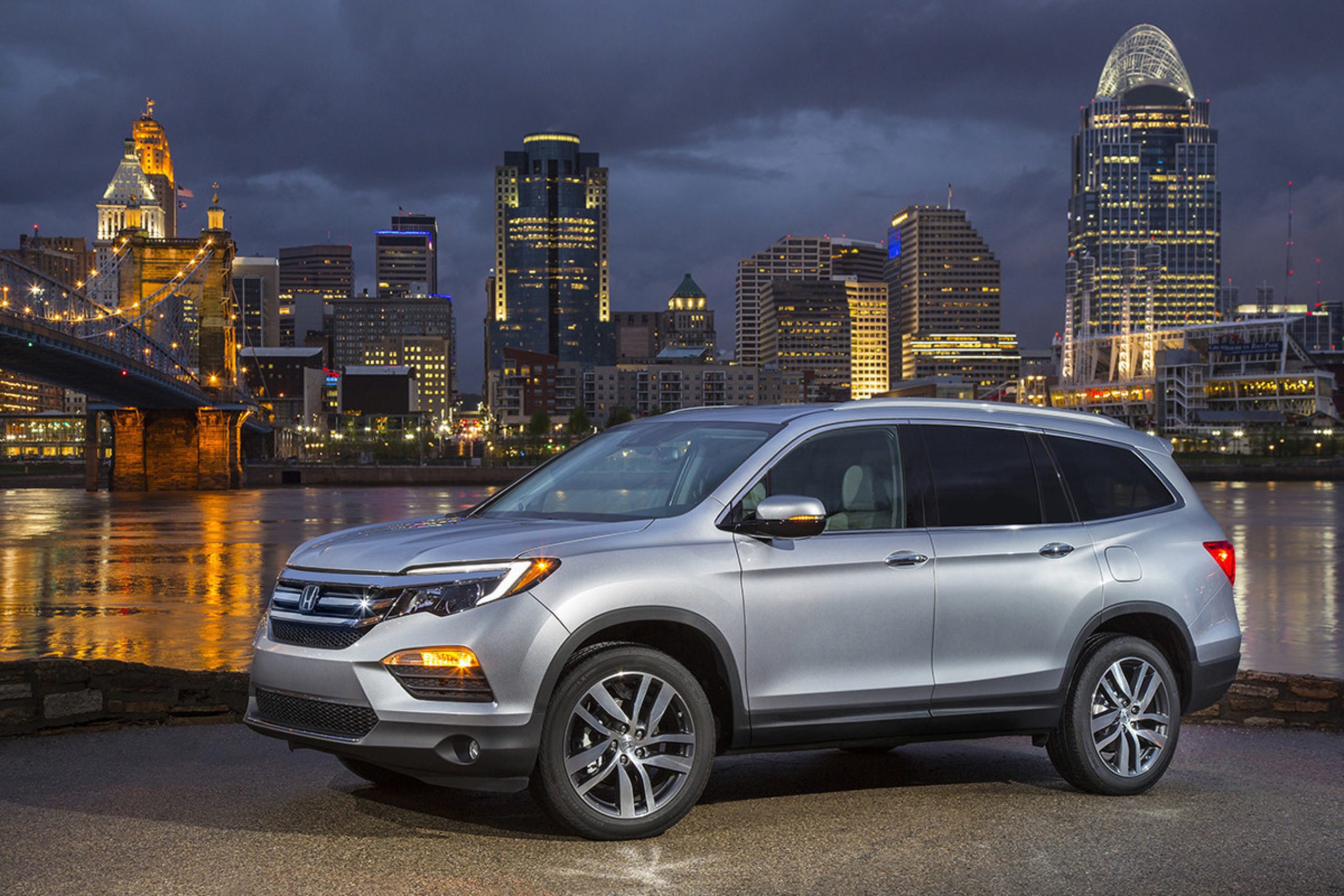
5. Toyota Highlander (2015–Present): A Balanced and Durable Family SUV
The Toyota Highlander (2015–present) is a midsize SUV that skillfully blends comfort, capability, and long-term reliability. Designed with families in mind, it offers refined handling, strong safety features, and dependable mechanical performance that holds up well after years of driving.
With its versatile design and smooth road manners, the Highlander remains a favorite among those seeking practicality without sacrificing comfort or confidence behind the wheel.
The Highlander’s driving dynamics are centered on balance and ease. Its suspension system, featuring MacPherson struts in the front and a multi-link rear setup, ensures stability and comfort across varying road conditions.
The suspension absorbs bumps effectively, keeping the ride composed and reducing driver fatigue during long trips. Steering is precise and stable, maintaining responsiveness through corners and in tight urban areas.
Braking performance remains consistent even after years of use. Durable components such as calipers, rotors, and pads provide reliable stopping power. Power-assisted brakes make deceleration smooth and predictable, enhancing confidence during highway or city driving. These features make the Highlander easy to control for drivers of all experience levels, even when fully loaded or towing.
Toyota offers the Highlander with a choice between a 2.7-liter four-cylinder and a 3.5-liter V6 engine, both paired with a six-speed automatic transmission. While the base four-cylinder provides sufficient power for daily driving, the V6 stands out for its smooth acceleration and strong performance.
Producing 270 horsepower and 248 pound-feet of torque, it delivers confident driving while maintaining fuel efficiency of around 21 mpg combined. Properly equipped V6 models can tow up to 5,000 pounds, making the Highlander versatile for family trips or light hauling.
The Highlander’s cabin is well-crafted and practical, emphasizing comfort and usability. High-quality materials, soft-touch surfaces, and available contrast stitching create an upscale atmosphere. The cabin layout is intuitive, with clearly labeled controls and an easy-to-read instrument cluster. Upper trims feature an 8-inch touchscreen infotainment system that is responsive and user-friendly.
Seating accommodates up to eight passengers, with a flexible second-row that can be configured as a bench or captain’s chairs. The third row is best suited for children but expands the SUV’s family capacity. Cargo space reaches 83.7 cubic feet with both rear rows folded, providing ample room for luggage and gear. Thoughtful storage features like the dashboard shelf and large center console add everyday convenience.
The Highlander includes traction control, stability control, and multiple airbags as standard. Higher trims add blind-spot monitoring, rear cross-traffic alert, and advanced driver assistance features such as lane-departure warning and automatic emergency braking. The Highlander earned a five-star rating from government crash tests and high marks from the IIHS in most categories.
The Toyota Highlander (2015–present) demonstrates long-term drivability and family-focused design. Durable suspension, precise steering, and reliable braking provide consistent comfort and control, while its refined interior and strong safety features enhance everyday usability.
Combining power, practicality, and reliability, the Highlander remains a well-rounded midsize SUV for families seeking comfort, confidence, and lasting performance.

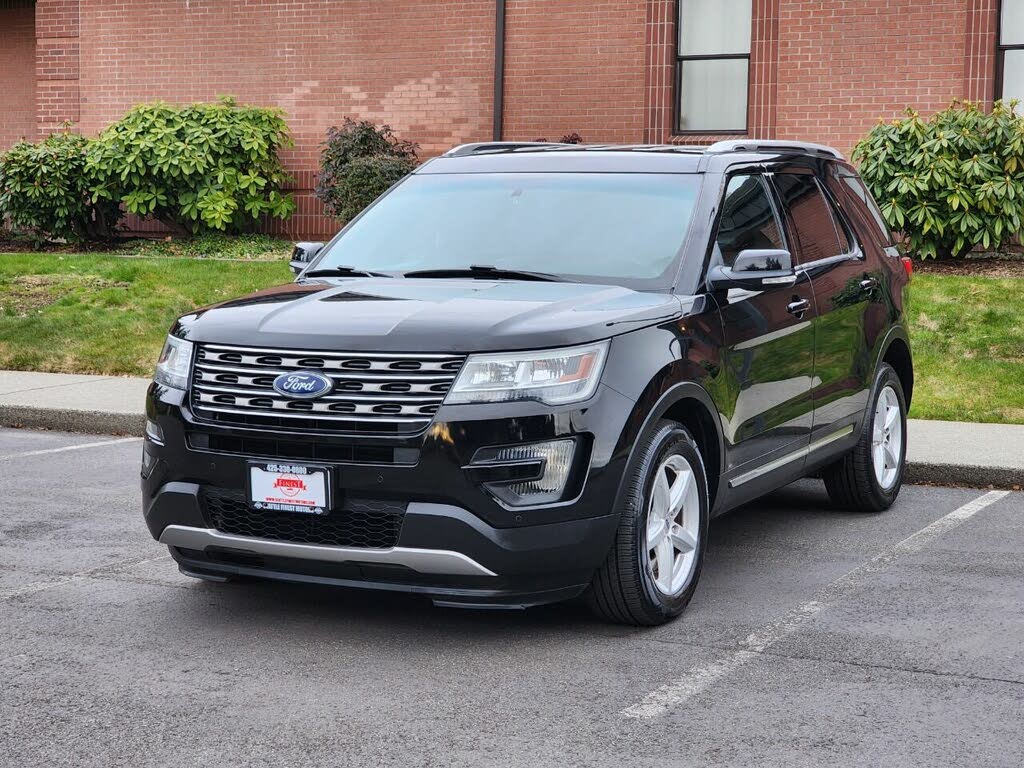
6. Ford Explorer (2016–Present): A Versatile and Refined Family SUV
The Ford Explorer (2016–present) is a midsize SUV designed to offer long-term comfort, stability, and capable performance. Drivers report that the Explorer maintains responsive steering, predictable handling, and smooth braking even years after purchase, making it a practical choice for families and long-term ownership.
Its combination of comfort and control ensures a confident driving experience on city streets, highways, and light off-road conditions.
The Explorer’s independent front and rear suspension absorbs bumps and road irregularities, maintaining a smooth ride over extended periods. Its chassis is engineered for stability, with even weight distribution that limits body roll and enhances cornering confidence.
Steering remains precise with minimal play, allowing drivers to maneuver with ease even after extensive use. Braking components, including durable calipers, rotors, and pads, deliver reliable stopping power, while power-assisted brakes ensure smooth, consistent deceleration. Together, these features make the Explorer manageable under various driving conditions, including when fully loaded or towing.
The 2016 Explorer offers multiple powertrains. The standard 3.5-liter V6 produces 290 horsepower and 255 pound-feet of torque, paired with front-wheel or all-wheel drive. This engine delivers adequate acceleration, with an EPA-estimated fuel economy of 20 mpg combined for front-wheel drive and 19 mpg for all-wheel drive.
Optional powertrains include a turbocharged 2.3-liter four-cylinder generating 270 horsepower and 300 pound-feet of torque, capable of towing 3,000 pounds, and a turbocharged 3.5-liter V6 on Sport and Platinum trims producing 365 horsepower and 350 pound-feet of torque with towing capacity of 5,000 pounds.
The Sport trim adds a sport-tuned suspension and steering for sharper handling while retaining acceptable ride comfort.
The Explorer’s cabin is well-appointed and quiet, with soft-touch materials and carefully designed controls. The optional MyFord Touch interface provides a high-resolution touchscreen and dual gauge-cluster displays, while the 2016 model replaces touch-sensitive controls with tactile buttons for improved usability.
Seating accommodates up to seven or eight passengers depending on configuration, though second- and third-row space is more limited than some competitors. Cargo capacity reaches 81.7 cubic feet, sufficient for most families but less than rivals such as the Chevrolet Traverse and GMC Acadia. Sliding second-row captain’s chairs enhance third-row access and comfort for larger passengers.
Standard safety features include stability and traction control, trailer sway control, multiple airbags, and MyKey functionality. Higher trims add forward-collision warning, adaptive cruise control, lane-departure warning, blind-spot monitoring, and inflatable second-row seatbelts.
In testing, the Explorer demonstrates strong braking performance and earns five-star ratings in government crash tests for frontal and side-impact protection, with high scores from the IIHS in most categories.
The 2016 Ford Explorer combines comfort, capability, and versatility for families seeking a long-term SUV. Responsive steering, balanced suspension, reliable braking, and a refined interior contribute to a controlled and confident driving experience, while multiple engine options and towing capability enhance its utility.
Though some rivals offer more interior space, the Explorer remains a strong choice for those seeking a well-rounded, feature-rich midsize SUV.
Also Read: 10 Cars That Rarely Suffer From Transmission Slips
7. Chevrolet Tahoe (2015–Present): A Full-Size SUV Built for Long-Term Comfort and Capability
The Chevrolet Tahoe (2015–present) is a full-size SUV designed to provide a consistent, controlled, and comfortable driving experience over many years. Its robust engineering ensures that steering, handling, and braking performance remain reliable even after extensive use, making it a practical choice for families and long-term owners.
The Tahoe’s suspension system, featuring an independent front setup and a solid rear axle, is tuned for both comfort and stability. It absorbs road irregularities while keeping the vehicle level during cornering or when carrying heavy loads.
Steering maintains precision with minimal play, allowing confident maneuvering in city streets or on highways. The braking system is engineered for longevity, with durable rotors, pads, and calipers that provide consistent stopping power. Power-assisted brakes contribute to smooth operation, even during towing or long drives, ensuring control under various conditions.
All 2015 Tahoes come equipped with a 5.3-liter V8 engine producing 355 horsepower and 383 pound-feet of torque, paired with a six-speed automatic transmission. Rear-wheel drive is standard, while all-wheel drive with a two-speed transfer case and low-range gearing is optional.
Properly equipped, the Tahoe can tow up to 8,600 pounds. In testing, the 2WD LT reached 60 mph in 7.1 seconds, and the LTZ 4WD did so in 7.3 seconds, demonstrating strong acceleration for a full-size SUV.
Fuel economy is competitive for the class at 18 mpg combined. Optional adaptive suspension improves comfort and handling, particularly on the LTZ trim, while large 22-inch wheels can negatively affect ride quality.
The 2015 Tahoe offers a refined and functional interior. Front seats are comfortable, and second- and third-row seating can accommodate up to nine passengers depending on configuration.
The third row now folds into the floor, simplifying cargo management, though the high cargo floor height can make loading large items more challenging. Maximum cargo capacity is 94.7 cubic feet with the second and third rows folded, while space with all seats up is limited to 15.3 cubic feet.
Materials are of high quality, and infotainment options include standard 4.2-inch and optional 8-inch MyLink displays with smartphone integration. Power-assisted folding seats enhance usability for all passengers.
Standard safety equipment includes antilock disc brakes, traction and stability control, trailer-sway control, multiple airbags, rearview camera, and OnStar services. Available features include forward-collision alert, lane-departure warning, blind-spot monitoring, and rear cross-traffic alert. In testing, the Tahoe demonstrated strong braking performance and earned high ratings for frontal and side-impact protection.
The 2015 Chevrolet Tahoe combines durability, capability, and comfort for drivers seeking a large, traditional SUV. Precise steering, balanced suspension, reliable brakes, and a refined interior create a manageable and confident driving experience.
Its powerful V8 engine, towing capacity, and upgraded technology features make it a strong contender for families or anyone in need of a full-size, versatile SUV, though cargo space and third-row comfort are less generous than some crossover competitors.
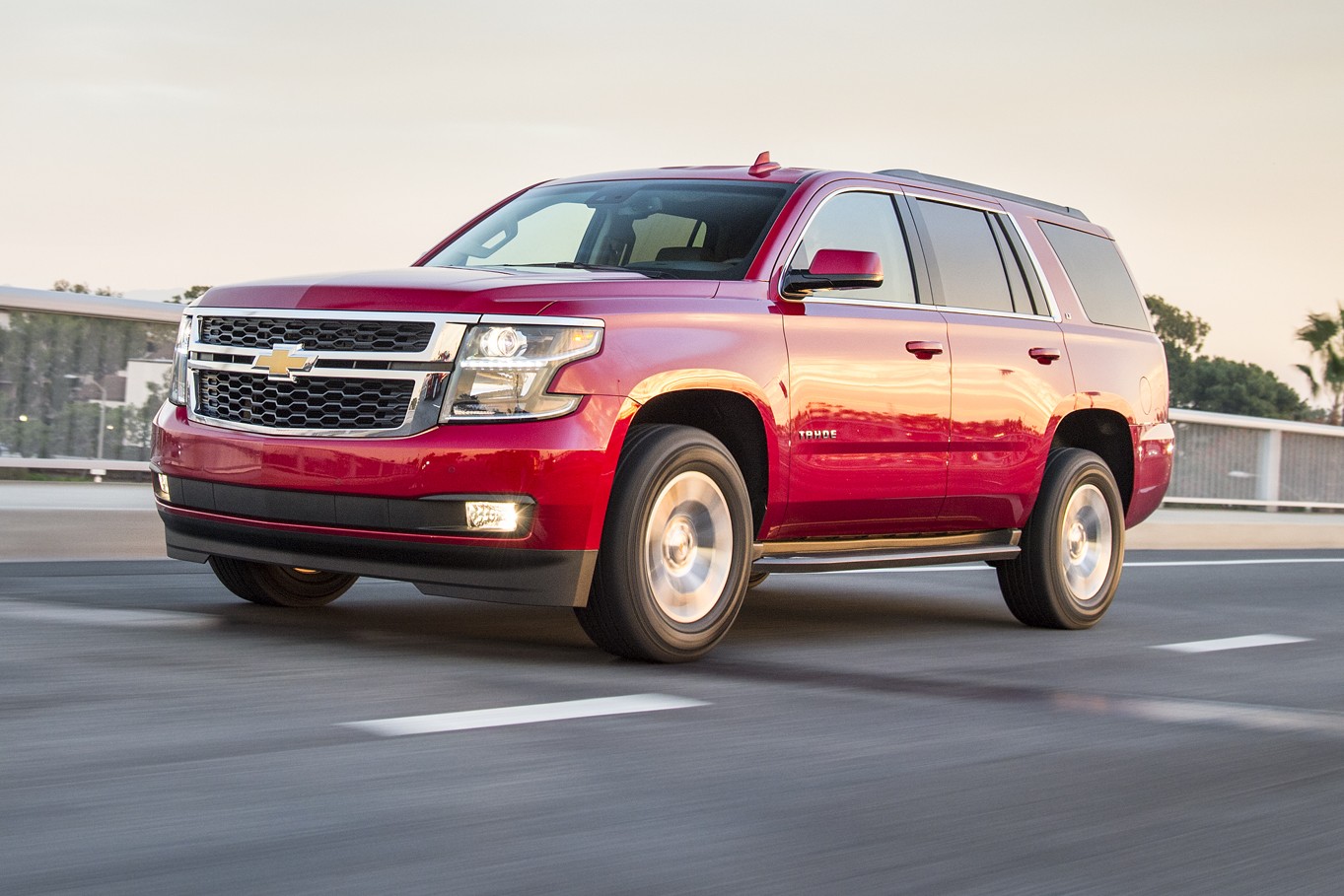
8. Honda CR-V (2017–Present): A Compact SUV Built for Long-Term Comfort and Utility
The Honda CR-V (2017–present) is a compact SUV renowned for maintaining a smooth and controlled driving experience over years of ownership. Its combination of responsive steering, balanced handling, and reliable braking ensures long-term drivability, whether for daily commuting, family duties, or extended trips.
The CR-V’s suspension system is engineered for comfort and stability, with independent front and rear setups that absorb road imperfections and reduce body roll during cornering. Steering remains precise with predictable feedback, making the vehicle easy to maneuver in urban and highway settings.
Brakes are durable, providing consistent stopping power over time, while power-assisted braking ensures smooth deceleration even under heavy loads. The 2017 redesign introduced a 1.5-liter turbocharged four-cylinder engine on most trims, offering ample low-end torque and strong fuel efficiency, rated up to 34 mpg highway.
Acceleration is capable without being thrilling, allowing confident merging and freeway performance, while the continuously variable transmission delivers natural and smooth operation.
The CR-V strikes an admirable balance between ride comfort and handling. Its refined suspension, fluid-filled bushings, and 18-inch wheels absorb road imperfections, producing a quiet, composed ride. Cabin noise remains minimal, and body roll is well-controlled, allowing drivers to take curves confidently without unsettling passengers.
Front and rear seats are supportive for long trips, and the driver’s seat offers eight-way adjustment and lumbar support on most trims. Visibility is excellent, with minimal blind spots and intuitive sightlines, further reducing driver fatigue.
The interior is spacious, practical, and thoughtfully designed. Rear legroom is generous, and four adults can sit comfortably. The CR-V provides 39.2 cubic feet of cargo space behind the rear seats, expandable to 75.8 cubic feet with seats folded. A height-adjustable cargo floor, clever storage compartments, deep cupholders, and a sliding console tray enhance usability.
Child seat installation is straightforward with easily accessible LATCH anchors. Cabin materials are high quality, and the dashboard features a modern layout with a touchscreen and optional digital instrument cluster.
Most trims include smartphone integration with Apple CarPlay and Android Auto, multiple USB ports, and standard driver-assist features such as adaptive cruise control, lane-keeping assist, forward-collision warning, and blind-spot monitoring. Some voice control functions remain less intuitive, but physical controls and touchscreen interfaces are generally user-friendly.
The 2017 Honda CR-V combines comfort, utility, and advanced safety technology, making it a standout in the compact SUV segment. With durable suspension, precise steering, spacious interior, and thoughtful storage solutions, it offers a practical, long-lasting driving experience.
Its turbocharged engine and refined ride quality provide capable performance, while a high level of utility and user-friendly tech make the CR-V a versatile choice for families and long-term owners.
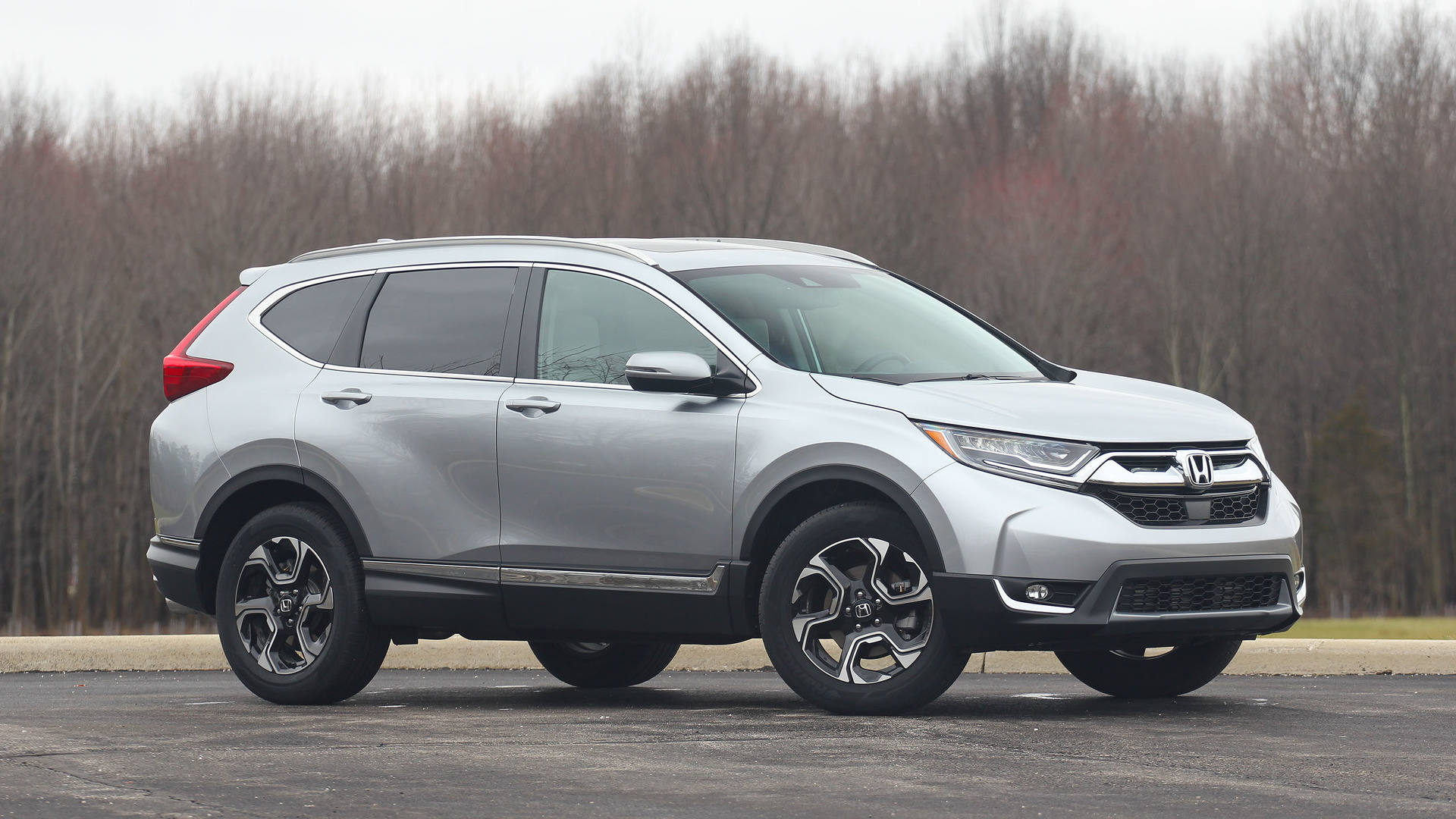
9. Subaru Forester (2019–Present): A Balanced Compact SUV for Everyday Driving and Adventure
The Subaru Forester is a compact SUV that emphasizes practicality, comfort, and safety over outright performance. While acceleration is modest, the Forester excels in handling, braking, and off-road capability, making it a versatile choice for city driving, highway cruising, and light adventure.
The Forester is powered by a four-cylinder engine paired with a continuously variable transmission (CVT), which delivers adequate but unremarkable acceleration. Our testing showed a 0-60 mph time of 9.3 seconds, which is slower than most competitors.
Despite its modest power, steering is responsive and accurate, though slightly vague in conveying tire feedback. Handling is stable, with minimal body roll for a compact SUV, and braking is consistent, requiring moderate pedal travel and averaging 120 feet from 60 mph.
The Forester’s 8.7 inches of ground clearance, combined with Subaru’s X-Mode and hill descent control, gives it strong off-road capabilities, surpassing many standard all-wheel-drive crossovers.
The Forester delivers a smooth, quiet ride suitable for long commutes or extended trips. Front and rear seats provide ample comfort, with supportive bolstering in the front and adequate padding in the rear. Ride comfort remains high even with optional 18-inch wheels, and wind, tire, and engine noise are well controlled.
Automatic climate control and rear vents on higher trims enhance comfort for all passengers. Entry and exit are effortless due to ideal seat height and large door openings, while the driving position offers a commanding view of the road.
Inside, the Forester is spacious and practical. Front and rear legroom accommodates adults comfortably, while cargo capacity measures 35.4 cubic feet behind the second row and 76 cubic feet with seats folded.
The tall roof and smart interior layout allow for easy loading of large items. Storage is abundant, with generous door pockets, a deep center console, and cupholders. Child-seat installation is slightly more challenging due to deep-set LATCH anchors, and towing is limited to 1,500 pounds, which is modest for the segment.
The Forester excels in technology and safety. Standard Subaru EyeSight driver-assist features include adaptive cruise control, lane-keeping assist, forward collision mitigation, and DriverFocus eye-tracking. Apple CarPlay and Android Auto come standard, with multiple USB ports and intuitive dual-screen infotainment. Audio and navigation are user-friendly, and voice commands respond naturally to simple language.
The Subaru Forester prioritizes safety, comfort, and versatility over speed. Its precise handling, composed ride, ample interior space, advanced driver aids, and off-road capability make it a dependable compact SUV for families and adventure seekers alike. While its acceleration and towing capacity are modest, the Forester delivers a confident and practical driving experience in nearly every other aspect.
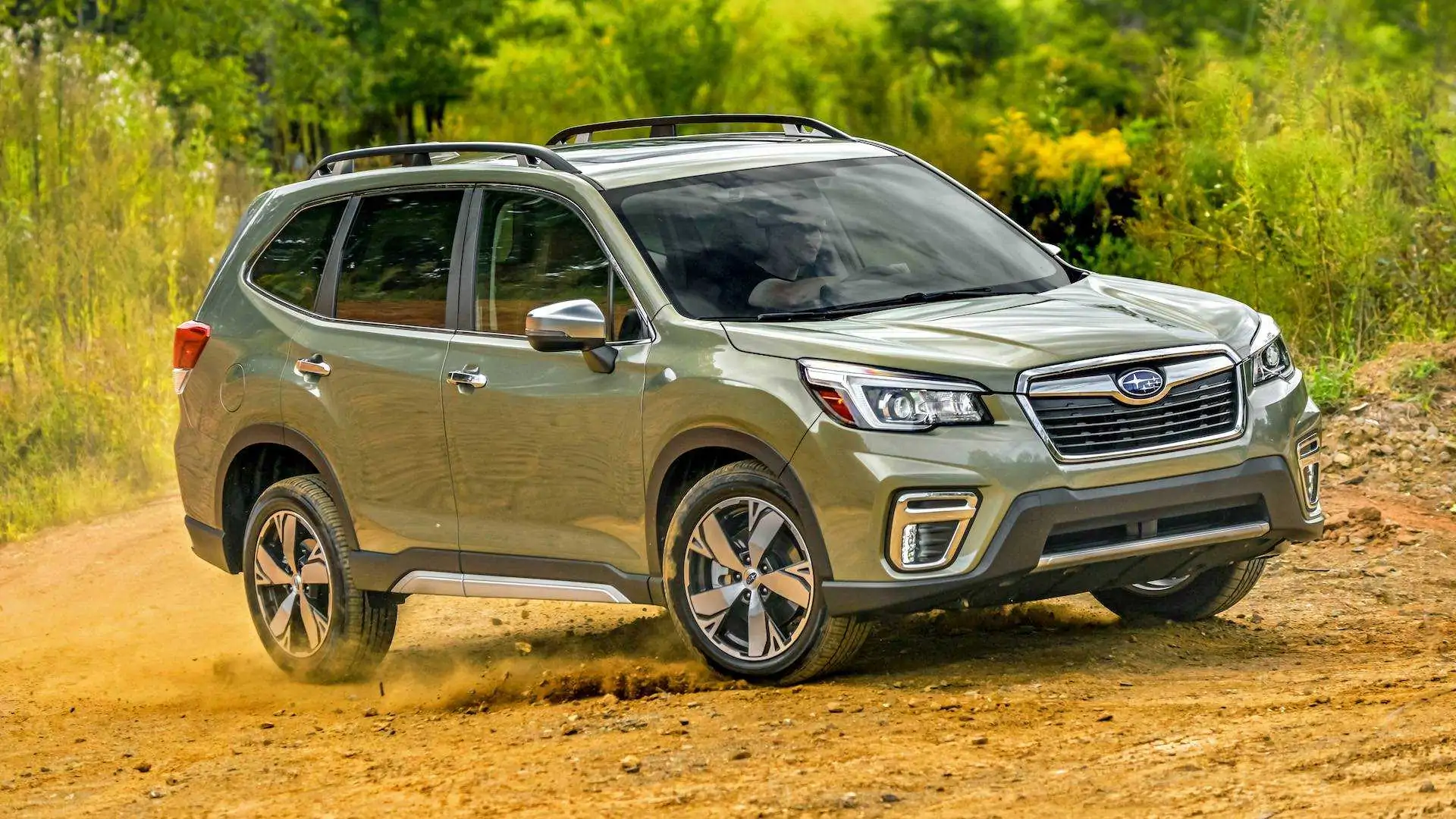
10. Ford Expedition (2018–Present): A Full-Size SUV Built for Comfort, Capability, and Versatility
The Ford Expedition is a full-size SUV engineered for long-term drivability, offering a commanding presence without sacrificing control. Its responsive steering, stable handling, and reliable braking remain consistent even after years of use, whether in city streets, cruising on highways, or towing heavy loads.
Owners praise the vehicle’s confidence-inspiring drive despite its size, supported by a durable suspension system and thoughtfully designed chassis.
The Expedition features a turbocharged V6 engine producing 375 horsepower (400 hp on Platinum trims), paired with a 10-speed automatic transmission. This setup delivers impressive acceleration, covering 0–60 mph in around 6.9 seconds for long-wheelbase models. While throttle response can feel abrupt, Eco mode smooths out power delivery for relaxed driving.
Steering is somewhat numb and slow to respond, requiring deliberate inputs on twisty roads, but the SUV remains stable in turns and when loaded with cargo or passengers. Braking is adequate, with a 60–0 mph stopping distance of 133 feet.
Off-road capability is enhanced by shift-on-the-fly four-wheel drive, low-range gearing, nearly 10 inches of ground clearance, and a lockable rear differential, though careful wheel placement is needed due to the vehicle’s size.
The Expedition excels in passenger comfort. Seats in all three rows are supportive, with the second row sliding and reclining, while the third row remains usable for adults. Ride quality is smooth, particularly when the SUV is loaded, though optional 22-inch wheels can transmit road imperfections.
Cabin noise is minimal, and the tri-zone climate system ensures comfort for all occupants, with heated and ventilated front seats and heated second-row outboard seats. Entry and exit are effortless thanks to large doors, grab handles, and power-assist features. The elevated driving position provides excellent visibility straight ahead and to the sides, though thick pillars limit corner views.
The Expedition offers generous interior space and cargo versatility. Cargo capacity ranges from 20.9 cubic feet behind the third row to 104.6 cubic feet with all rear seats folded. Multiple storage nooks, a flat load floor, and power-folding third-row seats enhance practicality.
LATCH anchors and sliding second-row seats make car-seat installation straightforward, while towing capacity reaches 9,300 pounds with the Heavy Duty Trailer Tow package.
Ford’s Sync 3 infotainment system, compatible with Apple CarPlay and Android Auto, integrates seamlessly with smartphones. Optional features include trailer backup assist, 360-degree cameras, blind-spot monitoring, and multi-surface traction profiles for off-road use. Voice controls allow operation of navigation, audio, and phone functions with minimal effort.
The 2018–present Ford Expedition combines power, comfort, and versatility in a full-size SUV. It delivers strong acceleration, a smooth ride, extensive passenger and cargo space, and advanced technology, making it suitable for families, towing enthusiasts, and anyone seeking a capable SUV with lasting usability.
Its minor drawbacks in steering and braking are balanced by its practicality, spaciousness, and commanding presence.
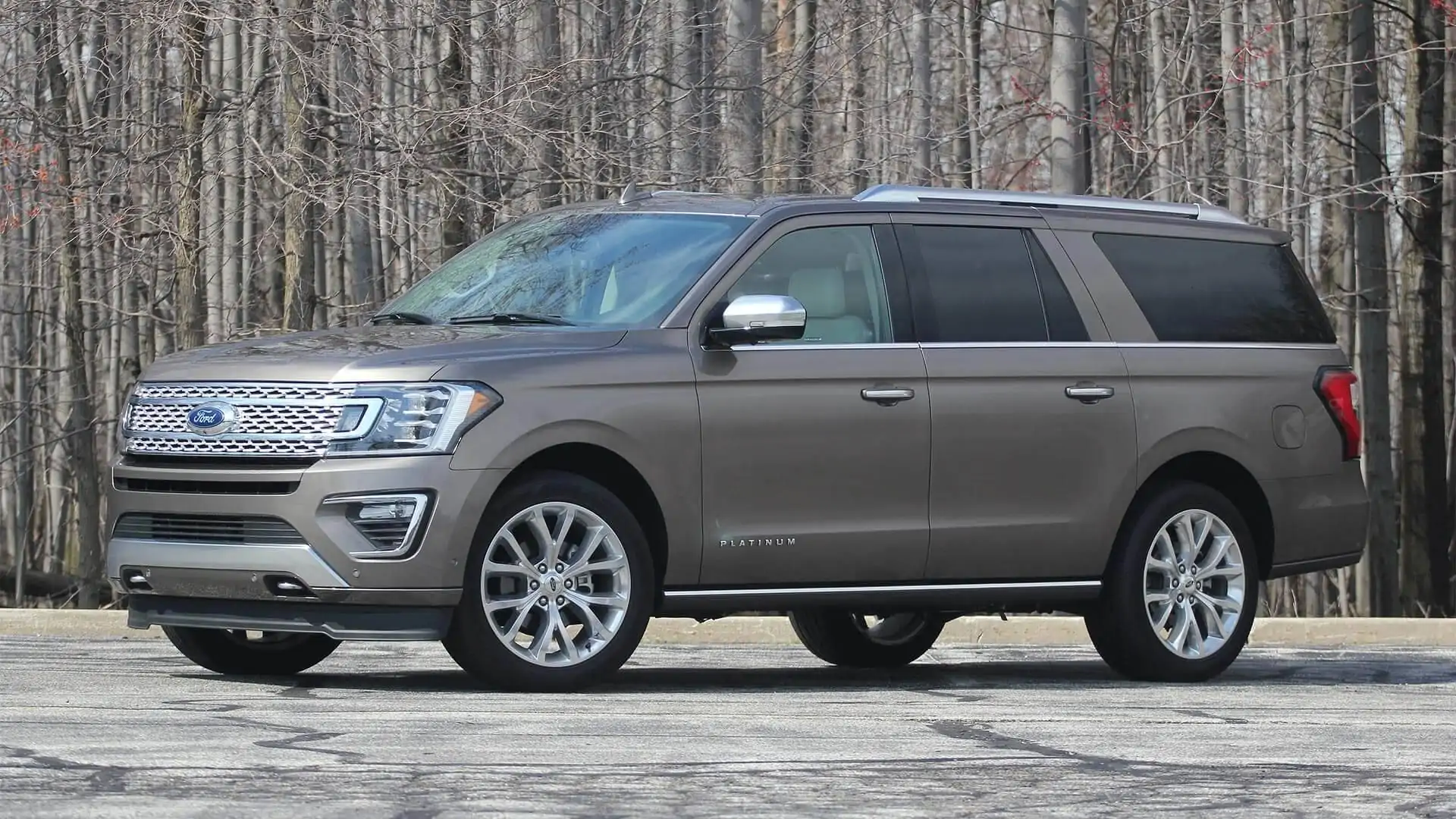
11. Chevrolet Suburban (2015–Present): A Full-Size SUV for Capacity and Comfort
The Chevrolet Suburban is a full-size SUV engineered for long-term usability, blending large-scale capability with surprisingly manageable driving dynamics. Despite its considerable size, it delivers smooth handling, responsive steering, and dependable braking, making it feel controllable even after years of use.
Its suspension is designed to absorb bumps while maintaining stability, with independent front suspension and a solid rear axle ensuring comfort and composure during cornering and when carrying heavy loads.
Powering all 2015–present Suburbans is a 5.3-liter V8 engine producing 355 horsepower and 383 lb-ft of torque, paired with a six-speed automatic transmission. Rear-wheel-drive models can tow up to 8,300 pounds, while four-wheel-drive versions handle 8,000 pounds. Acceleration is impressive for a vehicle of its size, with a 0–60 mph time of 7.2 seconds in rear-wheel-drive form.
Braking is stable and predictable, though stopping from 60 mph takes 134 feet average for full-size SUVs. Steering is precise with minimal play, though large wheels such as 22-inch rims can compromise ride comfort. Optional adaptive suspension improves handling, soaking up bumps and maintaining stability during long drives.
The Suburban’s cabin is spacious and ergonomically designed, providing comfort for extended trips. Front seats are supportive, second-row space is generous, and the third row offers more legroom than in the smaller Tahoe, accommodating adults comfortably.
Seats in the second and third rows fold into the floor, a notable improvement over previous designs, although the higher cargo floor slightly reduces loading ease. Materials are high quality, with a crisp gauge cluster and intuitive infotainment displays, including 4.2- and 8-inch touchscreen options. While MyLink can sometimes respond slowly, the system integrates smartphone connectivity efficiently.
Cargo space remains a highlight, with 38.9 cubic feet behind the third row, 76.7 cubic feet with the third row folded, and 121.1 cubic feet with both rear rows down. This makes the Suburban ideal for families needing both passenger and cargo flexibility.
Storage solutions are plentiful, though the higher cargo floor may challenge shorter owners loading heavy items. The SUV’s towing capability and optional Max Trailering package further enhance its utility for hauling trailers and recreational gear.
Standard safety features include antilock brakes, traction and stability control, front and side airbags, curtain airbags, rear parking sensors, and a rearview camera.
Optional features include lane-departure warning, blind-spot monitoring, forward-collision alerts, and vibrating safety-alert seats. The Suburban also benefits from modern driver assistance systems, keeping occupants safe without detracting from the driving experience.
The Chevrolet Suburban combines capacity, comfort, and capability in a full-size SUV. Its powerful V8, durable chassis, spacious interior, and advanced safety features make it a practical choice for families, towing enthusiasts, and anyone requiring a large, long-lasting utility vehicle.
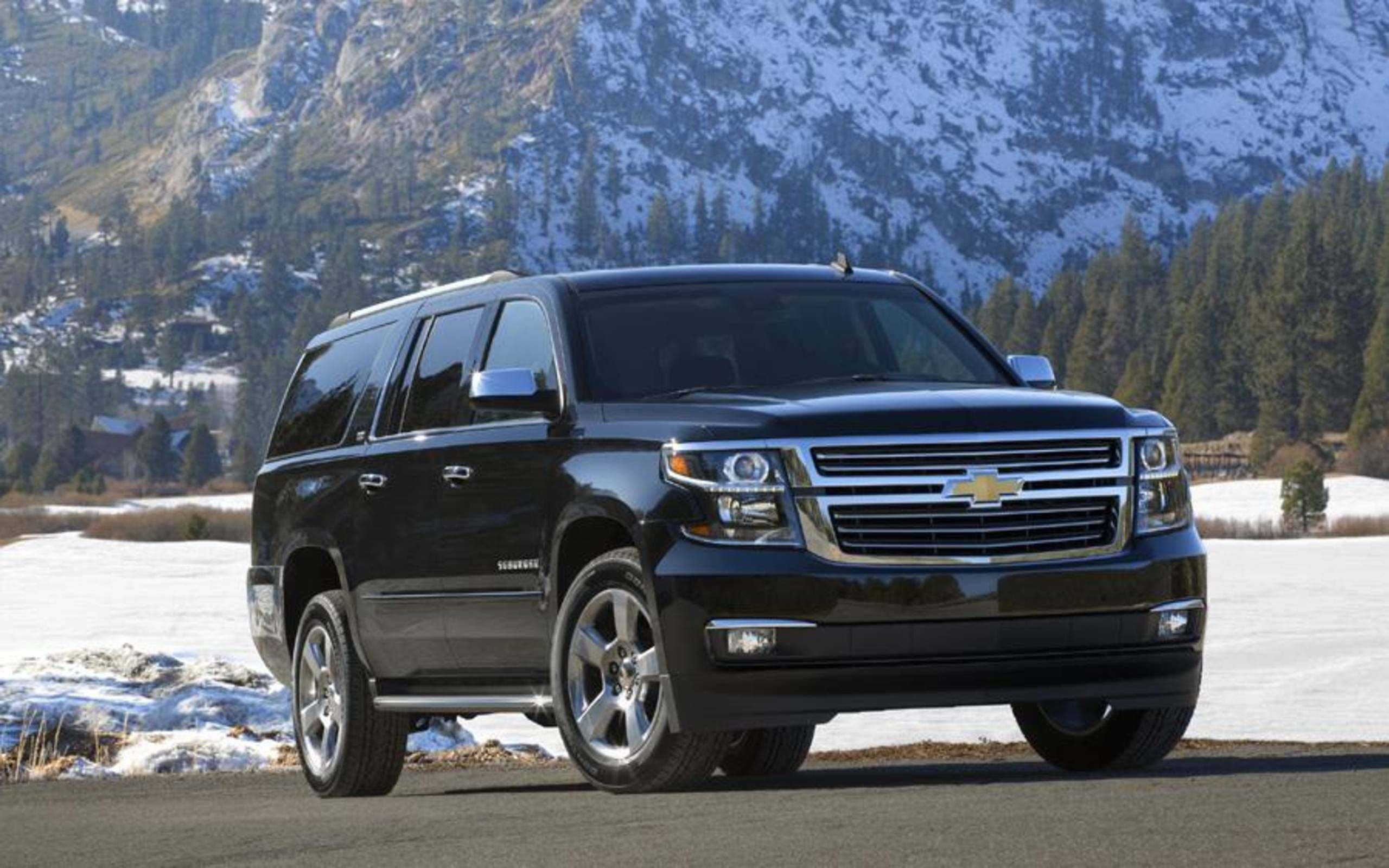
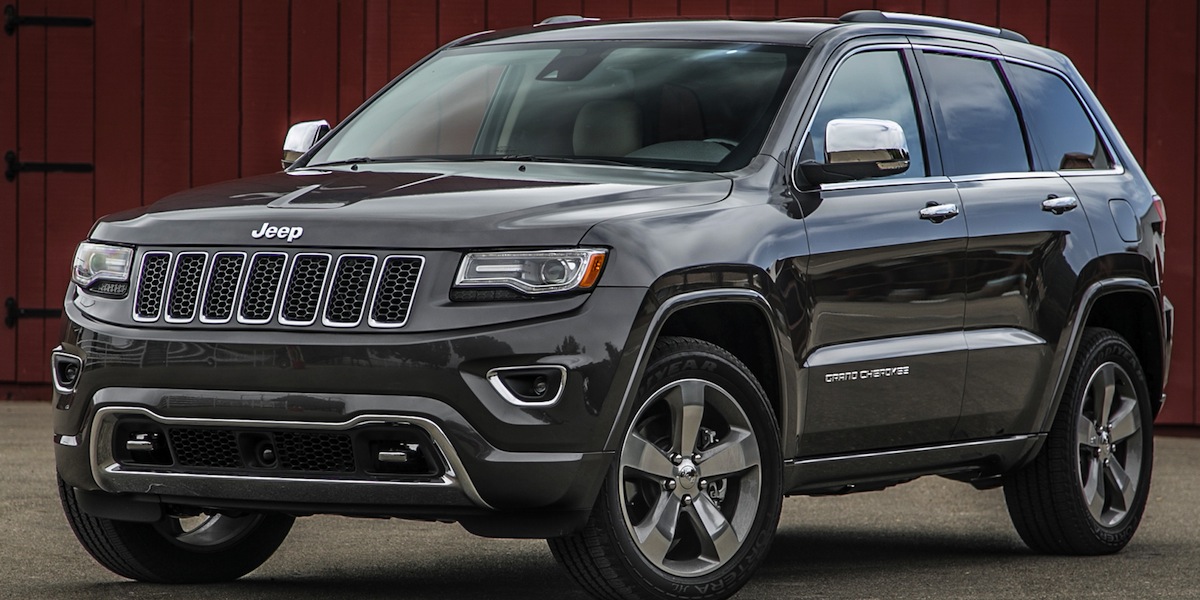
12. Jeep Grand Cherokee (2014–Present): Rugged Capability with Everyday Comfort
The Jeep Grand Cherokee is a midsize SUV that successfully blends off-road prowess with long-term drivability. Its suspension, steering, and braking systems are engineered for durability and comfort, allowing the SUV to remain responsive and stable even after years of daily commuting, family trips, or off-road excursions.
Independent front suspension and a multi-link rear setup absorb bumps and minimize body roll, while steering remains precise with minimal play, making city streets, highways, and loaded trips manageable. Brakes are consistent and durable, with rotors, pads, and calipers providing reliable stopping power supported by smooth, power-assisted braking.
The Grand Cherokee offers multiple powertrains to suit different needs. The base 3.6-liter V6 produces 290 horsepower and 260 lb-ft of torque, while the available 5.7-liter V8 delivers 360 hp and 390 lb-ft. A new 3.0-liter turbo diesel V6 provides high torque (420 lb-ft) and improved fuel economy, making it ideal for towing or extended off-road use.
The performance-focused SRT model boasts a 6.4-liter V8 with 470 hp and 465 lb-ft of torque. All models feature an eight-speed automatic transmission, which enhances acceleration and smoothness.
Properly equipped, towing capacity ranges from 6,200 pounds with the V6 to 7,400 pounds with the V8, with diesel variants matching V8 capability. Off-road performance is enhanced by Jeep’s multiple four-wheel-drive systems and optional Quadra-Lift air suspension, offering adjustable ride heights from 6.6 inches to 11.3 inches.
Inside, the Grand Cherokee balances ruggedness with comfort. Seats remain supportive over long drives, with available ventilated front seats and dual-screen rear entertainment for passenger enjoyment.
The interior includes a standard configurable 7-inch display and an optional 8.4-inch touchscreen with Wi-Fi and smartphone integration. Cargo space measures 36.3 cubic feet with seats up and 68.3 cubic feet with the rear seats folded, providing practical storage without a third-row option. Materials are upscale, with soft-touch surfaces, clear gauges, and intuitive controls enhancing the driving experience.
Fuel economy varies by engine: the V6 achieves 19 mpg combined, the V8 around 16–17 mpg, and the diesel V6 up to 25 mpg combined. Safety features are comprehensive, including stability and traction control, front and side airbags, blind-spot monitoring, forward-collision warning, and optional adaptive cruise control. Crash tests award the Grand Cherokee high marks for frontal, side, and roof-strength protection.
The Jeep Grand Cherokee excels as a do-everything midsize SUV, offering capable off-road performance, multiple powertrain options including diesel and V8, a refined interior, and long-term drivability. It is ideal for drivers seeking versatility, comfort, and rugged capability in one package.
Quietness is more than a feature, it reflects build quality, engineering, and long-term reliability. The 12 SUVs that stay quiet even after 10 years show that durability and comfort do not need to be sacrificed for power or versatility.
From midsize family favorites like the Toyota Highlander and Honda Pilot to full-size SUVs such as the Chevrolet Tahoe and Ford Expedition, these vehicles retain stable suspension, precise steering, and noise-minimized cabins well into their second decade.
Choosing one of these SUVs means enjoying long drives without fatigue, road noise, or rattles while benefiting from dependable performance and modern features. For families, adventurers, or daily commuters, these quiet and enduring SUVs ensure a refined and serene ride today and ten years from now.
Also Read: 5 Cars That Exceeded Marketing Hype vs 5 That Didn’t
