
The subcompact and compact SUV segments have grown rapidly in recent years, attracting buyers with vehicles that combine versatility, style, and practicality. However, not every crossover lives up to its hype. Some rely on flashy designs or heavy marketing but fall short in performance, comfort, or value.
In this roundup, we highlight 10 crossovers that genuinely deserve their popularity. Each of these models delivers a strong balance of daily usability, technology, and appeal. From the rugged off-road capabilities of the Ford Bronco Sport to the stylish practicality of the Kia Seltos, these vehicles show why they continue to attract buyers.
Whether you prioritize fuel efficiency, interior comfort, cargo capacity, or dependable performance, this list emphasizes SUVs that consistently meet expectations and provide meaningful benefits to their owners.
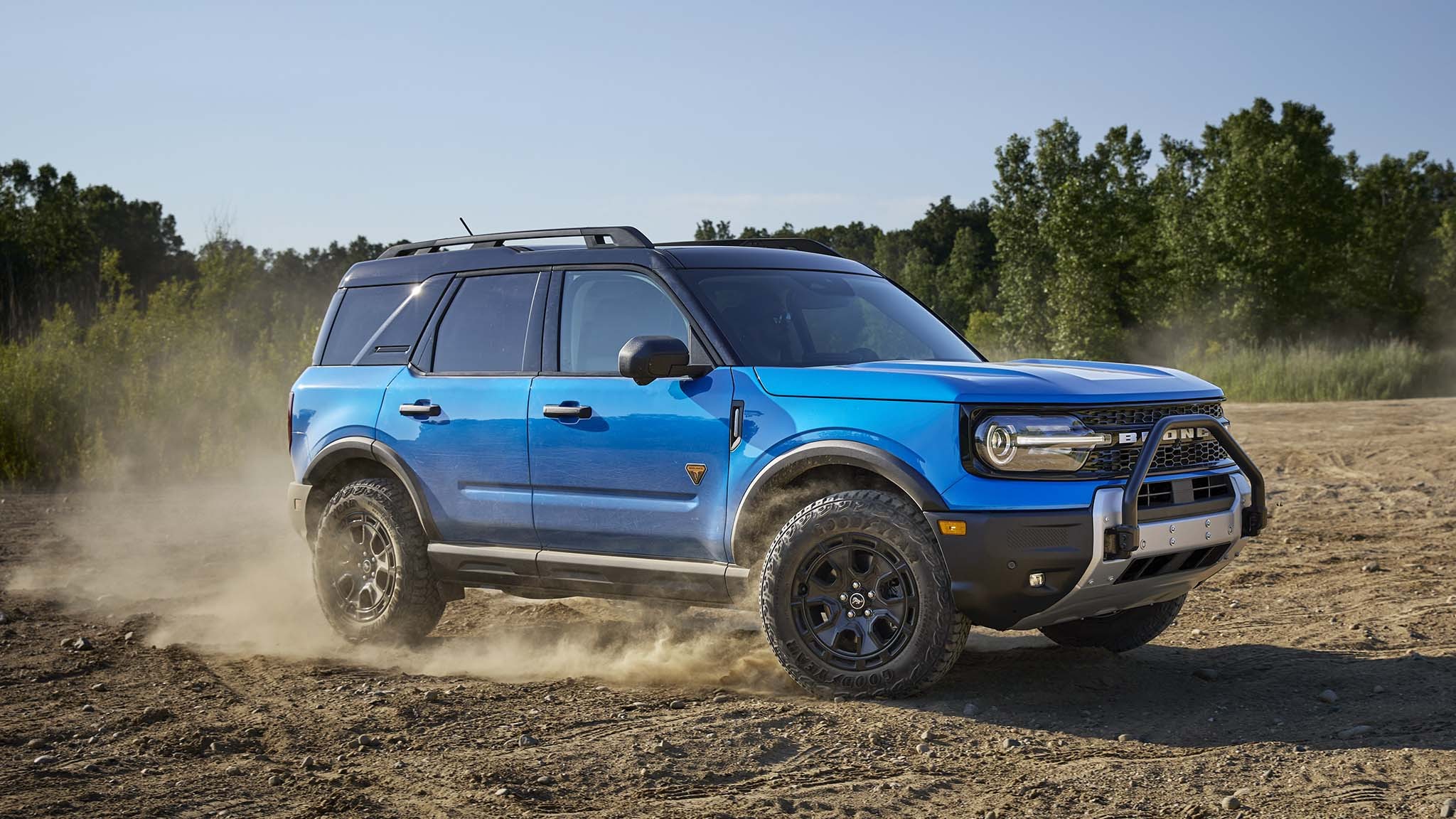
1. 2025 Ford Bronco Sport: The Compact SUV with Big Adventure Spirit
The 2025 Ford Bronco Sport, starting at $29,995, serves as the “baby Bronco,” a smaller and less rugged sibling of the full-size Bronco. While it may not match the original Bronco’s off-road dominance, it delivers an impressive balance of daily usability, off-road readiness, and modern technology, making it one of the most versatile compact SUVs available today.
Under the hood, the base Bronco Sport comes equipped with a turbocharged 1.5-liter inline-three engine, producing 181 horsepower and 190 lb-ft of torque, paired with an 8-speed automatic transmission and standard all-wheel drive. It accelerates from 0–60 mph in 8.2 seconds and reaches a top speed of 125 mph, with a towing capacity of 2,000 lbs.
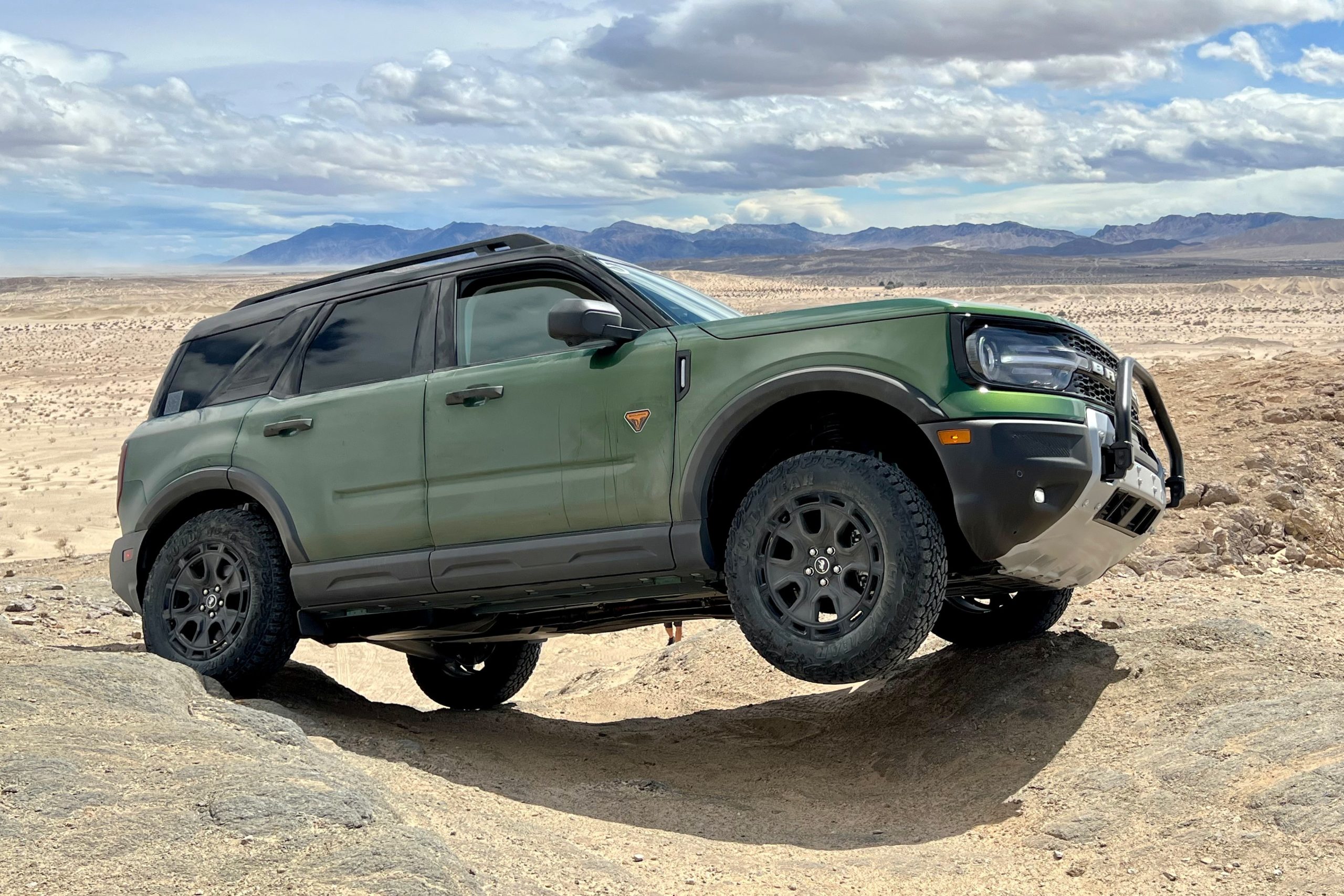
For those seeking more power, the Badlands trim introduces a turbocharged 2.0-liter four-cylinder engine, enhancing performance and off-road capability. The Sasquatch package, available on this trim, includes larger off-road tires, underbody skid plates, and a locking rear differential features which push the Bronco Sport close to the full-size Bronco’s off-road prowess. However, this package significantly increases the price.
Despite its rugged ambitions, the Bronco Sport’s on-road manners are mixed. Its off-road tires and suspension contribute to a bouncy ride and longer braking distances, but these compromises pay off on rough terrain. The vehicle includes a full suite of driver assistance features, such as lane keeping assist and adaptive cruise control, which are intuitive and non-intrusive.
Inside, the Bronco Sport offers ample headroom and comfortable front-row legroom, though the seats lack side support, causing some sliding during sharp turns or off-road jolts. Rear passengers also enjoy good headroom, but legroom is slightly tight, and installing child seats can be tricky due to narrow door openings and a low roofline.
The interior design emphasizes rugged durability over luxury, featuring easy-to-clean surfaces and functional storage. The digital instrument panel is clear and intuitive, though the climate controls, being mostly touchscreen-based, may not appeal to everyone. Wind and road noise are higher than in many competitors due to the boxy design and off-road tires, but the cabin remains practical and comfortable for adventure seekers.
Tech-wise, the Bronco Sport impresses with wireless Apple CarPlay and Android Auto, a 12.3-inch digital display, and a 13.2-inch touchscreen. The interface is user-friendly, and even the base audio system offers solid sound quality, with an optional Bang & Olufsen premium setup for audiophiles. However, built-in navigation requires a subscription after the first year, which may disappoint some buyers.
Multiple USB-C ports are conveniently placed throughout the cabin, including one cleverly hidden behind the touchscreen.
The Bronco Sport excels in cargo versatility, boasting a high ceiling, low load floor, and a rubberized, removable cargo mat for easy cleaning. Hooks, lights, and power outlets add practicality, while Badlands models include underseat storage cubbies. The optional two-tier cargo organizer can serve as a shelf or even a small table for outdoor use.
However, towing capacity remains a weak point, topping out at 2,200 lbs with the base engine and 2,700 lbs with the upgraded powertrain, trailing rivals like the Toyota RAV4 and Ford Escape.
In terms of value, the Bronco Sport’s pricing reflects its superior off-road ability and standard all-wheel drive, though it is slightly costlier than most compact crossovers. Ford’s 3-year/36,000-mile basic warranty and 5-year/60,000-mile powertrain coverage are average for the class.
Fuel efficiency is also fair, achieving 27 mpg combined with the base engine and 23 mpg for the more powerful Badlands model, though a hybrid version is notably absent.
The 2025 Ford Bronco Sport stands out as a compact SUV that merges rugged off-road performance with daily practicality. It’s not the smoothest or most powerful in its class, but it offers a unique blend of adventure-ready features, robust tech, and genuine personality.
With its bold styling, configurable trims, and authentic off-road capability, the Bronco Sport appeals to drivers who want an SUV that’s as comfortable in the city as it is exploring the wilderness.
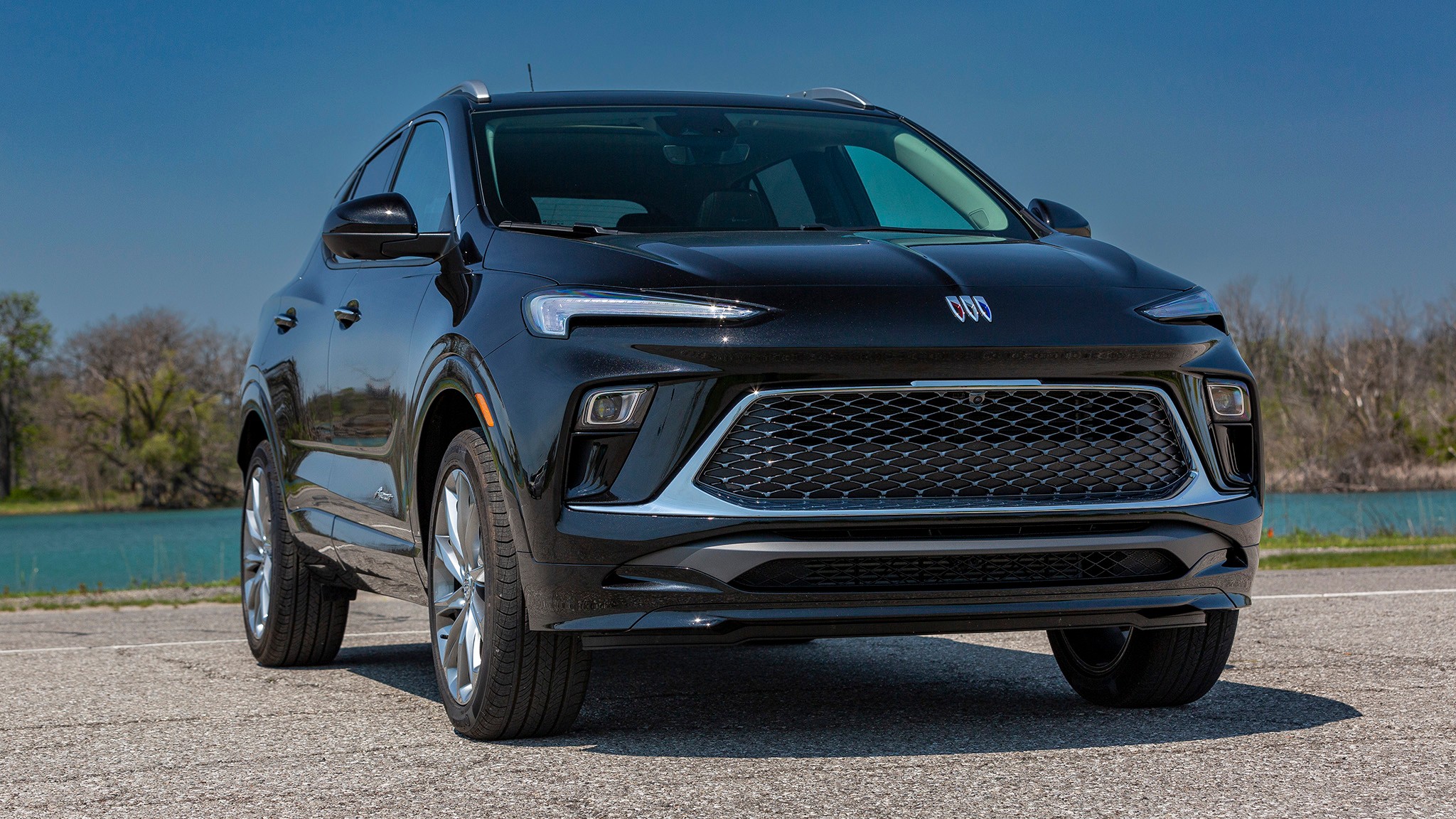
2. 2025 Buick Encore GX: A Premium Touch to the Subcompact SUV Class
With a starting MSRP of $27,295, the 2025 Buick Encore GX positions itself as a refined and well-equipped option in the subcompact SUV market. Once overshadowed by its sibling, the Envista, the Encore GX now takes on a more premium role, blending sophistication, comfort, and advanced technology. While it is not the most powerful or spacious choice, it stands out for its refined driving character and upscale presentation.
The 2025 Encore GX offers two turbocharged three-cylinder engines. The base 1.2-liter engine produces 137 horsepower and 162 lb-ft of torque with a continuously variable transmission (CVT) and front-wheel drive. It reaches 0–60 mph in 9.3 seconds and has a top speed of 120 mph. A more capable 1.3-liter turbo engine with 155 horsepower and optional all-wheel drive provides a stronger and livelier performance.
The Encore GX feels well-balanced on the road. It handles corners with confidence and minimal body roll, while the steering is light yet accurate, making city driving easy. The 1.3-liter version accelerates to 60 mph in 9.2 seconds, which is slightly quicker than most rivals. However, the nine-speed transmission can be slow to respond, and the engine stop-start system engages abruptly, though it can be switched off.
The ride quality is smooth and well-controlled, absorbing most road imperfections, though sharper bumps can be felt in the cabin. Visibility through the rear side windows is slightly limited by the upward-sloping design, but the available 360-degree camera system and sensitive forward collision warning assist in maneuvering and safety.
The Encore GX offers a thoughtfully designed interior that combines simplicity with elegance. Its cabin uses a mix of physical and digital controls, which makes it easy to operate. While the front seats could use more lateral support and the padding feels firm, the design and materials create a comfortable and modern space.
At highway speeds, tire and engine noise become noticeable, and the three-cylinder engine can sound coarse when accelerating. Some vibration through the steering wheel is also present. On the positive side, the climate control system is strong, and the seat heaters warm up quickly.
Without a sunroof, there is plenty of headroom and legroom for both front and rear passengers. The seating position is slightly upright, but most drivers will find it comfortable. Installing child seats is possible, although the anchors are somewhat hidden.
Technology is one of the Encore GX’s strongest qualities. The infotainment system is responsive and easy to use, offering clear graphics and fast processing. The base audio system provides impressive clarity, and the navigation system includes predictive text for quicker destination input. The vehicle also offers four USB ports, a 120-volt outlet, and a wireless charging pad to keep devices charged and connected.
For a compact SUV, the Encore GX uses its space efficiently. The cargo area provides 23.5 cubic feet behind the rear seats and expands to 50.2 cubic feet when folded flat. The rear seats fold without needing to move the front seats, and the adjustable liftgate height adds convenience for taller users. Several small cubbies and cupholders are located throughout the cabin, including a divided storage bin under the armrest.
The Encore GX occupies a space between standard and luxury subcompact SUVs. The fit and finish are impressive for its class, and the soft-touch materials add a premium feel.
However, this refinement comes with a higher price, placing it close to larger and more capable models like the Honda CR-V or Mazda CX-5. Buick provides a 3-year/36,000-mile basic warranty and a 5-year/60,000-mile powertrain warranty, along with extended roadside assistance and a complimentary first service.
Fuel economy is commendable. The all-wheel-drive version achieves 27 mpg combined (26 city and 28 highway), and real-world testing recorded 31.1 mpg, which is among the best in its category.
The 2025 Buick Encore GX delivers a refined balance of style, technology, and practicality. It may not be the quickest or roomiest small SUV, but it offers an inviting cabin, smooth ride, and a wealth of modern features.
The Sport Touring package adds a touch of sportiness, while the torquey turbocharged engine provides a satisfying driving experience. For drivers seeking a small SUV that combines premium comfort, advanced features, and everyday versatility, the Encore GX presents a compelling choice.
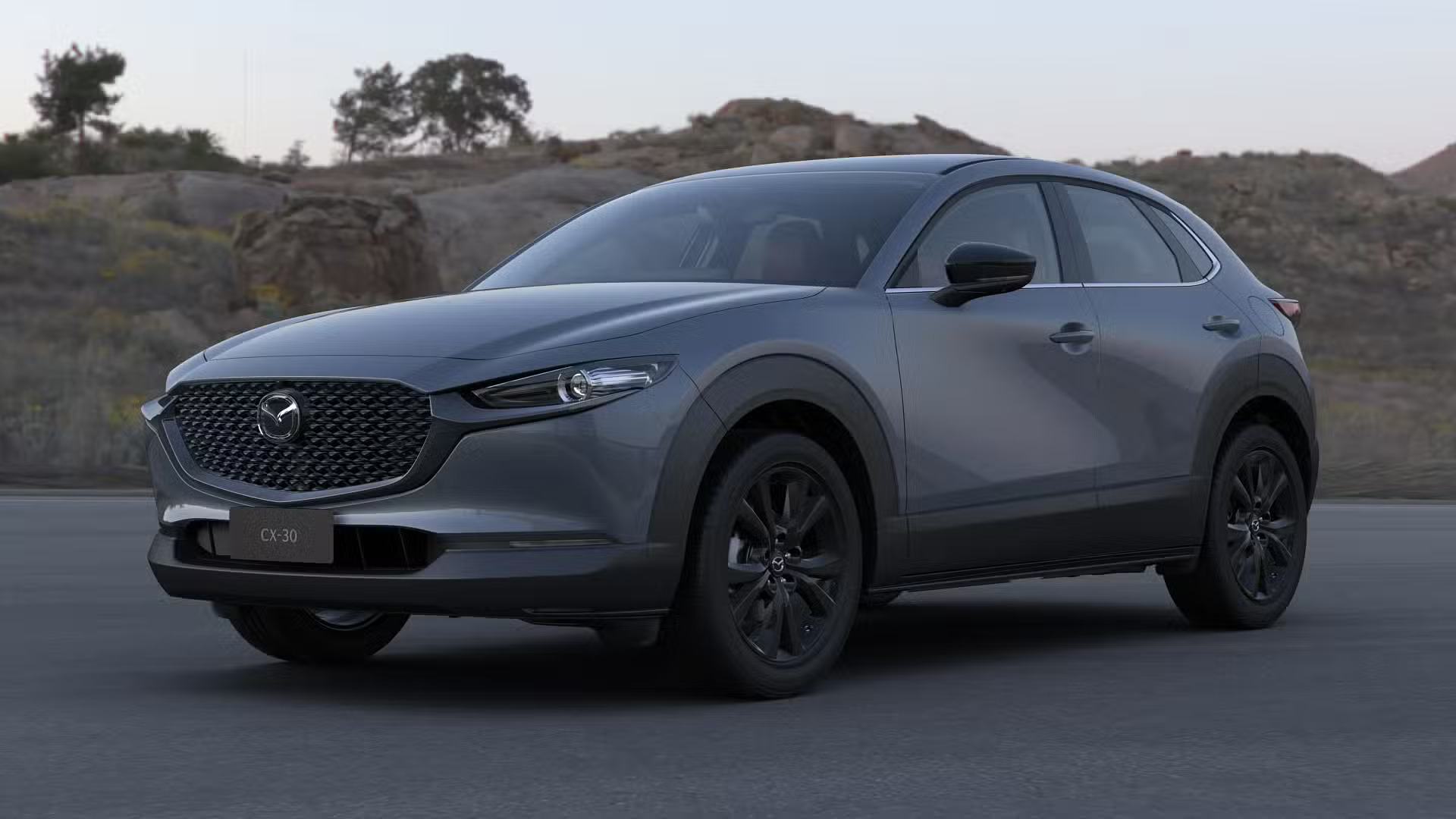
3. 2025 Mazda CX-30: A Stylish Blend of Performance and Refinement
With a starting price of $26,415, the 2025 Mazda CX-30 delivers an appealing mix of athletic performance, upscale comfort, and compact practicality. Positioned between the smaller CX-3 and larger CX-5, the CX-30 is often overlooked, yet it offers one of the most engaging driving experiences in its class.
Designed for those who want both sophistication and sportiness in a compact package, the CX-30 proves that small SUVs can still deliver excitement.
The 2025 Mazda CX-30 comes standard with a 2.5-liter naturally aspirated four-cylinder engine producing 191 horsepower and 186 lb-ft of torque, paired with a 6-speed automatic transmission and standard all-wheel drive. This setup allows the CX-30 to accelerate from 0 to 60 mph in 8.1 seconds and reach a top speed of 126 mph.
Drivers who crave more performance can opt for the turbocharged 2.5-liter engine, which generates 250 horsepower and cuts the 0–60 time to 6.4 seconds, making it one of the quickest subcompact SUVs on the market.
Mazda has built a strong reputation for crafting vehicles that are fun to drive, and the CX-30 continues that legacy. The steering is sharp and communicative, while the suspension provides excellent balance and stability on winding roads. The transmission tends to upshift early to maximize fuel efficiency, but engaging Sport mode brings livelier performance and quicker throttle response.
Driver assistance features such as adaptive cruise control and lane-keeping assist work smoothly, offering support without being intrusive. These features, combined with precise handling, make the CX-30 equally enjoyable on twisty backroads and city streets.
Despite its sporty character, the CX-30 delivers impressive comfort. The front seats are well-padded and supportive, suitable for long drives. The rear seats provide good comfort but are better suited for children or shorter trips due to limited space. The low roofline may require taller passengers to duck slightly when entering or exiting, but once inside, the cabin feels refined and inviting.
The suspension is firm yet compliant, effectively absorbing bumps without feeling harsh. Cabin insulation is excellent, with minimal wind and road noise even at highway speeds, giving the CX-30 an almost luxury-like feel. The dual-zone climate control system performs adequately, though it may not get as cold as some drivers prefer. Heated seats take time to warm but deliver consistent comfort once active.
Technology is the CX-30’s weakest area. Base models come with an 8.8-inch infotainment screen, while turbo models receive a 10.3-inch display. Both are controlled primarily through a center console knob, which is unintuitive and less convenient than a touchscreen interface.
While Apple CarPlay and Android Auto are available, wireless connectivity is not standard. Even on the larger screen, touch functionality only works when the vehicle is stationary.
There are two USB-C ports for data and charging, and a wireless charging pad is available on higher trims. Although the infotainment layout feels dated compared to rivals like the Hyundai Kona, the system is responsive and clear once familiarized.
The CX-30 offers 20.2 cubic feet of cargo space behind the rear seats. While this is competitive for a subcompact SUV, the area’s shallow depth limits the size of items that can fit easily. Folding the rear seats expands capacity, though the seatbacks do not lie completely flat, which makes loading long objects more difficult.
Smaller storage compartments throughout the cabin include a large cubby in front of the gear selector, a decent-sized center armrest bin, and a usable glove compartment. The door pockets and cupholders are on the smaller side but functional for everyday use.
The CX-30 offers strong value for those prioritizing driving enjoyment and build quality. The base trims are priced competitively, while the turbocharged models are significantly more expensive and best suited for buyers who prioritize performance. The interior quality rivals that of entry-level luxury brands, with soft-touch materials, leather upholstery, and tasteful chrome accents enhancing the cabin’s appeal.
The CX-30 achieves 29 mpg combined with the base engine and 25 mpg combined with the turbocharged version. These figures are consistent with its segment, and real-world testing confirms that the EPA estimates are accurate.
The 2025 Mazda CX-30 distinguishes itself through its dynamic handling, refined interior, and premium design. It blends the agility of a compact car with the practicality of an SUV, offering an experience that few competitors can match.
While its infotainment system lags behind the best in the class and rear space is limited, the CX-30’s engaging drive, comfort, and upscale atmosphere make it one of the most rewarding subcompact SUVs to own.
4. 2025 Kia Seltos: Stylish and Practical Subcompact SUV
The 2025 Kia Seltos, starting at $26,085, competes in a crowded subcompact SUV segment but distinguishes itself with spacious interiors, a strong feature set, and confident driving dynamics. Designed to balance utility, style, and everyday usability, the Seltos offers more room and capability than many rivals while remaining affordable.
The standard powertrain is a 2.0-liter naturally aspirated four-cylinder engine producing 146 horsepower and 132 lb-ft of torque, paired with a CVT and all-wheel drive. This setup delivers modest acceleration with a 0–60 mph time of 9.6 seconds and a top speed of 130 mph.
For drivers seeking extra performance, the turbocharged 1.6-liter engine provides a noticeable boost in power and comes standard with all-wheel drive and a smooth-shifting automatic transmission. Although initial acceleration is slightly sluggish, the turbo engine provides strong midrange power, making highway merging and passing effortless.
Handling is predictable, with light steering that eases maneuvering in tight spaces and parking. Braking performance is average while the vehicle remains stable across varied driving conditions. Visibility is excellent due to the Seltos’ boxy design, and the wide-angle backup camera simplifies reversing.
Driver assistance features including lane-keeping assist, adaptive cruise control, and forward collision warning function effectively though they can be overly cautious at times.
Inside, the Seltos emphasizes function and comfort. Its upright design provides generous headroom and legroom in both rows. Entry and exit are simple thanks to tall doors and elevated seating.
Front seats are comfortable but could benefit from more thigh support, while rear seats accommodate adults surprisingly well for the class. Ride quality is firm yet composed, though road noise is noticeable at higher speeds. Climate control struggles slightly in extreme heat and the cabin’s abundant hard plastics reduce perceived refinement.
Technology is a highlight. Most trims feature a 10.25-inch infotainment display with crisp graphics, though wireless Apple CarPlay and Android Auto are only supported on the smaller 8-inch screen.
A Bose audio system, wireless charging pad, and multiple USB-C ports enhance convenience. Cargo space is impressive with 26.6 cubic feet behind the rear seats and 62.8 cubic feet with seats folded, aided by a wide liftgate and flat load floor.
The Seltos offers strong value, especially with Kia’s 5-year/60,000-mile basic warranty and 10-year/100,000-mile powertrain coverage alongside roadside assistance. Fuel economy ranges from 25 to 31 mpg combined depending on the engine and drivetrain.
The 2025 Kia Seltos delivers a versatile, stylish, and practical package, blending spacious interiors, advanced technology, and solid performance into an affordable subcompact SUV. While interior materials and the base engine could be improved, the Seltos remains a compelling choice for buyers seeking a modern, reliable, and well-equipped vehicle.
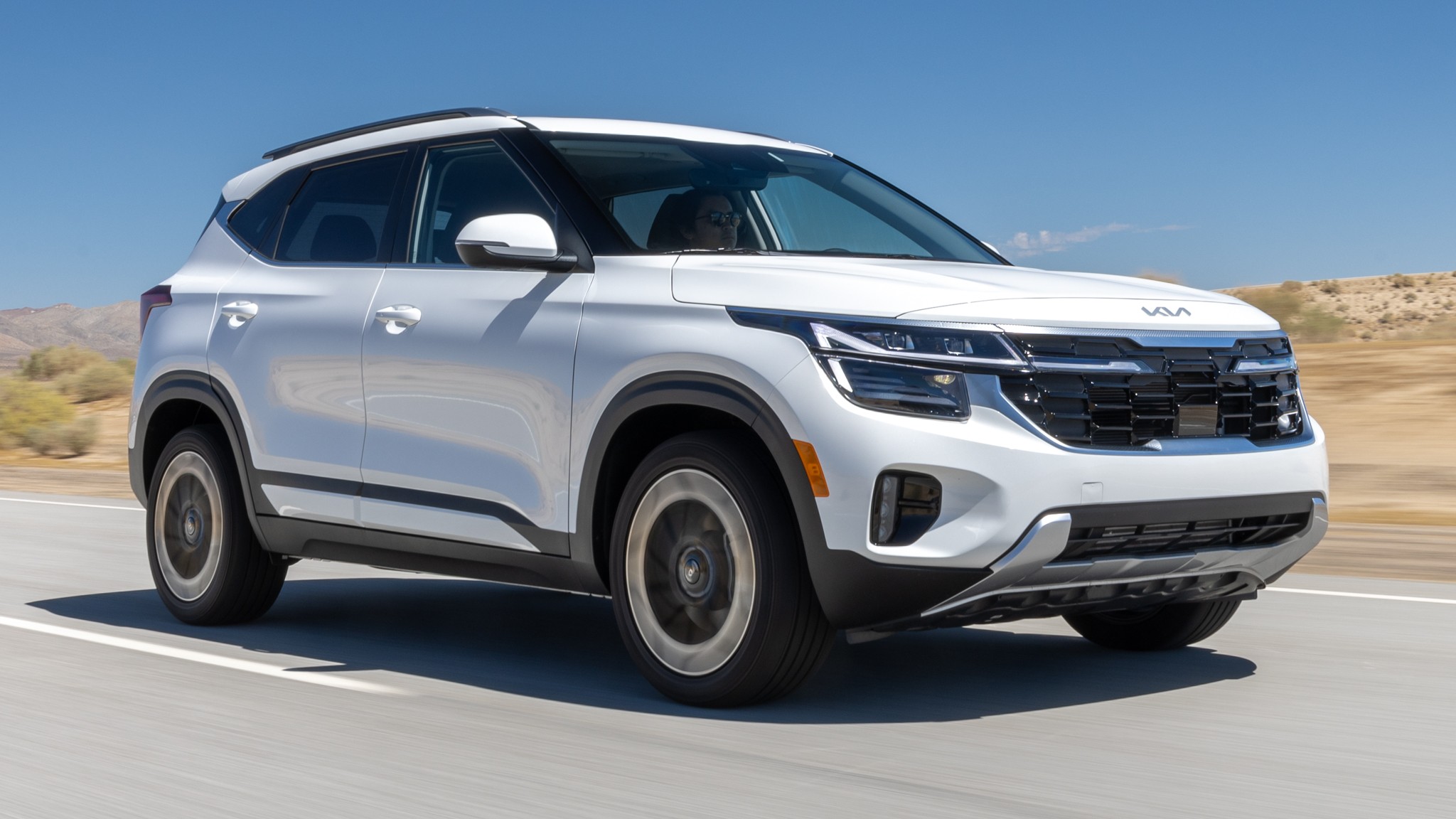
5. 2025 Subaru Crosstrek: Rugged Subcompact SUV for Adventure
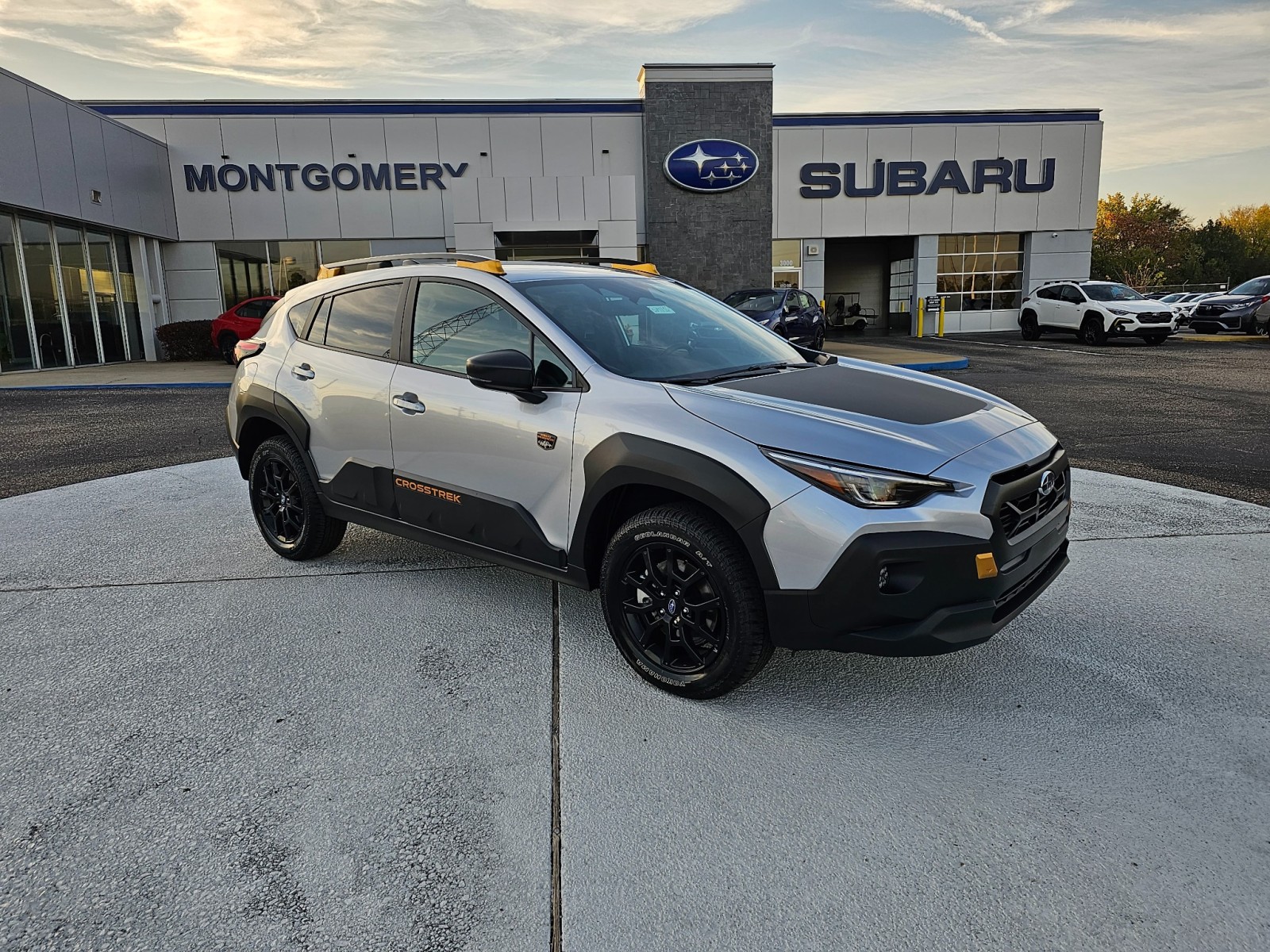
The 2025 Subaru Crosstrek, starting at $25,810, is a versatile and capable subcompact SUV designed for buyers seeking adventure-ready functionality. Often overshadowed by flashier competitors, the Crosstrek stands out with its all-wheel-drive system, safety features, and practicality, appealing to those who value utility and off-road capability.
Subaru’s EyeSight safety system enhances confidence, offering advanced driver assistance features that perform reliably, though they can feel overactive at times.
The base Crosstrek comes with a 2.0-liter naturally aspirated flat-four engine producing 152 horsepower and 145 lb-ft of torque, paired with a CVT and standard all-wheel drive. This setup achieves a 0–60 mph time of 9.5 seconds and a top speed of 120 mph, providing competent but not exhilarating performance.
For stronger acceleration and increased towing capacity, higher trims feature a 2.5-liter flat-four engine with 182 horsepower and a towing capacity of 3,500 pounds. The base engine feels sluggish, while the larger engine improves highway performance and responsiveness. Steering is somewhat vague, and body roll is noticeable under braking or during cornering, but the Crosstrek remains smooth and confident on varied terrain.
Inside, the Crosstrek emphasizes simplicity and functionality. Controls are large and intuitive, while the high roofline, wide doors, and elevated seating make entry and exit easy.
Front seats are supportive for long drives, and rear seating offers adequate space, though taller passengers may feel cramped on extended trips. Suspension is tuned for comfort over rough surfaces, and road noise is manageable, contributing to a practical and durable cabin.
Technology in the Crosstrek is serviceable but dated. Higher trims feature an 11.6-inch tablet-style infotainment display, while lower trims use a smaller screen. Wireless Apple CarPlay and Android Auto are standard on most trims, and the vehicle includes USB-A and USB-C ports with an optional wireless charging pad. The system handles essential functions well, but the menus respond slowly and feel behind competitors.
Cargo capacity is 19.9 cubic feet behind the rear seats, less than rivals like the Trailblazer or Taos. Rear seats fold to expand storage, though the space is shallow. Small-item storage is limited, with undersized door pockets, cupholders, and a compact center console.
Fuel economy is reasonable, with the 2.0-liter engine rated at 29 mpg combined, and real-world testing achieving 33.4 mpg. The 2.5-liter engine maintains similar efficiency, except in Wilderness trims, which drop to 27 mpg combined.
The 2025 Subaru Crosstrek is ideal for outdoor enthusiasts and adventure-focused buyers, offering durability, reliable AWD, and a practical interior. While it lacks sporty handling and luxury finishes, its utility, off-road competence, and rugged design make it a dependable choice for those who prioritize function and versatility.
Also read: 5 Cars With Strong Transmissions vs 5 With Weak Ones
6. 2025 Mitsubishi Outlander Sport: Affordable and Practical Subcompact SUV
The 2025 Mitsubishi Outlander Sport starts at $25,415, positioning it as one of the more budget-friendly options in the subcompact SUV segment. While it falls short in refinement and driving excitement compared with rivals, it offers practical utility, simple technology, and a strong warranty, making it attractive to buyers focused on value over performance.
Under the hood, the Outlander Sport is powered by a 2.0-liter naturally aspirated four-cylinder engine producing 148 horsepower and 145 lb-ft of torque, paired with a CVT and standard all-wheel drive.
Performance is modest, with a 0–60 mph time of 8.0 seconds and a top speed of 120 mph. The SUV supports a payload capacity of 1,080 pounds and handles daily tasks adequately, though it does not deliver a sporty driving experience despite its name.
On the road, the Outlander Sport reveals several weaknesses. The engine feels underpowered during acceleration, and the CVT responds slowly to throttle inputs. Steering lacks precision, and the suspension is stiff, making the ride jittery over bumps and corners.
Body roll and nosedive under braking reduce confidence, requiring constant attention from the driver. The AWD system provides extra traction in poor weather, but the SUV struggles to engage drivers seeking dynamic handling or spirited driving.
Inside, the cabin is functional but uninspiring. Leather-trimmed front seats are firm and inflexible, while rear seating is tight with limited legroom and headroom. Tall drivers may find the seating posture uncomfortable due to limited adjustability.
Visibility is restricted by thick roof pillars and a small rear window, though front entry is aided by large door openings. Road, wind, and fan noise intrude into the cabin, and the suspension compliance feels uneven, making longer trips less comfortable.
Technology is basic but easy to use. Apple CarPlay and Android Auto are available but not standard on the base trim, and Bluetooth connectivity is reliable. The infotainment system is straightforward but lacks advanced features or modern styling.
Storage functions well for everyday use. Rear seats fold 60/40 to expand cargo space, creating a flat load floor, while the tall roofline simplifies loading. Door pockets and cubbies accommodate small items, and car seat anchors are accessible, though upper hooks require access from the cargo area.
Fuel economy is modest, with the SEL trim rated at 25 mpg combined, though real-world testing averaged 22.7 mpg across varied driving conditions.
Value is the Outlander Sport’s strongest point. Its low starting price, combined with Mitsubishi’s 5-year/60,000-mile powertrain warranty and 10-year/100,000-mile roadside assistance, offers peace of mind for budget-conscious buyers.
It provides a reliable, practical SUV without the expectation of high performance, advanced technology, or long-distance comfort, making it a sensible choice for cost-focused shoppers.
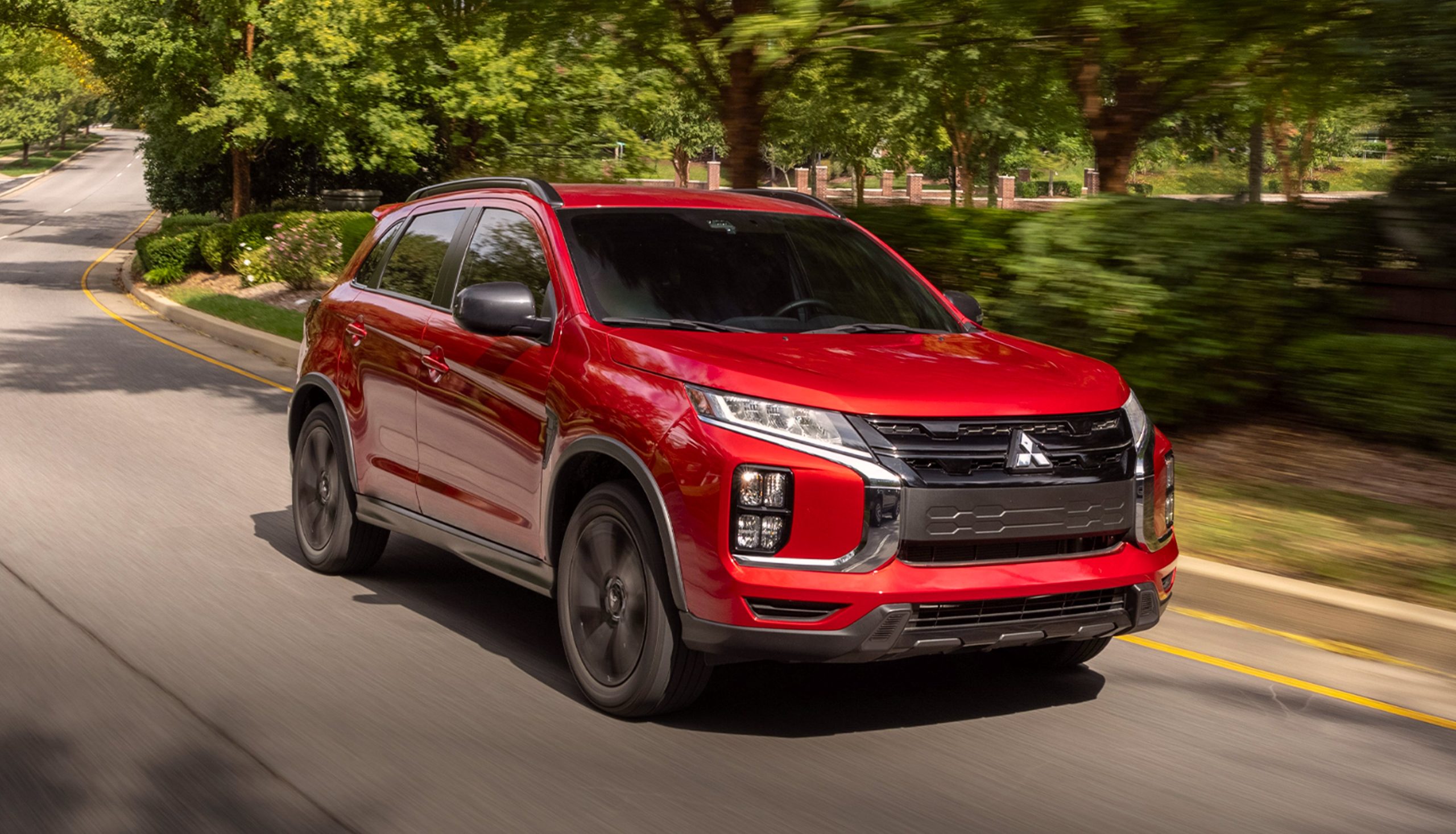
7. 2025 Chevrolet Trailblazer: Versatile and Practical Subcompact SUV
The 2025 Chevrolet Trailblazer starts at $24,395 and competes in the extra-small SUV segment with a mix of style, practicality, and available features. Often overshadowed by the Trax and similar corporate siblings, the Trailblazer offers multiple powertrains, drivetrains, and updated interior technology, giving buyers a well-rounded subcompact SUV option.
The Trailblazer comes with a turbocharged 1.2-liter inline three-cylinder engine, producing 137 horsepower and 162 lb-ft of torque, paired with a CVT and standard front-wheel drive. An all-wheel-drive drivetrain and optional nine-speed automatic transmission are available on higher trims. The SUV achieves 0–60 mph in 9.4 seconds and has a top speed of 130 mph, with a towing capacity of 1,000 pounds.
In daily driving, the Trailblazer is competent but not fast. The CVT keeps the engine in its optimal range, but downshifts can be slow when passing. Braking is sensitive, requiring careful modulation to avoid jerky stops. Handling is stable though not particularly sporty, and steering accuracy is sufficient to maintain confidence on the road.
The ride quality is comfortable, especially on highways, while rough urban roads can transmit some jostling to the cabin. Limited standard driver aids reduce convenience, though available packages add features such as blind-spot monitoring, adaptive cruise control, and rear parking sensors.
The Trailblazer provides a spacious and functional interior. Front seats are firm but supportive, and entry is easy thanks to the slightly elevated ride height. Rear passengers enjoy generous legroom, and optional panoramic sunroofs enhance headroom.
The turbocharged engine produces a subtle growl at full throttle, while road and wind noise remain noticeable but not intrusive. Climate controls are easy to use, though fan noise can be audible at higher speeds. Car seats fit well, making the Trailblazer practical for families.
Chevrolet recently updated the Trailblazer’s interior, including a larger infotainment touchscreen with standard wireless Apple CarPlay and Android Auto. The system is user-friendly, though navigation must rely on connected apps rather than an integrated system.
USB-A and USB-C ports are standard, with optional rear ports for passengers. Voice controls work reliably, but natural language recognition could be improved. Adaptive cruise control and lane-keeping assistance function consistently, enhancing highway comfort.
Cargo space benefits from the Trailblazer’s dimensions. Rear storage is among the most generous in the class, suitable for groceries, luggage, or sports equipment. The 60/40 split rear seats fold to expand the load area. Small-item storage is average, with a center console, door pockets, and a tray in front of the shifter. Large water bottles may not fit in all locations, but the layout is practical for daily use.
The Trailblazer with a turbocharged 1.2-liter engine and AWD is rated at 27 mpg combined, with real-world testing yielding 26.9 mpg on a highway-heavy route. Premium fuel is not required, making operation more economical.
Pricing is higher than some rivals, but the Trailblazer offers a well-built interior, generous cargo space, and multiple available features. Chevrolet provides five years/60,000 miles of roadside assistance and one year of complimentary maintenance, supporting the vehicle’s value.
The Trailblazer stands out with futuristic styling, balanced handling, and versatility. While not the fastest or sportiest subcompact SUV, it performs reliably in daily driving and offers ample space and equipment for its class. Buyers seeking a well-rounded, capable, and stylish extra-small SUV will find the Trailblazer an attractive option that combines practicality and character.
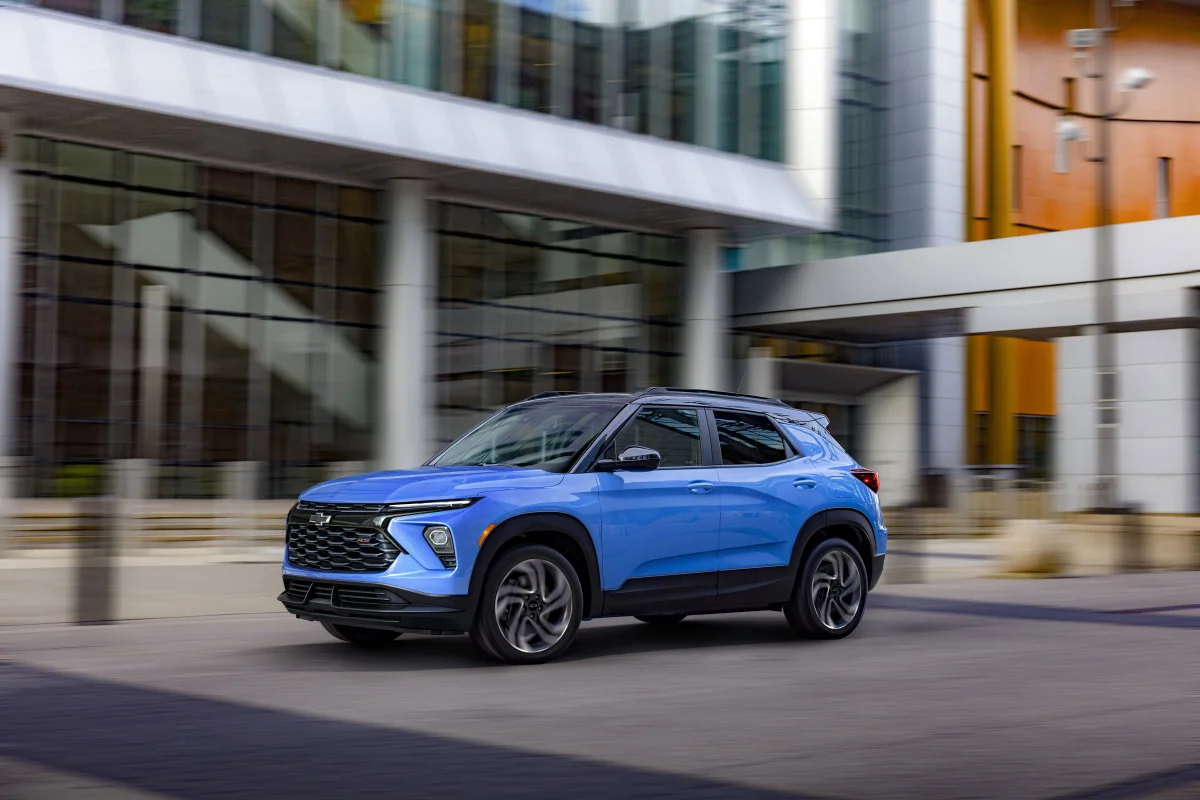
8. 2025 Toyota Corolla Cross: Practical and Efficient Subcompact SUV
The 2025 Toyota Corolla Cross starts at $24,035 and brings the familiar reliability and design of the Corolla sedan into a taller, more versatile package. Positioned below the RAV4 in Toyota’s SUV lineup, it offers practical utility, efficient performance, and hybrid availability while maintaining a familiar aesthetic for Corolla fans.
The Corolla Cross comes with a naturally aspirated 2.0-liter inline four-cylinder engine, producing 169 horsepower and 151 lb-ft of torque. Power is delivered via a CVT to a front-wheel-drive drivetrain, providing a 0–60 mph time of 8.4 seconds, a top speed of 120 mph, and a towing capacity of 1,500 pounds. It can also handle a payload of 1,165 pounds, making it suitable for light hauling or recreational gear.
The Corolla Cross drives comfortably in city and highway traffic. The CVT keeps the engine in its optimal power range, though downshifts for passing can feel slow. Steering is predictable and builds confidence, though handling is not particularly sporty.
Ride quality is smooth over highways, while rough urban roads transmit mild jostling. The hybrid variant improves fuel efficiency without sacrificing everyday drivability.
Advanced driver aids are available, including forward collision mitigation, lane keeping assist, and optional blind-spot monitoring, adaptive cruise control, and rear parking sensors. These systems generally operate reliably, although some drivers may notice early alerts from the safety systems.
The interior of the Corolla Cross is simple, functional, and comfortable. Front seats provide adequate support for long drives, and elevated seating height makes entry and exit easy. Rear passengers enjoy sufficient legroom and headroom, and car seats fit without difficulty.
Road and wind noise are modest, while the cabin feels airy due to large windows. Climate control is intuitive, though fan noise can be noticeable on higher settings. The cabin design emphasizes practicality over luxury, but materials are durable and surfaces are well-finished.
Technology in the Corolla Cross is user-friendly, with a central touchscreen for infotainment and standard wireless Apple CarPlay and Android Auto. USB-A and USB-C ports provide convenient charging for front passengers, while rear passengers can access optional ports.
Voice commands are straightforward, although more natural language recognition would be helpful. Navigation is available via connected apps rather than built-in systems, keeping the interface simple and intuitive.
Cargo space is competitive for the subcompact SUV class, offering sufficient capacity for groceries, luggage, or sports equipment. The rear seats fold to expand storage area, while interior cubbies, a center console, and door pockets accommodate smaller items. Tall rooflines and wide openings make loading and unloading practical, although very large bottles may not fit in all locations.
Fuel efficiency is a strong selling point. The Corolla Cross achieves competitive EPA ratings, particularly in the hybrid model, allowing drivers to reduce fuel costs without compromising performance. Pricing is slightly higher than some rivals, but Toyota delivers reliability, safety, and utility, along with a reputation for low maintenance costs and strong resale value.
The Corolla Cross combines practicality, efficiency, and versatility in a compact package. It handles daily commuting, light hauling, and family duties with ease. Its hybrid availability, predictable handling, and functional interior make it a solid choice for buyers seeking a dependable subcompact SUV with proven Toyota reliability.
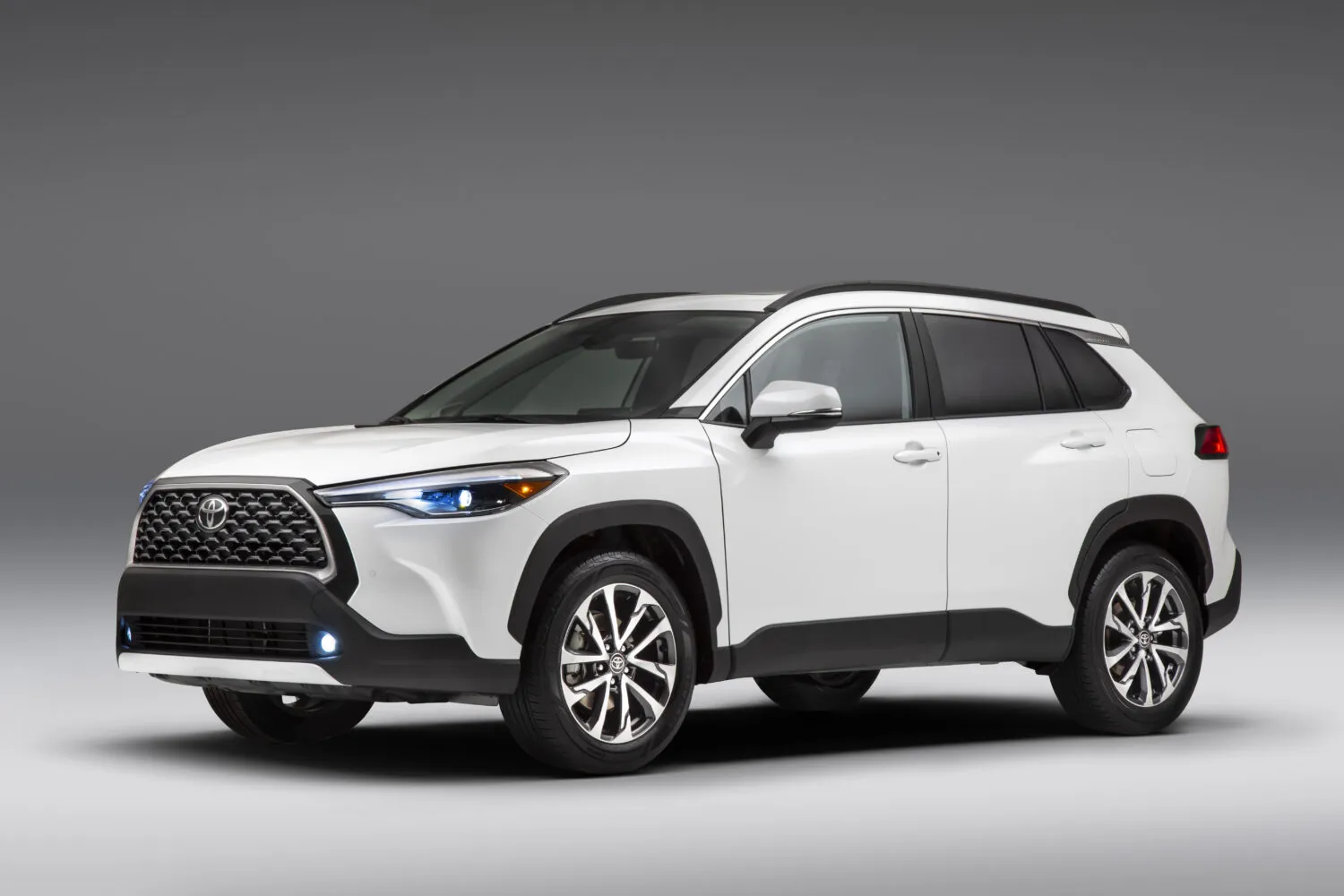
9. 2025 Nissan Kicks: Stylish but Underpowered Subcompact SUV
The 2025 Nissan Kicks starts at $22,730 and marks a complete redesign aimed at competing with rivals such as the Chevrolet Trax and Buick Envista. The new generation presents a fresh exterior and interior design, a more cargo-capable layout, and a modern infotainment setup, giving the Kicks a contemporary feel that stands out in the extra-small SUV segment.
The Kicks is powered by a turbocharged 1.6-liter inline four-cylinder engine, producing 141 horsepower and 140 lb-ft of torque, paired with a CVT and front-wheel drive. Acceleration is slow, with a 0–60 mph time of 10 seconds, making it one of the slowest vehicles in the class. The top speed is 120 mph, and the SUV can handle a payload of 915 pounds.
Driving the Kicks exposes its main limitation: the engine struggles to provide meaningful acceleration, particularly when merging or passing on highways. The CVT is slow to respond, which further reduces the SUV’s responsiveness. Ride quality is unsettled on anything but smooth roads, though steering and handling are predictable and easy to manage in urban environments.
Braking performance is smooth and confident, but the Kicks requires a long distance to stop under panic conditions, measuring 132 feet in testing. Visibility benefits from the boxy design, though the small rear window can be limiting. Driver aids perform reliably on highways, but the backup camera lacks sharpness.
The Kicks has comfortable front seats and a breathable mix of synthetic leather and fabric in the SR trim, ideal for longer drives or hot weather. Rear seats are surprisingly roomy compared to competitors, though space is tight for rear-facing car seats.
Getting in and out is straightforward, though the small rear toe box can require a bit of maneuvering. The cabin is relatively quiet except when the engine is pushed for power, and driver controls are well organized with an intuitive button layout. Climate control relies on capacitive touch inputs, which can be less precise than physical buttons.
Technology in the Kicks is impressive for the price. Higher trims feature a 12.3-inch touchscreen, a Bose surround-sound system, and wireless Apple CarPlay and Android Auto. Charging options include USB-C ports for rear passengers and a wireless charging pad. While the Kicks lacks native navigation, its infotainment system is modern and user-friendly.
Cargo capacity is average for the segment, with 29.2 cubic feet in front-wheel-drive SV and SR trims and slightly less in all-wheel-drive models. The SV trim offers an adjustable floor to accommodate taller items. Interior storage includes cupholders, door pockets, and a center console, making it practical for daily use. The Kicks is not rated for towing, unlike some competitors.
EPA estimates suggest 30–31 mpg combined, though testing indicates the all-wheel-drive Kicks struggles to reach these numbers due to the underpowered engine. Pricing is competitive, with top trims offering a long list of features, but the lack of power makes the higher price less appealing. Warranty coverage is standard, including three years/36,000 miles bumper-to-bumper and five years/60,000 miles powertrain, along with two years of free maintenance.
The Kicks stands out with modern styling, a refined interior, and practical features, giving it sophistication uncommon in this segment. However, the underpowered engine and sluggish CVT limit its capability, making it suitable mainly for low-speed city driving. It is a visually appealing and practical choice for urban commuters, but falls short when highway performance is required.
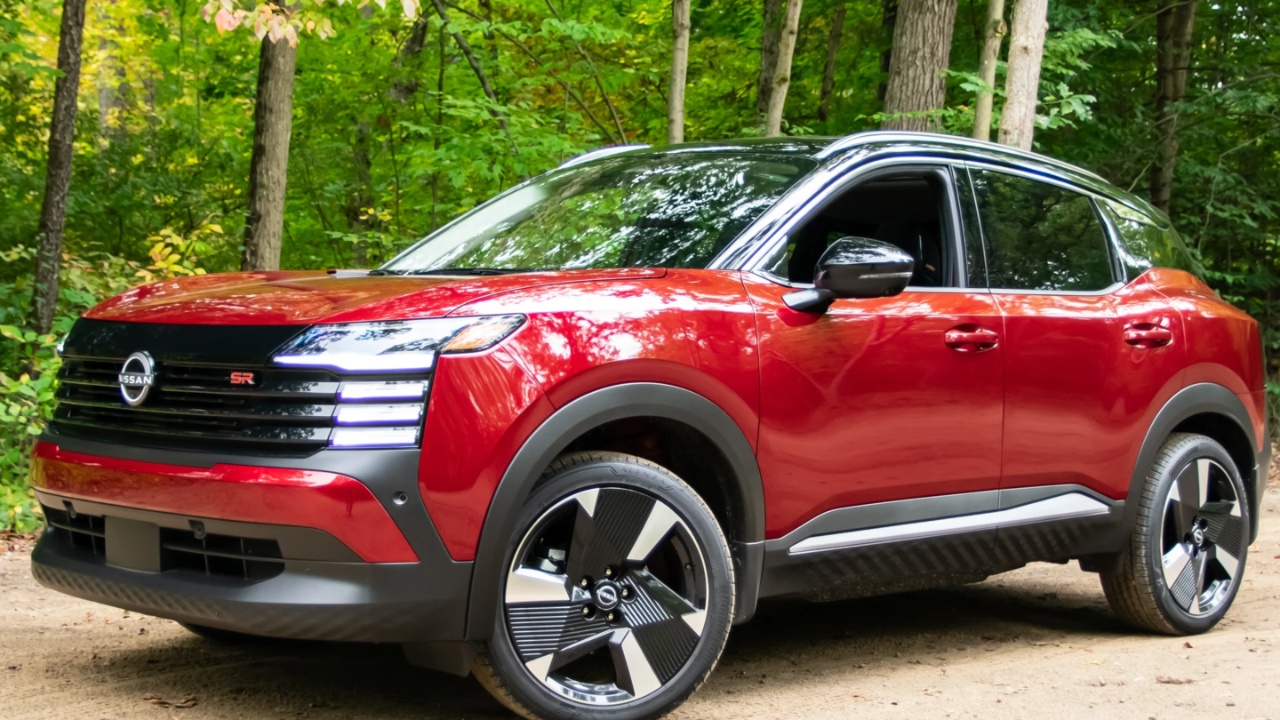
10. 2025 Hyundai Venue: Practical and Value-Packed Subcompact SUV
The 2025 Hyundai Venue starts at $21,550 and represents Hyundai’s most affordable entry in the subcompact SUV segment. While it may lack the flash of higher-end models, it delivers exceptional value, practicality, and efficiency, making it a strong choice for city driving and budget-conscious buyers.
The Venue is powered by a naturally aspirated 1.6-liter inline four-cylinder engine producing 121 horsepower and 113 lb-ft of torque, paired with a CVT and front-wheel drive. Acceleration is modest, with a 0–60 mph time of 9.4 seconds and a top speed of 115 mph. The Venue can carry up to 1,158 pounds of payload.
On the road, the Venue performs adequately for commuting, errands, and short trips. The CVT provides smooth operation, and brakes respond predictably. Handling is nimble due to the SUV’s compact size, making it easy to maneuver around corners or tight city streets.
Ride comfort is respectable for a subcompact, with the cabin remaining composed over longer trips. Forward and side visibility is good, but thick rear roof pillars can limit over-the-shoulder views. Available blind-spot monitoring helps mitigate this concern. Advanced driver assistance features are limited, with some issuing frequent warnings, and adaptive cruise control is not offered.
The Venue is not luxurious but provides a practical and well-thought-out interior. Front seats strike a balance between cushion and support, while the rear bench has a decent recline but limited legroom for taller passengers. Climate control is single-zone and effective for the cabin size.
Noise levels are typical for the class, with some wind and road intrusion at highway speeds. Entry and exit are easy thanks to squared-off doors, and car seat anchors are accessible for smaller children, though rear legroom may restrict larger rear-facing seats.
Technology is straightforward and functional. The 8-inch touchscreen is responsive and bright, and the six-speaker audio system delivers clear, punchy sound. Wireless Apple CarPlay and Android Auto are standard on SE and SEL trims, though the Limited trim requires a wired connection. Controls and knobs are clearly labeled, keeping operation simple for all users.
Despite its compact size, the Venue provides 18.7 cubic feet of cargo space behind the rear seats, expanding to 31.9 cubic feet with seats folded. Storage solutions include a phone cubby, passenger-side shelf, and center console. Door pockets and rear storage are functional but limited in size. The Venue is not rated for towing.
The Venue achieves an EPA-estimated 31 mpg combined, though real-world driving returned closer to 29 mpg on highway-heavy routes. Pricing is excellent for the features offered, and Hyundai’s best-in-class warranty includes five years/60,000 miles bumper-to-bumper and 10 years/100,000 miles powertrain coverage, with free maintenance for three years/36,000 miles.
The Venue is practical, efficient, and easy to drive, excelling at city commutes, errands, and routine travel. Its unremarkable styling may blend in among competitors, but its value, reliability, and clever use of space make it an appealing choice for those seeking a dependable, budget-friendly subcompact SUV.
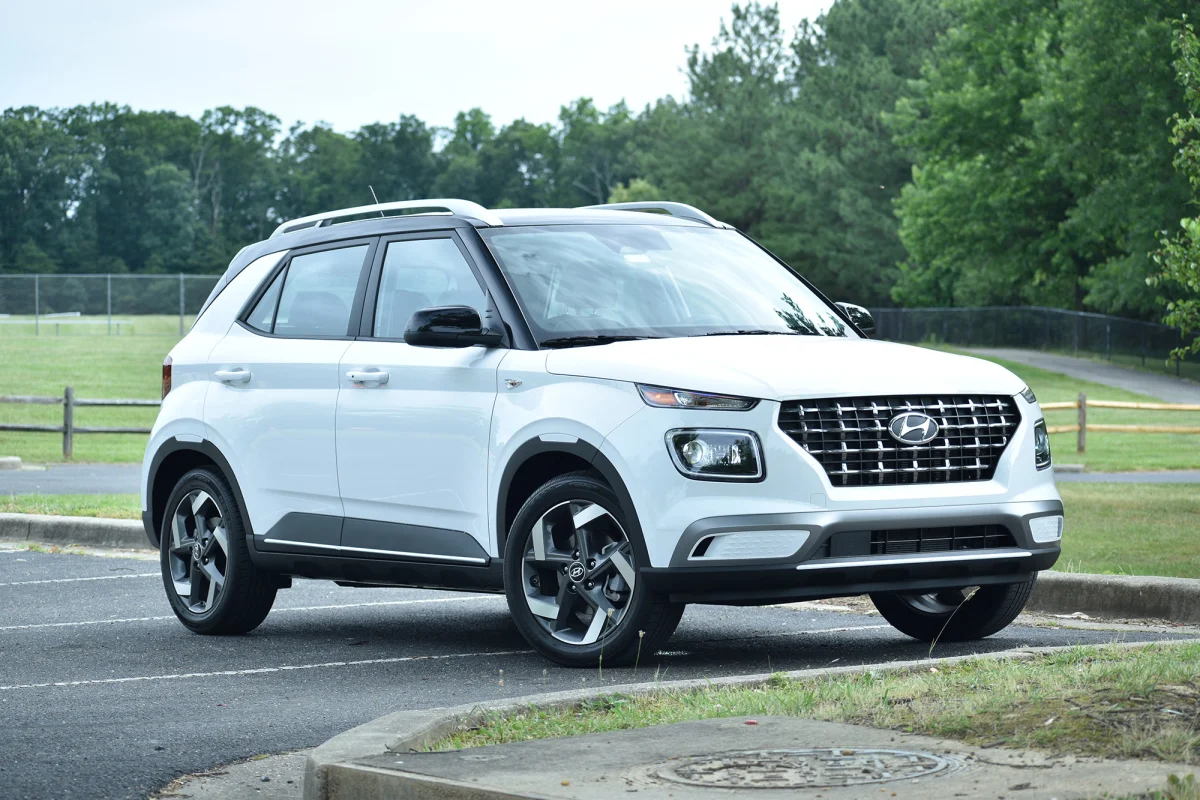
Popularity does not always equal quality, but the crossovers featured here have proven themselves through a combination of practicality, comfort, performance, and value. Models like the Subaru Crosstrek and Hyundai Venue shine for utility and reliability, while the Mazda CX-30 and Buick Encore GX deliver refinement and engaging driving experiences.
Each SUV on this list addresses specific buyer needs, whether for off-road adventures, city commuting, or family use. By examining features, performance, and usability, it becomes clear why these ten crossovers maintain loyal followings and high demand.
For shoppers seeking a small or subcompact SUV that truly lives up to its reputation, this selection offers dependable choices that combine style, function, and satisfaction. These are the crossovers that genuinely deserve the popularity they enjoy.
Also Read: 10 Cars That Rarely Suffer From Transmission Slips
