Long commutes require a balance of comfort, efficiency, and reliability, and choosing the right vehicle can make daily drives far more enjoyable. From fuel-efficient hybrids to practical hatchbacks, today’s compact and midsize sedans offer a strong combination of technology, safety, and interior space.
Whether on busy city streets or open highways, a car designed for long-distance comfort can reduce stress, save on fuel costs, and keep passengers refreshed. In this roundup, we explore ten standout vehicles for 2025 that excel at long commutes.
Each model has been selected for its ride quality, fuel economy, cabin comfort, storage flexibility, and available safety features, ensuring a smooth and worry-free driving experience. From the dependable Subaru Impreza to the feature-packed Hyundai Elantra, these cars show that commuting does not have to be mundane but can be efficient, comfortable, and even enjoyable.
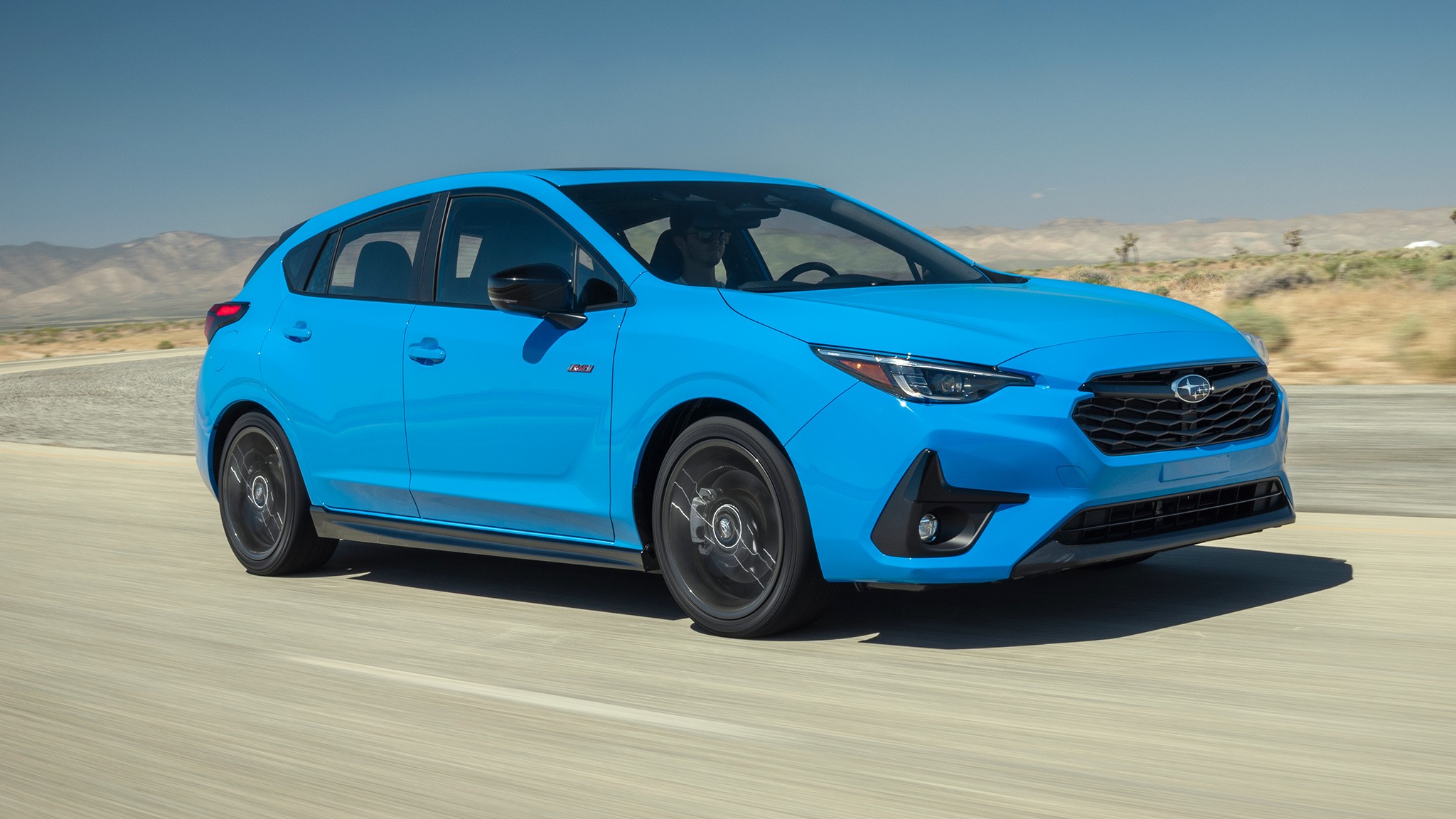
1. 2025 Subaru Impreza: A Practical and All-Weather Hatchback
The 2025 Subaru Impreza is a versatile compact hatchback designed for daily commuting and road trips alike. Powered by a 2.0-liter Boxer engine, it delivers a combined fuel economy of 30 MPG, reaching up to 34 MPG on the highway.
All trims come standard with Subaru’s Symmetrical All-Wheel-Drive system, which distributes power between the front and rear wheels to maintain traction on varying surfaces. This makes the Impreza a dependable choice for driving in rain, snow, or other challenging conditions.
The Impreza features a 2.0-liter flat-four engine producing 152 horsepower and 145 lb-ft of torque, paired with a continuously variable transmission (CVT). It accelerates from 0 to 60 mph in about 7.8 seconds and has a top speed of 125 mph. While the RS trim offers slightly better performance, the Impreza generally trails competitors like the Honda Civic and Mazda 3 in speed and acceleration.
Braking and handling are competent but not exceptional; the hatchback changes direction with minimal body roll, and the light, responsive steering makes city driving and parking easy. Enthusiasts seeking a sportier drive may find it lacking.
Comfort is a strong suit for the Impreza. The front seats are soft yet supportive, with heated options on higher trims, while the rear bench is reasonably comfortable despite being somewhat flat. Dual-zone automatic climate control is standard, although rear passengers receive limited airflow. The ride is smooth, and cabin noise remains low except under heavy acceleration.
The Impreza boasts one of the roomiest interiors in the compact hatchback segment. Front and rear headroom are generous, and wide-opening doors make entry and exit easy.
The RS and Sport trims offer an optional 11.6-inch vertically mounted infotainment screen with navigation and climate controls, while base trims feature dual 7-inch screens. The larger screen provides ample room for media and navigation, though resolution can wash out under polarized sunglasses.
Standard Apple CarPlay and Android Auto come with all trims, with wireless connectivity on Sport and RS models. Depending on trim, USB-A, USB-C ports, an auxiliary jack, and a wireless charging pad are available. Driver assistance features such as adaptive cruise control and lane-keeping assistance are included, with adaptive cruise performing well, though lane-centering is less refined.
Cargo space measures 20.4 cubic feet with seats up and 56 cubic feet with seats folded down. While slightly less than the Honda Civic hatchback, it offers more room than several rivals. Rear seats fold in a 40/60 split and additional storage is available under the hatch floor.
Door pockets, the center console, and water bottle holders enhance everyday convenience, and child safety seat installation is straightforward thanks to accessible anchors and wide doors.
The Impreza combines an affordable entry price, fuel efficiency, spacious and practical interior, and all-weather AWD capability, making it a reliable daily driver. However, it falls short in sporty performance, acceleration, and design appeal for some buyers, lacks a manual transmission, and rear climate comfort could be improved.
The 2025 Subaru Impreza is a practical, comfortable, and capable hatchback, ideal for families and commuters seeking reliability, space, and all-weather performance, though it may not satisfy those looking for a more spirited driving experience.
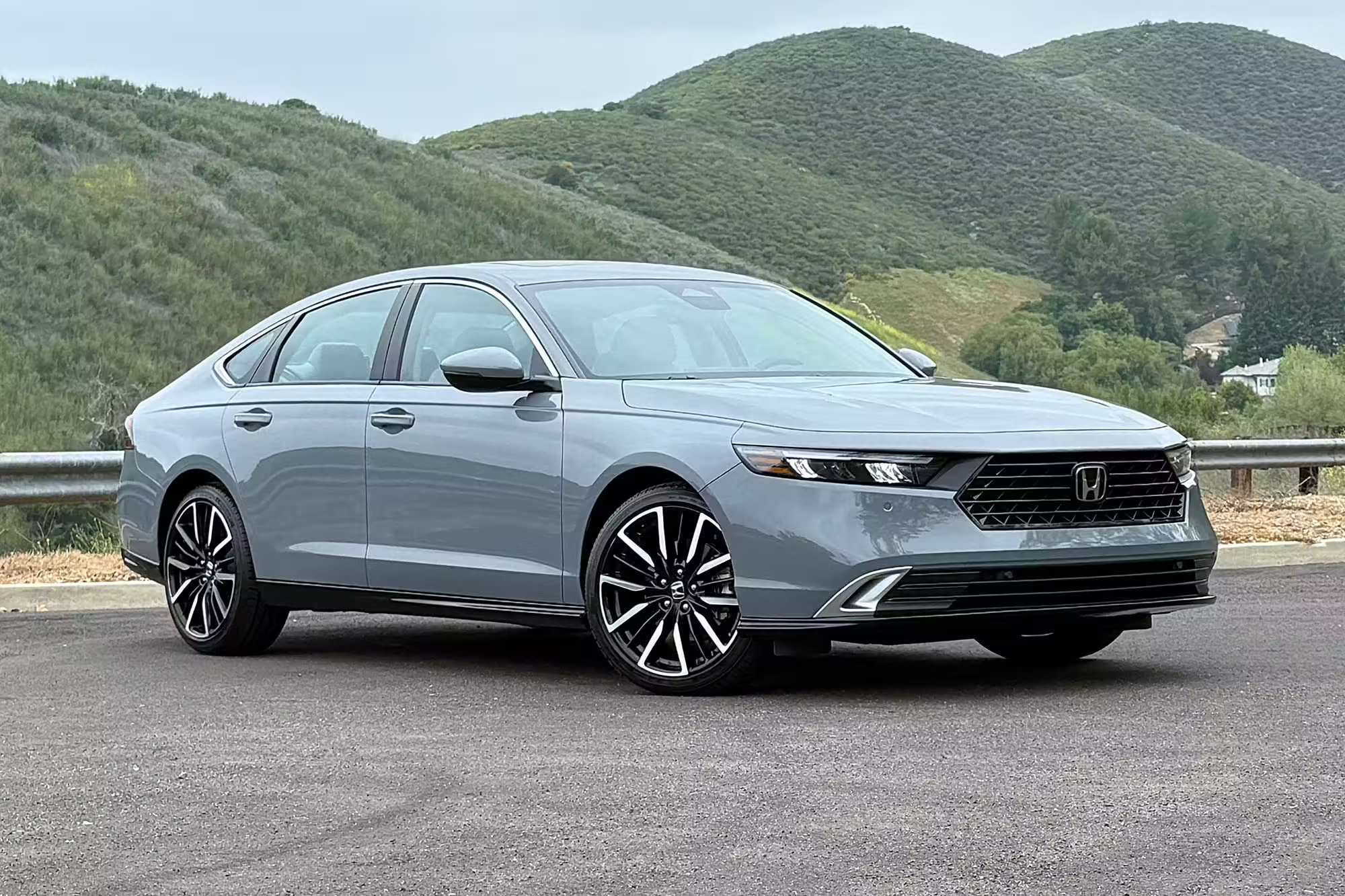
2. 2025 Honda Accord: Efficient, Comfortable, and Well-Rounded
For 2025, the Honda Accord continues to serve as a reliable midsize sedan, offering a mix of fuel efficiency, comfort, and practicality. The base two trims retain a turbocharged 1.5-liter inline-four internal combustion engine, while the upper four trims are hybrids, delivering excellent fuel economy without compromising performance.
Combined fuel efficiency ranges from 32 mpg for the base model to as high as 51 mpg for the hybrid, making the Accord a compelling option for drivers seeking a large, efficient sedan. Standard safety features are plentiful, including the Honda Sensing suite of driver aids, making the car a safe and practical choice.
The Accord’s turbocharged 1.5-liter engine produces 192 horsepower and 192 lb-ft of torque, paired with a continuously variable transmission (CVT). The base model accelerates from 0 to 60 mph in 7.3 seconds, while the hybrid Sport-L trim can achieve the same in around 7 seconds.
Steering and handling are responsive, and the car offers a comfortable yet engaging ride. Despite its larger size, the Accord maintains good road grip, and its 19-inch wheels on higher trims still provide a smooth experience over rough roads.
Visibility is excellent, thanks to thin windshield pillars and a large rear window. While it does not offer all-wheel drive or a manual transmission, it remains a solid performer for most daily driving scenarios.
The Accord excels in passenger comfort. Front and rear seating offer generous legroom, though taller rear passengers may need to duck slightly under the sloping roofline. The driver’s seat is adjustable enough to accommodate most body types, though additional padding could improve long-drive comfort.
Big door openings make entry and exit effortless. Cabin insulation is effective, keeping engine and road noise to a minimum, while dual-zone climate control ensures consistent comfort for all occupants. Rear seats are wide and well-suited for car seats, with LATCH anchors easily accessible.
Technology in the Accord is modern and user-friendly. Higher trims feature a 12.3-inch touchscreen with wireless Apple CarPlay and Android Auto. Google voice assistant and service integration are available on top trims, though some features are gated behind more expensive models. The interior design emphasizes practicality, with large buttons and knobs that make the center stack easy to navigate.
The Accord offers 16.7 cubic feet of trunk space, enough to accommodate long items like golf bags. The center console, door pockets, and cupholders provide ample storage for smaller personal items. Passenger and cargo space combine to make the Accord a practical choice for families or daily commuters.
The Accord balances strong build quality with reasonable pricing. While base trims may feel light on features compared to rivals, higher trims demonstrate the car’s solid construction, long-term durability, and efficient powertrain.
The warranty includes three-year/36,000-mile basic coverage and five-year/60,000-mile powertrain coverage. Fuel economy is impressive across the lineup, particularly for the hybrid trims, even if real-world results occasionally fall slightly below EPA estimates.
The 2025 Honda Accord offers strong fuel efficiency, a capable internal combustion engine, a spacious and comfortable cabin, and modern safety and tech features, making it a practical midsize sedan. However, it lacks all-wheel drive and a manual transmission, base trims are somewhat light on features, and while its ride is comfortable, the Accord no longer feels particularly athletic or innovative.
The 2025 Honda Accord remains a reliable, efficient, and comfortable midsize sedan, well-suited for families and commuters. Though it may lack standout excitement, its combination of technology, space, and fuel economy makes it a solid, well-rounded choice in its segment.
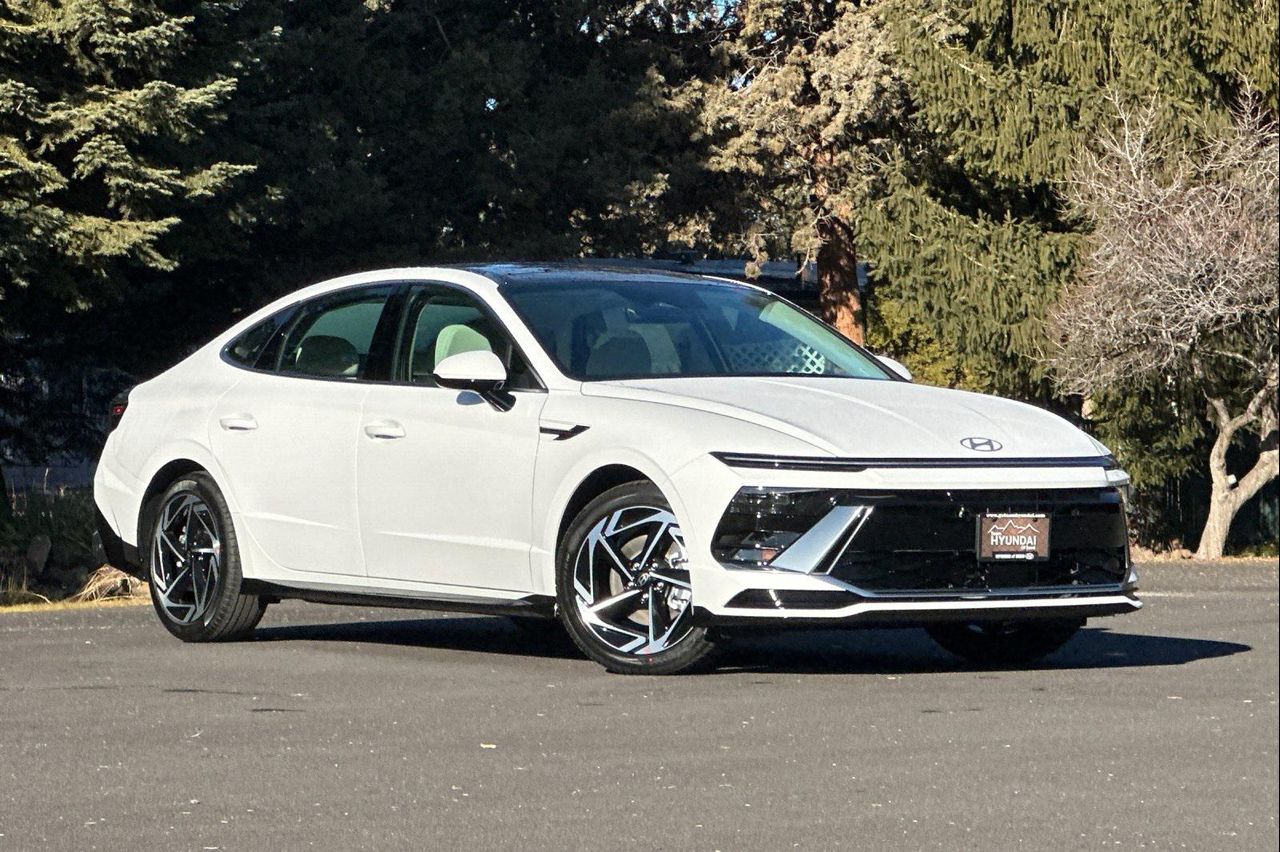
3. 2025 Hyundai Sonata: Futuristic Style and Efficient Performance
The 2025 Hyundai Sonata stands out in the midsize sedan segment with its bold and futuristic design. It offers three powertrain options to suit a variety of driving needs: a 192-horsepower 2.5-liter naturally aspirated engine, a 290-horsepower turbocharged engine, and a hybrid powertrain for maximum fuel efficiency.
The base engine achieves up to 38 MPG on the highway, while the hybrid reaches an EPA-estimated 47 MPG combined, making the Sonata an attractive choice for drivers who value both performance and fuel economy.
The Sonata’s base 2.5-liter inline-four delivers 191 horsepower and 181 lb-ft of torque, paired with an 8-speed automatic transmission. Acceleration is adequate, with the hybrid variant achieving 0–60 mph in 8.3 seconds, though highway passing may require planning due to the tapering of power at higher speeds.
Ride quality is one of the car’s strong points; the suspension absorbs bumps effectively while maintaining composure on curvy roads. The front-wheel-drive layout is standard across trims, and while steering is precise enough for city driving, it feels slightly artificial.
Advanced driver-assist features, including adaptive cruise control, lane-keeping assistance, and sideview cameras, enhance safety, although thick rear window pillars slightly reduce visibility.
The Sonata’s interior is spacious and accommodating. Front seats are well-shaped but slightly firm for extended trips, while rear outboard seats are cushioned and comfortable, though the middle rear seat is stiff.
Legroom is generous in both rows, and adjustable seat and steering settings allow most drivers to find a comfortable position. Large door openings facilitate easy entry and exit, and rear LATCH anchors make child seat installation straightforward, even if the upper anchors are somewhat tight.
Climate control is effective, maintaining consistent cabin temperatures, though road, wind, and engine noise are noticeable at higher speeds.
Technology is a standout feature for the Sonata. The infotainment system offers a responsive touchscreen with wireless Apple CarPlay and Android Auto, natural voice recognition, and intuitive controls for radio, navigation, and phone functions. An optional surround-view camera system improves parking visibility.
Three USB-C ports are standard, providing ample connectivity, though some competitors offer additional charging options. The center stack layout is logical, allowing drivers to access controls without distraction.
Cargo space measures 16 cubic feet, slightly less than the Honda Accord but more than the Toyota Camry, with a wide trunk opening and low liftover height. The rear seats fold down for additional cargo flexibility, and the pass-through accommodates long items. The center console, door pockets, and cupholders offer convenient storage for personal belongings, phones, and drinks.
The Sonata is competitively priced within its segment and backed by Hyundai’s industry-leading warranty, including five years/60,000 miles for bumper-to-bumper coverage and ten years/100,000 miles for the powertrain. Build quality is solid, though some interior materials, like gray texturing and tan plastic, feel less premium than rivals.
The 2025 Hyundai Sonata delivers strong value, good fuel economy, a hybrid option, ample interior space, and modern tech features. However, its styling can be polarizing, the ride and handling may feel soft for enthusiasts, and all-wheel drive is not available on all trims.
The 2025 Sonata blends futuristic design, efficient performance, and practical features, making it a compelling choice for buyers who prioritize comfort, technology, and fuel efficiency over sporty driving dynamics.
4. 2025 Volkswagen Jetta: Comfortable and Efficient Compact Sedan
The 2025 Volkswagen Jetta is a fuel-efficient and spacious compact sedan designed with long-distance commuters in mind. Its turbocharged 1.5-liter inline-four engine delivers 158 horsepower and 184 lb-ft of torque, paired with an 8-speed automatic transmission.
Front-wheel drive is standard across all trims, and combined fuel economy reaches 33 MPG, with up to 42 MPG on the highway. The Jetta’s roomy cabin, comfortable ride, and tech features make it a strong option for drivers seeking practicality without sacrificing quality.
The Jetta accelerates from 0 to 60 mph in approximately 7.1 seconds, although our test SEL model recorded a slightly slower 8.4 seconds, largely due to a transmission that can feel sluggish during aggressive driving. Switching the transmission to Sport mode alleviates many of these concerns, making the sedan more responsive.
Handling is a strong point; the Jetta remains stable through turns and offers engaging feedback for a compact sedan. Braking is reliable and precise, but ride quality can feel firm over bumps, especially on models with larger wheels.
Advanced driver-assist systems, including adaptive cruise control and lane-keeping aids, are standard and function effectively, though the rearview camera resolution is modest.
Inside, the Jetta provides a comfortable environment for both short commutes and long drives. Front seats are firm but supportive, while rear seats offer generous legroom, though taller passengers may find rear headroom slightly restricted. Entry and exit are made easy by wide door openings.
Child seat installation is straightforward with clearly marked LATCH anchors. Noise insulation is average; engine noise is minimal, but road, wind, and tire noise are noticeable at highway speeds. The touchscreen interface can be unintuitive, with some settings buried in menus, but other controls remain simple to operate.
The 2025 Jetta is equipped with a user-friendly infotainment system, a digital cockpit, and standard wireless smartphone connectivity. Our SEL test model included four USB-C ports and a wireless charging pad, ensuring devices remain powered.
The system allows smooth switching between smartphone and native functions, although graphics appear dated, and some menus lack intuitive placement. Optional features like sideview cameras and advanced driver aids further enhance convenience and safety.
Cargo space measures 14.1 cubic feet, which is generous for the compact sedan class. The trunk opening is wide, making it easy to load large items, though rear seatbacks do not fold entirely flat, limiting flexibility for long objects. Interior storage is adequate, including a deep center console, cupholders, and door pockets, though smaller items may rattle on hard surfaces.
The 2025 Volkswagen Jetta offers a roomy and comfortable cabin, fuel-efficient engine, stable handling, and an impressive list of standard tech features, providing strong value for commuters and small families. However, it lacks a manual transmission and all-wheel drive, the platform is aging, the touchscreen can be unintuitive, and interior plastics feel less premium than rivals.
The Jetta’s combination of fuel efficiency, spacious interior, and standard technology makes it a practical and reliable choice for daily commuting and highway travel, appealing to buyers seeking comfort and efficiency in a compact sedan.
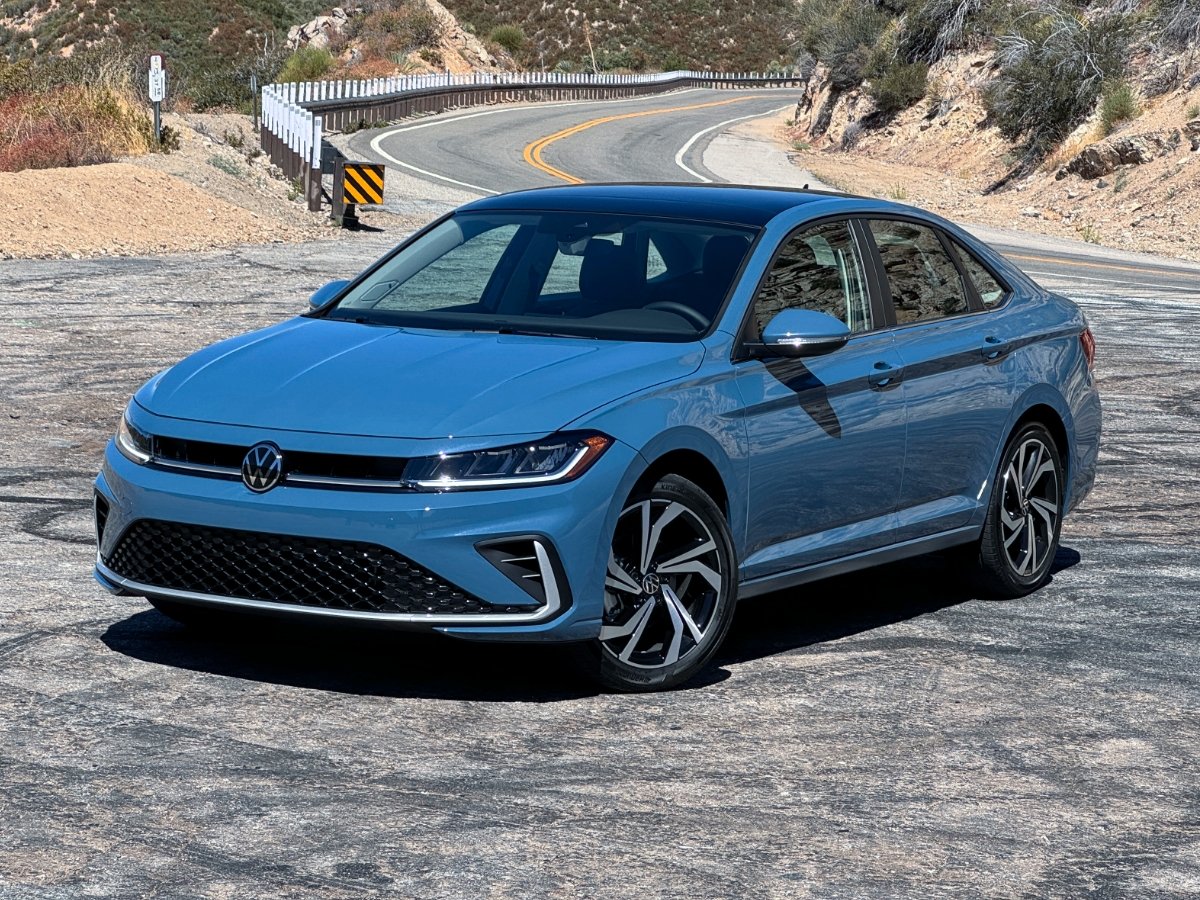
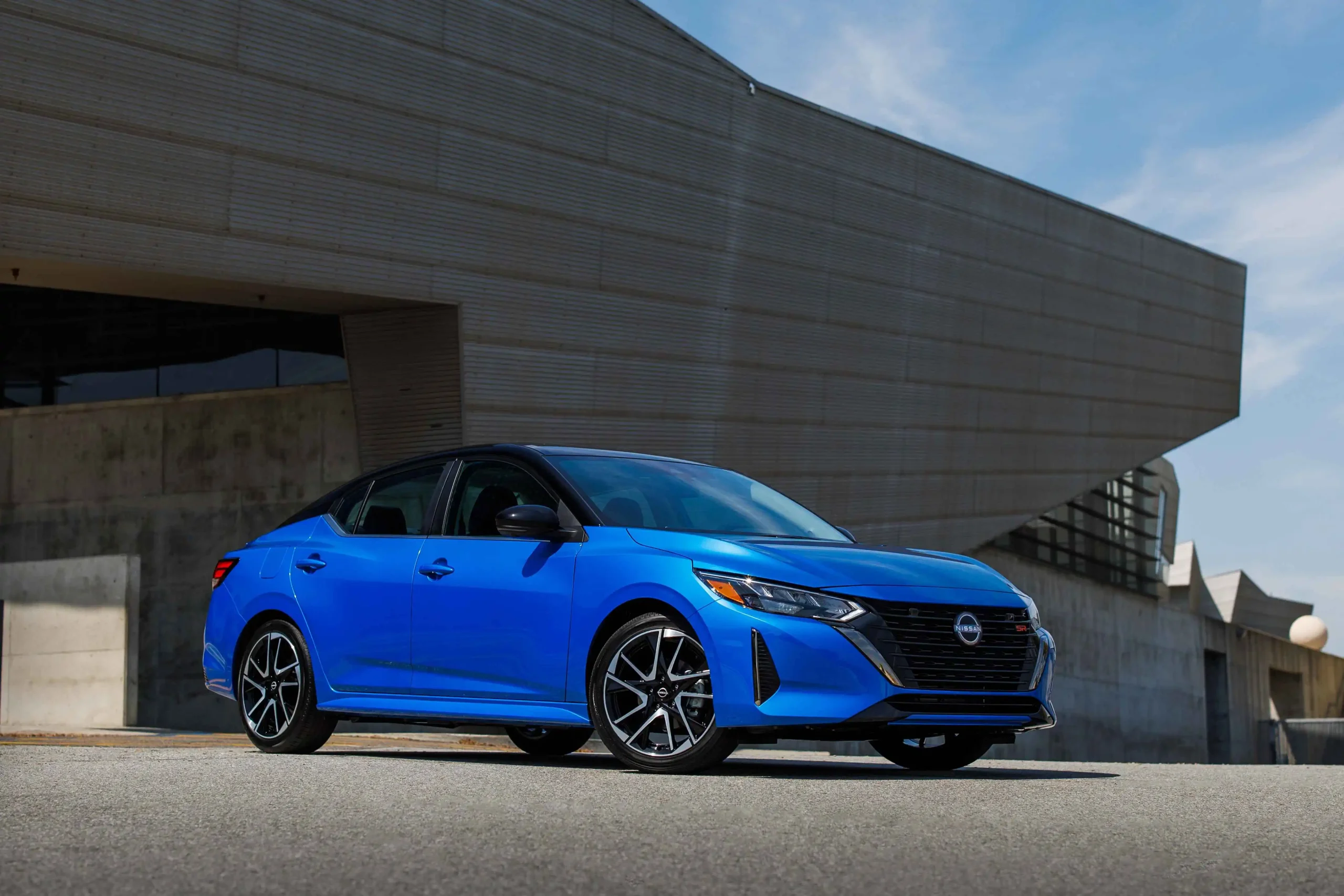
5. 2024 Nissan Sentra: Comfortable and Efficient Compact Sedan
The 2024 Nissan Sentra is a value-oriented compact sedan that prioritizes comfort, fuel efficiency, and practicality. Equipped with a 2.0-liter inline-four engine paired with a continuously variable transmission (CVT), it delivers 149 horsepower and 146 lb-ft of torque.
Front-wheel drive is standard, and the combined fuel economy is 34 MPG, with highway mileage reaching up to 37 MPG. Its spacious cabin, supportive Zero Gravity front seats, and large trunk make it well-suited for commuters and small families.
The Sentra accelerates from 0 to 60 mph in approximately 9.2 seconds, with real-world testing showing 8.8 seconds, making it slightly slower than some competitors in the compact segment. The CVT is smooth and unobtrusive during normal driving, though it lacks engine braking when decelerating, requiring more reliance on the brakes.
Emergency braking performance is modest, requiring 131 feet to stop from 60 mph compared to the segment average of 123 feet. Steering and handling are adequate for daily use, but the Sentra is not particularly engaging or sporty. While acceleration off the line is sufficient, the car tends to lose vigor at higher speeds, making highway merging and passing require a bit more planning.
Comfort is a key strength for the Sentra. The suspension effectively smooths out bumps, creating a composed ride, though it can feel floaty at higher speeds. Front seats provide decent support and cushioning, while the rear seats are surprisingly plush and accommodating for two adults.
The cabin is quiet enough for most commutes, though road noise is noticeable at higher speeds. Climate control is sufficient, but rear passengers lack dedicated vents, which is typical for this class. Wide door openings facilitate easy entry and exit, and seating adjustments allow most drivers to find a comfortable position.
The Sentra’s interior is practical and user-friendly. Controls are accessible, simple, and logical, including the 8-inch touchscreen for infotainment. Visibility is generally good to the front and sides, though thick rear roof pillars and a sloped rear window limit over-the-shoulder and rearward sightlines.
Rear legroom is generous, making the cabin spacious for passengers in the compact segment. Child seat installation is straightforward, though rear seat cushions can make access to anchors a bit tight.
The Sentra comes with a generous suite of standard safety features and driver-assist systems. Adaptive cruise control and a 360-degree parking camera are available options. Infotainment includes Apple CarPlay and Android Auto, though the system is somewhat slow and the graphics feel dated. An onboard navigation system is not offered.
Trunk space measures 14.3 cubic feet, which is above average for the class. The 60/40-split rear seats fold down to accommodate longer items, though they do not fold completely flat. Interior storage includes cupholders, a center console, and door pockets, but some rivals offer more versatile solutions.
The 2024 Nissan Sentra offers ample standard safety features, comfortable seating, and strong fuel efficiency, making it a practical choice for everyday commuting. However, it could use more power, is less fun to drive than some competitors, and the drivetrain and CVT can be noisy at times.
The Sentra balances comfort, efficiency, and practicality, providing a solid option for compact-sedan buyers who prioritize a smooth ride, spacious interior, and strong fuel economy over sporty performance.
Also Read: 10 Cars That Rarely Suffer From Transmission Slips
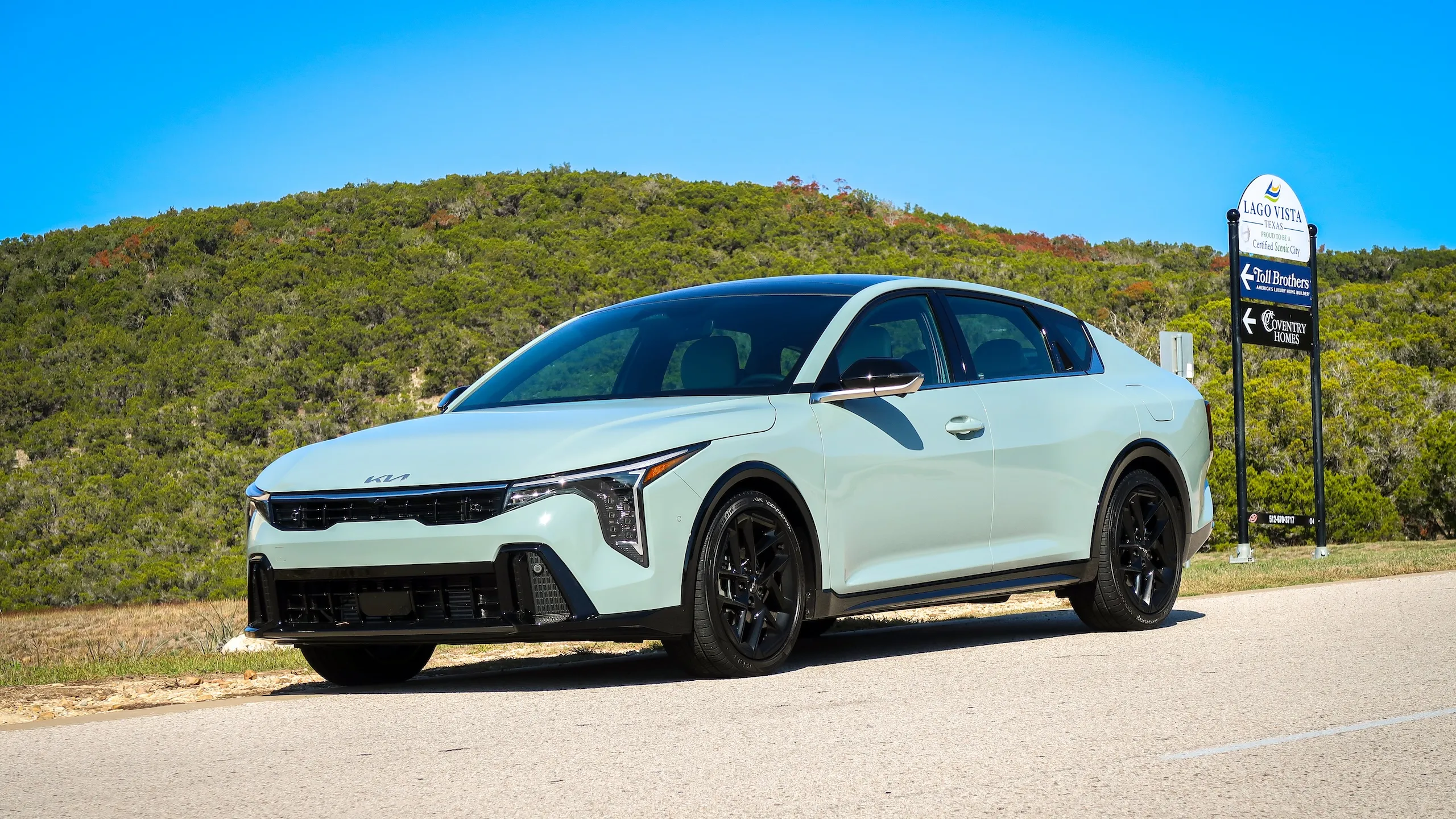
6. 2025 Kia K4: Stylish and Practical Compact Sedan
The 2025 Kia K4 is Kia’s newest compact sedan, replacing the Forte with a more modern and refined design. Its fastback silhouette is inspired by the Kia Stinger, giving the K4 a sporty and upscale appearance that stands out in the small-sedan segment. With fuel-efficient powertrains, a spacious cabin, and advanced technology, the K4 combines practicality with a visually striking presence.
The K4 comes with two engine options. The base 2.0-liter inline-four produces 147 horsepower and 132 pound-feet of torque and is paired with a CVT that achieves up to 36 MPG on the highway. The GT-Line Turbo trim has a 1.6-liter turbocharged engine producing 190 horsepower and includes a multi-link rear suspension for improved handling and ride comfort.
During testing, the turbo model accelerated from 0 to 60 miles per hour in 7.3 seconds. Both engines can feel slow to respond at low speeds, especially during starts and highway merging. Braking is smooth for city driving. The sport suspension in the GT-Line trim is firmer and transmits more bumps from rough roads.
The K4 leans noticeably in corners, so drivers seeking a sporty experience may be disappointed. Advanced driver-assist features and an optional surround-view camera improve safety and maneuverability.
The cabin emphasizes passenger comfort. Front seats are supportive, and the rear seats provide headroom and legroom similar to those in midsize sedans. Wide door openings make entry and exit easy, and LATCH anchors for child seats are accessible. The control layout is convenient, with physical buttons for climate and media functions.
The climate screen is partially blocked by the steering wheel, but redundant buttons make adjustments simple. Road imperfections are absorbed well, though the sport suspension in higher trims can feel firm. The interior can comfortably accommodate passengers of different heights.
Technology is a strong feature of the K4. A 12.3-inch touchscreen comes standard with wireless Android Auto and Apple CarPlay. Higher trims include a matching 12.3-inch digital instrument cluster.
The infotainment system is intuitive, with a simple menu structure and an AI-powered voice assistant that understands natural speech and can provide navigation guidance. Four USB-C ports, two in the front and two in the rear, keep devices charged. Optional features such as the surround-view camera system enhance convenience and safety.
The sedan provides 14.6 cubic feet of trunk space with a wide opening and 60/40-split folding rear seats for longer items. Interior storage includes large cupholders and a center console bin. A hatchback version of the K4 is expected to offer even more cargo flexibility.
The K4 delivers strong value. The base model includes a large touchscreen and modern interior, while the GT-Line Turbo adds premium materials, ventilated seats, and advanced technology. Fuel economy ranges from 34 MPG combined for the base engine to 29 MPG combined for the turbo trim. Kia offers five years or 60,000 miles of basic coverage and ten years or 100,000 miles for the powertrain.
The Kia K4 provides fuel-efficient engines, a strong turbocharged option, spacious and comfortable seating, and a distinctive design. Weaknesses include the base engine’s modest power, no hybrid or all-wheel-drive options, and a less engaging driving experience in the sportier trim.
With its combination of style, technology, comfort, and practicality, the Kia K4 is a compelling choice for a modern compact sedan suitable for commuting and city driving.
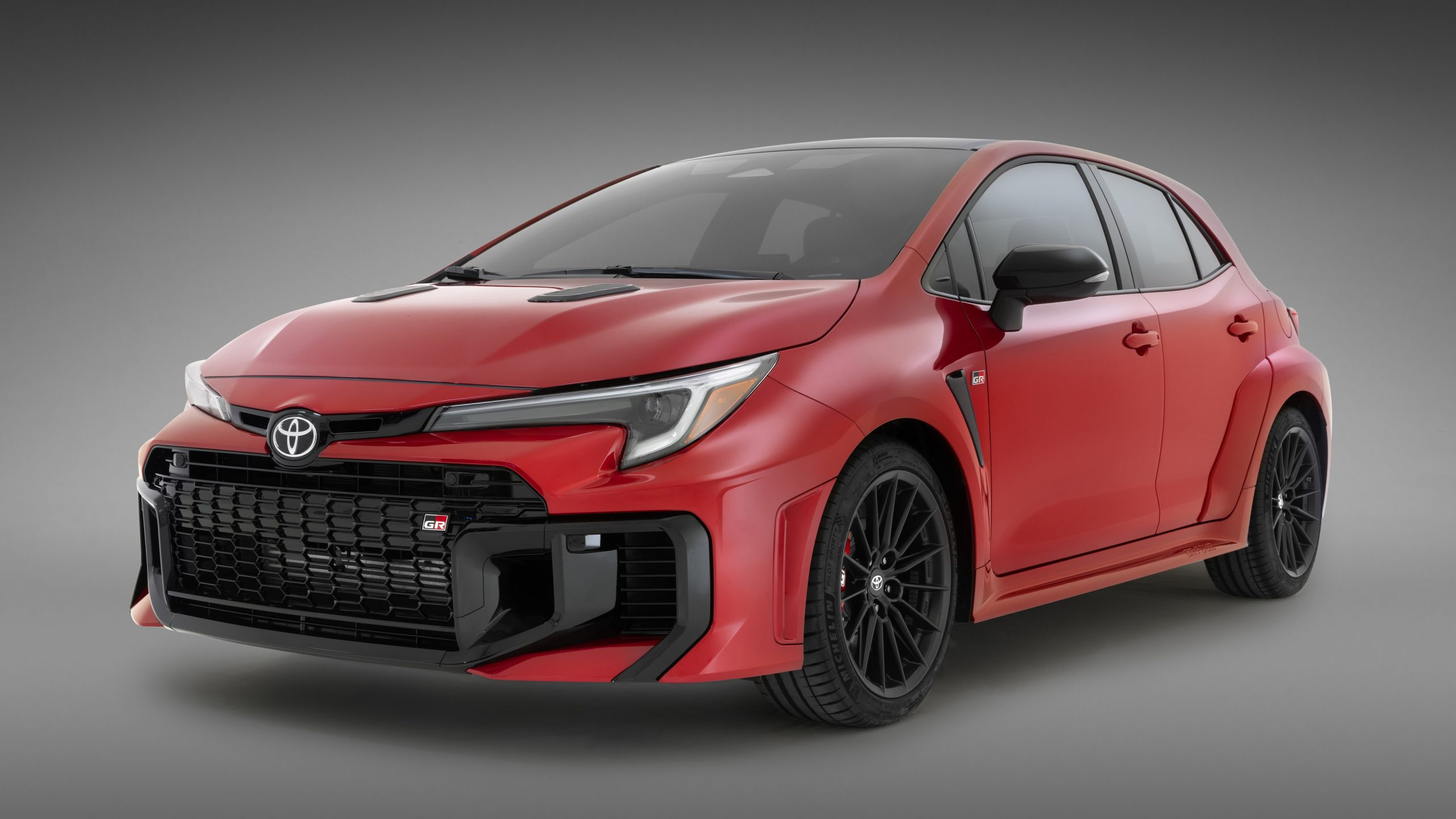
7. 2025 Toyota Corolla Hatchback: Practical, Efficient, and Comfortable
The 2025 Toyota Corolla Hatchback combines the reliability and features of the popular Corolla sedan with the added practicality of a hatchback. Its compact design provides ample interior space while maintaining impressive fuel efficiency. The hatchback layout allows for easier loading of cargo, making it a versatile choice for daily commuting and weekend trips.
The Corolla Hatchback is powered by a 2.0-liter inline-four engine producing 168 horsepower and 151 pound-feet of torque, paired with a continuously variable transmission. The front-wheel-drive system delivers smooth acceleration for city driving and highway cruising.
The vehicle reaches 0 to 60 miles per hour in 8.3 seconds and has a top speed of 114 miles per hour. Fuel economy is a strong point, with the hatchback achieving up to 42 MPG on the highway, allowing for longer drives with fewer stops. While the engine performs adequately for routine driving, acceleration can feel sluggish, and merging or overtaking on highways may require extra effort.
Passenger comfort is a focus in the Corolla Hatchback. The cabin offers well-cushioned seating for front and rear occupants. Rear passengers benefit from generous legroom and headroom for a compact vehicle, and the seating accommodates child safety seats with ease.
Cabin controls are simple to use, including the climate control and media functions. Road imperfections are absorbed reasonably well, providing a composed ride for most conditions. Noise levels are kept moderate, ensuring a quiet and pleasant driving experience.
The Corolla Hatchback comes equipped with a user-friendly infotainment system and a range of standard driver-assist features. Apple CarPlay and Android Auto integration come standard, and the system’s touchscreen provides responsive operation.
Toyota includes safety technologies such as adaptive cruise control, lane departure warning, and automated emergency braking, enhancing both convenience and safety for drivers and passengers.
The hatchback configuration improves cargo versatility compared with the sedan version. The rear seats fold down to create additional storage space, and the wide rear opening makes loading larger items easier.
Interior storage includes cupholders, door pockets, and a center console for small personal items. This combination of cabin and cargo space makes the Corolla Hatchback a practical option for daily commuting, shopping trips, or short road trips.
The Corolla Hatchback delivers strong value with standard features, efficient fuel consumption, and a practical layout. Its highway fuel economy of up to 42 MPG and combined efficiency of 35 MPG positions it favorably against other compact hatchbacks. Toyota’s reputation for reliability and low ownership costs adds to the car’s long-term appeal.
The Corolla Hatchback offers excellent fuel efficiency, numerous standard features, and the practicality of a hatchback design. Its main drawbacks include modest engine performance, lackluster acceleration, and styling that may not appeal to all buyers.
With a balance of comfort, efficiency, technology, and versatility, the 2025 Toyota Corolla Hatchback is an appealing choice for those seeking a practical and reliable compact car for both daily driving and longer trips.
8. 2025 Nissan Versa: Affordable, Efficient, and Practical
The 2025 Nissan Versa remains one of the few subcompact cars available under $20,000, offering a balance of affordability, fuel efficiency, and practical design. With a spacious cabin for its class, supportive seating, and a reasonably large trunk, the Versa provides a comfortable and functional driving experience for daily commuting and short road trips.
Its compact footprint makes it ideal for city driving while still accommodating the needs of small families or singles seeking an economical vehicle.
The Versa is powered by a 1.6-liter inline-four engine producing 122 horsepower and 114 pound-feet of torque, paired with a continuously variable transmission. Acceleration is modest, reaching 0 to 60 miles per hour in about 9.5 seconds with a top speed of 115 miles per hour.
While not designed for sporty driving, the vehicle handles routine city and highway conditions well. The steering feels slightly heavy and numb, but the car tracks predictably around corners. Braking is smooth and responsive for everyday driving, although emergency braking performance is slightly below the class average.
Comfort is a strong point for the Versa. The front seats are firm yet supportive, suitable for short to medium trips, although long drives may highlight the lack of lumbar support. Rear passengers benefit from adequate legroom and headroom, though taller occupants may find the roofline restrictive.
The cabin ride quality is composed, absorbing most road imperfections, but wind and road noise are noticeable on rougher surfaces. The climate control system is intuitive, with easy-to-use knobs and vents positioned for effective airflow throughout the cabin.
The top SR trim includes an 8-inch touchscreen with a six-speaker audio system and smartphone integration via Apple CarPlay and Android Auto. The system is responsive, and pairing a phone is straightforward. Advanced driver-assist features such as forward collision warning and lane-keeping alerts function effectively without being intrusive.
Some features, like the rearview camera, have lower resolution, and the backup collision mitigation system can be overly sensitive, triggering unnecessarily on mild inclines. Wireless charging is included in higher trims, adding convenience for daily use.
The Versa offers 15 cubic feet of trunk space, one of the largest in its subcompact class, with a low load floor and fold-down rear seats for added versatility. Interior storage for small items is limited, but the cabin has provisions for phone storage and cupholders. The rear seat design accommodates child safety seats well, with easy-to-access lower anchors and tether points integrated into the headrests.
The Versa delivers excellent fuel efficiency, with an EPA-estimated 35 MPG combined, 32 MPG city, and 40 MPG highway. In real-world testing, it achieved over 41 MPG on mixed driving routes, demonstrating its capability as a cost-effective commuter.
Nissan offers a standard warranty of three years or 36,000 miles for basic coverage and five years or 60,000 miles for the powertrain. While warranty coverage is modest compared to some competitors, the Versa provides solid construction, a comfortable cabin, and practical features at an entry-level price.
The Nissan Versa stands out for its affordability, fuel efficiency, and comfortable ride. Its main drawbacks include weak acceleration, a somewhat cramped interior, and sparse features in the base trim. It remains a strong choice for buyers seeking a reliable, budget-friendly subcompact sedan.
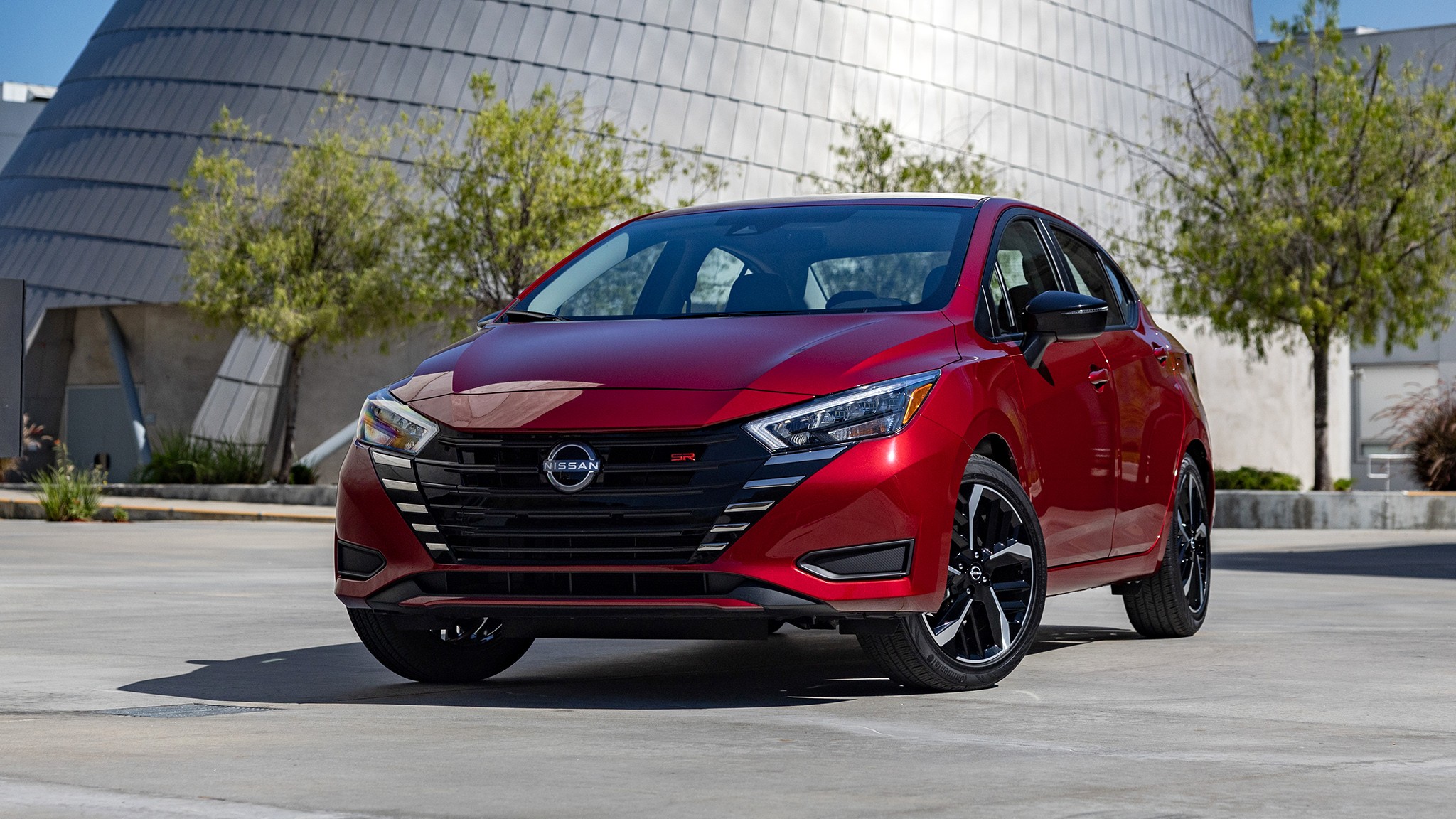
9. 2025 Honda Civic: Efficient, Stylish, and Feature-Rich
The 2025 Honda Civic continues to be a strong contender in the compact sedan segment, offering a mix of fuel efficiency, technology, and driving enjoyment. Like its larger sibling, the Accord, most trims of the Civic are now hybrid-powered, though a few base trims still use a conventional 2.0-liter inline-four engine producing 150 horsepower.
With a CVT and front-wheel drive, the base Civic delivers a combined fuel economy of 36 miles per gallon, making it an attractive choice for commuters seeking efficiency without sacrificing space or comfort. The Civic stands out for its attractive styling, spacious cabin, and a variety of standard features including LED headlights, Apple CarPlay compatibility, and Honda Sensing driver-assist technologies.
The conventional 2.0-liter engine provides adequate power for daily driving, but acceleration is modest, with 0 to 60 mph achieved in 8.9 seconds and a top speed of 124 mph.
The hybrid variant, however, significantly improves performance, reaching 0 to 60 mph in just 6.6 seconds while remaining remarkably composed on smooth and rough roads alike. Steering and handling are precise, offering a taut yet balanced ride that is sportier than most competitors in the compact hybrid segment.
Visibility is enhanced by narrow roof pillars and door-mounted mirrors, though the sloping roofline requires attention when checking over-the-shoulder views. Multi-angle rearview cameras help mitigate blind spots, and standard driver aids provide consistent and reliable assistance without being intrusive.
The Civic hybrid has a well-designed interior with intuitive and accessible controls. Front seats accommodate both tall and short drivers comfortably, while rear passengers enjoy generous shoulder and legroom. Taller passengers may notice limited headroom due to the sloping roof, but most occupants will find the cabin spacious.
Road and wind noise are present but not overwhelming, and the climate control system distributes air effectively, although rear-seat passengers lack dedicated vents. The Civic provides a refined driving experience, especially for a hybrid, with a balance of ride comfort and handling sharpness that makes it enjoyable on urban streets and highways alike.
The Civic’s technology is simple, functional, and easy to navigate. All trims include Apple CarPlay and Android Auto, while the top Sport Touring hybrid adds a 9-inch touchscreen with Google Built-In for voice commands, maps, and other smart features.
Lower trims are limited to a smaller 7-inch screen and lack wireless phone connectivity, emphasizing the value of upgrading for additional tech. A premium Bose audio system is also available on higher trims.
Trunk space measures 14.8 cubic feet in the sedan, and the hybrid powertrain does not compromise storage capacity. For drivers needing more room, the Civic hatchback offers 24.5 cubic feet of cargo space and fold-flat rear seats, surpassing rivals such as the Toyota Prius in utility. The cabin provides sufficient storage for small items, including a large center armrest with a removable tray.
The hybrid Civic is priced slightly higher than competitors like the Hyundai Elantra and Toyota Corolla but delivers superior performance, fuel efficiency, and interior quality. Honda provides three years or 36,000 miles of basic coverage and five years or 60,000 miles for the powertrain. With a spacious cabin, refined driving dynamics, and practical technology, the 2025 Civic remains a compelling choice in the compact sedan segment.
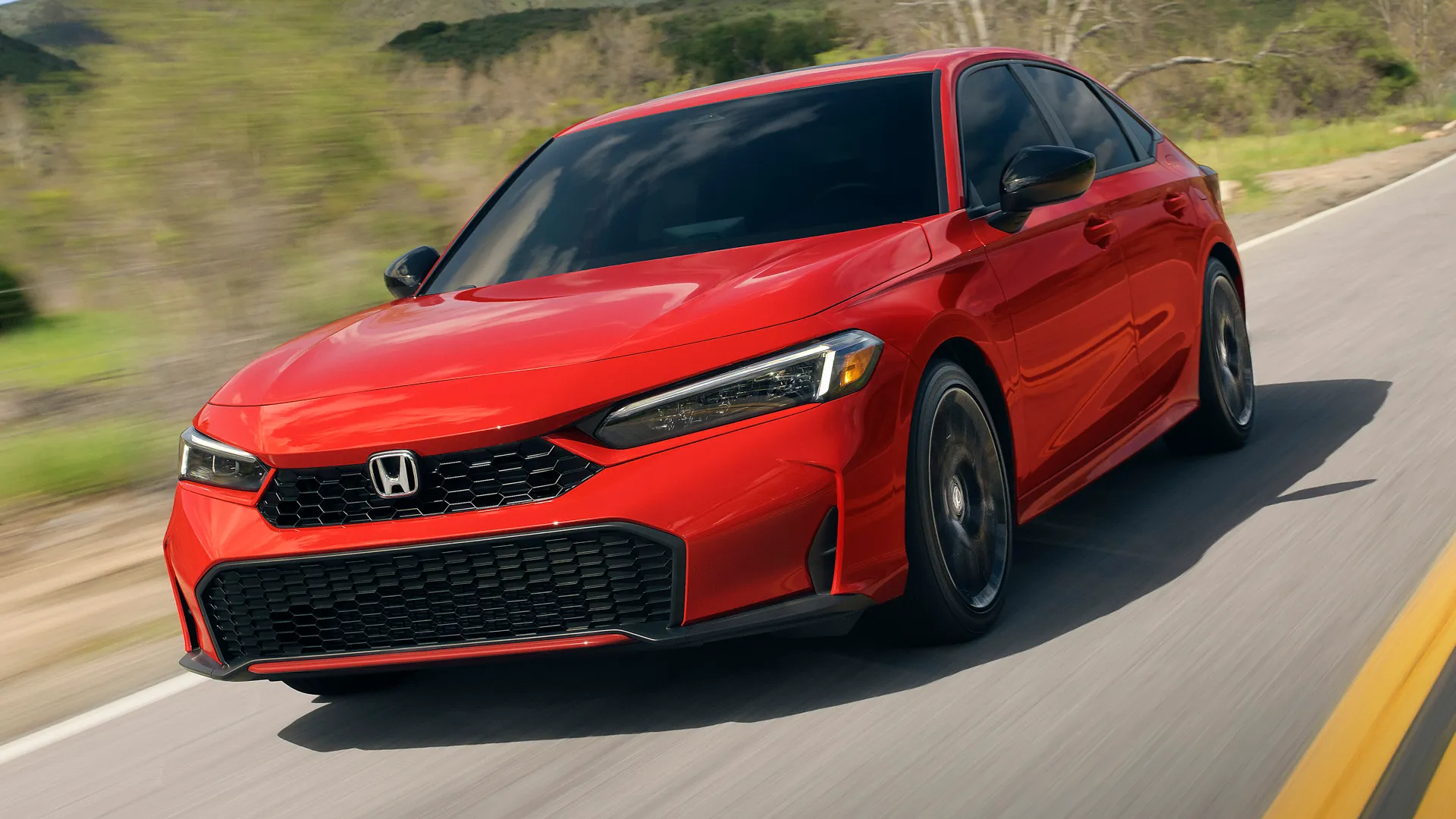
10. 2025 Hyundai Elantra: Stylish, Efficient, and Feature-Packed
The 2025 Hyundai Elantra is a compelling option in the compact sedan segment, offering a bold design, efficient powertrains, and a technology-rich cabin. Positioned as an alternative to the Honda Civic and Toyota Corolla, the Elantra stands out with distinctive styling and a well-equipped interior.
Standard features include a 10.3-inch infotainment screen, an equally large digital instrument panel, smartphone integration, and available Wi-Fi connectivity.
The base 2.0-liter inline-four engine produces 147 horsepower, paired with a continuously variable transmission and front-wheel drive, achieving a combined fuel economy of up to 36 miles per gallon. A hybrid variant is also available for drivers seeking even higher efficiency.
The Elantra delivers adequate performance for everyday commuting but is not designed for spirited driving. The base engine reached 0 to 60 mph in 9.4 seconds during testing, which is slower than average for the compact class.
The CVT is tuned primarily for fuel economy, resulting in smooth operation, though it can feel unresponsive under aggressive acceleration. Handling is predictable, and the car maintains stability over bumps, making it suitable for daily driving.
Those seeking sportier performance can opt for the N Line trim, which offers a sport-tuned suspension and enhanced driving dynamics. Advanced driver-assist features are plentiful, including adaptive cruise control and lane centering, and function reliably without generating false alerts.
The Elantra offers a spacious cabin that accommodates adults comfortably, particularly in the rear seats. Front seats are generally comfortable, with a wide range of power adjustments to suit drivers of different heights, though the seat bottoms feel slightly flat and lack side bolstering for long drives.
Climate controls are straightforward, and heated seats activate quickly when equipped. Wind noise is noticeable, making the cabin louder than some rivals, but the ride quality is composed. Child seat installation is straightforward with easily accessible LATCH anchors on rear outboard seats, and the spacious rear seating area allows for comfortable placement of rear-facing car seats.
Technology in the Elantra is a strong point, highlighted by the dual display setup for the digital gauges and infotainment. Menus are intuitive, and navigation is easy to follow. Wireless Apple CarPlay and Android Auto are available with the standard 8-inch screen, while the larger 10.25-inch display requires a wired connection.
The Elantra also offers multiple charging options, including front and rear USB-C ports, a wireless charging pad, and a digital key feature on higher trims. Voice control systems are responsive and effective.
The Elantra provides slightly above-average trunk space at 14.2 cubic feet, with rear seats that fold flat via remote release latches in the trunk. Interior storage includes standard cupholders and cubbies, which are functional but not exceptional. The hybrid variant maintains cargo capacity while offering enhanced fuel efficiency.
The Elantra is competitively priced, particularly at lower trims, though higher trims face strong competition from models like the Kia K4. Hyundai offers excellent warranty coverage, including five years or 60,000 miles of limited warranty, 10 years or 100,000 miles for the powertrain, and three years or 36,000 miles of free maintenance.
Fuel economy is impressive, with the base 2.0-liter model achieving 34 to 36 mpg combined and exceeding 41 mpg in testing. The hybrid version delivers even better efficiency.
The Elantra’s bold exterior styling, large digital displays, and strong voice control functionality give it a distinctive presence in the compact sedan segment. While the base trims are more oriented toward efficiency than excitement, the N Line trim caters to enthusiasts seeking a more dynamic driving experience.
Choosing a vehicle for long commutes is about more than fuel efficiency. Comfort, technology, safety, and practicality all contribute to a smooth and stress-free drive.
The ten cars highlighted here offer a variety of options, from sporty hybrids like the Honda Civic and Honda Accord to spacious and reliable sedans such as the Volkswagen Jetta and Nissan Sentra.
Hatchbacks like the Toyota Corolla and Subaru Impreza provide extra versatility for carrying passengers and cargo, while vehicles like the Kia K4 and Hyundai Sonata combine style with long-distance usability.
Each model offers a thoughtful balance of performance, comfort, and modern amenities, making them excellent choices for drivers who spend significant time on the road. These ten vehicles demonstrate that long daily commutes can be comfortable, efficient, and enjoyable when the right car is chosen.
Also Read: 10 Cars With Ergonomic Layouts You’ll Actually Appreciate