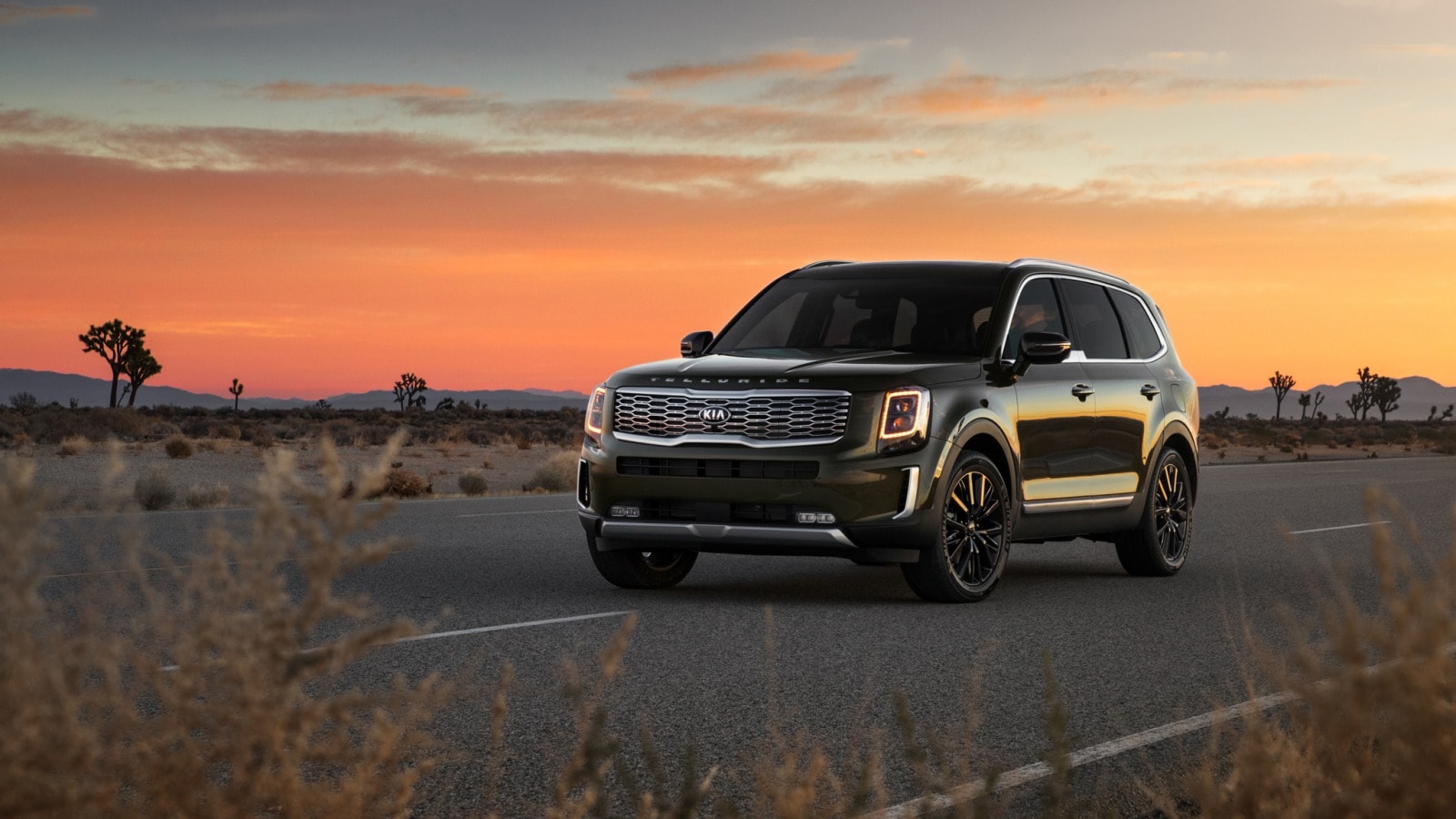
Family life requires vehicles that can handle much more than daily commutes. Parents need comfort for long drives, advanced safety for peace of mind, and generous space for kids, luggage, and all the essentials. Modern automakers have responded with designs that combine practicality, technology, and style.
The 2025 Lincoln Navigator represents this evolution perfectly, offering a luxurious interior, hands-free driving features, and thoughtful details that make every trip more enjoyable. From high-end materials to intelligent storage solutions, it reflects how convenience and elegance can coexist.
Families today expect their vehicles to adapt to busy, changing lifestyles without sacrificing comfort or reliability. Whether your priority is fuel efficiency, versatility, or innovation, the new generation of cars and SUVs provides options for every household. The following twelve vehicles demonstrate how modern design and engineering can make family life easier, safer, and more comfortable for everyone.
1. 2025 Lincoln Navigator
The 2025 Lincoln Navigator ushers in a new era of American luxury with bold styling, advanced technology, and refined performance. Offered in two trims, the seven-passenger Navigator starts at $102,590 for the popular Reserve model, featuring a 3.5-liter twin-turbocharged V6 engine and standard four-wheel drive.
Estimated fuel economy stands at 16 MPG in the city and 22 MPG on the highway. With its commanding presence, serene cabin, and hands-free driving capability, the Navigator is positioned to challenge competitors like the Cadillac Escalade, Lexus LX, and Mercedes-Benz GLS.
Lincoln has transformed the Navigator into a high-tech haven. A stunning 48-inch panoramic display stretches across the dashboard, giving the cabin a sleek, futuristic design. Most physical controls have been replaced by an additional 11.1-inch touchscreen and the intuitive Google Assistant voice interface.
The interior seats up to eight passengers, with the first two rows offering exceptional comfort through available heating, ventilation, and massage functions. High-quality materials, customizable ambient lighting, and 14 USB ports contribute to the SUV’s upscale atmosphere.
Cargo space remains generous, particularly in the extended-length Navigator L, which also enhances towing capability to 8,700 pounds.
Despite its size, the Navigator delivers strong acceleration and composed handling. The twin-turbo V6 engine propels it from 0 to 60 mph in 5.6 seconds, making it quicker than several V8 rivals. Steering is light yet precise, creating a sense of agility uncommon for such a large SUV.
Braking is firm and confidence-inspiring, and while there is some body movement on wavy roads, the ride quality is impressively smooth. The Navigator is tuned for comfort and effortless cruising rather than sporty driving.
Comfort is a major highlight. The available 24-way power front seats allow for an extraordinary level of adjustment, and cabin noise is nearly nonexistent. The suspension soaks up bumps gracefully, while large doors, retractable step rails, and wide openings make entry easy.
Technology takes center stage with a 13.2-inch touchscreen, a powerful 28-speaker Revel audio system, and Lincoln’s BlueCruise hands-free driving feature. BlueCruise combines adaptive cruise control, lane centering, and automatic emergency braking, enabling stress-free highway travel.
Cargo capacity is extensive, offering 19.3 cubic feet behind the third row and 103.3 cubic feet with all seats folded flat. The Navigator’s fuel economy averages around 18 MPG combined, though real-world figures may be slightly lower.
Lincoln provides a four-year/50,000-mile basic warranty and a six-year/70,000-mile powertrain warranty. The premium Black Label trim adds exclusive concierge-style perks, including free maintenance and vehicle pickup services.
The 2025 Lincoln Navigator stands as a statement of power, technology, and craftsmanship. Its advanced design, refined comfort, and confident performance make it one of the most desirable luxury SUVs in its class, redefining what modern American luxury can be.
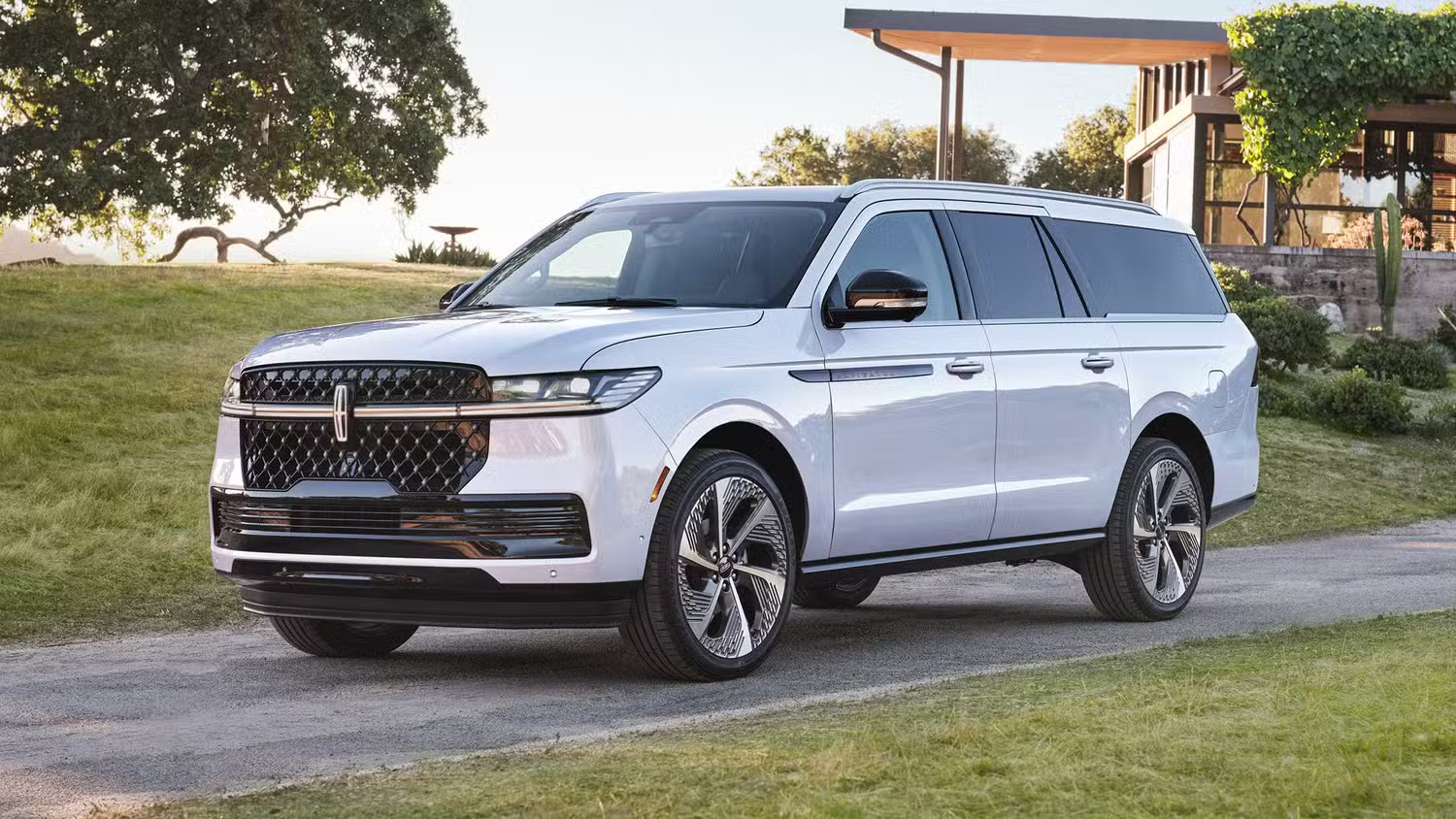
2. 2026 Hyundai Palisade
The 2026 Hyundai Palisade evolves as a refined, family-oriented three-row SUV, offering more presence, upgraded technology, and an optional hybrid powertrain. Its ride quality is plush without being floaty, and the cabin delivers a luxury-lite feel in higher trims.
Quiet, comfortable, and practical, the Palisade remains a strong choice for families seeking space, safety, and modern amenities. The SUV seats eight across 13 trims, with the popular Calligraphy AWD starting at $58,160, featuring a 3.5L V6 engine and all-wheel drive. EPA estimates suggest 18 MPG city and 24 MPG highway.
The Palisade prioritizes comfort over speed. Acceleration is leisurely, with the Calligraphy trim taking 8.8 seconds to reach 60 mph. Transmission downshifts can feel delayed, but the ride is impressively smooth over all road surfaces.
Visibility is excellent thanks to large windows and high-resolution rearview or 360-degree cameras. Most advanced driver aids function well, though lane-centering may cause slight bouncing between lane markers.
Front seats are adjustable, spacious, and comfortable, though tall drivers may notice the low steering wheel position. Rear passengers enjoy ample legroom, and child-seat installation is easy due to accessible LATCH anchors and generous headroom.
The third row is power-adjustable and can recline for added comfort. The cabin design is intuitive, with a quiet, climate-controlled environment and thoughtful materials, giving the Palisade a near-luxury feel.
The infotainment system is straightforward and responsive, featuring large touchscreen controls, wireless Apple CarPlay and Android Auto, seven USB ports, and a wireless charging pad. The Calligraphy trim adds front and rear dash cams, enhancing safety and convenience.
Cargo space ranges from 19.1 cubic feet behind the third row to 86.7 cubic feet behind the first row. While not the largest in its class, it remains functional, and power-operated second and third rows improve usability. Interior storage, including front bins and underarm compartments, is generous and practical.
The Palisade impresses with high-quality materials, soft-touch finishes, and attention to detail. While priced on the higher end, it offers extensive standard features and a strong warranty (5 years/60,000 miles basic, 10 years/100,000 miles powertrain). AWD models average 20 MPG combined, similar to competitors, with a hybrid variant promising improved efficiency.
Distinctive styling, an exceptional interior, and an adventurous X-Pro trim give the Palisade standout appeal. It combines practicality, luxury touches, and family-friendly design, making it a compelling choice among three-row SUVs.
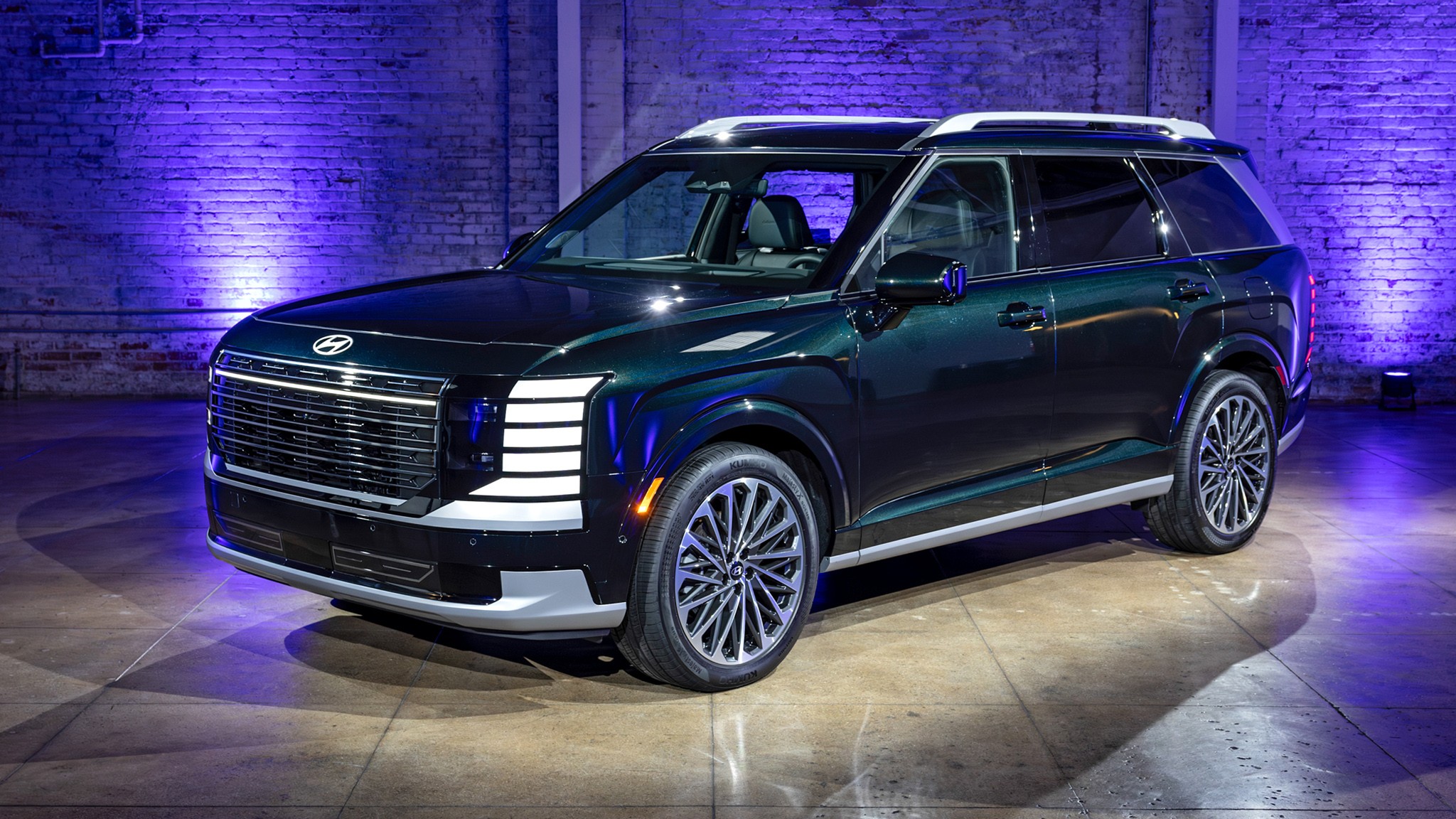
3. 2026 Nissan Murano
The 2026 Nissan Murano is a midsize, two-row SUV that seats five passengers and comes in three trims, with the popular SL starting at $48,255. It features a 2.0L turbocharged inline-four engine paired with all-wheel drive, offering an EPA-estimated 21 MPG city and 27 MPG highway, or 23 MPG combined. The Murano balances performance, comfort, and style, making it a premium choice for families seeking a well-equipped midsize crossover.
The Murano’s turbocharged four-cylinder and nine-speed automatic deliver improved acceleration over the previous V6 model, reaching 0–60 mph in 7.4 seconds. While not particularly sporty, the ride is smooth and relaxed, with the suspension absorbing bumps effortlessly.
Visibility is decent, though the sharply angled windshield can limit forward sightlines. A surround-view camera system and driver-assistance features such as blind-spot monitoring and adaptive cruise control aid maneuvering, although some systems struggle on tight roads.
Front seats are spacious, supportive, and adjustable, with options for heating, ventilation, and massage functions. The cabin is quiet, and the climate control system keeps the interior comfortable in hot conditions.
Second-row passengers enjoy reasonable headroom and padding, though it’s less luxurious than the front. Interior design is sleek but compromises usability, with many settings accessed through touchscreen menus and touch-sensitive steering-wheel controls rather than traditional buttons.
The Murano comes with dual 12.3-inch high-resolution displays, wireless Apple CarPlay and Android Auto, and a wireless charging pad. While visually impressive, the touchscreen interface is somewhat dated and less intuitive than rival systems. The vehicle lacks a digital key function through Nissan’s smartphone app.
Cargo space ranges from 32.9 cubic feet behind the rear seats to 63.5 cubic feet with the seats folded, which is slightly below class standards. The rear window slope limits taller items. Interior storage is practical, with a center console, door pockets, cupholders, and small bins for personal items.
The Murano offers a premium-feeling interior and solid standard equipment for the price, including driver aids and tech features. It delivers average fuel economy for a midsize SUV at 23 MPG combined. The Platinum trim adds luxurious touches, though it’s not quite a luxury-level interior.
The Murano’s styling sets it apart within Nissan’s lineup, blending design cues from the electric Ariya and offering a more premium cabin experience than other Nissan SUVs. Its combination of comfort, technology, and distinctive styling makes it a compelling choice in the midsize SUV segment.
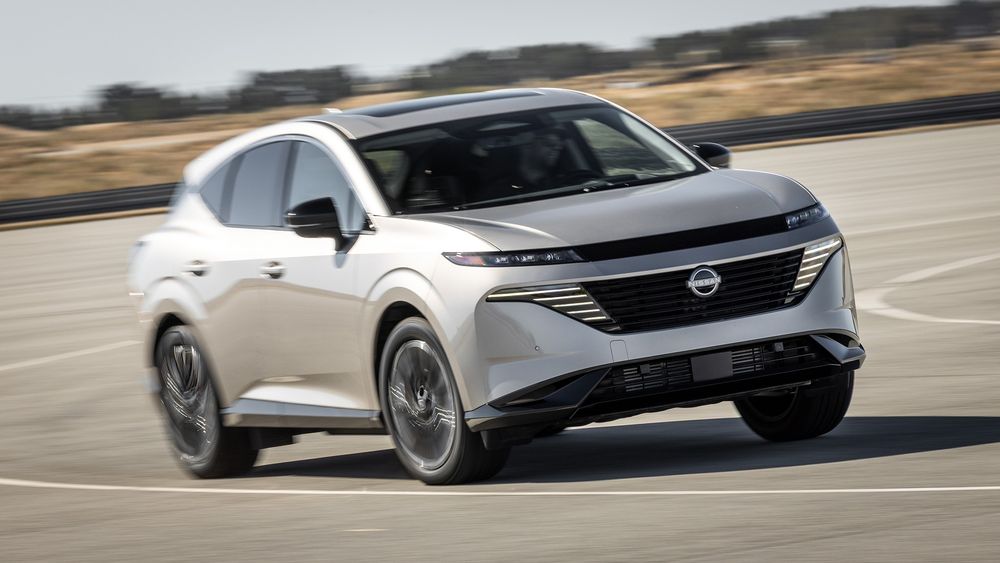
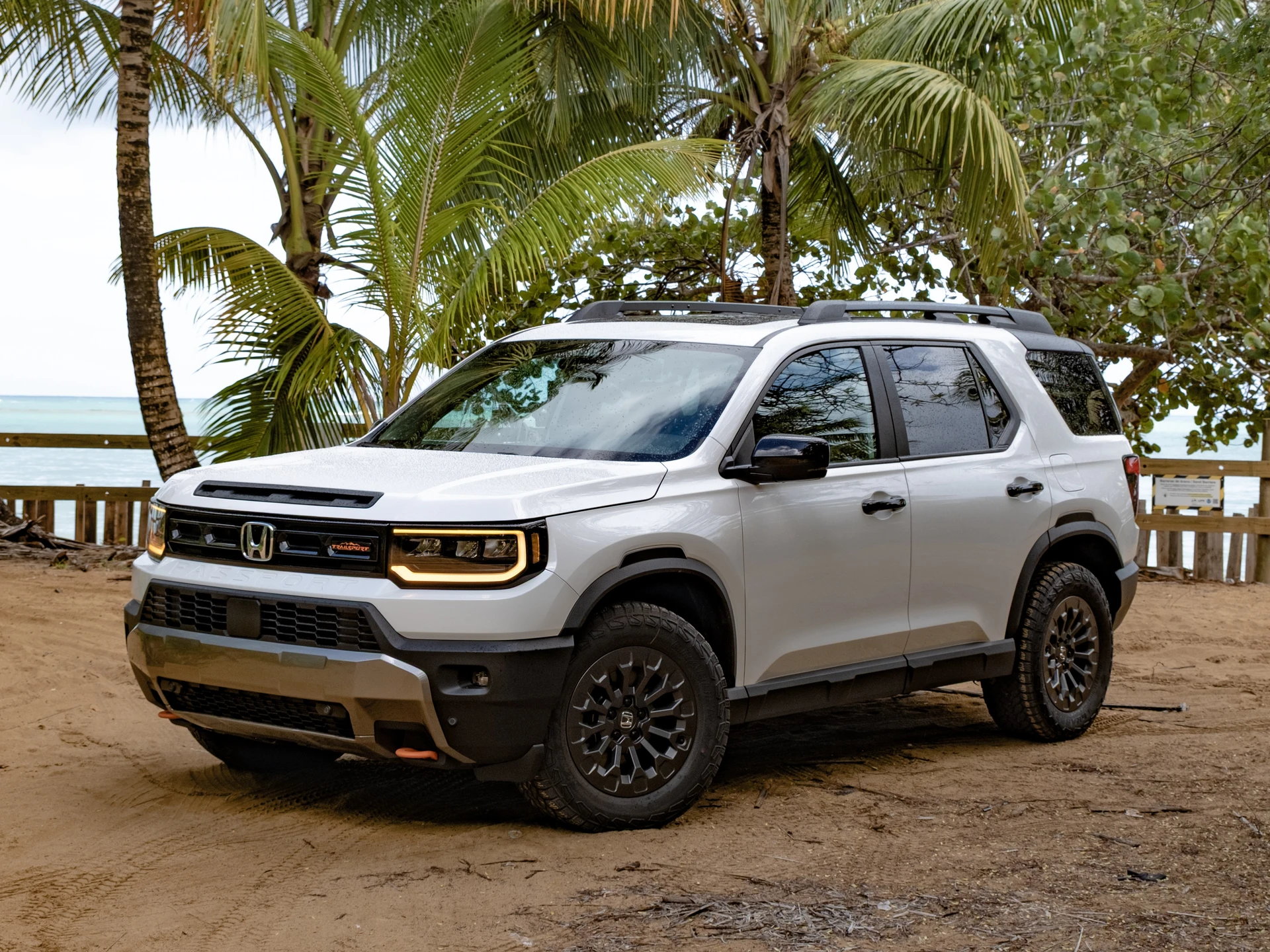
4. 2026 Honda Passport
The 2026 Honda Passport is a rugged two-row midsize SUV designed for adventure while maintaining daily comfort. It is powered by a 3.5L V6 engine with all-wheel drive, producing 285 horsepower. The Passport is available in seven trims, with the popular TrailSport Elite starting at $53,945.
EPA estimates indicate 18 MPG city and 23 MPG highway, or about 20 to 21 MPG combined. It blends bold styling, off-road capability, and family-friendly features in a practical package.
The V6 engine delivers adequate power for city driving and moderate highway acceleration, reaching 0 to 60 mph in 7.9 seconds. Steering feels slightly numb, but the Passport remains stable in corners and during emergency braking. Large windows provide good visibility, although wide rear pillars create blind spots.
These are mitigated by standard blind-spot monitoring and the available surround-view camera system. Lane-keeping assistance and adaptive cruise control performed well on highways and winding roads, providing confidence for drivers.
The Passport provides spacious seating for front and rear passengers. Front seats are supportive and adjustable, and the rear seats accommodate adults and child seats with ease.
Large door openings make entering and exiting the cabin simple. Physical controls for climate and drive modes are easy to use, avoiding the complexity of virtual menus. Cabin noise is minimal, though it can rise slightly at highway speeds, while climate control keeps the interior comfortable in hot weather.
All trims feature a 12.3-inch touchscreen, a 10.2-inch digital instrument cluster, wireless Apple CarPlay and Android Auto, four USB-C ports, and a wireless charging pad. Google Maps and voice assistant integration enhance usability, and the instrument cluster presents key driving information clearly.
The Passport offers generous storage for large and small items. Front storage includes a large center console, a shelf in front of the passenger, and cupholders. Rear passengers benefit from door pockets. Cargo space measures 44 cubic feet behind the rear seats and expands to 83.8 cubic feet with seats folded. Features include removable bins, side pockets for small items, and a walk-away power liftgate.
The Passport delivers value through a strong standard feature set, durable interior, and off-road readiness. Fuel economy is in line with other midsize SUVs, and real-world testing shows results close to EPA estimates.
Rugged styling, practical utility, and off-road capability make the Passport appealing for drivers who need a versatile SUV. It performs well in city driving, highway cruising, and unpaved adventures while maintaining comfort and convenience for passengers.
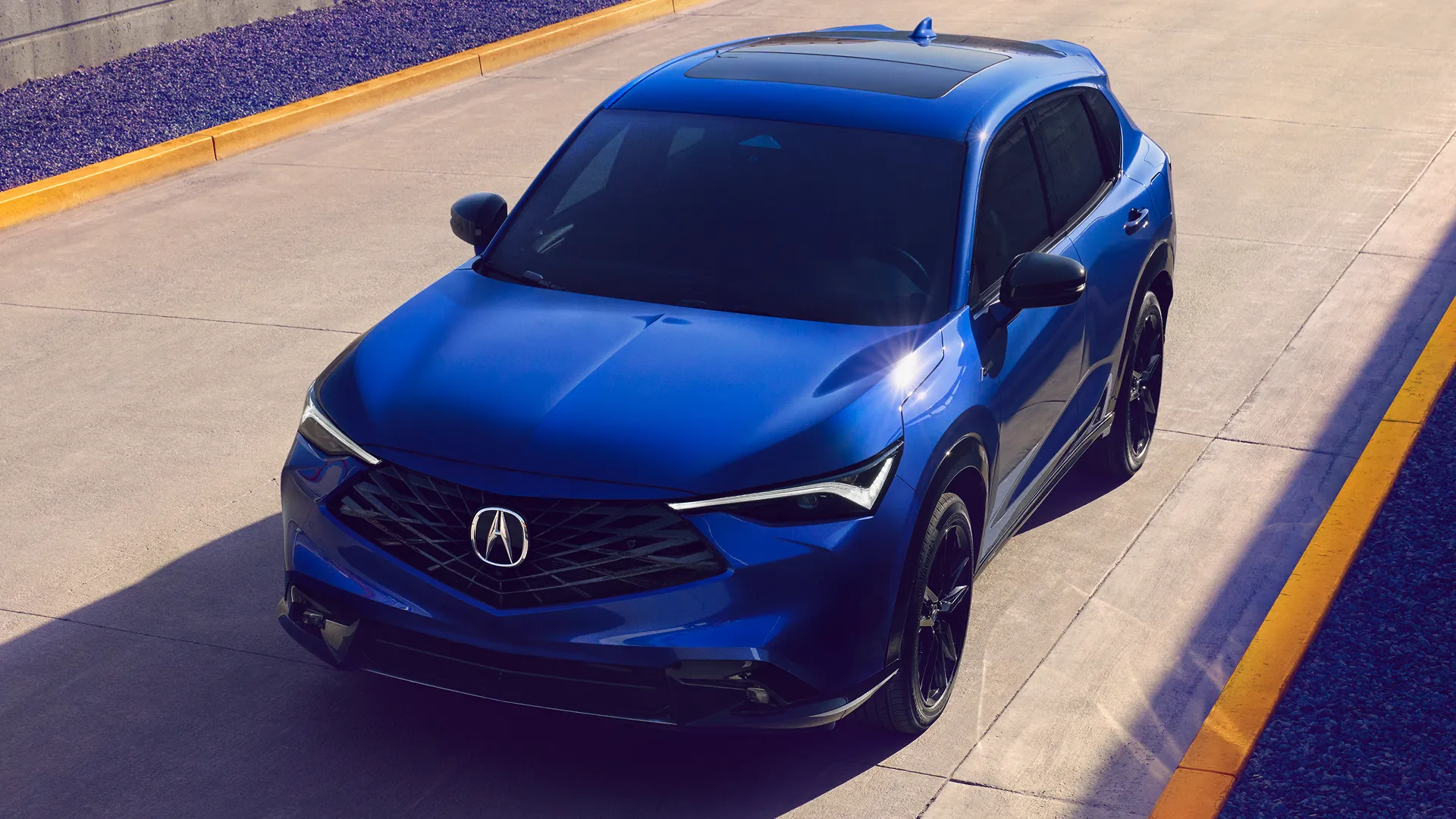
5. 2025 Acura ADX
The 2025 Acura ADX is a premium small SUV designed to be affordable and sporty. It seats five passengers and comes in three trims, with the popular A-Spec Package AWD starting at $41,350. Power comes from a 1.5L turbocharged four-cylinder engine producing about 200 horsepower, paired with a continuously variable automatic transmission.
Fuel economy is estimated at 25 MPG city, 30 MPG highway, and 27 to 28 MPG combined. A hybrid or electric version is not expected in the first year, but all-wheel drive will be available. The ADX shares its platform and many components with the Honda HR-V, including chassis and body structure, and features Acura’s design language with a sporty exterior and interior styling.
Acceleration is leisurely, with the ADX taking 9.4 seconds to reach 60 mph, which is slower than competitors like the BMW X1 or Ford Bronco Sport. Steering and braking feel less refined compared with other Acura models. The automatic transmission allows smooth driving, and visibility is good.
Advanced driver aids such as blind-spot monitoring and lane-keeping assist are included, though testing found some inconsistencies in performance. Drivers who prefer minimal intervention from safety systems may find this acceptable.
The front seats are supportive and covered in leather, with multiple adjustments for comfort. The cabin layout is user-friendly, with physical controls for climate, drive modes, and driver assistance systems, making daily operation simple. Ride quality is adequate on rough roads, but road, wind, and engine noise are noticeable at nearly all speeds, limiting cabin quietness.
The ADX offers a small touchscreen, wireless Apple CarPlay and Android Auto, and Google Built-In on higher trims. A premium Bang & Olufsen audio system is optional but may not justify the extra cost. The technology is functional but does not feel especially innovative compared with competitors in the small luxury SUV segment.
Cargo space measures 24.4 cubic feet behind the rear seats, which is competitive for the class. Small-item storage in the cabin is adequate, including door pockets and center console space.
Base trims offer strong standard features for the price, including adaptive cruise control and a functional audio system. Top trims provide aesthetic upgrades and additional options but do not dramatically improve performance or driving enjoyment. Real-world fuel economy averaged 24.1 MPG.
The ADX is a competent small luxury SUV but lacks excitement in driving, technology, and refinement compared with competitors. It may sell well due to brand loyalty and SUV demand, but it is less inspiring than alternatives from BMW, Audi, or Mercedes.
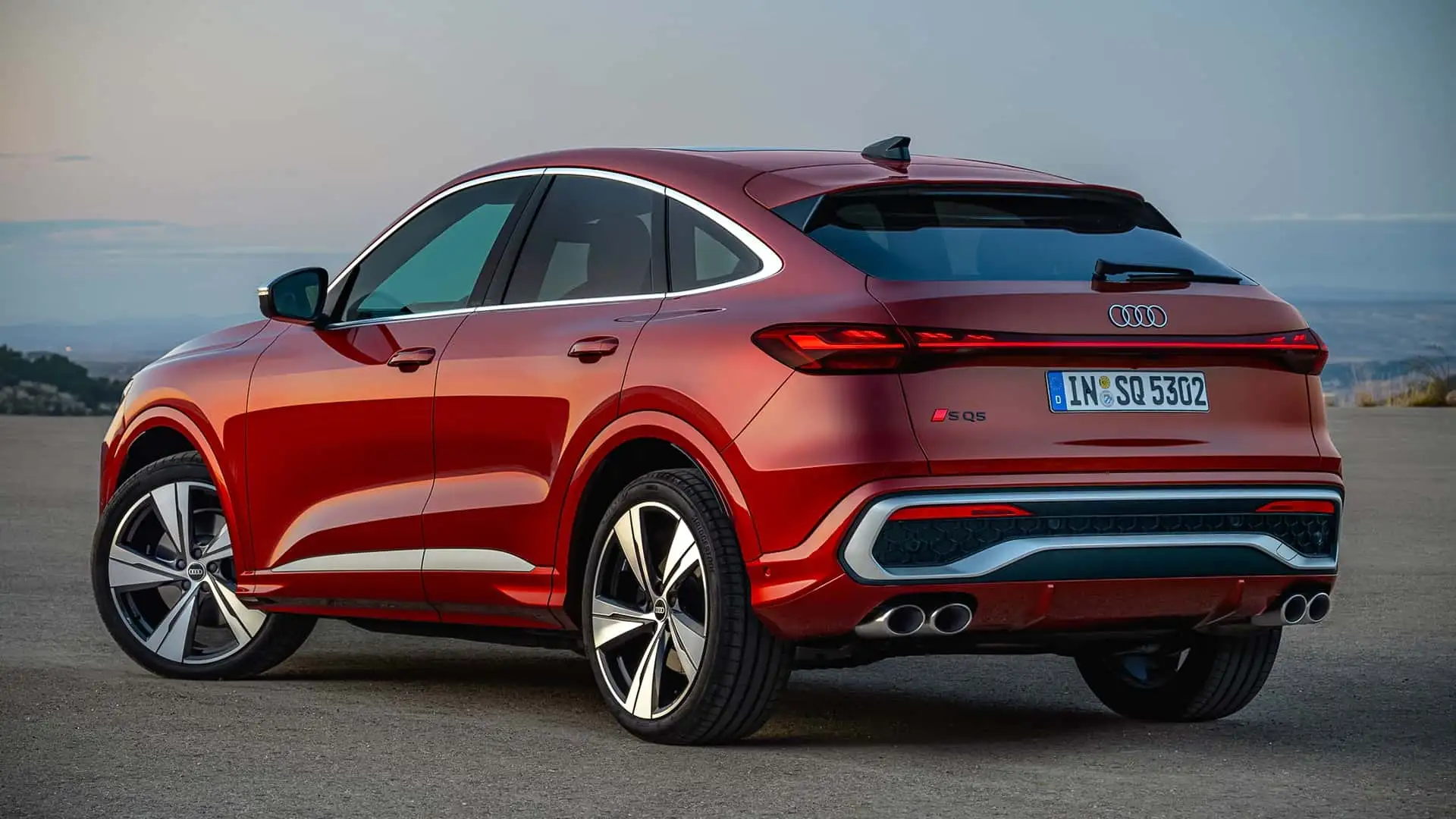
6. 2025 Audi SQ5
The 2025 Audi SQ5 is a high-performance luxury SUV that combines spirited driving with a comfortable, tech-rich interior. It seats five passengers and comes in three trims, with the Premium Sportback starting at $63,095. Power comes from a 3.0L turbocharged V6 producing 349 horsepower, paired with Audi’s Quattro all-wheel-drive system.
EPA estimates suggest 19 MPG city and 24 MPG highway, with 21 to 22 MPG combined. The SQ5 offers a Sportback body style, adding a stylish edge to Audi’s renowned luxury and driving experience.
The SQ5 delivers brisk acceleration, reaching 60 mph in approximately 5.3 seconds during testing. Handling is agile and predictable, with responsive steering and excellent braking performance. Summer tires provide ample grip for spirited driving, while stability control remains subtle.
The suspension balances sporty handling with everyday comfort, making it suitable for both city streets and winding roads. With a maximum tow rating of 4,400 pounds and an optional air suspension with trailer mode, the SQ5 offers practical performance for a range of activities.
The SQ5 interior is quiet, well-insulated, and comfortable for long drives. Front seats offer strong support with side bolsters that hold occupants during cornering without being intrusive. Climate controls are easy to operate, and the cabin minimizes wind, tire, and road noise. Ride quality is smooth, blending athletic handling with everyday comfort for five passengers.
The cabin is minimalist yet functional, featuring a standard 10.1-inch touchscreen, a digital instrument cluster, and physical controls for primary functions. Wireless Apple CarPlay, Bluetooth, and a wireless charging station are included.
Driver-assistance systems such as adaptive cruise control and blind-spot monitoring perform reliably. Seat and steering wheel adjustments allow most drivers to achieve an ideal driving position, while large windows and narrow roof pillars ensure excellent visibility.
Cargo space measures 25.9 cubic feet behind the rear seats and 54.1 cubic feet with the seats folded. Door pockets, center console storage, and a sliding tray under the armrest accommodate small items efficiently.
The SQ5 delivers strong value for a luxury SUV with high-quality materials, precise controls, and a comfortable interior. Premium features and optional upgrades enhance the cabin experience. Fuel economy is average for a performance-oriented small SUV, and premium fuel is required. Warranty coverage is standard for the segment.
The SQ5 stands out for its blend of luxury, performance, and practicality. It offers strong driving dynamics, a refined cabin, and all-weather capability, making it an appealing choice for buyers seeking a sporty yet comfortable SUV.
Also Read: 10 Cars Perfect for Long Commutes
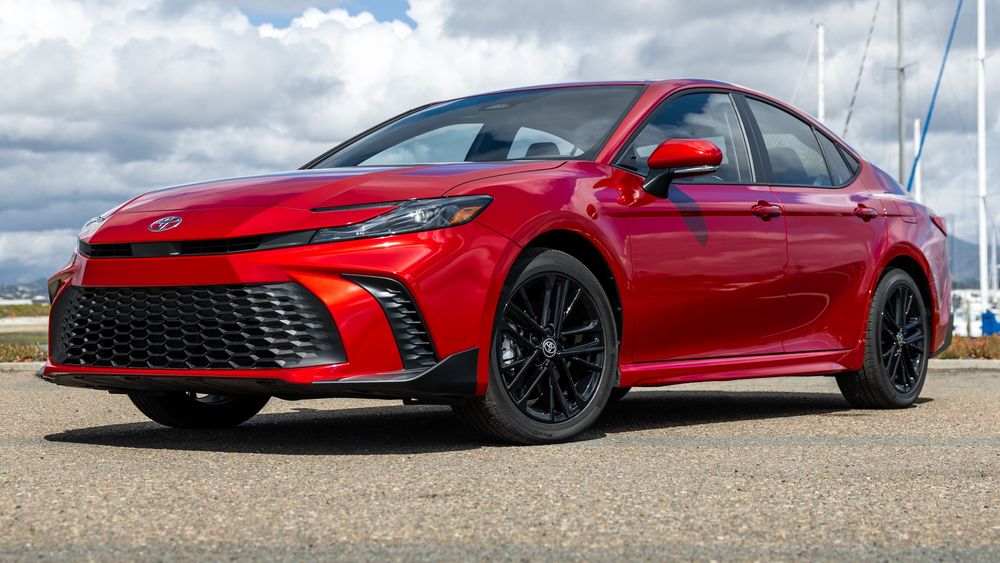
7. 2026 Toyota Camry
The 2026 Toyota Camry is a midsize sedan that combines Toyota reliability, impressive fuel efficiency, and a comfortable, quiet cabin. It comes in five trims, with the popular Hybrid SE FWD starting at $32,495.
The hybrid 2.5L I4 engine delivers an estimated 48 MPG city and 47 MPG highway, for a combined range of 44 to 51 MPG depending on trim. With a spacious interior, advanced safety systems, and refined handling, the Camry continues to be a top choice in the midsize sedan segment.
The Camry delivers smooth acceleration and confident handling. In testing, the XSE hybrid reached 60 mph in 7.8 seconds, slightly quicker than rivals like the Honda Accord and Hyundai Sonata hybrids. Braking is strong and responsive, and the sport-tuned suspension provides a secure, connected feel without sacrificing ride comfort.
The elevated driving position offers excellent visibility over the hood and rear, enhancing both safety and comfort. Advanced safety features include adaptive cruise control, lane departure warning, and optional Traffic Jam Assist, which allows hands-free driving at low speeds when conditions permit.
Front seats are firm but supportive, ideal for long drives, while rear seating provides ample space for passengers and car seats, aided by wide door openings.
The cabin remains quiet at highway speeds, though engine noise can become noticeable under heavy acceleration. Climate controls are intuitive, and interior materials convey a sense of refinement. The Camry’s flat roofline ensures generous headroom for most passengers.
Most trims include a 12.3-inch touchscreen, wireless Apple CarPlay and Android Auto, and a functional wireless charging pad. Optional upgrades include a nine-speaker JBL audio system. Device integration is seamless, and physical controls for climate and other functions enhance usability without excessive reliance on menus.
Trunk space measures 15.1 cubic feet, adequate for luggage or groceries. Additional small-item storage includes door pockets, center console bins, and a compartment near the wireless charging pad for keys and phones.
The Camry offers strong value through its standard hybrid powertrain and advanced safety features. Toyota’s warranty includes two years or 25,000 miles of complimentary maintenance and two years of roadside assistance. Real-world testing of the XSE showed 45.9 MPG, closely aligning with EPA estimates.
The 2026 Camry balances efficiency, comfort, and refined performance. It provides competent handling on twisty roads and enough power for highway maneuvers while maintaining Toyota’s reputation for reliability, making it a smart, practical choice in the midsize sedan class.
8. 2026 Cadillac LYRIQ‑V
The 2026 Cadillac LYRIQ‑V is a luxury electric SUV that combines V-Series performance with Cadillac’s signature upscale cabin. It seats five passengers and comes in two trims, with the popular V-Series Premium starting at $85,290. The dual-motor all-wheel-drive powertrain delivers 615 horsepower, providing strong acceleration and confident driving.
Estimated efficiency is 93 MPGe city and 77 MPGe highway, with an electric range of 303 to 319 miles depending on driving conditions. The LYRIQ‑V offers a refined ride, luxurious interior touches, and advanced driver-assistance features, making it a competitive choice in the luxury EV segment.
The LYRIQ‑V accelerates from 0 to 60 mph in 5.2 seconds, which is solid but not class-leading. Its handling prioritizes comfort over agility, with soft steering and tires that emphasize stability rather than cornering grip.
The suspension smooths out highway stretches and city streets well, though smaller bumps can create some juddering in the cabin. Noise levels are low, and the ride feels composed. Super Cruise, Cadillac’s hands-free driving system, along with a suite of driver aids, enhances convenience and safety on longer drives.
Both rows offer spacious, comfortable seating with supportive leather upholstery. Wide door openings make entry and exit easy, but some drivers may find seat adjustments limited, and rear visibility is restricted by smaller window openings. The cabin is largely quiet, and climate control is intuitive. Minor issues include a squeaky center console in certain models, but the interior layout is generally well-executed.
The LYRIQ‑V features three configurable screens and built-in Google functionality for navigation and voice commands, along with wireless Apple CarPlay and Android Auto. USB-C ports, wireless charging with cooling, and logically placed controls make tech usage convenient. While the interface design is not the most innovative, it is intuitive and practical.
Cargo capacity is 28 cubic feet behind the rear seats and up to 60 cubic feet with seats folded. Interior storage includes a medium center bin, glovebox, dashboard cubby, and a small passenger-side compartment for personal items.
The LYRIQ‑V is priced below many competitors, including the BMW iX, while offering Super Cruise and luxury amenities. Warranty coverage includes four years/50,000 miles basic, eight years/100,000 miles drivetrain, and eight years/100,000 miles for the battery. Independent testing showed a 319-mile range, slightly exceeding the EPA estimate.
The LYRIQ‑V stands out with its striking yet understated Cadillac design. It prioritizes quiet comfort, refined luxury, and advanced tech, making it a compelling luxury EV, even if it is less exciting in terms of pure driving thrill.
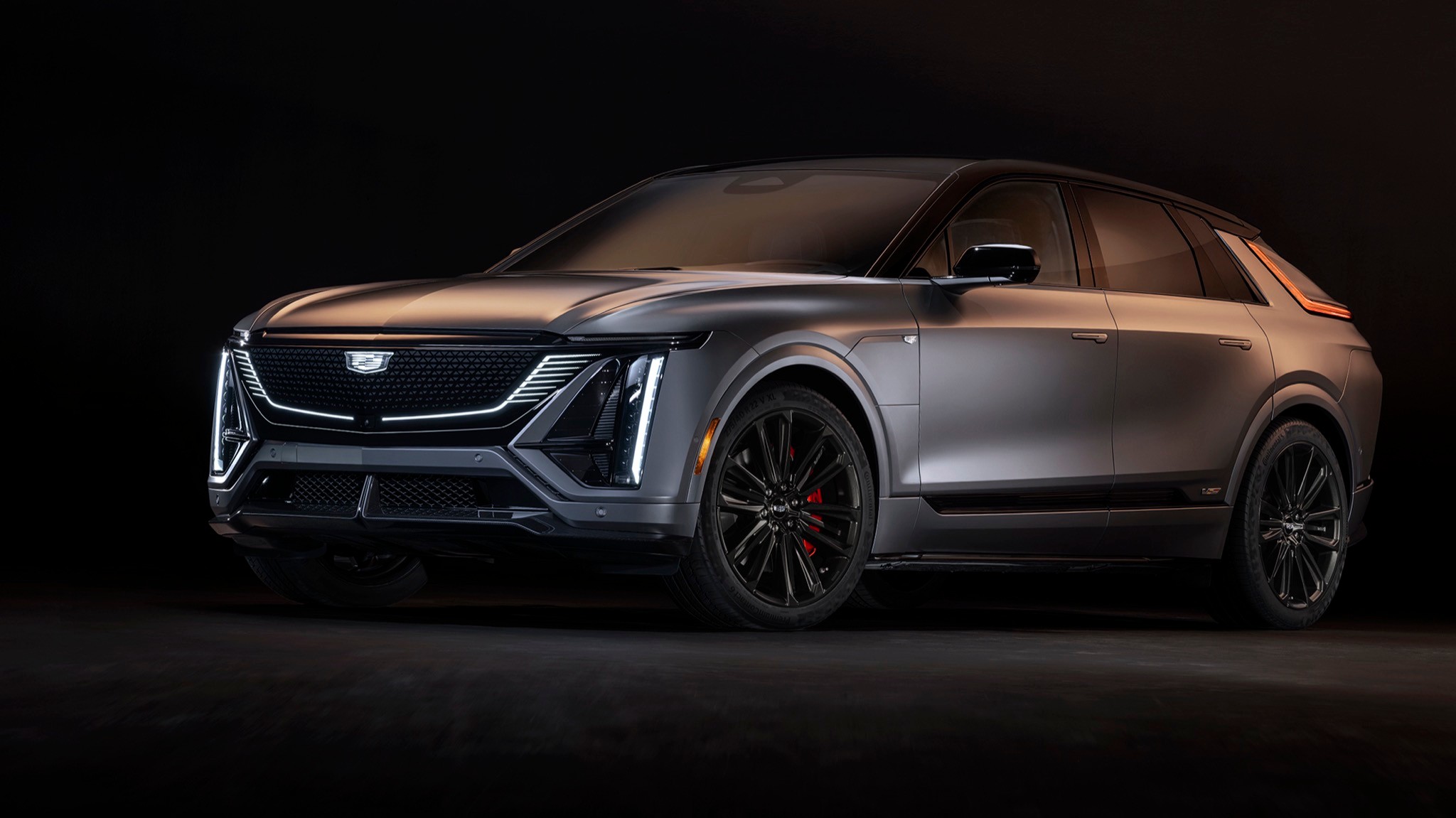
9. 2026 Hyundai Tucson
The 2026 Hyundai Tucson is a compact SUV that seats five and offers 11 trim levels. The most popular model is the SEL FWD, starting at $32,150 with a 2.5L I4 engine and front-wheel drive.
Estimated fuel economy is 25 MPG city and 33 MPG highway, with a combined range of 26 to 38 MPG. The Tucson delivers a comfortable, well-equipped package with modern tech and a spacious cabin, making it a strong contender in the small SUV segment.
The Tucson is not built for speed. The base gas engine struggles, taking 10.2 seconds to reach 60 mph, placing it among the slower crossovers in its class. Steering is direct, and the SUV handles corners with composure.
The suspension provides a smooth ride, effectively absorbing road imperfections. Visibility is excellent thanks to a large windscreen and thin roof pillars. Standard driver aids, including adaptive cruise control and blind-spot monitoring, perform well, though frequent parking sensor beeps can become tiresome.
Tucson’s interior is nearly luxury-level in comfort. Front seats in higher trims provide excellent cushioning, support, and power adjustments. Rear passenger space is generous, with reclining seats and ample room for taller passengers. LATCH anchors for child seats are easy to access.
Large door openings simplify entry and exit, and the seating position feels elevated without being overly commanding. Some frustration arises from touchscreen-dependent controls that lack haptic feedback.
Tech features are plentiful and responsive. A 12.3-inch touchscreen supports wireless Apple CarPlay and Android Auto. Hyundai’s native navigation system is easy to follow, and voice recognition responds reliably without rigid commands. USB ports and charging options are well placed for convenience.
Cargo capacity is strong, with 38.7 cubic feet behind the rear seats and 74.8 cubic feet with them folded. The low liftover and flat floor make loading large items simple. Interior storage compartments are practical, and cupholders accommodate large bottles.
Pricing is competitive with the Honda CR-V and Toyota RAV4, while interior quality and features often surpass rivals. Hyundai offers a five-year/60,000-mile basic warranty and 10-year/100,000-mile powertrain coverage. AWD models return around 25 MPG combined, close to EPA estimates but slightly behind some competitors.
The Tucson stands out with expressive styling and innovative tech, including hidden headlights and remote parking. Its engine may lack excitement, but comfort, space, and thoughtful features make it a practical and stylish choice for small SUV buyers.
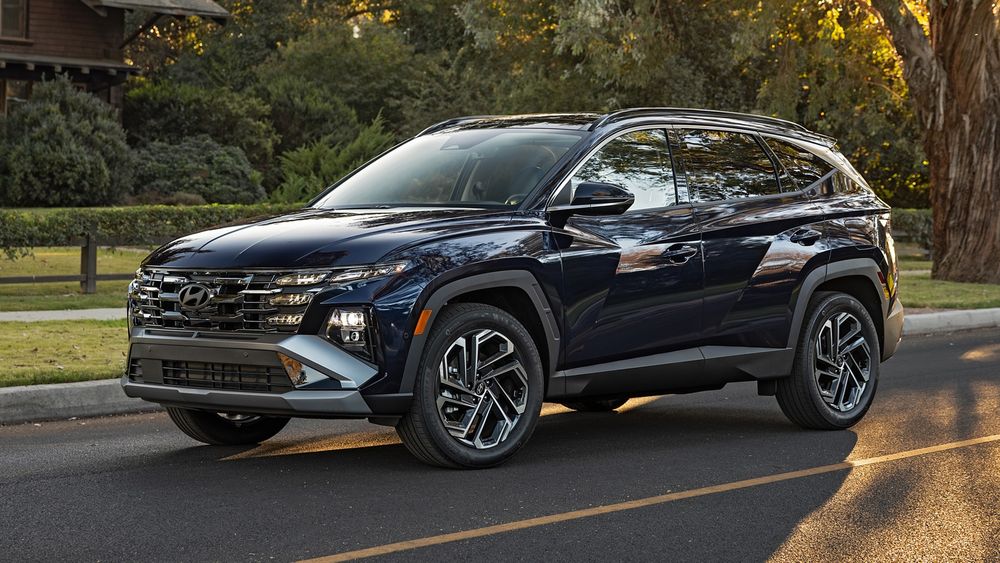
10. 2025 Toyota 4Runner
The 2025 Toyota 4Runner is a midsize SUV with a strong reputation for off-road capability and rugged reliability. The new generation brings a full redesign with updated drivetrains, modern cabin technology, and enhanced off-road features.
It seats five and comes in 12 trim levels, with the SR5 4WD being the most popular, starting at $44,765. This trim features a 2.4L turbocharged I4 engine and four-wheel drive, achieving an estimated 19 MPG city and 25 MPG highway.
The 4Runner delivers capable performance both on and off the road. The base turbocharged gas engine provides enough power for city driving and highway merging, while the optional hybrid combines the gas engine with an electric motor for 326 horsepower and 465 lb-ft of torque.
Acceleration is adequate, with the gas version reaching 0-60 mph in 8.2 seconds and the hybrid slightly quicker at 7.7 seconds. Steering is light but requires more input than expected, and the suspension can feel busy on paved roads. Off-road performance benefits from a stabilizer bar disconnect system and part-time or full-time four-wheel-drive options, making the 4Runner capable in challenging terrain.
The front seats are comfortable and supportive, but rear seating is tighter than competitors, with limited legroom and headroom. Rear doors are small, making child seat installation less convenient. Cabin noise increases under heavy acceleration, and the turbo-four engine can sound unrefined. Climate controls are intuitive, and the cabin heats and cools efficiently.
Base models come with an 8-inch touchscreen, while higher trims feature a 14-inch display with wireless Apple CarPlay and Android Auto. Multiple USB-C ports and an optional wireless charger provide convenience. Native navigation works well but requires a paid data plan after the trial period.
The 4Runner offers 48.4 cubic feet of cargo space behind the rear seats and up to 12.1 cubic feet with a third row, limiting practicality when fully loaded. Interior storage includes door pockets, a center bin, and a shelf above the glovebox. Maximum towing capacity reaches 6,000 pounds.
Gas-only trims achieve 21-22 MPG combined, while the hybrid reaches 23 MPG. Pricing varies widely, with top trims exceeding $60,000. Build quality is solid, and off-road durability remains strong, maintaining the 4Runner’s reputation as a reliable adventure SUV.
The 4Runner shines off-road, where its rugged design, capable drivetrain, and practical features truly excel. Its modernized look and the iconic “TOYOTA” grille logo on off-road trims enhance its appeal for adventurous buyers.
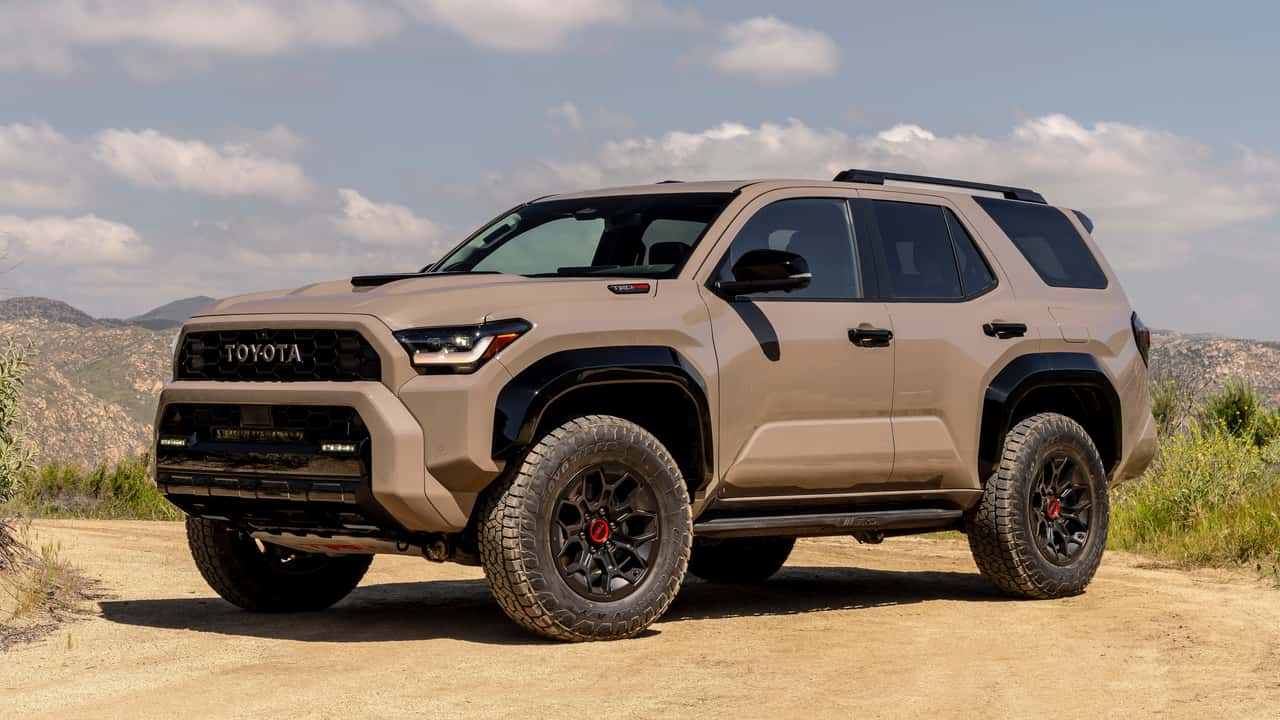
11. 2026 Subaru Forester
The 2026 Subaru Forester focuses on practicality, comfort, and standard all-wheel drive, making it an appealing choice for everyday driving and light off-road adventures. This 5-seater SUV comes in six trim levels, with the Premium being the most popular, starting at $34,835.
It features a 2.5L H4 engine with all-wheel drive, delivering an estimated 26 MPG city and 33 MPG highway. Its roomy cabin, excellent visibility, and calm ride emphasize functionality over flashy performance.
Acceleration is modest due to the 180-horsepower engine, taking 9.2 seconds to reach 60 mph. The continuously variable transmission (CVT) further dampens responsiveness, making highway merges and overtaking less confident. Handling is predictable but lacks engagement, and the ride can feel busy on uneven pavement.
Braking performance is adequate, and the Forester’s grip provides confidence in wet or snowy conditions. Standard all-wheel drive and higher ground clearance give it an edge on unpaved trails, though competitors are beginning to match Subaru’s off-road capabilities.
Entry and exit are simple thanks to wide door openings and moderate seat height. Front seats are comfortable for long drives, while rear headroom is generous and legroom is sufficient.
Road and engine noise remain muted during normal driving, though acceleration can reveal a coarse engine sound. Climate controls are intuitive, and the cabin maintains a quiet environment, contributing to relaxed long-distance travel.
The portrait-oriented 11.6-inch touchscreen is straightforward but less modern than rival systems. Wireless Apple CarPlay and Android Auto work reliably, and the optional Harman Kardon audio system improves the cabin experience. Multiple USB-A and USB-C ports are provided, along with an available wireless charging pad, though it struggles to hold devices securely.
Rear cargo space is competitive with segment rivals, offering plenty of room for luggage despite modest small-item storage inside the cabin. Center console and door pockets are adequate, but cupholders are small. Towing capacity reaches 1,500 pounds.
Standard AWD and durability make the Forester a reasonable value, though performance and refinement lag behind competitors. Fuel economy for the gas engine averages 25-28 MPG, while the hybrid reaches 35 MPG. Warranty coverage includes three years/36,000 miles bumper-to-bumper and five years/60,000 miles powertrain.
The Forester excels in visibility, safety, and comfort, appealing to buyers facing winter conditions or seeking a reliable, spacious SUV. Its predictability and practicality outweigh its lack of speed and modern flair, making it a competent, if conservative, choice.
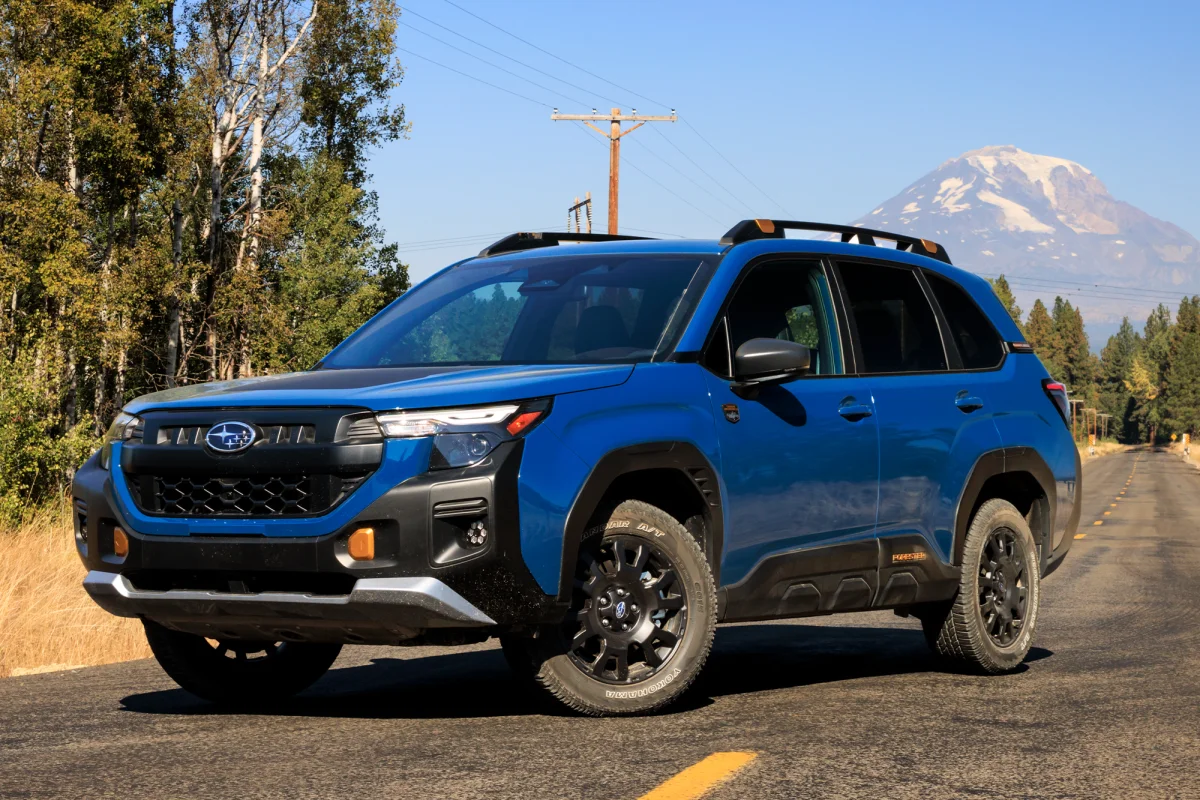
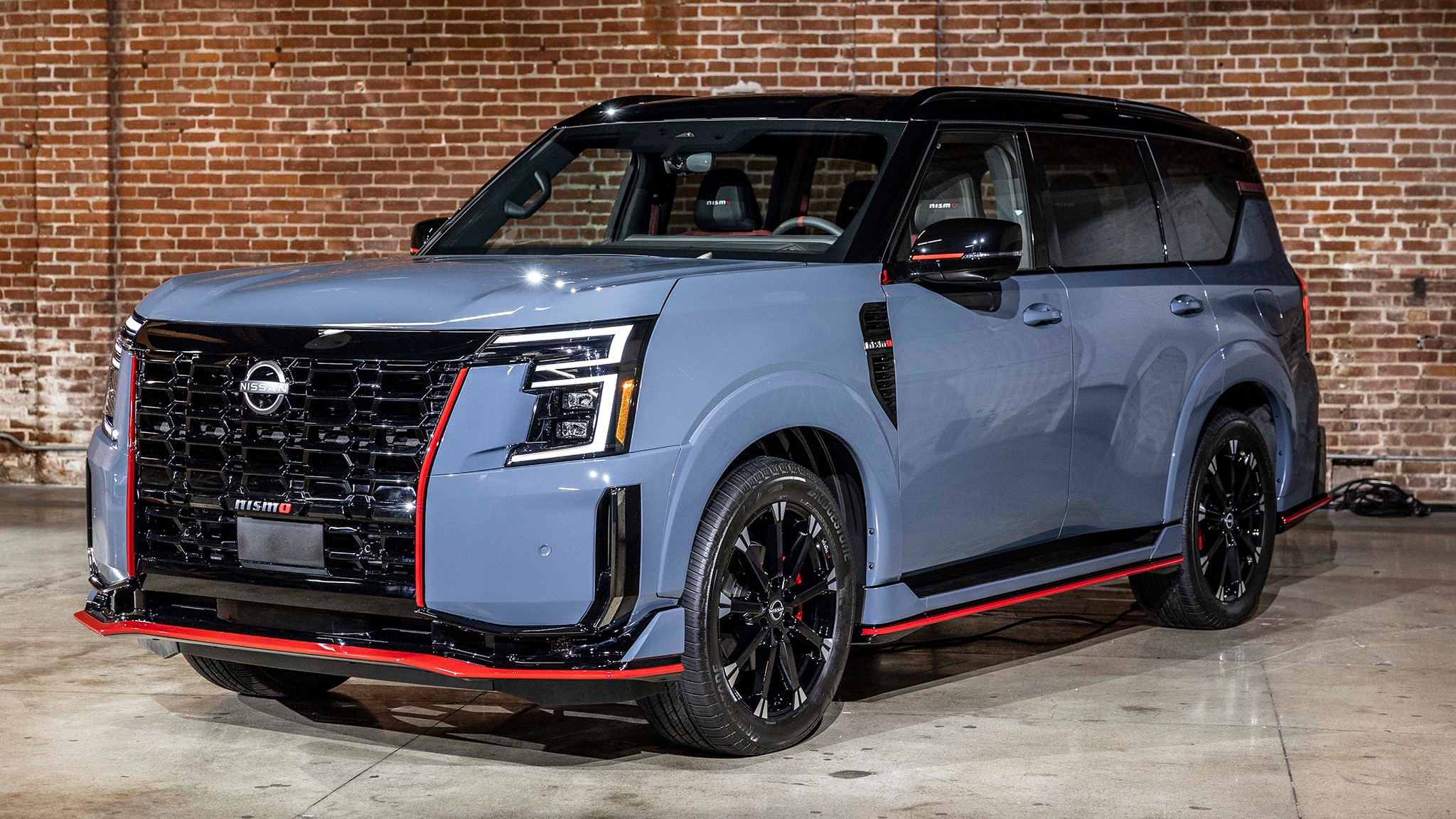
12. 2026 Nissan Armada
The 2026 Nissan Armada delivers a blend of powerful performance, upscale interior comfort, and serious towing capability. This 7-seater SUV comes in six trim levels, with the PRO-4X 4WD being the most popular, starting at $76,490.
It features a 3.5L twin-turbo V6 engine paired with four-wheel drive, producing strong torque and acceleration while maintaining a quiet and refined cabin. Fuel economy is modest, estimated at 15 MPG city and 18 MPG highway, and premium fuel is required. The Armada’s large footprint can make city parking a challenge, but it excels at highway cruising and family hauling.
The twin-turbo V6 provides robust performance, with the PRO-4X reaching 60 mph in 6.3 seconds, faster than a base Chevy Tahoe and close to a Toyota Sequoia. The automatic transmission shifts smoothly, and the Armada feels lighter than its three-ton weight suggests.
Braking is strong, requiring just 117 feet from 60 mph in testing. Handling is stable, though the lane-keeping assistance can be intrusive and inconsistent. The combination of torque, smooth power delivery, and composed ride makes long drives effortless and towing manageable.
The Armada offers a tall, commanding cabin with supportive front seats and well-equipped second and third rows. The third row can accommodate adults comfortably on long trips, with reclining seats and good ventilation. Physical controls for climate and media are intuitive, and the ride quality is supple, absorbing bumps and road imperfections. Cabin noise remains low, enhancing the luxury feel for all passengers.
The Armada features a large central touchscreen, digital gauge cluster, head-up display, and wireless Apple CarPlay and Android Auto. Most systems are user-friendly, though the digital gauge cluster menus have a learning curve. Driver-assist features are comprehensive, including adaptive cruise control and blind-spot monitoring.
Cargo capacity ranges from 20.4 to 97.1 cubic feet, depending on seat configuration, slightly below some rivals. Rear cargo width is limited, and smaller storage spaces, such as door pockets and cupholders, feel cramped. The Armada excels in towing, handling up to 8,500 pounds.
The Armada provides strong value for its segment, balancing cost, features, and capability. While some interior materials could feel more premium, it competes well against the Sequoia, Tahoe, and Expedition. Warranty coverage includes three years/36,000 miles basic and five years/60,000 miles drivetrain. Fuel economy aligns with EPA estimates at 16 MPG combined.
The Armada stands out for combining strong performance, a quiet ride, and practical towing with family-friendly comfort. It’s not flashy, but it ranks ahead of rivals in driveability, value, and usability, making it a highly competitive full-size SUV.
Modern family vehicles have become more capable, comfortable, and intelligent than ever before. The 2025 Lincoln Navigator and its peers showcase how technology, safety, and versatility now define family-oriented design.
Whether offering hands-free driving, flexible seating, or fuel-efficient performance, each vehicle on this list is built to simplify daily routines and enhance every journey. Families can choose from a wide range of options, from spacious SUVs to refined sedans, depending on their needs and preferences.
Each model demonstrates how innovation can make driving more enjoyable and less stressful. These twelve vehicles prove that practicality can still include style, advanced features, and strong performance.
Selecting the right one can transform everyday travel into a smooth, connected, and comfortable experience. For busy families, these vehicles are more than just transportation; they are reliable partners that make life on the move easier and more rewarding.