

Engines often tell a story about how they have been treated, and that story is written in every mile they’ve covered. Many car owners assume that a vehicle with high mileage is always more worn, but that is not necessarily true.
When most of those miles are covered on highways, the engine can often remain in better shape than one that spends its life in traffic.
Highway miles are usually smoother, more consistent, and mechanically friendlier. The steady pace, constant airflow, and reduced stop-start cycles let engines operate at their ideal temperature for longer stretches.
This stability reduces strain on internal components and allows lubricants to perform at their best. In contrast, city driving involves frequent acceleration, braking, and idling, which place greater demands on vital systems.
An engine thrives when its environment allows for clean combustion, balanced loads, and predictable wear. Long highway trips provide that balance naturally.
The result is lower friction, cleaner oil, and fewer deposits inside the combustion chambers. This can make a highway-driven car seem fresher and more responsive even after years of use.
Many mechanics agree that a car with 120,000 highway miles can often be healthier than one with half that figure spent in short, congested city trips. The consistent movement, efficient cooling, and limited stress cycles preserve key parts like bearings, valves, and piston rings.
Understanding why highway conditions are kinder to engines helps explain why some vehicles perform exceptionally well long after their warranty period. The following sections highlight the core reasons behind this difference, focusing on what truly keeps an engine running strong even as the odometer climbs.
Also Read: 10 Non-Turbo Vs Turbo Models: Which Keeps Repair Bills Down
1. Consistent Operating Temperature
Engines are designed to perform best within a specific temperature range. When that balance is maintained, every internal component from pistons to valves operates with minimal friction and wear.
Highway driving allows the engine to stay within this optimal range for extended periods, which significantly improves long-term health.
City traffic is unpredictable. Stop-and-go conditions force the cooling system to work harder as the engine heats up during idling. When airflow is limited, temperatures can rise unevenly, increasing the likelihood of thermal stress.
This constant fluctuation makes oil lose its viscosity faster and shortens the lifespan of gaskets and seals.
On highways, airflow through the radiator remains steady. The engine warms up quickly and stays at its designed temperature with fewer spikes or drops. This stability keeps thermal expansion in check and helps fluids circulate evenly throughout the system. As a result, metal parts experience less fatigue over time.
Steady temperature also aids combustion efficiency. When cylinders remain warm, fuel vaporizes completely, allowing for smoother power delivery. In cooler or inconsistent conditions, incomplete combustion can cause carbon buildup, which slowly affects performance.
Another benefit of highway consistency is reduced strain on the thermostat and cooling fans. These components cycle less frequently, extending their service life.
The radiator fluid also maintains a more stable temperature gradient, preventing hot spots that can lead to corrosion or scaling inside the cooling system.
Modern engines rely on temperature sensors to optimize fuel injection and ignition timing. If readings fluctuate constantly in traffic, the engine control unit keeps adjusting, sometimes enriching the mixture unnecessarily.
Over time, this reduces fuel economy and clogs emission systems. On highways, sensors read steady values, allowing the engine to stay in its most efficient mode for hours.

Oil plays a critical role here too. When the temperature stays consistent, oil viscosity remains ideal, maintaining a strong lubricating film.
This prevents metal-to-metal contact, especially around camshafts and bearings. The longer oil holds its properties, the fewer deposits form, keeping the engine internals cleaner.
In essence, consistent operating temperature acts like a shield. It minimizes the wear that comes from expansion and contraction, supports lubrication, and allows combustion to occur at its cleanest level.
Highway conditions naturally create this environment, which is why engines that spend more time on open roads often last longer and perform more reliably.
2. Reduced Stop-And-Go Stress
Every time a car stops and starts, the engine faces a sudden change in load. City driving demands constant acceleration, deceleration, and idling, which increases mechanical stress.
Highway driving eliminates most of these cycles, giving the engine a chance to run in a steady, predictable rhythm.
The most obvious benefit is reduced strain on internal components. Pistons and connecting rods operate more smoothly at a consistent speed than during repetitive acceleration bursts.
Constant throttle adjustments in traffic place uneven pressure on the crankshaft, bearings, and piston rings. Over time, this leads to increased friction and heat buildup, slowly wearing out the surfaces that rely on smooth motion.
When the car is cruising on the highway, the throttle remains relatively steady. The combustion process runs at a consistent rate, producing less vibration and reducing the forces acting on rotating assemblies. This smooth operation minimizes micro-abrasion and prevents premature fatigue of vital parts.
Stop-and-go traffic also impacts engine mounts, which absorb vibration during rapid acceleration and deceleration.
On the highway, those forces are far gentler. The reduced flexing keeps mounts and transmission supports intact longer, preventing unwanted noise and harshness from developing with age.
Fuel delivery systems also benefit from steady driving. Sudden throttle changes force injectors to work harder and vary their spray patterns rapidly.
This can cause uneven atomization and eventually clogging if the system isn’t cleaned regularly. With fewer fluctuations in engine demand, injectors maintain a consistent spray, keeping combustion efficient and clean.
Even the exhaust system experiences less stress. Frequent idling allows condensation to form inside the pipes, which can cause rust over time. At highway speeds, the exhaust stays hot enough to evaporate moisture quickly, preserving the metal and preventing corrosion-related damage.
Transmission wear is another factor linked to stop-and-go stress. Constant gear changes in traffic accelerate clutch wear and fluid breakdown. When driving steadily, the transmission stays in higher gears for longer stretches, keeping fluid temperatures lower and reducing internal friction.
Reduced stop-and-go activity also means fewer braking and acceleration cycles that jolt the drivetrain. Components like axles, CV joints, and differentials enjoy smoother load distribution, which further extends their lifespan.
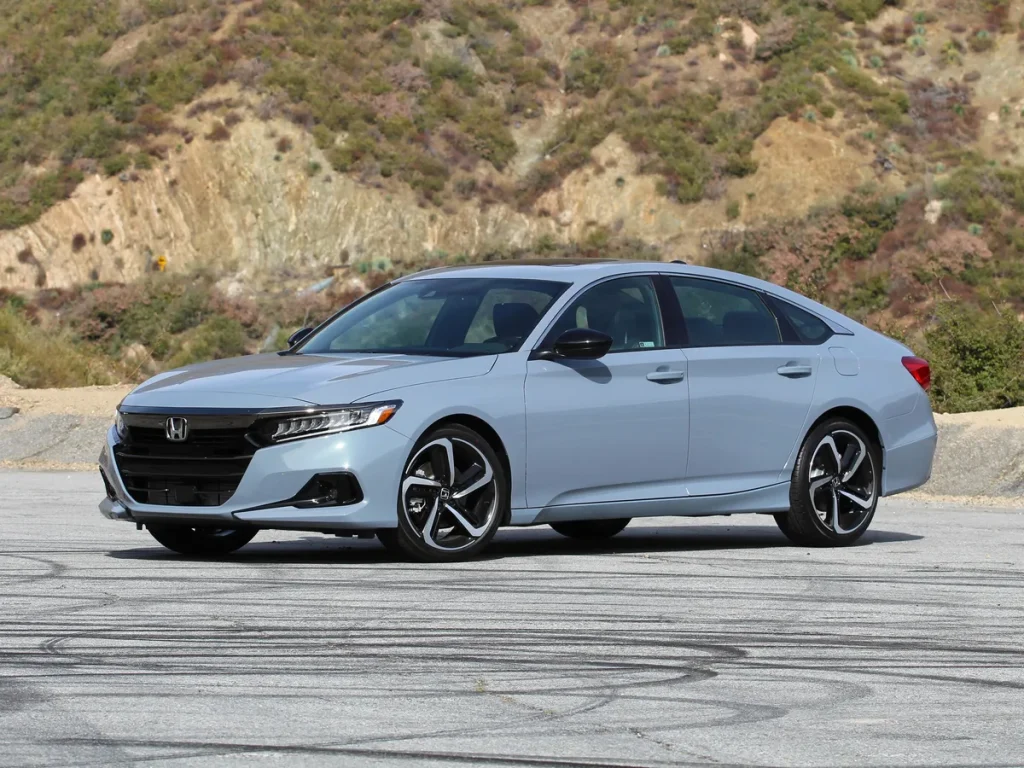
Over time, these benefits accumulate. Engines that avoid the constant start-stop pattern stay cleaner, vibrate less, and maintain smoother compression across cylinders.
The consistent motion and balanced power delivery during highway travel are exactly what mechanical systems are designed to handle.
In short, avoiding constant stress cycles allows every part of the engine to age gracefully. That is why highway miles often leave engines running quieter, stronger, and more efficiently than those worn down by endless city congestion.
3. Steady Oil Circulation
Oil is the lifeblood of any engine. It lubricates moving parts, carries away heat, and keeps contaminants in suspension.
When a car spends most of its life on the highway, the oil circulation system works under steady, ideal conditions. This stability reduces wear, improves lubrication, and keeps internal components healthier for much longer.
In city traffic, oil faces constant interruptions in flow. Every stop means reduced oil pressure, and every hard acceleration creates a sudden spike.
These changes can cause uneven lubrication, particularly in upper engine parts like camshafts and valve lifters. On highways, the pump operates at a consistent speed, maintaining strong and even oil flow throughout the system.
Steady circulation helps the oil maintain temperature uniformity as well. Cold starts and frequent idling in urban driving cause oil to remain cooler in some areas and hotter in others.
This imbalance leads to sludge formation and thickening. During highway runs, oil reaches and stays at its optimal temperature, allowing additives to function correctly and preventing buildup.
When oil flows consistently, contaminants like carbon particles and metal shavings stay suspended until they reach the filter. That process ensures cleaner lubrication and extends the life of internal surfaces.
In stop-and-go conditions, sediment can settle and form deposits that clog passages or restrict flow. Highways minimize that risk by keeping the oil moving continuously.
Friction reduction is another key benefit. Steady oil pressure forms a constant protective film between metal components. This thin layer prevents direct contact, cutting down micro-scratches and bearing wear.
The crankshaft, pistons, and connecting rods benefit most from this steady lubrication, which is why engines with more highway use often show less internal scarring when inspected later.
Highway operation also keeps oil cooler and less prone to oxidation. While it may seem counterintuitive, the consistent airflow and moderate load actually reduce peak oil temperatures.
That slows chemical breakdown and preserves the lubricating quality for a longer interval. Drivers who log mostly highway miles often notice that their oil remains cleaner even after thousands of miles.

Additionally, steady oil circulation supports proper hydraulic function. Many modern engines rely on oil pressure to operate valve timing systems or tensioners.
When that pressure remains stable, these systems work accurately and suffer less mechanical stress. Irregular flow in city driving can cause these components to lag or wear prematurely.
In essence, smooth oil movement ensures that every internal surface receives continuous protection.
When an engine enjoys consistent circulation, it stays cleaner, runs quieter, and avoids the internal friction that slowly erodes performance. This is one of the most important reasons highway miles tend to be kinder to engines over the long haul.
4. Cleaner Combustion Process
Combustion efficiency defines the health of an engine. When fuel burns completely, it produces power cleanly and leaves behind minimal residue. Highway driving promotes this ideal condition because engines operate at steady speeds and consistent temperatures for extended periods.
During city driving, frequent acceleration and idling disturb the air-fuel balance. Rich mixtures often occur when drivers press the accelerator repeatedly, allowing unburned fuel to pass through the cylinders. This leftover fuel can wash away the thin oil film protecting cylinder walls, leading to extra wear and carbon buildup.
On highways, engines maintain a stable load and operate close to their peak efficiency zone. The fuel-air mixture burns evenly, creating complete combustion. This cleaner process keeps the combustion chamber free of deposits and prevents hot spots that can cause knocking or pre-ignition.
When combustion is clean, the spark plugs stay free of carbon, maintaining strong ignition over time.
Exhaust valves and piston crowns also remain in better shape, reducing the need for decarbonization or early replacements. The consistent airflow at higher speeds helps clear exhaust gases efficiently, lowering the chance of residue accumulation.
Cleaner combustion directly influences oil quality too. Less unburned fuel seeps past the piston rings, keeping the oil from diluting and thinning.
As a result, lubrication remains strong and consistent, protecting critical parts like bearings and camshafts. Engines with highway mileage often show minimal sludge inside the valve cover, a sign of effective combustion.
The catalytic converter and oxygen sensors also benefit. These components rely on stable exhaust composition to function accurately.
When combustion is smooth, the sensors detect fewer irregularities, and the converter stays free from carbon clogs. This reduces emissions while preserving long-term performance.
Another overlooked benefit is thermal consistency. Highway operation allows the combustion chambers to remain at a balanced temperature.
This prevents cold spots that can cause incomplete burning and hot zones that may trigger detonation. The steady flow of air through the intake and exhaust paths keeps all cylinders working uniformly.

Fuel efficiency also improves when combustion remains clean. Engines use less energy fighting deposits or uneven firing, which means they produce more power with the same amount of fuel. That’s why highway-driven engines often return better mileage figures and smoother throttle response even after years of service.
In summary, steady conditions on open roads create an environment where combustion stays complete and clean. The result is a healthier engine that produces consistent power, keeps emissions low, and retains its smoothness long after its city-driven counterparts begin to show fatigue.
5. Lower Transmission Wear
The transmission is one of the most complex and expensive components in a vehicle. It manages power delivery, converts torque, and keeps the engine operating within its most efficient range.
When a car is primarily driven on highways, the transmission faces far fewer gear changes and load variations, which directly translates to less wear and a longer lifespan.
City driving constantly forces the transmission to shift between lower gears. Each acceleration from a stop, every climb over a speed bump, and every slow crawl through traffic triggers gear engagement and disengagement.
These cycles generate heat and friction inside the gearbox. Over time, clutch packs, solenoids, and bearings experience cumulative wear.
On the highway, once the car reaches cruising speed, the transmission locks into a higher gear and stays there for extended periods.
The fluid flow remains steady, internal components rotate smoothly, and clutch friction surfaces rest instead of cycling constantly. This stable operation minimizes wear particles and reduces thermal buildup inside the system.
Fluid temperature is one of the most critical factors affecting transmission health. Frequent shifting in city traffic raises fluid temperatures beyond the ideal range, which can degrade additives and cause varnish deposits.
On the highway, the fluid stays cooler due to consistent motion and better airflow around the transmission case. This stability preserves viscosity and prevents internal glazing.
Torque converter operation also benefits from steady speeds. During stop-and-go conditions, it slips often to manage low-speed power delivery, creating heat.
On the highway, the converter locks up and transmits power directly, eliminating slippage and conserving energy. The result is lower heat generation and extended clutch life.
The automatic transmission control system works more efficiently under highway conditions as well. Fewer gear changes mean fewer valve body activations, which keeps solenoids cleaner and hydraulic passages clear. With reduced contamination, pressure regulation stays accurate, allowing smoother gear engagement for years.
Manual transmissions gain similar advantages. Consistent cruising eliminates constant clutch use, reducing pressure plate and release bearing wear. Drivers who frequently travel on highways often find their clutch systems lasting significantly longer than those who drive mostly in city traffic.

Drivetrain components such as axles, universal joints, and differentials also enjoy a break from abrupt torque changes. The steady flow of power through the system reduces shock loads, allowing these parts to operate under balanced conditions that extend their service life.
Lower transmission wear doesn’t just mean fewer repairs. It also preserves performance, fuel efficiency, and driving smoothness. When the gearbox stays healthy, the engine can maintain steady revolutions with less effort, further lowering mechanical stress.
In essence, highway conditions provide the calm and consistency that transmissions thrive on. Smooth power delivery, stable temperatures, and fewer gear changes all contribute to a system that stays reliable and efficient well past the typical wear threshold.
6. Fewer Cold Starts
Cold starts are among the most damaging moments in an engine’s life. Each time the ignition is turned on after the car has been sitting for hours, the internal components begin operating before full lubrication is established. Frequent short trips multiply this effect, but highway driving greatly reduces its impact.
When a car is driven mostly in urban settings, the engine goes through numerous cold starts daily. These repeated cycles expose the pistons, bearings, and camshafts to friction before oil reaches every corner of the system. The result is microscopic wear that accumulates over time, even if each instance seems minor.
Highway-oriented driving patterns typically involve fewer start-stop cycles. A single long trip may include one cold start and hours of steady operation.
This gives the oil ample time to circulate, reach full temperature, and maintain its protective film across all moving parts.
Oil viscosity plays a crucial role during startup. When the engine is cold, oil thickens, slowing its flow to vital surfaces. Until it warms up, friction remains high. By limiting cold starts, highway use reduces these unprotected moments dramatically.
Another benefit is improved condensation control. During short drives, moisture forms inside the engine as combustion gases cool.
That moisture mixes with oil, creating acidic compounds that attack metal surfaces. Extended highway trips allow the engine to reach full operating temperature, evaporating moisture completely and preventing corrosion.
Fuel efficiency also improves when cold starts are reduced. Engines consume more fuel when warming up because sensors enrich the mixture to stabilize idle speed. On longer highway runs, the engine stays warm and efficient for hours, leading to cleaner combustion and reduced fuel dilution in the oil.

Battery and starter wear decrease as well. Frequent ignition cycles in stop-and-go driving stress these components. With fewer starts, the electrical system faces less demand, helping the starter motor, alternator, and battery last longer.
Emission control systems benefit too. Catalytic converters need heat to function properly. Frequent short trips prevent them from reaching their optimal temperature, causing incomplete emissions processing.
On highways, consistent driving keeps them active and efficient, reducing soot and residue buildup.
Fewer cold starts not only protect the engine but also improve the car’s overall mechanical harmony. Fluids stabilize, metal parts expand uniformly, and components experience less thermal cycling. The combined effect is smoother operation, longer life, and fewer internal deposits.
Engines that see more highway time usually show lower internal wear when disassembled. The lack of repeated dry startups is one of the key reasons for that. When an engine spends most of its time running rather than restarting, it simply ages more gracefully.
7. Stable RPM Range
Engines are most comfortable when they run at consistent revolutions per minute. Stability in engine speed allows oil pressure, combustion cycles, and cooling systems to stay balanced. Highway driving naturally creates this condition because the car remains at steady speeds for long stretches.
In city traffic, the RPM range constantly changes. Drivers accelerate quickly, slow down, and idle repeatedly. Each time the throttle opens and closes, engine load varies.
These fluctuations make bearings, valves, and piston rings adjust to different pressures and speeds within seconds. Over time, the constant change leads to uneven wear on internal surfaces.
On the highway, the throttle position and RPM stay relatively fixed. Most engines operate in their mid-range zone, typically between 2,000 and 3,000 RPM.
This range produces smooth combustion and minimal vibration. The oil pump works efficiently, circulating fluid evenly without sudden pressure drops. This steady rhythm keeps parts lubricated and cool.
Maintaining stable RPM also helps fuel delivery remain consistent. Fuel injectors deliver a uniform amount of fuel when engine speed is constant, improving atomization and combustion quality.
With better balance between air and fuel, the engine burns cleaner and experiences less carbon buildup on valves and pistons.
Steady RPM conditions are especially beneficial for turbocharged engines. Frequent speed changes in city driving cause the turbo to spool and unspool repeatedly, generating heat cycles that wear bearings and seals.
On highways, the turbo operates smoothly at low boost levels, maintaining efficiency without thermal shock.
Engines running at consistent speeds experience less torsional vibration as well. This reduces stress on the crankshaft and timing components, helping belts, chains, and tensioners last longer. The smoother motion also prevents unnecessary strain on motor mounts and transmission couplings.
Even exhaust flow benefits from stable RPMs. When engine speed stays uniform, exhaust gases exit the cylinders at regular intervals, keeping temperature and backpressure balanced.
That consistency reduces the risk of hot spots or fluctuating oxygen sensor readings, allowing emissions systems to perform more accurately.

Another overlooked advantage is how stable RPMs affect oil film integrity. Rapid RPM changes cause oil layers to thin momentarily during acceleration. At steady speeds, the oil remains evenly distributed, ensuring constant protection against metal contact.
Mechanics often note that engines driven primarily on highways tend to have even compression across all cylinders. This happens because consistent RPMs reduce shock loads and temperature swings that can distort piston rings.
Running smoothly in a predictable rhythm keeps every part of the engine in sync. When mechanical harmony is maintained, wear slows down dramatically.
That is why engines with high highway mileage often feel smoother and quieter than expected, even after years of service.
8. Less Brake System Fatigue
The braking system is one of the most affected parts in city driving. Constant stopping, slowing, and holding at lights generate heat and wear that take a toll on pads, rotors, and hydraulic components.
Highway driving, on the other hand, places far less stress on brakes, allowing the entire system to last much longer.
In city conditions, every few hundred feet brings another slowdown. Brake pads grip the rotors repeatedly, creating friction that converts motion into heat.
Over time, this friction wears away pad material and can warp rotors due to uneven temperature distribution. The repeated cycle of heating and cooling also causes microcracks and glazing.
Highway driving changes that dynamic entirely. Once a vehicle reaches cruising speed, brakes are rarely needed except during traffic merges, exits, or emergencies. The reduced usage allows pads and rotors to maintain their surface integrity for much longer periods.
Because highway braking happens less often, the components have time to cool completely between uses. This consistent temperature control prevents fade and maintains a smoother pedal feel. The hydraulic fluid also stays cleaner and less prone to moisture buildup, which can otherwise reduce braking efficiency.
Calipers and pistons benefit from less movement as well. In traffic, constant braking forces these parts to extend and retract repeatedly, wearing down seals and inviting dust or corrosion. On the highway, they remain relatively static, preserving their condition and preventing leaks.
Wheel bearings and suspension parts experience fewer stress cycles too. Each braking event transfers weight forward, straining these components. With long highway runs, the weight balance stays even, reducing cumulative fatigue throughout the front suspension and steering system.
Fuel economy indirectly improves from reduced brake use. Every time brakes are applied, energy is lost as heat. Fewer braking cycles mean more efficient use of momentum, allowing the car to glide smoothly and consume less fuel over long distances.

Even electronic braking systems see benefits. Anti-lock braking modules, sensors, and actuators engage less often, minimizing electrical wear. These parts tend to last well beyond their expected lifespan when driven primarily on open roads.
Brake dust accumulation also decreases significantly during highway travel. Since pads are used sparingly, the wheels stay cleaner and the surrounding components avoid contamination that can affect caliper slides or wheel speed sensors.
All these factors together create a braking system that remains consistent and dependable far beyond the typical service interval.
For drivers who spend most of their time on highways, it’s common to see brake components lasting twice as long as those in city-driven cars.
The reduced strain not only saves money but also preserves driving comfort. Smooth, predictable braking without vibration or noise is a clear sign that the system has been treated gently by highway conditions.
9. Better Fuel System Health
The fuel system plays a critical role in engine performance and longevity. It manages how gasoline or diesel travels from the tank to the combustion chamber and ensures proper delivery under different conditions.
Highway driving keeps this system cleaner, more consistent, and more efficient compared to stop-and-go traffic.
In city driving, frequent idling and short trips prevent the system from maintaining a stable flow. Fuel injectors work in irregular bursts, often spraying unevenly as the throttle constantly changes.
Over time, this pattern leads to carbon buildup around injector tips and intake valves. The residue affects atomization and causes rough idling or hesitation.
Highway operation eliminates much of this stress. The engine runs at steady throttle input, which allows injectors to spray fuel evenly for extended periods.
This steady spray pattern keeps the injector nozzles clean and maintains fine misting of fuel for ideal combustion. Cleaner injectors mean smoother acceleration and improved fuel economy.
Another key advantage of highway use is fuel temperature regulation. Continuous movement allows the system to maintain a consistent temperature throughout the fuel lines and rails.
City driving causes frequent heat soak from idling, where the fuel warms excessively, creating vapor pockets that can interfere with pressure stability. Highway airflow prevents this, ensuring smooth delivery.
Fuel pumps also benefit from steady operation. During long highway drives, the pump runs at a constant speed and pressure, which minimizes mechanical strain.
In stop-and-go conditions, the pump cycles more frequently and faces varying demands that can shorten its lifespan. Consistency in pressure and cooling extends both the pump and filter service intervals.
Highway driving also helps prevent moisture accumulation in the fuel tank. When vehicles sit for long periods or take short trips, condensation can form inside the tank, leading to water contamination.
Continuous use and steady fuel flow during long drives keep moisture from settling and prevent corrosion inside the tank and lines.
Carbon buildup in the intake manifold and combustion chambers is another common issue in city-driven cars. Unburned fuel droplets from frequent accelerations contribute to deposits that affect airflow and combustion.
Extended highway trips allow the engine to reach full temperature and sustain complete combustion, which gradually burns off these residues.
Even the emission control components benefit from a clean fuel system. Stable fuel delivery ensures that oxygen sensors, catalytic converters, and EGR valves receive balanced exhaust gases. This prevents clogging and extends their functional life.

The overall health of the fuel system improves simply because highway conditions favor steady pressure, clean atomization, and full combustion cycles.
Engines that spend their time on long routes tend to deliver consistent performance for years with fewer injector cleanings or fuel pump replacements. The uniformity of highway operation is what keeps the entire system working efficiently and cleanly well past typical service expectations.
10. Enhanced Exhaust Efficiency
The exhaust system is responsible for carrying combustion gases out of the engine safely while reducing harmful emissions. When an engine spends most of its life on highways, the exhaust system enjoys conditions that prevent buildup, corrosion, and backpressure problems.
City driving causes the exhaust to heat up and cool down repeatedly. Each short trip allows condensation to form inside the pipes and muffler. This moisture reacts with exhaust gases, producing acids that corrode metal surfaces.
Over time, this leads to rust, holes, and weakened joints. On the highway, the exhaust remains hot long enough to evaporate all moisture, preventing internal corrosion.
The catalytic converter also works best under consistent high temperatures. In city traffic, short trips or frequent idling prevent it from reaching full operating heat, which reduces its ability to process emissions.
This incomplete operation can cause soot buildup and clogging. During long highway runs, the converter stays hot and efficient, keeping emissions clean and components free from residue.
Exhaust valves benefit from the same consistency. Steady highway speeds keep gases flowing evenly, reducing temperature swings that can cause warping or valve seat wear. The reduced thermal cycling ensures longer life for both the valves and the gaskets sealing the exhaust system.
The oxygen sensors, which monitor fuel-air ratios, also operate better under stable exhaust flow. Constant start-stop motion in traffic causes fluctuating readings, forcing the engine control unit to adjust mixture repeatedly.
These rapid changes wear out sensors faster and can trigger check-engine lights. On the highway, readings stay stable, allowing the sensors to function accurately for longer.
Even the muffler and resonator experience less fatigue on highways. Constant acceleration and deceleration in city conditions create pressure pulses that stress the baffles inside. Highway cruising generates a steady exhaust tone, keeping internal components intact and reducing vibration damage.
Another often-overlooked benefit is soot control. Prolonged idling and short drives prevent complete combustion, leading to carbon buildup inside exhaust passages.
During extended highway use, higher exhaust temperatures burn off these deposits naturally. This self-cleaning effect maintains open airflow and prevents restrictions that would otherwise reduce performance.

Diesel engines gain an additional advantage here. Their particulate filters rely on sustained heat to burn trapped soot.
City driving often fails to generate enough temperature for this process, leading to premature clogging and regeneration issues. Long highway trips allow the filter to regenerate fully, keeping emissions low and performance consistent.
When an exhaust system stays clean and free from moisture, the entire engine breathes better. Smooth exhaust flow reduces backpressure, allowing cylinders to expel gases efficiently and draw in fresh air for the next cycle.
The result is stronger performance, better fuel economy, and reduced long-term maintenance.
For any vehicle, highway miles mean more than just distance. They create an environment that keeps the exhaust system dry, clean, and efficient helping the engine stay powerful and reliable long after its city-driven counterpart has started to struggle.
Also Read: 10 Vehicles Where Catalytic Converters Aren’t A Weak Spot
