
Winter driving can be a challenge, especially for daily commuters who rely on their vehicles through icy roads, snowstorms, and freezing temperatures. Cold weather affects more than just traction it influences battery performance, cabin heating, tire efficiency, and even the reliability of mechanical components.
For drivers living in regions that experience harsh winters, choosing a car that can withstand these conditions becomes essential, not just for convenience but for safety and peace of mind.
Some vehicles are engineered with cold-weather resilience in mind. They often feature all-wheel-drive systems, advanced traction control, heated components, and engines that start reliably even in sub-zero temperatures.
These cars make the daily commute less stressful during snowstorms and icy mornings. They offer confidence on slippery roads, provide quick defrosting and cabin heating, and are less prone to breakdowns in extreme conditions. For those who experience regular winters, such vehicles transform driving from a risky task to a manageable routine.
On the other hand, many popular cars are not suited for severe winter climates. They may struggle with front-wheel traction on ice, face delays in warming the cabin, or suffer battery and mechanical issues in extreme cold.
Some are prone to slipping or getting stuck in snow, while others lose performance due to temperature-sensitive systems. Recognizing these limitations is important to avoid frequent breakdowns, long delays, or dangerous situations during daily commutes.
This article highlights ten vehicles that stand on opposite ends of winter driving performance. The first section focuses on five daily drivers that handle winter effortlessly, offering reliability, safety, and comfort.
The second section examines five vehicles that, despite their appeal in other seasons, struggle when temperatures drop. Understanding these differences helps potential buyers make informed decisions and ensures a safer, more comfortable winter driving experience.
Also Read: 5 Cars That Feel Expensive Inside vs 5 That Look Cheap Quickly
5 Winter-Proof Daily Drivers
Winter driving can turn a simple commute into a challenging task, especially in regions where snow, ice, and freezing temperatures are common. Not all vehicles are built to handle these conditions, and choosing the right daily driver can make a significant difference in safety, comfort, and reliability.
Vehicles that are well-suited for cold climates offer more than just traction they provide consistent performance, dependable starting in sub-zero temperatures, and features that make life easier on icy mornings.
A winter-proof vehicle typically includes all-wheel or four-wheel-drive systems, which help maintain grip on slippery surfaces. Traction and stability control systems further enhance safety, reducing the risk of skidding or losing control.
Additionally, heated components such as seats, steering wheels, mirrors, and windshield wipers improve comfort and convenience during harsh winter months. Cabin insulation and efficient defrost systems ensure that drivers and passengers stay warm without long wait times, which is essential for daily commuting.
Ground clearance is another important factor, as higher clearance helps prevent the vehicle from getting stuck in snow or ice, especially on unplowed roads. Engines that start reliably in cold weather, along with durable batteries, are critical to avoid frustrating delays or breakdowns.
Modern winter-proof vehicles combine these technical advantages with practical elements like cargo space for winter gear and easy maneuverability in congested, snowy streets.
This section focuses on five daily drivers that handle winter conditions exceptionally well. These vehicles have earned their reputations through a combination of engineering, safety features, and real-world performance in cold climates.
They make winter driving manageable and reduce the stress associated with icy roads, heavy snow, and frigid temperatures.
For drivers facing harsh winters regularly, these five vehicles represent dependable, safe, and comfortable options that keep daily commutes smooth regardless of the weather.
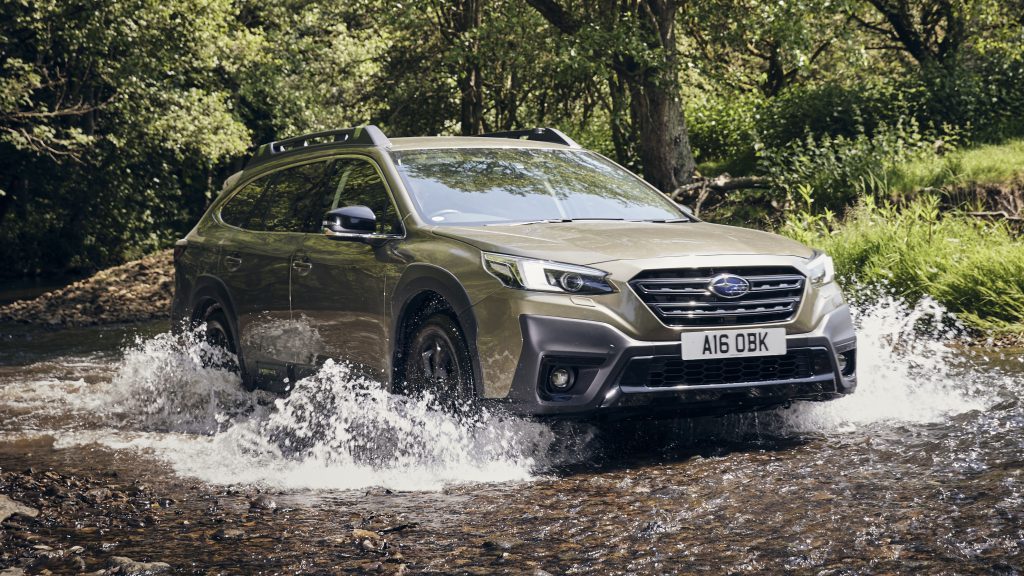
1. Subaru Outback
The Subaru Outback has earned a reputation as one of the most reliable winter-proof vehicles available. Its standard all-wheel-drive system ensures that power is distributed to all four wheels, significantly improving traction on snow-covered or icy roads.
Unlike front-wheel-drive cars, which can struggle with deep snow, the Outback maintains stability and control, giving drivers confidence in slippery conditions.
Additionally, its higher ground clearance allows it to handle snow accumulation without getting stuck, which is crucial for daily commuting in areas prone to heavy snowfall.
The Outback also includes features that enhance cold-weather comfort and usability. Heated seats and mirrors, as well as an efficient defrost system, reduce the time spent waiting for the cabin or windshield to warm up.
Modern versions come with advanced traction control and stability systems, which help prevent wheel slip on ice, while its reliable engine starts consistently in sub-zero temperatures.
Maintenance and repair costs are relatively moderate, and Subaru’s reputation for longevity makes it a practical long-term choice for those living in snowy climates.
Many drivers appreciate the Outback’s balance between rugged capability and everyday comfort.
The cabin is spacious and well-insulated, keeping occupants warm without over-relying on the heater, while its cargo space accommodates winter gear such as shovels, snowboards, or extra tires.
Road handling is predictable even in poor conditions, and its braking system is tuned to work effectively on slick surfaces.
For daily commuters, the Outback’s combination of all-wheel-drive reliability, safety features, and cold-weather conveniences makes it a standout option. It excels in the very conditions that challenge other vehicles, making it less stressful to drive in winter months.
Its blend of practicality, comfort, and winter readiness is why it continues to be a preferred choice for drivers who need a dependable vehicle year-round.
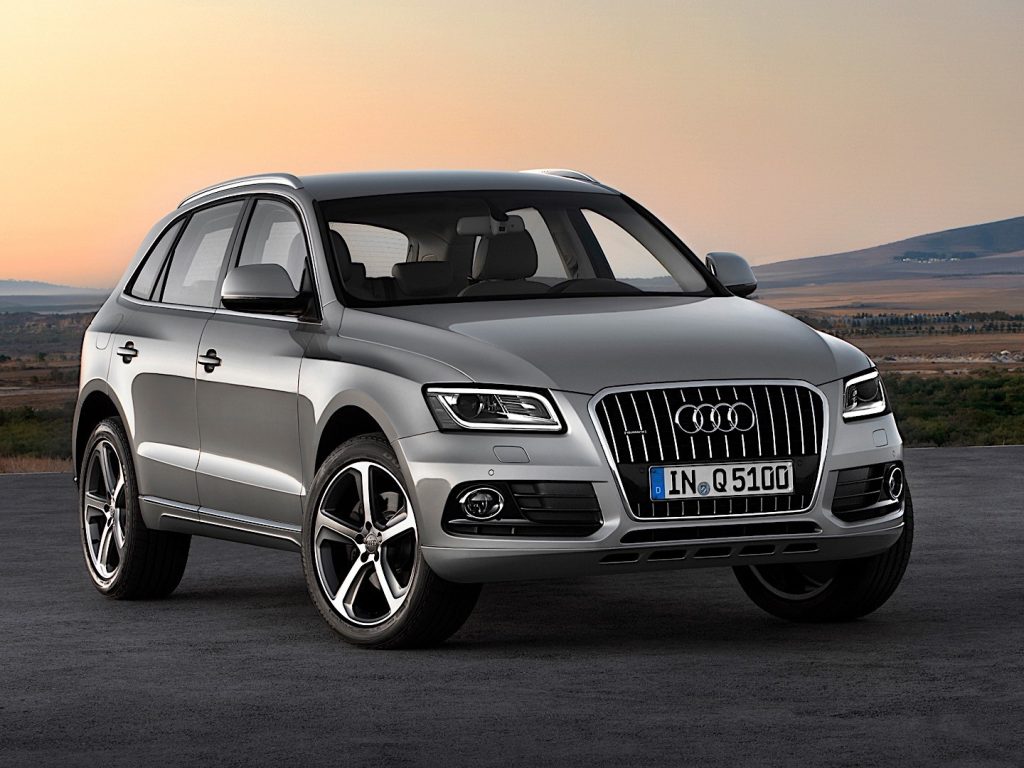
2. Audi Q5
The Audi Q5 is a premium compact SUV that performs exceptionally well in winter conditions, thanks to its renowned Quattro all-wheel-drive system.
This technology continuously monitors traction across all wheels, ensuring that power is distributed where it is needed most.
On icy roads or snowy highways, this results in improved grip and stability, reducing the likelihood of slipping or sliding. The Q5’s well-balanced chassis and responsive steering contribute to confident handling, even in extreme cold.
Beyond traction, the Q5 offers numerous features designed for cold-weather convenience. Heated front seats and steering wheel are standard, while higher trims add heated rear seats and windshield wiper de-icing, making mornings less stressful.
Its engine and electronics are engineered to perform reliably in low temperatures, and the cabin warms quickly, offering comfort during commutes.
Adaptive suspension and smart braking systems provide an added layer of safety on slick surfaces, which is particularly important in regions with frequent winter storms.
The Q5 also shines in practical aspects. Its slightly elevated ride height keeps the underbody clear of deep snow, and its refined all-season tires handle icy roads better than typical performance tires.
Drivers benefit from electronic stability programs that help maintain control during sudden maneuvers or when accelerating on slippery surfaces. Reliability ratings are strong, which is crucial when winter breakdowns can be dangerous or inconvenient.
For individuals seeking a daily driver that combines luxury, safety, and winter readiness, the Q5 is a top contender.
It proves that premium vehicles can offer both style and function without compromising performance in cold climates. For commuters, families, and anyone facing harsh winters, the Q5 provides peace of mind and a capable driving experience.
3. Toyota RAV4
The Toyota RAV4 is a compact SUV recognized for its durability and cold-weather reliability. Available with an all-wheel-drive system, it handles snow, ice, and slush with ease, distributing power to maximize traction.
This capability makes it easier to tackle winter commutes without excessive spinning or getting stuck on inclines. Its moderate ground clearance ensures that it can navigate unplowed streets or deep snow patches more effectively than standard sedans.
One of the RAV4’s key advantages in winter is its mechanical reliability. Toyota engines are known to start dependably in low temperatures, avoiding the frustration of struggling batteries or cold-start failures.
The RAV4 also features heated side mirrors, optional heated seats, and an effective climate control system that rapidly warms the cabin. These features reduce the discomfort of waiting in a frozen car each morning, which is particularly important for daily drivers.
Safety is another reason the RAV4 excels in winter. Traction control, stability assist, and anti-lock brakes all contribute to predictable handling on icy surfaces.
Modern RAV4s include additional safety technology such as adaptive cruise control and lane-keeping assistance, which can reduce stress during winter commutes when road conditions are poor.
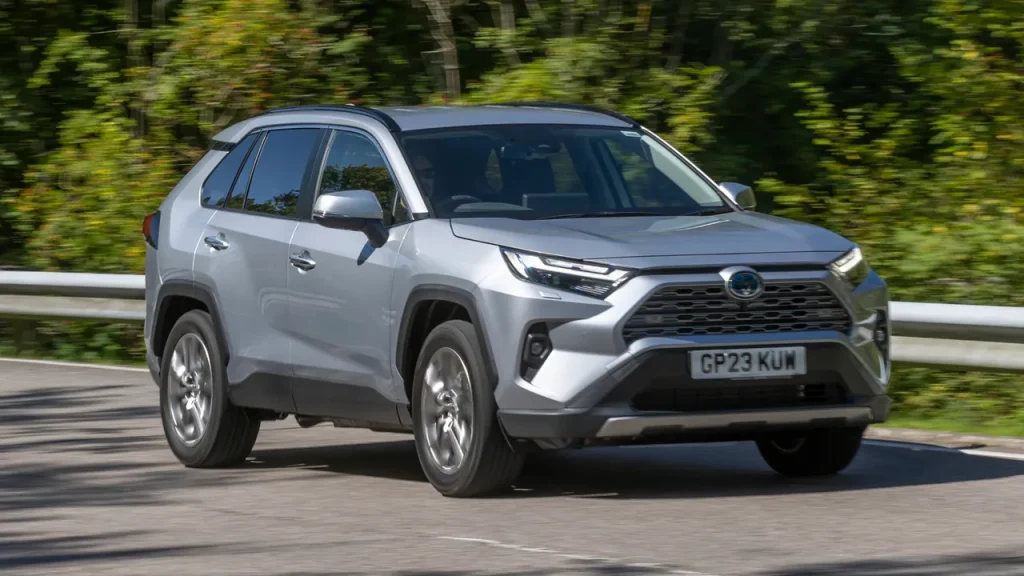
Its compact size allows for agile maneuvering in congested traffic or on narrow snow-covered streets, while the elevated seating position provides better visibility in low-traction situations.
Practicality extends to cargo space, which accommodates winter essentials like snow chains, boots, and shovels. Low maintenance costs and a solid reputation for longevity make it a reliable choice for years of harsh winter driving.
The RAV4 combines affordability, safety, and winter performance, making it an ideal option for drivers who need a dependable daily vehicle that won’t let cold weather interfere with routine transportation.
4. Volvo XC60
The Volvo XC60 is a mid-size SUV celebrated for both safety and winter resilience. Standard all-wheel-drive models and optional air suspension make this vehicle particularly capable in snow or ice, while electronic traction systems optimize grip in slippery conditions.
Its Scandinavian engineering prioritizes cold-weather functionality, reflecting Volvo’s heritage in regions known for harsh winters. Drivers benefit from precise handling, excellent braking performance on ice, and a cabin insulated from extreme temperatures.
Cold-weather comfort is a hallmark of the XC60. Heated front seats and steering wheel are standard, while higher trims offer heated rear seats and windshield wiper de-icing. The cabin warms efficiently, and the ergonomically designed seats provide support even on longer winter commutes.
Its turbocharged engines are designed for reliable cold starts, and the transmission works smoothly in freezing conditions without lag. Safety systems such as automatic emergency braking and blind-spot monitoring remain fully functional in winter weather, providing added reassurance.
The XC60 also excels in visibility and control. High ground clearance, clear sightlines, and adaptive headlights improve night and storm driving. The SUV’s stability and balance, combined with advanced AWD, allow confident cornering on icy roads, while snow-mode driving settings adjust throttle and braking for maximum traction.
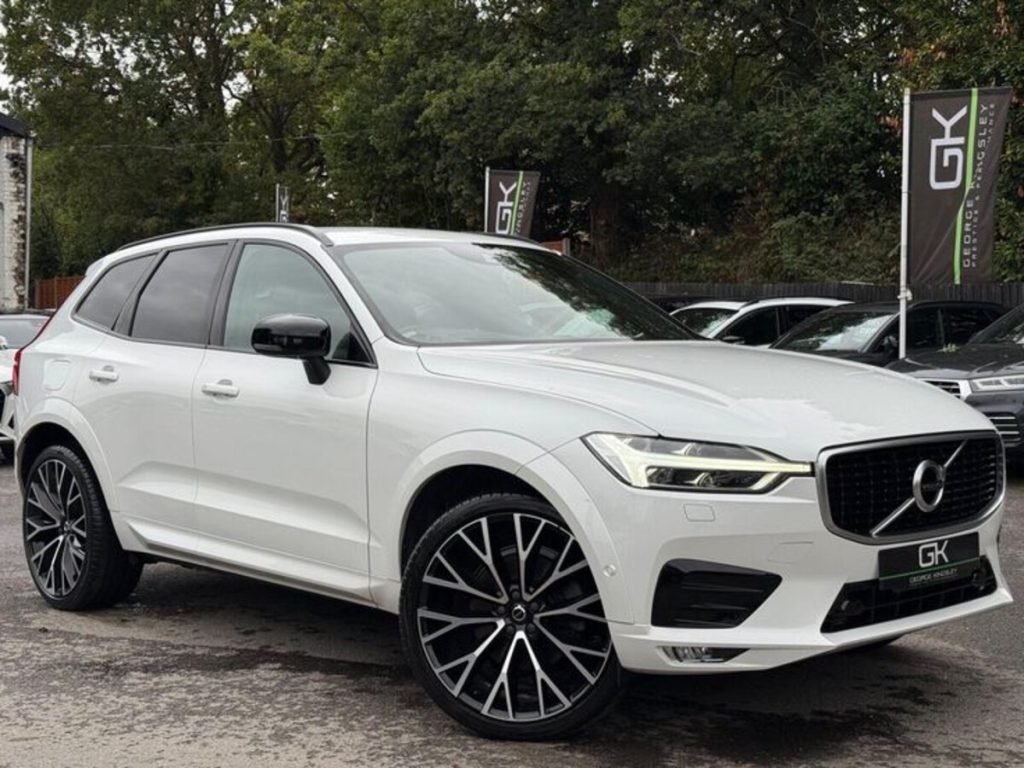
Practical cargo space accommodates winter gear or emergency supplies, ensuring that the vehicle remains functional beyond just transportation.
For commuters who face regular winter challenges, the XC60 merges luxury and capability. It proves that a premium vehicle can also prioritize cold-weather reliability without sacrificing comfort or performance.
Its reputation for safety, combined with engineering tailored to extreme climates, makes it one of the most winter-proof daily drivers available.
5. Jeep Grand Cherokee
The Jeep Grand Cherokee is a rugged SUV designed to handle demanding conditions, including snow, ice, and freezing temperatures.
Its four-wheel-drive system, often paired with advanced terrain management, distributes power effectively across wheels to maintain traction on slippery surfaces. Whether climbing icy inclines or navigating unplowed roads, the Grand Cherokee offers confidence that most sedans or crossover vehicles cannot match.
Cold-weather features enhance its daily usability. Heated seats, steering wheel, mirrors, and windshield wipers reduce morning prep time in freezing conditions.
Its engines, including V6 and V8 options, are reliable in sub-zero temperatures, and modern models feature efficient cabin heating systems that provide immediate warmth.
Stability and traction controls are finely tuned for icy conditions, minimizing slippage and improving control on snow-covered streets.
The Grand Cherokee also offers elevated ground clearance, which helps prevent underbody contact with deep snow, and a suspension system capable of handling uneven, frozen terrain.
Safety features like electronic stability control, adaptive cruise, and anti-lock braking remain active in cold conditions, supporting secure driving during winter storms. Cargo capacity allows drivers to carry winter equipment, emergency kits, or additional supplies without compromising cabin space.
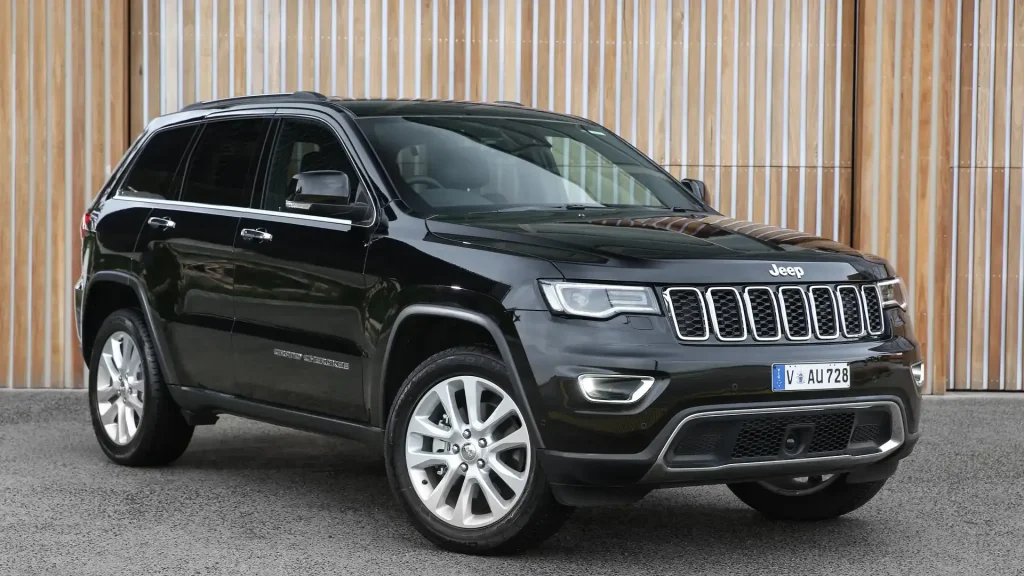
For individuals who need a daily driver capable of serious winter performance, the Grand Cherokee is ideal. It combines off-road ability, AWD reliability, and comfort, making it suitable for both city commuting and rural winter routes.
Its versatility and engineering focus on harsh conditions make it a dependable option for drivers seeking peace of mind during the coldest months of the year.
5 Cars That Struggle in Cold Climates
While some vehicles excel in winter conditions, others are noticeably less capable when temperatures drop. Cold weather exposes weaknesses in traction, engine reliability, cabin heating, and overall drivability.
Cars that struggle in winter often face challenges such as slipping on icy roads, difficulty starting in sub-zero temperatures, or inadequate insulation that leaves the cabin uncomfortably cold. For daily commuters, these issues can turn ordinary winter mornings into stressful, time-consuming experiences.
Front-wheel-drive cars without advanced traction systems are particularly vulnerable in snow and ice. Even some all-wheel-drive vehicles can underperform if their ground clearance is low or if their tires are ill-suited for winter conditions.
Mechanical and electronic components can also be affected by extreme cold. Batteries may lose efficiency, engines may crank more slowly, and defrost systems may take longer to clear ice from windows. Vehicles lacking heated components like mirrors, seats, or steering wheels further add to winter discomfort.
Drivers who rely on vehicles that underperform in winter often find themselves dealing with longer commute times, increased risk of accidents, and more frequent trips to repair shops.
Additionally, insufficient winter performance can impact cargo transport, road handling, and overall safety. Understanding which vehicles are prone to these issues is essential for avoiding surprises during the cold season.
This section highlights five vehicles that, despite their popularity or performance in other seasons, are not ideal for cold climates. Each car has specific characteristics that make winter driving more challenging, from traction problems to heating deficiencies.
By examining these vehicles, drivers can make informed choices and avoid models that may create unnecessary stress or safety risks during winter months.
1. Mazda MX-5 Miata
The Mazda MX-5 Miata is celebrated for its sporty handling and fun driving dynamics, but it is far from ideal in winter conditions. As a rear-wheel-drive roadster with low ground clearance, it struggles on snowy or icy roads.
The lightweight chassis, while enhancing performance on dry pavement, provides minimal traction in slippery conditions. Without all-wheel-drive or significant winter tires, the MX-5 can easily lose control on inclines or packed snow, making daily commuting risky during winter months.
Cold temperatures also reveal limitations in comfort and usability. The Miata’s small cabin warms slowly, and it lacks advanced heated components such as steering wheels or seat options in many trims.
The soft-top roof, while excellent for summer driving, does little to insulate against freezing temperatures, allowing cold air to penetrate the interior. Visibility can also be an issue, as narrow windshields and small mirrors offer limited clarity during snowstorms.
Even mechanically, the MX-5 is not optimized for harsh winters. Its low ground clearance makes navigating snowdrifts difficult, and tires designed for performance rather than traction further limit grip.
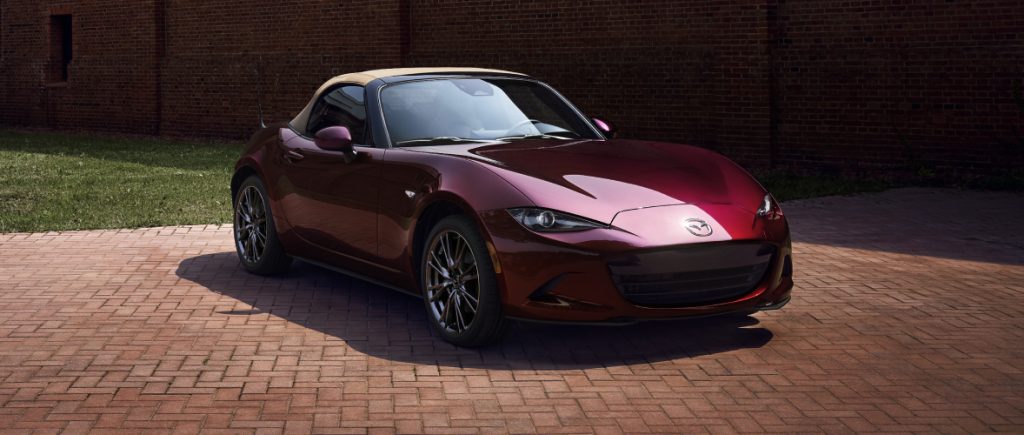
Drivers must be cautious with acceleration and braking, as the lightweight rear end can swing out during sudden maneuvers on ice. While winter tires can mitigate some issues, the Miata’s overall design prioritizes sportiness over cold-weather reliability.
Despite its appeal as a fun, engaging car, the MX-5 is best reserved for mild-weather use or summer driving. In regions with consistent snowfall or freezing temperatures, it presents challenges that daily commuters may find impractical.
Its struggles with traction, cabin warmth, and ground clearance make it one of the less winter-friendly vehicles on the market, emphasizing the importance of selecting a car with proper winter capability for daily use.
2. Mini Cooper
The Mini Cooper is a stylish, compact vehicle that offers nimble handling and urban agility, but it is not ideal for winter climates. Its front-wheel-drive configuration, while better than rear-wheel drive, still lacks the traction benefits of all-wheel-drive in snowy or icy conditions.
The low ground clearance combined with short wheelbase can make it prone to getting stuck in snowdrifts or losing stability on uneven, icy surfaces.
Winter comfort is another area where the Mini falls short. While some trims offer heated seats, many models lack heated steering wheels or mirrors, and the cabin warms relatively slowly due to its small, minimally insulated interior.
Visibility can be limited by the short windshield and compact dimensions, making it difficult to navigate through heavy snow or during freezing rain. Wind noise and drafts are also more noticeable in sub-zero temperatures.
Mechanically, the Cooper’s engine and battery are not specifically tuned for extreme cold. Cold starts can be sluggish, especially in older models or vehicles with higher mileage.
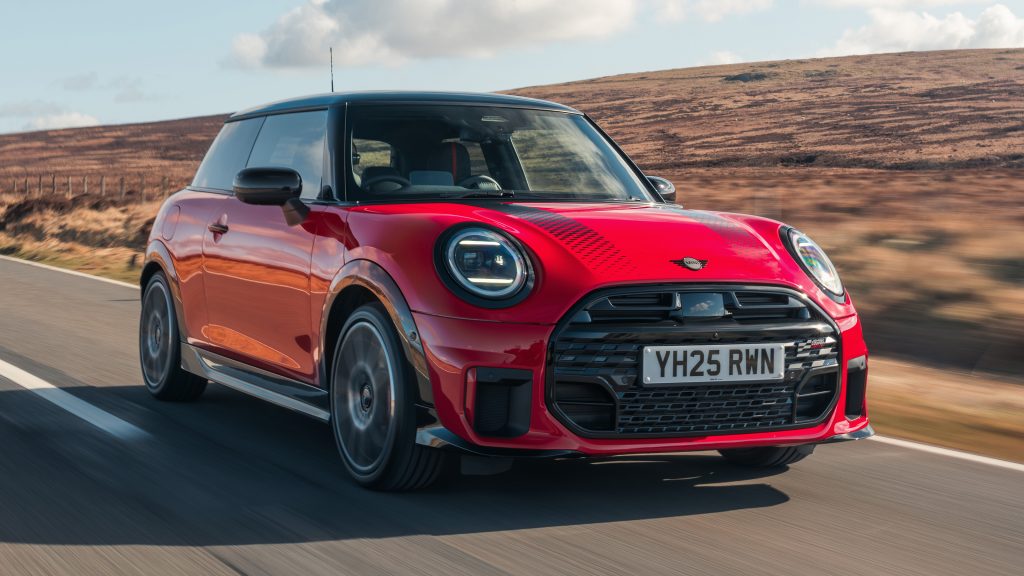
Snow and ice can also affect braking performance, as the lightweight body makes it prone to sliding if traction control is not engaged effectively. Tires are often designed for urban performance rather than winter grip, adding to the challenges in snowy or icy conditions.
For daily commuters in regions with harsh winters, the Mini Cooper requires extra precautions and additional winter equipment, such as dedicated snow tires.
While it remains an excellent city car during mild seasons, its limitations in traction, cabin warmth, and ground clearance make it less suitable as a dependable winter daily driver.
3. Fiat 500
The Fiat 500 is a compact and stylish city car that is fun to drive but highly susceptible to winter conditions. Its front-wheel-drive system is basic and lacks advanced traction management, making icy or snow-covered roads particularly challenging.
The very low ground clearance increases the risk of getting stuck in snowdrifts, while its short wheelbase can cause instability on slippery surfaces.
Winter comfort is minimal. The small interior warms slowly, and many models do not include heated steering wheels or mirrors. Visibility is limited by small windows, and the windshield defrost system is less efficient than in larger vehicles. Cabin insulation is minimal, allowing cold drafts to make commutes uncomfortable.
Mechanically, the Fiat 500 struggles in freezing temperatures. Its small engine can have trouble with cold starts, and the battery may lose capacity faster in sub-zero conditions.
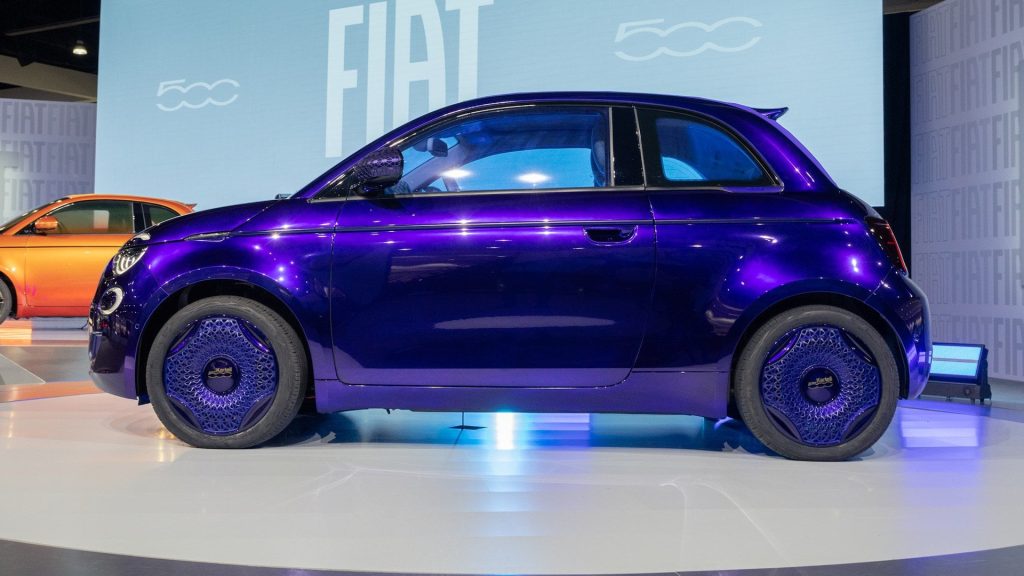
Tires are usually designed for city performance, offering poor grip on ice or snow. While lightweight, the car’s minimal weight can actually reduce traction in slippery situations, making careful driving essential.
Overall, the Fiat 500’s design prioritizes urban agility and style rather than winter reliability. Drivers in colder climates may find it stressful to use as a daily commuter during winter months, especially without snow tires or additional precautions. Its compact size, low clearance, and basic drivetrain limit its winter capability.
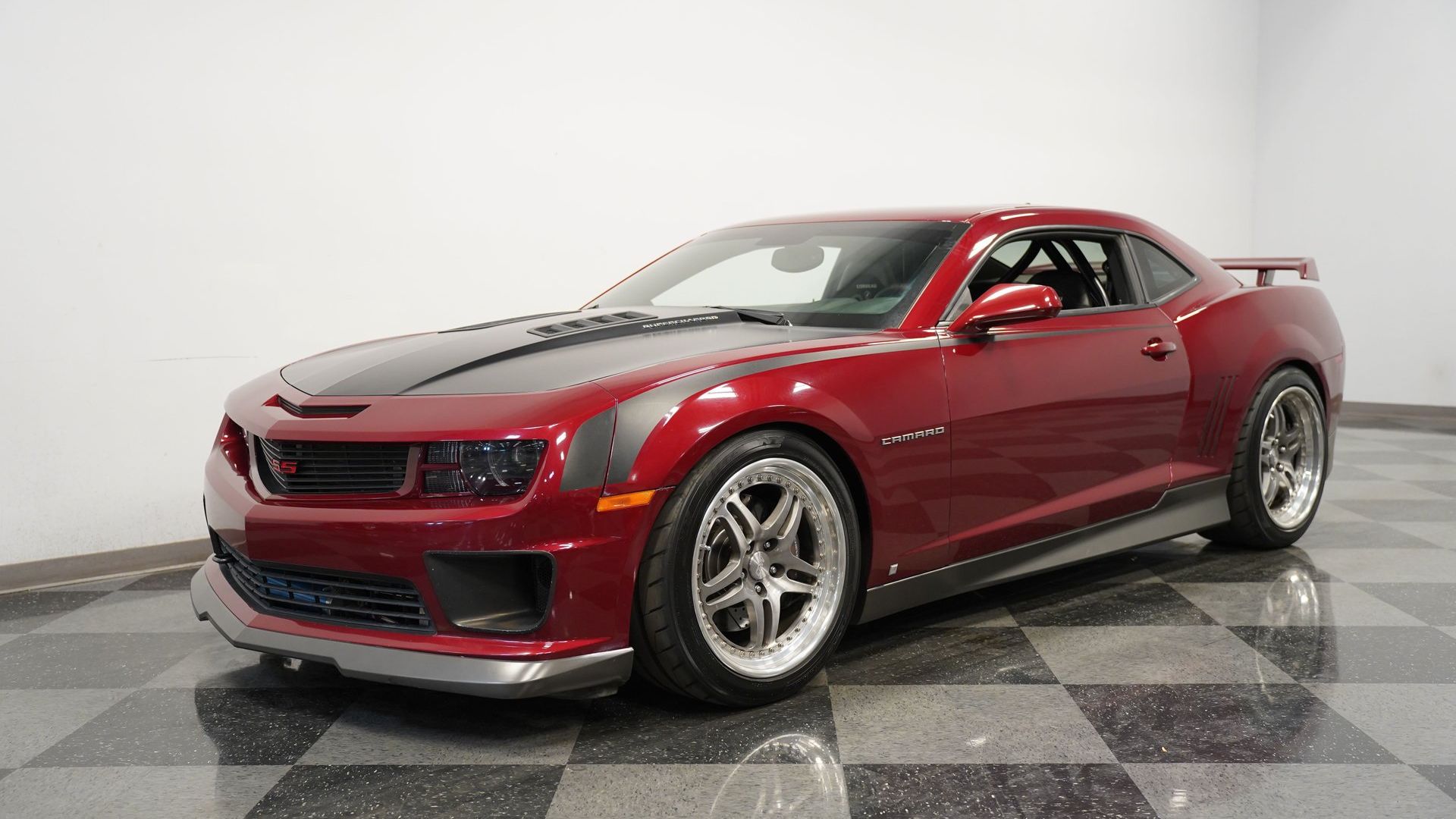
4. Chevrolet Camaro
The Chevrolet Camaro is a rear-wheel-drive sports car with performance-focused handling, making it ill-suited for winter driving. Its low ground clearance, powerful engine, and rear-biased weight distribution make maintaining traction on snow and ice extremely difficult.
Even with traction control, the Camaro can easily slide on inclines or during sudden maneuvers, creating potential safety hazards.
Cabin comfort in cold weather is limited. While some trims offer heated seats, the cabin takes time to reach a comfortable temperature, and the steering wheel may not be heated. Visibility is also reduced in snow due to the low seating position and small windows, making it harder to spot ice patches or snowbanks.
Mechanically, the Camaro is built for performance rather than cold-weather reliability. The battery and engine are not specifically tuned for extreme cold, and the wide performance tires are unsuitable for snow or ice.
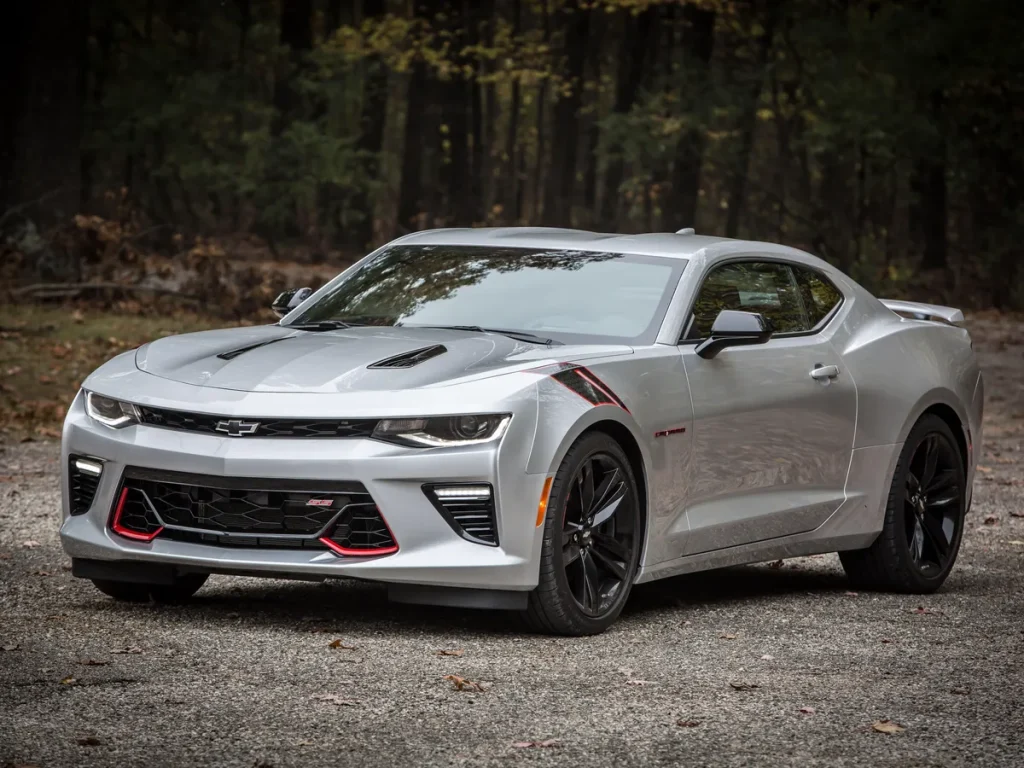
Daily commutes in winter become stressful, as even minor snowfalls can make driving hazardous without switching to winter tires or cautious handling.
Despite its appeal as a sporty vehicle, the Camaro’s low clearance, rear-wheel drive, and limited cold-weather features make it a challenging car to drive in winter conditions.
Commuters in snowy or icy regions may find it unreliable and stressful, emphasizing the need for proper winter-ready vehicles instead.
5. Volkswagen Golf GTI
The Volkswagen Golf GTI is a fun-to-drive hatchback with sporty handling and responsive performance, but it is not ideal for severe winter conditions.
While front-wheel drive offers some traction benefits, the GTI lacks all-wheel-drive systems found in other vehicles, limiting its ability to handle icy or snow-packed roads.
Low ground clearance increases the risk of scraping snow or getting stuck, and the vehicle’s sporty suspension can make slippery roads feel unpredictable.
Cabin comfort is moderate. Heated seats are available in some trims, but heated steering wheels and mirrors are not standard.
The small cabin warms slowly, and defrost systems are less efficient compared to winter-focused vehicles. Visibility can also be compromised during snowstorms due to compact window design and limited windshield reach.
Mechanically, the GTI’s turbocharged engine can be finicky in extreme cold, and batteries may lose efficiency during sub-zero starts. Standard tires are often performance-oriented, providing limited grip on snow or ice.
Drivers must be cautious when accelerating or braking, as the car’s sporty setup can amplify slippage in poor conditions.
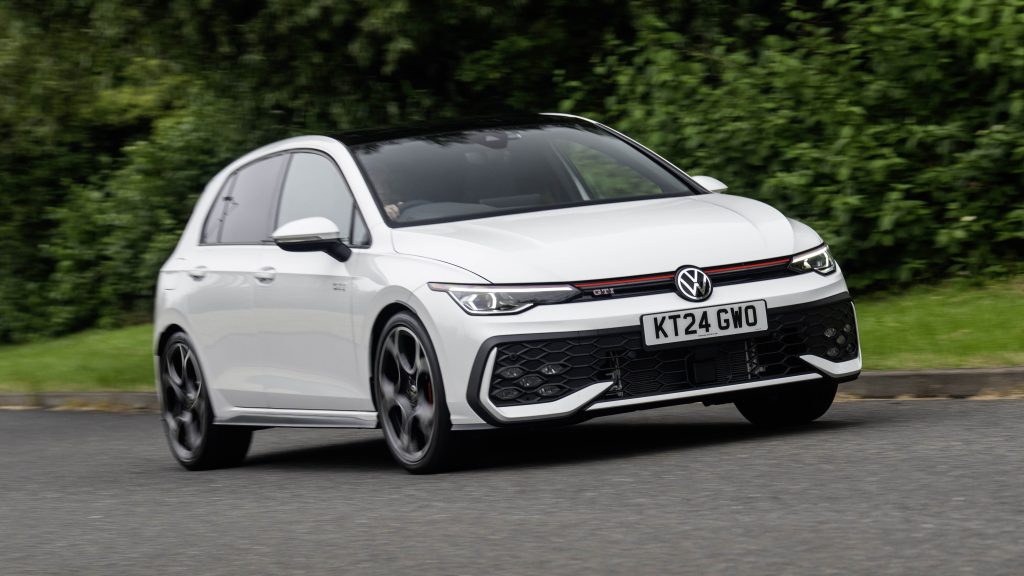
For daily commuting in harsh winter climates, the Golf GTI requires additional preparation, such as snow tires or cautious driving habits. Its sporty focus compromises winter reliability, making it a less practical choice for drivers seeking a stress-free experience during cold months.
Winter driving separates vehicles into dependable performers and those that struggle in cold climates.
Cars like the Subaru Outback, Audi Q5, Toyota RAV4, Volvo XC60, and Jeep Grand Cherokee combine all-wheel-drive, higher ground clearance, and heated features to ensure safety, comfort, and reliable performance on snow and ice.
In contrast, sporty or low-clearance vehicles such as the Mazda MX-5 Miata, Mini Cooper, Fiat 500, Chevrolet Camaro, and Volkswagen Golf GTI face traction issues, slow cabin warming, and mechanical challenges in freezing temperatures.
Choosing the right daily driver for winter can significantly reduce stress, improve safety, and enhance overall commuting reliability.
Also Read: 5 Hybrids That Outperform Gas Cars vs 5 That Don’t
