

Direct injection technology has changed how engines make power and use fuel. It allows precise control of the air-fuel mixture, improving both performance and efficiency. However, this design has one major drawback carbon buildup on the intake valves.
Unlike older port-injected systems, direct-injection engines spray fuel straight into the combustion chamber instead of over the valves. Without the cleaning effect of fuel washing over them, the valves can collect oily carbon deposits over time.
These deposits don’t form overnight, but they can slowly restrict airflow and cause misfires, hesitation, or poor fuel economy.
For many modern vehicles, cleaning those valves requires expensive maintenance such as walnut blasting. Because of this, automakers began finding ways to design engines that avoid or reduce the problem.
Some manufacturers chose to combine both injection styles, using port and direct injectors together.
Others rely on advanced oil control systems or specially designed intake pathways that resist carbon sticking. Some engines simply use port injection entirely, maintaining reliability with fewer service worries.
Owners who want long-term dependability often seek out vehicles that handle this issue effectively.
A car that keeps its intake valves clean will maintain smooth performance and consistent power delivery even after years of driving. These engines are less likely to lose efficiency, meaning they age better and cost less to maintain.
This list highlights ten models known for avoiding direct-injection carbon buildup through smart engineering or proven design. Each one stands out for using a setup that balances performance, efficiency, and durability without inviting the headaches many modern direct-injection engines bring.
Also Read: 10 Non-Turbo Vs Turbo Models: Which Keeps Repair Bills Down
1. Toyota Camry (3.5L V6)
The Toyota Camry’s 3.5-liter V6 engine is one of the most dependable modern powertrains when it comes to avoiding direct-injection carbon problems. Toyota solved the issue early by using a system known as D-4S, which combines both port and direct fuel injectors.
This dual system lets the engine switch between injection styles depending on load and speed.
At lower speeds, the port injectors spray fuel onto the intake valves, washing away any oil or carbon residue that might start to form. When more power is needed, the direct injectors take over, optimizing fuel burn inside the chamber for maximum efficiency.
Because both systems share duties, the intake valves remain cleaner for far longer than in engines relying solely on direct injection.
The result is an engine that maintains its power delivery and fuel economy over hundreds of thousands of miles with minimal intake maintenance.
The 3.5L V6 also benefits from Toyota’s focus on oil control. Its piston rings, PCV system, and valve seals are designed to minimize oil vapor entering the intake. Less oil means less material for carbon deposits to cling to, further protecting the valves.

Owners frequently report that even after years of driving, their engines show little to no buildup during inspections. Mechanics often note how the Camry’s design avoids the typical symptoms like rough idle or power loss seen in other direct-injection cars.
Another advantage is the engine’s straightforward layout. Maintenance is simple, and the use of both injection systems means there’s no need for expensive cleaning procedures. It’s one of the reasons Toyota’s V6 remains a favorite for those seeking longevity with minimal upkeep.
For buyers who want reliable performance without worrying about costly carbon cleaning, the Camry’s 3.5L V6 provides the ideal mix of modern efficiency and traditional dependability.
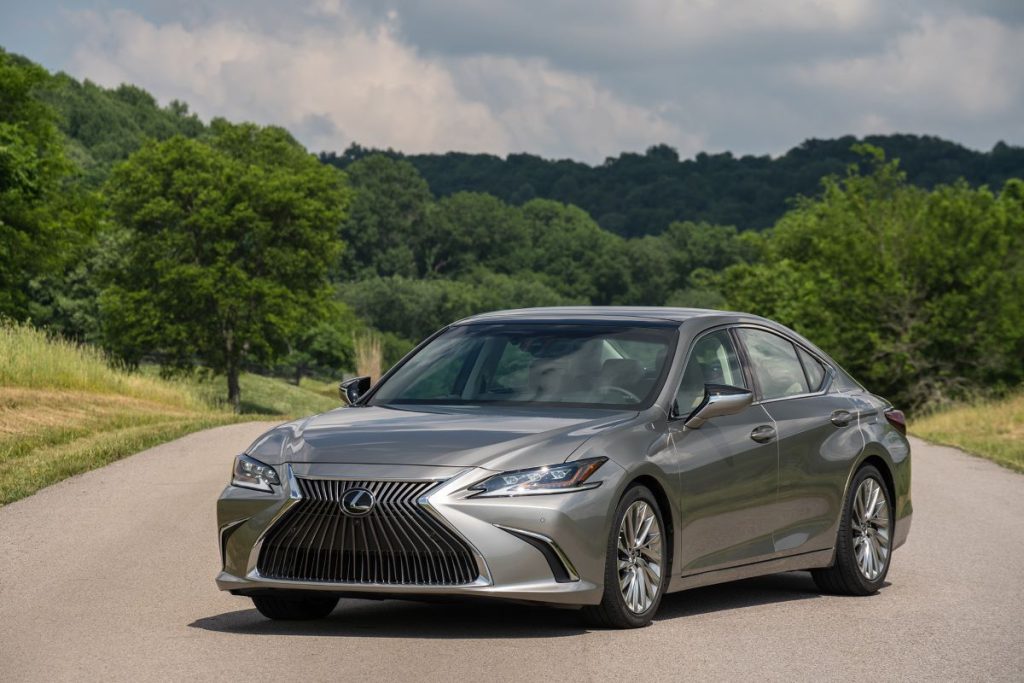
2. Lexus IS 350
The Lexus IS 350 shares Toyota’s D-4S injection technology, making it another model that stays clean under the hood. The 3.5-liter V6 in the IS 350 offers strong power and refined performance while keeping its intake valves nearly spotless.
Lexus engineers tuned this system to balance smoothness and longevity. Under everyday driving, the port injectors are active enough to ensure continuous cleaning of the valves.
During spirited driving or highway cruising, direct injectors engage to provide more precise combustion. This balance helps keep carbon deposits from ever reaching harmful levels.
The fuel mixture stays cleaner because the D-4S system allows complete atomization before entering the combustion chamber. This means fewer unburned hydrocarbons and lower emissions, further reducing buildup.
The IS 350 also benefits from superior thermal management. Consistent valve temperatures prevent carbon particles from baking onto surfaces, while the well-designed PCV system limits oil vapor entry. Together, these systems ensure the intake components remain clean and functional for years.
Owners often praise the IS 350 for needing no special maintenance related to carbon buildup, even after long-term use. Unlike many European engines that require frequent walnut blasting, the Lexus setup simply doesn’t accumulate the same residue.
Another benefit of this design is performance consistency. The car retains its sharp throttle response and strong midrange power even as mileage climbs. That reliability adds value to pre-owned models, which often perform nearly like new.
By combining Toyota’s engineering reliability with Lexus refinement, the IS 350 proves that luxury performance and long-term dependability can coexist. It’s an ideal example of how smart dual-injection design can prevent carbon buildup without sacrificing power or smoothness.
3. Hyundai Sonata (2.5L Smartstream Engine)
The Hyundai Sonata’s 2.5-liter Smartstream engine stands out as a strong example of how modern engineering can handle direct-injection concerns.
Hyundai recognized the problem early and introduced a combination system that uses both port and direct fuel injection, similar to what Toyota uses in its D-4S setup.
In this Smartstream design, the port injectors operate during light loads and everyday driving, continuously washing the intake valves with clean fuel.
This action prevents sticky carbon from accumulating on valve surfaces. When the driver demands more power, the direct injectors take over, allowing precise fuel control and improved efficiency.
This dual setup helps the engine remain responsive while reducing long-term maintenance costs. The result is smoother idle, consistent throttle feel, and fewer issues with misfires or loss of power. Many Sonata owners report that even after years of use, the engine runs quietly and maintains strong performance.
Another factor that protects the engine is Hyundai’s advanced PCV and oil separation systems. These prevent oil vapor from being drawn into the intake manifold, a common source of valve gunk in many direct-injection engines. Less oil means fewer sticky residues, keeping the airflow clean.
Thermal efficiency also plays a role. The Smartstream engine runs cooler and more evenly than older designs, reducing the temperature spikes that can cause fuel residue to bake onto valves.
Hyundai’s engineers focused on small details, such as optimized injector placement and low-friction coatings, to keep wear minimal.

This combination of port cleaning, smart airflow management, and oil control means the Sonata avoids the biggest headaches associated with modern direct-injection engines.
Owners can enjoy long-term reliability and fuel efficiency without facing costly intake cleanings or loss of performance as mileage climbs.
The Sonata’s 2.5L Smartstream engine proves that careful design and balanced operation can make modern fuel systems as reliable as older ones, even with stricter emissions and higher efficiency standards.
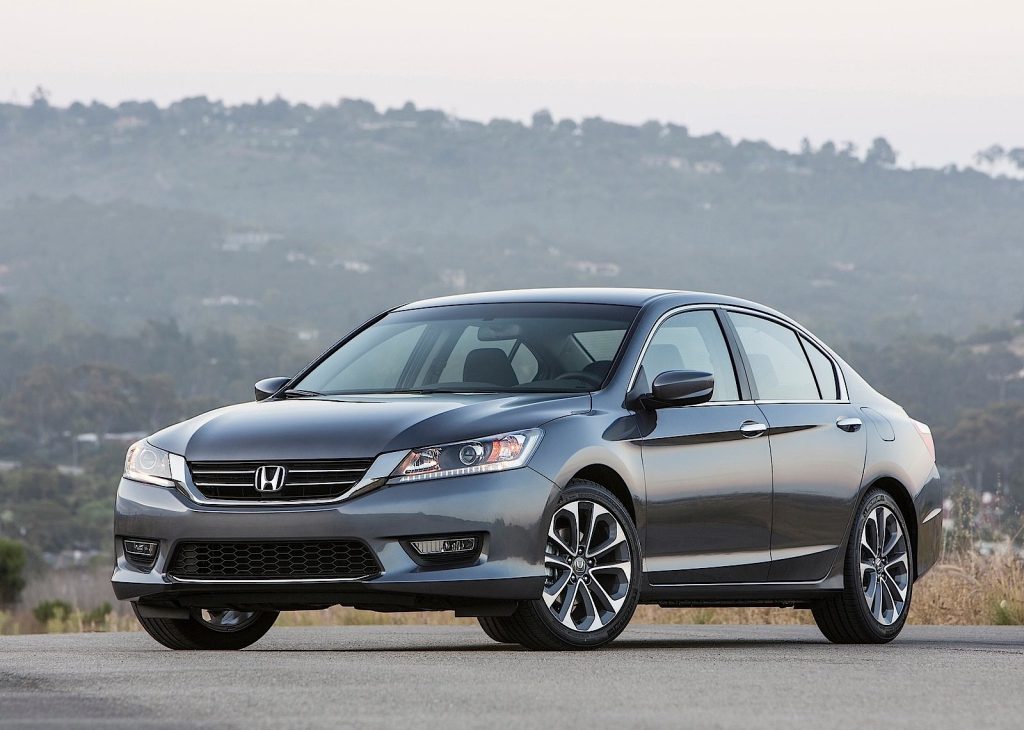
4. Honda Accord (1.5L Turbo)
The Honda Accord’s 1.5-liter turbocharged engine shows how attention to airflow and oil control can prevent carbon buildup even without a dual-injection system.
Honda’s engineering team designed this engine to minimize the main causes of intake valve deposits through precision oil management and efficient combustion.
While it relies primarily on direct injection, the Accord’s 1.5L turbo keeps intake valves cleaner than many competitors.
A large part of this comes from its integrated cylinder head and exhaust manifold design, which improves heat control. By keeping operating temperatures consistent, it reduces the chance of fuel residue hardening into carbon.
Honda also built an advanced Positive Crankcase Ventilation (PCV) system with oil separators that trap and return vapor before it reaches the intake tract. This limits the amount of oil mist that can coat the valves, one of the biggest contributors to buildup.
Another advantage lies in the engine’s efficient combustion. The 1.5L turbo operates with leaner mixtures under light loads, ensuring near-complete fuel burn. Clean combustion leaves less unburned material that could later turn into soot or deposits.
Owners often mention that the Accord maintains smooth idle and responsive acceleration even at higher mileage. Regular oil changes and high-quality fuel keep the internals even cleaner, helping it remain one of the most refined four-cylinder engines on the market.
The engine’s lightweight internals and well-tuned boost management further contribute to its long-term reliability. It generates strong performance while staying cool under continuous use, reducing the need for aggressive cleaning measures.
Honda’s attention to airflow, oil control, and combustion efficiency gives the 1.5L turbo a clear advantage over many small direct-injection engines. It delivers a balance of economy and power without the carbon buildup problems that plague similar setups from other automakers.
For drivers who want modern efficiency and low upkeep, the Accord’s 1.5L turbo provides the confidence that clean operation can last far beyond the warranty years.
5. Mazda 3 (2.5L Skyactiv-G Engine)
Mazda’s Skyactiv-G engines are known for delivering strong performance while staying remarkably clean inside. The 2.5-liter version found in the Mazda 3 uses a clever approach to fuel delivery that minimizes carbon buildup without relying on a full dual-injection system.
Mazda’s engineers optimized the combustion process from the ground up. The engine’s high compression ratio, efficient cooling, and precise injector placement ensure that fuel burns completely, leaving very little residue behind.
The cleaner burn translates to fewer carbon particles that could stick to intake valves or cylinder walls.
One of the Skyactiv-G’s biggest strengths is how it manages oil vapor. Mazda uses tight piston ring tolerances and a carefully tuned PCV system that limits the amount of oil entering the intake manifold.
Since oil mist is the main ingredient in carbon buildup, controlling it at the source is a key factor in keeping the engine clean.
The Skyactiv-G engine also runs at slightly lower combustion temperatures under light loads, which helps prevent carbon from baking onto internal parts. At higher speeds, efficient airflow ensures that the valves stay cleaner for longer, especially during regular highway driving.

Owners often note that even after years of use, their engines run smoothly and deliver consistent power.
Mechanics report fewer cases of valve cleaning or misfires compared to other direct-injection engines in the same segment. This reputation has made the Skyactiv-G one of the most dependable small-displacement engines on the market.
Mazda’s approach shows that an engine doesn’t need complex solutions to stay clean. By combining efficient combustion with tight oil control, the Skyactiv-G delivers a strong mix of longevity, reliability, and low maintenance.
It’s a smart design that keeps intake valves clear while providing spirited driving performance for years.
6. Ford F-150 (3.5L EcoBoost V6)
The Ford F-150’s 3.5-liter EcoBoost V6 has proven that turbocharged engines can remain clean and durable when engineered correctly. Ford addressed the carbon buildup problem by adding port injectors alongside direct injectors, creating a dual system that solves one of the biggest weaknesses of early EcoBoost models.
In earlier versions, direct injection alone caused valve deposits because the fuel never washed the valves. Ford corrected this by adding a secondary injection system that activates under specific conditions.
These port injectors spray fuel onto the intake valves, cleaning away oil residue and keeping airflow unrestricted.
This change dramatically reduced the need for costly valve cleaning services. The combination of port and direct injection also improves combustion consistency, helping the engine maintain strong power and smooth response.
The EcoBoost V6 is built for hard work, but its design also focuses on long-term reliability. Advanced oil separators in the crankcase ventilation system prevent oil mist from entering the intake stream. This not only keeps the valves clean but also protects the turbochargers from carbon-related damage.
Another advantage of the 3.5L EcoBoost is its ability to maintain high efficiency even under load. The dual-injection system ensures precise fuel delivery whether the truck is towing, cruising, or idling.
This balanced operation keeps combustion chambers clean and reduces the formation of carbon particles that can accumulate over time.

Owners appreciate how their F-150s continue to deliver strong torque and steady performance even after many years of use. The combination of clean intake operation and powerful output makes it one of the most trusted modern truck engines.
Ford’s decision to merge the benefits of port and direct injection has made the EcoBoost lineup far more dependable. The 3.5L version, in particular, stands as proof that advanced power doesn’t have to mean high maintenance.
7. Subaru Outback (2.5L Boxer Engine)
The Subaru Outback’s 2.5-liter Boxer engine continues to impress with its dependability and resistance to direct-injection carbon buildup. Subaru has worked carefully to balance performance and longevity, and this engine is one of the most successful results of that effort.
Unlike some automakers that rely purely on direct injection, Subaru uses a dual-injection system for its newer Boxer engines. This means both port and direct injectors are installed to manage fuel delivery.
Under light throttle, the port injectors spray fuel through the intake valves, keeping them clean and lubricated. When more power is required, the direct injectors provide the precise bursts of fuel directly into the combustion chamber.
This combination ensures excellent fuel economy without allowing carbon to accumulate on the intake valves. Subaru also fine-tuned its PCV system to reduce the oil vapor that often causes deposits to form.
By keeping oil away from the intake path, the company has virtually eliminated one of the main causes of buildup.
The horizontal layout of the Boxer engine also contributes to its longevity. The design helps distribute heat evenly, preventing hot spots that can bake fuel residues onto the valves. It also improves airflow efficiency through the intake tract, keeping the combustion process balanced and complete.
Drivers notice the difference in how smoothly the Outback performs, even after years of ownership. The engine maintains steady idle, consistent fuel economy, and full power output with minimal maintenance. Regular oil changes are often all that’s needed to keep it in prime condition.

Subaru’s approach shows how thoughtful engineering can maintain both reliability and performance.
The Outback’s 2.5L Boxer engine provides strong power for daily driving and highway cruising while staying remarkably clean inside. For long-term owners, it’s a setup that minimizes surprises and maximizes peace of mind.
8. Chevrolet Silverado (5.3L V8)
The Chevrolet Silverado’s 5.3-liter V8 is another strong performer that manages to stay clear of direct-injection carbon issues. General Motors designed this engine to combine the power of modern fuel technology with the durability of older port-injection systems.
Starting in later model years, GM upgraded its EcoTec3 engines with both port and direct fuel injectors. This dual-injection setup gives the best of both systems.
During light driving, the port injectors continuously spray fuel across the intake valves, keeping them free from carbon buildup. When the driver demands more torque or acceleration, the direct injectors engage to deliver precision and efficiency.
This smart design keeps the valves clean without needing frequent maintenance or chemical cleaning. It also prevents airflow restriction, which means the Silverado’s V8 retains strong throttle response and smooth power delivery.
Owners who tow or haul regularly find that the engine stays consistent under stress, even after many years of use.
Another factor that helps is the advanced oil control system. GM designed tighter seals and improved ventilation in the crankcase, reducing the amount of oil vapor reaching the intake manifold. This limits the sticky film that can attract carbon particles.
The 5.3L V8 also benefits from improved thermal balance. The engine’s combustion chambers run at steady, controlled temperatures, which helps prevent soot from hardening onto metal surfaces.
Over long highway trips, the combination of clean airflow and stable heat makes a significant difference.

Technicians often comment on how clean the intake valves look when these engines are serviced, even after high mileage. This reflects the effectiveness of GM’s dual-injection system and its ability to keep carbon problems away.
For truck owners who want power without the long-term drawbacks of buildup, the Silverado’s 5.3L V8 remains one of the most trusted and well-designed engines available. It offers durability, strength, and easy maintenance that truck enthusiasts appreciate year after year.
9. BMW 330i (B48 2.0L Turbo Engine)
The BMW 330i’s B48 2.0-liter turbocharged engine is a standout example of how advanced engineering can prevent direct-injection carbon buildup while maintaining high performance. BMW learned from earlier designs that suffered from valve deposits and took deliberate steps to fix the issue.
The B48 engine uses dual-injection technology, blending both port and direct injection systems. Under low to medium loads, the port injectors handle most of the fuel delivery, which allows gasoline to wash over the intake valves.
This simple action removes any oily residue that could form from crankcase vapors. When the driver accelerates or the turbocharger spools up, the direct injectors take charge for more precise fuel delivery and power output.
This alternating pattern ensures that the intake valves stay clean, while still allowing the engine to achieve excellent fuel efficiency and quick throttle response. The result is smoother acceleration, consistent performance, and fewer long-term maintenance concerns.
BMW also improved the crankcase ventilation system to minimize the amount of oil vapor entering the intake path. Combined with tighter seals and a better oil separator, this reduces the sticky buildup that typically leads to carbon formation.
Another strength of the B48 engine lies in its combustion temperature control. BMW uses precise cooling channels within the cylinder head to manage heat evenly. This prevents localized hot spots that can cause carbon particles to bake onto metal surfaces.

Owners often report that their engines maintain strong performance and low emissions even past 100,000 miles. Mechanics frequently note the cleanliness of the intake system compared to older BMW turbo engines, which often needed costly cleaning services.
The B48 engine represents a turning point for BMW, proving that direct injection and long-term reliability can work together. Drivers get the full benefit of turbocharged power without the worry of carbon buildup that plagued earlier models.
10. Toyota RAV4 (2.5L Dynamic Force Engine)
The Toyota RAV4’s 2.5-liter Dynamic Force engine showcases how smart fuel system design can deliver both performance and cleanliness.
This engine also uses Toyota’s D-4S dual-injection system, which has earned a strong reputation for keeping intake valves free from carbon deposits.
At lower speeds or gentle throttle input, the port injectors spray fuel through the intake valves. This not only keeps them clean but also ensures a smoother, quieter idle.
When higher power is needed, the direct injectors step in to provide greater efficiency and more precise fuel control. Together, they create an ideal balance of cleanliness and performance.
The Dynamic Force engine also uses advanced thermal management to maintain steady operating temperatures. This consistent heat prevents carbon buildup while improving fuel atomization and complete combustion.
Every component, from the intake runners to the piston design, was developed to minimize deposits and enhance airflow.
Toyota also designed a high-efficiency oil vapor separation system that reduces the amount of oil entering the intake manifold. Less oil exposure means fewer sticky surfaces for carbon to cling to, keeping the engine clean even after years of use.
Owners frequently note how their RAV4 engines continue to run smoothly with no signs of carbon buildup, even after long-term operation.
The combination of efficient combustion and regular valve cleaning through port injection means this engine needs far less maintenance than many other direct-injection competitors.
Technicians also appreciate the easy access and simple layout, which makes any necessary service quick and affordable. The durability of the Dynamic Force engine has earned it a reputation for lasting well beyond 200,000 miles with minimal issues.

For drivers who want a modern, efficient SUV without hidden maintenance risks, the Toyota RAV4’s 2.5L engine is one of the safest choices. It demonstrates how careful engineering can prevent common direct-injection problems and keep performance consistent over the long haul.
Each of these ten vehicles shows how thoughtful engineering can solve one of the biggest issues in modern engines carbon buildup from direct injection. Automakers have learned that combining performance with reliability requires keeping intake valves clean and airflow unrestricted.
Toyota and Lexus lead the way with their D-4S dual-injection systems, which let fuel wash over the valves during normal driving.
Hyundai, Ford, and GM have followed a similar path by blending port and direct injectors to balance power with maintenance-free operation.
Mazda and Honda focus on efficient combustion and oil control, proving that even single-injection designs can stay clean with the right internal management.
Subaru’s Boxer layout and BMW’s B48 turbo engine add their own precision systems that keep residues from forming.
Across all these examples, one idea stands out clearly the best engines are those designed with both performance and long-term cleanliness in mind.
Each of these vehicles maintains power, efficiency, and reliability without costly cleaning or complicated service needs, offering owners years of dependable operation and consistent performance.
Also Read: 14 VehiclesThat Rebound in Value After 100,000 Miles
