
Buying a used car can be a practical and affordable way to get a reliable vehicle, but some used options come with unique histories that affect their long-term value and performance.
Police-spec and ex-fleet vehicles are two categories that often attract attention for different reasons. While both have been used heavily in service, their build, maintenance, and design characteristics can make a significant difference in ownership experience.
Police-spec cars are engineered for durability, high performance, and reliability. They are often maintained rigorously, with components built to withstand high-stress use, rapid acceleration, and extended idling periods.
These vehicles frequently feature upgraded brakes, heavy-duty cooling systems, and reinforced suspensions, making them more robust than standard civilian models.
As a result, used police-spec cars can offer excellent value for buyers seeking reliability, performance, and longevity at a lower price compared to brand-new models.
On the other hand, ex-fleet vehicles include rental cars, government vehicles, and corporate fleet cars. These cars have often been driven by multiple drivers under varying conditions, sometimes with minimal care or attention to long-term maintenance.
While some ex-fleet vehicles are reasonably maintained, others may have experienced neglect, hard driving, or high mileage over a short period. This variability can result in hidden wear and tear, making certain ex-fleet cars less desirable for used-car buyers.
This article highlights ten vehicles across these categories. The first section focuses on five police-spec cars that are worth buying, examining why they are durable, well-maintained, and cost-effective.
The second section addresses five ex-fleet cars that are better avoided, identifying factors such as excessive wear, maintenance concerns, and potential reliability issues. Understanding these differences can help buyers make informed choices, ensuring that a used car purchase delivers both satisfaction and long-term value.
Also Read: 5 Cars That Feel Expensive Inside vs 5 That Look Cheap Quickly
5 Used Police-Spec Cars Worth Buying
Used cars can provide excellent value, but not all used vehicles are created equal. Among the options available, police-spec cars stand out as particularly appealing for buyers seeking durability, performance, and reliability at a lower cost.
Unlike standard civilian models, police-spec vehicles are engineered to withstand high-stress use, extended idling, rapid acceleration, and repeated braking.
They often come with heavy-duty components such as reinforced suspensions, upgraded brakes, and robust cooling systems that enhance longevity and overall performance.
Another advantage of police-spec cars is their maintenance history. Vehicles in law enforcement service are typically subjected to strict maintenance schedules, including regular inspections, fluid changes, and component replacements.
This consistent upkeep means that, when these vehicles enter the used market, they are often mechanically sound and well-maintained compared to civilian cars of similar age or mileage.
Engines, transmissions, and other critical systems are built to endure long-term use, making these vehicles a practical choice for buyers who prioritize reliability.
Police-spec cars also offer features that enhance safety and functionality. Reinforced frames, high-performance brakes, and stability control systems provide confidence on the road, while durable interiors, simple electronics, and functional layouts reduce wear over time.
Buyers benefit from a vehicle that is designed to handle rigorous use, while often paying significantly less than they would for a brand-new model with similar capabilities.
This section focuses on five police-spec cars that are worth considering in the used market. Each car is highlighted for its durability, performance, and cost-effectiveness, showing why it stands out among used vehicles.
For buyers looking for a dependable daily driver or a long-term investment, these police-spec options offer an ideal combination of practicality, reliability, and value.
1. Ford Police Interceptor Sedan
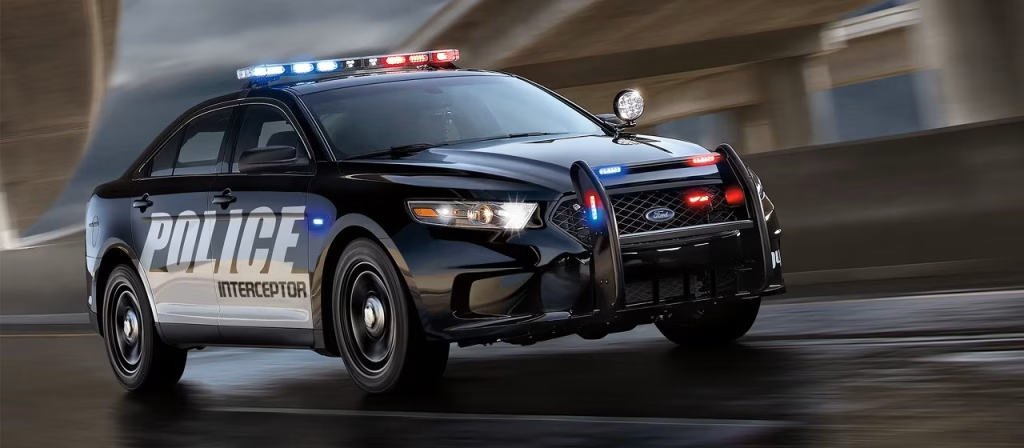
The Ford Police Interceptor Sedan, based on the Taurus platform, is widely regarded as one of the most durable and reliable police-spec vehicles.
Designed for law enforcement use, it comes with heavy-duty suspension, upgraded brakes, reinforced cooling systems, and high-performance engines that can handle prolonged periods of high-speed driving.
These upgrades make the vehicle more robust than civilian sedans, providing both performance and longevity.
Police Interceptors are typically maintained rigorously, with regular inspections and preventive maintenance. This attention to upkeep ensures that used models entering the civilian market often have fewer mechanical issues than comparable private vehicles of similar age and mileage.
Components like the transmission, engine, and suspension are built to endure frequent acceleration and deceleration, which is common in police duties but rare in civilian driving.
Interior durability is another advantage. Police-spec vehicles feature reinforced seats, vinyl or durable cloth interiors, and simple electronics that are less prone to failure.
These interiors withstand heavy use and make them practical for buyers who prioritize functionality over luxury. Safety is also enhanced due to reinforced frames, high-performance brakes, and stability control systems designed for high-speed maneuvers.
For buyers looking for a used sedan with proven reliability, strong performance, and a track record of rigorous maintenance, the Ford Police Interceptor Sedan is a solid choice.
It offers many of the benefits of a premium sedan without the premium price, making it a smart and practical investment in a dependable daily driver.
2. Chevrolet Caprice PPV
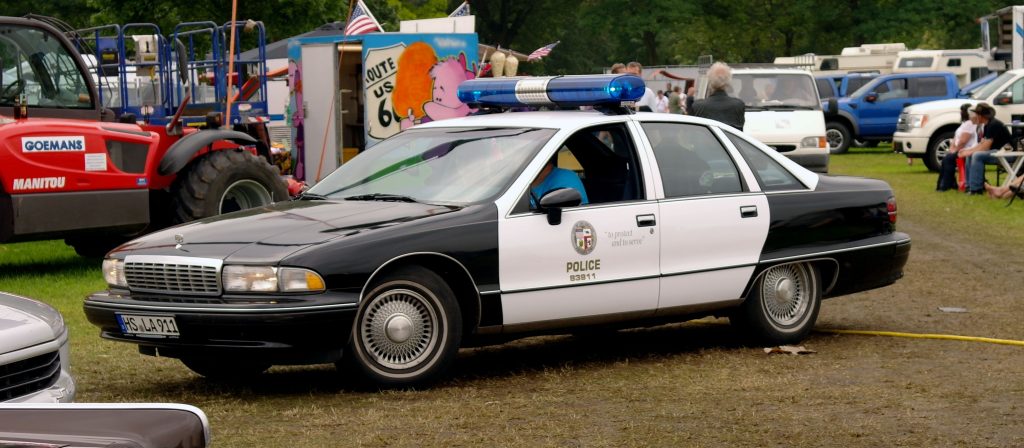
The Chevrolet Caprice PPV (Police Patrol Vehicle) is a full-size sedan engineered specifically for law enforcement. Its V8 engine options deliver ample power, while the heavy-duty suspension, upgraded brakes, and reinforced chassis provide reliability in demanding conditions.
Caprice PPVs are built for constant use, which translates into durable components that withstand high mileage better than civilian counterparts.
Routine police maintenance ensures these vehicles remain mechanically sound. Engines and transmissions are serviced more frequently, cooling systems are upgraded for high-stress operation, and brakes are reinforced for repeated hard stops.
As a result, a used Caprice PPV often presents a reliable, well-maintained option for buyers who want a robust vehicle at a reasonable price.
The interior is functional and durable. Vinyl seats and simplified electronics are built to endure long shifts and heavy-duty use, while modern models include safety features such as stability control, traction control, and side airbags. Cargo space is generous, and the wide body makes it stable on highways or slippery roads.
The Caprice PPV combines performance, durability, and affordability. Buyers can benefit from a car designed to handle extended driving stress, with components that last far longer than typical civilian vehicles of the same age. For those seeking a dependable full-size sedan with police-grade engineering, the Caprice PPV is a standout choice.
3. Dodge Charger Pursuit
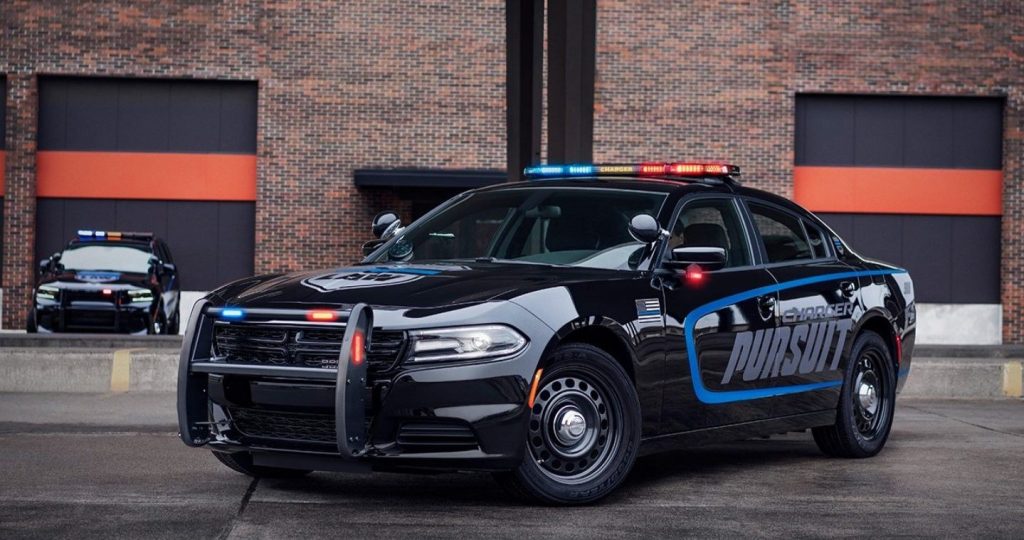
The Dodge Charger Pursuit is one of the most popular police-spec sedans in the United States. Its all-wheel-drive and rear-wheel-drive options, along with V6 or V8 engines, allow it to perform well in a variety of conditions.
The Pursuit model includes reinforced brakes, heavy-duty suspension, upgraded cooling, and strong transmission components all designed to withstand police work.
Police agencies maintain these vehicles meticulously, performing frequent oil changes, brake inspections, and system checks. This level of care ensures that used Chargers often have better mechanical health than civilian cars of similar mileage.
The car’s high-performance engine is engineered for repeated high-speed runs and heavy traffic maneuvering, which translates into durable, reliable power for everyday driving.
Interior features focus on durability. Vinyl or cloth seats, minimalistic electronics, and reinforced switchgear prevent wear over time. Safety systems, including traction and stability control, are designed to protect during high-speed pursuits, adding an extra layer of confidence for civilian buyers.
The Dodge Charger Pursuit combines performance, reliability, and longevity. Its police-spec components make it capable of handling rigorous use while remaining relatively low-maintenance. For buyers who want a sporty, powerful sedan with proven durability, the Charger Pursuit is an excellent option.
4. Ford Police Interceptor Utility
The Ford Police Interceptor Utility, based on the Explorer, is a versatile SUV designed for law enforcement. It offers all-wheel-drive, heavy-duty suspension, reinforced brakes, and powerful engines capable of handling high-speed chases and off-road conditions.
The SUV format provides higher ground clearance and cargo space, making it a practical choice for families or buyers who require more room.
Police departments maintain Interceptor Utilities with strict schedules, ensuring engines, transmissions, and braking systems remain in peak condition. Heavy-duty components are built to endure long periods of idling, rapid acceleration, and stop-and-go driving, making these used vehicles highly durable.
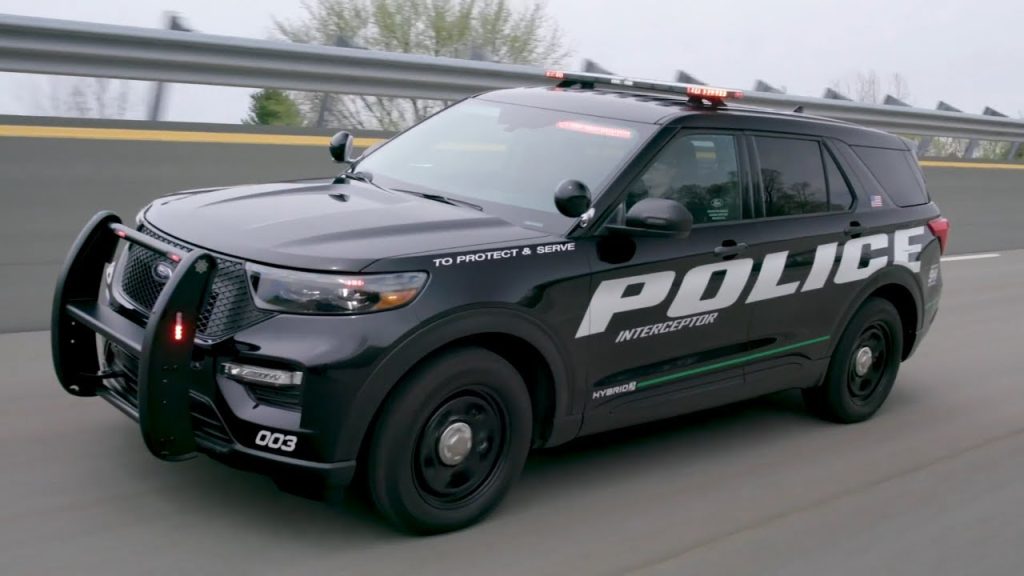
Inside, the SUV features durable seats and simplified electronics. Optional features such as heated seats, advanced air conditioning, and safety systems like traction and stability control add comfort without compromising reliability. The large cabin and cargo space are useful for hauling equipment, groceries, or luggage, making it suitable for daily commuting and weekend trips.
For those seeking a capable, reliable, and spacious SUV, the Ford Police Interceptor Utility stands out. Its police-grade engineering, combined with regular maintenance, ensures that buyers get a vehicle that can handle long-term use with minimal issues.
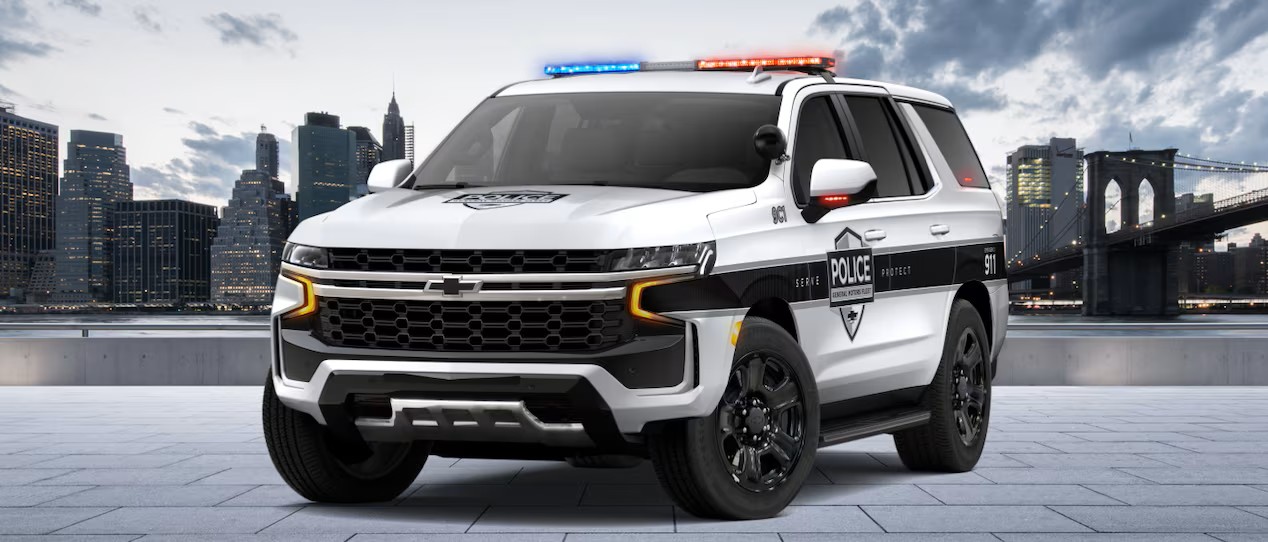
5. Chevrolet Tahoe PPV
The Chevrolet Tahoe PPV is a full-size police SUV with an emphasis on durability and performance. Its V8 engine, reinforced suspension, and upgraded brakes are designed for law enforcement use, ensuring the vehicle can handle rigorous driving conditions.
The SUV’s size and all-wheel-drive options improve stability and traction, making it suitable for various terrains.
Routine police maintenance ensures that the Tahoe PPV remains mechanically sound. Engine and transmission systems are reinforced, cooling systems are upgraded, and braking components are designed for repeated heavy use. Buyers can often find these vehicles in excellent condition relative to civilian models of the same age.
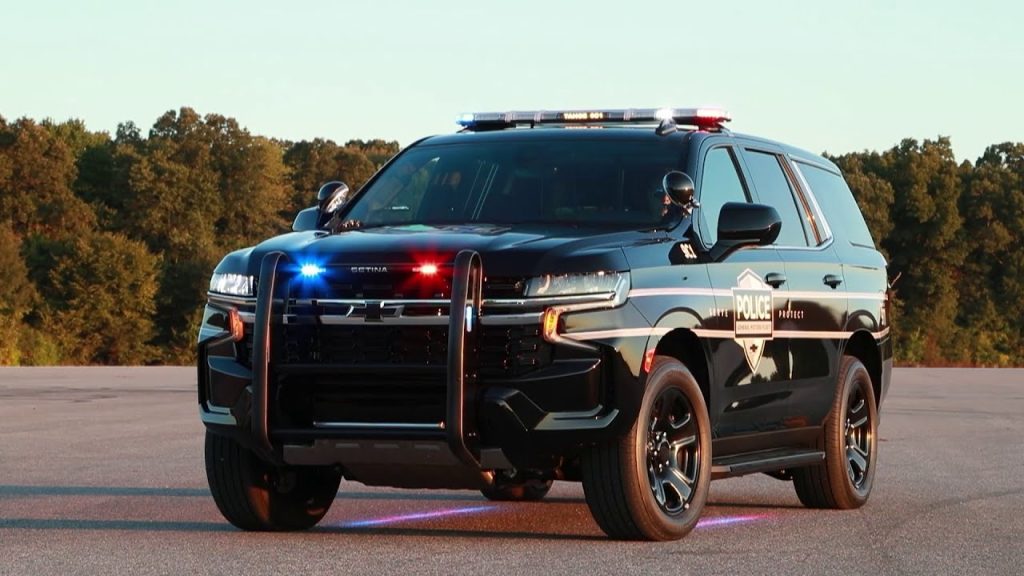
Interior features are practical and durable. Vinyl seating and simplified electronics withstand heavy use, while safety systems like stability control and traction control enhance confidence in driving. The cabin offers ample space for passengers and cargo, making it a functional daily driver or family vehicle.
For buyers seeking a reliable, spacious SUV with police-grade engineering, the Chevrolet Tahoe PPV is a strong option. Its combination of durability, performance, and functionality makes it one of the best-used police-spec SUVs available on the market.
5 Ex-Fleet Cars To Skip
Buying a used car from a fleet can seem like a practical way to get a low-cost vehicle, but not all ex-fleet cars offer long-term reliability. Fleet vehicles including rental cars, government cars, and corporate vehicles often experience heavy use by multiple drivers over short periods.
While some are well-maintained, many endure hard driving, frequent stops, and minimal care, which can lead to accelerated wear on critical components such as the engine, transmission, suspension, and brakes.
Ex-fleet cars are generally designed for short-term functionality rather than long-term durability. Tires, brakes, and fluids may have been serviced only to meet minimum requirements, while interior components and electronics can show significant wear from repeated use.
Even with maintenance records, the cumulative effects of multiple drivers can result in hidden issues that emerge after purchase. Mileage may be deceptively low if the car spent long periods idling or operating under high-stress conditions, which can take a toll on the engine and drivetrain.
Certain vehicles are particularly prone to problems in ex-fleet service. Luxury models with complex electronics, sports cars with performance-oriented components, and cars with lightweight construction often do not handle the rigors of frequent, varied use as well as robust, fleet-focused vehicles.
Buyers who ignore these considerations may face higher repair costs, reliability issues, or uncomfortable driving experiences.
This section highlights five ex-fleet vehicles that are best avoided by used-car buyers. Each car is examined for reasons such as mechanical vulnerability, excessive wear, maintenance challenges, or poor long-term value.
Understanding which ex-fleet vehicles to skip can help buyers make smarter decisions, ensuring that their used-car purchase is dependable, cost-effective, and enjoyable to drive for years to come.
1. Nissan Versa
The Nissan Versa is a subcompact car often used in rental fleets due to its low purchase price and fuel efficiency. While this makes it an affordable option for fleet operators, it can pose problems for used-car buyers.
Fleet driving typically involves multiple drivers with varying habits, often resulting in aggressive acceleration, hard braking, and frequent short trips. These conditions can accelerate wear on the Versa’s continuously variable transmission (CVT), suspension components, and brakes.
The CVT in the Versa is particularly sensitive to heavy or aggressive use. In many ex-fleet examples, the transmission may already show signs of slippage, hesitation, or early wear.
Repairing or replacing a CVT can be costly, offsetting the initial savings of purchasing a low-priced used car. The suspension is also prone to wear due to repeated heavy braking, potholes, and urban driving conditions common in rental service.
Interior durability is another concern. Seats, upholstery, and electronics often show significant wear, as rental drivers may not treat the car with care. The steering and handling may feel less precise compared to private-use vehicles of the same model year, and road noise is often more pronounced due to worn components.
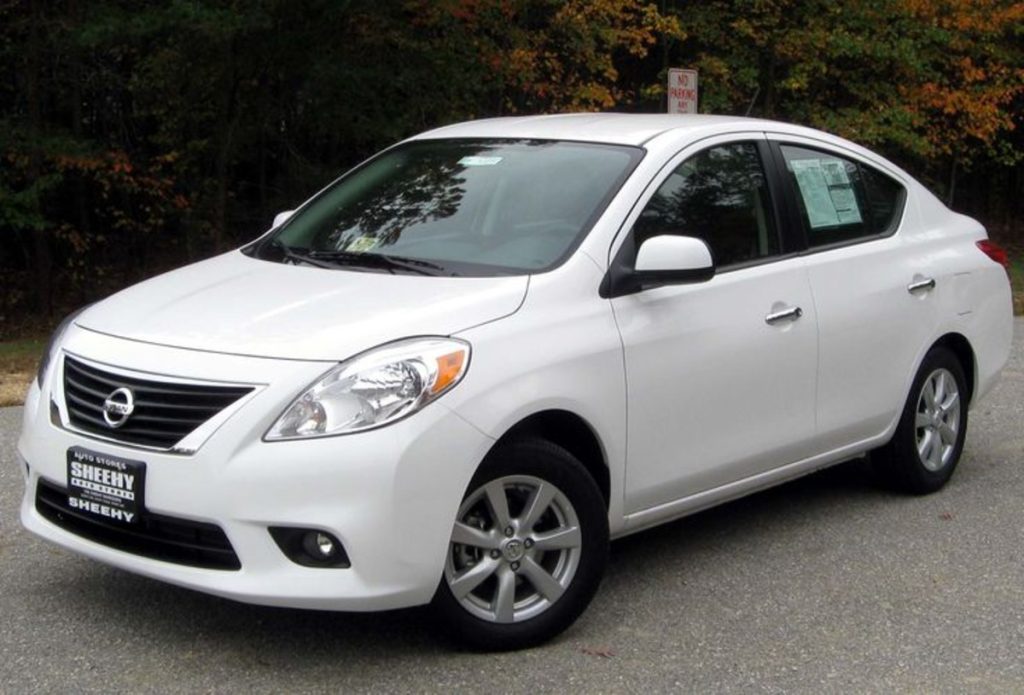
For buyers seeking a reliable, long-term daily driver, ex-fleet Nissan Versas present a higher risk than similar-priced used vehicles that were privately owned. Maintenance records may be incomplete, and the cumulative effects of heavy fleet use can result in unexpected repairs.
While the Versa is inexpensive upfront, the potential for mechanical issues and accelerated wear makes it a car to approach with caution or avoid altogether.
2. Chevrolet Malibu (older generations)
The Chevrolet Malibu has been a popular choice for rental fleets and corporate use, particularly older generation models.
While the car offers a comfortable ride and reasonable fuel economy, many ex-fleet Malibus come with high mileage and inconsistent maintenance, creating long-term reliability concerns.
Frequent short trips, aggressive driving, and minimal attention to service schedules can lead to engine, transmission, and electrical system issues over time.
Older Malibus are known for transmission problems, especially in models equipped with six-speed automatic gearboxes. Fleet driving accelerates wear on these transmissions, and repairs can be costly.
Engine issues, such as oil consumption or timing chain concerns, are also more common in vehicles subjected to heavy daily use. Electrical components, including sensors and infotainment systems, often show early signs of failure, adding to repair expenses.
Suspension and braking components can be heavily worn in ex-fleet Malibus. Repeated city driving, frequent stops, and uneven road surfaces contribute to premature wear of shocks, struts, and brake rotors. Tires and wheel bearings may also have seen extensive use, potentially compromising ride quality and safety.
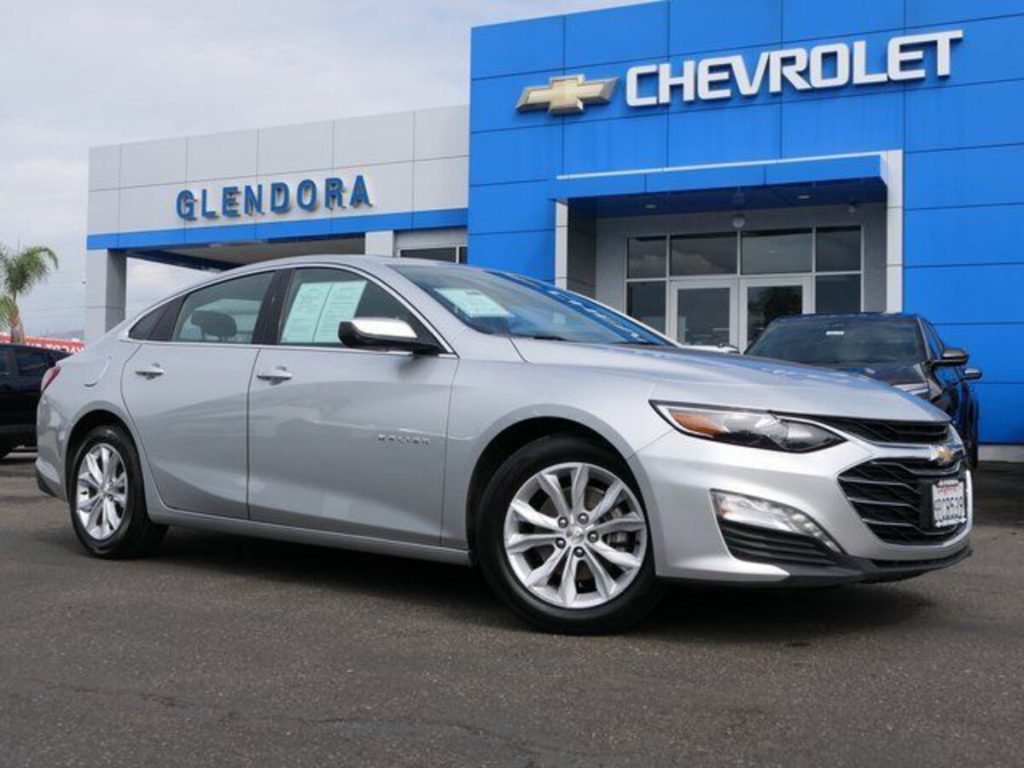
Interior condition is frequently poor in ex-fleet Malibus. Seats, upholstery, and trim can be heavily worn, with scratches, stains, and loose panels being common. Even with a clean appearance, the mechanical and electrical systems may already have hidden issues, making it a less desirable used-car option.
For buyers seeking a low-maintenance and reliable sedan, older ex-fleet Malibus often carry hidden costs. While they may be inexpensive upfront, the potential for ongoing repairs and worn components makes them a vehicle to approach cautiously or skip entirely.
3. Ford Fiesta
The Ford Fiesta, particularly turbocharged models used in rental fleets, has a reputation for being fun to drive but less reliable under fleet conditions.
Many rental Fiestas experience aggressive driving, frequent short trips, and high turnover between drivers, which can strain engines, transmissions, and suspension systems. These factors make ex-fleet Fiestas less dependable for long-term ownership.
The 1.0-liter EcoBoost turbo engine, common in modern Fiestas, can face issues if maintenance is inconsistent. Short trips combined with high RPM driving may lead to premature turbo wear, carbon buildup, and potential engine overheating.
Transmission issues are also common, especially with dual-clutch automatic gearboxes. Hard use by multiple drivers can accelerate clutch wear and cause rough shifting, which may require expensive repairs.
Suspension and brakes are often heavily worn in ex-fleet Fiestas. Compact cars in urban rental service experience frequent potholes, curb impacts, and repeated braking, which can compromise ride quality and handling. Tires, struts, and wheel bearings may need replacement sooner than expected.
Interior durability is another concern. Vinyl and cloth seats can show significant wear, and buttons or controls may become loose or unresponsive after repeated use. The infotainment system and electronics may also be prone to failure due to extensive daily usage by multiple drivers.
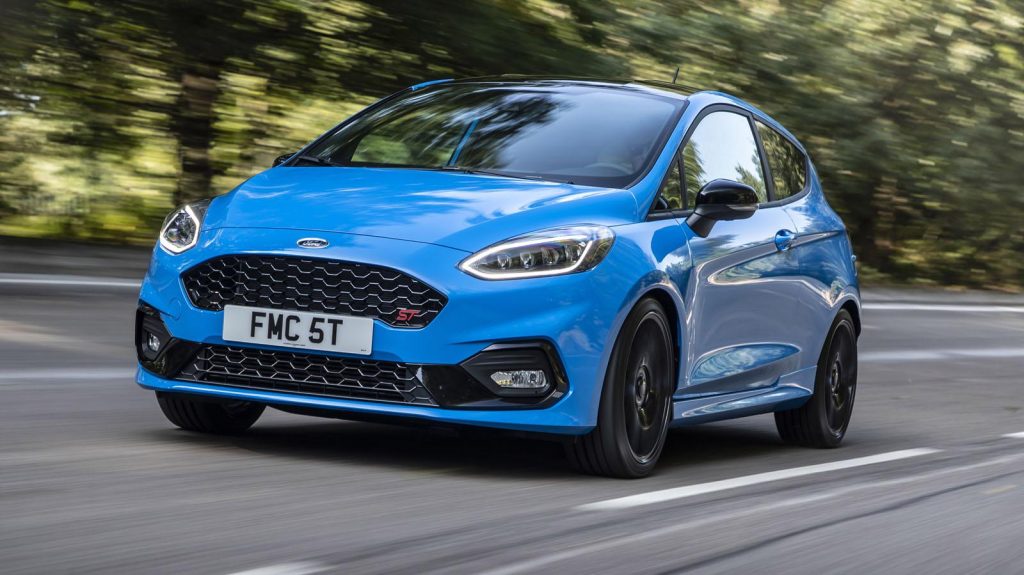
Overall, while the Fiesta is an affordable and compact vehicle, ex-fleet models carry increased risk of mechanical and cosmetic issues. Buyers looking for a reliable, low-maintenance car should carefully inspect or avoid ex-fleet Fiestas, as they may face higher long-term costs than initially anticipated.
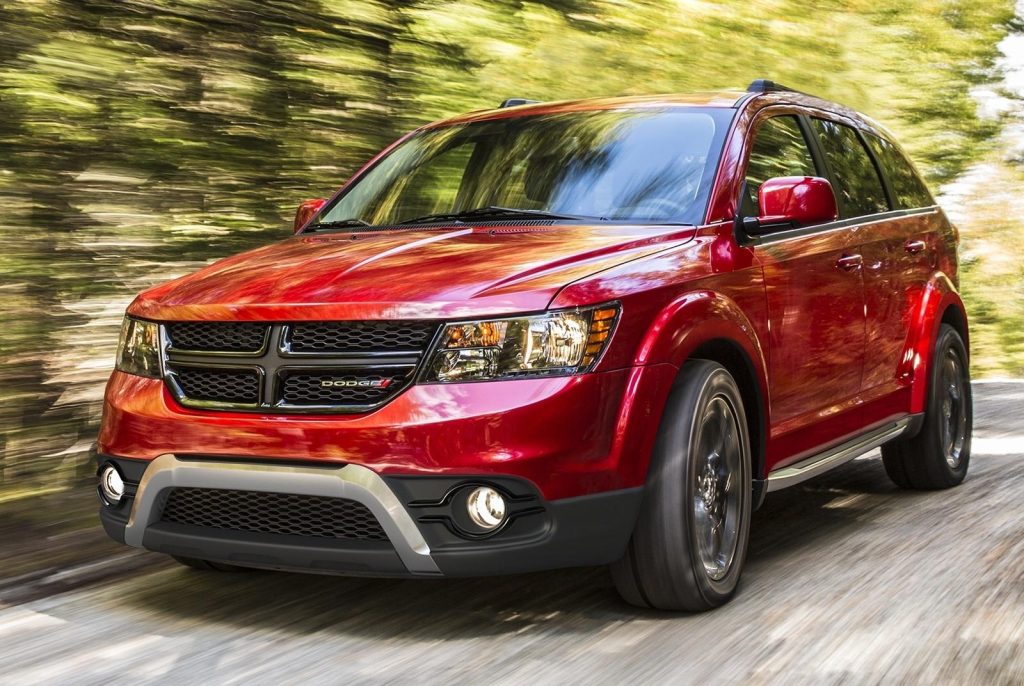
4. Dodge Journey
The Dodge Journey is a mid-size crossover frequently used in fleet service, including rentals and corporate fleets. While it offers a spacious cabin and versatile cargo options, ex-fleet Journeys often suffer from reliability issues, accelerated wear, and maintenance challenges that make them less appealing to used-car buyers.
Transmission problems are a common concern. Many ex-fleet Journeys have experienced frequent stop-and-go driving, heavy loads, and variable driver habits, which can strain the automatic transmission.
Repairs can be expensive and frequent, reducing the overall value of these vehicles. Engine components, particularly in four-cylinder models, can also show early wear due to short trips and high-stress driving conditions.
Suspension and brakes in ex-fleet Journeys often require replacement sooner than expected. Repeated use by multiple drivers, rough city streets, and heavy cargo loads contribute to premature wear on shocks, struts, and brake rotors. Tires may also have uneven wear patterns, impacting ride quality and safety.
Interior and electronics are additional areas of concern. Seats, trim, and infotainment systems are prone to damage from heavy usage, and the electronics may have experienced glitches or malfunctions due to extensive handling. Climate controls and power systems may also show early wear.
Overall, while the Dodge Journey can be a practical vehicle, ex-fleet models carry significant risk. High-mileage examples with inconsistent maintenance histories may require costly repairs, making them less suitable for buyers seeking a reliable, low-maintenance used SUV.
5. Toyota Corolla (older fleet models)
The Toyota Corolla is generally known for reliability, but ex-fleet Corollas, especially older rental or government vehicles, present unique challenges.
Frequent short trips, multiple drivers, and minimal attention to maintenance can lead to accelerated wear on suspension, brakes, and interior components. Even though the engine itself is often durable, the cumulative effects of heavy fleet use can reduce the car’s long-term reliability.
Suspension and braking systems are frequently stressed in fleet Corollas. City driving, repeated stops, and uneven road surfaces can cause shocks, struts, and brake components to wear faster than in privately owned vehicles. Tires may show uneven wear, which affects handling and safety.
Interior wear is another issue. Seats, steering wheels, and controls often show signs of heavy use, including scratches, stains, and loosened trim pieces. Electronics, such as infotainment systems and sensors, may also have been subjected to multiple users, increasing the likelihood of malfunctions.
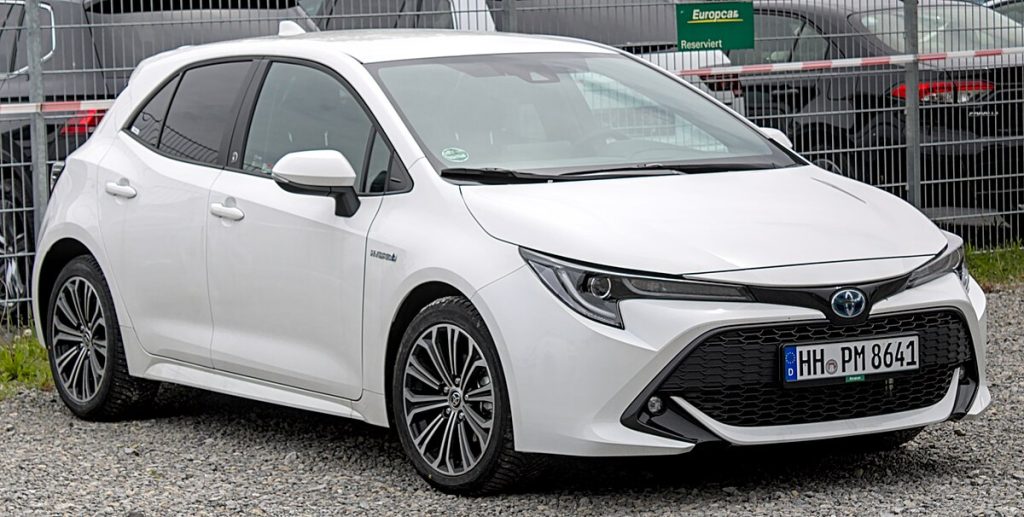
While the Corolla’s engine may remain reliable, other components may require replacement sooner than expected. High-mileage fleet models may also lack comprehensive maintenance records, making it difficult for buyers to assess prior care accurately.
For buyers seeking a dependable, low-maintenance vehicle, older ex-fleet Corollas can be risky. The combination of heavy use, worn components, and potentially incomplete service histories makes these vehicles less desirable, despite the model’s general reputation for reliability.
Used cars offer significant value, but the type of previous ownership can greatly influence reliability, performance, and long-term satisfaction.
Police-spec vehicles and ex-fleet cars both fall into categories with heavy prior use, yet their histories and engineering create very different outcomes for buyers. Understanding these differences is essential when evaluating used vehicles for purchase.
Police-spec cars are engineered to endure demanding conditions. Vehicles such as the Ford Police Interceptor Sedan, Chevrolet Caprice PPV, Dodge Charger Pursuit, Ford Police Interceptor Utility, and Chevrolet Tahoe PPV were designed for high-stress driving, repeated acceleration and braking, extended idling, and long-term durability.
These vehicles often feature reinforced suspensions, heavy-duty brakes, upgraded cooling systems, and performance-oriented engines, making them more robust than civilian models.
Maintenance schedules for police vehicles are typically strict, with frequent inspections and preventive servicing, ensuring engines, transmissions, and other critical systems remain in good condition.
Interiors are built to withstand heavy use, with durable materials, simplified electronics, and functional layouts.
As a result, well-maintained police-spec vehicles often enter the used market as reliable, long-lasting options for daily driving, offering buyers high value at a lower price than equivalent civilian models.
Ex-fleet vehicles, by contrast, can be riskier. Cars such as the Nissan Versa, Chevrolet Malibu, Ford Fiesta, Dodge Journey, and older Toyota Corollas are commonly used in rental, corporate, or government fleets.
While mechanically capable when properly maintained, many ex-fleet cars endure frequent short trips, multiple drivers, and aggressive usage without the same level of preventive maintenance as police vehicles.
This can accelerate wear on transmissions, suspensions, brakes, and interiors. Electronics and infotainment systems may also show early signs of failure. Even vehicles with durable engines may have compromised components due to heavy usage, making them more prone to unexpected repairs.
Ex-fleet cars may appear inexpensive upfront but often carry higher long-term ownership costs, reduced reliability, and accelerated wear compared to privately used or police-spec vehicles.
For buyers seeking a dependable used car, police-spec vehicles typically offer superior reliability, durability, and overall value, whereas ex-fleet cars require careful inspection and cautious consideration.
Choosing the right vehicle depends on understanding the type of prior usage and the build quality of the car, ensuring a more predictable and satisfying ownership experience.
Also Read: 5 SUVs That Feel Modern for Years vs 5 That Don’t
