
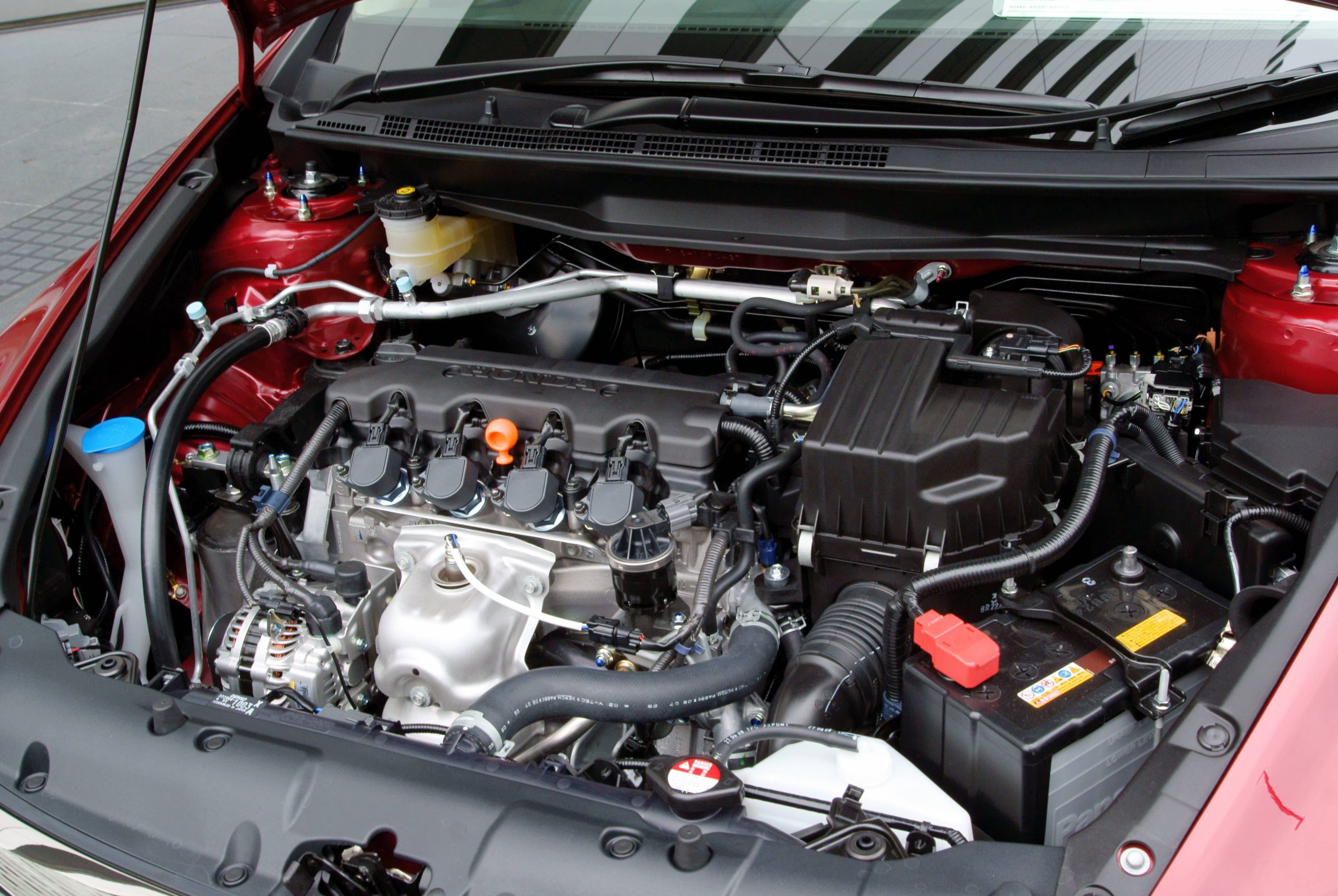
Honda has long been recognized for building engines that combine reliability, efficiency, and smooth operation. One of the key aspects of this smoothness is how well the valve-train is managed.
Excessive valve-train noise, often caused by worn lifters, poor lubrication, or loose components, can indicate engine wear and affect long-term performance. Choosing Honda engines known for quiet valve-train operation ensures durability and a more pleasant driving experience over many miles.
Valve-train noise management depends on both design and maintenance. Honda’s engineers have consistently refined camshaft profiles, hydraulic lifters, and timing mechanisms to reduce mechanical noise.
Engines with hydraulic lifters automatically maintain proper valve clearance, minimizing the tapping and clicking sounds common in older or poorly maintained engines. This design not only improves the driving experience but also reduces wear on critical components, allowing engines to run reliably for hundreds of thousands of miles.
Maintenance practices, such as regular oil changes using the recommended viscosity, play a vital role in sustaining quiet valve operation.
High-quality oil keeps hydraulic lifters and camshaft surfaces properly lubricated, preventing noise and reducing the risk of premature wear. Some Honda engines are particularly adept at maintaining smooth operation even under high mileage, thanks to their robust design and quality components.
This guide highlights ten Honda engines that are proven to manage valve-train noise effectively over the long term. Each engine description will cover design features, reliability aspects, and maintenance recommendations that contribute to their ability to stay quiet.
Understanding these engines helps buyers and owners select models that offer durability, reduced mechanical noise, and consistent performance.
With proper care and selection, Honda engines can deliver decades of dependable service without excessive valve-train noise. This article focuses on engines that exemplify this combination of engineering and longevity.
Also Read: 5 Cars That Survive Neglect vs 5 That Fall Apart Fast
1. Honda K20
The Honda K20 engine series is widely recognized for its smooth operation and quiet valve-train performance. Used in vehicles such as the Civic Si and Accord Sport, it combines high-revving capability with durability and minimal mechanical noise.
One reason the K20 remains quiet is its use of hydraulic val
ve lifters. These lifters automatically adjust valve clearance, reducing the tapping and clicking sounds commonly associated with aging engines. Proper oil maintenance ensures the hydraulic lifters function optimally, keeping valve-train noise low even at high mileage.
The K20’s DOHC (dual overhead cam) design enhances airflow and combustion efficiency while maintaining precise valve control. This careful engineering ensures the cam lobes operate smoothly on their followers, preventing harsh impacts that can generate noise. Many K20 engines surpass 200,000 miles while maintaining quiet operation.
Maintenance plays a critical role. Using high-quality oil with the correct viscosity, replacing timing chains or belts as recommended, and following service intervals prevent wear that could increase valve-train noise. Owners who adhere to these practices report consistent smoothness over the life of the engine.
Additionally, the K20 benefits from strong components, including durable camshafts, lifters, and rocker arms. These parts are engineered to resist wear, which reduces clearance changes and maintains quiet operation over time.
The engine also features VTEC technology in certain variants, which optimizes valve timing. VTEC engages only when needed, ensuring low-speed operation remains quiet while providing performance benefits at higher RPMs. The transition is smooth, without the tapping or rattling that can occur in less refined systems.
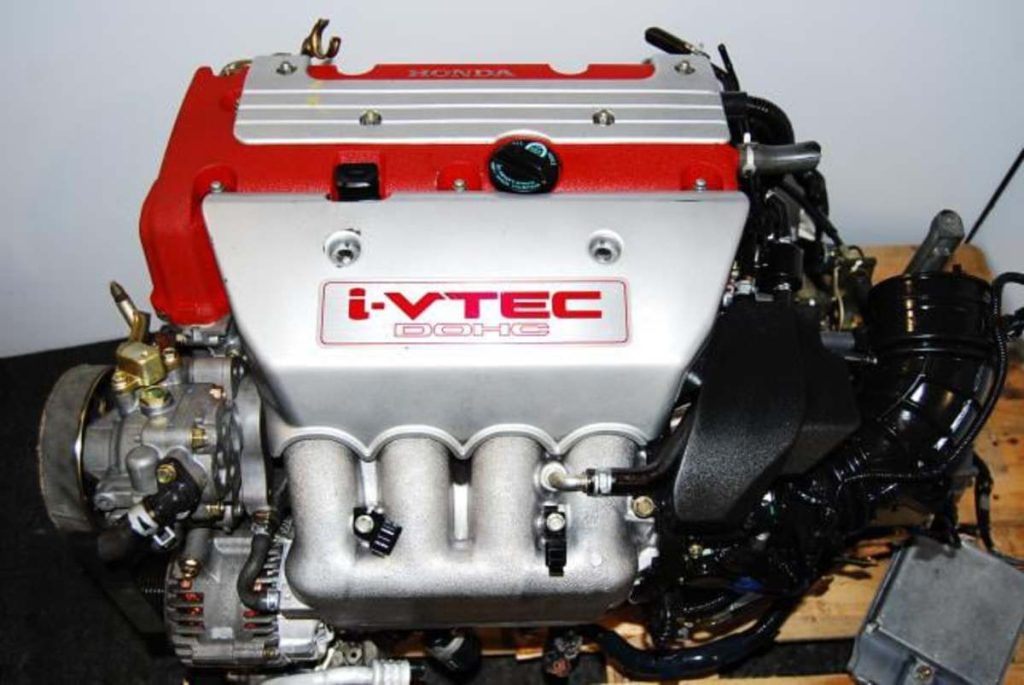
Real-world experience confirms that the K20 maintains a quiet valve-train even in high-mileage examples. Owners frequently note minimal noise and reliable operation, demonstrating the effectiveness of Honda’s design choices.
Overall, the K20 exemplifies Honda’s commitment to combining performance with long-term durability and smooth operation. Its quiet valve-train, robust components, and thoughtful engineering make it a benchmark for reliability and comfort.
2. Honda K24
The Honda K24 engine series is a slightly larger displacement variant of the K20, commonly found in the Accord, CR-V, and Element. It is praised for maintaining quiet valve-train operation throughout high mileage applications.
Like the K20, the K24 employs hydraulic lifters to maintain proper valve clearance automatically. This reduces the typical tapping or clicking that occurs as engines age. Regular oil changes are essential to ensure these lifters continue functioning effectively, preserving smooth operation.
Its DOHC configuration allows precise valve control, ensuring the camshaft operates gently on its followers. This reduces mechanical impact noise and wear, even in engines that have surpassed 150,000 miles. Many K24 engines continue to run quietly with proper maintenance.
The K24 also benefits from Honda’s VTEC technology in certain trims, providing variable valve timing while maintaining low-speed quietness. Unlike older designs, the engagement is seamless and does not introduce rattling or tapping noises.
Durable components, including camshafts, lifters, and rocker arms, contribute to long-term reliability. These parts are engineered to resist wear, which prevents changes in valve clearance that could lead to increased noise over time.
Preventive care is crucial. Using high-quality oil with the correct viscosity, monitoring timing chain tensioners, and replacing worn components as recommended ensures the K24 continues to operate quietly. Many owners report minimal valve-train noise even after 200,000 miles, a testament to the engine’s engineering.
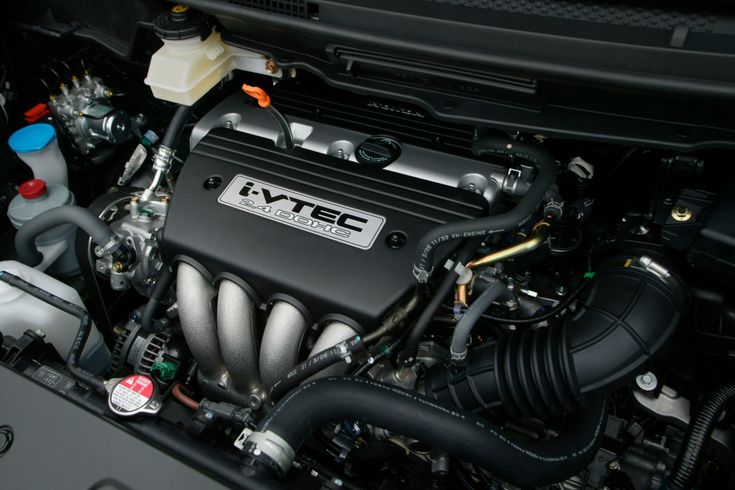
The K24’s larger displacement provides additional low-end torque without compromising valve-train smoothness. This makes it ideal for daily driving as well as moderate performance applications.
Overall, the K24 demonstrates Honda’s ability to engineer engines that combine performance, longevity, and quiet operation. Its hydraulic lifters, durable components, and thoughtful design make it a standout choice for drivers seeking engines that remain smooth and quiet over the long term.
3. Honda F20C
The Honda F20C engine is renowned for its use in the S2000 sports car. Despite its high-revving nature, it maintains remarkably quiet valve-train operation, even at high mileage.
One reason for the F20C’s quietness is its advanced DOHC design combined with precise camshaft profiling. The cams operate smoothly on their lifters, minimizing mechanical noise. Unlike older high-performance engines, the F20C’s components are engineered for durability and low friction.
Hydraulic lifters are used to automatically adjust valve clearance, keeping tapping and clicking to a minimum. Proper lubrication with high-quality oil ensures that lifters remain functional and valve-train noise remains low over time.
VTEC technology in the F20C engages at higher RPMs to improve performance without introducing noise at low or mid-range engine speeds. The transition is smooth, making the engine feel refined even when operating near redline.
High-quality materials are a hallmark of the F20C. Camshafts, lifters, and rocker arms are made to resist wear, ensuring that mechanical clearances do not expand unnecessarily over time. This contributes to the engine’s ability to stay quiet through extensive mileage.
Owners who maintain regular oil changes and follow service intervals often report that valve-train noise remains minimal even after 100,000 to 150,000 miles. This level of durability is rare for high-revving engines, making the F20C notable.
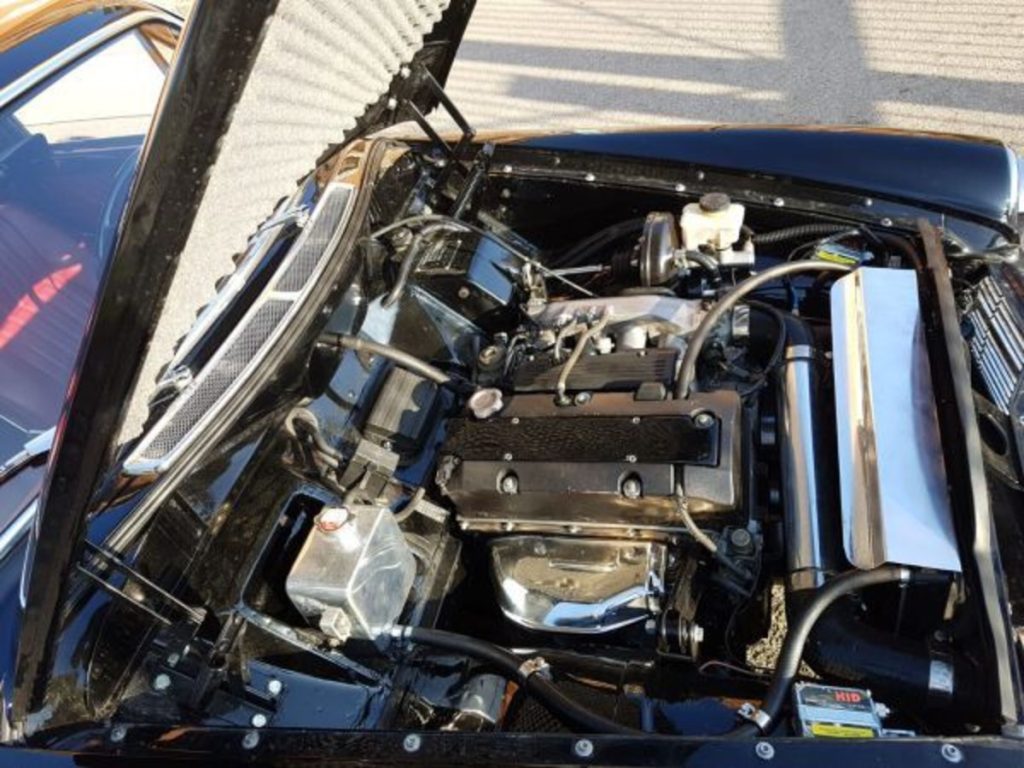
Additionally, the engine’s precise machining and tight tolerances ensure minimal vibration and mechanical resonance. This contributes to both performance and quiet operation, setting a benchmark for Honda’s high-performance engines.
Overall, the F20C demonstrates that high performance and quiet valve-train operation are not mutually exclusive. Its combination of hydraulic lifters, durable components, and refined engineering allows it to maintain smooth operation over long-term use.
4. Honda L15B
The Honda L15B engine, used in models such as the Civic and Fit, is a smaller displacement engine that excels at long-term reliability and quiet valve-train operation.
Hydraulic lifters play a key role in controlling valve noise. By automatically adjusting valve clearance, the L15B reduces the tapping or clicking that can develop in aging engines. Regular oil maintenance ensures lifters function correctly and that valve-train noise stays minimal.
Its DOHC configuration, combined with careful camshaft design, allows smooth valve operation. The cam lobes act gently on lifters, preventing harsh impacts and maintaining a quiet mechanical profile even at high mileage.
VTEC in certain L15B variants ensures efficient valve timing without introducing noise. The system engages seamlessly, preserving quietness during low-speed operation while providing additional efficiency or performance when needed.
Durable components, including high-quality camshafts, lifters, and rocker arms, contribute to the engine’s long-term ability to control valve noise. Wear-resistant materials ensure that mechanical clearances remain stable over many miles.
Recommended maintenance includes regular oil changes with the correct viscosity and adherence to service intervals. Following these practices helps preserve hydraulic lifter function and reduces the likelihood of increased valve-train noise over time.
Owners of L15B engines consistently report smooth, quiet operation even after extensive use. This demonstrates Honda’s focus on engineering engines that remain refined and reliable throughout their service life.
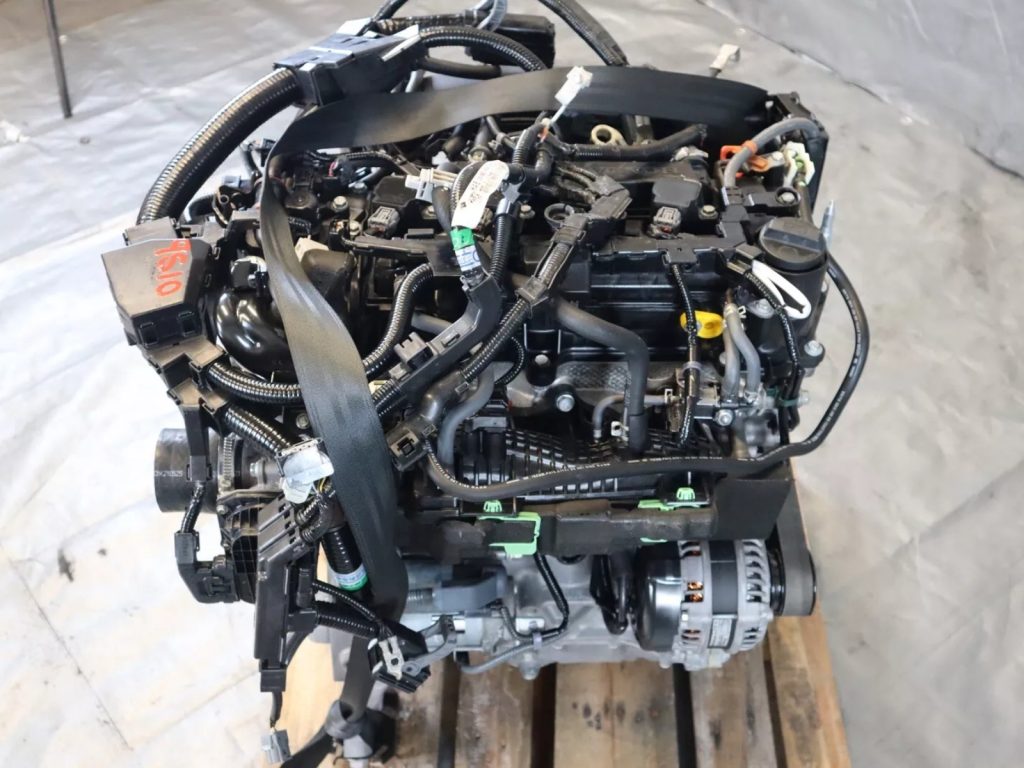
Additionally, the engine’s efficient design minimizes vibration, which contributes to both performance and noise reduction. The combination of compact design and quality components ensures consistent operation and a pleasant driving experience.
Overall, the L15B exemplifies Honda’s ability to deliver engines that balance efficiency, reliability, and quiet valve-train operation. Its hydraulic lifters, durable materials, and precise engineering make it ideal for long-term ownership.
5. Honda R18
The Honda R18 engine, commonly found in Civic models, is known for its smooth operation and quiet valve-train performance. Its reliability and low mechanical noise make it a favorite for long-term ownership.
Hydraulic lifters are a central feature, automatically maintaining proper valve clearance. This eliminates the tapping or clicking noises that can occur in aging engines. Consistent oil changes ensure these lifters operate effectively, keeping valve-train noise to a minimum even after high mileage.
The DOHC configuration contributes to precise valve control. Cam lobes operate smoothly on the lifters, reducing impact noise and minimizing wear. This design allows the R18 to maintain quiet operation throughout its lifespan.
Some R18 variants use VTEC technology, which optimizes valve timing for performance without introducing noise during normal driving. The transition between modes is seamless, maintaining engine refinement and quietness.
Durable components, including camshafts, lifters, and rocker arms, resist wear and maintain tight clearances. This reduces the risk of increased valve-train noise as the engine accumulates miles. Proper maintenance, including oil changes with the recommended viscosity, ensures these components continue functioning effectively.
Owners report minimal valve-train noise and smooth operation even after 150,000 miles. This confirms the engine’s design priorities and Honda’s focus on long-term quiet performance.
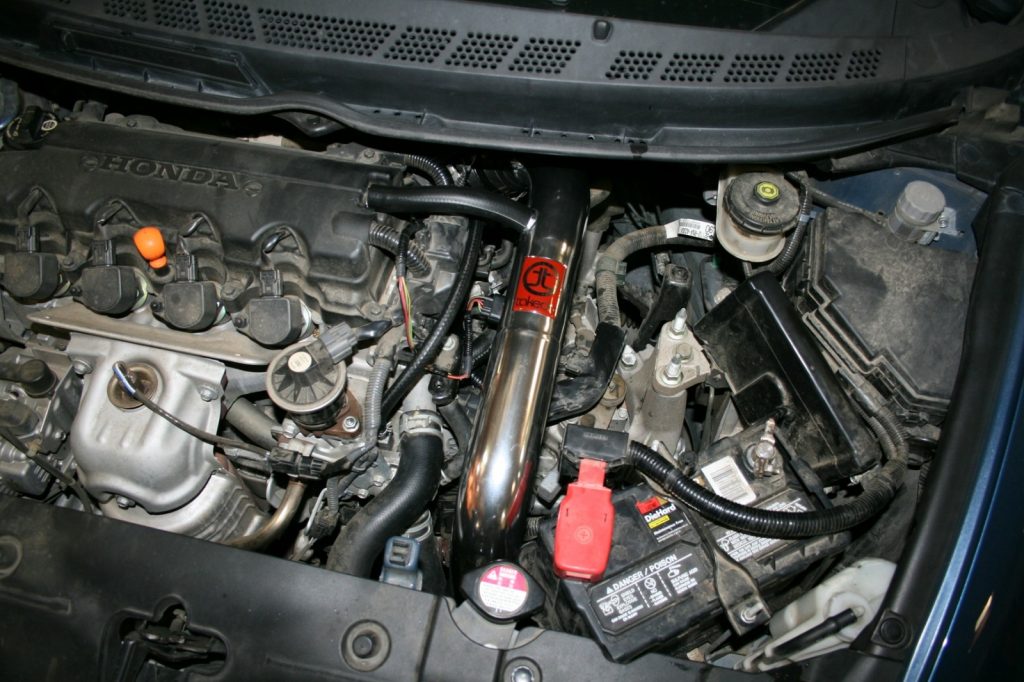
Additionally, the R18’s precise engineering reduces vibration and mechanical resonance, further contributing to smooth, quiet operation. This ensures a comfortable driving experience and longevity for the engine.
Overall, the Honda R18 exemplifies quiet valve-train operation through robust engineering, hydraulic lifters, and durable components. Its combination of smooth performance and long-term reliability makes it a dependable choice for high-mileage ownership.
6. Honda J35
The Honda J35 engine, commonly found in Accord and Pilot models, is a V6 known for smooth operation and low valve-train noise. Its robust design allows it to maintain quiet operation even at high mileage.
Hydraulic lifters play a key role in controlling valve-train noise. They automatically adjust valve clearance, reducing the tapping or clicking that often occurs in aging engines. Using high-quality oil and maintaining proper service intervals keeps these lifters functioning optimally.
The J35 features a SOHC or DOHC design, depending on the variant. Both configurations ensure smooth operation of cam lobes on lifters, reducing mechanical noise. This design contributes to quiet operation even in larger displacement engines.
VTEC technology in some J35 variants provides variable valve timing for improved efficiency or performance. The system engages smoothly, avoiding abrupt noises that can occur in less refined engines.
Durable camshafts, lifters, and rocker arms resist wear and maintain proper clearance over time. This stability ensures the valve-train remains quiet through high mileage, supporting long-term reliability.
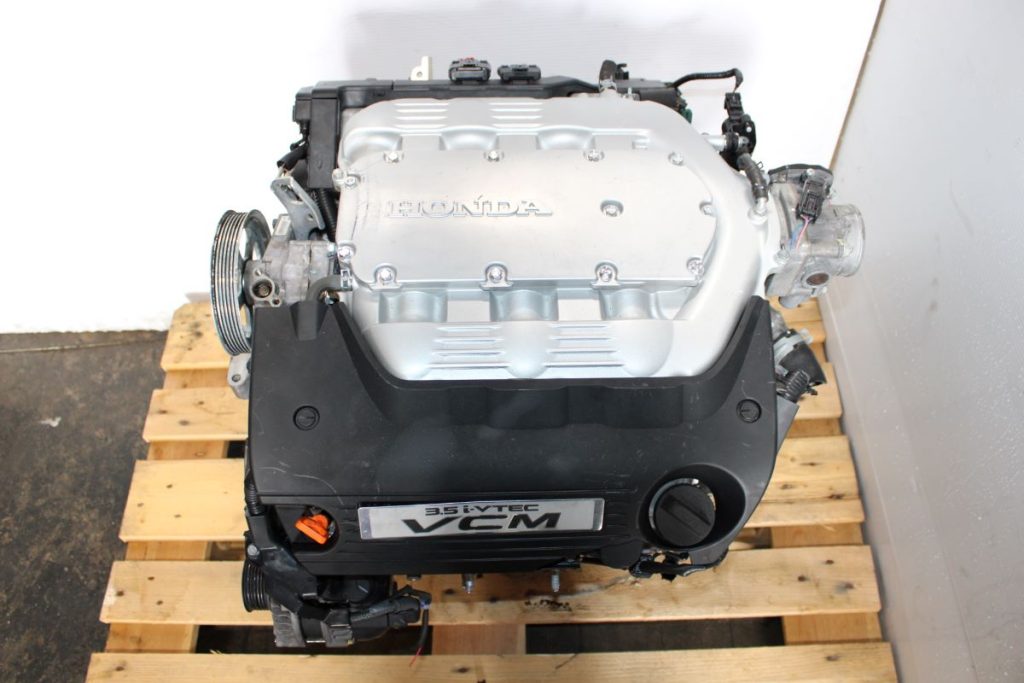
Regular maintenance is crucial. Using the recommended viscosity oil and adhering to service intervals helps preserve hydraulic lifter function and minimizes valve-train noise. Owners who follow these practices often report smooth and quiet operation past 200,000 miles.
Additionally, the J35 engine is engineered to minimize vibration, further enhancing its quiet operation. Its combination of precise design, high-quality materials, and proper maintenance ensures a pleasant driving experience for many miles.
Overall, the Honda J35 demonstrates that a V6 engine can provide both power and quiet valve-train operation. Its hydraulic lifters, durable components, and thoughtful engineering allow it to maintain smooth performance over the long term.
7. Honda K23
The Honda K23 engine, used in models such as the CR-V and Accord, is known for quiet valve-train operation and reliable long-term performance. Its design focuses on smooth operation, durability, and minimal mechanical noise.
Hydraulic lifters are central to maintaining valve-train quietness. They automatically adjust valve clearance, reducing tapping and clicking noises that can occur in older engines. Regular oil changes are essential to ensure these lifters remain effective, maintaining consistent valve operation even after extensive mileage.
The DOHC design allows precise control over camshaft and valve operation. Cam lobes act gently on lifters and followers, minimizing impact noise and wear. This engineering ensures quiet operation and contributes to the engine’s longevity.
Some K23 variants feature VTEC technology, which adjusts valve timing for efficiency and performance. The engagement is smooth and does not introduce valve-train noise during low or mid-speed operation, preserving a refined driving experience.
Durable components, including camshafts, lifters, and rocker arms, resist wear and maintain tight clearances over time. This stability ensures valve-train noise remains minimal as the engine accumulates miles. Proper maintenance further supports these components and keeps the engine running quietly.
Owners report smooth, quiet operation even after 150,000 miles. The K23 is praised for maintaining valve-train integrity under normal and high-mileage conditions, demonstrating Honda’s focus on long-term engine refinement.
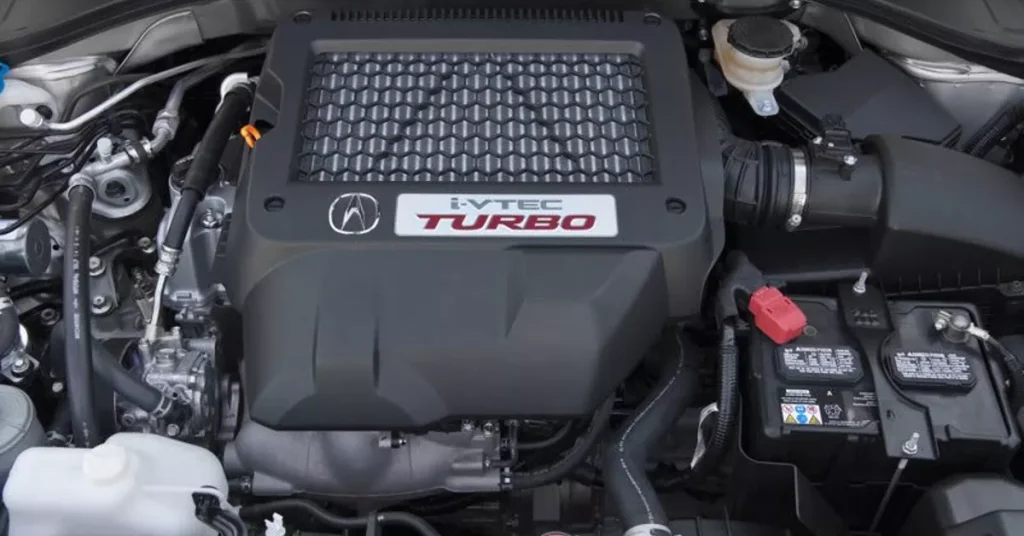
The engine’s engineering also reduces vibration and mechanical resonance, enhancing quiet operation and driver comfort. High-quality materials and precise assembly contribute to reliable performance and reduced noise over time.
Overall, the Honda K23 represents a balance of performance, reliability, and quiet valve-train operation. Hydraulic lifters, durable components, and careful design make it an excellent choice for drivers seeking engines that remain smooth and quiet for many years.
8. Honda D17
The Honda D17 engine, commonly found in Civic models, is a reliable inline-four known for its quiet valve-train operation. Its simple yet effective design allows it to remain smooth and quiet even at high mileage.
Hydraulic lifters automatically maintain valve clearance, reducing tapping or clicking noises that older engines often develop. Consistent use of high-quality oil ensures lifters function correctly, keeping the valve-train quiet for hundreds of thousands of miles.
The SOHC configuration allows smooth operation of cam lobes on lifters, minimizing mechanical noise. The D17’s precision machining and careful tolerances ensure the engine maintains quiet valve-train operation even under heavy use.
Some D17 variants include VTEC, which optimizes valve timing for performance and efficiency. The system engages without introducing harsh mechanical noise, preserving quietness during low-speed driving while offering improved efficiency or power when needed.
Durable camshafts, lifters, and rocker arms resist wear and maintain proper clearances over time. This durability helps prevent valve-train noise from increasing as the engine ages. Regular maintenance ensures these components continue performing effectively.
Owners consistently report smooth and quiet operation, even after significant mileage. The D17 demonstrates Honda’s ability to combine reliable performance with minimal mechanical noise, making it suitable for long-term ownership.
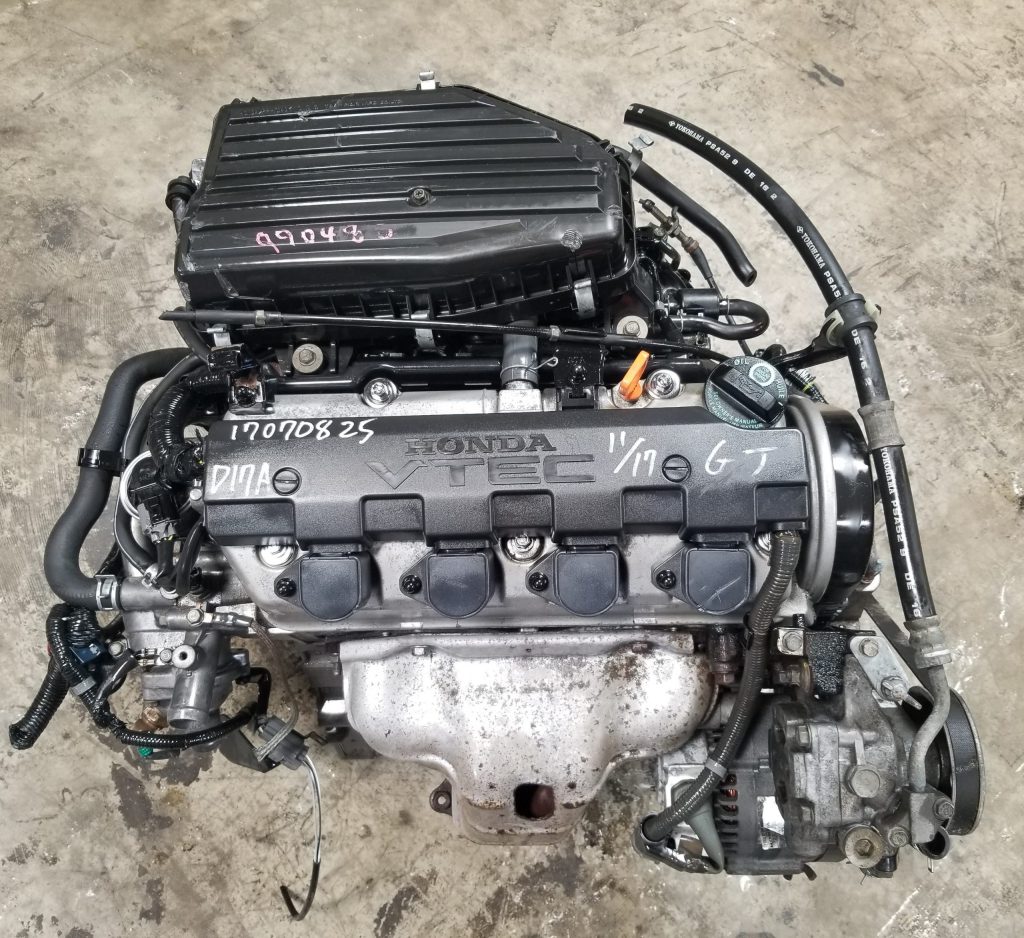
Additionally, the engine’s lightweight design and efficient operation reduce vibration, enhancing quiet valve-train performance. Its robust engineering and precise manufacturing contribute to consistent, smooth operation throughout its service life.
Overall, the Honda D17 provides reliable, quiet valve-train operation through hydraulic lifters, durable components, and refined design. It is a solid choice for drivers seeking long-term smoothness and low mechanical noise in a high-mileage engine.
9. Honda F22B
The Honda F22B engine, commonly found in Accord models from the late 1990s to early 2000s, is recognized for its quiet valve-train operation and long-term reliability. Despite its age, many examples maintain minimal mechanical noise with proper care.
Hydraulic lifters are a key feature of the F22B. They automatically adjust valve clearance, reducing the tapping and clicking often heard in older engines. Consistent oil changes with the correct viscosity ensure lifters remain functional and maintain smooth, quiet valve operation.
The SOHC design allows cam lobes to operate smoothly on their lifters, reducing mechanical impact noise. This engineering ensures quiet operation across a wide range of engine speeds and driving conditions.
VTEC technology is included in certain F22B variants, providing variable valve timing for improved efficiency or performance. Engagement is seamless, avoiding sudden noises and maintaining quiet operation during low-speed driving.
Durable components, including camshafts, lifters, and rocker arms, resist wear over time. This ensures mechanical clearances remain stable, helping to prevent increased valve-train noise as the engine accumulates miles.
Maintenance practices, such as using high-quality oil and replacing timing belts, tensioners, and lifters as recommended, are critical to preserving the F22B’s quiet operation. Owners who adhere to these practices often report minimal valve-train noise even after 200,000 miles.
The engine’s precise engineering and tight tolerances reduce vibration and resonance, further contributing to smooth and quiet operation. This results in a comfortable driving experience over many years.
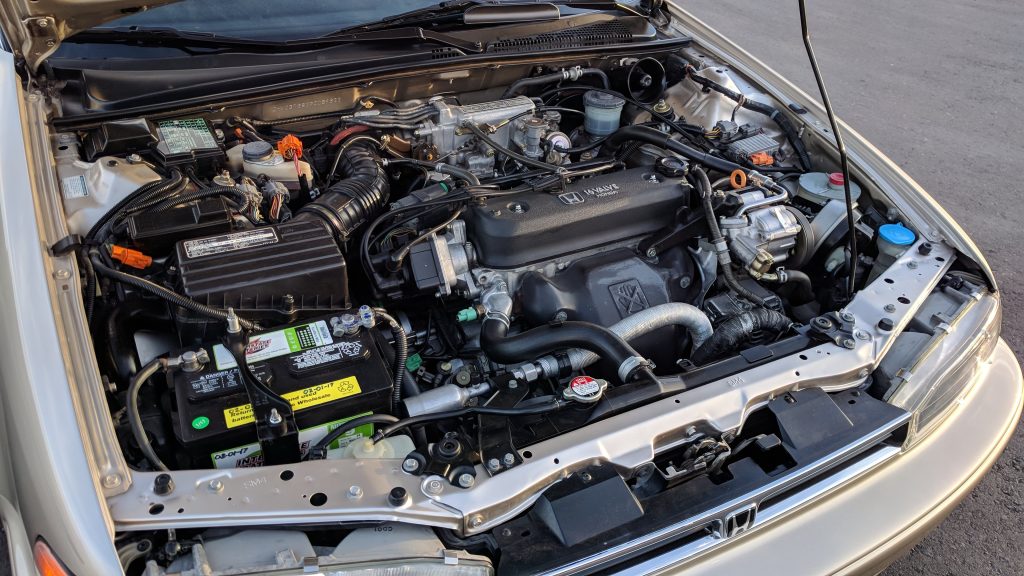
Overall, the Honda F22B exemplifies long-term quiet valve-train operation through hydraulic lifters, durable materials, and thoughtful engineering. Its combination of smooth performance and reliability makes it a dependable choice for high-mileage ownership.
10. Honda K24Z
The Honda K24Z engine, used in Civic, CR-V, and Accord models, is praised for quiet valve-train operation and strong long-term reliability. Its modern design and engineering minimize mechanical noise even after extensive mileage.
Hydraulic lifters automatically maintain proper valve clearance, reducing tapping or clicking. Regular oil changes are essential to keep lifters functioning effectively, ensuring consistent quiet operation throughout the engine’s life.
The DOHC configuration allows precise valve control. Cam lobes operate gently on lifters and followers, minimizing impact noise and wear. This design keeps valve-train operation smooth and quiet even at high mileage.
VTEC technology is integrated in many K24Z variants. It provides variable valve timing to optimize performance and efficiency without introducing excessive noise. The engagement is smooth and does not disrupt low-speed quietness.
Durable camshafts, lifters, and rocker arms resist wear over time. This helps maintain proper mechanical clearances and ensures the valve-train remains quiet through high mileage. Adhering to recommended service intervals and using the correct oil viscosity supports long-term performance.
Owners report smooth, quiet operation even past 150,000 miles. The K24Z maintains minimal valve-train noise due to its robust design and well-engineered hydraulic systems.
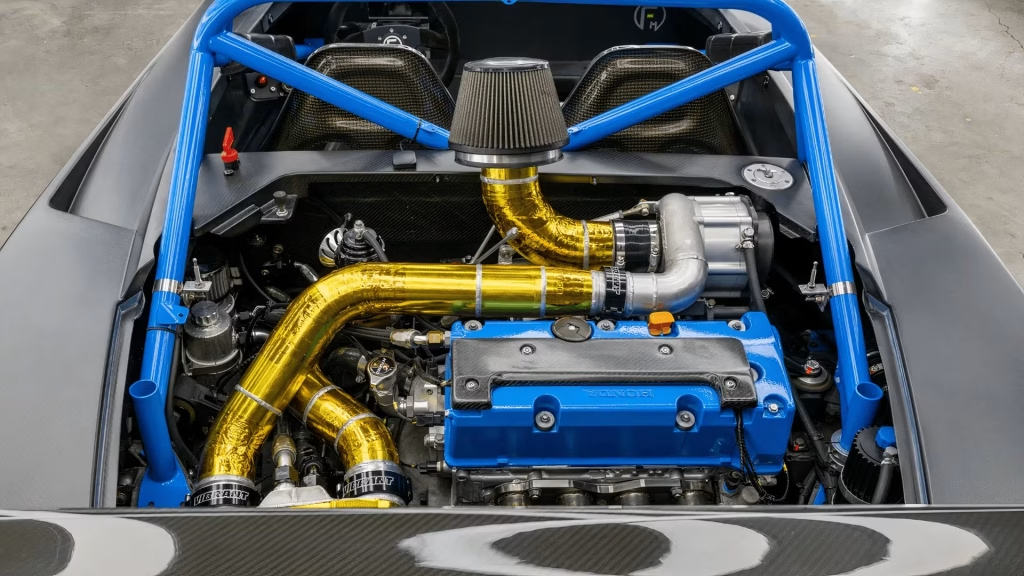
Additionally, the engine’s precise machining and reduced vibration contribute to overall smooth operation. It balances performance, efficiency, and quietness, making it an ideal choice for long-term ownership.
Overall, the Honda K24Z demonstrates that modern engine design can maintain quiet valve-train operation over long periods. Its hydraulic lifters, durable components, and careful engineering make it an excellent choice for drivers seeking smooth, reliable engines with minimal mechanical noise.
Honda has a long-standing reputation for producing engines that combine reliability, efficiency, and refined operation. A crucial aspect of this refinement is quiet valve-train performance, which is a sign of both good engineering and long-term durability.
Excessive valve-train noise, often caused by worn lifters, poor lubrication, or loose components, can indicate potential problems and reduce the driving experience.
The ten engines highlighted in this guide demonstrate Honda’s ability to maintain smooth valve-train operation over extended mileage, thanks to a combination of robust design, hydraulic lifters, durable components, and precise engineering.
The K20 and K24 engines, found in Civic, Accord, and CR-V models, showcase the effectiveness of hydraulic lifters and DOHC architecture. Hydraulic lifters automatically maintain valve clearance, reducing tapping or clicking noises that are common in aging engines.
Combined with high-quality oil and regular maintenance, these engines continue to operate quietly even after 150,000 to 200,000 miles. VTEC technology in select variants enhances performance without introducing additional noise, maintaining a smooth driving experience.
Durable camshafts, lifters, and rocker arms in these engines resist wear and preserve mechanical clearances, which further reduces the risk of valve-train noise developing over time.
High-revving engines like the F20C in the S2000 demonstrate that performance and quiet valve-train operation can coexist. The DOHC design, precise camshaft profiles, and hydraulic lifters allow the F20C to rev freely while maintaining minimal mechanical noise.
Similarly, smaller displacement engines such as the L15B and D17, used in Civic and Fit models, balance efficiency, longevity, and quiet operation. These engines rely on compact, well-machined components and hydraulic lifters to prevent excessive valve-train noise across high mileage applications.
Larger displacement engines like the J35 V6 combine power and refinement. Hydraulic lifters, SOHC or DOHC configurations, and VTEC technology work together to provide smooth, quiet operation.
The use of high-quality materials and precision engineering ensures that these engines maintain their low-noise performance, even when subjected to high mileage and daily driving demands.
The K23 and R18 engines highlight quiet operation in mid-range, practical models, while the F22B and K24Z represent long-term reliability in both performance-oriented and daily-driving engines. Across these engines, hydraulic lifters, durable camshafts, and carefully designed rocker arms consistently preserve valve clearance and reduce mechanical wear.
Maintenance plays a pivotal role in sustaining quiet valve-train operation. Regular oil changes using the correct viscosity, timely replacement of timing chains or belts, and adherence to service intervals ensure hydraulic lifters and camshaft surfaces remain properly lubricated.
High-quality oil supports smooth operation and prevents premature wear, which is especially important in high-mileage engines.
In summary, Honda’s combination of hydraulic lifters, durable components, precise engineering, and well-designed VTEC systems allows these ten engines to maintain quiet valve-train operation long term.
From the compact L15B and D17 to the performance-focused F20C and robust J35, each engine demonstrates Honda’s commitment to smooth, reliable, and enduring performance.
Proper maintenance further ensures that drivers can enjoy minimal mechanical noise, high reliability, and a refined driving experience for hundreds of thousands of miles.
Also Read: 12 Cars With Engines That Feel Immortal
