
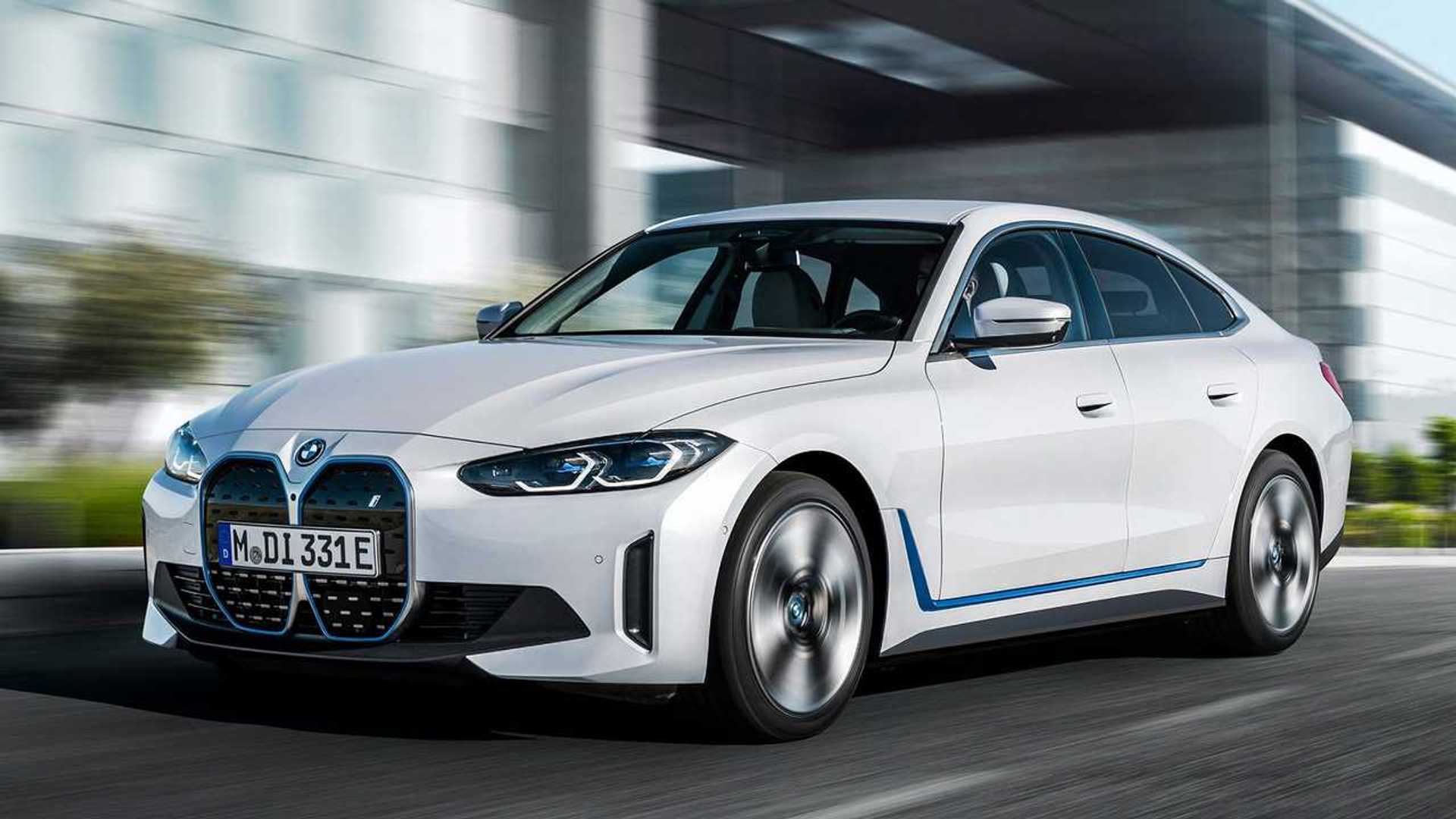
Electric vehicles have made remarkable strides over the past decade, with range, charging speed, and reliability improving every year. But one challenge still haunts many EVs: cold weather.
When temperatures dip below freezing, batteries lose efficiency, and heaters draw significant power, cutting driving range by as much as 40%. However, not all EVs suffer equally.
Some are engineered to handle the chill, thanks to advanced battery management systems, heat pumps, and cold-weather testing.
For American buyers living in states like Minnesota, Michigan, or Colorado, winter resilience isn’t optional it’s essential.
Here are 10 EVs that don’t lose range in winter, offering dependable performance no matter how low the mercury drops.
1. Tesla Model Y
The Tesla Model Y is one of the few EVs that maintains excellent efficiency when temperatures fall. Its liquid-cooled battery system and efficient heat pump ensure that range loss is minimal typically around 10-15%, compared to 30% or more in some rivals.
The 2024 Model Y Long Range version boasts up to 330 miles of range under normal conditions and still manages around 280 miles in harsh winter climates.
Tesla’s preconditioning feature also helps by warming the battery before departure, improving both range and regenerative braking performance. Combined with the expansive Supercharger network, the Model Y is one of the best all-weather EVs in America.
While it has become more popular among buyers than the Model 3 sedan it’s built upon, the 2023 Tesla Model Y ultimately proves to be a less gratifying experience overall.
Much like the Model 3, the Model Y’s interior relies on inexpensive materials, and every major function is operated through a single infotainment screen mounted on the dashboard.
Its price also puts it in the same arena as premium electric SUVs such as the Audi Q8 e-tron, Cadillac Lyriq, and Genesis GV60, all of which offer superior craftsmanship and more luxury appeal.
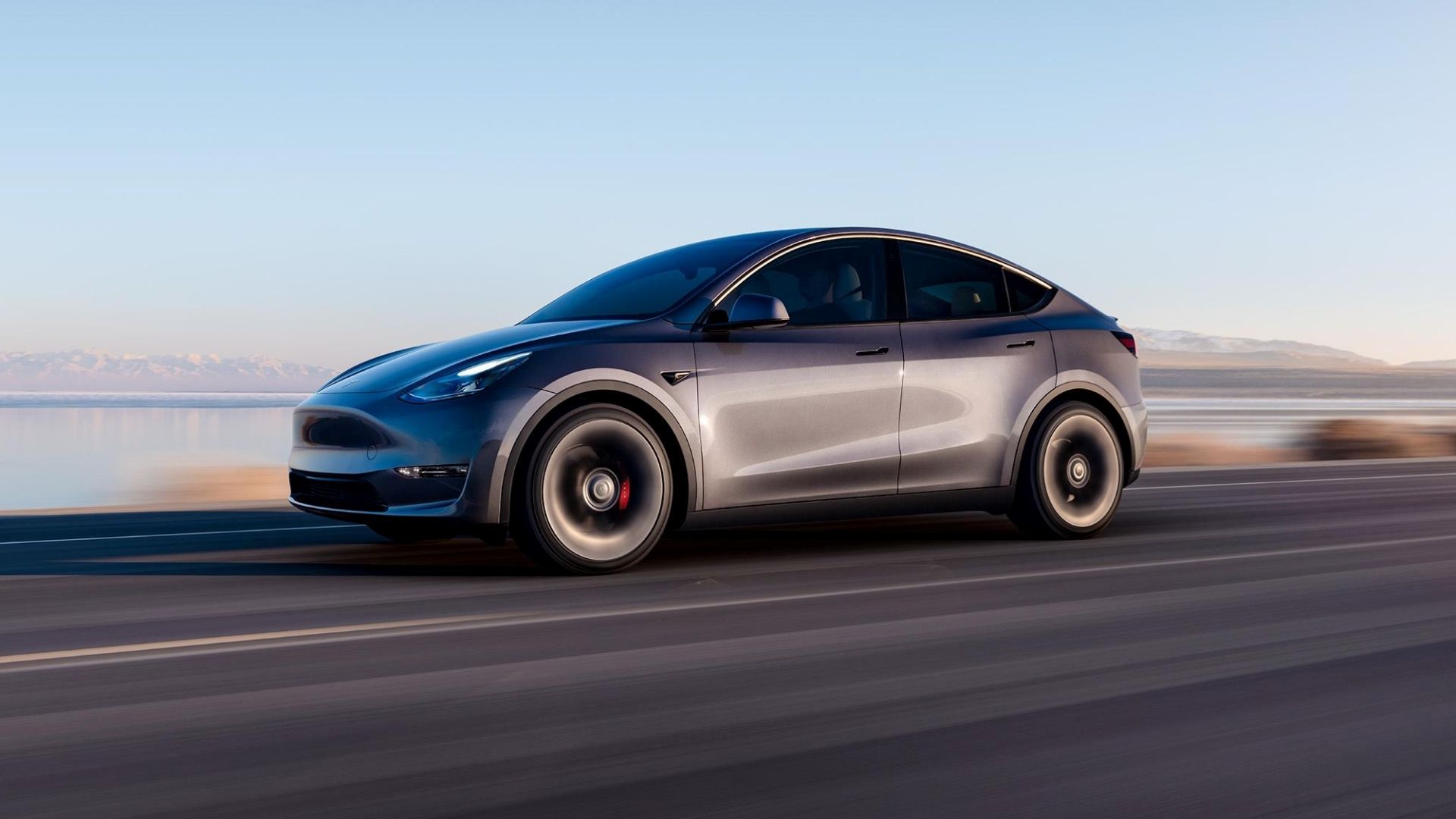
However, one key feature gives the Model Y an advantage for families with young children: the availability of a third row of seats, something those competitors don’t offer.
Earlier in 2023, Tesla quietly offered a base Model Y variant featuring all-wheel drive and a 279-mile range, but that version was discontinued before the end of the year. In its place, a more affordable Standard Range model with rear-wheel drive and 260 miles of range was introduced.
The 2023 Tesla Model Y starts at $46,630 and reaches up to $54,130, depending on the trim and options selected.
- Standard Range – $46,630
- Long Range (Recommended) – $50,630
- Performance – $54,130
When it comes to electric vehicles, range is everything. The Long Range and Performance versions deliver 330 and 303 miles of range, respectively.
The Long Range model strikes the ideal balance between distance and performance, making it the best choice. Customization options are minimal, with only five available exterior colors, four of which cost extra. Those interested in the optional third row can add it for an additional $2,500.
The Model Y lineup begins with the cost-conscious Standard Range model, featuring rear-wheel drive. More appealing are the Long Range and Performance trims, both equipped with dual motors for all-wheel drive and enhanced horsepower.
Thanks to a generous Car and Driver reader, an all-wheel-drive Long Range model was tested, achieving a 0–60 mph sprint in just 4.4 seconds, only 0.4 seconds slower than the long-term Model 3 sedan. The Performance version, meanwhile, accomplished the same run in a blistering 3.6 seconds during testing.
Despite its thrilling acceleration, the Model Y doesn’t deliver the same engaging driving dynamics as the Model 3.
Its SUV body introduces a higher center of gravity, softening the sharp handling characteristics that define its sedan sibling. Additionally, the ride quality is noticeably firmer, making road imperfections more apparent.
Also Read: 12 Top Sedans With the Best Dashboard Layouts
2. Hyundai Ioniq 6
Hyundai’s Ioniq 6 has been praised for its sleek aerodynamics and exceptional efficiency, and those qualities carry over to cold-weather driving.
With its 800-volt architecture and advanced thermal management, the Ioniq 6’s battery retains heat better than most.
The heat pump system, borrowed from Hyundai’s larger Ioniq 5, helps maintain cabin comfort without heavy energy loss.
Real-world winter tests show only about a 10% drop in range that’s among the lowest of any EV today. Even in sub-freezing temperatures, the Ioniq 6’s streamlined design and smart energy recovery make it a reliable long-range companion.
This four-door model joins Hyundai’s all-electric Ioniq lineup and shares many of its components with the taller, boxier Ioniq 5. Buyers can choose between single- and dual-motor configurations, along with two battery options.
Its design draws inspiration from Hyundai’s striking Prophecy concept, and the result is a car that’s not only futuristic but also fast and refined.
Inside, the Ioniq 6 delivers a more premium experience than the Tesla Model 3, offering superior materials and a more advanced tech setup than Hyundai’s gasoline-powered Sonata and Elantra sedans.
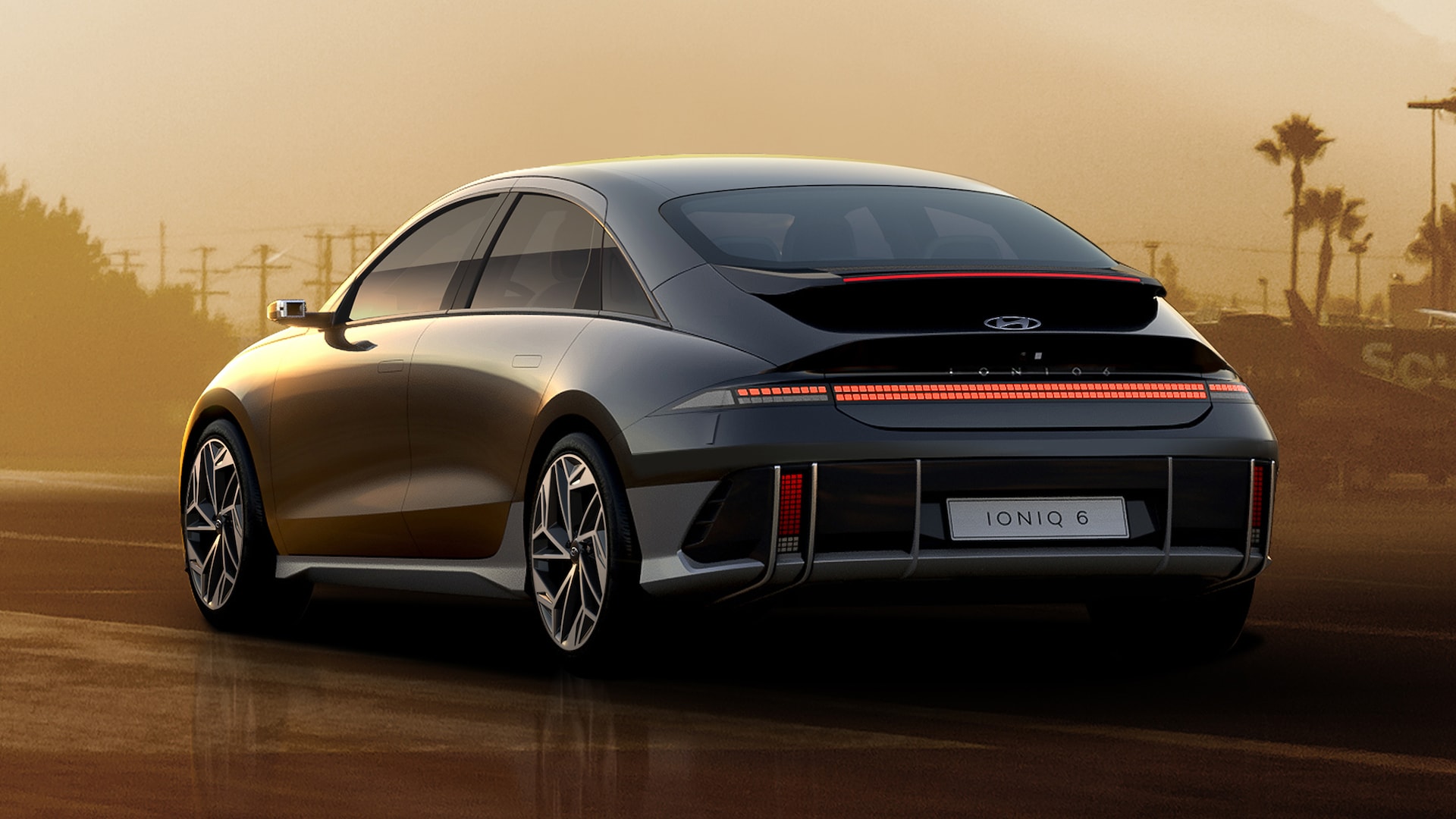
The Ioniq 6 joins Hyundai’s lineup as a brand-new model. Positioned numerically between the Ioniq 5 and the upcoming Ioniq 7, this sleek sedan takes a more low-slung, aerodynamic approach compared to its crossover siblings.
The Ioniq 6 is slightly more affordable than the Ioniq 5, with the base SE Standard Range featuring the smaller battery pack. Like the Ioniq 5, it offers two battery options and the choice between a single-motor rear-wheel-drive layout or a dual-motor all-wheel-drive system for an additional $3,500.
The SE Long Range trim stands out as the best value, offering the longest range and more horsepower than the entry-level model. The SEL and Limited trims come exclusively with the larger battery pack.
Built on the same platform as the Ioniq 5, the Ioniq 6 shares similar powertrain options. The base version produces 149 horsepower through a single rear-mounted motor.
Upgrading to the Long Range single-motor configuration boosts output to 225 horsepower, while the dual-motor all-wheel-drive models deliver a robust 320 horsepower and come paired with the larger battery.
In testing, the RWD Long Range model reached 60 mph in 6.2 seconds, while the AWD Long Range version accomplished the same sprint in a brisk 4.3 seconds.
Despite its quick acceleration, the Ioniq 6 maintains a smooth, quiet ride and an impressively insulated cabin. Its low center of gravity gives it a confident, planted feel in corners, and steering-wheel paddles let drivers adjust regenerative braking levels on the fly, making it as engaging as it is efficient.
3. Ford Mustang Mach-E
The Ford Mustang Mach-E was developed with American climates in mind including the frigid Midwest. Ford’s engineers integrated a liquid-cooled battery system that actively regulates temperature during cold starts.
The available heat pump in higher trims minimizes range loss while providing quick cabin heating. In real-world winter driving, the Mach-E tends to lose around 15% of its rated range, keeping it among the more winter-resilient EVs.
The Mach-E’s AWD option also enhances traction in snow, making it a great choice for drivers in snowy regions who want confidence and comfort.
In a bold shift from Mustang tradition, Ford launched the Mustang Mach-E in 2021, a four-door, all-electric crossover that borrows styling cues from the iconic pony car.
While it embraces the Mustang’s sporty heritage and performance spirit, its electric powertrain and SUV body mark a clear departure from the gas-powered coupes and roaring V-8 engines that enthusiasts have long associated with the name.
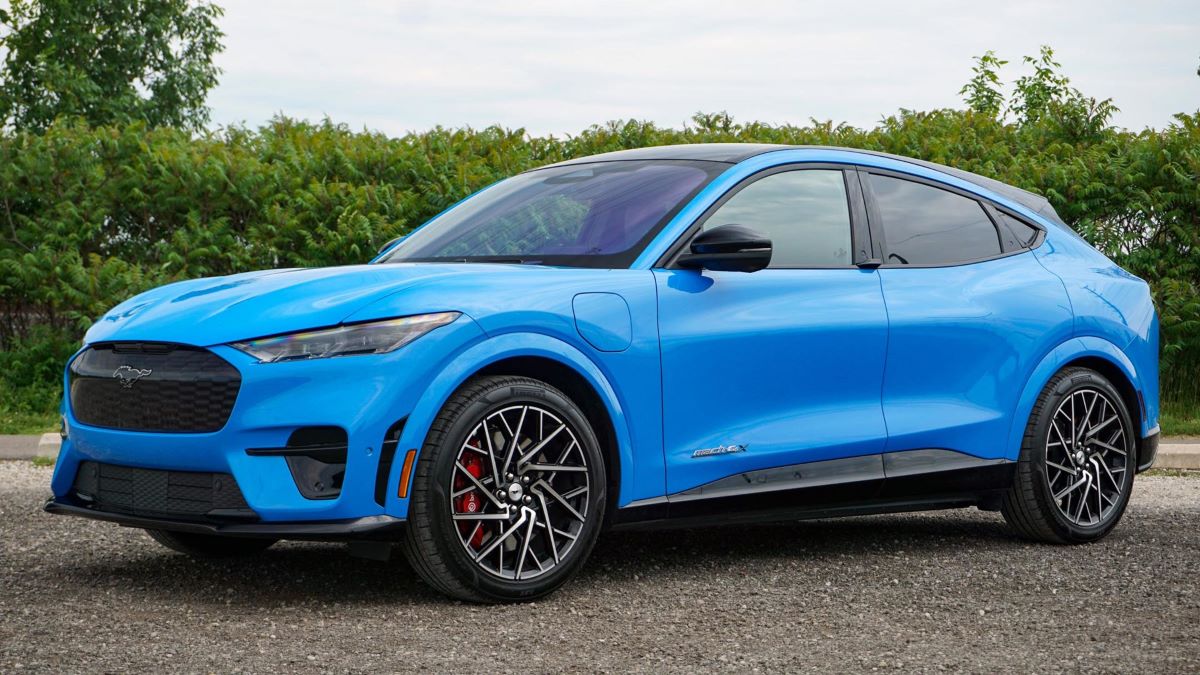
For 2024, Ford updates the Mach-E with new paint colors, wheel designs, and changes to its trim lineup. Key rivals in the segment include the Kia EV6, Hyundai Ioniq 5, and Nissan Ariya.
The Mustang Mach-E not only earns its place within the Mustang family but also stands as a strong contender in the EV market. It blends sporty driving dynamics with the practicality and innovation expected from a modern electric vehicle, making it one of the more engaging EV SUVs available today.
Though it lacks the classic coupe’s sleek looks, the 2024 Mach-E delivers a similarly fun driving experience. Its steering feels sharp, and acceleration is brisk, particularly in the GT Performance Edition trim.
One-pedal driving is tuned exceptionally well, allowing smooth deceleration to a full stop, something not every EV executes properly. The Mach-E offers plenty of excitement on the road, but it can feel out of its element on loose surfaces or when pushed to its limits on a track.
As a daily driver, the Mach-E performs admirably. The interior offers generous passenger space, and the front trunk (frunk) provides extra secure storage.
Ford’s BlueCruise hands-free driving system makes highway cruising stress-free, though relying heavily on the large central touchscreen for nearly all vehicle functions can grow tedious.
An optional 91-kWh extended-range battery can also be paired with RWD or AWD. Power and torque remain similar, though AWD versions with this battery generate 346 horsepower. Range improves to 320 miles for RWD models and 290 miles for those equipped with AWD.
4. Rivian R1T
The Rivian R1T isn’t just an electric truck it’s an adventure vehicle built for the extremes. Tested in harsh conditions from Alaska to the Rockies, it features a robust thermal system that preconditions the battery before driving.
The large 135-kWh pack means that even a 15% range drop in cold weather still leaves plenty of usable miles. In independent winter tests, the R1T’s performance remained consistent, with range hovering near 280 miles in freezing conditions.
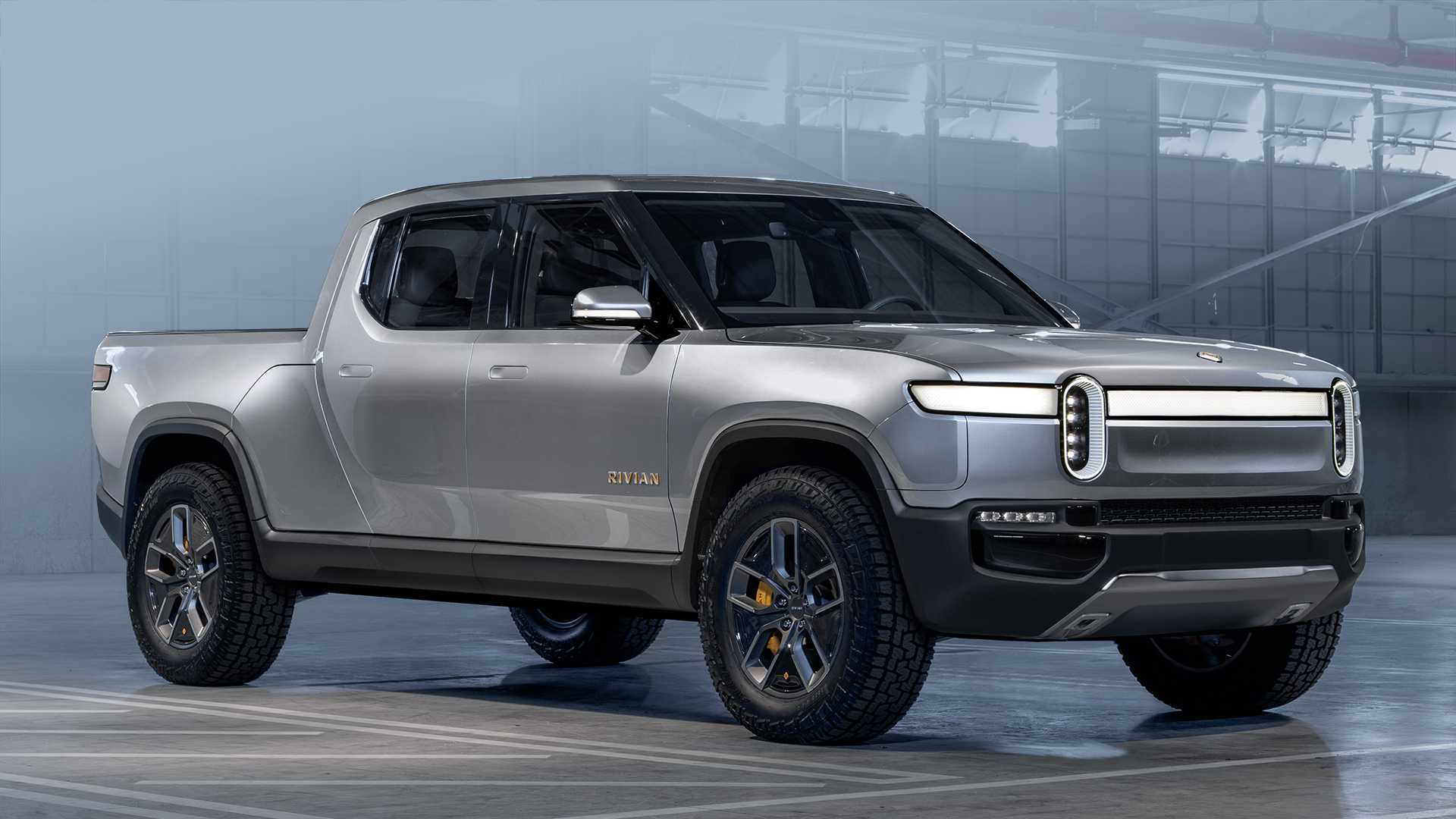
Add heated seats, a heated steering wheel, and the ability to automatically warm the battery before charging, and the R1T stands tall as one of the most winter-ready EVs on the market.
5. Lucid Air
The Lucid Air isn’t just one of the longest-range EVs available it’s also among the most efficient in the cold. Thanks to Lucid’s proprietary battery technology and ultra-efficient motors, the Air’s energy loss in winter is surprisingly low.
Even in 20°F weather, owners report losing only about 12-15% of range, which is impressive for a car rated for up to 516 miles.
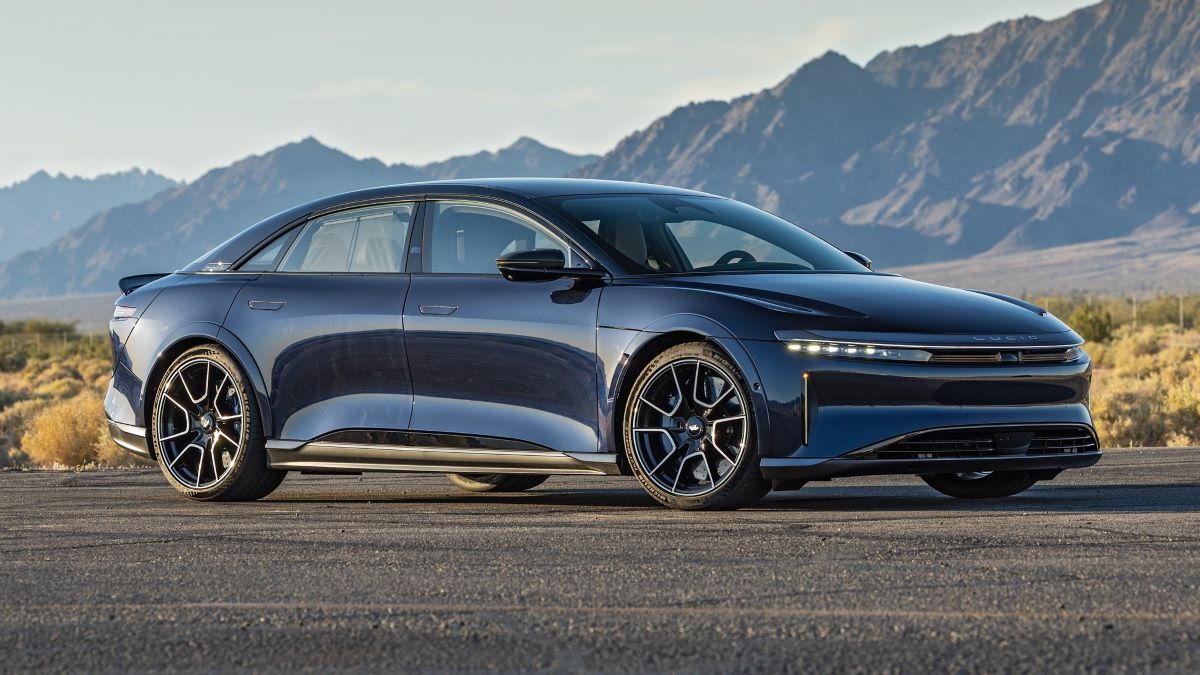
The Air’s thermal management system circulates warm coolant around the battery to maintain ideal temperatures, while its heat pump keeps occupants toasty without draining too much energy.
For luxury EV buyers in cold climates, the Lucid Air sets the benchmark.
With an EPA-estimated range of up to 520 miles and a staggering 1,111 horsepower, the 2022 Lucid Air aims to prove it’s far more than just another Tesla imitator.
The first production model from Lucid Motors combines futuristic design with functional aerodynamics, resulting in a sedan that’s both sleek and efficient. Inside, the cabin offers an upscale, open atmosphere enhanced by an expansive glass canopy, perfectly befitting its celestial name.
Beyond its beauty, the Air delivers practicality with generous cargo space and a suite of advanced driver-assistance features. Sure, “Lucid Air” might sound like an ‘80s tribute band, but let’s not forget that “Tesla Model S” once sounded like a forgotten scientific experiment, time will tell how high the Air will soar.
The 2022 Lucid Air isn’t just a statement, it’s a genuine rival to the best luxury EVs on the market, combining stunning design, extreme performance, and groundbreaking range in one package.
Also Read: 5 Cars That Nail Minimalist Design vs 5 That Overdo It
6. Chevrolet Blazer EV
Chevy’s all-new Blazer EV, based on GM’s Ultium platform, has proven to be surprisingly resilient in cold weather. The Ultium battery pack features active liquid temperature control that adjusts to climate conditions automatically.
Unlike some earlier GM EVs, the Blazer EV includes a standard heat pump across most trims, allowing efficient cabin heating.

Real-world early tests from northern states show range losses of only around 12%, making it one of the most consistent performers in winter.
It’s a strong sign that GM is taking thermal management seriously in its next generation of EVs.
7. Volkswagen ID.4
The Volkswagen ID.4 may not be the fastest EV, but it’s one of the most reliable in cold weather. The 2024 models now include a standard heat pump on all AWD versions, significantly improving winter performance.
VW’s software updates have also optimized battery preconditioning, so range doesn’t nosedive when temperatures drop.
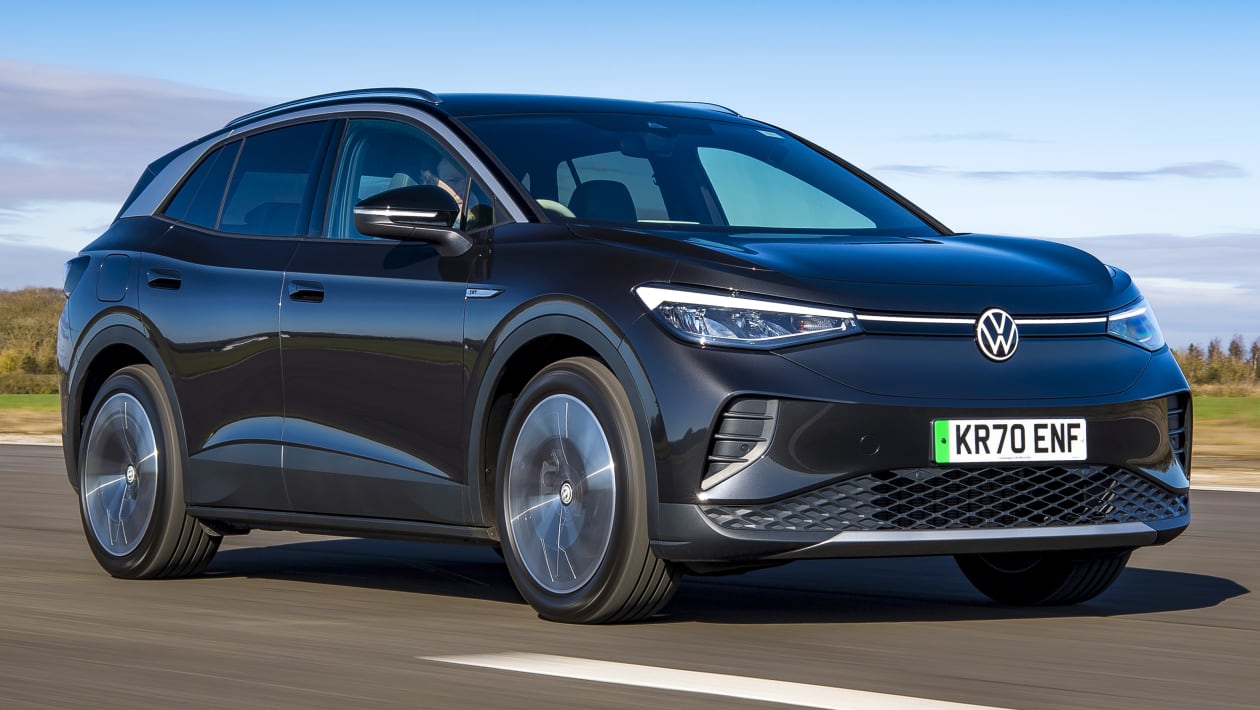
In independent winter testing, the ID.4 retained roughly 85% of its rated range a major improvement over earlier EVs from other automakers.
For families in northern states, it’s a practical crossover that won’t leave you stranded when the thermometer dips.
8. BMW i4
BMW’s i4, particularly the eDrive40 model, stands out for how little it’s affected by cold conditions. Thanks to the German automaker’s advanced temperature control and heat pump system, the i4 loses only about 10% of its EPA-rated range in most winter tests.
The battery preconditioning feature automatically engages when navigating to a charging station, ensuring optimal efficiency and fast charging even in frigid weather.
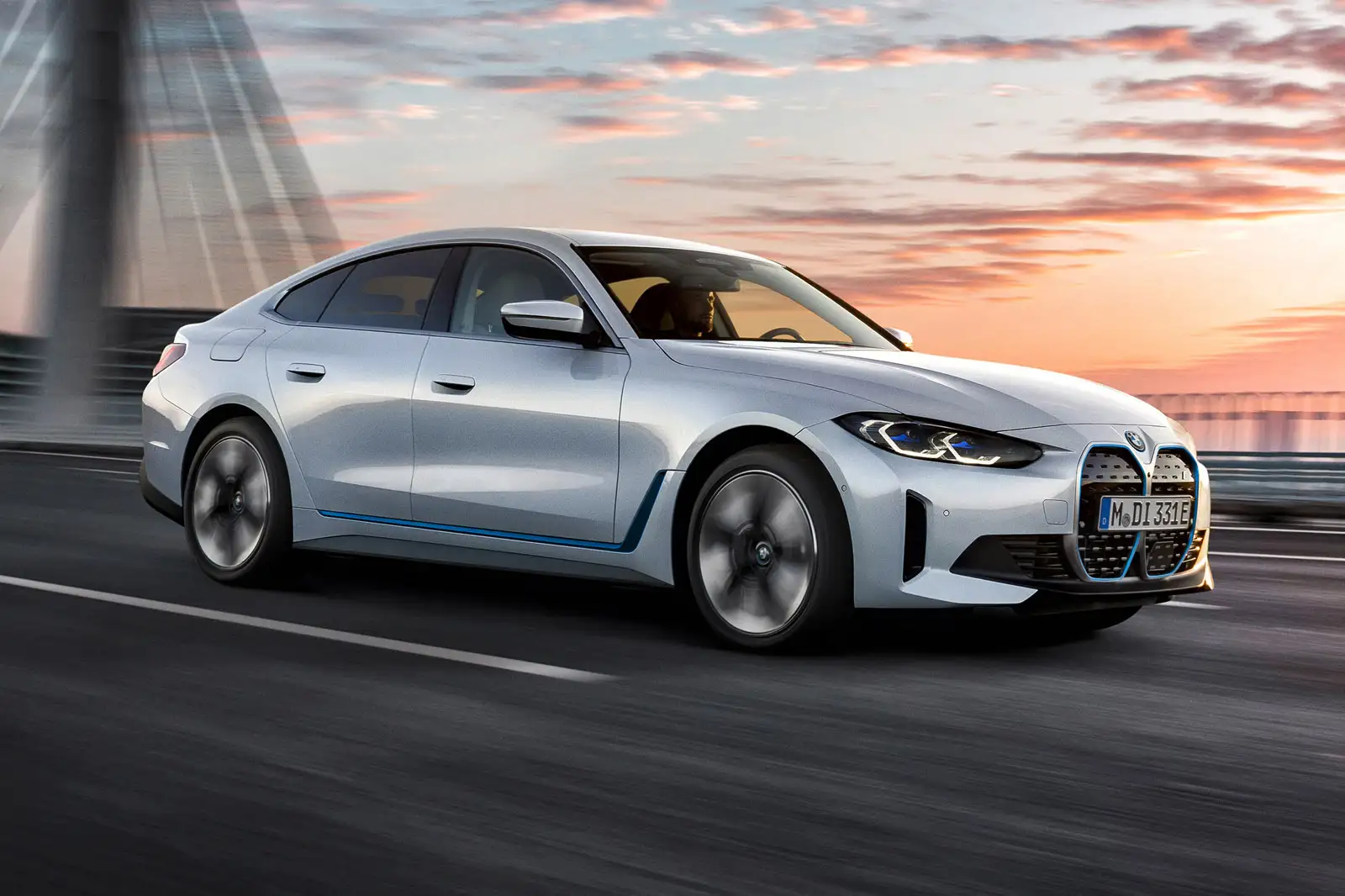
BMW also provides an effective seat and steering wheel heating system, allowing drivers to rely less on energy-draining cabin heat. The result is an EV that performs consistently whether you’re in Chicago or California.
The BMW i4 delivers a driving experience that’s engaging and refined, even if it doesn’t quite reach the level of athleticism found in some of BMW’s sportier models.
True to the brand’s reputation, the steering feels well-weighted and balanced, and the car’s weight distribution contributes to a stable, confident feel on the road.
However, the steering doesn’t provide much feedback, leaving road sensations somewhat muted. Still, the i4 remains enjoyable to drive through winding roads, just don’t expect it to perform like a full-fledged track machine. Passengers will also appreciate the car’s smooth and comfortable ride quality.
Buyers can choose from three powertrain options: a 335-horsepower single-motor setup, a 396-horsepower dual-motor version, and a 536-horsepower dual-motor configuration.
The single-motor model features rear-wheel drive, while both dual-motor versions come with all-wheel drive. Regardless of setup, the i4 delivers instant torque for quick, seamless acceleration, making it easy to merge or overtake at highway speeds.
According to BMW’s estimates, the eDrive40 sprints from 0–60 mph in 5.5 seconds, the xDrive40 cuts that time down to 4.9 seconds, and the high-performance M50 rockets to 60 mph in just 3.7 seconds, a figure that puts it firmly in sports car territory.
9. Kia EV9
Kia’s EV9 a large, three-row electric SUV is a surprise performer in cold climates. Built on the same E-GMP platform as the Ioniq 6, it benefits from an efficient 800-volt system and an advanced heat pump.
Even with its size, the EV9 retains excellent range retention when temperatures fall. Tests from northern Europe and Canada show only around a 15% loss, which is remarkable for a vehicle of its weight and capacity.
The EV9 also includes features like heated battery preconditioning and smart energy routing that optimize performance in winter road trips.
The 2024 Kia EV9 marks a major milestone for the brand, both literally and figuratively. Physically, it’s a large, three-row electric crossover SUV, even bigger than Kia’s own Telluride, the company’s previous size leader.
But its significance goes beyond dimensions: the EV9 represents a breakthrough in the electric family vehicle segment, offering a spacious, practical, and well-equipped SUV for tens of thousands less than comparable three-row EVs from Mercedes-Benz, Rivian, and Tesla.

While the base trim offers only modest power and range, it aligns perfectly with Kia’s value-driven strategy, packing in an impressive list of standard features at an accessible price.
The base trim’s affordability is certainly attractive, but the higher trims are what will truly satisfy most electric SUV shoppers. The Kia EV9 delivers exceptional passenger space, with ample legroom and headroom for adults across all three rows, something rare even among larger EVs. Range and charging capabilities are also impressive for a vehicle of its size.
The EV9 enters a relatively new class of three-row electric SUVs, where it currently faces limited direct competition.
The Tesla Model X and Rivian R1S both deliver outstanding performance and range, up to 348 miles for the Model X and 400 miles for the R1S, and the latter even boasts notable off-road capability. However, both models come with significantly higher price tags.
While Tesla’s Model Y does offer an optional third row, it’s much smaller and lacks the EV9’s generous passenger space. For now, Kia occupies a unique position in the market, offering a well-rounded, family-friendly three-row EV that combines affordability, range, and everyday usability like no other.
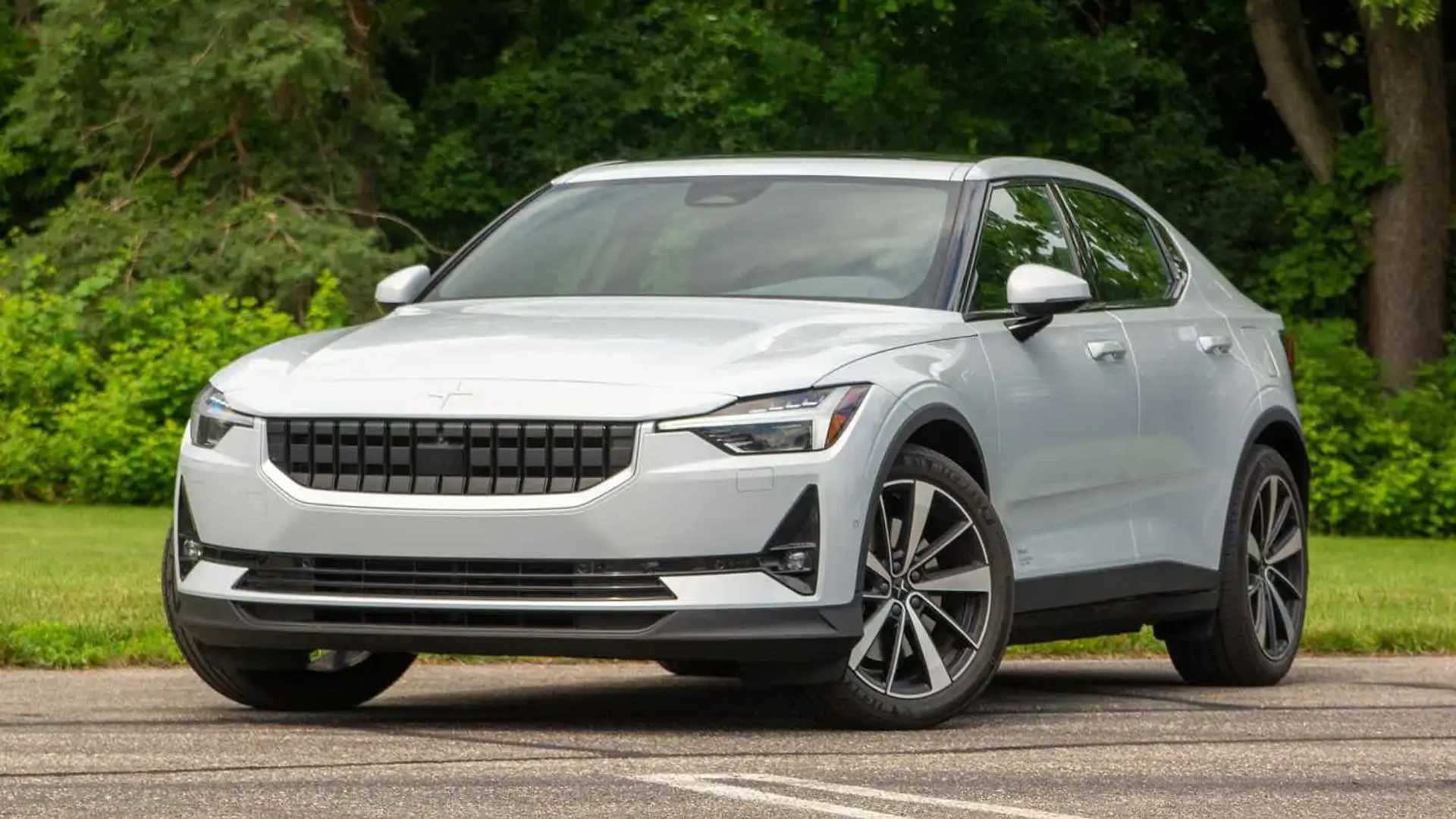
10. Polestar 2
The Polestar 2 is a Scandinavian-designed EV, so it’s no surprise that it excels in winter. Engineered in Sweden and tested in Arctic conditions, it includes a sophisticated heat pump system and battery management that prioritizes consistent performance.
Even at 10°F, the Polestar 2 typically loses less than 15% of its range better than many rivals. Its dual-motor AWD version offers strong traction, while the software intelligently regulates energy flow to maintain range.
If you’re looking for an EV that feels purpose-built for icy roads, the Polestar 2 delivers both style and substance.
The Polestar 2 was the first fully electric vehicle from Volvo’s performance-oriented sister brand, and its mission remains unchanged since its debut in 2020, to take on one of the toughest rivals in the EV world: the Tesla Model 3.
For years, the Model 3 has been the go-to choice for executive buyers seeking to go electric, making it no small challenge for Polestar to win over that audience.
Fortunately, the Polestar 2 enters the fray well-equipped. Like the Model 3, it’s among the few electric cars capable of officially exceeding the 400-mile range mark.
For drivers who prioritize speed over distance, the Dual Motor Performance Pack delivers greater power at the cost of some range, while the Standard Range model offers a more budget-friendly entry point without sacrificing the car’s signature refinement.
There’s no shortage of alternatives in this growing segment. Competitors such as the BMW i4 and Hyundai Ioniq 6 come with similar sleek, saloon-like silhouettes, though the Polestar 2’s hatchback design adds a touch of practicality.
Newer contenders like the BYD Seal and Volkswagen ID.7 are also joining the mix, while the Genesis GV60 and Kia EV6 bring stylish, high-tech appeal to the table.
The Polestar 2 also faces pressure from within its own brand family, as newer models like the Polestar 4 coupé SUV and the Polestar 3 raise the bar for design, performance, and technology. Still, the Polestar 2 remains a compelling and well-rounded electric car, continuing to define the company’s identity in the premium EV market.
Cold weather can be brutal for electric vehicles, but not all EVs are created equal. The best winter performers combine intelligent battery management, efficient heat pumps, and robust testing in real-world conditions.
The Tesla Model Y, Hyundai Ioniq 6, and Lucid Air lead the pack in preserving range efficiency, while others like the Rivian R1T and Kia EV9 prove that even big, heavy vehicles can handle the cold with the right engineering.
For American drivers who face snow, ice, and subzero mornings, these 10 EVs show that electric power and winter performance can go hand in hand.
With technology improving every year, the “winter range drop” that once plagued EVs is quickly becoming a problem of the past and that’s great news for anyone ready to go electric, no matter the season.
