
Electric vehicles have become the poster children of modern automotive innovation boasting instant torque, over-the-air updates, and battery-powered efficiency.
But when you look beyond the hype, it’s clear that not all EVs are truly leading in technology. Many electric models pour their resources into batteries and range while lagging behind in infotainment, connectivity, and driver-assistance sophistication.
Meanwhile, several luxury and mainstream SUVs gas-powered, hybrid, or partially electrified have quietly evolved into tech marvels that surpass many EVs in overall innovation.
These SUVs integrate advanced software, intuitive infotainment, high-end driver-assistance systems, immersive cabin experiences, and luxury-level digital design.
In fact, they represent a reality that many U.S. drivers already recognize: cutting-edge tech doesn’t have to mean all-electric. Let’s explore 12 SUVs that bring exceptional technology to the table and in many ways, outshine the current crop of EVs.
1. Cadillac Escalade (2025)
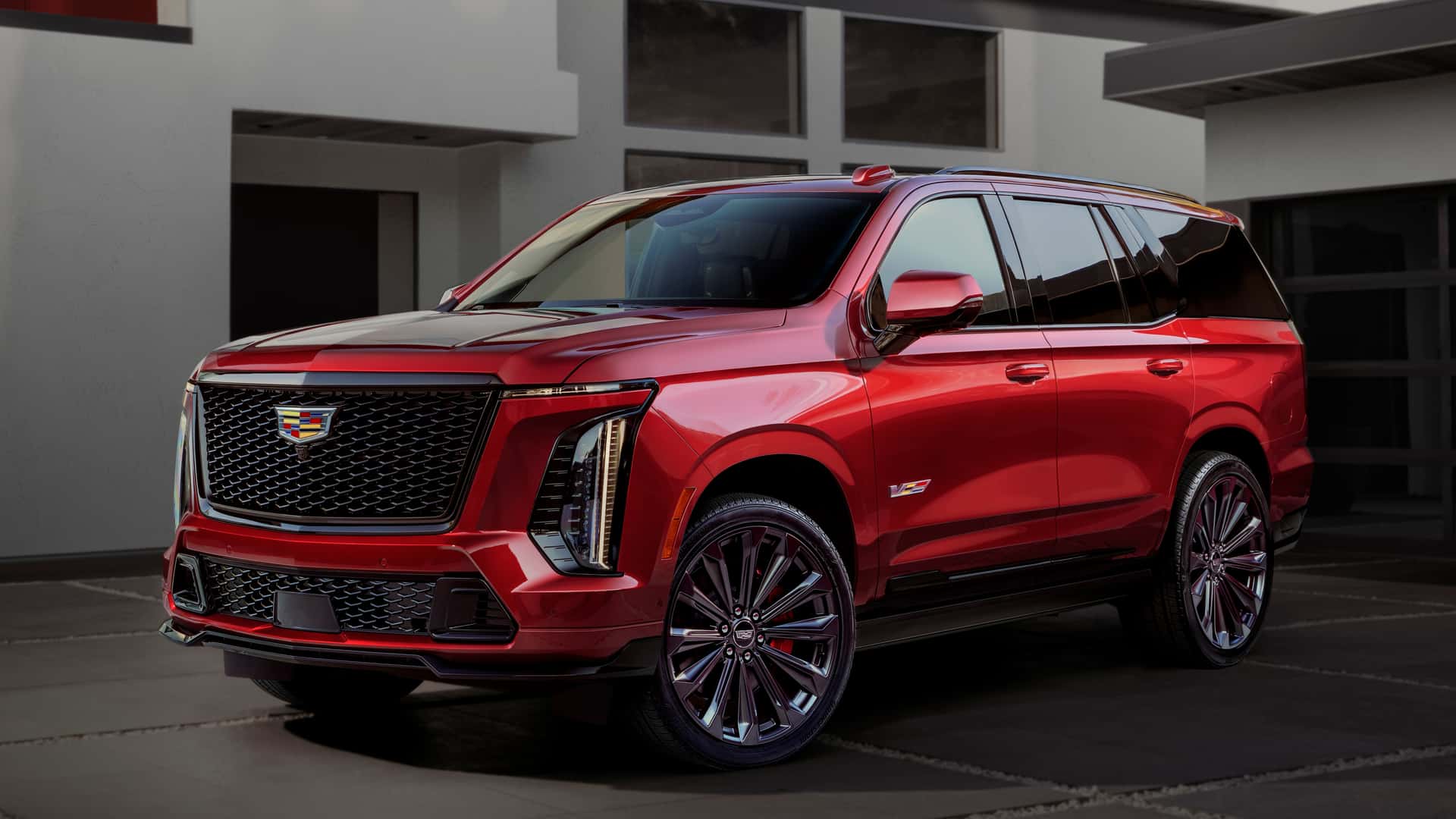
Few vehicles blend technology and prestige as seamlessly as the 2025 Cadillac Escalade. Its defining feature is a massive 55-inch curved OLED display that stretches across the entire dashboard, making it one of the largest in the industry.
The Escalade also includes Super Cruise, GM’s highly rated hands-free driving system capable of navigating more than 400,000 miles of mapped highways.
Add in a 40-speaker AKG sound system, ambient lighting customization, and power-operated doors, and the Escalade becomes a masterclass in modern tech luxury.
Where many EVs focus on minimalist design, the Escalade packs a full suite of high-end technology that immerses every passenger.
The 2025 Cadillac Escalade continues to define American luxury in the full-size SUV segment, offering immense power, advanced technology, and a commanding presence on the road. The Sport Platinum 4WD trim remains one of the most popular choices, combining top-tier performance with first-class comfort and craftsmanship.
Under the hood, the Escalade is powered by a robust 6.2-liter V8 gas engine that generates 420 horsepower at 5,600 rpm and 460 lb-ft of torque at 4,100 rpm.
This engine features variable valve timing, direct injection, and cylinder deactivation technology to enhance efficiency without compromising performance. Paired with a smooth 10-speed shiftable automatic transmission, the Escalade delivers responsive acceleration and effortless cruising.
With standard four-wheel drive and an electronic hi-lo gear selection, the Escalade ensures confident handling across all terrains. It also includes an on-demand 4WD system and a rear limited-slip differential for improved traction and stability.
When it comes to capability, this SUV impresses with a maximum towing capacity of 7,900 pounds and a maximum payload capacity of 1,580 pounds, making it equally adept at hauling boats, trailers, or luxury gear.
With a 24-gallon fuel tank, drivers can expect an estimated range of 336 miles in the city and up to 432 miles on the highway. Premium unleaded fuel is recommended for optimal performance, and CO₂ emissions are rated at 9.3 tons per year.
Inside, the Escalade seats up to seven passengers comfortably and offers an impressive 25.5 cubic feet of cargo capacity behind the third row. The interior remains a showcase of Cadillac’s dedication to craftsmanship, with premium materials, advanced in-car entertainment, and cutting-edge technology.
Built in the United States, the 2025 Escalade carries a curb weight of 6,014 pounds and includes a 4-year/50,000-mile basic warranty.
With its blend of power, luxury, and capability, the Escalade Sport Platinum 4WD continues to set the standard for full-size luxury SUVs, offering the refinement expected from Cadillac with the strength to handle whatever the road ahead demands.
2. BMW X5 (2025)
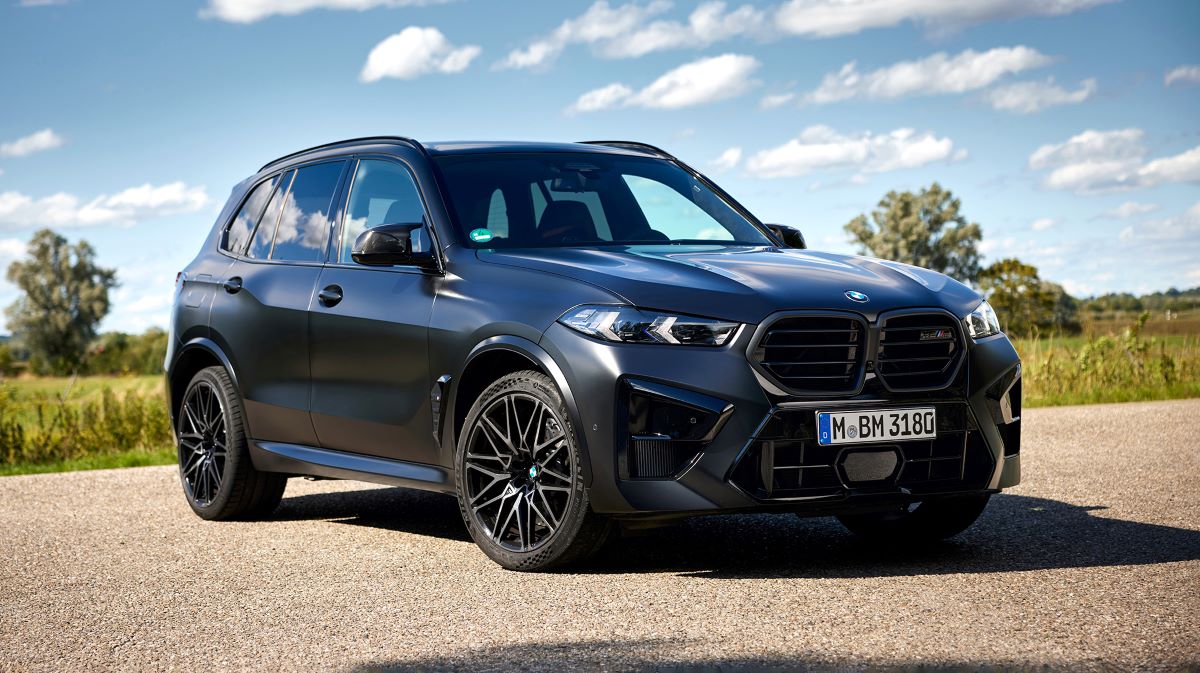
The 2025 BMW X5 shows that “connected” doesn’t have to mean “electric.” It features BMW’s latest iDrive 8.5 system, integrating a 12.3-inch digital cluster with a 14.9-inch touchscreen.
Wireless Apple CarPlay and Android Auto come standard, while BMW’s Driving Assistance Professional Package adds semi-autonomous highway driving capabilities.
The interface feels fluid and responsive, using AI-based voice recognition that continues to learn over time. This intelligent interactivity gives the X5 an edge over many EVs that are still developing user-friendly infotainment.
If we had to describe the 2025 BMW X5 in just three words, they would be performance, poise, and practicality. This midsize luxury SUV delivers a rewarding driving experience, combining speed, refinement, and craftsmanship.
Built with high-quality materials and attention to detail, the X5 offers a spacious and comfortable interior with seating for up to five passengers and more than 70 cubic feet of maximum cargo space.
Even in its standard form, it stands out, but those seeking more power or efficiency can opt for the plug-in hybrid xDrive50e or the high-performance M60i with its turbocharged V8 engine. Whichever version you choose, the X5 is designed to satisfy every luxury SUV enthusiast.
The 2025 BMW X5 xDrive50e introduces a plug-in hybrid variant capable of traveling around 40 miles solely on electric power. Once the battery is depleted, the gasoline engine takes over, delivering an estimated 22–23 mpg.
This powertrain comes at a $5,100 premium over the standard xDrive40i, but it offers more than just electric driving, it also packs an additional 108 horsepower. The result is a quicker acceleration time of 4.6 seconds from 0 to 60 mph, compared to 5.3 seconds for the 375-hp xDrive40i.
Whether the plug-in hybrid is worth the extra cost depends on how often you charge it. If you plug it in nightly and maximize electric driving, the savings can add up over time, making it a worthwhile investment, though it may take a while before the benefits balance out financially.
The 2025 BMW X5 competes in a crowded midsize luxury SUV segment that includes both two-row and three-row models like the Audi Q7, Mercedes-Benz GLE, Porsche Cayenne, and Volvo XC90.
Except for the Audi, all these rivals also offer plug-in hybrid options. Among them, the BMW X5 most closely aligns with the Mercedes-Benz GLE in terms of price, size, performance, and available configurations, solidifying its position as one of the most well-rounded luxury SUVs on the market.
3. Lincoln Nautilus (2025)
Lincoln has quietly crafted one of the most futuristic SUV interiors with the 2025 Nautilus. A 48-inch panoramic dashboard display spans across the cabin, delivering stunning visuals and intuitive control.
The Nautilus also introduces the “Rejuvenate Mode,” which activates ambient lighting, fragrance diffusion, seat massage, and curated soundscapes to calm the driver a true luxury wellness feature.
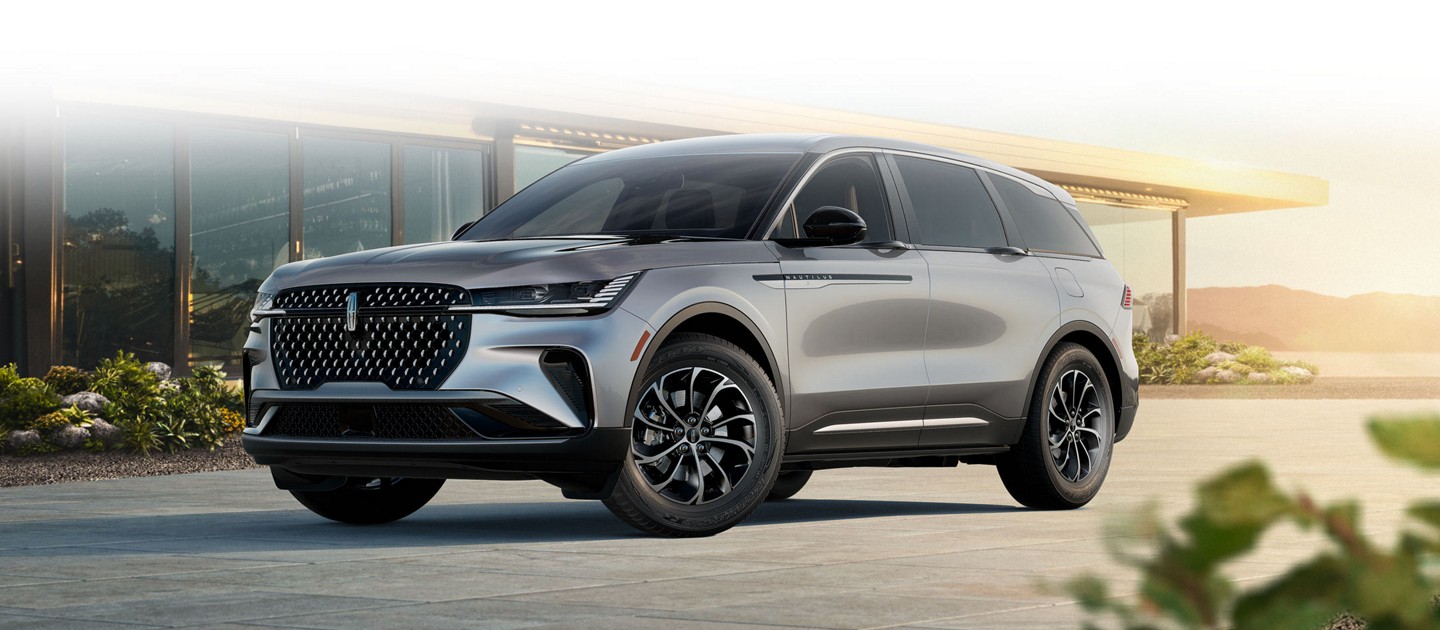
Combined with BlueCruise hands-free driving, this SUV demonstrates that tech innovation can go beyond screens and sensors, bringing an experience that most EVs can’t match in comfort or atmosphere.
4. Audi Q8 e-tron (2025)
Though the Q8 e-tron is technically an EV, it deserves a spot for setting benchmarks in user experience. It’s loaded with Audi’s Virtual Cockpit Plus, Google Earth-integrated navigation, and Matrix LED headlights that adapt dynamically to road conditions.
The dual-touchscreen center console provides an almost cinematic feel, while driver assistance systems like adaptive cruise and lane guidance rival Tesla’s Autopilot for polish and precision.
The Q8 e-tron shows how thoughtful, premium digital design can redefine the SUV experience even if its power source is electric.
In Audi’s push toward an all-electric future, the Q8 E-Tron stands out as one of the brand’s originators. Evolving from Audi’s first dedicated electric SUV, simply called the E-Tron, the Q8 E-Tron debuted for the 2024 model year.
Featuring two rows of seats, signature Audi styling, and upscale amenities, this flagship electric SUV competes directly with rivals like the BMW iX, Mercedes-Benz EQE SUV, and Polestar 3.
Viewed on its own, the 2025 Audi Q8 E-Tron remains an impressive electric SUV. It exudes luxury through its refined materials, superb build quality, and extensive list of comfort and technology features.
For drivers new to EVs, the Q8 E-Tron feels approachable and familiar, largely because Audi designed it to mimic the experience of driving a traditional gasoline-powered SUV.
While its driving dynamics are smooth and composed, the Q8 E-Tron doesn’t push boundaries in terms of performance or innovation. The moderate acceleration and absence of a one-pedal driving mode suggest Audi’s cautious approach to fully embracing electric potential.
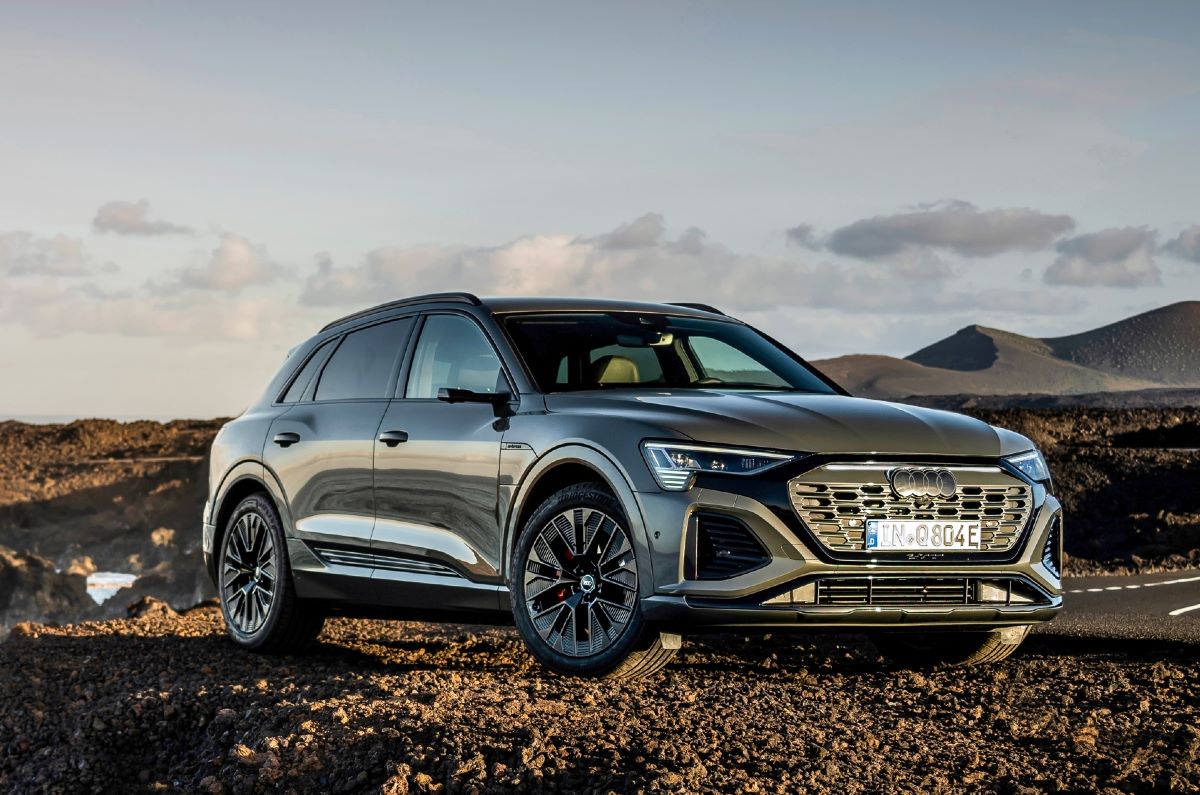
As a daily commuter or urban vehicle, the Q8 E-Tron performs admirably. However, its real-world driving range falls short of Audi’s official estimates, making it less ideal for longer trips.
Adding to that, the upcoming Audi Q6 E-Tron promises fresher technology, faster charging, and a more advanced platform. For 2025, the Q8 E-Tron remains a well-crafted luxury EV SUV, but one that’s increasingly hard to recommend over newer competitors.
Every Q8 E-Tron model is powered by a 106-kWh usable battery, capable of charging at speeds up to 170 kW, which is moderate by modern standards.
The standard dual-motor setup delivers 402 horsepower and 485 lb-ft of torque, offering all-wheel drive and brisk performance, with a 0–60 mph time of 5.2 seconds. EPA estimates put range between 285 and 300 miles, but in independent testing, real-world results reached about 239 miles.
For those seeking more power, the SQ8 E-Tron features three motors—one in the front and one for each rear wheel—producing 496 horsepower and 717 lb-ft of torque. It can accelerate to 60 mph in about 4.2 seconds, though its driving range drops to between 218 and 253 miles, depending on the configuration.
The Q8 E-Tron is essentially a renamed and slightly updated version of the original E-Tron, meaning it was already somewhat dated upon release. Audi is preparing to launch the 2025 Q6 E-Tron, positioned between the Q4 and Q8 models.
Built on a next-generation platform, the Q6 E-Tron offers significantly faster charging speeds while maintaining similar range capabilities.
Both the Q6 and Q8 are poised to deliver excellent handling and comfort, but the Q6 E-Tron features Audi’s latest design language and advanced in-car technologies. For buyers considering the Q8 E-Tron, it’s worth test-driving the Q6 before making a final decision.
5. Genesis GV80 (2025)
Genesis continues to surprise the luxury segment with the GV80’s tech-per-dollar value. The 2025 model refresh brings a 27-inch curved OLED display, blending instrument cluster and infotainment into one sleek panel.
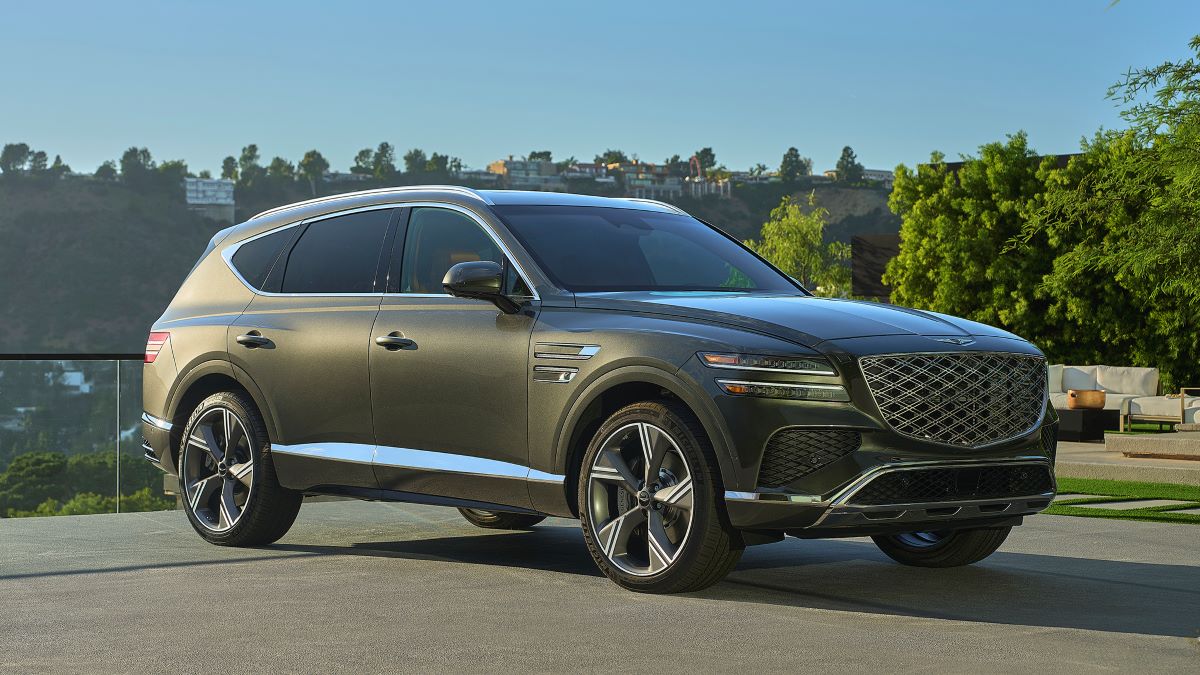
It also features a blind-spot camera feed that activates automatically with turn signals, a premium Lexicon audio system, and ultra-silent acoustic glass.
Over-the-air updates and advanced driver aids come standard. Genesis proves that top-tier tech doesn’t have to command a six-figure price a fact many EV manufacturers should note.
6. Range Rover Autobiography (2025)
The 2025 Range Rover Autobiography merges rugged capability with digital sophistication. Its Pivi Pro infotainment system integrates AI learning, offering personalized suggestions and OTA updates.
Unique to Range Rover is its AI-powered Terrain Response System, which adjusts suspension, torque, and drive settings for any environment from rocky trails to city streets.
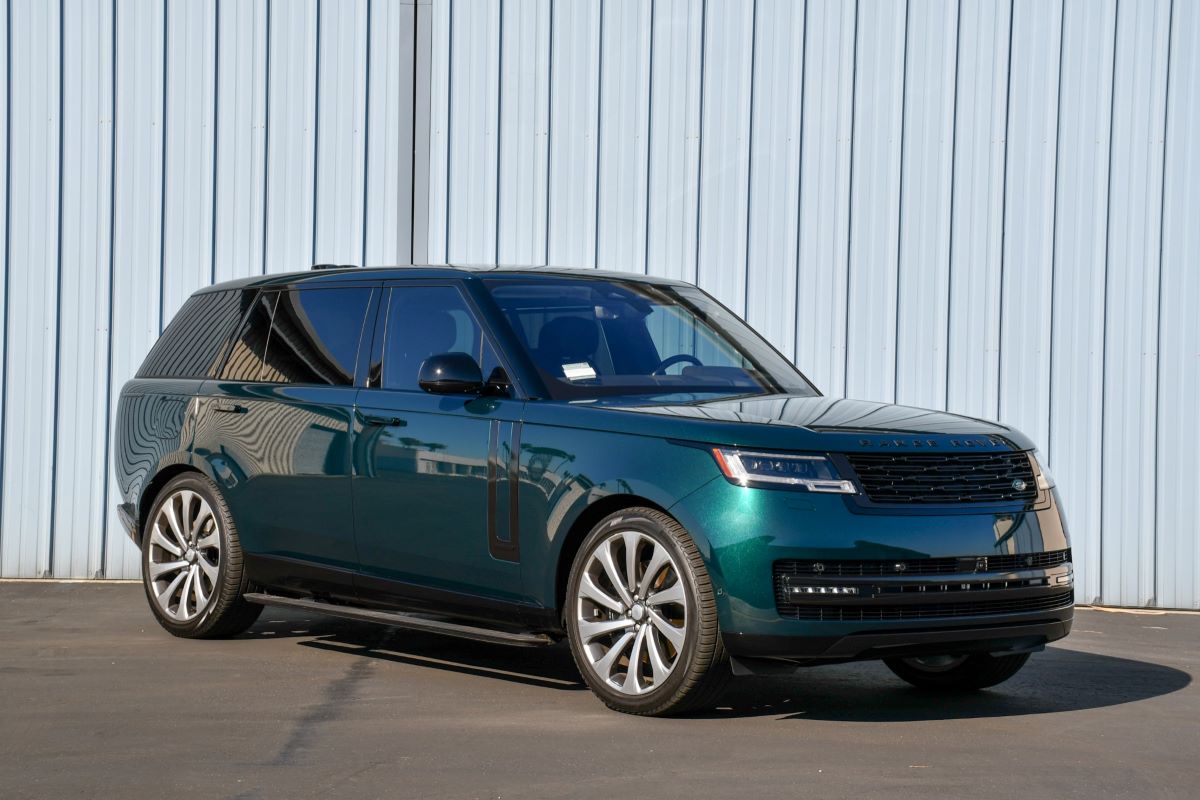
The Cabin Air Purification Pro system filters pollutants, monitors CO₂ levels, and uses sensors to maintain wellness-grade air quality. Few EVs offer this level of sensory intelligence or adaptability.
7. Mercedes-Benz GLC 300 (2025)
Mercedes continues to lead in user-interface design, and the 2025 GLC 300 showcases that mastery. Its MBUX infotainment system features an AI-powered voice assistant that learns speech patterns and preferences.
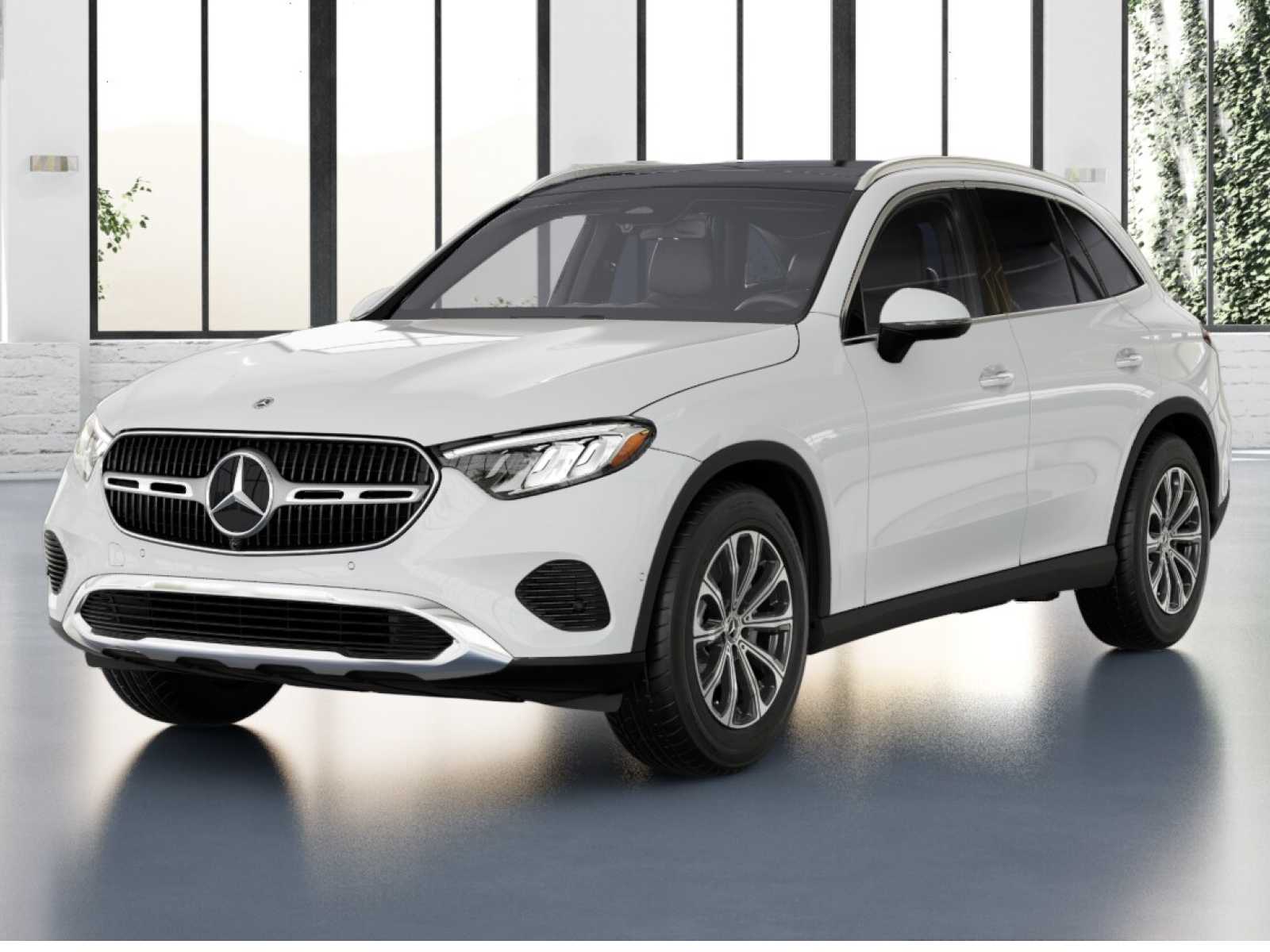
The augmented-reality navigation overlays live video feeds with digital directions, and a biometric fingerprint scanner personalizes settings instantly for different drivers.
The interior’s digital ecosystem is so integrated that it feels like a luxury smartphone on wheels a level of finesse that many EV brands still aspire to reach.
Every 2025 Mercedes-Benz GLC300 is equipped with a refined turbocharged 2.0-liter four-cylinder engine, paired with a 48-volt hybrid system that enhances both efficiency and performance.
This setup delivers a total output of 255 horsepower, channeled through a nine-speed automatic transmission. Rear-wheel drive comes standard, while Mercedes’s 4Matic all-wheel-drive system is available as an option for those seeking extra traction and stability.
On the road, the GLC300 prioritizes comfort and composure over sportiness. Its driving character leans more toward smoothness and quiet isolation than athletic performance.
While its steering lacks the precision and feedback found in competitors like the Alfa Romeo Stelvio or Porsche Macan, the GLC remains capable and stable when pushed through corners. It may not thrill like those rivals, but it delivers a calm, confident, and refined driving experience that aligns with Mercedes-Benz’s luxury-first philosophy.
8. Infiniti QX80 Autograph (2025)
Infiniti’s flagship QX80 Autograph redefines what full-size SUV tech can look like.
Its cabin features dual 14.3-inch displays, a 24-speaker Klipsch audio system, and a groundbreaking “Invisible Hood View” camera system that virtually removes the front hood from sight when parking or maneuvering.
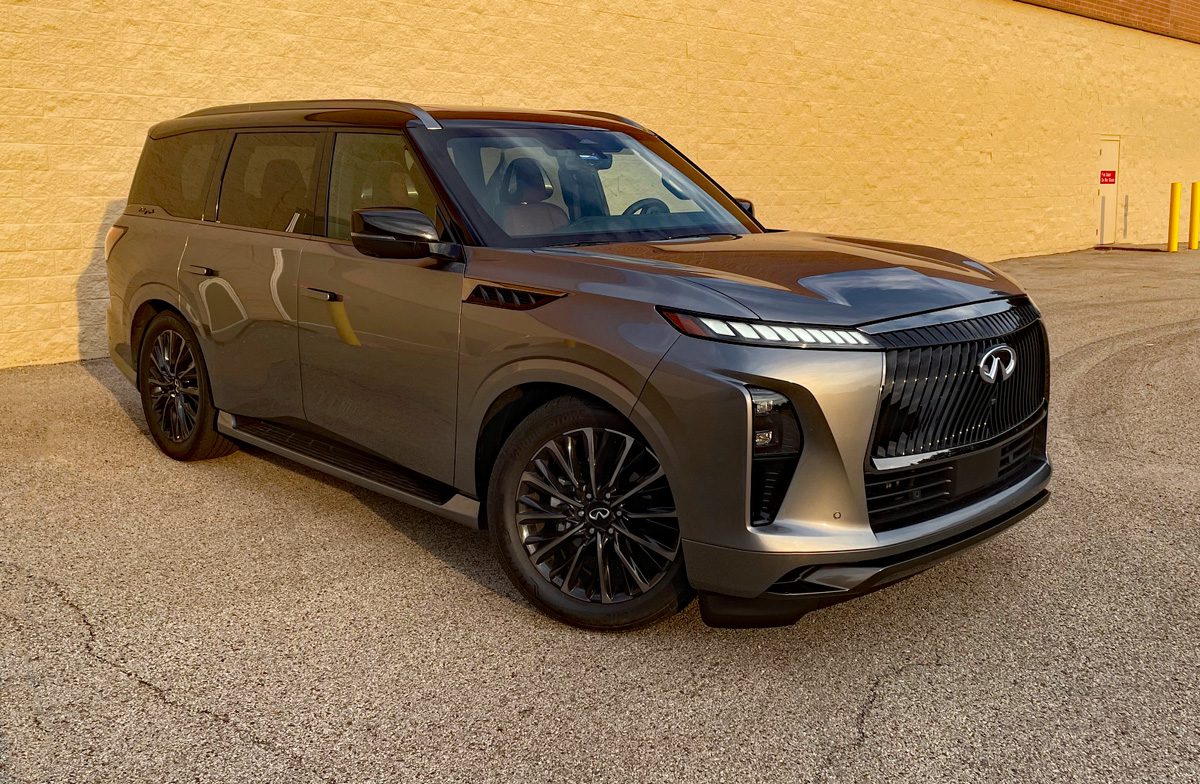
These features give drivers both comfort and control combining large-vehicle practicality with intuitive digital design. For families or executives who love tech but need space, the QX80 delivers more innovation than many electric SUVs.
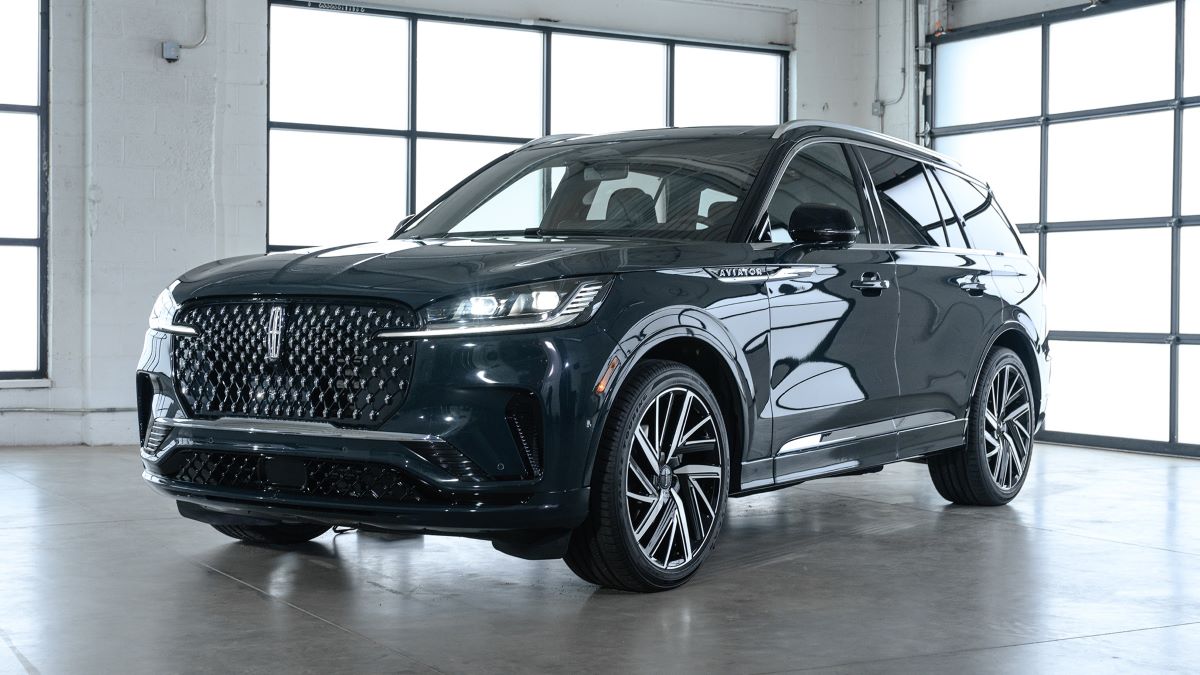
9. Lincoln Aviator (2025)
Lincoln appears twice on this list for good reason. The 2025 Aviator offers a 13.2-inch touchscreen, a 12.4-inch driver display, and optional BlueCruise 1.2 hands-free driving for highway travel.
Its cabin is a blend of tech and tranquility, with ultra-quiet construction, ambient lighting, and a focus on ease of use.
Unlike some EVs that push futuristic interfaces with steep learning curves, the Aviator’s system feels refined and approachable a combination that American drivers value deeply.
The 2022 Lincoln Aviator blends elegant design, luxurious comfort, and strong performance in a refined midsize SUV package. Offering much of the sophistication and style of the larger Navigator but in a more manageable size, the Aviator strikes a balance between practicality and opulence.
Every model features a twin-turbocharged 3.0-liter V6 engine, producing a robust 400 horsepower, while the Grand Touring plug-in hybrid variant pairs the same V6 with a 100-hp electric motor for a total of 494 horsepower and 630 lb-ft of torque.
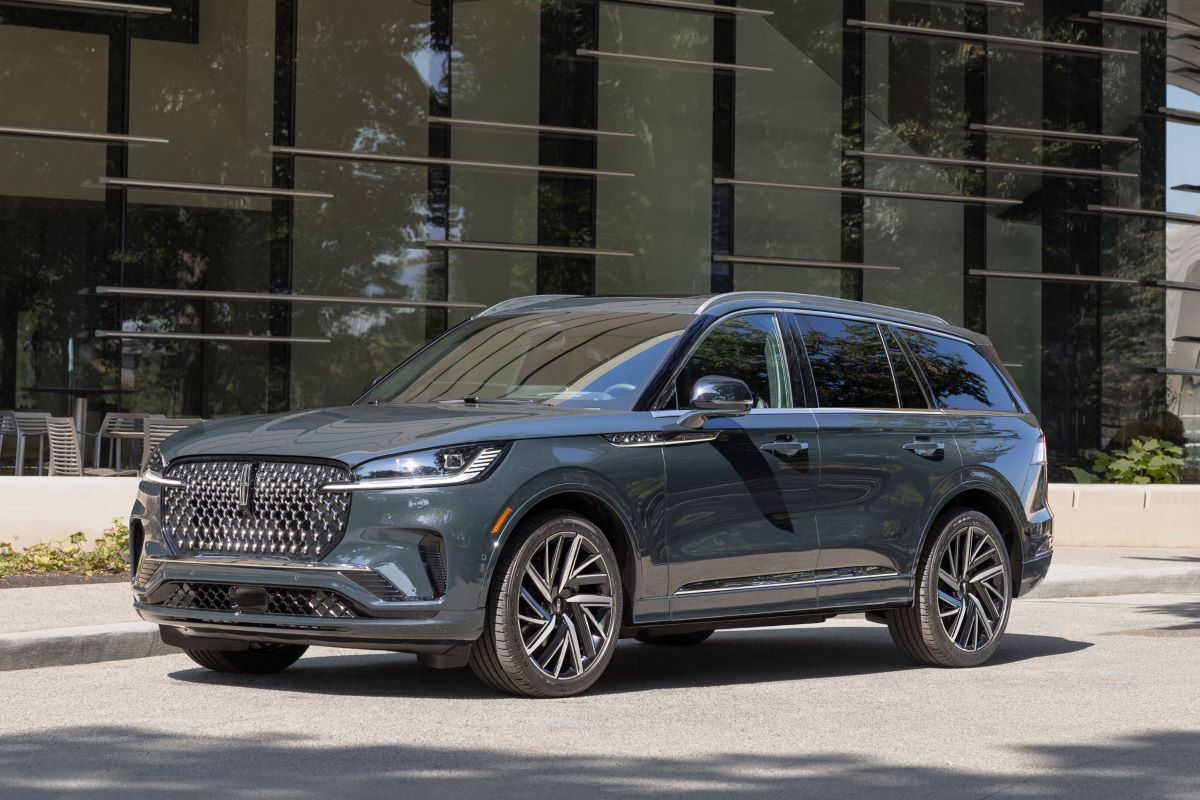
This setup delivers smooth, confident acceleration, though the hybrid system can feel slightly clunky when transitioning between electric and gas power.
On the road, the Aviator prioritizes comfort and composure over sporty handling, setting it apart from more athletic rivals like the BMW X5 or Volvo XC90. Its 10-speed automatic transmission ensures effortless cruising, and its ride remains serene thanks to well-tuned suspension and excellent noise insulation.
Inside, the cabin reflects Lincoln’s focus on luxury, with premium materials, advanced technology, and thoughtful amenities. Available features include massaging leather seats, a 28-speaker Revel Ultima 3D audio system, and a panoramic sunroof, creating a first-class atmosphere for every passenger.
For 2022, Lincoln introduced minor updates, including new colors—Gilded Green and Bronze Smoke—plus a Jet Appearance Package that swaps chrome trim for gloss-black accents. A new Co-Pilot360 1.5 Plus safety suite enhances driver assistance with comprehensive parking sensors.
Pricing for the Aviator starts at $52,975 for the base trim and climbs to $88,520 for the Black Label Grand Touring. The Reserve trim, starting around $58,870, remains the best value, offering a wealth of features such as four-zone climate control, a 360-degree camera, and a 14-speaker sound system.
Overall, the 2022 Lincoln Aviator excels as a luxury-first SUV, delivering a quiet, comfortable, and refined driving experience, perfect for those who value sophistication over sportiness.
10. Volvo EX90 (2025)
While the Volvo EX90 is fully electric, it earns its place for its industry-leading safety and software integration.
The EX90 is equipped with lidar sensors, enabling near-level-3 autonomy, and features a Google-built infotainment system powered by AI for intuitive control.
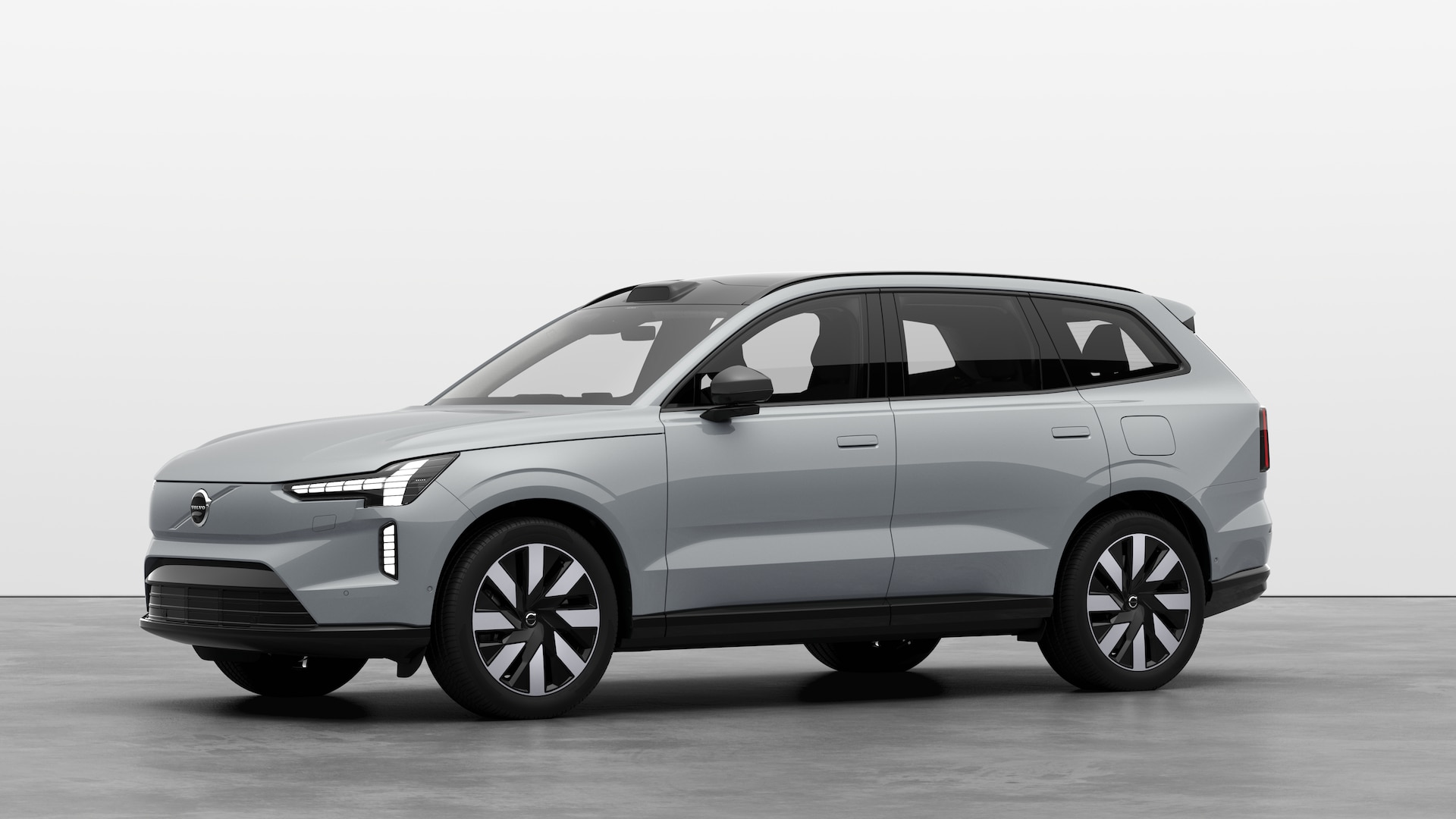
Inside, the cabin continuously monitors driver alertness through infrared sensors a first for Volvo. Its tech sophistication lies not in gimmicks but in protection and intelligence, offering lessons that even high-end EV rivals can learn from.
The 2025 Volvo EX90 marks a bold step in Volvo’s electrification journey, serving as the brand’s flagship all-electric SUV. Staying true to its minimalist Scandinavian design philosophy, the EX90 combines elegant simplicity with cutting-edge technology.
Its exterior exudes a sleek, modern sophistication, while the interior showcases a decluttered, luxurious cabin that removes most physical buttons in favor of a digital-first interface. Inside, the EX90 is a sanctuary of quiet comfort, complete with exceptionally supportive seats that perfectly embody Volvo’s focus on well-being.
Behind the wheel, the EX90 delivers a fluid and confident driving experience. Its dual-motor powertrain provides silky, responsive acceleration, and the one-pedal driving feature allows for smooth transitions between speeding up and slowing down, creating an effortless sense of control.
What sets the EX90 apart is its consistency and composure, it feels deliberate and balanced, with every movement reflecting Volvo’s refined engineering approach.
However, the EX90 isn’t without its drawbacks. Competing EVs offer better real-world range and faster charging capabilities, areas where Volvo still has room to grow. Additionally, the safety systems resetting to default settings after each restart can be inconvenient for drivers who prefer customized configurations.
The touchscreen-heavy interface also introduces a steep learning curve, as too many secondary functions are buried within menus, detracting from the otherwise serene interior experience.
Despite these quibbles, the 2025 Volvo EX90 shines as a true flagship SUV, blending innovation, comfort, and understated luxury.
It captures the essence of Volvo’s values, safety, serenity, and sustainability, while delivering a driving experience that feels both modern and meaningful. For those ready to embrace the future of electric luxury, the EX90 is a statement of what Volvo does best.
11. Mercedes-Benz GLE (2025)
The 2025 GLE combines elegance with innovation, offering an augmented-reality head-up display and the option for Mercedes’ spectacular Hyperscreen, spanning the full dashboard width.
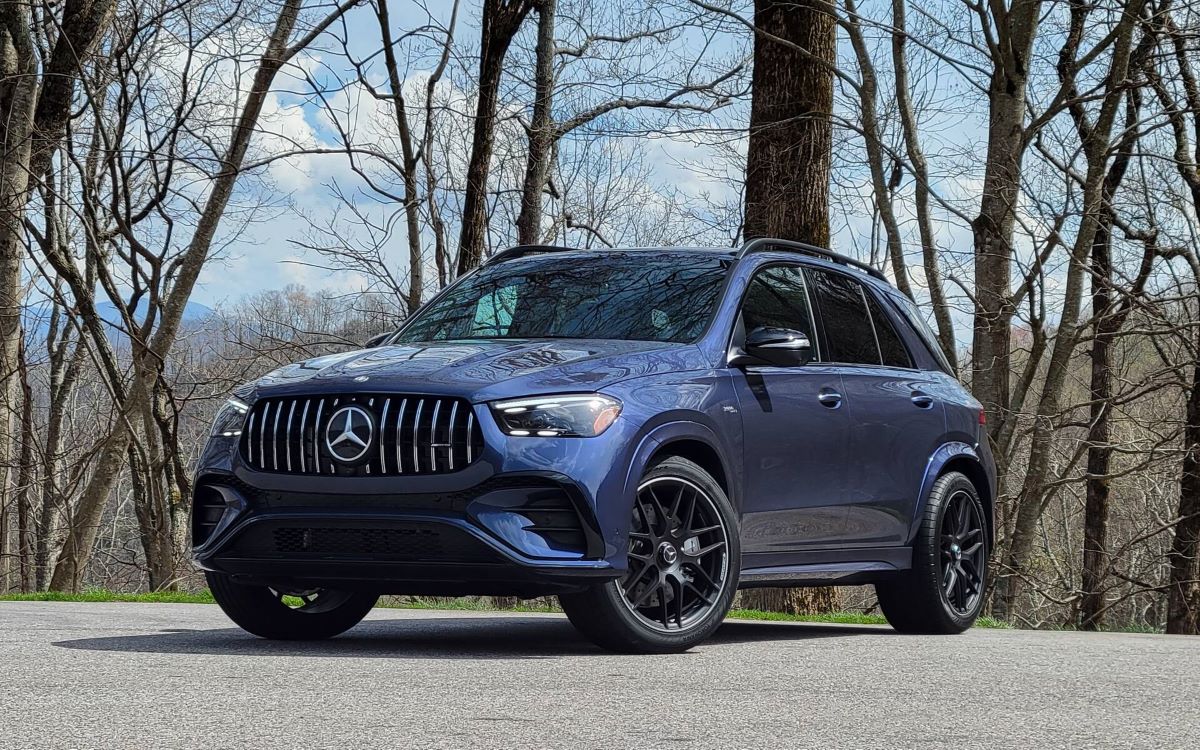
The SUV’s driver-assistance suite includes adaptive steering, automatic lane changing, and personalized route learning.
Unlike some EVs that prioritize minimalism, Mercedes continues to embrace a rich digital environment where luxury and tech coexist beautifully.
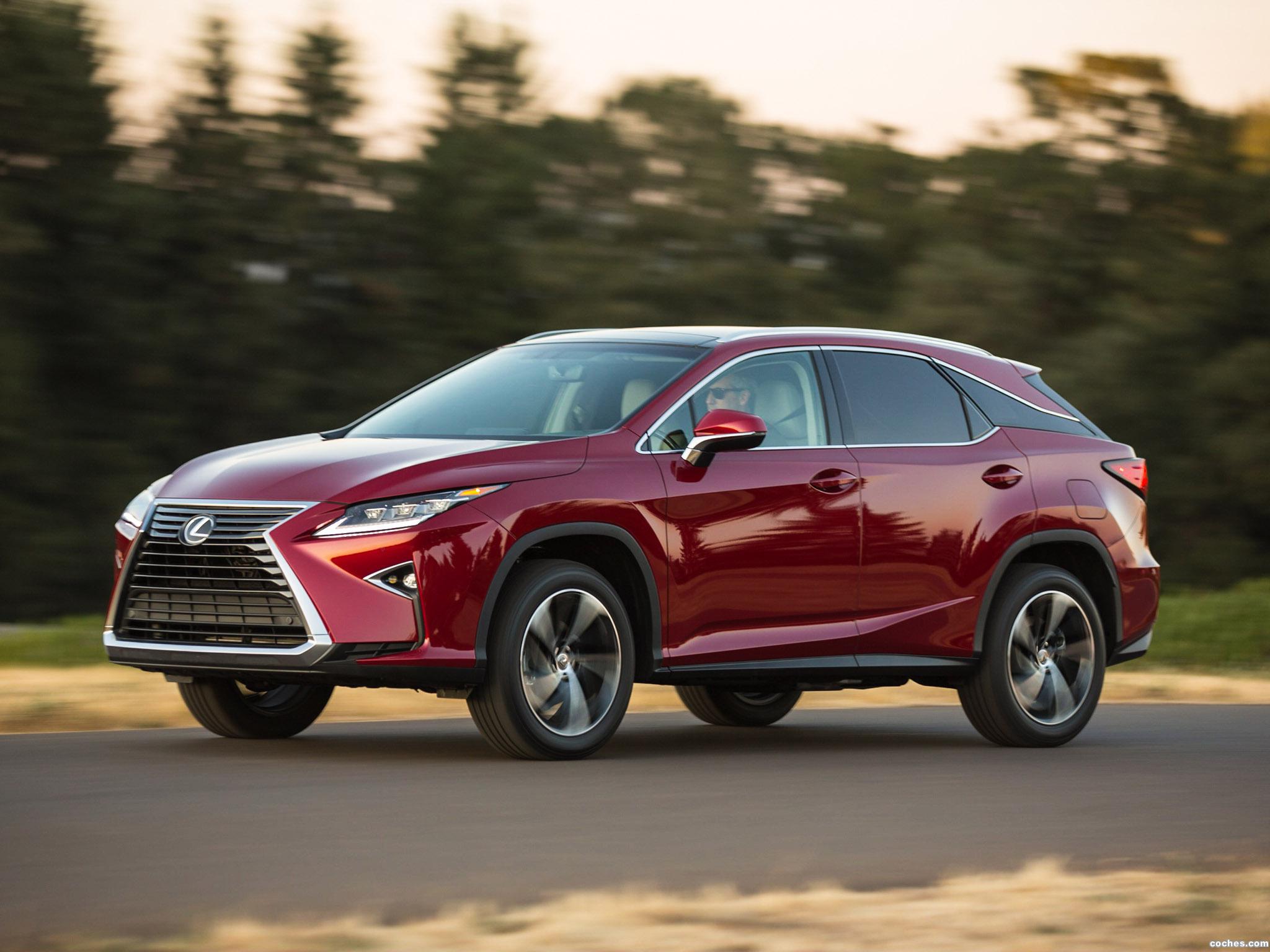
12. Lexus RX
The Lexus RX continues to dominate the midsize luxury SUV segment, now enhanced with cutting-edge connectivity and improved driver tech.
Its Lexus Interface infotainment system features a voice assistant that understands natural speech, while Lexus Safety System+ 3.0 provides adaptive cruise, lane tracing, and intersection support.
The RX’s balance of advanced safety tech, seamless infotainment, and renowned reliability makes it one of the smartest tech-forward choices for American buyers who aren’t ready to go electric.
Among Lexus’ broad range of SUVs, the RX continues to stand out as a top pick. Though it’s a bit smaller than some rivals, it compensates with a more accessible price tag, making it a great fit for shoppers seeking a comfortable, no-fuss luxury SUV.
Comfort and refinement have always been the RX’s strengths, and since its major redesign in 2023, the model has carried on largely unchanged for 2025, still offering that signature blend of smooth performance and upscale serenity that Lexus owners love.
The RX 350 costs around $188 per month to drive in New Jersey, compared to $171 per month for the average midsize SUV, a fair trade considering the Lexus’ quality, reputation, and premium feel.
One of the RX’s biggest advantages is its diverse range of powertrains. The lineup starts with the gas-powered RX 350, followed by the fuel-efficient RX 350h hybrid, and the plug-in hybrid RX 450h+, which allows for limited electric-only driving.
In 2025, true automotive innovation isn’t defined solely by electric propulsion. It’s about how vehicles interact with their drivers, how seamlessly they blend luxury with functionality, and how intelligently they anticipate needs.
SUVs like the Cadillac Escalade, Lincoln Nautilus, and Genesis GV80 prove that you don’t need an EV badge to enjoy world-class tech.
For American buyers who value hands-free driving, intuitive displays, biometric personalization, or spa-like comfort, these SUVs deliver the best of both worlds next-generation technology without the compromises of early electric adoption.
