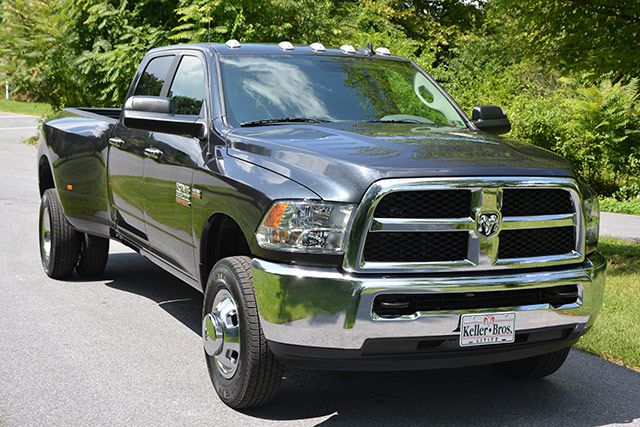
Farm trucks don’t live easy lives. They haul feed in winter. Drag a stubborn trailer uphill. Sit baking under the sun for hours. Crawl through mud like they’re trying to remember what “traction” means. And yet some trucks take all that abuse, roll past 250,000 miles, and look at you like, “That’s all you got?”
The issue these days? Every shiny new truck marketing screams “tough,” but many of them spend more time plugged into diagnostic tools than actually working in the dirt. Farmers don’t care about 37 speakers, chrome everywhere, or a touchscreen bigger than a laptop.
They care about engines that never quit. Transmissions that don’t melt under towing weight. Beds that actually fit hay bales instead of boutique camping setups. Trucks that remain loyal even when maintenance isn’t done on “factory schedule” (because the cows don’t check calendars).
When you’re running a farm, downtime is a luxury you do not have. Your truck needs to be the one thing you never worry about. Just turn the key, get the job done, and maybe change the oil when you remember.
So this list? It’s not about fancy trims or who has the most dramatic grille. It’s about trucks known to cross 250,000 miles without whining no limp mode, no begging for a new engine, no “warranty-voiding” drama.
These are the ones that farmers swear by. The ones with reputations built from hay fields, not marketing campaigns.
We’re talking proper rigs here. Proven. Battle-tested. If you want a farm truck that still starts up strong after years of torture, you’re in the right place. Let’s break down the ten trucks that won’t complain when the odometer rolls into high-mile legend status.
10 Farm-Use Trucks That Won’t Complain at 250,000 Miles
Not every truck deserves to be called a farm truck. Some are built to show off in parking lots, taking selfies with a tailgate step ladder. Not here. We’re focusing on rigs that farmers actually buy and keep for a reason: they don’t give up.
These ten models show up early, carry loads bigger than what their manuals allow, and refuse to retire. They’re the trucks that push through chores when the weather’s trash and the workload is insane.
If you want reliability that doesn’t dip after 150k miles, these are the names people trust. The goal is simple: find a truck you can run to 250,000 miles without holding your breath every time you turn the ignition.
ALSO READ: 5-classic-cars-that-still-handle-amazingly-vs-5 that don’t
1: Ford F-250 Super Duty (2008–2016 6.2L Gas or 6.7L Diesel)
If you walk onto any American dairy, cattle ranch, or crop farm, odds are high you’ll spot a Ford Super Duty with dents that tell more stories than its owner. The F-250 is pretty much a farm uniform at this point.
And here’s the thing farmers love: these years of the F-250 don’t turn into delicate divas after 200,000 miles. The 6.2L V8 gas engine is nearly impossible to kill, and the 6.7L Power Stroke diesel, once Ford fixed its early teething issues is a towing monster that barely sweats.
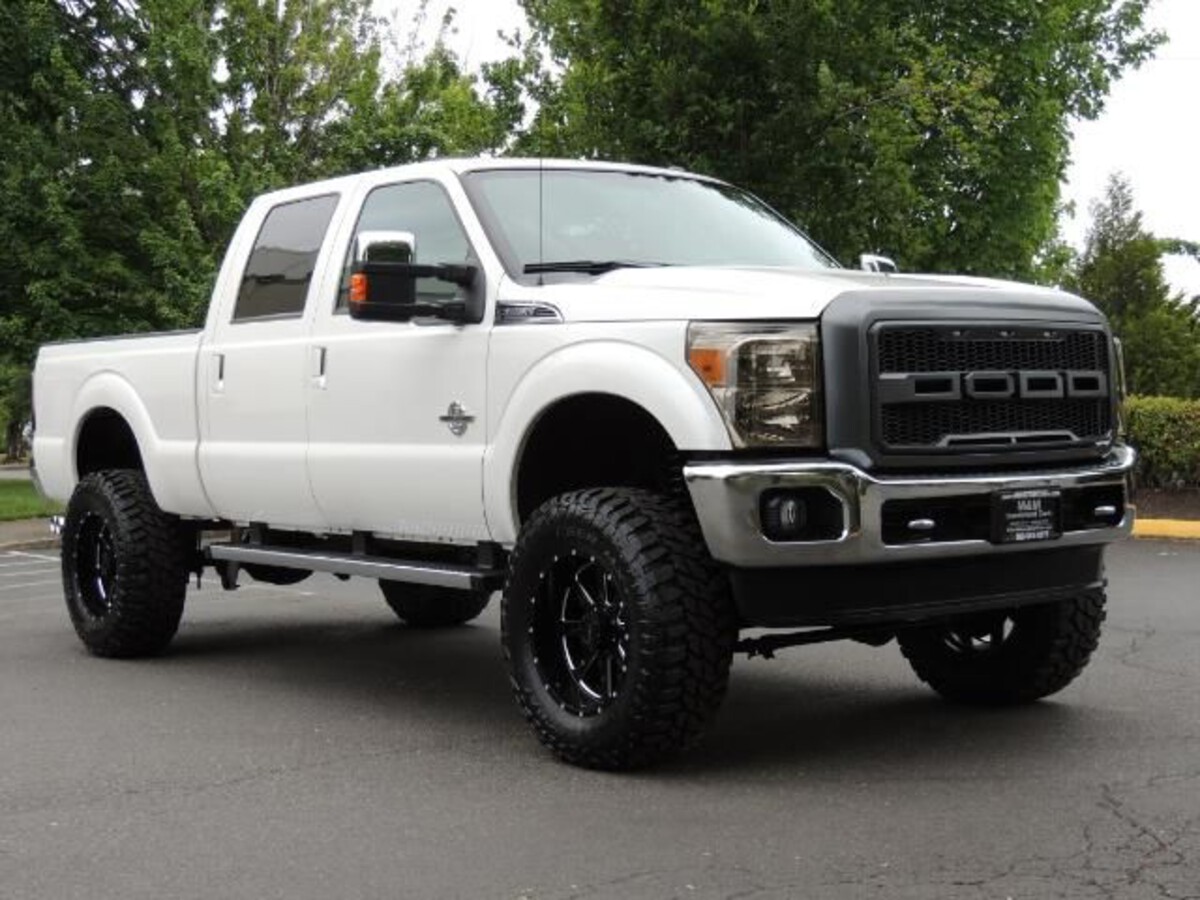
What helps longevity? The drivetrain isn’t stuffed with fancy electronics that throw tantrums. It’s rugged. Cooling setups are strong. Rear axles laugh at heavy loads.
And the transmission especially the TorqShift survives towing abuse that would send other trucks to therapy. Farmers know you can load these things down with hay bales stacked like Jenga blocks and it’ll still climb a gravel hill without hesitation.
Ride comfort? Well, it’s farm-grade. This isn’t a massage chair on wheels. But reliability matters more than lumbar support when you’re hauling livestock at 5 AM.
These trucks thrive on rough roads, bad weather, and drivers who forget what a “gentle throttle” is. Routine maintenance helps, but even when life gets chaotic, an F-250 shrugs it off.
Hit 250,000 miles? No celebration needed. It’ll just keep going. The odometer rolling past that number is more of a “nice, what’s next?” moment.
Bottom line: If you want a truck that works harder than the guy who swears he’s “on break,” the F-250 from this era is the safe bet. Farms trust it. Mechanics respect it. And cows…well, cows don’t care. But you will.
2: Chevrolet Silverado 2500HD (2011–2019 Duramax Diesel)
Some trucks brag about torque. Silverado 2500HD owners just hook up the trailer and let the truck do its thing. These Duramax years are basically the hero arc of Chevy’s heavy-duty lineup, not too old to lack muscle, not too modern to throw software fits every Monday morning.
The 6.6L Duramax diesel is the headline act here, especially paired with the Allison transmission God’s gift to hauling.
If you’re moving tractors, bales, water tanks, fencing supplies, or literally anything heavy enough to make weaker trucks beg for mercy, the Silverado doesn’t blink. There’s a reason you see these trucks looking dusty, overworked, and still ready for more.
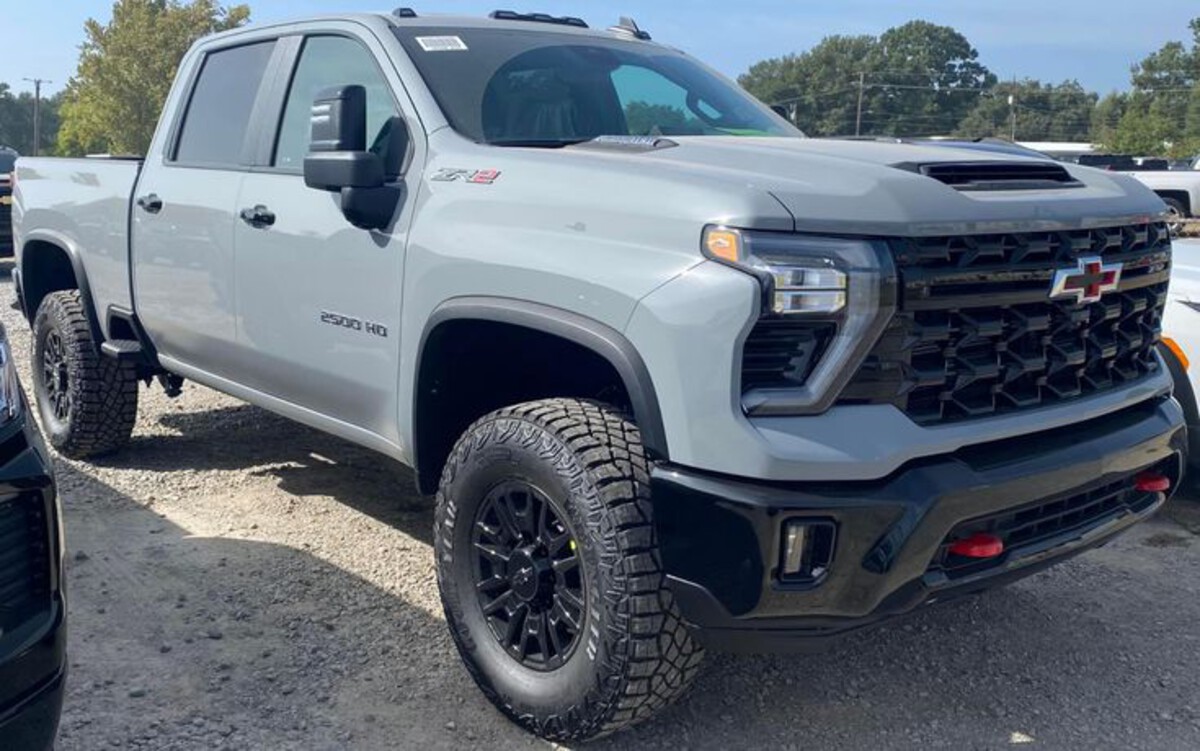
Maintenance costs aren’t cheap but reliability makes up for it. Even when they hit 250,000 miles? The engines still sound like they’re gearing up for the long haul. Farmers love that confidence. You hop in, crank it, and it fires like it’s reminding you it still owns diesel-powered bragging rights.
The frame is solid. Suspension handles ruts without loosening fillings in your teeth. These trucks age better than most people do. Rust prevention got smarter in these years, and the interiors don’t disintegrate after a little dirt.
Sure, fuel economy isn’t winning trophies. But if you’re worried about MPG while running a farm, you’re probably in the wrong business. This truck is about efficiency in time less breakdowns, more getting stuff done.
Once a Silverado hits high-mile territory, it doesn’t become fragile. It becomes legendary. A 2500HD that’s done a quarter-million miles is just warming up ask any farmer who owns one.
3: Ram 2500 (2010–2018 Cummins Diesel)
Some trucks earn respect. The Ram 2500 with a Cummins? It demands it. On farms, this thing is basically a tractor disguised as a pickup. The 6.7L Cummins straight-six diesel is the main star, with torque that feels endless and an engine block built like it expects to hit at least 300,000 miles before anybody even thinks about “wear and tear.”
Ask any farmer who owns one: the motor usually outlives the truck itself. It’s not uncommon to see these rigs roll past 250k while still towing cattle trailers that look two sizes too big.
The low-end torque makes slow, heavy pulls laughably easy. And unlike some high-tech trucks, Cummins motors prefer the basics clean fuel, good oil, and they’ll stay loyal.
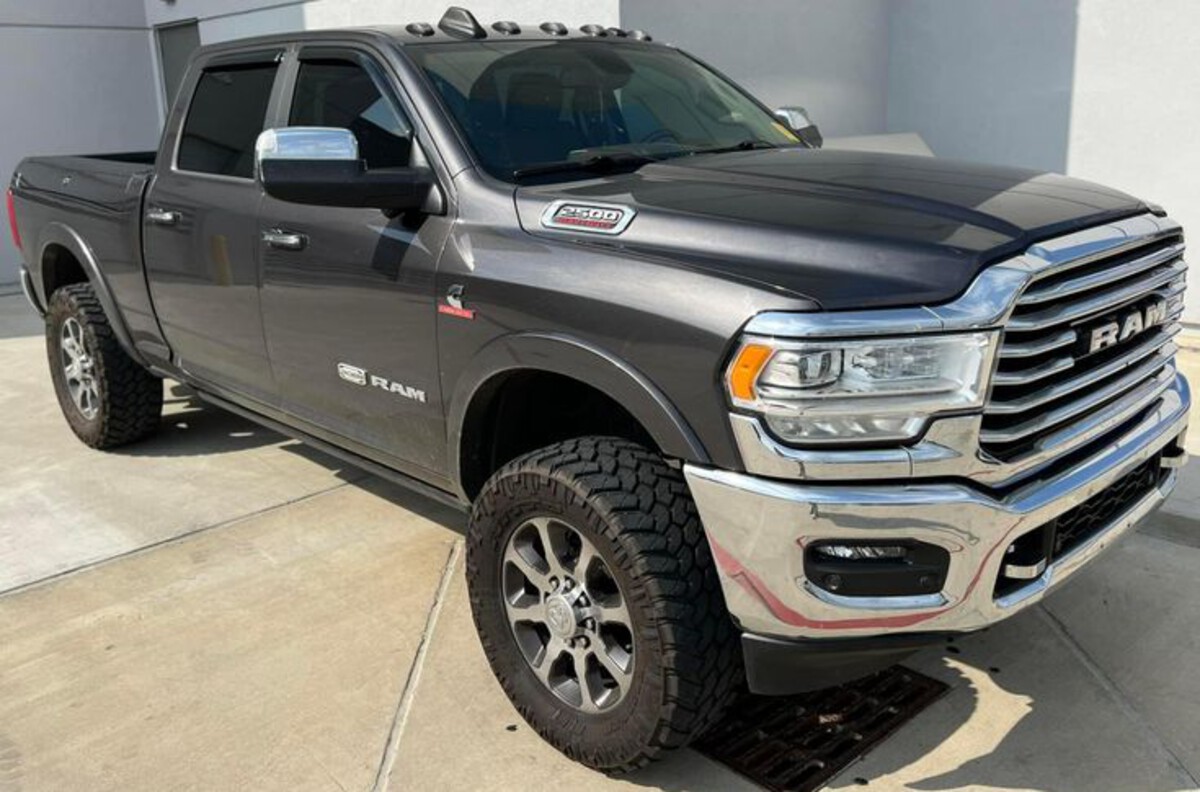
The chassis is beefy enough to take a serious beating. Solid axles mean durability on uneven terrain. Yes, some owners love to joke that the interior quality back then was “cow-proof” not fancy, but tough enough that dirt and spilled feed don’t ruin anything.
Sure, front-end components may ask for a refresh, and emissions equipment isn’t shy about complaining if ignored. But mechanically? These trucks are in the “legend” category. They survive brutal work cycles that would send luxury trucks straight to the ER.
Farmers trust these Rams because they don’t need pampering. They need a purpose. Give them a field, a trailer, and a long day ahead, they’re happiest that way.
4: Toyota Tundra (2007–2021 5.7L V8)
Let’s address the obvious: You usually don’t see Toyota Tundras hauling a herd of cows in Texas. But underestimate this truck and you’ll feel silly later.
The 5.7L V8 in the Tundra is one of the most overbuilt engines ever dropped into a pickup. It’s notorious for hitting 300k+ miles even when owners forget what a service schedule is.
Farm use is all about toughness and Tundras don’t complain. Their drivetrains are ridiculously reliable.
The transmissions shift clean even when towing, and the cooling systems handle heat like champs. When farmers do buy them, they stick with them forever because they simply… never break. And that’s worth gold.
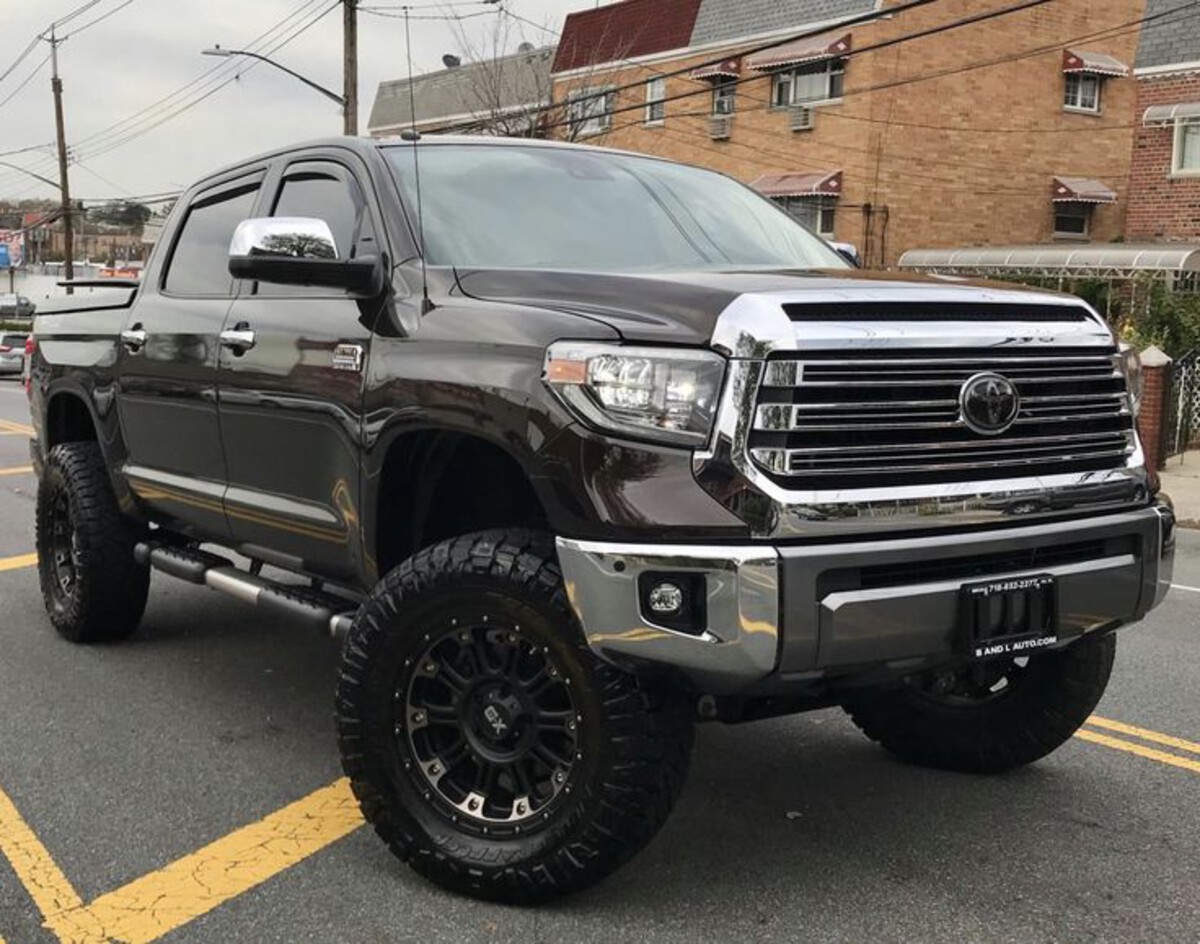
The suspension is sturdy enough to handle rough dirt tracks without squeaks and rattles taking over. And unlike some domestic trucks, the Tundra doesn’t show rust problems early a big win for humid and coastal farms.
Sure, critics say it feels “older” compared to modern tech-heavy trucks. Honestly? That’s a compliment. Fewer gizmos = fewer expensive failures. You sit down, turn the key, and get moving. Simple is good.
Fuel economy isn’t dreamy, but durability is. A Tundra at 250,000 miles isn’t in retirement mode it’s still volunteering for night shifts. It’s not a show truck. It’s a dependable bulldog that loves long-term relationships with hard-working owners.
ALSO READ: 5-family-minivans-that-age-gracefully-and-5-that-nickel-and-dime-you
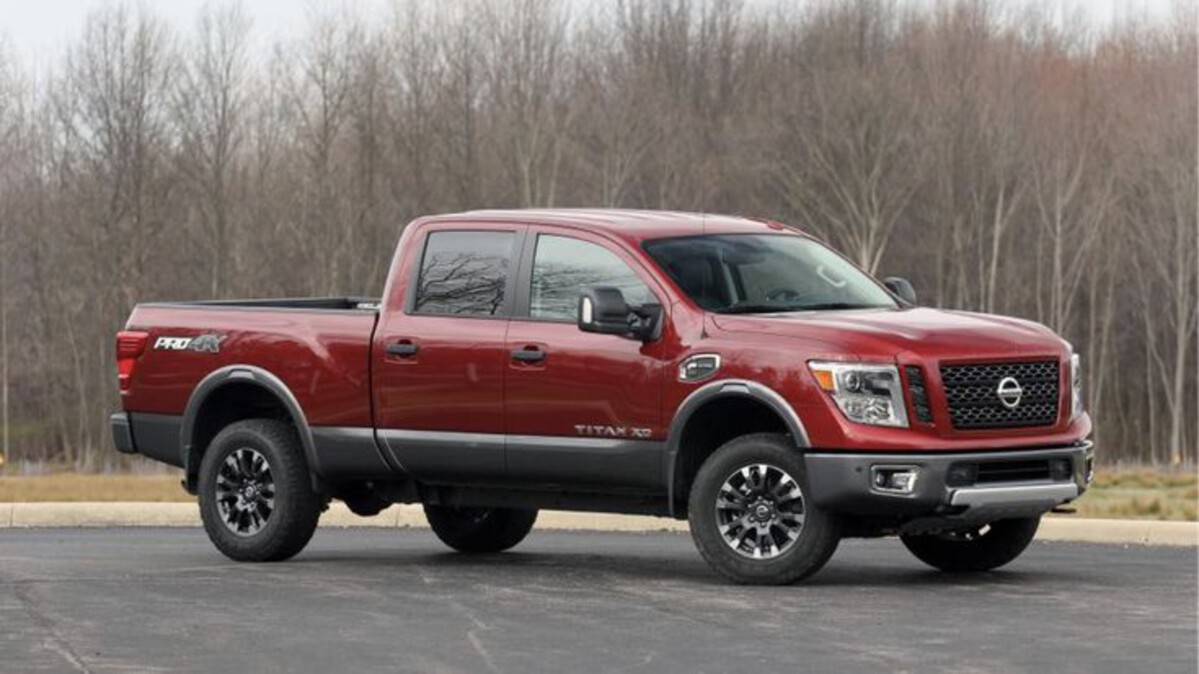
5: Nissan Titan XD (2016–2020 Cummins 5.0L Diesel)
Okay, this one is the oddball of the farm world. The Titan XD didn’t explode in popularity like Ford or Ram, but that’s exactly why the farmers who own them love them they’re like a hidden hack in the pickup market.
The Cummins 5.0L V8 diesel gives the Titan XD a strong backbone. It’s smooth, torquey, and designed to push through heavy workloads without constant screaming.
Now, is it the ultimate towing king? No. But it doesn’t need to be. It sits beautifully between a half-ton and a full heavy-duty truck strong enough for feed trailers and fencing hauls without the maintenance drama of a massive diesel.
And here’s the best part: these powertrains have proven shockingly reliable. As long as the usual diesel care happens clean fuel filters, fresh oil the engine is chill about running for 250k+. It’s a quiet grinder, not a diva.
The build quality on these years? Surprisingly farm-friendly. The frame is solid. The ride is less punishing than larger HD trucks. And farmers appreciate that it isn’t filled with complicated electronics begging for updates every month.
Sure, resale values aren’t great which actually makes them a killer used buy for hardworking owners who don’t need public applause. You pick one up cheaper than its rivals, put it to work, and it shows up every single morning.
If your farm life needs a dependable partner with no unnecessary drama, the Titan XD flies under the radar but outlasts expectations.
6: Chevrolet Silverado 1500 (2014–2018 5.3L V8)
A half-ton truck hitting 250,000 miles while doing real farm work? Most can’t. But the Silverado 1500 with the 5.3L V8 is built for the long ride. Farmers appreciate that this truck doesn’t try too hard to be fancy it just works. And keeps working.
The 5.3L engine has a reputation for clocking insane mileage numbers as long as you don’t completely ignore oil changes.
It loves a daily grind chasing livestock, hauling tools, running into town for supplies, doing all the small but constant jobs that never end. The transmission feels tuned for actual trucks, not suburban mall-parking vibes.
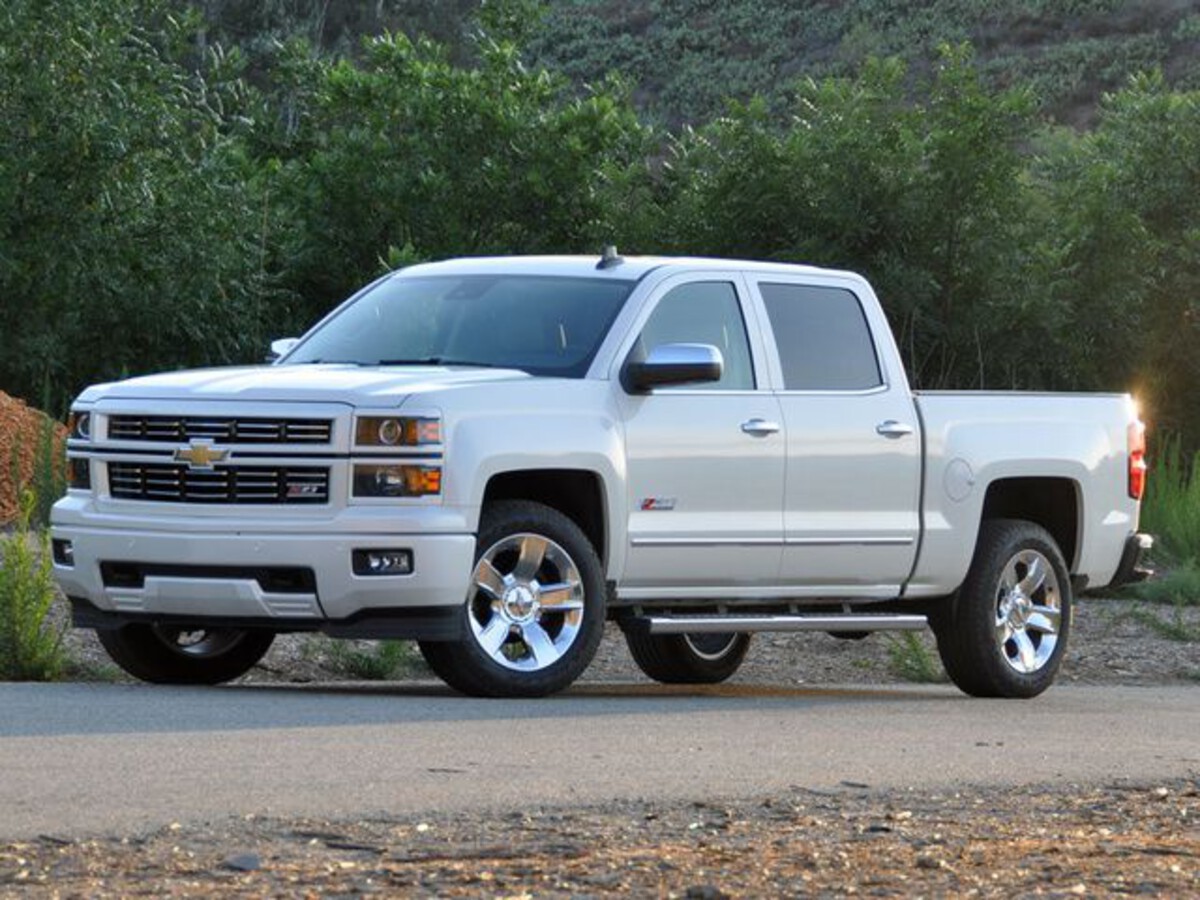
It’s not afraid of towing, either. Maybe you’re not pulling a bulldozer, but flatbed trailers and feed wagons? Easy. It’ll grunt, it’ll pull, and it’ll shut up about it.
What really helps farms is fuel economy that doesn’t destroy the budget. Over thousands of work miles, that efficiency matters.
Plus, the suspension takes dirt tracks and field bumps without turning the interior into a rattle factory. Reliability doesn’t always have to be heavy-duty; sometimes, consistency is stronger than brute muscle.
Super simple to maintain. Parts are cheap. Mechanics know them inside out. That alone can save farm operations thousands over time.
At 250,000 miles, a well-treated Silverado 1500 just shrugs: “So what? Let’s keep moving.”
7: GMC Sierra 2500HD (2015–2020 Duramax Diesel)
The Sierra 2500HD is basically the Silverado 2500HD dressed in a cleaner shirt. Same guts. Same legendary Duramax + Allison combo. Same low-drama attitude about hauling very illegal amounts of weight. Sierra owners like to pretend they’re a little fancier. But don’t let the chrome fool you these trucks are absolute farm brutes underneath.
The 6.6L Duramax diesel is what farmers trust when they need to wake up and push nonstop from sunrise to “why am I still awake?” It takes abuse personally and responds by running smoother.
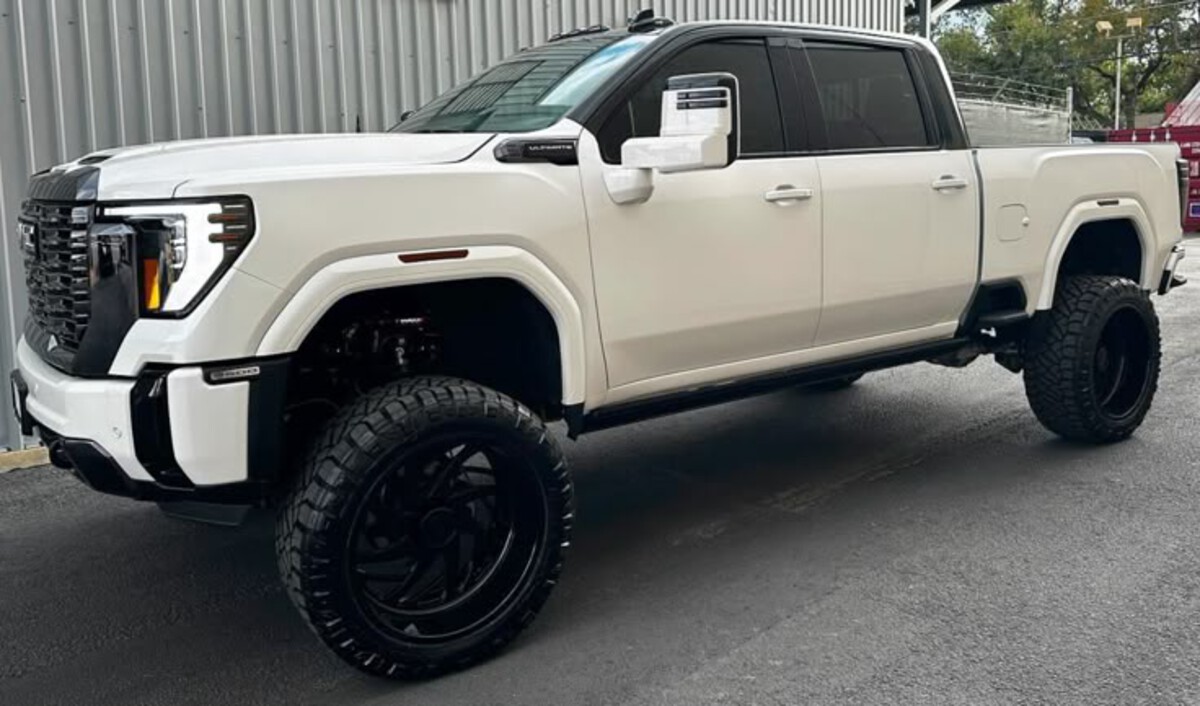
These engines hit 250k with a smirk as long as farmers feed them clean fuel and oil. The Allison transmission is basically bulletproof if you don’t do anything reckless like drag-race your hay trailer.
Inside, the seats and trim actually hold up to muddy clothes and tools flung into the cab. Electronics don’t glitch every ten minutes.
And the ride is nice enough that if you have to spend 8 hours checking fence lines, you won’t hate your spine afterward.
One thing farmers really appreciate? Resale value stays high because reliability isn’t a rumor, it’s proven over and over again. Even after years of towing livestock trailers and climbing rutted fields, the truck still feels solid. No mystery clunks. No “engine light party.”
If your farm needs power with a side of refinement, the Sierra 2500HD is like a workhorse that also remembers your birthday. It simply shows up, does the job, and keeps wanting more miles.
8: Ford F-150 (2011–2020 5.0L V8)
Half-ton pickups get underestimated on farms but the F-150 with the 5.0L Coyote V8 laughs at doubt.
It’s the truck that handles all the daily chaos: chasing goats back into fences, hauling tools everywhere, and doing a bunch of 20-minute trips that would destroy weaker engines. Yet this V8 keeps purring past 250,000 miles like it’s got life hacks for stress.
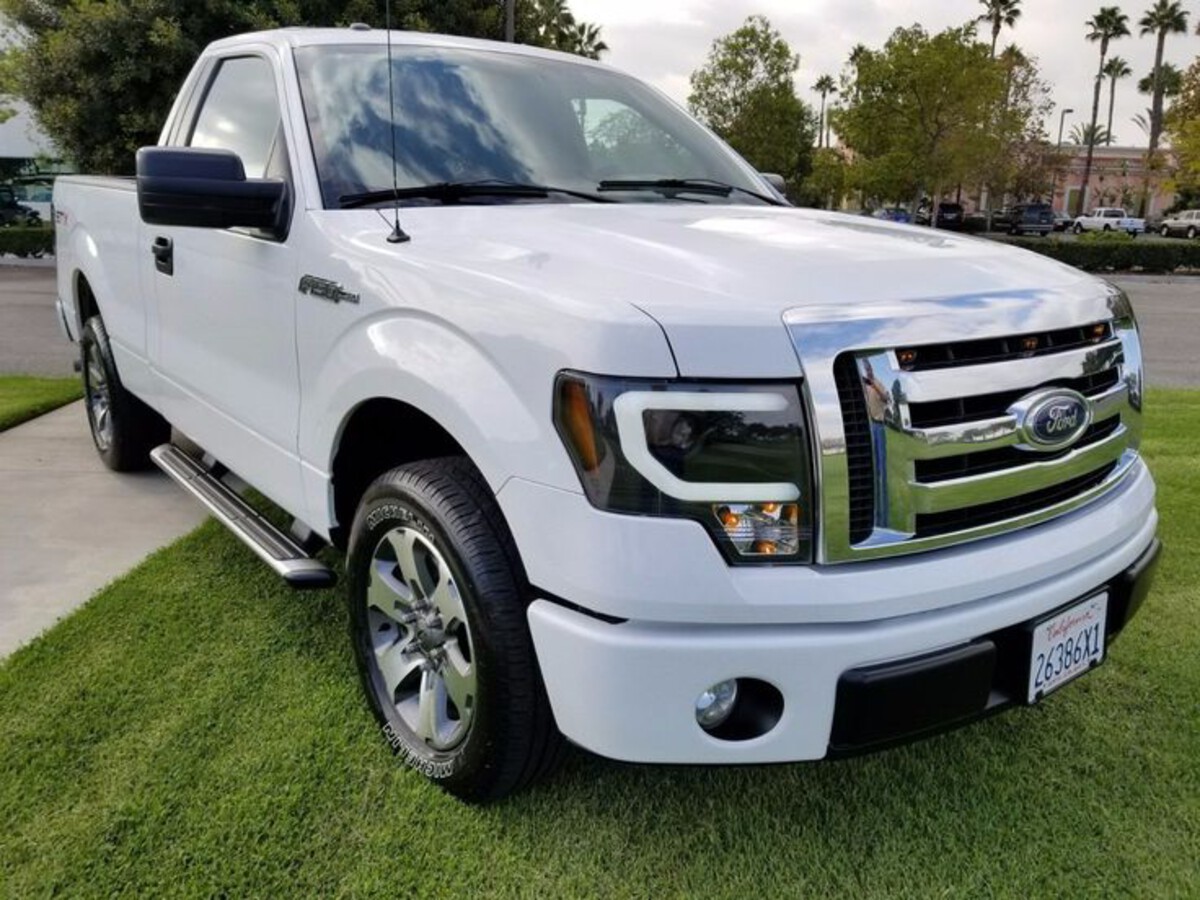
Farm life means uneven terrain and unpredictable loads, but the F-150 doesn’t complain. The engine loves revving, the transmission is sturdy enough to handle towing jobs without whining, and the frame doesn’t chicken out when you attach a trailer full of feed sacks. And since it’s a best-seller, parts are everywhere. Cheap fixes. No big breakdown drama.
The interior doesn’t fall apart easily no saggy seats or knobs falling off like budget toys. And the suspension setup manages rough dirt roads without transforming the ride into a rodeo. It’s tough without acting like it’s doing you a favor.
Fuel efficiency is decent for a V8, which matters a ton when you’re racking up miles faster than your accountant can count. And when that odometer rolls way past 200k? It still fires right up at 5AM like, “Cool, what we lifting today?”
The F-150 isn’t trying to be a hero. It just is one consistently. Farmers keep them forever because they simply don’t quit.
9: Dodge Ram 3500 (2003–2009 5.9L Cummins Diesel)
Ask old-school farmers which truck they’d trust to tow a barn off its foundation and they’ll point at a 5.9L Cummins Ram 3500 with a look that says, “Don’t overthink it.”
This engine is the durability legend. No fancy emissions equipment, no complicated sensors waiting to ruin your week just pure mechanical stubbornness.
The straight-six diesel layout helps it push torque low in the rev range, making heavy towing easier. These trucks handle cattle trailers, loaded grain wagons, and broken tractors like chores. And guess what? Even after 250,000 miles, the engine usually feels bored. 350k, 400k, even 500k miles aren’t weird for this beast.
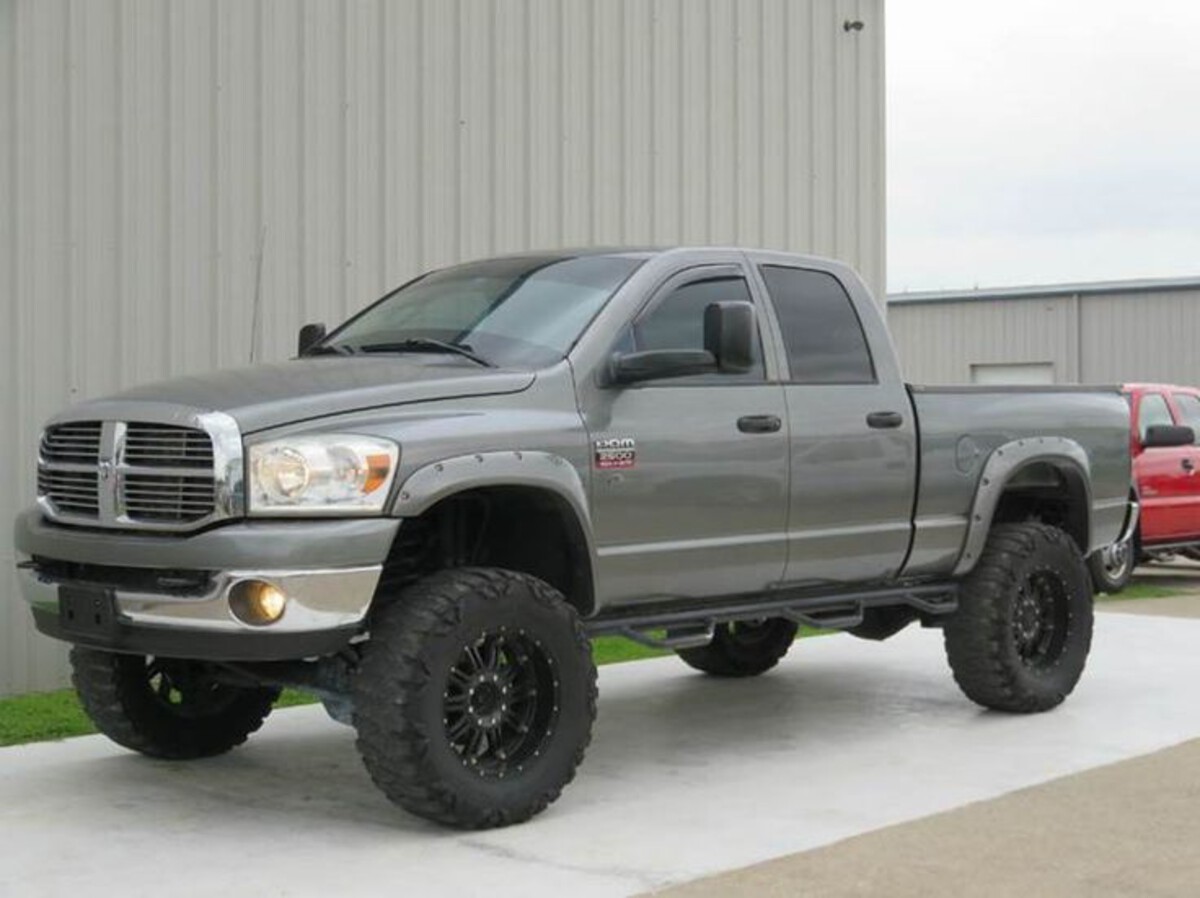
Farmers also love the old-school simplicity you can wrench on it in your own barn without needing a degree in computer science. The manual transmissions from this era? Practically immortal. Even the automatics hold up if you’re not acting recklessly.
Interior quality isn’t glam but farms aren’t fashion shows. They’re mud, hay dust, spilled coffee, and a glovebox full of duct tape and gate latches. The Ram 3500 handles all that without crying.
The only “problem”? You’ll likely replace the body faster than the engine. Rust and front-end wear can show up but nothing catastrophic. When a truck’s biggest flaw is that the engine will outlive the truck, that’s a win.
Bottom line: This is not a truck… it’s a long-term commitment. The 5.9L Ram 3500 is the definition of farm forever.
10: Ford F-350 Super Duty (2011–2016 6.7L Power Stroke Diesel)
If a truck could flex without looking ridiculous, it would be the F-350 Super Duty. This is the do-everything brute that owns towing fields and thinks payload rules are cute suggestions.
The 6.7L Power Stroke diesel in these years is a major comeback story once Ford ditched outside engine suppliers and built this one in-house, reliability skyrocketed.
Ask anyone who’s hauled livestock cross-state: the F-350 doesn’t heat up, freak out, or whine about the weight. It just digs in and pulls. Whether you’re dragging a fertilizer spreader, hay wagons, or a loaded flatbed up a slushy hill? This truck answers with a confident “Yes.”
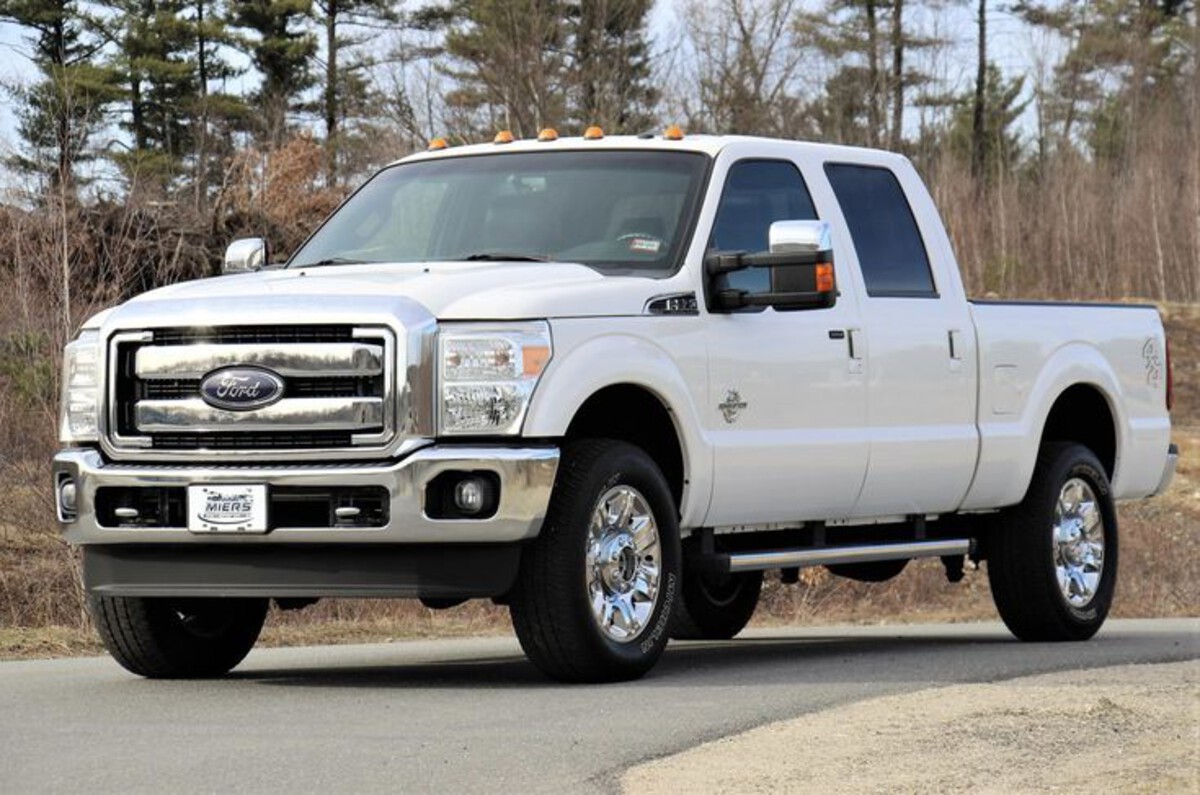
It’s engineered with thick axles, beefy frame rails, and suspension that can take a pounding from rutted back roads or uneven fields.
Cabin comfort is better than it needs to be, which farmers secretly appreciate during long days. The electronics actually behave (shocking, I know), and reliability holds strong even when maintenance is “whenever I get to it.”
Hit 250k miles? This thing barely notices. Diesel injectors, turbo, transmission they all keep pushing, as long as you give them half a chance. Many farmers say the F-350 becomes more dependable after the break-in years like it finally understands its purpose.
If you need a truck that masters both towing and longevity with zero attitude, the F-350 earns its place at the top of the farm hierarchy. It’s not dramatic. It’s not fragile. It’s the boss.
Farming doesn’t wait for anything, not for weather, not for breakdowns, and definitely not for a truck that decides it’s tired after 100,000 miles. You need a machine that gets up every day, ready to handle whatever mess the world throws at you.
And that’s exactly what these ten trucks have proven in real farm conditions. They aren’t fragile showpieces with chrome egos. They’re the ones that stay loyal long after the new-car smell has been replaced by the scent of dirt, diesel, and feed sacks.
Some come with monster diesel engines. Some are simpler gas workhorses. Some are half-tons that punch above their weight. But they all share one trait: they don’t complain.
They take towing abuse, overloaded trailers, pothole moon-craters, and drivers who don’t baby them whatsoever. They rack up 250,000 miles like it’s just the warm-up lap. Many of them are barely hitting their stride at that point.
Sure, there are newer trucks with more tech and fancier interiors. But tech doesn’t put hay in the barn. Chrome doesn’t haul bales. A giant touchscreen doesn’t keep cows fed when fencing collapses at midnight. Reliability does. Guts do. A drivetrain that refuses to quit does.
If you pick any of the rigs on this list, you’re not buying a fashion symbol. You’re bringing home a partner one that gets the tough jobs done without drama. A good farm truck doesn’t need to be pampered. It just needs to be respected. Give it fuel, give it work, and give it miles to chew through.
These ten trucks prove one thing: the odometer number doesn’t matter it’s what the truck does after that number that makes it a egend.