
Let’s be honest, owning a car for more than 10 years isn’t exactly rare anymore. People expect their cars to hold up, stay efficient, and most importantly, pass those annoying emission tests without turning into a money pit.
No one wants to roll into an inspection center praying the “check engine” light doesn’t suddenly blink back to life. The real heroes are the cars that stay clean, reliable, and compliant with modern emission rules even after a full decade of daily use.
But here’s the catch: not every car ages gracefully. Some start coughing fumes like they smoke a pack a day. Others become expensive headaches requiring sensors, catalytic converters, and repairs worth more than the car itself. So when a car makes it 10+ years and still clears emissions like a champ? That’s proof the automaker did something right.
This article highlights 10 cars known for long-term emission reliability the ones that just keep running clean when others struggle. These picks aren’t about luxury badges or “fast and furious” energy.
They’re about smart engineering, well-built engines, strong exhaust treatment systems, and real-world track records from owners who kept their cars long enough to know the truth.
Whether you’re buying a used car that won’t fail inspection every year, or you just want to know which automakers build machines that age responsibly, this list will save you frustration (and a lot of repair bills).
From hybrids that stay green forever to sturdy gas models with tightly engineered combustion systems these are the solid bets that pass emissions without drama, even after a long decade on the road.
10 Cars That Pass Emissions Easily After a Decade
Why these 10 cars specifically? Because they’re widely recognized as low-emission performers with engines that don’t deteriorate fast. They maintain good combustion, reliable sensors, and catalytic systems that don’t quit early. Even when they hit 150,000 km or more, they don’t suddenly become pollution monsters.
Most of these cars have strong reputations for durability: fewer oil leaks, fewer misfires, fewer “out of spec” readings that typically cause failed inspections. Plus, parts are easy to replace, software is updated long-term, and fuel systems stay efficient. The idea is simple: less drama, fewer repair surprises, more time driving instead of waiting at a workshop or arguing with a mechanic over OBD codes.
Of course, maintenance matters. No car magically passes emissions if the owner never changes oil or ignores warning lights. But if treated reasonably, these 10 cars consistently prove they’re built to stay clean long after their showroom days.
So yeah, if you want a future-proof used car that can survive emissions tests for years to come, this list is your cheat sheet.
ALSO READ: 12-cars-that-will-be-worth-a-fortune-by-2030
1: Toyota Prius (Any Generation)
If there’s one car that laughs in the face of emissions tests even after 10–15 years, it’s the Toyota Prius. People joke about it being the official ride of Uber drivers and environmentally conscious college professors, but let’s give credit where it’s due this thing is practically immortal when it comes to staying clean and efficient.
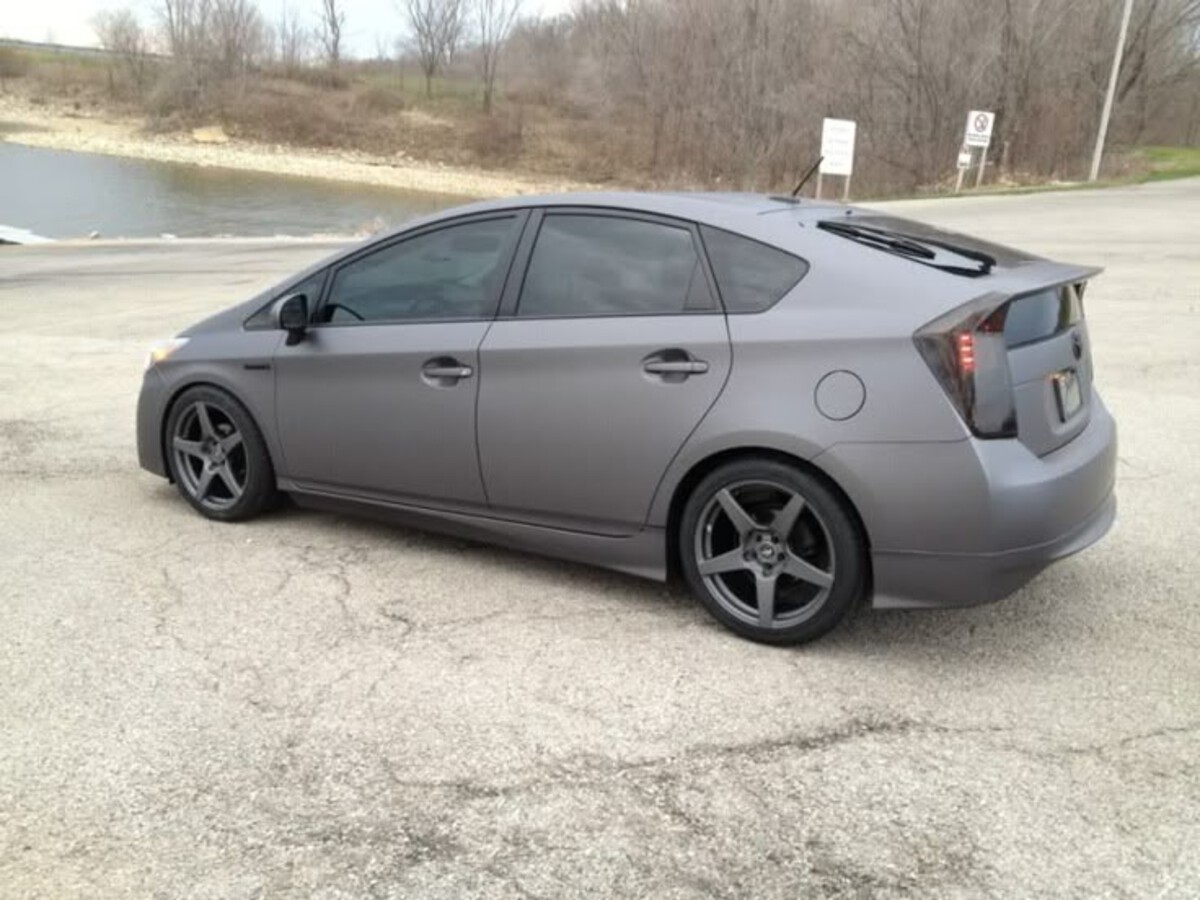
The Prius hybrid system takes a lot of load off the gasoline engine. Less stress = less wear. That means fewer combustion problems, fewer oil leaks, and fewer chances of fouling up the catalytic converter. Even when they clock crazy mileage like 200,000+ km, they somehow still hover around the same emissions levels they had when new. That’s wild.
Another advantage? Toyota’s obsession with long-lasting hybrid components. The battery pack rarely dies early, and even if it does, replacement costs have gone down a lot. Emission-related sensors and the exhaust system are overengineered, which means fewer replacement parts and fewer OBD code surprises during inspections.
Sure, some people think the Prius is boring. No growl, no drama. But hey, boring is beautiful when you’re breezing through annual emissions checks while someone with a 10-year-old diesel SUV is sweating bullets. The Prius proves that staying clean doesn’t have to be complicated Toyota just nailed the formula long before everyone else decided to care about emissions.
If you want a car that saves fuel, saves the planet, and saves you from the embarrassment of a failed test, the Prius has your back decade after decade.
2: Honda Civic (2010s models especially)
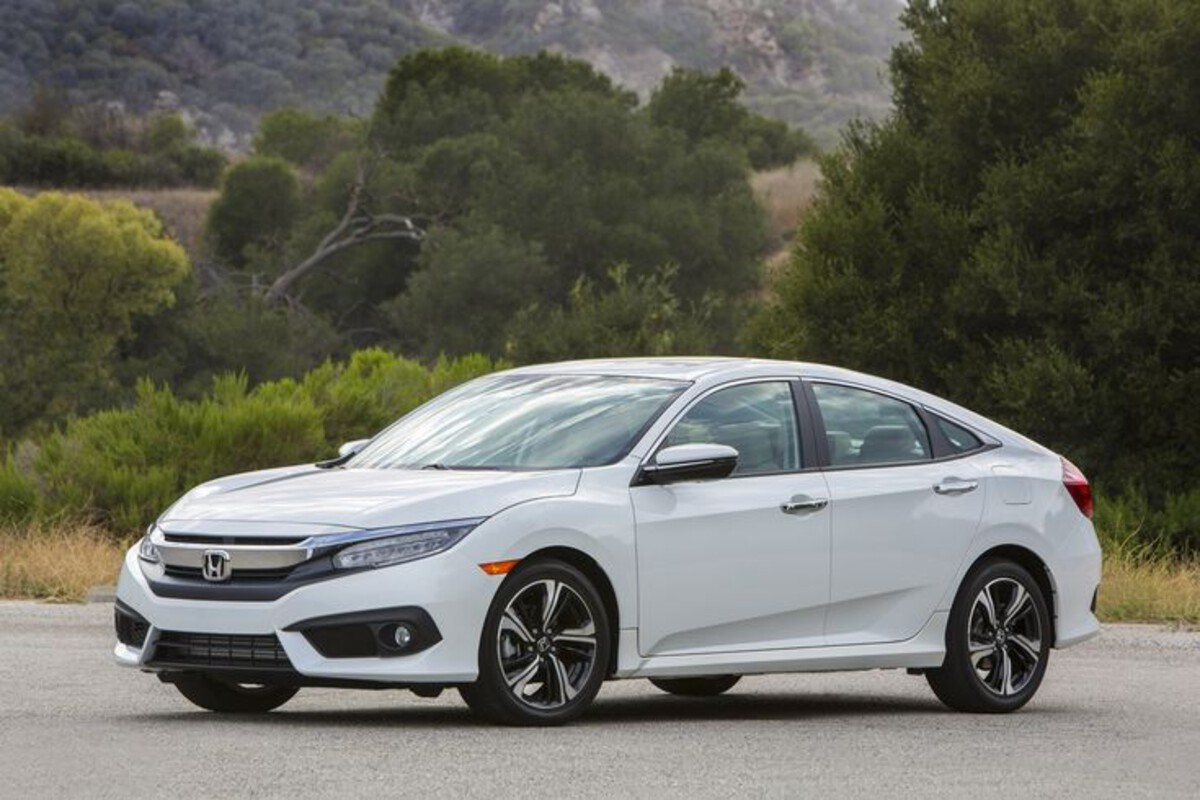
The Honda Civic has always carried a reputation for being the dependable buddy who never lets you down and that reputation extends to emissions performance. Even after 10+ years, Civics are typically clean burners, with engines that remain tight and efficient for way longer than most compact cars.
Honda engineering doesn’t mess around. The Civics from the 2010s era, especially the 1.8L and 2.0L engines, are famous for precise combustion, low oil consumption, and incredibly durable catalytic converters.
They rarely develop the kind of exhaust or ignition issues that cause failed tests. The oxygen sensors? Long-lasting. The fuel injection system? Steady. Random check-engine drama? Much lower than the industry average.
Plus, Civics are lightweight and have smaller engines that don’t have to work too hard. Less stress again means fewer emissions hiccups. And every mechanic on Earth knows how to work on a Civic, so small issues never snowball into something catastrophic.
They also age well with modern fuel standards. Even a decade-late Civic still has no problem meeting today’s stricter inspection limits. You roll into a testing center with one of these, and most times the technician doesn’t even blink; it’s an easy pass.
So if you’re looking for a car that just keeps doing its job without polluting the neighborhood or draining your wallet, the Honda Civic remains one of the smartest bets on the used market.
3: Toyota Corolla (2010s and newer)
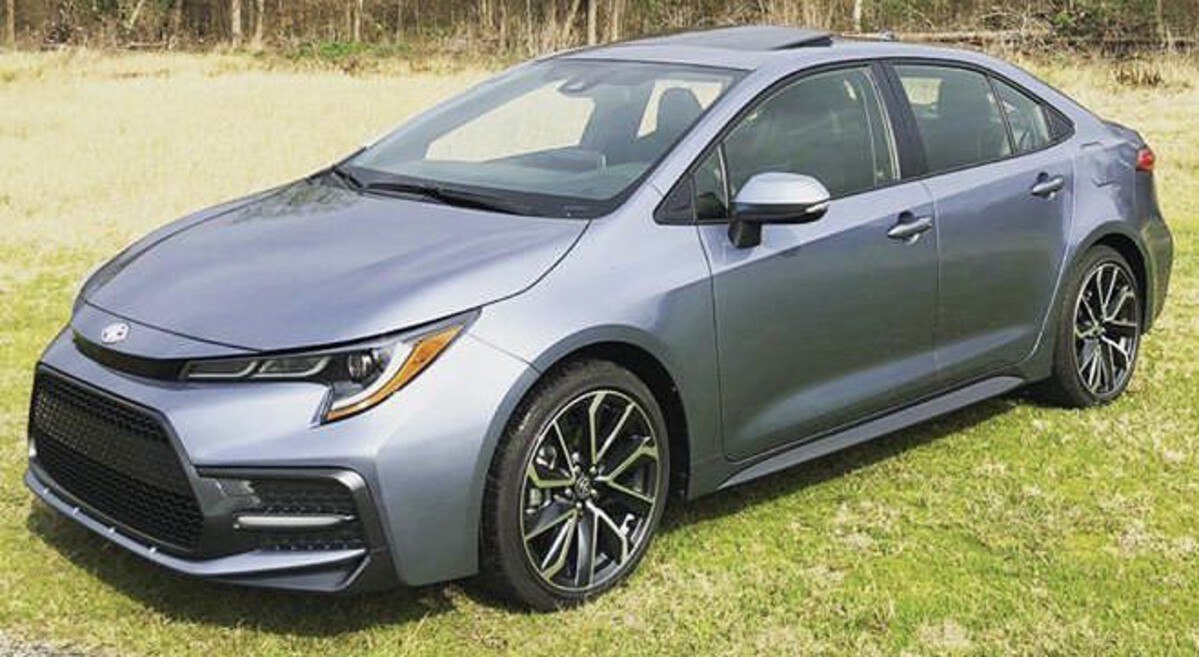
The Corolla is like that kid in school who never caused trouble, always dependable, always consistent. This car has built its entire legacy around reliability, and emissions performance is a big part of that. Even after 10–12 years, most Corollas still run clean enough to pass testing without sweat.
The 1.8L and 2.0L engines Toyota uses in these cars are incredibly stable. They don’t start burning oil suddenly or destroy catalytic converters like some budget-friendly cars do as they age.
The combustion is efficient, the intake systems don’t gunk up badly, and the emissions-related sensors remain healthy for an annoyingly long time in a good way.
Also, the Corolla isn’t a high-performance machine trying to squeeze power out of every drop of fuel. It’s chill. It runs at a relaxed pace, which means less wear and fewer pollution issues long-term. Even if someone skips a service here and there (we all have), the Corolla doesn’t punish them immediately by setting off a Christmas tree of warning lights.
There’s a reason taxi fleets and driving schools love this car it’s built to age gracefully. Owners regularly report passing emissions inspections year after year without having to replace half the car. That alone saves a lot of money and stress.
If you want a decade-old ride that just keeps saying, “I got this,” the Corolla is easily one of the safest picks out there. It doesn’t pretend to be exciting but it absolutely delivers when it counts.
4: Mazda 3 (Skyactiv Models)
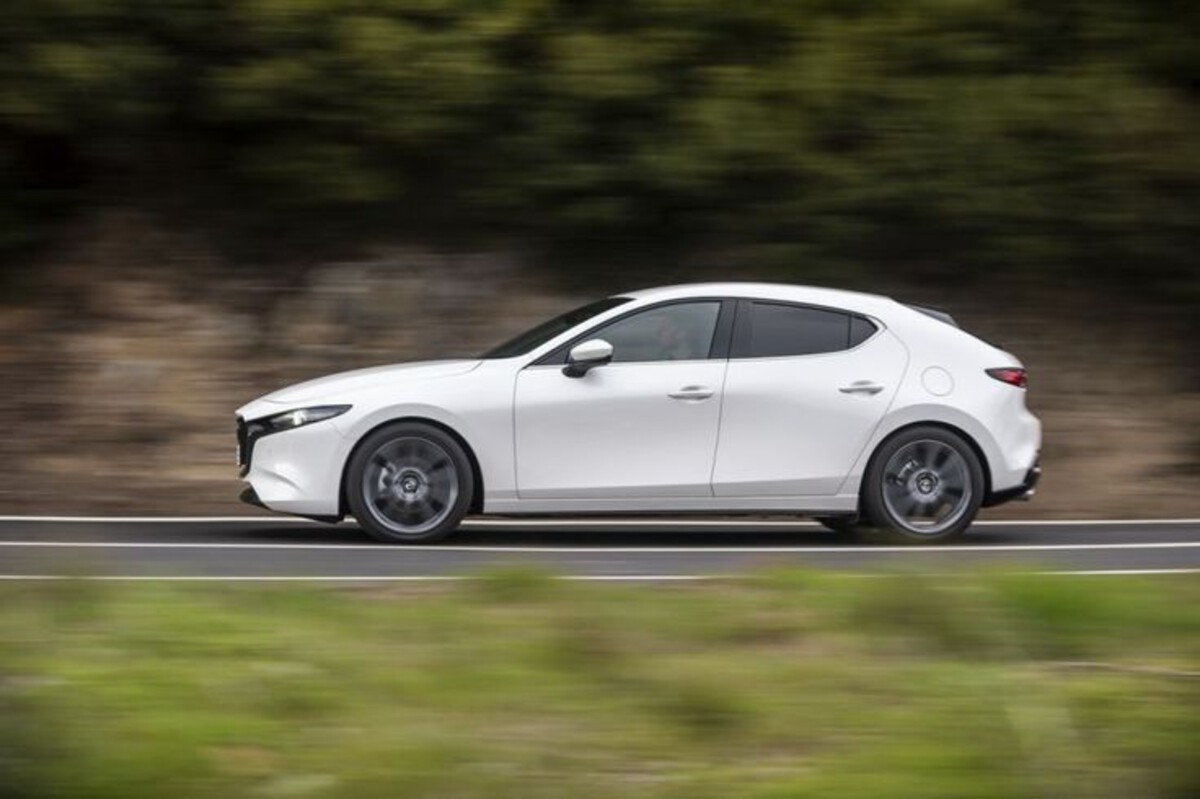
Mazda doesn’t always get the hype it deserves, but the Mazda 3 equipped with Skyactiv engines is one of the most underrated long-term clean performers. These engines were built with a simple mission: burn fuel more efficiently and push fewer pollutants into the air without needing a hybrid system.
The result? Even after 10+ years, a Mazda 3 usually glides through emissions checks thanks to its high-compression engine that keeps combustion extremely clean.
The fuel-air mixture stays precise over time, which means fewer unburnt fuel residues sneaking out of the tailpipe. The catalytic converters also hold up well they don’t degrade early unless totally abused.
Owners also appreciate that Mazda avoided overly complicated exhaust treatment systems. Fewer parts = fewer failures. Maintenance is straightforward, and the cars generally don’t start gulping oil as they age. That’s important because oil-burning engines are an emissions test’s biggest enemy.
And hey, let’s be real the Mazda 3 actually looks cool. You don’t have to drive something boring just to be eco-friendly. You get style, a sporty feel, and still, you’re able to pass inspections without sweating.
If you want a decade-old car that keeps its engine clean inside and out while letting you enjoy corners a little more than the average commuter, the Mazda 3 Skyactiv is a fantastic, low-risk choice.
5: Honda Fit / Jazz
Small car, big respect. The Honda Fit (or Jazz, depending on the market) is one of those “buy it and forget your worries” models, including emissions stress. Even after 10+ years, this car stays surprisingly clean and efficient thanks to Honda’s clever engine design and lightweight build.
The Fit’s 1.2L–1.5L engines are super simple, and simple is great for long-term reliability. No turbo to fail, no overly complex exhaust systems to choke, and no high stress on the components.
It burns fuel cleanly and doesn’t suddenly start guzzling oil the moment it hits high mileage. That means fewer misfires, fewer clogged catalytic converters, and fewer “Uh oh, why did that emissions number spike?” moments.
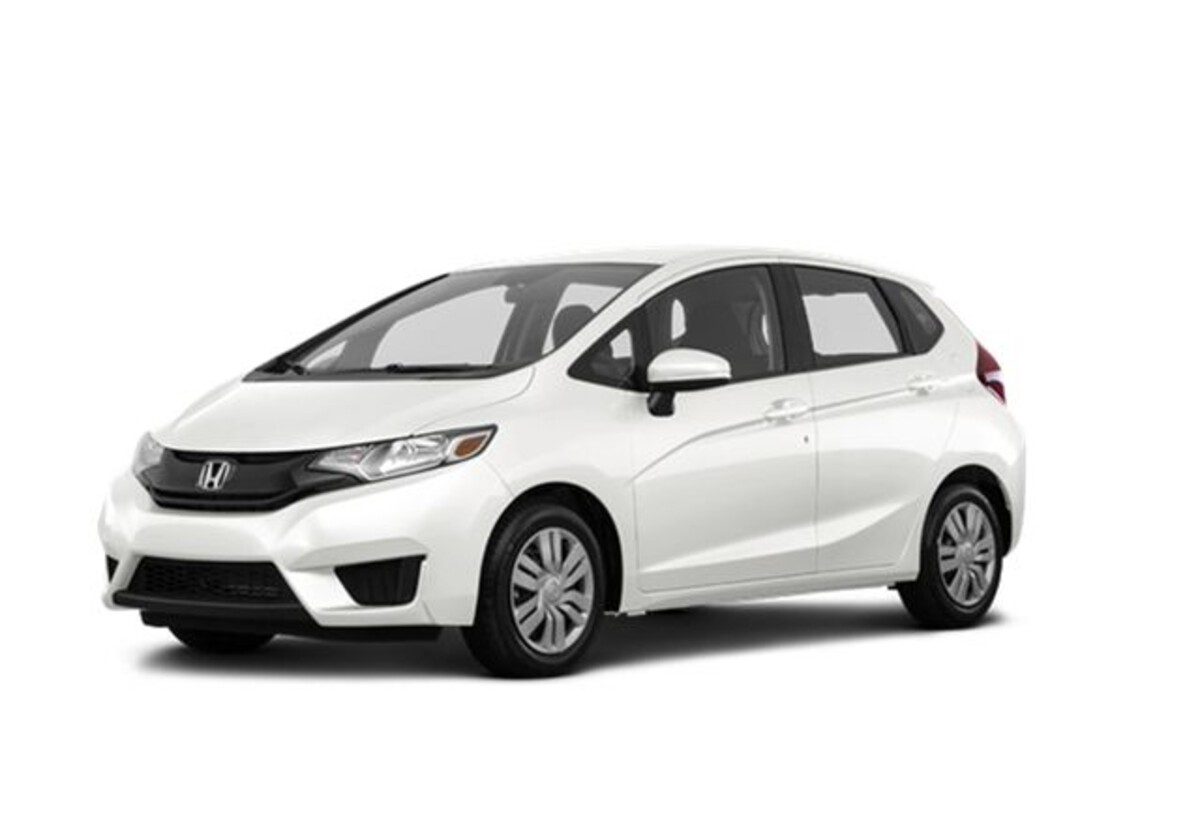
Also, the Fit has a reputation for solid OBD (On-Board Diagnostics) accuracy. If a sensor fails or the airflow isn’t right, the car actually tells you early before problems escalate into emission test failures. Smart little guy.
What makes the Fit legendary, though, is its usability. You get crazy cargo space and great mileage in a package that feels way bigger inside than out. If you’re trying to own a car for 10–15 years without high maintenance costs, and you also don’t want inspectors shaking their heads every year, the Honda Fit is a very safe bet.
Not a performance monster. Not a luxury cruiser. Just a practical champ that keeps the air clean and your wallet happy.
ALSO READ: 10-mercedes-cars-that-keep-owners-happy-decades-later
6: Toyota Camry (Hybrid or Gas)
The Camry is basically a tank, a quiet, smooth, emission-friendly tank. These things age like they drink from the fountain of youth. Even after a decade, they keep their emissions low because Toyota builds its engines and hybrid systems with long-term durability in mind.
Whether you go with the standard gas engine or the hybrid version, both keep combustion steady and efficient for years.
The catalytic converters in Camrys tend to last embarrassingly long, and fuel system issues are rare. They also don’t have the carbon buildup and oil consumption problems that plague many mid-size sedans once they hit 100,000+ km.
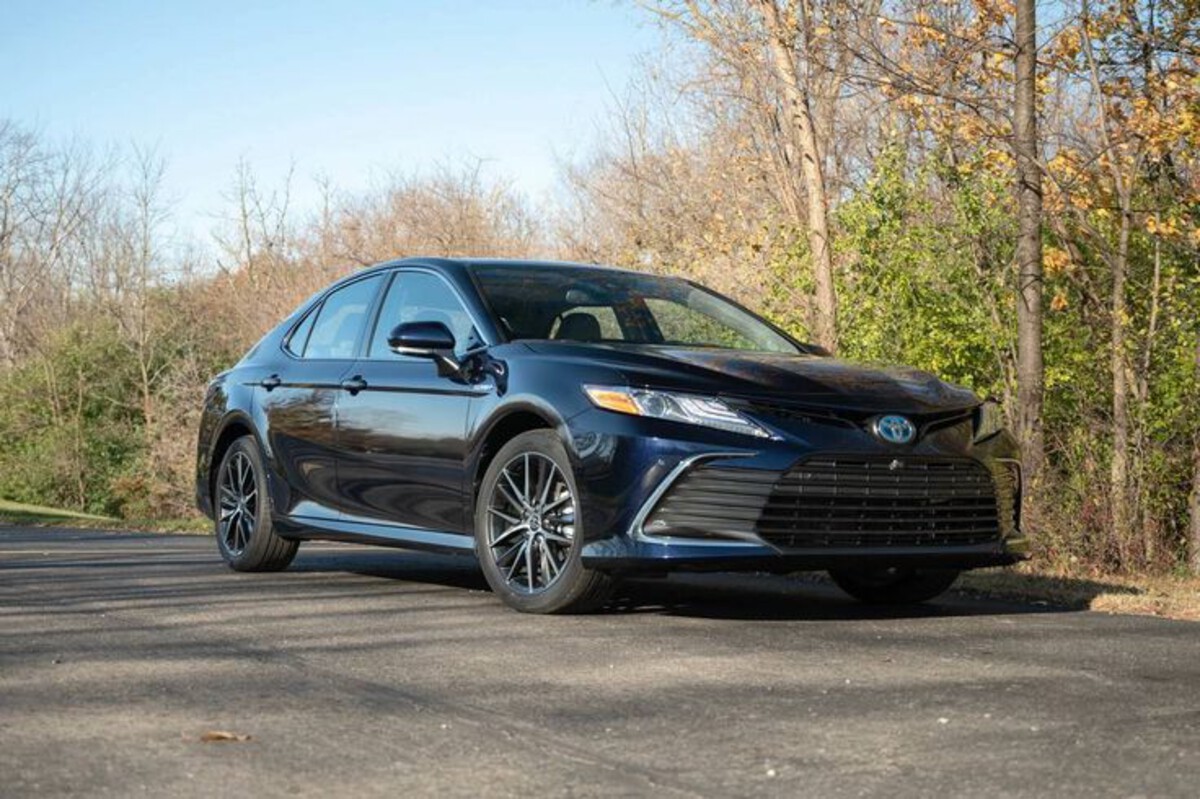
Another win? The hybrid models spend a lot of time running the motor at low RPM or not at all instantly helping emissions stay clean long-term. And Toyota still supports and updates software for these models, meaning fewer outdated emissions calibrations.
People love Camrys for being drama-free. They just drive. And drive. And drive. You don’t visit workshops every month, and you don’t get anxious at inspection centers. The inspectors probably trust the car more than anything else they’ll see that day.
If you want a decade-old car that still feels refined, reliable, and clean as ever, the Toyota Camry basically says, “Don’t worry, I’ve done this a million times.”
7: Hyundai Elantra (2012 and newer)
Hyundai did a major glow-up in the 2010s, and the Elantra is proof. These models are known for staying fuel-efficient and clean way past the 10-year mark. What used to be a budget car with “meh” reliability has now turned into a serious contender that passes emissions tests like it’s nothing.
The main engines the 1.6L and 2.0L are built to keep combustion stable even after high mileage. They don’t start burning crazy amounts of oil like some older compact cars.
The emission systems are well-designed and don’t collapse early, especially the catalytic converter and O2 sensors. As long as someone isn’t skipping oil changes like they’re optional, the Elantra keeps everything ticking smoothly.
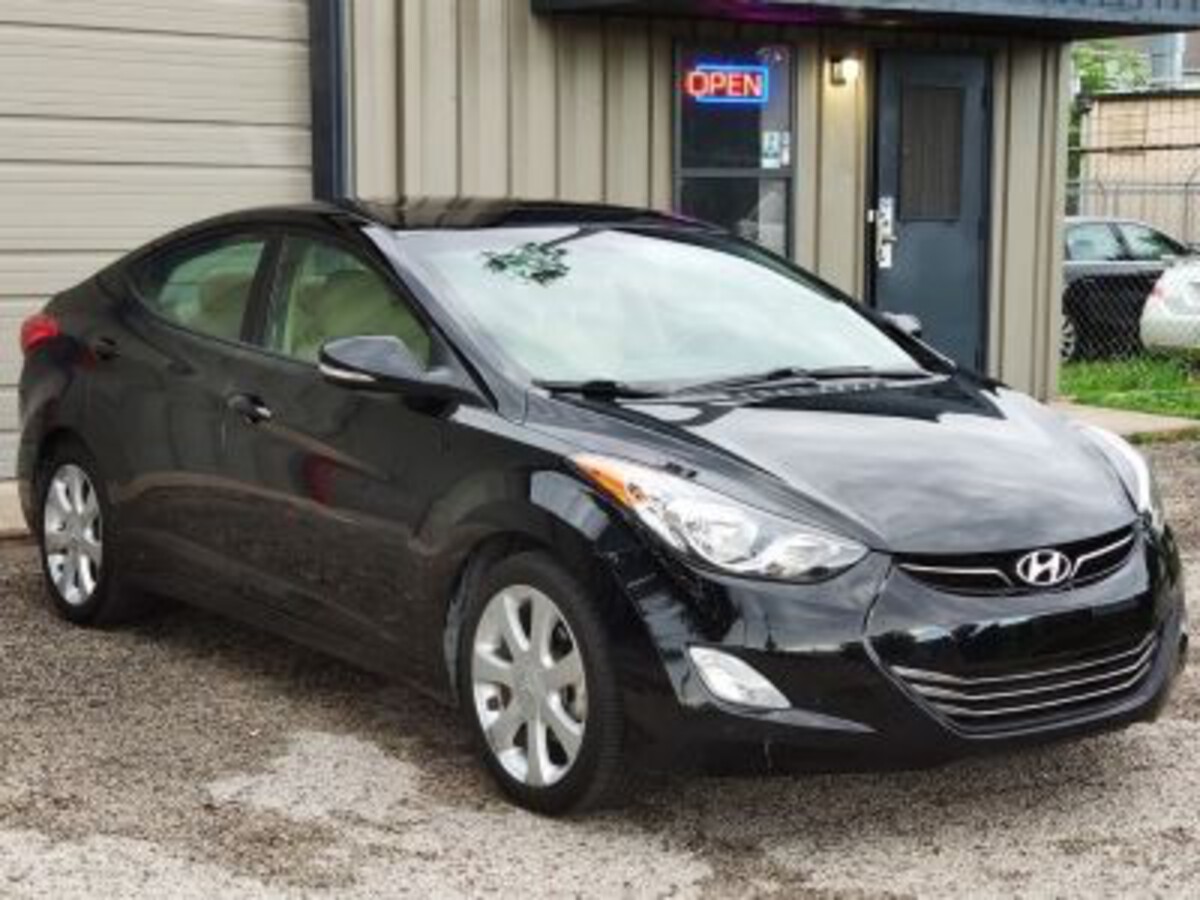
Another plus: Hyundai made sure these cars stay lightweight. Less strain = fewer emissions issues. The software also tends to keep things in safe limits the car will complain and throw a warning long before something becomes an emissions-killing problem.
Bonus point: parts and repairs are affordable. If anything does start aging, it’s not a wallet-destroying moment.
So, if you want a car that provides value while still being clean enough to breeze through inspections after a decade? The Elantra is a smart buy that doesn’t get enough hype.
8: Subaru Outback
The Subaru Outback is basically the outdoorsy friend who actually recycles and cares about clean air and proves it every year at emissions testing. This wagon-slash-SUV is known for keeping its exhaust clean even after years of tackling tough weather and rough roads.
Subaru’s 2.5L flat-four engines are engineered for smooth, efficient combustion. They don’t usually develop the carbon buildup that ruins emissions performance in older cars.
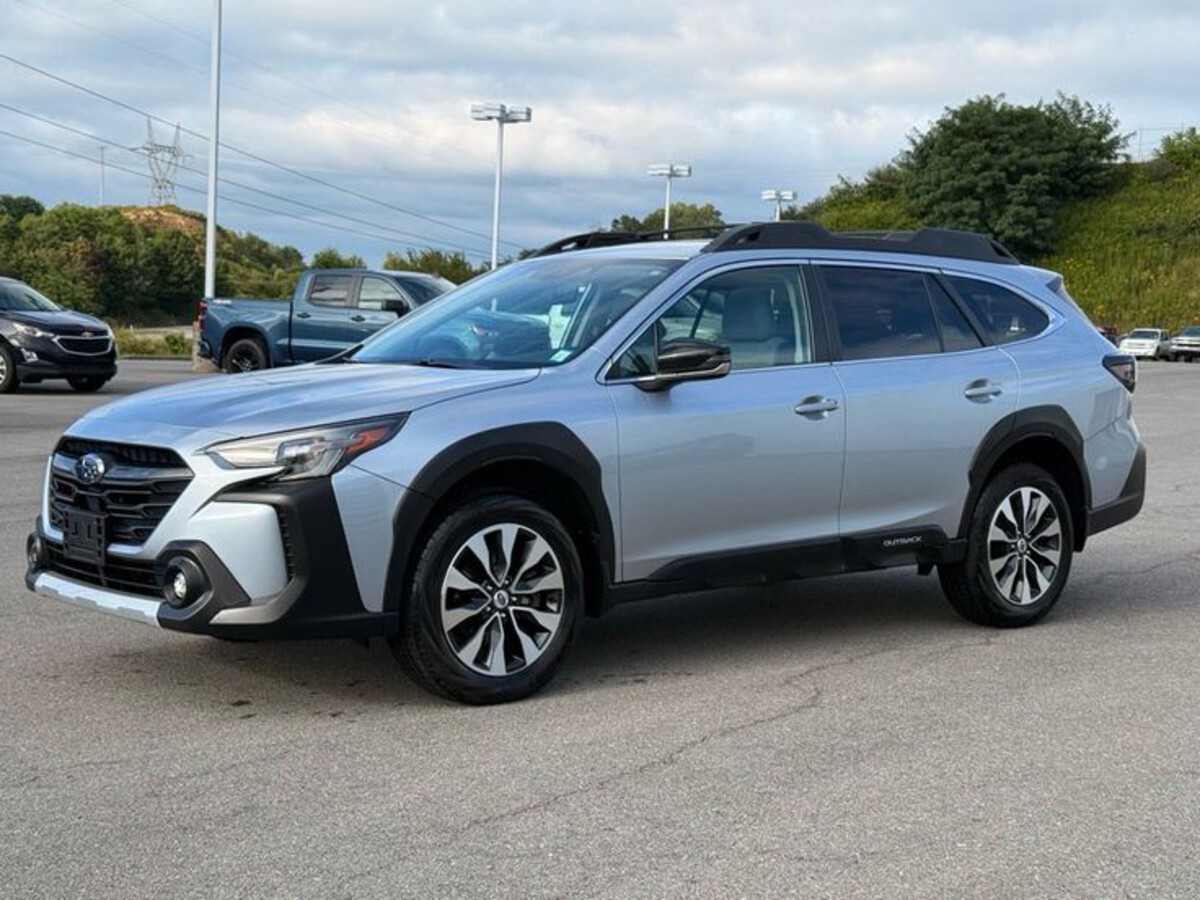
The catalytic systems are also rugged designed to survive cold starts in snowy climates where emissions are usually harder to control.
The Outback’s strength is balance:
- Not overly powerful
- Not working too hard
- Not overloaded with fragile parts
It just functions well… for a long time.
Yes, Subarus historically had a stereotype about head gaskets but the 2010s and newer models massively improved that. When kept maintained, these engines stay clean and steady, allowing decade-old Outbacks to pass inspections without the slightest anxiety attack.
And honestly, for families or adventure-loving drivers, owning a car that can survive snowstorms AND still keep emissions low after 10–15 years? That’s a win. Durable doesn’t have to mean dirty.
9: Ford Fusion Hybrid
The Ford Fusion Hybrid deserves way more appreciation. It was one of the early hybrids that actually felt like a proper mid-size sedan comfortable, solid, and not obsessed with shouting “I’m a hybrid!” all the time. And here’s the fun part: even after a decade, these things still pass emissions with shocking ease.
Why? Because the hybrid setup reduces engine workload massively. A lot of city miles are covered using battery power or low RPM driving, which means the gasoline engine doesn’t degrade as fast as typical gas-powered sedans.
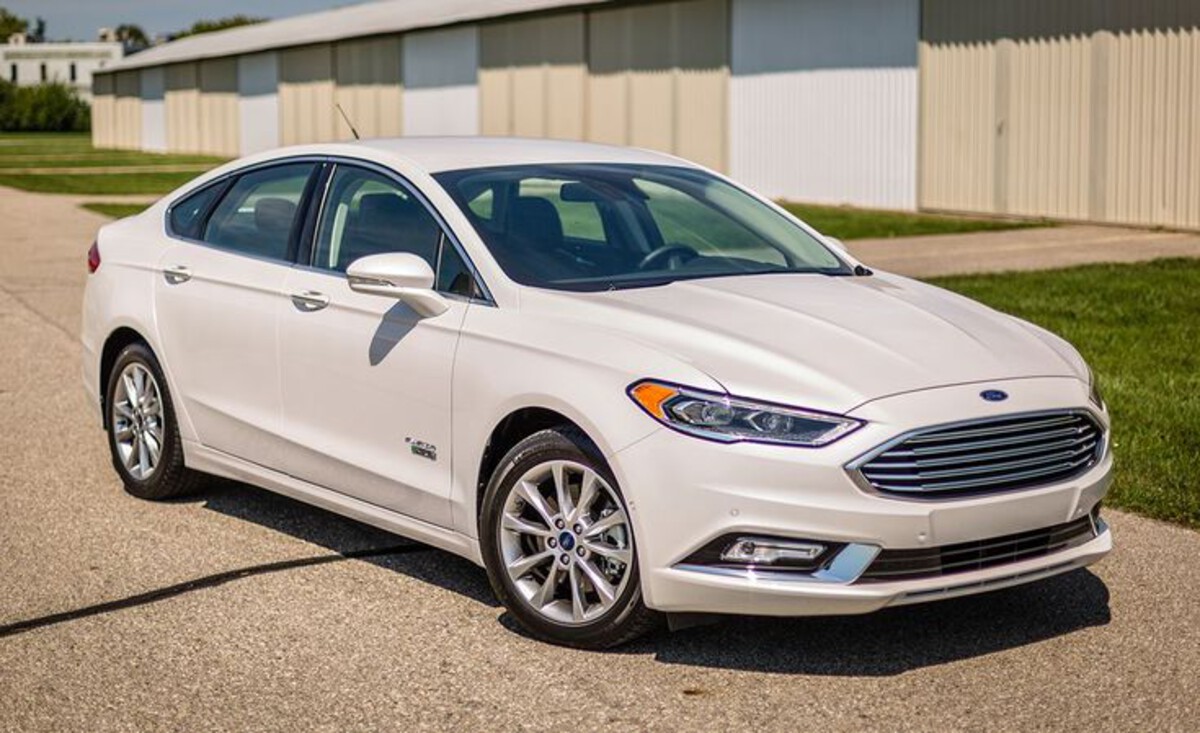
Less wear equals cleaner emissions, even when mileage goes well above 150,000 km.
Ford also built the Fusion Hybrid with long-term emissions systems in mind sturdy catalytic converters, reliable O2 sensors, and well-managed fuel injection. You don’t see them suddenly turning into oil-burning disasters. And if something does go off, the car’s sensors catch it early, making issues cheap and easy to fix.
Plus, the Fusion Hybrid’s regenerative braking reduces strain on the engine, further helping emissions performance over the years. It’s like the car is always taking the stress off itself so it can grow old gracefully.
Bottom line: If you want an affordable used hybrid that still aces emissions tests after 10+ years, the Fusion Hybrid is a sleeper choice that delivers real-world results.
10: Volkswagen Golf (TSI / Non-diesel)
Let’s be real Volkswagen doesn’t always get the cleanest headlines because of that whole diesel emissions scandal situation. But the Golf with the TSI gasoline engines? Completely different story. These models, especially post-2012, are surprisingly good at maintaining low emissions long-term.
The TSI engines are turbocharged but well-balanced, not tuned aggressively like big performance turbos. They focus on efficiency and clean burn, which keeps emissions tight even as the car ages. They also resist carbon buildup better than many competitors, thanks to better fuel atomization and smarter engine management.
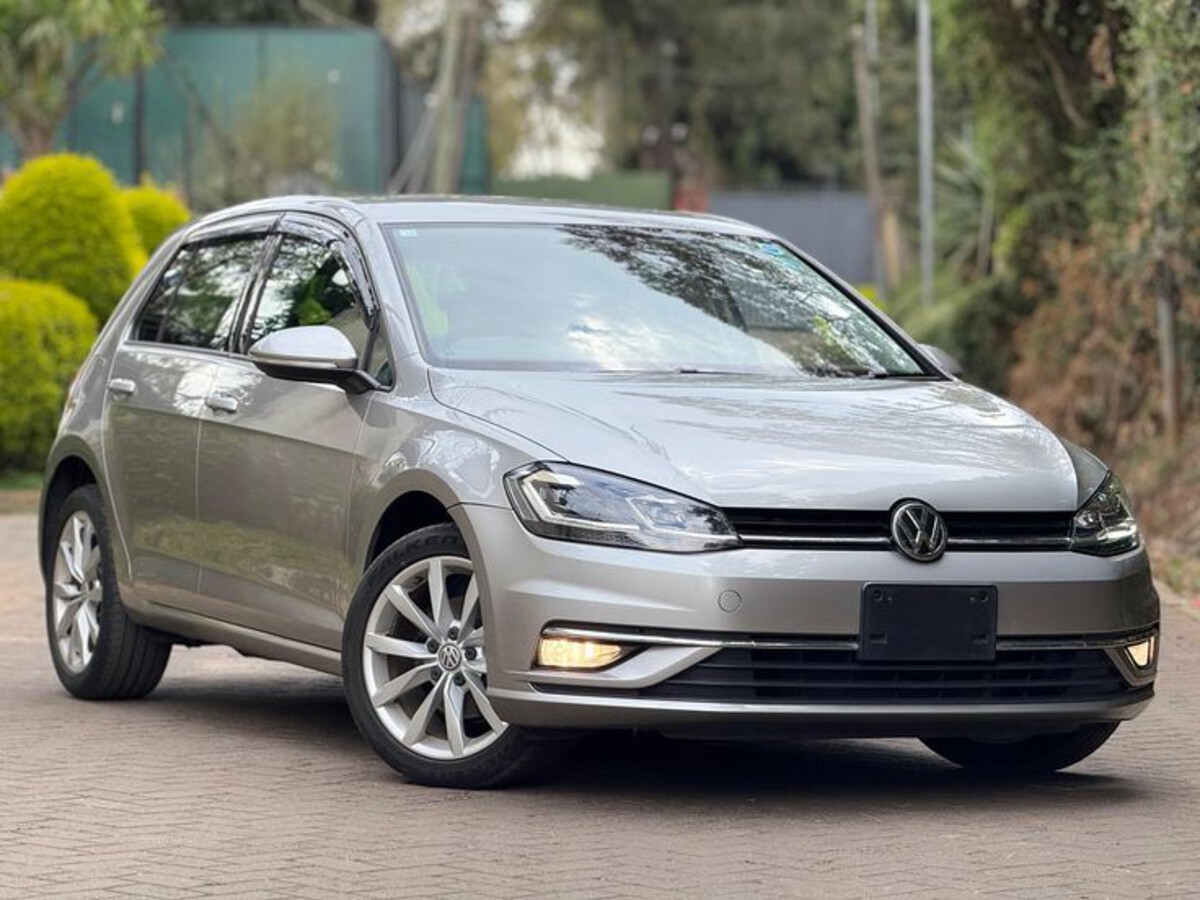
What you get is a car that still feels premium after a decade but passes emissions without the drama. The catalytic converters last, the sensors stay accurate, and the engine doesn’t suddenly start smoking like a steam train in old age.
The Golf’s build quality also helps parts don’t rattle apart, and leaks don’t creep in easily. A tight engine is a clean engine.
Add in fun handling and a comfortable interior, and the Golf becomes one of the best “clean but not boring” used cars out there.
Avoid diesel versions if you want low stress, stick to the TSI petrol variant, and you’re golden.
Keeping a car for 10 years or more isn’t a flex, it’s normal life. But keeping a car that still passes emissions easily after a decade? That’s where the real value shows up.
The truth is, a lot of vehicles start losing their clean performance once the kilometers add up and the parts get tired. Engines age, catalytic converters weaken, fuel systems get sloppy, and suddenly you’re arguing with a mechanic over a failed test. Nobody wants that.
The 10 cars on this list prove that strong engineering pays off. When automakers focus on clean combustion, durable components, and efficient powertrains, the result is a car that keeps doing its job long after people assume it should be struggling.
These cars aren’t just about good mileage or nice interiors, they’re about staying compliant, avoiding surprise repairs, and reducing stress every year inspection season rolls around.
A decade-old vehicle shouldn’t become a liability. It should stay dependable, affordable, and environmentally responsible if the manufacturer built it right.
From hybrids like the Prius and Fusion to clean-running gas staples like the Corolla and Civic, each one shows that long-term eco-friendliness isn’t some futuristic dream. It’s already happening, and thousands of drivers benefit from it every day.
So if you’re hunting for a used car that will still pass the test when the calendar says 2035? Stick to the proven winners. They’ve already shown they can stay clean through the years, and they’ll keep showing up for you without excuses. Choosing smart today saves headaches tomorrow. That’s the real deal.