
Timing chains are often praised for lasting the life of an engine and eliminating the need for frequent belt replacements, yet not all of them live up to that reputation.
Some engines begin producing unsettling noises long before the 100,000-mile mark, warning drivers that major trouble is on the way. Others continue to run smoothly for well over 200,000 miles, their chains, guides, and tensioners holding firm as if they were still new.
Selecting a vehicle equipped with a dependable timing chain setup can save enormous amounts of money after a while.
Engines that maintain quiet operation and proper tension deliver confidence that belts or chains prone to failure simply can’t offer. Each silent start on a cold morning becomes reassurance that the engine’s designers built something meant to last.
This reliability is vital because a failing timing chain can instantly destroy an engine. When a worn chain slips or the guides fall apart, valves and pistons collide, leaving catastrophic damage that often exceeds the vehicle’s worth.
The smartest approach is prevention, choosing engines designed with proven timing systems instead of gambling on cheaper designs that can collapse without warning.
Manufacturers that invest in durability use stronger metals, better lubrication channels, and robust tensioners to ensure long service life. These engines are celebrated by experienced mechanics and sought after by buyers who know the long-term value of proper engineering.
Right here, we will look at ten engines that have consistently demonstrated exceptional chain reliability. Each one has earned a reputation for quiet performance and longevity that stretches well past 200,000 miles.
Understanding which engines offer this kind of endurance helps you make choices that protect your finances and sanity alike.
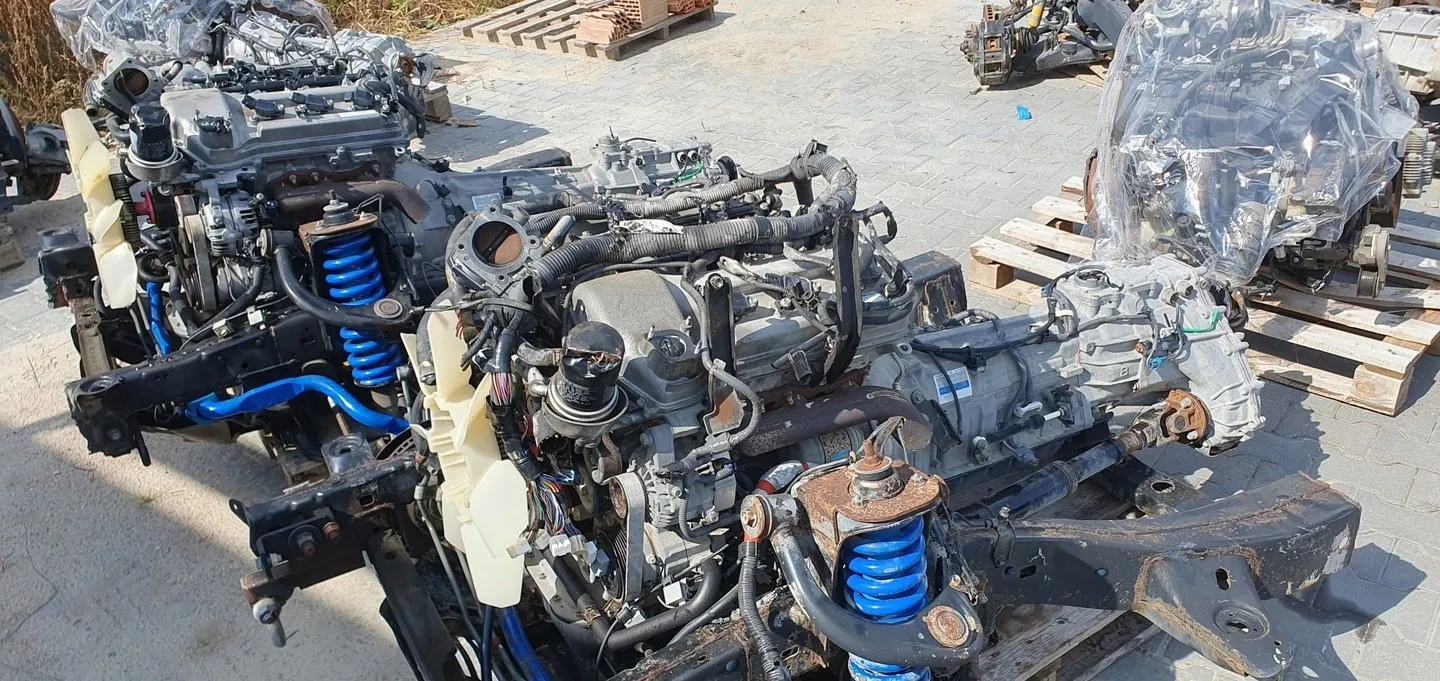
1. Toyota 1GR-FE V6 (2003-2021 4Runner)
Japanese engineering meets bulletproof durability in this legendary V6. Found in countless 4Runners serving faithfully across the globe, this 4.0-litre powerplant demonstrates what happens when manufacturers prioritize longevity.
Chains remain whisper-quiet even after a quarter-million miles because Toyota actually engineered systems to last rather than merely survive warranty periods.
Design philosophy favours simplicity and proven materials. Chain guides use durable composites that resist wear and heat degradation.
Tensioners maintain proper pressure through years of temperature cycling. Oil passages deliver adequate lubrication to all critical components. Everything works together as integrated systems rather than collections of barely adequate parts.
Owners routinely report these engines sounding identical at 250,000 miles as they did when brand new. No morning startup rattles.
No acceleration clatters. Just a smooth, refined operation that justifies Toyota’s reputation for reliability. This consistency creates confidence that encourages long-term ownership rather than fearful trading before problems develop.
Service requirements stay remarkably simple. Regular oil changes using proper viscosity are essentially the only timing chain maintenance needed. No adjustments, no inspections, no preventative replacements at arbitrary intervals. Just basic care that any vehicle requires anyway. This simplicity reduces ownership anxiety dramatically.
When problems do occur, they’re exceptionally rare and usually related to neglected maintenance rather than design flaws.
Engines that never received oil changes eventually suffer, but that’s user error rather than engineering failure. Properly maintained examples simply don’t develop timing chain issues worth worrying about.
Aftermarket support is exceptional because these engines power millions of vehicles globally. Parts are readily available and reasonably priced, should repairs ever become necessary. Mechanics are intimately familiar with these powerplants, making diagnosis straightforward if concerns arise.
Resale values reflect this reliable reputation. Buyers actively seek 4Runners with these engines, knowing they’re purchasing proven durability. High-mileage examples command strong prices because everyone understands these V6s easily handle another 100,000 miles without drama.
What separates this Toyota engine from problematic alternatives is the company’s refusal to compromise durability for cost savings. They built timing systems correctly from the beginning, creating power plants that justify every word of praise enthusiasts heap upon them.
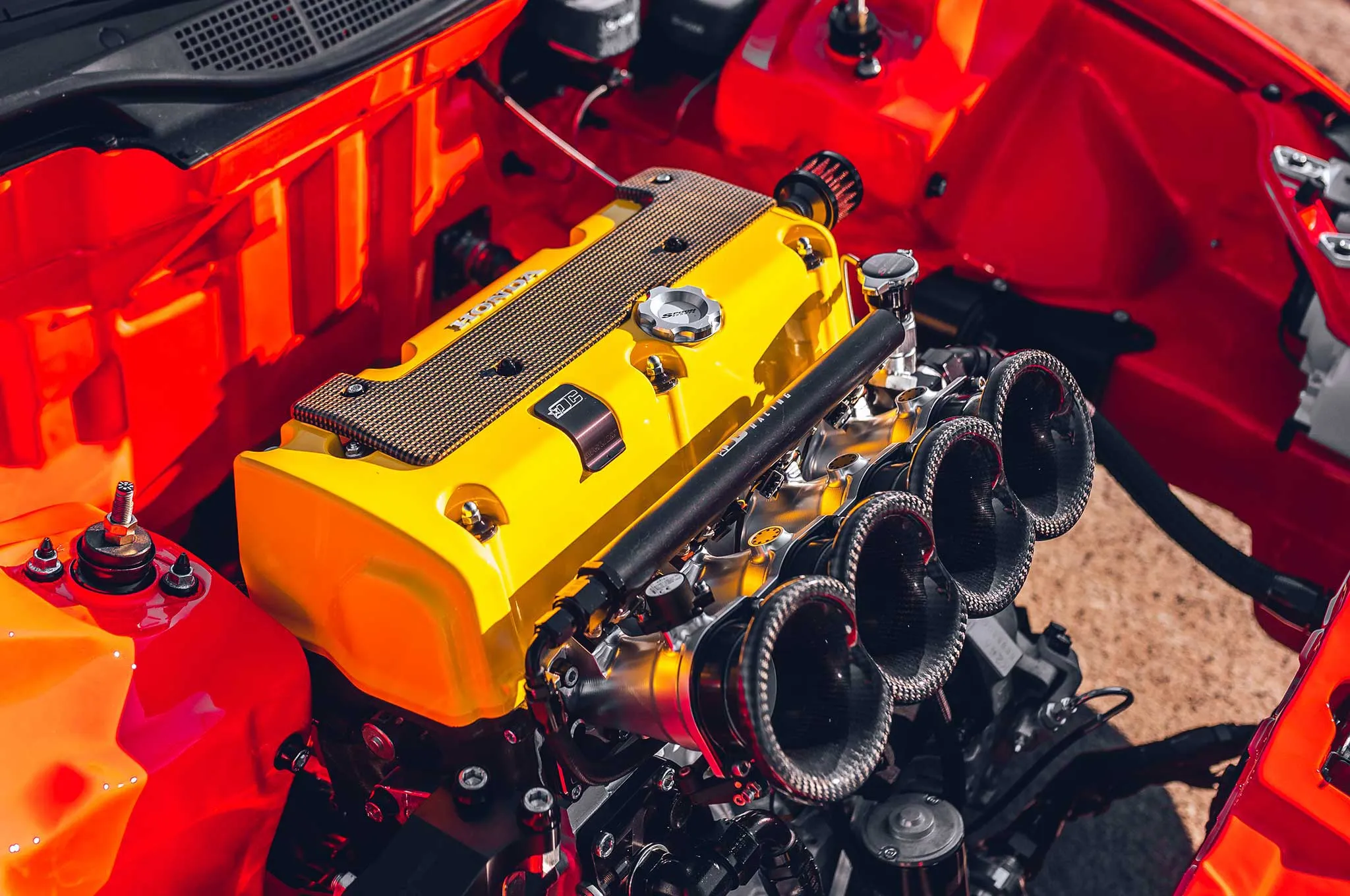
2. Honda K24 Inline-Four (2002-2014 CR-V)
Honda’s 2.4-litre K-series engine perfectly represents how smart engineering and consistent refinement can make a four-cylinder motor last a lifetime.
Built with precision and balance in mind, these powerplants prove that timing chains can stay silent and strong for hundreds of thousands of kilometres when designed correctly.
Many CR-Vs equipped with this engine easily surpass 300,000 kilometres without any signs of chain noise or internal wear. The K-series evolved through years of Honda innovation, with each generation improving on durability and eliminating past weaknesses.
Its timing chain setup relies on sturdy materials and properly sized components that can handle real-world demands instead of being built merely to meet minimum requirements. This focus on lasting strength ensures that every moving part works together efficiently.
Valve operation is smooth and consistent, thanks to Honda’s intelligent VTEC system, which transitions effortlessly between cam profiles without stressing the timing mechanism. The result is a quiet, predictable performance that balances efficiency with longevity.
Oil delivery plays a major role as well. Honda engineered steady lubrication flow across all timing components, even during cold starts when wear is most likely to occur. Maintenance remains refreshingly simple.
Routine oil changes using high-quality lubricants are virtually all that’s needed to keep these engines operating quietly year after year. Owners who follow basic care schedules rarely experience mechanical trouble, and even neglected examples often continue running reliably.
Because the K-series engine was used across multiple Honda and Acura vehicles worldwide, replacement parts are affordable and easy to find. Repairs can be handled by nearly any qualified mechanic without requiring specialized tools or training.
What sets this engine apart is Honda’s unwavering attention to mechanical integrity. Every design decision prioritized dependability, resulting in a timing system that proves longevity is achievable when engineering comes before cost-cutting.
Also Read: 10 Hyundai/Kia Engines From The ‘Safe Years’ That Age Well
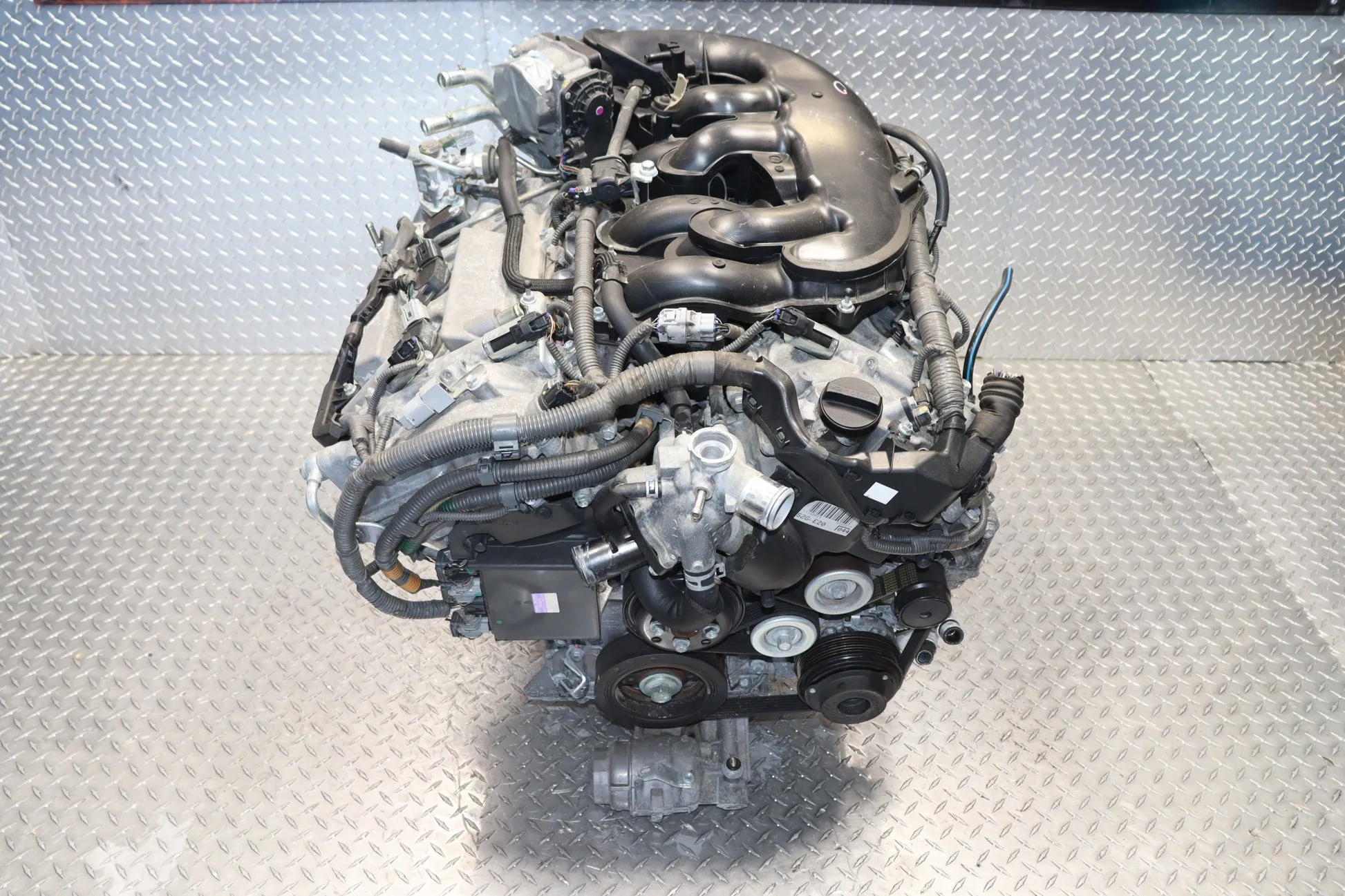
3. Lexus 2GR-FSE V6 (2006-2018 GS 350)
Luxury sedan refinement combines with Toyota reliability in these smooth V6 powerplants. Direct injection adds modern efficiency without compromising the bulletproof timing chain durability that Lexus customers expect
. These 3.5-litre engines demonstrate that advanced technology and long-term reliability aren’t mutually exclusive when manufacturers prioritize properly.
Build quality exceeds mainstream Toyota standards because Lexus’ positioning demands extra refinement. Timing components receive additional attention during assembly.
Tolerances are tighter. Materials are premium grade. Everything reflects the luxury brand expectations that owners actually experience through years of quiet operation.
Chain design incorporates lessons learned from millions of Toyota V6 engines that preceded these motors. Guides are robust. Tensioners are reliable. Sprockets are precisely manufactured. Nothing is marginal or barely adequate. Everything is engineered to last the vehicle’s expected lifetime and beyond.
Direct injection systems are implemented properly without creating the carbon buildup problems that plague some competitors. Fuel system design doesn’t interfere with timing chain operation or maintenance access. Everything coexists peacefully within crowded engine bays.
Service requirements remain simple despite modern technology. Oil changes using quality synthetic lubricants are the primary maintenance needed.
No complicated procedures or expensive inspections required. Lexus dealers are happy to service these vehicles, but independent mechanics handle them easily, too.
Reliability records are exceptional, with these engines serving faithfully for hundreds of thousands of miles. Timing chain problems are so rare that mechanics barely consider them during diagnostics. When well-maintained examples develop issues, chains are never the culprits.
Resale values reflect this dependability. Used GS 350 models command strong prices because buyers recognize Lexus quality. High-mileage examples sell confidently because everyone knows these engines easily handle extended service.
Owner satisfaction rates are remarkably high. People genuinely enjoy these vehicles partly because engines never create anxiety about expensive failures. This peace of mind justifies premium pricing and encourages long-term ownership that Lexus desires.
What distinguishes these Lexus engines is how luxury execution enhances already-excellent Toyota engineering. They took proven timing systems and refined them further, creating power plants that exceed already-high expectations.
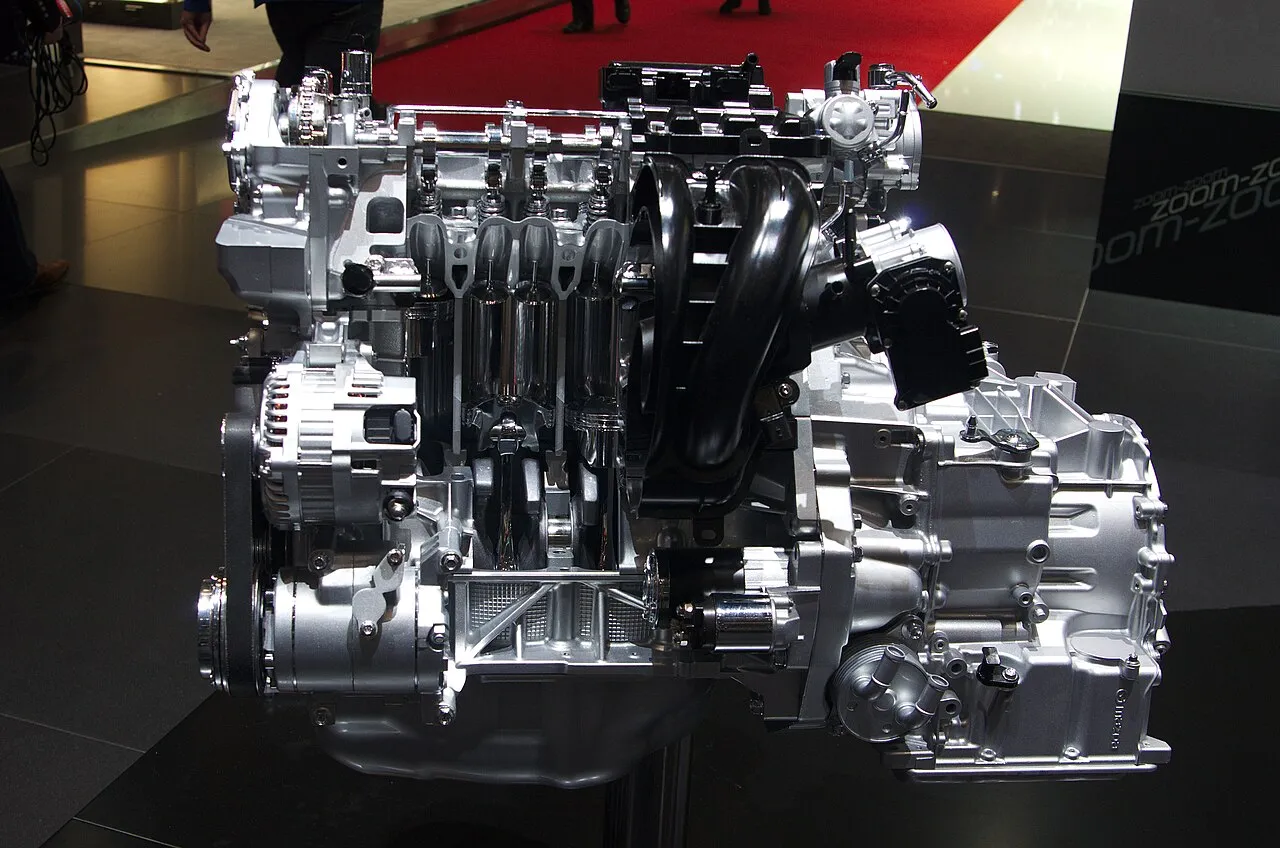
4. Mazda Skyactiv-G 2.5 (2013-2023 CX-5)
Mazda’s naturally aspirated Skyactiv engines showcase how smart design and mechanical simplicity can achieve both performance and longevity. Instead of relying on complicated systems or forced induction, Mazda focused on perfecting the basics.
The result is a family of four-cylinder engines known for quiet operation, strong efficiency, and exceptional long-term reliability. Timing chains in these motors often last for hundreds of thousands of miles without noise or wear, proving that thoughtful engineering outperforms overcomplicated technology.
The Skyactiv design approach reduces internal friction while keeping stress on moving parts low. Every component, from gears to chain guides, is built to handle real-world demands comfortably rather than being engineered just to meet minimal requirements.
This philosophy naturally produces durability, as efficiency and longevity work hand in hand rather than existing as competing priorities.
Mazda’s direct injection systems are integrated cleanly without causing service headaches. Fuel delivery components fit neatly alongside the chain and tensioner assemblies, avoiding interference or excess heat buildup.
Chain guides are made from resilient materials, and hydraulic tensioners maintain correct pressure in all weather conditions. Oil circulation is carefully designed to keep every timing component lubricated, minimizing wear even after years of use.
Maintenance expectations remain simple and affordable. Regular oil changes with quality lubricants are enough to keep these engines performing quietly and smoothly. There’s no need for complicated inspections or costly preventative replacements unless serious neglect occurs.
As these Skyactiv engines age, real-world results continue to validate Mazda’s design philosophy. Many examples surpass 200,000 miles with no noticeable timing noise or chain stretch. Replacement parts are widely available and reasonably priced since these engines power several global Mazda models.
Mazda’s Skyactiv motors demonstrate that mechanical endurance still thrives when engineers prioritize precision, balance, and fundamental efficiency over flashy complications.
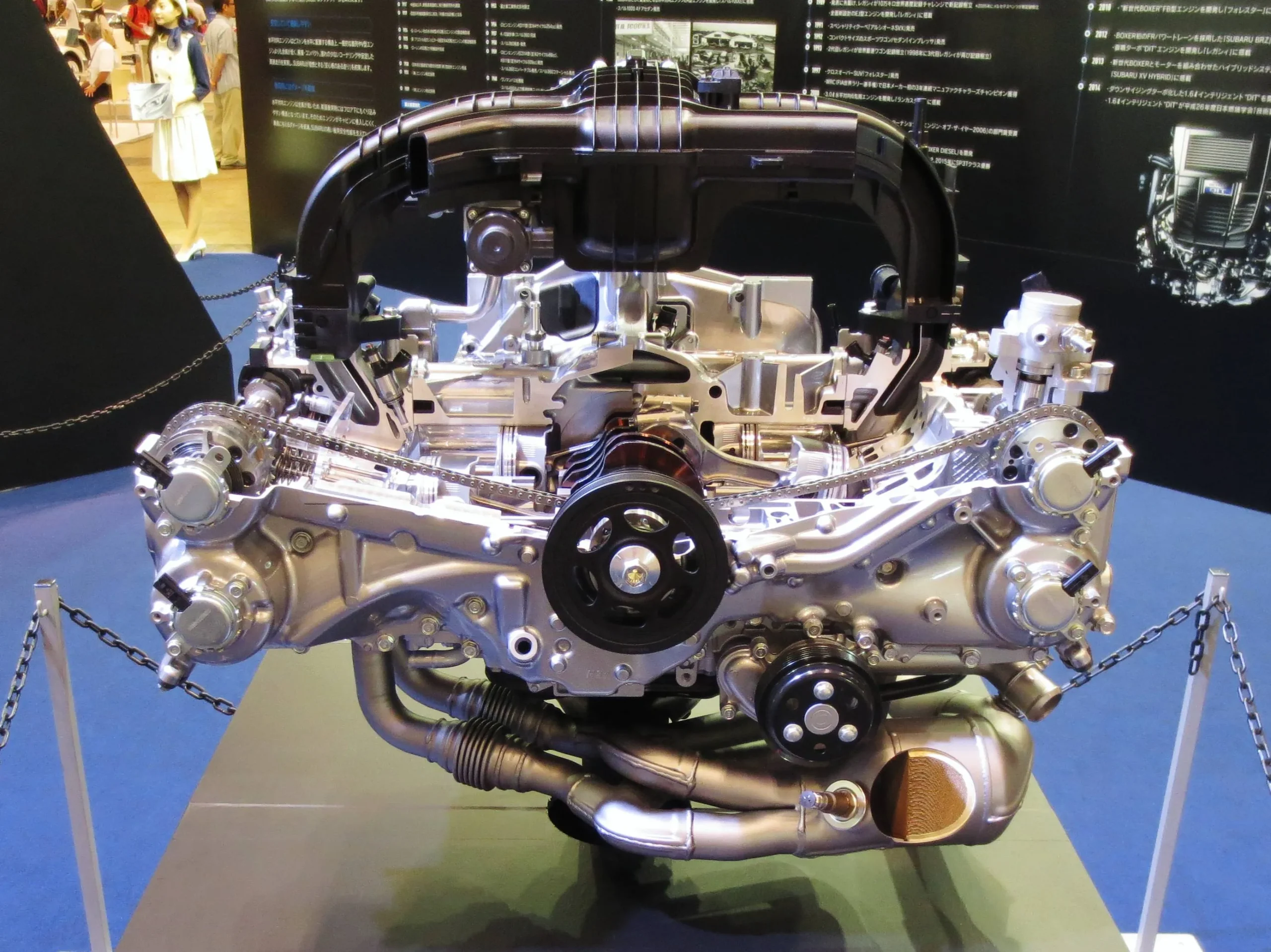
5. Subaru FB25 (2012-2018 Outback)
Boxer engine architecture meets reliable timing chains in these practical wagons. Subaru’s naturally-aspirated 2.5-litre motors demonstrate that horizontal configurations don’t inherently create timing system problems when engineered properly.
These engines remain quiet through impressive mileage despite operating in harsh conditions that all-wheel-drive vehicles typically encounter.
Design accommodates boxer layout challenges while maintaining timing component durability. Chain routing accounts for the horizontal cylinder arrangement.
Guides are positioned to resist gravity-related wear. Tensioners compensate for unique loading patterns. Everything suggests engineers actually tested these systems thoroughly.
Valvetrain design is relatively simple without variable timing complications that create additional failure points. Fewer moving parts mean fewer things that can break. This simplicity contributes to reliability through reduced mechanical stress on timing components.
Lubrication systems deliver adequate oil flow despite the challenges of horizontal engine orientation. Pressures remain stable during cold starts when wear typically accelerates. Passages route lubricant efficiently to all timing components. Everything operates properly regardless of vehicle angle or cornering forces.
Service requirements stay reasonable, with regular oil changes being the primary maintenance needed. Subaru dealers are happy to service these engines, but independent mechanics handle them competently. Access is adequate for routine work despite the box layout challenges.
Reliability records show these FB25 engines serving faithfully through extended mileage. Timing chain problems are uncommon when maintenance is performed properly. Examples approaching 250,000 miles continue operating quietly without concerning noises.
Resale values reflect Subaru’s reliability reputation. Used Outbacks with these naturally aspirated engines command decent prices because buyers trust proven durability. High-mileage examples sell confidently when maintenance records demonstrate proper care.
What separates these Subaru engines from problematic boxer motors is how proper engineering overcomes layout challenges. They prove horizontal configurations can achieve reliability when manufacturers actually invest in doing it right.
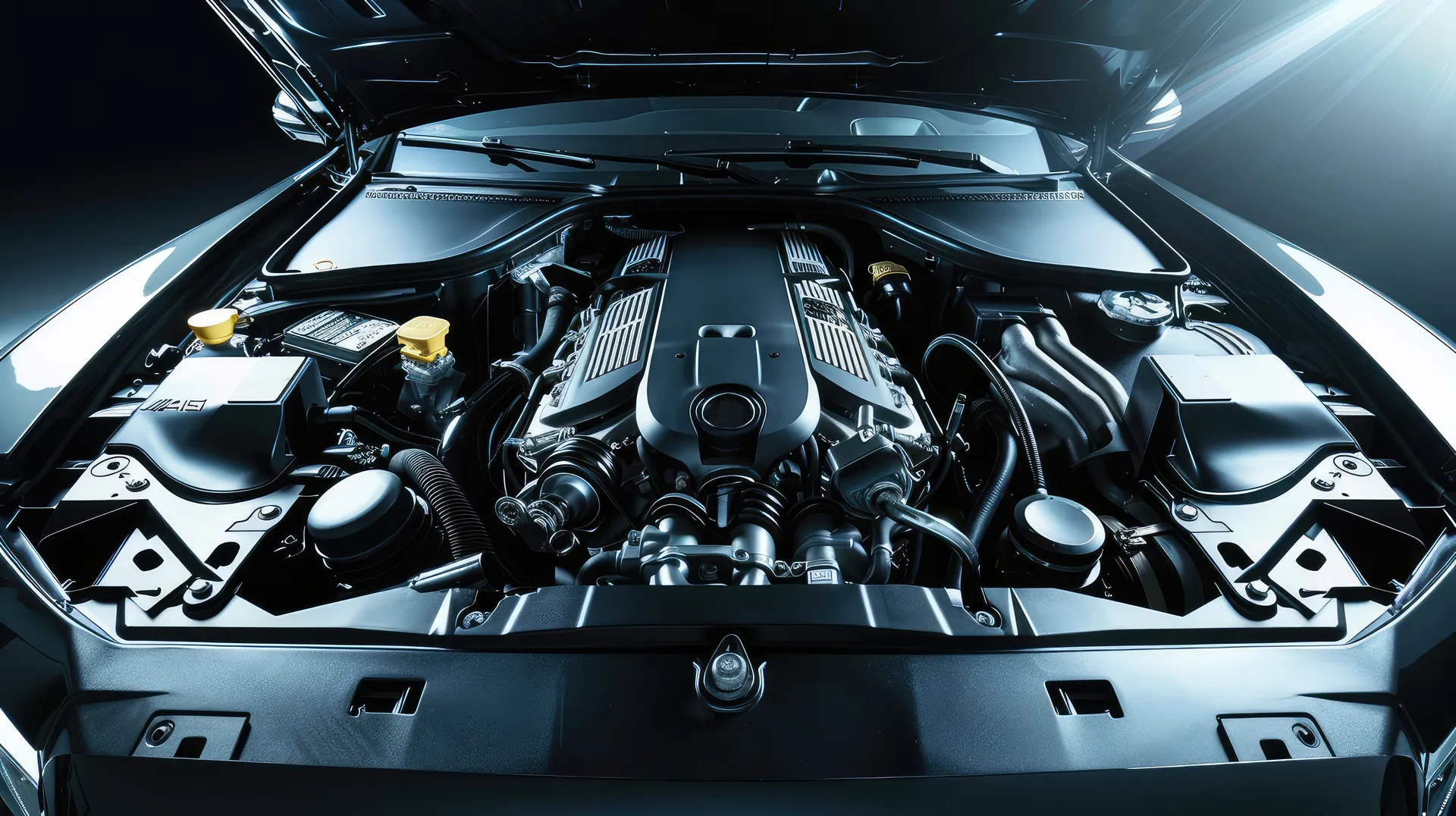
6. Ford 3.3L Ti-VCT V6 (2018-2023 F-150)
American truck engineering demonstrates timing chain reliability when Ford focuses properly. This naturally-aspirated V6 proves domestic manufacturers can build durable powerplants when they prioritize fundamentals over trendy technology. Chains remain quiet through hard truck service because the design emphasizes longevity.
Commercial applications demand durability that consumer vehicles can ignore. Fleet buyers won’t tolerate expensive failures, forcing Ford to engineer these engines properly. Police departments, taxi services, and work trucks all depend on this V6, creating accountability that benefits regular buyers too.
Timing system design is straightforward without unnecessary complications. Components are sized appropriately for truck duty. Materials are quality grade rather than barely adequate. Everything suggests Ford learned from past mistakes with problematic engines.
Valvetrain simplicity reduces stress on timing components. Variable valve timing systems operate conservatively without shocking chains or guides. Everything functions within parameters that promote longevity rather than chasing maximum performance.
Lubrication systems deliver adequate oil flow throughout operating ranges. Cold-start protection is good. Pressures remain stable under various loads. Everything indicates proper engineering that considers real-world truck usage.
Service requirements are reasonable, with regular oil changes being the primary maintenance needed. Any Ford dealer or independent mechanic can handle routine care. Access is adequate for maintenance despite crowded modern engine bays.
Reliability data is still accumulating because these are relatively new engines. However, early results are promising with few reported timing chain problems. Examples reaching higher mileages continue operating quietly.
What makes this Ford V6 encouraging is how it demonstrates domestic engineering improvement. They built timing systems properly this time, creating engines that should age well, unlike some problematic predecessors.
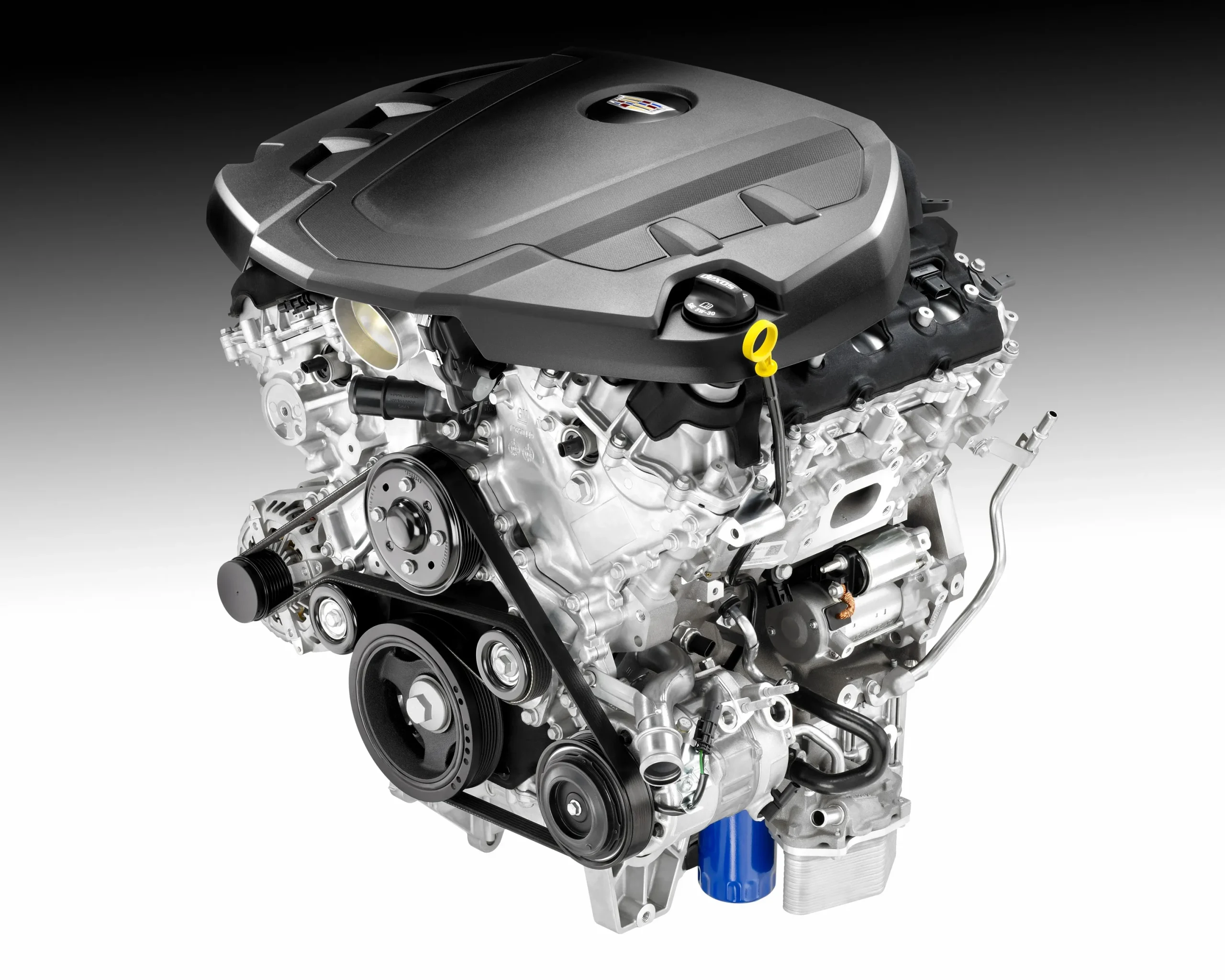
7. GM 3.6L LGX V6 (2016-2023 Cadillac XT5)
American engineering finds redemption in this generation of GM’s V6 engines, blending luxury refinement with long-overdue dependability.
After years of frustration with earlier timing chain failures, General Motors finally focused on building a powerplant designed to last. The result is a 3.6-litre engine that runs smoothly and quietly through high mileage, proving that the company learned from its earlier mistakes and applied real improvements.
Major updates target the weaknesses that once defined GM’s V6 lineup. Chain guides are crafted from stronger, more heat-resistant materials, while redesigned tensioners maintain proper pressure across a wide range of conditions.
Enhanced oiling systems ensure consistent lubrication during cold starts and high-speed operation, dramatically reducing wear. These upgrades collectively transformed a once-problematic design into a well-sorted, dependable powertrain.
The complicated valvetrain setup now functions with far greater reliability. Variable valve timing transitions cleanly, avoiding stress on timing components.
Direct injection is integrated without the clogging or service difficulties seen in earlier models, helping the engine deliver both performance and efficiency without compromising maintenance ease.
Routine servicing remains straightforward. Regular oil changes using high-quality lubricants are typically all that’s needed to keep these engines operating in top form. Access to filters and service points is better than expected for a V6 of this sophistication, making long-term ownership less intimidating.
Reliability statistics show consistent improvement, with far fewer timing-related issues reported compared to earlier generations. Many engines have already surpassed 150,000 miles with minimal trouble, reinforcing confidence among owners and mechanics alike.
Resale appeal is gradually recovering as more buyers recognize these engines’ progress. Once a cautionary tale, GM’s modern V6 now represents a symbol of genuine engineering growth, a testament to how persistence and lessons learned can transform a troubled design into a dependable performer.
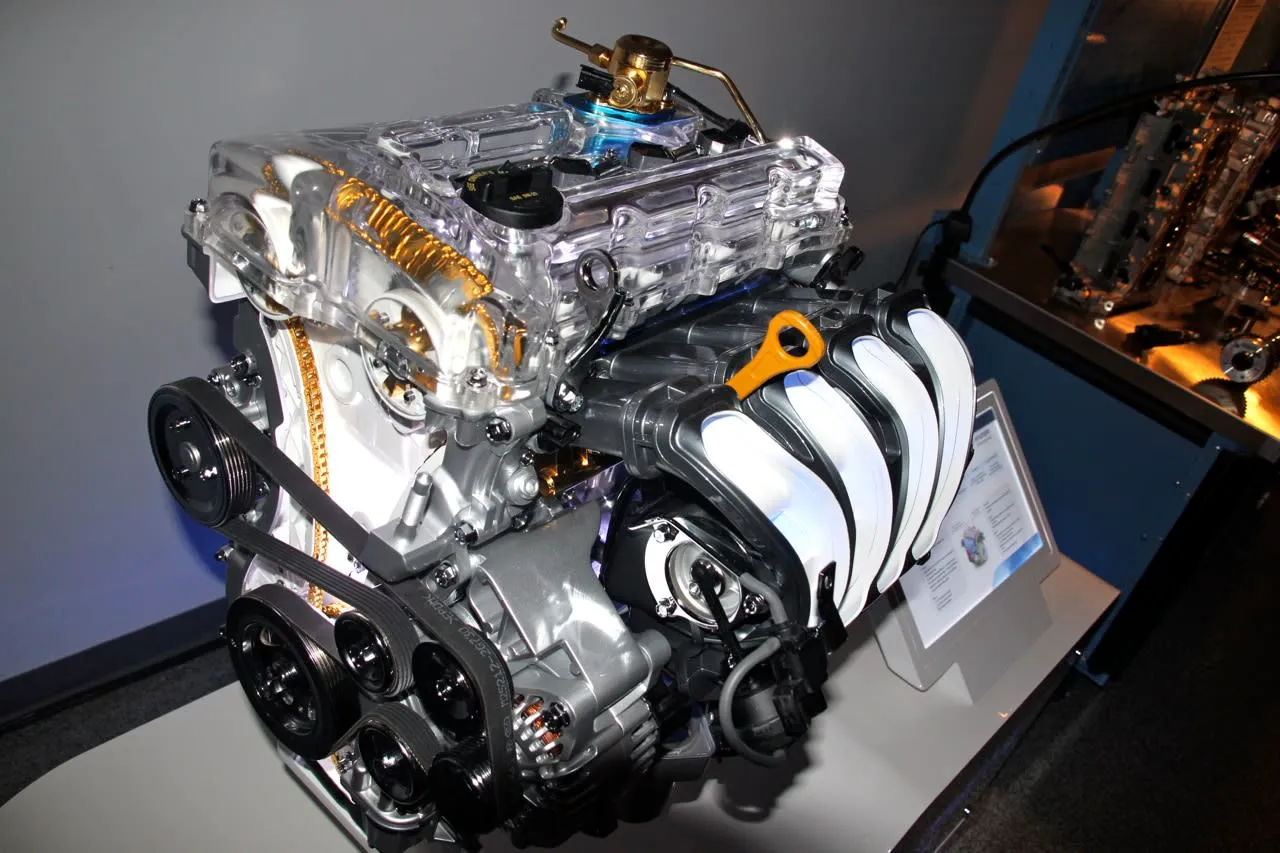
8. Hyundai Theta II 2.4L GDI (2011-2015 Sonata)
Korean engineering proves timing chain reliability when executed properly. These naturally-aspirated four-cylinders demonstrate that Hyundai can build durable powerplants when it focuses correctly. Chains remain quiet through extended mileage despite direct injection complications that challenge other manufacturers.
Design prioritizes durability through quality components and adequate sizing. Chain guides resist wear. Tensioners maintain proper pressure. Lubrication is adequate. Everything suggests Hyundai studied reliable competitors and implemented lessons learned.
Direct injection systems are integrated without compromising timing chain operation or maintenance access. Fuel delivery coexists peacefully with timing components. Everything functions together harmoniously within compact designs.
Valvetrain design is relatively straightforward without excessive variable timing complications. Fewer moving parts reduce stress on timing chains. This simplicity contributes to durability through mechanical efficiency.
Service requirements are reasonable, with regular oil changes being the primary maintenance needed. Hyundai dealers service these engines competently, but independent mechanics handle them easily. Access is adequate for routine work.
Reliability records show these engines serving faithfully through extended mileage when maintained properly. Timing chain problems are uncommon. Examples approaching 200,000 miles continue operating quietly without concerning noises.
Resale values reflect improving Hyundai’s reputation. Used Sonatas command decent prices because buyers increasingly trust Korean quality. Maintenance records demonstrating proper care help values.
What makes these Hyundai engines impressive is how they demonstrate Korean manufacturers achieving Japanese-level reliability. They prove timing chains can remain durable across various brands when engineering is prioritized.
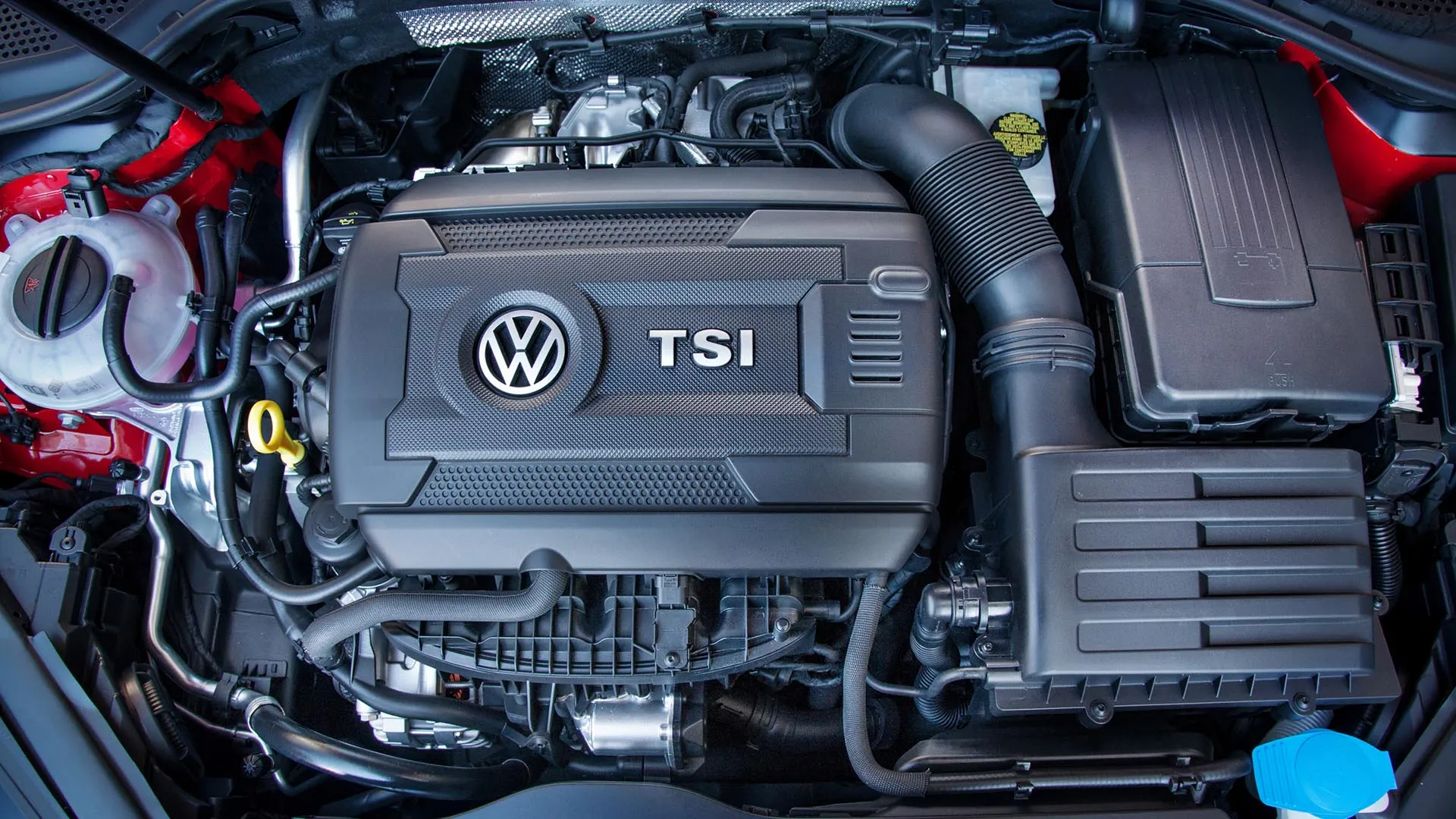
9. Volkswagen EA888 Gen 3 2.0T (2014-2023 Passat)
German precision makes a convincing return with the third-generation EA888 turbocharged four-cylinder, an engine that finally delivers the dependability its predecessors lacked.
Earlier versions earned a poor reputation for timing chain failures, but Volkswagen re-engineered this design with real durability in mind. The result is a powerplant that runs smoothly over high mileage without the unsettling rattles and failures that once plagued owners.
The redesign focused on eliminating weaknesses rather than masking them. Chain tensioners now feature a stronger and more reliable design, while improved guide materials resist long-term wear.
Lubrication paths were revised to ensure constant oil flow to critical points, especially during cold starts when chains are most vulnerable. Every detail shows that VW approached this engine with lessons learned from costly past mistakes.
Despite the added strain from turbocharging, the setup operates comfortably within its limits. Conservative boost levels and effective cooling keep internal temperatures stable, helping timing components last well beyond expectations.
The direct injection system has also been refined, delivering clean performance without the excessive carbon buildup that once haunted earlier European engines.
Routine care keeps ownership simple. Regular oil changes with high-grade synthetic lubricants are usually all that’s needed to maintain smooth performance. Service access is straightforward enough that independent mechanics can handle maintenance confidently without special dealership equipment.
Long-term reliability reports continue trending upward. Many third-generation EA888 engines are passing the 150,000-mile mark without major issues, reinforcing optimism among owners and enthusiasts.
Resale performance reflects this renewed faith, with buyers showing growing trust in Volkswagen’s improved engineering standards.
Once a symbol of overcomplicated failure, this updated engine now stands as proof that smart reengineering and attention to detail can transform a troubled design into a refined, dependable performer worthy of German pride.
Also Read: 10 Reasons Some Engines Thrive On Highway Miles
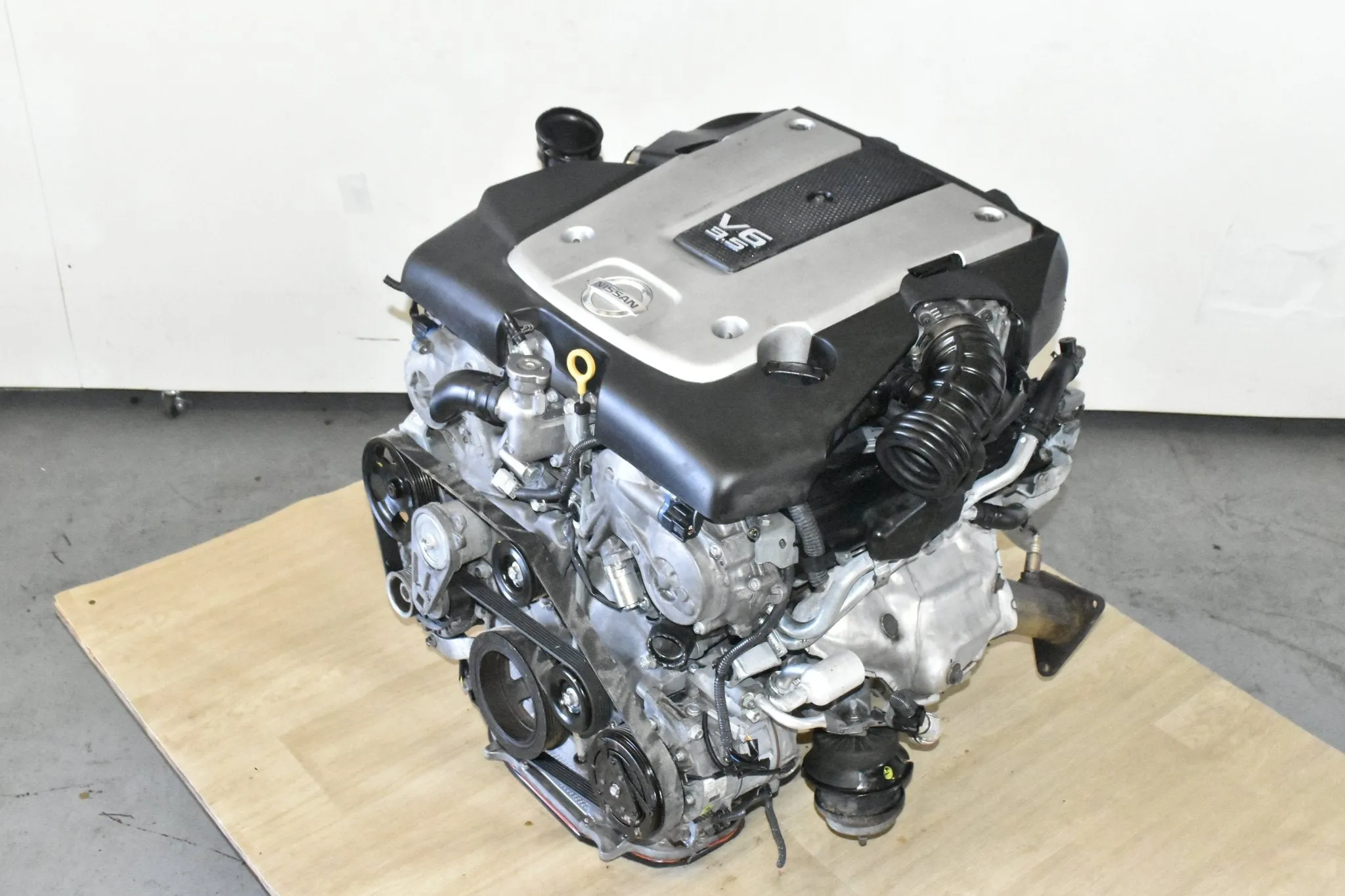
10. Nissan VQ35HR V6 (2007-2015 Altima)
Before Nissan’s reputation became clouded by widespread CVT troubles, its 3.5-litre V6 engines stood as proof that the brand could produce powerplants built for the long haul.
These engines, often found in earlier models across the lineup, earned respect for their strength, smoothness, and dependable timing chain systems that rarely caused issues even after years of heavy use.
Despite being mounted transversely, which often complicates durability, they maintained quiet operation and impressive consistency. The engineering behind these motors emphasized endurance over shortcuts.
Chain guides were built from sturdy materials designed to resist long-term wear, and the hydraulic tensioners kept pressure stable across temperature ranges.
Oil circulation reached critical components efficiently, reducing friction and extending lifespan. Every detail reflected a time when Nissan prioritized mechanical integrity rather than cutting costs.
Even with advanced variable valve timing systems, the valvetrain operated seamlessly. Multiple chains, sprockets, and guides worked together precisely, creating a balanced setup that stayed reliable despite the engine’s technical complications.
The compact transverse design introduced packaging challenges, yet careful engineering ensured nothing suffered from misalignment or premature wear.
Maintenance remained refreshingly simple. Regular oil changes using recommended lubricants were often enough to keep everything in top condition. Access for servicing was tight but manageable, allowing both dealers and skilled independent mechanics to handle upkeep without major difficulty.
Long-term reliability continues to define this 3.5-litre engine. Many units still run quietly past 250,000 miles with minimal issues, proving their inherent strength. While resale values have dipped due to Nissan’s CVT woes, enthusiasts still seek out manual transmission versions for their proven mechanical toughness.
This generation of Nissan V6 engines represents the company at its engineering best, a period when thoughtful design and durable construction ensured long-lasting performance that modern versions rarely match.
What makes these Nissan engines bittersweet is how they demonstrate the company once engineered properly. They prove Nissan can build reliable timing chains when corporate priorities allow it.
