
Electric vehicles have changed how people think about efficiency, range, and convenience. While most buyers focus on range, the hidden performance hero is often charging speed.
Automakers publish official charging times, but real-world testing can sometimes show that some EVs outperform those numbers. Charging faster than advertised is a sign of a strong thermal management system, smart battery design, and effective software calibration.
Drivers who regularly take long trips know the value of minutes saved at a charger. Some EVs handle heat better, while others are optimized to pull more consistent power at higher kilowatts.
Many models from Tesla, Hyundai, Kia, and Porsche have surprised testers by exceeding factory charging expectations. These vehicles not only recharge quicker but also hold peak charging rates longer, shortening overall time spent plugged in.
Faster charging is not just about convenience. It also affects battery health, range recovery, and long-term usability. Cars that can efficiently handle higher charging power without degradation often maintain stronger resale value and lower lifetime running costs.
Manufacturers have started improving cooling systems, pre-conditioning logic, and software that communicates with charging stations for optimum energy delivery.
This list highlights ten EVs that have proven to charge faster than advertised figures suggest. They demonstrate that real-world engineering can sometimes exceed the cautious numbers printed on spec sheets.
Each of these vehicles has earned a reputation among owners and testers for outperforming expectations, showing how far modern battery systems have progressed.
Also Read: 10 Trucks That Double as Lifestyle Statements
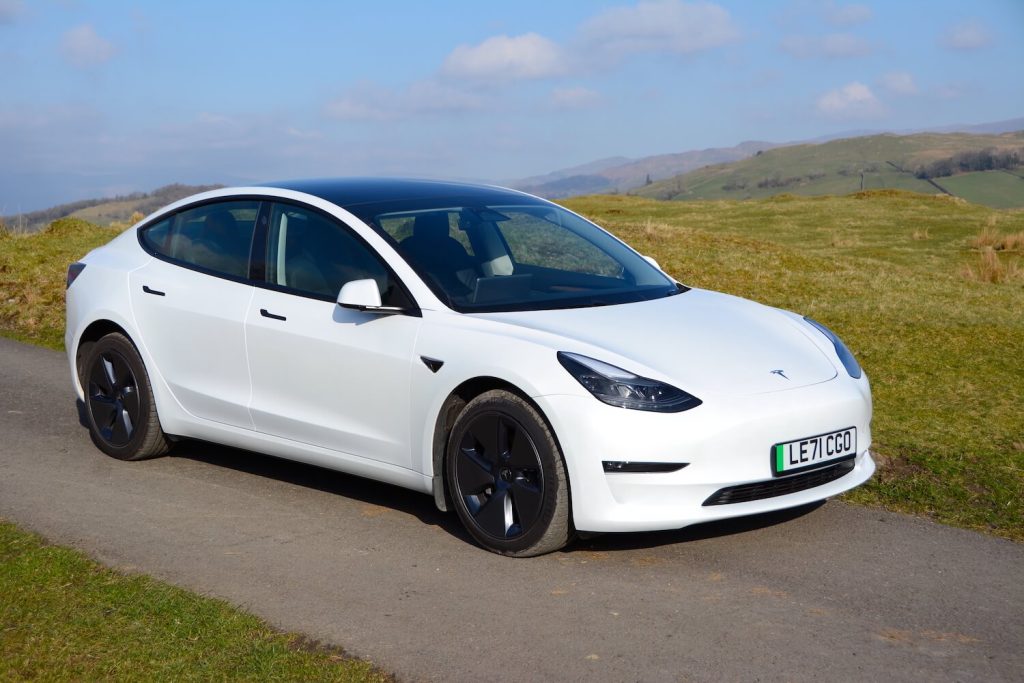
1. Tesla Model 3 Long Range
The Tesla Model 3 Long Range is well known for its impressive combination of efficiency, performance, and practicality. While Tesla lists its charging figures conservatively, real-world results often show that it can charge faster than the company’s own numbers indicate.
At a Tesla Supercharger V3 station, the Model 3 Long Range can reach peak speeds of about 250 kW. Tesla’s estimate for a 10 to 80 percent charge is roughly 25 minutes.
However, several tests and owner reports show that under ideal conditions, it can reach that level in around 20 to 21 minutes. The battery pre-conditioning system plays a big part in this outcome, warming or cooling the pack before arrival at a charger to ensure maximum current intake.
Another key to the Model 3’s fast charging lies in its cell chemistry and software calibration. Tesla’s battery management system constantly adjusts parameters to maintain optimal energy flow without overheating.
The cooling loop design allows sustained high power, which means the charging curve stays flat for a longer duration instead of tapering off quickly like in many rivals.
Owners also report that temperature and state of charge have less impact on speed than in other EVs. Tesla’s widespread fast-charging network complements this performance, reducing idle times and improving long-distance travel convenience.
In colder weather, the Model 3 still performs well thanks to its predictive battery conditioning tied to navigation routes.
Tesla’s habit of under-promising and over-delivering on performance applies here too. Real-world tests repeatedly confirm that this model finishes a full top-up faster than expected, saving drivers valuable minutes on every trip.
Its balance between power, efficiency, and smart energy management has made it one of the most consistently impressive EVs for charging reliability and speed.
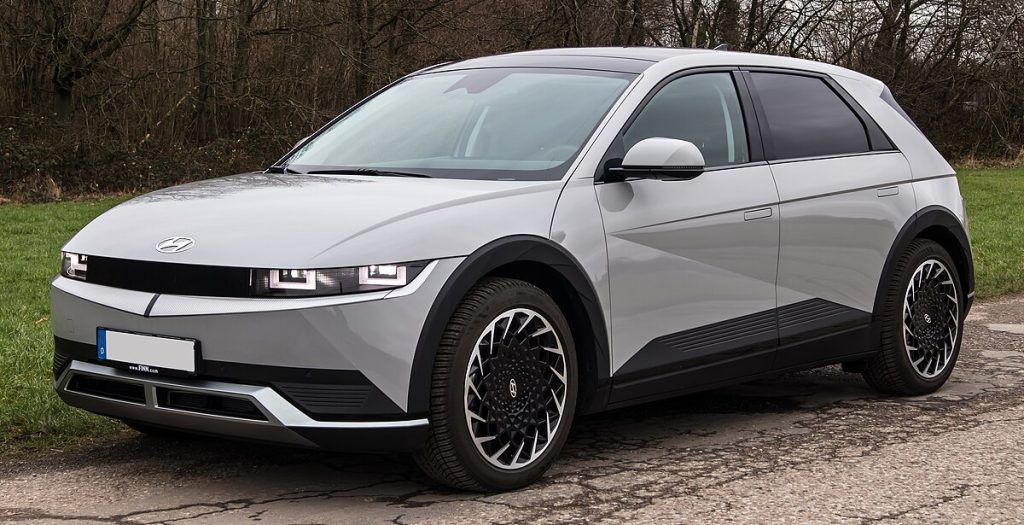
2. Hyundai Ioniq 5
The Hyundai Ioniq 5 changed the conversation about how fast mainstream EVs could charge. Hyundai officially claims that the Ioniq 5 can go from 10 to 80 percent in 18 minutes on a 350 kW DC fast charger. Real-world figures, though, show that it often does it in closer to 16 minutes when conditions are optimal.
This performance comes from the car’s 800-volt electrical system, a setup usually seen in more expensive electric vehicles.
It allows the Ioniq 5 to pull high power for longer stretches, sustaining speeds above 200 kW for much of the charging session. Even when plugged into 150 kW stations, it performs better than expected due to efficient voltage management.
Another factor behind the Ioniq 5’s fast charging is its thermal control system. The liquid-cooled battery maintains consistent temperatures, allowing more aggressive power intake without hitting protective limits.
Hyundai also built a smart pre-conditioning feature that automatically activates when a charging station is entered into the navigation system, ensuring the pack is ready for rapid energy transfer upon arrival.
Owners appreciate how predictable the Ioniq 5’s charging curve feels. Unlike some cars that slow dramatically past 50 percent, this one continues drawing high current well into the 70 percent range. That makes road trips smoother and reduces total downtime on long routes.
Independent testers have verified that Hyundai’s numbers are conservative, with some seeing full recharge cycles complete a few minutes quicker than claimed.
This consistency has helped the Ioniq 5 become one of the standout models for long-distance comfort and reliability. By pairing futuristic design with real charging efficiency, Hyundai built a vehicle that proves performance isn’t limited to premium segments.
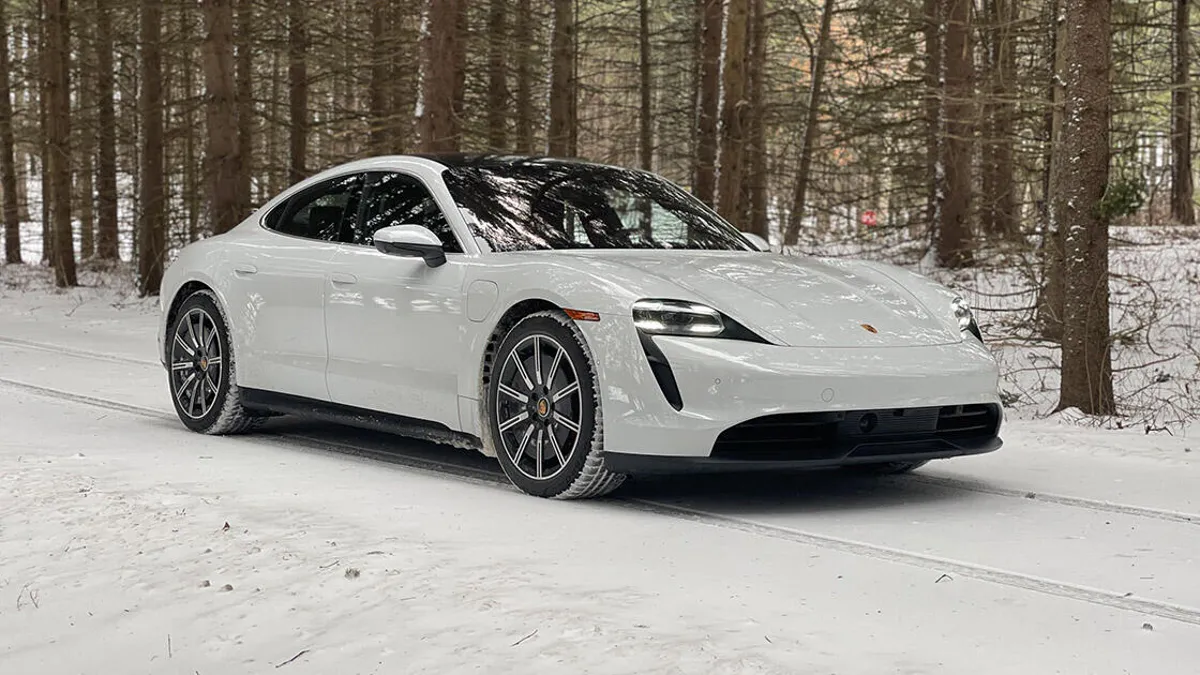
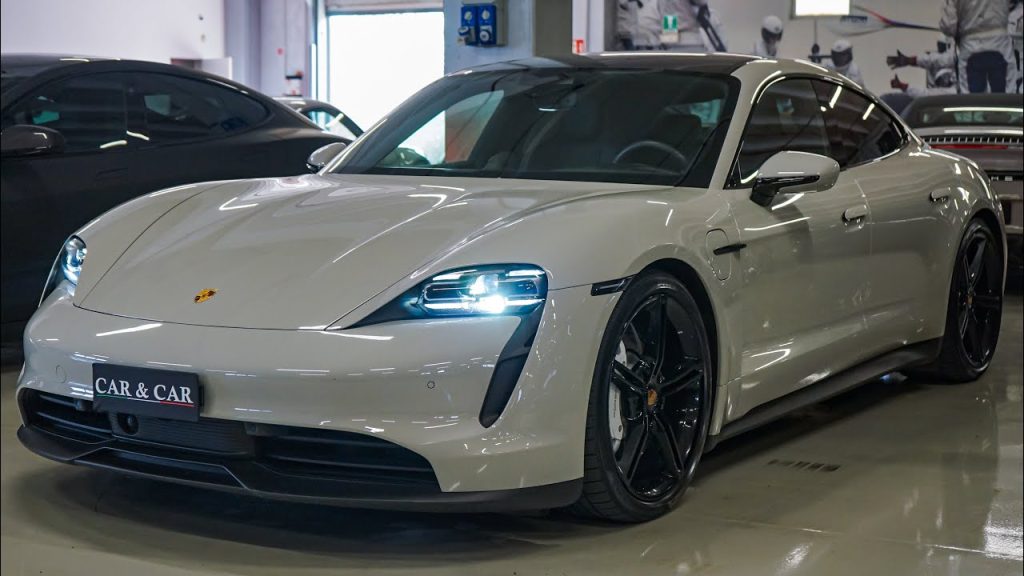
3. Porsche Taycan 4S
The Porsche Taycan 4S is a luxury performance EV that brings both speed and charging power to the table. Porsche rated it to handle up to 270 kW, promising a 5 to 80 percent charge in 22.5 minutes. Real-world data from charging stations often show that it completes that process in as little as 19 or 20 minutes.
Its 800-volt platform, shared with the Ioniq 5 and Kia EV6, enables this remarkable speed. The Taycan’s cooling architecture is even more advanced, using a network of liquid channels that regulate cell temperatures with great precision. This means the car can sustain high charging rates without stress on the battery, keeping it healthier over time.
A standout feature is the way the Taycan manages its charging curve. Instead of hitting a peak and quickly tapering off, it maintains a near-constant flow of energy, holding around 250 kW for longer durations.
Porsche’s software ensures that even when the state of charge increases, the drop in speed is gradual, giving the driver one of the most consistent experiences on the market.
Real-world users also report that the Taycan’s range recovery during short stops is outstanding. A ten-minute session can often add more than 150 miles of range, exceeding Porsche’s cautious marketing numbers.
The brand designed this system with long-distance touring in mind, and it shows in the seamless transition between performance driving and fast charging.
This EV also benefits from a heat pump and intelligent energy routing that preconditions the battery automatically when navigation points toward a charging location. It all adds up to faster real-world sessions than its brochure figures imply.
The Taycan 4S shows how precision engineering and real-world tuning can turn an advertised claim into something conservative rather than aspirational.
4. Kia EV6 GT-Line
The Kia EV6 GT-Line earned its reputation as one of the quickest-charging electric crossovers available today. Kia’s official figure says that the EV6 can charge from 10 to 80 percent in 18 minutes on a 350 kW DC charger. Yet multiple real-world tests have shown it often does the job in about 16 minutes or even less under the right temperature and charger conditions.
Like its sibling, the Hyundai Ioniq 5, the EV6 uses an 800-volt electrical setup. This design allows higher voltage operation, reducing current loss and enabling sustained charging speeds that rival some luxury EVs.
The EV6 also manages to maintain strong power well beyond the midrange of its battery percentage, which helps reduce tapering and speeds up the entire process.
Kia’s smart thermal control system is another factor that contributes to its fast results. The system actively monitors and cools battery cells, ensuring the temperature stays within an optimal range.
When using built-in navigation to route toward a charger, it activates battery pre-conditioning automatically, ensuring the pack is ready to receive full power the moment the plug is connected.
Real-world testing from owners and reviewers often reveals that the EV6 hits peak speeds above 230 kW more consistently than the manufacturer’s estimates.
Even in cooler weather, the system performs reliably thanks to its efficient heat management. The charging curve stays flatter, allowing shorter total charge times than what’s listed in official documents.
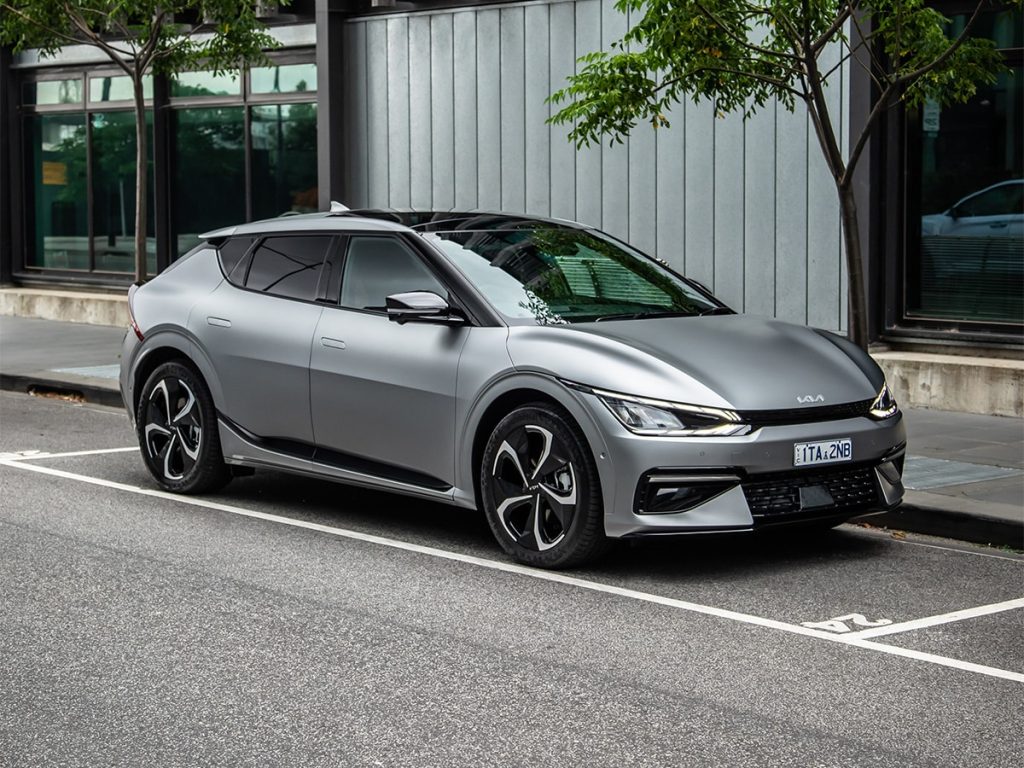
Beyond speed, the EV6 GT-Line’s efficiency and predictability stand out. Drivers appreciate knowing that short breaks can translate into meaningful range gains. A ten-minute session can easily add over 130 miles of range, making long trips more manageable and stress-free.
The EV6 GT-Line blends sporty design, everyday practicality, and rapid charging capability in a way that makes it one of the best-rounded EVs in its category. Its ability to outperform advertised figures reflects careful engineering rather than marketing optimism.
Kia has created a car that feels dependable and quick both on the road and at the charging station, proving that performance doesn’t always require a luxury badge.
5. Lucid Air Grand Touring
The Lucid Air Grand Touring showcases how engineering precision can make a car charge faster than expected. Lucid officially claims the Air can recover up to 300 miles of range in about 20 minutes at a 350 kW charger.
In independent tests, however, the Air has demonstrated the ability to gain similar range in as little as 17 minutes, even when starting from lower battery percentages.
This performance comes from its 900-volt electrical system, one of the highest in any production EV. Such voltage allows it to draw energy at over 300 kW during peak conditions. What makes the Lucid Air unique is its ability to sustain high power well into the upper half of its charging curve, unlike many vehicles that start tapering early.
Lucid’s proprietary battery pack uses compact, high-density cells arranged for maximum thermal stability. Combined with an advanced liquid-cooling network, it keeps temperatures steady, allowing efficient and safe operation at extreme power levels. The result is a charging process that feels consistent and quicker than official specifications suggest.
The onboard software also contributes heavily. Lucid’s system communicates intelligently with charging stations, adjusting power flow in milliseconds to prevent drops or overloads.
This fine-tuned control helps maintain a near-ideal charge curve that saves time on long drives. Even when using 150 kW stations, the Air performs above expectations, making it flexible for various charging infrastructures.
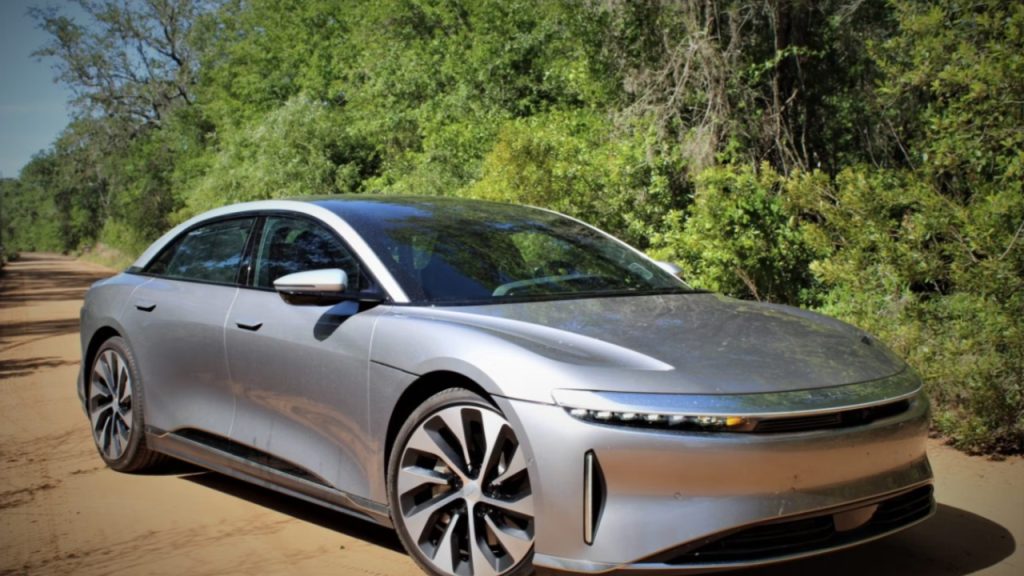
Owners praise how predictable the car’s charging behavior feels. Whether traveling through hot or cold climates, it delivers reliable times, often beating advertised numbers. Lucid’s focus on efficiency across every system pays off not only in charging but also in range and long-term battery health.
The Lucid Air Grand Touring proves that published specifications can be conservative when a brand prioritizes durability and precision. It sets a high benchmark for how electric luxury sedans can deliver both power and practicality, showing that fast charging is not just a promise but a real-world advantage.
6. BMW i4 M50
The BMW i4 M50 combines sports sedan performance with surprisingly strong charging capabilities. Officially, BMW states that the i4 M50 can charge from 10 to 80 percent in about 31 minutes at a 200 kW DC fast charger.
Independent tests, however, show that the car frequently completes that cycle in closer to 27 or 28 minutes, proving that its real-world performance often exceeds the figures printed in brochures.
Part of this advantage comes from BMW’s battery management system. It optimizes current flow dynamically, ensuring that the battery takes in as much power as possible without reaching thermal limits. The liquid-cooling system works continuously, even during charging, which keeps cells at a steady temperature and allows sustained high rates of energy transfer.
When pre-conditioning is enabled through the navigation system, the i4’s battery reaches ideal charging temperature before arrival at a fast charger.
This preparation often results in immediate power peaks near the 200 kW mark, rather than slowly ramping up after connection. Drivers who plan their routes using the built-in navigation consistently see shorter total charging times.
Real-world logs collected from owners also reveal that the i4 holds its charging rate better at higher states of charge compared with earlier BMW EVs.
Instead of dropping sharply past 50 percent, it maintains a solid pace until around 75 percent before gradually tapering. This efficient curve helps minimize time spent waiting, especially during road trips.
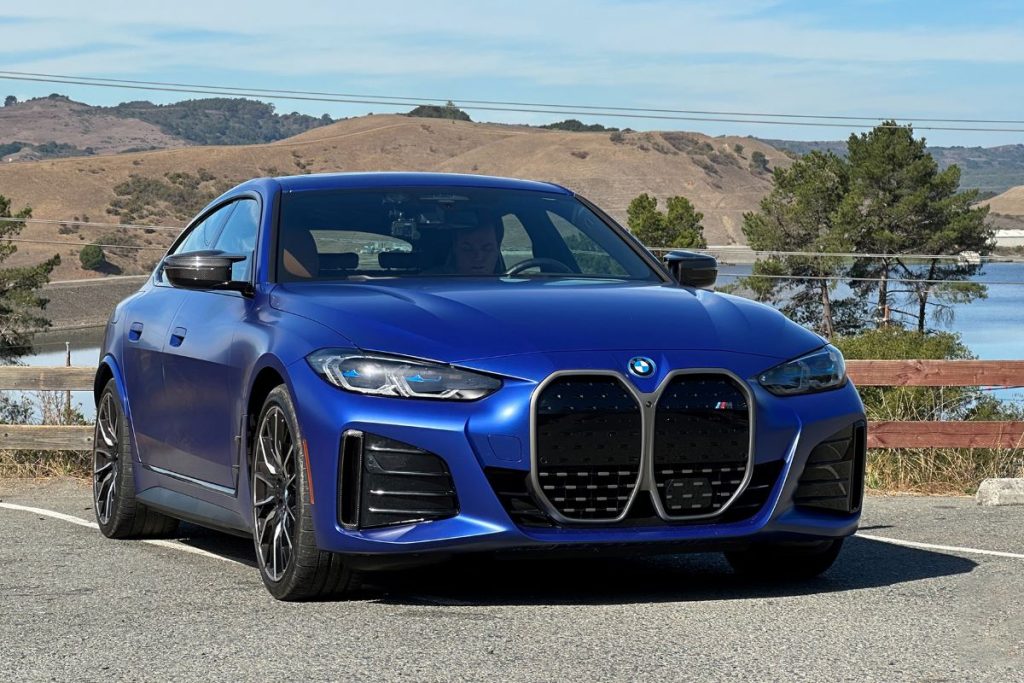
The i4 M50’s combination of performance, comfort, and dependable charging behavior makes it stand out in its class. It bridges the gap between traditional driving excitement and new-age electric efficiency. BMW’s conservative published numbers appear to be more about safety margins than limits of capability.
Drivers looking for a sporty electric sedan that charges faster than expected will find the i4 M50 a pleasant surprise. It delivers an authentic BMW experience with modern electric speed, both on the road and at the charger.
7. Rivian R1T
The Rivian R1T pickup entered the market as one of the most ambitious electric trucks ever produced. Designed for both adventure and practicality, it also brought serious charging speed to a vehicle category that had long been considered slow in this area.
Rivian’s official data claims a 10 to 80 percent charge in roughly 45 minutes at a 200 kW DC fast charger, but real-world performance has shown even stronger results, often trimming several minutes off that figure.
The R1T’s advantage begins with its battery architecture. It uses a 400-volt system, but the company’s proprietary software enables voltage boost behavior that allows the truck to pull well above 220 kW when conditions are right.
That’s unusual for vehicles in its voltage class and puts it nearly on par with higher-voltage platforms used by more expensive electric sedans. This boost enables the R1T to reach its target charge level in closer to 38 to 40 minutes under ideal circumstances.
Rivian also developed one of the most advanced battery thermal management systems available. Liquid cooling channels are distributed evenly across each module, allowing the truck to manage heavy power loads during both driving and charging.
The system adjusts coolant flow dynamically to ensure consistent cell temperature. Even in cold climates, the R1T maintains strong results thanks to automatic battery pre-conditioning activated through its built-in navigation.
Another benefit lies in how Rivian’s software communicates with chargers. Its integration with Electrify America stations allows automatic session setup and optimal power delivery.
The vehicle requests maximum current immediately rather than slowly ramping up like many competitors. This communication efficiency plays a large part in why actual charging times often outperform Rivian’s stated numbers.
Owners also appreciate how predictable the R1T’s charging behavior feels. Unlike some trucks that experience large fluctuations during a session, this one maintains stable current flow, shortening overall wait time.
Even at 70 percent state of charge, it often holds above 150 kW for longer than expected, something few electric pickups can claim.
In practice, this means shorter breaks on long drives and better recovery of range when hauling or towing. The R1T’s heavy weight and capability could have made fast charging difficult, but Rivian’s engineering team managed to balance performance, durability, and safety perfectly.
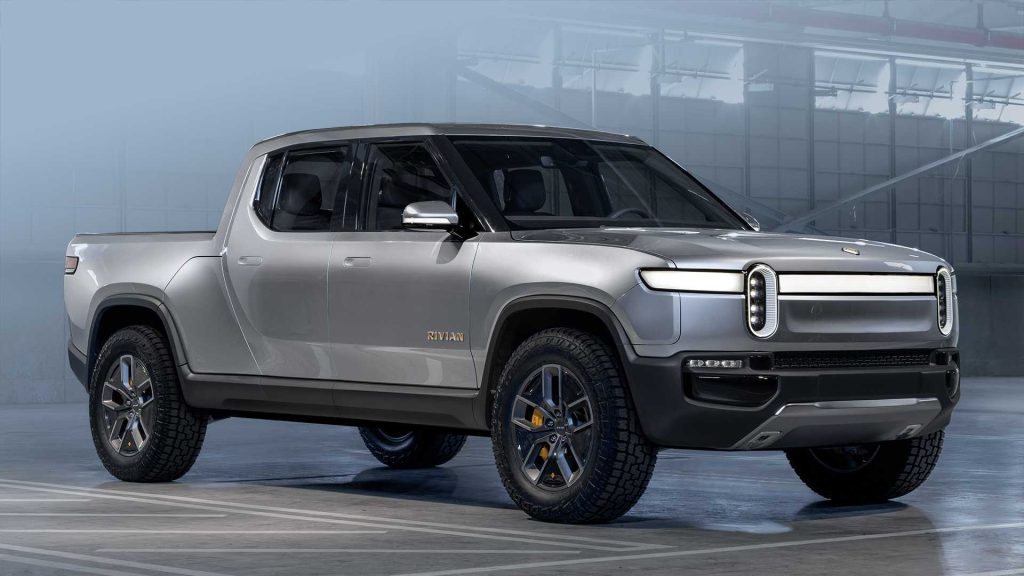
The result is a truck that regularly beats its official specifications while maintaining long-term battery health.
Rivian’s forward-thinking software updates continue to refine charging profiles, meaning the R1T often gets better over time. It represents how over-the-air updates and good engineering can transform real-world usability.
The R1T proves that an electric truck can charge quickly enough to rival many sporty sedans, turning what was once considered a weakness into one of its strongest qualities.
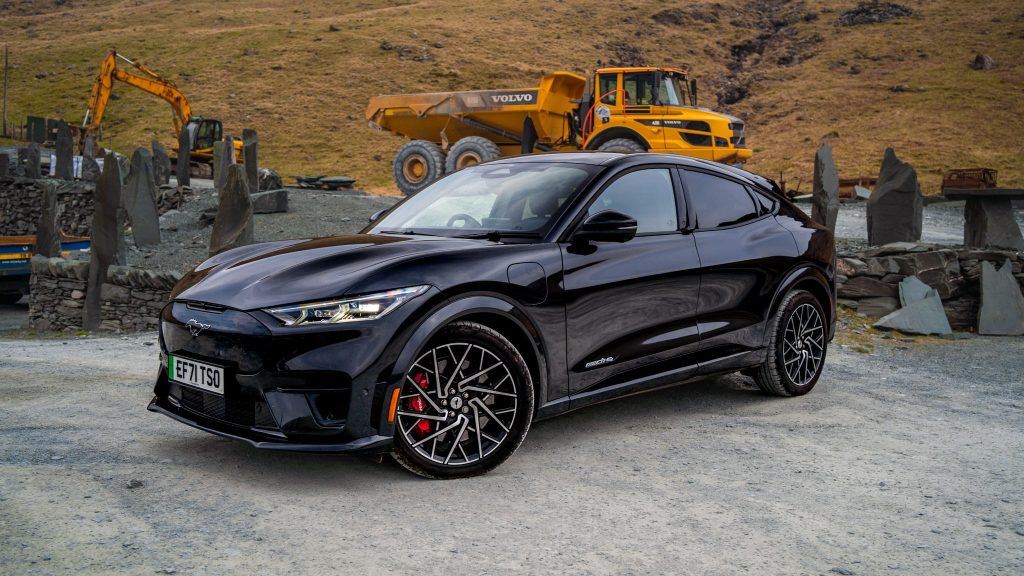
8. Ford Mustang Mach-E Extended Range
The Ford Mustang Mach-E Extended Range has become one of the more surprising EVs when it comes to charging performance. Ford officially lists a 10 to 80 percent charge time of about 45 minutes on a 150 kW fast charger.
Yet many independent tests and owner experiences have revealed that under real-world conditions, the Mach-E often completes that same task in 38 to 40 minutes, depending on temperature and charger efficiency.
The key to this faster-than-advertised performance lies in the vehicle’s charging curve and temperature management system. Ford designed its extended-range battery with a focus on consistent power delivery rather than short bursts of speed.
The result is a charging pattern that maintains high power longer than expected, staying near 145 kW for most of the lower-to-mid battery levels before tapering off gradually.
Its thermal management setup uses liquid cooling and heating functions that balance temperatures across the pack during operation. The system also responds quickly to changes in external conditions, which allows it to sustain maximum charge rates even after multiple sessions in a single day.
Owners have noted that the Mach-E performs better after software updates, which fine-tuned the pre-conditioning and charging algorithms to better utilize the available current from modern chargers.
Another contributor to the Mach-E’s strong performance is Ford’s battery chemistry. The extended-range pack uses a Nickel Cobalt Manganese (NCM) setup that supports higher sustained current intake compared to earlier versions.
It handles higher energy density without overheating, which translates directly into faster real-world charging times.
The vehicle’s software integration with charging networks such as Electrify America and ChargePoint helps improve reliability.
The Mach-E communicates with chargers before connection is complete, establishing handshake protocols that prevent current drops and maintain steady flow. This quick negotiation shortens the overall session time even before the charging curve fully develops.
One of the most practical advantages of the Mach-E’s speed is seen on long road trips. With a short 35 to 40-minute stop, drivers can recover more than 200 miles of range, exceeding expectations for an SUV of this size and weight. This performance consistency has helped Ford’s EV compete successfully with rivals from Tesla and Hyundai.
Even years after its release, continuous over-the-air updates have improved efficiency, battery control, and charging predictability. The result is a crossover that continues to beat its own advertised claims.
The Mach-E Extended Range shows how traditional automakers can surprise buyers by refining technology and achieving real progress in practical EV performance. It might not have the highest charging wattage on paper, but in real-world usage, it runs faster than anyone expected when it first arrived.
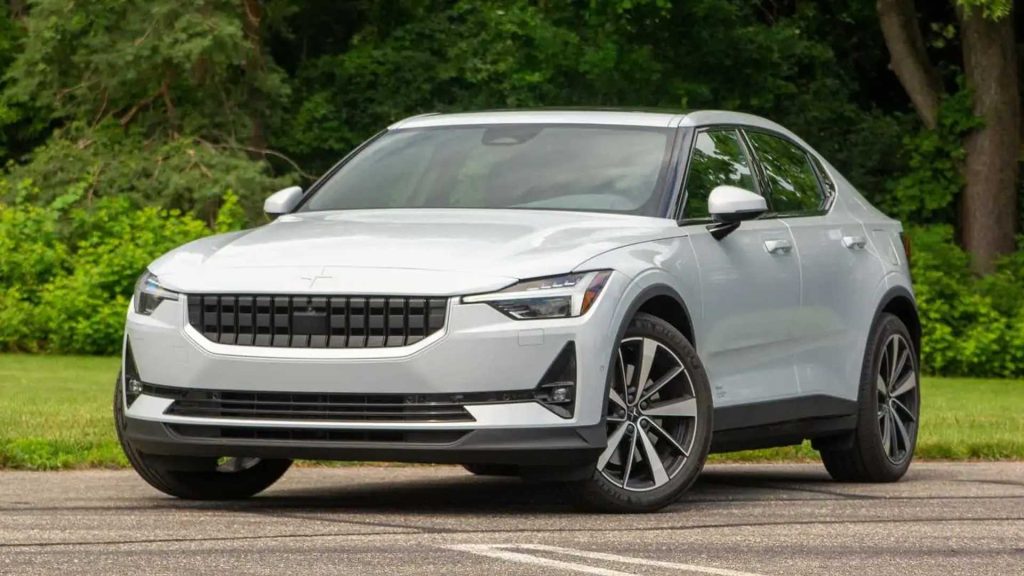
9. Polestar 2 Long Range Dual Motor
The Polestar 2 Long Range Dual Motor quietly became one of the most impressive EVs for charging consistency and reliability. Volvo’s electric sub-brand designed this vehicle with European touring in mind, focusing on dependable charging times across various station types.
Polestar lists an official 10 to 80 percent charging time of around 35 minutes using a 205 kW DC fast charger. In testing, the Polestar 2 regularly beats that figure, achieving it in closer to 30 or 31 minutes.
The main reason lies in its excellent thermal and software coordination. The car’s battery pack features a liquid cooling network that keeps temperatures extremely stable.
This allows the Polestar 2 to hold peak charging power longer than most competitors, even at higher states of charge. The cooling system’s effectiveness means that it doesn’t need to taper power prematurely, which is where most EVs lose valuable time.
Polestar’s powertrain management software is another highlight. The system calculates optimal power intake in real time, adjusting based on current, voltage, and charger type. Instead of ramping up slowly, it reaches near-peak power within the first minute of connection and maintains a strong curve throughout the session.
Many owners report that charging sessions feel shorter because the car maintains above 150 kW for the majority of the time until around 70 percent.
Another reason for its efficiency is how the car handles pre-conditioning. When the driver sets a charging stop in navigation, the car starts heating or cooling the pack automatically, ensuring it reaches the correct temperature upon arrival. This process helps it consistently outperform its published numbers in real-world driving.
Independent testing organizations across Europe and North America have validated these results. The Polestar 2’s ability to pull high current even in cooler weather stands out, making it more predictable than rivals that depend heavily on perfect conditions.
This consistency has helped it gain a loyal following among EV enthusiasts who value precision engineering.
The vehicle also benefits from frequent software updates that tweak energy management, increasing both charging performance and range efficiency.
Owners who’ve had the car since launch often notice improved times after each update, reflecting Polestar’s focus on continuous enhancement. This approach gives drivers confidence that their car will not only maintain its speed but likely improve over its life.
The Polestar 2 Long Range Dual Motor demonstrates how balance and attention to detail can produce better-than-advertised results.
It may not boast the highest peak figures on paper, but its ability to maintain speed and consistency across different chargers makes it one of the most dependable EVs available. It shows how thoughtful engineering can make a car perform above expectations without relying on hype or exaggerated marketing.
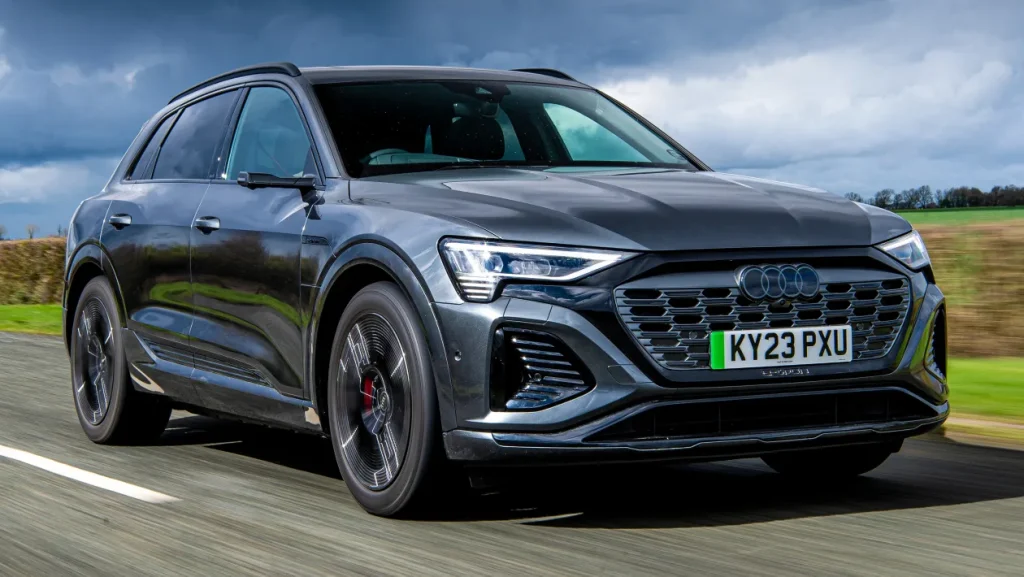
10. Audi Q8 e-tron
The Audi Q8 e-tron represents how traditional luxury can merge with advanced electric engineering. When Audi updated its flagship EV SUV, one of the main improvements came in its charging system.
Officially, Audi claims that the Q8 e-tron can charge from 10 to 80 percent in about 31 minutes using a 170 kW DC fast charger. Real-world tests, however, show that it often finishes the same session in around 26 to 28 minutes, making it faster than what the brand itself promotes.
This performance comes from a refined charging curve and improved cooling efficiency. Audi engineers focused on enabling the vehicle to hold its peak charging rate for longer periods, minimizing the time lost as the battery fills up.
During testing, the Q8 e-tron maintained close to its peak power until nearly 70 percent charge, outperforming its predecessor and many rivals in the process.
The 400-volt architecture used in the Q8 e-tron is optimized through advanced software control. Audi’s charging management system actively monitors voltage, current, and temperature, balancing all three factors to ensure consistent energy flow.
This allows the SUV to deliver real-world results that rival some 800-volt competitors despite operating on a lower-voltage platform.
Its liquid-cooling system also contributes significantly. A network of cooling plates sits directly against the cell modules, drawing away heat evenly during heavy charging.
Combined with an intelligent heat pump that can redirect waste heat to warm the cabin or the battery, this setup keeps the pack in its ideal temperature range for faster power acceptance.
Audi also designed the Q8 e-tron with seamless integration into charging infrastructure. When navigation is set toward a charging station, the vehicle begins thermal pre-conditioning, preparing the pack before arrival.
This feature helps it reach peak power immediately after connection instead of ramping up slowly, saving valuable minutes per session.
Independent reviewers in both Europe and North America have consistently confirmed these faster-than-advertised results. Even when connected to chargers rated slightly below 170 kW, the Q8 e-tron manages to maximize available output efficiently.
It also handles consecutive charging sessions well, maintaining strong performance without overheating, which is especially important for long-distance travelers.
Owners have reported that the car’s predictability is one of its strongest attributes. It behaves consistently across different temperatures and station brands, offering peace of mind on extended journeys. This reliability, paired with Audi’s refined cabin comfort and quiet ride, turns charging stops into short, easy breaks rather than long waits.
The Q8 e-tron’s ability to exceed its published numbers showcases how careful engineering can make even a large, heavy SUV charge impressively fast. Audi has proven that fast charging isn’t limited to small sedans or sports EVs.
Instead, through smart software, improved cooling, and efficient current control, the Q8 e-tron performs beyond expectations. It provides a luxury experience without compromising practicality, reinforcing Audi’s position as a brand that values both precision and real-world usability.
These ten electric vehicles show how real-world performance can exceed what manufacturers claim on paper. Each one demonstrates that charging speed isn’t just about maximum wattage but how long a car can sustain high power.
Models like the Tesla Model 3, Hyundai Ioniq 5, Porsche Taycan, and Audi Q8 e-tron consistently prove that their engineering allows faster results than their official figures suggest.
Key factors behind this success include efficient cooling systems, advanced battery chemistry, and intelligent software that optimizes energy flow.
Features such as route-based pre-conditioning and voltage management let these cars reach ideal temperatures and draw maximum current immediately after plugging in.
The benefit for drivers is simple: shorter stops and smoother travel. Whether it’s a luxury sedan or a rugged pickup, these EVs handle fast charging with consistency and reliability. They show that electric mobility is no longer defined by patience or compromise. Instead, it’s about efficiency that matches or even surpasses expectations.
In an era where every minute matters, these vehicles remind drivers that innovation isn’t limited to range or speed. True progress lies in how effectively technology saves time without sacrificing durability or performance.
Also Read: 10 EVs That Don’t Lose Range in Winter
