
Time often changes how we view cars. Some models were dismissed when they first arrived, either because they were too early for their time, misunderstood by buyers, or overshadowed by more popular rivals.
Yet, years later, many of those same vehicles have earned a second life as admired classics, celebrated for qualities that once went unnoticed.
When a car is released, its success depends on more than performance or design. Market timing, public taste, and even the economy play a role. Sometimes, a car is simply too different for the moment.
Maybe it was priced awkwardly, styled unconventionally, or marketed poorly. But given time, enthusiasts often rediscover its strengths the innovative engineering, unique driving feel, or rare honesty that once went unappreciated.
Today, collectors and fans celebrate these rediscovered machines. Online communities, retro reviews, and restoration culture have helped reshape the reputation of many forgotten models.
Cars that once gathered dust in used lots now command respect and often significant value.
Each of these vehicles represents a story of redemption. Some became cult favorites after being misunderstood by mainstream buyers.
Others were ahead of their time, offering technology or design ideas that only found appreciation years later. What they all share is a second chance at admiration proof that first impressions don’t always tell the full story.
Here are twelve cars that were overlooked when new but have grown into beloved machines, each gaining a loyal following through the passage of time and a renewed understanding of what made them special.
Also Read: 12 2025 Budget Sports Cars That Feel Like Supercars
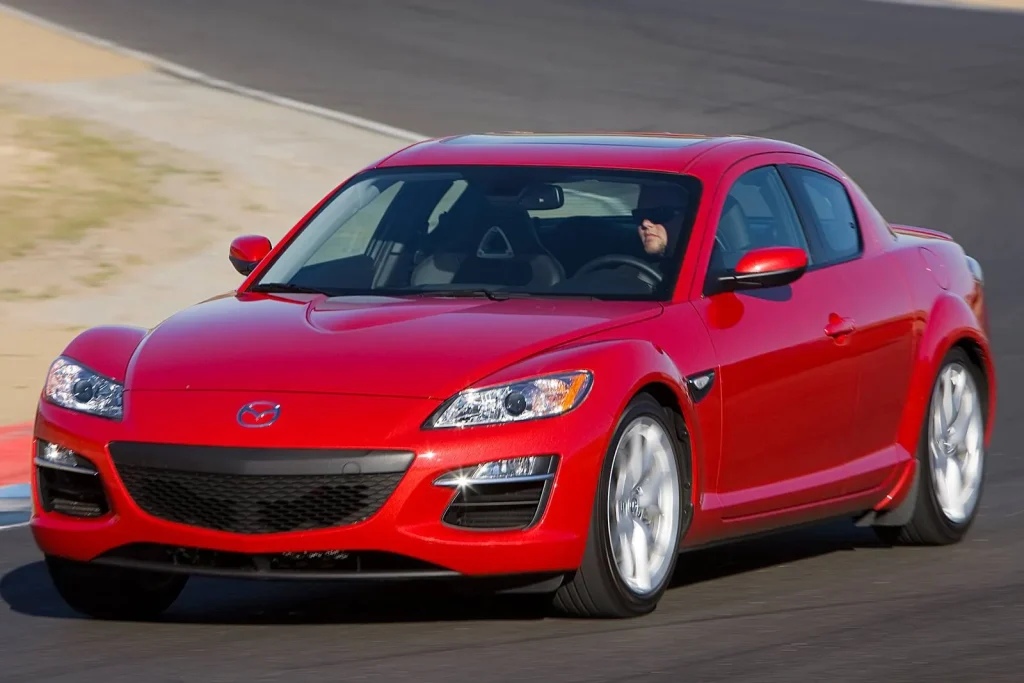
1. Mazda RX-8
The Mazda RX-8 was a curious case of brilliance that went largely unrecognized when it debuted in the early 2000s. Many saw it as an odd successor to the legendary RX-7, yet it carried a personality and precision that now make it one of Mazda’s most intriguing achievements.
At its core was the rotary engine, a unique powerplant that fascinated enthusiasts but puzzled the average buyer. Its compact size and high-revving nature gave the RX-8 an unforgettable character.
Drivers who appreciated the thrill of chasing the redline loved it, while those expecting low-end torque and easy maintenance often walked away disappointed.
The RX-8’s design also set it apart. Its rear-hinged half doors provided rare practicality for a sports car, and its balanced proportions made it a joy to look at.
Underneath, the chassis was perfectly tuned. Steering precision, cornering agility, and road feedback created a sense of connection rarely matched at its price point.
Unfortunately, early reliability issues and fuel economy concerns damaged its reputation. Many owners didn’t maintain the rotary properly, leading to engine wear and negative reviews.
Yet over time, enthusiasts began to recognize the RX-8’s genuine brilliance. Properly cared for, it delivers an unmatched driving experience light, nimble, and alive in a way few modern cars manage.
Today, the RX-8 stands as a misunderstood gem. Its engine requires commitment, but it rewards those who learn its rhythm. The car’s communication, design, and driving purity give it lasting appeal.
Once dismissed as impractical and temperamental, it’s now valued for its uniqueness and emotional depth. Mazda built something that couldn’t be replicated, and years later, drivers finally understand what made it special.
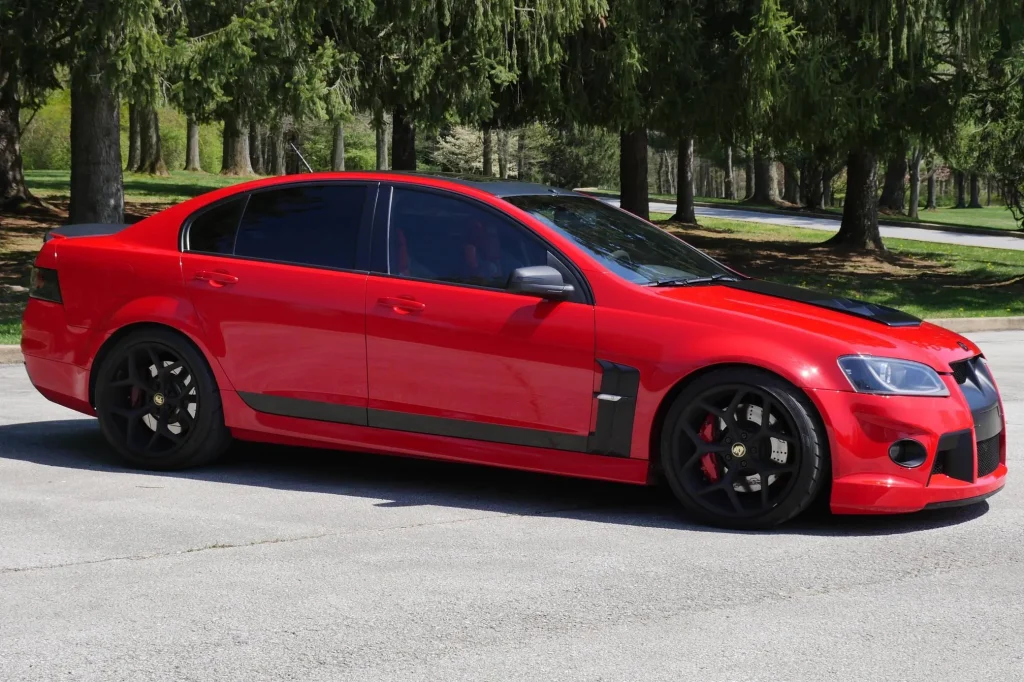
2. Pontiac G8 GT
The Pontiac G8 GT arrived during the brand’s final years, which made it easy to overlook. Yet, under its modest appearance, this sedan held serious performance credentials that rivaled some of Europe’s best. It took time for enthusiasts to realize that the G8 GT was one of the most rewarding American sedans ever made.
Powered by a 6.0-liter V8 producing 361 horsepower, it offered power and handling far beyond expectations for a family-sized car.
Its rear-wheel-drive setup and tight suspension tuning delivered an authentic performance sedan feel. On open roads, it felt balanced, fast, and surprisingly refined.
Unfortunately, timing hurt it. Pontiac was already struggling when the G8 launched in 2008, and by 2010, the brand was gone. Marketing efforts faded, and many buyers never gave it a chance.
Without brand support, the car disappeared quietly, overshadowed by competitors with longer life spans.
What enthusiasts later discovered was its real identity. The G8 GT was based on the Australian Holden Commodore, a platform built for driving passion. It handled beautifully and had the strength to handle track days or daily commuting with ease. The interior wasn’t luxurious, but it was functional, focused on the driving experience.
As the years passed, the G8 gained recognition among collectors and tuners. Its blend of muscle car strength and European-style refinement made it a standout. Many saw it as a missed opportunity for General Motors to build a lasting performance division.
Today, clean examples are sought after, and values continue to rise. The G8 GT represents what Pontiac could have become if given more time a builder of cars that mixed excitement with practicality.
Once dismissed as another fading nameplate, it’s now remembered as a true enthusiast’s sedan, one that deserved far more attention than it received.
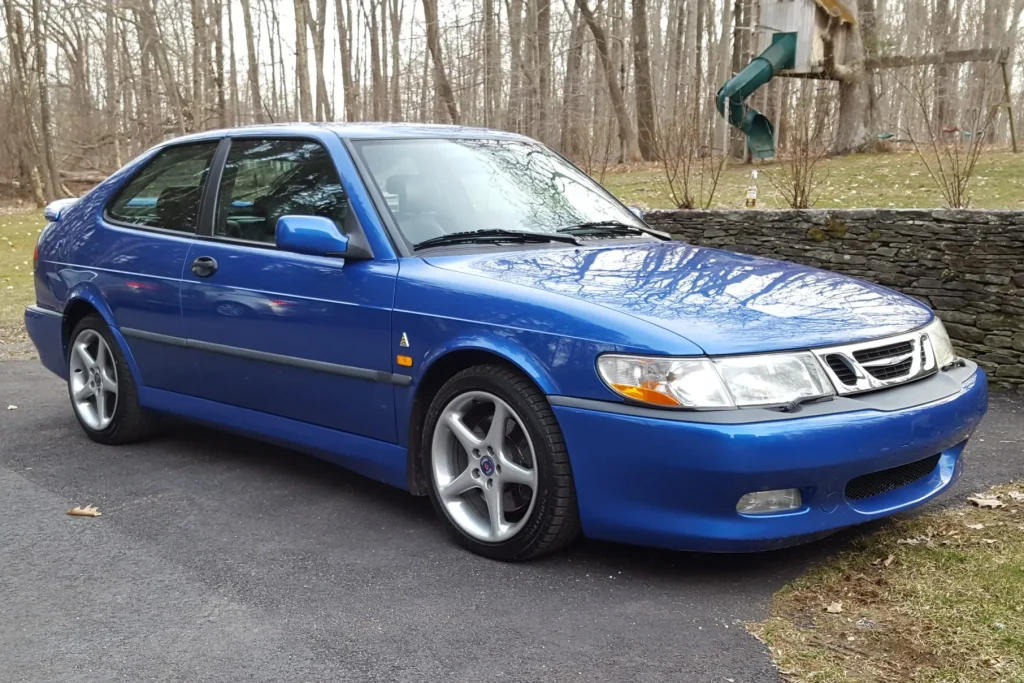
3. Saab 9-3 Viggen
The Saab 9-3 Viggen was one of the most misunderstood performance cars of its era. When it launched in the late 1990s, it was intended to show the world that Saab could build something fast, stylish, and distinct.
Yet, at the time, critics were divided, and buyers gravitated toward more mainstream performance sedans.
Powered by a turbocharged 2.3-liter engine producing 230 horsepower, the Viggen had strong numbers on paper. The torque came in early, giving it impressive acceleration.
But because of its front-wheel-drive layout, some testers complained of torque steer under hard acceleration. What many missed was that this very characteristic gave the Viggen its personality wild, unpredictable, and raw in a charming way.
The car’s design stood out immediately. The body kit, deeper bumpers, and unique colors gave it a confident stance.
Inside, the cockpit wrapped around the driver, filled with aircraft-inspired switches and gauges, reminding everyone of Saab’s aviation heritage. It felt more like a machine built for pilots than commuters.
However, compared to the smoother handling of European competitors, the Viggen’s rough edges kept it from mainstream praise.
Many buyers couldn’t justify its price, especially when German sedans offered more refinement. As a result, production numbers remained low, and it quietly left the market without much fanfare.
Years later, enthusiasts started appreciating what Saab had created. The turbo punch, quirky ergonomics, and sheer uniqueness became its strengths. The Viggen’s flaws turned into character proof that personality matters as much as polish. Its limited production and distinctive styling made it a rare collector’s choice.
Modern enthusiasts now recognize the Viggen as one of Saab’s finest efforts, representing the brand’s fearless independence.
It wasn’t perfect, but it was full of soul. Drivers who own one today know they’re behind the wheel of something with genuine individuality a car that dared to be different and finally receives the respect it deserves.
4. BMW Z3 Coupe
When BMW introduced the Z3 Coupe, many people didn’t know what to make of it. Its unusual shooting-brake design sparked confusion.
Some called it odd; others simply didn’t understand why a sports car would have a hatchback body. Yet, over time, that uniqueness became the very reason enthusiasts fell in love with it.
Built on the Z3 roadster platform, the Coupe offered increased rigidity and better handling. Its short wheelbase and low center of gravity made it one of the sharpest-driving BMWs of its time.
With the inline-six engine up front, power delivery was smooth and linear, creating an addictive rhythm through winding roads.
The design divided opinions back then but is celebrated today for its personality. Nicknamed the “Clown Shoe” by fans, the Z3 Coupe turned out to be one of the most charming and purposeful cars BMW ever made. It was rare, unconventional, and delightfully different from the usual luxury models.
Inside, the car carried the minimalist focus of true sports cars. The driving position was perfect, visibility excellent, and the connection to the road immediate. It felt more mechanical and engaging than many modern performance cars filled with electronics.
Because of its unusual looks, sales were limited, and the Z3 Coupe quietly disappeared from showrooms.
But the few who bought it early realized its brilliance. As the years passed, collectors began searching for well-preserved examples. Its blend of balance, rear-wheel drive purity, and rarity transformed it into a desirable icon.
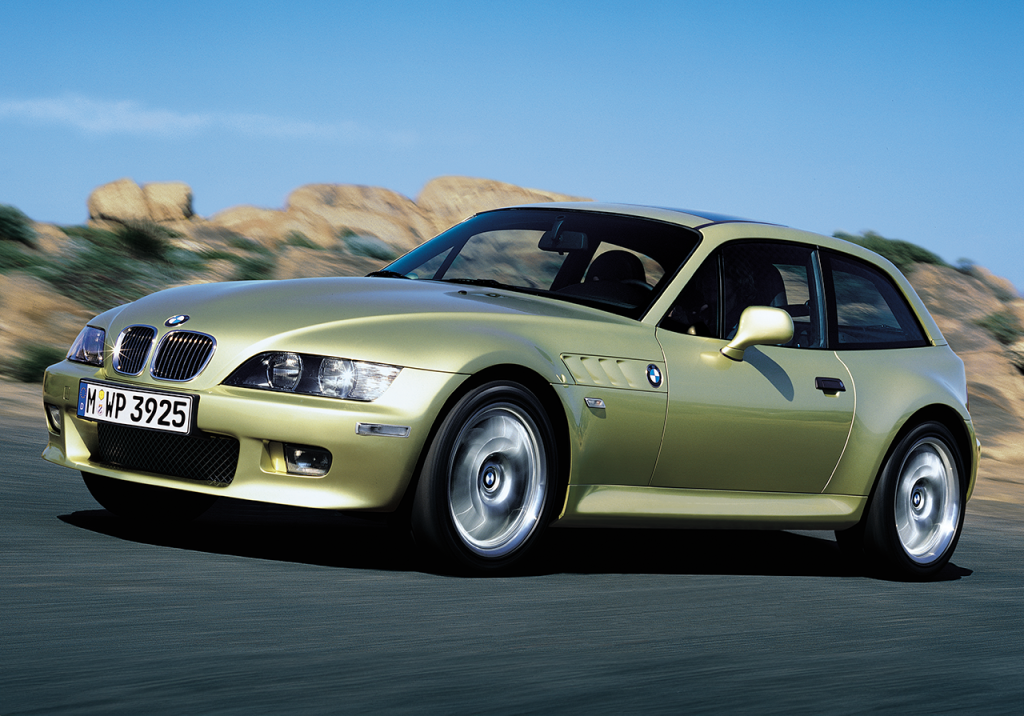
Today, the Z3 Coupe is recognized as one of BMW’s hidden treasures. It offers an honest, analog driving feel that modern vehicles rarely replicate.
What was once mocked for its odd shape now stands as a symbol of creativity and bold design. The Z3 Coupe proves that being different often leads to lasting admiration even if it takes the world a while to catch up.
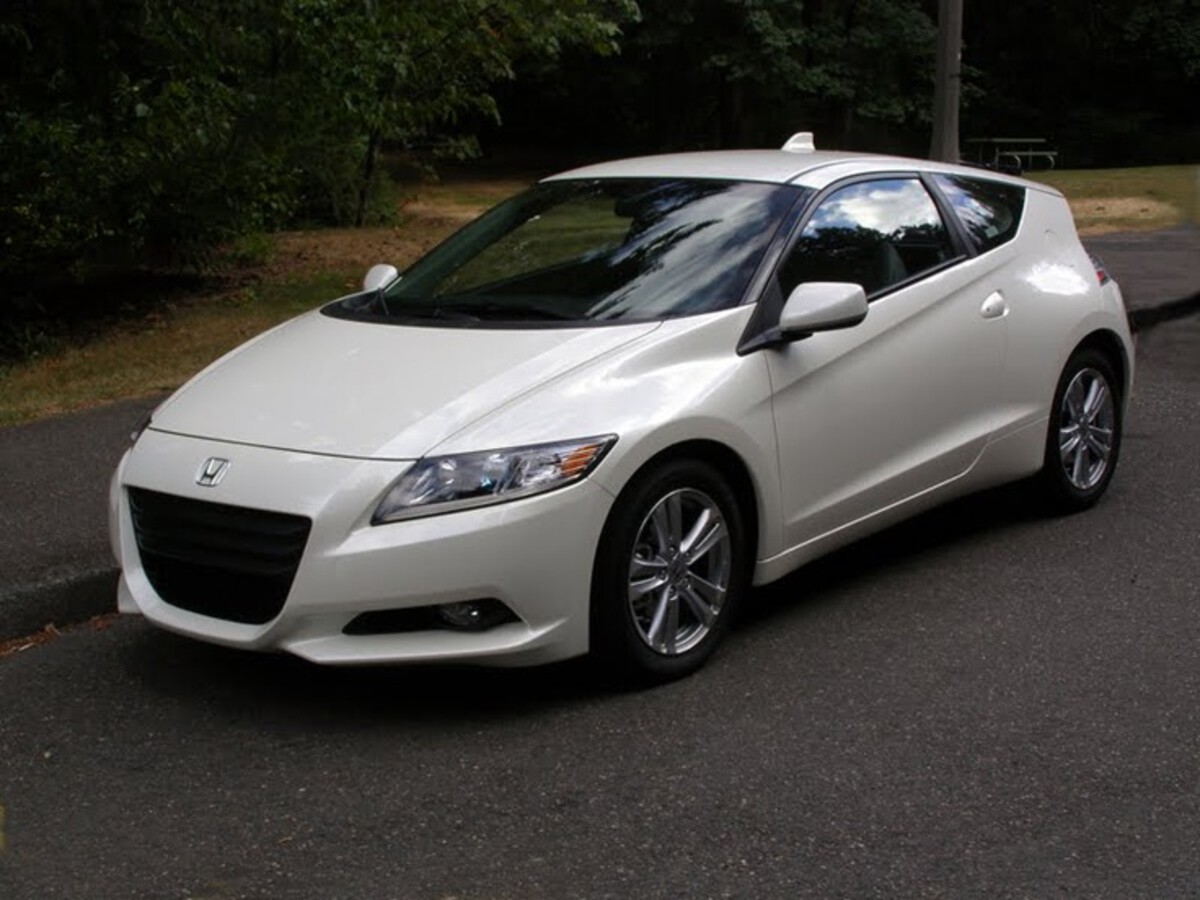
5. Honda CR-Z
When Honda released the CR-Z, it aimed to blend sporty driving with hybrid efficiency. On paper, it sounded like a revolutionary idea a modern version of the CR-X with a conscience.
However, the world wasn’t quite ready for that concept, and the CR-Z ended up being misunderstood during its production years.
Powered by a 1.5-liter four-cylinder engine paired with an electric motor, it delivered around 130 horsepower.
Many expected more performance, given its sporty looks and manual transmission option. Critics were quick to point out that it wasn’t fast enough to compete with hot hatches, nor efficient enough to rival larger hybrids.
But what they missed was the charm. The CR-Z provided a pure driving feel that few hybrids offered. The short wheelbase, low seating position, and precise gearbox made it enjoyable to drive on twisty roads. It was light, responsive, and carried that old Honda spirit of simplicity and control.
Visually, the CR-Z stood out. Its wedge shape, bold grille, and futuristic cabin design gave it a unique presence. The interior was focused around the driver, featuring deep seats and a digital dash that felt ahead of its time.
Sales never met expectations, and production ended quietly. Yet, over the years, the CR-Z found new appreciation among enthusiasts who value engagement over power. It became a symbol of how fun-to-drive cars can still exist within environmentally conscious design.
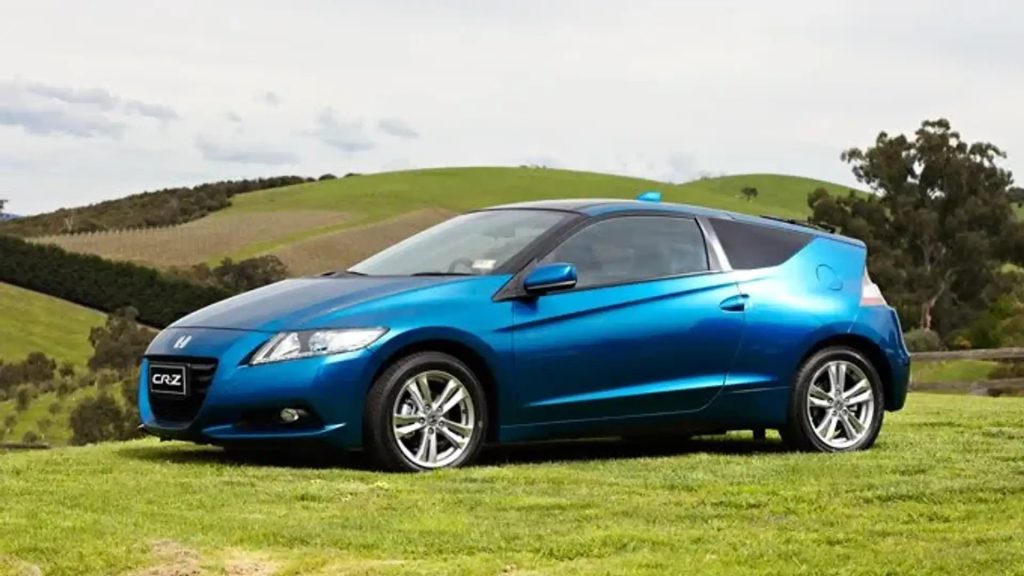
Today, well-kept CR-Zs are gaining attention as affordable modern classics. Their reliability, manual option, and playful handling make them desirable among younger drivers and collectors alike.
The CR-Z represents a rare moment when Honda dared to experiment with an idea that blended performance and efficiency.
It might not have succeeded in its era, but it left behind an important lesson passion doesn’t always need big numbers. Sometimes, it just needs balance, precision, and personality, all of which the CR-Z delivers effortlessly.
6. Chrysler Crossfire
When Chrysler introduced the Crossfire in the early 2000s, most people didn’t quite know what to make of it.
The car’s styling was bold, with sharp lines, a long hood, and a fastback rear that split opinions instantly. Many dismissed it as an odd mix of American branding and German engineering, but time has revealed its true charm.
The Crossfire was built during Chrysler’s partnership with Mercedes-Benz, sharing its platform with the first-generation Mercedes SLK.
Underneath the sculpted body sat a 3.2-liter V6 producing 215 horsepower. It wasn’t built for outright speed, but for smooth, composed driving that felt distinctly European.
Critics at the time struggled to categorize it. It wasn’t a pure sports car, yet it wasn’t a luxury cruiser either. As a result, it sat awkwardly between markets. Sales were slow, and its unique design, instead of being celebrated, became a reason for hesitation among buyers.
However, the qualities that once limited its success now define its appeal. The Crossfire’s proportions are striking and unmistakable.
The car feels solid on the road, with the Mercedes chassis providing stability and confidence. The steering is direct, and the engine delivers a satisfying growl when pushed.
Inside, the cabin carries a mix of Chrysler and Mercedes parts, resulting in a simple but functional layout. The seats are comfortable, and the cockpit feels snug, adding to the sports car experience.
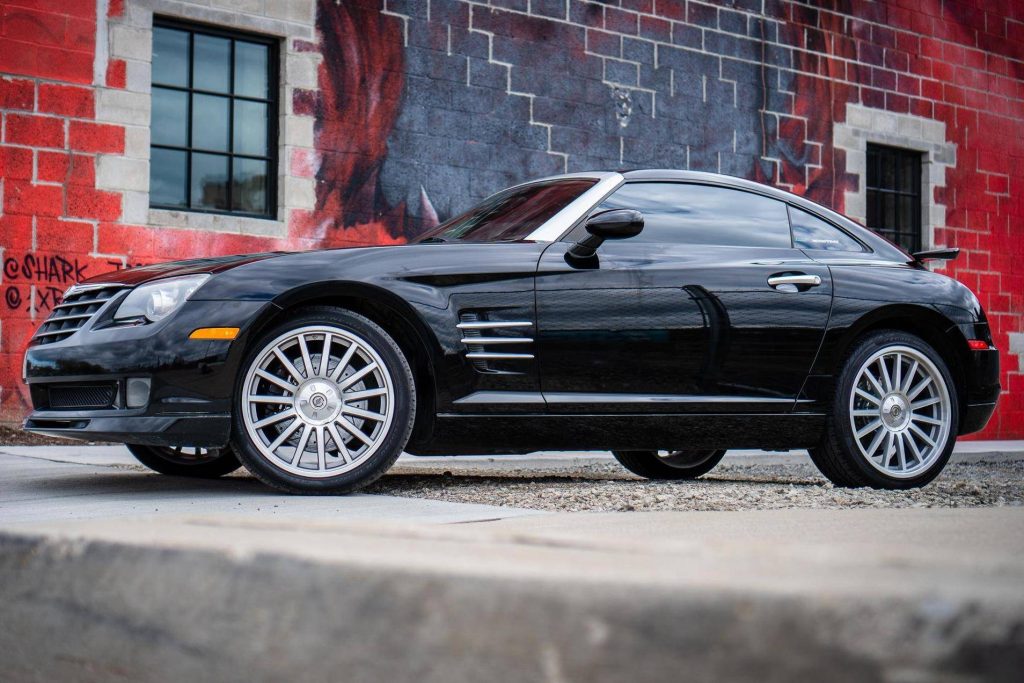
Today, enthusiasts see the Crossfire differently. Its rarity, distinctive styling, and solid mechanical base make it an attractive choice for collectors seeking something unconventional yet reliable.
The limited-production Crossfire SRT-6, with its supercharged engine, is especially prized for its performance and exclusivity.
The Chrysler Crossfire’s story is one of rediscovery. Once mocked for its identity crisis, it now enjoys appreciation for its originality and honest driving dynamics. It’s a reminder that cars with character often need time for their brilliance to be recognized.
7. Volkswagen Corrado VR6
The Volkswagen Corrado VR6 was a car that never truly got its due during its production years. Launched in the early 1990s, it was designed to be VW’s performance flagship, bridging the gap between the GTI and high-end sports cars. Despite that ambition, it struggled in a market that didn’t know what to make of it.
The Corrado’s design was sleek and distinctive, with its low profile, rising beltline, and active rear spoiler a rare feature for its era. Power came from the legendary 2.8-liter VR6 engine, producing around 178 horsepower, which gave it a deep, raspy sound that enthusiasts still admire today.
At the time, it was expensive for a Volkswagen, and buyers were hesitant to spend sports-car money on a VW badge. That limited its sales, even though the Corrado was arguably one of the best-handling front-wheel-drive cars of its time.
Its steering was precise, and the chassis balance was exceptional. The VR6 engine added a layer of refinement and torque that made it feel special. It wasn’t just quick; it was composed and mature in the way it delivered performance.
Inside, the cabin was functional but sporty, with deeply bolstered seats and a driver-focused layout. Everything about the Corrado felt engineered with intent, yet its price and timing worked against it.
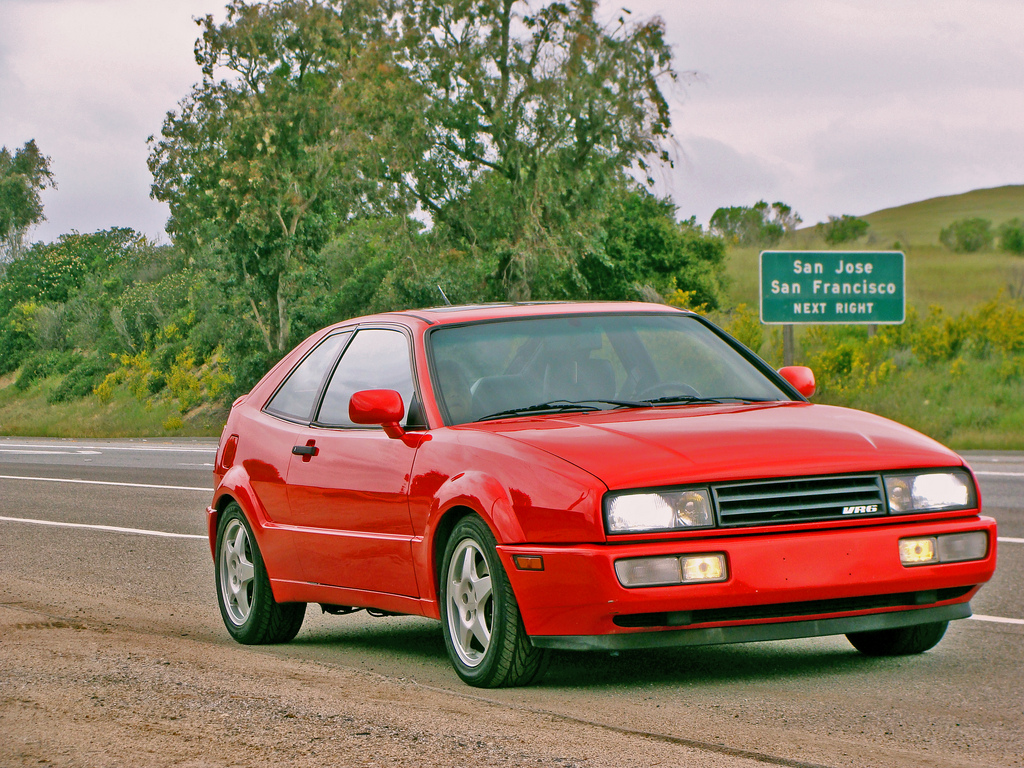
Today, the story has changed completely. The Corrado VR6 has become one of Volkswagen’s most beloved cult classics.
Collectors appreciate its mechanical honesty, analog driving feel, and unmistakable sound. Its rarity only adds to its desirability, as finding one in pristine condition has become increasingly difficult.
The Corrado represents a high point for Volkswagen’s 1990s engineering spirit a car that combined innovation, style, and performance in a way few others managed. Once dismissed for being too expensive, it’s now valued precisely because it was built with no shortcuts.
8. Acura CL Type-S
The Acura CL Type-S was one of those luxury coupes that came and went quietly, overshadowed by European rivals and even by Acura’s own sedans.
Produced in the early 2000s, it was refined, quick, and beautifully built, yet somehow failed to make a big impact at launch.
Power came from a 3.2-liter V6 producing 260 horsepower, paired with either a five-speed automatic or a rare six-speed manual.
The manual version transformed the CL Type-S into a genuine driver’s car. It pulled hard, handled predictably, and delivered an exhaust note that was smooth but purposeful.
Critics at the time said it lacked personality. They saw it as too calm for performance buyers and too sporty for luxury-focused customers. As a result, it never found its niche. Acura discontinued it after a short run, leaving behind one of the most underrated coupes of its generation.
With time, though, car enthusiasts began to see its strengths. The CL Type-S combined Honda reliability with upscale comfort.
The steering was precise, the suspension was well-tuned for both city and highway use, and the build quality was excellent. It was the kind of car that didn’t shout for attention but quietly impressed anyone who drove it.
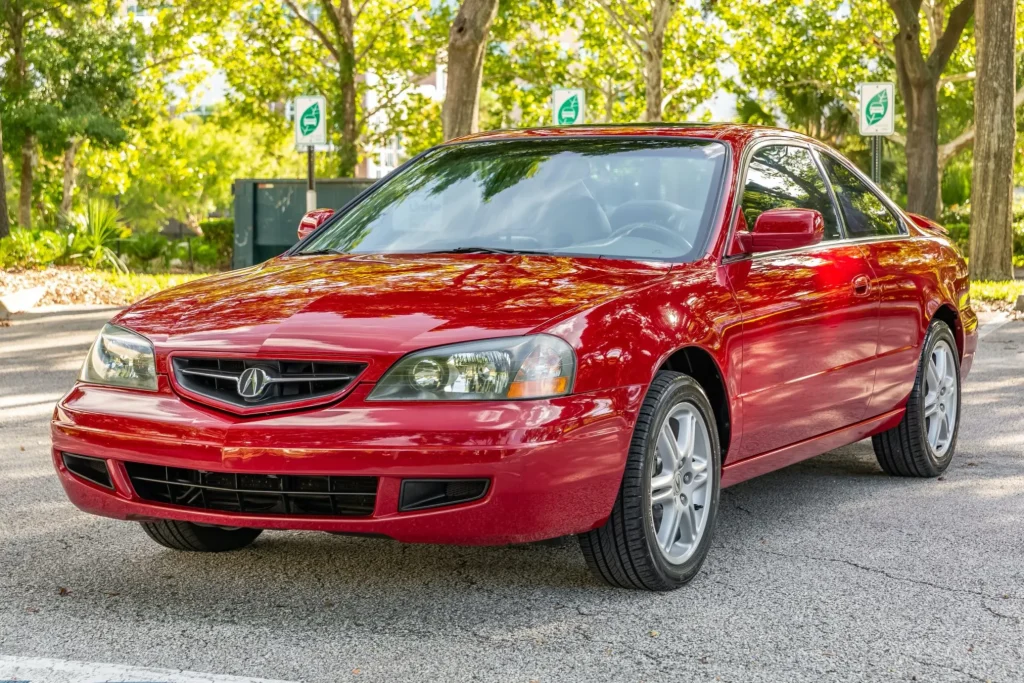
Visually, it has aged gracefully. The clean body lines, subtle curves, and well-proportioned stance make it look timeless.
Inside, the leather upholstery, wood trim, and ergonomic layout showcased Acura’s attention to detail before technology started dominating car interiors.
Today, collectors seek the manual CL Type-S in particular, appreciating it as a rare gem from a period when Honda and Acura were producing some of their best mechanical designs. It has become a car that rewards patience overlooked when new, but loved now for its honesty and build integrity.
The Acura CL Type-S stands as proof that refinement and engagement can exist together. It may not have made headlines when it debuted, but it left behind a lasting impression on those who finally discovered its quiet brilliance.
9. Infiniti G20
The Infiniti G20 was a car that never got the recognition it deserved during its production run.
Launched in the early 1990s and later revived in the early 2000s, it was Infiniti’s compact luxury sedan, quietly competing against BMW’s 3-Series and Acura’s Integra. However, it didn’t grab attention the way its rivals did.
Underneath its modest exterior, the G20 was essentially a rebadged Nissan Primera from Japan, a car known for its superb chassis balance and reliability.
It featured a 2.0-liter inline-four engine that produced around 145 horsepower, paired with either a five-speed manual or a smooth automatic. While not fast, it delivered handling precision that was rare in its class.
During its early years, the G20 was often dismissed as underpowered or too small for the luxury badge it wore. Buyers seeking speed looked elsewhere, while those wanting pure comfort moved to larger sedans.
Yet, the G20’s quiet strength lay in how well it drove light steering, balanced suspension tuning, and a communicative chassis made it incredibly enjoyable on twisty roads.
The design was simple but elegant. The body lines were clean, and the car carried itself with understated confidence. Inside, it had supportive seats, quality materials, and an ergonomic layout that showed Infiniti’s attention to comfort without unnecessary flash.
The biggest reason it went unnoticed was timing. In a decade dominated by flashy performance and big engines, the G20’s subtle precision was overlooked. It wasn’t built to dominate stoplight races; it was built to make every corner feel right.
Over time, enthusiasts began to recognize what they had missed. The G20 became a favorite among drivers who value balance and connection over horsepower. Its Nissan roots also meant reliability and affordable maintenance, two things that help it endure long after flashier cars fade.
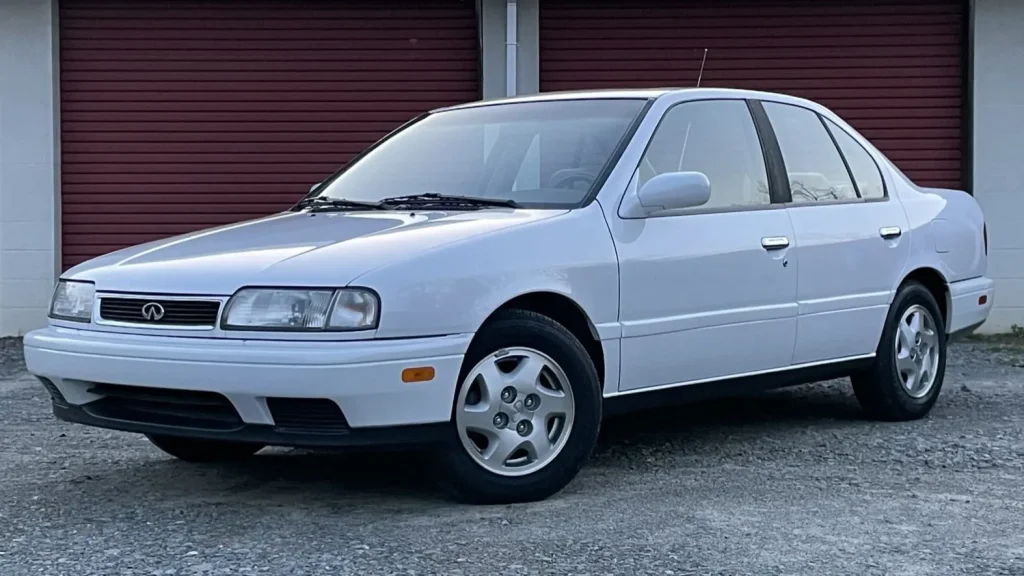
Today, clean G20s are gaining appreciation for being well-engineered and refreshingly analog. They deliver the kind of honest driving feel that’s hard to find in modern sedans.
The car’s combination of simplicity, reliability, and precision handling has turned it from forgotten to fondly remembered.
The Infiniti G20 might not have made headlines in its day, but it quietly built a legacy of quality and balance.
Now, it stands as proof that great driving doesn’t always need big numbers or bold statements sometimes it’s just about doing everything right, quietly and consistently.
10. Ford Probe GT
The Ford Probe GT was supposed to be the future of Ford’s sports coupes, but its debut in the 1990s met with mixed reactions. It had sleek styling, modern engineering, and strong performance, yet most people didn’t understand what it was meant to be.
Originally intended to replace the Ford Mustang, the Probe faced instant backlash from purists who refused to accept a front-wheel-drive coupe as a spiritual successor. That controversy overshadowed what was, in truth, a well-designed and enjoyable car.
The second-generation Probe GT featured a 2.5-liter V6 built in partnership with Mazda, producing 164 horsepower.
It was lightweight, quick for its time, and handled remarkably well thanks to its tuned suspension and low center of gravity. Its balance made it a capable performer on winding roads and highways alike.
Inside, the cabin had a futuristic look with driver-oriented controls and comfortable bucket seats. The Probe’s aerodynamic shape gave it a distinctive identity that stood apart from other sporty coupes of its era.
However, most buyers were either drawn to traditional Mustangs or Japanese competitors like the Toyota Celica and Honda Prelude.
As a result, sales were modest, and Ford eventually discontinued it by the late 1990s. Yet, those who owned one knew the truth the Probe GT was more than a pretty design. It was reliable, quick, and fun, with a mechanical simplicity that made it easy to maintain.
Years later, enthusiasts began to look back at the Probe with nostalgia. Its design still looks modern, and its driving dynamics remain impressive for its age. The car’s connection to Mazda engineering gave it real credibility, even if that fact was overlooked in its time.
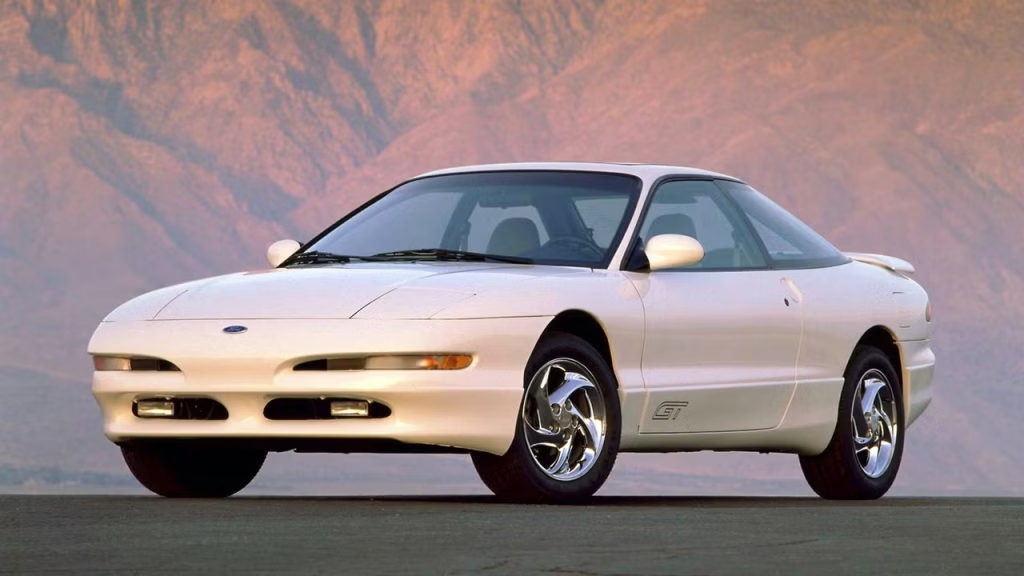
Today, the Probe GT has become a collector’s favorite among those who appreciate forgotten 90s icons.
Clean examples are rare, and well-preserved ones are finally gaining value. It has gone from being misunderstood to being admired a car that never got the spotlight but delivered genuine performance and style.
The Ford Probe GT’s story proves that even when marketing misses the mark, great engineering can survive the years. It’s a reminder that sometimes the cars most people forget are the ones that end up earning lasting respect.
11. Subaru SVX
The Subaru SVX was one of the most ambitious cars the brand ever produced, yet it was misunderstood from the moment it hit showrooms.
Launched in the early 1990s, the SVX was Subaru’s attempt to move into the luxury sports coupe segment, far above the practical all-wheel-drive sedans it was known for.
Designed by Giorgetto Giugiaro, the SVX had a futuristic shape that still turns heads today. Its most famous design element was the window-within-a-window layout, where the side glass featured a smaller section that rolled down separately. It looked incredible but confused buyers who weren’t ready for such experimentation.
Under the hood, the SVX housed a 3.3-liter flat-six engine producing 230 horsepower, paired exclusively with an automatic transmission and Subaru’s all-wheel-drive system. It was powerful, smooth, and surprisingly refined for its time.
The car was comfortable on highways and stable through corners, combining grand touring capability with Subaru’s signature traction.
Unfortunately, it was expensive. The price placed it in competition with established luxury coupes like the Acura Legend and Nissan 300ZX, brands that already had loyal followings. Many buyers couldn’t see Subaru as a luxury manufacturer, and that perception kept sales low.
Despite those struggles, the SVX offered remarkable innovation. It had advanced aerodynamics, a sophisticated suspension setup, and interior comfort that rivaled European rivals. The ride was composed, the seats were plush, and the flat-six engine gave it a unique character few cars could match.
Over time, enthusiasts began to appreciate its boldness. The SVX’s design aged well, becoming a symbol of 1990s creativity in automotive styling. Collectors now recognize it as a car that dared to take risks and refused to follow trends.
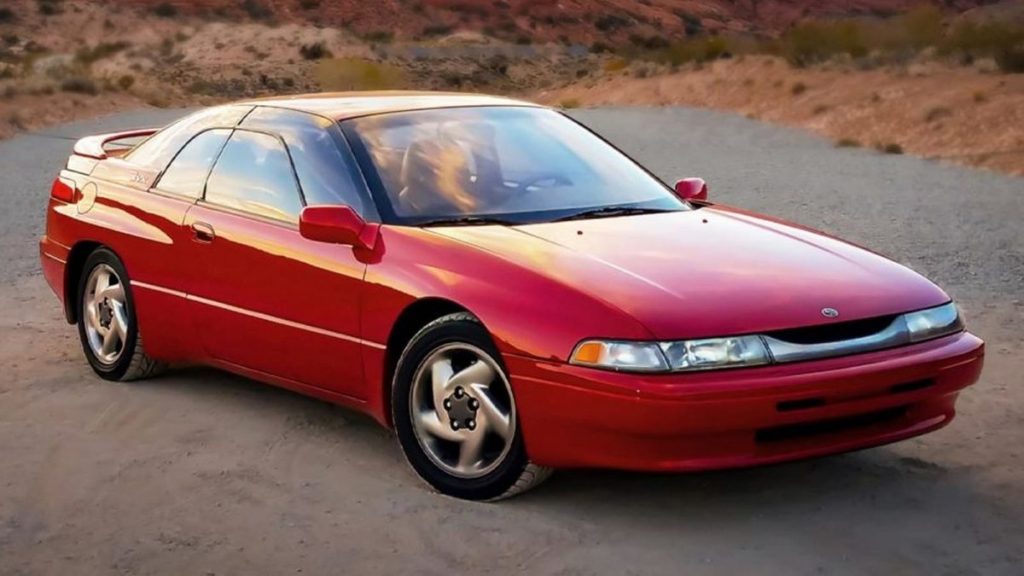
Finding one in good condition today can be a challenge, but for those who do, the reward is a rare and rewarding driving experience. It’s quiet, smooth, and beautifully odd exactly the kind of car that grows more loved as years go by.
The Subaru SVX stands as a reminder of when Subaru was willing to take big chances. Once dismissed for being too strange, it’s now respected for its courage to be different, blending engineering innovation with true individuality.
12. Cadillac CTS-V Wagon
When Cadillac launched the CTS-V Wagon, the automotive world didn’t know what to think. It was a high-performance American station wagon with supercar levels of power.
To many, it seemed like a strange idea, but to a small group of enthusiasts, it was an instant legend waiting to be recognized.
Powered by a 6.2-liter supercharged V8 producing 556 horsepower, the CTS-V Wagon could sprint from 0 to 60 mph in just over four seconds. It shared its engine with the Corvette ZR1 but carried it in a practical, family-sized body. The result was a car that could haul both groceries and pure speed in equal measure.
When it launched, though, sales were slow. Buyers didn’t see the point of such a powerful wagon, and most Americans preferred SUVs. Cadillac’s bold attempt to mix performance and practicality was met with confusion, and only a few thousand units were ever sold.
Behind the wheel, however, the CTS-V Wagon was extraordinary. It offered razor-sharp steering, magnetic ride control suspension, and a manual transmission option that made it a true driver’s car. It was fast, controlled, and comfortable enough for long-distance trips without losing its edge.
The design, with its angular lines and muscular stance, gave it an unmistakable presence.
It looked elegant yet aggressive, and the long roof only added to its character. Inside, the cabin blended luxury materials with supportive seats and modern tech, creating a balance between refinement and performance.
Over the years, its rarity and uniqueness turned it into one of the most collectible Cadillacs ever made. Enthusiasts admire it not only for its power but for its attitude a car that ignored trends and followed pure engineering passion.
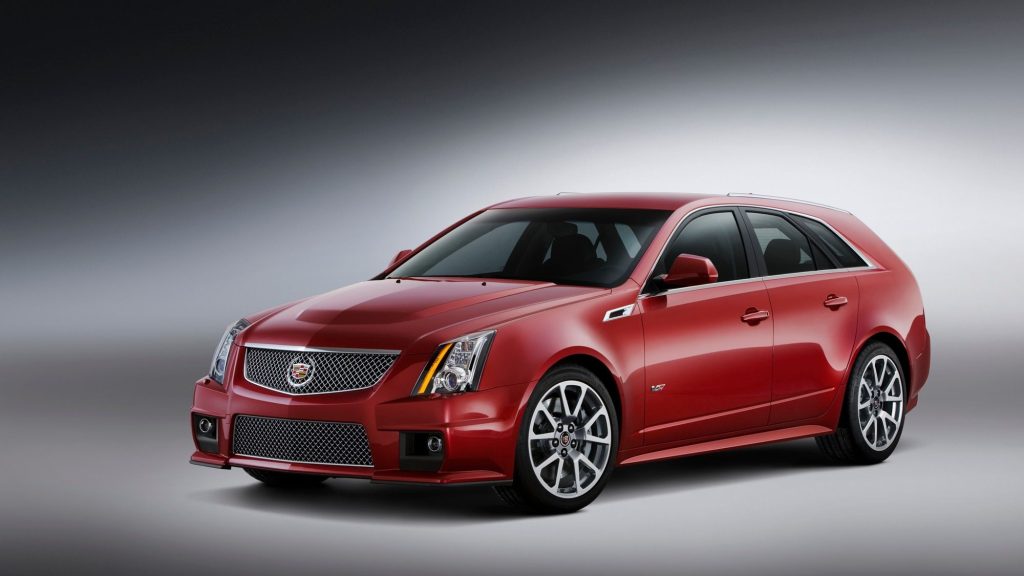
Today, the CTS-V Wagon commands respect and rising values on the used market. What was once considered an odd experiment is now regarded as one of the boldest American performance cars of its time.
It stands as proof that innovation doesn’t always need to chase mass appeal. The CTS-V Wagon was built for a small group of drivers who understood that practicality and excitement could coexist.
Once overlooked, it has now earned its place as a modern classic, admired for being exactly what it wanted to be unapologetically different.
Also Read: 12 Models That Keep Warranty Claims Low After Year Five
