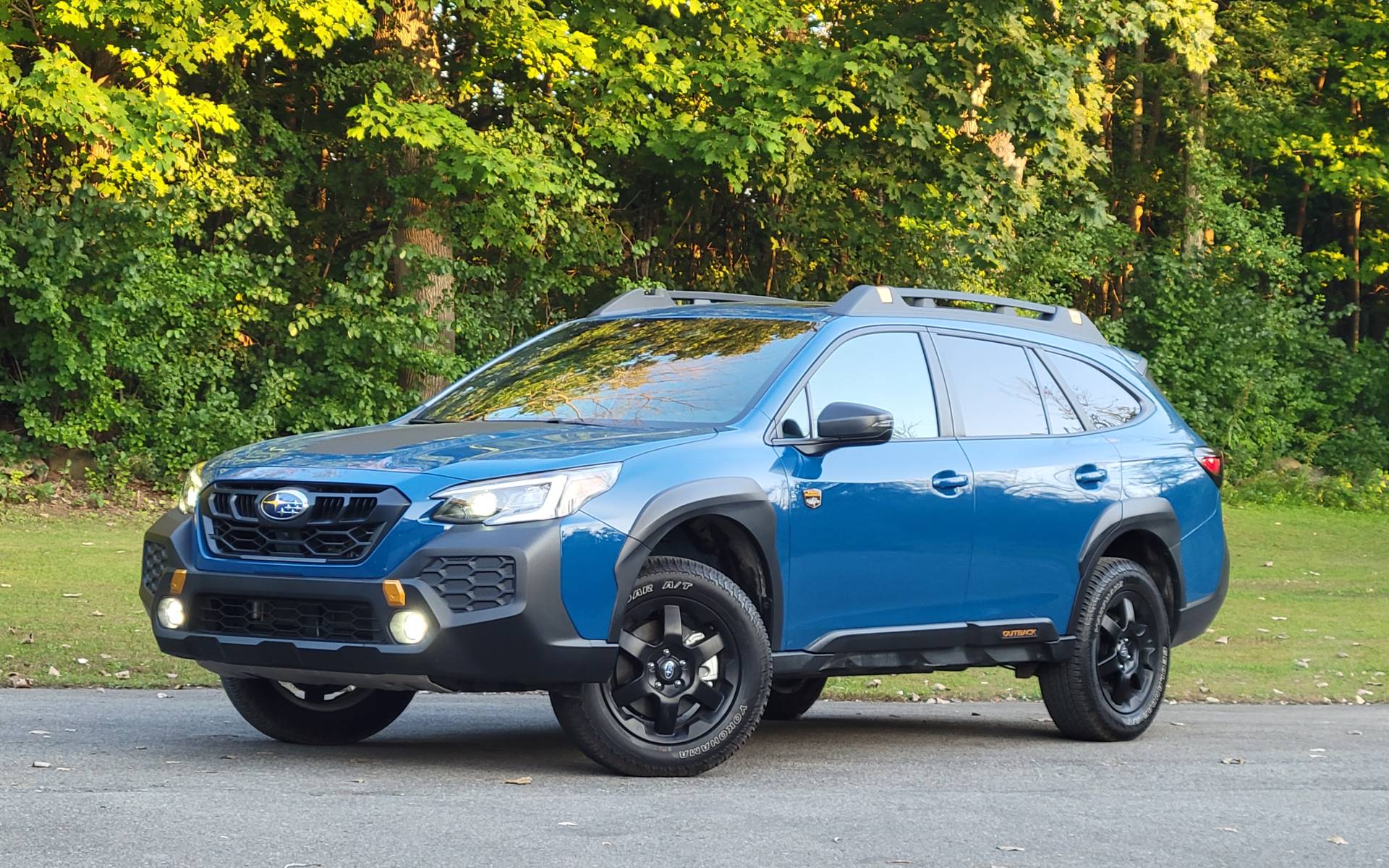
When the weather becomes unpredictable, having a car that feels stable, capable, and safe can make all the difference. Whether it’s driving through snow-covered roads, heavy rain, or icy mountain passes, the right vehicle provides comfort and confidence.
In this list of “10 Cars That Feel Safe Even in Harsh Weather,” we look at vehicles that stand out for their traction, control, and reliability. From rugged off-roaders like the Jeep Grand Cherokee to refined family SUVs such as the Buick Enclave and Volvo XC90, each model combines advanced engineering, smart technology, and thoughtful design to keep you secure in every season.
These cars feature all-wheel-drive systems, traction management, and safety innovations that respond to changing road conditions in real time. If you value peace of mind as much as performance, these ten vehicles prove that confidence behind the wheel begins where the road and predictability end.
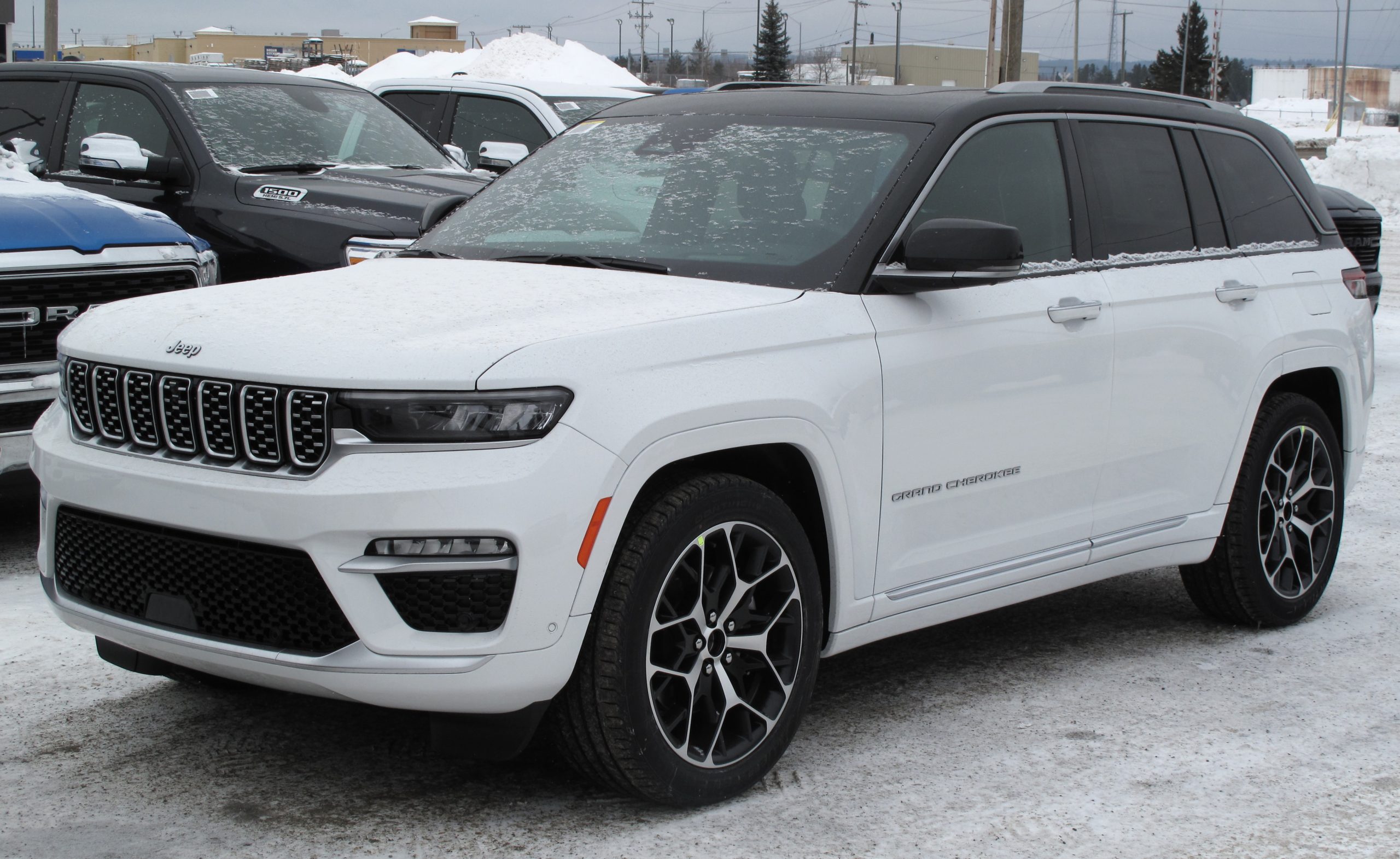
1. Jeep Grand Cherokee: All-Weather Capability
The Jeep Grand Cherokee is a versatile five-passenger SUV designed to handle a wide range of weather conditions, combining advanced four-wheel-drive systems, traction management, and rugged engineering.
While no vehicle is completely impervious to extreme conditions, the Grand Cherokee delivers stability and control across challenging terrain.
Its 4×4 systems vary in complexity, ranging from the full-time Quadra-Trac I®, which automatically engages four-wheel drive for additional grip in typical conditions, to the Quadra-Trac II® with a two-speed transfer case and low-range gearing that can send up to 100 percent of torque to the axle with the most traction.
The most advanced system, Quadra-Drive® II, features an electronic limited-slip rear differential capable of directing all available torque to a single wheel when slippage is detected.
In addition to these drivetrain options, the Grand Cherokee offers the Selec-Terrain® Traction Management System, allowing the driver to optimize performance for specific conditions. Snow mode adjusts transmission, throttle, and torque distribution to reduce wheel slippage, while sand and mud mode helps maintain momentum on loose surfaces.
Rock mode, available with Quadra-Drive II, uses low-range gearing and suspension adjustments to crawl over rocky terrain. The SUV is also designed for severe weather with high air intakes, water-sealed electrical components, and available sealed battery packs on 4xe models, allowing some variants to ford up to 24 inches of water.
Its generous ground clearance aids in driving through deep snow and rough landscapes, while safety features such as Electronic Stability Control and Anti-lock Brakes improve vehicle control in slippery conditions and enhance visibility in low-light environments.
Inside, the Grand Cherokee emphasizes comfort and winter convenience. Heated front and rear seats, a heated steering wheel, dual-zone climate control, and remote start ensure passengers remain warm and comfortable even in cold weather. While the ride can be firm, optional air suspension helps mitigate stiffness on highways. The interior remains generally quiet, though some bumps and cracks can create noticeable noise.
Technology is another strong point, with Jeep’s Uconnect 5 infotainment system providing crisp graphics and available integrated navigation with turn-by-turn directions.
High-end trims include a 19-speaker McIntosh sound system delivering rich, distortion-free audio, while smartphone integration and eight USB ports ensure connectivity for all occupants.
Cargo space behind the second row measures 37.7 cubic feet, which is average for midsize SUVs, and the rear seats fold flat for larger loads. Although the cargo floor sits high, and vertical space is somewhat limited, storage for smaller items is sufficient, and towing capacity reaches an impressive 6,200 pounds.
The Grand Cherokee’s standard V6 engine accelerates from 0-60 mph in about eight seconds, comparable to other midsize SUVs like the Toyota 4Runner and Honda Passport. The 4xe plug-in hybrid option provides quicker acceleration, while braking is confident and steering light but precise.
Though not particularly sporty, the SUV excels off-road, outperforming many of its competitors. Entry-level models are priced competitively, while fully loaded trims offer near-luxury features, though some interior materials feel less premium than expected.
Fuel economy for the V6 is an EPA-estimated 22 mpg combined, and Jeep provides a standard warranty of three years or 36,000 miles for basic coverage and five years or 60,000 miles for the powertrain.
The Grand Cherokee stands out for its commanding exterior design, strong towing ability, and legendary off-road capability. While it is not the most athletic midsize SUV, its style, versatility, and Jeep heritage make it a compelling choice for drivers seeking both adventure and everyday usability. The combination of comfort, technology, and rugged performance gives the Grand Cherokee a distinctive presence on the road.
2. Buick Enclave: Refined Power and All-Weather Confidence
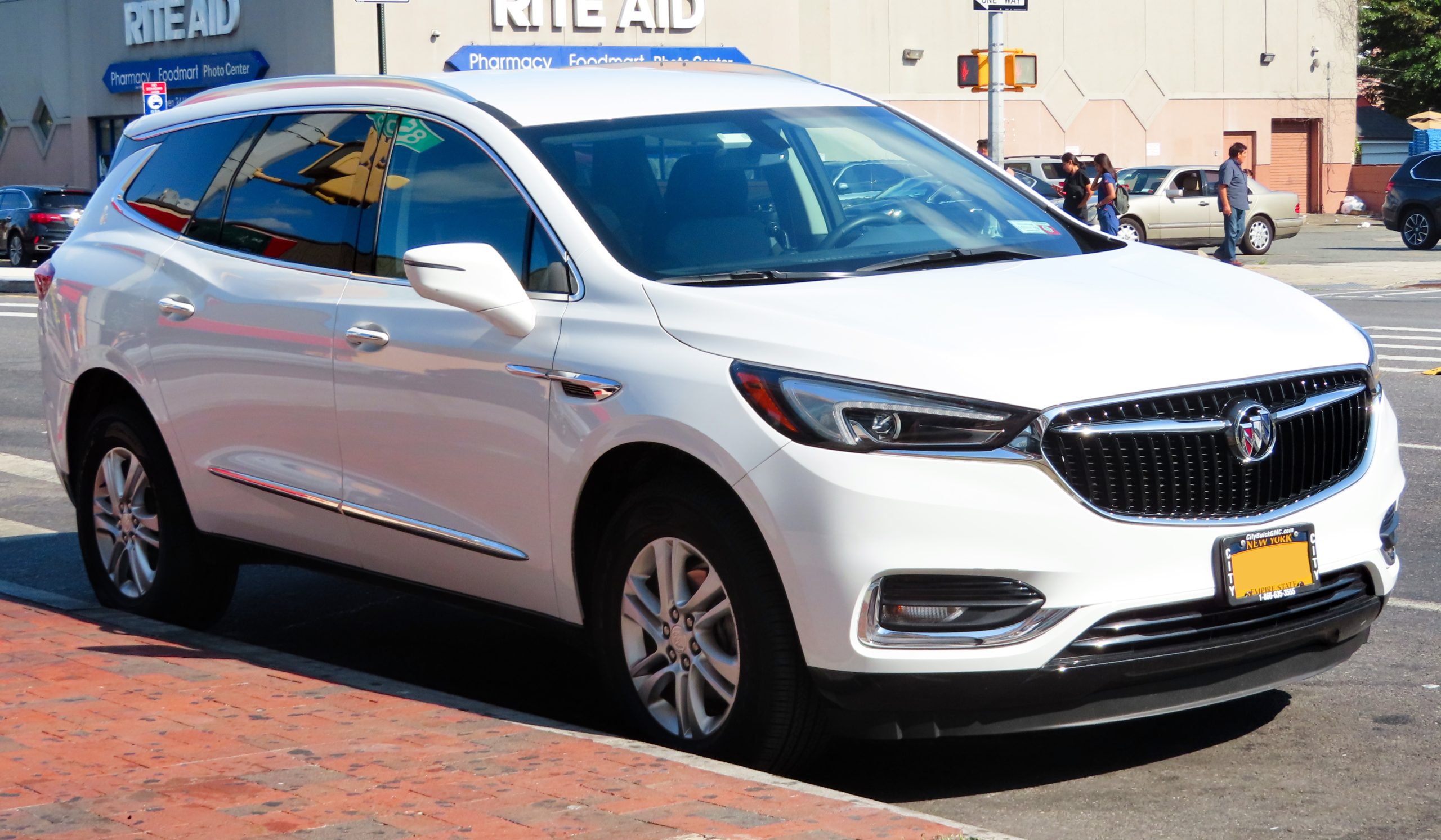
The Buick Enclave is a three-row, seven-passenger SUV that blends power, comfort, and advanced technology for families seeking space and year-round versatility. Equipped with a 3.6-liter V6 engine, the Enclave delivers ample power to handle various driving conditions with ease.
Its available all-wheel-drive (AWD) system enhances traction on slippery or uneven surfaces, making it dependable in snow, rain, and icy weather. The traction and stability control systems work together to improve handling and prevent wheel slippage, giving the driver greater confidence during challenging conditions.
Optional all-weather floor mats help keep the interior clean and dry, even when passengers track in snow or mud. This combination of capability and comfort makes the Enclave a trustworthy companion for diverse climates.
Inside, the Buick Enclave offers a spacious and inviting cabin designed for passenger comfort across all three rows. The Smart Climate Control system provides personalized temperature settings for multiple zones, ensuring every occupant can enjoy a comfortable environment.
Available heated and ventilated front and rear seats, along with a heated steering wheel, enhance cold-weather comfort, while the remote start feature allows the cabin to be pre-warmed or cooled before entering.
The Enclave’s ride quality is among the best in its class, providing a smooth, composed experience with or without the adaptive suspension system. The seats are supportive and cushioned, though the leather upholstery feels slightly firm.
On higher trims, a light massaging function adds an extra touch of luxury. Air vents in every row help maintain consistent airflow, and excellent sound insulation keeps road noise at bay, creating a serene atmosphere for long drives.
The interior of the Enclave favors practicality and ease of use over flashy design. The cabin is spacious, and entry to the first and second rows is effortless thanks to the SUV’s low step-in height. The second-row captain’s chairs can slide forward for third-row access, though only the passenger-side seat includes an easy-release function.
Third-row space is generous for a midsize SUV, though models such as the Kia Telluride and Volkswagen Atlas offer slightly more adult-friendly accommodations. Visibility is clear from the front, but the high windowsills reduce the view to the rear. To counter this, the optional bird’s-eye view camera system assists when maneuvering in tight spaces.
Technology is one of the Enclave’s strong suits. Standard features include six USB ports, a wireless charging pad, Wi-Fi hotspot capability, and wireless Apple CarPlay and Android Auto integration. The optional Bose premium audio system delivers rich, balanced sound, and the navigation system is simple to operate despite dated graphics.
Safety features such as blind-spot monitoring, adaptive cruise control, and Buick’s safety alert seat which vibrates to signal potential hazards enhance driver awareness. Voice recognition can be inconsistent, but the abundance of advanced tech features makes the Enclave highly functional and user-friendly.
The Enclave’s 3.6-liter V6 engine provides strong and predictable acceleration, reaching 60 mph in about 7.5 seconds with all-wheel drive and 7.0 seconds in front-wheel-drive form. Steering is light and stable, and the adaptive dampers help maintain composure through corners.
The nine-speed automatic transmission shifts smoothly and consistently selects the right gear for any situation. Fuel economy stands at an EPA-estimated 20 mpg combined for the AWD model, though real-world tests have achieved closer to 22 mpg. Cargo capacity is exceptional, offering 23.6 cubic feet behind the third row and an expansive 97.4 cubic feet with all seats folded flat.
The Enclave’s pricing sits comfortably between mainstream and luxury SUVs. Its elegant design, refined ride, and roomy interior make it an appealing option for families who value comfort and practicality. The Buick Enclave remains a capable, comfortable, and well-equipped SUV that performs confidently in all weather while providing a premium driving experience.
3. GMC Acadia: Strength, Space, and All-Weather Versatility
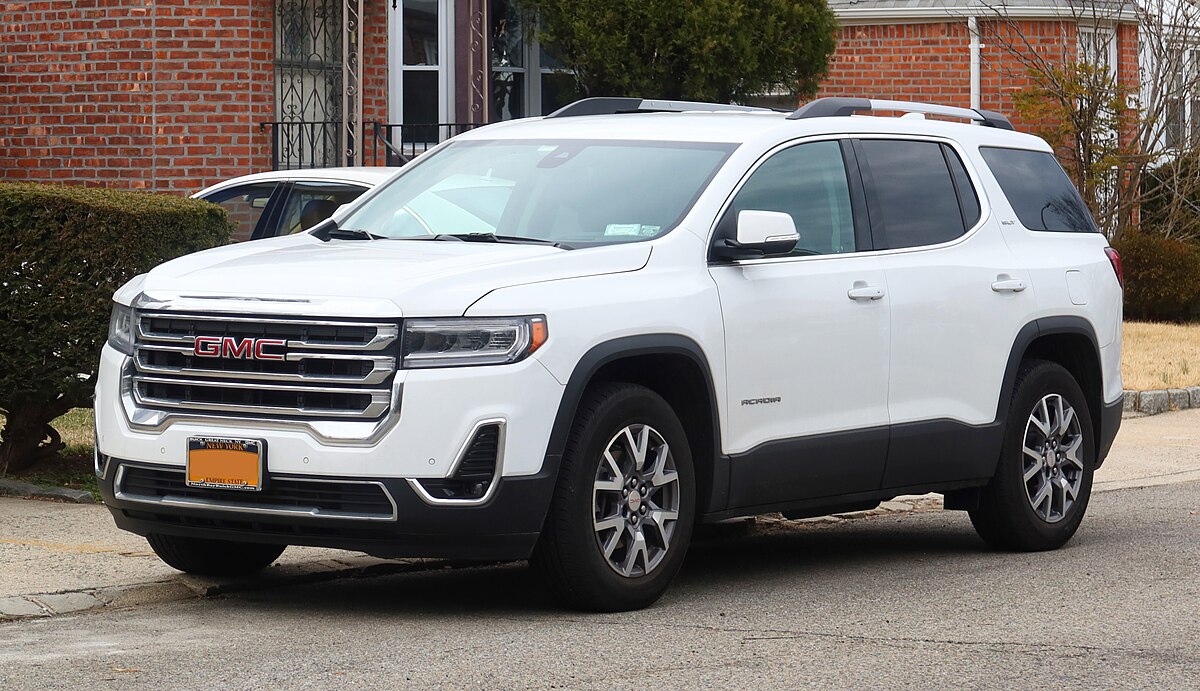
The GMC Acadia is a refined three-row SUV that combines capability, comfort, and practicality for families who value versatility. With seating for up to seven passengers and a spacious cargo area, it delivers both power and precision through its 3.6-liter V6 engine.
Designed to perform in all types of weather, the Acadia’s advanced drivetrain and traction systems give drivers confidence whether they are driving through heavy rain, deep snow, or on dry highways. Its combination of intelligent engineering and adaptable features makes it an appealing option for those seeking a reliable family vehicle that performs consistently in diverse conditions.
Equipped with an available all-wheel-drive (AWD) system, the GMC Acadia maintains traction and balance on slippery or uneven roads. In select trims such as the AT4, the Active Torque Control AWD system can distribute power not only between the front and rear wheels but also side-to-side across the rear axle for improved grip.
The standard Traction Select System lets the driver choose between multiple drive modes tailored to specific road conditions. In Snow/Ice Mode, throttle response and traction control adjust automatically to minimize wheel slippage, while Off-Road Mode fine-tunes performance for gravel, mud, or sand.
Tires play a vital role in the Acadia’s performance. While standard all-season tires handle most environments well, drivers in colder climates benefit from winter or all-weather tires for enhanced control. The Acadia’s driving dynamics are composed and confident, offering precise steering and strong braking.
The transmission shifts seamlessly, and the suspension provides a balanced mix of comfort and stability. Together, these elements make the Acadia an SUV that feels capable and secure regardless of the weather or terrain.
Inside the GMC Acadia, comfort takes center stage. The standard tri-zone automatic climate control system allows passengers in all three rows to set their preferred temperatures, creating a personalized environment for everyone.
Many trims feature heated front seats, heated rear outboard seats, and a heated steering wheel, ideal for cold mornings. Heated side mirrors automatically clear frost to maintain visibility, while available Rainsense™ wipers detect precipitation and adjust their speed accordingly so the driver can remain focused on the road.
The interior design is clean, functional, and inviting. High-quality materials provide durability, and the seats are supportive even on long drives. Available all-weather floor mats and cargo liners protect the cabin from dirt, snow, and moisture, maintaining a tidy and comfortable space.
For drivers who choose the AT4 model, steel skid plates help protect the underbody when driving on uneven or rocky surfaces. The Acadia’s thoughtful design demonstrates GMC’s commitment to blending practicality with refinement.
The GMC Acadia offers versatile cargo configurations to meet the needs of active families. With the rear rows folded, the SUV provides ample storage for luggage, sports gear, or large household items. Fuel efficiency is competitive, achieving about 22 miles per gallon in real-world driving. This balance of power and economy makes it both capable and efficient for everyday use.
Positioned between mainstream and premium SUVs, the Acadia offers the ruggedness expected from GMC with a touch of sophistication. Its comfortable ride, adaptable performance systems, and weather-ready engineering create a confident driving experience.
For families seeking a midsize SUV that can handle changing conditions without sacrificing comfort or practicality, the GMC Acadia stands as a strong and dependable choice.
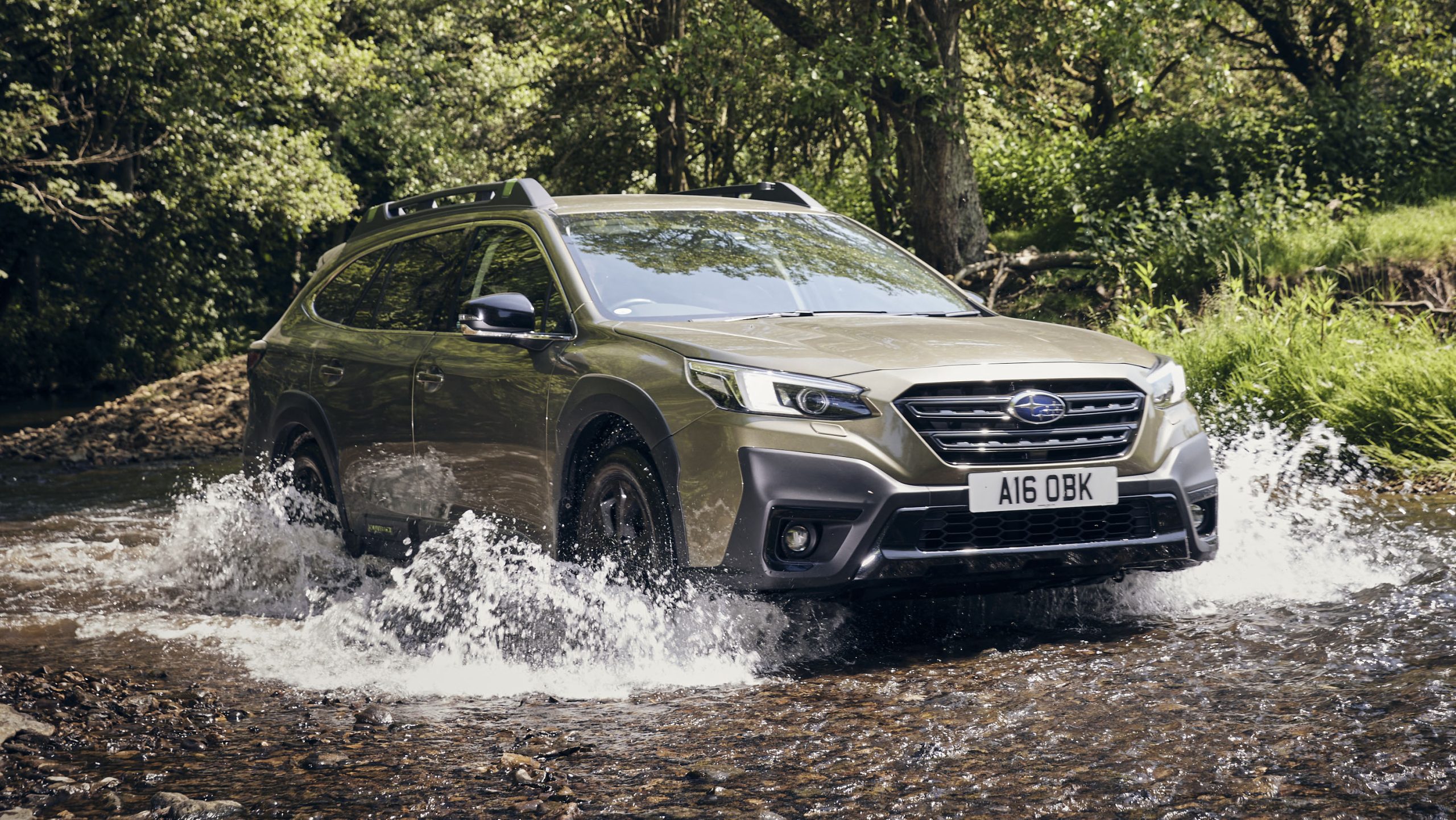
4. Subaru Outback: A Versatile and Reliable All-Weather SUV
The Subaru Outback is known for its ability to handle changing weather conditions while offering comfort, space, and dependability. It combines SUV-like toughness with the driving ease of a car, making it a solid choice for daily commutes and outdoor adventures alike.
With standard all-wheel drive, impressive ground clearance, and intelligent traction systems, the Outback is built to perform confidently on wet roads, snowy paths, or uneven terrain. Its design and engineering make it a vehicle that adapts easily to different environments while keeping its passengers safe and comfortable.
The Subaru Outback’s Symmetrical All-Wheel Drive system continuously distributes power to all four wheels, ensuring balanced traction and stability in all conditions. When road surfaces become slippery, power automatically shifts to the wheels with the most grip, maintaining control and preventing wheel spin.
Its generous ground clearance allows the Outback to handle rough roads, snowdrifts, and muddy trails with ease. The Wilderness trim raises that clearance even further for those who enjoy exploring off-pavement routes.
The available X-MODE feature enhances the vehicle’s capability by adjusting the engine output, transmission behavior, and all-wheel drive performance for difficult surfaces such as snow, gravel, or steep inclines. Standard all-season tires add another layer of confidence, providing dependable performance in dry, wet, or lightly snowy conditions.
The optional turbocharged 2.4-liter engine offers brisk acceleration, reaching sixty miles per hour in about six and a half seconds, making it a satisfying upgrade from the base engine. Although the steering feels slower and there is some body lean during turns, the Outback remains stable and capable where many midsize SUVs would struggle.
Inside, the Outback provides a smooth and quiet experience. The suspension absorbs bumps and potholes effectively, allowing the vehicle to glide comfortably over uneven roads. The cabin is spacious, with generous legroom for both front and rear passengers.
The seats offer a good balance between softness and firmness, keeping passengers supported during long drives. Heated front seats and a heated steering wheel are available, enhancing comfort in cold weather. The air conditioning system maintains a steady and pleasant temperature throughout the cabin.
However, the infotainment system can be frustrating. Subaru’s decision to move most controls onto the touchscreen means simple adjustments take longer than they should. The screen responds slowly, and drivers must go through several menus to make changes, which can be distracting.
The Outback includes many useful technologies such as Apple CarPlay and Android Auto, several USB charging ports, and an optional premium sound system. It also features a comprehensive set of safety tools, including lane keeping assist and automatic emergency braking. Some of these systems can be overly sensitive, activating even when unnecessary, which can be irritating during daily driving.
Cargo capacity is generous, with a low, flat load floor that simplifies loading and unloading. Built-in roof rails allow for extra storage space when carrying outdoor gear or luggage. Fuel economy is competitive, with the turbocharged engine averaging about twenty-five miles per gallon in combined driving.
The Subaru Outback stands out as a dependable, versatile, and comfortable vehicle that can handle a wide range of conditions. It is well suited for drivers who value safety, capability, and practicality in a refined and adaptable package.
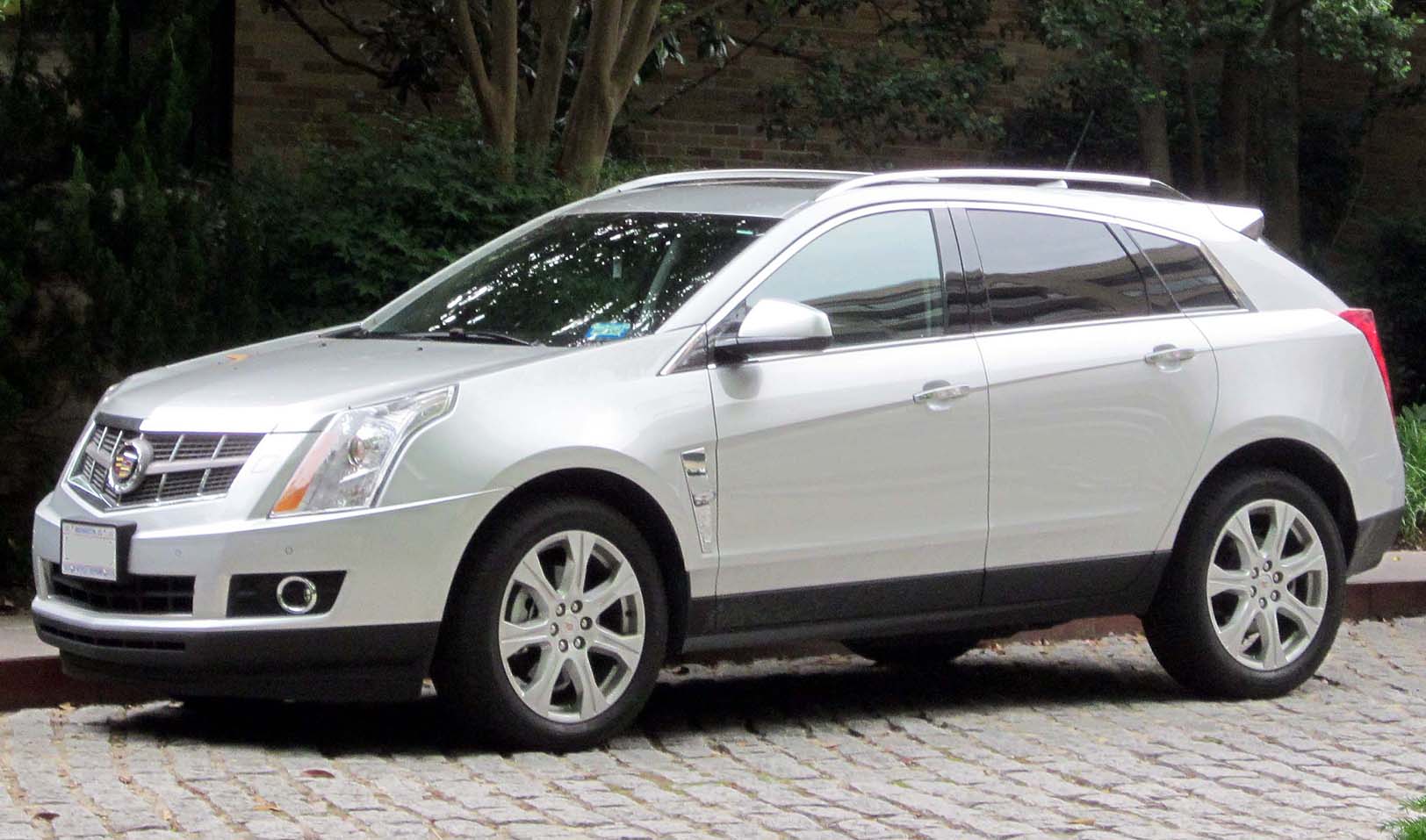
5. Cadillac SRX: A Refined Balance of Power, Luxury, and Safety
The Cadillac SRX is a luxury crossover that blends style, performance, and safety into a cohesive package. With its powerful V6 engine, premium interior, and wide array of driver assistance features, it delivers a confident and comfortable ride.
Designed for those who value both sophistication and strength, the SRX provides a smooth driving experience and impressive build quality while maintaining the signature Cadillac sense of elegance.
The Cadillac SRX comes equipped with a 3.6-liter V6 engine that produces 308 horsepower and 265 pound-feet of torque. A six-speed automatic transmission transfers this power efficiently, ensuring steady acceleration and composed handling.
Front-wheel drive is standard, while all-wheel drive is available across most trim levels for drivers who want greater traction in challenging conditions. During performance testing, the front-wheel-drive model reached sixty miles per hour in seven seconds, which is a solid figure among compact luxury SUVs.
While the SRX’s fuel economy is slightly below the class average, it remains practical for its size and capability, returning 19 miles per gallon in combined driving with front-wheel drive and 18 miles per gallon with all-wheel drive. When properly equipped, the SRX can tow up to 3,500 pounds, giving it added versatility for light recreational use.
The engine offers smooth power delivery, and the transmission changes gears quietly and efficiently, although it can be a bit slow to downshift when passing on the highway. Drivers who enjoy a sportier feel may prefer the Performance or Premium trims, which include all-wheel drive, quicker steering, and adaptive suspension for sharper handling on twisty roads.
Safety has long been a strong suit for Cadillac, and the SRX continues that tradition. Standard equipment includes antilock disc brakes, traction and stability control, and multiple airbags for full-body protection.
The OnStar system provides additional security through automatic crash notification, roadside assistance, remote unlocking, and stolen vehicle tracking. Luxury trims add blind-spot monitoring, rear cross-traffic alert, parking sensors, and a rearview camera for greater driver awareness.
The optional Driver Awareness package, standard on the Premium trim, introduces forward collision alert, lane departure warning, and a safety alert seat that vibrates on the side where a potential hazard is detected. The available Driver Assist package adds automatic braking for both forward and reverse driving situations. In braking tests, the SRX performed well, coming to a complete stop from sixty miles per hour in 120 feet.
Government safety ratings gave the SRX five stars for total crash protection, while the Insurance Institute for Highway Safety awarded it “Good” scores in multiple categories, including side impact and roof strength. The optional collision prevention systems received a “Superior” rating for effectiveness.
Inside, the SRX combines craftsmanship with modern luxury. The materials feel rich and well assembled, featuring soft leather, tasteful chrome trim, and wood accents that add sophistication. Although some wood pieces appear overly polished, the cabin remains elegant and upscale.
The SRX provides comfortable seating for four adults, though rear headroom can feel tight when equipped with the panoramic sunroof. Cargo space measures 30 cubic feet behind the second row and expands to 61 cubic feet with the rear seats folded.
The CUE infotainment system serves as the centerpiece of the interior, offering modern features such as navigation, Bluetooth, and premium audio. However, the touchscreen interface can be slow to respond, and the touch-sensitive controls may require multiple attempts to register inputs. Despite this, the SRX still feels like a luxurious and technologically advanced space.
The Cadillac SRX offers a rewarding mix of performance, safety, and refinement. Its V6 engine provides confident power, its interior radiates class, and its safety systems set a high standard for its category. For drivers seeking a stylish and capable luxury crossover, the SRX remains a strong contender.
Also read: 10 Cars With the Most Intuitive Infotainment Systems
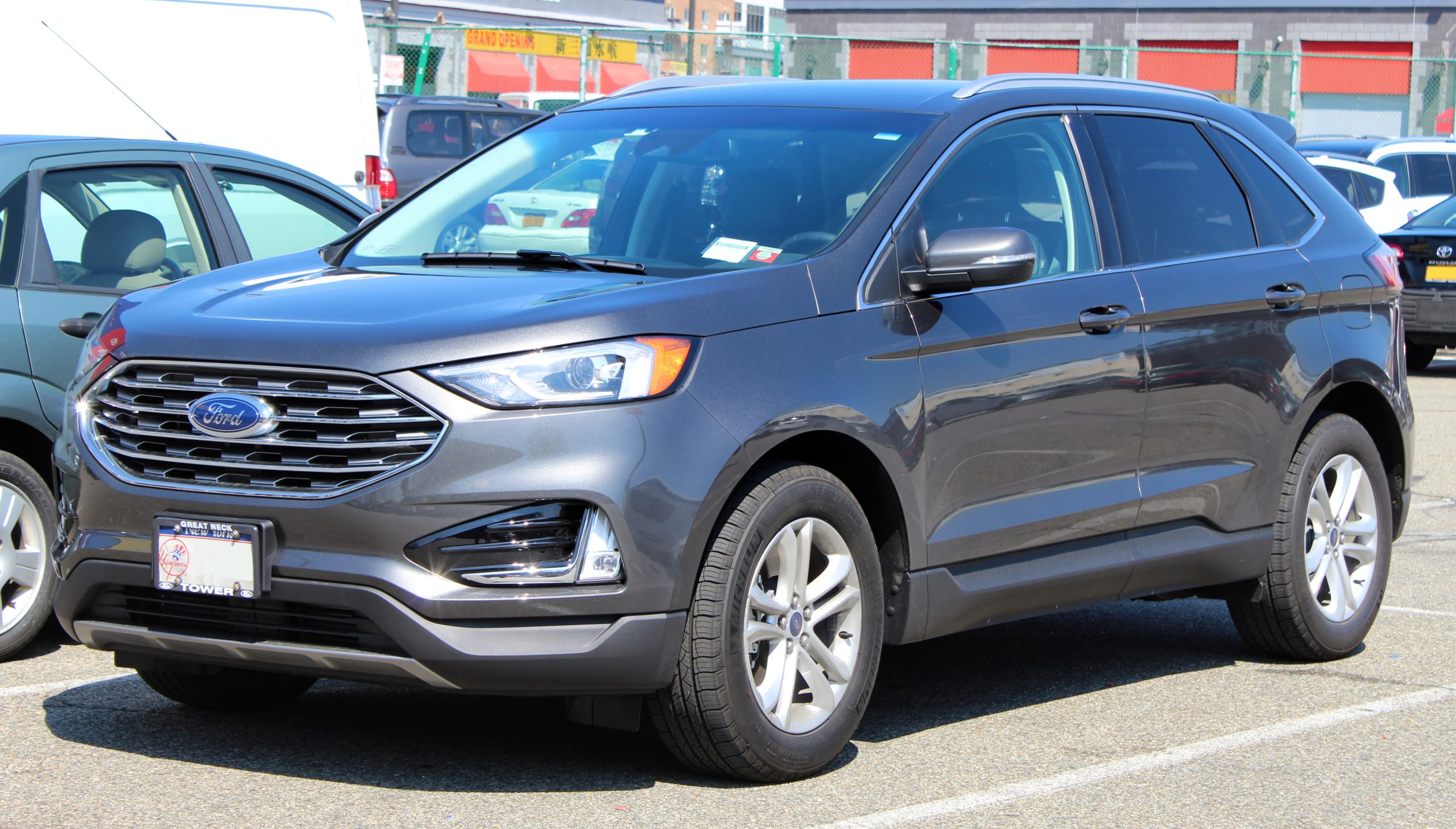
6. Ford Edge: A Versatile SUV Balancing Comfort, Technology, and Capability
The Ford Edge stands out in the midsize SUV category for its blend of performance, space, and modern features. It combines the strength of a truck with the smoothness of a family SUV, offering a comfortable driving experience backed by advanced safety and technology systems.
With its intelligent all-wheel-drive system, spacious interior, and strong towing ability, the Edge appeals to drivers who want versatility without sacrificing refinement.
The Ford Edge performs confidently in a range of conditions, aided by its Intelligent All-Wheel Drive system. Unlike conventional systems, this setup continuously monitors traction and automatically shifts torque between the front and rear wheels as needed. It improves grip on slippery roads while conserving fuel by running in front-wheel drive during normal conditions.
Working alongside the AWD are electronic stability aids such as traction control and AdvanceTrac with Roll Stability Control, which help the vehicle maintain balance during sharp turns or on slick surfaces. Some trims also include a Slippery drive mode that adjusts throttle and transmission settings for added stability in ice or snow.
Under the hood, the Edge’s turbocharged four-cylinder engine provides steady power, reaching sixty miles per hour in 7.5 seconds. The transmission operates smoothly, though at times it shifts more frequently than necessary. The Sport mode helps deliver quicker throttle response, improving acceleration when merging or passing.
Steering and braking feel composed, making the Edge enjoyable to drive even if it’s not designed for high-speed thrills. Its refined suspension absorbs most bumps effectively, though smaller road imperfections can cause a slight bounce.
Inside, the Ford Edge offers generous room for passengers and cargo. The front seats are supportive and well-padded, with soft leather and optional heating for added comfort.
Rear seats provide adequate legroom, and the reclining feature adds flexibility for long trips, although they are flatter in shape compared to some rivals. The cabin’s quietness is a strong advantage, with excellent isolation from wind and road noise. Climate control is responsive and maintains a comfortable temperature even in harsh conditions.
The large cabin design allows for easy access to the front seats, though the rear doors are slightly narrower. The dashboard layout is simple and functional, making most controls easy to reach. Forward visibility can be limited by thick roof pillars, but seat and steering adjustments help achieve a comfortable driving position.
Cargo space is one of the Edge’s key strengths, providing 39.2 cubic feet behind the second row and even more when the rear seats are folded. This capacity makes it practical for families or those who need to haul larger items.
Technology is another major highlight of the Edge. Ford’s latest Sync system features a 12-inch touchscreen that is crisp, intuitive, and compatible with Apple CarPlay, Android Auto, and a built-in Wi-Fi hotspot. Navigation performance is excellent, offering real-time traffic and weather updates.
The Edge also comes with the Ford Co-Pilot360 suite, which includes blind-spot monitoring, automatic emergency braking, lane-keeping assist, and auto high beams. Additional conveniences such as rain-sensing wipers, heated mirrors, and available heated steering enhance comfort in poor weather.
Fuel efficiency is respectable for an SUV of its size, with the AWD version rated at 23 miles per gallon combined. In testing, it matched these figures, confirming consistent performance. Warranty coverage and roadside assistance are competitive, although some reviewers note that interior materials do not fully match the premium pricing of higher trims.
The Ford Edge delivers a well-rounded driving experience that blends capability, comfort, and modern technology. With its advanced AWD system, roomy interior, and comprehensive safety features, it remains a practical and appealing choice for families and individuals seeking a refined yet durable midsize SUV.
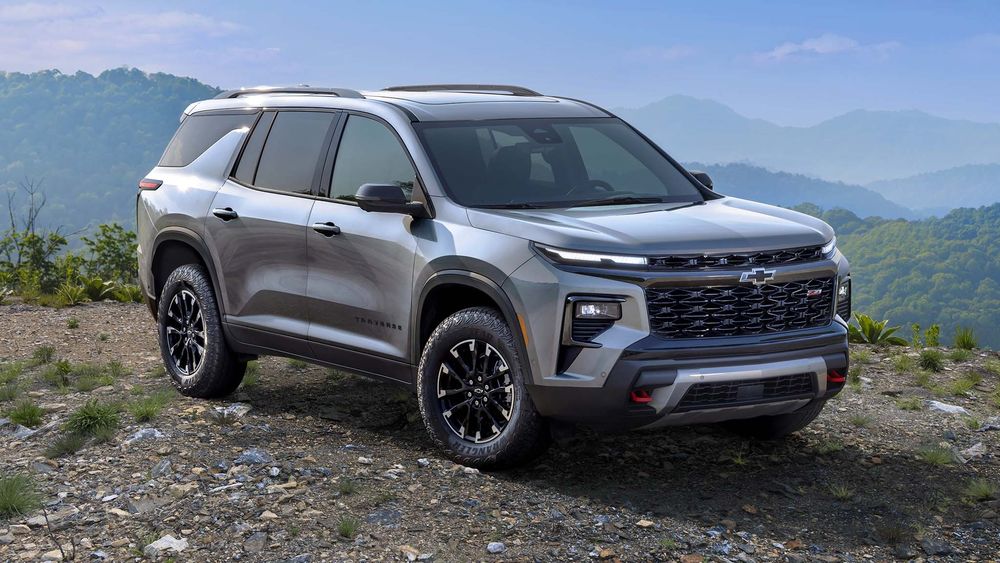
7. Chevrolet Traverse AWD: A Spacious, Capable SUV for All Conditions
The Chevrolet Traverse AWD offers a refined balance of space, capability, and technology, making it one of the most practical three-row SUVs in its class. Designed to perform in a wide range of weather conditions, it combines a versatile all-wheel-drive system with advanced driver assistance features, a comfortable interior, and solid towing capacity.
Whether driving through snow or hauling heavy loads, the Traverse delivers dependable performance and family-friendly comfort.
Equipped with a driver-selectable mode system, the Chevrolet Traverse allows drivers to adjust performance to match different road and weather conditions. Modes include Tour for everyday comfort and fuel efficiency, Snow/Ice for slippery terrain, Tow/Haul for heavier loads, and Sport for more responsive handling on dry roads.
The all-wheel-drive system enhances stability by transferring power to the wheels with the most traction, providing reassurance in rain, snow, or uneven terrain. This setup, paired with about eight inches of ground clearance and standard all-season tires, makes the Traverse well-suited for light off-road driving and winter weather.
Power comes from a turbocharged 2.5-liter four-cylinder engine producing smooth yet moderate acceleration. In testing, it reached 60 miles per hour in 7.3 seconds. While not as quick as its previous V6 model, it delivers steady performance for daily driving.
The eight-speed automatic transmission shifts smoothly, though throttle response can feel slightly delayed. The steering is somewhat heavy and truck-like, but ride comfort remains strong, absorbing bumps effectively and maintaining body control through turns.
Models like the Z71 trim add off-road enhancements, including terrain-specific drive modes, all-terrain tires, and adaptive suspension for greater stability on rough roads.
Inside, the Traverse emphasizes comfort and utility. It seats seven passengers standard, or up to eight with the available second-row bench on the LT trim.
Both front and second-row seats can be heated, and tri-zone automatic climate control ensures passengers in every row remain comfortable. The third row is among the most spacious in the midsize SUV class, accommodating adults without forcing an awkward seating position.
The cabin is filled with convenient storage options, including a deep center console and multiple bins throughout the interior. When it comes to cargo capacity, the Traverse excels, offering more than 97 cubic feet of space with the rear seats folded, making it one of the most storage-friendly vehicles in its segment. A power liftgate and remote start feature enhance everyday usability, especially in cold weather.
The Chevrolet Traverse is equipped with a 17.7-inch infotainment touchscreen and an 11-inch digital gauge cluster, both featuring Chevrolet’s latest Google-based software. Wireless smartphone charging, Wi-Fi connectivity, and multiple USB ports come standard. The interface is responsive and easy to navigate, offering seamless integration with Apple CarPlay and Android Auto.
Safety is a major strength of the Traverse. Standard systems include automatic emergency braking with pedestrian and cyclist detection, blind-spot monitoring, rear cross-traffic alert, and a surround-view camera. Higher trims offer Super Cruise, GM’s hands-free driving mode, for added convenience on highways. The vehicle’s strong crash test ratings from the National Highway Traffic Safety Administration further affirm its reliability.
Fuel economy for the all-wheel-drive model is estimated at 19 miles per gallon in the city and 24 on the highway, reflecting decent efficiency for a vehicle of its size. The Traverse also supports towing up to 5,000 pounds when equipped with the Trailering package, which includes a heavy-duty cooling system and specialized camera view for easier hitching.
The Traverse provides competitive warranty coverage, including a three-year or 36,000-mile limited warranty and a five-year or 60,000-mile powertrain warranty, with one complimentary maintenance visit.
With its advanced safety systems, strong towing ability, and expansive interior, the Chevrolet Traverse AWD serves as a dependable, all-weather family SUV that blends comfort, practicality, and technology into a capable and confident package.
8. Nissan Rogue: A Fuel-Efficient and Capable All-Weather SUV
The Nissan Rogue stands out in the compact SUV segment for its practicality, technology, and excellent fuel economy. With an EPA-estimated 33 mpg combined for front-wheel-drive models and 31 mpg for all-wheel drive, it appeals to drivers who value efficiency and versatility.
Its Intelligent All-Wheel Drive system, advanced safety features, and refined interior make it a dependable choice for those who frequently face challenging weather or long commutes.
The Rogue’s Intelligent All-Wheel Drive system enhances traction and stability by automatically distributing power between the front and rear wheels as needed. In demanding conditions, drivers can use the system’s “lock” feature for a 50/50 torque split, improving grip and control.
The addition of a specific Snow Mode helps optimize throttle response and stability on icy or slick roads. With 8.2 inches of ground clearance, the Rogue manages light off-road terrain and snowy roads confidently. Supporting systems such as traction control and anti-lock braking work together to ensure better handling and braking performance.
Power comes from a turbocharged engine that provides sufficient strength for daily driving. While acceleration is respectable, the transmission can hesitate when quick power delivery is required. Steering feels somewhat loose around the center, and Sport mode adds unnecessary weight to the wheel.
The ride remains comfortable on smooth pavement, though uneven roads can expose more movement and vibration than expected. Braking performance is consistent, though the antilock system produces noticeable noise during sudden stops.
Inside, the Rogue emphasizes comfort and usability. The seats are supportive and well-cushioned, offering good comfort during long trips. Some taller drivers might find the front headrests set too far forward, but the general seating position is relaxed and ergonomic.
Rear passengers benefit from a reclining seatback, though legroom is slightly less generous than in a few rivals. The interior controls are clearly arranged, with physical buttons for climate and key functions, which makes operation intuitive. Cabin noise becomes more pronounced at highway speeds, especially from wind and road surfaces.
The Rogue’s practicality shines in everyday use. Wide-opening rear doors and accessible anchor points make it easy to install child seats. Cargo space is one of its strongest attributes, providing near-class-leading capacity.
Upper trims offer flexible floor panels that can be raised or lowered to create partitions or additional room, improving organization and convenience. Storage compartments throughout the cabin add further functionality for families or frequent travelers.
The Rogue delivers a strong suite of modern technology. Higher trims include a large touchscreen, digital gauge cluster, and head-up display, complemented by wireless Apple CarPlay and Android Auto. The system’s visuals are crisp, though its menu layout can feel dated and requires extra steps to access some features.
Safety technology is abundant, including automatic emergency braking, lane-keeping assist, adaptive cruise control, and available highway driving assist. These systems perform well in steady traffic, though they can feel jerky in stop-and-go movement.
The Rogue provides good value, especially in lower trims that balance features with price. Premium versions such as the Platinum trim are well-equipped but lack the refinement and driving engagement of higher-end competitors. Towing capacity is limited to 1,500 pounds, which is sufficient for light-duty use.
Warranty coverage is competitive, offering three years or 36,000 miles of basic coverage and five years or 60,000 miles for the powertrain, with two years or 24,000 miles of maintenance included.
With its efficiency, versatile AWD capability, and comfortable cabin, the Nissan Rogue remains a practical and appealing choice among compact SUVs, particularly for drivers who prioritize fuel savings and year-round dependability.
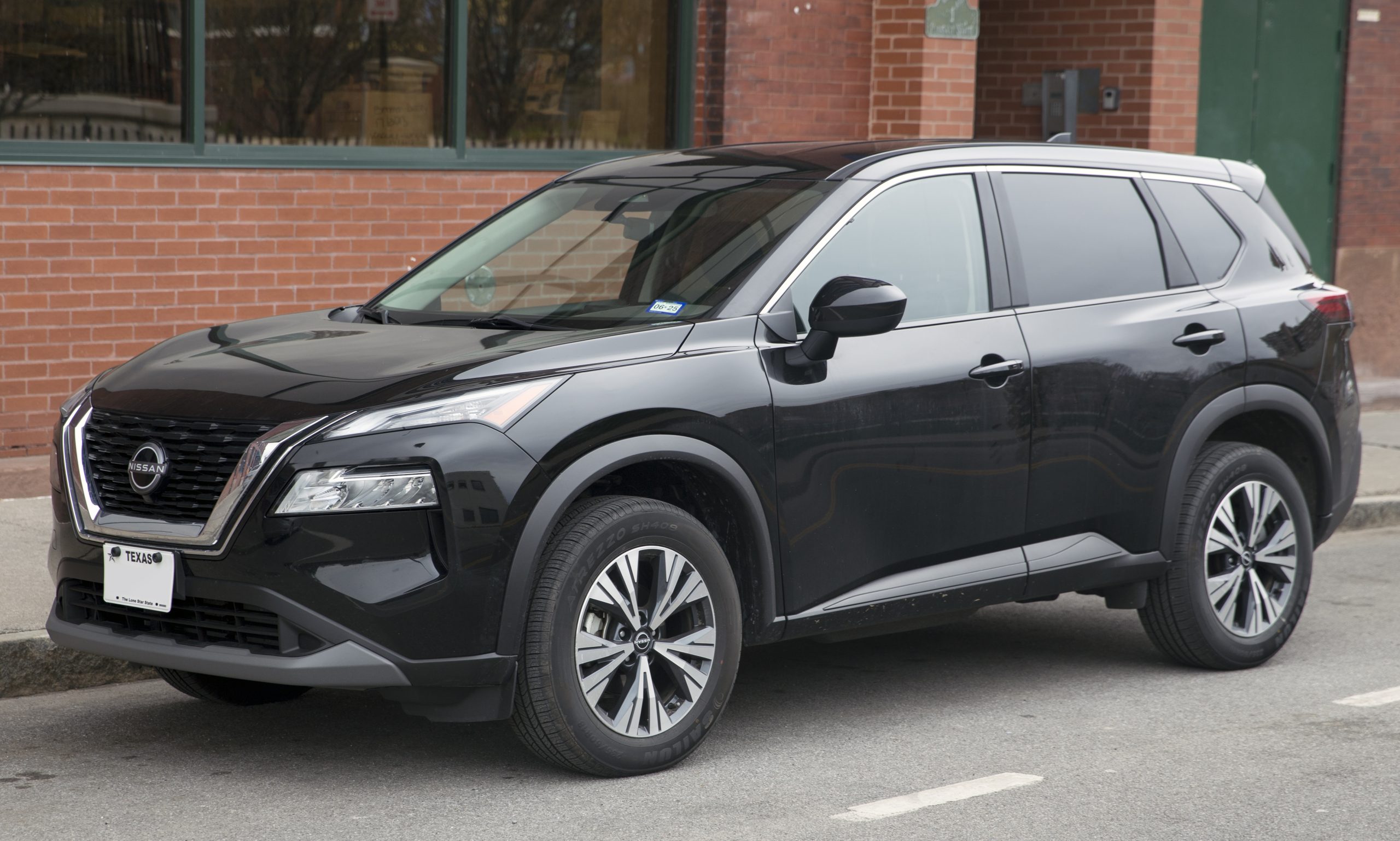
9. Volvo XC90: A Luxury SUV Blending Comfort, Safety, and Efficiency
The Volvo XC90 exemplifies Scandinavian craftsmanship and advanced engineering, offering a refined balance of luxury, performance, and practicality. It features a standard all-wheel-drive system, a turbocharged engine, and a plug-in hybrid powertrain option that enhances fuel efficiency while maintaining strong performance.
Designed for diverse climates, the XC90 incorporates advanced traction systems, high-quality materials, and a suite of safety technologies that make it one of the most secure and comfortable SUVs in its segment.
Equipped with standard all-wheel drive, the XC90 automatically directs power to the wheels with the most grip, ensuring dependable traction on wet, snowy, or icy surfaces. Electronic stability and traction control further enhance its ability to stay composed under slippery conditions.
The system operates seamlessly, giving the driver confidence across changing road surfaces. For extreme climates, Volvo rigorously tests its vehicles to ensure reliability from frigid Nordic winters to scorching desert heat.
The XC90’s driving experience reflects Volvo’s focus on smoothness and efficiency rather than aggressive handling. Its plug-in hybrid powertrain produces an impressive 455 horsepower and 563 lb-ft of torque, allowing it to accelerate from 0 to 60 mph in 5.2 seconds despite its large size.
Power delivery is refined, and the eight-speed automatic transmission shifts smoothly between electric and hybrid modes. However, braking performance trails behind German rivals, and the air suspension can feel unsettled when cornering at higher speeds. Still, the XC90 delivers a relaxed, composed drive ideal for long-distance comfort and family use.
Inside, the XC90 embodies understated luxury, featuring elegant materials and a minimalist Scandinavian layout. The front seats offer excellent support and a wide range of adjustments, while the available six-seat configuration with second-row captain’s chairs provides ample room for adults.
The third row, however, is better suited for children due to limited legroom and access. Generous door openings make entry easy, and multiple storage compartments throughout the cabin add to practicality.
While physical comfort is excellent, the interface usability falls short. Many essential settings require interaction with the touchscreen, which can be slow to respond. Cabin noise levels are low, though road vibrations occasionally interrupt the otherwise serene experience. Despite these flaws, the XC90’s craftsmanship, from its wood trim to fabric-covered dashboards, enhances its premium ambiance.
Technology is abundant, with an 11.2-inch central touchscreen and a 12.3-inch digital cluster. The graphics are sharp, but the software can lag and occasionally disconnect. Standard Apple CarPlay and Android Auto require wired connections, and newer ports like USB-C are missing in the third row.
Safety remains a key strength, with standard driver aids including lane-keeping assist, collision mitigation, adaptive cruise control, and a 360-degree camera.
Cargo space is among the best in its class, offering 85.7 cubic feet when the second and third rows are folded flat. The air suspension can lower the rear to simplify loading heavy items. Towing capacity is capped at 5,000 pounds, which is modest compared to competitors but sufficient for most family needs.
Fuel economy is decent but not class-leading. The XC90 achieves around 21.2 mpg in real-world driving, below its 27 mpg EPA estimate. Its electric range of up to 32 miles on a full charge makes it suitable for short commutes when regularly charged.
Though its price can exceed $80,000 in higher trims, the XC90 delivers craftsmanship, safety, and design excellence that justify its premium. It remains an appealing choice for those seeking a refined, environmentally conscious luxury SUV that performs reliably across all seasons while providing exceptional comfort and safety.
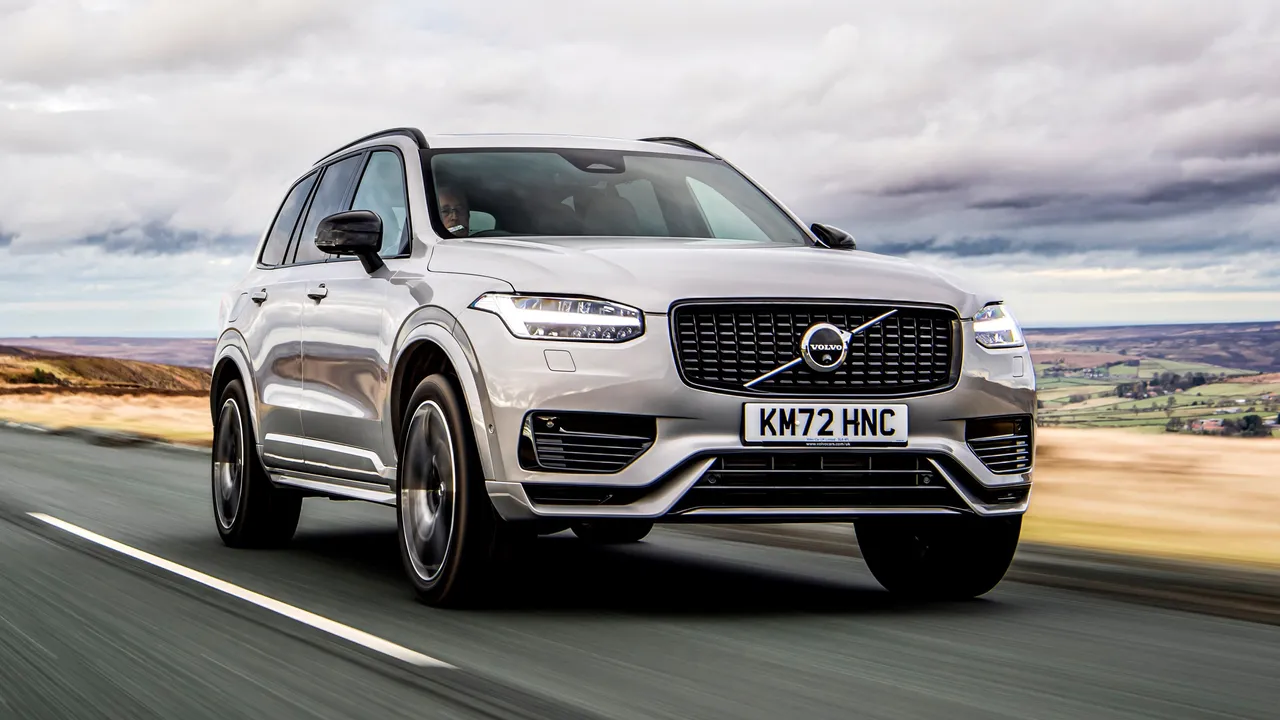
10. Subaru Forester: A Dependable SUV for All Seasons
The Subaru Forester is a compact SUV built to thrive in all weather conditions, making it a trusted choice for drivers who value safety, stability, and practicality. Known for its standard Symmetrical All-Wheel Drive system, the Forester delivers confident handling across snow, rain, mud, or gravel.
With its high ground clearance, durable design, and advanced drive-assist features, this SUV caters to those seeking reliability and comfort, whether commuting in the city or venturing off-road.
Subaru’s Symmetrical All-Wheel Drive system provides constant power to all four wheels, ensuring excellent traction and balance even on slippery surfaces. Unlike part-time systems, this setup operates continuously, automatically adjusting power distribution for optimal stability.
The Forester’s 8.7 inches of ground clearance allows it to traverse snow, uneven trails, and flooded roads more effectively than many rivals. Its X-MODE system tailors the throttle, transmission, and all-wheel-drive output for specific conditions like snow, dirt, or steep inclines, while Hill Descent Control maintains steady speed on declines for added confidence.
The horizontally opposed SUBARU BOXER engine, mounted low in the chassis, contributes to the vehicle’s low center of gravity and stable handling. However, while the Forester excels in traction and control, it lacks vigor in acceleration. Its 2.5-liter four-cylinder engine generates 180 horsepower and takes about 9.2 seconds to reach 60 mph.
The transmission feels sluggish, and passing power is limited, making highway merging less effortless. Handling and braking are predictable but not especially dynamic. Still, when it comes to light off-roading or slippery conditions, the Forester outperforms most compact SUVs.
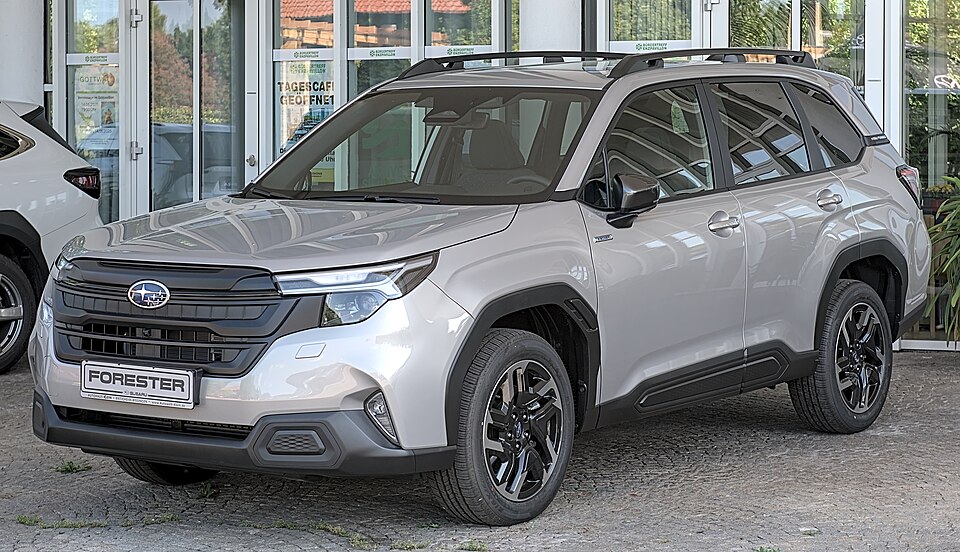
The Forester’s interior emphasizes comfort and ease of use. Wide door openings and ideal seat heights make entry simple for passengers of all ages. The front seats are supportive and well-padded, offering exceptional comfort on long drives.
Headroom is generous, and visibility is excellent due to the vehicle’s upright design and large windows. While the cabin is spacious, it can feel basic compared to more luxurious rivals.
Noise isolation is decent, with minimal wind interference, though the engine can sound coarse under heavy acceleration. The 11.6-inch touchscreen interface dominates the dashboard, featuring clear icons and straightforward menus. While the graphics appear dated and responses can lag, the controls are intuitive. The available Harman Kardon sound system and wireless smartphone connectivity enhance the driving experience.
Cargo space is one of the Forester’s strongest assets. Despite modest official figures, its wide rear opening and flat load floor make it easy to carry bulky gear or luggage. The roof rails add practicality for outdoor enthusiasts. However, small-item storage is limited, and cupholders and console bins are less accommodating than competitors.
The Subaru Forester represents solid value with its standard all-wheel drive, proven reliability, and impressive versatility. Its performance and technology may lag behind some rivals, but its balance of safety, practicality, and all-weather capability keeps it a favorite among adventurous drivers seeking year-round dependability.
Also Read: 5 Cars From the 70s Worth Restoring vs 5 That Aren’t