
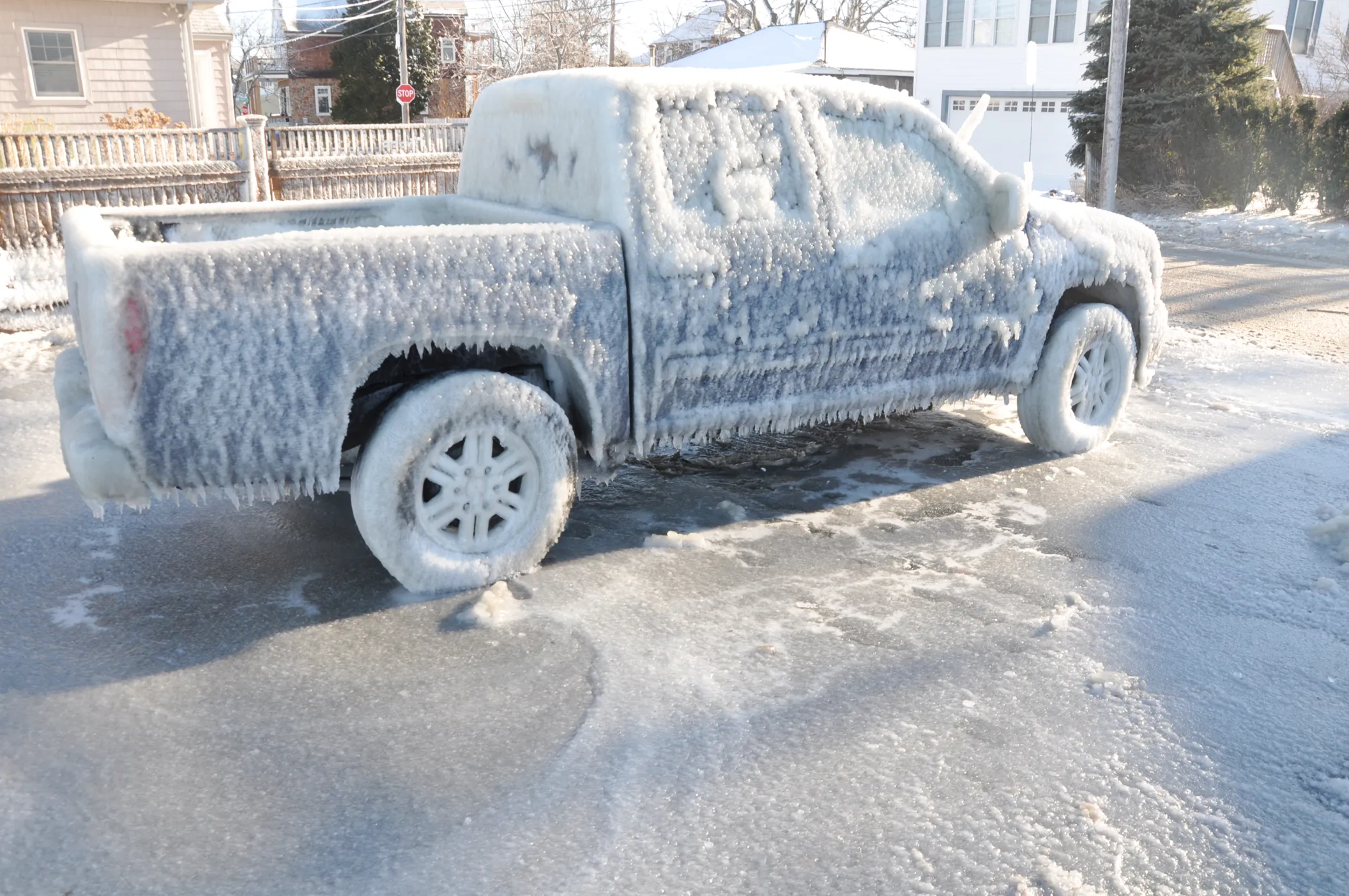
Cold weather quickly reveals which vehicles are dependable and which ones fail when temperatures plunge. In subzero conditions, batteries lose strength, engine oil thickens, and fuel systems struggle to function properly.
Many cars stall under these stresses, leaving owners stranded, but a select few vehicles consistently start without hesitation, no matter how frigid it gets.
Reliability in freezing weather often comes down to simplicity and smart engineering. Vehicles with fewer complicated electronics tend to perform better when ice and condensation affect sensitive components.
Strong electrical systems with high-quality batteries and alternators deliver the extra power needed for cold starts. Efficient fuel systems maintain proper atomization even when gasoline resists vaporizing, while engines designed to retain heat start more easily after sitting overnight.
This collection highlights ten vehicles that perform exceptionally well in severe winter conditions. Each one has built a strong reputation through years of dependable service in freezing climates, earning the trust of drivers who depend on reliable transportation in the coldest months.
Owners of these models know the comfort of predictable starts when others are scraping windshields in frustration. While lesser vehicles struggle with frozen parts or weak batteries, these proven performers continue running smoothly.
They combine mechanical resilience, thoughtful design, and durable components to withstand harsh conditions. For those who face brutal winters every year, these cold-weather champions turn bitter mornings into just another drive rather than a test of endurance.
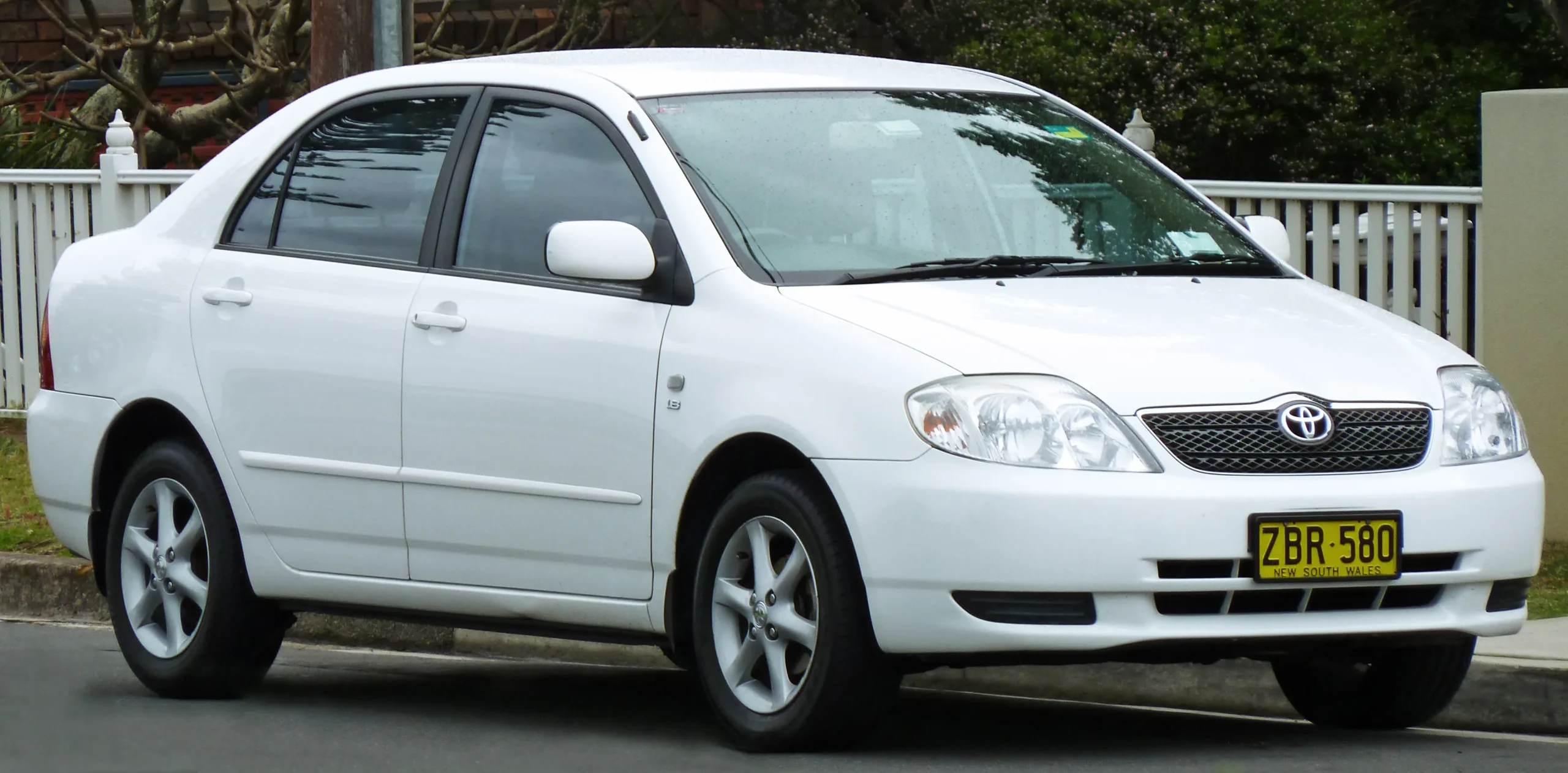
1. Toyota Corolla (2003-2008)
The Corolla’s dependable cold-weather performance comes from its simple, well-thought-out engineering. Toyota avoided unnecessary complications, opting for proven components that work consistently in freezing conditions.
Basic fuel injection, sturdy ignition systems, and durable starter motors ensure the car starts even when others fail to crank. While luxury cars struggle in subzero weather, this modest sedan reliably comes to life.
Its 1.8-liter four-cylinder engine prioritizes durability. A timing chain replaces a belt, removing a common failure point, and its variable valve timing remains uncomplicated, reducing electronic issues. Moderate compression ratios allow smooth starts without draining the battery.
Electrical reliability is another strength. Quality alternators supply enough current to handle heavy winter loads from heaters and defrosters, while robust starters and insulated wiring resist wear and moisture damage.
The battery sits in a protected engine bay area, minimizing exposure to freezing air. Using high-quality replacements before winter preserves strong cranking power.
Toyota’s fuel system design supports consistent performance in cold climates. Fuel pumps maintain pressure, injectors atomize fuel properly, and return lines prevent vapor lock, allowing smooth starts even with thicker gasoline.
Synthetic engine oil plays a major role in the Corolla’s reliability. Low-viscosity 0W-20 or 5W-30 oils stay fluid in frigid conditions, reducing resistance during startup. Oil circulation begins quickly, protecting internal components. For extreme temperatures, adding a block heater ensures easy starts and faster cabin warmth.
With basic maintenance, owners routinely start these Corollas at minus twenty degrees, proving that simplicity and solid design outperform complications in brutal cold.
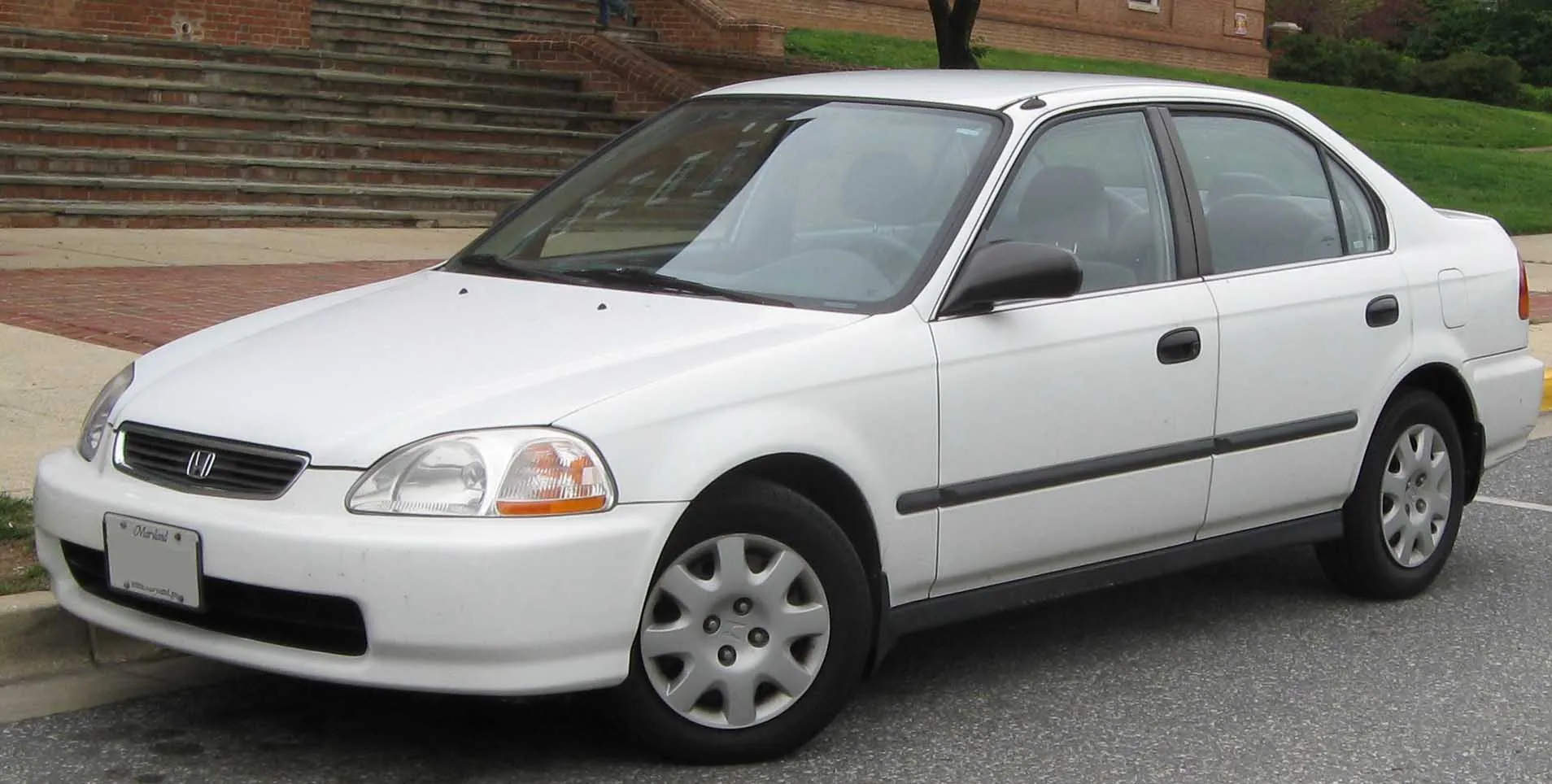
2. Honda Civic (1996-2000)
Honda’s Civic has earned a reputation for dependable performance even in the harshest winter weather. Its compact size and lightweight build allow smaller engines to maintain cranking speed when cold weakens battery power.
Every system was engineered for reliability across temperature extremes, ensuring these cars remain consistent in freezing conditions.
The D-series engines highlight Honda’s practical engineering. Their single overhead cam design offers balanced power with minimal complication. When timing belts are replaced on schedule, cold weather rarely causes issues. The traditional distributor ignition system also proves reliable when maintained with clean caps and rotors.
Starting in sub-zero temperatures is simple. Turn the key, and the engine fires up without long cranking or warm-up rituals. Fast idle systems help the motor reach optimal temperature quickly and prevent stalling.
Honda’s electrical components maintain strength in freezing climates. Alternators deliver steady voltage to keep batteries charged during heavy heater and defroster use, while durable starter motors and corrosion-protected grounds ensure strong cranking power.
Fuel systems are tuned for precision regardless of temperature. Multi-point injection ensures proper atomization even when fuel thickens, and regulators keep pressure stable for smooth starts. Battery placement shields it from direct cold, and using quality replacements guarantees sufficient cold-cranking power.
Synthetic 0W-20 oil further enhances winter performance by reducing resistance and circulating faster at startup. With routine maintenance such as fresh spark plugs and filters, these Civics consistently start in subzero conditions, reinforcing Honda’s long-standing reputation for reliable cold-weather engineering.
Also Read: 8 Compact SUVs That Handle Like Hatchbacks
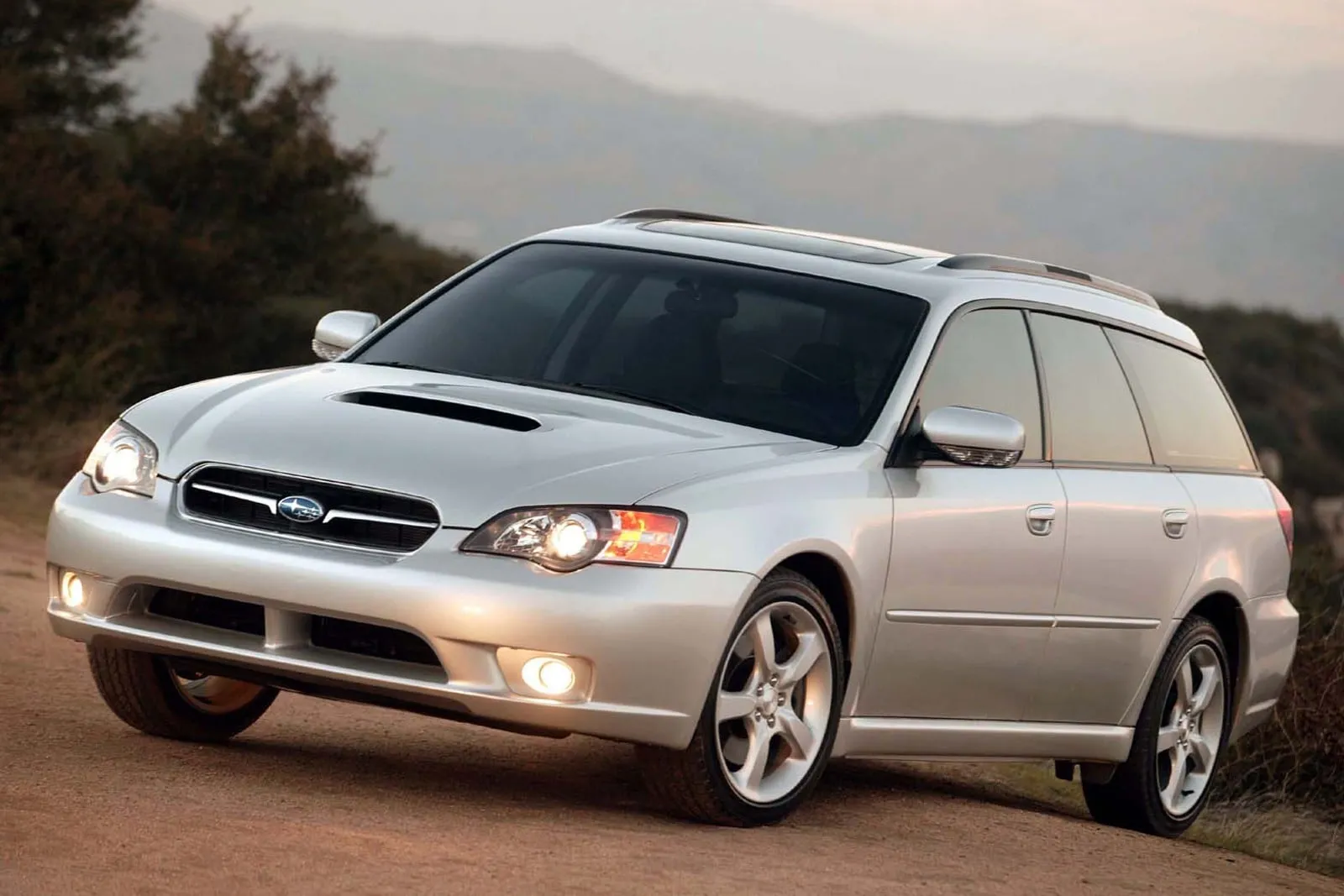
3. Subaru Legacy (2005-2009)
Subaru’s Legacy models combine boxer engines with symmetrical all-wheel drive to deliver outstanding winter reliability and control. Built for regions where icy roads and freezing temperatures are routine, these vehicles handle harsh conditions with confidence and consistency.
The horizontally opposed engine layout improves cold starting by balancing piston movement, which minimizes vibration. Its compact design retains warmth better than taller engines, while moderate compression ratios allow easy cranking even in freezing temperatures.
Subaru’s all-wheel drive operates continuously, ensuring immediate traction and even component wear. On slick roads or icy driveways, this system keeps the Legacy stable and moving while other vehicles struggle for grip.
Battery placement under the hood allows residual engine heat to maintain charge in extreme cold. Using high-quality batteries designed for winter climates enhances dependability.
Fuel injection systems deliver precise mixtures regardless of temperature. Sensors monitor airflow and coolant temperature to maintain proper enrichment, while injectors ensure efficient atomization even when fuel thickens.
Synthetic oil plays a major role in cold-weather operation. Subaru recommends 5W-30 or 0W-20 synthetic oil, which flows smoothly at subzero temperatures to protect bearings and internal parts immediately after ignition. Factory block heaters make starting effortless during severe cold spells by keeping the engine above freezing.
Owners across Canada and northern states consistently report that their Legacys start easily and drive securely in brutal winter conditions. With routine maintenance, fresh batteries, quality oil, and clean fuel systems, these cars remain dependable no matter how low the temperature drops.
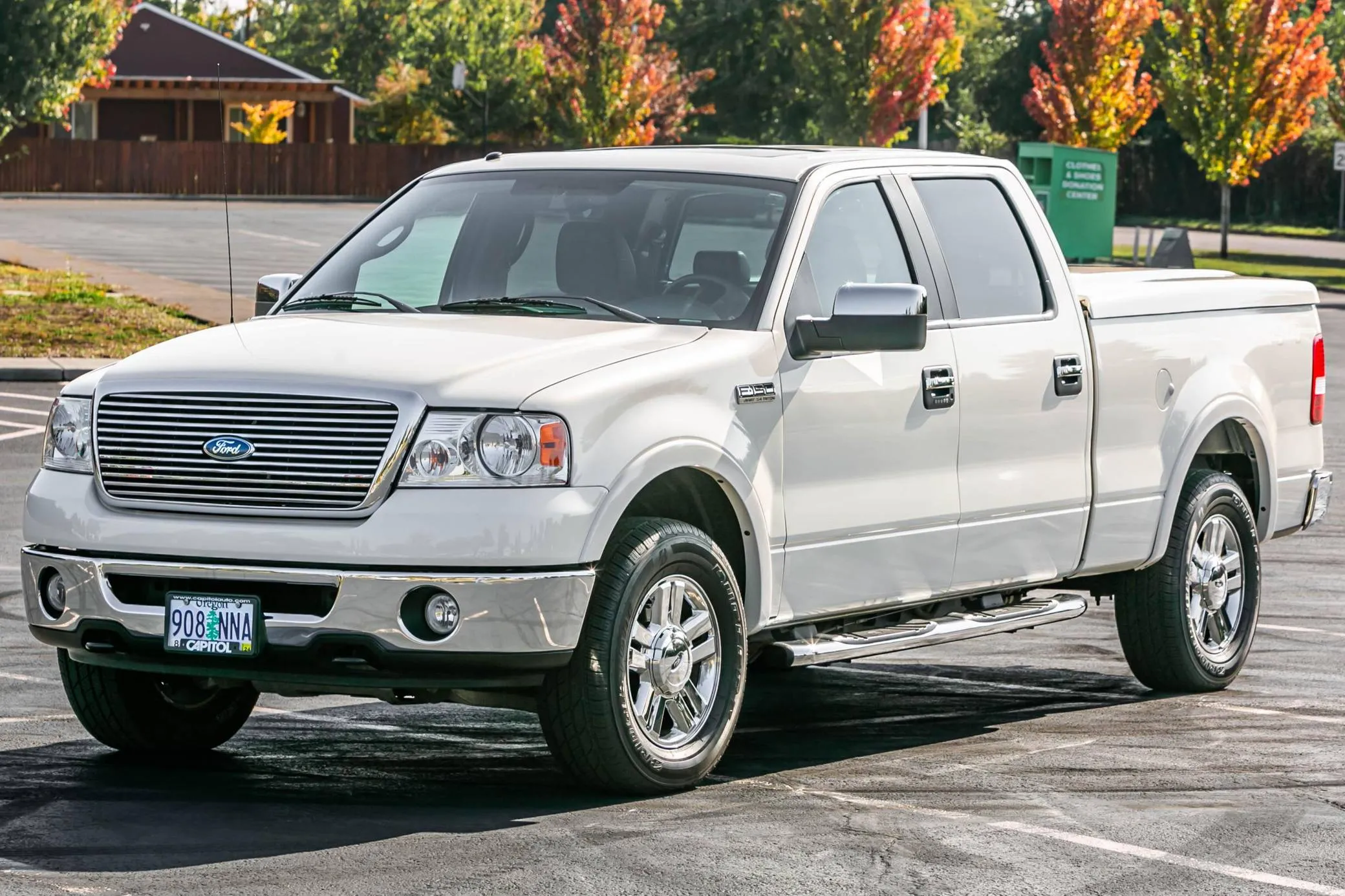
4. Ford F-150 (2004-2008)
The Ford F-150 has earned a solid reputation for its ability to function reliably in freezing weather. Its dependable performance starts with a strong mechanical design and a powerful electrical system built for demanding commercial work.
These trucks were developed with durability in mind, using heavy-duty parts that deliver consistent starts even in sub-zero temperatures. For workers who rely on their vehicles daily, mechanical dependability is as essential as fuel itself.
The large V8 engines used in many F-150s contribute to their cold-start reliability. The 5.4-liter Triton engine, for example, offers enough displacement to overcome the thicker oil common in freezing conditions.
Multiple cylinders help distribute the compression load evenly, reducing strain and allowing smooth ignition. Once running, these engines warm quickly and generate the necessary heat to keep performance steady.
Ford’s engineers equipped the electrical system with industrial-grade components to handle the stress of winter operation. Strong starter motors deliver the torque required for cold cranking, while high-output alternators sustain charging even when accessories draw heavy current.
Thick battery cables reduce resistance and ensure full power reaches the starter. Many models also feature dual battery setups that double cold cranking power, while single-battery versions still use high-capacity units designed for frigid climates.
Fuel delivery remains steady through precision-engineered electronic injection and dependable pumps that maintain consistent pressure. Using synthetic 5W-20 oil reduces internal friction during cold starts, allowing immediate lubrication.
Owners in northern regions routinely confirm these trucks start effortlessly even after long nights in subzero temperatures. Regularly servicing new batteries, cleaning filters, and using quality oil keeps the F-150 ready for work in any weather.
Optional block heaters, battery warmers, and oil pan heaters add another layer of protection, turning these trucks into true cold-weather champions.
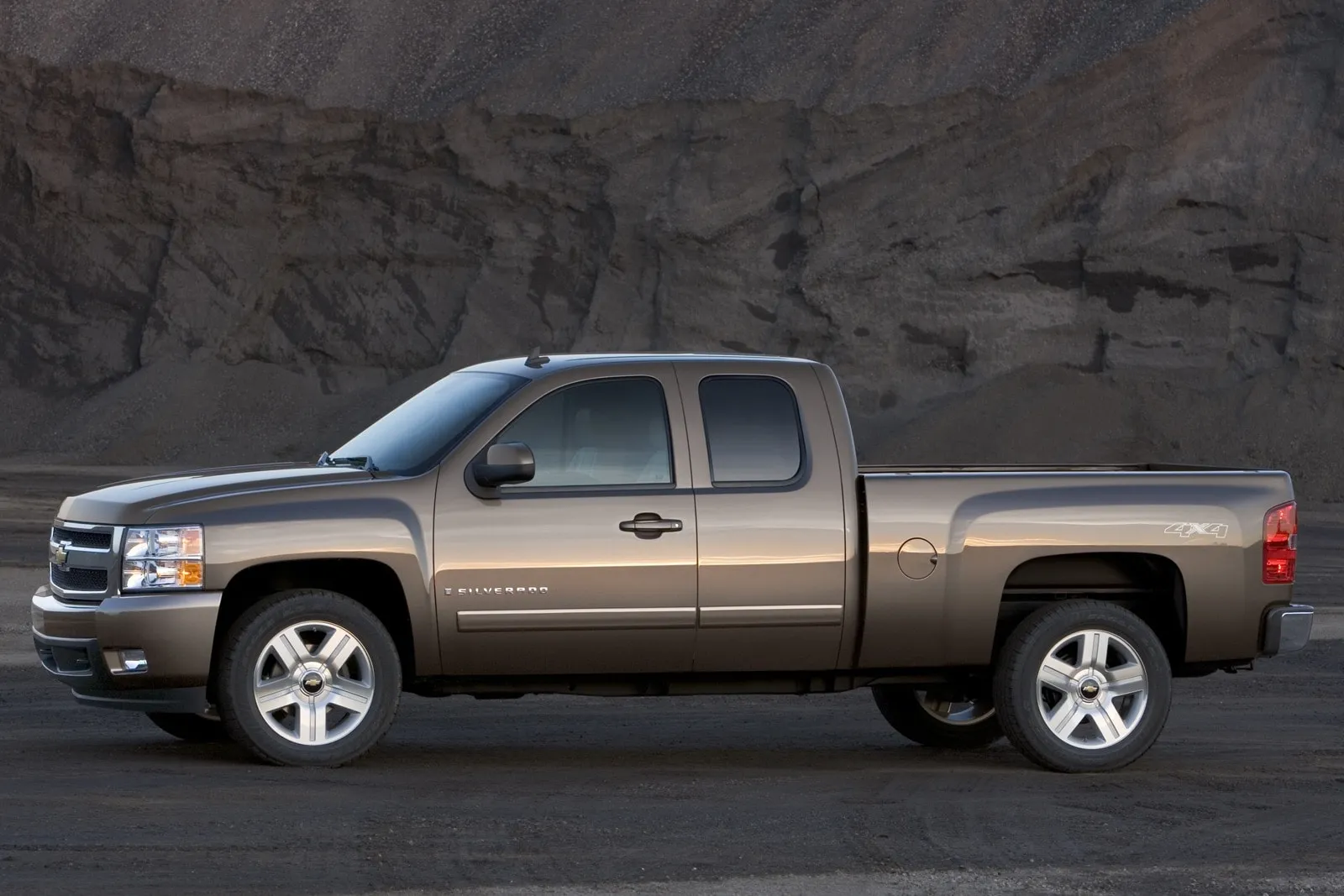
5. Chevrolet Silverado 1500 (2007-2013)
General Motors built the Silverado lineup to withstand the harshest conditions, including freezing winter climates.
These trucks use Vortec engines that highlight the dependable nature of American V8 powerplants. Their large displacement, durable components, and straightforward valve systems ensure confident starting even when temperatures fall well below zero.
The cast-iron engine blocks give the Silverado an edge in cold weather. Iron retains warmth longer than lighter materials, helping the engine stay above freezing after shutdown.
This retained heat prevents deep temperature drops that typically make starting more difficult. Combined with an efficient coolant circulation design, these engines maintain steady warmth between uses, giving them an advantage in frigid environments.
Fuel systems in these trucks use precisely tuned multi-port injection, delivering the correct amount of fuel to each cylinder regardless of the weather. Electronic controls automatically adjust fuel mixtures for optimal ignition during cold starts, avoiding issues like flooding or rough idling.
To support dependable ignition, the electrical system features heavy-duty starters capable of strong cranking power. High-output alternators sustain battery charge despite the increased electrical load from heaters, lights, and defrosters during short winter trips.
Many Silverados come with high-capacity batteries designed to maintain full performance in subzero conditions, while aftermarket options like Optima and Odyssey offer even greater cold cranking power.
Synthetic engine oils, particularly 0W-20 or 5W-30, improve start-up lubrication by flowing smoothly in extreme cold. Factory-installed block heaters add another layer of reliability, warming the engine before use to reduce wear and enable instant cabin heat.
Drivers across northern regions consistently report that their Silverados start easily and perform reliably through long, icy winters. With proper maintenance, fresh oil, strong batteries, and clean filters, these trucks continue to prove that rugged engineering and attention to detail make all the difference in freezing conditions.
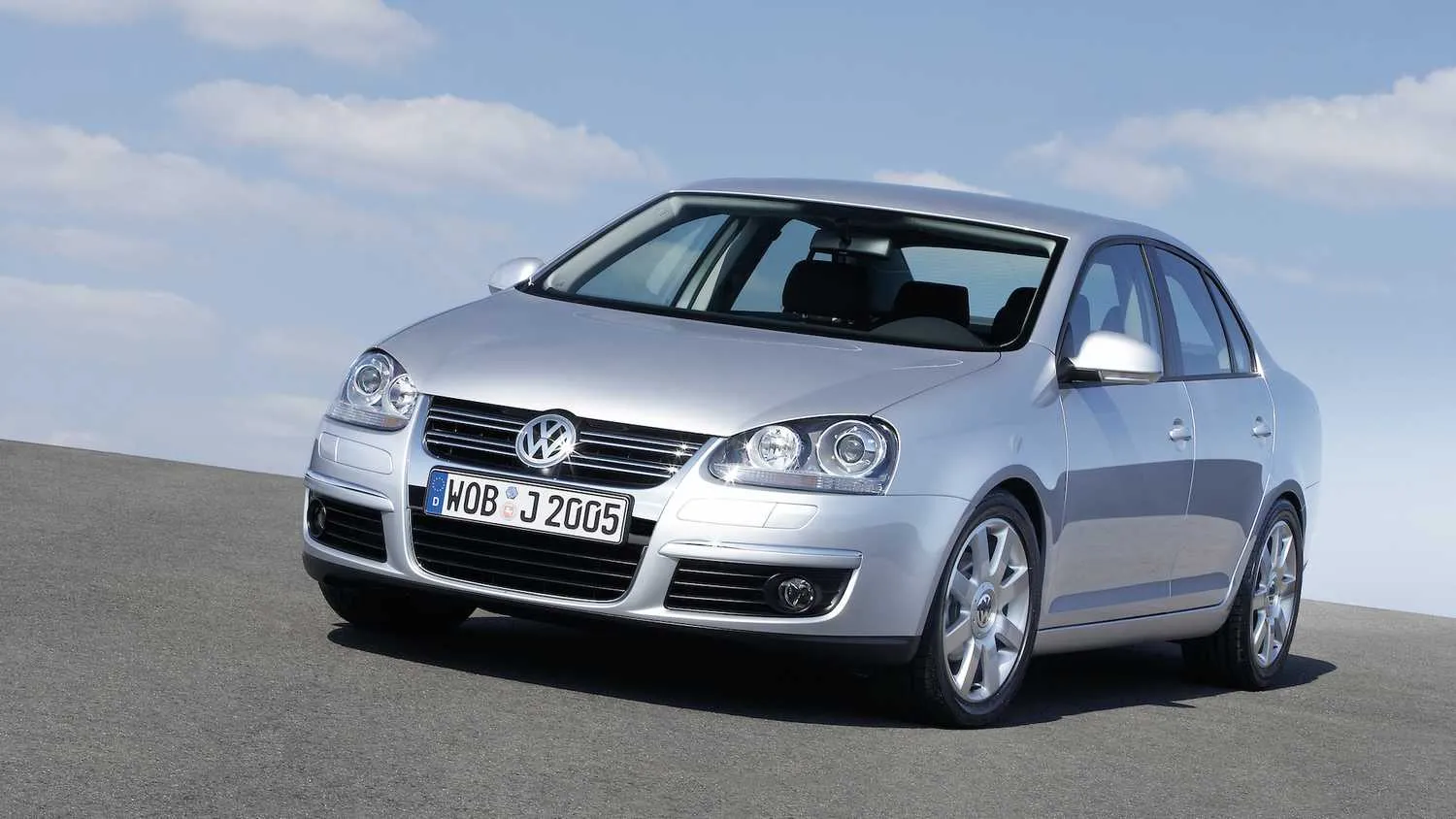
6. Volkswagen Jetta TDI (2009-2014)
Diesel-powered vehicles like the Volkswagen Jetta TDI are built to handle cold weather when properly maintained and equipped. Advances in modern diesel technology, such as common-rail fuel injection and efficient glow plug systems, have made cold starts far more dependable than in older designs.
These systems allow the engine to ignite quickly and smoothly, even in subzero conditions. Glow plugs remain essential for diesel ignition during winter. They warm the combustion chambers before cranking, helping fuel ignite despite low ambient temperatures.
Modern versions heat rapidly within seconds and are controlled electronically to adjust based on engine temperature. Drivers only need to wait for the glow plug indicator to turn off before starting, ensuring optimal performance every time.
The common-rail injection system provides the precision necessary for dependable ignition. By injecting fuel at extremely high pressure, it creates a fine mist that burns efficiently even when diesel thickens in the cold. Combined with accurate injector timing, this system allows reliable starts without rough idling or excessive smoke.
Because glow plugs and injectors demand substantial power, the Jetta TDI relies on heavy-duty batteries capable of sustaining both preheating and cranking. Maintaining battery strength and using winter-grade diesel fuel treated with anti-gel additives are essential for avoiding fuel solidification that can block filters and lines.
Block heaters give the best assurance of effortless starts by pre-warming the coolant and engine block overnight. Synthetic diesel oils such as 0W-30 or 5W-40 further improve cold-weather performance by remaining fluid and protecting engine parts from wear during startup.
Owners who follow proper procedures, including allowing glow plugs to warm and using treated fuel, consistently report smooth starts even in extreme temperatures. With its strong engineering and excellent fuel economy, the Jetta TDI remains a reliable and efficient choice for winter driving.
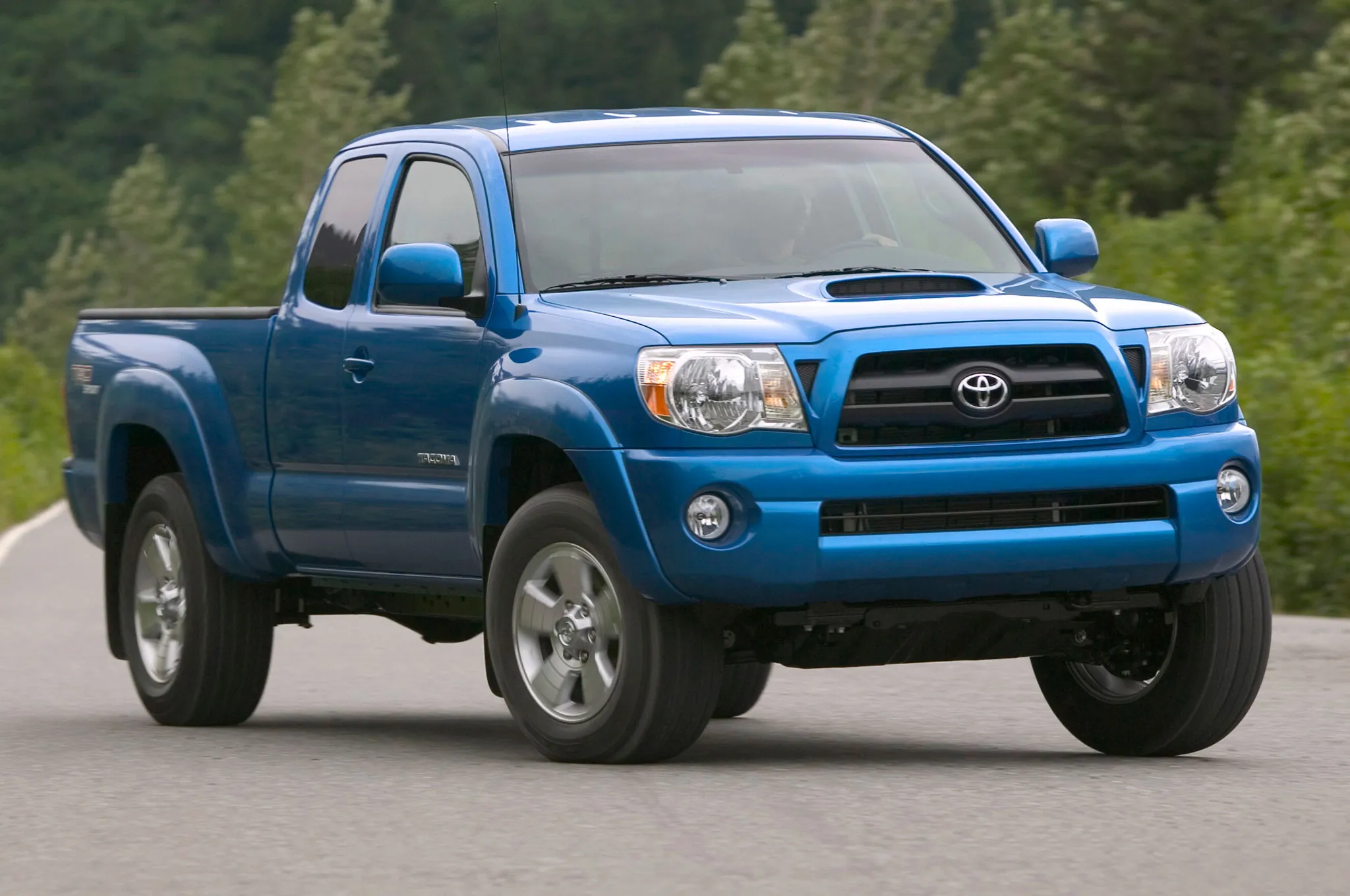
7. Toyota Tacoma (2005-2015)
Toyota’s Tacoma has long earned a solid reputation for performing flawlessly in extreme conditions, from scorching deserts to freezing winters.
The vehicle’s engineering focuses on durability and dependability, making it a trusted choice for drivers who need a truck that performs every time, regardless of the weather. Built for global markets, every mechanical and electrical element of the Tacoma is crafted to function reliably even when temperatures drop far below freezing.
Both the 2.7-liter four-cylinder and the 4.0-liter V6 engines deliver the toughness that defines Toyota’s design philosophy. The smaller engine uses a straightforward overhead cam layout with a durable timing chain, while the V6 option provides greater power without sacrificing reliability.
Routine maintenance keeps both engines starting confidently in cold conditions where lesser vehicles might struggle. The Tacoma’s electrical systems are equally dependable. High-quality starters and alternators ensure consistent cranking power and steady battery charging across temperature variations.
Toyota’s wiring harnesses are sealed to resist corrosion and moisture, maintaining reliable current flow through years of service. The truck’s battery is mounted for protection from cold exposure while remaining easy to service, and larger-capacity options are available for drivers in harsh climates.
Precise electronic fuel injection ensures the engine receives the correct fuel mixture even when gasoline thickens in the cold. Synthetic 0W-20 oil allows instant lubrication at startup, reducing friction and protecting moving parts from wear. Optional block heaters keep engine temperatures stable overnight, allowing effortless morning starts and immediate cabin warmth.
With its strong frame, effective four-wheel-drive system, and well-insulated interior, the Tacoma remains composed in icy conditions while keeping occupants comfortable. Owners continue to praise its ability to start and run flawlessly year after year. Proper maintenance with quality fluids, filters, and batteries ensures this truck maintains its exceptional winter reliability.
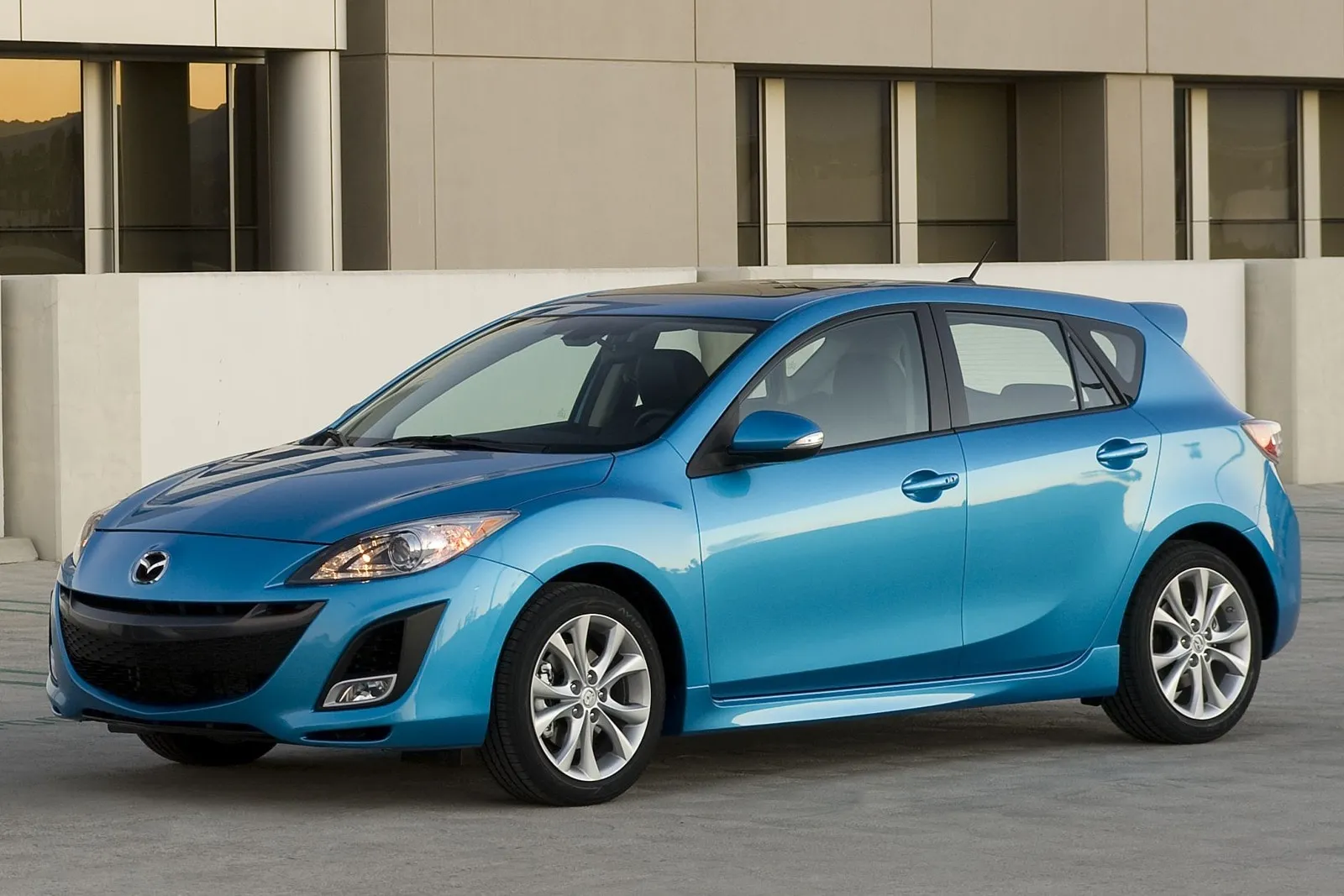
8. Mazda3 (2010-2013)
Mazda designed its compact sedans to balance driving enjoyment with long-term dependability, ensuring consistent performance even in harsh winter climates.
The brand’s Skyactiv engineering approach combines efficiency with mechanical strength, creating engines that start easily in freezing temperatures while maintaining durability through years of use.
Every element, from the ignition system to the fuel delivery design, reflects careful attention to real-world cold-weather operation. Both the 2.0-liter and 2.5-liter naturally aspirated four-cylinder engines provide strong yet efficient power.
Dual overhead cam setups with variable valve timing ensure responsive performance, while durable timing chains replace traditional belts for long-lasting reliability. High compression ratios generate adequate energy without demanding heavy cranking effort during cold starts.
Fuel injection systems contribute to the Mazda3’s consistency in frigid weather. Direct-injection versions atomize fuel finely for cleaner combustion, while port-injected models rely on simpler but equally durable setups. Advanced control modules manage enrichment automatically, preventing hard starts or flooding.
Mazda’s electrical design further strengthens reliability. Robust starter motors supply confident cranking power, and high-quality alternators maintain steady voltage even under heavy accessory loads. Well-insulated ground connections resist corrosion that can otherwise disrupt current flow.
The factory-installed battery offers dependable cold-cranking strength, and higher-capacity replacements are available for extremely cold regions. Synthetic engine oil plays an essential role in effortless starting.
Using 0W-20 full synthetic fluid allows lubrication to circulate immediately, minimizing wear during those first few seconds after ignition. For severe winters, aftermarket block heaters can keep the engine warm overnight, ensuring quick starts and instant cabin heat.
Owners report that their Mazda3s start easily after long nights in subzero conditions. Smooth idle control and fast warm-up systems make daily winter commutes stress-free. With proper upkeep, regular oil changes, strong batteries, and clean fuel filters, these sedans remain dependable performers no matter how cold it gets.
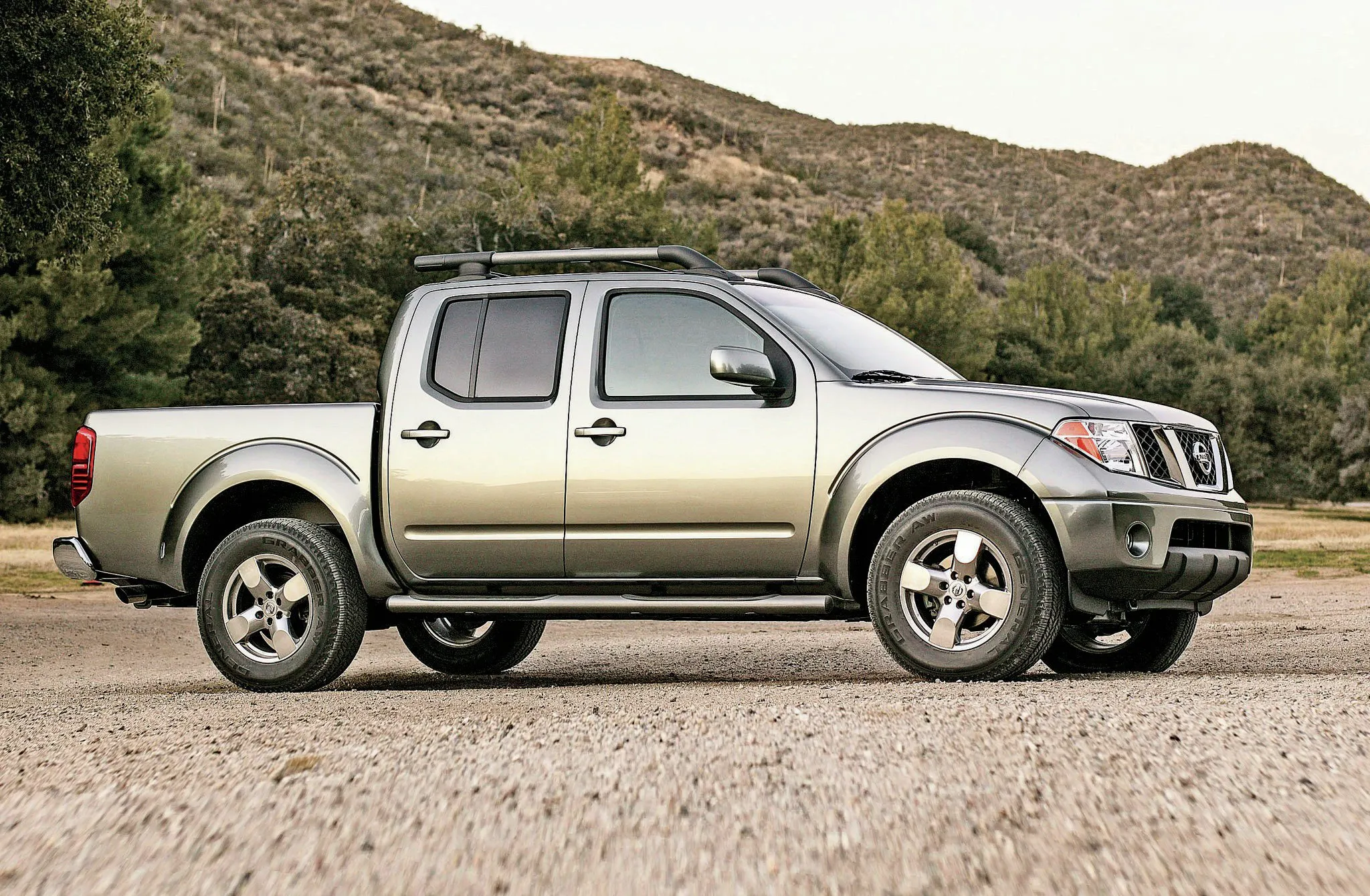
9. Nissan Frontier (2005-2019)
Nissan designed these mid-size pickups with a focus on toughness and consistent performance in harsh conditions. Years of production allowed engineers to fine-tune every system for long-term reliability. Cold-weather starts benefit from practical design choices and sturdy components that emphasize dependability over complications.
The 4.0-liter V6 engine produces strong power through a straightforward and refined configuration. It operates with dual overhead camshafts and variable valve timing, combining smooth delivery with efficiency.
Timing chains replace belts, removing replacement concerns and ensuring an extended lifespan. The engine’s size enables it to warm up quickly, an advantage during cold starts.
Fuel systems maintain accuracy and reliability through advanced multi-port injection. Each cylinder receives a measured amount of fuel for balanced combustion.
Pressure regulators ensure consistent delivery, while injectors disperse fuel evenly for smooth operation. Automatic mixture control during start-up allows easy ignition without flooding or hesitation.
Electrical components follow a rugged truck standard built for endurance. The starter motor turns the engine firmly, even when temperatures drop and oil thickens.
Alternators sustain charging levels during short winter drives, while heavy-gauge wiring minimizes resistance for strong current flow. Proper battery maintenance supports this reliability further.
Battery performance plays a major role in cold weather, so Nissan equips these trucks with units capable of strong cold cranking output. Replacing them with premium batteries increases confidence in freezing conditions. Clean terminals and secure connections help preserve optimal power transfer during ignition.
Using synthetic 5W-30 motor oil helps the engine crank freely and circulate lubrication instantly after starting. Optional block heaters simplify starting further, keeping coolant warm before use, and reducing mechanical strain.
Inside, effective insulation and powerful heating systems quickly bring cabin warmth. With simple upkeep such as oil changes, battery checks, and clean filters, these Frontiers continue starting easily and running reliably through the coldest days.
Also Read: 8 New SUVs With Surprisingly Low Long-Term Maintenance Costs
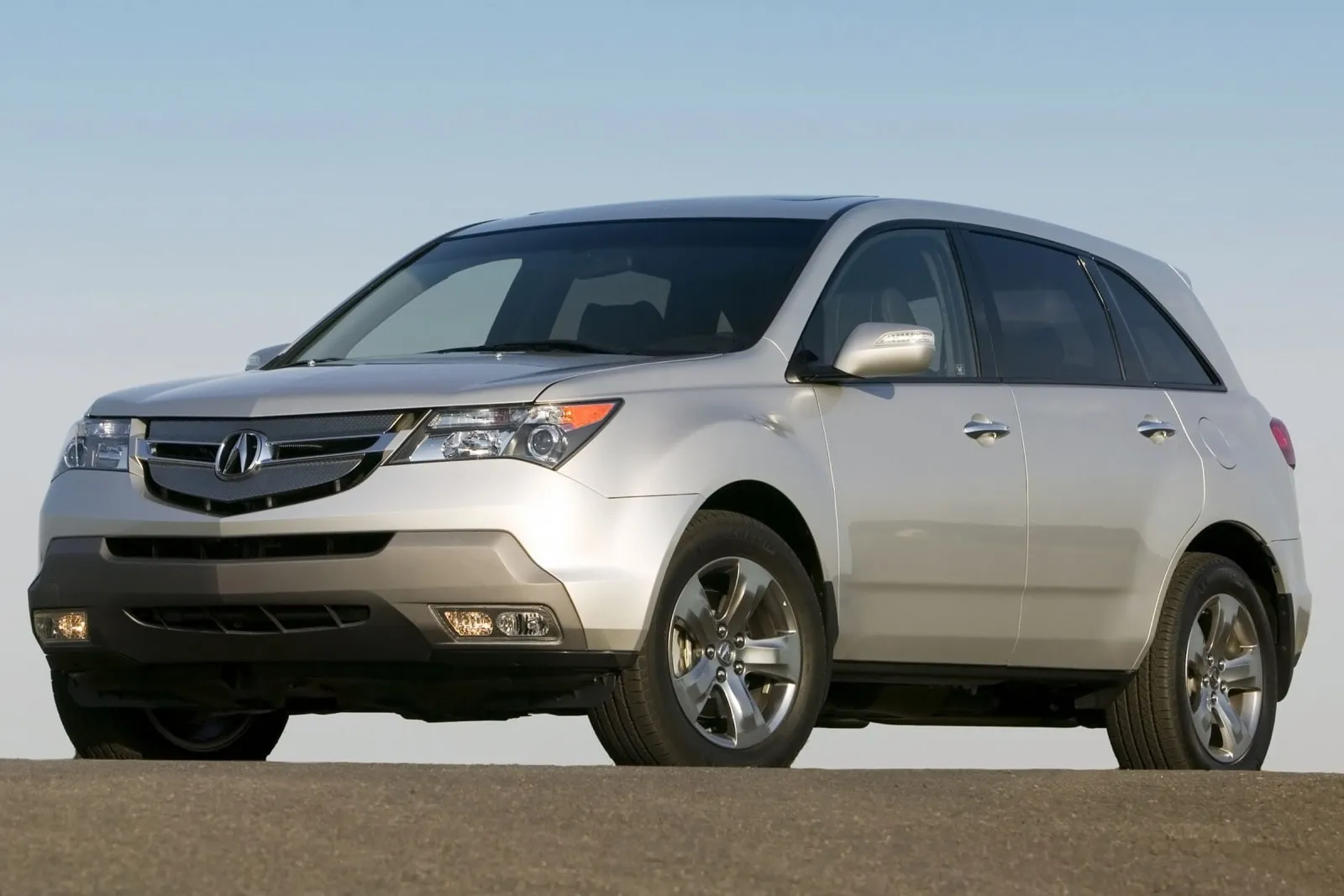
10. Acura MDX (2007-2013)
Honda’s premium division has successfully merged comfort, performance, and dependability in its luxury SUVs. The MDX lineup proves that high-end vehicles can offer the same cold-weather reliability as practical models.
Every system reflects precise engineering, using top-quality components to guarantee easy starts and consistent performance even in freezing climates.
The 3.7-liter J-series V6 engine delivers refined strength through Honda’s trusted technology. Built with a single overhead camshaft on each cylinder bank and variable valve timing, it powers several Honda and Acura models known for their durability. Its large displacement allows quick warming, providing steady operation soon after ignition in cold weather.
The all-wheel drive system operates continuously, using Super Handling All-Wheel Drive to send torque where traction is needed most. This constant engagement ensures immediate stability on icy surfaces and enhances driver confidence during harsh winter conditions.
Electrical components meet rigorous standards for long-term dependability. The starter motor provides quick engagement even in sub-zero temperatures, while alternators maintain correct voltage for all electrical systems. Moisture-protected wiring prevents corrosion that could reduce conductivity, preserving reliability through years of use.
High-capacity batteries supply strong cold-cranking power, ensuring dependable ignition. Factory-installed units perform well, but premium replacements improve performance further. Keeping terminals clean and ensuring secure mounting preserves optimal energy transfer.
The fuel system’s multi-point injection uses sensors to regulate the mixture precisely, promoting complete combustion at start-up. Automatic enrichment delivers the correct balance of fuel and air for effortless ignition. Synthetic oils like 0W-20 or 5W-30 remain fluid at low temperatures, circulating instantly to protect vital engine parts.
Block heaters are valuable in extreme climates, warming the engine before use and reducing internal wear. Inside, efficient heating systems quickly create a warm environment. With routine maintenance, these MDXs combine luxury comfort and Honda’s reputation for dependable cold-weather performance year after year.
