
Fuel economy numbers on window stickers tell beautiful stories that reality often contradicts. EPA estimates promise impressive mileage figures that get buyers excited about potential savings at the pump.
Then actual ownership begins, and those promised numbers evaporate like morning mist under harsh sunlight. Real-world driving conditions include traffic jams, hills, headwinds, and air conditioning, factors that EPA testing cycles conveniently minimize.
Some vehicles actually deliver their promised fuel economy, even exceeding EPA estimates when drivers adopt efficient habits. These honest performers build loyal followings among commuters who track every gallon and kilometer.
Owners celebrate when their calculated averages match or beat official ratings, proving that proper engineering can meet marketing promises. Other vehicles become cautionary tales of optimistic engineering and creative testing procedures. Their EPA ratings look spectacular on paper, but crumble under actual driving conditions.
Buyers who purchased based on fuel economy promises feel betrayed when their vehicles consume far more fuel than expected. Forums are filled with complaints from disappointed owners who cannot achieve even 80 percent of stated ratings.
We will examine ten commuter cars split into two distinct categories. Five vehicles consistently deliver real-world fuel economy exceeding 40 miles per gallon through their entire service lives. Five others promise impressive EPA numbers but disappoint owners with actual consumption that falls well short of official claims.
Understanding which vehicles deliver genuine efficiency versus marketing hype helps buyers make informed decisions. Let’s examine these contrasting examples of fuel economy reality versus fantasy.
5 Real 40+ MPG Champions
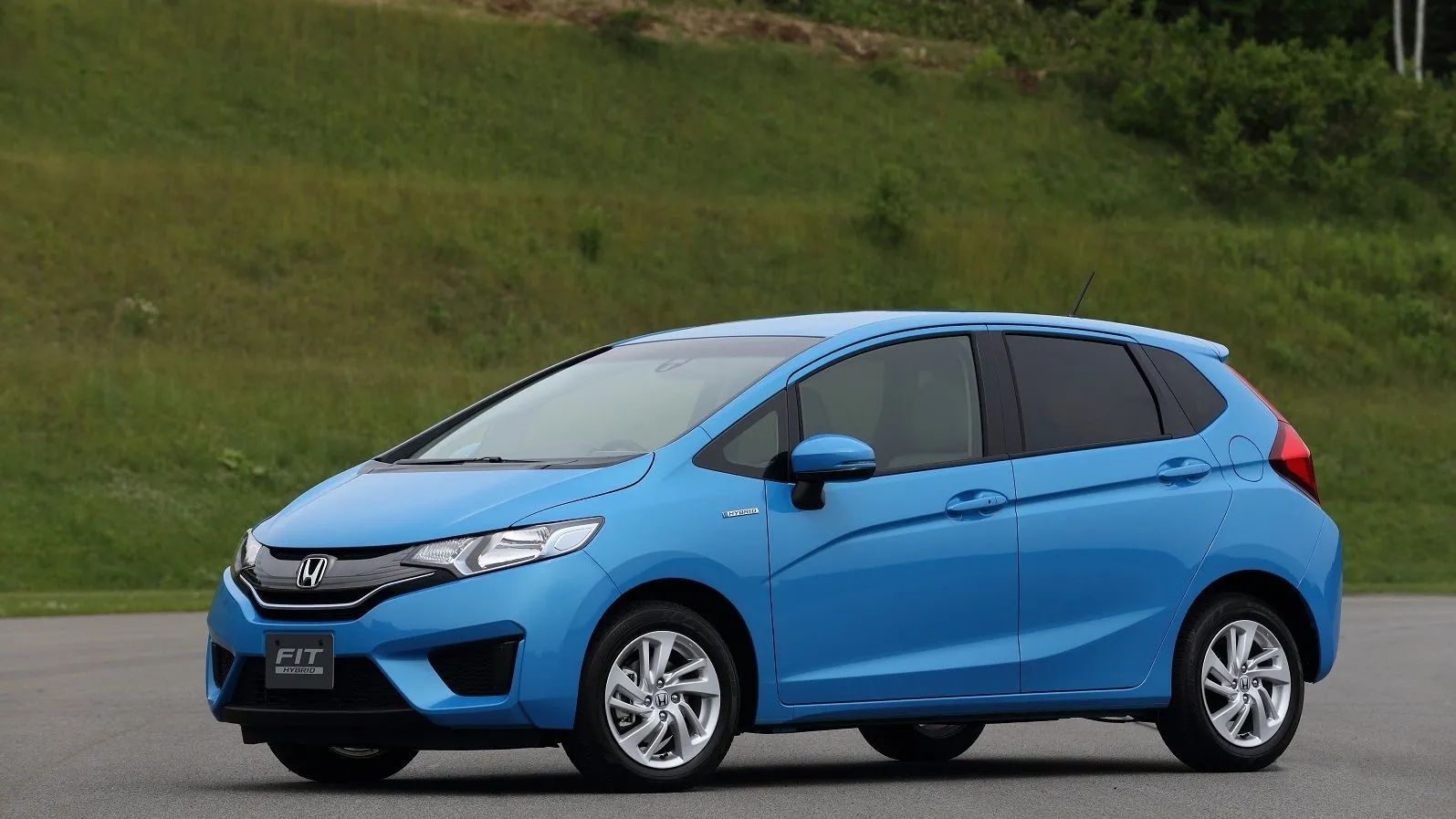
1. Honda Fit (2015-2020)
Nobody expected Honda’s smallest offering to embarrass larger hybrids in real-world fuel economy contests, yet this subcompact delivers exactly that outcome.
Owners routinely report lifetime averages between 38 and 42 miles per gallon with mixed driving. Highway trips push consumption figures past 45 mpg when speeds stay reasonable and conditions cooperate.
What makes this tiny Honda so efficient? Engineers prioritized aerodynamics despite the boxy shape necessary for interior space.
Smooth underbody panels reduce drag while active grille shutters close at highway speeds. Small frontal area cuts through air resistance that punishes larger vehicles. Every aerodynamic improvement contributes to reduced fuel consumption.
Naturally aspirated 1.5-liter engine produces adequate power without turbocharger complications that increase fuel consumption.
Honda tuned this powerplant for efficiency across common driving scenarios rather than outright performance. Variable valve timing adjusts for different loads while maintaining combustion efficiency. Compression ratios balance power delivery with fuel economy demands.
CVT transmissions in these Fits operate smoothly while keeping engines in optimal efficiency ranges. Unlike conventional automatics that jump between fixed ratios, CVTs maintain ideal engine speeds for fuel economy.
Programming allows these transmissions to simulate gears for drivers who dislike typical CVT behavior. Proper CVT fluid maintenance ensures these transmissions deliver promised efficiency throughout vehicle lifespans.
Lightweight construction helps this Honda achieve impressive fuel economy despite modest power output. Curb weights stay below 2,600 pounds even with full equipment.
Every kilogram saved requires less energy to accelerate and maintain speed. This weight advantage becomes especially apparent during city driving, where constant acceleration consumes fuel.
Rolling resistance receives attention through low-resistance tire selections. Original equipment tires balance fuel economy with adequate grip and acceptable noise levels.
Maintaining proper tire pressures maximizes efficiency while preventing premature wear. Owners who replace tires with economy-focused options see measurable improvements in fuel consumption.
Regenerative features remain absent because this vehicle uses purely mechanical engineering for efficiency. No hybrid complications means lower purchase prices and reduced maintenance costs.
Simplicity proves that careful conventional engineering can match or exceed complicated hybrid systems for real-world efficiency.
Real-world owner data from tracking websites shows consistent 40+ mpg averages across thousands of Fits. Canadian drivers report excellent efficiency despite harsh winters that reduce fuel economy. American owners in various climates confirm these vehicles deliver promised efficiency when driven reasonably.
City driving shows where this Honda excels compared to vehicles relying on highway cruising for efficiency.
Responsive throttle allows smooth acceleration without excessive fuel consumption. Lightweight means less energy is required for repeated stops and starts. Drivers who master efficient techniques report city averages exceeding 35 mpg.
Highway efficiency remains impressive when speeds stay below 75 mph. Aerodynamics help these Fits slip through air resistance effectively. Cruising at 65 mph produces consumption figures approaching 50 mpg under ideal conditions. Even at 70 mph, efficiency remains well above EPA estimates for most drivers.
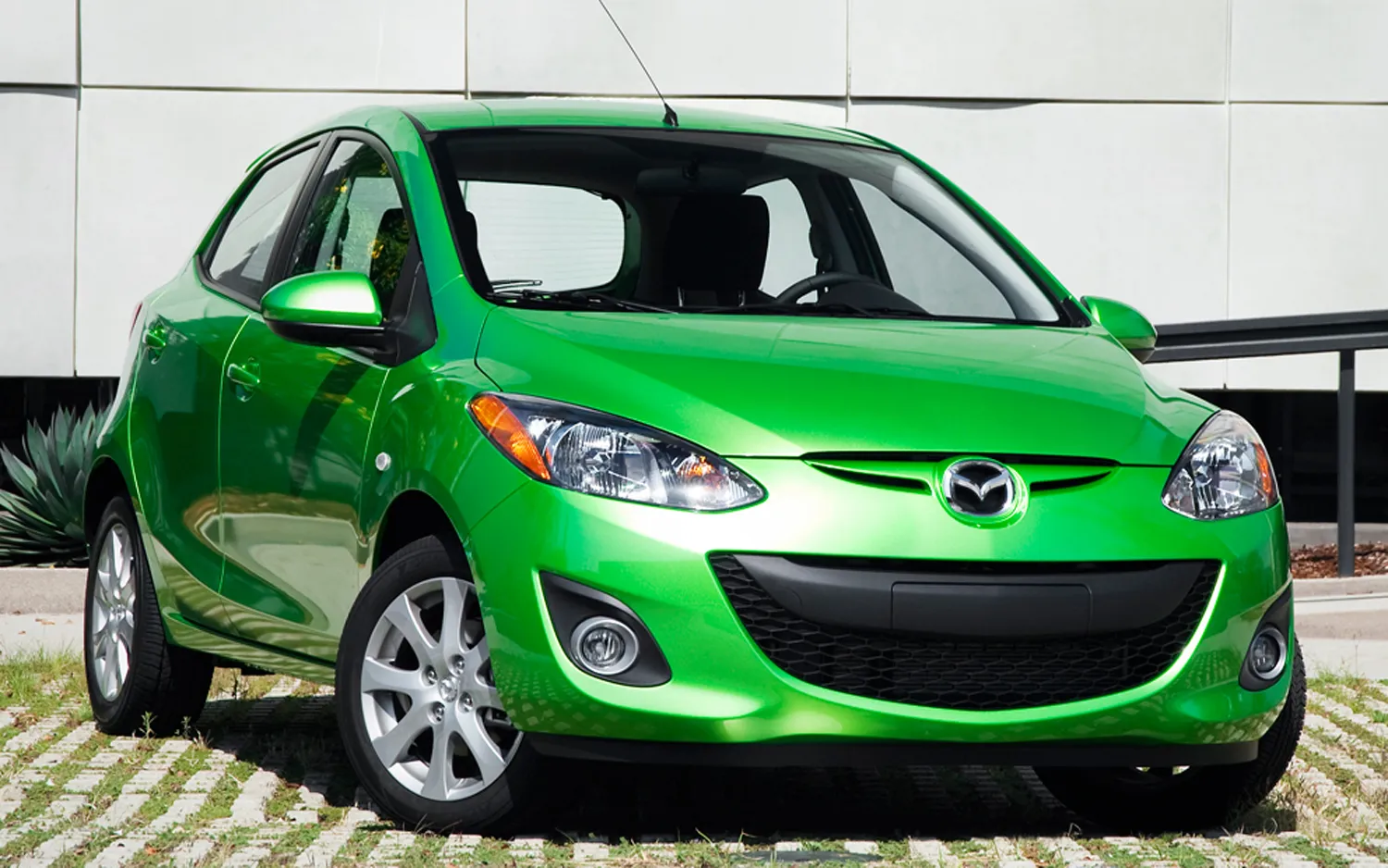
2. Mazda2 (2011-2014)
Mazda’s smallest offering disappeared from North American markets too soon, leaving behind a legacy of exceptional real-world fuel economy.
This subcompact delivered genuine 40+ mpg averages through simple engineering excellence rather than hybrid complications. Owners who discovered these vehicles treasure them for providing exactly what fuel economy ratings promised.
SkyActiv technology introduced efficiency improvements through fundamental engineering rather than gimmicks. Higher compression ratios extract more energy from each drop of fuel burned.
Reduced internal friction through careful component selection and surface treatments improves mechanical efficiency. Direct injection systems meter precise fuel amounts for optimal combustion across operating conditions.
Five-speed manual transmissions allow skilled drivers to maximize efficiency through intelligent gear selection. Gear ratios balance acceleration needs with cruising efficiency.
Clutches engage smoothly while tolerating thousands of moves without degradation. Drivers who master efficient shifting techniques regularly exceed EPA estimates by substantial margins.
Four-speed automatic transmissions might seem outdated, but they prove more efficient than complicated multi-speed units in real-world driving.
Fewer gears mean less parasitic drag from additional clutch packs and planetary gearsets. Simple hydraulic controls avoid the electrical consumption of complicated electronic systems.
Proper fluid maintenance ensures these automatics deliver consistent efficiency throughout vehicle lifespans. Aerodynamic refinement helps this small Mazda achieve impressive highway efficiency.
Wind tunnel testing optimized body shapes for minimal drag within styling constraints. Smooth underbody panels reduce turbulence that increases fuel consumption. Small mirrors and carefully shaped door handles contribute minor improvements that accumulate into measurable benefits.
Engine displacement of just 1.5 liters provides adequate power for daily commuting while sipping fuel conservatively. Naturally aspirated configuration avoids turbocharger lag and complications.
Dual overhead cams with variable valve timing adjust for different operating conditions. The compression ignition characteristics approach diesel efficiency without diesel complications.
Curb weight barely exceeds 2,300 pounds, giving this Mazda a tremendous power-to-weight advantage for efficiency.
Accelerating this lightweight package requires minimal fuel compared to heavier competitors. Hill climbing becomes easier when vehicles carry less mass. Braking distances shorten while brake components last longer thanks to reduced weight.
Real-world data from owner communities shows lifetime averages consistently exceeding 40 mpg with mixed driving.
Manual transmission examples often achieve 42 to 45 mpg over their service lives. Automatic versions still deliver impressive 38 to 42 mpg averages despite the efficiency penalty from torque converter losses.
City efficiency surprises drivers accustomed to vehicles that guzzle fuel in urban environments. Responsive throttle allows gentle acceleration that minimizes consumption. Lightweight reduces the energy required for repeated stops and starts. Drivers who practice efficient techniques report city averages approaching 38 mpg.
Highway cruising at reasonable speeds produces remarkable efficiency figures. Cruising at 60 mph yields a consumption of around 50 mpg under favorable conditions. Even at 70 mph, efficiency remains impressive compared to larger vehicles. Aerodynamic refinements pay dividends during extended highway journeys.
Also Read: 5 Luxury Sedans Whose Tech Still Feels Modern vs 5 Frozen in Time
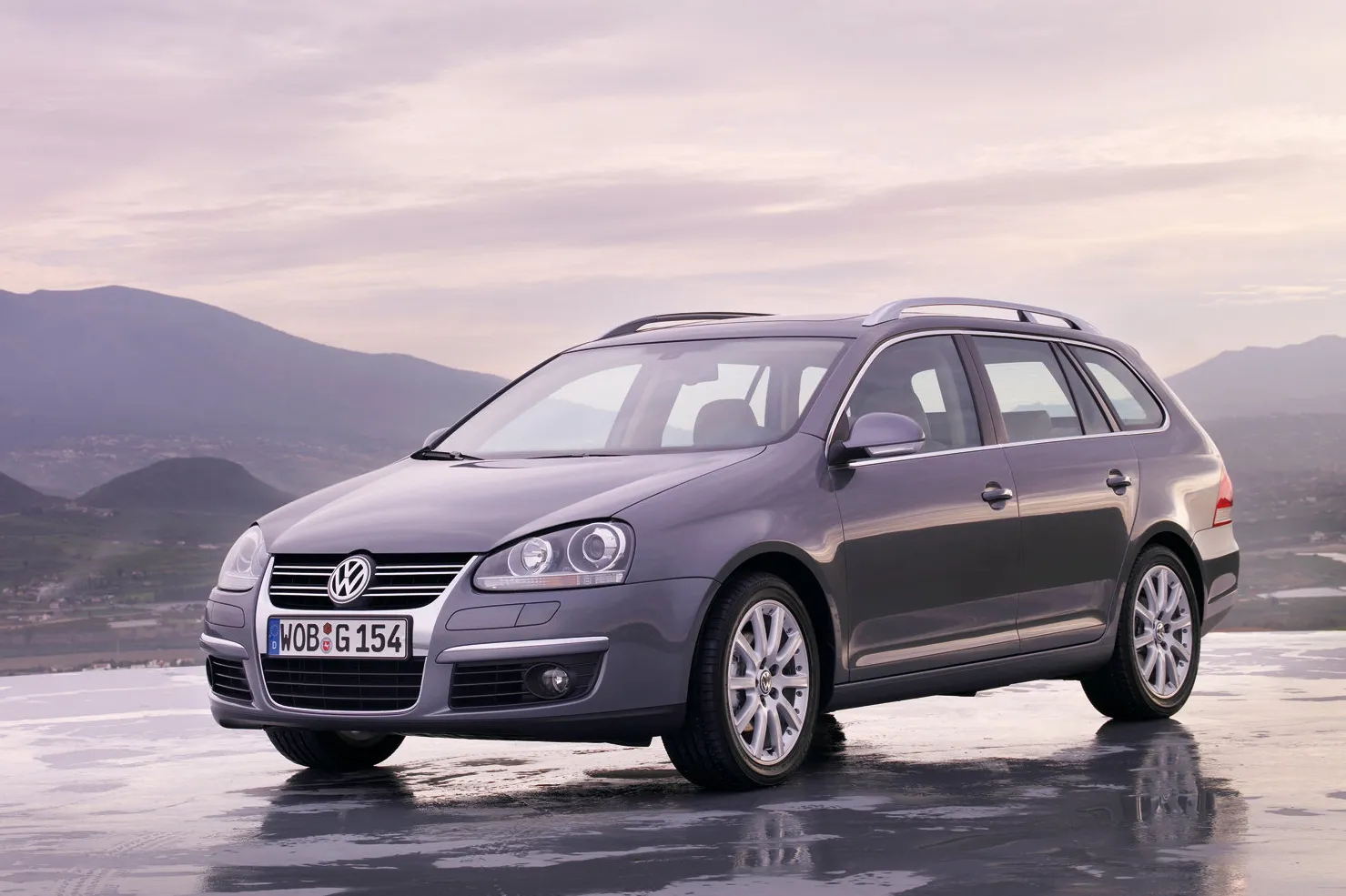
3. Volkswagen Jetta TDI (2009-2015)
Diesel power delivers fuel economy that gasoline engines struggle to match when comparing energy content. These Jetta TDIs demonstrate how compression ignition efficiency translates into real-world consumption figures that consistently exceed 40 mpg.
Despite emissions scandal controversies, these vehicles deliver exactly what fuel economy ratings promised and often exceed those figures.
Common-rail diesel injection systems atomize fuel into extremely fine mists that burn efficiently. High injection pressures ensure proper combustion across operating ranges.
Multiple injection events per cycle optimize emissions while maintaining efficiency. Advanced turbocharging recovers exhaust energy while providing adequate power from modest displacement.
DSG dual-clutch transmissions move quickly while maintaining power delivery during gear changes. Six-speed ratios balance acceleration capability with cruising efficiency.
Automated clutch operation eliminates torque converter losses that reduce efficiency in conventional automatics. Proper service maintains these transmissions for reliable operation through high mileage.
Manual transmission options allow skilled drivers to maximize already impressive efficiency. Six-speed gearboxes provide tall overdrive ratios for relaxed highway cruising.
Precise change linkages make gear selection effortless and satisfying. Clutches tolerate thousands of engagements without noticeable wear when operated properly.
Aerodynamic refinements help these Jettas achieve remarkable highway efficiency. Smooth underbody panels reduce drag while active grille shutters close when cooling demands decrease.
Careful attention to detail around mirrors and door handles minimizes turbulence. Wind tunnel testing optimized shapes within styling constraints.
Diesel fuel contains roughly 12 percent more energy per gallon than gasoline, providing an inherent efficiency advantage.
Compression ignition extracts more useful work from each unit of fuel burned compared to spark ignition. These factors combine to produce a fuel economy that gasoline engines cannot match without hybrid assistance.
Torque characteristics of diesel engines suit commuting perfectly, with a strong low-end pull. Peak torque arrives at low RPM, making acceleration feel brisk without excessive fuel consumption.
Highway merging requires minimal throttle input thanks to abundant mid-range power. City driving benefits from strong torque that allows gentle acceleration.
Real-world owner data shows lifetime averages regularly exceeding 45 mpg with mixed driving. Highway-focused driving produces averages approaching 50 mpg when speeds stay moderate. Even aggressive drivers report averages in the low 40s, demonstrating consistent efficiency across driving styles.
City efficiency remains impressive despite diesel engines traditionally favoring highway operation. Modern common-rail systems provide smooth idle quality and responsive acceleration.
Start-stop systems available on later models reduce idle fuel consumption during traffic stops. Careful drivers report city averages between 35 and 40 mpg.
Highway cruising showcases diesel efficiency advantages most dramatically. Cruising at 65 mph produces consumption figures approaching 55 mpg under ideal conditions.
Even at 75 mph, efficiency remains well above 45 mpg for most drivers. Long-distance travelers appreciate the extended range these vehicles provide between fuel stops.
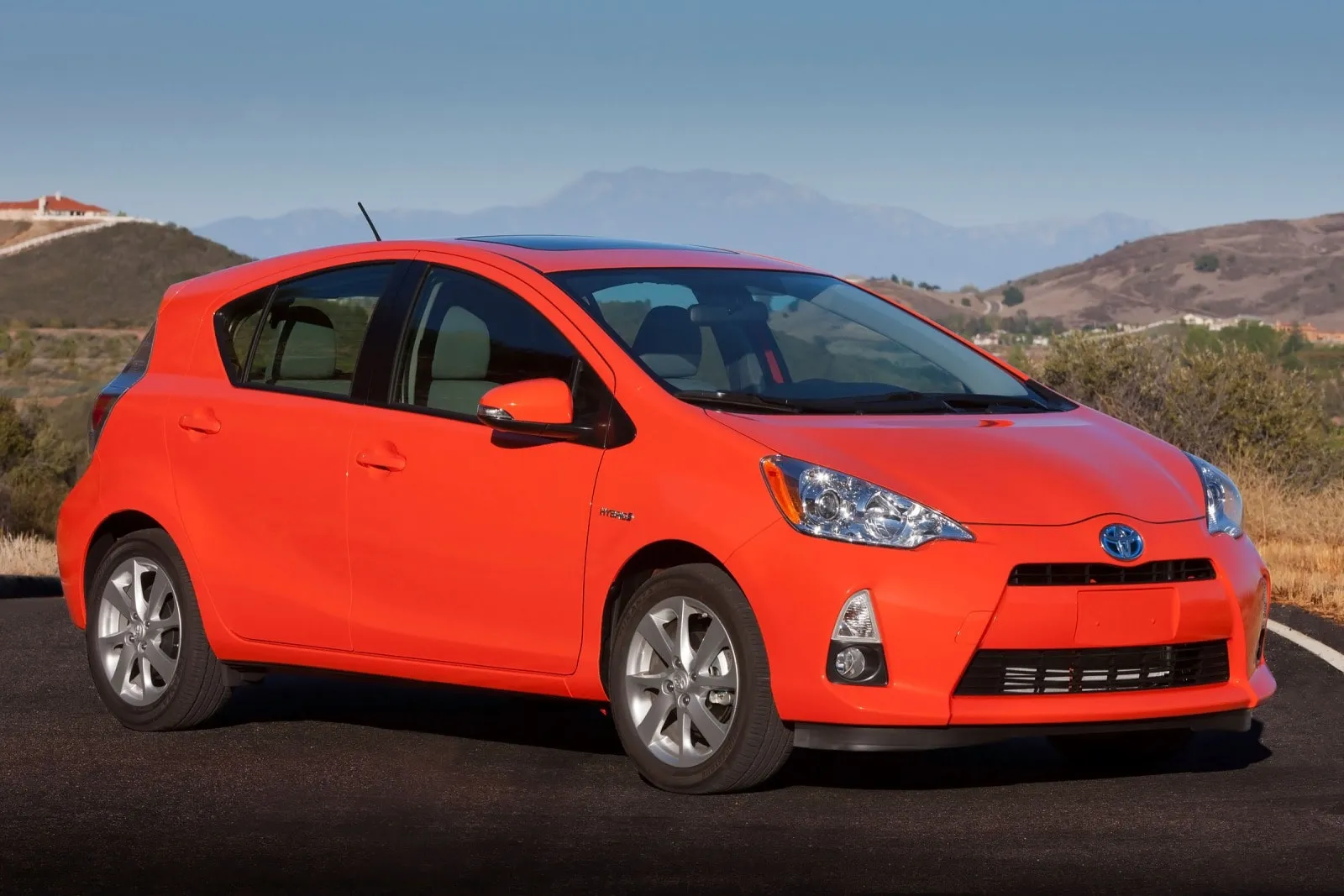
4. Toyota Prius c (2012-2019)
Compact hybrid engineering packed into a small frame makes this commuter-friendly car capable of achieving more than 40 mpg in nearly any situation. As the smallest member of the Prius lineup, it demonstrates that high fuel efficiency does not require a luxury price tag.
Most owners record combined averages between 45 and 50 mpg under mixed conditions. Toyota’s Hybrid Synergy Drive merges a gasoline engine with an electric motor through a planetary gearset acting as a continuously variable transmission.
The system moves seamlessly between power sources depending on demand and battery charge. Regenerative braking recovers energy usually lost during deceleration, storing it for later use. This coordination produces an efficiency level beyond traditional drivetrains.
The 1.5-liter gasoline engine operates on the Atkinson cycle to improve fuel use, while variable valve timing ensures clean combustion. The electric motor delivers quick response from a stop, supported by a compact battery pack that enables short electric-only travel.
Aerodynamics emphasizes smooth airflow with a low front profile, active grille shutters, and streamlined panels. Lightweight construction offsets the hybrid components, helping both handling and acceleration. Low-rolling-resistance tires further enhance fuel economy, allowing this subcompact hybrid to maintain its strong 45-50 mpg reputation.
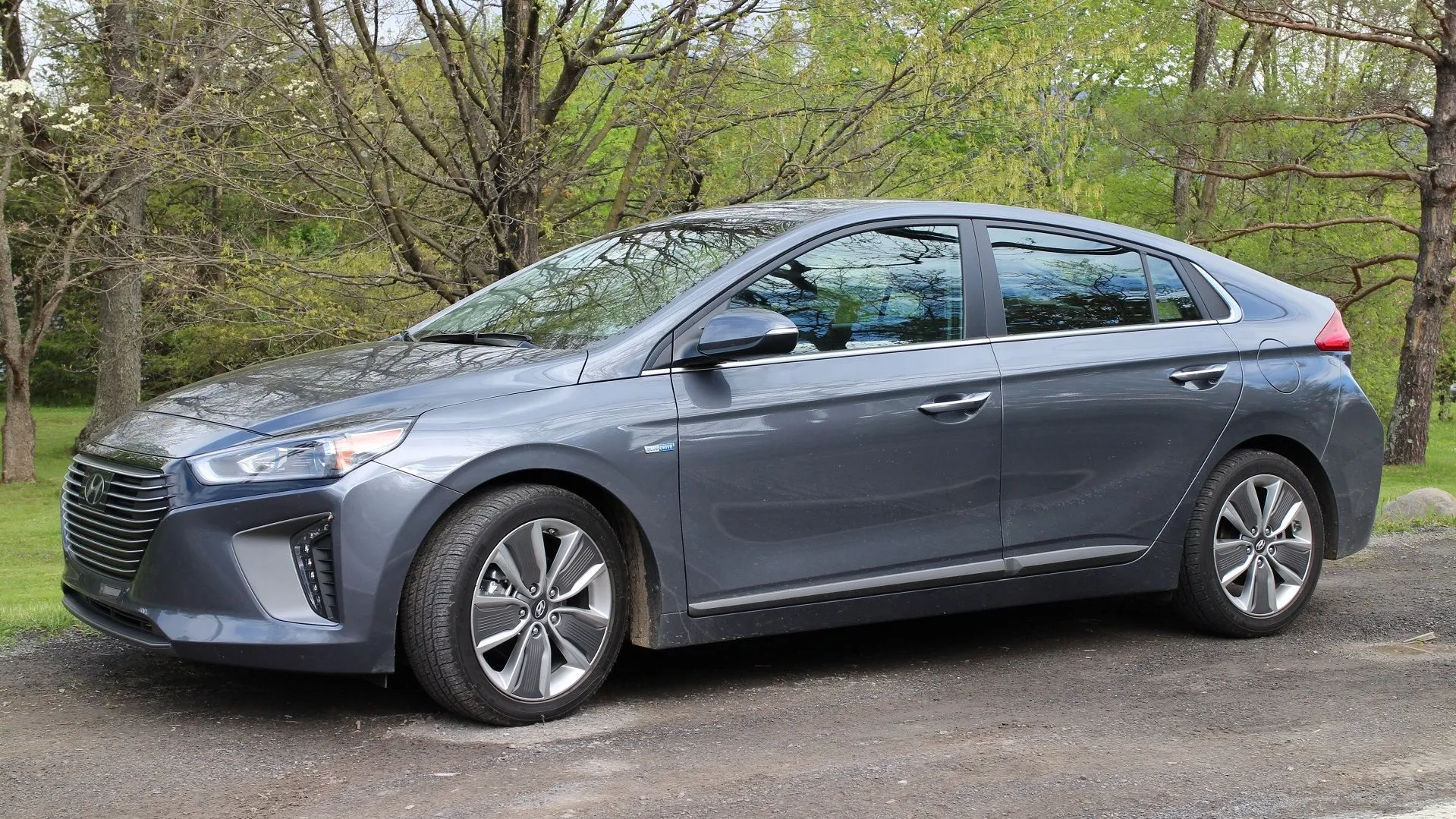
5. Hyundai Ioniq Hybrid (2017-2022)
Hyundai joined the hybrid segment later than its rivals but benefited from studying their achievements and missteps. This dedicated hybrid model delivers genuine efficiency that often equals or surpasses Toyota’s well-known benchmarks.
Drivers commonly report combined averages between 50 and 55 mpg, ranking it among the most fuel-conscious non-plug-in cars on the market. Its hybrid setup uses a dual-clutch transmission that moves smoothly like a regular automatic while preserving strong fuel economy.
The six-speed gearbox offers balanced ratios for varied conditions, and clutch engagement occurs automatically. An electric motor sits between the engine and transmission, enabling electric-only motion when suitable.
The 1.6-liter gasoline engine runs on the Atkinson cycle for improved efficiency, supported by direct fuel injection and variable valve timing. Power output is modest alone but satisfying when paired with the electric motor. Start-stop operation saves fuel at idle.
A 32-kilowatt motor supplies boost and short electric travel, powered by a lithium-ion polymer battery. Regenerative braking recovers otherwise wasted energy, while onboard computers determine the most efficient power mix.
Aerodynamic design achieves a low drag coefficient of 0.24 through active grille shutters, smooth panels, and carefully sculpted mirrors. Lightweight construction and low-resistance tires further enhance efficiency and handling.
5 EPA-Optimists That Disappoint
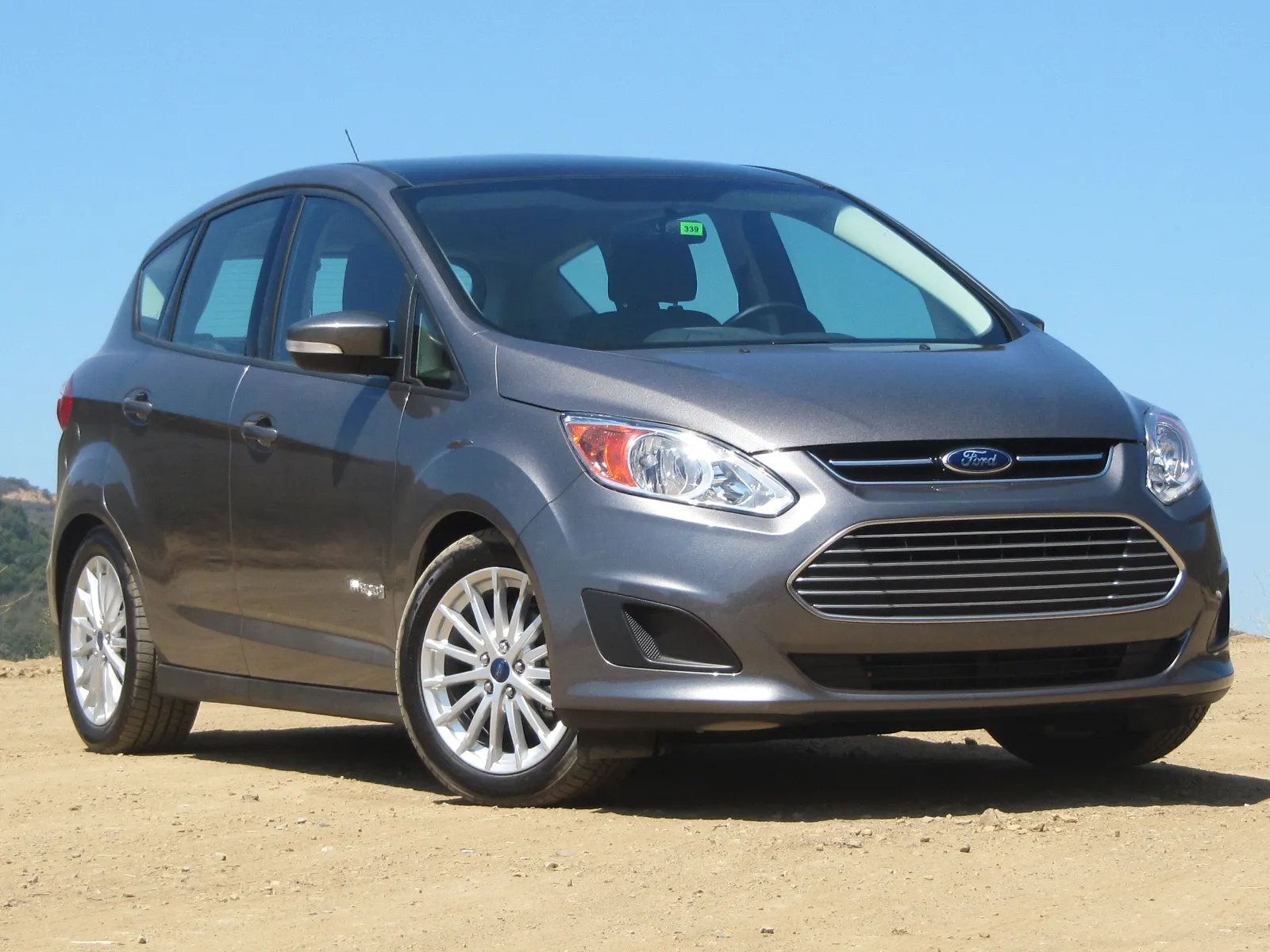
1. Ford C-Max Hybrid (2013-2018)
When this hybrid first appeared, its official EPA estimates of 47 miles per gallon in both city and highway driving caught attention. Marketing focused on record-setting efficiency while avoiding discussion of real-world performance.
Owners soon discovered that everyday results averaged between 35 and 40 mpg, far below those promises. Mounting consumer complaints and regulatory scrutiny eventually forced Ford to revise its official numbers downward.
The vehicle’s tall, wagon-like profile worked against aerodynamic efficiency, creating additional drag at highway speeds. Its large frontal area and average drag coefficient limited fuel savings.
While the design favored cabin space, it compromised highway performance. The hybrid system itself operated reliably but lacked the polish of Toyota’s more advanced setup. Regenerative braking recovered less energy, reducing its efficiency edge.
Weight also hindered results, as the vehicle tipped the scales at over 3,600 pounds, demanding more energy for acceleration. The 2.0-liter engine, running on the Atkinson cycle, offered good thermal efficiency but could not deliver on marketing claims.
Owners frequently voiced frustration online as real-world consumption fell 15 to 20 percent below expectations. City use produced better figures, around 38 to 42 mpg, but highway results lagged. Cold or hot weather further reduced efficiency, particularly when climate control systems were in use.
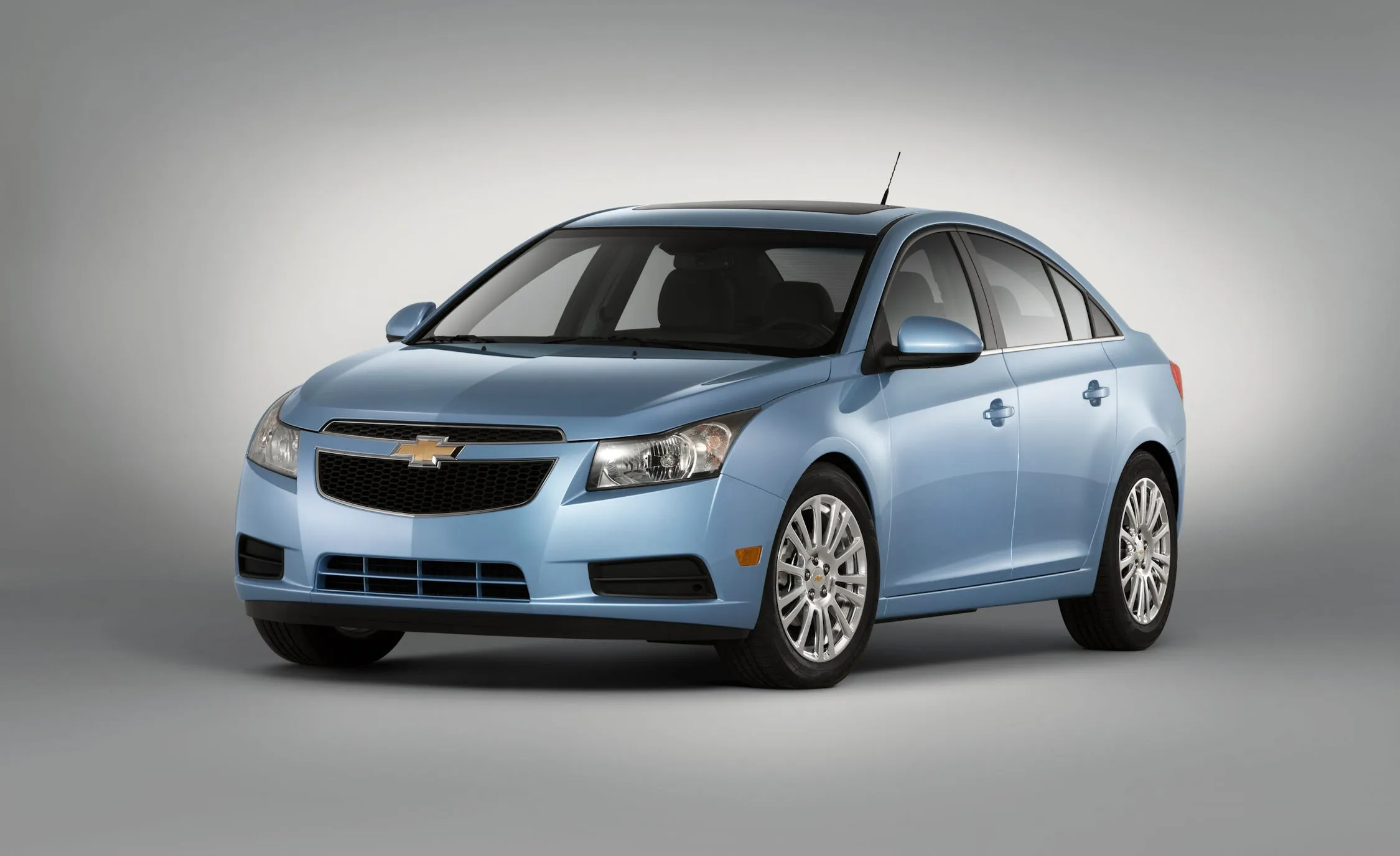
2. Chevrolet Cruze Eco (2011-2015)
The EPA’s highway estimate of 42 miles per gallon drew attention when this economy-focused version debuted, positioning it as a leader among non-hybrid compact cars.
Advertising highlighted exceptional efficiency, but owners soon realized that such results required perfect conditions that few encountered. In everyday driving, fuel economy usually ranged between 32 and 36 mpg.
Eco-specific upgrades included a slightly lower suspension, lightweight alloy wheels, and low-resistance tires. The body received underbody panels and a reshaped front end for improved aerodynamics.
A six-speed manual gearbox with taller gearing is aimed at reducing highway engine speed. These measures helped in theory but offered limited gains in routine driving. The 1.4-liter turbo engine produced enough power but failed to meet expectations for thrift.
Turbo lag often demanded deeper throttle input, increasing fuel use. Direct injection improved precision but could not offset efficiency losses. Automatic transmission models fared worse, as torque converter slippage and comfort-oriented programming reduced mileage further.
Weight reduction through thinner seats and reduced insulation saved little fuel but reduced refinement. While aerodynamic tweaks aided steady highway travel, their effect vanished in stop-and-go traffic.
Owners consistently reported lower-than-promised results, with highway averages near 35 to 38 mpg and even poorer outcomes in cold weather, where efficiency dropped sharply.
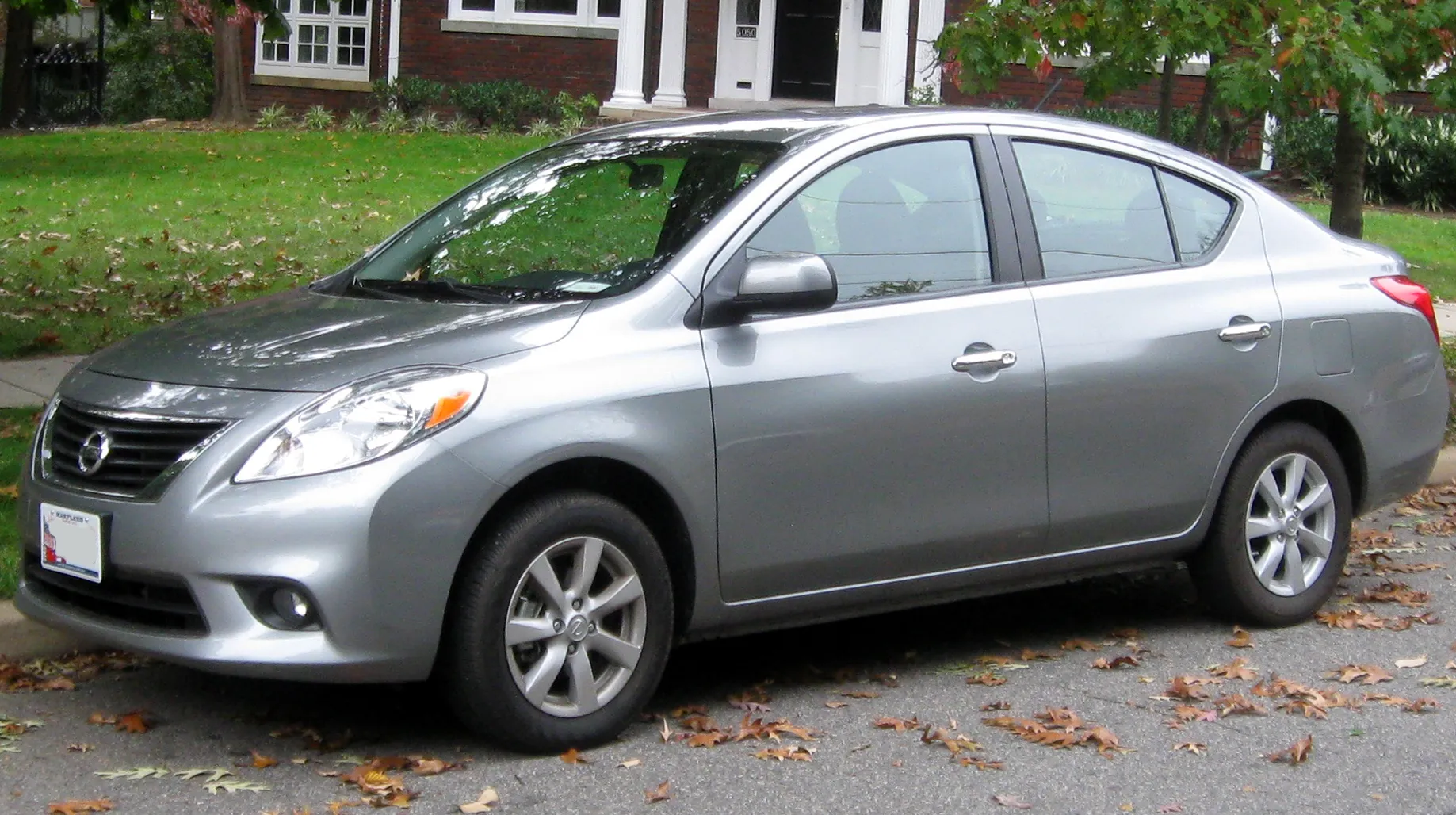
3. Nissan Versa (2012-2019)
The EPA estimated a highway rating of 40 miles per gallon for this low-cost subcompact, appealing to drivers focused on saving fuel.
Advertisements promoted strong efficiency and value, but long-term ownership showed real results between 32 and 36 mpg. The rating proved difficult to achieve outside of ideal test conditions, leaving many owners disappointed.
The continuously variable transmission was designed to keep the engine at its most efficient speed, but in practice, it lacked refinement and responded slowly. Belt-driven operation caused extra friction losses that hurt fuel economy.
The 1.6-liter naturally aspirated engine offered only modest strength, using dual overhead cams and variable valve timing to balance performance with economy. Under typical loads, it worked harder than expected, consuming more fuel than official figures suggested.
Aerodynamic shaping focused on cost rather than precision, producing a boxy design with limited airflow optimization. Weighing around 2,400 pounds, the car remained light but showed signs of thin materials and reduced rigidity. Standard tires increase rolling resistance, making proper inflation essential for decent mileage.
Owners consistently reported averages below expectations, usually in the low 30s during mixed driving. Cold weather worsened results as the small engine warmed slowly and the transmission thickened, lowering winter efficiency even further.
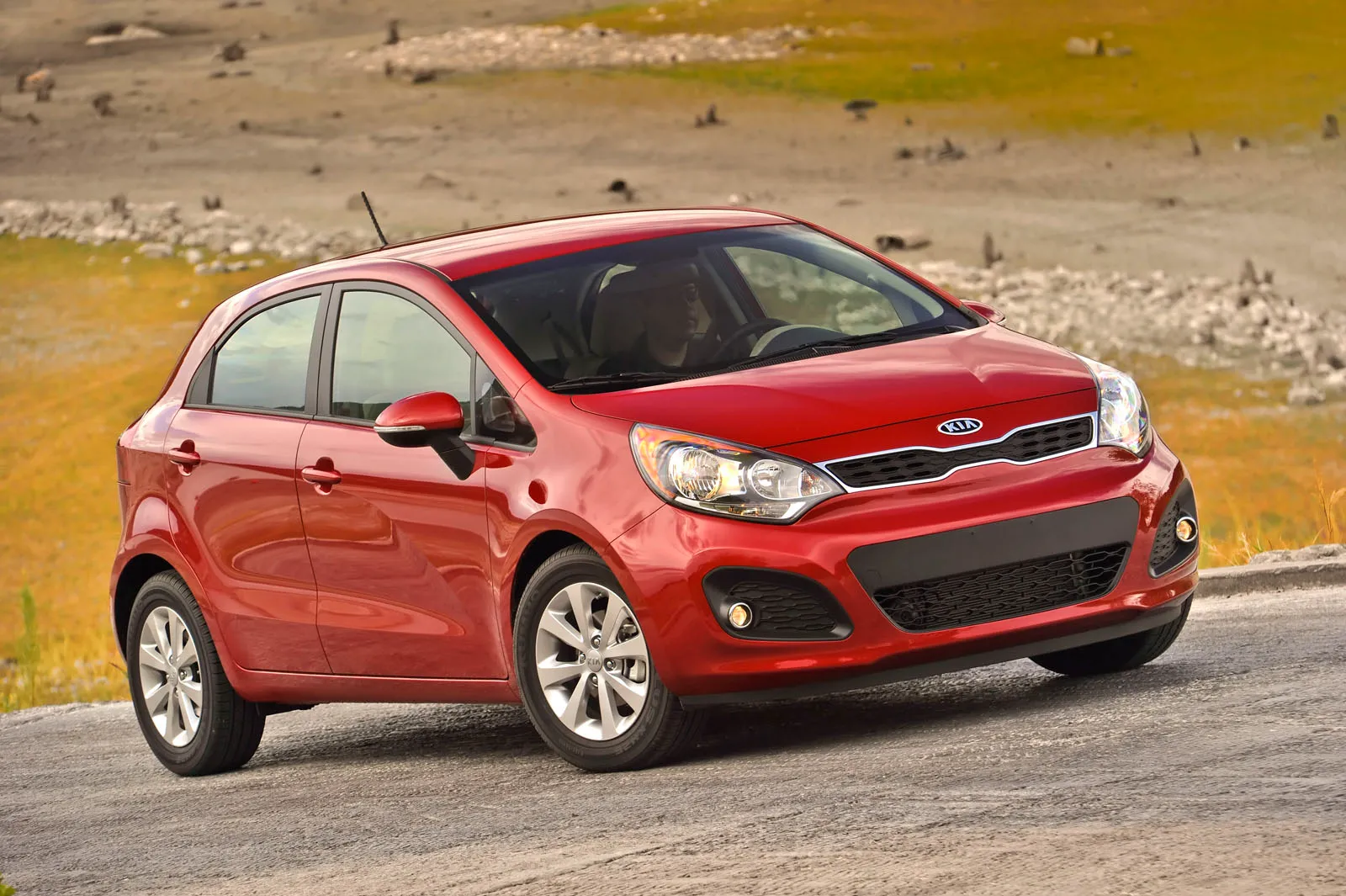
4. Kia Rio (2012-2017)
The EPA’s estimate of 40 miles per gallon on the highway attracted attention from buyers looking for budget-friendly fuel efficiency. Marketing focused on strong value and low operating costs, but actual user reports showed averages between 32 and 37 mpg, decent yet lower than the advertised figure.
The highway number proved difficult to reach during everyday driving. The six-speed automatic transmission operated smoothly but sacrificed efficiency through torque converter losses. Its programming favored comfort and early movements, limiting potential gains.
Drivers using the manual transmission achieved slightly better mileage, though still below EPA estimates. The light clutch and practical gear ratios made city and highway driving manageable, but few owners matched official ratings.
A 1.6-liter naturally aspirated engine delivered modest strength using direct injection and variable valve timing. It required higher revs under normal conditions, which increased fuel use. Aerodynamic tuning was functional but not exceptional, with only higher trims receiving additional underbody panels to improve airflow.
Weighing about 2,600 pounds, the car balanced cost and durability with basic steel construction and simple interior materials. In practice, mixed driving delivered mid-30s averages, while highway runs stayed near 38 mpg under ideal speeds. Cold temperatures reduced efficiency further as the small engine and transmission warmed slowly.
Also Read: 5 Sedans That Hold Value for a Decade vs 5 That Plummet After 3 Years
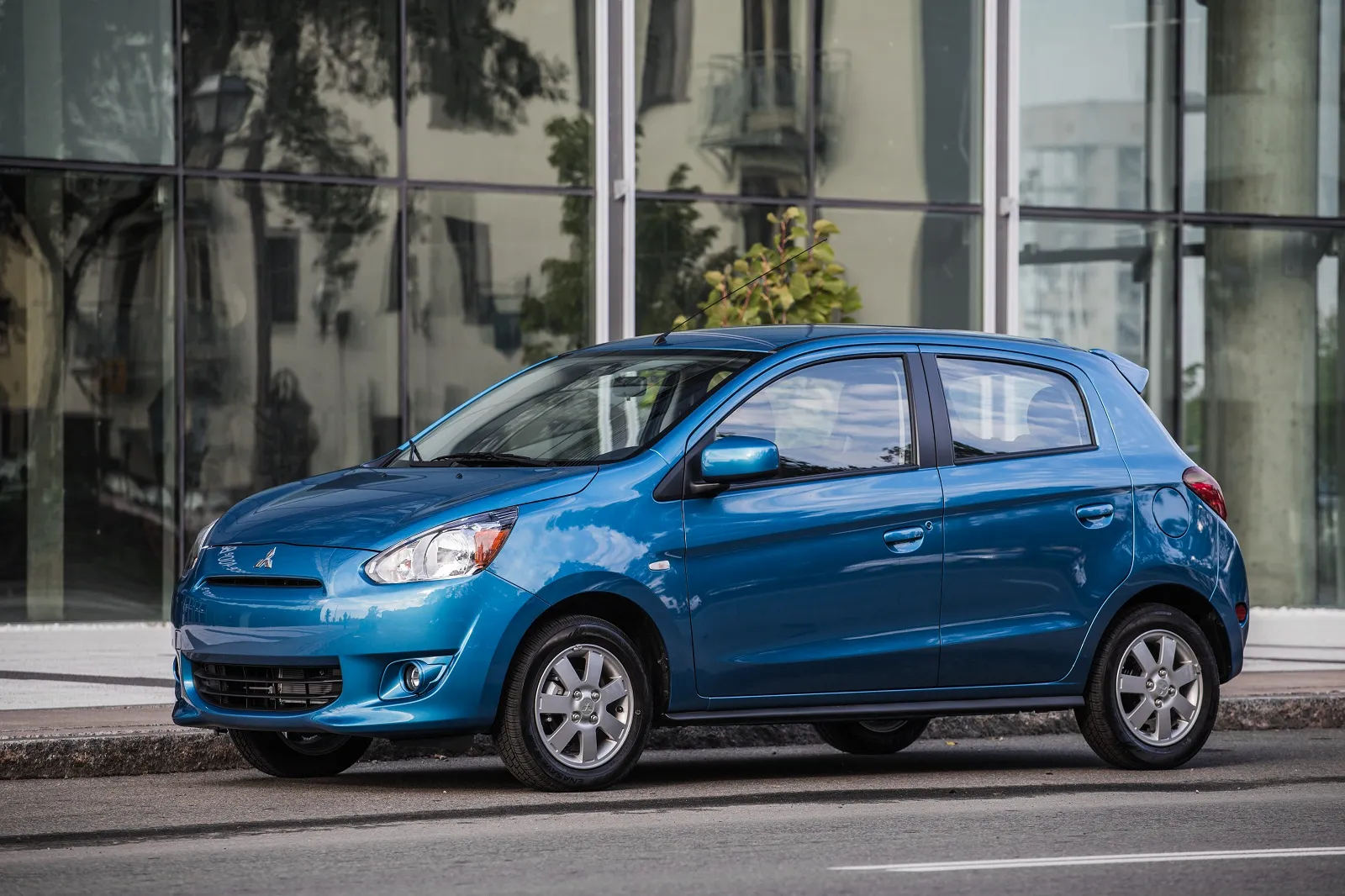
5. Mitsubishi Mirage (2014-2020)
The EPA once claimed this compact three-cylinder car could reach an impressive 44 miles per gallon on the highway, a figure that drew attention for its supposed thriftiness. In practice, most drivers achieved between 35 and 39 mpg, still efficient but far from expectations. Real-world conditions exposed the difficulty of matching the ideal testing environment used to generate those numbers.
Its continuously variable transmission was meant to optimize engine efficiency across speeds, but often felt elastic under acceleration. Friction within the belt system reduced output, and the programming lacked sophistication, limiting adaptability to various driving styles.
The 1.2-liter engine, free from turbocharging, offered simplicity but modest strength, operating at high revolutions during normal driving and consuming more fuel than promised. Weighing about two thousand pounds, the car relied on lightweight construction that aided agility but left body panels thin and poorly insulated.
The upright shape prioritized space over aerodynamics, causing noticeable wind noise on the highway. Narrow, low-resistance tires improved mileage slightly yet reduced traction, making correct inflation essential.
Owners consistently reported mixed driving results in the upper 30s, and highway averages around 40 mpg. Cold weather worsened performance further as the small engine and transmission struggled to warm efficiently, disappointing economy-minded buyers.
