
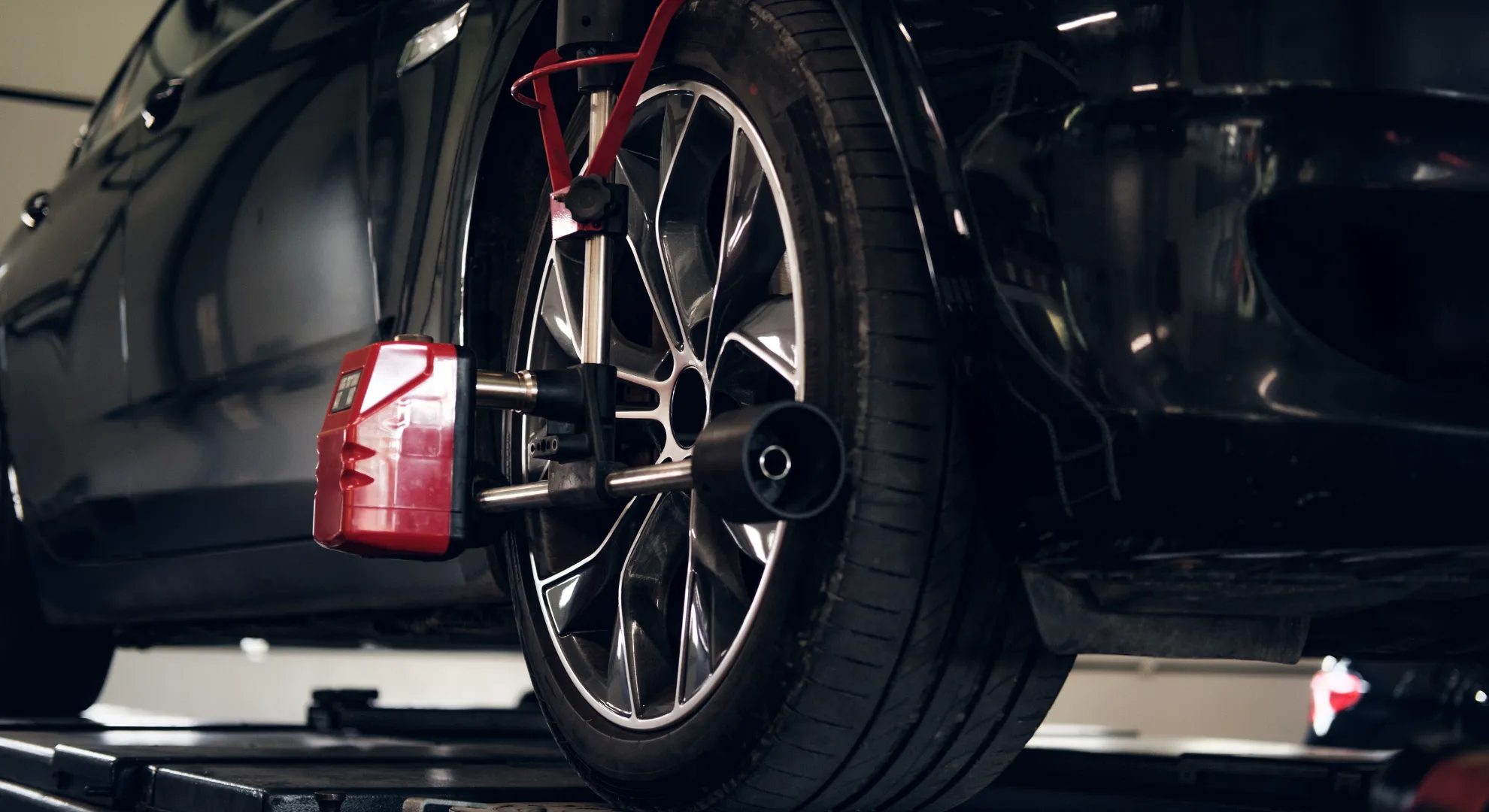
Pothole season turns every commute into an obstacle course where you’re dodging craters deeper than some swimming pools.
Your steering wheel starts pulling left, your tires wear unevenly, and before you know it, you’re at the alignment shop watching your hard-earned money disappear into fixing suspension damage.
Some cars seem to need realignment after hitting just one decent pothole, while others shrug off terrible roads like they’re driving on smooth highways.
Not all vehicles handle rough roads equally. Some manufacturers engineer suspension systems that maintain proper alignment despite constant abuse from deteriorating infrastructure.
These cars use robust components, intelligent geometry, and quality materials that resist the impacts that send weaker vehicles straight to the mechanic.
Choosing a vehicle that holds its alignment saves you money and frustration. Instead of scheduling alignment checks every few months, you might go years between services.
Your tires wear evenly, your fuel economy stays optimal, and your steering remains precise and predictable. These benefits compound into serious savings and peace of mind.
This guide examines ten vehicles with suspension systems engineered to withstand pothole punishment. These aren’t just cars with stiff rides that transmit every bump into your spine.
These are properly engineered vehicles that absorb impacts while maintaining alignment specifications. Their suspension components resist bending, their bushings don’t deteriorate rapidly, and their geometry stays true despite terrible road conditions.
Whether you’re buying new, shopping used, or simply curious about automotive engineering, this information helps you understand which vehicles truly handle bad roads well rather than just claiming to in marketing materials.
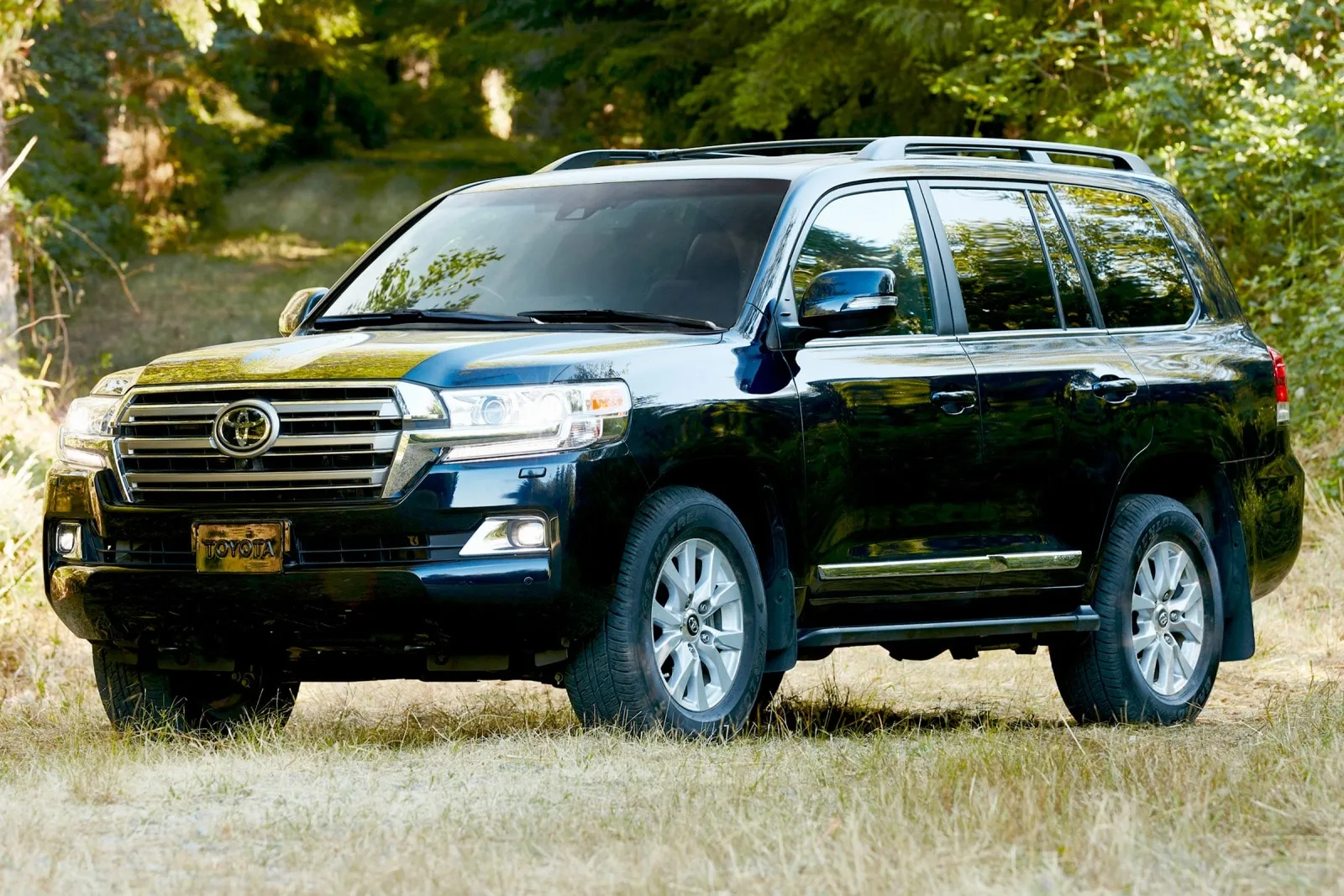
1. Toyota Land Cruiser (2016-2021)
Built for African bush trails and Middle Eastern deserts, this legendary SUV laughs at potholes that would cripple lesser vehicles. Engineers designed every suspension component to survive conditions far worse than any urban pothole could deliver.
Solid axles front and rear use thick steel components that simply don’t bend under impact. When you hit a pothole in a Land Cruiser, the suspension absorbs the shock without knocking anything out of alignment.
Control arms are massive pieces of forged steel rather than stamped sheet metal. These robust components resist bending forces that would permanently deform cheaper alternatives.
Bushings are oversized rubber units designed for extreme articulation and abuse. They compress and rebound countless times without deteriorating or allowing excessive play that ruins alignment.
Coil springs are heavy-duty units wound from thick steel wire. These springs handle impacts without sagging or losing their specifications.
Even after years of pothole abuse, they maintain proper ride height and suspension geometry. This consistency is critical because sagging springs alter suspension angles and require alignment corrections.
Shock absorbers are robust units that control suspension movement without wearing out prematurely. Quality damping prevents excessive suspension oscillation that can stress mounting points and alter alignment. These shocks last hundreds of thousands of kilometres while maintaining proper damping characteristics.
Steering linkage uses heavy-duty components throughout. Tie rods are thick steel pieces with quality ball joints that resist wear.
Drag links and center links are equally robust, preventing the play and wear that causes alignment drift. Everything is overbuilt for extreme conditions, making urban potholes feel like minor inconveniences.
Wheel bearings are oversized units designed to handle side loads from severe off-road angles. These bearings resist damage from pothole impacts that would destroy weaker units.
Bearing integrity is crucial for maintaining alignment because worn bearings allow wheels to move independently of suspension geometry.
What separates Land Cruisers from softer crossovers is this extreme overengineering. Every component is sized for conditions far harsher than potholes, creating vehicles that maintain alignment indefinitely despite terrible roads.
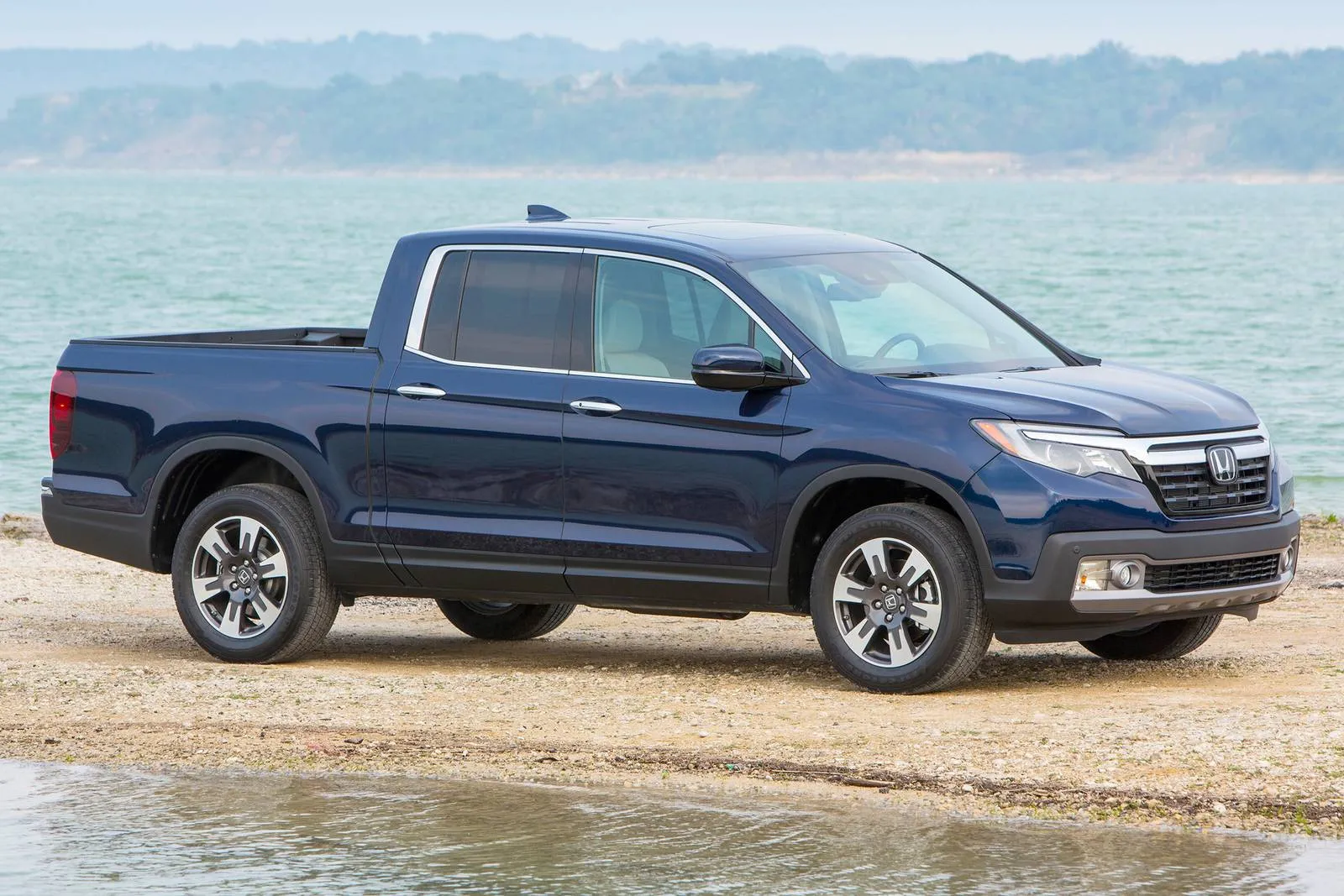
2. Honda Ridgeline RTL-E (2017-2023)
Unibody truck engineering meets exceptional suspension durability in this unconventional pickup. Critics mock its car-based platform, but that design actually contributes to alignment stability.
Independent suspension all around uses robust components that resist deflection while absorbing impacts smoothly. Hit a pothole and the suspension compresses without knocking anything out of spec.
Control arms are thick stamped steel pieces reinforced at stress points. These components resist bending forces that would deform weaker designs.
Honda clearly studied where control arms typically fail and strengthened those areas appropriately. This attention to detail prevents the gradual deformation that causes alignment drift.
Bushings use quality rubber compounds that resist deterioration from road salt and ozone exposure. These bushings maintain their properties through extreme temperature cycles without hardening or cracking.
Proper bushing condition is critical because worn bushings allow excessive control arm movement that alters alignment angles.
Coil springs are progressive-rate units that stiffen under compression. This design handles light impacts softly while resisting bottoming out on severe potholes.
Springs maintain their specifications through years of use without sagging. Consistent ride height keeps suspension geometry stable, reducing alignment needs.
Shock absorbers use quality internals that maintain proper damping through extended service lives. These units control suspension movement without developing leaks or losing damping characteristics.
Proper damping prevents excessive oscillation that stresses suspension components and mounting points.
Steering rack mounting uses reinforced crossmembers that resist flexing under load. Solid mounting points keep the rack position consistent relative to the wheels. This stability is crucial because rack movement relative to suspension components causes alignment changes.
Wheel bearings are quality units sized appropriately for vehicle weight and loads. These bearings resist side impact forces without developing play. Bearing integrity maintains wheel position accuracy, which alignment depends on.
What makes Ridgelines impressive is how Honda engineered unibody construction to deliver truck-like durability. They proved that proper engineering matters more than traditional body-on-frame designs for maintaining alignment through rough conditions.
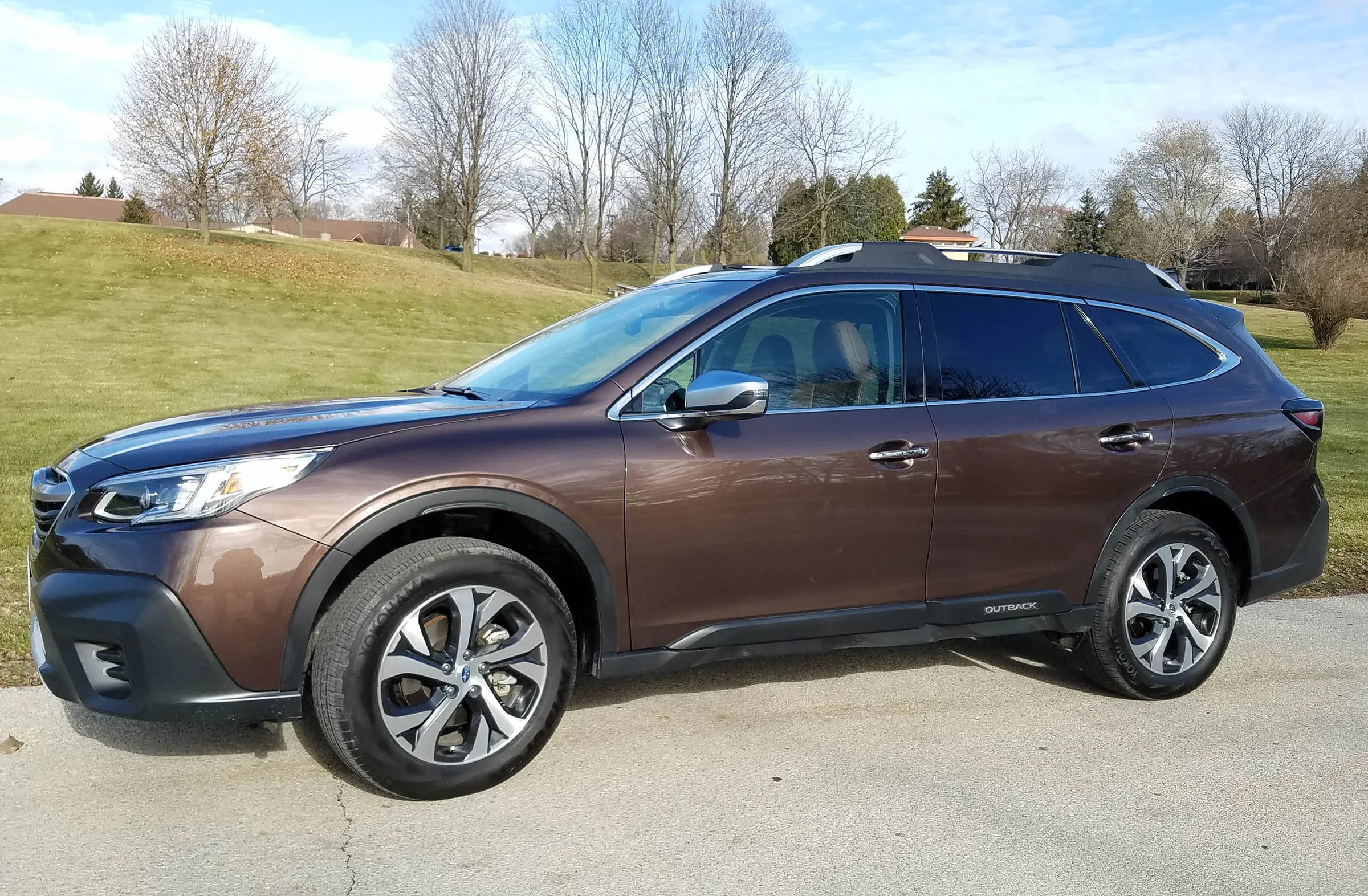
3. Subaru Outback Touring XT (2020-2024)
All-wheel-drive wagons face unique suspension challenges, yet this generation Outback maintains alignment remarkably well.
Engineers designed suspension geometry that resists deflection despite constant power delivery to all wheels. Symmetrical all-wheel-drive layout balances loads evenly, preventing the uneven stress that causes alignment drift in vehicles with asymmetrical drivetrains.
Suspension arms use robust steel construction throughout. These components are sized appropriately for all-wheel-drive torque loads and impact absorption.
Subaru clearly didn’t compromise arm thickness to save weight or costs. This commitment to proper sizing prevents the gradual bending that ruins alignment.
Bushings are quality pieces designed for the constant articulation that all-wheel-drive systems experience. These bushings resist the rapid deterioration that afflicts cheaper alternatives. They maintain their shape and properties through countless compression and rebound cycles without allowing excessive play.
Springs are carefully rated to support vehicle weight while absorbing impacts. Progressive spring design provides a comfortable ride quality without sacrificing impact absorption. These springs maintain consistent ride height through extended use, keeping suspension geometry stable.
Dampers use quality construction that maintains proper shock absorption through extended service. These units control suspension movement without developing leaks or fade. Proper damping prevents the excessive oscillation that stresses mounting points and gradually alters alignment.
Crossmember design is robust with reinforced mounting points. These structural elements resist flexing under suspension loads. Solid crossmembers maintain consistent component positioning whose alignment depends on.
Steering components are quality pieces throughout. Tie rods use proper ball joints that resist wear. Rack mounting is solid without excessive compliance. Everything maintains its positioning accurately despite pothole impacts.
What separates this Outback from competitors is how Subaru engineered all-wheel-drive suspension to handle impacts without alignment drift. They clearly understood the unique challenges and designed appropriately robust solutions.
4. Mazda CX-5 Signature (2019-2024)
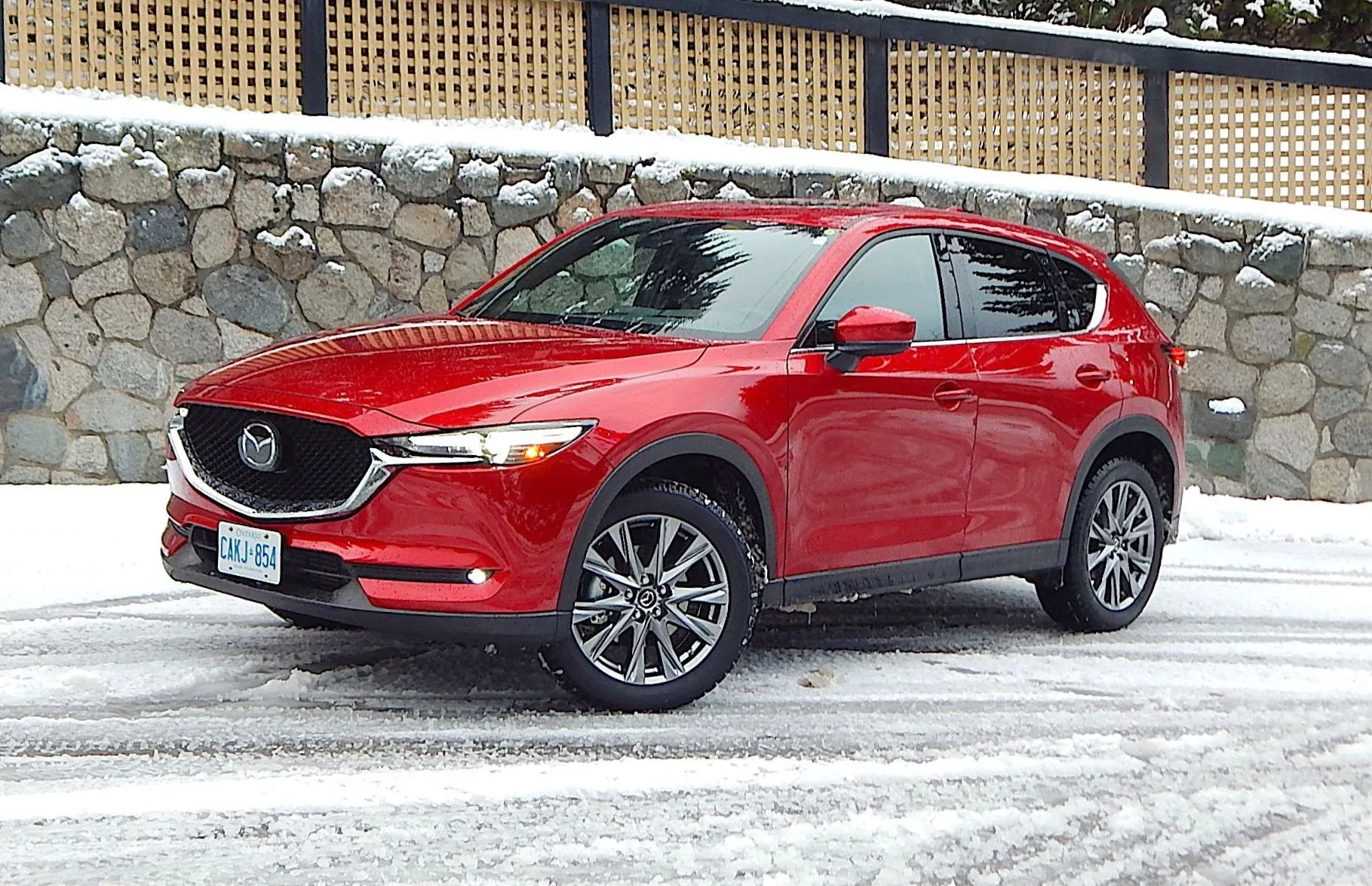
Compact crossovers rarely excel at maintaining alignment, but this CX-5 generation breaks that pattern. Mazda’s obsession with driving dynamics led to suspension engineering that prioritizes precision and durability.
Components are sized properly and materials are quality pieces throughout. Hit a pothole and the suspension absorbs the impact without permanent deformation.
Control arms use thick steel construction with proper reinforcement. These pieces resist bending forces that would alter alignment in cheaper vehicles. Mazda clearly didn’t compromise thickness to save costs or weight. This commitment to proper engineering prevents gradual deflection.
Bushings are quality rubber compounds that maintain their properties through extreme conditions. These pieces resist deterioration from road chemicals and temperature cycling. Proper bushing condition keeps control arms positioned correctly, maintaining alignment specifications.
Springs are carefully tuned to balance comfort and control. These coils maintain consistent specifications through extended use without sagging. Stable ride height keeps suspension geometry correct, reducing alignment needs.
Dampers use quality construction throughout. These shock absorbers maintain proper damping characteristics through extended service lives. Controlled suspension movement prevents excessive stress on mounting points and components.
Steering components are precision pieces throughout. Rack mounting is solid without excessive compliance. Tie rods use quality joints that resist wear. Everything maintains accurate positioning.
Crossmember construction is robust with proper reinforcement. These structural pieces resist flexing under suspension loads. Solid mounting points maintain component positioning accurately.
What makes this CX-5 impressive is how Mazda engineered mainstream crossover suspension to maintain precision despite rough roads. They proved that proper engineering at reasonable price points can deliver excellent alignment stability.
5. Lexus GX 460 Premium (2014-2023)
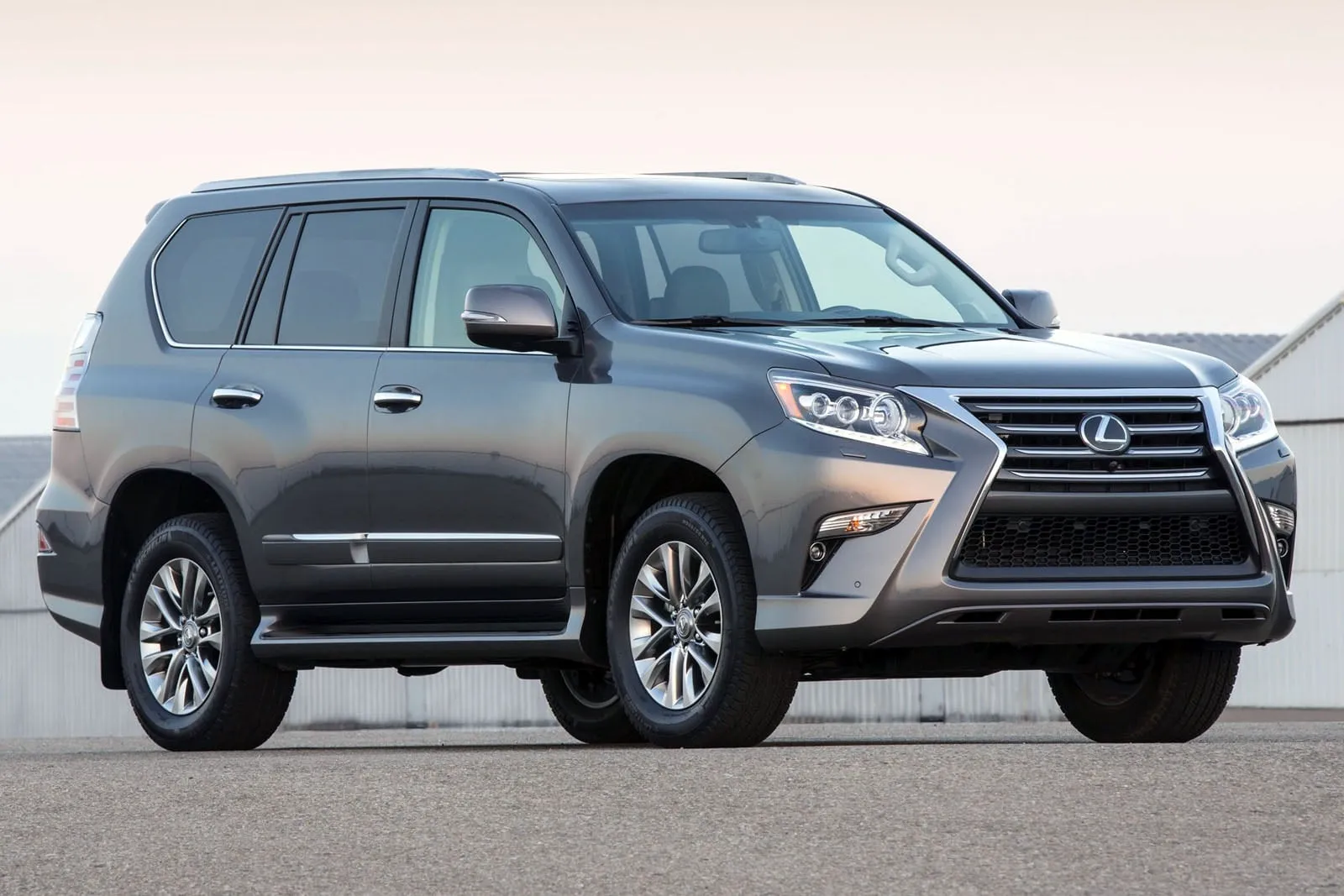
Body-on-frame construction meets luxury refinement in this off-road-capable SUV. Engineers designed suspension systems that maintain alignment despite extreme articulation and impacts.
Solid rear axle uses massive components that simply don’t bend under pothole impacts. Independent front suspension uses equally robust pieces throughout.
Control arms are forged steel units sized for severe off-road conditions. These components laugh at urban potholes that would deform cheaper alternatives. Toyota engineering ensures proper thickness throughout, preventing the gradual bending that ruins alignment.
Bushings are oversized pieces designed for extreme articulation. These rubber units compress and rebound countless times without deteriorating. Quality compounds resist road chemicals and temperature cycling. Proper bushing condition maintains control arm positioning accurately.
Springs are heavy-duty coils wound from thick wire. These units handle impacts without sagging or losing specifications. Consistent ride height maintains proper suspension geometry indefinitely.
Shock absorbers are quality units that control suspension movement properly. These dampers maintain characteristics through extended service despite harsh conditions. Proper damping prevents excessive oscillation that stresses components.
Steering linkage uses heavy-duty components throughout. Tie rods are thick steel pieces with quality joints. Everything resists wear and maintains accurate positioning. Frame construction is a robust ladder design with proper reinforcement. Solid mounting points maintain suspension positioning accurately. Quality engineering prevents frame flex that would alter alignment.
What separates this GX from softer crossovers is how Toyota engineered traditional off-road suspension to excel in all conditions. Urban potholes are trivial compared to what these vehicles handle easily.
6. Ford F-150 XLT (2018-2023)
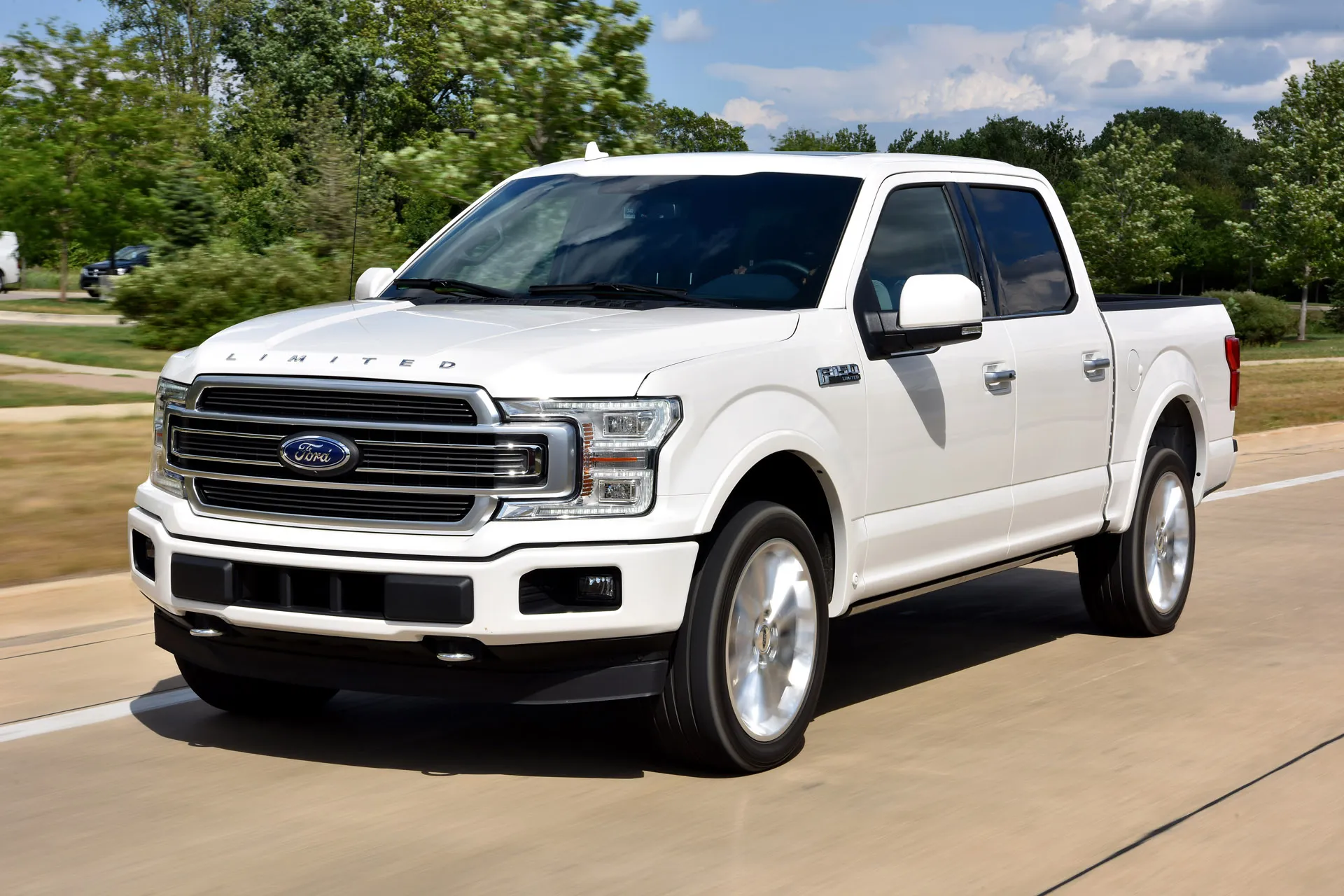
America’s best-selling truck demonstrates impressive alignment stability despite harsh truck duties. Engineers designed suspension systems that handle loads and impacts without permanent deflection.
Control arms are thick steel pieces sized appropriately for truck use. These components resist bending forces that would alter alignment in lighter vehicles.
Bushings are quality pieces designed for truck articulation and loads. These rubber units maintain properties through extreme conditions without deteriorating. Proper bushing condition keeps control arms positioned correctly.
Springs are rated carefully for truck capabilities. These coils maintain consistent specifications despite carrying loads and hitting potholes. Stable ride height keeps suspension geometry correct.
Shock absorbers are quality units sized for truck use. These dampers maintain proper characteristics through extended service. Controlled suspension movement prevents excessive stress on components.
Steering components are robust throughout. Tie rods use proper joints that resist wear. Rack or steering box mounting is solid. Everything maintains accurate positioning.
Frame construction is robust with proper reinforcement. Solid mounting points maintain suspension positioning accurately. Quality engineering prevents flex that would alter alignment.
What makes these F-150s impressive is how Ford engineered mainstream truck suspension to maintain alignment despite harsh use. Proper component sizing makes potholes minor inconveniences.
7. Chevrolet Silverado 1500 LT (2019-2024)
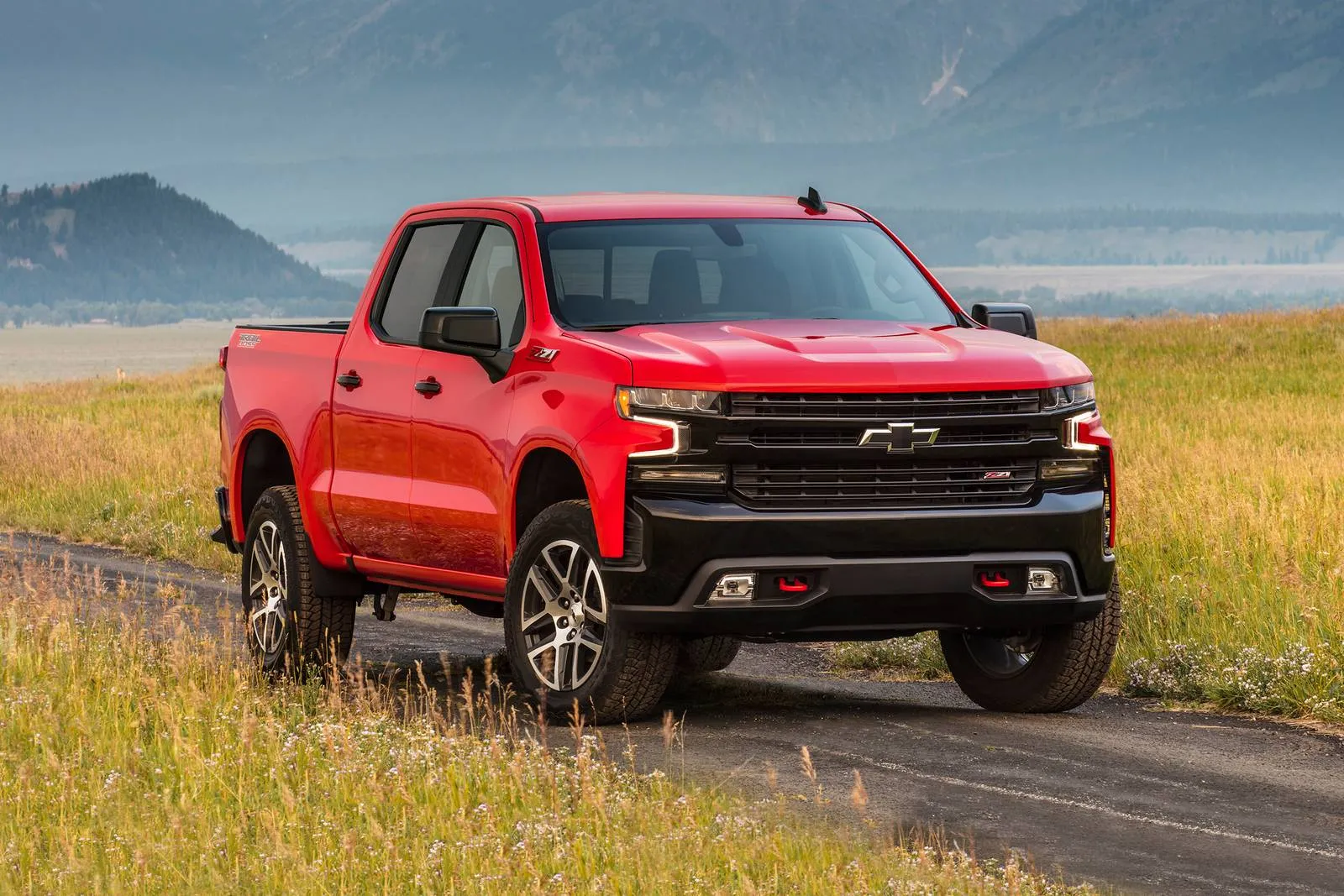
The Chevrolet Silverado 1500 LT from the 2019 to 2024 model years exemplifies how careful engineering can blend strength, precision, and long-term stability in a full-size pickup.
Its front suspension setup, designed independently for each wheel, uses rugged materials capable of handling years of heavy-duty driving without compromising alignment or control.
The control arms are made from dense, high-grade steel, ensuring they stay rigid under load and resist the gradual bending that often throws suspensions out of sync. Durable rubber bushings add flexibility where needed, allowing smooth suspension travel while keeping geometry consistent.
These components withstand harsh conditions, from heat to corrosive road salt, maintaining stability even after extended use. The coil springs are tuned to bear huge weight without sagging, helping the truck maintain a steady ride height whether loaded or empty.
The shock absorbers complement this setup by balancing comfort and firmness, effectively managing body movement and absorbing imperfections in the road. Steering remains precise thanks to solid tie rods and a well-secured rack that holds alignment steady.
Everything is reinforced by a robust ladder-style chassis, which limits flexing and keeps all suspension points correctly aligned. What sets this Silverado apart is its ability to stay composed after years of demanding use, showing how thoughtful construction and quality materials ensure dependable handling and long-lasting durability.
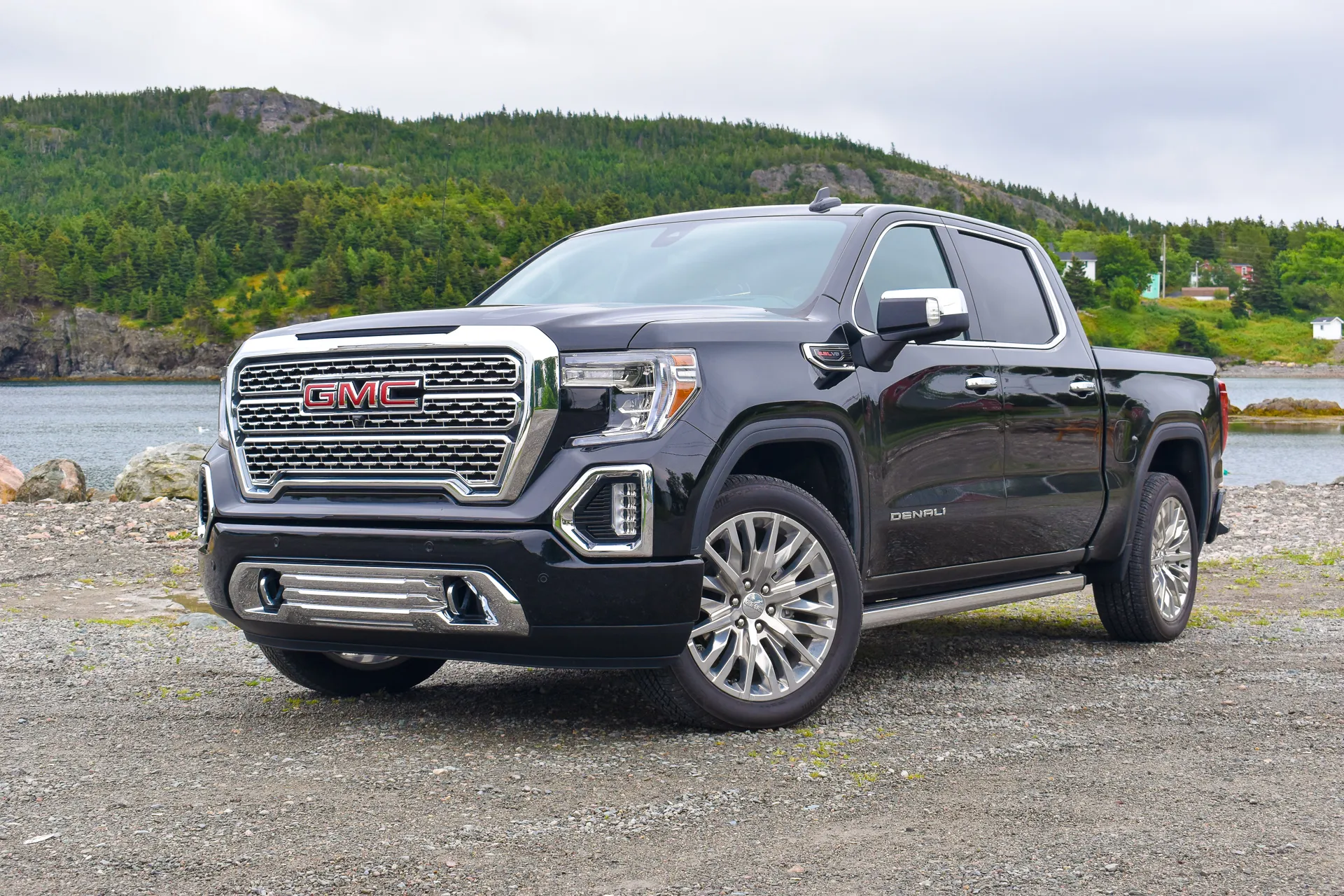
8. GMC Sierra 1500 Denali (2019-2024)
The GMC Sierra 1500 Denali, produced from 2019 to 2024, blends rugged truck engineering with high-end sophistication without sacrificing strength or stability. Despite its luxury focus, this pickup remains a true workhorse underneath the polished exterior.
Every component of the suspension system has been designed with precision and resilience in mind, ensuring the truck holds alignment even after years of demanding use.
The front and rear suspension systems feature reinforced control arms built from thick, high-grade steel that resists distortion under heavy loads.
These arms maintain their shape through rough conditions, preventing gradual deflection that often affects lighter materials.
The bushings, crafted from durable compounds, retain elasticity and structural integrity as time goes on, allowing the suspension to absorb impacts while keeping wheel positioning consistent.
Springs are engineered to retain their original specifications regardless of age or mileage. Their ability to hold consistent ride height ensures the suspension geometry remains accurate, preserving handling characteristics and stability.
Complementing this setup, the dampers deliver precise control over movement, maintaining comfort without compromising control during uneven or off-road driving.
The steering system benefits from the same level of engineering excellence. Strong tie rods, joints, and linkages keep feedback sharp and reliable, while a rigid, boxed frame minimizes flex even under high stress. This structural integrity plays a major role in keeping the truck’s alignment true and stable throughout its service life.
What distinguishes the Sierra 1500 Denali is how seamlessly it fuses refinement with resilience. Its luxurious ride quality coexists with genuine toughness, showing that a premium truck can be both comfortable and capable.
Even as the miles add up, the Sierra’s suspension continues to perform with quiet confidence, offering a smooth, composed drive that feels as solid as the day it left the factory.
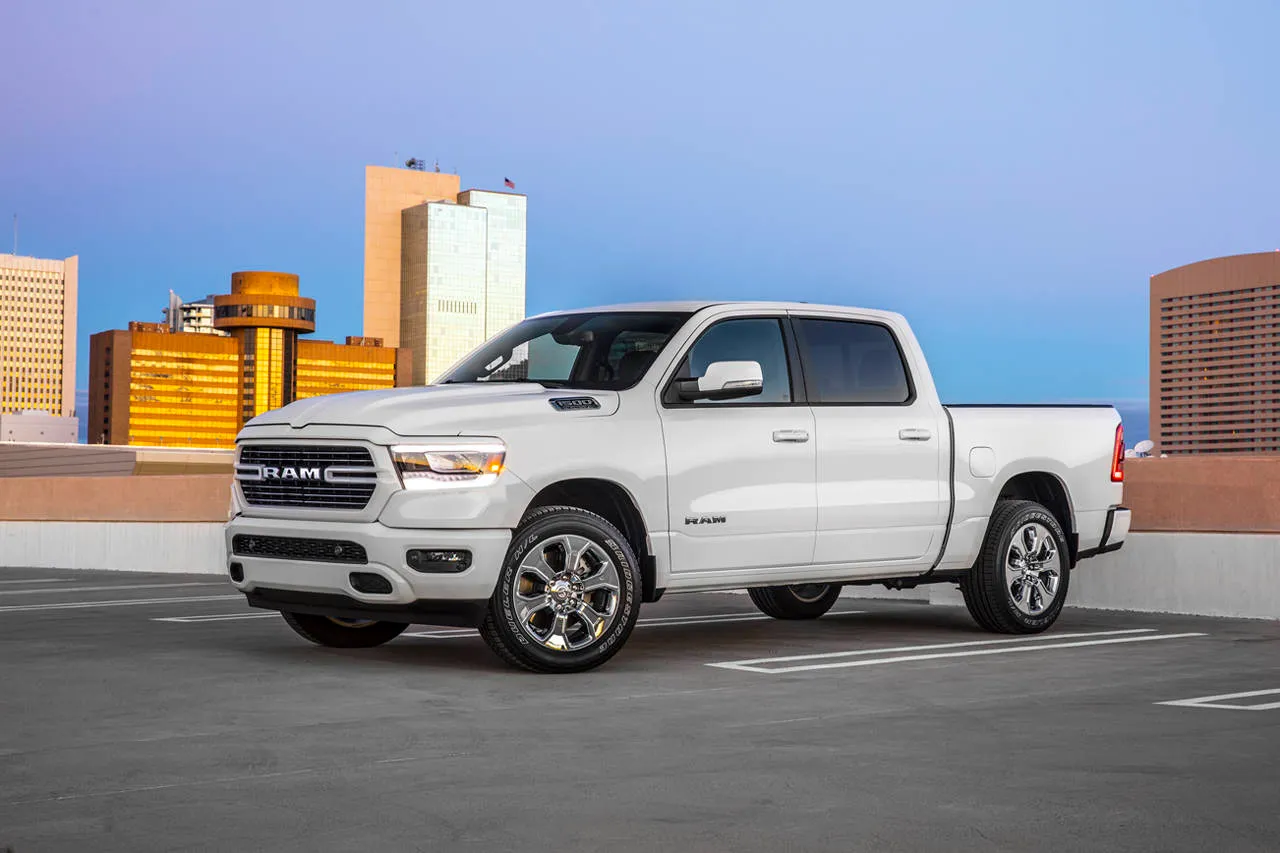
9. Ram 1500 Big Horn (2019-2024)
The Ram 1500 Big Horn, built from 2019 to 2024, showcases a balance of strength and refinement through its advanced suspension design. Unlike traditional leaf-spring trucks, this model uses a coil spring rear suspension paired with an independent front setup, resulting in exceptional durability and consistent ride quality.
The engineering focus on stability ensures the truck maintains its alignment even after years of hauling, towing, and rough-road driving. The suspension components are built to withstand continuous stress without losing form.
Strong control arms handle impacts with ease, preventing bending or distortion. High-quality bushings retain their elasticity across temperature extremes, allowing the system to maintain proper geometry and wheel positioning. Every element is designed to resist wear, ensuring smooth and predictable handling under load.
The coil springs themselves hold their factory specifications through prolonged use, contributing to the truck’s ability to stay level and balanced as time goes on.
The dampers are equally impressive, controlling movement precisely and preventing excessive bounce or sway. Combined, these components create a confident, composed driving experience both on highways and uneven roads.
The steering system mirrors this same philosophy of strength and accuracy. Its durable linkages and joints provide steady feedback, helping the driver maintain control with minimal correction.
Supporting everything is a rigid, well-constructed frame that limits body flex, protecting the truck’s alignment integrity even under demanding conditions.
Owners consistently report that their Ram 1500 Big Horn remains stable and tracks straight after years of service. Whether pulling trailers or cruising city streets, its coil spring setup proves resilient and dependable.
This design demonstrates how modern suspension innovation can enhance traditional truck toughness, offering long-term durability without compromising comfort or control. The result is a pickup that stands strong and stays true mile after mile.
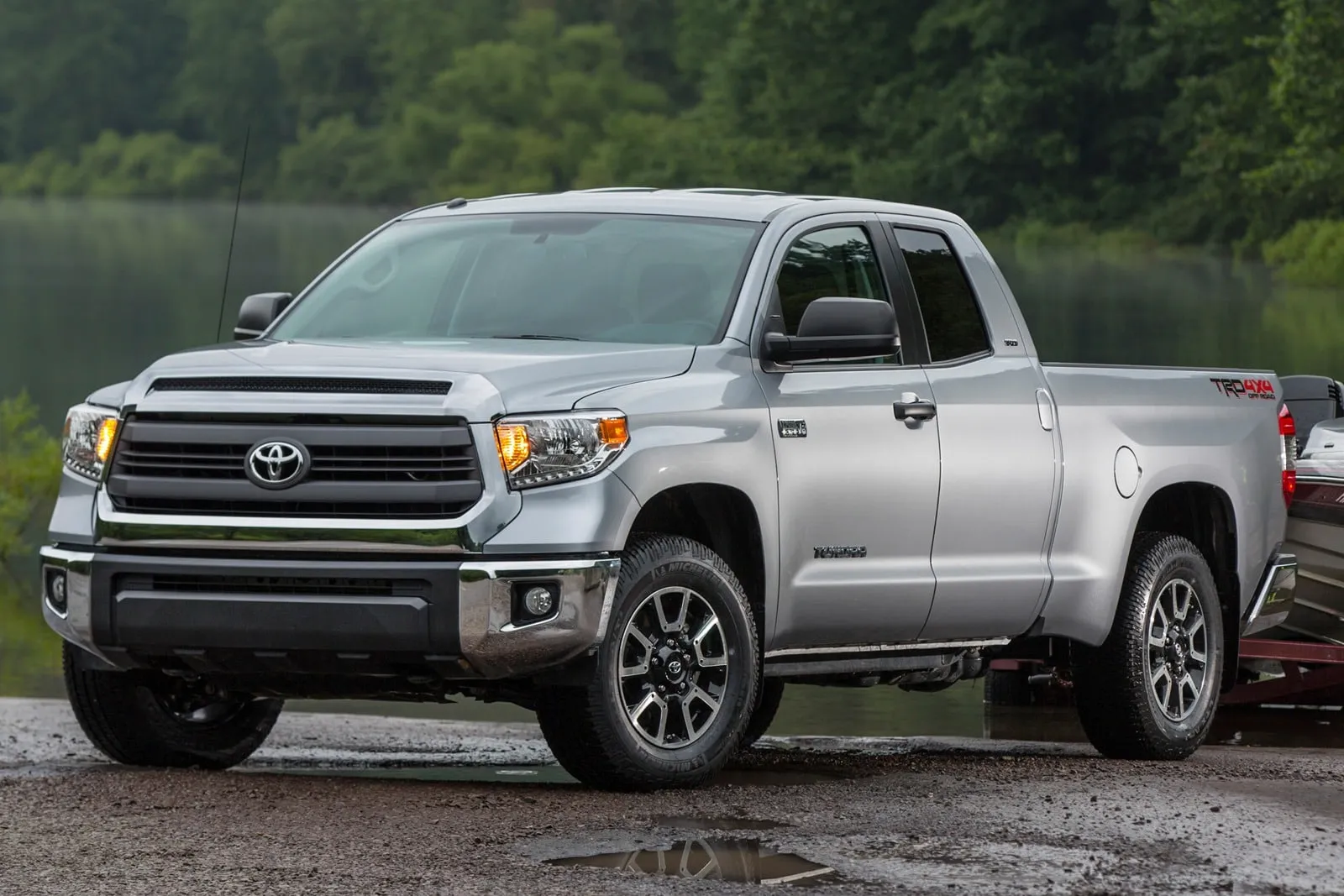
10. Toyota Tundra SR5 (2014-2021)
The Toyota Tundra SR5, produced between 2014 and 2021, embodies traditional truck strength paired with precision engineering. Built on a foundation designed for endurance, this pickup manages to maintain excellent alignment over years of demanding use.
Every component contributes to its impressive stability, ensuring that even after countless miles on rough or uneven roads, the truck continues to drive straight and handle predictably.
Its suspension system features heavy-duty control arms forged from thick steel that resist flexing or bending, even under heavy loads. This strength preserves wheel positioning, keeping geometry consistent through repeated impacts.
The bushings are equally resilient, designed to hold their shape and elasticity despite exposure to stress, heat, and time. Together, these elements allow the front and rear suspension to stay properly aligned without requiring constant adjustments.
Springs and dampers are tuned to absorb shocks while maintaining their original performance characteristics.
The truck’s movement feels stable and controlled, minimizing wear on other suspension parts. The steering setup follows the same principle of durability, delivering consistent accuracy and feedback without the looseness that often appears in older or overworked pickups.
Supporting it all is a rigid frame engineered to resist twisting or flexing, a major factor in preserving alignment. This structural integrity allows the Tundra to handle rough roads, towing duties, and heavy payloads without losing composure or prematurely wearing its tires.
Owners frequently praise how well these trucks hold alignment through years of tough driving, whether on highways or construction sites.
Toyota’s commitment to robust design and conservative engineering ensures that the Tundra SR5 remains one of the most dependable full-size trucks in its class. It’s a vehicle that can weather pothole seasons and still track straight, proof that proper engineering pays off in real-world longevity.
