
There’s nothing quite like planning a road trip across scorching desert highways, windows down, music playing, and adventure calling your name. But wait, have you thought about what happens when your car starts steaming like a kettle in the middle of nowhere?
That’s not the kind of excitement anybody wants. Desert heat is brutal, unforgiving, and it has zero sympathy for vehicles that weren’t built to handle extreme temperatures. Imagine you’re cruising through beautiful desert scenery, everything’s perfect, and suddenly your temperature gauge starts climbing.
Your heart races faster than your engine, sweat beads form on your forehead (and that’s not just from the heat outside), and you start praying you’ll make it to the next town. This nightmare scenario has ruined countless road trips and left drivers stranded in conditions that could literally be dangerous.
But here’s the good news: some cars are absolute champions when it comes to handling desert heat. These vehicles were engineered with cooling systems so robust, they laugh at temperatures that would cook an egg on the hood.
Their radiators are bigger, their fans are stronger, and their engines are designed to keep running even when the thermometer hits numbers that sound more like oven settings than weather reports.
So what makes these cars different? Why can some vehicles handle Death Valley in July while others start complaining at the first sign of warm weather? That’s exactly what we’re about to discover.
Whether you’re planning a cross-country adventure or just want a car that won’t let you down when summer arrives, this guide will show you ten vehicles that treat desert heat like a minor inconvenience. These are the road warriors that refuse to overheat, no matter how angry the sun gets.
10 Desert-Ready Road Warriors
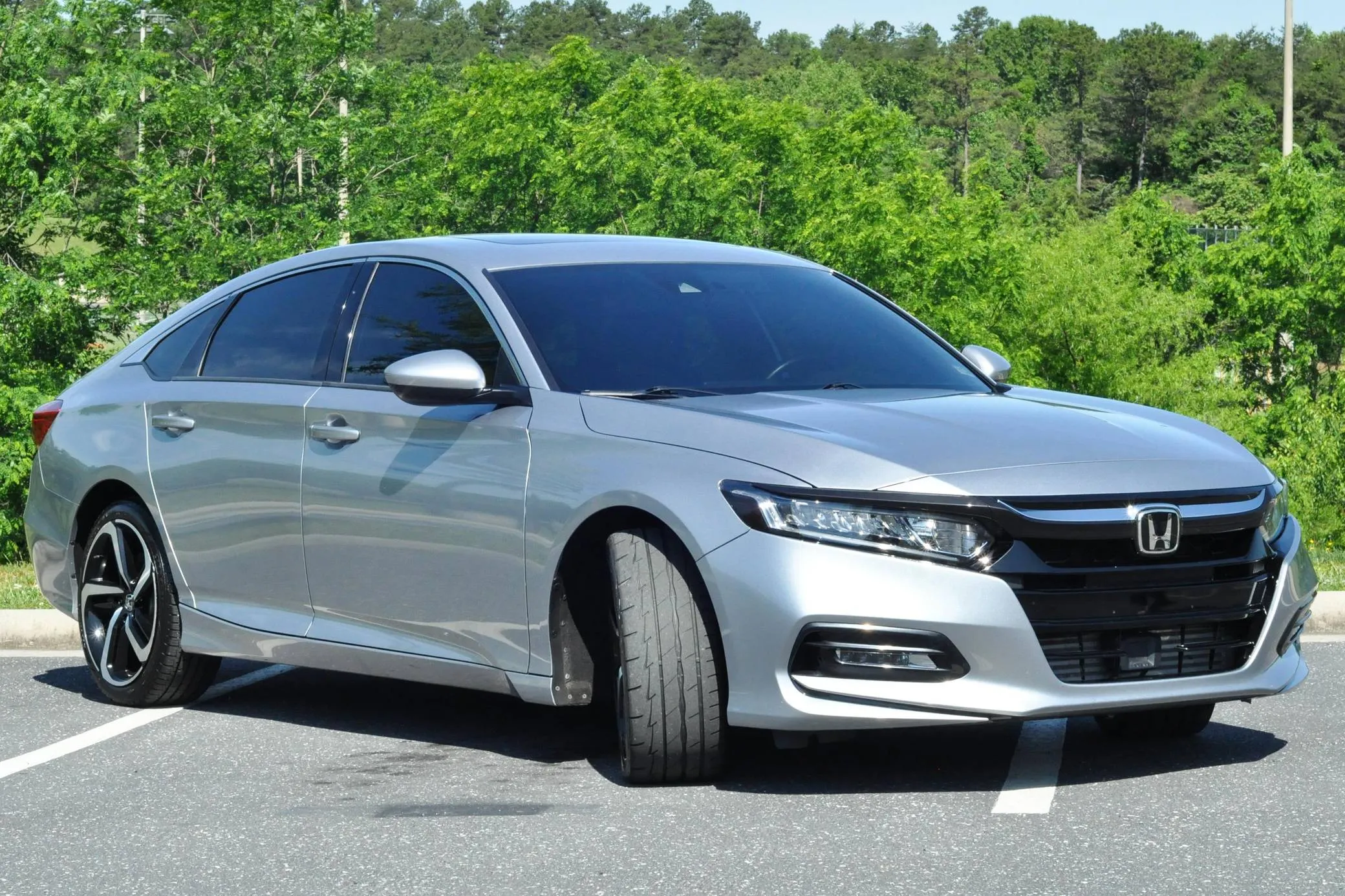
1. Honda Accord 2.0T Sport (2018)
Japanese engineering has always been about reliability, and Honda took that philosophy seriously when building the 2018 Accord 2.0T Sport. This sedan might look like your average family car, but underneath that conservative exterior lies a cooling system that could probably handle a trip through the surface of Mercury.
Honda engineers didn’t mess around when designing the thermal management for this turbocharged engine. Turbochargers generate massive amounts of heat, which is why many turbocharged cars struggle in hot climates. Honda addressed this by installing an oversized radiator and adding dedicated cooling for the intercooler.
That turbocharged 2.0-liter engine produces 252 horsepower, yet it stays cooler than naturally aspirated engines with less power. By understanding that airflow and cooling capacity matter more than fancy technology that breaks when stressed.
Real-world testing shows these Accords cruising through Arizona summers without breaking a sweat. Owners report driving through Las Vegas heat waves, Phoenix rush hour traffic, and New Mexico desert stretches without ever seeing their temperature gauge move into the danger zone.
That’s because Honda installed a cooling fan system that actually works, unlike some manufacturers who seem to treat cooling as an afterthought.
Service intervals are straightforward, and parts are available everywhere. Your local mechanic can work on this car without needing special training or expensive diagnostic equipment.
Coolant changes are simple, the radiator is accessible, and the water pump rarely fails before 150,000 miles. This matters because desert driving is hard on cooling systems, and you need a car where maintenance doesn’t require a second mortgage.
Fuel economy stays decent even when you’re running the air conditioning at full blast, which you will be doing in desert heat. The transmission doesn’t overheat either, another common problem with cars that can’t handle extreme temperatures.
Honda built this Accord to be a workhorse that handles daily commuting and long road trips with equal competence. Your summer road trip deserves a car this dependable.
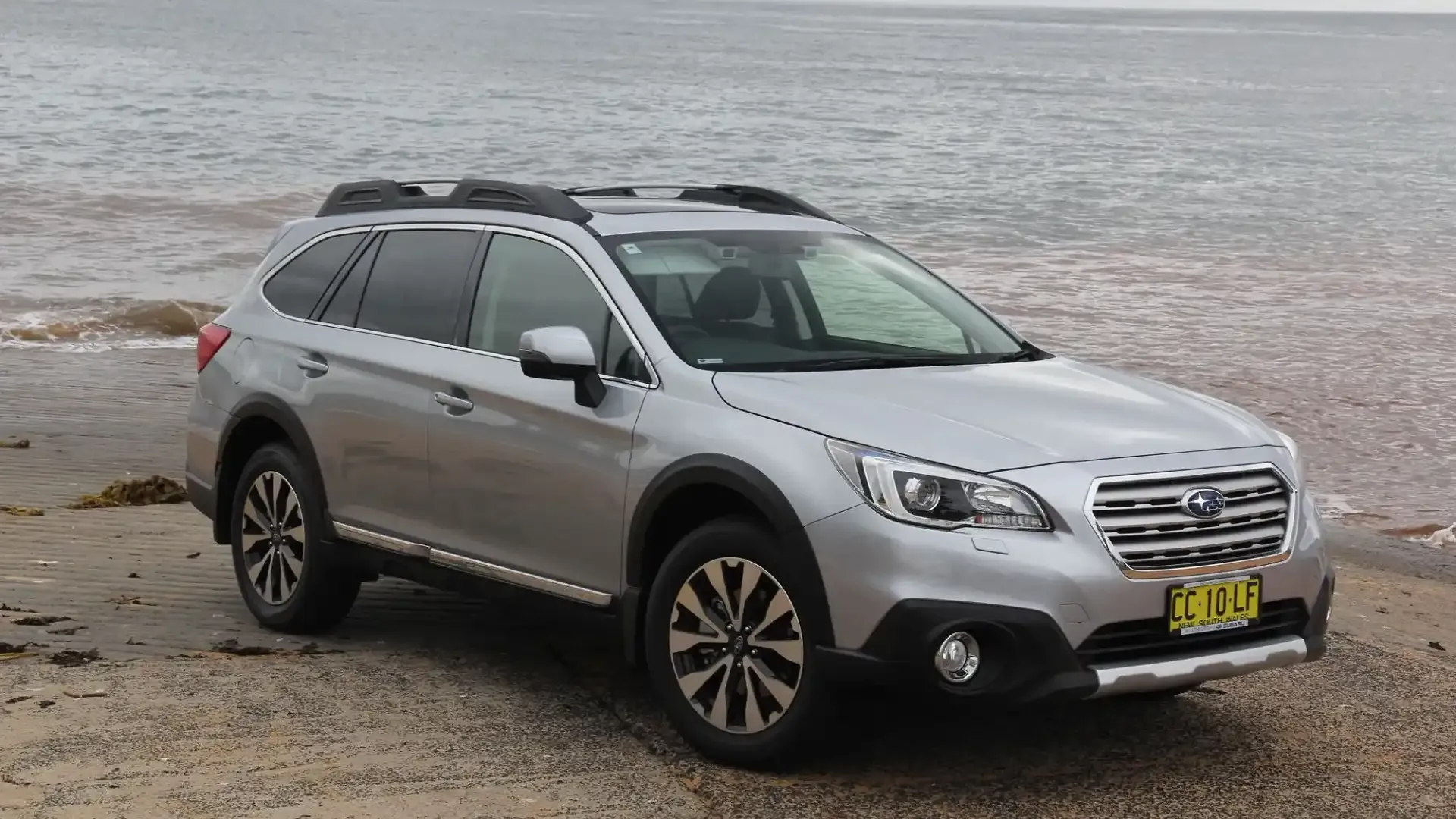
2. Subaru Outback 3.6R (2015)
Boxer engines sit lower in the chassis, which gives Subaru vehicles a lower center of gravity and better handling. But that horizontal engine layout also provides better airflow around the engine block, helping with heat dissipation.
The 2015 Subaru Outback 3.6R with its six-cylinder boxer engine takes full advantage of this design quirk, making it one of the most heat-resistant vehicles you can buy.
All-wheel drive systems generate extra heat because they have more components working harder than two-wheel drive vehicles. Subaru knows this, which is why they engineered the Outback’s cooling system to handle not just the engine, but also the transmission and differential.
Triple-core radiators aren’t standard on most vehicles, but Subaru installed them on the 3.6R because it understood the demands of real-world driving. Ground clearance on the Outback means air can flow underneath the vehicle, providing additional cooling that low-slung sports cars and sedans don’t get.
This might seem like a small advantage, but when you’re crawling through slow desert traffic or climbing mountain passes in summer heat, every bit of cooling helps. The boxer engine’s design also means that coolant passages are shorter and more efficient than V-configuration engines.
Owners who’ve driven through Death Valley, the Mojave Desert, and other notorious hot spots report the same thing: the Outback just keeps going.
Temperature gauges stay in the normal range, the air conditioning blows cold, and there’s never that sinking feeling that something’s about to go wrong. Subaru’s reputation for reliability isn’t just marketing; it’s backed by vehicles that perform exactly as promised.
Parts availability and service costs are reasonable for what you’re getting. Independent shops can work on Subarus without issues, and the Outback has a huge following of owners who share maintenance tips and advice.
When you’re planning a desert road trip, you want a vehicle that’s been tested by thousands of other drivers in similar conditions. The 3.6R Outback passes that test with flying colors, making it a smart choice for anyone who values peace of mind.
Also Read: 10 Midsize SUVs That Are Perfect for Road Trips
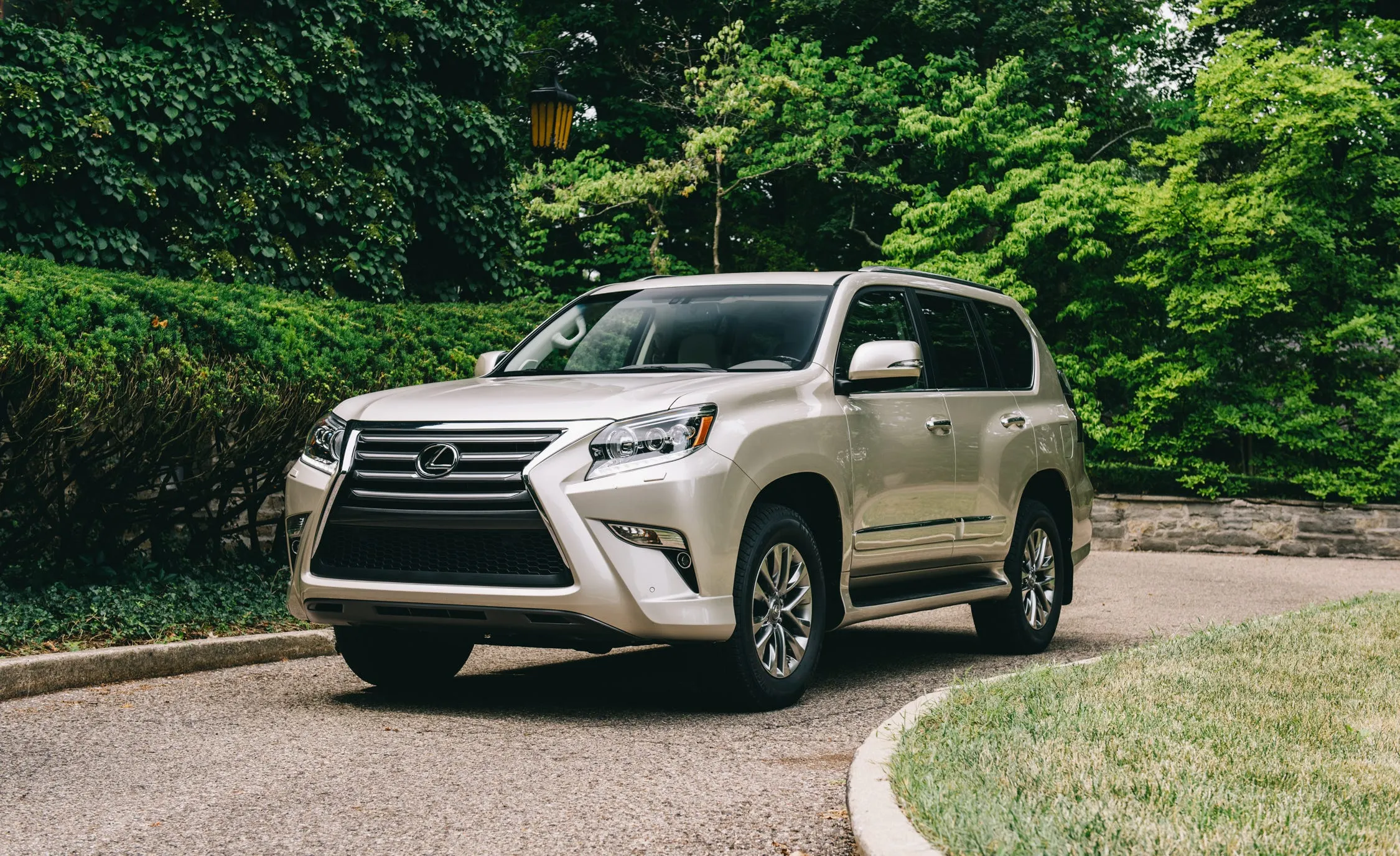
3. Lexus GX 460 (2017)
Body-on-frame SUVs are built differently from unibody crossovers, and the 2017 Lexus GX 460 proves why that construction method matters in extreme heat.
This luxury SUV is basically a Toyota Land Cruiser Prado wearing a tuxedo, which means it inherited the legendary reliability and heat tolerance of Toyota’s toughest off-roaders.
That 4.6-liter V8 under the hood is the same basic engine design used in vehicles that cross the Sahara Desert regularly. Lexus installed a massive cooling system because they knew GX owners would tow trailers, carry heavy loads, and drive in conditions that would make lesser vehicles quit.
Dual electric fans move enough air to cool a small warehouse, and the radiator is so large that it requires careful packaging to fit everything in the engine bay. Even when you’re towing a 6,500-pound trailer up a steep grade in 110-degree heat, the temperature gauge barely moves.
Four-wheel drive systems create friction and heat, but the GX 460’s transfer case and differentials have their own dedicated cooling systems.
This attention to thermal management extends throughout the entire vehicle, from the transmission cooler to the power steering fluid reservoir. Toyota engineers who designed the drivetrain understood that heat kills components faster than wear and tear.
Interior cooling deserves mention, too, because a powerful air conditioning system is just as important as engine cooling on a desert road trip.
The GX 460’s climate control can drop the cabin temperature 40 degrees in under five minutes, even when the vehicle has been baking in direct sunlight. That’s because Lexus installed a proper HVAC system with enough capacity to handle the vehicle’s size.
Reliability ratings for the GX 460 are exceptional, with many owners reporting 200,000+ miles without major issues. When something does need service, parts are available through Toyota dealerships, and the mechanical simplicity means repairs don’t require rocket science.
This is old-school engineering done right: big, robust components that don’t fail. Your road trip across the desert will be comfortable, reliable, and completely stress-free in this luxurious beast.
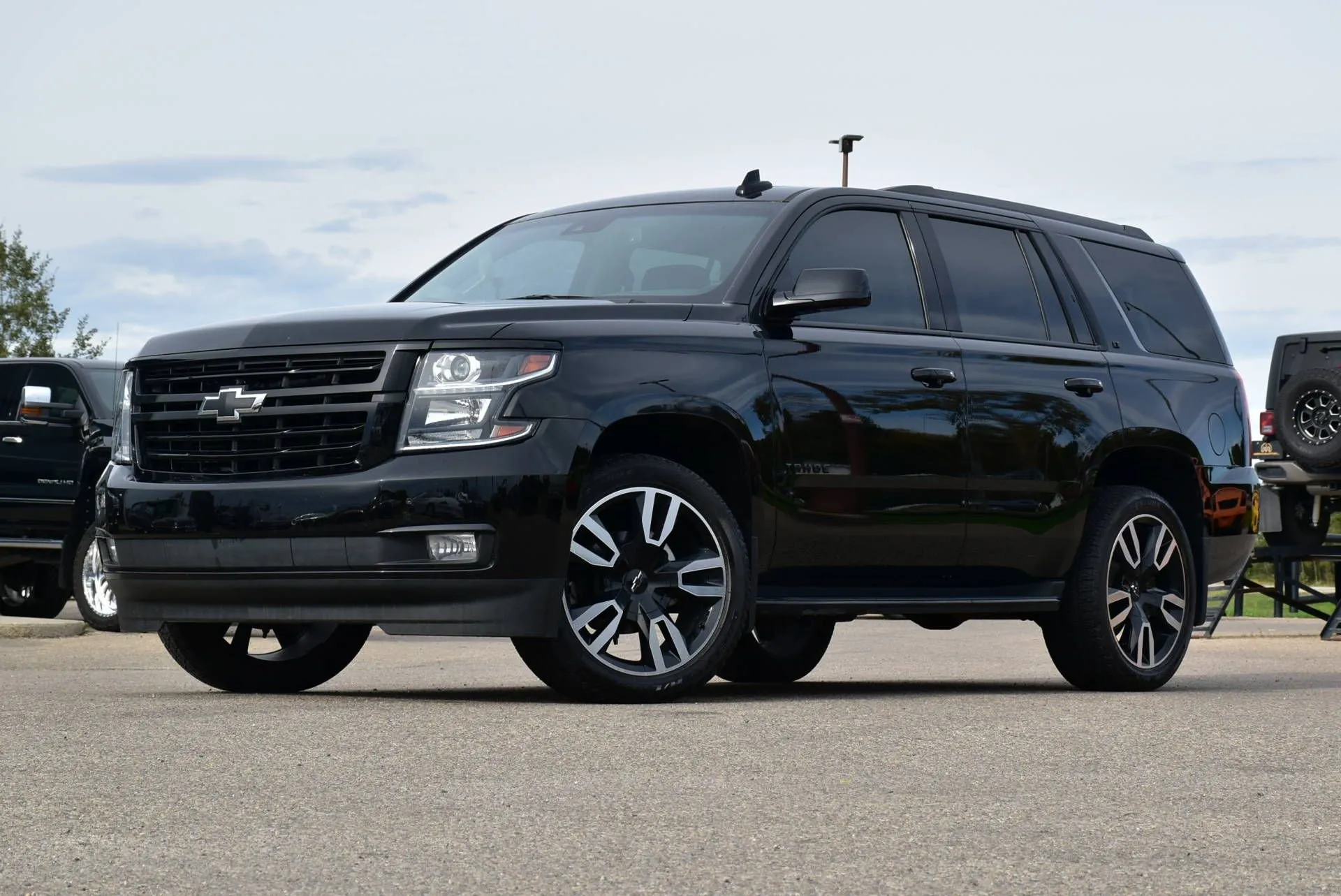
4. Chevrolet Tahoe LT (2019)
American full-size SUVs get criticized for being too large, but that size brings advantages when you’re fighting desert heat.
The 2019 Chevrolet Tahoe LT with its 5.3-liter V8 engine has so much room under the hood that air circulates freely around all components. Cramped engine bays trap heat, but the Tahoe’s spacious layout lets hot air escape while cooler air flows in.
General Motors has been building these big SUVs for decades, and they’ve learned what works in extreme climates.
Police departments in desert states use Tahoes for patrol duty, which means they idle for hours in blazing sun while running air conditioning, lights, radios, and other accessories. If these trucks can handle that abuse, your road trip will be easy by comparison.
Cooling system capacity on the Tahoe exceeds what many smaller vehicles provide. Both the radiator and condenser are oversized, the cooling fans are powerful, and the water pump moves coolant at a rate that keeps everything at optimal temperatures.
Chevrolet also added a transmission cooler that’s separate from the radiator-mounted unit, ensuring your transmission fluid stays at safe temperatures even when towing or climbing. Payload capacity matters because a fully loaded vehicle with passengers, luggage, and gear generates more heat than an empty one.
The Tahoe can carry up to nine passengers plus their belongings without straining, which means the engine and drivetrain aren’t working at maximum capacity. This headroom translates to lower operating temperatures and better longevity.
Service is straightforward at any Chevrolet dealer or independent shop. Parts are affordable compared to imported SUVs, and mechanics everywhere know how to work on these vehicles. The 5.3-liter V8 is one of the most common engines in North America, so there are decades of knowledge about keeping it running properly.
When you need a vehicle that combines space, comfort, and heat resistance, the Tahoe delivers without drama or complications that plague more sophisticated vehicles.
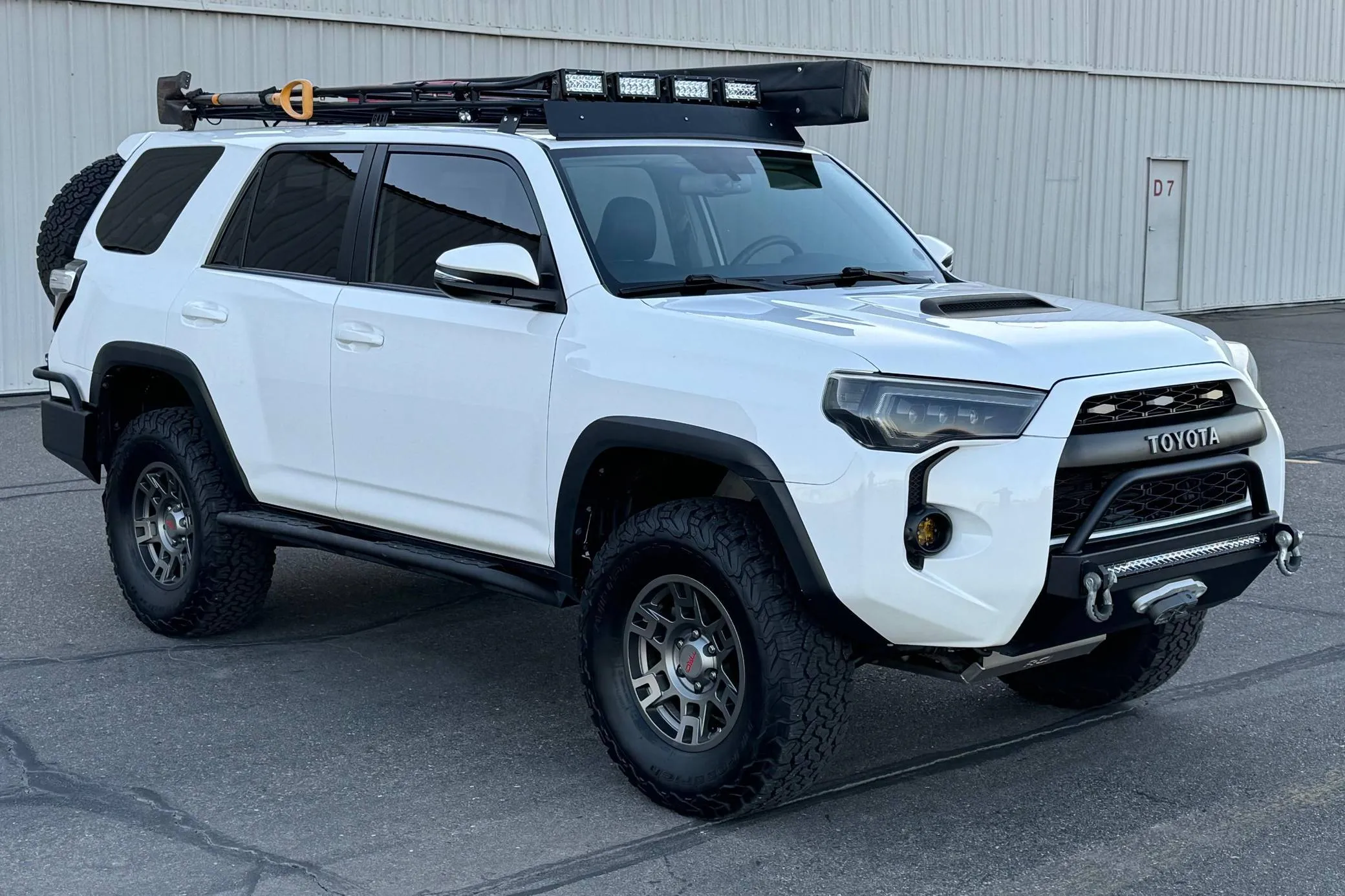
5. Toyota 4Runner TRD Off-Road (2016)
Rock-solid dependability is what Toyota does best, and the 2016 4Runner TRD Off-Road takes that philosophy to another level.
Built on a truck platform rather than a car platform, this SUV shares its fundamental design with vehicles used in the world’s harshest environments. That 4.0-liter V6 engine might not win horsepower contests, but it will outlast competitors who prioritize power over reliability.
Off-road capability means the 4Runner has exceptional ground clearance, which improves airflow under the vehicle and helps cool components that other SUVs leave vulnerable.
Skid plates protect the radiator and oil pan from damage, ensuring your cooling system stays intact even on rough desert tracks. This protection matters because hitting road debris can puncture a radiator, ending your trip immediately.
Transmission cooling on the 4Runner is serious business. Toyota installed an external cooler that handles the heat generated by the five-speed automatic transmission, which is a simpler and more reliable unit than the eight and ten-speed automatics found in competitors.
Fewer gears mean fewer things to go wrong, and the five-speed has proven itself over hundreds of thousands of miles in countless vehicles.
Air conditioning performance is outstanding because Toyota understands that people buy 4Runners for outdoor adventures in places that get hot. Dual-zone climate control works efficiently, and the system has enough capacity to cool the entire cabin quickly.
Rear passengers get proper vents, not token air outlets that barely move any air. Resale value stays high because buyers know these vehicles last forever. A well-maintained 4Runner with 150,000 miles is just getting broken in, and finding examples with 300,000+ miles isn’t difficult.
This longevity comes from Toyota’s conservative engineering approach: they use proven technology rather than experimenting with their customers’ money. Your desert road trip in a 4Runner will be uneventful in the best possible way, with zero mechanical drama and maximum reliability.
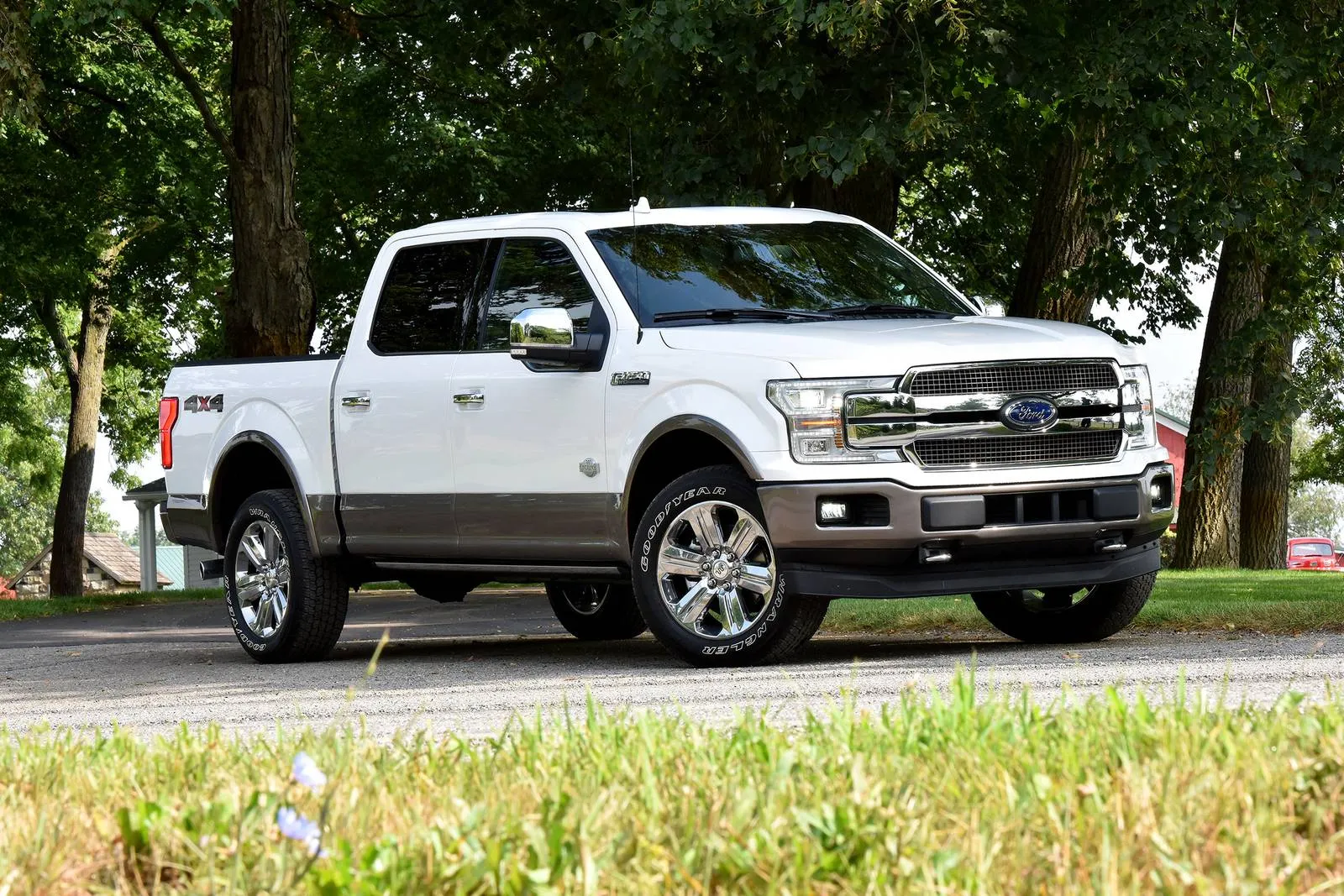
6. Ford F-150 XLT 5.0L V8 (2020)
America’s best-selling vehicle isn’t just popular because of clever marketing. The 2020 Ford F-150 XLT with the 5.0-liter V8 engine earned its reputation by working hard in all conditions, including brutal desert summers.
Ford sells these trucks to construction companies, utility services, and businesses that need vehicles to run all day in any weather. That real-world testing proves the cooling system works. Aluminum body panels reduce weight, which helps with fuel economy and performance.
But lighter weight also means the engine doesn’t work as hard, generating less heat. Ford combined this weight reduction with a robust cooling system that includes a large radiator, powerful electric fans, and well-designed air dams that direct airflow exactly where it’s needed.
Towing capacity reaches 11,600 pounds with the right configuration, which means the truck can handle daily driving and occasional towing without straining.
Many vehicles struggle with heat when towing because their cooling systems are already maxed out just moving the vehicle itself. The F-150’s oversized cooling capacity provides the margin needed to handle extra loads without overheating.
Maintenance on the 5.0-liter Coyote V8 is straightforward, and parts are everywhere. This engine has been in production since 2011, so any mechanic can diagnose and repair issues quickly.
Ford designed it to be owner-friendly too, with accessible oil filters, easy-to-reach spark plugs, and coolant drains that don’t require special tools.
Cab space is generous, meaning the air conditioning doesn’t struggle to cool a cramped interior. SuperCrew models have four full-size doors and a proper back seat, giving passengers room to stay comfortable on long trips.
Ford’s SYNC infotainment system includes real-time vehicle health monitoring, so you can track coolant temperature and other vital statistics. This transparency helps you catch potential problems before they become roadside emergencies, making the F-150 a smart choice for desert adventures.
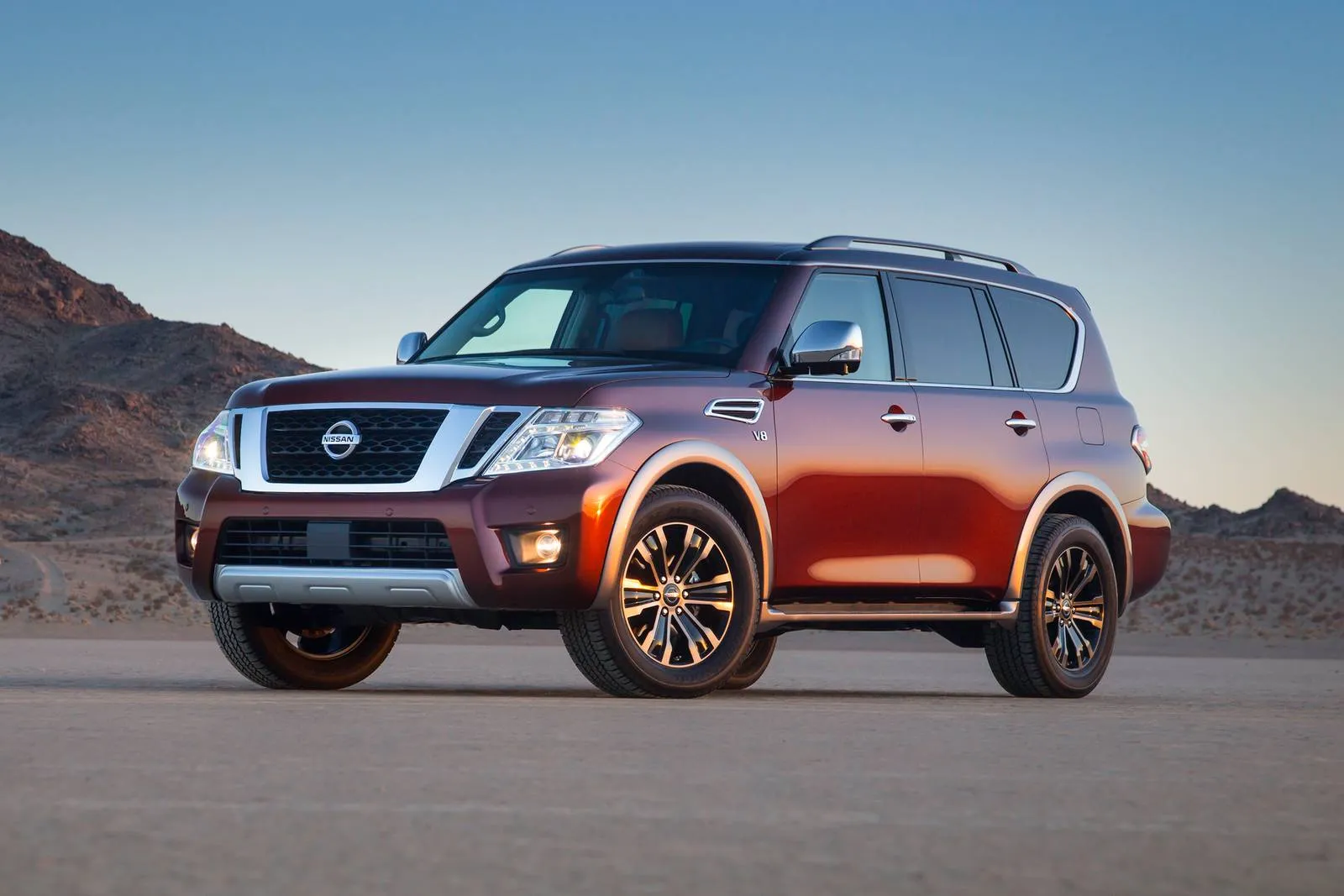
7. Nissan Armada Platinum (2018)
Based on the Nissan Patrol, which has decades of history in Middle Eastern deserts, the 2018 Armada Platinum brings serious heat-fighting credentials to the full-size SUV market.
That 5.6-liter V8 engine produces 390 horsepower, but more importantly, it was designed to operate in temperatures that would make other engines cry.
Nissan didn’t just test this powertrain in comfortable climates; they torture-tested it where temperatures regularly exceeded 120 degrees.
Hydraulic body motion control uses fluid-filled dampers to improve ride quality, but those dampers generate heat. Nissan accounted for this by installing heat shields and ensuring proper ventilation.
This attention to detail extends throughout the vehicle, from the rear differential to the power steering pump.
Every component that generates heat has a cooling strategy, which is how engineers should approach thermal management, but rarely do. Towing an 8,500-pound trailer in desert heat would destroy lesser vehicles, but the Armada handles it confidently.
That’s because the transmission has its own dedicated cooler, the brakes are properly ventilated, and the rear axle can handle the load without overheating. When you’re climbing mountain passes with a trailer, these engineering decisions make the difference between success and failure.
Interior volume is massive, giving passengers plenty of room to stay comfortable. Second-row captain’s chairs provide individual seating with good support, and third-row passengers get actual space rather than token seating. All three rows receive proper air conditioning, ensuring everyone stays cool regardless of where they’re sitting.
Reliability data shows these Armadas lasting well beyond 200,000 miles when properly maintained. Oil changes every 5,000 miles and coolant flushes every 60,000 miles keep everything running smoothly.
The V8 uses a timing chain rather than a belt, eliminating one expensive maintenance item. Nissan’s warranty coverage includes roadside assistance, giving you backup if something unexpected happens during your desert crossing.
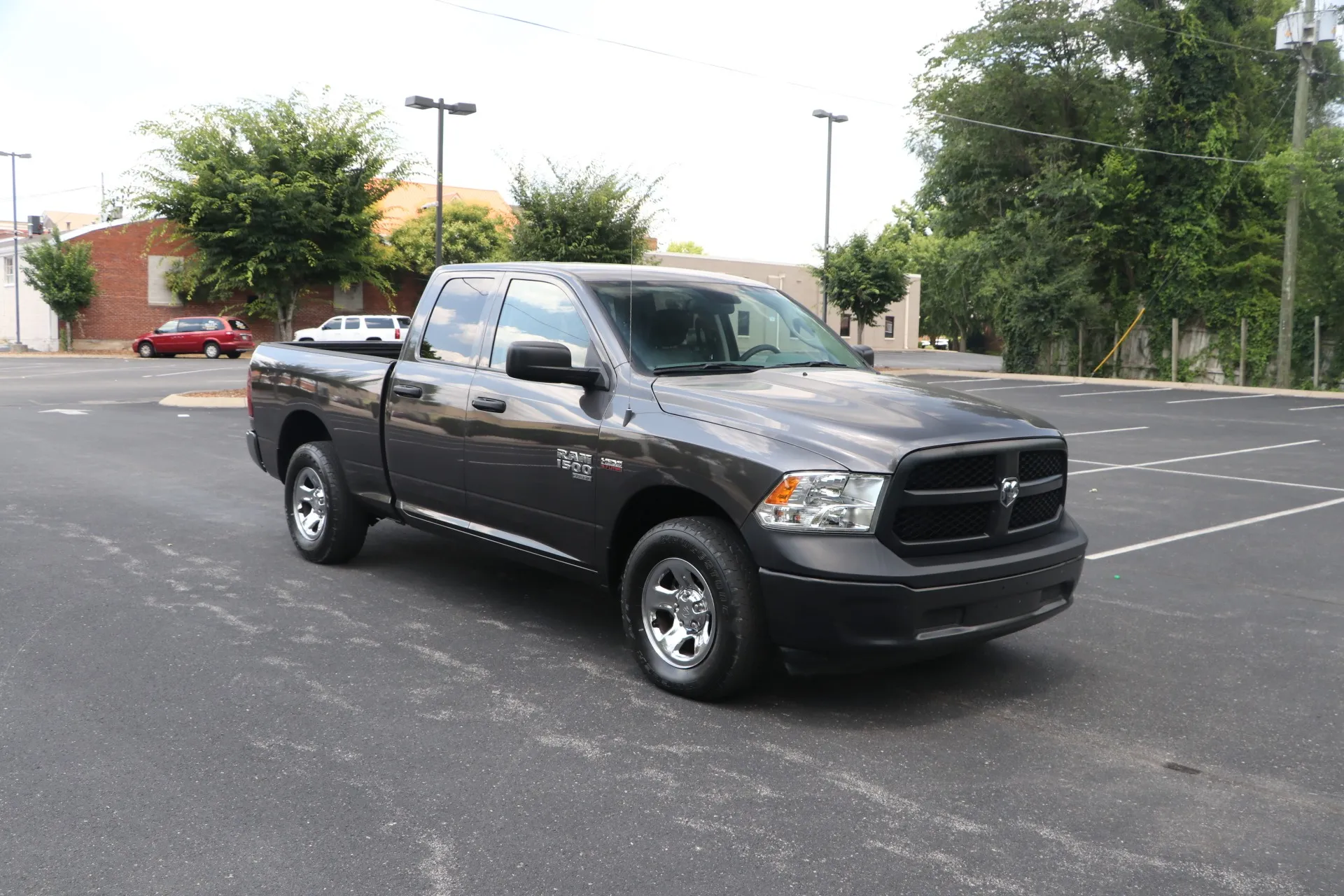
8. Ram 1500 Classic Tradesman 5.7L HEMI (2019)
HEMI power means something when you’re hauling people and gear across desert highways. The 2019 Ram 1500 Classic Tradesman with its 5.7-liter HEMI V8 brings 395 horsepower to the party, but it also brings a cooling system designed by engineers who understand that trucks work for a living.
This isn’t some mall-crawler that looks tough; it’s a genuine work truck that happens to be comfortable enough for road trips.
Class IV receiver hitch and wiring come standard, preparing the truck for towing duties. Ram installed a transmission cooler large enough to handle sustained towing in hot weather, which is exactly what desert road trips with a trailer demand.
Many trucks can tow their rated capacity in ideal conditions, but the Ram can do it when conditions are terrible and still keep its cool.
Coil spring rear suspension provides better ride quality than leaf springs, but it also improves axle articulation and weight distribution.
Better weight distribution means more even tire wear and less stress on drivetrain components, which reduces heat generation. These engineering details add up to a truck that’s easier on itself in demanding conditions.
Fuel tank capacity reaches 26 gallons, giving you genuine long-distance capability between fill-ups. Desert gas stations can be spaced 100+ miles apart, and running out of fuel in extreme heat is dangerous.
That large tank, combined with reasonable fuel economy for a V8 truck, provides the range needed for remote area travel.
Eight-speed automatic transmission moves smoothly and keeps the engine in its efficient operating range. Fewer revolutions per minute mean lower temperatures and better fuel economy. Ram programmed the transmission to avoid unnecessary shifting, which reduces heat buildup and wear.
When you’re cruising at highway speeds through endless desert miles, this transmission just locks up and lets the HEMI relax. That’s exactly the behavior you want from a road-trip vehicle: confident, relaxed, and ready to run all day without complaint.
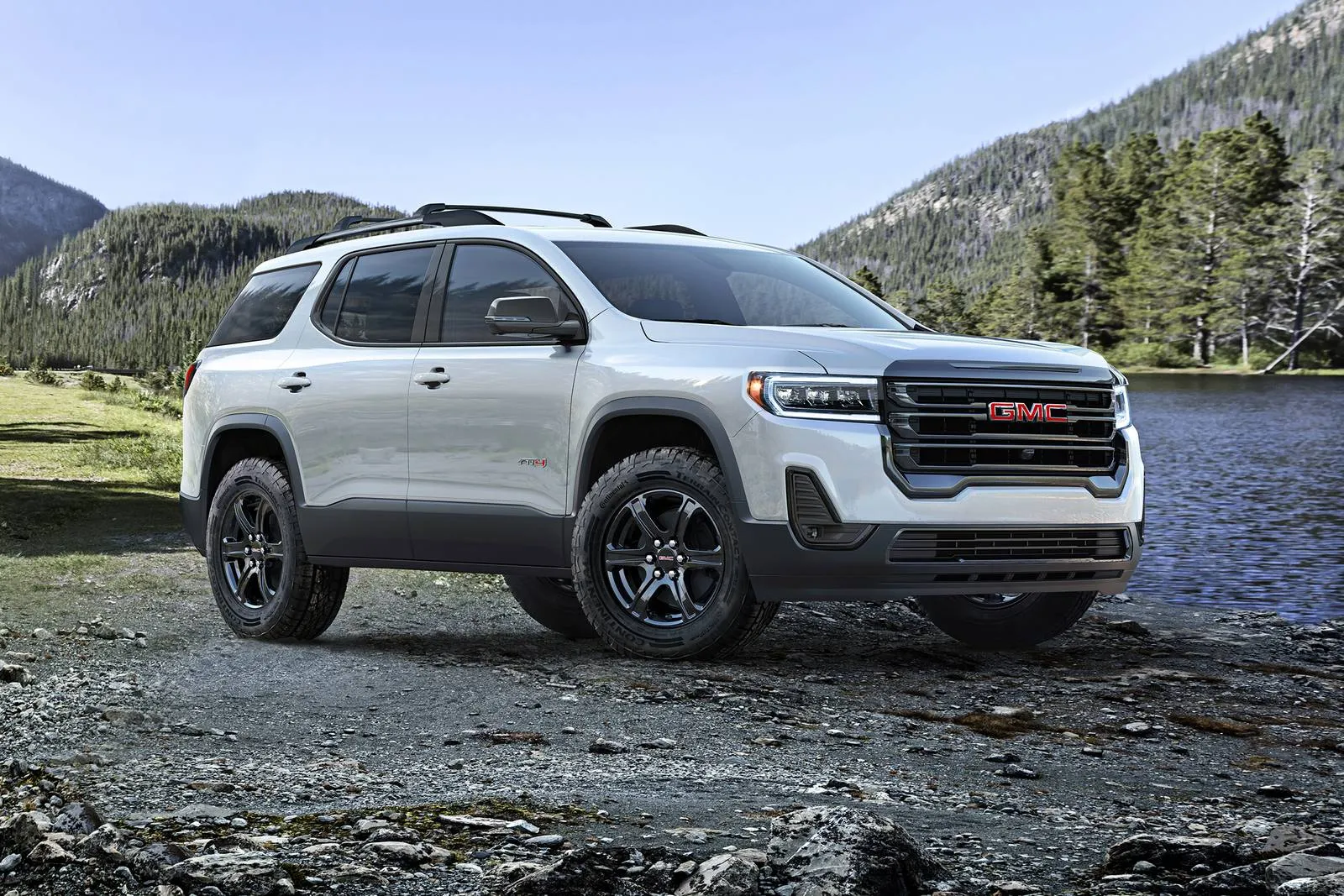
9. GMC Acadia Denali 3.6L V6 (2021)
Three-row crossovers often struggle with cooling because they pack a lot of people and equipment into a relatively small package.
The 2021 GMC Acadia Denali defies this trend with a cooling system that punches above its weight class. That 3.6-liter V6 produces 310 horsepower, and General Motors made sure it stays cool even when all seven seats are filled and the cargo area is packed.
Active grille shutters might sound like unnecessary technology, but they actually help manage engine temperature.
At highway speeds, the shutters close partially to reduce aerodynamic drag, improving fuel economy. When more cooling is needed, they open fully to maximize airflow. This intelligent system works automatically, ensuring optimal temperatures without driver input.
Traction control and stability systems use computers and electronics that hate heat. GMC positioned these components away from major heat sources and added protective shields where necessary.
This planning prevents the frustrating situation where your engine is fine, but computer systems start malfunctioning due to heat exposure.
Cargo space behind the third row is limited, but fold those seats down and you get 79 cubic feet of room. This versatility means you can carry passengers or gear as needed, and the air conditioning system is powerful enough to cool whatever configuration you choose.
Rear climate controls give passengers the ability to adjust their own temperature, reducing conflicts and improving comfort.
Warranty coverage includes three years or 36,000 miles bumper-to-bumper, plus five years or 60,000 miles on the powertrain. GMC stands behind its vehicles, which suggests confidence in reliability.
Dealer networks are extensive, so finding service during a road trip is never difficult. The Acadia Denali combines car-like handling with SUV utility and legitimate heat resistance, making it a practical choice for families who want one vehicle that does everything well, including desert road trips.
Also Read: 10 SUVs That Remain Dependable for Road Trips
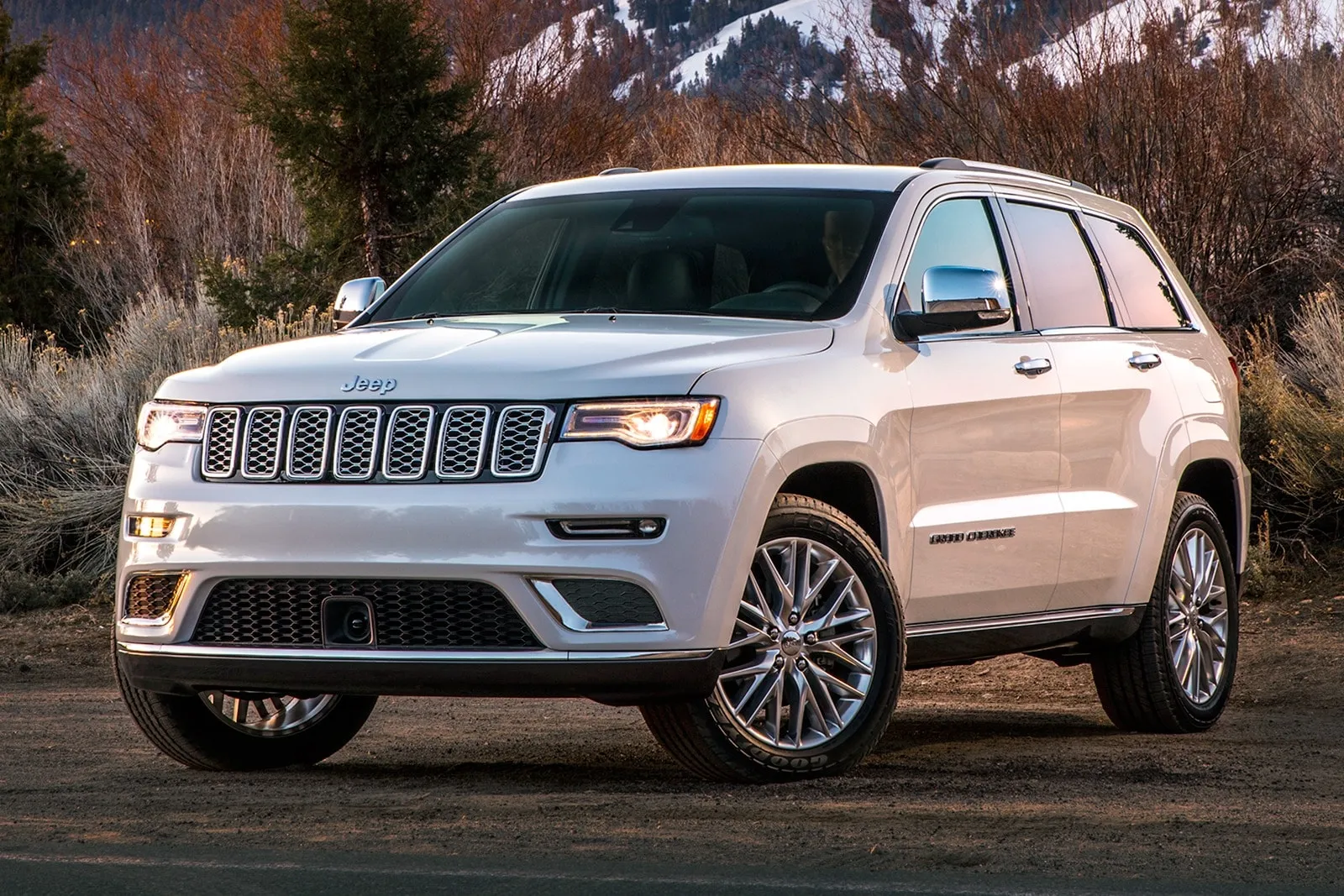
10. Jeep Grand Cherokee Limited 3.6L V6 (2017)
Legendary off-road capability is what Jeep built its reputation on, and the 2017 Grand Cherokee Limited carries that heritage proudly.
But this isn’t just a rock-crawler; it’s a refined SUV that handles highway cruising and desert heat with equal competence. That 3.6-liter Pentastar V6 has been refined over multiple generations, and by 2017, Jeep had worked out any early issues with the design.
Quadra-Trac II four-wheel drive system includes a two-speed transfer case and an electronic, limited-slip differential. These components generate heat, but Jeep installed adequate cooling for both.
Many manufacturers overlook drivetrain cooling, assuming normal radiator cooling is sufficient. Jeep knows better because its vehicles actually get used off-road, where drivetrain components work harder.
Towing capacity reaches 6,200 pounds, which is impressive for a mid-size SUV. That rating wouldn’t mean much if the vehicle overheated when towing, but the Grand Cherokee maintains safe temperatures even when pulling a loaded trailer through mountain passes. Jeep achieved this by installing a transmission cooler, engine oil cooler, and proper radiator capacity.
Interior quality in the Limited trim brings luxury materials and thoughtful design. Leather seats stay cooler than vinyl, and the available ventilated front seats actively blow air through perforations in the leather.
This feature might seem like a gimmick until you’ve experienced how much cooler it keeps you in extreme heat. Your back doesn’t stick to the seat, and you arrive at your destination feeling fresh rather than sweaty.
Service costs are reasonable because parts availability is good, and most mechanics know how to work on these vehicles. The Pentastar V6 is used across many Chrysler products, giving it economies of scale that reduce parts prices.
Reliability has improved dramatically compared to older Jeep models, with many Grand Cherokees easily exceeding 150,000 miles. This combination of capability, comfort, and heat resistance makes the Grand Cherokee a solid road-trip companion that won’t leave you stranded when summer temperatures soar.
