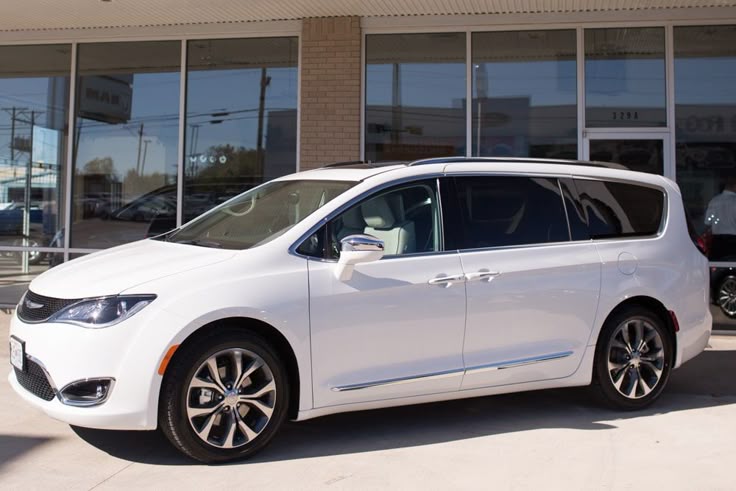
Minivans get clowned a lot unfairly, honestly. They’re the family haulers that take the chaos of real life and still get you home without drama. But there’s one thing that can ruin even the most practical ride: a transmission that gives up midway through the school run.
Nobody wants to deal with jerky shifts, delayed acceleration, or the soul-crushing phone call from the mechanic that starts with, “So… bad news.” That’s why transmission reliability matters more with vans than almost anything else.
Over the years, some minivans have earned a reputation for being nearly bulletproof in the transmission department. They don’t ask for special treatment, they don’t randomly throw warning lights on a highway, and they don’t leave you stranded outside a grocery store with melting ice cream.
These vehicles have been engineered with smarter gearboxes, improved cooling systems, and fewer complicated fragile parts because sometimes “simple and strong” is the best design.
This list is not about fancy marketing claims or theoretical lab tests. It’s about real-world dependability: vans that have proven they can handle daily abuse, family road trips, carpool chaos, and the occasional “forgot to shift into park” moment.
We’re highlighting the models that consistently dodge the most common and expensive failure point in family vehicles the transmission.
If you’re shopping for a minivan that doesn’t come with a free side order of repair bills, this is your cheat sheet. Whether you’re thinking new or pre-owned, hybrid or gas-only, you’ll find options here that can confidently rack up the miles without coughing up their internals. Save the headaches for dealing with toddler tantrums your vehicle should not be one of them.
Let’s jump into the 12 minivans built to keep moving, no drama required.
Why These 12 Minivans Matter
This list isn’t about hype. It’s about peace of mind. Transmission problems are some of the priciest failures a minivan can face, often costing more than the vehicle is worth once it gets older. So buying smart upfront can save thousands later.
Every minivan chosen here has shown consistent reliability across multiple model years and avoids the gearboxes known for slipping, shuddering, overheating, or total catastrophic collapse. Basically, these are the vans where a transmission rebuild isn’t “inevitable.”
We’re looking at practical engineering choices: robust torque converters, smarter cooling, durable clutches, and fewer weird experimental systems that automakers tried and later regretted. Vans that stay smooth-shifting under pressure deserve recognition.
These also tend to age well, which means better resale value and fewer weekends spent hunting mechanics who actually know how to fix CVTs from outer space.
Whether you’re a parent hauling kids, a rideshare driver trying to maximize profit, or someone who just likes the flexibility of sliding doors, you want a minivan that can handle the grind.
These 12 give you confidence on every shift and every highway merge. No superstition just stronger transmissions backed by actual performance. Let’s start breaking them down, two at a time.
ALSO READ: 10 Cars That Are the Best Kept Secrets in the Market
Toyota Sienna (All Years, Especially 2015–Present)
Toyota didn’t get its reputation for reliability by accident. The Sienna has long been the go-to minivan for folks who just want something that works, no surprises. One of its biggest wins? An impressively durable transmission setup across its different generations.
Whether you’re looking at the rock-solid 6-speed models or the newer 8-speed paired with the hybrid drivetrain, the Sienna tends to avoid the costly panic moments that plague other vans.
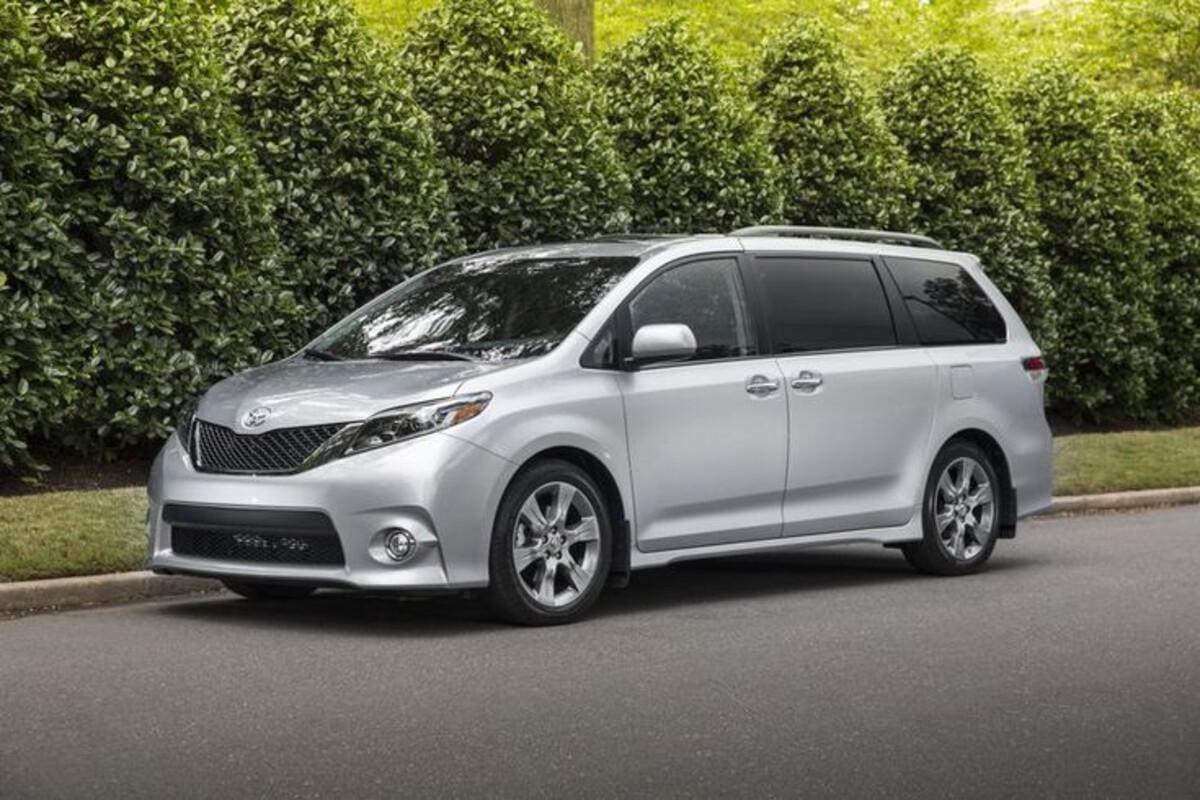
Here’s the vibe: smooth shifting, strong torque delivery, and none of that weird hesitation you sometimes get with bulky family haulers. Toyota keeps the formulas simple tough hardware, proven engineering, and smarter-than-average cooling so the transmission doesn’t cook itself on long trips. The hybrid system in newer models actually reduces stress on the transmission since the electric motor picks up a lot of the low-speed grunt.
Families love it because it’s one of those vehicles that can go 200k+ miles without developing a personality disorder. Even better, plenty of used Siennas still drive almost like new, which tells you everything about longevity. The optional AWD also isn’t a problem child rare for minivans.
Bottom line: the Sienna is the boring choice in the best possible way. It keeps its head down, gets your family where they need to be, and shrugs off heavy use. No overly complicated drivetrain experiments, no drama. If you want the safest bet against transmission failures, this one’s practically the poster child.
Honda Odyssey (2008–2020 Priority Picks)
Honda did have some messy times in the early 2000s we’re talking transmissions that threw tantrums out of nowhere. But they learned. Hard. Starting around 2008, the Odyssey became way more reliable in the gearbox department. The later 6-speed and 10-speed automatics are way smarter and stronger than those notorious older 5-speeds.
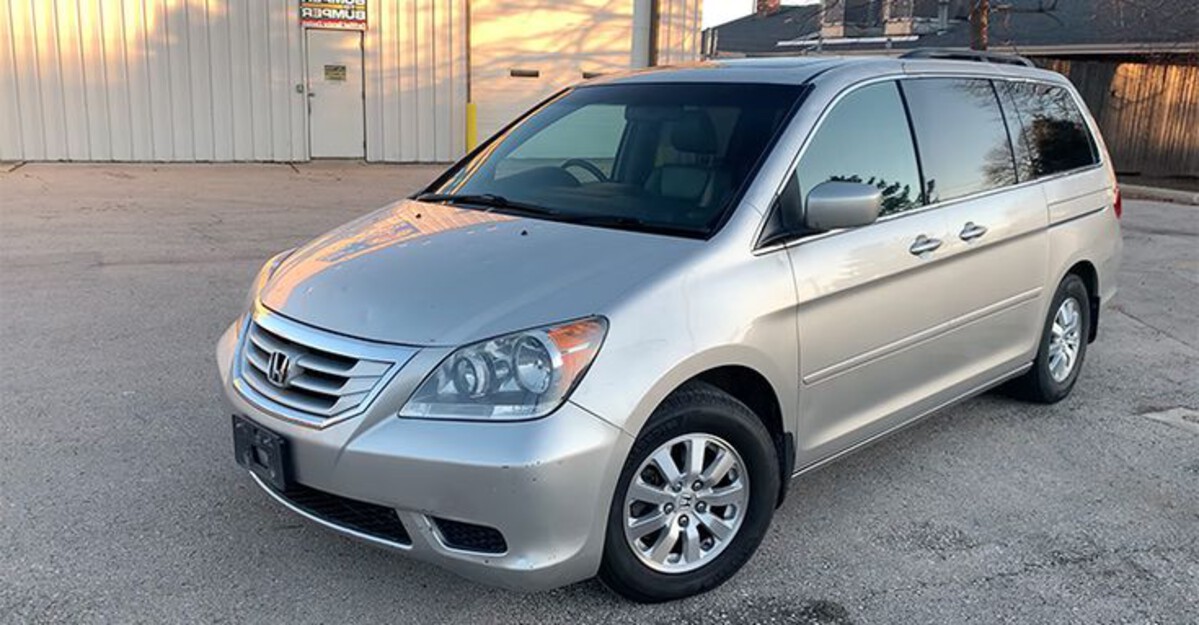
The Odyssey’s entire personality is built around lively acceleration for a big van. You tap the throttle, and it actually wants to move without the gearbox hunting for gears or slipping under load. Honda’s engineers improved internal lubrication and revamped clutch packs, so the system can handle real-world stress like steep grades and high-heat traffic jams without overheating.
If you’re a driver who cares how a minivan feels, this one’s a standout. The sportier suspension and steering make it feel like a vehicle that’s secretly auditioning for a more exciting job. But even if you’re just hauling snacks and sports gear, that responsive transmission makes every trip more comfortable.
Used buyers should still be picky newer is better. But a well-maintained 2014–2020 model can deliver years of smooth, drama-free shifting. Odyssey owners often brag about hitting huge mileage numbers, and they’re not exaggerating.
In short: the Odyssey recovered from its past mistakes and now delivers one of the most consistently dependable transmissions in the minivan world. If Toyota is the conservative safe bet, Honda is the fun one that still behaves responsibly.
Kia Carnival (2022–Present)
The Kia Carnival isn’t just trying to replace the minivan stigma it’s smashing it with confidence. Kia ditched the traditional minivan look and gave us something that feels more like a family SUV limo. But the best upgrade? A transmission setup that doesn’t act like it woke up on the wrong side of the bed.
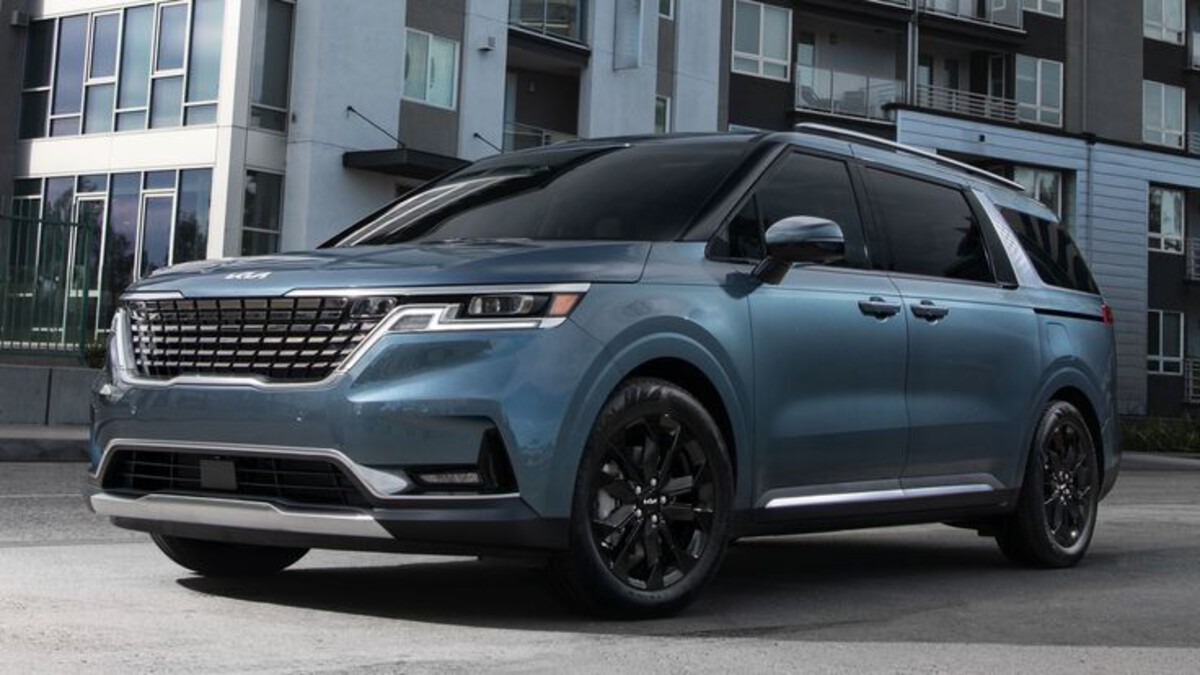
Kia uses an 8-speed automatic that’s surprisingly mature for such a bold, new design. It shifts cleanly, doesn’t get confused on hills, and rarely slips trying to get moving with a fully packed cabin. The torque delivery is smooth, so acceleration feels snappy enough to merge without sweating bullets. And unlike some competitors trying too many futuristic drivetrain tricks, this transmission is a straight-up strong mechanical unit nothing experimental here.
Kia also thought ahead with cooling and programming, which keeps temperatures in check and prevents long-term wear. Owners report that even when they push the Carnival hard think road trips with seven humans and their emotional baggage it keeps its composure.
Another bonus: Kia’s warranty coverage gives you years of cushion if something does act up. But honestly? The Carnival seems determined not to need that safety net. It’s shaping up to be one of the more reliable modern vans right out of the gate.
Bottom line: The Carnival is for people who want modern design and great tech but refuse to sacrifice dependability. It’s stylish, practical, and stress-free shifting make it a smart pick if you want a van that won’t ever seem outdated or mechanically fragile. A fresh new contender that actually deserves the hype.
Chrysler Pacifica (2018–Present, Gas Only Recommended)
Let’s get real for a sec: Chrysler isn’t exactly the first brand people think of when they hear “reliability.” They’ve had some horror-story transmissions in the past. But the Pacifica gas models from 2018 onward have stepped up in a big way.
The 9-speed automatic they use got major updates smoother mapping, fewer gear-hunting struggles, and stronger internal parts that don’t grind themselves to dust. In everyday driving, shifts feel almost invisible, which is exactly what you want in a family ride.
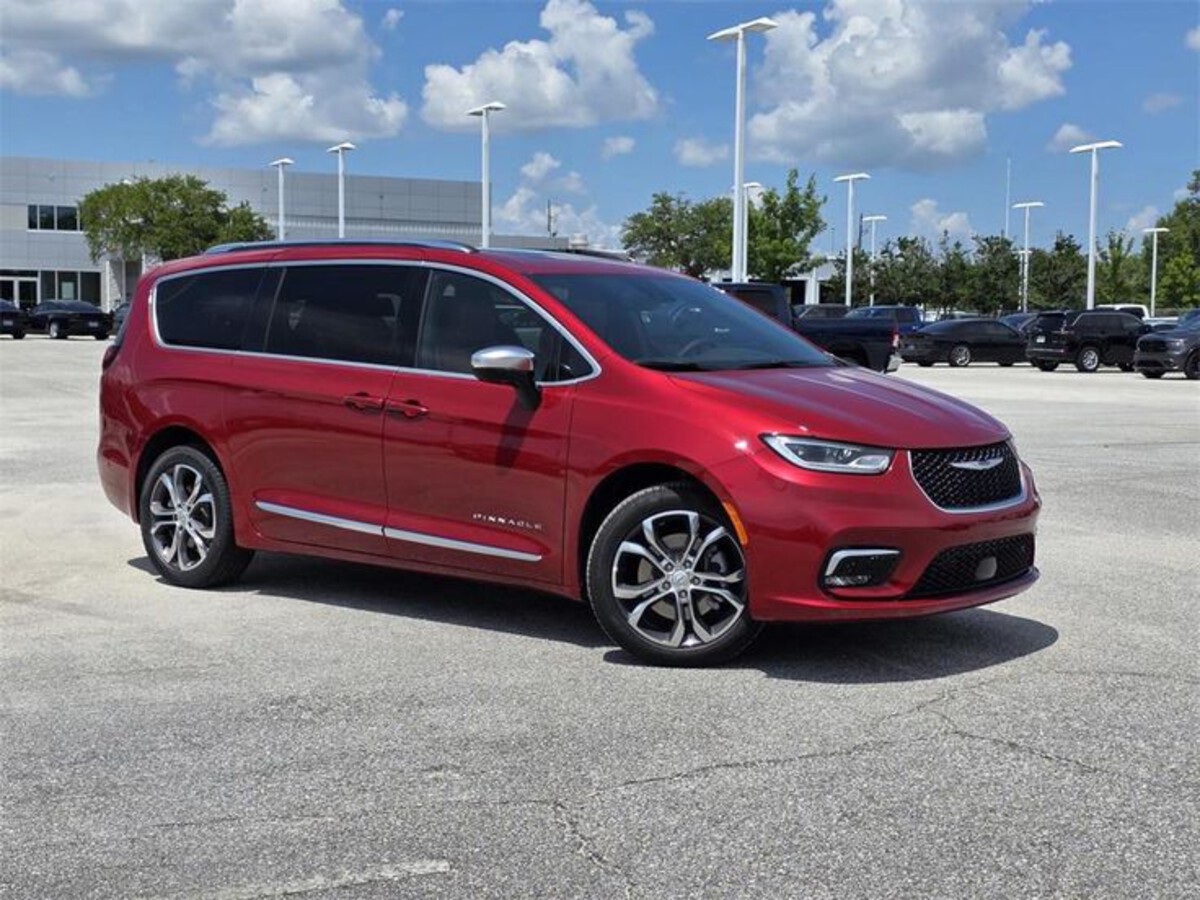
And despite having more gears to juggle than necessary (nine is kinda extra), the engineering refinements mean the system doesn’t do that annoying “wait… now? …okay shifting!” delay.
Now, honesty check: the plug-in hybrid Pacifica models are a different story with their own quirks, especially in earlier years. If avoiding transmission headaches is the priority, stick to the gas version it’s the one that matured properly.
With the gas Pacifica, you get comfortable cruising, confident merging, and a drivetrain that doesn’t throw surprise tantrums. It handles road trips and daily abuse like it was designed specifically for parents who are permanently five minutes late.
It’s also one of the most versatile vans inside, packed with clever features, but none of that matters if the transmission sucks and thankfully, the newer Pacifica’s doesn’t. Chrysler finally has a minivan that earns praise not just for being fancy, but for holding up.
Toyota Previa (1994–1997 Best Picks)
The Toyota Previa is that parent from the ‘90s who still shows up today crushing life without a single backache. It’s old-school engineering at its finest the mid-engine setup, rear-wheel drive, and a transmission that takes abuse like it’s being paid for it. Even decades later, this van is famous for the one thing modern minivans sometimes fail at: staying alive without drama.
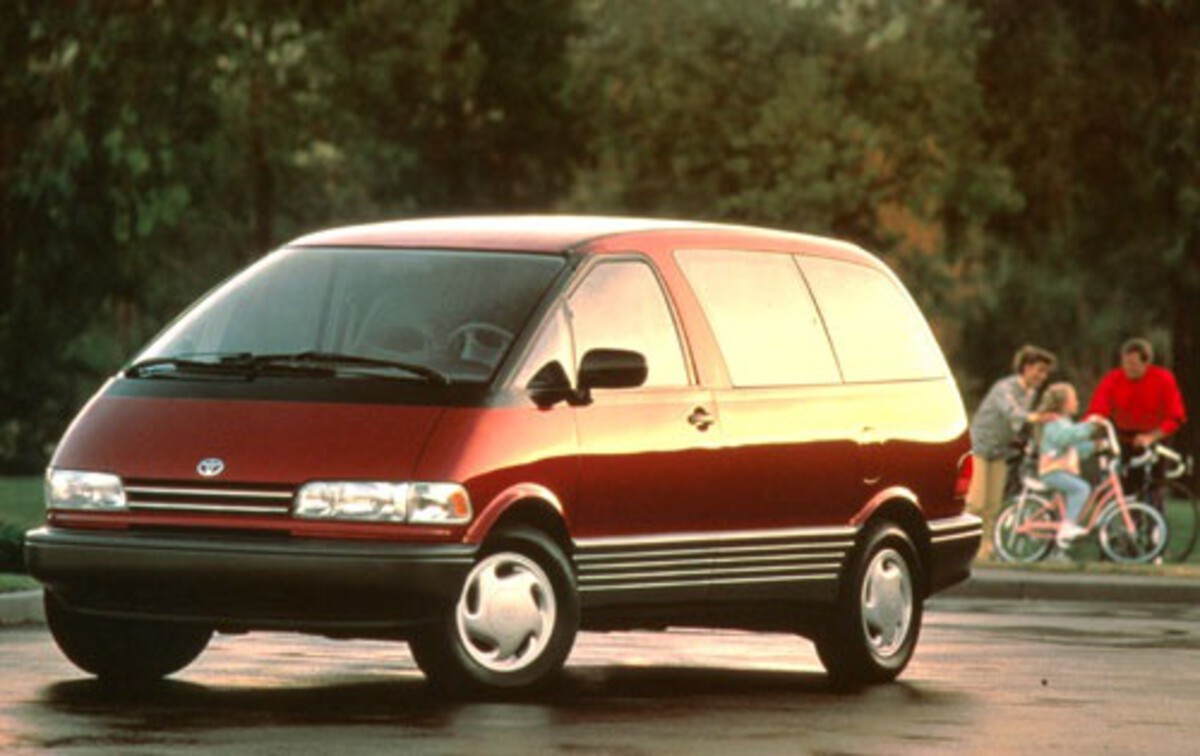
The 4-speed automatic might seem outdated now, but its simplicity is its superpower. There’s no over-engineering, no complicated electronics waiting to go haywire, and no fragile parts that wear prematurely. It just shifts, every time, like it has nothing better to do. Toyota built these vans with the philosophy of “indestructible first, extra features later,” and you feel that mindset with every mile.
Owners rave about hitting 250k, 300k, even 400k+ miles with the original transmission still kicking like it’s barely broken in. It also handles weight like a champ load it up with furniture or an entire soccer team and it just grunts but gets on with it. No slipping, no whining.
Today, the Previa is basically a cult classic. It’s something you’ll see at 3 a.m. on Craigslist with a caption like “runs forever” and that’s usually true. Maintenance matters, obviously, but this is one of the few minivans where the drivetrain ages like it’s sipping antioxidants.
If you’re cool with driving something a little quirky-looking and you like the idea of a transmission that simply refuses to quit, the Previa is legendary. From reliability nerds to van-life explorers, everyone respects this old warrior.
Honda Pilot (Technically an SUV, but a Minivan in Disguise)
Alright, yes, the Pilot isn’t a sliding-door minivan. But come on parents use it exactly like one: full of kids, juice boxes, and random crumbs nobody remembers dropping. And transmission-wise? This thing has been a much safer choice than Honda’s older Odyssey drama years, especially from 2016 onward.
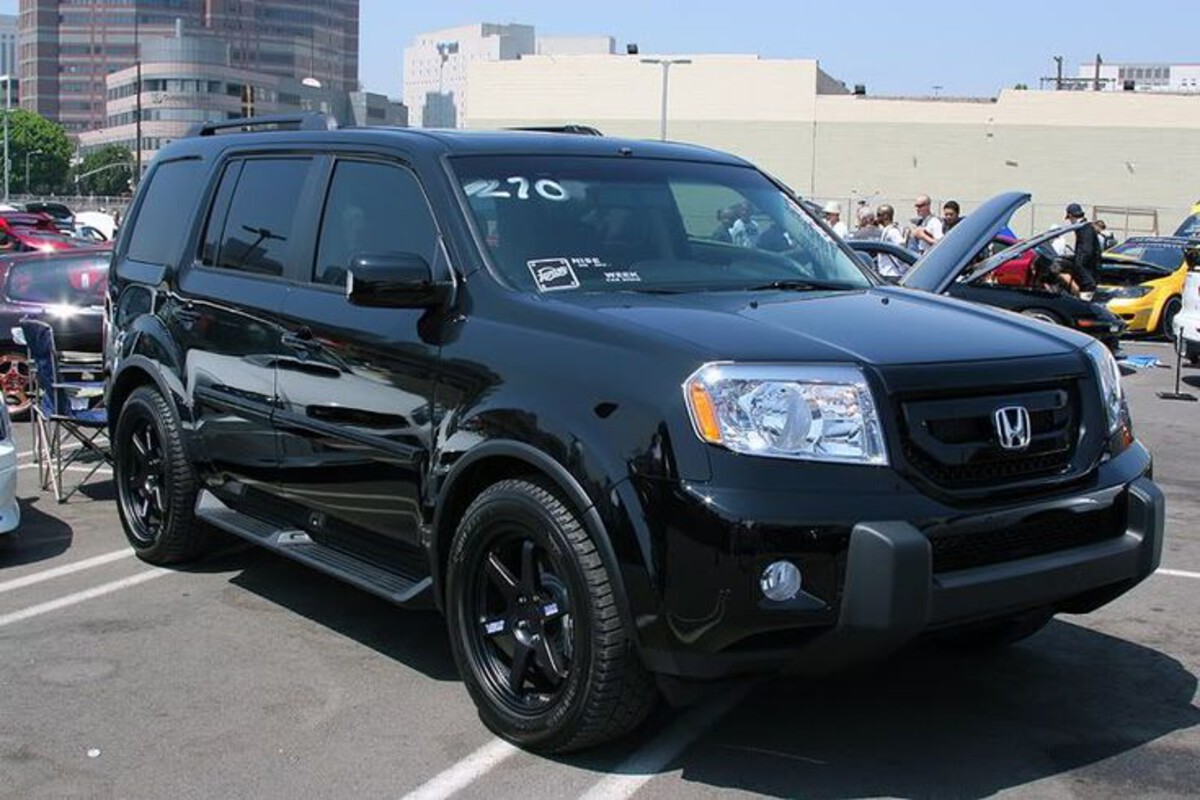
The 6-speed and 9-speed automatics available in newer Pilots have proved far more reliable than what Honda dealt with in the early 2000s. They deliver smooth gear transitions with none of that dreaded shuttering or hunting for the right gear. The 9-speed got some early complaints for being too ambitious, but Honda refined the programming and most of those gripes disappeared with updates.
It’s also designed to tow and handle heavier loads, which means the transmission is built with some actual muscle. Family road trips won’t stress it out, and daily driving won’t secretly wear things down. The cooling system improvements also help maintain transmission health when it’s hot or the vehicle is pushing hard.
If you like the practicality of a minivan but refuse to be seen in one (we all know someone like this), the Pilot becomes the sneaky solution. Same Honda long-life DNA, fewer complicated moving bits than a hybrid, and a drivetrain that typically holds up far beyond the finance contract.
So yeah not a “minivan” on paper, but if the job is family hauling without transmission headaches? The Pilot is absolutely in the club.
ALSO READ: 12-cars-that-sell-fast-even-with-high-mileage
Toyota Estima (2000–2019 Overseas Favorite)
Think of the Toyota Estima as the Sienna’s world-traveling cousin same family genes, same reputation for “never dying,” just with some different styling and powertrain choices depending on the market. And yes, when it comes to transmission health, it’s one of the global minivan champs.

The Estima’s best strength is consistency. Toyota sticks to tried-and-true automatic transmissions or durable e-CVTs in its hybrid variants. None of that complicated experimental hardware that sounds cool in commercials but fails the moment school pickup gets chaotic. Even the older Estimas from the early 2000s still shift like butter with minimal wear.
On road trips, this thing feels unstoppable. Smooth power delivery, smart gearing, and a transmission that doesn’t randomly drop gears like it forgot what it was doing. Toyota engineers designed these gearboxes to handle Tokyo traffic one hour and mountain highways the next without breaking a sweat.
Mechanics often love Estimas because the drivetrains are easy to work on and rarely need major repairs. In used markets, owners brag about passing 300k km like they just unlocked a trophy. And those hybrid models? They take even more stress off the transmission because the electric motor handles a lot of slow-speed grunt.
In short: the Estima is the “peaceful, sensible friend” you want in your garage. No breakdown drama. No shifting hesitation when you’re late. No wrench-throwing bills at the repair shop. Just a minivan that quietly handles life exactly what families need.
Nissan Quest (2011–2017 Recommended Years Only)
Okay, quick honesty moment: the Nissan Quest has a mixed past. Earlier generations had transmission issues we don’t talk about in polite company. But then came the 2011–2017 generation and that’s the one worth considering because Nissan got serious about fixing their problems.
This version uses a CVT that’s actually pretty reliable compared to the drama-filled CVTs in some of their other vehicles. Nissan reinforced the belt system, improved cooling, and updated the programming so it wouldn’t overwork itself during city crawling or steep climbs.
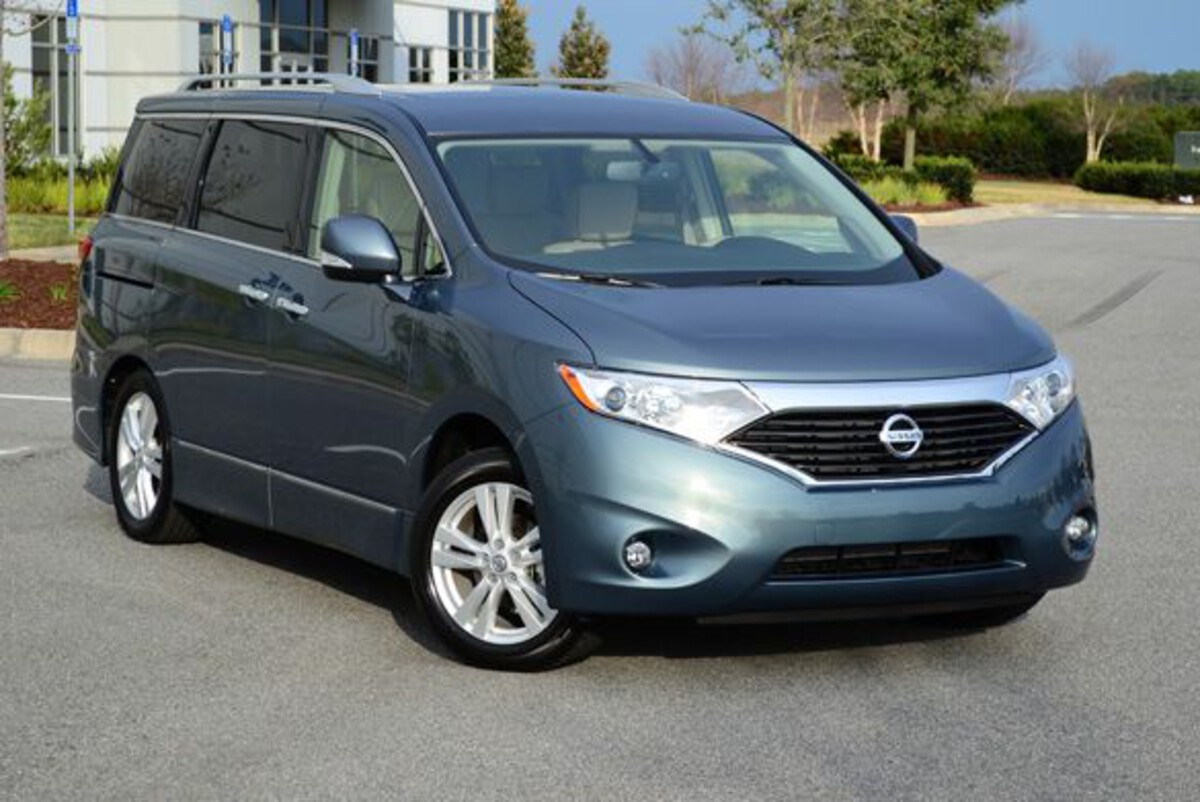
Inside, the Quest flexed its comfort game hard wider seats, surprisingly upscale materials, and a quiet driving experience that feels more premium than expected.
But none of that matters if the transmission fails. These later-model Quests are known to stay strong if you keep up with fluid maintenance. Neglect it though, and yeah, it’s still a CVT, so treat it right.
The Quest shifts confidently even with a full passenger load. Long road trips? It’ll pull through without cooking itself. Plus, the owners who bought these new and kept them well-maintained swear by their longevity.
So: the Quest is a redemption arc minivan. Stick to the right years, keep the fluids fresh, and you get a comfy family hauler that avoids the worst transmission pitfalls Nissan once suffered. Choose wisely and you’ll be rewarded with miles of smooth, trouble-free driving.
Dodge Grand Caravan (2013–2020)
Let’s be totally honest: Dodge hasn’t always nailed reliability. The Grand Caravan has had some messy years with transmissions throwing tantrums if you so much as looked at them wrong. But from 2013 onward, especially the later years before the model was discontinued in 2020, Dodge finally tuned the 6-speed automatic into a much steadier performer.

When maintained properly and yeah, regular transmission servicing is non-negotiable here the Grand Caravan can actually hold up shockingly well.
It’s built with simple mechanics, strong internals, and calibration improvements that reduce that annoying gear-hunting during accelerating or climbing hills. Families who put in the bare minimum care often still get over 150k–200k miles out of these gearboxes without major repairs.
What really makes this van appealing is affordability. You can pick one up used for way less than the competition.
That means even if something does come up later in life, you’re still usually ahead financially versus overpaying for a “fancier” brand with equal mileage. And because it was a best-seller for years, parts and repairs are readily available no rare-unicorn-mechanic stress.
Performance-wise, the transmission is tuned for smoothness more than thrill. It delivers predictable shifts and keeps the engine comfortable rather than screaming at the redline just to merge. Not exciting… but dependable, and that’s the whole point here.
The key with the Grand Caravan: don’t neglect it. Keep the fluid fresh, avoid towing heavy loads constantly, and it’ll do its job. If you want a budget-friendly minivan that can avoid transmission headaches, this generation proves Dodge finally got things under control.
Hyundai Entourage (2007–2008 Hidden Gem Years)
The Hyundai Entourage barely got a chance to shine only two model years before Hyundai shifted its focus to crossover SUVs. But in that short time, it delivered something solid: a transmission that refuses to cause chaos.
Sharing engineering DNA with the Kia Sedona of the same era, the Entourage came with a 5-speed automatic that prioritized durability over flashy tech.

No gimmicks just a conventional transmission that shifts crisply, handles heavy loads, and doesn’t randomly fail because of some fragile plastic component internally. Hyundai didn’t take big risks with the drivetrain, and that’s exactly why it works.
The Entourage quietly built a reputation for clocking high mileage without entering the dreaded “transmission rebuild cycle.” Owners often report buttery-smooth acceleration and almost zero gearbox drama, even as the van gets older. And since it’s not one of the “popular” models, used prices are ridiculously friendly – sometimes shockingly low for how reliable it is.
Mechanics like working on these too. Parts are cheap and widely available, so if anything does need attention, you’re not selling a kidney to pay for it. For big families or rideshare drivers wanting a cheap workhorse, this thing is seriously underrated.
The biggest downside? They’re getting older now, so finding one in great condition requires patience. But land a clean, well-maintained one, and you’ve got a minivan that punches above its weight class and avoids the catastrophic failures that make other old vans a gamble.
ALSO READ: 5-trucks-that-stay-smooth-on-highways-vs-5-that-dont
Ford Flex (2013–2019 – The Anti-Minivan Minivan)
Look, I know the Ford Flex doesn’t look like a minivan. It looks like a refrigerator that decided to become a car. But families bought it for the same reason they buy vans: tons of space, comfortable seating for everyone, and a vibe that says, “Yeah, we’re practical deal with it.” And when it comes to transmission reliability? The later Flex models got it right.
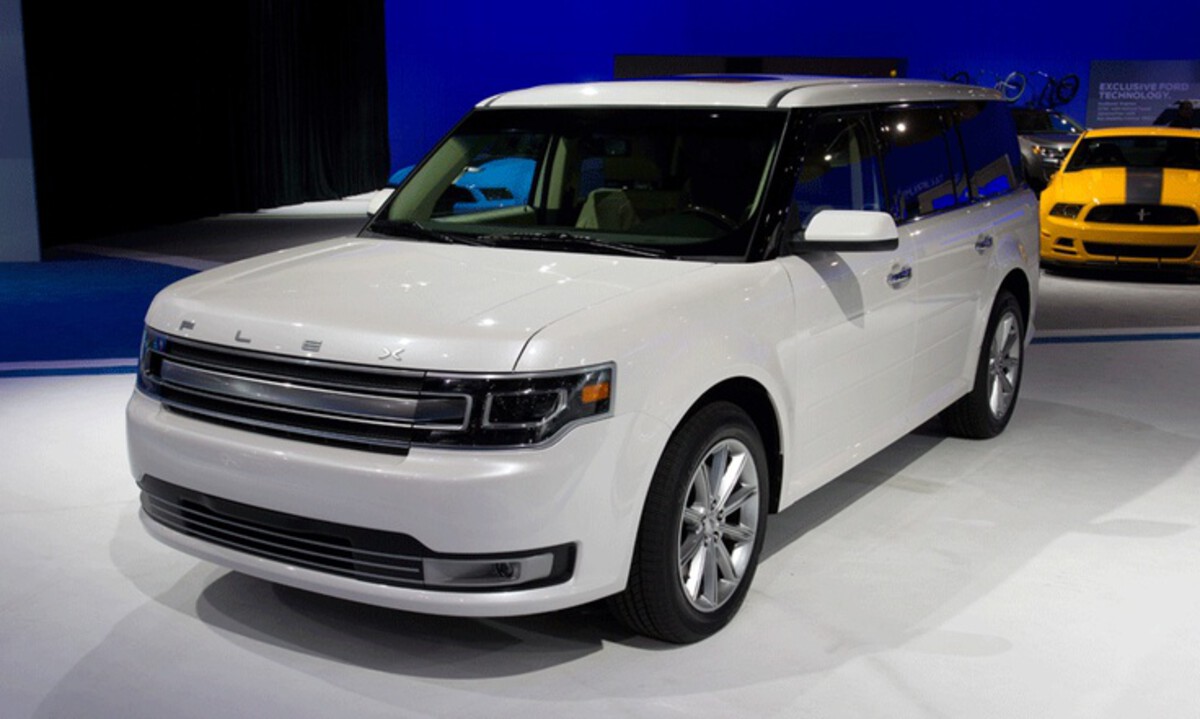
The 6-speed automatic Ford used in these years is one of their more dependable gearboxes. It doesn’t pretend to be “sporty” or “revolutionary.” It just shifts smoothly and quietly, even when you’re pushing a full load of humans and Costco groceries. Strong internal hardware and a transmission cooling setup that doesn’t overheat under pressure make it a surprisingly tough unit.
Owners love how confidently the Flex handles road trips highway cruising is its happy place. There’s no jerky nonsense when it downshifts for passing, and it doesn’t constantly search for gears like a lost tourist. As long as you do normal maintenance, these transmissions can easily reach high-mileage hero status.
Plus, since it’s discontinued, the Flex is crazy affordable on the used market. You basically get a minivan’s practicality without the minivan identity crisis. Mechanics appreciate it too it’s not jam-packed with bizarre components that require three hours of swearing to access.
If you want family-hauling skills with minivan-like dependability minus sliding doors, the Flex deserves way more respect. It’s the outsider, but it absolutely earns its place on this list.
Kia Sedona (2015–2021 Strong Years)
Before the Carnival took over, the Kia Sedona quietly got its act together and became one of the smartest minivan buys money could get. And yes its transmission plays a big role in that redemption.
From 2015 onward, Kia used a robust 6-speed automatic that doesn’t have a meltdown every time the vehicle hits a steep hill.
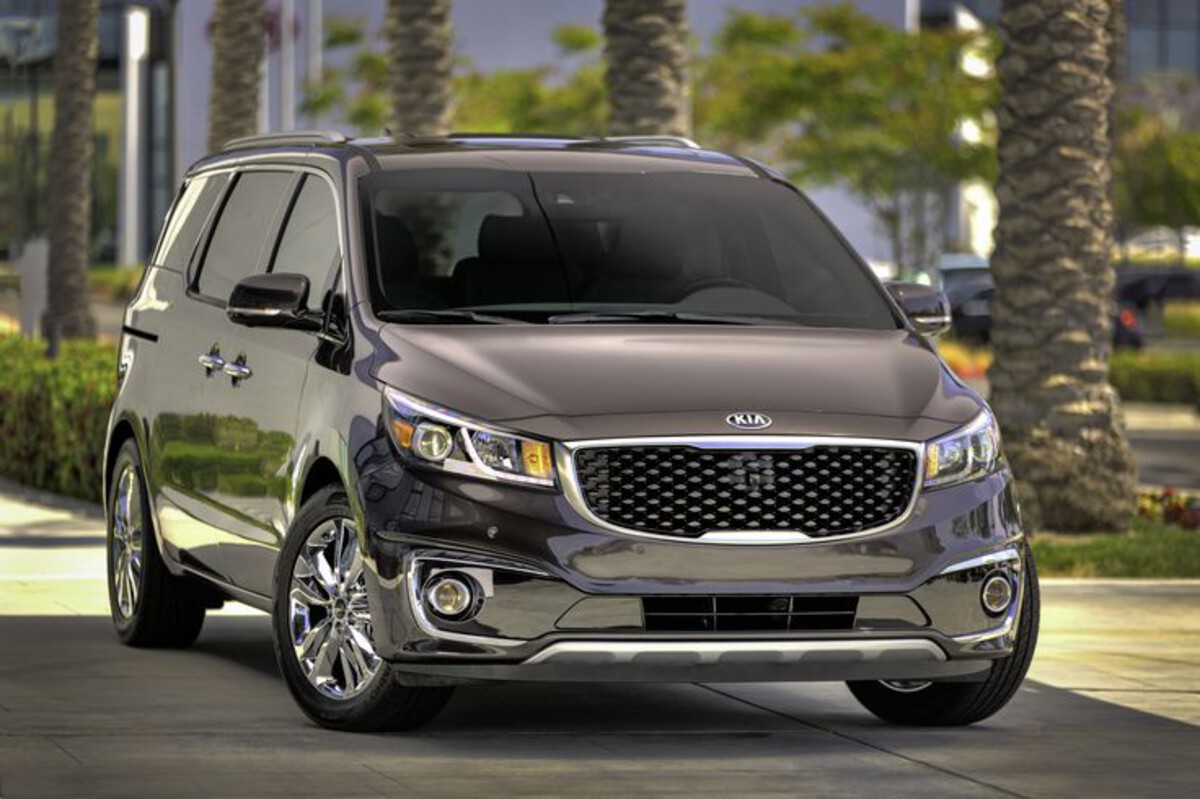
It’s simple, strong, and tuned for everyday life school runs, airport pickups, weekend getaways, repeat. Combine that with a transmission cooler that actually does its job, and you’ve got a drivetrain built to go the distance.
What drivers love most: the Sedona doesn’t “hesitate” when you need power. You push the pedal it responds. No lag, no shudder, just smooth acceleration. It doesn’t carry the baggage of experimental CVTs or complex hybrid gear systems either, which means fewer failure points over time.
The Sedona is also super comfortable and ridiculously practical inside. But unlike some budget-friendly vans that trade longevity for low cost, this one doesn’t fall apart with age.
Regular service and fluid checks are pretty much all it asks for, and in return, it tends to push well past 150k–200k miles without transmission trauma.
Buying used? This is a sleeper deal right now. It’s not overpriced, yet it delivers real dependability the combo every smart shopper wants. The Sedona closes this list strong, showing just how far Kia has come.
Minivans might not win popularity contests on looks, but when life gets real when it’s raining, the kids are screaming, and the dog just threw up a reliable van becomes the hero nobody appreciates enough.
And if there’s one lesson to take from this list, it’s that the transmission is the heart of that reliability. When the gearbox fails, the whole vehicle becomes a very expensive lawn ornament. Nobody has time for that.
The 12 models here earn their spots because they avoid the disasters that too many family vehicles fall into. They don’t rely on flashy tech that sounds cutting-edge until it dies at 80,000 miles.
They stick to engineering choices that actually work in the long run. Whether you’re looking at a fresh and modern Kia Carnival, a classic Toyota Previa that refuses to quit, or a budget-friendly Dodge Grand Caravan that just needs a little love, the common thread is dependability.
A good minivan should handle chaos, not create more of it. You deserve a ride that shifts smoothly even when your patience doesn’t. You deserve a drivetrain that isn’t quietly building up a five-figure repair bill. You deserve something that just freaking works.
Buying one of these vans means putting your money into peace of mind: fewer surprise shop visits, fewer major failures, and way more miles of normal, stress-free driving. Whether you’re hauling family, gig-working, or simply wanting maximum space without the breakdown drama, these are the vans that keep moving no matter what life throws at them.
So if you’re in the market for a family hauler that won’t betray you? Start with this list. Pick the personality you like, set your maintenance reminders, and enjoy a future where the worst thing that happens behind the wheel is someone complaining about the music.