When buying a family SUV, reliability and safety matter the most. Families need a vehicle that runs smoothly for years, offers comfort, and doesn’t demand frequent repairs.
Mechanics, who know cars inside out, often have clear opinions on which SUVs perform well and which ones cause endless headaches. Here’s a look at five SUVs mechanics often recommend for families and five they suggest staying away from.
Also read:5 Cars That Stay Desirable for Enthusiasts vs 5 That Don’t
5 SUVs Mechanics Recommend for Families
Choosing the right family SUV is a decision weighed down by a unique set of priorities. While glossy brochures highlight panoramic sunroofs and entertainment systems, the most critical features for a growing family are often unseen: relentless reliability, manageable long-term costs, and a design that can withstand the chaos of daily life.
It’s a vehicle that needs to be as durable as it is comfortable, capable of surviving everything from sticky fingers and spilled juice to countless school runs and cross-country road trips.
But who can you trust to look beyond the marketing hype and assess a vehicle’s true character? The answer lies with the professionals who see these vehicles at their best and worst, the mechanics.
These are the experts who witness which models age gracefully and which ones become financial nightmares after 100,000 miles. After consulting with seasoned technicians and analyzing repair data, we’ve compiled a list of the five SUVs that mechanics consistently recommend for families.
These are the vehicles praised for their robust engineering, straightforward maintenance, and proven track records of keeping families safe and on the road, without draining their wallets.
1) Toyota Highlander
The Toyota Highlander is one of the most trusted family SUVs on the road. Known for its strong reliability and smooth performance, it has become a top choice among families and mechanics alike. It delivers comfort, safety, and durability in one package.
Built with Toyota’s proven engineering, the Highlander comes with engines that can last for years with minimal problems. Its 3.5-liter V6 engine is smooth, efficient, and powerful enough to handle both city and highway driving with ease, even when fully loaded.
Toyota has also focused heavily on safety. The Highlander comes standard with Toyota Safety Sense, which includes lane departure warning, adaptive cruise control, and automatic emergency braking. These features help keep families protected on every journey.
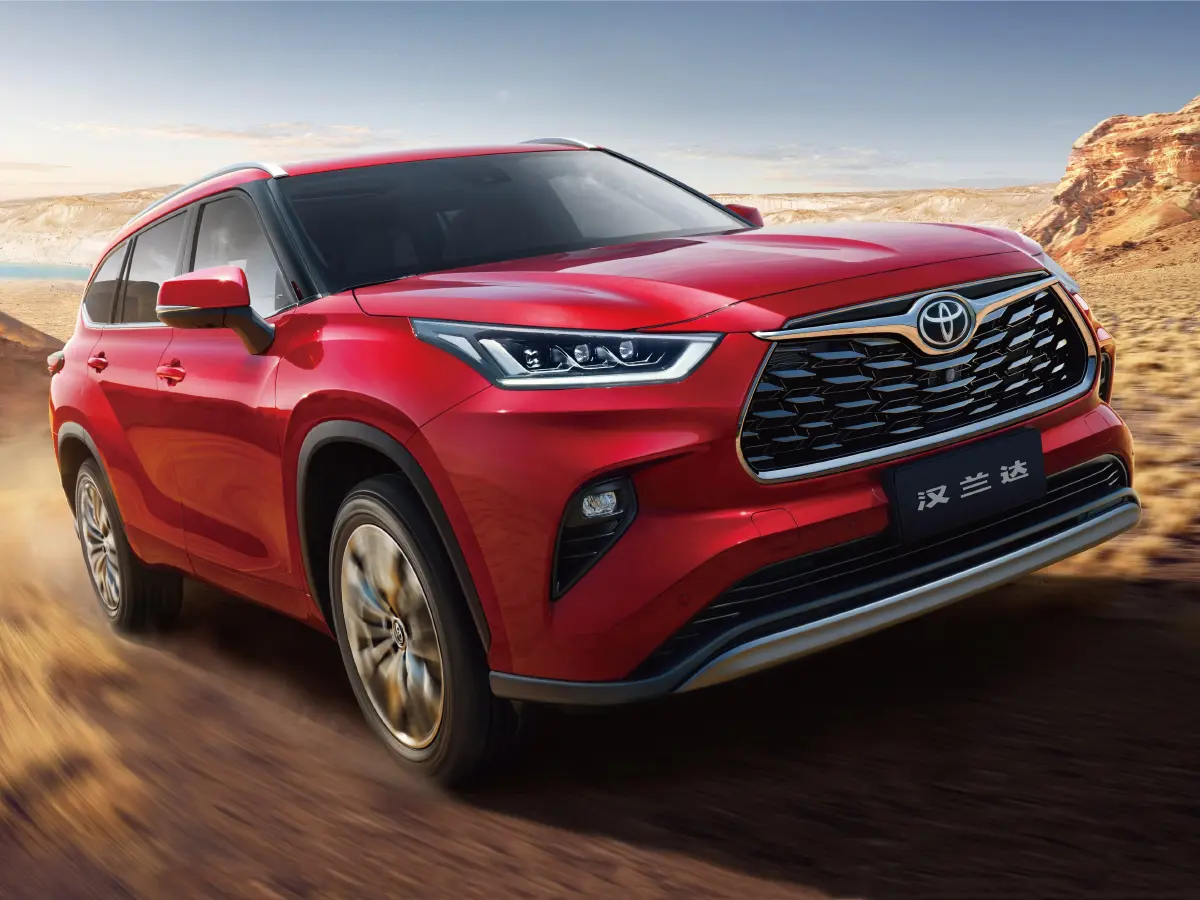
Mechanics often recommend the Highlander because of its simple design and easy maintenance. Parts are widely available, and the SUV rarely suffers from major mechanical failures. Many owners report reaching 200,000 miles or more without costly repairs.
Fuel efficiency is another plus. For a mid-size SUV, the Highlander delivers good mileage, especially in its hybrid versions. Families who drive long distances can enjoy fewer fuel stops and lower running costs compared to many rivals.
Resale value is yet another strong point. Used Highlanders hold their value very well because of Toyota’s reputation for reliability. Buyers looking for a pre-owned SUV often choose the Highlander, knowing it still has plenty of life left.
Comfort is not just about the ride but also the technology. The Highlander offers an intuitive infotainment system, Apple CarPlay, Android Auto, and multiple USB ports. Families enjoy the convenience and entertainment features during every drive.
2) Honda CR-V
The Honda CR-V has earned a solid reputation as one of the most practical and reliable SUVs ever made. Loved by families and trusted by mechanics, it offers a perfect balance of space, fuel efficiency, and long-term dependability.
Powered by a proven four-cylinder engine, the CR-V delivers smooth performance and impressive fuel economy. It’s not designed for racing, but it handles city streets and highways with ease. Its responsive steering and light handling make driving stress-free and comfortable.
Inside, the Honda CR-V offers a spacious cabin that feels airy and open. The seats are comfortable for long rides, and there’s generous legroom for both front and rear passengers. The large cargo area is ideal for groceries, luggage, or family gear.
Honda designed the CR-V with practicality in mind. Folding the rear seats creates a flat load floor, making it easy to carry large items. Families appreciate how flexible and user-friendly the interior layout is for daily life and weekend trips.
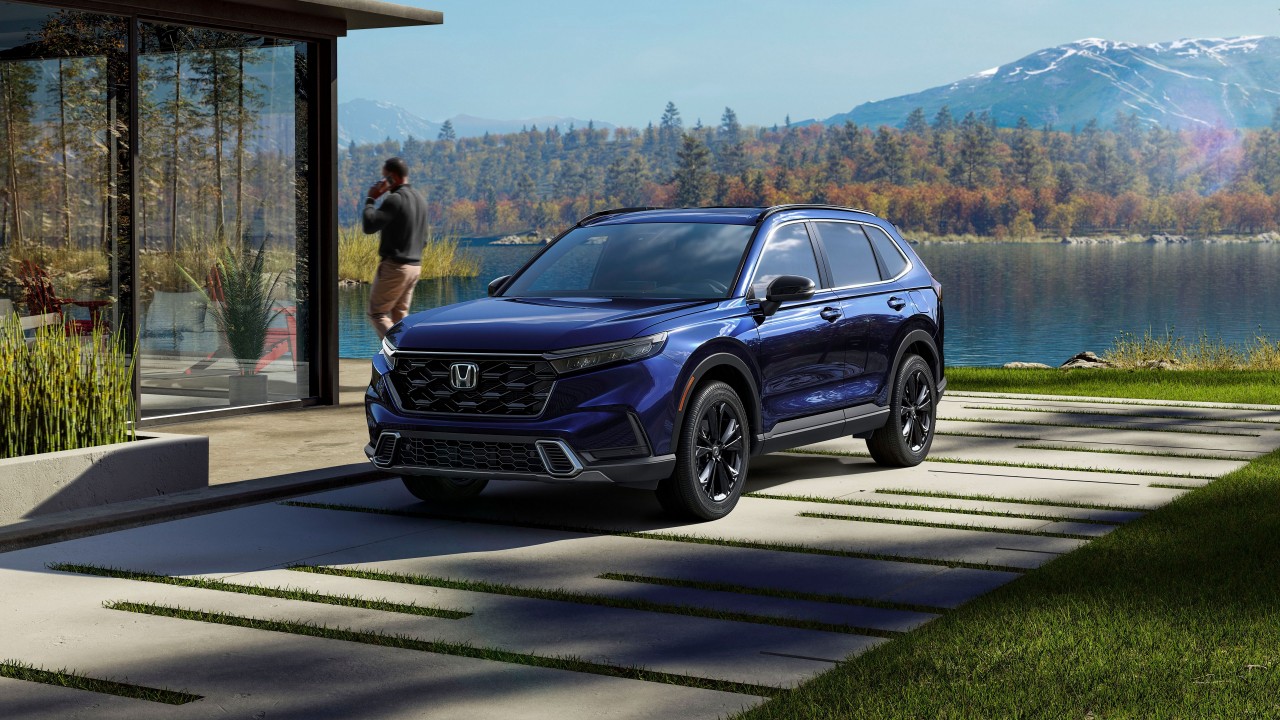
Safety is another area where the CR-V shines. Newer models come with Honda Sensing, a suite of driver-assistance technologies including adaptive cruise control, lane-keeping assist, and collision mitigation braking. These features make it one of the safest choices in its class.
Mechanics often praise the CR-V for being easy to maintain. Its engine and transmission are known for lasting hundreds of thousands of miles with regular servicing. Replacement parts are widely available and affordable, which helps keep repair costs low.
Fuel efficiency has always been a highlight. The CR-V delivers excellent mileage, especially in its hybrid version. For families who drive daily, this means fewer fuel stops and more savings over time, without sacrificing comfort or space.
Another major strength of the CR-V is its reliability record. Many owners report driving their CR-Vs for over a decade with very few issues. It’s one of those vehicles that just keeps going, even after years of heavy use.
The CR-V also offers a smooth and quiet ride, thanks to its well-tuned suspension and sound insulation. Families will find it relaxing on highways and stable around corners. It combines comfort with confidence in every drive.
3) Subaru Outback
The Subaru Outback stands out as one of the most versatile family SUVs on the market. Mechanics often recommend it for families who love adventure but still want reliability, comfort, and safety. It’s part SUV, part wagon, and all capability.
The Outback’s biggest strength is its standard all-wheel-drive system, which comes with every model. This feature provides excellent traction in rain, snow, and even on rough roads. Families can confidently travel anywhere, from city streets to mountain trails.
Mechanics like the Outback because it rarely suffers from major mechanical problems. Its symmetrical all-wheel-drive system and simple engine design make maintenance straightforward. Regular servicing ensures years of reliable use without unexpected breakdowns.
Fuel economy is another pleasant surprise for an all-wheel-drive SUV. The Outback delivers good mileage, allowing families to travel farther with fewer fuel stops. The hybrid-like efficiency and generous fuel tank make long road trips easier.
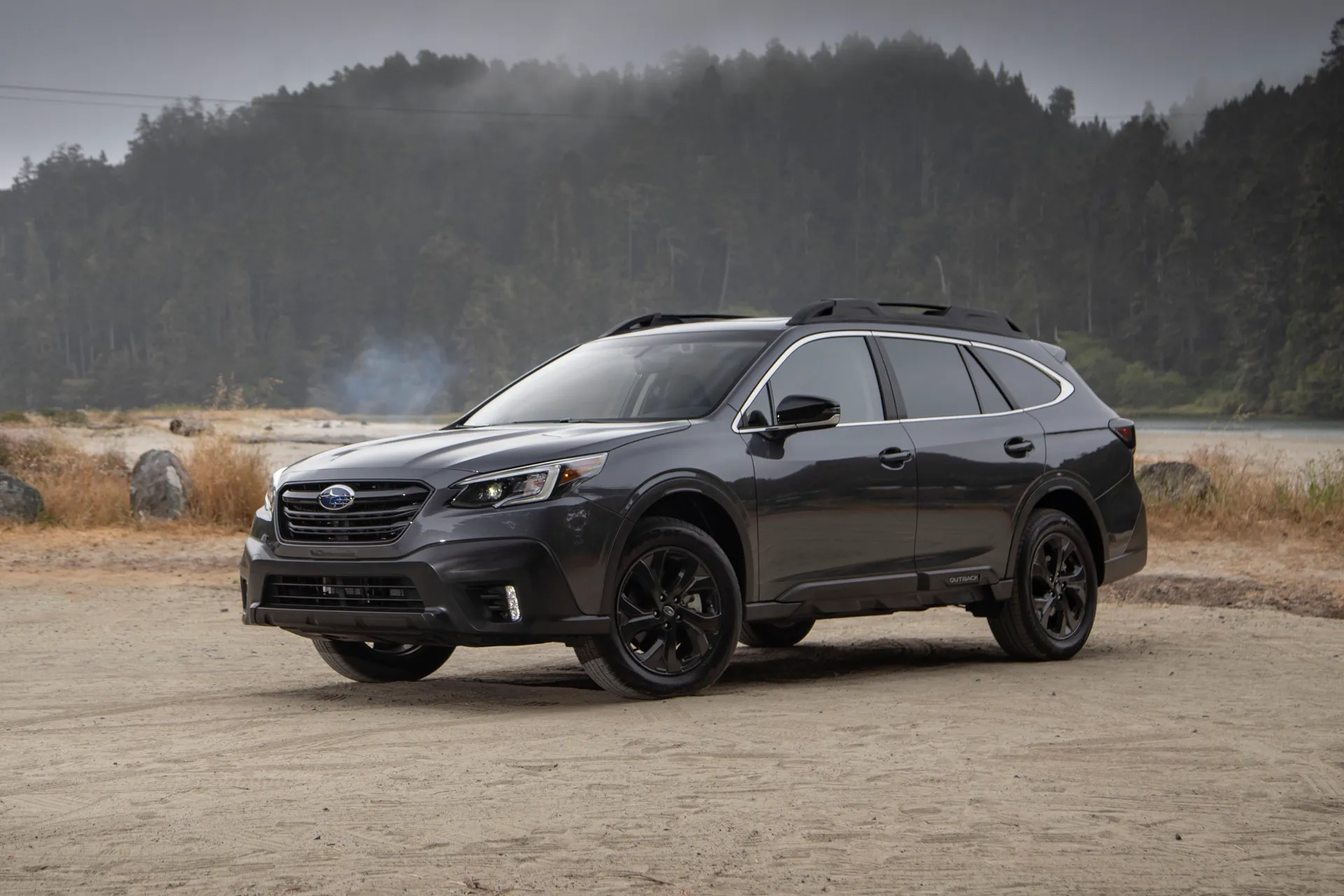
The ride quality is smooth and stable, even on rough terrain. Subaru designed the suspension to absorb bumps and keep the cabin quiet. Families find it comfortable for both city drives and countryside adventures.
Resale value is strong, too. Used Subaru Outbacks are always in demand because of their durability and reputation for safety. Many owners keep their Outbacks for over ten years, proving its lasting reliability.
4) Lexus RX 350
The Lexus RX 350 is one of the most trusted luxury SUVs on the market. It combines Toyota’s famous reliability with Lexus’ smooth comfort and elegant design. Mechanics frequently recommend it to families who want both luxury and long-lasting quality.
Under the hood, the RX 350 features a 3.5-liter V6 engine that delivers strong power while staying fuel-efficient. The engine is known for being smooth, quiet, and extremely durable. Many owners report trouble-free performance even after several hundred thousand kilometers.
The driving experience is refined and peaceful. The RX 350 glides over bumps and rough roads effortlessly. Its suspension and sound insulation create a calm environment that families enjoy during daily commutes and long road trips.
Inside, the cabin is spacious and beautifully finished. Lexus uses high-quality materials like soft leather and fine wood accents. The seats are plush, supportive, and perfectly suited for long drives. Every detail feels built for comfort and sophistication.
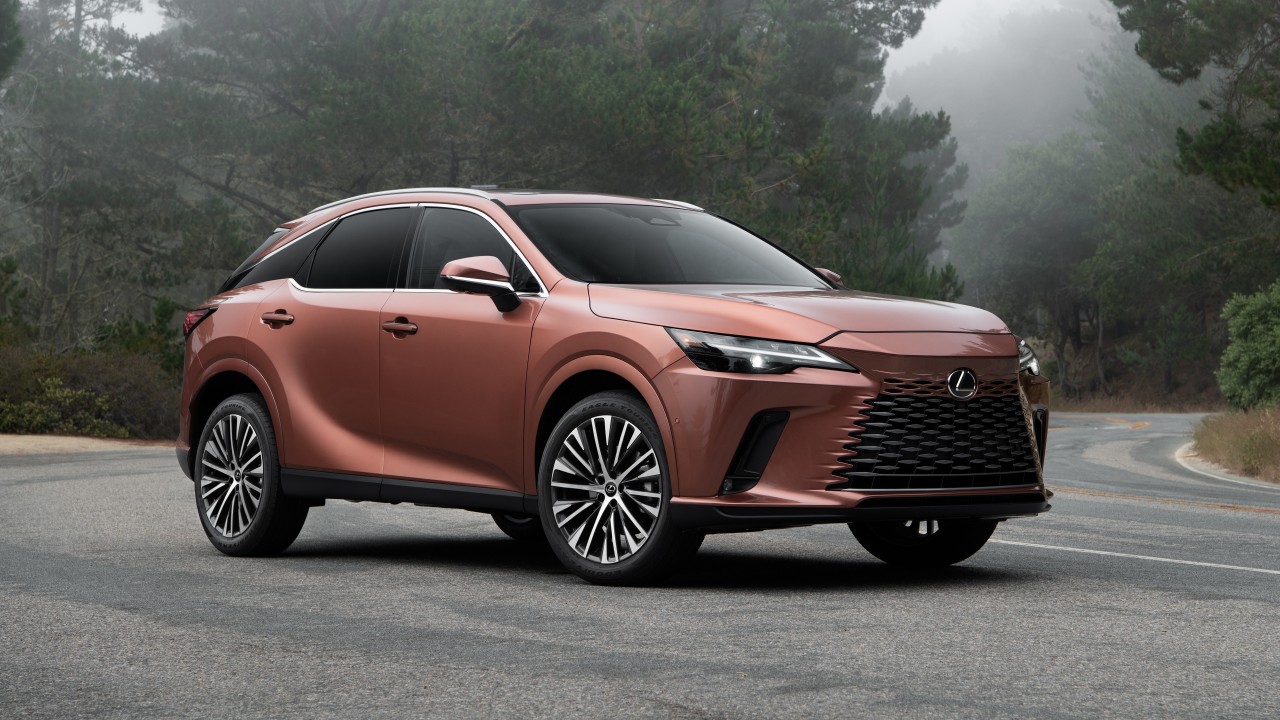
Safety is a major highlight of the RX 350. It includes Lexus Safety System+, which features lane-keeping assist, adaptive cruise control, and pre-collision braking. These systems help reduce accident risks and give families extra peace of mind.
Mechanics love the RX 350 for its simplicity and shared components with Toyota models. Because of this, replacement parts are easy to find and less expensive compared to other luxury brands. It’s one of the few premium SUVs with affordable maintenance.
Reliability is one of its strongest qualities. The RX 350 rarely suffers from engine or transmission problems. Many mechanics say that with regular oil changes and timely servicing, it can easily last more than 300,000 kilometers.
Fuel economy is surprisingly good for a luxury SUV. The RX 350 delivers efficient performance without sacrificing power. For even better mileage, the hybrid version offers great fuel savings while keeping the same comfort and quality.
The RX 350 also has excellent resale value. Used models continue to sell well because buyers trust Lexus’ reliability. It holds its worth much longer than most European luxury SUVs, making it a smart long-term investment.
5) Mazda CX-5
The Mazda CX-5 has earned a strong reputation among mechanics and families alike for its balance of style, comfort, and dependability. It’s an SUV that combines sporty driving with everyday practicality, making it one of the best family options in its class.
The driving experience is one of the CX-5’s biggest strengths. Its precise steering and agile handling make it feel more like a car than an SUV. Mechanics often praise its suspension tuning, which provides a comfortable ride while maintaining stability around corners.
Inside, the Mazda CX-5 feels premium and well-built. The materials are soft, the seats are supportive, and the layout is simple yet elegant. Families appreciate how quiet the cabin is, even at high speeds, which adds to the sense of refinement.
Maintenance on the CX-5 is simple and affordable. The engine and transmission are designed for longevity, and parts are easily available. Mechanics note that it rarely faces serious mechanical problems, even after years of regular driving.
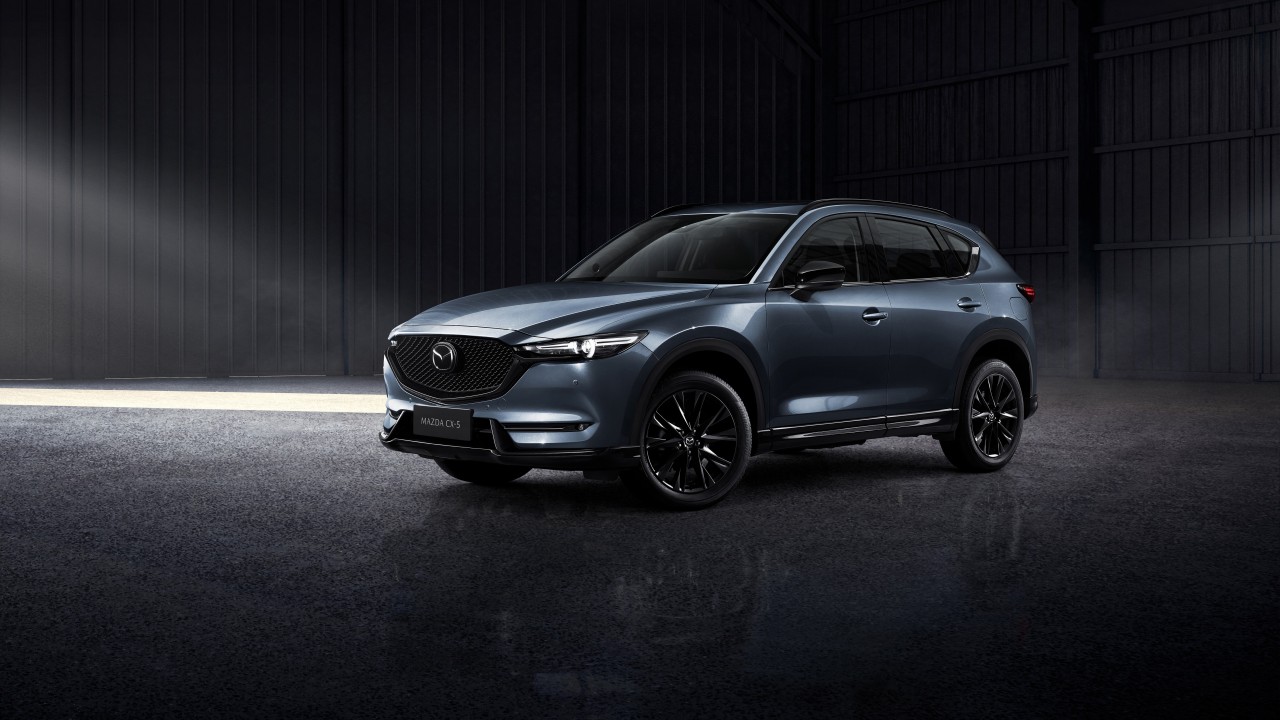
Fuel efficiency is a major plus. The CX-5 delivers excellent mileage for a gasoline SUV, especially on long highway trips. Families who value performance and savings find it a great all-around choice for daily use.
Reliability is another highlight. Many owners report their CX-5s running smoothly well past 150,000 miles with just routine maintenance. Mechanics often compare its durability to Toyota and Honda models, which shows its strong build quality.
The CX-5 also offers a good mix of technology and comfort. Its infotainment system supports Apple CarPlay and Android Auto, and the controls are easy to use. Passengers enjoy features like climate control and well-placed charging ports for long rides.
Also read:5 Classic Cars That Still Handle Amazingly vs 5 That Don’t
5 SUVs Mechanics Avoid for Families
For a family, these aren’t just inconveniences; they are threats to your budget, your schedule, and your peace of mind. This list isn’t about bashing specific brands, but about shedding light on the five SUVs that mechanics, based on their hands-on experience with repair frequency, cost, and complexity, would cautiously steer families away from.
These are the models known for turning the noble role of family hauler into a source of constant stress and unexpected bills.
1) Jeep Grand Cherokee
The Jeep Grand Cherokee is admired for its power, design, and off-road capability, but mechanics often warn families to think carefully before buying one. While it looks tough and luxurious, it has a reputation for frequent mechanical and electrical issues.
Mechanics report that older and even some newer models of the Grand Cherokee can face transmission, suspension, and electrical problems. The repairs are often expensive, and replacement parts for certain components are not always easy to find.
The interior of the Grand Cherokee is comfortable and filled with modern features. The cabin feels luxurious, with soft materials, leather seats, and advanced technology. Families enjoy the comfort, but maintaining these electronic systems can sometimes be costly.
Ride quality is smooth on highways, but over time, issues like suspension wear and brake problems are common. Mechanics say these problems can lead to uneven handling if not fixed promptly, adding to long-term repair bills.
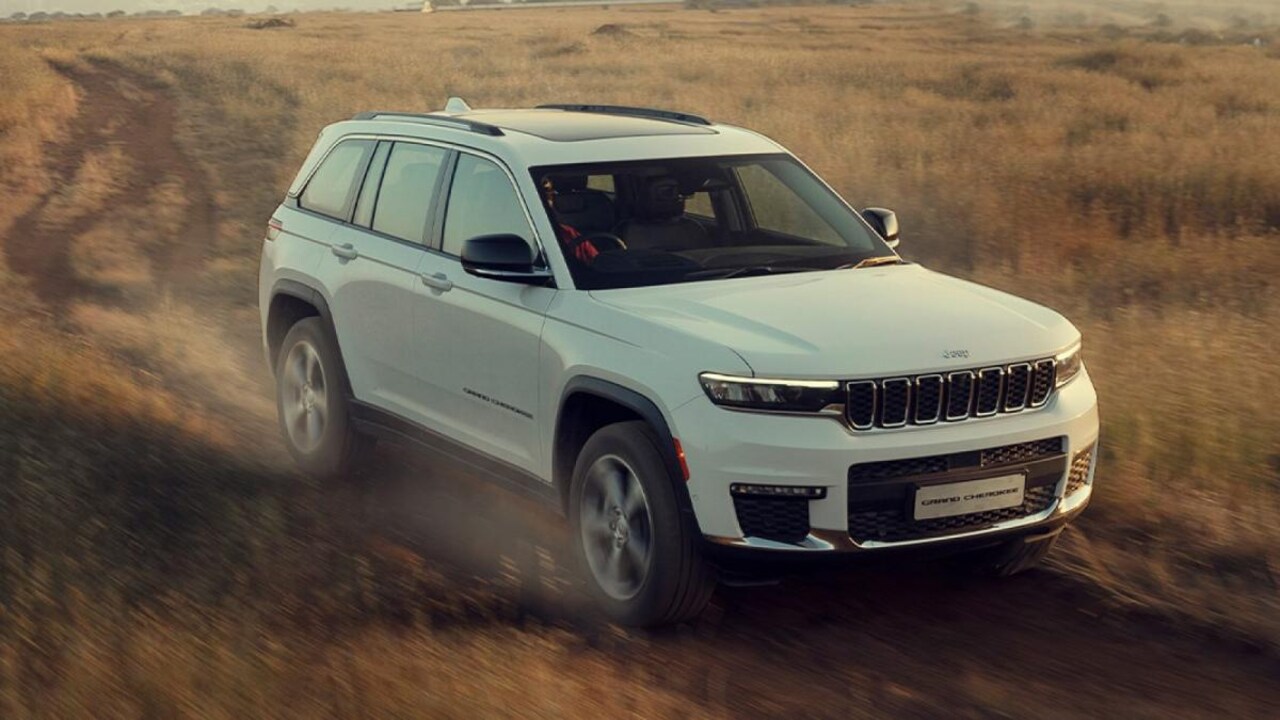
Fuel economy is another weak point. The Grand Cherokee’s powerful engines consume more fuel compared to most family SUVs. Families looking for efficiency might find this a disadvantage, especially for daily commuting or long-distance travel.
Despite its issues, the Grand Cherokee performs exceptionally well off-road. Its four-wheel-drive systems and strong frame make it one of the most capable SUVs for rough terrain. However, this strength doesn’t always translate into long-term dependability.
Owners often face electrical system troubles, including malfunctioning sensors, warning lights, and infotainment glitches. Mechanics mention that these issues are time-consuming to diagnose and repair, making the SUV less appealing for families wanting low maintenance.
Resale value for the Grand Cherokee is lower than other SUVs in its class due to its inconsistent reliability record. Many used models show signs of wear earlier than expected, which can reduce long-term value for buyers.
In short, the Jeep Grand Cherokee offers strength, comfort, and style but falls short in reliability. Mechanics appreciate its performance but warn that frequent repairs and high upkeep costs make it less ideal for families seeking a dependable, worry-free SUV.
2) Ford Explorer
The Ford Explorer has been a familiar name in the SUV market for decades. It offers space, comfort, and good performance, but mechanics often have mixed opinions about it. While newer models have improved, some older ones struggle with long-term reliability.
Safety has always been a priority for Ford, and newer Explorers include features like adaptive cruise control, blind-spot monitoring, and lane-keeping assist. These make it safer and more family-friendly compared to earlier versions.
Mechanics generally praise the handling and driving experience of newer Explorers. The SUV feels stable on highways and corners well for its size. However, they still recommend regular maintenance, as neglected Explorers can develop mechanical problems faster than average.
Fuel economy is decent for a large SUV, though turbocharged engines may consume more fuel under heavy use. Hybrid variants improve efficiency, making them better choices for families who prioritize fuel savings and lower running costs.
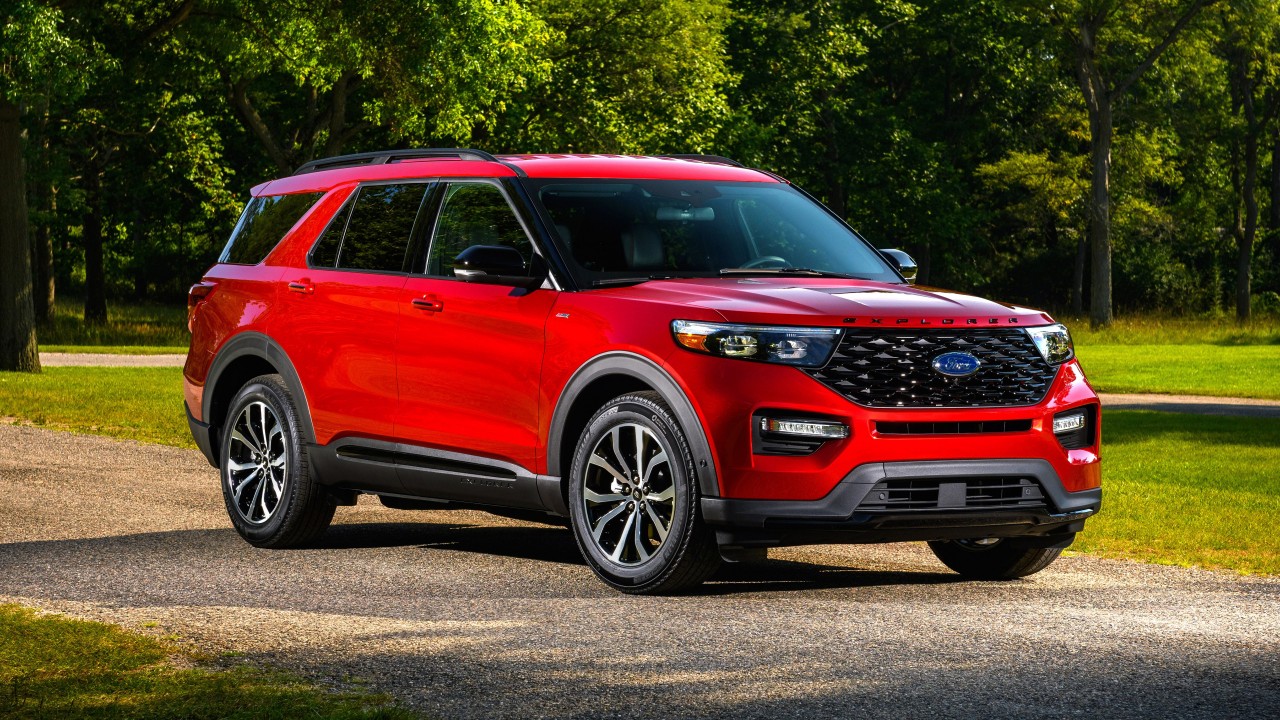
One area where mechanics remain cautious is long-term dependability. While recent redesigns have addressed past flaws, the Explorer’s complex electronics and turbo systems can still lead to expensive repairs if not serviced on time.
Resale value is moderate. Explorers hold value better than before, but older versions are less desirable due to their history of mechanical issues. Buyers often prefer newer generations with improved reliability ratings.
3) Dodge Journey
The Dodge Journey was introduced as an affordable family SUV, but over the years, it has gained a poor reputation among mechanics. While it offers decent space and comfort, frequent mechanical issues and weak build quality make it one of the least recommended SUVs for families.
The Journey’s design looks practical on the outside, and it provides good interior room for passengers and luggage. It can seat up to seven people, making it suitable for large families. However, the interior quality feels dated, and materials wear out quickly.
The Journey’s fuel economy is below average for its class. The engines struggle to deliver efficiency, and the outdated transmission doesn’t help either. Families often find themselves spending more on fuel than with other SUVs of similar size.
Safety is another area where the Journey falls behind. While newer models added basic safety features, it still lacks many advanced driver-assist technologies found in modern rivals. Mechanics often mention that this makes it less ideal for safety-conscious families.
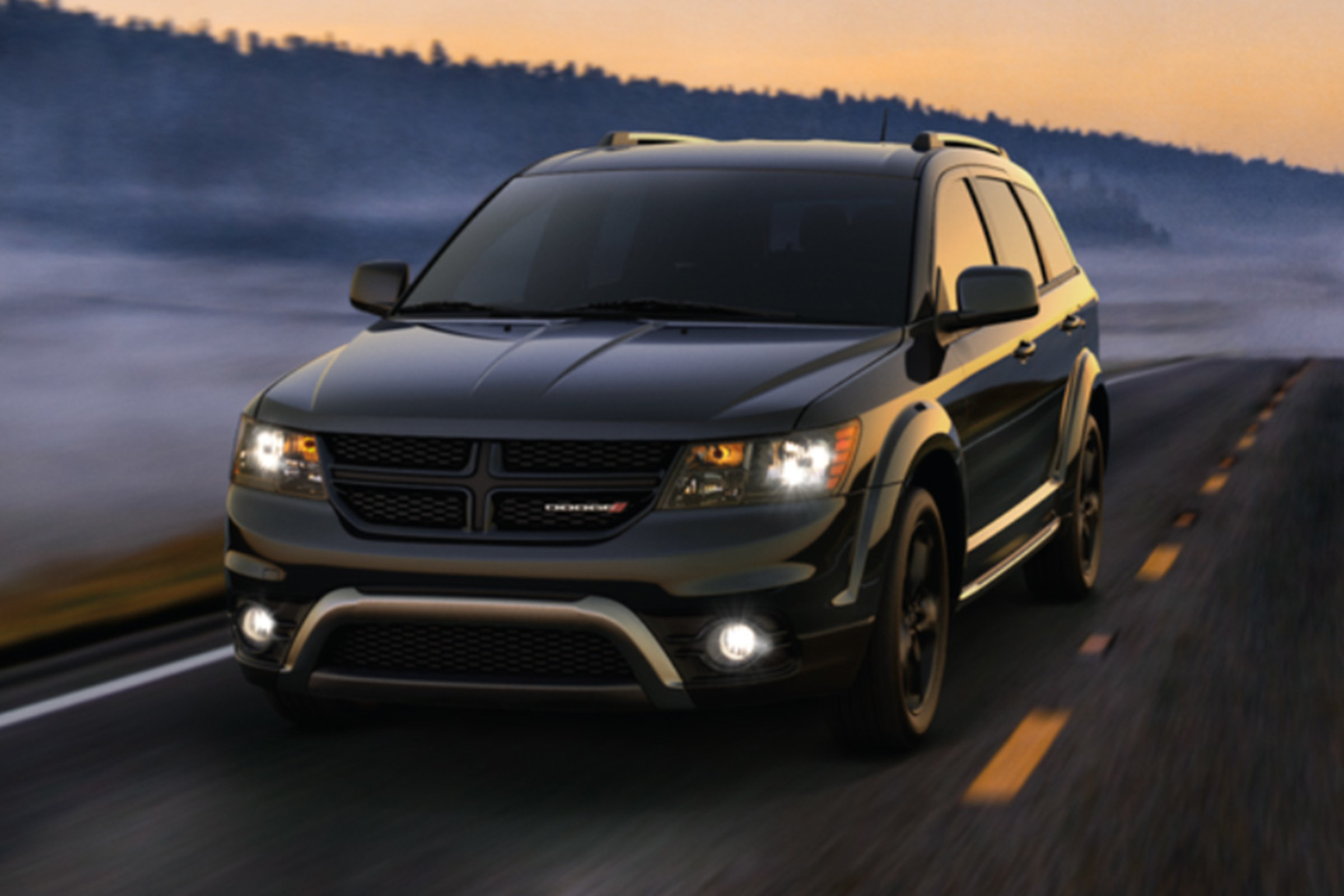
Interior technology also feels old-fashioned. The infotainment system works fine but isn’t as responsive or feature-rich as newer systems. Over time, issues like screen freezes and electrical malfunctions are common complaints among owners.
One of the biggest drawbacks mechanics highlight is maintenance. Many parts are prone to early wear, and repairs can add up quickly. Frequent brake, suspension, and electrical problems make the Journey costly to maintain despite its low purchase price.
Resale value for the Dodge Journey is quite poor. Used models depreciate quickly due to their history of mechanical issues. Buyers often overlook it in favor of more reliable and modern SUVs.
4) Nissan Pathfinder
The Nissan Pathfinder has long been a well-known name in the SUV world. It promises strong performance, a spacious interior, and good towing ability. However, mechanics often warn families about its ongoing reliability issues, especially with the transmission system.
Aside from the transmission, the Pathfinder offers a strong V6 engine that performs smoothly when maintained well. It provides good towing power and confident acceleration, making it suitable for both family use and light adventure driving.
Inside, the cabin is spacious, comfortable, and well-designed. Families appreciate the three-row seating and wide rear doors, which make it easier for kids or elderly passengers to get in and out. The materials and layout feel pleasant for long trips.
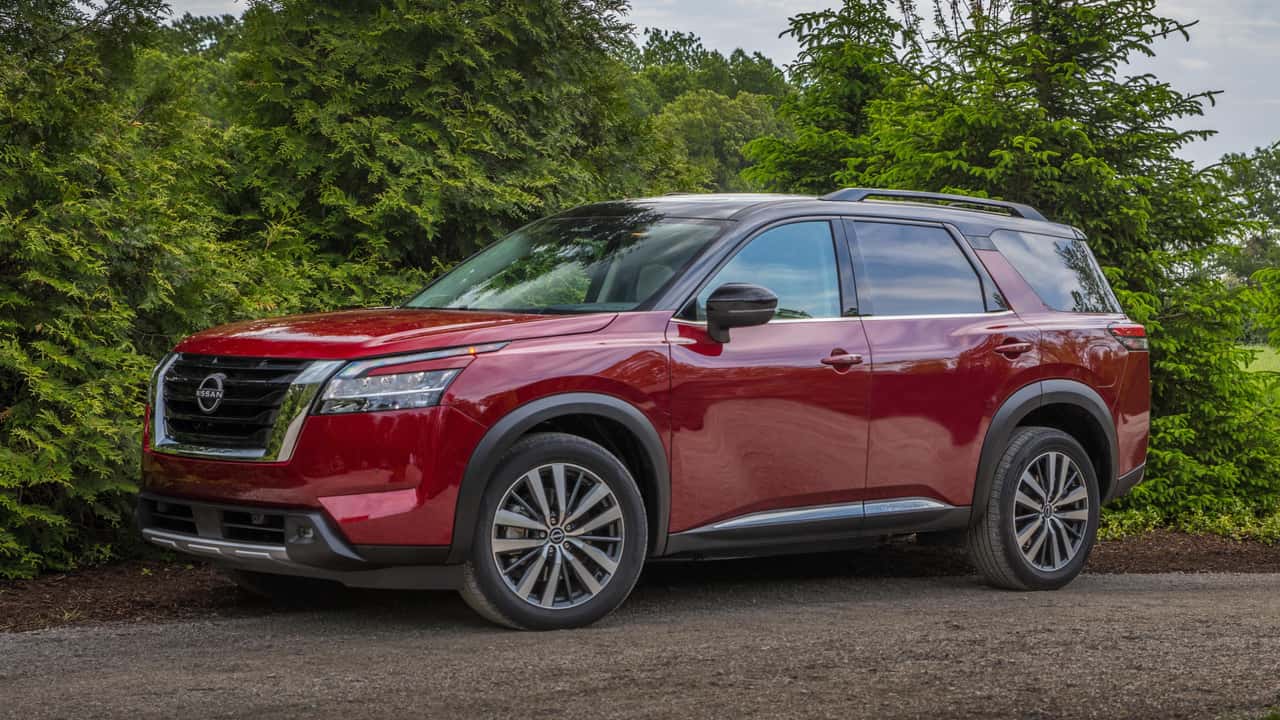
Mechanics, however, still point out maintenance costs as a downside. The CVT is not as durable as traditional transmissions, and fixing or replacing it can be expensive. Regular servicing is critical to avoid premature wear and major breakdowns.
Fuel economy is decent for its size, but not class-leading. The Pathfinder’s efficiency is affected by its weight and drivetrain setup. Hybrid versions were briefly offered but later discontinued, limiting fuel-saving options for families.
Resale value is lower compared to Toyota or Honda rivals. Many buyers hesitate due to its transmission reputation, even though newer Pathfinders have shown improvements in reliability and design. Mechanics recommend choosing newer models if buying used.
5) Chevrolet Equinox
The Chevrolet Equinox is a popular compact SUV known for its comfort and style. Many families appreciate its smooth driving experience and spacious cabin, but mechanics often caution that older models, especially before 2018, have reliability issues worth noting.
Safety has improved significantly over the years. The latest versions come equipped with features like lane departure warning, automatic braking, and blind-spot monitoring. These upgrades have made the Equinox a much safer choice for families than older models.
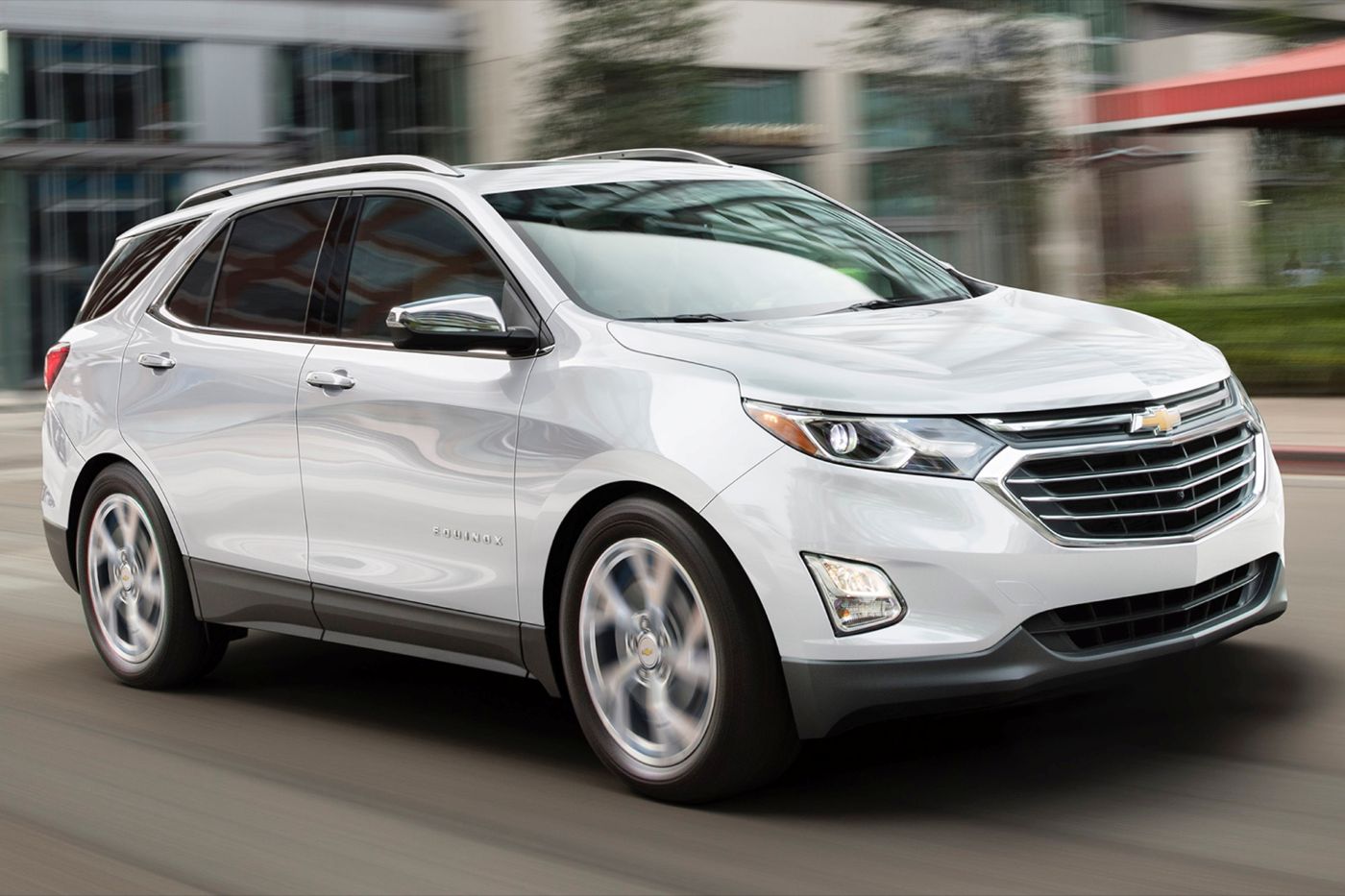
Mechanics generally recommend newer Equinox models from 2019 onward, as Chevrolet fixed many of the previous engine and transmission problems. These newer versions are more reliable and require less frequent maintenance.
Fuel economy is good, especially in models with the smaller turbocharged engines. Families who drive frequently find the Equinox efficient and affordable to run, as long as it’s well-maintained and serviced on schedule.
Also read:5 SUVs That Stay Comfortable for Families vs 5 That Don’t