
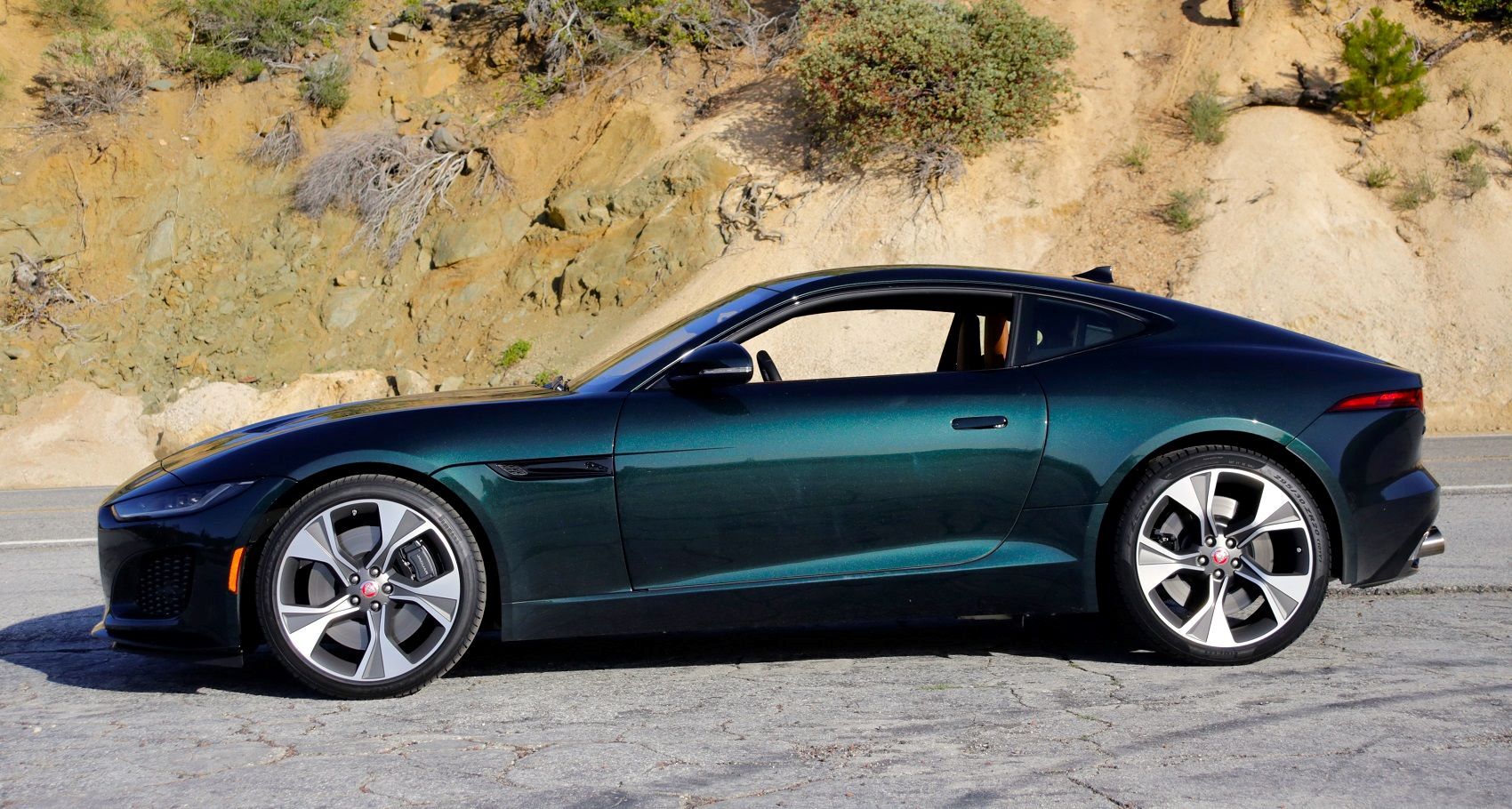
V6 engines have long been the middle ground between performance and practicality. They offer the smoothness of six cylinders without the thirst of a V8.
Over the decades, automakers have refined their V6 designs to balance power delivery, efficiency, and long-term reliability. Yet, one component continues to separate the great from the flawed the timing chain system.
When it’s designed right and lubricated properly, a V6 can stay whisper-quiet for decades. When it’s not, drivers hear the telltale rattle that signals internal wear and expensive repairs ahead.
Some V6 engines are renowned for their ability to stay smooth and quiet past 200,000 miles. These are the ones with solid chain guides, tensioners that hold pressure, and owners who give them clean oil on time.
Their silence is a mark of good engineering, tight tolerances, and consistent maintenance. Families and commuters who drive them often praise their smooth idle and lack of mechanical noise even after years of daily use.
On the other side are V6s that start to lose their composure early. They may make great power or feature advanced tech, but their timing chains begin to rattle long before the 150,000-mile mark.
These noises hint at stretched chains, worn guides, or oil starvation all symptoms that can lead to costly overhauls.
This article explores both sides of that divide. We’ll highlight six V6 engines that remain impressively quiet past 200k, showing how solid engineering pays off over time.
Then we’ll turn to six that struggle with early timing chain noise, revealing what causes the issue and why it matters for long-term ownership.
Also Read: 5 SUVs With Real Underbody Protection vs 5 With Plastic Skid Plates
5 V6s That Stay Quiet Past 200k
Some V6 engines are built with such precision that they stay quiet even after years of hard driving. These powerplants prove that with the right materials, engineering, and maintenance, timing chain systems can outlast the car itself.
The best examples manage to stay smooth through hundreds of thousands of miles without any of the harsh rattles or vibrations that signal internal wear. Their longevity becomes a reflection of both smart design and real-world durability.
What separates these engines from the rest isn’t just luck it’s thoughtful construction. They use strong chain tensioners, sturdy guides, and oil passages designed to keep the chain properly lubricated even during cold starts.
The metallurgy of the chain and gears also plays a big role, as better heat treatment reduces stretch over time. In many cases, the same V6 architecture has been refined for over a decade, with small improvements made to enhance smoothness and reliability.
Owners who maintain these engines often find them nearly silent past 200,000 miles. Regular oil changes, factory-spec filters, and proper warm-up habits help them stay in sync.
Even when driven daily, they deliver quiet confidence and remain free of chain rattle. Mechanics often praise these engines for their simple yet strong timing assemblies that resist wear and hold tension well into high mileage.
In the following section, we’ll highlight six V6 engines that have earned a reputation for long-lasting smoothness.
Each one stands out not just for reliability, but for maintaining that calm, balanced tone that defines a truly refined six-cylinder. These are the engines that reward proper care with long, quiet service the ones you can trust to hum peacefully past 200k.
1. Toyota 3.5L V6 (Camry / Highlander / Lexus ES350)
Toyota’s 3.5-liter 2GR V6 is one of the most reliable and refined six-cylinder engines ever made. Found in the Camry, Highlander, Avalon, and Lexus ES models, it has become a benchmark for smoothness and long-term durability.
Even after 200,000 miles, many owners report that it runs almost as quietly as new, with little to no mechanical chatter from the timing chain area.
The secret lies in its overbuilt timing chain system. Toyota used hardened steel chains, self-adjusting hydraulic tensioners, and long-wearing guides that don’t crumble under heat or oil pressure changes.
Unlike many modern engines that depend on tight oil tolerances, the 2GR keeps its chain tension stable even when oil viscosity breaks down slightly.
Regular oil changes are all this engine really needs. The 2GR’s lubrication system feeds the chain directly and keeps the tensioners pressurized at start-up, reducing the dry rattling that other engines suffer. Even on cold mornings, the chain stays quiet.
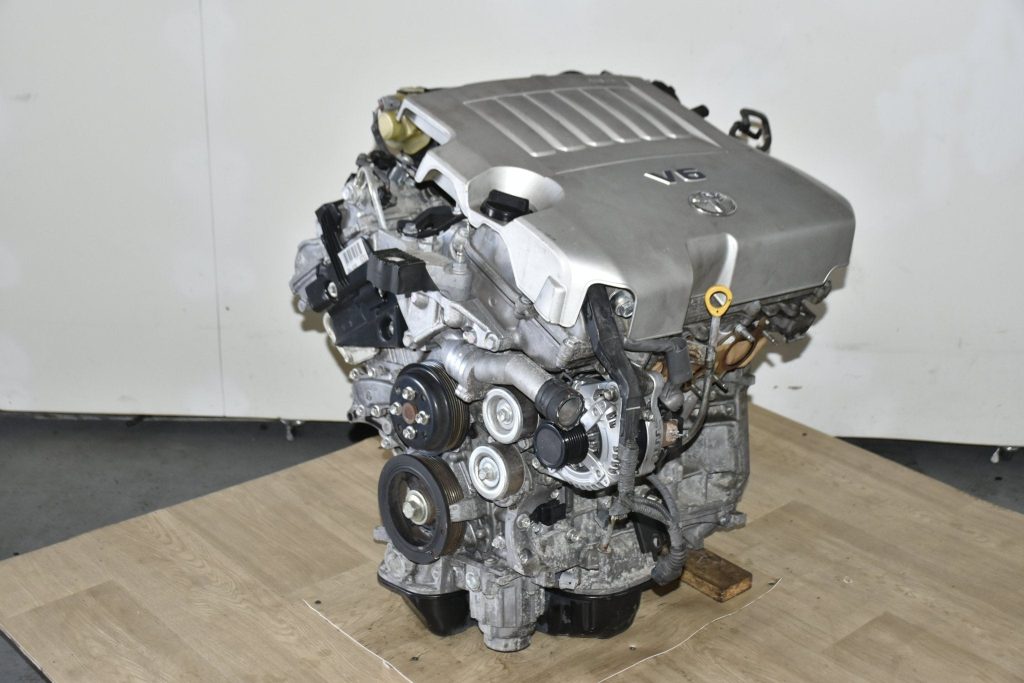
Mechanics often praise the 2GR because it requires minimal internal service even beyond 250,000 miles.
It’s not uncommon for taxi fleets or delivery cars to run these engines past 300,000 miles without touching the timing system. The result is a smooth, steady hum instead of a metallic rattle.
The 2GR V6 proves that Toyota’s conservative engineering still pays off. It’s strong, low-maintenance, and almost immune to timing chain noise when properly cared for. That combination of silence and strength is what keeps it on the list of V6s that age gracefully.
2. Honda 3.5L J35 V6 (Odyssey / Pilot / Ridgeline)
Honda’s J35 engine has powered millions of vehicles and built a loyal following for its smoothness and longevity.
Used in the Odyssey, Pilot, Ridgeline, and Accord V6, the J35 is known for running quietly past 200,000 miles without developing the dreaded chain rattle that plagues many newer engines.
This V6 benefits from Honda’s deep experience with valvetrain design. Its chain tensioners are simple but reliable, and its oiling system is designed to feed the chain directly. Even during long highway drives or heavy towing, the tensioners keep consistent pressure, which prevents slack and noise.
Honda also refined the crankshaft balance and block rigidity over the years. That helps reduce vibration and mechanical resonance two factors that contribute to long-term quietness. When the engine idles, it feels balanced and controlled, even at high mileage.
What really sets the J35 apart is its tolerance for real-world use. It doesn’t need exotic maintenance or special oil, just regular service intervals. Many owners who perform routine care see their engines exceed 250,000 miles without chain or guide replacements.
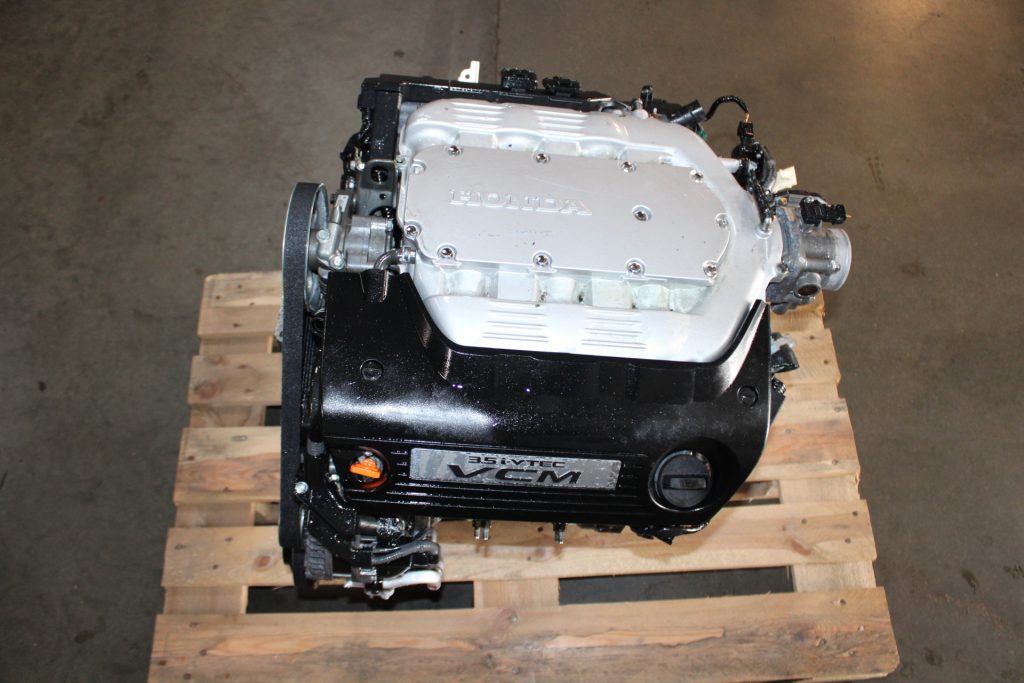
Mechanics consistently describe the J35 as one of the “quietest high-mileage V6s” they encounter. Even at 250k or more, there’s rarely any startup rattle or cold-chain chatter. That level of refinement makes it an excellent family engine one that stays composed and quiet through decades of daily driving.
The J35 proves that balance and consistency in design matter more than complexity. It’s a reminder that well-engineered simplicity often lasts the longest.
3. Nissan 3.5L VQ35DE (Maxima / Murano / 350Z)
Nissan’s 3.5-liter VQ35DE is one of the most recognized and celebrated V6 engines in the automotive world. Used in everything from family sedans to performance coupes, it balances power and refinement like few others.
What surprises many is just how quietly it runs even after 200,000 miles. Properly maintained, the VQ35DE can stay nearly rattle-free for its entire life.
Part of its success comes from precision engineering. The timing chain system features thick double-row chains and strong hydraulic tensioners that maintain pressure consistently.
Unlike some engines that rely on lightweight parts to save weight, Nissan gave the VQ35 components that favor strength over minimalism. The result is a setup that doesn’t stretch easily and stays aligned through years of high-RPM use.
The VQ’s oiling system is another advantage. Nissan designed generous oil galleries that reach the chain guides quickly, especially during cold starts when lubrication matters most. This prevents the brief dry friction that often causes chain chatter in other designs.
Owners often report smooth performance well into high mileage. Even in older 350Zs or Muranos, the engine note remains rich but controlled. Mechanics like its accessibility and note that timing chain issues are rare unless oil changes are neglected for years.
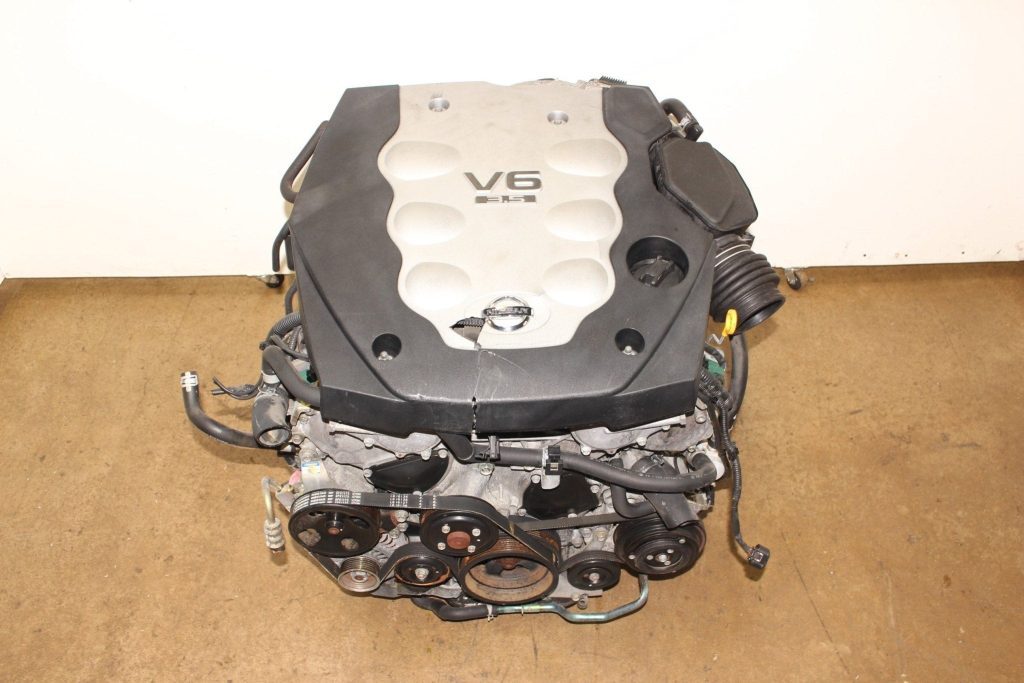
The VQ35DE stands as proof that a performance engine can also be long-lasting and quiet. It combines reliable materials with smart oil management and careful balance, keeping its chain noise-free long after most engines start showing their age. It’s one of those rare V6s that delivers power and peace in equal measure.
4. Ford 3.7L Cyclone V6 (Mustang / F-150 / Edge)
Ford’s 3.7-liter Cyclone V6 is one of the quiet workhorses of the American lineup. Found in the Mustang, F-150, and several crossovers, it’s known for being tough, dependable, and surprisingly smooth at high mileage.
Drivers who maintain it well often see it run quietly past 200,000 miles without the chain chatter common in other Ford engines.
The Cyclone series uses a dual-overhead-cam layout with a strong timing chain setup. Ford engineered the tensioners and guides with durability in mind, knowing these engines would see hard use in trucks and utility vehicles.
As a result, they rarely suffer from premature wear or slack. The chain’s routing is also short and direct, reducing the risk of vibration and stretch over time.
Its oiling design is a highlight. Ford gave the Cyclone a high-capacity oil pump that maintains strong pressure even when towing or idling in hot weather. This helps the chain stay lubricated and tensioners fully pressurized, minimizing startup noise.
Owners often mention that their 3.7L engines remain whisper-smooth even after 250,000 miles. Whether in a Mustang cruising on the highway or an F-150 hauling cargo, the sound stays steady and refined. Mechanics also report very few timing failures, provided oil changes are done regularly.
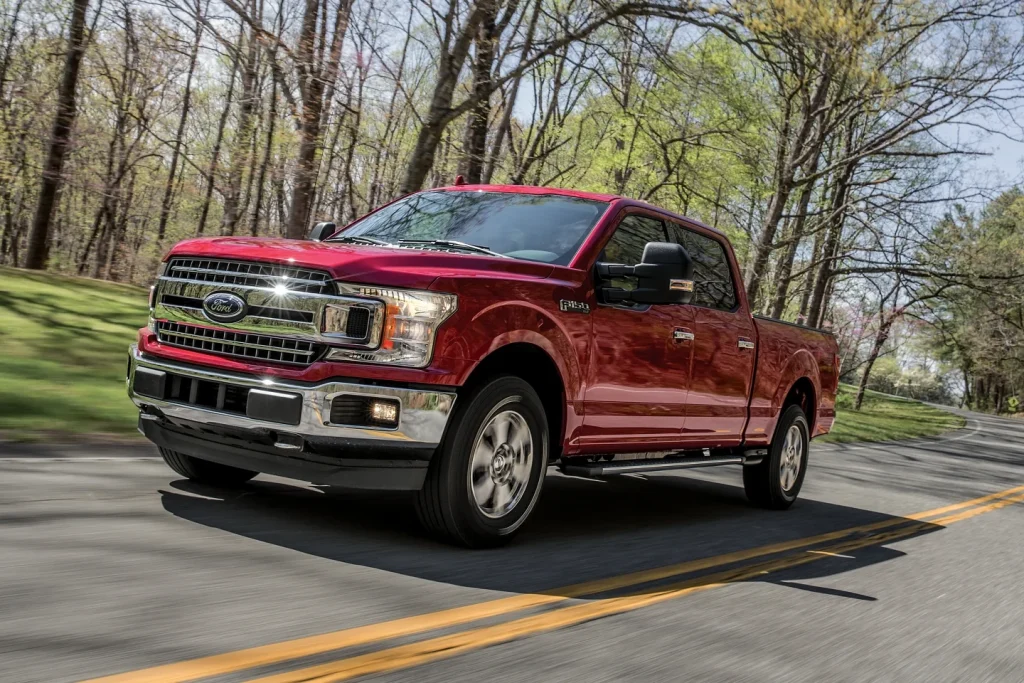
What makes the 3.7L Cyclone special is how well it holds together under pressure. It combines solid materials, simple engineering, and excellent oil control all of which keep it quiet and dependable well beyond 200k.
It’s a strong example of how Ford can build a robust, long-lasting V6 that doesn’t need constant attention to stay silent.
5. GM 3.6L LFX V6 (Chevrolet Impala / Cadillac CTS / GMC Acadia)
General Motors’ 3.6-liter LFX V6 is a quiet achiever in the reliability world. Found across Chevrolet, GMC, Buick, and Cadillac models, it’s known for running smoothly and quietly far past 200,000 miles.
While earlier versions of GM’s 3.6L had some timing chain stretch issues, the LFX variant introduced major improvements that turned it into a long-lasting performer.
The LFX uses redesigned timing chain tensioners and stronger chain materials. These updates reduced the risk of chain slack, a problem that once haunted older LY7 versions.
Combined with a more efficient oiling system and better metallurgy, this engine stays composed through years of daily use. The balance between refinement and power makes it a standout among modern American V6s.
One of the key reasons it stays quiet is its high oil pressure at idle and startup. The hydraulic tensioners react quickly, keeping the chain tight even in cold weather.
GM also improved the oil filter bypass valve, ensuring that oil reaches the chain instantly after ignition. This eliminated much of the momentary rattle that older models suffered.

Owners frequently report that their LFX engines run whisper-smooth well beyond 200,000 miles with nothing more than regular oil and filter changes. Mechanics often see them arrive with clean internals and perfectly aligned timing marks, proof of stable chain control.
The LFX is a great example of a company learning from its past and refining its design. By focusing on chain tension and lubrication consistency, GM created a V6 that finally matched Toyota and Honda in quiet long-term operation. It’s a durable, capable engine that stays calm and quiet well into high mileage.
5 That Get Timing Chain Rattle Early
Not every V6 engine ages gracefully. Some start life strong and refined, but over time, they develop a distinct rattle that owners dread.
This metallic chatter, usually from the timing chain area, can appear as early as 80,000 to 120,000 miles. While it doesn’t always mean immediate failure, it’s a clear warning sign that something inside isn’t keeping perfect tension anymore.
Timing chain noise often comes down to a mix of design and maintenance. In some engines, the tensioners are too small to maintain consistent pressure once the oil thins with age.
In others, narrow oil passages delay lubrication at startup, allowing the chain to slap against the guides before the tensioners fully engage. Once that happens repeatedly, the guides wear out and the rattle becomes permanent.
These early-rattling V6s aren’t necessarily bad engines many deliver strong power and great efficiency. Their weakness lies in timing design complexity and sensitivity to oil quality.
Skipped oil changes or cheap filters can make problems appear years sooner than they should. Unfortunately, the cost of repairing timing systems often exceeds what owners expect, especially when the chain is located deep within the engine block.
This section focuses on six V6 engines known to develop timing chain noise earlier than expected.
They come from respected automakers but reveal how even great designs can falter when stretched for performance or emissions targets. Each engine tells a story of compromise between refinement, cost, and complexity.
By examining these examples, drivers can understand what to watch for, how to prevent early wear, and why some timing systems simply don’t age as quietly as others. Recognizing the patterns can help avoid costly surprises and keep that rattle from becoming an expensive soundtrack.
1. Volkswagen 3.6L VR6 (Atlas / Passat CC / Touareg)
Volkswagen’s 3.6-liter VR6 is loved for its power delivery and unique growl, but over time, it’s also earned a reputation for early timing chain noise.
Found in models like the Atlas, Passat CC, and Touareg, this engine often starts to rattle between 80,000 and 120,000 miles long before most owners expect it. The issue lies deep within its compact and complex chain layout.
The VR6 uses a narrow-angle block with the timing chain mounted at the rear of the engine. This packaging improves weight balance but makes servicing incredibly difficult.
The rear position also means oil takes slightly longer to reach the chain on startup, especially in cold weather. That delay causes a few seconds of dry contact, which wears down the guides and tensioners prematurely.
Volkswagen’s tensioner design in early versions wasn’t ideal either. The hydraulic mechanism loses pressure quickly when the engine sits, allowing the chain to slap briefly during cranking. Over thousands of cycles, this stretches the chain and leads to that familiar metallic clatter.
Owners frequently describe a “diesel-like” noise on cold starts that fades after a few seconds a classic sign of VR6 chain wear. Left unchecked, it can escalate into timing misalignment and expensive repairs that require engine removal.

Despite the issue, the VR6 remains a technically impressive engine. Its strength and smoothness make it fun to drive, but owners must keep oil changes strict and use high-quality synthetic oil to slow chain wear. The lesson here is that even a beautifully engineered V6 can lose its quiet nature if its lubrication and chain design aren’t perfectly balanced.
2. Chrysler 3.6L Pentastar V6 (Jeep Grand Cherokee / Dodge Charger / Chrysler 300)
Chrysler’s 3.6-liter Pentastar V6 is one of the most widely used engines in North America, powering Jeeps, Dodges, and Chryslers alike.
It’s smooth, strong, and efficient but it has a known weak spot when it comes to early timing chain rattle. Some drivers begin noticing the noise before the 100,000-mile mark, often accompanied by rough cold starts.
The Pentastar’s problem stems from its timing chain tensioner system. In early production years, the hydraulic tensioners didn’t always maintain adequate oil pressure at startup.
When oil drains back overnight, the tensioners momentarily lose pressure, allowing the chain to slap the guides for a few seconds. Over time, that repeated stress stretches the chain and wears the guides unevenly.
Chrysler improved the design in later years, but even then, poor oil maintenance or sludge buildup can cause the same symptoms. Because the Pentastar uses a relatively long chain to drive both camshafts, any slack becomes amplified, increasing the risk of noticeable rattle.
Mechanics who specialize in Jeeps and Chargers report that early Pentastar timing repairs are not uncommon.
The cost can climb quickly since replacing the chain set involves significant disassembly. Yet many of these problems can be avoided with 5,000-mile oil intervals and proper viscosity oils that keep tensioners full of pressure.
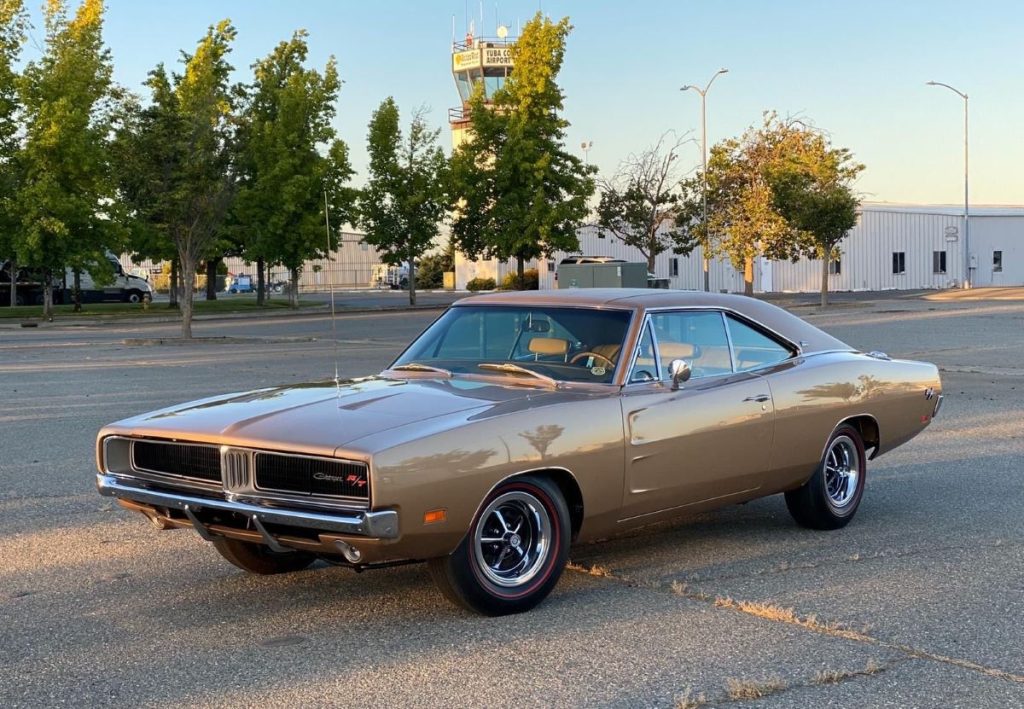
The Pentastar remains a strong performer with millions of units on the road, but its chain system highlights the fine line between complexity and long-term quietness. It’s a solid engine when maintained carefully but one that can start singing the wrong tune early if oil care slips even a little.
3. BMW 3.0L N52 / N55 Inline-Six (3 Series / 5 Series / X5)
BMW’s 3.0-liter N52 and N55 engines have earned praise for their smoothness and strong performance, but they also carry a reputation for developing timing chain noise earlier than expected.
Although technically inline-sixes, they’re often compared with V6s for their widespread use and similar displacement. Many owners start noticing rattles from the rear of the engine around 80,000 to 120,000 miles.
The issue is rooted in the chain and tensioner design. BMW mounted the timing chain at the back of the block to save space and improve weight distribution.
However, this layout traps heat near the chain and makes oil delivery slower during startup. The hydraulic tensioners rely heavily on immediate oil pressure, and any delay causes momentary slack that wears the chain and guides prematurely.
As these parts degrade, a sharp metallic rattle emerges, especially at idle or during cold starts. Over time, it can grow into a rhythmic tapping that signals real wear. BMW’s variable valve timing system (VANOS) also depends on exact chain tension, so any stretch quickly leads to drivability issues or fault codes.
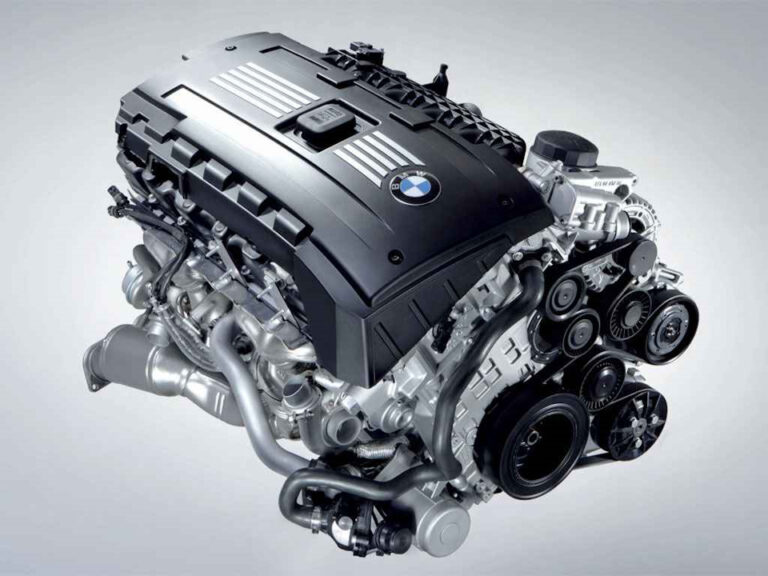
Owners who use the correct synthetic oil and follow 5,000–7,000-mile intervals can delay the problem significantly.
Unfortunately, once chain noise appears, repair costs are high because the chain sits deep against the firewall. Mechanics often need to remove the transmission or engine, pushing repair bills into the thousands.
Despite this weakness, the N52 and N55 remain wonderful engines when maintained properly. They deliver exceptional refinement, but their timing systems demand vigilance.
Neglect the oil, and that signature BMW smoothness quickly turns into a metallic reminder of how sensitive precision engines can be.
4. Jaguar 3.0L AJ126 Supercharged V6 (XF / F-Type / XJ)
Jaguar’s 3.0-liter AJ126 supercharged V6 gives drivers the thrill of performance with the smoothness expected from a luxury brand.
Yet under that refined exterior, this engine is known for developing timing chain noise well before 120,000 miles. The cause lies in both its complex chain routing and sensitivity to oil condition.
This engine uses a double-chain layout to drive four camshafts and the supercharger. The setup is intricate, and the tensioners rely on oil pressure to stay tight.
Over time, if oil changes are delayed or the wrong viscosity is used, the hydraulic tensioners lose efficiency.
When pressure drops, the chain slaps against its guides, producing the distinctive rattle that many owners describe as a “metallic buzz” during startup.
Heat plays a major role too. Supercharged engines naturally run hotter, and that thermal stress accelerates chain and guide wear.
Jaguar’s original plastic guides, while lightweight, are prone to cracking or polishing smooth under constant tension. Once the surface wears down, the chain loses alignment and amplifies noise.
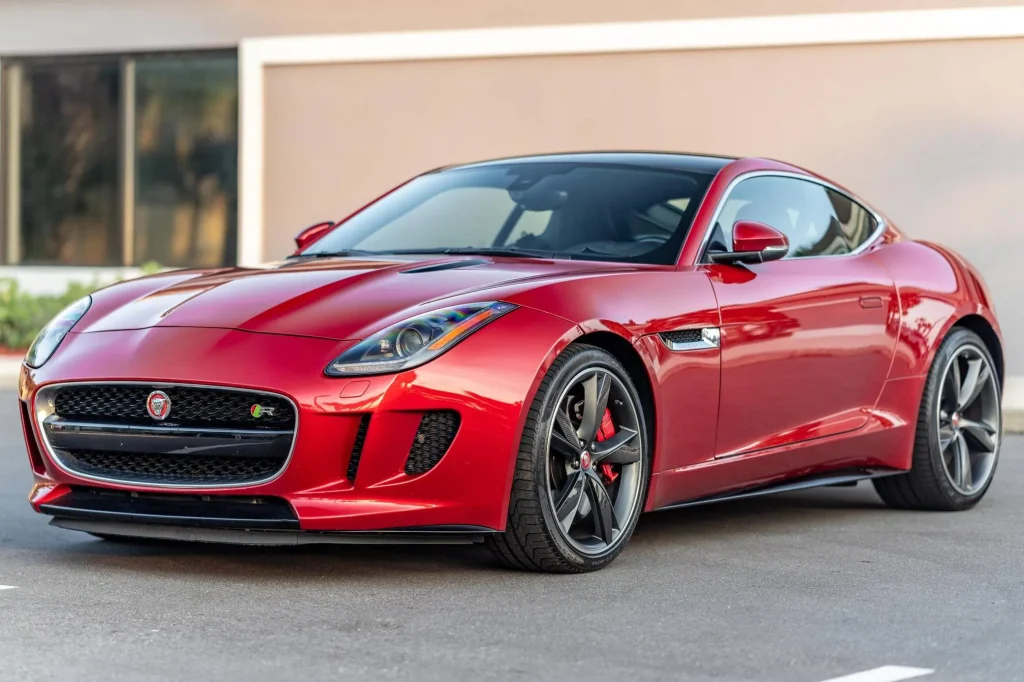
Mechanics who service Jaguars often warn that early rattle should never be ignored. It can lead to cam timing errors or full chain failure if left unchecked.
Preventive maintenance particularly frequent oil changes and using premium synthetic oil can extend the lifespan of the timing system.
The AJ126 is an engine that rewards attention but punishes neglect. It offers beautiful performance and a signature supercharged growl, yet beneath that sound lies a fragile timing setup. Without consistent care, its refined hum can turn into a costly metallic clatter long before most owners expect it.
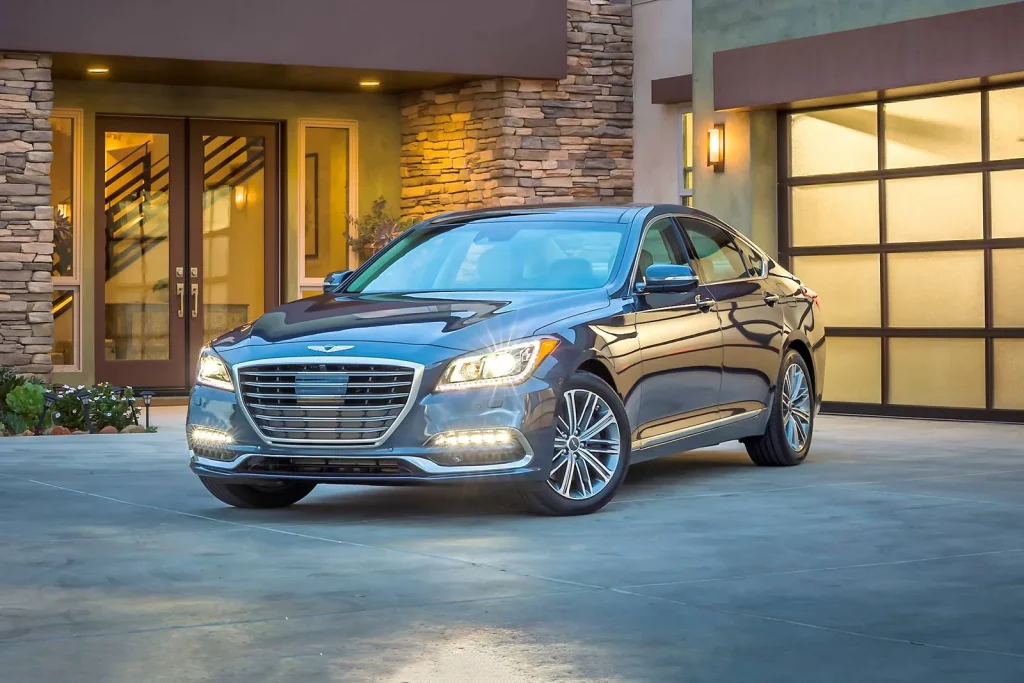
5. Hyundai 3.8L Lambda II V6 (Genesis / Azera / Santa Fe)
Hyundai’s 3.8-liter Lambda II V6 brought strong performance and smooth refinement when it debuted, but over time, it’s shown a tendency to develop early timing chain rattle.
Owners of Genesis sedans, Azeras, and even some Santa Fe models have reported startup noises and light chain chatter sometimes before reaching 100,000 miles.
The core issue lies in the chain tensioning system. The Lambda II uses hydraulically actuated tensioners that depend heavily on clean, stable oil pressure.
When oil drains back overnight or if sludge begins to build, these tensioners can’t immediately take up slack. This leads to a few seconds of chain slap on startup the first sign of premature wear.
Another contributing factor is heat. The 3.8L runs warm under load, and extended high-temperature operation causes gradual chain elongation.
Once the chain stretches even slightly, the variable valve timing system starts compensating, which creates additional strain on the guides and sprockets. Over time, the rattle becomes consistent, especially at idle.
Mechanics note that while the engine itself is strong, the timing chain design lacks the robustness seen in Toyota or Nissan units. Replacing the chain and tensioners is an involved process due to the engine’s tight front-end packaging, making repairs both labor-intensive and costly.
To prevent early chain noise, Hyundai specialists recommend oil changes every 5,000 miles and using top-tier synthetic oils. With this discipline, many Lambda II engines remain quiet well past 150,000 miles.
But when maintenance is ignored or cheap oil is used, that telltale chain chatter can arrive far sooner than expected. It’s a case where design complexity and oil sensitivity meet to challenge long-term refinement.
Also Read: 5 Sedans With Reliable Electric Power Steering vs 5 With Dead Spots
