
For many drivers, a compact SUV is the perfect mix of practicality and comfort. Yet one detail separates great ones from merely good how well they seal out wind. At 70 mph, a whisper can become a whistle, and a faint breeze can turn into an irritating hum that wears on passengers mile after mile.
While some models achieve impressive silence with tight door seals and aerodynamic design, others struggle to keep the cabin calm once the speedometer climbs.
Door seal engineering is more complex than it seems. It’s not just about rubber thickness; it involves pressure equalization, hinge alignment, and even body rigidity.
Manufacturers that get it right use multi-layer sealing systems, precision-fit doors, and acoustic glass to eliminate wind intrusion. When executed well, the result is a hushed cabin that feels premium even in budget-friendly models.
However, not all compact SUVs nail this detail. Some develop minor leaks or vibrations that create unwanted wind noise, especially after a few years of use. Poor fitment, aging seals, or design compromises in the A-pillar can turn long highway drives into slightly noisy experiences.
In this feature, we’ll look at both sides of the story. First, we’ll highlight eight compact SUVs whose door seals hold strong, keeping the wind at bay and the interior peaceful. Then, we’ll examine eight models that struggle at highway speeds, letting air sneak past their seals and disturb the calm.
These differences might sound small, but in the real world, they define comfort. After all, true refinement isn’t just about power or tech it’s about how quietly a car moves through the air.
Also Read: 10 Vehicles with Robust Paint and Interior Materials
8 Compact SUVs With Door Seals That Don’t Whistle
In the compact SUV segment, silence is often underrated but deeply valued. A quiet cabin reflects more than comfort it signals engineering precision and long-term durability.
When a vehicle glides down the highway without a trace of wind whistle, you know the automaker has invested in superior sealing, robust door structures, and smart airflow management. These are the SUVs that maintain their composure even when the weather turns rough or speeds climb past 70 mph.
Some models manage this through layered rubber gaskets that maintain consistent pressure along the frame. Others rely on carefully sculpted mirrors, flush glass edges, and reinforced A-pillars that channel air away from potential leak points.
Together, these details transform everyday commuting into a serene experience, letting drivers enjoy music or conversation without raising their voices.
The best part is that quietness doesn’t always come at a luxury price. Many of the top performers in this category include mainstream models that punch above their weight in refinement. Their insulation and fit-and-finish rival that of premium brands, proving that attention to detail matters more than badging.
In the following sections, we’ll explore eight compact SUVs that stand out for their ability to shut out unwanted noise. Each model represents a different approach from clever design and superior materials to meticulous factory assembly. What unites them all is one thing: their doors close with a solid thud, and once you’re inside, the wind stays outside.
These vehicles show that peace and quiet aren’t optional luxuries but essential elements of good design. Whether you’re driving through gusty plains or cruising an open freeway, these SUVs remain steady, composed, and blissfully silent.
1. Mazda CX-5
The Mazda CX-5 is often praised for its premium driving feel, but one of its unsung strengths lies in how well it keeps the outside world out. Even at highway speeds, the CX-5 maintains impressive calm inside the cabin. The secret lies in its triple-seal door design and carefully aligned panels, both of which prevent air turbulence from sneaking through.
Mazda engineers paid particular attention to how the doors close. They use a multi-lip rubber system that compresses evenly when shut, ensuring no gaps for whistling wind to form.
The mirrors and A-pillars are also aerodynamically shaped to direct airflow smoothly around the sides. Combined with thick acoustic windshield glass, the CX-5 feels more like an entry-level luxury SUV than a mainstream compact.
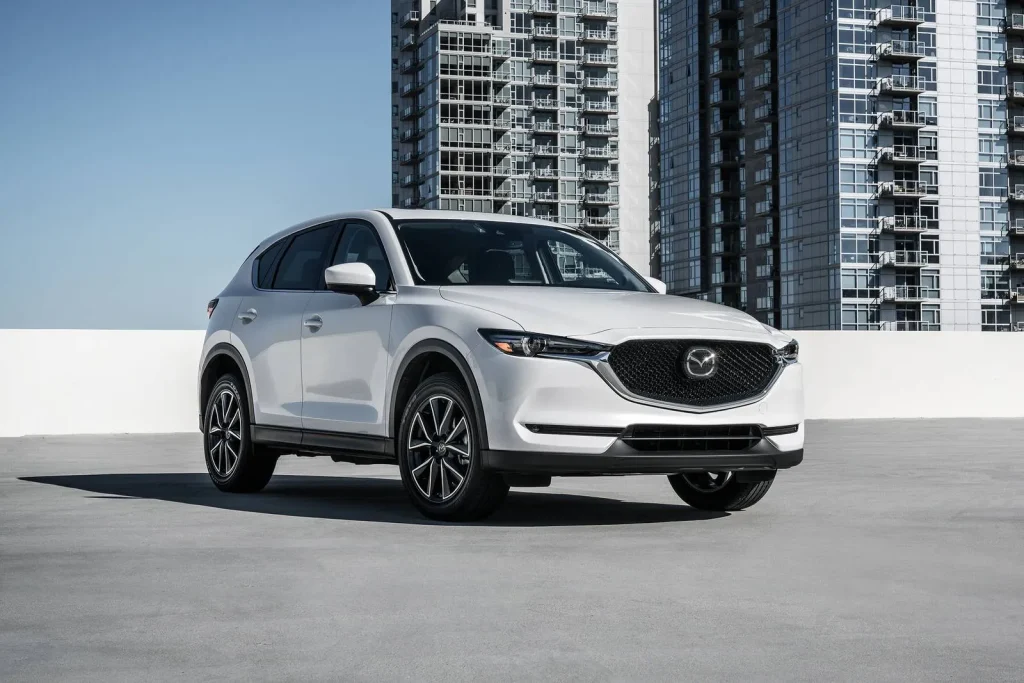
Over time, owners report that the seals hold up well, resisting shrinkage and hardening. This long-term consistency matters, especially for vehicles driven in extreme climates. Even after years of daily use, the CX-5’s cabin retains its vault-like silence a testament to Mazda’s attention to tactile detail.
The reason to spotlight the CX-5 here is simple: it proves quietness doesn’t demand a luxury badge. Its structural integrity and precision assembly deliver refinement that rivals costlier crossovers, showing how thoughtful design transforms driving comfort.
2. Toyota RAV4
The Toyota RAV4 has evolved from a practical compact into one of the most well-rounded SUVs in its class. Beyond its reliability and strong resale value, the RAV4’s cabin refinement is another standout. Toyota’s engineers have fine-tuned every joint, gasket, and seam to reduce air leaks, creating a calm environment even during strong crosswinds.
The RAV4 uses dual-seal technology around each door, ensuring consistent pressure when closed. The glass fitment and mirror housing design help minimize turbulence along the sides, while underbody panels smooth out airflow. The result is a steady, hushed ride at 70 mph even on rough pavement.
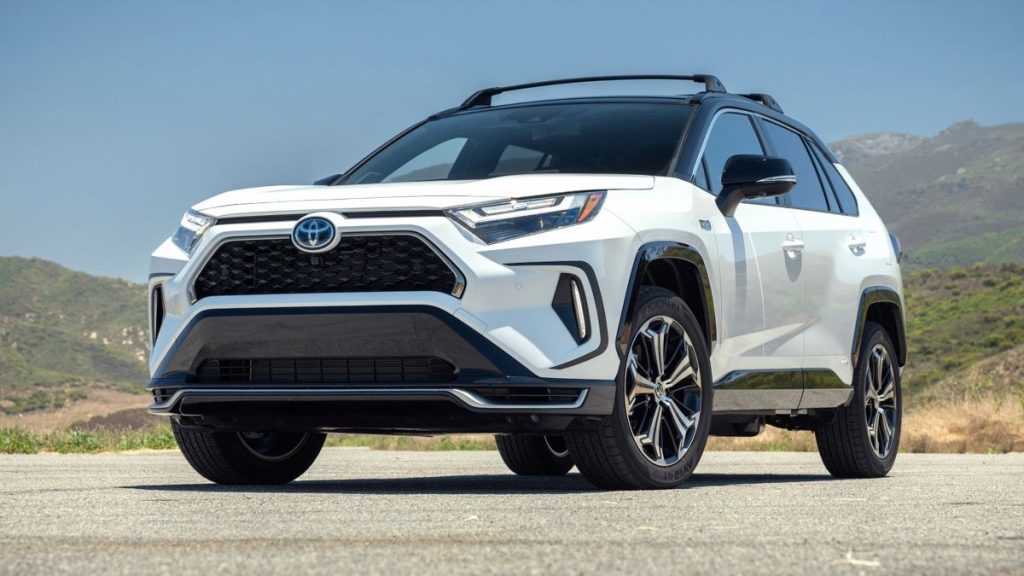
One of the reasons the RAV4 performs so well is its tight manufacturing tolerances. Toyota’s assembly precision ensures that each door aligns perfectly with the body, preventing the subtle gaps that often cause high-speed whistling. The seals are made of durable EPDM rubber, which maintains flexibility over years of exposure to sun and cold.
This SUV deserves its spot here because it shows how Toyota combines practicality with engineering finesse. The RAV4’s quiet cabin enhances long drives, letting its passengers enjoy music or conversation without constant background noise. It’s a true example of refinement done right simple, effective, and enduring.
3. Honda CR-V
The Honda CR-V has long been a benchmark for comfort and refinement in the compact SUV segment. One reason it continues to stand out is how quietly it moves through the air. Honda’s engineers refined every surface, from the A-pillars to the mirror mounts, to reduce turbulence and prevent air from creeping into the cabin.
The CR-V’s doors are built with precision-fit seals that compress in a layered pattern when closed. This design not only blocks wind noise but also prevents dust and moisture intrusion, even at higher speeds. Combined with laminated glass and thick insulation in the doors and floor, the cabin maintains its composure even on long highway trips.
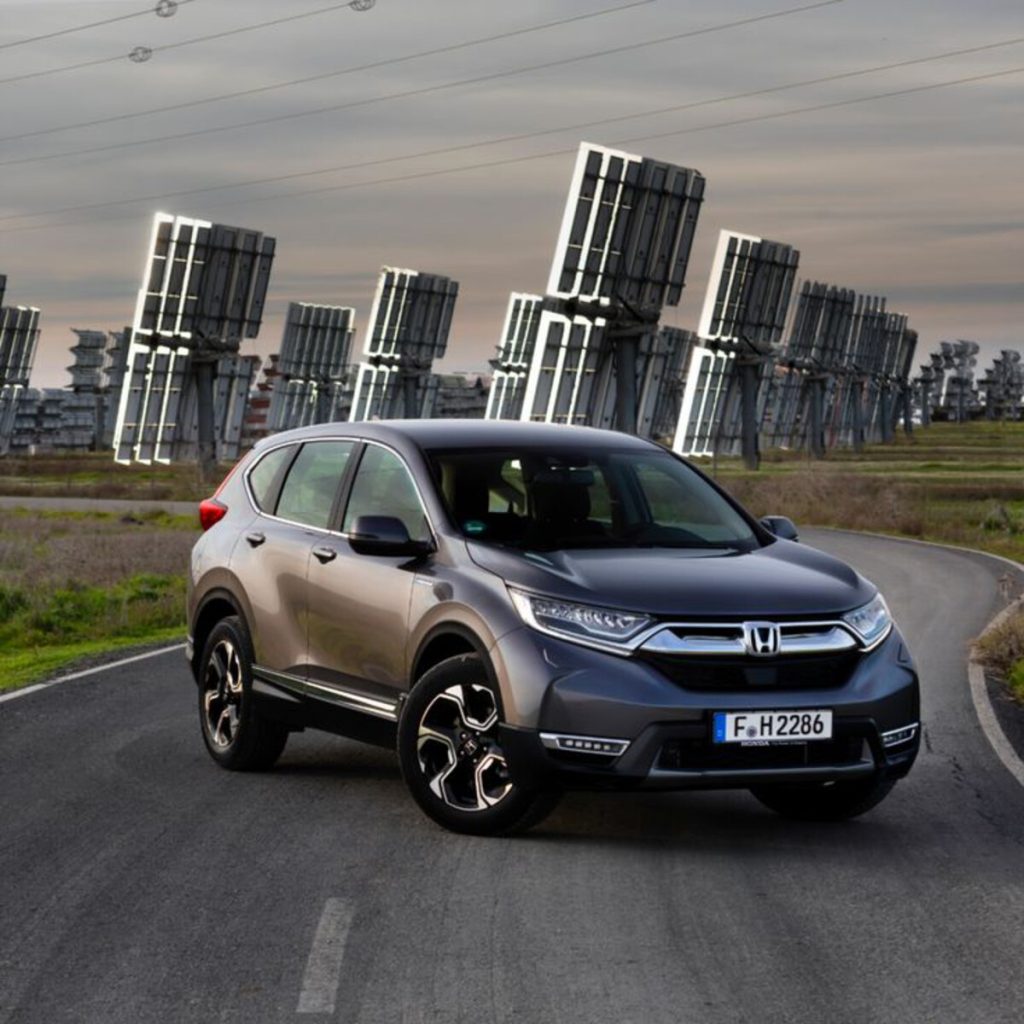
Owners often mention how the CR-V feels calm and settled at 70 mph, with minimal whistling or vibration. That’s because the seals are designed to retain flexibility through extreme weather cycles. They don’t shrink or harden easily, ensuring consistent performance even after years of exposure.
The CR-V earns its place on this list because it represents smart, balanced engineering. Honda didn’t chase luxury pricing it simply perfected the basics. Its quiet cabin is proof that good design and quality control can deliver premium results without a premium badge.
4. Subaru Forester
The Subaru Forester may be known for its rugged all-wheel drive and visibility, but its subtle refinement deserves equal praise.
Subaru paid close attention to how the Forester handles airflow, using a taller stance and sculpted bodylines to direct wind efficiently around the cabin. As a result, the Forester avoids the high-pitched whistling that often affects boxier SUVs.
The doors feature thick, multi-channel weather stripping that seals tightly against the frame, creating an airtight closure. Subaru’s engineers also positioned the side mirrors slightly lower on the doors to reduce buffeting at higher speeds. The result is a steady, composed cabin experience even during crosswinds or rain.
What makes the Forester stand out is how durable its seals remain over time. Subaru uses ozone-resistant rubber compounds that hold elasticity longer than most. Even after several winters or off-road adventures, the doors shut with that same confident “click,” and the wind stays outside where it belongs.
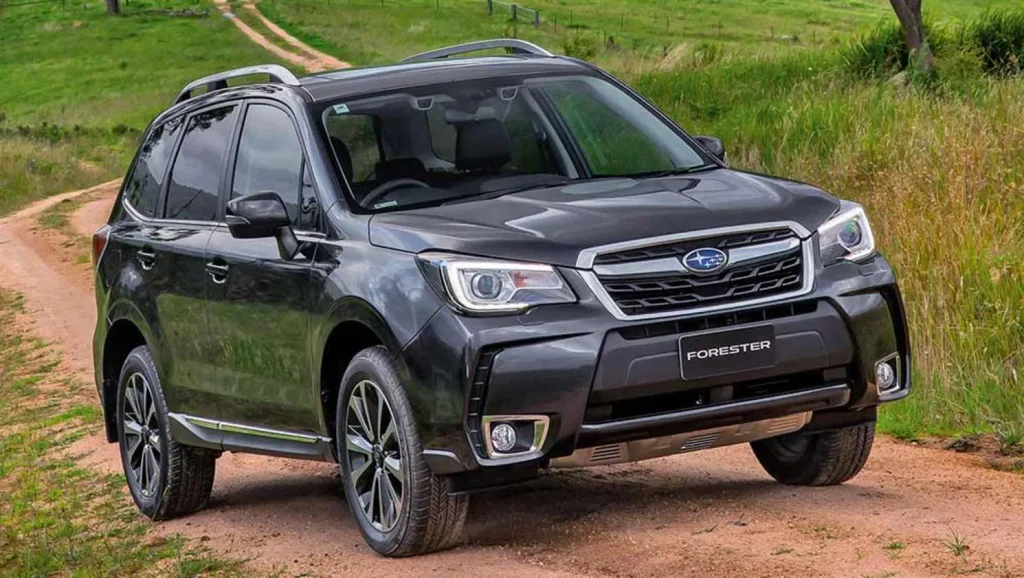
This model deserves recognition because it combines practicality with thoughtful craftsmanship. The Forester’s ability to stay quiet on open highways enhances its long-distance comfort, making it one of the most well-rounded SUVs for families and commuters alike.
5. Hyundai Tucson
The Hyundai Tucson has quietly become one of the most refined compact SUVs on the market, and a big part of that refinement comes from its impressive cabin quietness. At highway speeds, the Tucson glides along with little more than a faint hum of the tires a result of precise door engineering and attention to aerodynamic flow.
Hyundai uses a triple-layer sealing system on all four doors, a feature typically found in higher-end vehicles. The main seal handles pressure at the frame, while secondary and tertiary seals prevent micro-leaks around the upper window edge. Together, they create a compression fit that keeps out not just air but also fine dust and rain mist.
The Tucson’s engineers also spent extensive time in wind tunnels refining the shape of the mirrors, A-pillars, and even the roof rails. These aerodynamic tweaks reduce turbulence zones that typically generate whistle noises at 65–75 mph. When paired with laminated acoustic glass, the result is a cabin that stays hushed even on blustery open highways.
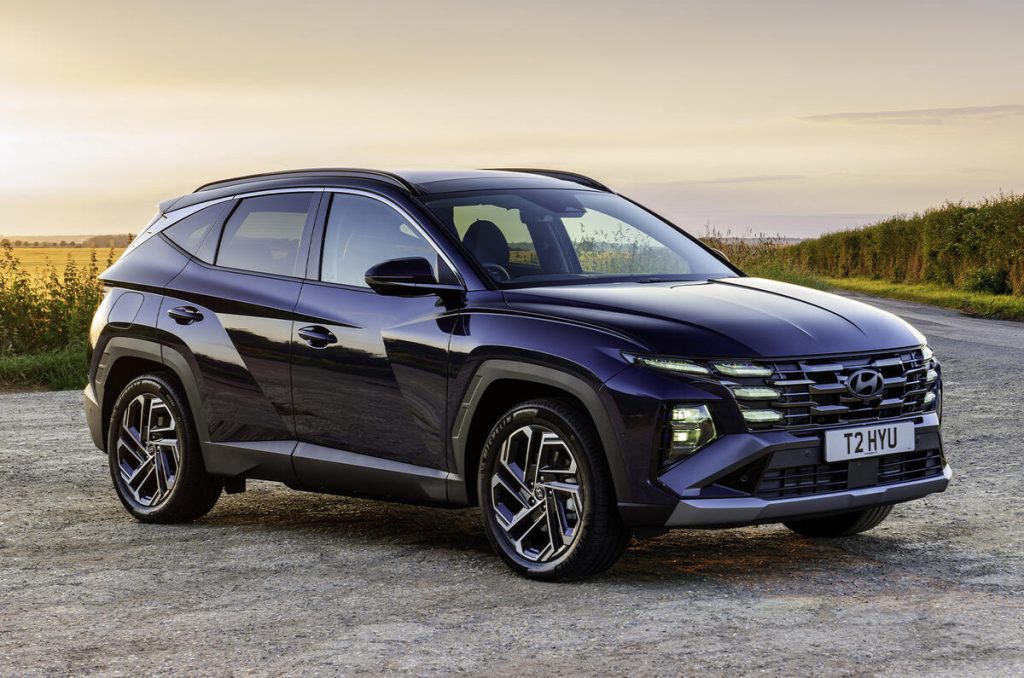
What makes the Tucson notable is its durability. Owners report that after years of use, its door seals retain their flexibility and grip. The rubber used is UV-resistant, which helps prevent cracking or hardening over time. This long-term resilience means the Tucson stays just as quiet in its fifth year as it was on day one.
This SUV earns its place on this list because it delivers premium silence without a luxury badge. Hyundai’s investment in tight tolerances and layered insulation shows a deep commitment to user comfort. It’s a clear example that quietness, once considered a bonus, is now an essential mark of modern craftsmanship.
6. Nissan Rogue
The Nissan Rogue’s transformation over the past decade has been remarkable, and one of its most underrated achievements is how much quieter it’s become.
Once known for wind chatter at high speeds, the current Rogue has evolved into a remarkably sealed and composed compact SUV. Its engineers rethought the entire door architecture to eliminate weak points where air pressure could slip through.
The doors feature reinforced seals made of dual-density rubber. The softer inner layer conforms to the metal body for an airtight fit, while the outer layer provides a rigid defense against compression loss. This two-part design ensures that the Rogue’s cabin remains tranquil, even when strong gusts hit the sides.
Nissan also improved the fit of the glass and mirror mounts. By angling the mirrors to redirect airflow smoothly along the body, the Rogue reduces high-frequency whistle sounds. Its acoustic windshield and thicker side glass complement these efforts, keeping the cabin peaceful at highway speeds.
Long-term owners have praised how the Rogue’s seals resist deterioration. Even after repeated door slams or exposure to sun and rain, they maintain pliability and alignment. This durability is what truly sets it apart in real-world use.
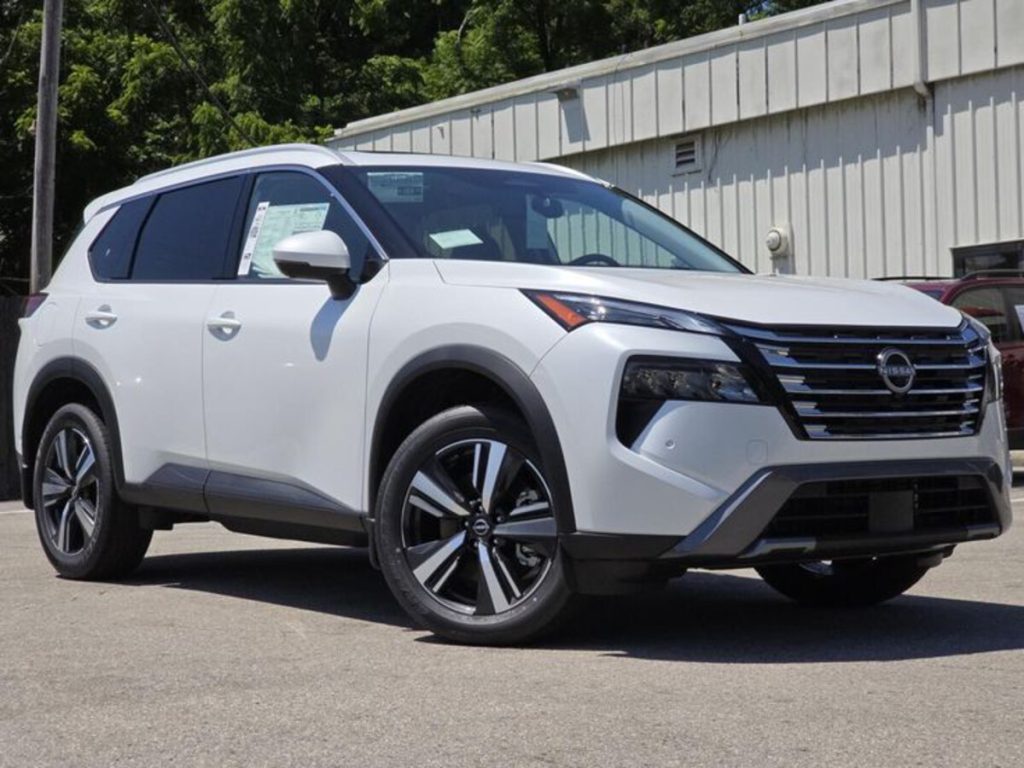
The Rogue deserves recognition because it represents Nissan’s quiet engineering comeback. It shows how proper sealing and aerodynamic discipline can redefine comfort. For daily commuters and long-haul travelers alike, the Rogue delivers that soft, silent confidence that turns every journey into a calmer drive.
7. Volkswagen Tiguan
The Volkswagen Tiguan brings a distinct European sense of solidity to the compact SUV class. One of the first things drivers notice is how the doors shut with a deep, reassuring “thunk.”
That sound isn’t just satisfying it’s evidence of high-quality seals and precision assembly. The Tiguan’s engineers focused on eliminating any gaps that could let wind disturb the cabin’s peace.
The SUV features a continuous multi-lip sealing system around the door frames. These seals overlap strategically, creating a tight barrier that prevents even small drafts from entering. Volkswagen also uses dense insulation around the firewall and underbody to block noise from multiple directions. Together, these choices make highway cruising whisper-quiet.
The mirrors are aerodynamically sculpted and placed farther back along the door edge, a subtle yet effective change that channels airflow away from the A-pillar. The result is smooth pressure distribution and no hint of whistling at 70 mph even in crosswinds.
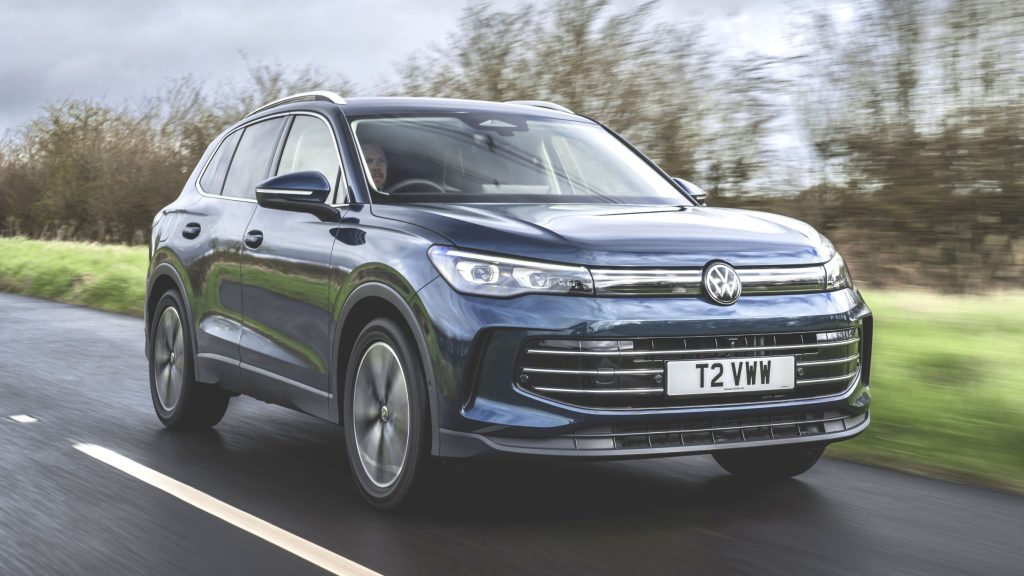
What makes the Tiguan impressive is how well this refinement lasts. Owners consistently report that after years of use, the cabin remains serene. The rubber seals retain elasticity thanks to a high silicone content, which resists both UV wear and cold-weather hardening.
The Tiguan deserves mention because it proves European engineering precision can make even a compact SUV feel premium. It doesn’t just rely on heavy sound insulation; it relies on tight craftsmanship. The result is a cabin that stays quiet, comfortable, and sophisticated through every mile.
8. Kia Sportage
The Kia Sportage has grown into one of the most polished compact SUVs in recent years, and its door sealing is a big part of that success. Kia’s engineers focused on creating an environment that stays calm and composed at high speeds, ensuring wind never intrudes into the cabin.
The Sportage uses an advanced three-point sealing system combined with an aerodynamic body profile. Each seal compresses in stages when the door closes, creating layered resistance that blocks out air leaks. The A-pillar and side mirrors have been shaped through wind tunnel testing to minimize buffeting and high-pitch tones caused by turbulence.
The result is remarkable even at 70 mph, passengers can carry on a normal conversation without raising their voices. The quietness feels deliberate, not accidental, and contributes to a refined, mature driving feel. Kia also added acoustic glass and door panel insulation to further reduce ambient noise.
What truly earns the Sportage its spot here is durability. The seals are made of ozone-resistant rubber compounds that maintain softness and compression over time. Even after years of sun exposure or cold starts, they continue performing effectively.
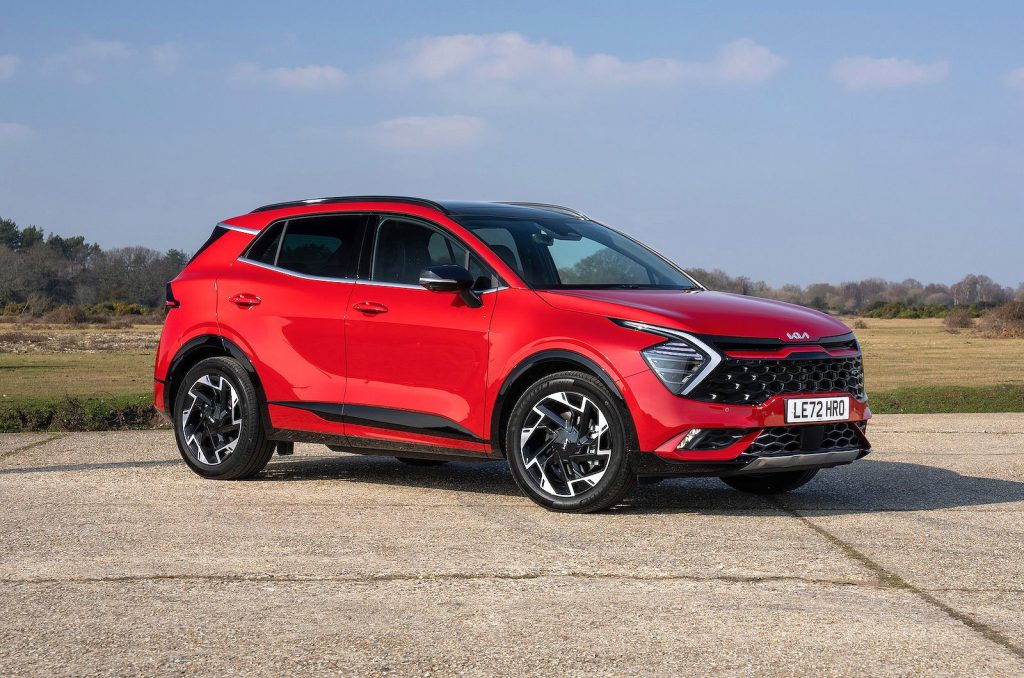
The Kia Sportage represents how far modern engineering has come in blending comfort, performance, and longevity. It shows that thoughtful attention to small details like how a door seals shut, can completely transform how premium a car feels from behind the wheel.
8 Compact SUVs That Leak Wind at 70 MPH
Not every compact SUV manages to stay quiet once speeds climb beyond city limits. Some look great, drive well, and offer loads of features yet when they hit 70 mph, a faint hiss or whistling sound creeps in from around the doors or mirrors. It’s a small flaw, but one that can quickly chip away at the sense of refinement and comfort that buyers expect today.
Wind noise leaks usually come down to one thing: imperfect sealing. Sometimes, the rubber gaskets don’t align properly; other times, the issue lies with body flex or mirror design.
Even a tiny gap around the A-pillar or upper door frame can create a high-frequency whistle when air pressure builds at highway speeds. Over time, repeated door use and weather exposure only make these weaknesses worse.
While these SUVs remain solid performers in many areas reliability, space, and value, their struggle with door seal integrity makes them less relaxing on long drives. For some, the issue shows up after a few years of ownership, as the seals harden or lose compression. For others, it’s a design quirk that has lingered through multiple generations.
In this section, we’ll explore eight compact SUVs that tend to let a little too much air in at highway speed. Each example shows how small flaws in sealing or aerodynamics can translate into noticeable wind intrusion. None of these vehicles are bad; in fact, many are quite good. But when it comes to maintaining a peaceful ride, they fall short compared to the best in class.
Wind leaks don’t just affect comfort they reveal how crucial precision and durability are in every inch of design. Even the smallest gap can make all the difference between serenity and irritation at 70 mph.
3. Jeep Compass
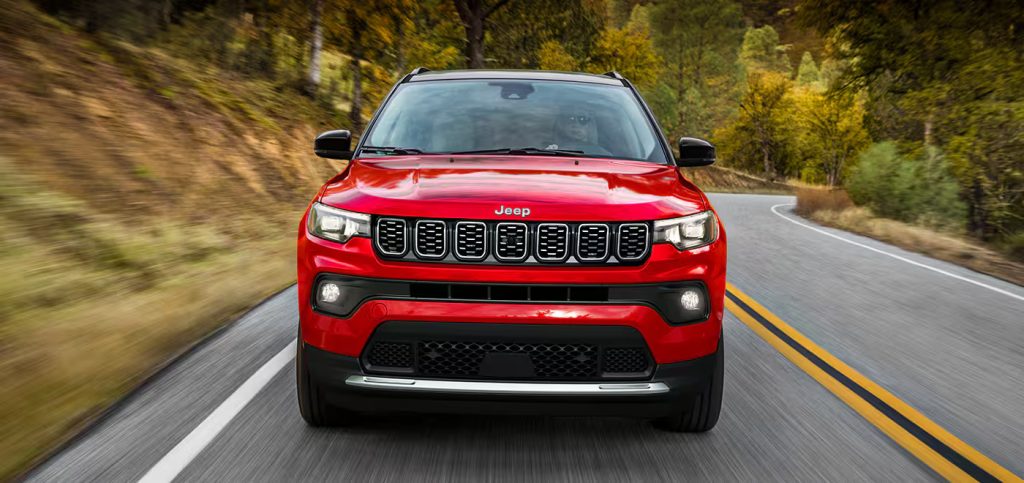
The Jeep Compass is known for its rugged style and capable all-weather handling, but one thing it hasn’t completely mastered is aerodynamic quietness.
Many owners have noted that at highway speeds, especially around 65 to 75 mph, the cabin can pick up a distinct wind rush from the upper front corners. While it’s not overwhelming, it’s noticeable enough to break the otherwise comfortable experience.
The main issue seems to come from how the door seals and mirrors interact with the airflow. The Compass uses a single-layer primary door seal supported by an inner compression strip.
However, the angle of the A-pillar and the position of the mirrors create turbulence right where the seal is thinnest. As a result, a soft, high-pitched whistle can develop when strong air pressure builds against the body.
Jeep’s design prioritizes off-road toughness more than highway refinement, which partly explains this trait. The boxy stance and roof rails contribute to more wind resistance compared to sleeker crossovers. Add in slight panel gaps that can appear with age, and the result is a mild but consistent airflow leak at higher speeds.
To its credit, the Compass does well at lower speeds and in city driving, where its build feels solid and composed. The issue becomes apparent only on open highways, where the lack of aerodynamic polish starts to show. For most buyers, it’s a minor trade-off for the Compass’s adventurous versatility, but it’s still worth noting.
This model earns a spot here because it highlights how off-road-focused design can affect cabin serenity. Its sealing isn’t poor it’s simply tuned for durability rather than aerodynamics. Still, a small whistle at 70 mph reminds drivers that even tough vehicles can have delicate weaknesses when it comes to airflow management.
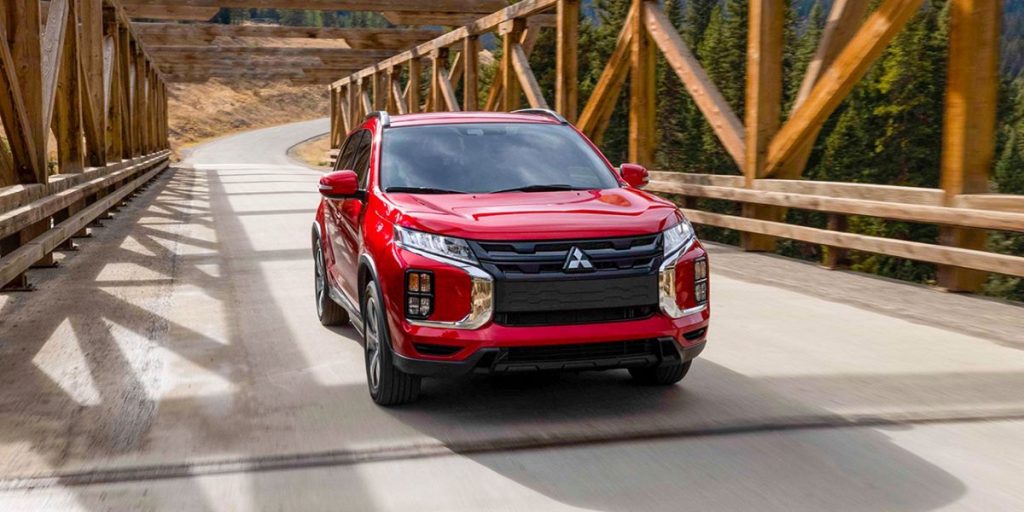
4. Mitsubishi Outlander Sport
The Mitsubishi Outlander Sport, while dependable and practical, struggles more than most with wind intrusion once highway speeds are reached.
The issue typically emerges near the top corners of the front doors, where the seals meet the A-pillar. At around 70 mph, a clear whoosh or faint whine becomes audible, especially in crosswind conditions.
The problem lies in the Outlander Sport’s door sealing design. Mitsubishi opted for a simpler dual-seal setup instead of a multi-layer system. Over time, the seals tend to compress unevenly, losing the tension needed for a perfect airtight closure.
This allows airflow to slip past the seal edge and vibrate against the frame, producing that characteristic high-speed hiss.
Adding to this, the Outlander Sport’s side mirrors are mounted high and square, generating extra turbulence around the upper window area.
The compact body shape doesn’t guide air smoothly along its sides, which amplifies the leak’s effect. Even with good insulation inside the cabin, the sound remains audible a reminder that quietness often starts outside the vehicle, not inside.
Drivers who frequently cruise on highways may find themselves slightly disappointed, as the constant wind hum can interrupt long trips. However, at city speeds or suburban driving, the SUV remains peaceful and comfortable.
The Outlander Sport earns mention not as a flaw-filled SUV but as an example of how aging design choices can limit refinement. It’s a vehicle built for affordability and simplicity, not wind-tunnel perfection.
Yet in an era where competitors have refined their sealing systems, this Mitsubishi shows how missing attention to aerodynamic sealing can age a model quickly in terms of comfort.
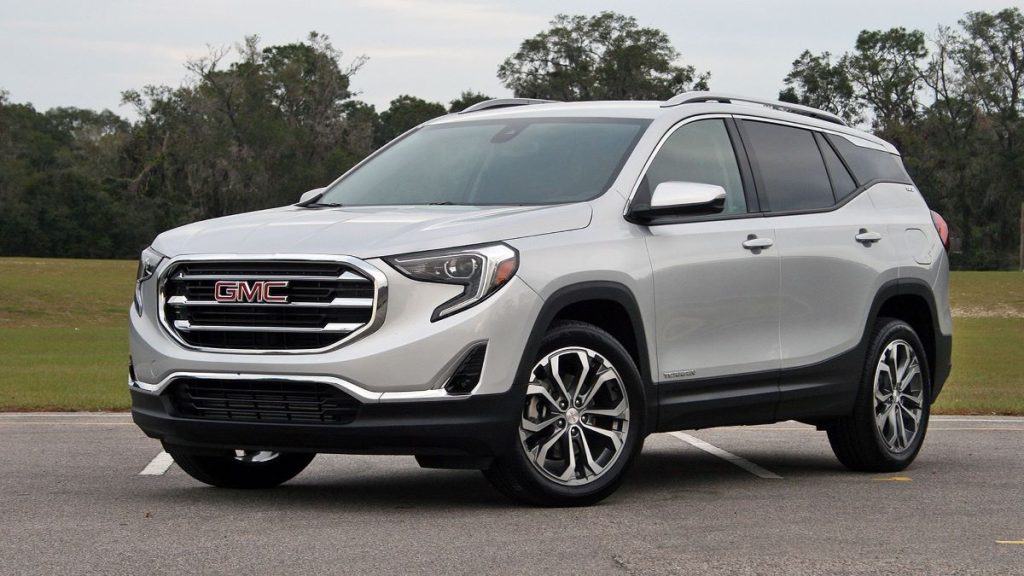
5. GMC Terrain
The GMC Terrain offers a stylish cabin and smooth ride, but it has long faced criticism for wind noise creeping in at highway speeds.
Even in newer versions, faint whistling can emerge from the top of the front doors around 70 mph. It’s not overpowering, yet it slightly undermines the premium image GMC aims to project with this model.
The issue traces back to the Terrain’s door alignment and the design of its outer window frame. The upper rubber gasket, which seals the window to the door, can lose compression over time, particularly in regions with extreme temperatures.
Once that happens, high-speed airflow seeps through, producing a thin whistle that’s most noticeable near the driver’s ear.
The mirrors also contribute to the problem. Their large, angular design creates turbulence around the A-pillar, directing air toward weak spots in the seal. While GMC added more insulation and acoustic glass in later years, the core geometry of the door and frame hasn’t changed much, so the problem persists, especially in older models.
On smooth roads and at moderate speeds, the Terrain feels calm and well-insulated. But once air pressure builds up, the seal performance begins to fade. For some owners, the sound comes and goes depending on crosswind direction or door hinge tension both signs that minor structural flexing plays a role.
The GMC Terrain makes this list because it illustrates how attention to sealing precision can make or break perceived luxury. A vehicle that feels near-premium at 50 mph can sound economy-grade at 70 if air starts to sneak through its doors. It’s not a major flaw, but it’s one that seasoned highway drivers notice quickly.
6. Volkswagen Taos
The Volkswagen Taos brings European flair to the compact SUV class, yet ironically, it struggles with one distinctly un-European trait wind noise. Despite a modern design and efficient powertrain, several owners have reported that the Taos develops noticeable air leaks near the door frames once it reaches highway speeds.
The culprit is subtle but persistent. The upper door seal on the Taos doesn’t always sit flush against the frame, particularly around the B-pillar. This tiny gap becomes problematic when airflow intensifies at 65–75 mph, resulting in a whistling sound that seems to come from above the driver or passenger window.
Volkswagen’s design team emphasized lightweight materials to improve fuel efficiency, but this slightly reduced door stiffness.

As a result, high-pressure air can push against the door, flexing it enough to momentarily break the seal. The noise disappears in calm conditions but returns in crosswinds a clear sign of compression variation rather than poor materials.
To its credit, the Taos remains comfortable in urban driving and feels solidly built overall. However, this wind intrusion takes away from the refined experience VW is known for.
Some owners have managed to improve the issue with additional weather stripping or adjusted door alignment, yet it’s something buyers shouldn’t have to fix themselves.
The Taos earns its place here because it represents how fine margins can define perception. A millimeter of misalignment can turn a quiet, premium-feeling drive into a slightly noisy one. For a brand built on precision, the Taos shows that even small sealing oversights can leave a big impression at 70 mph.
7. Hyundai Kona
The Hyundai Kona has earned plenty of praise for its sharp handling and youthful energy, but it’s not immune to one persistent issue wind noise at higher speeds.
Once the speedometer reaches 70 mph, many owners notice a faint hiss coming from the upper edge of the driver’s door. It’s subtle, yet just noticeable enough to detract from the otherwise smooth ride.
The issue comes down to door seal compression and mirror placement. The Kona’s design features relatively thin A-pillars for better visibility, but this also leaves less structure to block airflow.
The mirrors sit close to the pillar, and when wind flows between them, it directs pressure toward the top seal line. Over time, that seal can relax slightly, creating micro-gaps that allow sound to sneak through.
Hyundai has used quality materials for its weather stripping, but the compact body tends to flex slightly under aerodynamic pressure. This flexing causes momentary air disturbances that register as a faint whistling sound. In crosswinds, the issue becomes more pronounced, particularly on older models where the seals have stiffened from UV exposure.
Despite this, the Kona remains one of the most enjoyable compact SUVs in its class. It’s fun to drive, efficient, and packed with tech. However, its sound insulation and sealing setup are just a step below the segment leaders like the Mazda CX-5 or Toyota RAV4.

For drivers who spend more time in city conditions, the issue might never appear, but frequent highway travelers will likely notice it. The Kona earns a spot on this list not for major faults, but because it reminds us how balancing design priorities can be tricky.
By optimizing visibility and agility, Hyundai compromised slightly on aerodynamic sealing. It’s a trade-off that doesn’t ruin the experience, but it does leave room for refinement in future models.
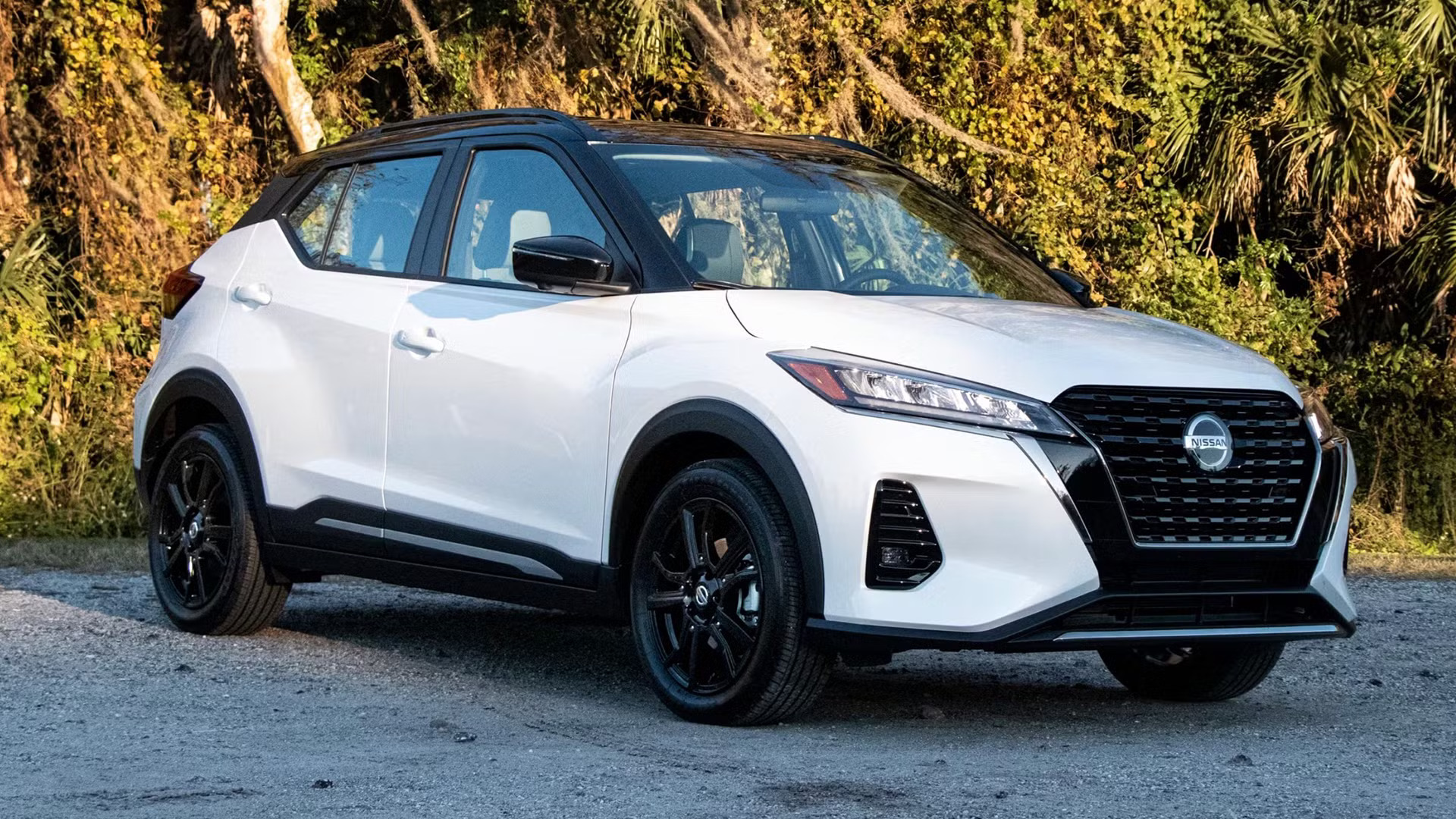
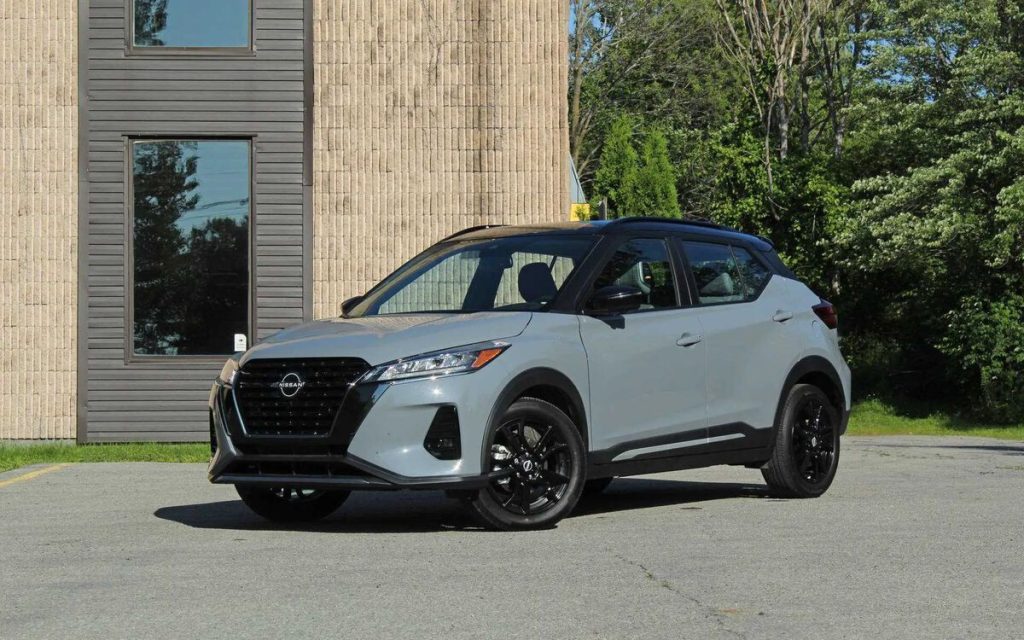
8. Nissan Kicks
The Nissan Kicks is one of the most budget-friendly compact crossovers on the market, and while it delivers great value, its sound isolation clearly shows where costs were trimmed.
At highway speeds, the Kicks can develop a noticeable wind hum around the upper door seams and window edges. It’s not a harsh whistle, but a steady whoosh that becomes tiring over long drives.
The main reason lies in the simplicity of its door seal system. The Kicks uses a basic dual-strip design rather than the triple-layer seals found in more expensive SUVs.
At city speeds, this setup works fine, but once wind pressure builds up, the thin outer strip can’t maintain a tight enough seal against the body. The airflow sneaks through microscopic openings and creates turbulence near the A-pillar.
Additionally, the vehicle’s upright stance and lightweight construction don’t help. The doors lack the rigidity found in heavier models, meaning they can flex slightly at high speeds.
That flex introduces a vibration in the seals, which amplifies the sound inside the cabin. Combined with modest sound-deadening materials, it’s easy to see why the Kicks feels noisier on open highways.
That said, for its price point, the Kicks still delivers great urban performance and practicality. Around-town driving is quiet, and its size makes it maneuverable and efficient. But when pushed to highway cruising speeds, its economy-focused construction starts to reveal its limitations.
The Nissan Kicks earns its place here not because it’s poorly built, but because it shows how budget engineering decisions directly affect refinement.
A bit more attention to sealing and insulation could have transformed this otherwise solid SUV into a more polished long-distance cruiser. It’s a lesson in how quietness, though often overlooked, defines quality in everyday driving.
Quiet cabins often separate good SUVs from great ones. Models like the CX-5, Forester, and RAV4 prove how precise sealing and solid body construction keep wind noise at bay, even at highway speeds.
On the other hand, vehicles like the EcoSport, HR-V, and Kicks remind us that small gaps or cost-cutting in insulation can quickly erode comfort. This comparison highlights how crucial fine engineering and durable door seals are for real-world refinement.
Even subtle wind leaks change the driving experience, proving that silence isn’t just luxury it’s a mark of true automotive quality and thoughtful design.
