
Regenerative braking is one of the defining traits that separate electric vehicles from their gas-powered counterparts. It turns braking into energy recovery, feeding power back into the battery instead of wasting it as heat.
But just as important as efficiency is feel that intuitive deceleration that makes an EV smooth and responsive. Some electric cars maintain that precise, confident regenerative sensation for years, while others lose their sharpness as components age or software updates alter behavior.
The best EVs deliver consistent feedback through the pedal or accelerator, allowing drivers to slow down smoothly without touching the brake pedal too often.
This gives them a sense of control and connection, almost like downshifting in a manual car. When tuned correctly, regenerative braking feels natural and predictable, enhancing confidence in stop-and-go traffic or during spirited driving.
However, not all EVs manage to preserve that ideal balance. Some gradually lose their crisp response as batteries, sensors, or software wear in. A system that once offered strong energy recovery can start to feel lazy or uneven, especially after years of driving or repeated over-the-air adjustments aimed at comfort rather than performance.
This feature looks at both sides of the equation. First, we’ll explore seven EVs that maintain peak regenerative braking feel, praised for their consistency and long-term calibration. Then, we’ll highlight seven that soften over time, revealing how subtle mechanical and electronic changes can affect the driving experience.
For drivers considering an EV, understanding how regenerative braking behaves over time is more than a technical curiosity it’s a key factor in long-term satisfaction. Whether you prefer strong one-pedal control or smooth coast-like braking, the cars below show how engineering choices can make or break that lasting sense of engagement.
Also Read: 12 Minivans That Avoid Transmission Headaches
7 EVs That Maintain Peak Regen Braking Feel
One of the most satisfying sensations in an electric car is the steady deceleration that regenerative braking provides. When tuned properly, it feels smooth, progressive, and almost intuitive allowing drivers to modulate speed without ever touching the brake pedal.
Yet not every EV holds onto that feeling for the long haul. Many experience slight fading or inconsistency as software evolves and components age. But a handful of models have managed to maintain that perfect balance of resistance, response, and recovery year after year.
These EVs share a few common traits. Their brake-by-wire systems are finely calibrated, their motors deliver predictable resistance, and their battery management systems preserve consistent charging acceptance even as cells degrade slightly. The result is that their regenerative braking feels just as strong and natural at 50,000 miles as it did when new.
Manufacturers that excel in this area invest heavily in continuous calibration and real-world feedback. Instead of softening response through software updates, they focus on preserving the original performance feel keeping drivers connected to the car’s rhythm. For enthusiasts, that consistency becomes part of the vehicle’s personality.
The seven models in this group prove that great regenerative braking is about more than energy efficiency. It’s about refinement, predictability, and long-term control.
Whether it’s through advanced thermal management, precision algorithms, or superior hardware integration, these EVs demonstrate what steady engineering discipline can achieve.
They remind us that electric driving should not only save energy but also deliver satisfaction every time you lift off the accelerator. Here are the seven EVs that continue to impress owners by holding onto their peak regenerative braking feel long after the novelty of electric motoring has worn off.
1. Tesla Model 3 (2018–Present)
The Tesla Model 3 remains one of the benchmarks for regenerative braking consistency. From the start, Tesla engineered its motor control systems to deliver linear, natural deceleration, whether you’re coasting in city traffic or slowing from highway speeds.
What sets the Model 3 apart is how little this feel changes over time. Even after years of software updates, its regen performance remains strong and predictable.
Tesla’s engineers built their braking algorithms around real-world data from millions of vehicles. The system constantly adjusts torque response to match the driver’s habits and road conditions, creating a balance that feels human rather than mechanical.
More impressively, it doesn’t degrade noticeably with age. Owners regularly report the same sharp, clean deceleration at 80,000 miles as when the car was new.
Battery conditioning plays a key role here. Tesla’s pack management ensures consistent temperature and charge acceptance, meaning regen strength stays uniform even in cooler weather or after long use. The result is confidence you always know what to expect when you lift off the pedal.
While some updates have fine-tuned throttle mapping, Tesla has resisted watering down its trademark one-pedal driving. The feel remains direct and satisfying, letting drivers precisely control speed using only the accelerator.
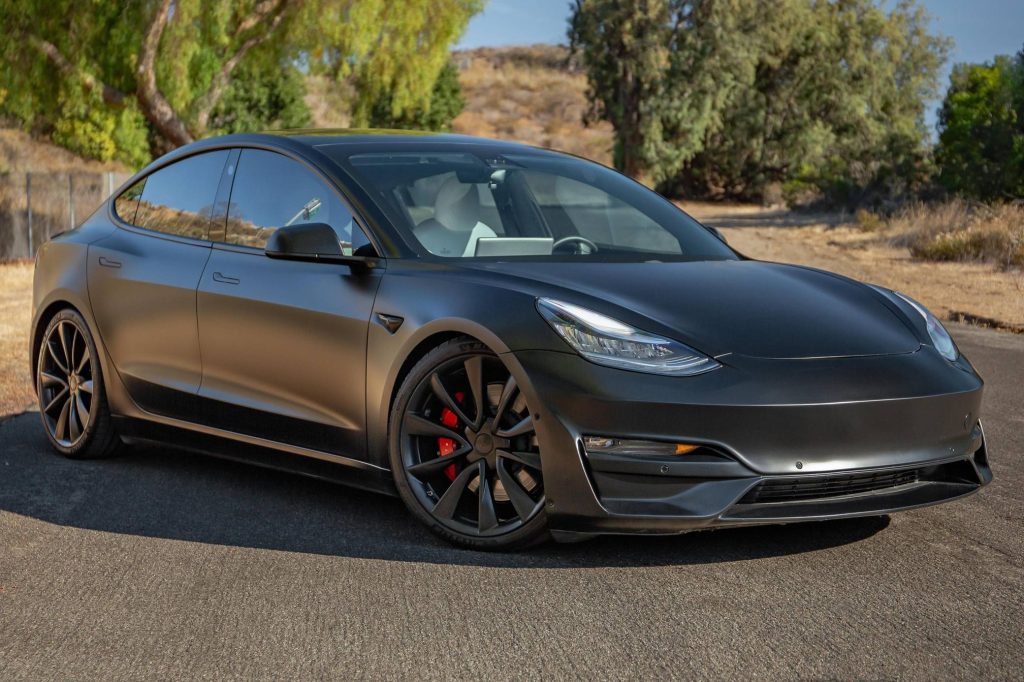
For long-term owners, that predictability becomes second nature. It’s part of why the Model 3 still stands out in a crowded EV market: its regenerative braking not only works efficiently but feels as refined and engaging today as it did the day it rolled off the factory floor.
2. Hyundai Ioniq 5 (2022–Present)
The Hyundai Ioniq 5 shows how thoughtful engineering can make regenerative braking feel both natural and durable. Its system uses multiple levels of adjustable regen, but even at the strongest setting, it remains smooth and progressive. What makes it impressive is how consistently that feel holds up as the car ages.
Hyundai’s “i-Pedal” mode allows full one-pedal driving, and it continues to deliver the same reliable response year after year.
The Ioniq 5’s power electronics and motor calibration maintain a precise relationship between pedal lift and deceleration. Owners often note that unlike some rivals, the feel doesn’t fade as the battery or brake components wear in.
The reason lies in the car’s battery management and advanced inverter design. Both work together to ensure steady energy recovery rates, so regen braking strength stays uniform across temperature changes and charge levels. Hyundai’s calibration team clearly focused on consistency, not just efficiency.
Another advantage is that Hyundai doesn’t push updates that alter braking behavior dramatically. This means drivers can trust their muscle memory. The regen system remains intuitive, making urban driving smoother and long trips more relaxed.
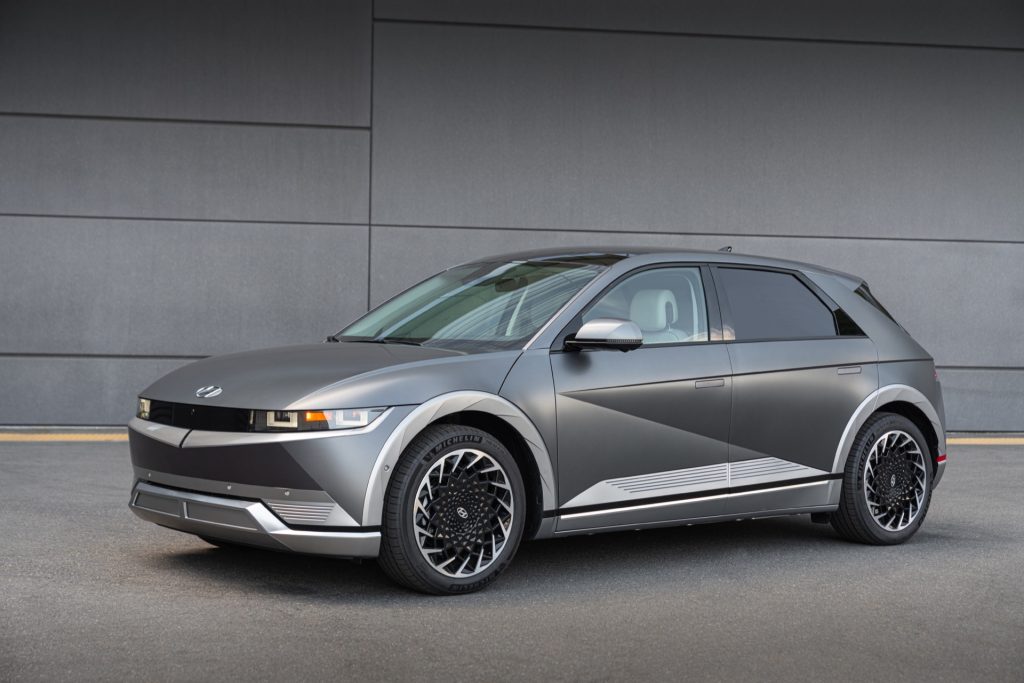
For many, the Ioniq 5’s regenerative braking feels premium firm but predictable, powerful yet refined. It transforms stop-and-go traffic into a calm, controlled experience, and crucially, it stays that way over time. That lasting precision earns it a place among the best EVs for consistent braking feel.
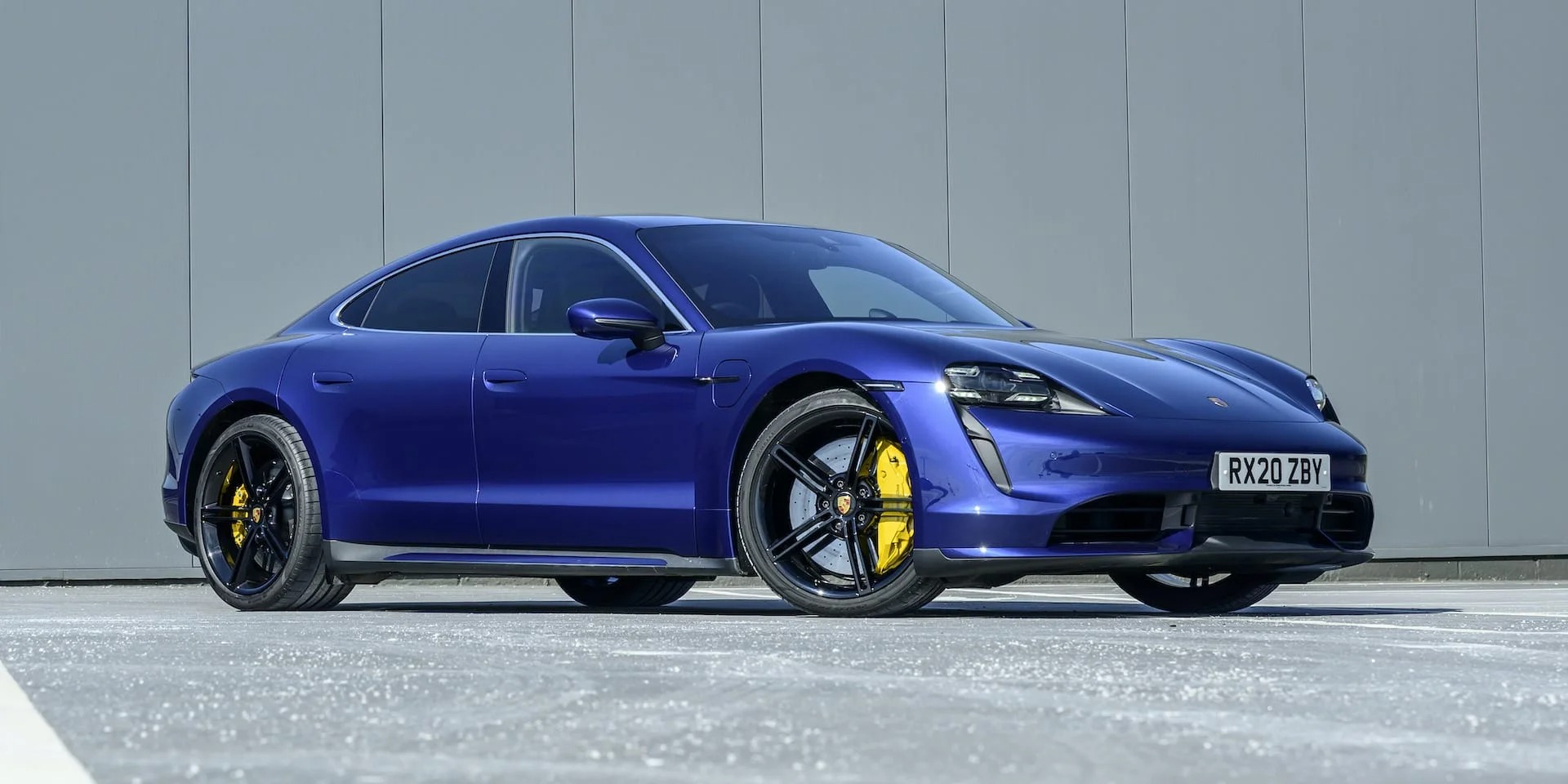
3. Porsche Taycan (2020–Present)
The Porsche Taycan proves that regenerative braking can feel both performance-oriented and natural. Porsche’s engineers didn’t just focus on energy recovery they wanted a driving feel that mirrors traditional sports car control.
The Taycan achieves this with an exceptionally well-integrated braking system that blends mechanical and regenerative braking so seamlessly that most drivers can’t tell where one ends and the other begins.
What sets the Taycan apart is its consistency. The regenerative system operates through the rear motor, allowing the front brakes to handle finer modulation under higher loads. Even after years of spirited driving, owners report that the deceleration feel remains perfectly linear, with no lag or softness creeping in.
Porsche’s regenerative system is tuned to be transparent but powerful. Unlike some EVs that constantly adjust or soften regen strength over software updates, Porsche maintains its calibration firmly. This commitment means the Taycan continues to deliver the same sharp, balanced feedback long after delivery day.
The car’s sophisticated cooling and battery conditioning also keep regen power stable, even during aggressive driving. Whether it’s a mountain descent or an urban crawl, the pedal feel stays reassuringly uniform.
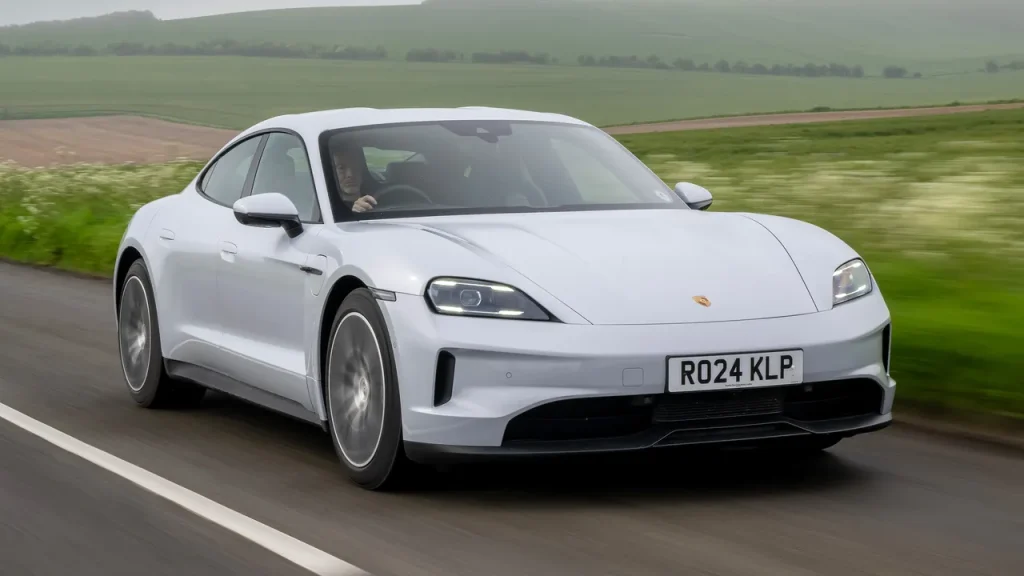
For a performance EV, that reliability builds confidence. Drivers can trust the Taycan to respond predictably, matching their intent with precision.
It’s this long-term refinement that elevates the Taycan above most competitors. Porsche didn’t just engineer a fast EV it engineered one that keeps its regenerative character intact through time and mileage.
4. Ford Mustang Mach-E (2021–Present)
The Ford Mustang Mach-E offers one of the most balanced regenerative braking systems among mainstream EVs. From day one, Ford emphasized feel the system was tuned to respond smoothly, with a deceleration curve that feels instinctive, not abrupt.
What makes the Mach-E standout is how well it preserves that calibration as the miles pile up. The regenerative system uses precise motor control that compensates for wear, temperature, and even minor component aging. This keeps the braking sensation consistent, even after years of daily driving or frequent software updates.
Ford’s engineers also deserve credit for how they integrate one-pedal driving. The regen strength remains firm enough for confident deceleration but never jerky. Importantly, the calibration doesn’t degrade or soften noticeably, even after tens of thousands of miles.
Battery management plays a quiet but crucial role here. By keeping thermal conditions in check, Ford ensures energy recapture remains stable, so braking feedback stays uniform whether it’s summer heat or winter chill.
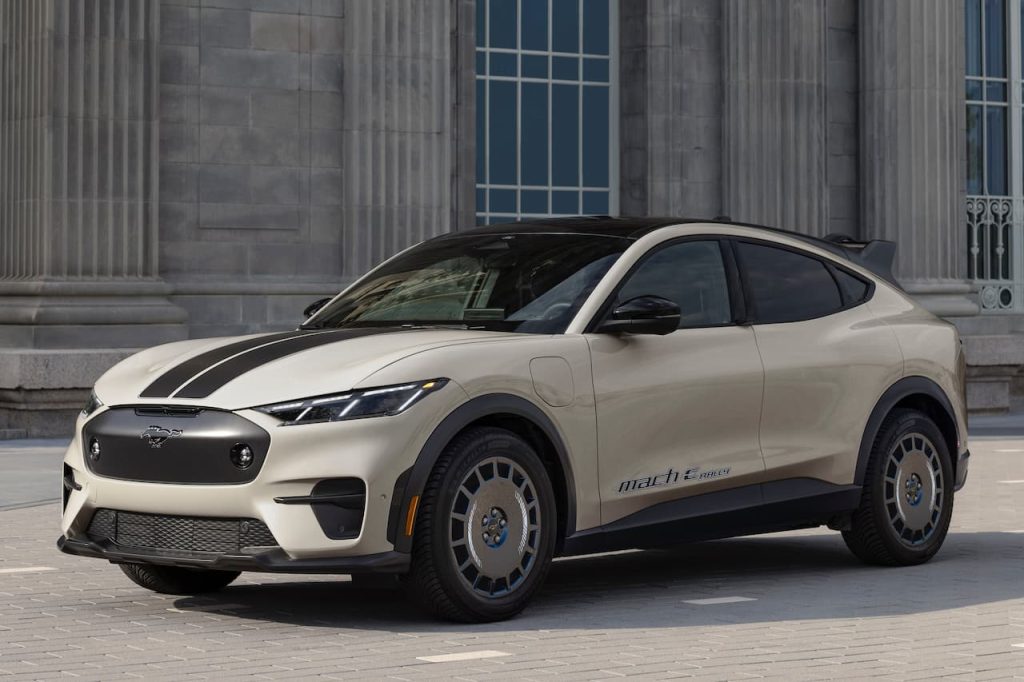
Drivers often highlight that they can switch between modes normal or one-pedal, without losing that signature linearity. It’s a level of consistency that keeps the Mach-E feeling premium even as newer models emerge.
The Mach-E’s regen braking remains faithful to Ford’s performance roots: firm, progressive, and trustworthy. That stability, over time, makes it one of the few EVs that truly maintains its regenerative edge without compromise.
5. BMW i4 (2022–Present)
The BMW i4 strikes a beautiful balance between smoothness and precision in its regenerative braking system. From the first drive, it feels deliberate like every ounce of resistance has been tuned to deliver control without abruptness.
What’s remarkable is how that feel endures as the car ages. Even after tens of thousands of miles, the i4’s braking feedback remains just as crisp and intuitive.
BMW’s secret lies in its intelligent control software. The system actively adapts to road gradients, traffic conditions, and the driver’s behavior, yet it never feels inconsistent.
Its “adaptive regeneration” mode automatically varies braking strength based on distance to other vehicles, creating an almost seamless stop-start rhythm in city driving. Despite the complexity, the feel stays remarkably stable over time.
Where other EVs gradually lose regen strength as batteries age, the i4 compensates through its advanced power electronics and efficient motor design. BMW’s cooling systems also maintain battery temperature within an optimal range, preserving energy recapture efficiency.
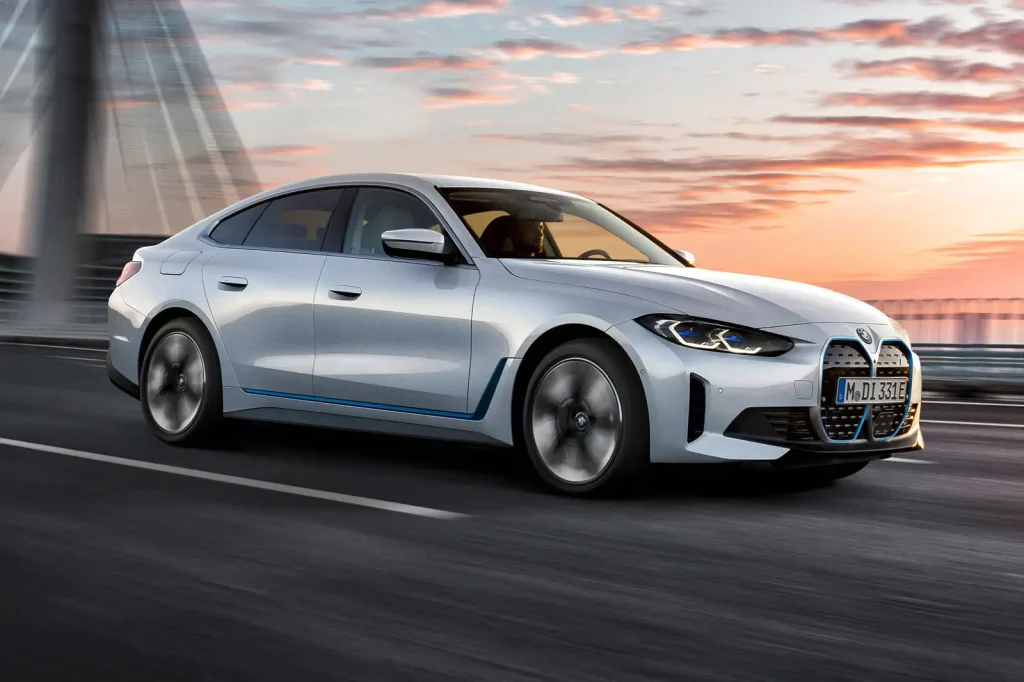
Even more impressive, software updates have never dulled its character. BMW tunes its updates to enhance refinement without changing pedal behavior or driver expectations. Owners appreciate that their car always feels the same responsive and consistent.
The result is confidence in every deceleration. Whether cruising on highways or threading through city traffic, the i4’s regenerative braking remains predictable and natural.
That enduring stability proves that BMW’s focus on long-term drivability pays off, keeping the i4’s braking feel as “mechanically alive” as the day it was delivered.
6. Nissan Ariya (2023–Present)
The Nissan Ariya demonstrates how refinement and reliability can coexist in regenerative braking. It’s not the most aggressive system on the market, but it’s one of the most stable. The Ariya’s deceleration feels organic, measured, and smooth and it keeps that character even after extended use.
Nissan’s approach to regen tuning reflects years of experience from the Leaf. The Ariya builds upon that foundation with improved motor control logic and more robust hardware.
Its e-Step mode, which enables full one-pedal driving, maintains steady strength regardless of temperature or battery condition. This is a major improvement over earlier systems that lost bite in cold or damp weather.
The car’s regenerative performance remains consistent thanks to Nissan’s advanced inverter and thermal management. These systems prevent current fluctuations and maintain even torque delivery during braking. As a result, deceleration feels natural and repeatable you lift off the pedal, and the car slows exactly as expected.
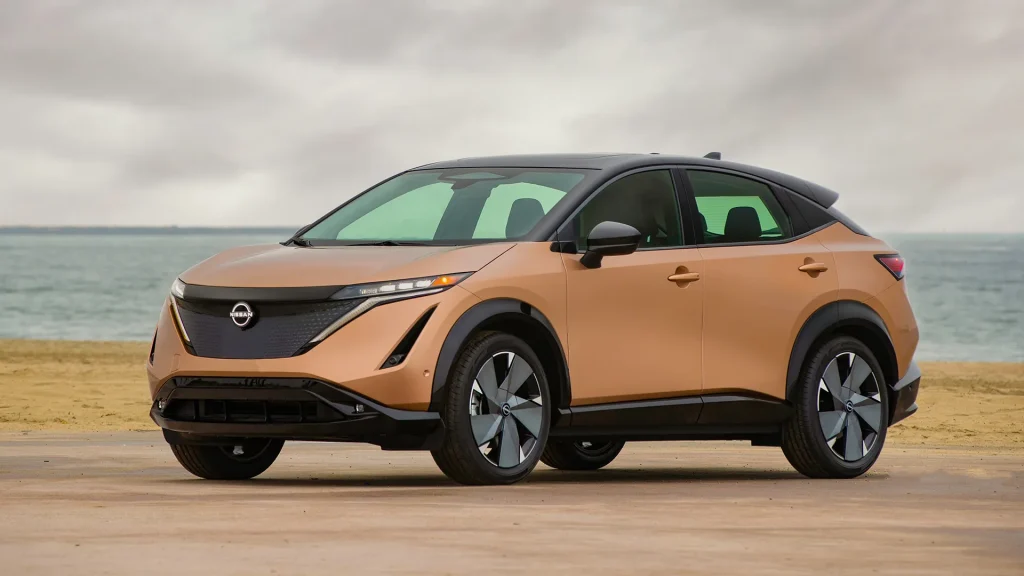
Long-term owners have praised how little the Ariya’s braking character changes with mileage. The smooth deceleration it provides on day one is almost identical a year later. Even software updates preserve that feel, focusing on stability rather than tweaking feedback.
Nissan’s engineers clearly prioritized driver trust. By keeping regen behavior consistent, they make the Ariya feel more predictable and premium. It’s proof that thoughtful calibration and hardware quality can create a braking experience that stands the test of time smooth, strong, and unchanging.
7. Rivian R1T (2022–Present)
The Rivian R1T may be a rugged electric pickup, but its regenerative braking system is one of the most refined in the EV world.
From the start, Rivian prioritized consistency, ensuring that the R1T’s regen feel remained steady whether towing, off-roading, or gliding down the highway. That focus has paid off its braking response feels remarkably uniform over time, even after software updates and heavy use.
Unlike many trucks that soften their deceleration under load, the R1T keeps its braking strength intact thanks to precise motor coordination and a robust inverter setup.
Each motor independently manages torque recovery, allowing even energy distribution and balanced feedback across all four wheels. The result is predictable deceleration that never feels mushy or inconsistent.
Rivian’s cooling and battery management systems are equally impressive. They maintain cell temperature stability, ensuring regenerative power doesn’t taper off under heat or high battery levels. This engineering attention gives the R1T a confidence few heavy EVs can match.
Even after extended use, owners report that one-pedal driving feels just as sharp and natural as when the truck was new. Rivian’s engineers have resisted over-adjusting software through updates, choosing to preserve the truck’s original driving character instead of smoothing it out for comfort.
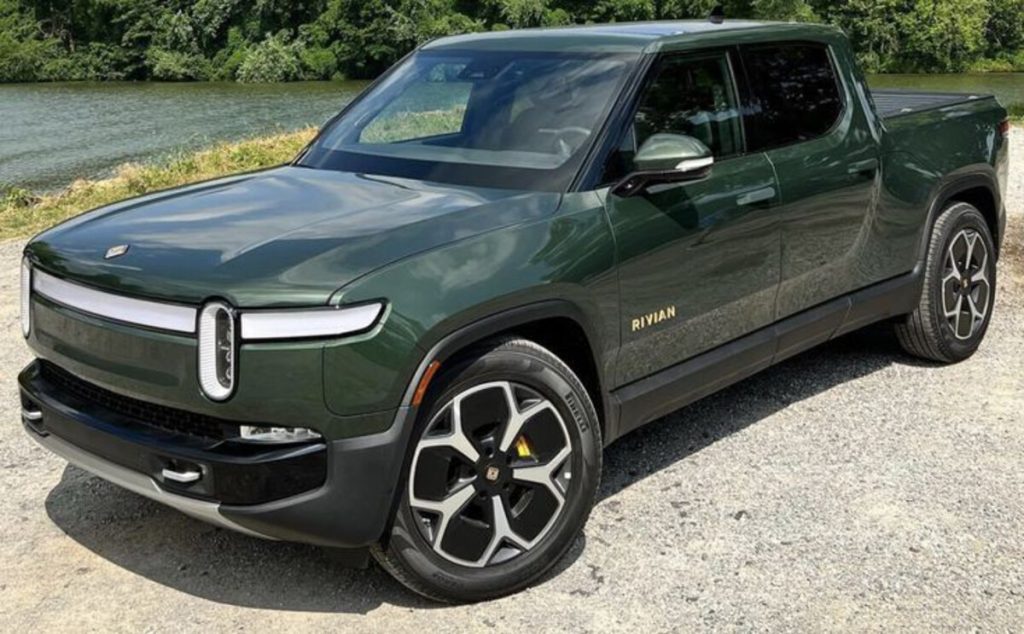
In practice, that means you always know exactly how much slowing you’ll get when lifting your foot. It builds muscle memory and confidence, especially on steep descents or tight trails.
The R1T combines durability with finesse, making it one of the rare electric trucks whose regenerative braking doesn’t fade or soften with time a testament to smart engineering and long-term tuning discipline.
7 EVs That Soften Over Time
Not every electric vehicle manages to keep its regenerative braking sharp over the years. For many, that initial strong deceleration you feel in the first few months gradually fades into something weaker and less predictable.
Sometimes it’s due to battery chemistry shifts, thermal management inconsistencies, or software updates designed to make the car feel smoother for mass-market comfort. Whatever the cause, the result is the same that crisp one-pedal confidence slowly disappears.
Regen braking systems depend on a delicate balance of motor resistance, inverter precision, and battery charge acceptance. When one part of that equation drifts, the feel behind the wheel changes.
Some manufacturers err on the side of comfort, softening regen intensity to reduce jerkiness for casual drivers. Others lose their edge due to component wear or firmware adjustments that limit current recovery under certain conditions.
Drivers often notice this change most in city driving. Where their EV once slowed predictably when they lifted off the pedal, it now glides a bit farther than expected. It’s subtle at first but becomes more pronounced with age or after software updates. Over time, the car feels less engaging and less connected to the driver’s rhythm.
The seven EVs in this section are not bad cars far from it. Each one delivers comfort, refinement, and practicality in its own way. But they’ve also developed a reputation for softened regenerative braking as miles accumulate.
Whether caused by deliberate tuning choices or unavoidable component aging, these models remind us that maintaining long-term driving feel is a tougher engineering challenge than it seems.
Here are seven electric vehicles whose regenerative braking performance doesn’t quite hold its edge over time and why that gradual fade matters to owners who value consistency behind the wheel.
1. Chevrolet Bolt EV (2017–2023)
The Chevrolet Bolt EV started strong with a lively regenerative braking system that felt sharp and immediate. Its one-pedal mode gave drivers confident control, especially in city driving. But as many long-term owners discovered, that crisp response tends to mellow out with age.
Over time, the Bolt’s regen strength can soften noticeably, particularly as the battery pack accumulates mileage.
The car’s control software limits current recovery when the battery’s internal resistance increases, which gradually reduces the braking force available through regen. In cooler climates, this effect becomes even more pronounced, leaving drivers with a longer glide when they lift off the accelerator.
GM’s firmware updates have occasionally adjusted throttle and brake mapping to enhance comfort, but these changes often make the regen feel less aggressive than before. While the smoother response might please casual drivers, enthusiasts miss the original bite that made one-pedal driving so satisfying.
Part of the issue lies in the Bolt’s early inverter and motor design. It lacks the dynamic calibration that newer EVs use to compensate for battery aging, so regen strength drops as efficiency fades. Drivers also note that the pedal modulation becomes less predictable over time, requiring more reliance on friction brakes.
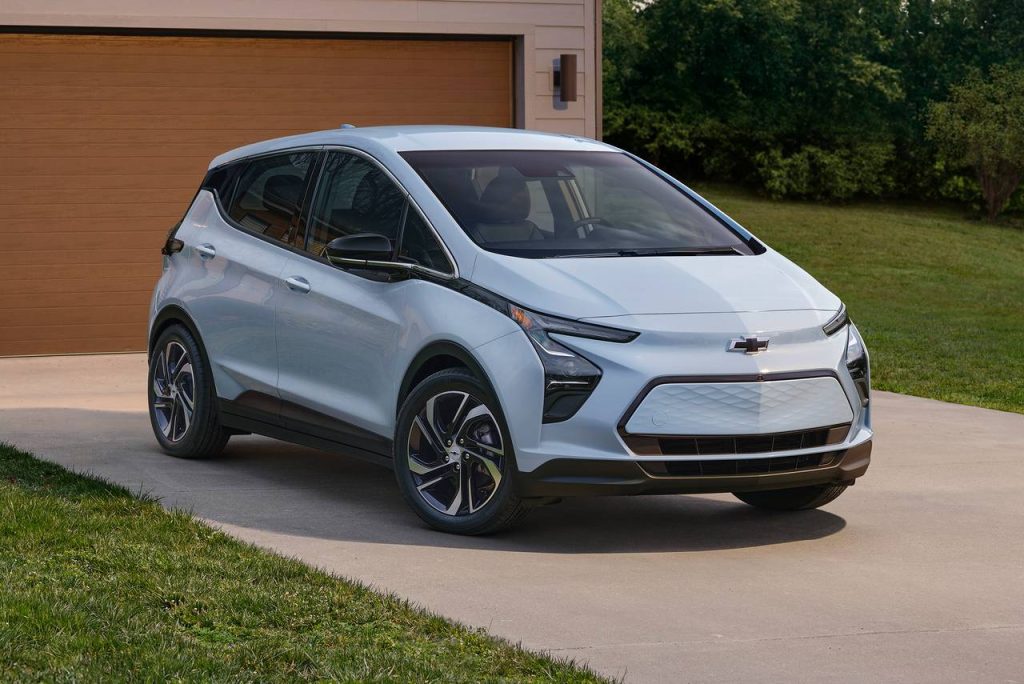
The Bolt EV remains a capable, affordable electric car, but it illustrates how regenerative systems can lose sharpness when long-term calibration isn’t prioritized.
What was once one of the most engaging regen setups in its class now feels slightly subdued, trading immediacy for comfort. It’s a subtle but noticeable shift that long-term owners can feel every time they lift their foot.
2. Volkswagen ID.4 (2021–Present)
The Volkswagen ID.4’s regenerative braking feels refined and comfortable at first, but that polish comes at a cost its deceleration character tends to soften over time. Early reviewers praised its smooth transitions and light pedal feel, yet many owners have reported that the system becomes less assertive after extended use.
Part of the reason is VW’s conservative approach to energy recovery. The ID.4 prioritizes smoothness and efficiency over aggressive braking feedback. Over time, as the software recalibrates battery management and inverter output to protect longevity, regen force subtly diminishes. The result is a less pronounced slowdown when you lift off the pedal.
Another factor is temperature sensitivity. In colder conditions or when the battery is near full, the ID.4’s regen braking can feel particularly light. As the car ages, this sensitivity becomes more noticeable, reducing consistency day to day. Some drivers even find themselves needing to apply more friction brake pressure than they used to.
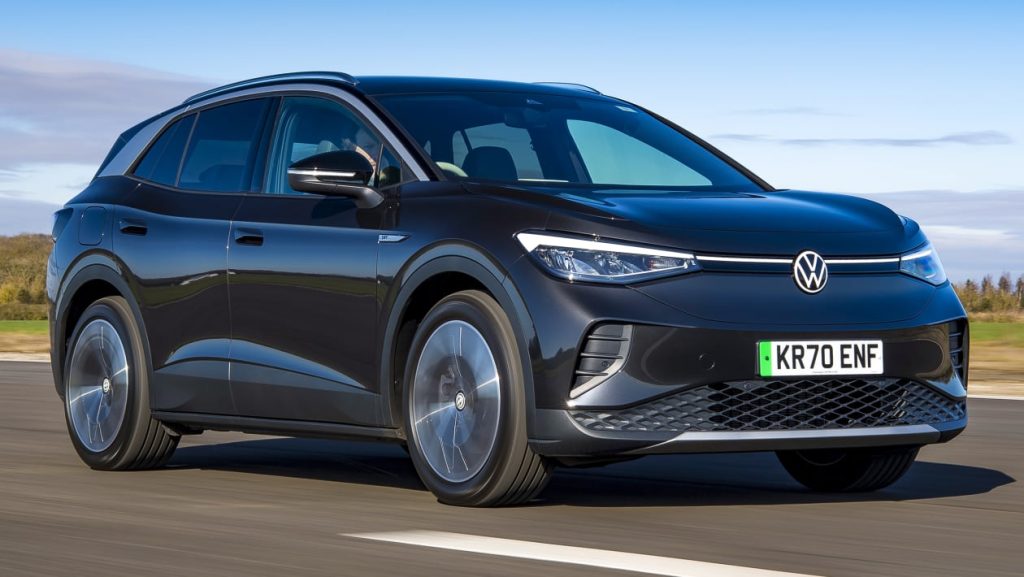
Volkswagen has issued several software updates aimed at improving efficiency and comfort, but each has slightly softened the overall braking response. While that makes the ride smoother, it also removes some of the crisp feedback drivers initially enjoyed.
The ID.4’s system is dependable, but it lacks the long-term sharpness seen in models like the Tesla Model 3 or Hyundai Ioniq 5. For drivers who value predictability and engagement, that softening can make the car feel less connected over time. It’s a reminder that in chasing refinement, some of the tactile satisfaction of electric driving can slowly slip away.
3. Kia EV6 (2022–Present)
The Kia EV6 earned early praise for its sporty character and adjustable regenerative braking system. Its paddles behind the steering wheel allowed drivers to fine-tune the regen strength, and in “i-Pedal” mode, it offered true one-pedal driving. But over time, many owners have noticed a gradual softening of that strong braking feel.
While the hardware remains robust, software updates and battery protection protocols seem to reduce regen intensity slightly as the car ages.
Kia’s system limits regenerative current when battery temperatures fall outside a narrow optimal window. As the pack degrades naturally, this window narrows further, leading to less consistent braking strength in everyday driving.
Even small changes add up. Drivers who loved the initial aggressiveness of i-Pedal mode sometimes find it less forceful a year later. In traffic, where one-pedal driving should feel intuitive, the EV6 now tends to roll farther before stopping, requiring light brake input.
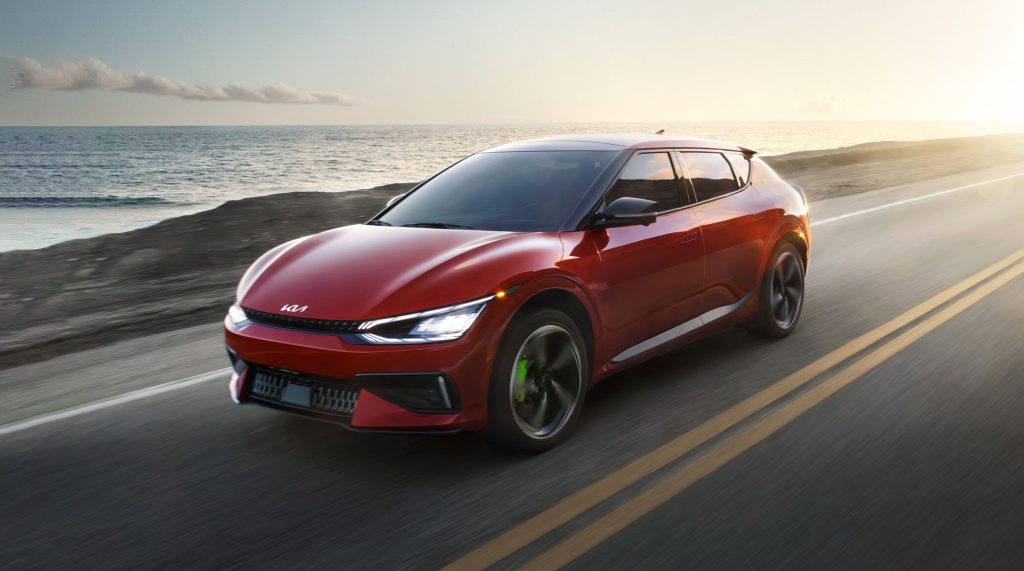
Kia’s updates focus on comfort and range optimization, which can make the car feel smoother but less engaging. The balancing act between efficiency and feel has tipped slightly toward caution, leaving regen fans missing the earlier bite.
That doesn’t mean the EV6’s system is bad it’s still responsive and dependable. But it no longer delivers the same satisfying deceleration that early adopters experienced.
The once-crisp braking curve has mellowed into something more restrained. For a car celebrated for its energy and precision, that’s a small but disappointing shift.
4. Nissan Leaf (2018–2023)
The Nissan Leaf pioneered affordable electric motoring and popularized one-pedal driving long before it became mainstream. Early models with the e-Pedal feature offered strong regenerative braking that made city driving almost effortless. But as Leafs age, that once-firm deceleration often loses its strength.
The decline is tied to both hardware aging and software strategy. Nissan’s battery management system gradually limits regen current as cells degrade, protecting longevity but weakening braking response. Over time, the pedal’s initial resistance becomes lighter, and stopping distances lengthen slightly when relying solely on regeneration.
Environmental conditions compound the issue. In colder or damp weather, the system automatically reduces regen to prevent instability. While newer models improved thermal regulation, the Leaf still struggles to maintain full braking force consistently. Drivers often describe it as feeling “flatter” or “softer” after several years of use.
Software updates haven’t fully addressed this either. Some even further reduce regen strength to improve smoothness for casual drivers, leaving enthusiasts wishing for the snappier response of earlier versions.
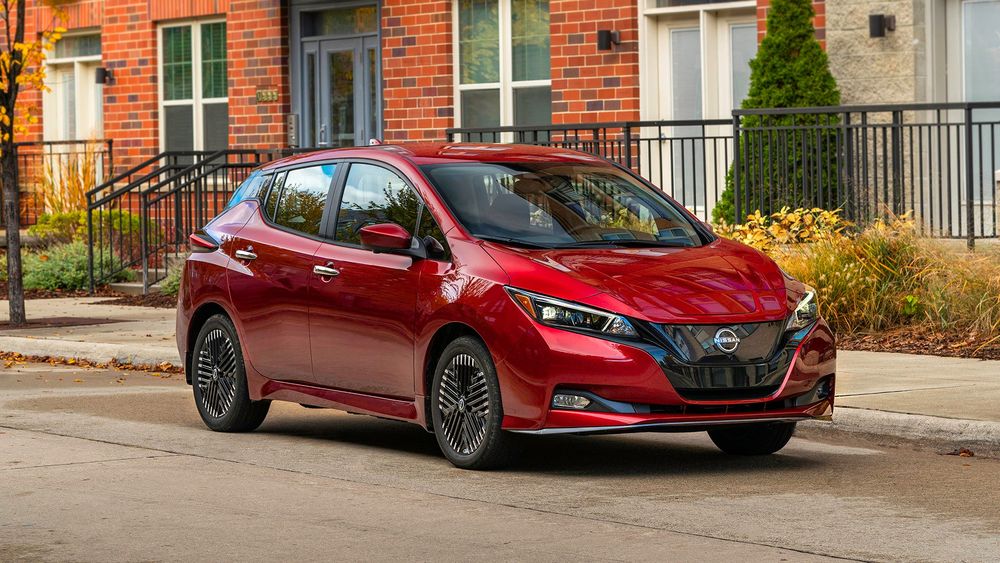
Despite its enduring reputation for reliability, the Leaf’s regenerative performance shows how even a well-designed system can fade when battery aging and protective algorithms collide. It’s still effective for city use, but it no longer provides the assertive, controlled deceleration that once defined Nissan’s EV experience.
The Leaf remains an important car in EV history, but its gradually softening regen feel serves as a quiet reminder of how evolving priorities comfort, longevity, and simplicity can sometimes dull the original driving charm.
5. Polestar 2 (2021–Present)
The Polestar 2 launched with a lot of excitement its minimalist design, strong performance, and crisp regenerative braking made it a driver’s favorite.
Early testers praised its smooth yet firm one-pedal deceleration, which gave it a confident, composed character in daily use. But over time, many owners have reported that this system gradually softens, especially after software updates.
Polestar’s updates often refine throttle mapping and energy recovery to improve efficiency and comfort. However, these tweaks tend to lessen the initial deceleration force, making the car feel lighter when lifting off the accelerator. For drivers accustomed to the original setup, this creates a noticeable change in how the car slows.
Battery and inverter conditioning also play a part. As the pack ages and thermal management adjusts more conservatively, the system limits regenerative power more often to prevent heat buildup. This can result in weaker braking feel during spirited or extended drives.
The transition remains smooth almost too smooth. While the Polestar 2 still offers dependable regen, the once-sporty edge that set it apart feels dialed back. Some owners have even described the change as “too polite,” missing the instant bite that made one-pedal driving so intuitive.
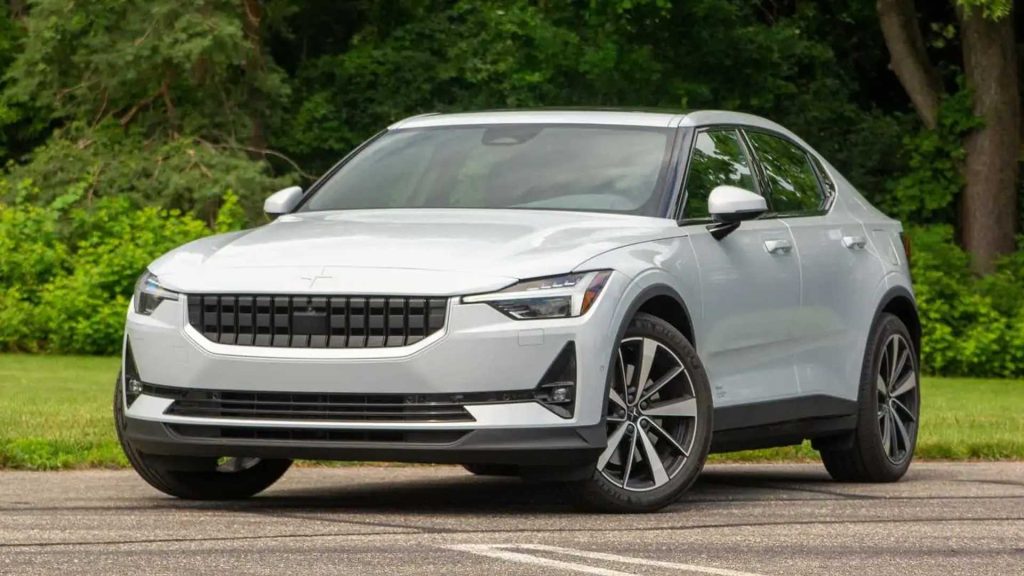
In the long run, this tuning philosophy reflects Polestar’s effort to appeal to comfort-oriented users. Yet for drivers who fell in love with its original, assertive feel, that softened regen character slightly dulls the excitement.
The Polestar 2 still drives beautifully, but it no longer grips the road with quite the same immediacy when you ease off the pedal.
6. Audi e-tron (2019–2023)
The Audi e-tron prioritizes smoothness above all else, and while that makes it one of the most refined EVs on the market, it also means its regenerative braking loses strength over time. The system starts out balanced and quiet, but as miles add up, the once-firm response fades into something noticeably lighter.
Audi designed the e-tron’s braking to feel consistent between regen and hydraulic pressure. However, this blending relies on precise calibration that naturally softens as hardware and software evolve. Later updates further reduced regenerative strength to make transitions more imperceptible, but that also made the pedal feel less responsive.
Owners often report that after a few years, the e-tron glides more freely when lifting off the accelerator, requiring heavier brake pedal input. This change is gradual but undeniable, especially in colder climates or during downhill driving where regen once provided steady resistance.
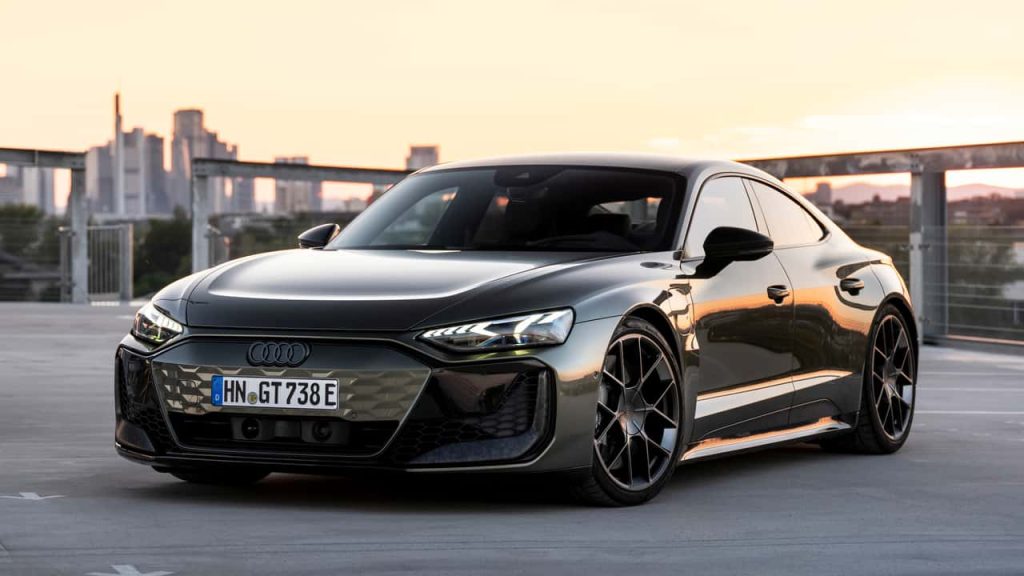
Battery health is another factor. As internal resistance increases with age, the car’s control system limits energy recovery, decreasing regenerative torque. Audi prioritizes long-term battery protection, but it comes at the cost of driver engagement.
The e-tron still offers an exceptionally composed and premium driving experience. It’s quiet, refined, and stable. Yet, for those who enjoyed the early firmness of its regenerative braking, the newer, softer tuning feels less involving.
It’s a classic case of engineering for comfort over character smooth to a fault, but missing that early sense of connection between driver and machine.
7. Mercedes-Benz EQC (2020–2023)
The Mercedes-Benz EQC brought the luxury brand’s trademark refinement to the electric era, and at launch, its regenerative braking system felt confident and balanced.
The car offered multiple regen levels, from light coasting to firm one-pedal control, giving drivers a range of options. But over time, the system’s assertive character tends to mellow a change many long-term owners have noticed.
Part of the issue lies in Mercedes’ conservative tuning philosophy. The EQC’s software gradually adjusts regenerative braking strength as the battery and motor systems age. This ensures smoother operation and improved comfort, but it also reduces the initial stopping force that once made the EQC feel agile and responsive.
As the vehicle accumulates mileage, the battery’s internal resistance grows, limiting the amount of current it can safely accept during regen. Mercedes’ algorithms respond by lowering recovery torque, which subtly weakens the braking feel.
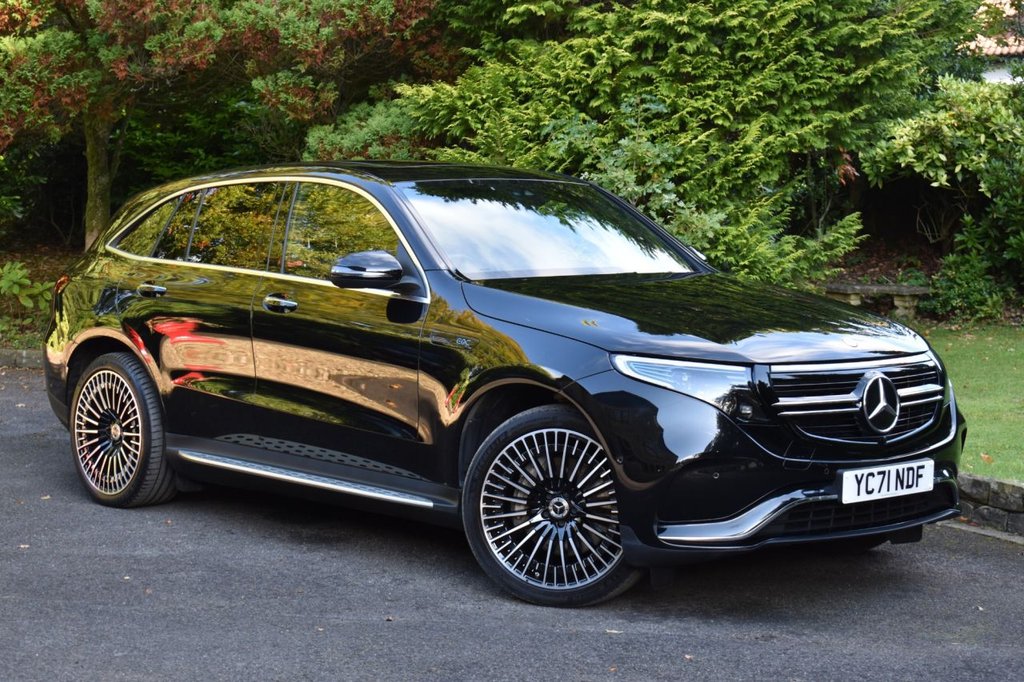
The result is a softer deceleration curve that can leave drivers relying more on the friction brakes than before.
Software updates have also shifted the balance toward luxury smoothness rather than engagement. While the transitions remain flawless, the car no longer delivers the same level of immediacy when lifting off the accelerator. The feedback is polished, but less connected more limousine than sport sedan.
For many, that refinement fits the EQC’s character perfectly. Yet for those who enjoyed the crisp precision of its early regen tuning, the gradual softening feels like a loss of personality. The EQC remains elegant and composed, but its braking feel reminds us that even premium EVs aren’t immune to the slow fade of calibration and component evolution over time.
Regenerative braking is one of the defining features of electric driving, turning deceleration into usable energy while shaping how an EV feels on the road. Yet, as this comparison shows, not every system holds its edge with age.
Models like the Tesla Model 3, Porsche Taycan, Hyundai Ioniq 5, BMW i4, and Rivian R1T prove that with careful calibration and consistent software tuning, regenerative braking can stay sharp and satisfying for years. Their systems maintain predictable resistance, smooth control, and long-term stability qualities that inspire driver confidence.
On the other hand, vehicles such as the Chevrolet Bolt EV, Volkswagen ID.4, Kia EV6, Polestar 2, and Mercedes EQC demonstrate how time, temperature, and cautious software updates can slowly soften regen response. These cars remain comfortable and efficient but lose some of that early precision and immediacy that once made one-pedal driving intuitive.
Ultimately, the difference comes down to engineering philosophy. Brands that prioritize driver engagement preserve braking character, while those chasing refinement tend to smooth it away. In the electric age, consistency is the new measure of performance and how an EV slows can be just as telling as how it accelerates.
Also Read: 12 Cars That Deliver Comfort of SUVs Without the Bulk
